Home Blog Page 3

Photo Gallery: No Doubt Open Their Sphere Residency With “Tragic Kingdom” Live for the First Time in Nearly 20 Years

0

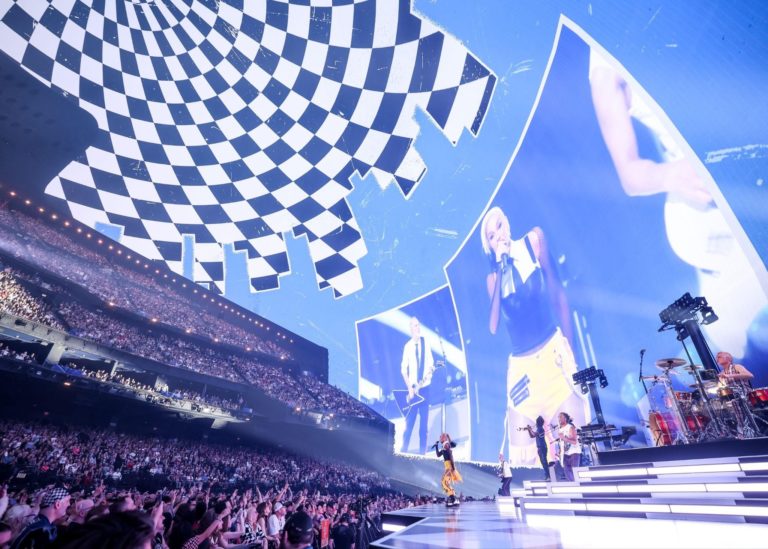
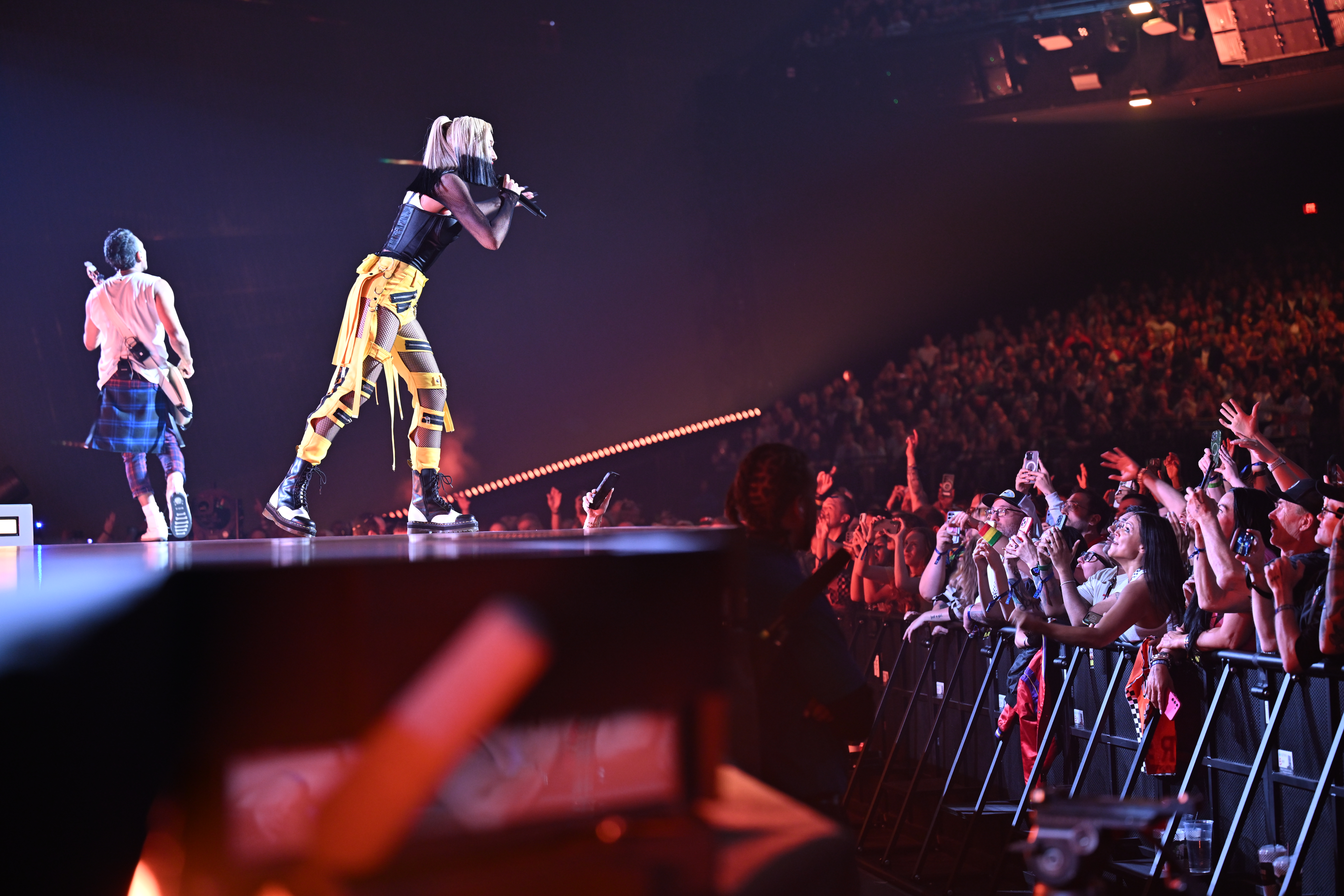
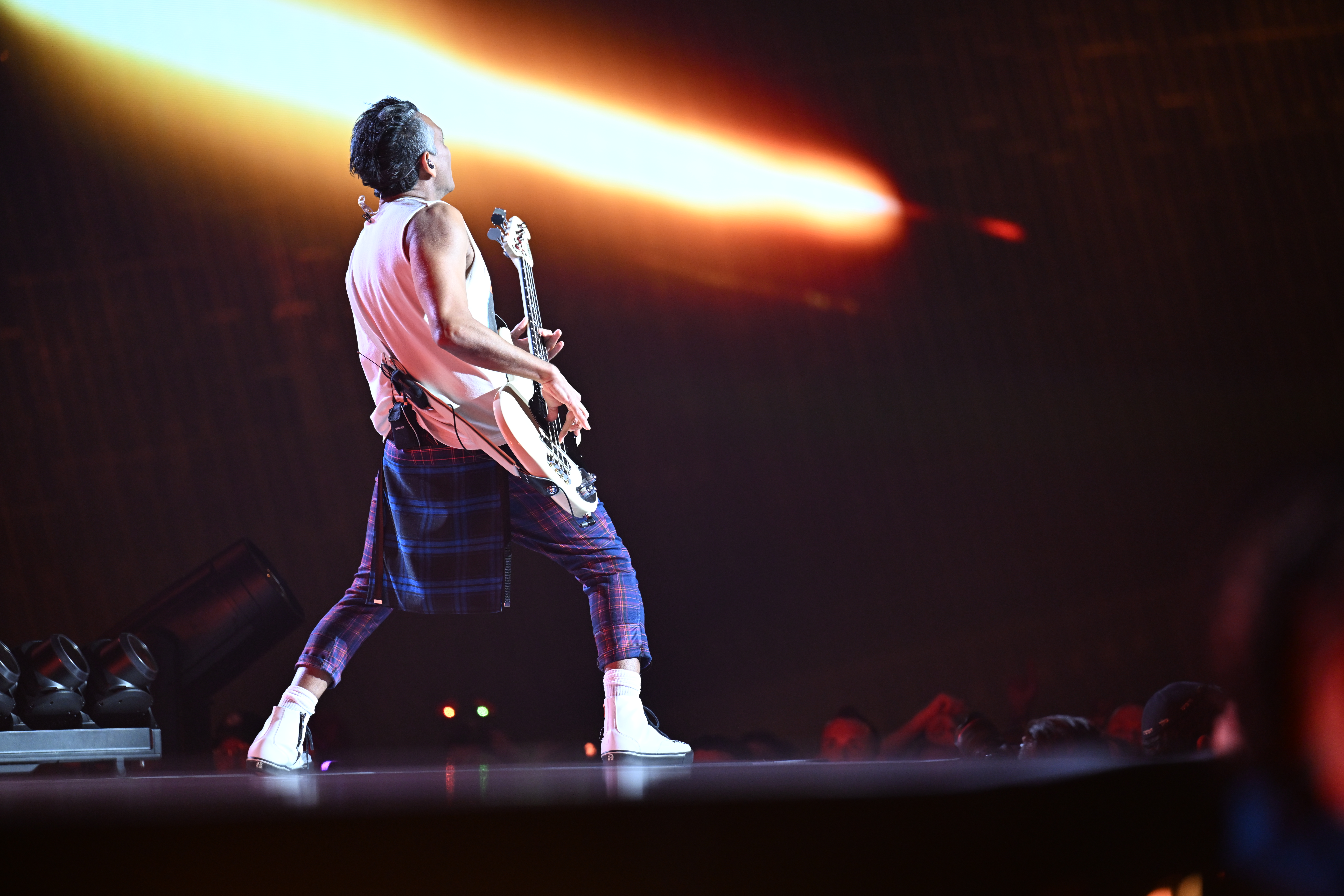
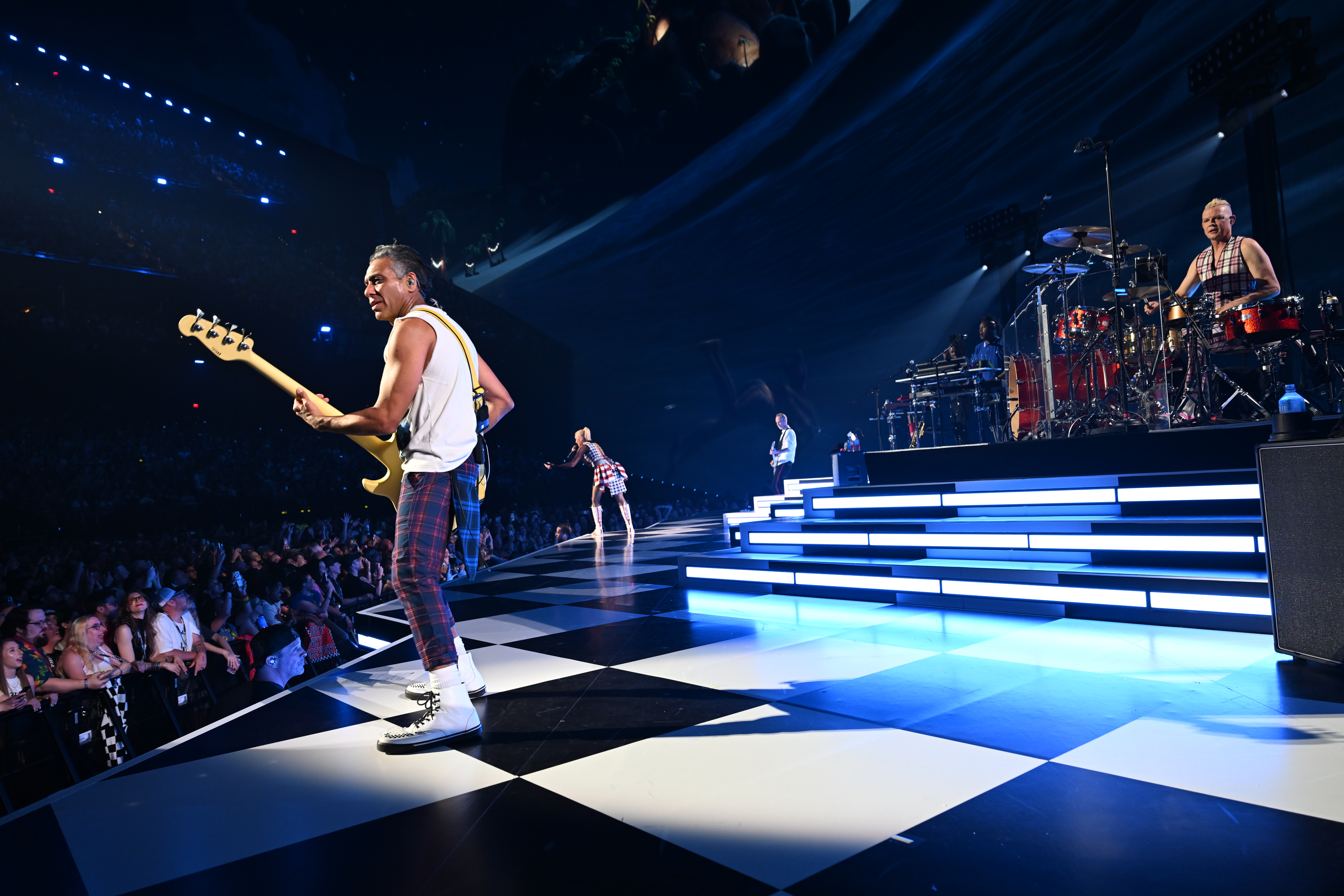
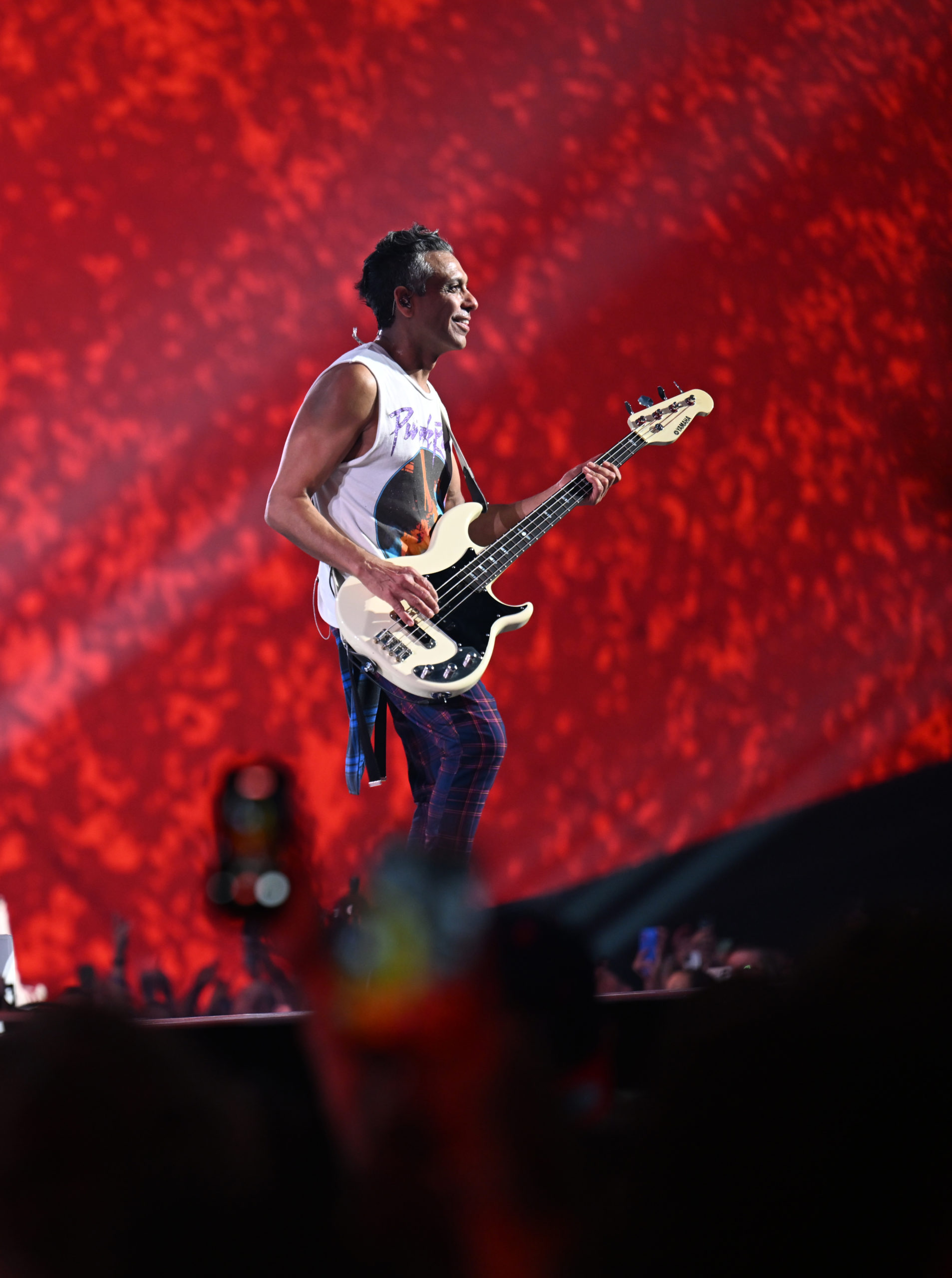
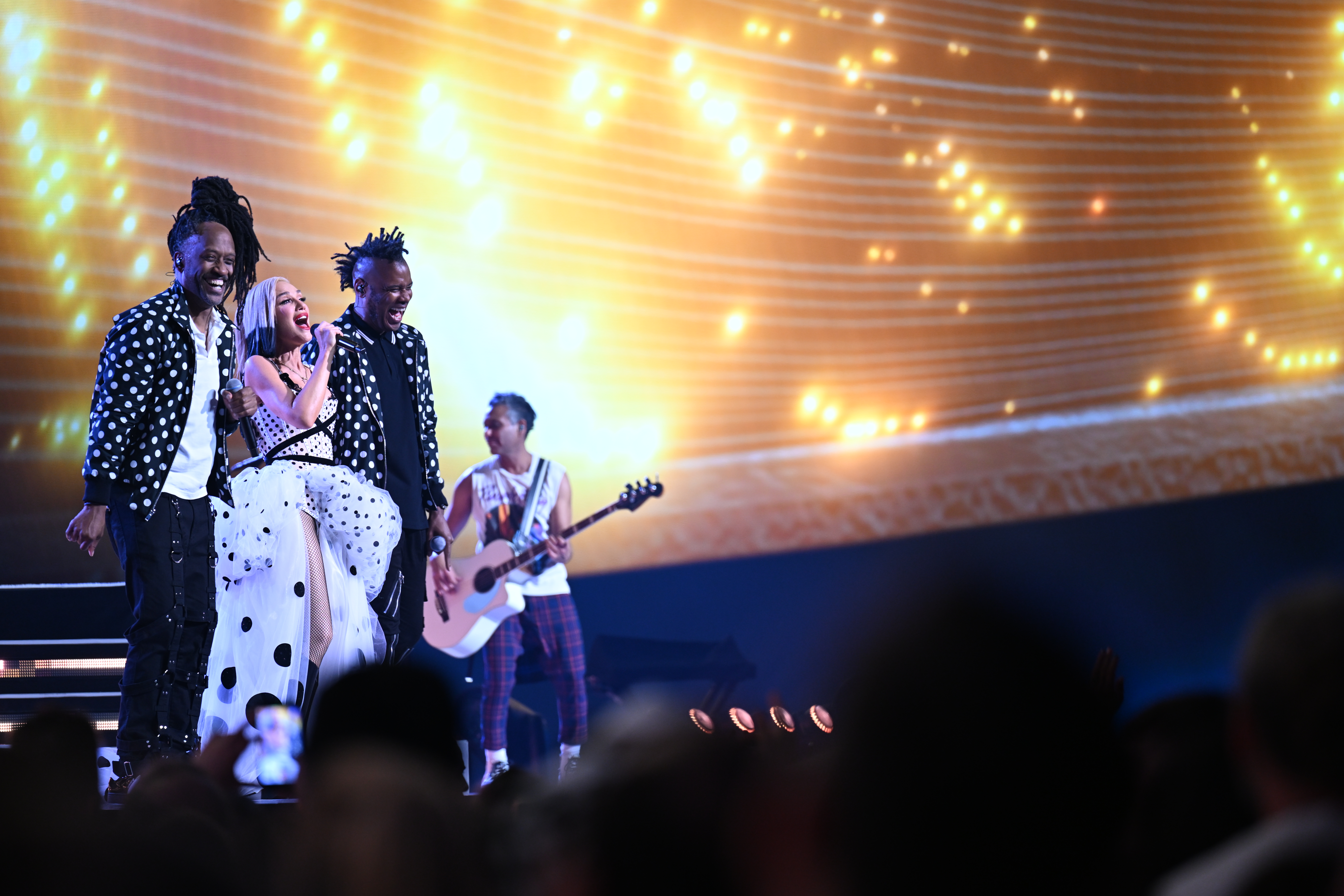
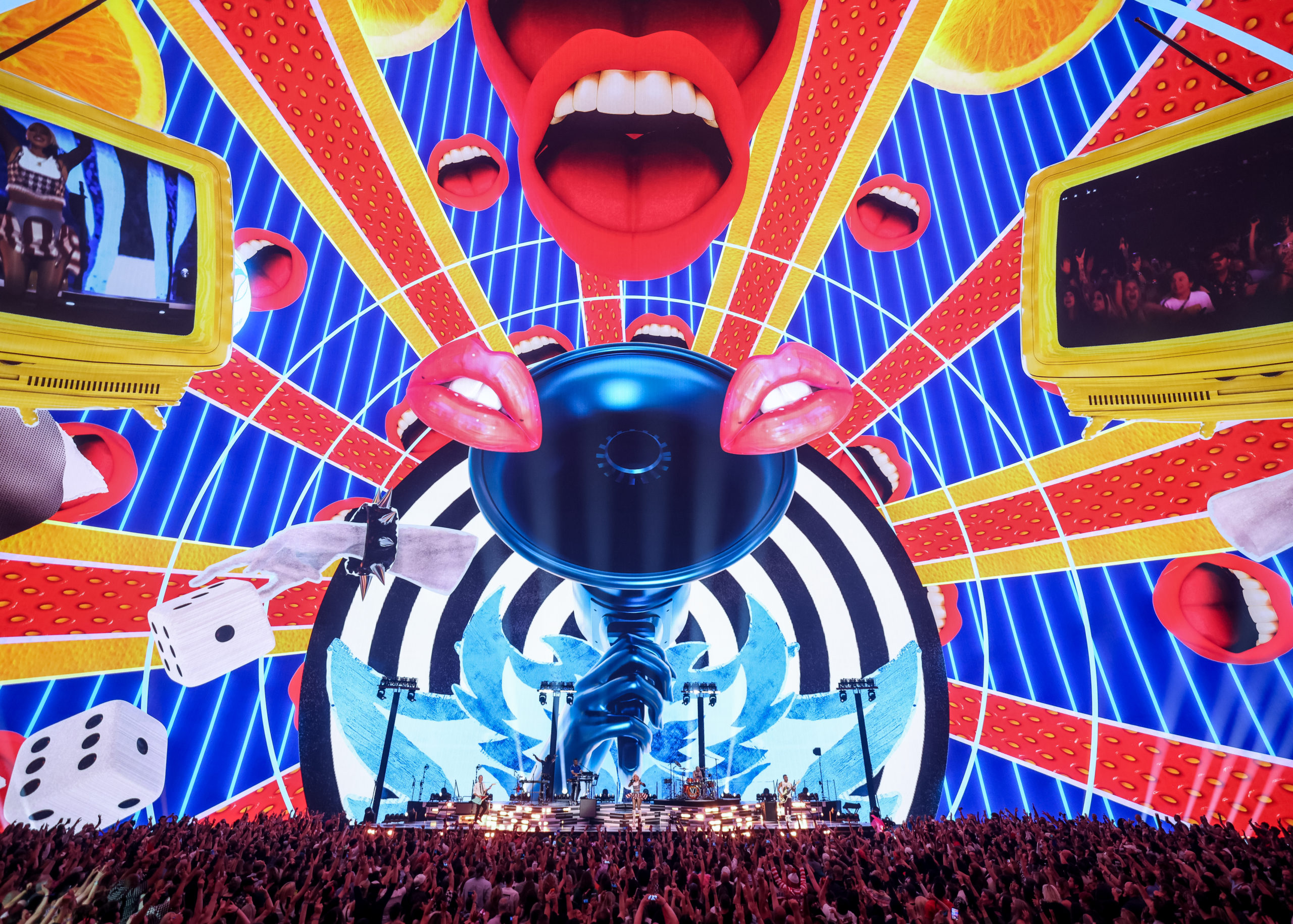
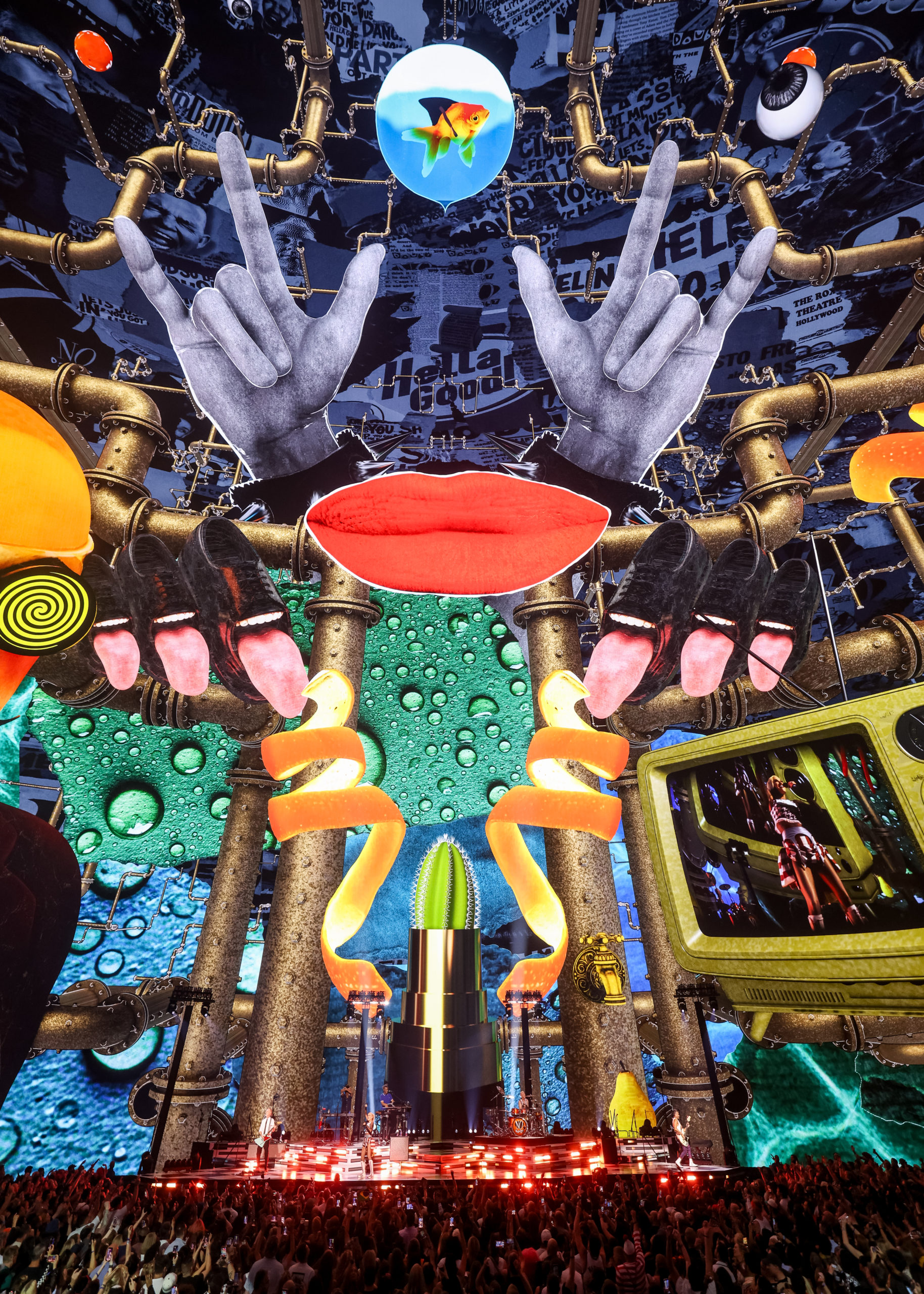
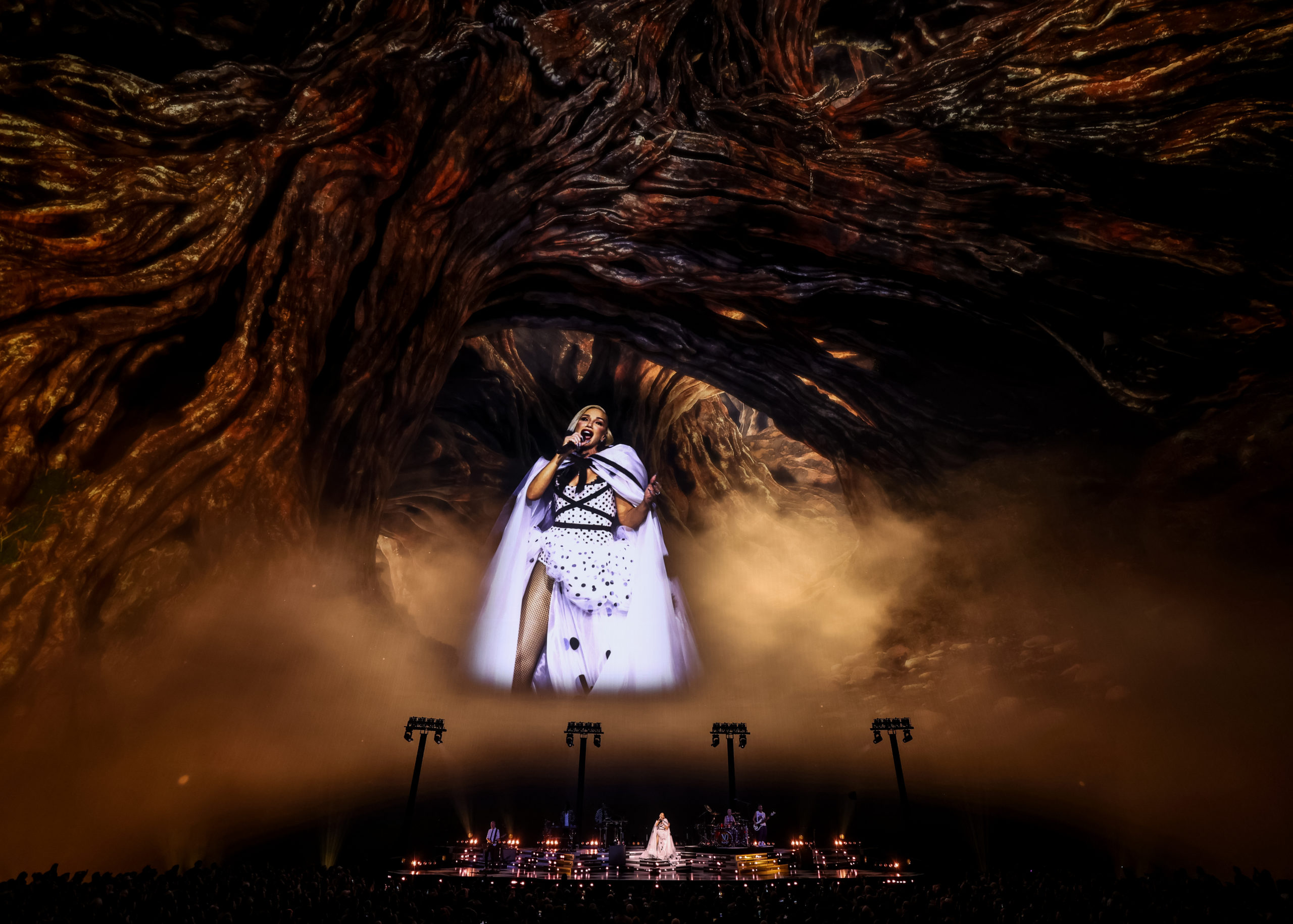
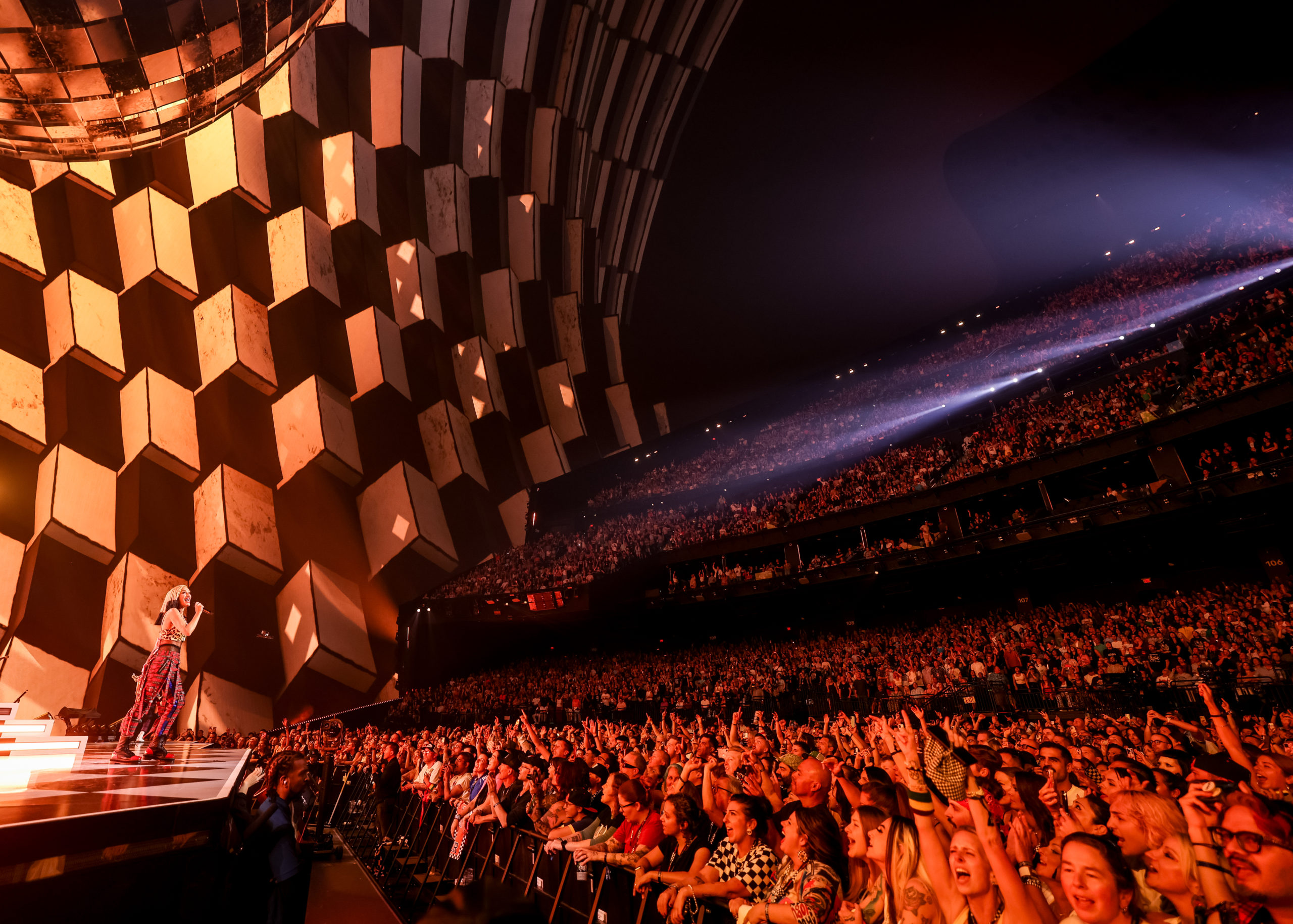
No Doubt walked onto the Sphere stage in Las Vegas on Wednesday night and opened with “Tragic Kingdom,” a song the band hadn’t performed live in nearly 20 years. That’s how you start a residency. The show was the first of 18 dates at one of the most technologically advanced venues in the world, and it delivered on every level.

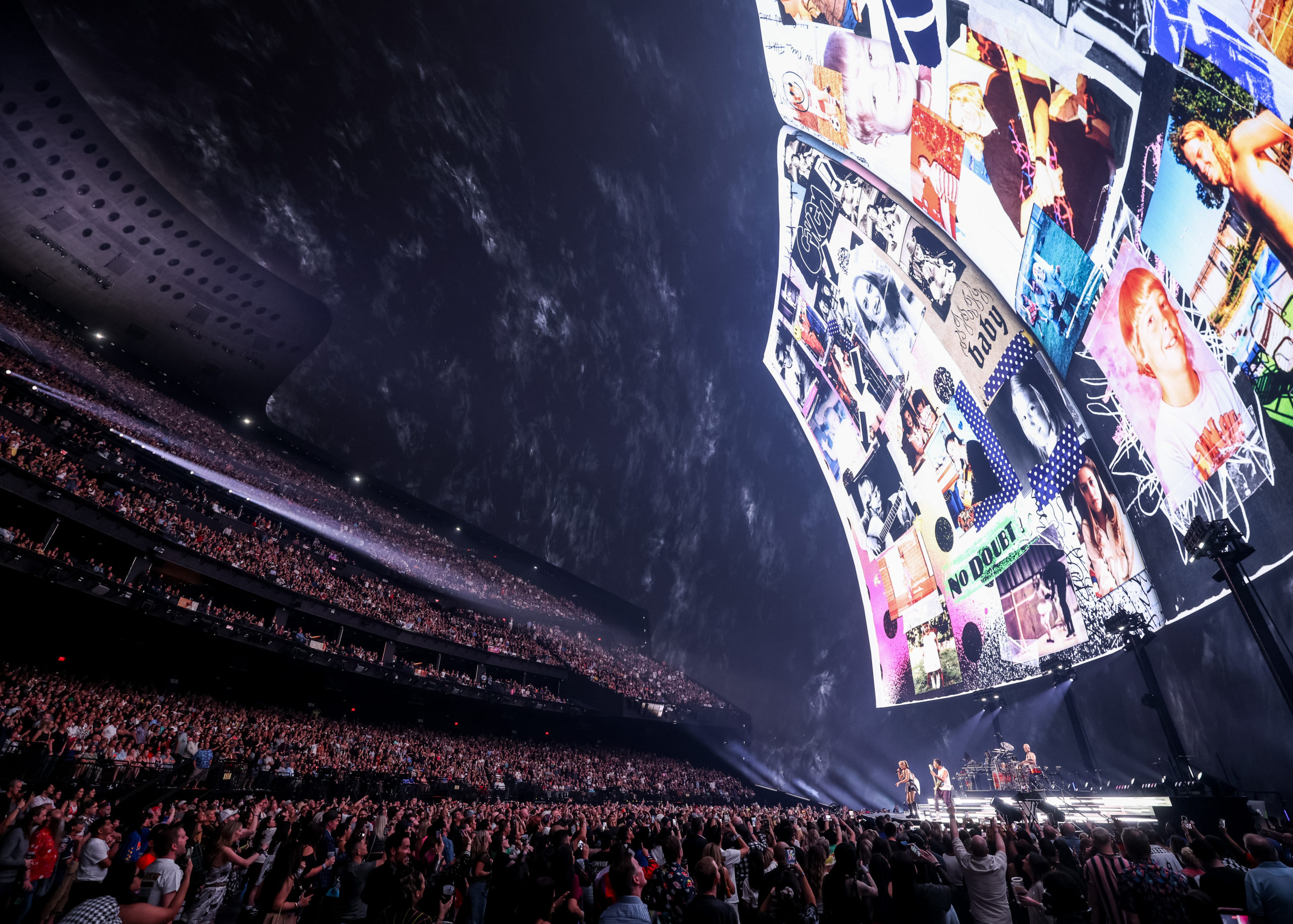
Gwen Stefani, Tony Kanal, Tom Dumont, and Adrian Young tore through fan favourites including “Don’t Speak,” “Hella Good,” “Ex-Girlfriend,” and “Just A Girl,” backed by Sphere’s fully immersive LED display and Sphere Immersive Sound system. Archival footage dating back to the band’s late-80s beginnings ran throughout the show, making it feel like both a celebration and a statement.

The residency marks No Doubt’s first extended run of shows in nearly 14 years, following their 2012 Seven Night Stand in Los Angeles. It arrives on the heels of the 30th anniversary of ‘Tragic Kingdom’, the breakthrough album that defined an era and continues to connect with audiences worldwide. The band also becomes the first female-led act to headline Sphere.

Their return has been building. Reunion performances at Coachella in 2024 and FIREAID in early 2025 reestablished the band’s presence before this Las Vegas run. Sphere is the right room for a catalog this big and a visual identity this strong. The venue wraps the audience in sound and image in a way that few acts have the material to fully justify. No Doubt does.

Running alongside the residency is The No Doubt Experience, an immersive pop-up developed with Vibee and located in The Summit Showroom at The Venetian Resort Las Vegas. The exhibit features more than 500 artifacts from the band’s archives, interactive installations, and archival storytelling tracing their full evolution. It’s free and open to the public, with added access for Vibee VIP pass holders.

The residency runs through Saturday, June 13. Tickets and information are available at nodoubt.com.

Live at Sphere — Remaining Dates:

Friday, May 8, 2026

Saturday, May 9, 2026

Wednesday, May 13, 2026

Friday, May 15, 2026

Saturday, May 16, 2026

Thursday, May 21, 2026 (Memorial Day Weekend)

Saturday, May 23, 2026 (Memorial Day Weekend)

Sunday, May 24, 2026 (Memorial Day Weekend)

Wednesday, May 27, 2026

Friday, May 29, 2026

Saturday, May 30, 2026

Wednesday, June 3, 2026

Friday, June 5, 2026

Saturday, June 6, 2026

Wednesday, June 10, 2026

Friday, June 12, 2026

Saturday, June 13, 2026

All Photos below by Matt Starkey

All Photos below by John Shearer

Mary J. Blige Adds Ten More Las Vegas Dates After Her Residency Opens to Sold-Out Crowds

0

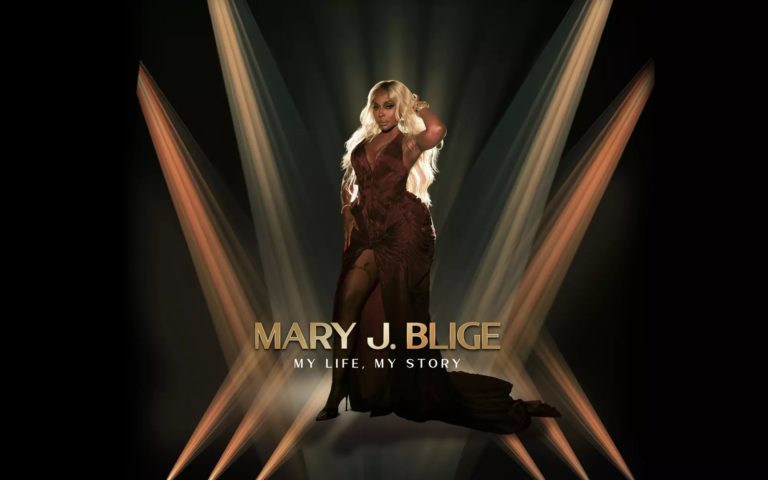
Mary J. Blige sold out her opening weekend in Las Vegas, and the demand didn’t stop there. Ten additional performances of Mary J. Blige: My Life, My Story The Las Vegas Residency have been added at Dolby Live at Park MGM, with new dates running August 28 through September 6 and October 23–31. Presales are open now, with general sale opening Monday, May 11 at 10 a.m. local time.

The residency is a full career retrospective, backed by a powerhouse live band, dynamic dancers, and a production built to match the scale of her catalog. Hits including “Family Affair,” “Be Without You,” “Real Love,” and “I’m Goin’ Down” anchor a show that moves through three decades of some of the most essential R&B music ever recorded. Blige’s voice, her raw storytelling, the whole thing lands exactly as it should in Dolby Live’s 5,200-seat room.

The opening weekend set a high bar. Surprise appearances from The Lox, Method Man, Jadakiss, and 50 Cent turned already-sold-out shows into genuine events. Each performance promises new surprises and special collaborations. A limited number of tickets remain for the previously announced May and July dates.

Britpop Icons Ash Celebrate 30 Years of ‘1977’ With Expanded Edition and Global Tour

0

Thirty years ago, three teenagers from Northern Ireland released a debut album that became one of the defining records of the Britpop era. ‘1977’ hit number one, went platinum, and gave the world “Girl From Mars,” “Goldfinger,” “Kung Fu,” and “Oh Yeah.” Ash are marking the anniversary properly, with an expanded edition of the album and a global tour that runs from September through December 2026.

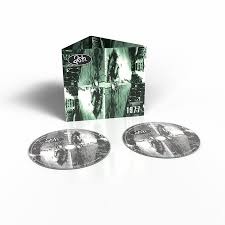
The 30th Anniversary Edition comes in three formats. The 2LP EcoRecord Green and Black ‘InkPlosion’ vinyl presents the original album on LP1, with a curated collection of B-sides on LP2, including “Day Of The Triffids,” “Luther Ingo’s Star Cruiser,” “Cantina Band,” and “T Rex.” The 2CD Digisleeve and digital edition dig even deeper.

Disc 1 carries the original 12-track album alongside four additional recordings, including the long-lost “Bittersweet Blue,” a 2026 version of “Oh Yeah,” a 2026 demo mix of “Girl From Mars,” and an acoustic 2026 mix of “Gone The Dream.” These aren’t filler additions. They add genuine dimension to a record that still sounds urgent and melodic three decades on.

Disc 2 captures a full live performance of ‘1977’ recorded at STABAL Studios in 2021, with fan favourites from the era including “Coasting,” “Sneaker,” “American Devil,” and “Silver Surfer.” It’s a document of a band that never lost the thread of what made these songs work in the first place.

The global 1977 tour kicks off in September, with dates across Australia, New Zealand, Southeast Asia, and Europe, wrapping in the UK and Ireland in December. Japanese dates are to be announced. Presale opens May 12 and general sale begins May 15.

Also already in the books, Ash performed a live acoustic streamed concert on May 6 from Belfast’s Oh Yeah Centre, 30 years to the day since ‘1977’s’ original release. The evening was hosted by BBC Introducing’s Taylor Johnson, who guided the band through the stories behind the music.

The 30th Anniversary Edition of ‘1977’ is available on 2LP vinyl, 2CD Digisleeve, and digitally.

2026 Tour Dates:

September – Australia, New Zealand, Southeast Asia (dates TBA)

October/November – Europe (dates TBA)

December – UK and Ireland (dates TBA)

Presale: May 12

General Sale: May 15

Pop-R&B Newcomer Maria Ellis Maps Out Heartbreak One Single at a Time With “Relapse”

0

Maria Ellis knows exactly what she’s building. “Relapse,” her new single, is one piece of a larger sequence of songs designed to map a relationship from beginning to end, each release adding context to the last. It’s an ambitious structure, and “Relapse” makes a strong case that she can pull it off.

The song occupies the tension between knowing better and doing it anyway, without pushing toward resolution. That’s a harder emotional register to sustain than either regret or defiance, and Ellis holds it with real control. The hook loops back on itself in a way that mirrors the theme, each pass carrying a bit more weight than the one before.

Musically, “Relapse” lands in a sleek pop-R&B hybrid with clear roots in early-2000s radio, rhythmic structure, layered vocals, and all, but the production stays minimal enough to feel current rather than nostalgic. Nothing in the track feels accidental, and that’s a direct result of Ellis working across songwriting, production, and arrangement herself.

Her debut EP ‘Ultrabaddie’ introduced a more self-possessed, assertive version of her voice. “Relapse” complicates that, which makes the overall project feel more complete and more honest. A songwriter who came up prioritizing expression over technical form, Ellis has been building toward this kind of emotional specificity since the start.

There’s a lived-in quality to the detail here. Writing as a way to process anxiety and loss shaped her instincts early, and those instincts still drive the work. “Relapse” is polished, but it doesn’t sand down the edges that make it real.

imagineNATIVE 2026 Rolls Out Six Special Events and 25 Media Arts Works Across Toronto

0

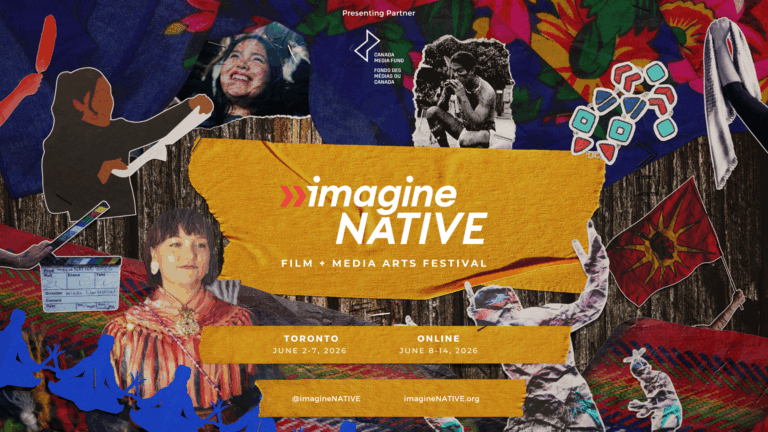
The imagineNATIVE Film + Media Arts Festival runs June 2–7 in Toronto and June 8–14 online, and the special events and media arts programming announced today match the ambition of the film slate. Six special events, 25 interactive digital works and audio experiences, and all of it open to the public. Tickets and full details are at imagineNATIVE.org.

The festival opens Tuesday, June 2 with the annual Welcome Gathering at the Spadina Museum. Performances by the Skye Dancers, food catered by PowWow Cafe, and an Indigenous artisan market set the tone for the week. That evening, the Opening Night Party moves to Malaparte on King West, with music from Six Nations singer-songwriter James N. Wilson and Ojibwe/Blackfoot DJ, producer, and performer Classic Roots. The CN Tower will be lit in imagineNATIVE’s red, blue, and turquoise for the occasion.

The free iNdigital Space + Arcade exhibition opens June 3 at the TIFF Lightbox and runs through the festival. Fourteen works spanning VR, interactive installations, video games, and projections make up the Official Selection. Standouts include Skins in the Game by Skawennati (Kanien’kehá:ka) and Jason Edward Lewis (Hawaiian/Samoan), examining misrepresentations of Indigenous people in video games, and Blood Quantum Physics by Feather Miigwans (Anishinaabe), a speculative fulldome work where Indigenous cosmology meets quantum science.

Eleven audio works accompany the interactive exhibition, drawing from podcasts and original music by artists including Jana Schmeiding (Cheyenne River Lakota Sioux), Brian Bahe (Hopi/Tohono O’odham/Navajo), The Aunties Dandelion (Kanyen′kehá:ka – Six Nations), Melaw Nakehk’o (Dene/Dënesųłiné), Jayne King and Taylor Tutawa Mclaren (both Māori), Kim Wheeler (Anishinaabe/Mohawk), January Rogers (Mohawk/Tuscarora Six Nations of the Grand River), and others.

The Art Crawl returns Thursday, June 4, now in its 12th year as a festival staple. Seven artist-run galleries participate, including Gallery TPW, A Space Gallery, Gallery 44, Market Gallery, YYZ Artists’ Outlet, and Vtape. The pay-what-you-can crawl features work from Kent Monkman (Cree), Darlene Naponse (Anishinaabe), Zachery Cameron Longboy (Sayisi Dene), Kay Nadjiwon (Anishinaabe), and several others pushing the boundaries of Indigenous storytelling in visual art.

TD Free Friday lands June 5, with all screenings across the festival available at no cost, supported by TD Bank. The annual Awards Presentation follows on the afternoon of June 6 at the TIFF Lightbox, hosted by Saulteaux/Cree comedian Vance Banzo. Award medallions and lanyards were created by Tuscarora WoodWorks and Two Hearts Beadwork, respectively.

Closing out the special events is The Beat, a live concert at the El Mocambo. Gary Farmer and The Dish and Spoon Band headline, the blues-rock outfit led by acclaimed Cayuga actor and musician Gary Farmer. They’re joined by Evan Redsky, a singer-songwriter from Mississaugi First Nation, and MR SAUGA, whose work is grounded in the traditional and cultural influences of the Michi Saagiig peoples. It’s a closing night worth staying for.

Festival Dates:

In-Person: June 2–7, 2026, Toronto

Online: June 8–14, 2026

TD Free Friday: June 5, 2026 (all screenings free)

Tickets and full programming: imagineNATIVE.org

Country Legend Reba McEntire Drops the Music Video for New Single “One Night In Tulsa”

0

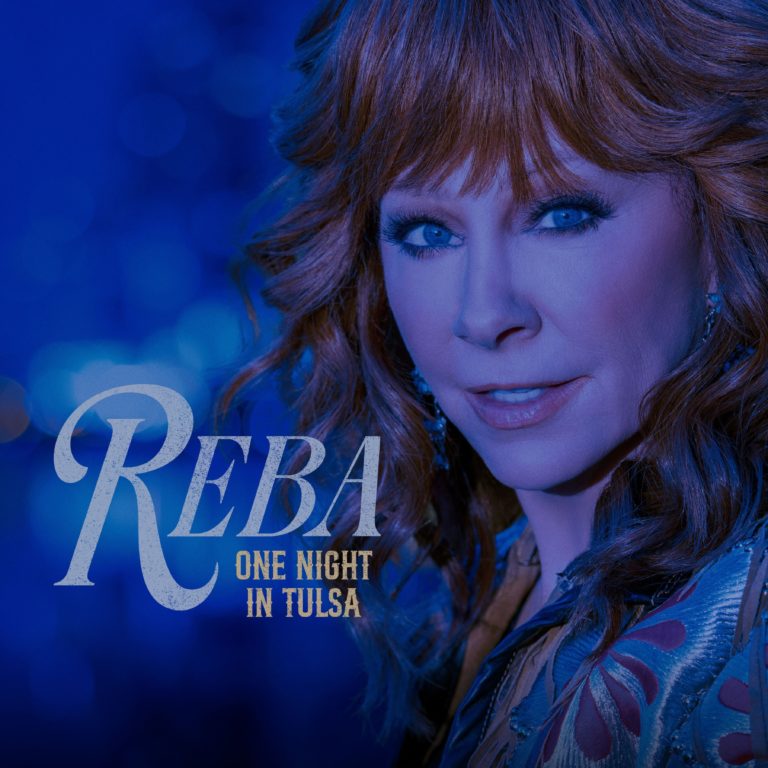
Reba McEntire just released the music video for “One Night In Tulsa,” and it’s exactly the kind of moment her five-decade career earns. Filmed during her exclusive one-night-only pop-up event, “One Night In Atoka,” the video captures a stripped-down live performance inside Reba’s Place, her restaurant, bar, live music venue, and retail store in Atoka, Oklahoma. The audience was made up entirely of sweepstakes winners, making the footage feel genuinely rare.

The song itself is a return to the ’90s Country ballads that built McEntire’s reputation as one of the genre’s most defining voices of heartbreak. “One Night In Tulsa” draws on her Oklahoma roots, and the live setting gives it an intimacy that a studio recording simply couldn’t replicate. It lands beautifully.

“One Night In Tulsa” is the title track of the ‘One Night In Tulsa EP’, the first in a series of monthly music capsules McEntire is releasing throughout 2026 to mark her 50-year career milestone. Each capsule pairs a newly recorded song with a curated selection of tracks that trace the arc of her legacy. A companion playlist, “The Making of Reba,” is available now.

The numbers behind McEntire’s career are almost hard to process. Thirty-five number one singles. Over 58 million albums sold worldwide. Sixty Top 10 hits on the Billboard Country Airplay chart, the most among female artists in the format’s history. Her Top 10 streak spans five consecutive decades, putting her in rare company alongside George Jones, Willie Nelson, and Dolly Parton.

Beyond the music, McEntire has built one of the most expansive careers in entertainment. Country Music Hall of Fame inductee. Kennedy Center Honors recipient. A critically acclaimed Broadway run in Irving Berlin’s Annie Get Your Gun. Six seasons of her self-titled sitcom. Happy’s Place, now renewed for a third season. Four seasons as a coach on The Voice. A New York Times bestselling book in Not That Fancy.

The monthly capsule rollout gives fans a structured, deepening look at what 50 years of McEntire sounds like, new music alongside the catalog, curated and connected. It’s a smart, generous way to mark a milestone this significant.

The ‘One Night In Tulsa EP’ is out now. The music video is streaming via MCA. More capsules follow monthly throughout 2026.

imagineNATIVE 2026 Unleashes Its Most Expansive Programming Yet, Spanning 56 Nations Across 20 Countries

0

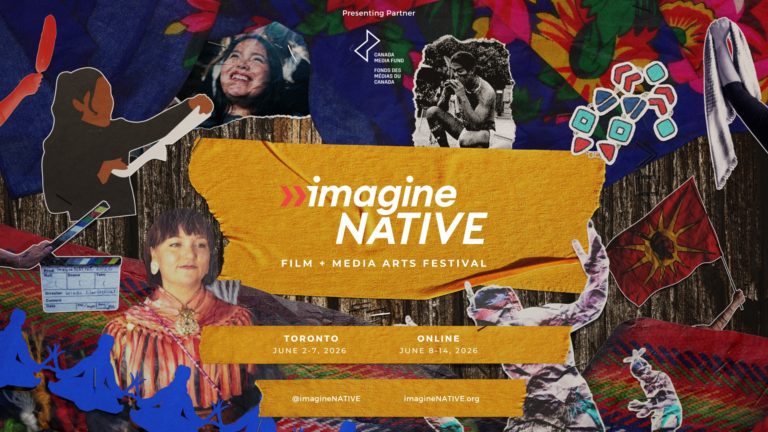
26 years in, the imagineNATIVE Film + Media Arts Festival continues to define what Indigenous screen storytelling looks like on a global stage. The 2026 edition runs June 2–7 in Toronto and June 8–14 online, with a program representing 56 Indigenous Nations across 20 countries.

This year’s festival opens with AKI, a documentary feature directed by Darlene Naponse (Anishinaabe). Shot entirely in Anishnawbemowin, the film follows the Atikameksheng Anishnawbek through the seasons, with a score by Juno Award-nominated cellist Cris Derksen and multi-instrumentalist Julian Cote. It’s an extraordinary piece of work, immersive and visually unforgettable.

Closing the festival is Uiksaringitara (Wrong Husband), the Canadian Screen Award-nominated historical drama from celebrated Inuk filmmaker Zacharias Kunuk. A traditional Inuit love story steeped in magical realism, the film features first-time actors and brings Inuit culture and folklore to life in genuinely stunning cinematic fashion.

The gothic horror film Mārama, directed by Taratoa Stappard (Ngāti Toa/Ngāti Raukawa me Ngāti Tūwharetoa), is among the major highlights. The Victorian-era debut feature, developed through the imagineNATIVE Institute’s 2020 Screenwriting Features Lab, ventures into what’s been called “Māori Gothic” territory. It screens as part of TD Free Friday on June 5, when all screenings are free.

The dramatic features lineup is deep. Ni-Naadamaadiz: Red Power Rising, directed by Shane Belcourt (Métis) and produced and co-written by Tanya Talaga (Anishinaabe), reconstructs the 1974 armed occupation of Anicinabe Park in Kenora, Ontario. Meadowlarks, directed by Tasha Hubbard (Cree), brings together Michael Greyeyes, Michelle Thrush, Carmen Moore, and Alex Rice in a story of siblings reunited after the Sixties Scoop. And Gail Maurice’s Blood Lines, her sophomore dramatic feature, is told in English and Michif and centres on a Métis community story of identity, family secrets, and reconnection.

APTN’s REZervations for Two, hosted by Scott Wabano and Kairyn Potts, makes its World Premiere as a new Indigenous blind-dating reality series, a genuinely fun and unexpected addition to the slate. It sits alongside the imagineNATIVE Originals program, showcasing new commissioned work from emerging and mid-career Indigenous filmmakers across Canada.

Special events round out the experience. The Beat, a live concert at the El Mocambo, features Gary Farmer and the Dish and Spoon Band, Evan Redsky, and MR SAUGA. The short film programs, spanning comedy, horror, family programming, experimental work, and land-based storytelling, are among the richest the festival has assembled. The youth-made shorts program includes the winning film from the 2025 imagineNATIVE Tour’s Indigenous Youth Short Film Contest.

The 2026 theme is built around urgent dialogue, resistance, truth-telling, and Indigenous knowledge as a pathway toward a shared future. Across features, shorts, and media arts, the programming delivers exactly that, with a level of ambition and range that makes this one of the most essential film festivals in the country.

2026 Festival Dates:

In-Person: June 2–7, 2026, Toronto

Online: June 8–14, 2026

TD Free Friday: June 5, 2026 (all screenings free)

Tickets and full programming: imagineNATIVE.org

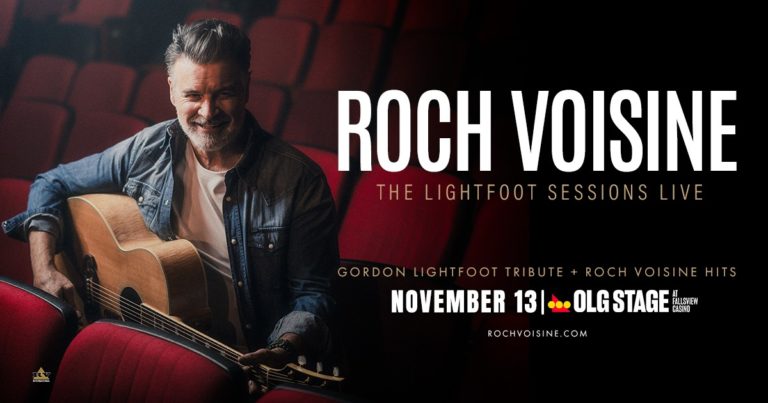
Roch Voisine Brings His Lightfoot Sessions Live Tour to Fallsview Casino This Fall

0

Roch Voisine has a catalogue that crosses borders, languages, and decades, and this November he’s bringing it all to the OLG Stage at Fallsview Casino in Niagara Falls. The show, billed as Roch Voisine: The Lightfoot Sessions Live, takes place Friday, November 13, 2026, with an 8:00 p.m. showtime. Tickets go on sale Friday, May 8 at 10:00 a.m. through ticketmaster.ca.

The evening promises Voisine’s greatest hits alongside a tribute to the legendary Gordon Lightfoot, one of Canada’s most celebrated songwriters. It’s a pairing that makes sense, two figures who shaped the soundtrack of this country in ways that still resonate.

Voisine’s story is one of genuine international reach. His breakthrough album ‘Hélène’, released in the late 1980s, topped charts across Quebec, France, and Europe, selling millions of copies worldwide. He followed that momentum with a sustained career across both French and English markets, touring major international stages and collaborating with producer David Foster.

The honours have matched the output. Voisine holds the title of Chevalier de l’Ordre des Arts et des Lettres, Officer of the Order of Canada, and an honourary doctorate in music. That’s a career measured not just in records sold, but in cultural impact.

“Roch Voisine’s music has played a defining role in Canadian and international pop culture, connecting audiences through powerful storytelling and timeless songs,” said Cathy Price, Vice President of Marketing and Resort Operations for Niagara Casinos. “This performance is a rare opportunity to experience his remarkable catalogue live, in an evening of music, emotion, and shared memories at the OLG Stage at Fallsview Casino.”

The OLG Stage at Fallsview Casino, ranked the number one venue in Canada by size, is the right room for a show this loaded with history. Five thousand seats, world-class production, and an artist who knows how to fill a stage.

Show Details:

Roch Voisine: The Lightfoot Sessions Live Friday, November 13, 2026 8:00 p.m. OLG Stage at Fallsview Casino, Niagara Falls, ON Tickets on sale May 8 at 10:00 a.m. via ticketmaster.ca

7 Songs That Feel Like a Handwritten Letter

There’s something about a handwritten letter that no text message, email, or voice note has ever quite managed to replicate. The weight of the paper. The particular slant of someone’s handwriting. The knowledge that another person sat down, slowed their breathing, and chose every word carefully just for you. These songs understand that feeling completely. Each one carries the intimacy, the vulnerability, and the raw honesty of a letter that was never meant to be read by anyone else, and somehow ended up meaning everything to everyone who heard it.

“Famous Blue Raincoat” – Leonard Cohen

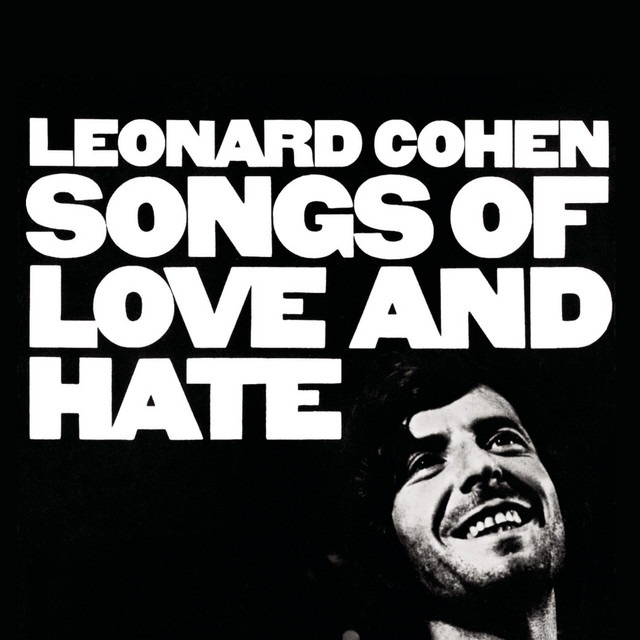
Recorded in 1971 and released on Songs of Love and Hate, this is widely considered the greatest song-as-a-letter ever written. Cohen starts with “It’s four in the morning, the end of December,” and what follows is a haunting, confessional address to a man who may have been his friend, his rival, and possibly his wife’s lover, all at once. The song ends with the signature “Sincerely, L. Cohen,” which is one of the most quietly devastating sign-offs in the history of popular music. It’s a letter written in the middle of the night by someone who has been holding something in for far too long.

“Care of Cell 44” – The Zombies

Released in 1967 on the album Odessey and Oracle, which is one of the most beloved and criminally underappreciated albums in British pop history, this song tells the story of someone counting down the days until their partner is released from prison. It’s joyful and bouncy on the surface, which makes the longing underneath it all the more affecting. The title itself is an address, the kind you’d write on an envelope, and the whole song reads like a letter slipped through a prison mail slot, full of plans and hope and the particular tenderness of someone who has been waiting a very long time.

“P.S. I Love You” – The Beatles

This was the B-side to “Love Me Do” in 1962, which means it arrived at the very beginning of everything, before the world had any idea what was coming. The lyrics are written explicitly as a letter, with lines that read as a direct message from one person to another across a distance. It’s sweet and simple and almost unbearably earnest in the way that only very early Beatles songs can be. The P.S. at the end is the detail that makes it. Anyone who has ever added a postscript to a letter knows exactly what that small gesture means.

“Return to Sender” – Elvis Presley

Released in 1962 and written by Otis Blackwell and Winfield Scott, this song captures something very specific and very human: the particular frustration of trying to reach someone who simply won’t receive you. Elvis plays a man whose love letter keeps bouncing back, stamped and redirected and ultimately undeliverable. It’s a deceptively lighthearted take on one of the most painful experiences in romantic life. There’s also something quietly funny about the postal logistics of heartbreak, which Elvis understood completely.

“Dear John” – Taylor Swift

From the 2010 album Speak Now, this is one of the most unflinching breakup letters ever set to music. It’s widely understood to be addressed to musician John Mayer, though Swift has never officially confirmed it. At nearly seven minutes long, it doesn’t rush. It takes its time the way a real letter does, working through the details, the regrets, the slow dawning realisation that something wasn’t right from the beginning. The line “don’t you think I was too young to be messed with” is the kind of sentence that takes a long time to find the courage to write.

“Hello Muddah, Hello Fadduh (A Letter from Camp)” – Allan Sherman

Released in 1963 and set to the melody of Ponchielli’s “Dance of the Hours,” this novelty song is a masterpiece of comic letter writing. It’s entirely structured as a letter home from a miserable child at summer camp, cataloguing every possible complaint with escalating hysteria before the weather improves and the whole tone flips completely. It hit number two on the Billboard Hot 100, which tells you everything about how universal the experience of a letter home from camp actually is. It’s funny and nostalgic and completely captures the specific voice of a kid who has absolutely had enough.

“If You’re Reading This” – Tim McGraw

This 2007 song might be the most emotionally direct entry on this list. It’s written from the perspective of a soldier composing a letter to be delivered to his family only if he doesn’t come home. McGraw has said the song was inspired by actual letters written by soldiers serving in Iraq and Afghanistan, and that weight is present in every line. It’s not a sad song exactly, it’s a grateful one, full of love and instruction and the particular grace of someone trying to say everything that matters in the space of a few paragraphs. It’s the definition of a final letter, and it’s almost impossible to listen to without feeling it somewhere deep.

What Is a Music Publishing Deal and Do You Need One?

If you write songs, even just for yourself, even just on weekends, even just on your phone’s voice memo app at two in the morning, you are already in the publishing business. You just might not know it yet.

That is not a scary thing. It is actually kind of exciting once you understand what it means. So let’s walk through it together, because music publishing is one of those topics that gets talked about constantly in the industry but rarely gets explained in plain language. That ends today.


What Is Music Publishing?

Music publishing is the business of owning and administering the rights to songs. Not recordings. Songs. This distinction is one of the most important things a songwriter can understand, so let’s take a moment with it.

When a record label releases an album, they typically own the master recording. That is the specific performance captured in the studio, the actual audio file. But underneath every recording is a song, a composition, which consists of the melody and the lyrics. That composition is a completely separate piece of intellectual property, and it belongs to whoever wrote it.

Music publishing is the system that manages, licenses, and collects money for that composition every single time it is used in the world. When someone streams your song, plays it on the radio, puts it in a film or television show, covers it at a live venue, or plays it in a coffee shop, money is owed to the person who wrote it. Publishing is the infrastructure that makes sure that money finds its way back to you.

According to the National Music Publishers Association, global music publishing revenues reached approximately USD $4.3 billion in 2023, driven largely by continued streaming growth. That number has been climbing steadily for years. Songs are valuable, and the world is using more of them than ever.


The Two Kinds of Rights Inside Every Song

Every song actually contains two separate copyrights, and understanding the difference will save you a lot of confusion down the road.

The first is the musical composition copyright, which covers the melody and the lyrics. The second is the sound recording copyright, sometimes called the master, which covers the specific recorded version of the song.

Music publishing deals only with the composition copyright. And within that composition copyright, there are two main income streams that flow to songwriters.

The first is the writer’s share, which always belongs to the person who wrote the song and cannot be signed away. The second is the publisher’s share, which is the portion that a publishing company administers in exchange for their services. Together these two shares make up the full publishing royalty, and understanding who controls each one is at the heart of any publishing conversation.


Where Does the Money Actually Come From?

This is the part that surprises a lot of songwriters, because publishing royalties come from more places than you might expect.

Performance royalties are generated every time your song is performed publicly, whether that means radio airplay, a live concert, a streaming platform, or background music in a business. These royalties are collected by performing rights organisations, and which one is relevant to you depends on where you are based.

In Canada, that organisation is SOCAN. In the United States, songwriters and publishers affiliate with one of three organisations: ASCAP, BMI, or SESAC, with a newer entrant called GMR also operating in that space. In the United Kingdom, the organisation is PRS for Music. In Australia it is APRA AMCOS. In France it is SACEM. In Germany it is GEMA. In Japan it is JASRAC. In Sweden it is STIM. In the Netherlands it is Buma/Stemra. In Brazil it is ECAD. In South Africa it is SAMRO. Nearly every country in the world has its own performing rights organisation, and they share data and royalties with each other through reciprocal agreements, which is how a song written in Toronto can generate royalties when it is played on the radio in Japan.

Mechanical royalties are generated every time your song is reproduced, whether that is a physical CD, a digital download, or an on-demand stream. In Canada, mechanical royalties have historically been collected through agreements involving CMRRA, the Canadian Musical Reproduction Rights Agency. In the United States, mechanical royalties for physical and download sales have traditionally been administered through the Harry Fox Agency, while streaming mechanicals are now largely handled through the Mechanical Licensing Collective, known as the MLC, which was established under the Music Modernization Act of 2018. In the United Kingdom, mechanicals are handled by MCPS, which operates alongside PRS for Music. Many countries have their own equivalent mechanical collection societies, and in some territories the performing rights organisation and the mechanical rights organisation are combined into a single body.

Synchronisation royalties, commonly called sync fees, are paid when your song is licensed for use in a film, television show, advertisement, video game, or any other visual media. These can range from very modest amounts to life-changing sums depending on the placement, and they are one of the most sought-after income streams in the modern music industry. Unlike performance and mechanical royalties, sync fees are not collected by performing rights organisations. They are negotiated directly between whoever controls the publishing rights and whoever wants to use the song.

Print royalties cover the reproduction of sheet music and lyrics, a smaller stream than the others but still worth knowing about.

The important thing to understand is that all of these royalties exist whether you have a publishing deal or not. The question is simply how effectively they are being collected.


So What Does a Music Publisher Actually Do?

A music publisher is essentially a business partner for your songs. Their job is to help you make the most of your compositions, and that work falls into a few broad categories.

Administration is the foundation of everything. A publisher registers your songs with performing rights organisations around the world, tracks where and how they are being used, collects royalties from every territory, and makes sure the money gets to you. This sounds straightforward but the global royalty collection system is genuinely complex, and a lot of money gets left on the table by songwriters who do not have someone managing this process carefully. A song that is only registered with SOCAN but not with its equivalent organisations in other territories is a song that is not earning everything it could be earning.

Pitching and placement is where publishers can add significant value for the right songwriter. A publisher with good relationships in film, television, advertising, and other media can actively pitch your songs for sync opportunities that you would never have access to on your own.

Co-writing and creative development is something the best publishers take seriously. Connecting you with other writers, getting you into sessions, and helping you grow as a songwriter is part of the relationship at many publishing companies.

Licensing is the process of granting permission for others to use your songs and negotiating the terms and fees involved. A good publisher handles this on your behalf so you can focus on writing.


What Kinds of Publishing Deals Exist?

There are a few main structures you will encounter, and they vary quite a bit in terms of what you give up and what you get in return.

A full publishing deal is the traditional arrangement where you assign your publisher’s share of copyright to the publishing company for a period of time. In exchange, the publisher provides an advance against future royalties, actively pitches your songs, and handles all administration. This is the deal that historically came with the most support but also the most significant transfer of rights.

A co-publishing deal is a more songwriter-friendly version of the full publishing deal. In this arrangement, you retain a portion of the publisher’s share, often fifty percent, while the publisher retains the other portion. You still receive an advance and the full suite of publisher services, but you hold onto more of your long-term rights. Co-publishing deals have become increasingly common as songwriters have become more informed about the value of what they are signing away.

An administration deal is the lightest touch option and has become very popular in the modern era. Here, you retain full ownership of your copyrights entirely. You simply hire a publisher to administer your catalogue, meaning they handle registration, collection, and licensing on your behalf, in exchange for a percentage of royalties collected, typically somewhere between ten and twenty-five percent. You give up nothing permanently and can move on when the term expires.

A self-publishing arrangement means you handle everything yourself, either directly or through a service. Platforms like DistroKid, TuneCore, and Songtrust offer varying levels of publishing administration support for independent artists who want to stay in full control. Songtrust in particular is worth mentioning here because it specialises in global publishing administration, registering your songs with collecting societies in over 245 territories so that your royalties are being captured wherever your music is being heard. This requires more attention and effort on your part but keeps all the money and all the rights in your hands.


Do You Actually Need a Publishing Deal?

This is the honest answer: it depends on where you are in your career and what you need right now.

If you are early in your journey as a songwriter, the most important thing you can do is make sure you are registered with your local performing rights organisation. In Canada that is SOCAN. In the United States, choose between ASCAP, BMI, or SESAC and register there. In the UK, join PRS for Music. In Australia, join APRA AMCOS. Wherever you are in the world, find your local PRO and get your songs registered. It is almost always free for songwriters to join, and there is simply no good reason to delay it.

You do not need to rush into any deal. Take the time to understand what your songs are worth and what you actually need help with before you sign anything.

If your songs are getting placed in media, being covered by other artists, or getting meaningful streaming numbers, a publishing administrator can be genuinely useful even if you are not ready for a full publishing relationship. Getting your catalogue properly registered across multiple territories and making sure you are capturing royalties from around the world is worth the administrative percentage many times over. A song generating streams in Germany that is not registered with GEMA is a song leaving money on the table.

If you are a prolific songwriter who wants to be in rooms with other writers, who wants someone actively working to place your songs, and who is ready for a real creative and business partnership, a co-publishing or full publishing deal with the right company could be a wonderful thing. The key words there are the right company. This is a relationship, and like any good relationship, fit and trust matter enormously.

If you sign a publishing deal, a few things are worth paying close attention to. Understand exactly what portion of your copyright you are assigning and for how long. Know what happens to those rights when the deal term ends, this is called reversion and it varies significantly from contract to contract. Make sure the advance being offered reflects a realistic expectation of what your catalogue will earn. And please, talk to a music lawyer before you sign anything. In Canada, organisations like Music Publishers Canada and the Songwriters Association of Canada are excellent starting points for finding the right guidance. In the United States, the National Music Publishers Association and the Songwriters Guild of America offer resources and referrals. In the UK, the Music Publishers Association and the Musicians’ Union can point you in the right direction.


A Few Things Worth Knowing

One of the most common mistakes songwriters make is failing to register their songs promptly and properly. Registration with your performing rights organisation is free and straightforward, and there is simply no reason to delay it. Every unregistered song is a song that may not be earning what it should. And if your music is reaching listeners in other countries, it is worth understanding whether those territories have their own registration requirements or whether your home PRO handles the international collection on your behalf through its reciprocal agreements.

Split sheets are another thing worth taking seriously from the very beginning. Any time you write a song with another person, document the ownership split in writing immediately, before the song goes anywhere. Disputes over songwriting splits are one of the most common and most painful conflicts in the music business, and a simple split sheet signed by everyone involved can prevent years of headaches.

The music publishing landscape has changed significantly in recent years. Streaming has reshaped royalty flows in ways that are still being sorted out at the policy and legislative level in countries around the world. The Music Modernization Act in the United States was a meaningful step forward for how streaming mechanicals are collected and distributed. Similar conversations are happening in Canada, the European Union, and elsewhere. Artificial intelligence is raising new questions about authorship and rights that the industry is only beginning to grapple with. And the catalogue acquisition boom of the past several years, with major funds and investors paying enormous multiples for the publishing rights to proven song catalogues, is a reminder of just how valuable songs can be over the long term.

All of which is to say: your songs are worth understanding, worth protecting, and worth building a proper business around. You do not need to have it all figured out on day one. But you do need to start paying attention. Because the money is there if you know where to look for it.