Home Blog Page 30

YouTube Rolls Out New Creator Tools Designed to Help Musicians Grow Their Audience

YouTube has quietly rolled out a meaningful batch of new features for 2026, and musicians paying attention will find several worth acting on immediately. The updates touch live streaming, content discovery, collaboration visibility, and shopping integration, covering enough ground to shift how artists manage their channels day to day.

The collaboration feature is one of the more useful additions. Creators can now add collaborators directly to videos, with those collaborators appearing beneath the video title alongside Subscribe buttons. For smaller artists looking to build audience through featured appearances or joint releases, this makes those relationships visible in a way that actually drives discovery.

Live streamers get a few notable upgrades. Practice Mode lets creators test audio, lighting, and setup before going live, with no audience present and a direct path into a real broadcast when ready. Side-by-side ads for live streams are also rolling out, running alongside the stream rather than cutting to full-screen interruptions, which keeps viewers in the moment while still generating revenue. Mobile live streams can now also auto-generate Short highlight clips, a straightforward way to extend a stream’s reach into the Shorts feed.

On the content side, A/B testing for titles and thumbnails is now available to all eligible creators, with tests launching automatically on new videos. Thumbnail file limits have jumped from 2MB to 50MB, supporting 4K uploads that hold up on larger screens. The new Effect Maker tool lets eligible creators build and publish custom effects for Shorts, opening another path to visibility and audience growth.

YouTube’s shopping integration has also expanded, with product tagging now available across long-form videos, Shorts, and live streams. It’s a direct monetization path for artists selling merchandise or gear, with minimal friction between the content and the purchase.

The Dreamboats Are Touring North America and Bringing Real Rock ‘n’ Roll With Them

0

The Dreamboats have announced their 2026 tour dates, and if you’ve never caught this quartet live, now’s the time to fix that. Originally from Canada and now based in California, the four-piece has carved out a serious reputation as one of the most exciting retro acts working today, bringing the energy and showmanship of 1950s and 60s rock ‘n’ roll to stages across North America with zero compromise.

This isn’t a tribute show or a costume party. All four members sing, play their own instruments, and deliver a full live performance packed with guitar solos behind the back, choreographed dance moves, splits, and handstands. They venture into the crowd, serenade fans, and create the kind of spontaneous, communal moments that most modern shows have completely forgotten how to deliver.

Frontman Johnny Fiacconi puts it plainly: “If the suit isn’t drenched by the end of the show, we didn’t do our job.” That commitment shows. The band has performed at Liverpool’s legendary Cavern Club, where The Beatles built their early reputation, and they’ve earned co-signs from people who were actually there the first time around. Ronnie Hawkins called them the best old-style rock ‘n’ roll group he’d ever seen. That carries weight.

The Dreamboats are a live act built for exactly the kind of crowd that wants to feel something. The harmonies are real, the solos are real, and the fun is genuine. Seeing them once tends to make people come back.

The 2026 tour runs from April through August, with stops across the U.S. and Canada. More dates are expected to be announced.

The Dreamboats 2026 Tour Dates:

Monday, April 13 — Las Vegas, NV — Clark County Library

Tuesday, April 14 — Kingman, AZ — Beale Street Theater

Friday, April 17 — Palm Springs, CA — Cascade Lounge

Saturday, April 25 — Santa Fe Springs, CA — Heritage Park Art Fest

Friday, May 1 — Twin Falls, ID — CSI Fine Arts Auditorium

Friday, May 29 — Northglenn, CO — Parsons Theatre

Saturday, May 30 — Parker, CO — The Schoolhouse Theater

Friday, June 5 — Bremerton, WA — Admiral Theatre

Saturday, June 13 — Mandan, ND — Buggies-N-Blues, Dykshoorn Park

Thursday, June 18 — Springfield, OH — Summer Festival, Veterans Park Amphitheater

Saturday, July 4 — Palmdale, CA — Palmdale Amphitheater

Thursday, July 9 — El Monte, CA — City of El Monte

Sunday, July 26 — Orinda, CA — Orinda Theatre

Wednesday, Aug 5 — Temple City, CA — Temple City Park

Wednesday, Aug 19 — Peterborough, ON — Peterborough Musicfest

Friday, Aug 21 — Newmarket, ON — Summerfest On Main

French Electronic Royalty Daft Punk and Justice Get the Ultimate Mashup Treatment From DJ dk darkly

0

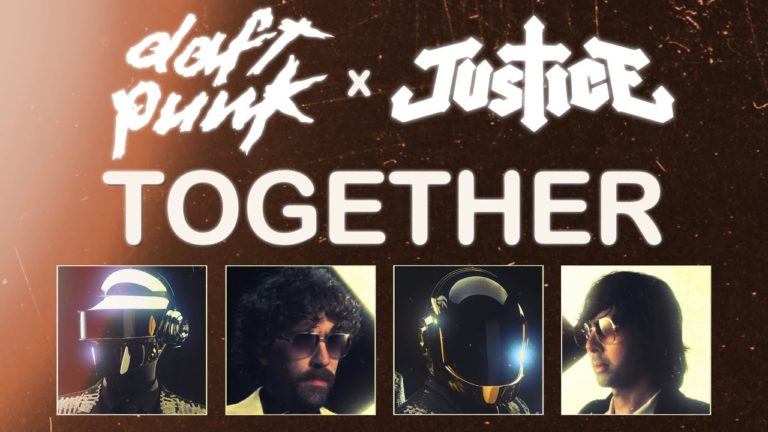
DJ dk darkly has done what the universe never quite managed to arrange on its own. Nearly two hours of Daft Punk and Justice, woven together into a single continuous mix that treats both catalogs with the respect they deserve. The two French electronic duos have always occupied neighbouring sonic territory without ever formally colliding, and this mashup makes the case that they were always meant to share the same dancefloor.

Bruno Mars Launches ‘The Romantic Tour’ in Las Vegas With a Surprise Silk Sonic Reunion

0

This weekend, 16x GRAMMY-winning global superstar Bruno Mars kicked off his record-breaking, highly anticipated global outing, The Romantic Tour, with the first of two sold-out shows in Las Vegas at Allegiant Stadium. Marking Bruno’s first full headline tour in nearly a decade, the electrifying performance featured a career-spanning setlist of fan favorites alongside new tracks from his hit #1 Billboard album, The Romantic, released February 27, 2026, via Atlantic Records.

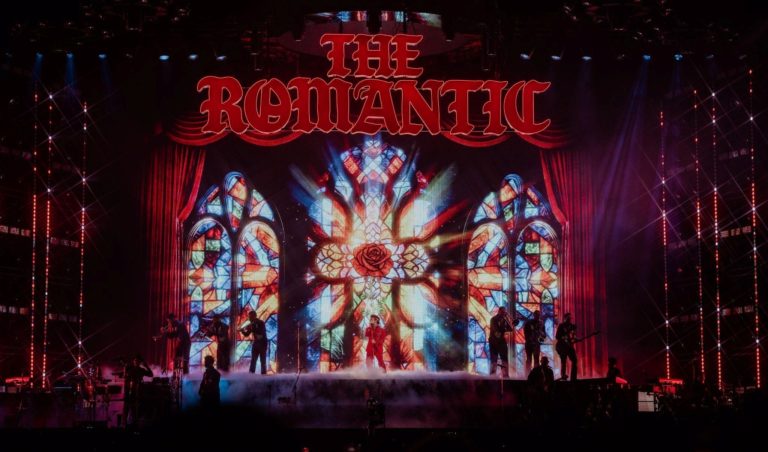
The show delivered a stunning production, blending cinematic staging, dynamic lighting, and immersive design elements that elevated the live experience. It opened with three fan favorites from his latest release, The Romantic—“Risk It All,” “Cha Cha Cha,” and “On My Soul.” Backed by an expanded 12-piece band, the set featured reimagined versions of hits including “24K Magic,” along with a high-energy retro remix of “Perm” and “Finesse.” “Why You Wanna Fight” brought a theatrical moment to the stage, complete with a thunderstorm, lightning effects, and a lowrider cruising down “Bruno Mars Drive.” 

image.jpeg
Photo Credit: Daniel Ramos

A full Silk Sonic segment with Bruno and Anderson .Paak took place midway through the show, marking the duo’s first live performance together outside of their 2022 Las Vegas residency. The five-song set opened with “Blast Off,” and continued with “777,” “Fly As Me,” and “Smokin’ Out the Window,” before closing with a stirring rendition of the chart-topping hit “Leave The Door Open.”

Spanning his extensive catalog, the show mixes new material with updated versions of fan favorites, providing a timeless, classic performance.

The show also featured support from GRAMMY Award winner Leon Thomas, who delivered an incredible set featuring favorites from his latest release, MUTT. Throughout the tour, fans can also expect performances from Victoria Monét and RAYE on select dates.

Ahead of opening night, the Las Vegas Strip and Clark County honored Bruno Mars with a series of celebrations and recognitions, highlighting his unique and lasting impact. April 10 was officially declared “Bruno Mars Day,” recognizing his deep roots and ongoing connection to the city. The festivities began with a high-energy parade down Las Vegas Blvd., which culminated in a ceremony and surprise performance at Toshiba Plaza. During the ceremony, he was presented with a key to the Las Vegas Strip—an honor reserved for those who have made a lasting contribution to the city’s cultural legacy. The presentation was led by senior officials, including Nevada Governor Joe Lombardo and Clark County Commissioner Jim Gibson, reflecting the significance of the recognition and Bruno’s deep connection to Las Vegas.

In a rare tribute, Park Avenue was officially renamed Bruno Mars Drive—joining the tradition of streets dedicated to iconic entertainers in the city, including Elvis Presley, Frank Sinatra, Dean Martin, and Sammy Davis Jr. The recognition underscores Bruno’s longstanding relationship with Las Vegas, where he has performed for more than a decade, including his residency at Dolby Live at Park MGM, which has drawn over 800,000 fans. 

image.jpeg
Photo Credit: John Esparza

“Bruno Mars isn’t just a global superstar—he’s one of the most electrifying performers of our time, and over the past decade he’s become an integral part of Las Vegas,” said Bill Hornbuckle, CEO & President of MGM Resorts International. “From his early performances at Bellagio and MGM Grand to his record‑setting residency at Dolby Live, Bruno has drawn hundreds of thousands of visitors and has created the kind of unforgettable, ‘only in Vegas’ moments that define this city. It’s only fitting that we help launch his world tour here today as we honor his extraordinary impact on Las Vegas and the energy he brings to our community.”


In a powerful moment during the ceremony, Bruno announced a $1 million donation to the future Intermountain Health Nevada Children’s Hospital, supporting lifesaving care, advanced pediatric programs, and expanded access for children and families across the state.

In the lead-up to the tour launch, a series of fan-focused moments took place around the city, including a limited-time Hello Kitty x Bruno Mars pop-up at The Shoppes at Mandalay Place, where fans had the opportunity to meet Hello Kitty and shop exclusive, limited-edition merchandise, alongside Hello Kitty and Bruno Mars–themed café experiences across Las Vegas. Following its Las Vegas debut, the Hello Kitty x Bruno Mars pop-up—featuring the exclusive collection—will travel to select tour stops including Glendale, Arlington, Atlanta, Detroit, Chicago, Toronto, and more. More details can be found on The Romantic Tour’s Instagram page, @theromanticworldtour or brunomars.com/theromanticworldtour.

The Romantic Tour now spans nearly 80 dates across North America, Europe, and the UK, cementing its place as one of the biggest global outings of the year. Notably, the tour delivered the largest single-day ticket sales in Live Nation history across North America, Europe and the UK, and set a Ticketmaster record with 2.1 million tickets sold in a single day. Originally announced with less than 40 dates, an additional 34 shows were added in response to incredible fan demand. The tour includes an extraordinary six-night run at Wembley Stadium in London, five nights at Rogers Stadium in Toronto, BC Place in Vancouver, and SoFi Stadium in Los Angeles, four nights at MetLife Stadium in East Rutherford and GNP Seguros in Mexico City, and multi-night plays across other markets.

The tour follows the arrival of Bruno Mars’ long-awaited fourth solo album, The Romantic, which was the biggest debut album of his career. The project officially debuted at No. 1 on the Billboard 200, marking his first album ever to premiere at the top spot, and second No. 1 album on the chart after Unorthodox Jukebox in more than a decade. The album also hit No. 1 on Apple’s Global Album Chart, No. 1 on Spotify’s Global Album Chart, and No. 1 on Spotify’s Top US Album Chart. Itfeatures songs including the explosive “I Just Might,” which is Bruno’s 10th No. 1 single and inaugural No. 1 debut, as well as “Risk It All,” which landed at No. 1 on the Billboard Global 200 Chart and Billboard Streaming Songs List, and hit the No.1 spot on both Apple and Spotify’s Global and US song charts. 

All North American dates on The Romantic Tour are sponsored by MGM Resorts International and The Pinky Ring at Bellagio.

image.jpeg
Photo Credit: Daniel Ramos

The new tour builds on an incredible few years of global performances for Mars, including his acclaimed Las Vegas residency at Dolby Live at Park MGM and an extensive and record-breaking international touring run throughout Australia, Asia, the Middle East, and South America. In early 2024, Mars became the first international artist of the 21st century to hold seven consecutive sold-out concerts at the Tokyo Dome. In the fall of 2024, he achieved the highest-grossing tour in Brazilian history, performing 14 sold-out stadium shows across Brazil, spanning five cities — Rio de Janeiro, São Paulo, Brasília, Belo Horizonte, and Curitiba. In August of 2024, Mars also opened Los Angeles’ brand-new arena, Intuit Dome, with two sold-out performances, one of which featured a surprise on-stage duet with Lady Gaga, where they debuted the first live performance of “Die with a Smile.” 

For more information on the tour or the album, visit brunomars.com.

THE ROMANTIC TOUR 2026 DATES:
Fri, Apr 10 — Las Vegas, NV — Allegiant Stadium*#

Sat, Apr 11 — Las Vegas, NV — Allegiant Stadium*# 

Tue, Apr 14 — Glendale, AZ — State Farm Stadium*#

Wed, Apr 15 — Glendale, AZ — State Farm Stadium*# 

Sat, Apr 18 — Arlington, TX — Globe Life Field*#

Sun, Apr 19 — Arlington, TX — Globe Life Field*# 

Wed, Apr 22 — Houston, TX — NRG Stadium*#

Sat, Apr 25 — Atlanta, GA — Bobby Dodd Stadium at Hyundai Field*#

Sun, Apr 26 — Atlanta, GA — Bobby Dodd Stadium at Hyundai Field*# 

Wed, Apr 29 — Charlotte, NC — Bank of America Stadium*#

Sat, May 2 — Landover, MD — Northwest Stadium*#

Sun, May 3 — Landover, MD — Northwest Stadium*# 

Wed, May 6 — Nashville, TN — Nissan Stadium*#

Sat, May 9 — Detroit, MI — Ford Field*#

Sun, May 10 — Detroit, MI — Ford Field*# 

Wed, May 13 — Minneapolis, MN — U.S. Bank Stadium*#

Sat, May 16 — Chicago, IL — Soldier Field*#

Sun, May 17 — Chicago, IL — Soldier Field*#

Wed, May 20 — Columbus, OH — Ohio Stadium*#

Sat, May 23 — Toronto, ON — Rogers Stadium*#

Sun, May 24 — Toronto, ON — Rogers Stadium*#

Wed, May 27 — Toronto, ON — Rogers Stadium*#

Thu, May 28 — Toronto, ON — Rogers Stadium*# 

Sat, May 30 — Toronto, ON — Rogers Stadium*#

Thu, Jun 18 — Paris, FR — Stade de France*^ 

Sat, Jun 20 — Paris, FR — Stade de France*^

Sun, Jun 21 — Paris, FR — Stade de France*^

Fri, Jun 26 — Berlin, DE — Olympiastadion*^

Sun, Jun 28 — Berlin, DE — Olympiastadion*^ 

Thu, Jul 2 — Amsterdam, NL — Johan Cruijff ArenA*^ 

Sat, Jul 4 — Amsterdam, NL — Johan Cruijff ArenA*^

Sun, Jul 5 — Amsterdam, NL — Johan Cruijff ArenA*^

Tue, Jul 7 — Amsterdam, NL — Johan Cruijff ArenA*^ 

Fri, Jul 10 — Madrid, ES — Riyadh Air Metropolitano*^

Sat, Jul 11 — Madrid, ES — Riyadh Air Metropolitano*^ 

Tue, Jul 14 — Milan, IT — Stadio San Siro*^

Wed, Jul 15 — Milan, IT — Stadio San Siro*^

Sat, Jul 18 — London, UK — Wembley Stadium Connected by EE*^

Sun, Jul 19 — London, UK — Wembley Stadium Connected by EE*^

Wed, Jul 22 — London, UK — Wembley Stadium Connected by EE*^ 

Fri, Jul 24 — London, UK — Wembley Stadium Connected by EE*^ 

Sat, Jul 25— London, UK — Wembley Stadium Connected by EE*^ 

Tue, Jul 28 — London, UK — Wembley Stadium Connected by EE*^ 

Fri, Aug 21 — East Rutherford, NJ — MetLife Stadium*@

Sat, Aug 22 — East Rutherford, NJ — MetLife Stadium*@

Tue, Aug 25 — East Rutherford, NJ — MetLife Stadium*@ 

Wed, Aug 26 — East Rutherford, NJ — MetLife Stadium*@ 

Sat, Aug 29 — Pittsburgh, PA — Acrisure Stadium*

Tue, Sep 1 — Philadelphia, PA — Lincoln Financial Field*@

Wed, Sep 2 — Philadelphia, PA — Lincoln Financial Field*@ 

Sat, Sep 5 — Foxborough, MA — Gillette Stadium*@

Sun, Sep 6 — Foxborough, MA — Gillette Stadium*@

Wed, Sep 9 — Indianapolis, IN — Lucas Oil Stadium*@

Sat, Sep 12 — Tampa, FL — Raymond James Stadium*@

Sun, Sep 13 — Tampa, FL — Raymond James Stadium*@ 

Wed, Sep 16 — New Orleans, LA — Caesars Superdome*@

Sat, Sep 19 — Miami, FL — Hard Rock Stadium*@

Sun, Sep 20 — Miami, FL — Hard Rock Stadium*@ 

Wed, Sep 23 — San Antonio, TX — Alamodome*@

Sat, Sep 26 — Air Force Academy, CO — Falcon Stadium at the United States Air Force Academy*@

Sun, Sep 27 — Air Force Academy, CO — Falcon Stadium at the United States Air Force Academy*@ 

Wed, Sep 30 — Inglewood, CA — SoFi Stadium* 

Fri, Oct 2 — Inglewood, CA — SoFi Stadium*@

Sat, Oct 3 — Inglewood, CA — SoFi Stadium*@

Tue, Oct 6 — Inglewood, CA — SoFi Stadium*@

Wed, Oct 7 — Inglewood, CA — SoFi Stadium*@ 

Sat, Oct 10 — Santa Clara, CA — Levi’s Stadium*@

Sun, Oct 11 — Santa Clara, CA — Levi’s Stadium*@ 

Wed, Oct 14 — Vancouver, BC — BC Place*@

Fri, Oct 16 — Vancouver, BC — BC Place*@

Sat, Oct 17 — Vancouver, BC — BC Place*@ 

Tue, Oct 20 — Vancouver, BC — BC Place* 

Wed, Oct 21 — Vancouver, BC — BC Place*

Thu Dec 3 — Mexico City, MX — Estadio GNP Seguros* 

Fri, Dec 4 — Mexico City, MX — Estadio GNP Seguros* 

Mon, Dec 7 — Mexico City, MX — Estadio GNP Seguros* 

Tue, Dec 8 — Mexico City, MX — Estadio GNP Seguros* 

* with Anderson .Paak as DJ Pee .Wee

# with Leon Thomas

^ with Victoria Monét

@ with RAYE

Billie Eilish Drops New Trailer and Poster for Her Upcoming 3D Concert Film

0

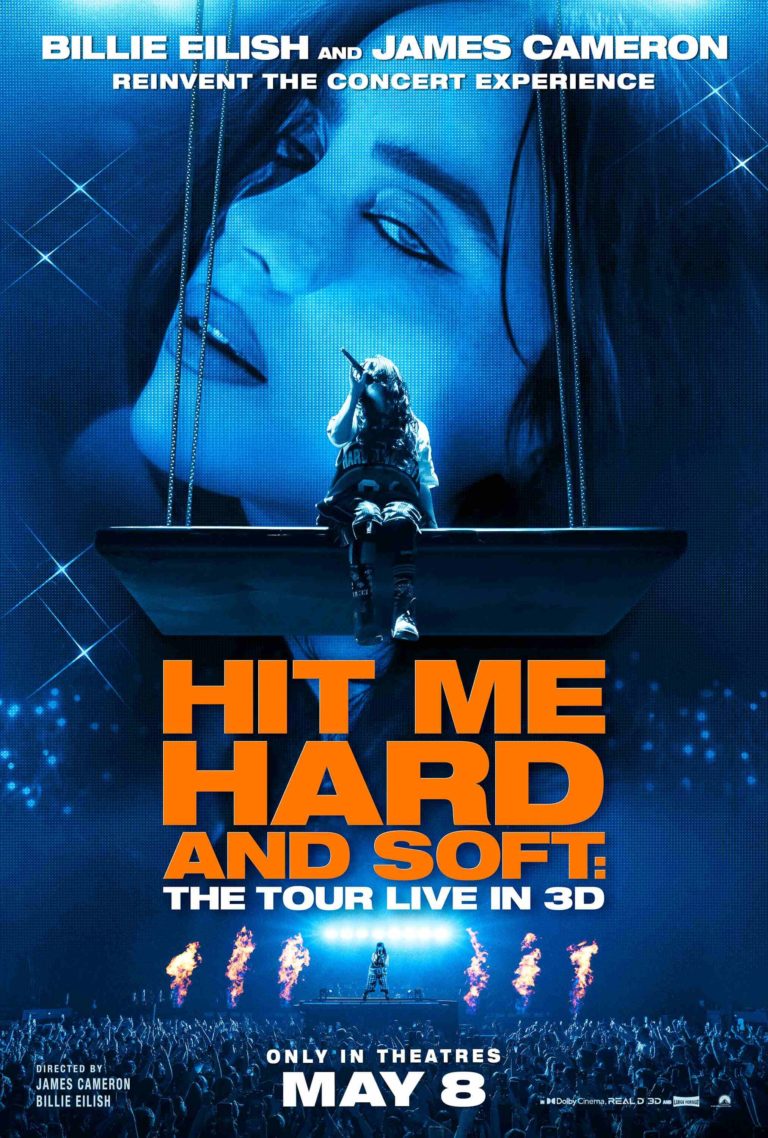
Billie Eilish just dropped the new trailer and poster for Hit Me Hard and Soft: The Tour (Live in 3D), and the anticipation around this one is real. The concert film, directed by Eilish alongside Academy Award winner James Cameron, lands in theatres on May 8, 2026, in RealD 3D and Premium Large Formats. The trailer is out now, and it looks exactly as big as it sounds.

Paramount Pictures is releasing the film, produced by Lightstorm Earth, Darkroom Records, and Interscope Films. The footage captures Eilish’s sold-out world tour in full cinematic scope, designed from the ground up for the theatrical experience. This isn’t repurposed tour footage. Cameron’s involvement guarantees a serious technical approach to the 3D presentation.

Eilish’s ‘Hit Me Hard and Soft’ era produced some of the most compelling pop music in recent years, and seeing that material translated to a massive screen, with a live crowd and immersive audio, raises the stakes considerably. The trailer delivers on that promise.

Tickets go on sale this Thursday, April 16. Hit Me Hard and Soft: The Tour (Live in 3D) opens May 8, 2026.

Renting Porta-Potties for Home Renovation Projects: Things to Consider

0

By Mitch Rice

Whether you have taken on a home remodel or renovation project in the Greater Bay Area, your workers will need access to clean and safe restroom facilities on the site. You cannot overlook this fundamental requirement. Solutions like rented portable toilets and handwashing stations are available for this purpose. For a project involving 1 to 10 workers, one porta-potty may be sufficient. For more people, you should add additional units. Since construction projects like home renovations are often smaller in scale compared to commercial buildings, deciding on the number of units is generally straightforward. Still, you cannot take risks with compliance and other considerations. Here are some suggestions.

  • Checking rules and regulations

During renovation work, you must comply with legal requirements concerning local, state, and federal authorities. Noncompliance can lead to delays, fines, and, in some cases, shutdowns. According to OSHA standards, home renovations and other construction projects must include clean restroom facilities for workers. Renting porta-potties for the site setup is important to maintain sanitation. The EPA requires proper waste management on the site to protect groundwater and soil from contamination. For example, if you install portable toilets, their waste should be handled without harming the environment. Guidelines are stricter in urban areas. To avoid risks, you should secure permits and hire units from a company that provides end-to-end support, including transporting the units to the site, cleaning, and restocking. You can search for porta potty construction site to find a reliable service provider.

  • Preparing the site for portable restroom facilities

You should examine the site to detect potential risks, plan the layout, and determine the placement of these sanitation facilities. During this assessment, focus on a few specific areas, including accessibility, ground stability, and toilet capacity and volume. All porta-potties must be strategically placed in accessible spots, at a safe distance from busy zones to avoid disrupting construction activities. The soil should be tested to ensure the ground is stable and safe for installing portable toilets. Uneven or loose soil tends to erode, increasing the tipping risk for the units. You should either build a solid base or use weights to keep them stable. For unit volume and service requirements, refer to OSHA recommendations.

  • Choosing the right portable toilets for the construction site

Higher efficiency and compliance can be achieved during the unit selection process. Most online service providers offer ADA-compliant units and standard portable toilets. Standard porta-potties cover basic sanitation requirements and are the right choice for small-scale projects. ADA-compliant porta-potties are slightly more expensive to rent because they are equipped with additional features to support people with disabilities.

  • Scheduling maintenance services

Renting and installing these units in the proper spot is not enough. They also need maintenance, including adequate waste disposal measures. Typically, each unit must be cleaned at least once a week, though this depends on the frequency of use and unit capacity. Service providers can be contacted to extract waste from the tank and transport it safely to a treatment facility. Make sure you keep these units away from rivers, lakes, and other natural bodies of water to prevent environmental hazards.

You cannot do without these rental portable toilets, so you should account for their rental cost in your budget. Project duration, site location, and workforce size can be critical considerations. To optimize this expense, consider renting both handwashing units and toilets from the same service provider.

Data and information are provided for informational purposes only, and are not intended for investment or other purposes.

The Lyrics That Finish Themselves

There’s a particular kind of song that stops being just a song at some point and becomes something closer to a reflex. You don’t decide to sing along — it just happens. Someone says a word, or a phrase, or even just a name, and before your brain has had a chance to weigh in, your mouth is already moving. You’re not choosing to complete the lyric. The lyric is completing itself.

A recent thread on Reddit asked a beautifully simple question: what lyrics are so embedded in the culture that someone will instantly finish them for you? The answers came flooding in, and what they reveal is something genuinely fascinating about how music works on the brain — and how certain songs stop being entertainment and start being infrastructure. Shared vocabulary. Involuntary memory. A generational fingerprint.

Here are the best examples, and what they tell us about the songs behind them.

“Tell Me Why” → “Ain’t Nothin’ But a Heartache”

The Backstreet Boys planted this so deep in the millennial brain that it fires before conscious thought. Notably, your answer tells people exactly how old you are — other generations reach for the Beatles or the Boomtown Rats instead.

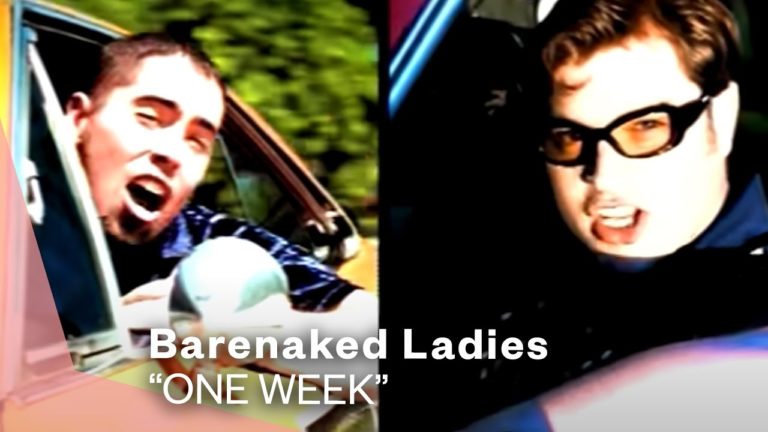
“IT’S BEEN—” → “ONE WEEK SINCE YOU LOOKED AT ME”

Barenaked Ladies’ breathless, tongue-twisting opening is one of the most instantly recognisable first lines in 90s pop, and the capital letters are entirely appropriate — nobody delivers this at a normal volume.

“What’s Cooler Than Being Cool?” → “ICE COLD”

Outkast’s call-and-response from “Hey Ya” is less a lyric at this point and more a civic duty. Failure to respond correctly should probably be grounds for social ejection.

“MOVE BITCH—” → “GET OUT THE WAY”

Ludacris wrote a lot of songs. This is not his most nuanced. It is, however, the one that lives rent-free in millions of heads and emerges unbidden whenever someone is walking too slowly down a hallway.

“BECAUSE MAYBE—” → “YOU’RE GONNA BE THE ONE THAT SAVES ME”

Oasis’s “Wonderwall” has transcended song status entirely and now exists as its own cultural phenomenon. The chorus completes itself. The acoustic guitar at every house party does the rest.

“Is This the Real Life?” → “Is This Just Fantasy?”

Bohemian Rhapsody is one of the few songs where people will chain the entire opening sequence back at you, verse by verse, with full commitment, in any setting, at any hour.

“Oops—” → “I DID IT AGAIN”

Britney Spears delivered this with such precision that the pause between the two halves is now permanently encoded. The exclamation marks are non-negotiable.

“It Starts With—” → “One Thing, I Don’t Know Why”

Linkin Park’s “In the End” is so iconic that finishing it feels almost obligatory, even reverent. The opening lands differently now, and everyone in the room knows it.

“Wake Me Up—” → “Before You Go-Go” or “When September Ends” or “Inside”

A rare three-way split. Wham, Green Day, and Avicii all stake a claim, and which one surfaces first tells you everything about someone’s formative years.

“SomeBODY—” → “ONCE TOLD ME”

Smash Mouth’s “All Star” has achieved a kind of immortality that has nothing to do with quality and everything to do with cultural saturation. The capital letters on the second syllable are load-bearing.

“He Was a Boy, She Was a Girl—” → “Can I Make It Any More Obvious”

Avril Lavigne’s “Sk8er Boi” announced itself with possibly the most deadpan setup in early 2000s pop, and a generation received it with complete sincerity. Both things are true.

“Stop!” → “Collaborate and Listen” or “Hammer Time” or “In the Name of Love”

The most contested single word in pop music history. Three completely different songs, three completely different eras, all with an equal claim. Your answer is a Rorschach test.

“Galileo, Galileo—” → “Galileo Figaro, Magnificoooo”

Once again, Bohemian Rhapsody earns a second entry because it contains multitudes, and because no one has ever said “Galileo” in any context without at least one person in the room responding in falsetto.

“What Is Love?” → “Baby Don’t Hurt Me”

Haddaway solved one of philosophy’s oldest questions in 1993 and we have been living with the consequences ever since. The head-bobbing is involuntary.

“She Left Me Roses by the Stairs—” → “SURPRISES LET ME KNOW SHE CARES”

Simple Plan’s “Addicted” is the kind of lyric that sounds completely earnest when you’re fourteen and slightly unhinged when you’re thirty, and yet the response comes anyway.

“First Things First—” → “I’m the Realist”

Roddy Ricch’s “The Box” had such a specific cadence that even people who can’t tell you anything else about the song know exactly what follows that opening line.

“It’s Getting Hot in Here—” → “So Take Off All Your Clothes”

Nelly delivered this with such confidence that an entire generation of millennials has been involuntarily completing it in their heads at inappropriate moments for over two decades.

“When I Was a Young Boy—” → “My Father Took Me into the City” My Chemical Romance’s “Welcome to the Black Parade” opens with such theatrical gravity that even people who went through their emo phase and came out the other side can’t help but respond.

“Don’t Name Your Kid Jolene—”

Not a lyric completion so much as a social fact: anyone named Jolene has spent their entire life having their name sung back at them three additional times by strangers. Dolly Parton’s fault entirely, and she should feel great about it.

“Is It Too Late Now to Say—” → “SORRY”

Justin Bieber’s “Sorry” ends its title question with such conviction that the answer arrives before you’ve decided to give it. The all-caps delivery is, again, non-negotiable.

The Truth About “Industry Plants”

0

Let’s start with something the music industry would rather you not think too hard about. Every few months, a new artist seems to materialize fully formed — the right look, the right sound, the right playlist placements, the right press, all arriving simultaneously before anyone has had a chance to actually discover them. And increasingly, the audience notices. The term that gets reached for in those moments is “industry plant.” It gets thrown around on Reddit, on TikTok comment sections, in music forums — sometimes fairly, sometimes as a weapon, and almost always with genuine frustration underneath it.

So let’s talk about what it actually means, whether it’s real, and why it matters even when the answer is more complicated than a simple yes or no.

What an Industry Plant Actually Is

The term doesn’t just mean a signed artist. Plenty of artists are signed to major labels and nobody calls them a plant. The accusation is more specific than that: it refers to an artist who is presented to the public as organic, independent, or grassroots — who appears to be blowing up on their own, through word of mouth or some viral moment — while actually having significant label infrastructure, marketing budgets, and industry connections operating invisibly in the background.

The deception, or at least the concealment, is the point. It’s the gap between the story being told (“this artist came from nowhere”) and the reality (“this artist had considerable help getting here”). That gap is what irritates people, and the irritation is legitimate.

Why Your Instincts About This Are Correct

The music industry is, at its core, driven by money and relationships. Major labels have always used those two things to manufacture momentum — buying playlist placements, paying for press, engineering viral moments, leveraging connections to get their artists into the right rooms. None of that is new. What’s new is the era of social media, which created this mythology of the overnight organic success story, the bedroom producer who blew up on their own, the TikTok that changed everything. Labels looked at that mythology and immediately figured out how to fake it.

When Ice Spice emerged with remarkable speed, or when Billie Eilish — whose brother Finneas had already been embedded in the industry and whose family had entertainment connections — became a phenomenon, the “plant” accusations weren’t entirely baseless. The infrastructure was there. The access was there. The idea that it all happened purely on its own terms was, at minimum, incomplete.

Nepotism plays a real role in this. Having a parent, sibling, or family friend already established in the industry doesn’t just provide emotional support — it provides access to producers, contacts, introductions, and insider knowledge that most artists spend years trying to accumulate. That’s a structural advantage, and pretending it doesn’t exist isn’t honesty, it’s PR.

Where It Gets More Complicated

Here’s where I want to push back a little, though — because the term “industry plant” gets used in ways that obscure more than they reveal.

First: labels doing marketing is not a scandal. That is literally their job. Buying playlist placements, hiring publicists, funding music videos, getting your artist in front of tastemakers — all of that is standard practice, and it’s been standard practice since the industry existed. Calling it deceptive requires that there was some promise of authenticity in the first place, and the music industry has never actually promised you that.

Second, and more importantly: a large budget cannot guarantee a hit. The music industry has spent enormous sums of money on artists who went nowhere. Labels have thrown the full machine behind artists and watched them fail anyway, because the audience ultimately decides. Billie Eilish is a global phenomenon not because she had industry connections but because “Bad Guy” is an extraordinary piece of pop music and she is a genuinely compelling artist. Ice Spice connects with an audience because there is something real in what she does. The infrastructure may have opened doors, but you still have to walk through them and deliver something.

The danger of the “plant” label is that it becomes a way of dismissing artists entirely — of saying that their success is manufactured and therefore meaningless, which sidesteps the actual question of whether the music is any good.

What the Frustration Is Really About

When people reach for the “industry plant” accusation, they’re rarely just talking about marketing budgets. They’re expressing something more fundamental: a frustration with the lack of transparency about how success is built, a sense that the game is rigged in ways that are never acknowledged, and a feeling that the stories we’re told about how artists break through are fictions designed to make the industry look more meritocratic than it is.

That frustration is valid. The music industry is not a meritocracy. It never has been. Talent matters, but so does money, and connections, and timing, and who your family knows, and whether a label decided to bet on you this quarter. The least the industry could do is be honest about that. The fact that it isn’t — that the mythology of the organic breakthrough persists even when everyone knows how it actually works — is what keeps the “industry plant” conversation alive. But really, nobody is going to go on record about that, so…

So: is the concept real? Yes, in the sense that manufactured, concealed backing is genuinely happening. Is the term always applied fairly? No — it’s frequently used to discredit artists who simply had advantages, which is different from fraud. Is your frustration with the whole thing reasonable? Absolutely, because what you’re really frustrated with is a system that prizes the appearance of authenticity over the real thing, and then acts surprised when the audience calls it out.

From Packed Floors to Underground Clubs: Why Live Music Venues Rely on Certified First Aid

0

By Mitch Rice

Live music venues are a different kind of space. Loud, crowded, and honestly a bit chaotic sometimes. Things can change fast. When something goes wrong, it does not really build up slowly, it just happens in a moment. That is why most venue owners who have been around long enough do not take safety lightly. They make sure their staff have WSIB approved first aid training so they are actually ready when something unexpected happens.

A live show pushes things past normal limits. You’ve got bass shaking the room, people moving non stop, heat creeping up as the crowd grows. Everyone’s there to enjoy it, sure. But that same energy can create problems without much warning. And when it does, you don’t get much time to think.

If you run a venue, you learn this early. Safety isn’t something you fix after an incident. It’s built into how you operate. Trained staff on the floor means small issues get handled early. Before they turn into something bigger.


What Makes Live Music Environments Unpredictable?

If you’ve stood in a general admission crowd when the headliner walks on, you already know the shift. It’s instant. One moment people are standing around, next moment the whole crowd moves forward. People jump, lean in, react to the sound. Space disappears.

That movement creates pressure from every side. It doesn’t take much. One wrong step, someone loses balance. And in a tight crowd, getting back up is not guaranteed. It happens fast.

Then there’s everything else layered on top:

  • Heat builds quickly in the crowd
  • Ventilation struggles in packed spaces
  • Flashing lights reduce visibility
  • Loud sound makes communication difficult

So spotting a real issue gets tricky. Someone feeling off might just look like they’re vibing with the music. Someone close to fainting might go unnoticed until they drop.

Staff have to stay alert. They read the room constantly. Small signs matter:

  • A person swaying too much
  • Someone looking disoriented
  • Someone standing still while everything around them moves

Catching it early changes everything.


Why Older Venues Carry Higher Risk

A lot of well known venues are older buildings. That’s part of their charm. The feel, the history, the atmosphere. But they were not designed for today’s crowd sizes or safety expectations.

You’ll notice a few things right away:

  • Narrow or steep staircases
  • Dim lighting in certain areas
  • Handrails that are not always ideal

Ventilation can struggle too. When the place fills up, heat builds quickly. That increases the risk of dehydration or fainting during longer sets.

Then there’s the floor. Drinks spill constantly, especially near bars and high traffic areas. Surfaces get slippery fast and people don’t always notice until they slip.

Put all of this together and small mistakes can turn into injuries. A fall, a head hit, or a bad slip can escalate quickly.

This is where trained staff matter. They step in fast, stabilize the situation, and manage it until help arrives.


How Crowd Density Slows Emergency Response

Crowd size changes everything, especially during sold out shows.

In a packed venue, moving even a few steps takes effort. People are shoulder to shoulder and space is limited.

For emergency responders, this creates real delays:

  • Reaching the person takes time
  • Equipment is hard to carry through crowds
  • Movement becomes slow and restricted

When something serious happens, like breathing issues or cardiac arrest, those delays matter a lot.

That’s why first response usually comes from inside the venue. Staff already on the floor act first.

They are trained to:

  • Clear a path through the crowd
  • Communicate clearly so people move fast
  • Create space around the person
  • Move them safely if needed

This helps control panic and improves access for medical help.


Most Common Medical Incidents at Live Shows

Most people imagine extreme situations, but reality is usually more basic.

Common issues include:

  • Dehydration
  • Fainting
  • Alcohol related problems

Fans often wait outside for long hours. Once inside, they avoid leaving their spot, even for water. Heat builds up and the body starts reacting.

That leads to dizziness, weakness, and sometimes sudden collapse.

Fainting is more common than people expect. In a crowded space, it becomes risky quickly if no one reacts.

Alcohol adds another layer. Balance drops, reactions slow, and some people become unresponsive.

Vomiting can also become dangerous if someone loses consciousness. Airway blockage becomes a real risk in that moment.

Trained staff handle it step by step:

  • Place the person safely
  • Monitor breathing
  • Keep airway clear
  • Stay with them until help arrives

Simple actions, but they prevent serious outcomes.


Why Security Alone Is Not Enough

Security teams are important. They control entry, manage behavior, and handle conflicts.

But medical response is a different skill set.

Recognizing symptoms, doing CPR, or handling an unconscious person requires training that goes beyond security duties.

If a venue relies only on security, gaps appear:

  • They may not be close to the incident
  • Response time increases
  • Medical knowledge is limited

A stronger system spreads responsibility.

Bartenders, ticket staff, floor managers, everyone should have basic knowledge. That way the closest person can respond immediately.


Can Regular Staff Handle Emergencies?

Yes. They can, and they do.

First aid and CPR are not just for medical professionals. They are built in a way that regular people can actually use them in real situations.

With proper training, staff learn how to:

  • Quickly understand what is going on
  • Start help without delay
  • Keep the surrounding area under control
  • Support the person until medical help arrives

In real life, it is not about doing everything perfectly. It is about acting fast enough.

If someone suddenly collapses, trained staff do not wait. They step in immediately. If someone faints, they focus on getting them into a safe position and keeping an eye on them.

These basic actions help keep breathing stable, support blood flow, and reduce the chances of things getting worse.

When staff are trained, the whole situation feels more controlled. Response is quicker, panic stays lower, and the venue is simply better prepared for unexpected moments.

Data and information are provided for informational purposes only, and are not intended for investment or other purposes.

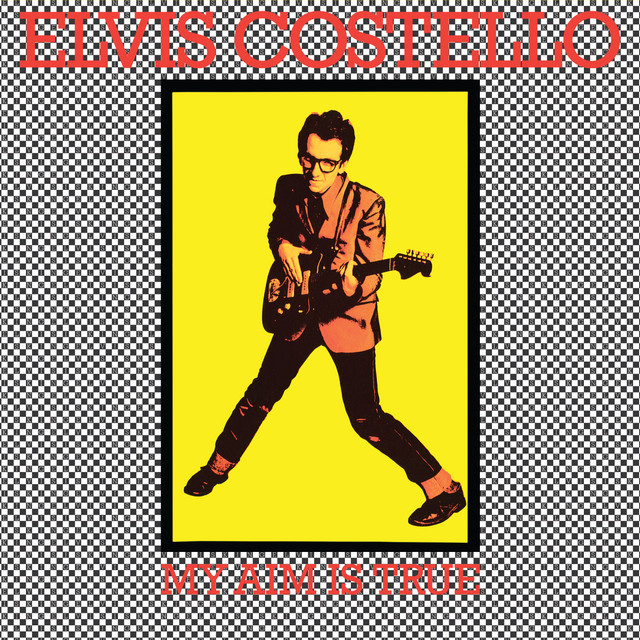
5 Surprising Facts About Elvis Costello’s ‘My Aim Is True’

It’s late 1976. A data entry clerk at Elizabeth Arden cosmetics in London is calling in sick, taking the train to a country house in Hampshire to rehearse songs with an American country rock band, then heading back the next day to record them at a tiny eight-track studio in Islington. He’s doing this on a budget of roughly £2,000. He hasn’t told his employer what he’s actually up to. He won’t quit that day job until July the following year.

The clerk is Declan MacManus. The album is My Aim Is True. And the band he’s rehearsing with — Clover, a California country rock act who happened to be living in Britain at the time — won’t even be credited on the finished record, because of contractual complications. Their names won’t appear on the sleeve. Neither will the name of the album’s designer. It is, in almost every respect, a record that came into the world sideways.

What followed was one of the most celebrated debut albums in the history of rock. Pitchfork gave it 9.8 out of 10. Rolling Stone ranked it among the 500 greatest albums of all time. Paste called it the best new wave album ever made. Here are five things about it that might surprise you.

The Backing Band on the Album Is Completely Uncredited — and Includes a Future Rock Star

The musicians who played on My Aim Is True were Clover, an American country rock act who had relocated to Britain and signed to Phonogram. Due to contractual difficulties, none of them are named on the original sleeve — the album simply refers to them vaguely in early marketing as “The Shamrocks.” Among those absent from the credits: Sean Hopper on keyboards and John McFee on guitar — and also present at the time, though he sat these sessions out entirely, was Clover’s harmonica player and occasional vocalist, a man who would later find enormous fame with his own band. His name was Huey Lewis. He later explained simply: “I took a vacation.”

Costello Changed His Name to Elvis — and Elvis Presley Died During the Album’s First Tour

The name change from Declan to Elvis was a marketing suggestion from Stiff Records co-founder Jake Riviera, meant to sharpen Costello’s image for the punk moment. Costello accepted it, acknowledging it would make people “pause just that little bit longer.” When the album came out in July 1977, Costello was already on the road promoting it — and on August 16, Elvis Presley died. British newspapers that had been planning features on Costello pulled them. Stiff ran a new slogan: “The King Is Dead, Long Live the King.” Four days after Presley’s death, My Aim Is True reached number 14 on the UK Albums Chart.

“Less Than Zero” Was Written About a British Fascist — and American Audiences Had No Idea

The opening single was inspired by Costello watching former British Union of Fascists leader Oswald Mosley on television, apparently unrepentant about his actions in the 1930s. The song never mentions Mosley by name, referring only to “Mr. Oswald” — which American audiences assumed was a reference to Lee Harvey Oswald, JFK’s assassin. Costello eventually rewrote the lyrics entirely for US performances, creating what became known as the “Dallas version,” with the song reframed around the assassination. Both versions exist on reissues.

Costello Sabotaged His Own Saturday Night Live Performance — and Got Banned for Over a Decade

Columbia Records pressured Costello to play “Less Than Zero” on his SNL appearance in December 1977, believing it would connect with American audiences. Costello thought the song was too obscure for the moment and had a better idea. He started playing the song, stopped after a few bars, told the audience there was “no reason to do this song here,” and launched into “Radio Radio” — a song he had specifically promised not to play. Inspired by Jimi Hendrix scrapping “Hey Joe” live on the BBC in 1969, it was a deliberate act of defiance. NBC banned him from the show until 1989.

“Alison” Was Written About a Checkout Girl — and Costello Donated the Cover Version Royalties to the ANC

Costello has said the song was inspired by a woman he saw working a supermarket cash register, her expression suggesting that “all the hopes and dreams of her youth were draining away.” He has always been deliberately vague about the deeper meaning, writing only that it concerns “disappointing somebody.” When Linda Ronstadt covered it in 1979 and turned it into a moderate hit, Costello privately admitted he didn’t mind spending the money it earned him. He then donated his royalties from Ronstadt’s version to the African National Congress, after she performed at Sun City in apartheid South Africa.