Home Blog Page 31

5 Surprising Facts About Elvis Presley’s Debut Album

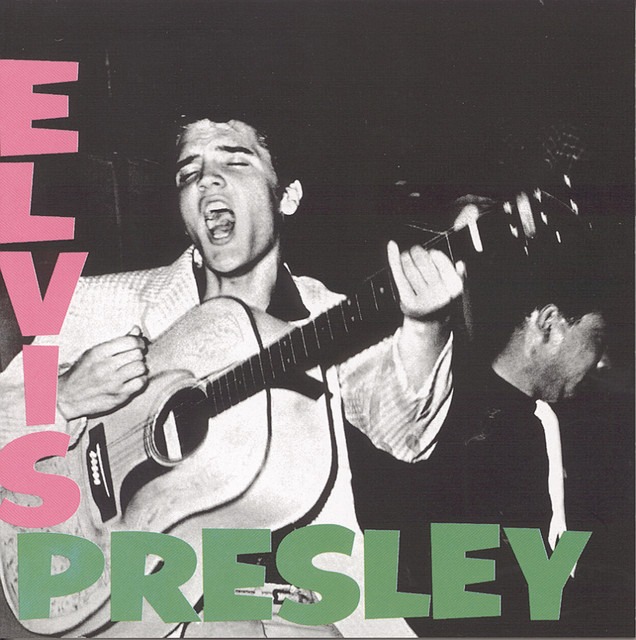
Elvis Presley ignited a global cultural revolution with the 1956 release of his self-titled debut studio album, the record that effectively launched rock and roll into the mainstream. Following RCA Victor’s then-unprecedented $40,000 purchase of his contract from Sun Records, the album became a historic milestone as the first rock and roll LP to top the Billboard charts and the first to sell over a million copies. Combining fresh sessions from Nashville and New York with raw, unreleased tapes from Memphis, the album blended country roots with high-energy rhythm and blues. Its iconic cover, featuring a mid-performance shot of a young, electric Elvis, became a definitive symbol of the era’s youth rebellion. This body of work provides a factual demonstration of how a singular artist could bridge the gap between regional genres and global stardom. Witnessing the transition from his rockabilly beginnings to this multi-platinum phenomenon remains the ultimate highlight for any fan of music history.

The $40,000 Gamble

In late 1955, RCA Victor took a massive financial risk by purchasing Elvis’s contract from Sam Phillips at Sun Records for $40,000—a record-breaking sum at the time for an “untested” property. While major labels were skeptical of the staying power of rock and roll, the investment paid off almost immediately. The debut album became the first RCA pop release to earn over $1,000,000, proving the immense selling power of the genre and solidifying Elvis as a household name.

A Hybrid Tracklist Of Sun And RCA

Because Elvis was constantly on the road following his national television appearances, RCA lacked enough new material to fill a full-length LP. To rush the album to stores, they utilized the rights to his previous Sun Studio tapes, adding five unreleased country-styled songs to seven newer tracks recorded in Nashville and New York. This hybrid approach created a unique sonic blend that leavened his “hillbilly cat” roots with frenetic covers of R&B hits by artists like Little Richard and Ray Charles.

The Carl Perkins Promise

The album’s explosive opening track, “Blue Suede Shoes,” was intentionally withheld from being released as a single for eight months. Producer Steve Sholes made a factual promise to Sam Phillips to protect the career of Carl Perkins, who had written and first recorded the song at Sun. By diverting the track to the album rather than a competing single, RCA allowed Perkins’s version to have its run on the charts, demonstrating a rare moment of industry professional courtesy during the competitive dawn of rock and roll.

The Mystery Of The “Red” Photograph

For decades, it was incorrectly believed that the famous front cover photo was taken by New York photographer Popsie Randolph. It wasn’t until 2002 that it was documented that the actual photographer was William V. “Red” Robertson, who snapped the shot during a performance in Tampa, Florida, in 1955. The Popsie credit on the album was actually for the series of photos on the back cover, leading to a long-standing case of mistaken identity for one of the most recognizable images in pop culture.

A Design That Inspired The Clash

The graphic design of the Elvis Presley cover—featuring green and pink lettering set against a stark black-and-white performance shot—is ranked as one of the greatest album covers of all time. Its visual impact was so profound that it was famously parodied and honored by The Clash for their 1979 masterpiece London Calling. This homage has been echoed by numerous other artists, from Big Audio Dynamite to k.d. lang, cementing the artwork’s legacy as a factual blueprint for rock and roll aesthetics.
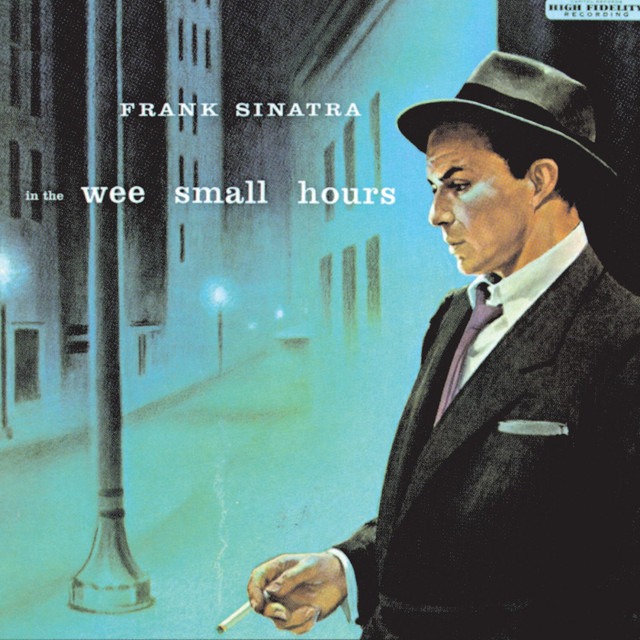
5 Surprising Facts About Frank Sinatra’s ‘In the Wee Small Hours’

Frank Sinatra delivered a somber and revolutionary masterpiece with the 1955 release of ‘In the Wee Small Hours’, an album that effectively birthed the modern concept record. Following a period of deep professional decline and the painful collapse of his marriage to Ava Gardner, Sinatra channeled his desolation into a cohesive suite of “love gone bad” songs. Produced by Voyle Gilmore with lush, blue-tinged arrangements by Nelson Riddle, the record abandoned the era’s upbeat pop trends for a serious exploration of loneliness, depression, and the haunting stillness of the night. It was a massive commercial success that cemented Sinatra’s career resurgence, peaking at number two on the Billboard charts and staying there for 18 weeks. Every weary note on this project reflects a factual commitment to emotional honesty and artistic experimentation. Witnessing the transition from his “bobby soxer” youth to this deeper, mature, and canyonesque vocal shading is a defining highlight for any student of American music.

The “Ava Songs” Catalyst

The profound melancholy found throughout the album was a direct result of Sinatra’s tumultuous and failing relationship with his second wife, actress Ava Gardner. Nelson Riddle famously credited Sinatra’s loss of Gardner with providing the emotional depth necessary to sing such “angst-ridden” material, lead to the tracks being known internally as the “Ava Songs.” The heartbreak was so visceral that Sinatra reportedly broke down and cried in the studio after recording the master take of “When Your Lover Has Gone,” a moment of raw vulnerability that remains a factual cornerstone of the album’s legacy.

The Birth of the 12-Inch Pop LP

While most pop acts in 1955 were releasing collections of previously heard singles, Sinatra insisted on creating a firm distinction between “radio hits” and the serious art of a long-playing record. ‘In the Wee Small Hours’ was one of the very first pop albums to be issued on the 12-inch LP format, which allowed for a longer, more immersive experience. The massive success of the record helped popularize the 12-inch disc in the pop field, causing the older 10-inch format to fall into obsolescence and changing how the public consumed music forever.

Midnight Sessions in Studio C

To capture the authentic “wee small hours” atmosphere, the recording sessions at KHJ Studios in Hollywood were scheduled to start at 8:00 P.M. and often continued well past midnight. Sinatra and his ensemble worked in Studio C, a smaller downstairs space specifically chosen to create an intimate, “warm” monophonic sound for the small jazz ensembles. This late-night environment allowed Sinatra to slip into a “trance state” of performance, often chatting with the night janitor about how they both shared “crazy working hours.”

Meticulous Vocal Perfectionism

Despite the emotional turmoil he was facing, Sinatra remained meticulously focused on the technical quality of the sessions. During one late-night recording, he famously stopped the orchestra after singing only a few notes because he felt his voice simply did not have “the right sound” for the mood. He chose to reschedule the entire session for the following night rather than deliver an insincere performance. Guitarist George Van Eps recalled that when Sinatra returned the next evening, the performance was “perfect,” demonstrating his factual dedication to his craft.

Redefining Masculinity through Music

Prior to this release, the “tough guy” image of the era rarely allowed for public displays of male sensitivity or heartbreak. By releasing an album centered on introspection and “capitulation, not retaliation,” Sinatra successfully shifted the cultural perception of masculinity, making it acceptable for men to express a wider range of emotional responses. This “heartbroken/hedonistic duality” became a hallmark of his persona, proving that raw, human vulnerability could be as powerful and resonant as any rakish, “swinging” hit.

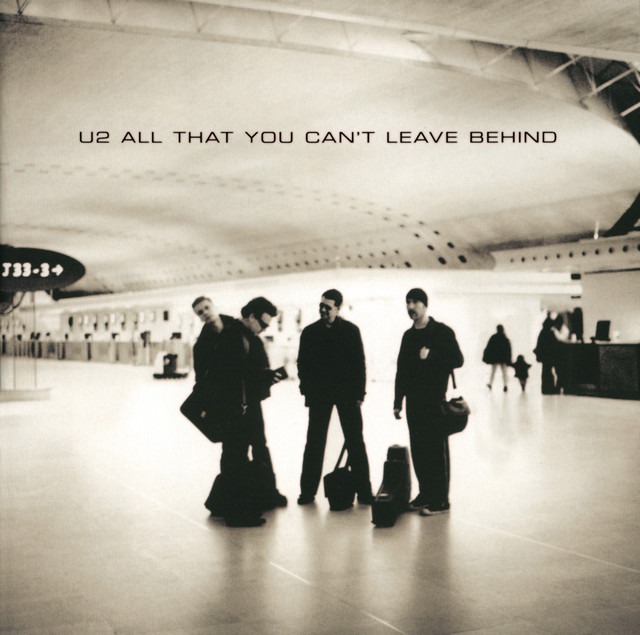
5 Surprising Facts About U2’s ‘All That You Can’t Leave Behind’

U2 reclaimed their status as the world’s biggest rock band with the 2000 release of ‘All That You Can’t Leave Behind’, a soul-stirring masterpiece that signaled a return to their melodic roots. After a decade of high-concept experimentation with dance and alternative rock, the group reunited with legendary producers Brian Eno and Daniel Lanois to craft a record that focused on the purity of guitar, bass, and drums. The album was a massive global success, reaching number one in 32 countries and moving over 12 million copies. From the optimistic morning-light anthem “Beautiful Day” to the gospel-tinged “Stuck in a Moment You Can’t Get Out Of,” the project resonated as an emotionally honest “make-up” record for the band and their audience alike. Every track on this project reflects a daring spirit of vulnerability and a factual commitment to songwriting excellence. Witnessing the transition from the neon deconstruction of the ’90s to this grounded, panoramic sound is a true highlight for any rock enthusiast.

The Biblical Hidden Message

The iconic monochrome album cover, shot by Anton Corbijn at Charles de Gaulle Airport, contains a hidden spiritual reference. At the band’s request, the airport sign in the background was digitally altered from “F21-36” to “J33-3.” This serves as a factual nod to the Bible verse Jeremiah 33:3 (“Call unto me and I will answer thee…”), a passage Bono affectionately referred to as “God’s phone number.” This subtle detail emphasized the album’s themes of seeking grace and salvation during times of personal struggle.

The Stolen Lyrics Laptop Reward

During the 1999 sessions, a bag containing Bono’s personal papers and a laptop computer filled with the album’s lyrics was stolen from his car outside Dublin’s Clarence Hotel. Bono was so desperate to recover the “baggage” of his songwriting that he offered a £2,000 reward. An Irish man eventually returned the computer after realizing its owner was Bono—having seen a picture of the singer’s son, Elijah Hewson, on the screen—after originally purchasing it from an unreputable source for just £300.

The Row Between Mates

Bono famously described the lyrics of “Stuck in a Moment You Can’t Get Out Of” as a “row I didn’t have” while Michael Hutchence was still alive. Instead of writing a sentimental lament, Bono penned a “tough, nasty little number” designed to act as a lyrical intervention, slap-talking his friend to try and wake him out of the idea of suicide. He felt the greatest respect he could pay to the INXS frontman was to be honest and “slap him around the head” with a realistic argument between friends, resulting in a dialogue that balances deep affection with visceral frustration.

The Banned Burmese Prison Sentence

Because the song “Walk On” was dedicated to pro-democracy activist Aung San Suu Kyi, the entire album was officially banned by the military junta in Burma. At the time of release, anyone caught attempting to import or possess the record could face a severe prison sentence ranging from three to twenty years. U2 used this controversy to draw international attention to the political crisis in Burma, highlighting the fact that millions were being subjected to forced labor and ethnic cleansing.

The A-ha Inspiration Debate

During the recording of “Beautiful Day,” The Edge sparked a band debate by using a bright, chiming guitar tone reminiscent of their 1983 era. While the band initially wanted a more “forward-looking” sound, The Edge insisted that their innovative new arrangements gave them a “license” to revisit their signature roots. Interestingly, The Edge later admitted that the track’s uplifting energy was partially and unconsciously inspired by the 1985 a-ha hit “The Sun Always Shines on T.V.,” a connection that a-ha’s lead singer Morten Harket described as “natural.”

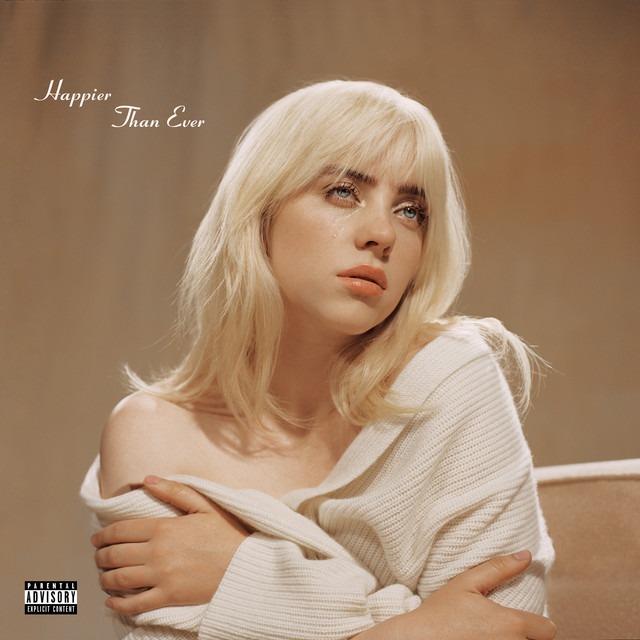
5 Surprising Facts About Billie Eilish’s ‘Happier Than Ever’

Billie Eilish delivered a profound and stylistically daring masterclass in downtempo pop with the 2021 release of her second studio album ‘Happier Than Ever’. Moving away from the high-energy trap influence of her debut, the singer-songwriter embraced a more meditative and jazz-influenced sound to process the complicated landscapes of fame and self-reflection. Recorded entirely in the basement studio of her brother and producer Finneas O’Connell, the record features a sophisticated blend of electropop, bossa nova, and raw acoustic balladry. The album was a massive critical and commercial triumph, debuting at number one in 28 countries and earning seven Grammy nominations, including Album of the Year. Every track on this project reflects a daring spirit of vulnerability and a factual commitment to artistic independence. Witnessing the transition from a teenage phenomenon to this restrained and insightful visionary is a true highlight for any music enthusiast.

The Basement Studio Secret

While many global superstars record in legendary commercial facilities, ‘Happier Than Ever’ was recorded entirely in the basement of Finneas’s Los Angeles residence. Eilish and her brother followed a strict weekly schedule between April 2020 and February 2021 to craft the sixteen-track sequence. The singer revealed that these sixteen songs were the only pieces they worked on during the entire period, showcasing a rare and focused creative efficiency that prioritized intent over mass production.

A First Take Breakup Finale

The closing track “Male Fantasy” was a late addition to the album that almost didn’t make the cut. Eilish wrote the song after a conversation about the unrealistic standards of pornography and decided it was the perfect “credits” song to end the record on a reflective rather than angry note. Because of her synesthesia, Eilish associates the song with a specific light blue color, which served as the primary visual palette for the music video she directed and edited herself.

Scrapping The Joyful Tracks

Despite the album’s optimistic title, Eilish revealed in a candid interview with Rolling Stone that almost none of the songs on the record are joyful. She cited self-reflection during the global pandemic as the biggest muse behind the project, leading to a collection of “torch songs” about the downsides of stardom and emotional abuse. This honest approach was a deliberate move to surprise her fans and stay true to her own frame of mind during the “wilderness years” of her early twenties.

The Recycled Gucci Vinyl Collaboration

In a factual commitment to eco-friendly production, Eilish teamed up with the Italian fashion house Gucci for a limited collector’s edition of the album. This specific vinyl set was created entirely from leftover recycled materials gathered during the original pressing of the record. The packaging, designed by creative director Alessandro Michele, included branded nail stickers and featured a psychedelic pattern, bridging the gap between high-fashion luxury and sustainable musical art.

The Non-Comfort Zone Of “NDA”

The fifth single, “NDA,” was a technical and emotional challenge for Eilish, as she pushed herself to create a sound that felt “therapeutic but fun.” The production actually started with a single, slow, pitched-down sound that Finneas had created while they were just messing around in the studio. Eilish was so struck by the “darkness and shapes” she visualized while listening to the loop that she insisted they build a full track around it, resulting in one of the album’s most intense industrial-pop moments.

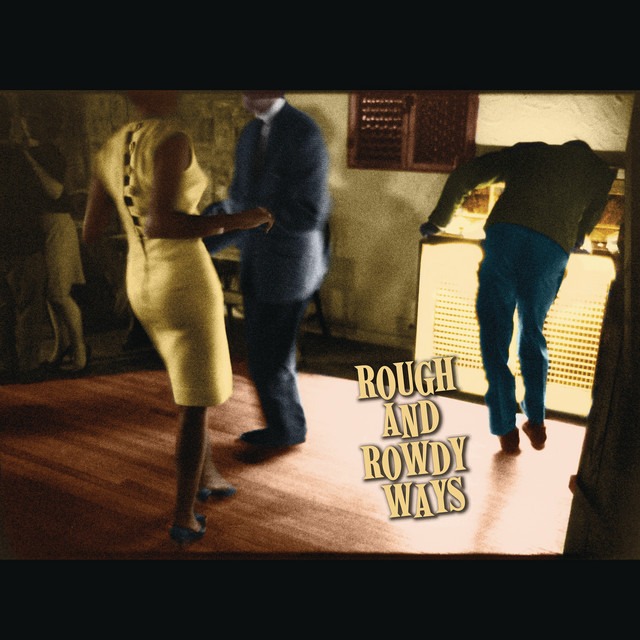
5 Surprising Facts About Bob Dylan’s ‘Rough and Rowdy Ways’

Bob Dylan delivered a staggering and timeless triumph with the 2020 release of his thirty-ninth studio album ‘Rough and Rowdy Ways’. Breaking an eight-year silence on original material, the legendary Nobel laureate returned with a lyrically dense and rhapsodic journey through the heart of Americana, folk, and electric blues. Recorded during the early months of the pandemic at Sound City Studios, the record showcases a master at the height of his craft, backed by his incredible Never Ending Tour band and guests like Fiona Apple. The album achieved universal acclaim, topping charts in over ten countries and marking a factual milestone as Dylan became the first artist to have a Top 40 album in every decade since the 1960s. Every verse on this project reflects a daring spirit of introspection and a deep connection to the story of the human race. Witnessing the transition from his recent focus on pop standards to this expansive and wordy narrative is a true highlight for any music enthusiast.

The 17-Minute Record-Breaking Single

The album’s closing track, “Murder Most Foul,” made history as the longest song Bob Dylan has ever released, clocking in at 16 minutes and 56 seconds. This epic masterpiece surpassed his 1997 song “Highlands” to become a sprawling meditation on the assassination of John F. Kennedy and the broader landscape of American culture. Despite its extreme length and lack of a traditional refrain, it became Dylan’s first-ever song to top a Billboard chart, reaching number one on the Rock Digital Song Sales list shortly after its unannounced release.

Fiona Apple’s Insecure Studio Moment

For the recording of the nearly 17-minute lead single, Dylan recruited Fiona Apple to provide piano accompaniment alongside Alan Pasqua. Apple famously shared that she felt incredibly insecure during the session, but Dylan provided a warm and encouraging environment to help her through. He reportedly told her that she was not there to be perfect, but rather she was there to be herself, allowing for a raw and authentic performance. Her piano work sits at the center of the final mix, recorded in a single day alongside Benmont Tench and Alan Pasqua.

The “Trance State” Songwriting Process

During a rare interview with historian Douglas Brinkley, Dylan described the composition of the songs on this record as occurring in a “trance state.” He explained that he did not have to grapple much with the lyrics, instead piling up stream-of-consciousness verses on instinct before pulling the final story together. This method resulted in what critics have called one of his wordiest and most lyrically dense works, where names like Anne Frank, Indiana Jones, and the Rolling Stones are locked together in a profound and tangible narrative.

BOLD Experimental Recording Methods

While the album is rooted in “old” sounds and “old” methods, producer and guitarist Blake Mills revealed that the team utilized some very bold and non-classic techniques in the studio. Mills noted that while the record sounds elegant and musically sophisticated, the actual methods used to capture those sounds were not at all “correct” by traditional engineering standards. This innovative approach allowed the band to capture the spontaneous energy of a “poet jazz musician,” where arrangements were often worked out on the spot as Dylan sang over various grooves.

The Jimmie Rodgers Cover Connection

The title ‘Rough and Rowdy Ways’ and the album’s inner packaging pay a factual homage to the pioneers of country music, specifically Jimmie Rodgers and the Carter Family. The title itself is a clear reference to the 1929 Rodgers song “My Rough and Rowdy Ways,” while the inside artwork features a famous 1931 photograph of Rodgers with the Carter Family. This visual and titular connection reinforces the album’s themes of Americana and the role of the artist in society, bridging the gap between classical antiquity and the present day.

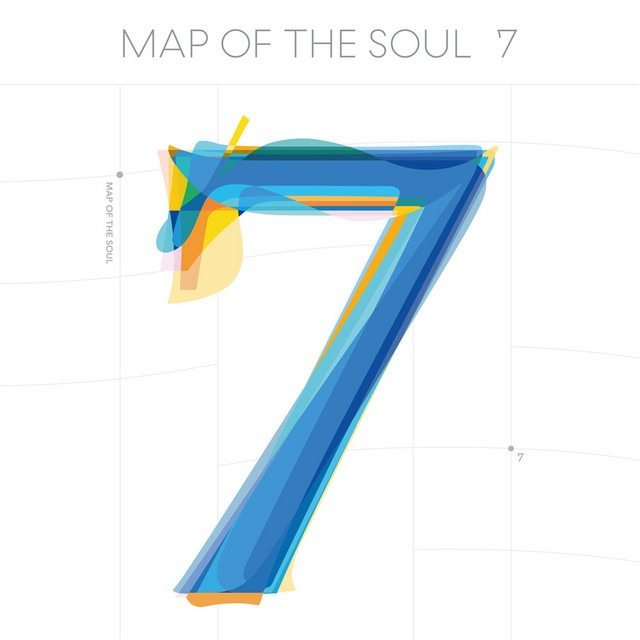
5 Surprising Facts About BTS’s ‘Map of the Soul: 7’

BTS reached a monumental peak in their global odyssey with the 2020 release of ‘Map of the Soul: 7’, a deeply personal record that chronicles seven years of growth and brotherhood. Functioning as a profound celebration of the group’s journey, the album masterfully weaves together pop, R&B, and hip-hop with experimental touches of rock and EDM. Lyrically, the members delve into Jungian psychology to explore the complex archetypes of the persona, shadow, and ego. This body of work achieved unprecedented commercial success, topping charts in all five of the world’s largest music markets and setting a Guinness World Record as the best-selling album in South Korea. Every track on this project reflects a daring spirit of self-reflection and an unbreakable bond between seven individuals who have redefined the global music industry. Witnessing the transition from their hip-hop roots to this sophisticated and rhapsodic narrative is a defining highlight for any music enthusiast.

The Combination Of Two Projected Albums

The original plan for the ‘Map of the Soul’ series involved a trilogy of releases, but BTS made a premeditated decision to combine the “Shadow” and “Ego” concepts into one massive full-length project. This choice was made after the group took an extended period of rest to recharge and enjoy their lives as young men in their 20s. By merging the themes of facing internal wounds and accepting one’s fate, they created their longest studio album to date, consisting of twenty tracks that tell a complete and cohesive story of their evolution.

Artistic Resonance Through The Gayageum

To create the haunting and atmospheric mood of the lead single “Black Swan,” the production team incorporated the gayageum, a traditional 12-stringed Korean instrument. This choice added a rhapsodic East Asian flair to the emo hip-hop track, blending cultural heritage with modern trap beats. The layered and processed vocals were intentionally designed to make the seven members’ voices indistinguishable at times, symbolizing their unity as a single entity facing the universal fear of losing their passion for art.

Ed Sheeran’s Soft-Soul Gesture

The R&B track “Make It Right” features a significant songwriting contribution from British superstar Ed Sheeran. Driven by synthesizers and a looped horn, the song showcases the band’s vocal range through breathy intensity and falsetto-heavy belting. This collaboration was highly anticipated by fans and critics alike, as it successfully merged Sheeran’s signature melodic sensibility with the complex and emotive performance style that defines BTS.

A High-Production Grand Central Takeover

To promote the lead single “On,” BTS performed a massive, high-production routine in the main concourse of Grand Central Station for ‘The Tonight Show Starring Jimmy Fallon.’ This historic performance featured a marching band-style drumroll and intricate choreography that utilized the empty iconic landmark in a way never before seen on late-night television. The sheer scale of the performance served as a powerful homage to their career and a factual demonstration of their status as the world’s premier performing act.

The Global Connect Art Project

In a move to redefine the relationship between music and public art, BTS launched “Connect, BTS” alongside the album’s release. This ambitious project involved 22 contemporary artists across five major cities, including London, Seoul, and New York. Notable works included a digital recreation of an ancient forest by Jakob Kudsk Steensen and a solar-powered hot air balloon flight in Argentina that set world records for propane-free travel. These installations were inspired by the band’s philosophy of inclusion and served as a bridge between the material world and the immaterial power of their music.

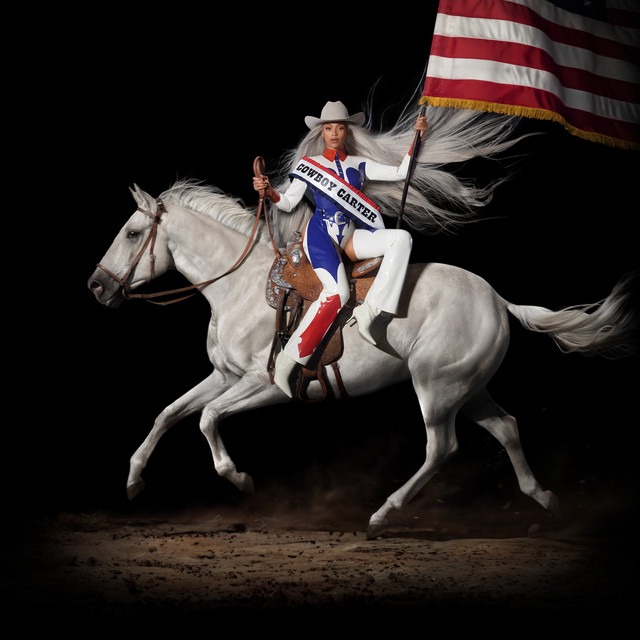
5 Surprising Facts About Beyoncé’s ‘Cowboy Carter’

Beyoncé sparked a monumental cultural shift with the release of her eighth studio album ‘Cowboy Carter’, a groundbreaking journey through the soul of Americana. Conceived as the second act of a planned trilogy, the record serves as a vivid reclamation of the Black pioneers who shaped the history of country and Western music. Presented as a fictional Texas radio broadcast featuring legends like Dolly Parton and Willie Nelson, the album seamlessly blends country, folk, rock, and R&B into a panoramic sonic experience. ‘Cowboy Carter’ achieved universal acclaim, making Beyoncé the first Black woman to top the Billboard Top Country Albums chart and eventually earning her the Grammy for Album of the Year. This body of work is a factual testament to the power of artistic reinvention and the importance of honoring overlooked musical roots. Witnessing the transition from the dance-floor energy of ‘Renaissance’ to this organic, instrument-driven exploration is a defining highlight for the modern era of music.

The Five-Year Secret Archive

While ‘Cowboy Carter’ arrived in 2024, the album was actually over five years in the making, with writing sessions beginning as early as 2019. Beyoncé recorded approximately 100 songs for the project during the COVID-19 pandemic, describing it as her most prolific creative period. Interestingly, she originally intended for this country-rooted record to be released as “Act I” of her trilogy, but she decided to swap the order with the house-heavy ‘Renaissance’ to provide the world with celebratory dance music during the pandemic’s recovery.

Rejection As Radical Inspiration

The conceptual seeds for the album were planted in 2016 following Beyoncé’s performance of “Daddy Lessons” at the CMA Awards, where she faced significant backlash and a sense of being unwelcome in the country space. Rather than retreating, she was inspired to deeply research the African-American roots of the genre, discovering that historically, nearly half of all cowboys were Black. This research turned a moment of exclusion into a radical mission to redefine the boundaries of Americana and spotlight the “Soul Circuit” of Black rodeo performers who were missing from mainstream history.

The Levi’s Stock Market Surge

The impact of ‘Cowboy Carter’ extended far beyond the charts and directly into the global economy, specifically benefiting the American clothing brand Levi Strauss & Co. After Beyoncé referenced the brand on the track “Levii’s Jeans”, the company’s stock price surged by 20% and foot traffic in US stores saw a significant boost. The brand was so honored by the mention that they temporarily changed their name to “Levii’s” on social media to mirror the song’s stylized spelling, proving Beyoncé’s status as a “cultural czar.”

Organic Textures and Ancient Instruments

In a deliberate move away from artificial intelligence and digital filters, Beyoncé prioritized the use of real, organic instruments for the album’s production. She sought out very old instruments to capture a sense of “purity,” incorporating natural sounds like the wind, snapping fingers, and the chirping of birds and chickens into the mix. This technical approach was paired with legendary contributions, such as Stevie Wonder playing the harmonica and Paul McCartney providing guitar work, ensuring every note felt human and raw.

Breaking The Glass Ceiling At The Grammys

With the release of ‘Cowboy Carter’, Beyoncé shattered long-standing industry barriers, becoming the first Black artist to ever win the Grammy Award for Best Country Album. Additionally, she became the first Black woman in twenty-five years to take home the prestigious Album of the Year trophy. The lead single “Texas Hold ‘Em” further made history as the first country song by a Black woman to top the Billboard Hot 100, sparking a worldwide surge in country music listenership and a 326% increase in the sales of cowboy hats.

5 Surprising Facts About Lorde’s ‘Pure Heroine’

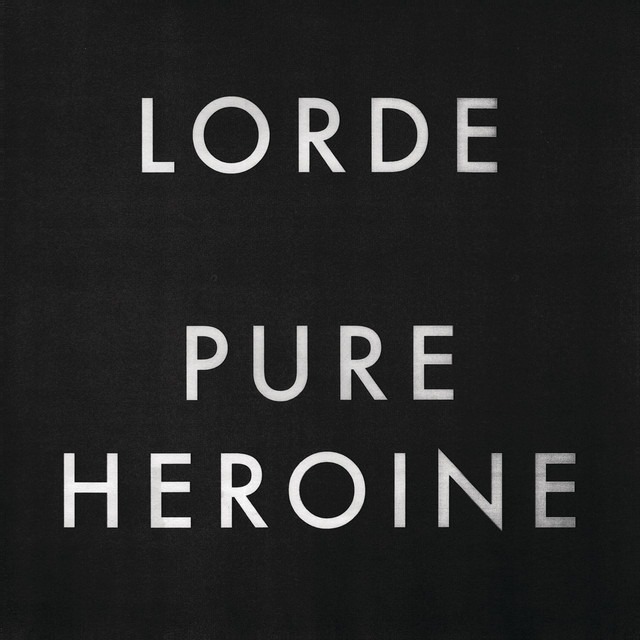
Lorde transformed the landscape of modern pop as a teenager with the 2013 release of her debut studio album ‘Pure Heroine’. Eschewing the high-gloss production of her contemporaries, the New Zealand singer-songwriter collaborated with producer Joel Little at a modest Auckland studio to create a minimalist masterpiece defined by deep bass and smoky, restrained vocals. The record became a massive global phenomenon, selling over 5 million copies and earning a Grammy nomination for Best Pop Vocal Album while influencing a new generation of alternative-leaning artists. Dealing with themes of youth, consumer culture, and the mundanity of suburban life, the album resonated as a factual critique of mainstream fame and social status. Witnessing the transition from an unknown schoolgirl to a chart-topping visionary remains a defining highlight for pop enthusiasts worldwide.

The Half-Hour Songwriting Sprint

Lorde famously wrote the lyrics to her diamond-certified breakthrough hit “Royals” in just thirty minutes at her home in July 2012. Despite the speed of the writing process, the song went on to spend nine weeks at the top of the Billboard Hot 100 and earned multiple Grammy Awards. This incredible efficiency became a hallmark of her early creative process, allowing her to capture the authentic voice of a generation during her school breaks.

Inspired By National Geographic

The iconic title of “Royals” was inspired by a photograph Lorde saw in a July 1976 issue of National Geographic. The image featured Kansas City Royals baseball player George Brett signing baseballs, with the team’s name emblazoned across his shirt. Lorde was so captivated by the aesthetic power of the word “Royals” that she used it to anchor her critique of the extravagant lifestyles often celebrated in hip hop and pop music.

Deliberate Omission Of Filler

During the development of the album at Golden Age Studios, Lorde and her team composed approximately seventeen or eighteen songs. However, the singer made a conscious and factual decision to cut the final tracklist down to just ten songs to ensure a cohesive listening experience. This move was intended to eliminate any “filler material,” a rare display of artistic restraint for a debut artist that helped the album achieve its widespread critical acclaim.

The Canyon-Sized Bass Technique

To achieve the album’s unique sonic identity, Joel Little utilized a production style that relied heavily on loops and canyon-sized bass pulses rather than traditional instrumentation. Because Lorde was unfamiliar with playing instruments at the time, she insisted that her vocals remain the primary focus, floating over minimalist digital blips. This specific technical approach helped define the “dream pop” and “electropop” sound that would eventually be credited with changing the direction of radio hits in the mid-2010s.

A Subtle Call And Response

The album features a clever lyrical “call and response” that connects the opening track to the very last line of the record. The first song, “Tennis Court,” begins with the question, “Don’t you think that it’s boring how people talk?” while the final line of the closing track, “A World Alone,” concludes with the simple statement, “Let ’em talk.” This intentional structure creates a full-circle narrative for the listener, emphasizing the album’s themes of adolescent isolation and the search for authentic connection.

5 Surprising Facts About Beck’s ‘Sea Change’

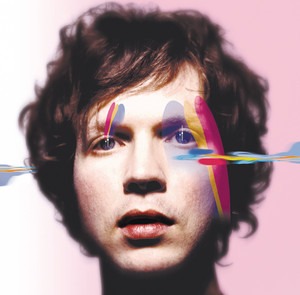
Beck delivered a profound and solemn masterpiece of emotional vulnerability with the 2002 release of his eighth studio album ‘Sea Change’. Moving away from the ironic samples and eclectic energy of his previous work, the artist embraced a starkly sincere and acoustic-based sound to process the sudden end of a nine-year relationship. Under the guidance of producer Nigel Godrich at Ocean Way Studios, the record features lush orchestral arrangements and deeply personal lyrics that explore the heavy landscapes of solitude and desolation. The album was a monumental critical success, earning a five-star review from Rolling Stone and eventually being ranked among the greatest albums of all time. Every somber note on this project serves as a factual testament to the power of high art born from personal baggage and quiet introspection. Witnessing the transition from the “Mickey Mouse” range of his youth to the deeper, canyonesque vibrations of this era is a haunting highlight for any music enthusiast.

The Canyonesque Vocal Drop

During the early sessions for the record, producer Nigel Godrich noticed a remarkable physical transformation in Beck’s singing voice. Upon comparing new takes to his earlier work on ‘Mutations’, the team discovered that his vocal range had dropped significantly into a deeper, resonant baritone. Godrich described this new sound as a “canyonesque vibration” with an amazing tone that perfectly suited the mournful and serious atmosphere of the tracklist. This natural maturation of his voice provided the necessary weight for the sincere lyrics to resonate without the need for ironic detachment.

Sneaking In On Joni Mitchell

The recording process became a race against time toward the end of the three-week session due to a scheduling overlap with legendary songwriter Joni Mitchell. Because Mitchell worked in a very civilized manner and took weekends off from the studio, Beck and his band had to sneak back into Ocean Way on those days to finish their tracking. This pressure-filled environment forced the musicians to work quickly and spontaneously, often laying down second takes to capture the immediate feeling of the songs. This quiet urgency is felt throughout the panoramic and cinematic textures of the final arrangements.

The Random Evolved Song

The track “It’s All in Your Mind” stands as a unique inclusion on the album because it was the only song not written in the immediate aftermath of his breakup. Originally a non-album single from 1995, the song resurfaced during a session when Beck began strumming it randomly between new takes. Nigel Godrich became ecstatic at the sound and insisted they record an “evolved” version for the new project. Beck replaced the simple two-chord strumming of the original with more intricate finger-picking to match the sophisticated and somber quality of the other twelve tracks.

Four Distinct Digital Covers

To reflect the broad transformation suggested by the album’s title, ‘Sea Change’ was released with four different album covers featuring unique digital artwork by Jeremy Blake. Each version contained distinct lyrical snippets and hidden messages printed under the CD tray, turning the physical record into a multifaceted piece of art. The effigy of the original cover art was even used symbolically in the music video for the lead promotional single “Lost Cause”. This visual diversity underscored the themes of identity and the shifting nature of one’s personal world after a major life upheaval.

Scrapping The Super-Pop Song

A completed track titled “Ship in the Bottle” was ultimately left off the final record because Beck and Godrich felt it was too upbeat compared to the rest of the suites. Beck described the song as the “super-pop” moment of the sessions and worried that its inclusion might feel a bit too corny within the context of the bleak and desolate themes. Although the song was heartfelt, the team decided to preserve the cohesive melancholy of the album by omitting it. The track eventually found a home on the Japanese release and later remasters, remaining a factual curiosity for fans.

5 Surprising Facts About Carly Rae Jepsen’s ‘Emotion’

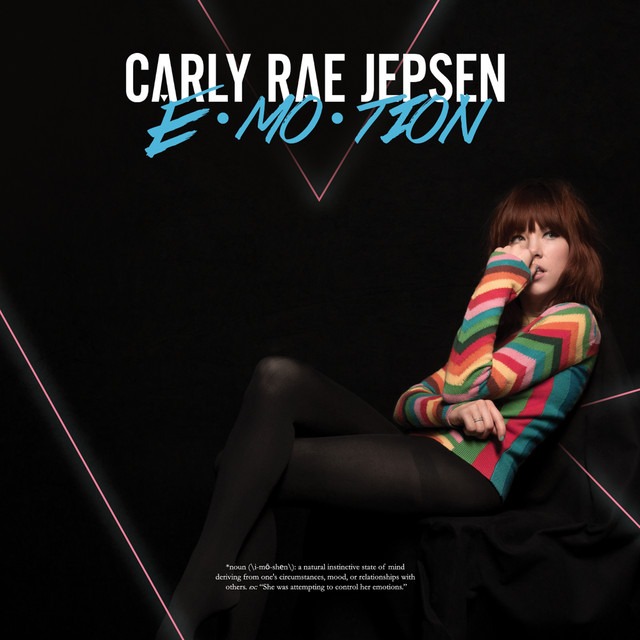
Carly Rae Jepsen revitalized her career and earned her status as a definitive indie darling with the release of her 2015 synth-pop masterpiece ‘Emotion’. Moving away from the bubblegum pop of her previous work, she sought a more mature and sophisticated sound inspired by the heart-on-your-sleeve romance of the 1980s. This vibrant project became a massive critical success and garnered a passionate cult following, eventually ranking among the greatest albums of the 21st century by 2025. The record serves as a perfect midway point between pure pop escapism and alternative experimentation, featuring collaborations with elite creators like Sia and Dev Hynes. Every track on this project reflects a daring spirit of creative control and a yearning for genuine intimacy that continues to resonate a decade later. Witnessing the transition from a global radio phenomenon to a celebrated artistic pioneer is a highlight for any pop enthusiast.

The Scrapped Indie Folk Rebellion

While assuming the lead role in Broadway’s ‘Cinderella’ in New York, Jepsen recorded an entire indie-folk album as a personal act of rebellion against the pressure to match her past commercial success. She described the music as “really weird” and eventually scrapped the project after realizing she was writing to prove a point rather than from a place of passion. This creative detour provided the necessary perspective to pivot toward the 1980s emotional pop direction that would eventually define ‘Emotion’.

Prince And Cyndi Lauper Morning Runs

The sonic blueprint for the album was heavily influenced by Jepsen’s morning runs through New York City before her Broadway rehearsals. She found herself infatuated with old-school records from Prince, Madonna, and Cyndi Lauper, admiring the potent and heart-wrenching honesty of their lyrics. Jepsen specifically wanted to capture that 1980s fantasy and romance where everyone’s feelings were right there on their sleeves. This inspiration led to the inclusion of “earthier textures” and new wave influences across the finalized tracklist.

Two Hundred And Fifty Written Songs

To find the perfect sixteen-track sequence for the official release, Jepsen and her team composed a staggering 250 songs over a period of several years. She worked past every deadline to ensure the quality of the project, even finishing the final touches right before the initial Japan launch. This massive pool of material also led to the release of ‘Emotion: Side B’, an EP featuring eight fan-favorite songs that were cut from the original project.

Strawberry Vaping And Gritty Vocals

During a late-night session at four in the morning for the synth-pop ballad “Your Type”, Jepsen became hooked on strawberry-flavored nicotine-free vapes provided by producers Rami Yacoub and Carl Falk. She admitted that the “gritty” and “smokier” quality of her vocals on the track was a direct result of vaping throughout the week of recording. The pair liked the textured performance so much that they abandoned plans to re-record the parts when her voice was more rested.

The Misheard Warm Blood Hook

The experimental track “Warm Blood” was produced by Rostam Batmanglij, who misheard Jepsen’s original vocal hook “warm love feels good” as “warm blood.” Both artists immediately preferred the physical and visceral connotation of the word “blood” over the more abstract “love,” feeling it better represented the intimacy they were trying to capture. The song became a standout for its distorted vocal cuts and a low-pitched performance that Jepsen recorded while her voice was “shot” from previous sessions.