Home Blog Page 314

Robert DeLong Strips It Back on ā€œFool Me Once (Folk Edition)ā€

0

Alt-electro shapeshifter Robert DeLong flips the script with ā€œFool Me Once (Folk Edition),ā€ a banjo-led reimagining of a track originally featured on his deluxe album ā€˜PLAYLIST OF DOOM: After DARK’, released via Roundhill Records. Inspired by a live banjo performance, the new version trades synths for strings, blending stomp-and-clap energy with pedal steel from collaborator JD Carrera. What emerges is a warm, intimate take that reconnects the song with its earliest form.

ā€œā€˜Fool Me Once’ was written on a banjo in my kitchen, recorded on a voice note, and then promptly forgotten,ā€ DeLong explains. ā€œI wanted to do a version of it live, and without thinking one day I picked up my banjo, and then I remembered that’s where it all started.ā€ Lyrically drawn from autobiographical moments, the song reflects on fleeting connection and the quiet optimism that follows. Originally from Seattle and now based in Los Angeles, DeLong continues to blur boundaries between electronic precision and raw, human storytelling, letting the song’s origin guide its evolution this time around.

Bianca Jazmine Turns Restless Nights Into Release on ā€œLosing Sleepā€

0

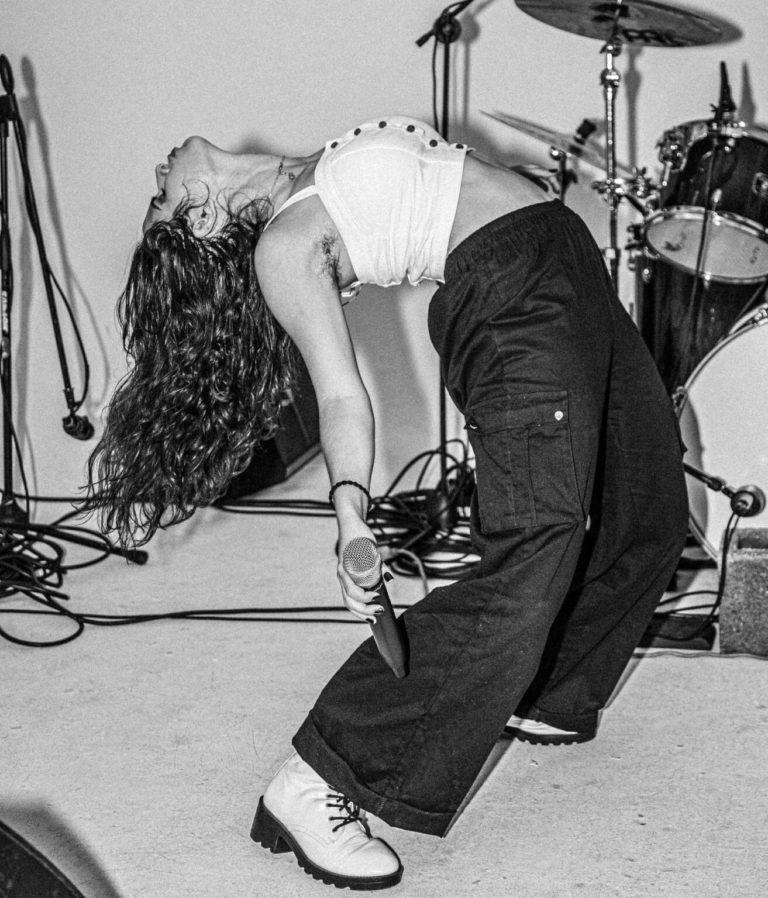
Miami-born indie rock artist Bianca Jazmine returns with ā€œLosing Sleep,ā€ a dark, cinematic new single recorded at the legendary Sunset Sound Recorders in Hollywood. Born from a period of nightly panic attacks, the song channels anxiety and insomnia into something expansive, building from a taut rhythm section and aching vocals before bursting into a cathartic chorus that mirrors the spiral of late-night overthinking.

Balancing raw vulnerability with high-voltage indie rock energy, ā€œLosing Sleepā€ moves through the blurred space between exhaustion and emotional intensity, where tension slowly gives way to clarity. It’s a release that feels both intimate and widescreen, capturing the moment when truth surfaces in the quiet hours. An award-winning Cuban-American artist, Bianca Jazmine continues to carve out a voice rooted in empathy, self-empowerment, and emotional honesty, turning personal struggle into something shared and resonant.

Firerose Reclaims Her Story on ā€œShining Armor (Rise Again)ā€

0

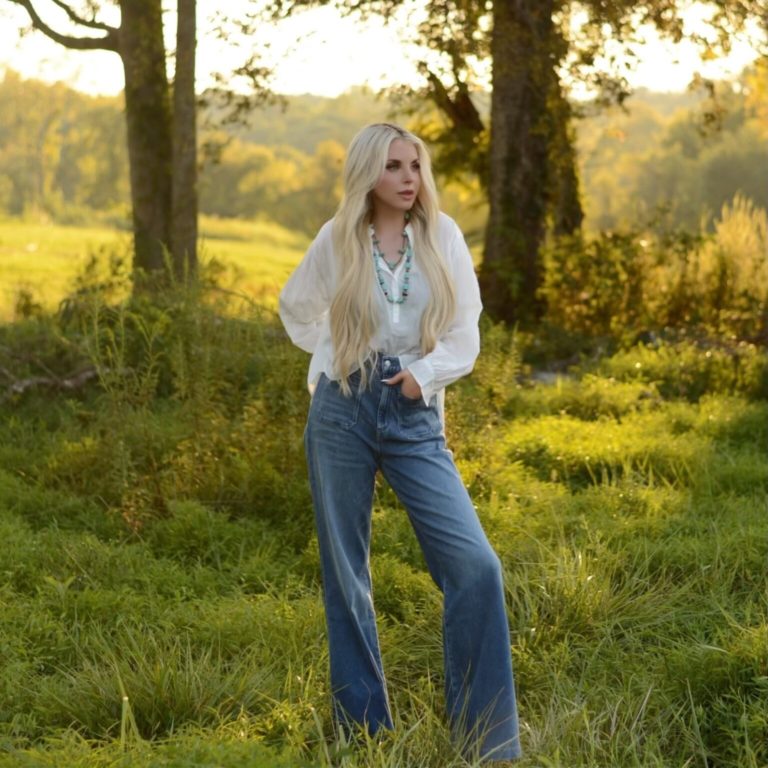
Americana and pop have always made room for artists who choose clarity over spectacle, and Firerose steps firmly into that tradition with ā€œShining Armor (Rise Again).ā€ The new single revisits the title track from her album ā€˜Shining Armor’, reshaped into a more expansive, resolute statement and paired with a self-directed video filmed in New York. There’s no excess here, just direct language, steady momentum, and a sense of purpose that reflects a life rebuilt through faith, sobriety, and hard-earned perspective

Calling this the definitive version matters. It signals an artist fully standing behind her work, both musically and visually, and trusting the song to hold its weight onstage or stripped back to its bare essentials. For listeners who’ve followed Firerose through earlier releases like ā€œNew Dayā€ and ā€œPlans,ā€ this track lands closer to the core, with the performance riding tightly alongside the lyric. ā€œShining Armor (Rise Again)ā€ feels built to travel, whether through a live room or a quiet moment alone, and it sets the tone for the next chapter, including her forthcoming podcast No One Asked Her, which promises the same kind of plainspoken honesty that anchors this release.

Michael Vincent Charges Forward on New Album ā€˜Sky Blue (C’mon, C’mon!)’

0

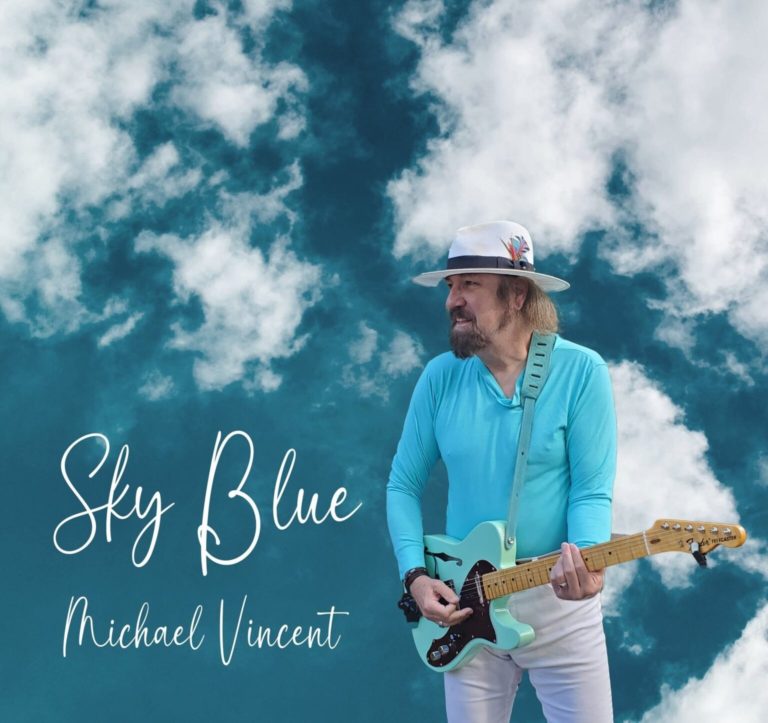
Bay Area indie rock staple Michael Vincent returns with his eighth full-length release, ā€˜Sky Blue (C’mon, C’mon!)’, a high-energy album that pulls from across his wide-ranging catalog while hitting with fresh urgency. The record blends edgy indie rock and power pop with flashes of garage and grunge, alongside a few nods to Vincent’s earlier folk-rock leanings. Known for balancing bright originals with time-tested instincts, Vincent comes out swinging, setting the tone immediately with the album’s explosive opener.

A standout moment arrives via a collaboration with Charles Norman, whose raw, forceful arrangement of ā€œC’mon, C’mon!ā€ became the catalyst for the album’s momentum. ā€œThe energy of Charles’ arrangement is so ā€˜in-your-face’ unavoidable, it just makes sense to have the song come right out of the chute! It grabs you by your shirt and hauls you away!ā€ Vincent says. Released via Angel Blossom Records, the album follows the critically praised ā€˜Electric Fox’ and marks Vincent’s first release available on vinyl, further cementing his long-running presence as one of the Bay Area’s most resilient and creative independent voices.

Kenny Hotopp Shares Warm, Reflective New EP ā€˜Early Times’

0

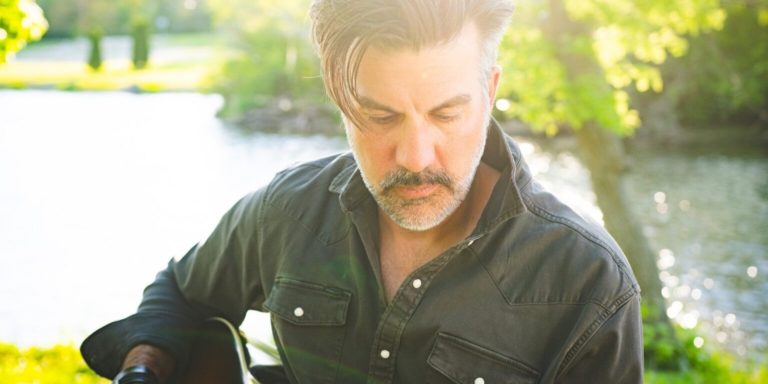
Singer-songwriter Kenny Hotopp has released his evocative new EP ā€˜Early Times’, a five-song collection rooted in lived experience and quiet reflection. Drawing from memory, love, and the moments that shape a life, the EP moves between soul-soothing ballads and lighter, playful rhythms, touching on marriage, fatherhood, and the endurance of connection. ā€œThese are stories I’ve lived or witnessed, but I leave space in the lyrics for you to find your own meaning, your own moments,ā€ Hotopp says. ā€œSome are fun, a few are serious. But every song came from a real place, and I think people will feel that.ā€

Recorded with longtime collaborators at Philville Records, ā€˜Early Times’ blends folk and Americana foundations with touches of bluegrass, R&B, blues, and subtle psychedelic country flourishes. Across the EP, Hotopp’s warm delivery and lyrical honesty anchor each song, from the hopeful camaraderie of ā€œWe’ll Go Onā€ to the nostalgic reflections of the title track and the gentle romance of ā€œLost Track of Time.ā€ Each track stands confidently on its own, while together they form a cohesive, deeply human snapshot of a life observed with care and humility.

Marmozets Return With Ferocious New Single ā€œA Kiss From A Motherā€

0

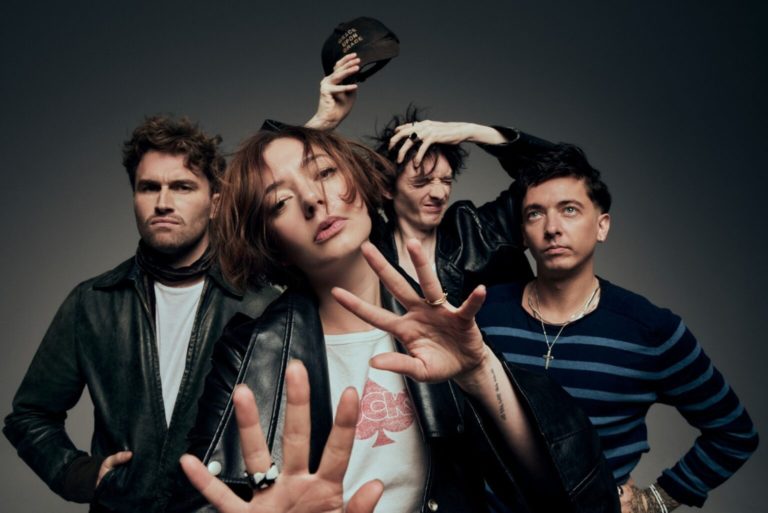
After seven years away, Marmozets make a long-awaited return with their new track ā€œA Kiss From A Mother,ā€ released via Nettwerk Music Group. A clear statement of intent, the song wastes no time reintroducing the band’s intensity, blending heavyweight riffs with sharp melodic turns and a streak of fearless experimentation. From mariachi-metal chaos inspired by The Cramps to Becca Macintyre’s feral vocal performance, captured in just three takes, the track channels pent-up energy into something both confrontational and creative. ā€œThe message of the song is to make sure you listen, rather than just shoot straight back,ā€ Becca explains. ā€œProbably everyone can relate to the idea of not letting some advice go in one ear and out the other, let it actually immerse in you. As for my voice, that’s just my spirit coming out! I’m not playing a character; I’m giving it all that I’ve got.ā€

Formed in Bingley, Yorkshire, Marmozets first exploded as teenagers, quickly earning a reputation for fearless live shows and a sound that fused sharp musicianship with massive hooks. Following two critically acclaimed albums, the band stepped away from the spotlight as life shifted and priorities changed, before creativity slowly pulled them back together. Reuniting with a renewed lineup and fresh perspective, and working with producers Jonathan Gilmore and Andy Hawkins, Marmozets have emerged operating at a new creative peak. ā€œA Kiss From A Motherā€ marks not just a return, but a rebirth, fueled by growth, family, and a hunger to push further than ever before.

Swedish Musician Builds Custom Piano to Teach an Octopus to Play

0

Swedish musician Mattias Krantz set out on one of his most unusual experiments yet after rescuing a young octopus from a live fish market and naming him Takoyaki. Fascinated by octopuses’ intelligence and independent arm control, Krantz attempted to teach Tako how to play piano, testing everything from modified keys to visual cues before realizing traditional methods wouldn’t work. The breakthrough came with a custom-built ā€œcrab elevator,ā€ a reward system that lowered food incrementally with each correct note, forcing Tako to complete an entire melody before earning his treat. After months of trial, failure, and persistence, the pair eventually began playing simple duets together, marking a strange, funny, and oddly touching fusion of curiosity, engineering, and interspecies collaboration.


Postmodern Jukebox Swing Back With Speakeasy Take on Stevie Wonder’s ā€œPart-Time Loverā€

0

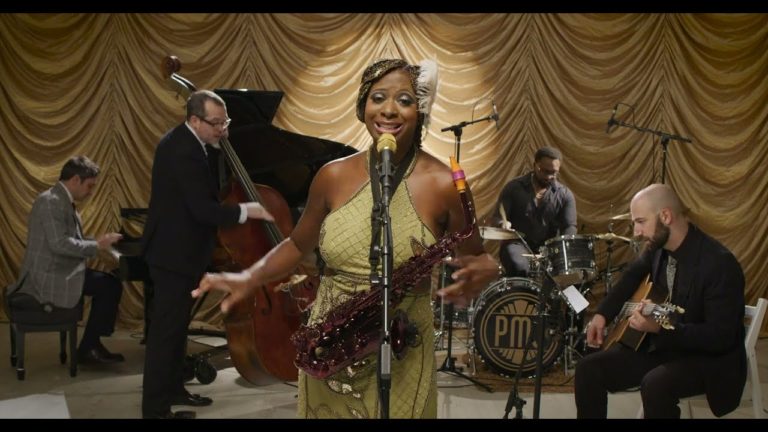
Postmodern Jukebox team up with singer and saxophonist Amber Woodhouse for a spirited reimagining of Stevie Wonder’s ā€œPart-Time Lover,ā€ flipping the pop classic into a swinging 1930s speakeasy jazz romp. The performance leans into vintage hot jazz energy, complete with brassy swagger and playful rhythms, as Postmodern Jukebox once again transforms a familiar hit into something delightfully old-world and full of life.


Kelsea Ballerini Shares Quiet Reflection With ā€œI Sit In Parksā€

0

Seven-time and current CMA Female Vocalist of the Year nominee Kelsea Ballerini is teasing her upcoming EP ā€˜Mount Pleasant’ with the release of the reflective new song ā€œI Sit In Parks,ā€ available now via Black River Entertainment. Paired with a simple, contemplative video that finds Ballerini sitting alone on a park swing, the song captures a moment of pause as she weighs choices, sacrifices, and the personal cost of success. Continuing her tradition of emotional honesty, ā€œI Sit In Parksā€ offers one of her most intimate self-assessments yet.

Built around a whisper-soft vocal, the song quietly examines longing and comparison as Ballerini watches everyday life unfold around her. ā€œI sit in parks, it breaks my heart/’Cause I see just how far I am from the things that I want…,ā€ she sings, confronting the tension between ambition and the lives her peers are now living. ā€œI have always made records – whether songs, EPs or albums – to capture a moment in time,ā€ Ballerini says. ā€œMount Pleasant is a collection of six songs I’ve written throughout the summer, marking a chapter of heavy self-examination, longing and stepping further into who I am as a 32-year-old woman.ā€ The track continues a creative run defined by vulnerability, offering reflection without resolution and compassion without easy answers.

10 Soundtracks That Carried the Film

You know what’s fascinating about film music? Sometimes a movie comes along that’s perfectly fine—maybe even good—but the soundtrack? The soundtrack becomes legendary. It outlives the film. It defines an era. It sells millions of copies and influences countless artists while the movie itself fades into late-night cable obscurity. I’ve spent decades tracking how music intersects with popular culture, and these ten soundtracks didn’t just complement their films—they absolutely carried them, often becoming more culturally significant than the movies themselves. Let’s dig in.

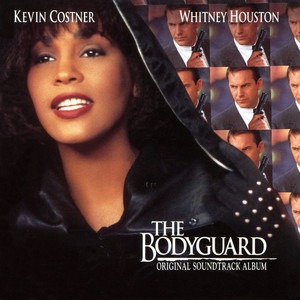
The Bodyguard (1992) Whitney Houston’s rendition of a certain Dolly Parton ballad became one of the best-selling singles of all time, spending 14 weeks at number one. The album moved over 45 million copies worldwide, making it one of the biggest soundtrack albums ever. Houston’s powerhouse vocals turned what was essentially a formulaic romantic thriller into a cultural phenomenon, with the music far outlasting the film’s modest critical reception.

Saturday Night Fever (1977) The Bee Gees essentially defined disco’s commercial peak with this double album that sold over 40 million copies. Tracks like their falsetto-driven dance anthems dominated 1978, with four number-one singles from a single soundtrack—a record that stood for decades. The film was decent, but the music created a global movement, influencing everyone from dance music producers to modern electronic artists.

Purple Rain (1984) Prince at his absolute peak delivered an album that spent 24 weeks at number one and won an Oscar for Best Original Song Score. The title track became a rock anthem, while other cuts demonstrated his genre-blending mastery of funk, rock, and pop. The semi-autobiographical film works fine, but it’s basically a feature-length music video for one of the greatest albums of the 1980s.

Trainspotting (1996) This collection of Britpop, electronica, and alternative rock captured mid-90s UK music culture perfectly. Featuring established acts alongside emerging artists, it introduced North American audiences to a specific strain of British cool. The soundtrack became a bigger cultural touchstone than the film itself, influencing fashion, club culture, and the entire “Cool Britannica” movement.

Singles (1992) Released during grunge’s commercial explosion, this soundtrack captured Seattle’s musical moment with contributions from the scene’s biggest names. It became a snapshot of alternative rock’s mainstream breakthrough, with several tracks becoming modern rock radio staples. The romantic comedy was likeable but forgettable; the music defined a generation’s sound.

Pulp Fiction (1994) Quentin Tarantino’s eclectic selection of surf rock, soul, and pop obscurities introduced younger audiences to forgotten gems and revitalized careers. The soundtrack’s unexpected juxtapositions influenced how filmmakers thought about musical curation. It sold millions and made previously obscure tracks into cultural references, demonstrating that smart musical choices could be as important as dialogue.

The Crow (1994) This dark collection of industrial rock, alternative metal, and goth influences became a landmark for 90s hard rock. Featuring original compositions and collaborations specifically created for the film, it captured a specific aesthetic that influenced countless bands. The soundtrack massively outsold the film’s box office and became a touchstone for alternative music fans.

Garden State (2004) Zach Braff’s carefully curated collection of indie rock and folk helped define the “indie soundtrack” template for the 2000s. It introduced mainstream audiences to artists who’d been toiling in obscurity and essentially created a blueprint for how independent music could reach wider audiences through film. The soundtrack won a Grammy and launched numerous careers, far exceeding the film’s cultural footprint.

Judgment Night (1993) This experimental collaboration between hip-hop artists and rock bands was ahead of its time, predicting the rap-rock fusion that would dominate late-90s mainstream rock. While the film disappeared quickly, the soundtrack’s innovative approach influenced the entire nu-metal movement and demonstrated how genre barriers could be productively crossed.

O Brother, Where Art Thou? (2000) This collection of bluegrass, folk, and traditional American music sparked a full-blown roots music revival, selling over 8 million copies and winning the Grammy for Album of the Year. It introduced mainstream audiences to traditional forms and influenced countless Americana artists. The Coen Brothers film was charming, but the soundtrack became a genuine cultural phenomenon that revitalized entire musical genres.