
All photos by Mini’s Memories. You can contact her through Instagram or X.
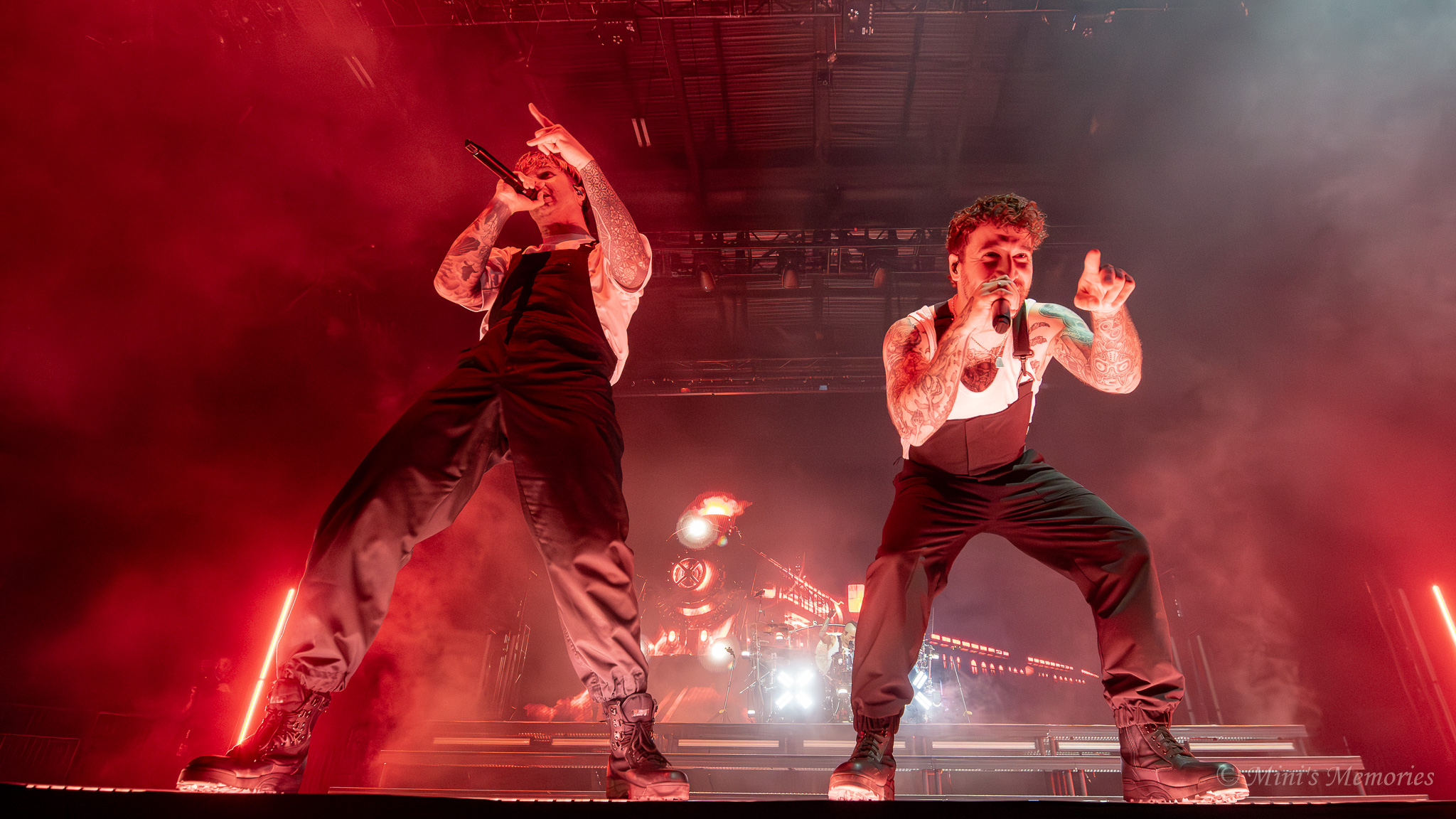
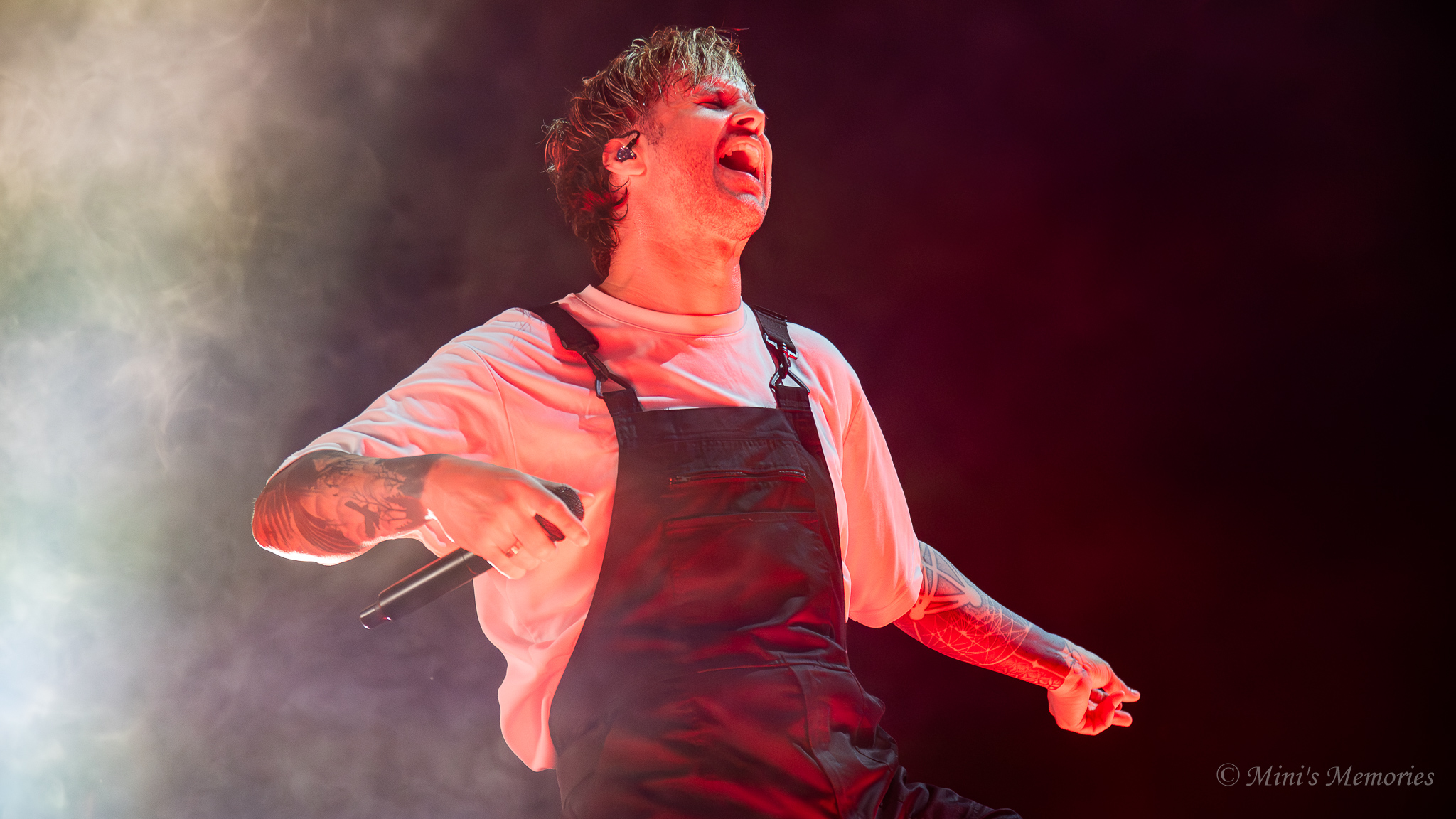
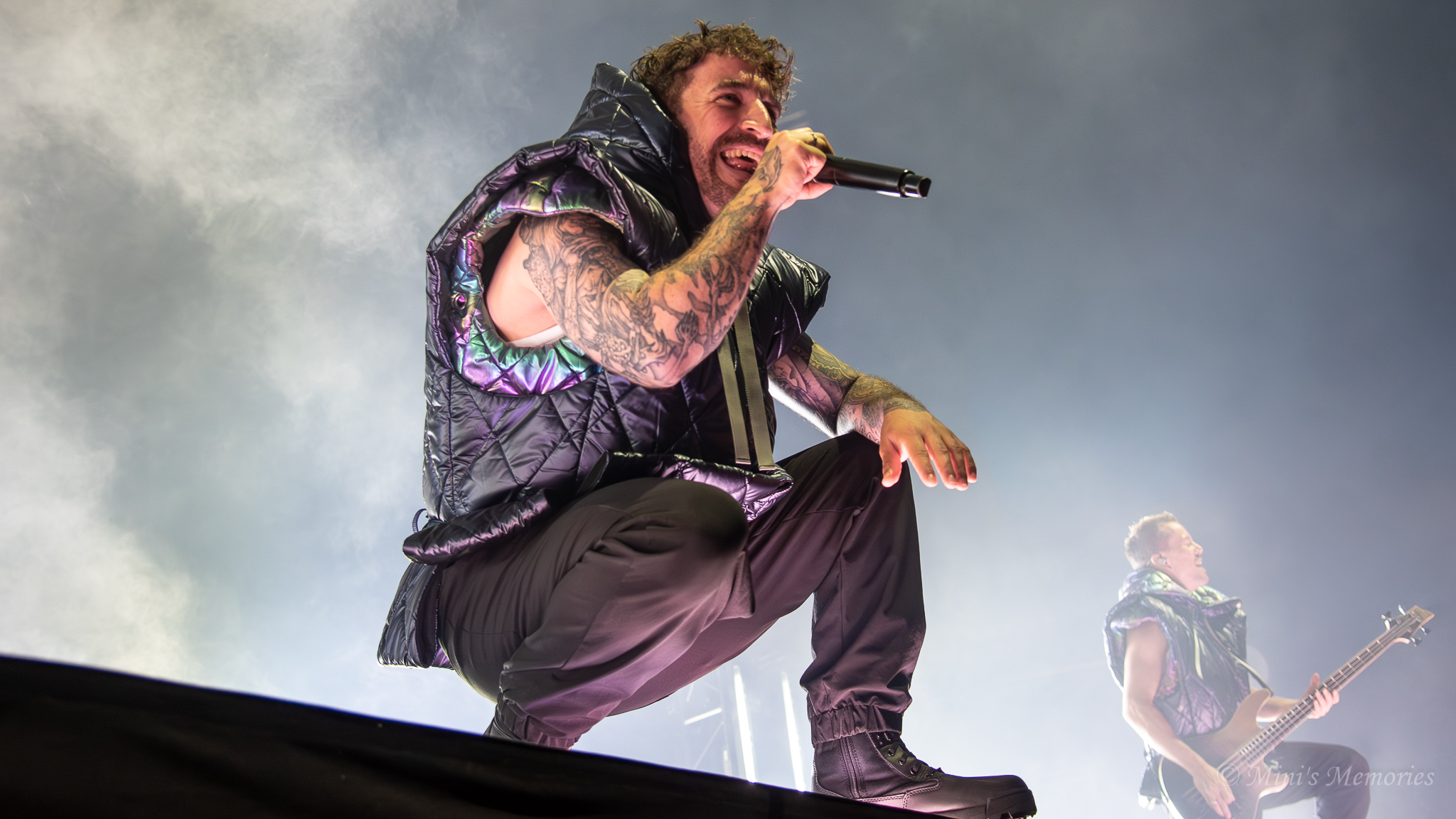
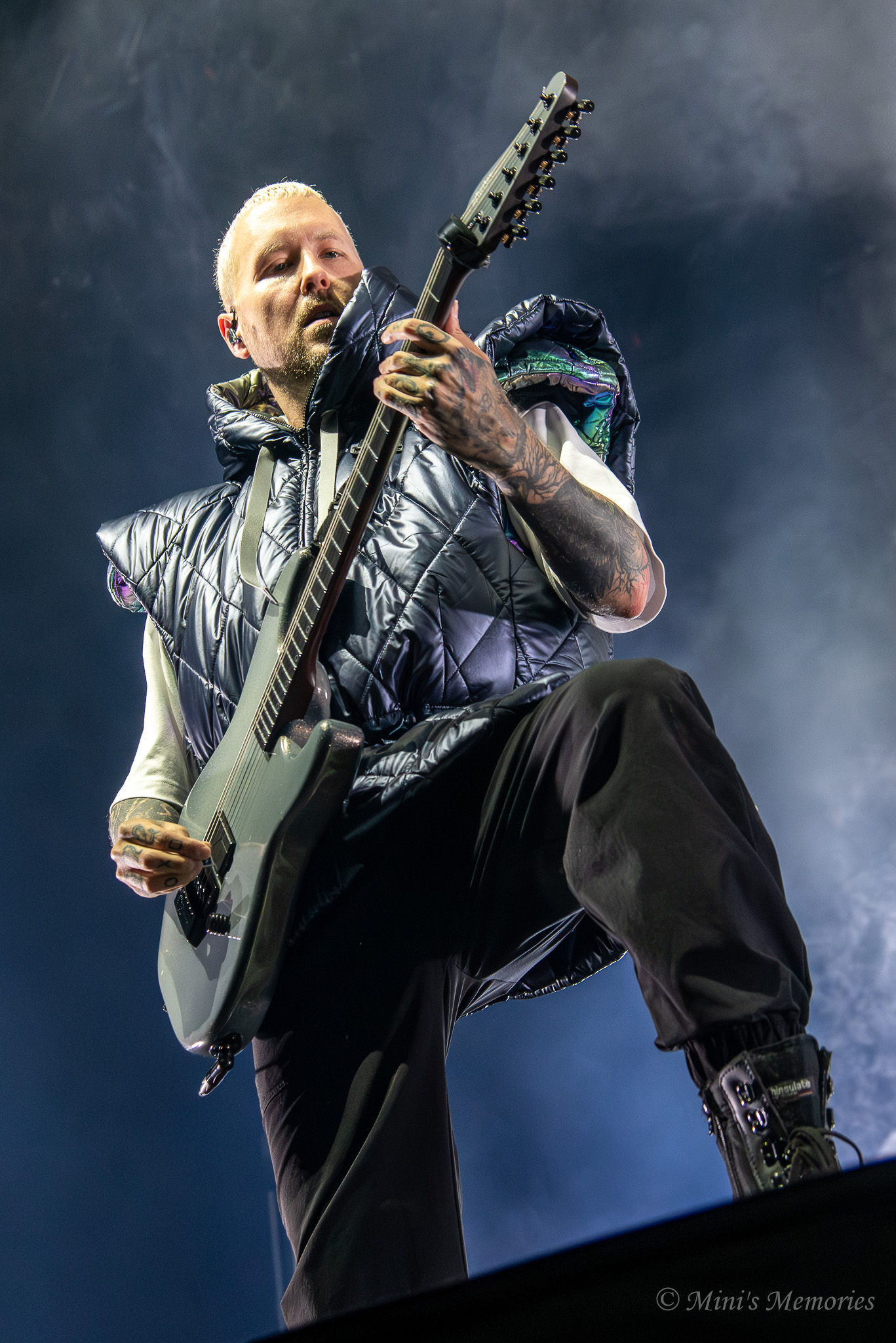
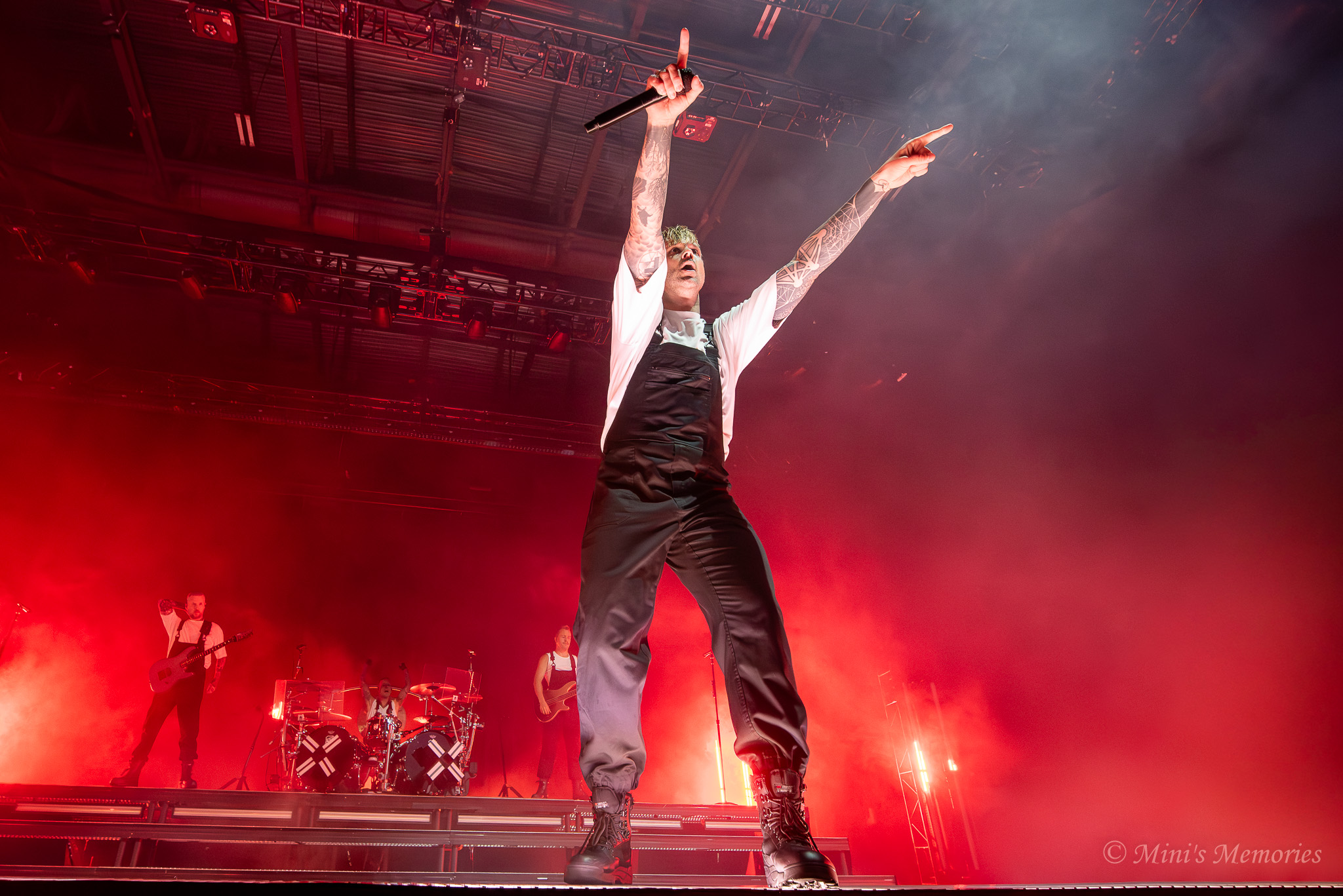
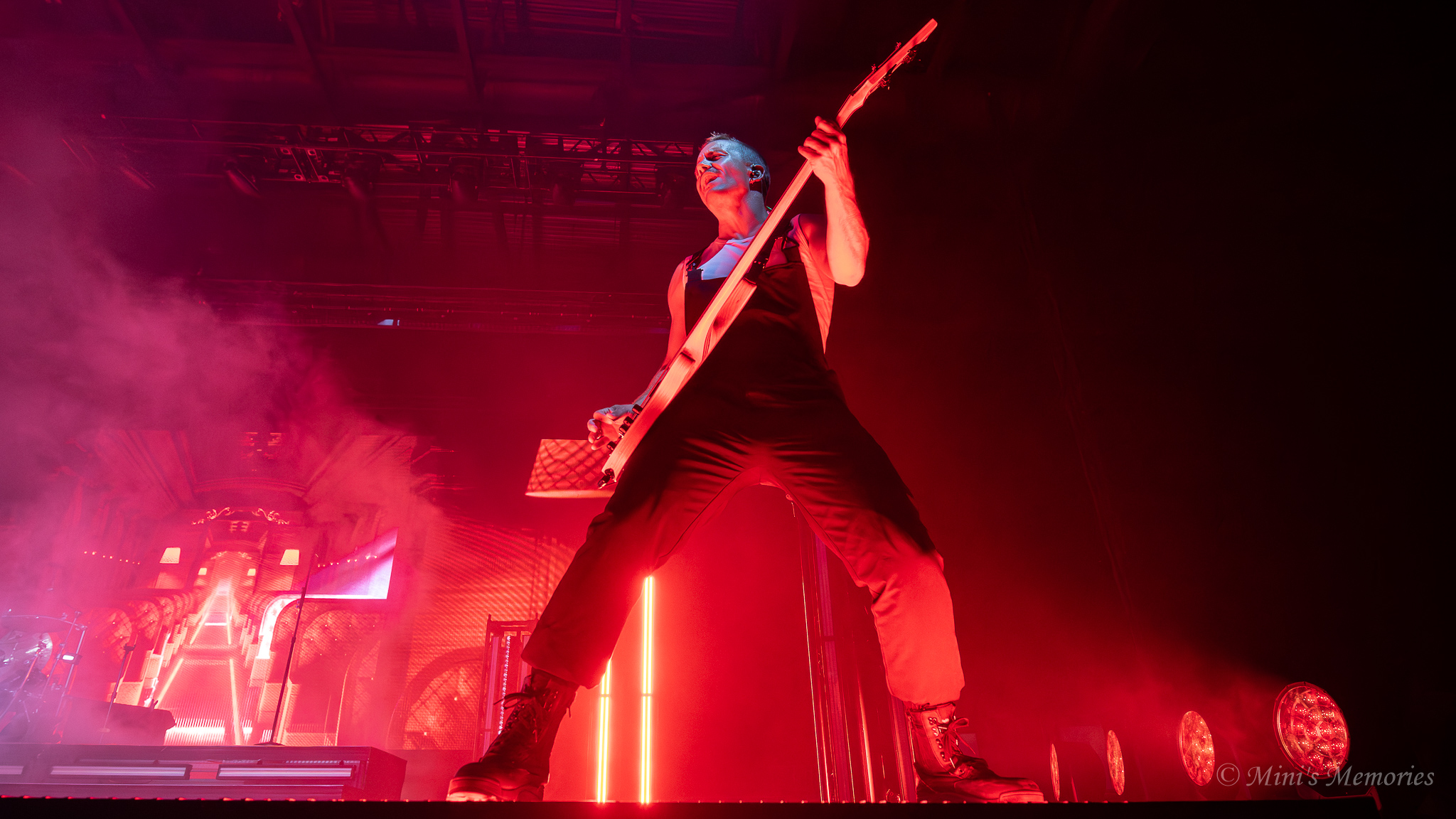
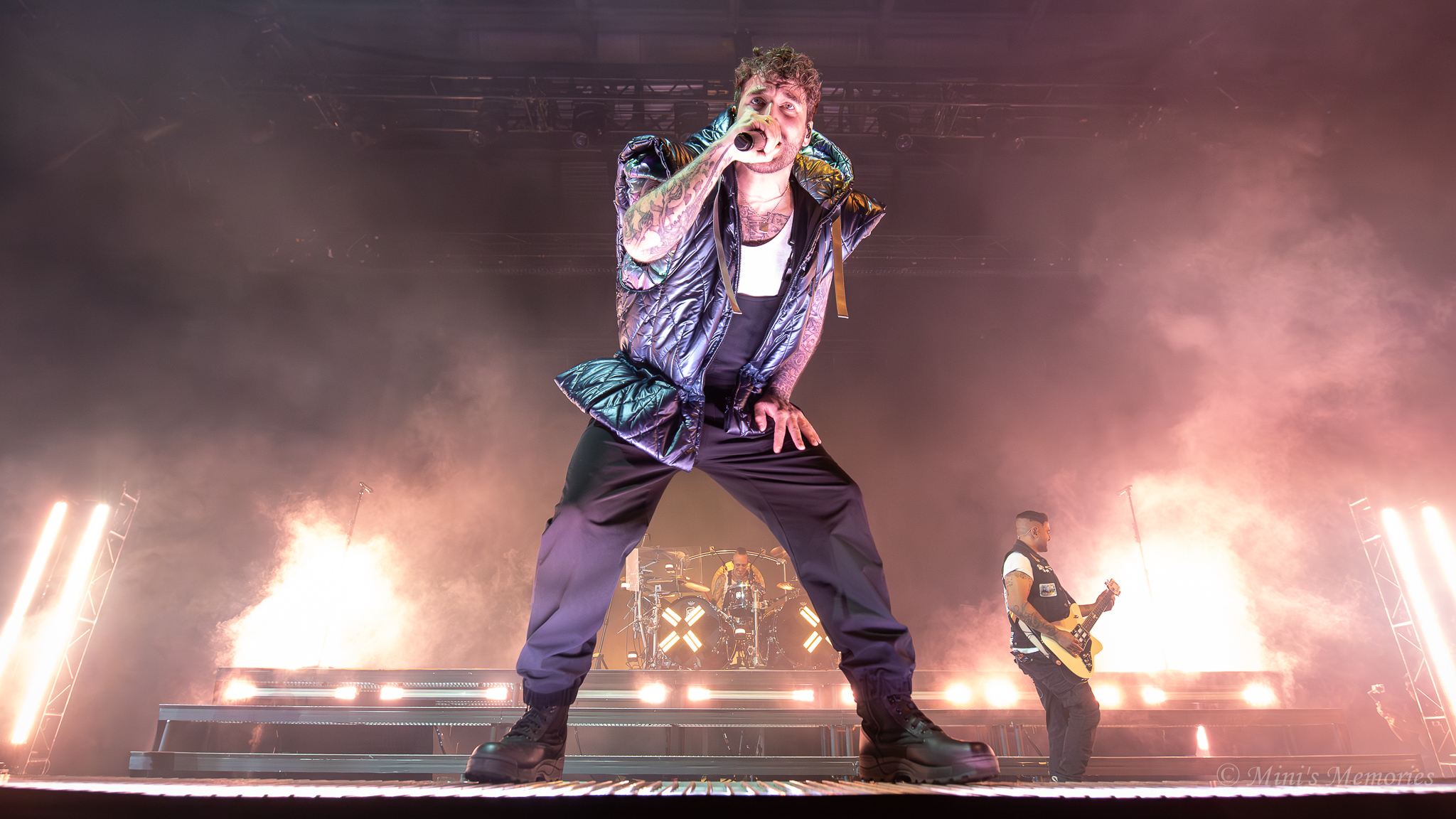
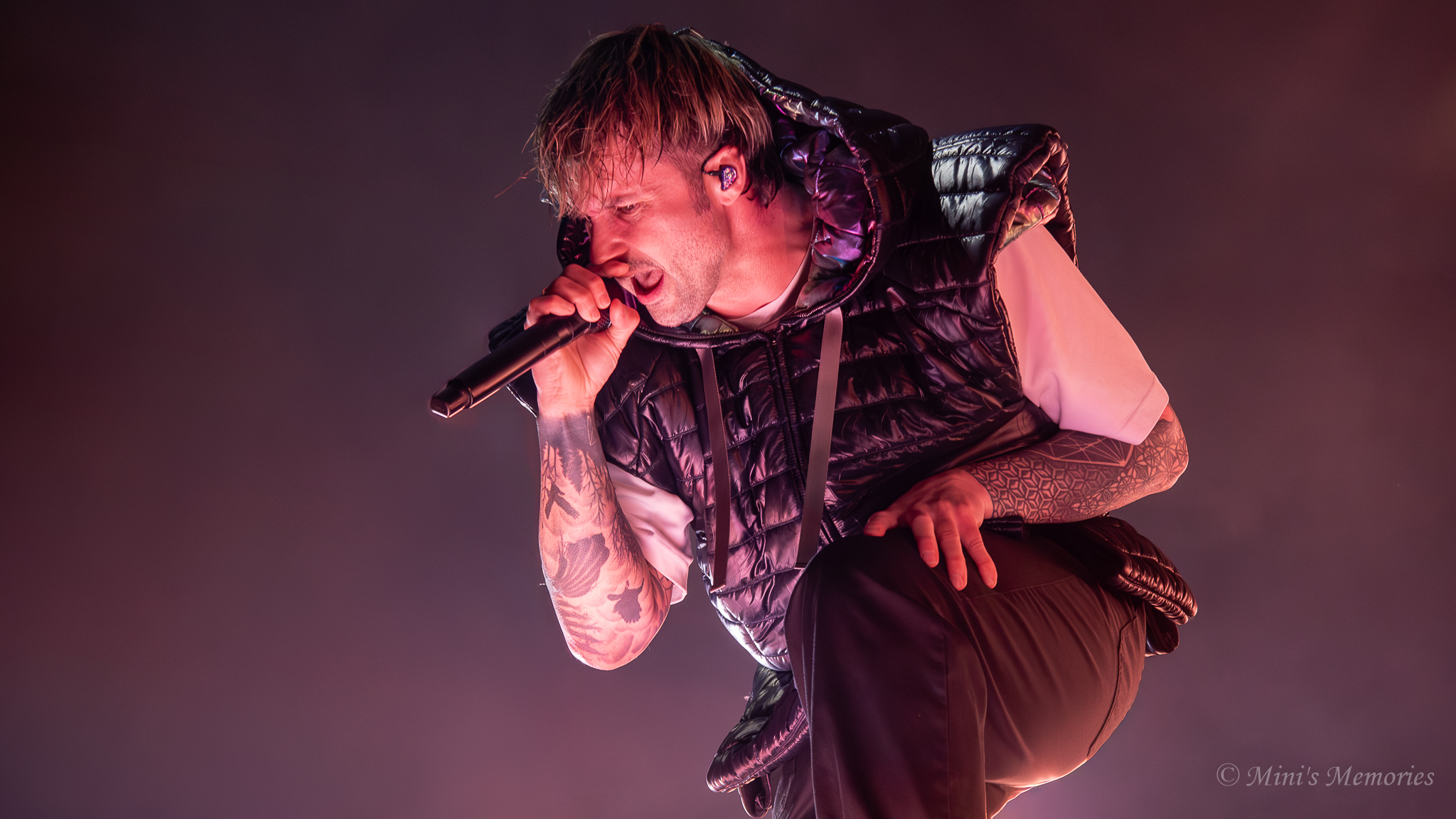
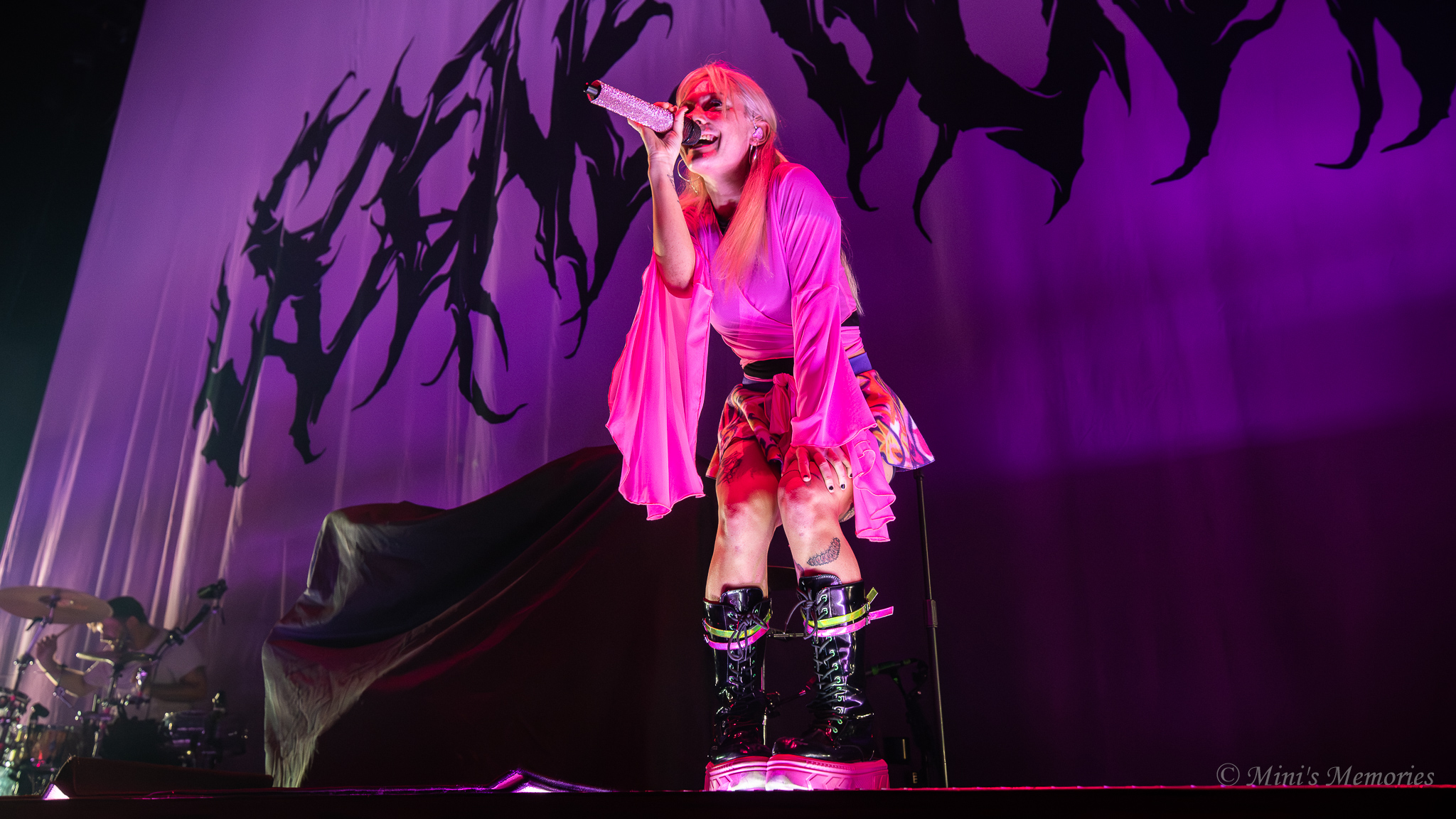
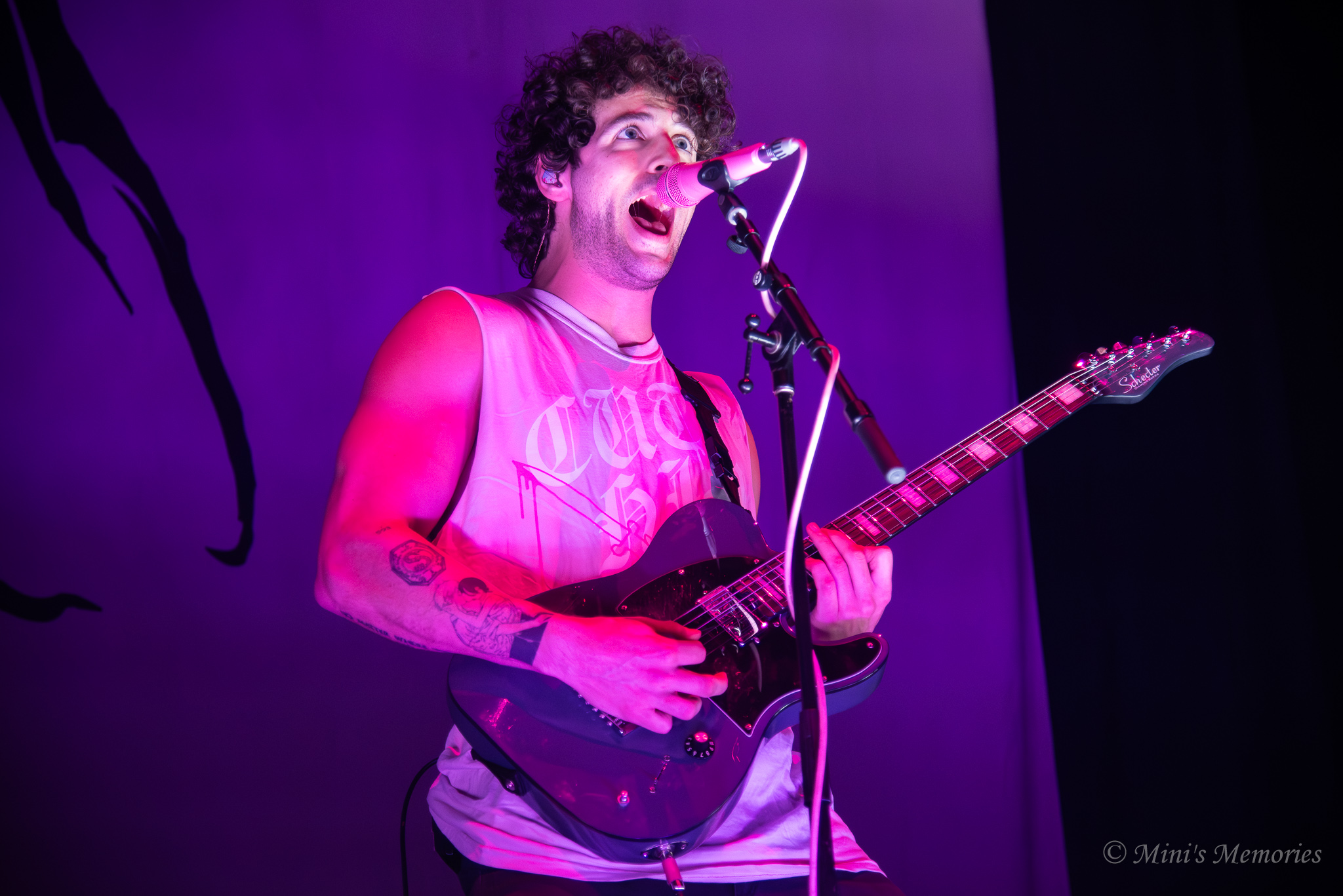
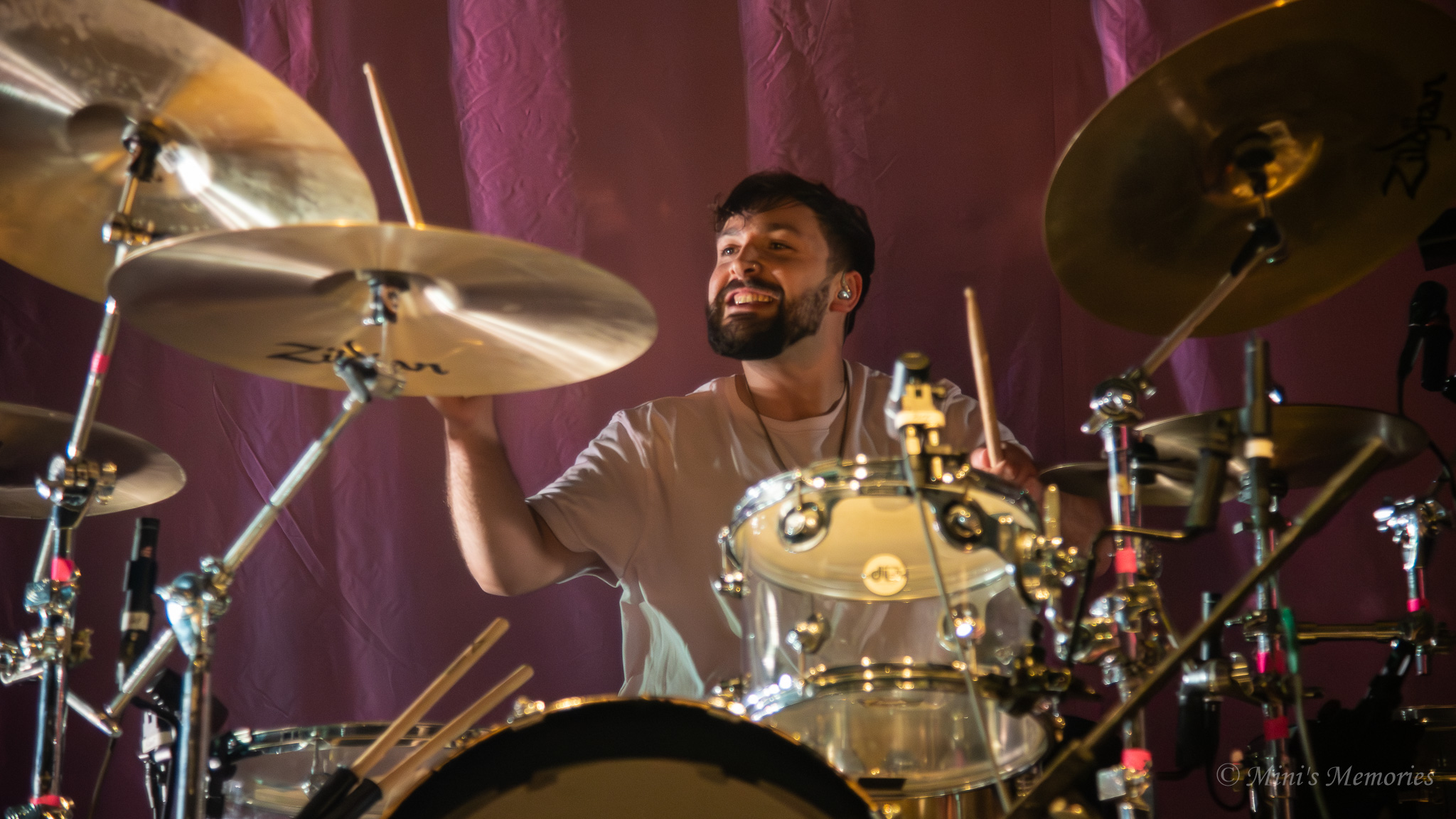
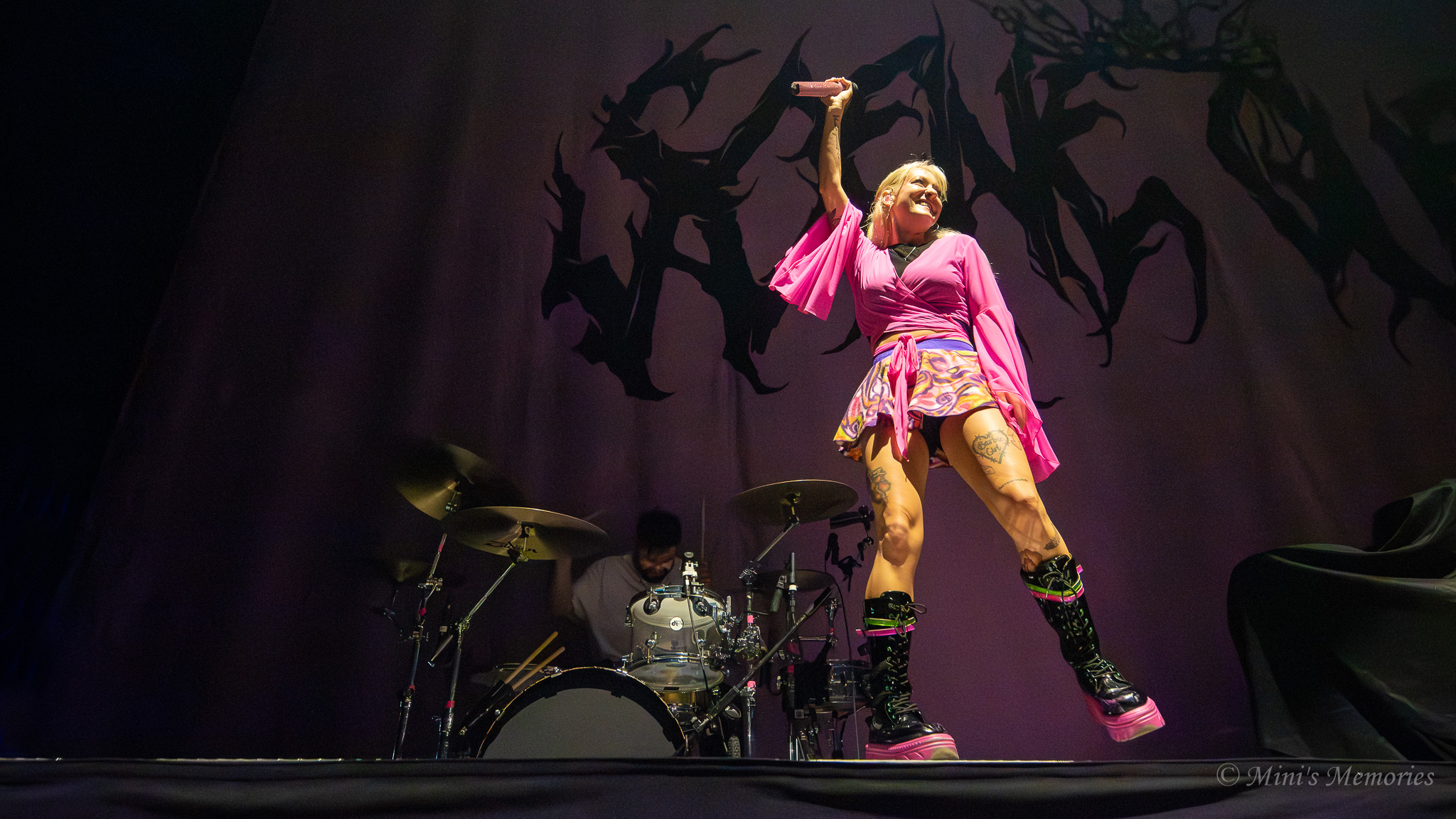
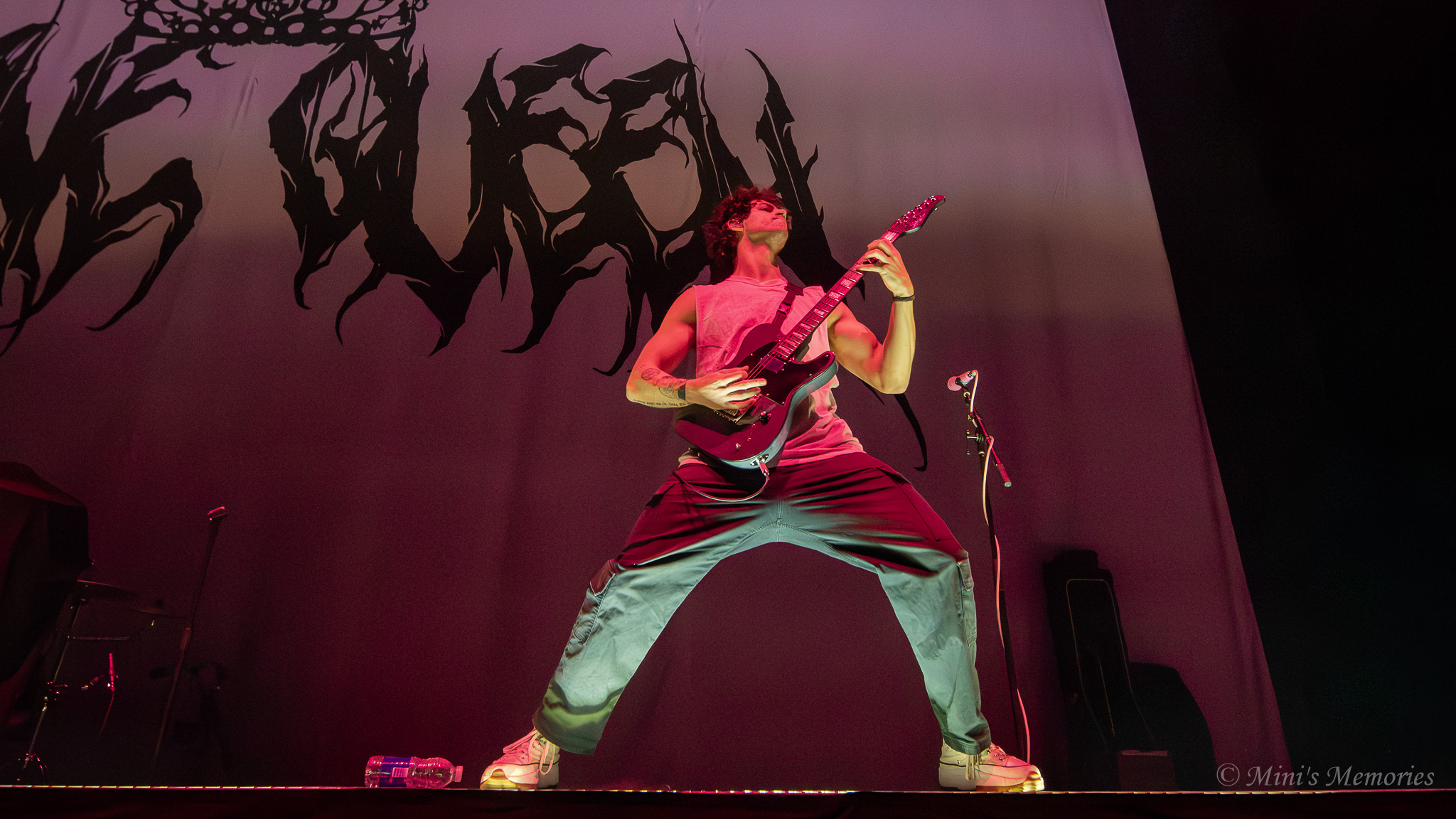
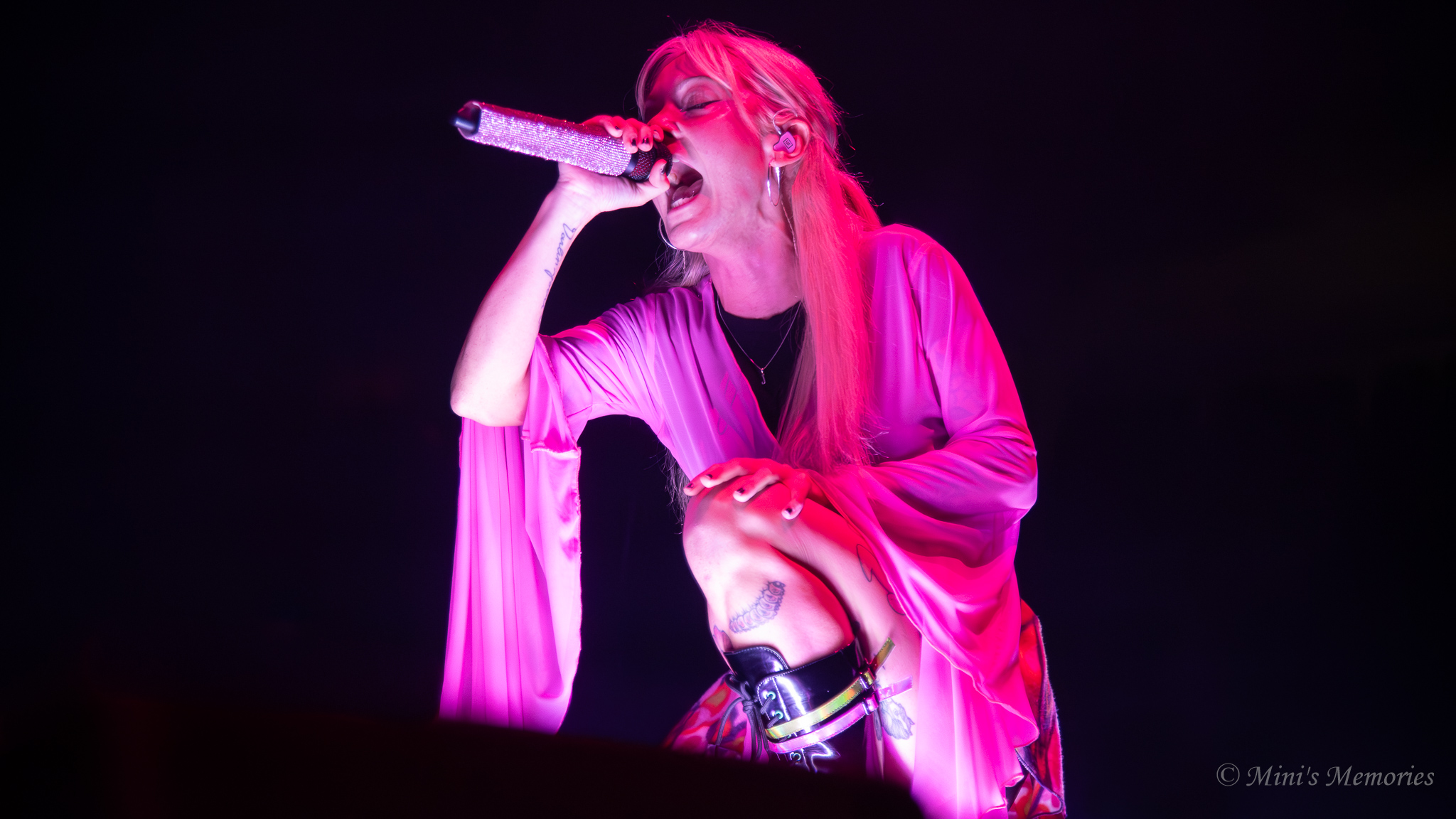
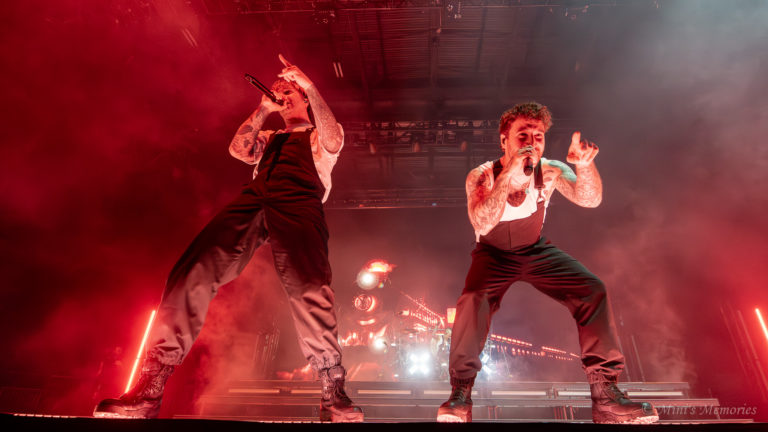
All photos by Mini’s Memories. You can contact her through Instagram or X.
By Mitch Rice
Computer vision technologies are rapidly transforming industries such as healthcare, retail, manufacturing, logistics, and autonomous driving. Behind every successful object detection model is high-quality training data, and one of the most important annotation methods used in AI development is bounding box annotation.
Bounding boxes help machine learning models identify and localize objects inside images and videos. From detecting vehicles on busy roads to recognizing products in retail stores, properly annotated datasets are essential for building accurate and reliable AI systems.
A bounding box is a rectangular frame used to define the position of an object within an image. In computer vision, these annotations help AI models learn where objects appear and how they should be classified during training.
Bounding box annotation is widely used in:
Because bounding boxes are relatively fast to create and scale efficiently, they remain one of the most popular image annotation techniques for AI training data.
The accuracy of AI models depends heavily on annotation quality. Poorly placed bounding boxes can reduce object detection performance and create unreliable predictions in production environments.
Common annotation issues include:
Even minor inconsistencies across datasets can negatively affect machine learning accuracy. This is why many organizations use structured quality assurance workflows and human review processes when building large-scale computer vision datasets.
Professional AI data annotation services help companies improve annotation consistency, reduce dataset errors, and build reliable training data for enterprise AI applications.
Several types of bounding boxes are used in computer vision projects depending on the complexity of the data and the intended AI application.
These are the most common annotations used in object detection tasks. They are simple rectangular boxes aligned with the image axes and are commonly used in retail AI, security systems, and manufacturing inspection.
Oriented boxes can rotate to better match angled or irregularly positioned objects. They are often used in satellite imagery, aerial analysis, and robotics.
3D bounding boxes help AI systems understand object depth and spatial positioning. These annotations are frequently used in autonomous driving and LiDAR-based computer vision systems.
Bounding boxes are ideal for many object detection tasks because they balance annotation speed and model performance. However, some AI applications require more detailed annotation methods.
Semantic segmentation provides pixel-level object labeling and is commonly used in medical imaging, autonomous driving, and advanced scene understanding projects.
For teams exploring more advanced image annotation workflows, semantic segmentation in computer vision is often used alongside bounding boxes to improve model precision and contextual understanding.
Bounding box annotation supports a wide range of AI and machine learning applications across modern industries.
Self-driving vehicles rely on bounding boxes to detect pedestrians, vehicles, road signs, and obstacles in real time.
Retail AI systems use object detection models for inventory management, shelf monitoring, and automated checkout technologies.
Healthcare AI platforms use annotated datasets to detect tumors, abnormalities, and anatomical structures within medical scans.
Factories use computer vision systems to identify product defects, monitor assembly lines, and improve operational efficiency.
Although automated annotation tools continue to improve, human validation remains critical for maintaining dataset accuracy and consistency.
Many enterprise AI companies use human-in-the-loop workflows that combine automation with expert review to reduce annotation errors and improve machine learning performance.
Human reviewers help validate:
This approach improves the reliability of AI training datasets while supporting better object detection accuracy in production systems.
Bounding boxes remain one of the most effective and scalable annotation methods in computer vision. They help AI systems localize objects, improve object detection accuracy, and support a wide range of machine learning applications across industries.
As AI adoption grows, businesses increasingly recognize that high-quality annotation directly affects model performance and operational reliability. Consistent labeling, structured QA workflows, and human validation all play a major role in building successful AI training datasets.
Companies developing computer vision solutions at scale often invest in professional annotation workflows to improve dataset quality and accelerate AI deployment.
Data and information are provided for informational purposes only, and are not intended for investment or other purposes.
By Mitch Rice
A few years back, making videos was mostly tied up with filmmakers, YouTubers, or media companies. Now it’s kind of everywhere. Small businesses use it for marketing, students put it into presentations, and families share everyday personal moments by posting short clips online.
The way people talk and connect on the internet has shifted a lot, and video feels like the main piece in that change.
Whether someone is pushing a product, walking through an explanation, or just dropping memories for friends, videos often seem quicker and more involving than plain text ,or static pictures.
There is, like, a simple reason video keeps on growing across every major platform. It really grabs attention fast, almost immediately, and that matters a lot.
People can absorb information at a quicker pace because of visuals plus sound, instead of reading those long blocks of text. And this is even more significant on mobile devices, where people scroll through content feeds pretty rapidly, without stopping.
Video is now commonly used for:
According to YouTube, billions of hours of video content are watched globally every single day, and that kind of demonstrates just how deeply video has been integrated into modern internet behavior, like really.
Even though recording videos is now way easier because of smartphones, the whole editing part still causes this annoying friction for a lot of people.
Most professional editing tools come with advanced features, the kind that casual users may never touch. If someone is only trying to cut a few clips, put in captions, or stitch scenes together, then these complicated timelines and technical controls can feel a bit pointless, like, too much for the job.
So it makes sense that many viewers and creators are starting to search for an editing platform that leans toward simplicity and easy access not so much on complexity.
In that sense, an online video maker may help, especially if you want to do quick edits straight from your browser without installing big desktop applications.
And honestly the comfort factor matters more than ever because plenty of users publish content regularly, not only once in a while.
.
Modern content creators often prioritize speed over perfection.
For example, someone posting daily social media updates usually needs:
The goal is efficiency.
Instead of spending, like hours, polishing every frame it seems a lot of creators just go for publishing consistently , and they try to keep the audience engaged , like on a steady basis.
This trend is especially noticeable among:
Cloud based tools kind of support these workflows too, because users can keep editing from different devices, without having to rely 100% on a super high performance computer, or whatever.
Phones aren’t used just to record videos anymore. A lot of people now sort of edit and publish right from their mobile devices, like straight away.
Because of that there’s been a real jump in demand for light weight editing applications that can still run smoothly on smaller screens without acting sluggish.
Some platforms even come with dedicated mobile apps, so users can keep working while they’re remote or traveling. Clideo is one example, it has an iOS editing application you can get through the App Store, for people who like mobile workflows better.
And as mobile internet speeds keep improving everywhere, more creators are leaning toward browser based as well as app based editing options, rather than sticking with older desktop-only software.
Video content is probably going to keep growing across basically every major industry, sort of like it can’t stop, or. Companies are going to depend more and more on video for customer engagement, but creators are also using it to grow an audience and reinforce their personal brand. And yeah, at the same time, people are asking for tools that strip away the extra friction and unnecessary complication from the editing workflow, so it feels way less complicated then before, you know?
Future editing platforms will probably focus more on:
Most users don’t really want to become professional video editors, they just want a few tools that help them craft something polished fast and in an efficient way. That whole shift is slowly changing the way video software gets designed, and honestly how people create content online, each day.
Data and information are provided for informational purposes only, and are not intended for investment or other purposes.
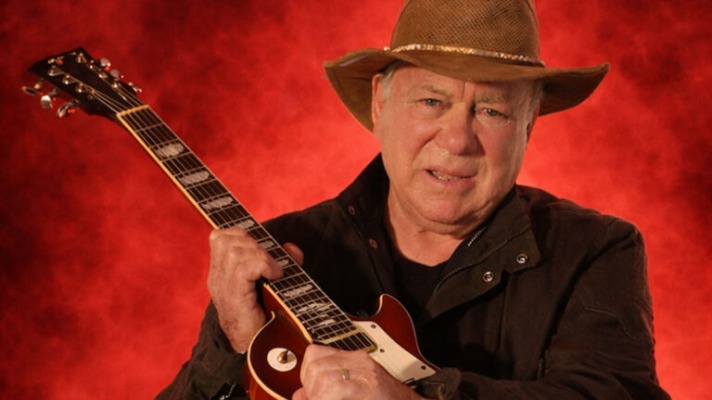
William Shatner is making a metal album, and he’s doing it with an army. The legendary actor, author, and cultural icon has announced a full-scale heavy metal project via Cleopatra Records, built around massive guitars, cinematic arrangements, and a personally hand-picked roster of elite metal talent.
The catalyst was Shatner’s involvement with Nuclear Messiah’s upcoming album ‘Black Flame’, where he voiced an intro piece created with ex-Megadeth founding guitarist and widely revered metal innovator Chris Poland. That collaboration opened a door Shatner walked straight through.
“When Nuclear Messiah came to life, something clicked,” Shatner says. “It wasn’t just a track, it was a doorway. It made me want to go all the way in, bring in the best metal players I could find, and create something fearless.”
His history with heavy music runs deep. Zakk Wylde, Ritchie Blackmore, Edgar Froese of Tangerine Dream, Wayne Kramer of MC5, and Henry Rollins of Black Flag and The Rollins Band have all recorded with him previously. This new project raises the stakes considerably, more artists, more distortion, more drama, with Wylde personally gifting Shatner a guitar as the project took shape.
Shatner framed his vision plainly: “I am covering Black Sabbath, Judas Priest and Iron Maiden as well as a number of new songs written by my team. Metal has always been a place where imagination gets loud. I chose these artists because they have something to say, and because metal demands honesty.”
Full album details including title, tracklist, release date, lead single, and the complete roster of featured artists are still to be announced via Cleopatra Records.
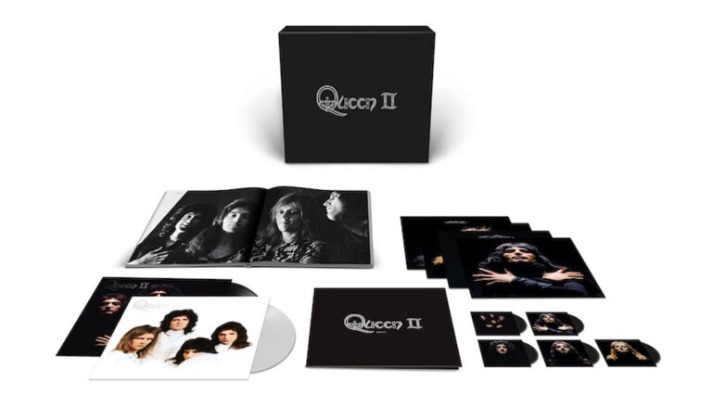
More than 50 years after it set Queen on the path to superstardom, ‘Queen II’ has been remixed, remastered, and expanded into one of the most comprehensive archival releases the band has ever put together. The 5 CD/2 LP Queen II Collector’s Edition box set is out now via UMe, with Brian May and Roger Taylor serving as executive producers.
The 2026 mix was handled by the trusted team of Justin Shirley-Smith, Joshua J Macrae, and Kris Fredriksson, the same team behind the Queen I reissue and several other past releases. The results are stunning, bringing new dimension to an album that May has called the band’s single biggest leap forward.
May was direct about what ‘Queen II’ represented: “That’s when we really started making music the way we wanted to, rather than the way we were being pushed into recording it.” Taylor echoed that: “I think we felt we were evolving our own sound. We were pioneering this sort of multitracking thing. It gave you a tremendous palette, massive choral effects with just 3 of us singing.”
The box set goes deep. CD 2 presents a completely different, 100 percent previously unreleased version of every song on the album, drawn from original Trident sessions outtakes, complete with false starts, guide vocals, and studio banter between all 4 band members. Highlights include a solo Brian May demo of “White Queen (As It Began)” dating from 1969 and 2 solo Roger Taylor demos of “The Loser In The End” that track the song’s evolution. The never-completed session track “Not For Sale (Polar Bear)” also surfaces here for the first time.
CD 3 strips the songs to their backing tracks, spotlighting the band’s musical performances without lead vocals. CD 4 brings together BBC Radio 1 sessions for John Peel and Bob Harris from late 1973 and early 1974, plus a full live set from Golders Green Hippodrome on September 13, 1973, 6 months before ‘Queen II’ was even released. CD 5 closes the set with live performances from the Rainbow Theatre in March 1974 and Hammersmith Odeon in December of that year.
The Collector’s Edition also includes a 112-page book packed with previously unseen photographs, handwritten lyrics and musical notation from Freddie Mercury, Brian May, and Roger Taylor, journal entries, letters, vintage adverts, gig posters, and outtakes from Mick Rock’s legendary photo session for the album cover.
Tracklist:
CD 1: Queen II — 2026 Mix
CD 2: Queen II — Sessions
CD 3: Queen II — Backing Tracks
CD 4: Queen II — At The BBC
CD 5: Queen II — Live
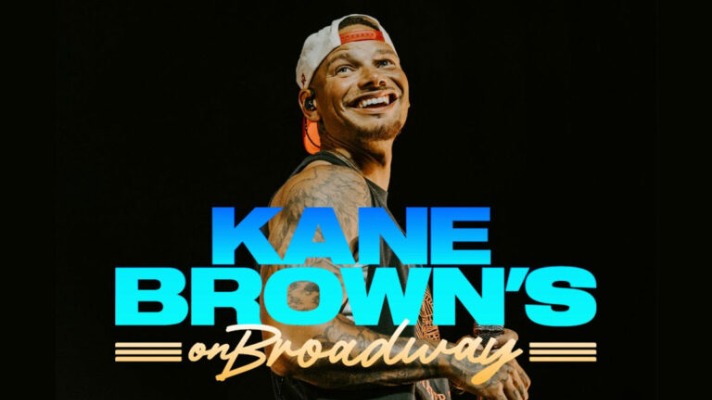
Kane Brown’s name is going on a building on Lower Broadway, and the story behind it is a genuine full-circle moment. Brown’s On Broadway, a 4-story bar, restaurant, and live music venue spanning 11,400 square feet, opens this summer at 312 Broadway in the historic space that previously housed The Valentine.
Brown used to spend his early career nights at The Valentine, drawn to its live music and energy. Now his name is on the building. He and The Elia Group have built something that reflects both the artist and the street it sits on, from a main floor anchored by a full-scale live music stage set against exposed brick and steel-and-glass accents, to a mezzanine with dedicated bar service, a 3rd-floor lounge wrapped in walnut paneling and platinum records, and a rooftop delivering Broadway’s ultimate day-to-night experience against the Nashville skyline.
Brown laid out his vision directly: “We wanted to make it a place that stands apart from everything else on Lower Broadway. I wanted to build a place that I want to hang out at, my friends want to hang out at and will be an unforgettable experience for anyone who visits. Nights in Nashville are about to hit a little bit different.”
Elia Group Founder and CEO Zaid Elia called the partnership a defining moment for both the company and the city, describing Brown as “a visionary artist who has continually redefined boundaries while remaining deeply rooted in authenticity,” a philosophy that mirrors the group’s own approach to hospitality.
For Elia Group, Kane Brown’s On Broadway is the next step in a multi-venue Nashville expansion that also includes Zuzu Nashville, an upscale Asian-inspired dining experience on 1st Avenue South, and a 3rd concept on 3rd Avenue with an artist partnership still to be revealed.
2025 was already a landmark year for Brown. He released his acclaimed album ‘The High Road’, launched an arena tour of the same name, earned his 2nd RIAA diamond certification with “What Ifs” featuring Lauren Alaina, guest-starred on 9-1-1: Nashville, and executive-produced a Lifetime film alongside his wife Katelyn Brown.
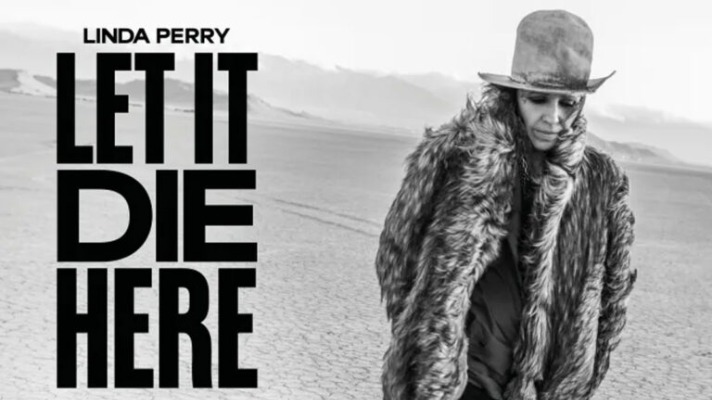
Linda Perry: Let It Die Here is in theaters now, and it arrives with serious momentum behind it. Following its critically acclaimed debut at the Tribeca Film Festival, the feature-length documentary from award-winning filmmaker Don Hardy opened in New York and Los Angeles earlier this month and is now expanding through all global markets.
The film chronicles the life and career of the Grammy and Golden Globe-nominated songwriter, producer, and 4 Non Blondes frontwoman, iconic in the nineties for the era-defining “What’s Up” and quietly one of pop music’s most prolific behind-the-scenes forces ever since. Her credits span Dolly Parton, Christina Aguilera, P!nk, Adele, Miley Cyrus, Celine Dion, Alicia Keys, Gwen Stefani, The Chicks, Ariana Grande, Weezer, and more.
Beyond the career retrospective, Let It Die Here is an exploration of identity, vulnerability, and creativity, filmed over several years as Perry confronted personal change and a crossroads in her professional life. Candid interviews with Dolly Parton, Christina Aguilera, Brandi Carlile, Sara Gilbert, and Kate Hudson add depth to an already unfiltered portrait.
Perry was candid about the experience: “I had no intention of making a documentary. Maybe that’s why it’s so raw and emotional. If I knew I was making one I probably would have tried to control the narrative. Don Hardy captured an extremely intimate time in my life and I am so grateful he did.”
The release also coincides with a fresh wave of attention around “What’s Up.” The song went viral on TikTok via the “What’s Up/Beez In The Trap” mashup, hit No. 1 on the platform’s trending charts, generated more than 3 million user-created videos, and landed 4 Non Blondes a performance on 2026 Dick Clark’s New Year’s Rockin’ Eve. Linda Perry: Let It Die Here is in theaters now.
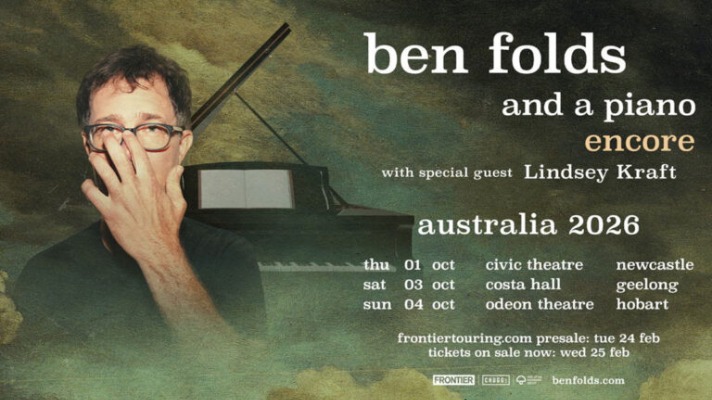
The sold-out Australian run wasn’t enough. Ben Folds has added 3 regional encore dates to his Ben Folds & A Piano Tour, heading back to Australia in October for shows in Newcastle, Geelong, and Hobart.
The Emmy-nominated singer-songwriter and New York Times bestselling author will play Newcastle Civic Theatre on October 1, Costa Hall in Geelong on October 3, and Odeon Theatre in Hobart on October 4. Multi-faceted actress, singer, and composer Lindsey Kraft joins as special guest across all 3 dates.
The tour features Folds performing past and current hits alongside stories spanning more than 3 decades as a platinum-selling artist and former frontman of Ben Folds Five. Tickets are on sale now.
2026 Australian Encore Dates:
October 1 — Newcastle Civic Theatre, Newcastle
October 3 — Costa Hall, Geelong
October 4 — Odeon Theatre, Hobart
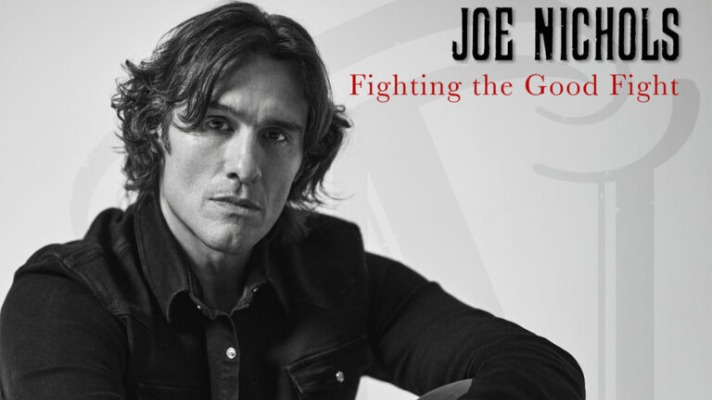
Joe Nichols has spent his career delivering other people’s best songs with uncommon grace. “Fighting the Good Fight” is different. Co-written by Nichols alongside Jason Sellers and Paul Jenkins, the 2 writers behind his platinum-certified No. 1 “Sunny and 75,” it marks his first self-penned release in nearly 20 years, and it’s as personal as anything he’s ever recorded.
The production is organic and unhurried, built to carry a lyric that moves from his father’s tough love to his own struggles with drinking, and ultimately to the faith and family that now define him. Nichols frames it plainly: “This song is my life story in 3 minutes. It’s about my struggles along the way, some of my own doing, and some because of the way the world is today. I fight the world for my girls, and it’s a good fight.”
The vocal is characteristically steady, finding the universal in what is unambiguously autobiographical. That balance is what makes it work. Anyone who has navigated their own version of darkness and light will find something to hold onto here.
“Fighting the Good Fight” is the second teaser track from Nichols’ upcoming studio project, due later this year. The first, “Goodbyes Are Hard to Listen To,” arrived last fall. His profile is also rising on multiple fronts: Lainey Wilson has referenced his classic No. 1 “Brokenheartsville” in a new song of her own, Post Malone has invited him onstage for a duet, and the RIAA recently recognized him for 4 platinum-certified singles plus 1 double-platinum single, his signature “Tequila Makes Her Clothes Fall Off,” which hits its 21st anniversary in 2026.
Follow us on Instagram @thatericalper

Eric Alper is a 6-time nominee for Publicist of the Year during Canadian Music Week and has overseen the publicity campaigns for over 183 JUNO Award-nominated albums (and 16 in 2025), 45 Grammy-nominated albums, including 47 JUNO Award, 58 Canadian Folk Music Award, 126 Maple Blues Award-winning albums and is also truly honoured to work with some of the biggest and most important artists of our time.
Contact me: eric@thatericalper.com
© Copyright - That Eric Alper