Home Blog Page 3293

Turntable Plays Vinyl, And Shares What You’re Spinning On Social Media

0

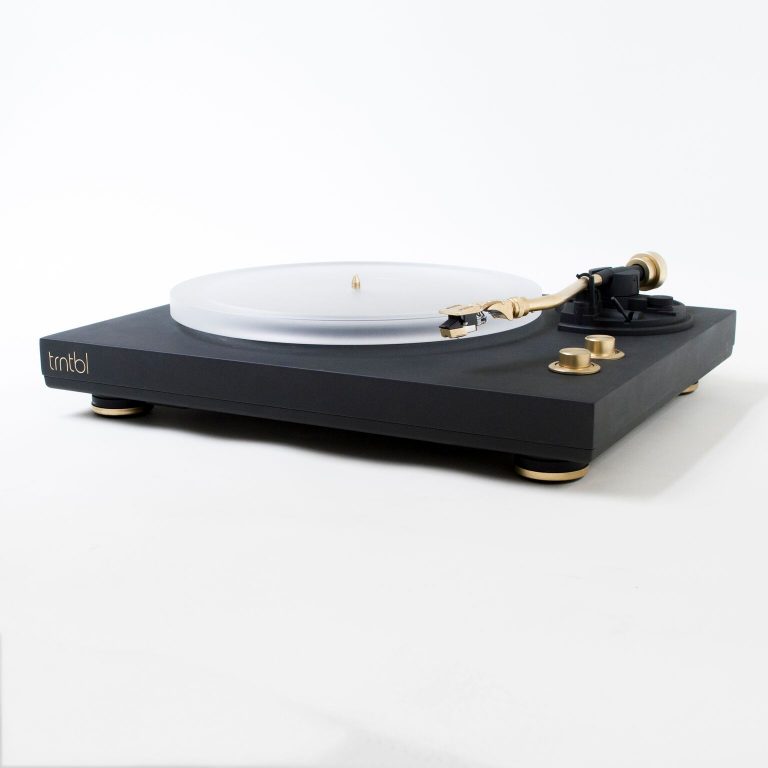
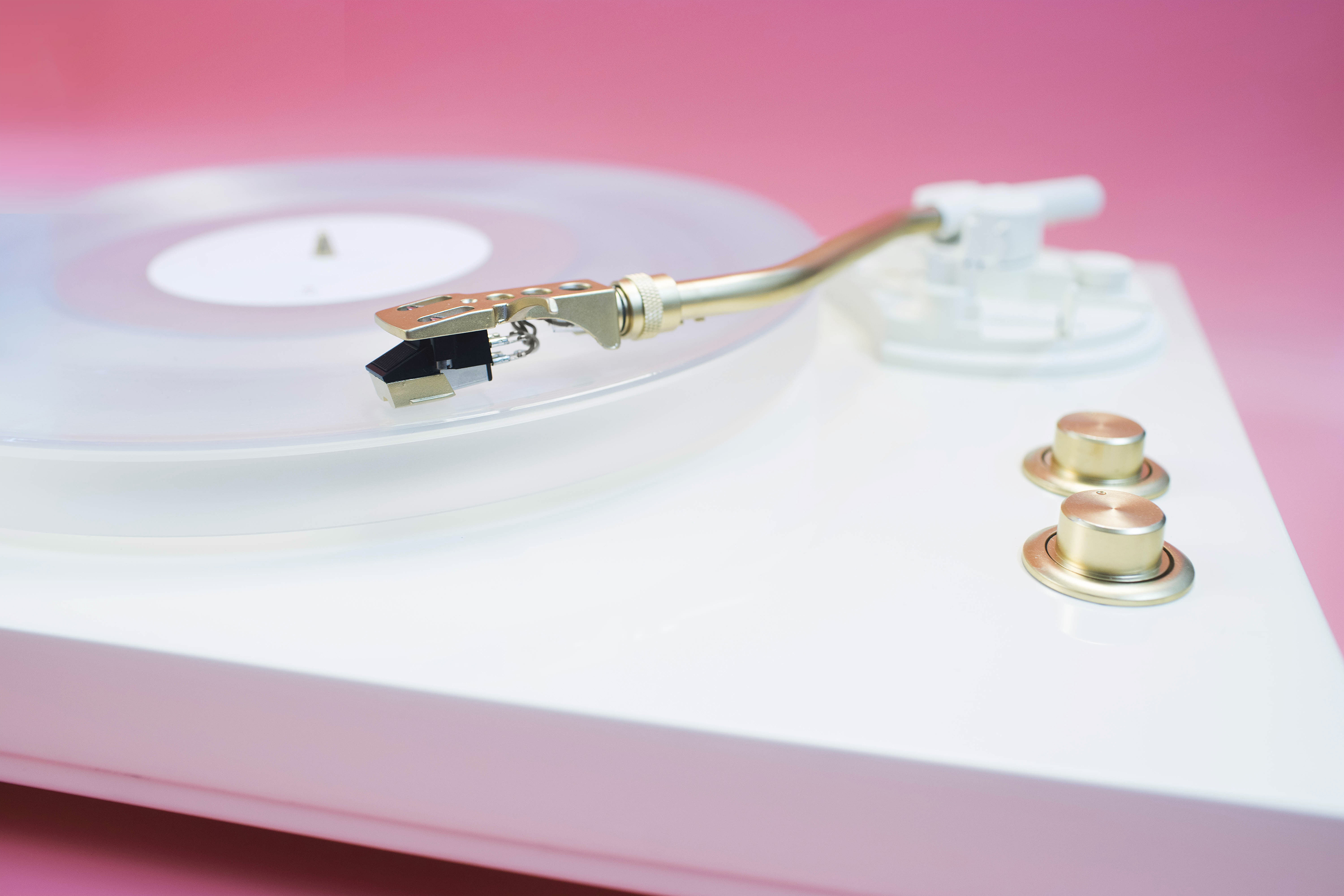
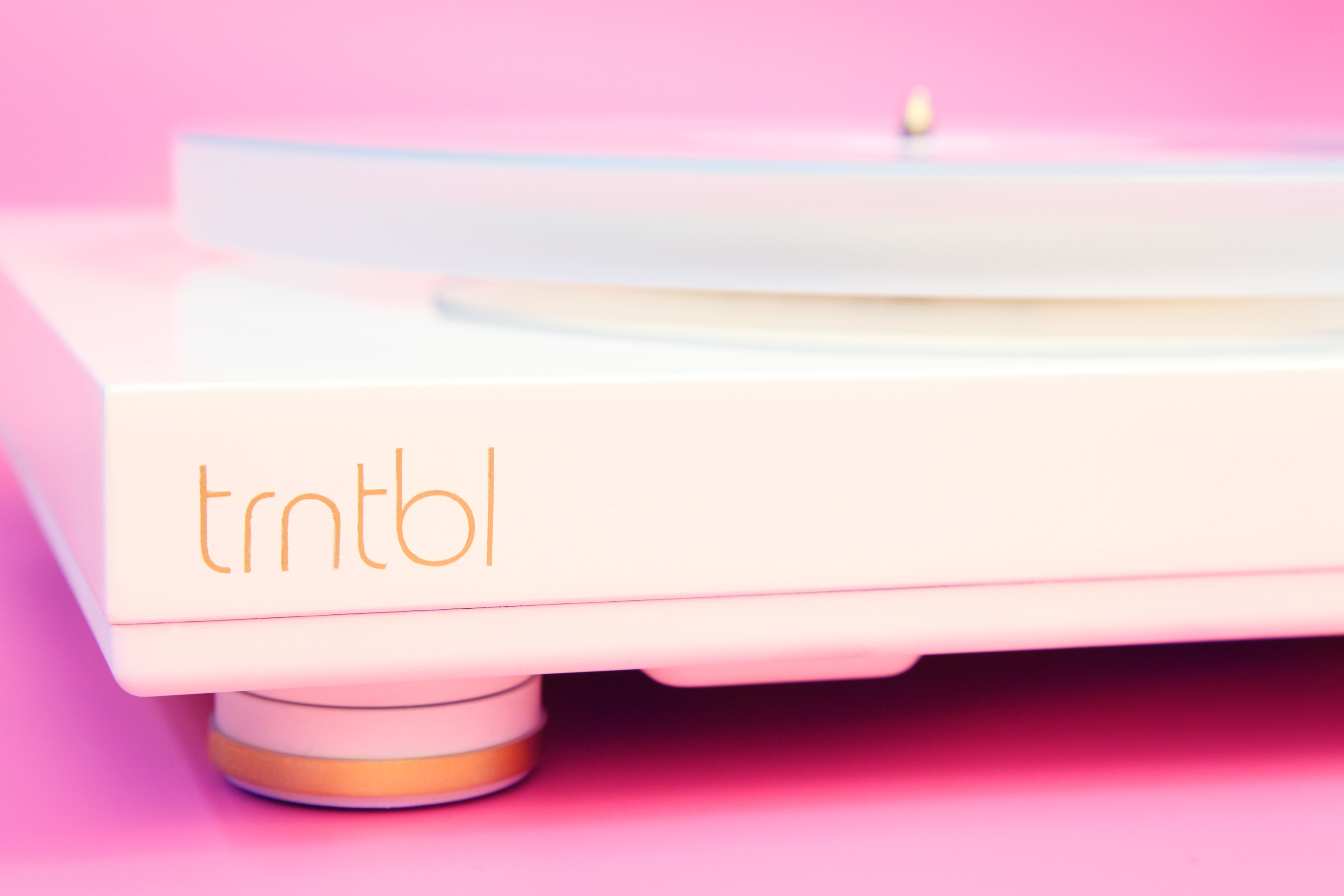
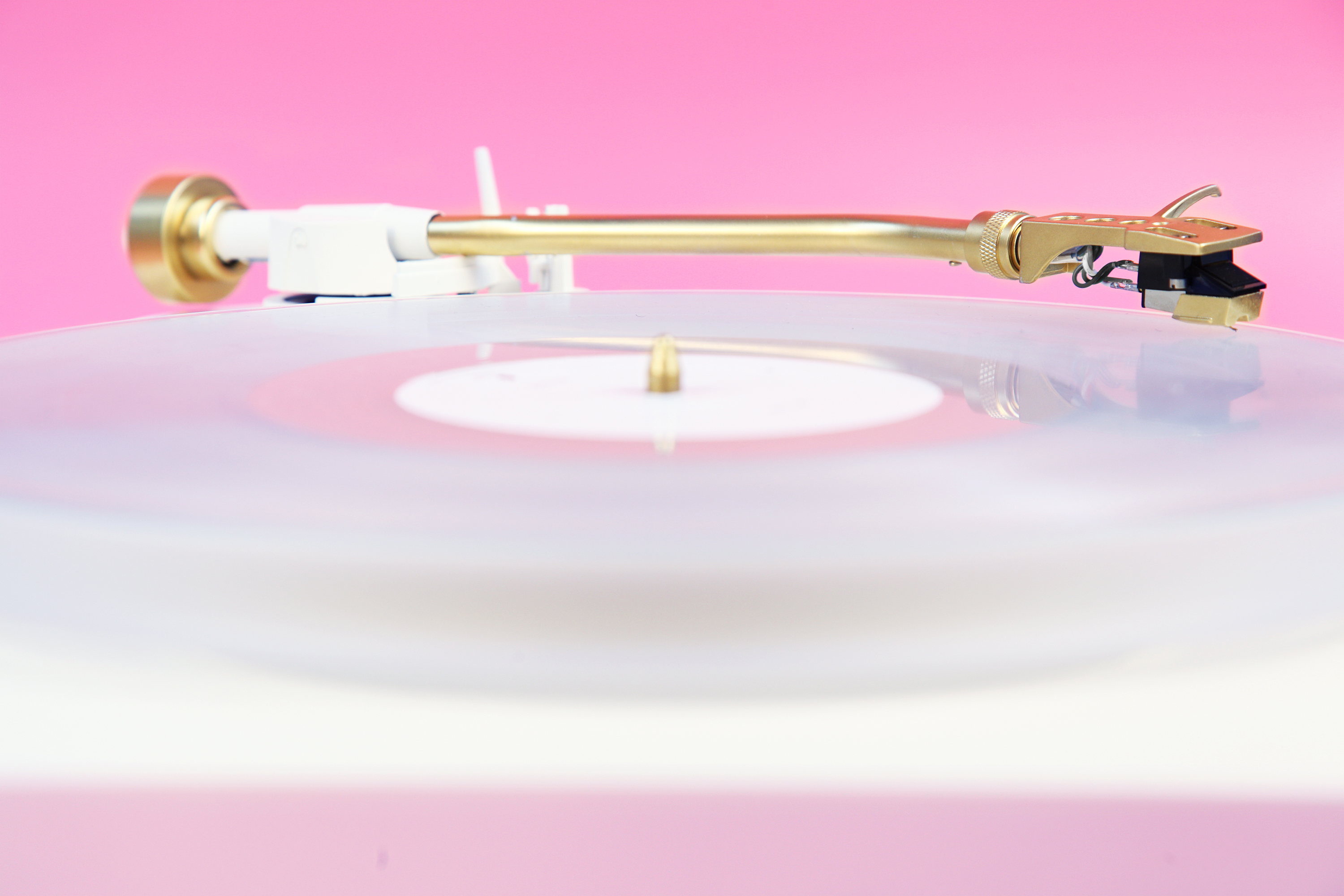
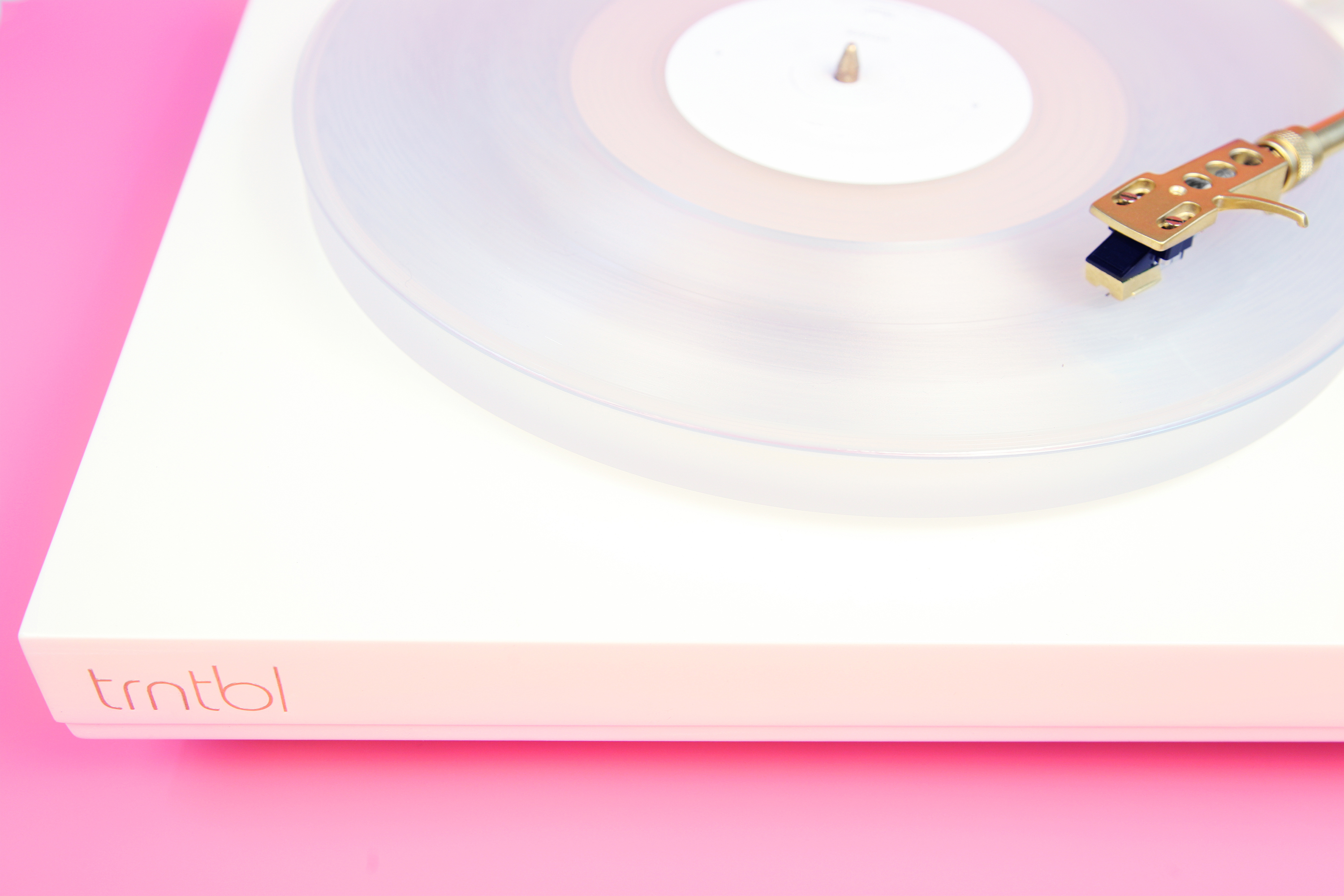
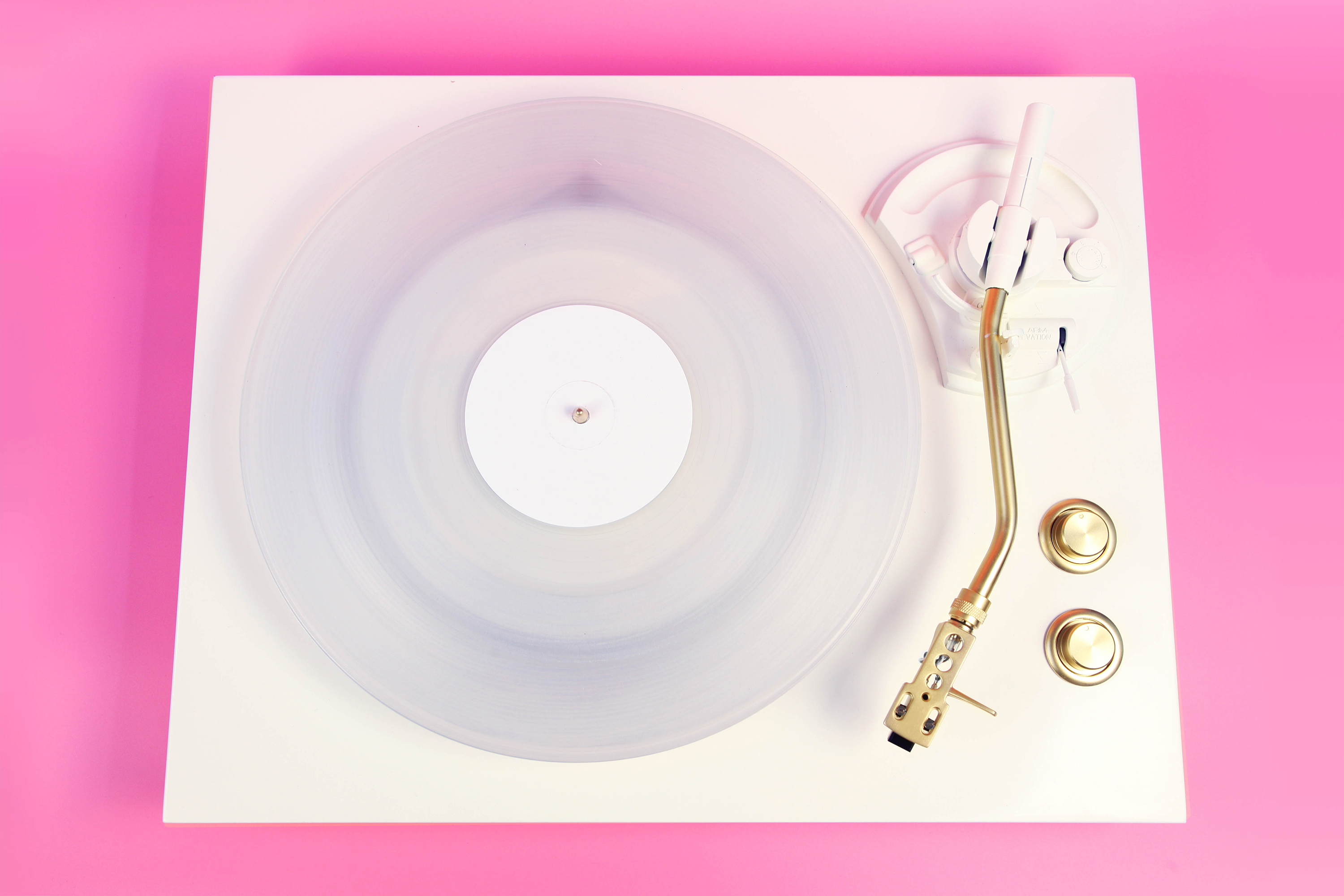
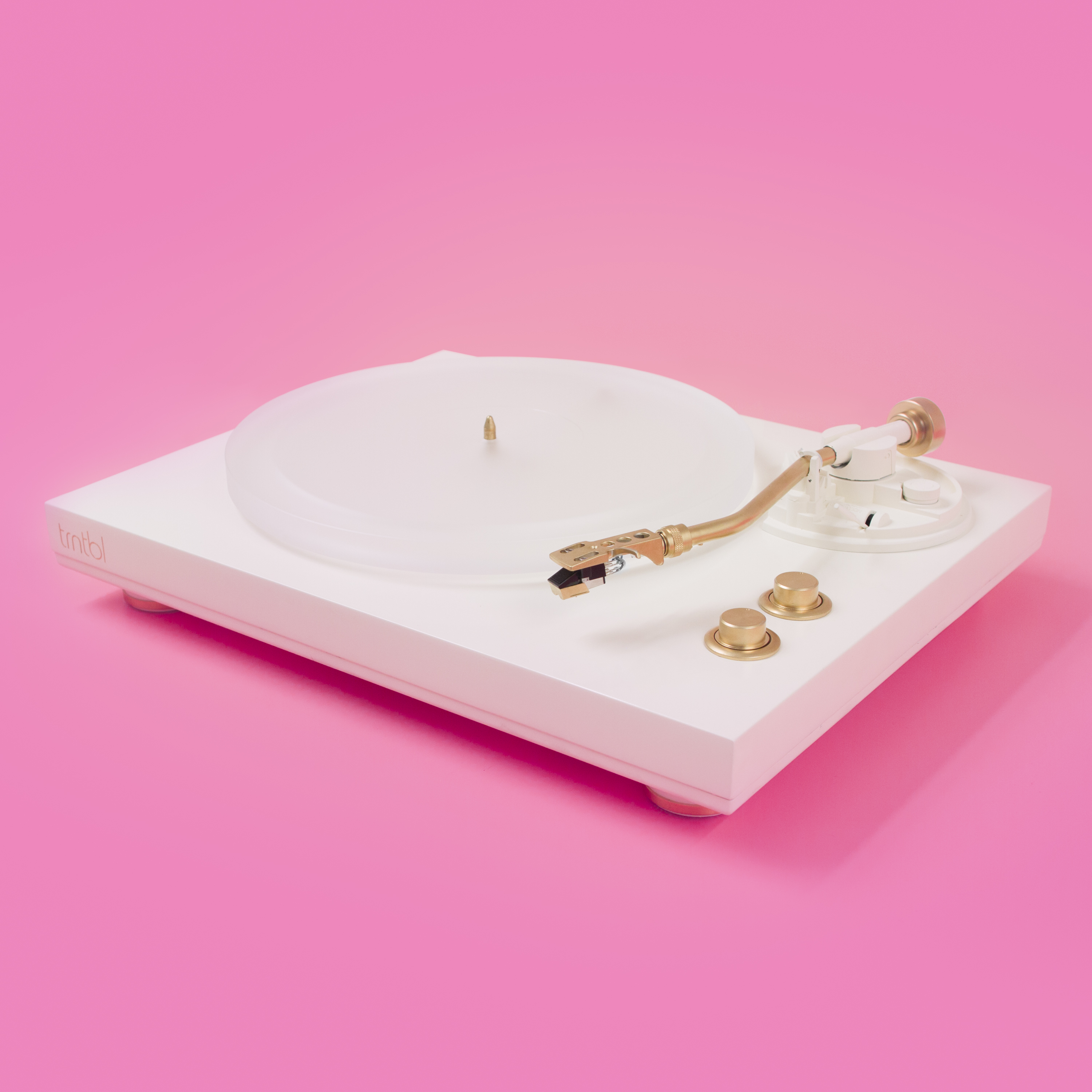
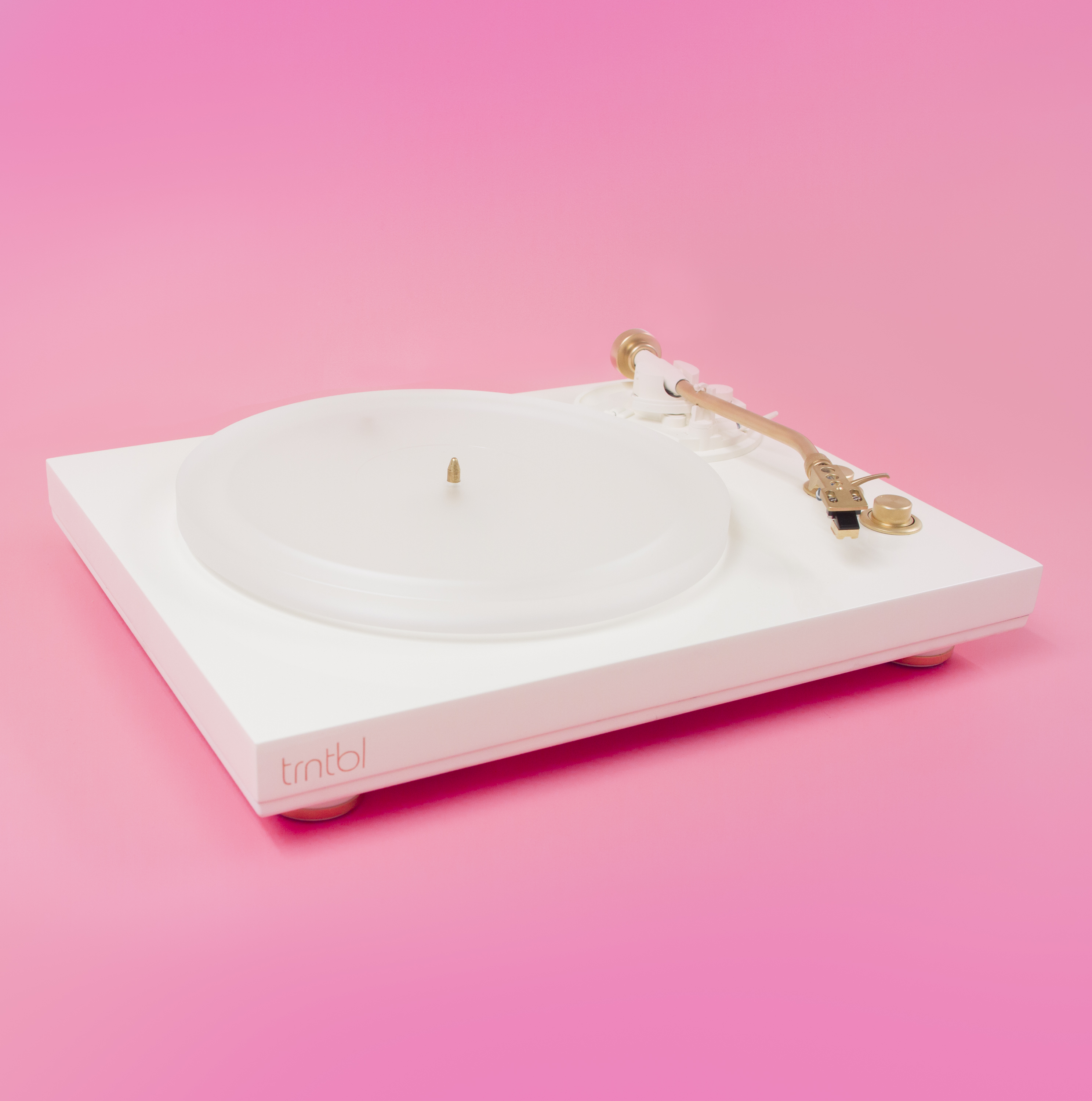
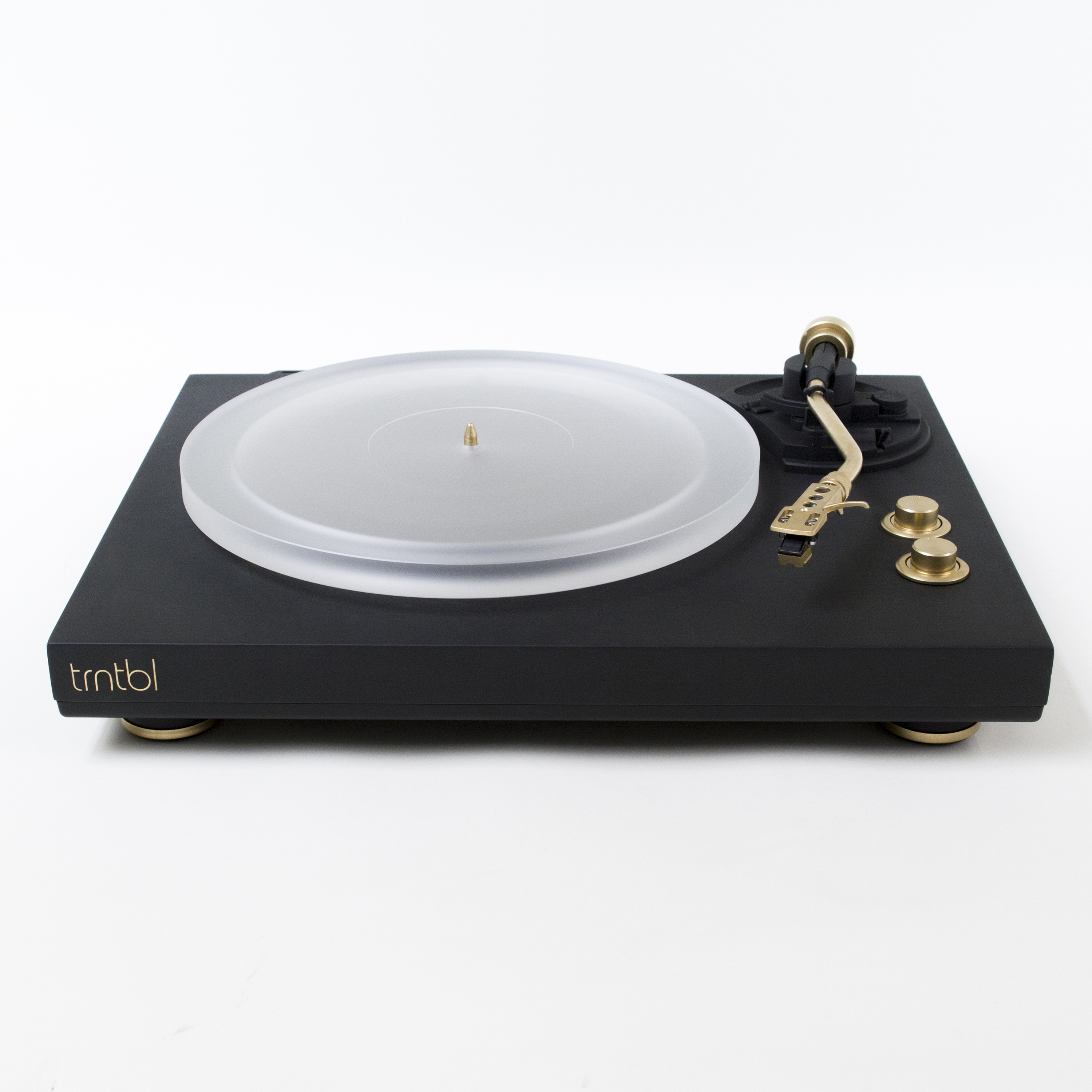
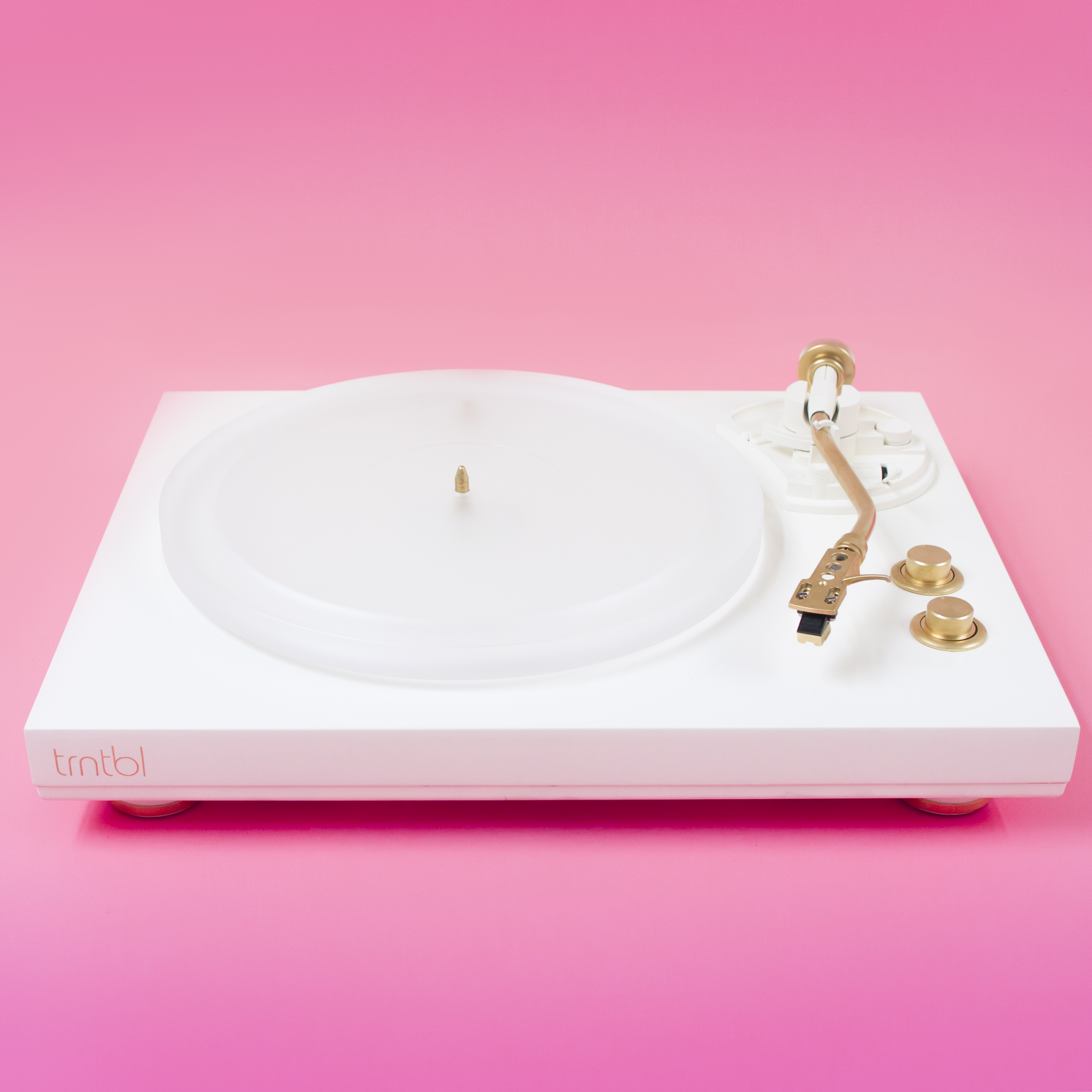
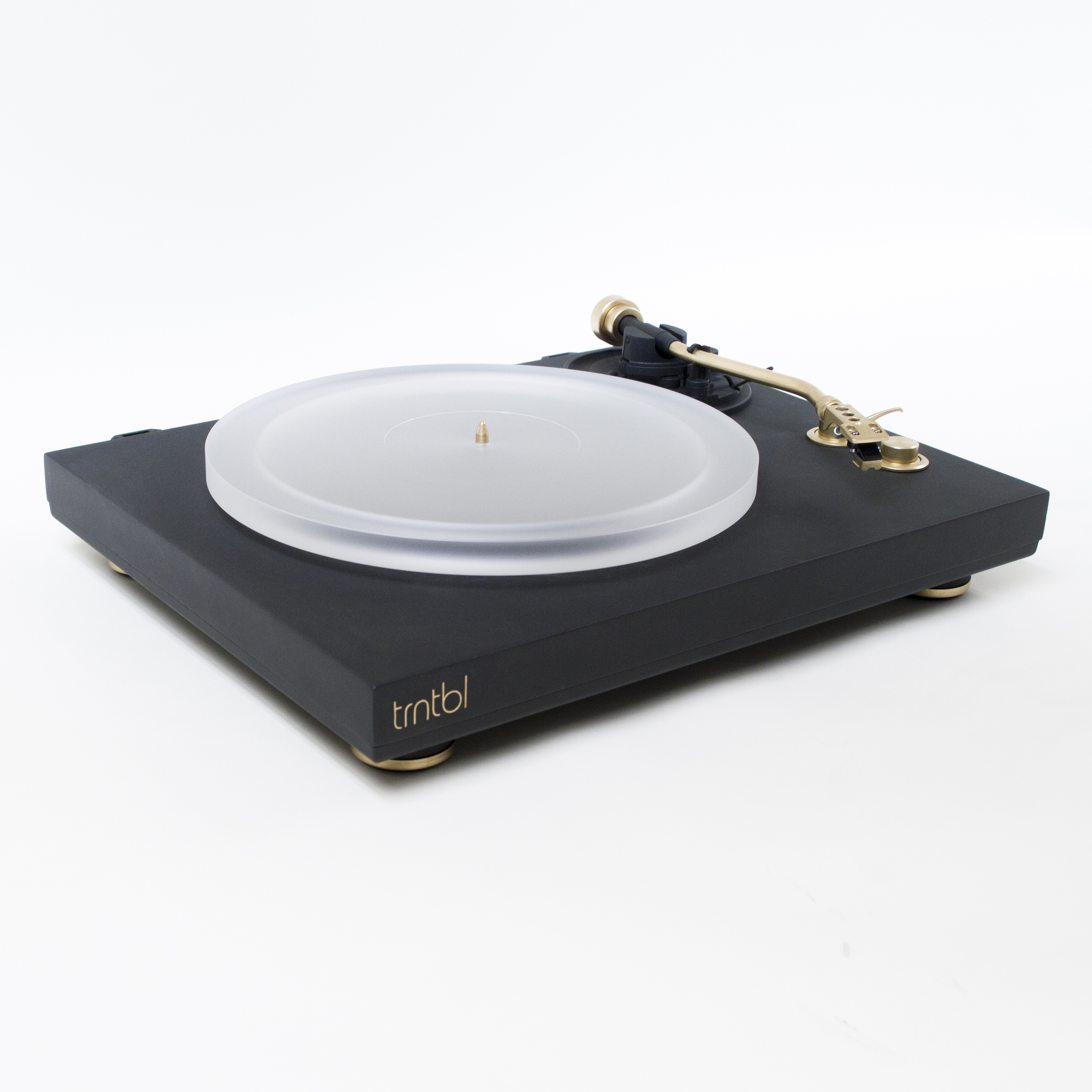
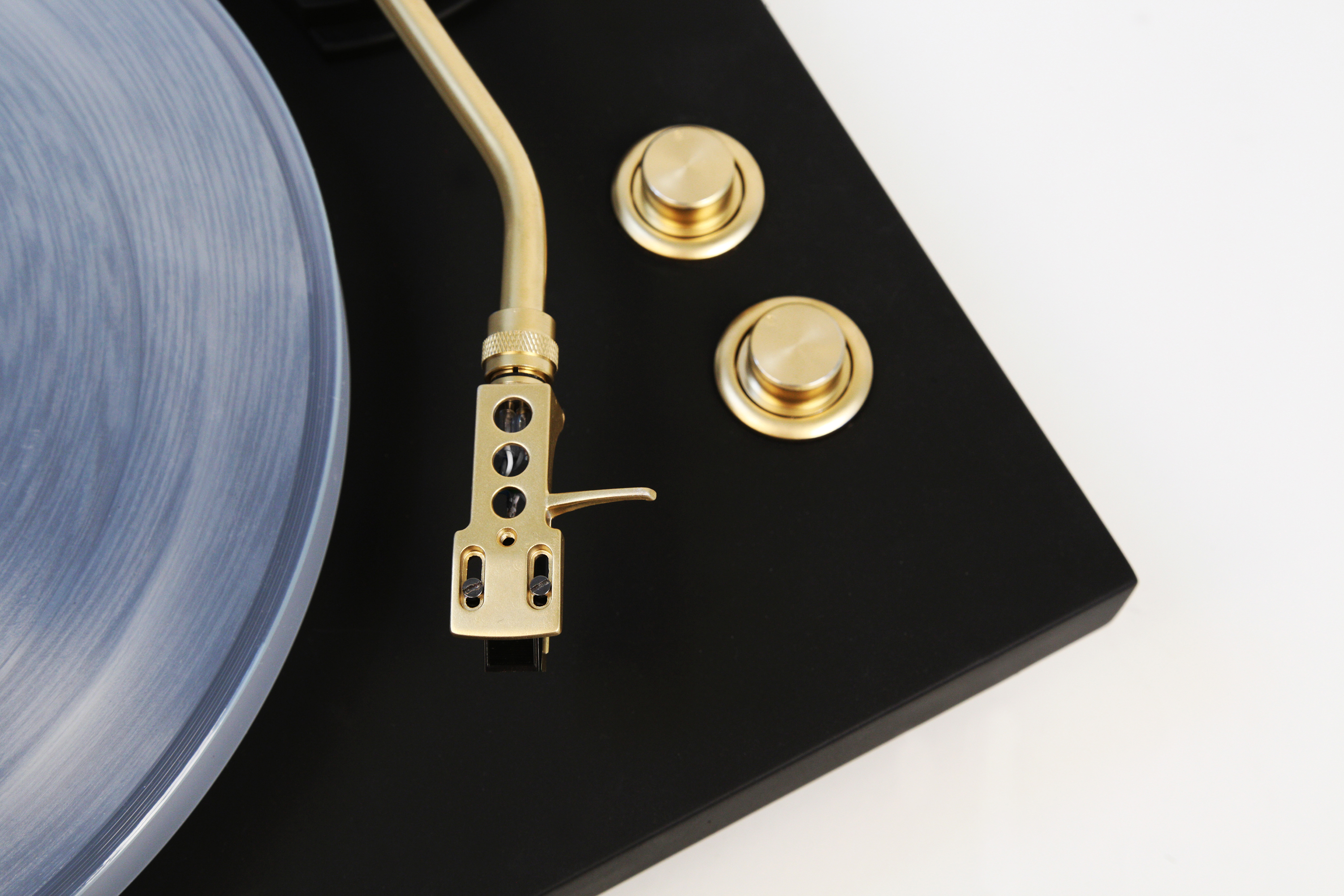
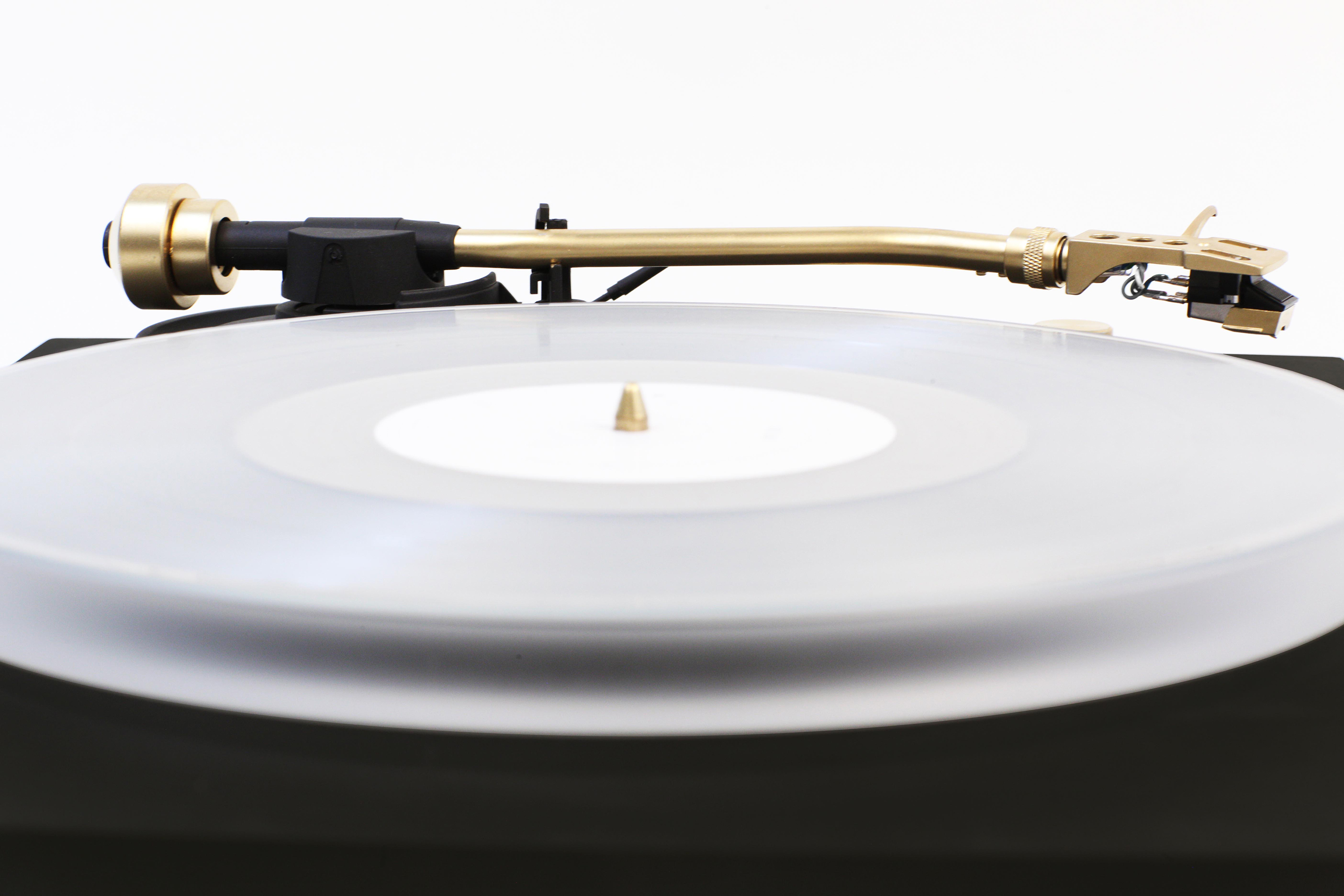
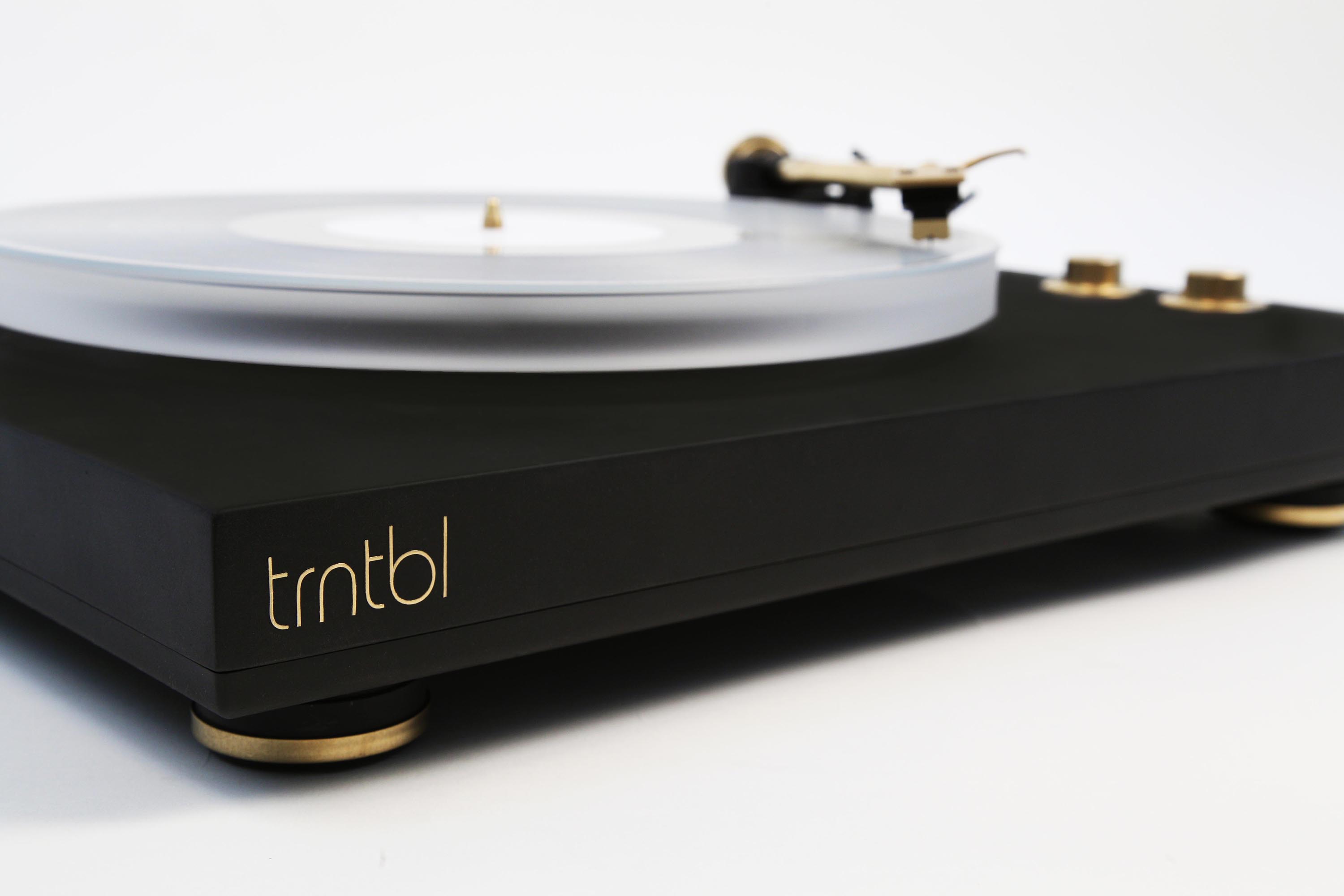
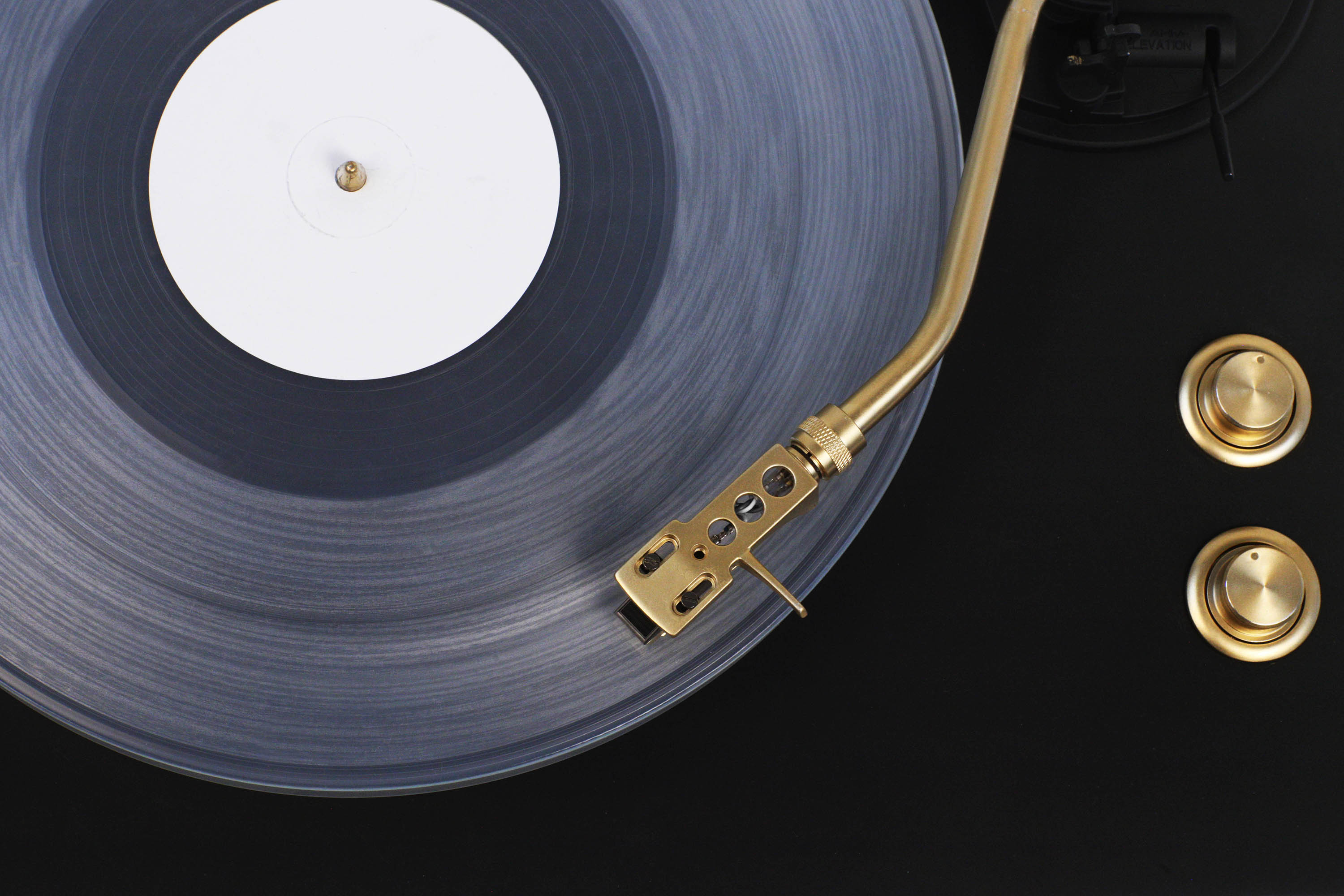
VNYL, the vinyl record subscription service, announces TRNTBL (pronounced turntable), the first Internet of Things record player with wireless audio streaming and social music sharing. TRNTBL is a first-of-its-kind vinyl record player that allows for social sharing by identifying the music – while it is spinning on vinyl – with the public, in real time. TRNTBL also offers a live tune-in, never before available to consumers, currently available exclusively on Spotify.

Additionally, TRNTBL streams uncompressed audio to Sonos’ entire line of premium audio products as a Music Service. VNYL plans to integrate TRNTBL with AirPlay and Bluetooth devices including external speakers and wireless headphones with its patent-pending technology.

“We believe TRNTBL can take center stage in your home. The player is beautifully designed to making listening to vinyl more accessible for this new and growing audience of premium music listeners,” said Nick Alt, VNYL’s Founder. “We look forward to connecting a new generation of vinyl lovers by way of the built-in sharing and community features of TRNTBL.”

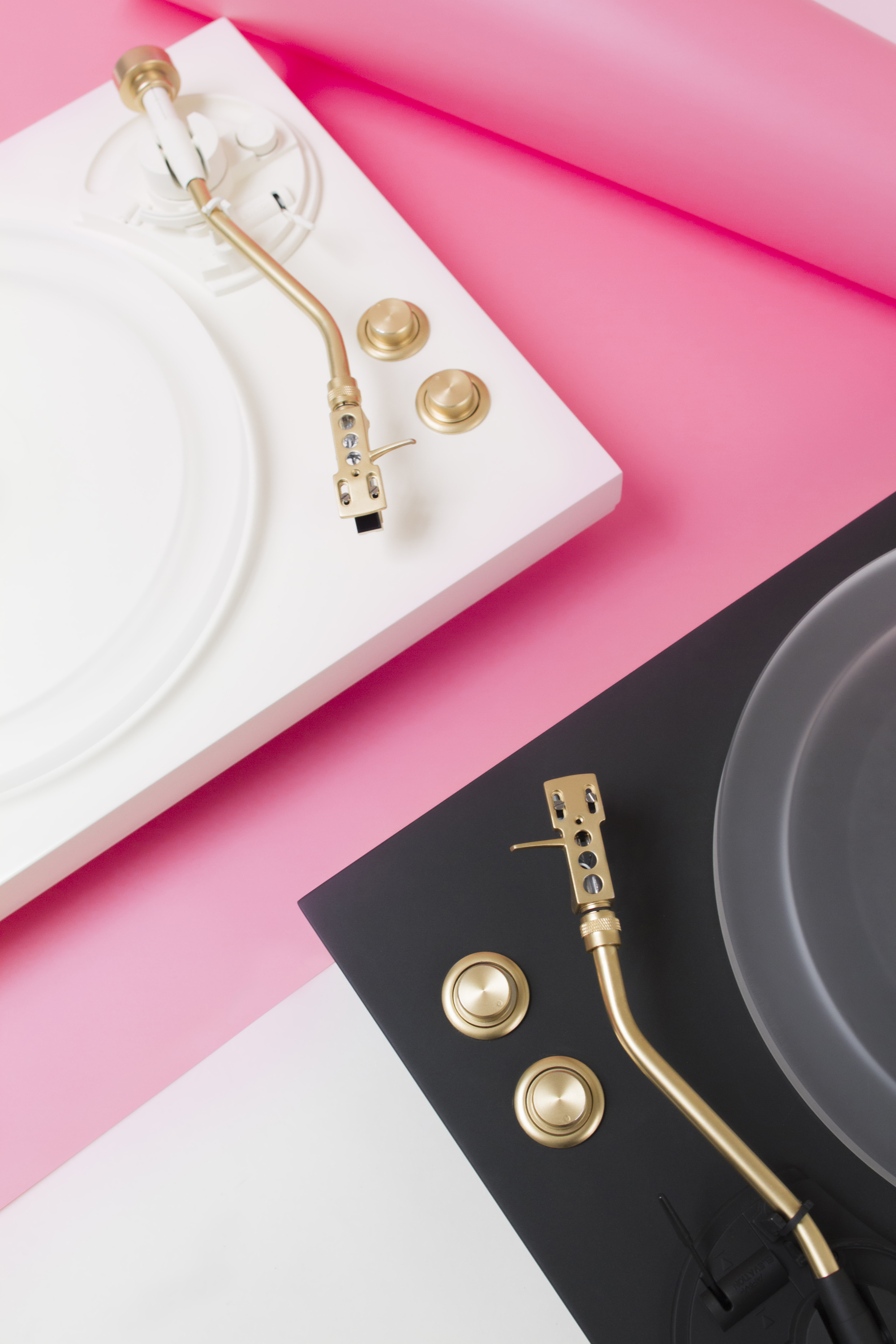
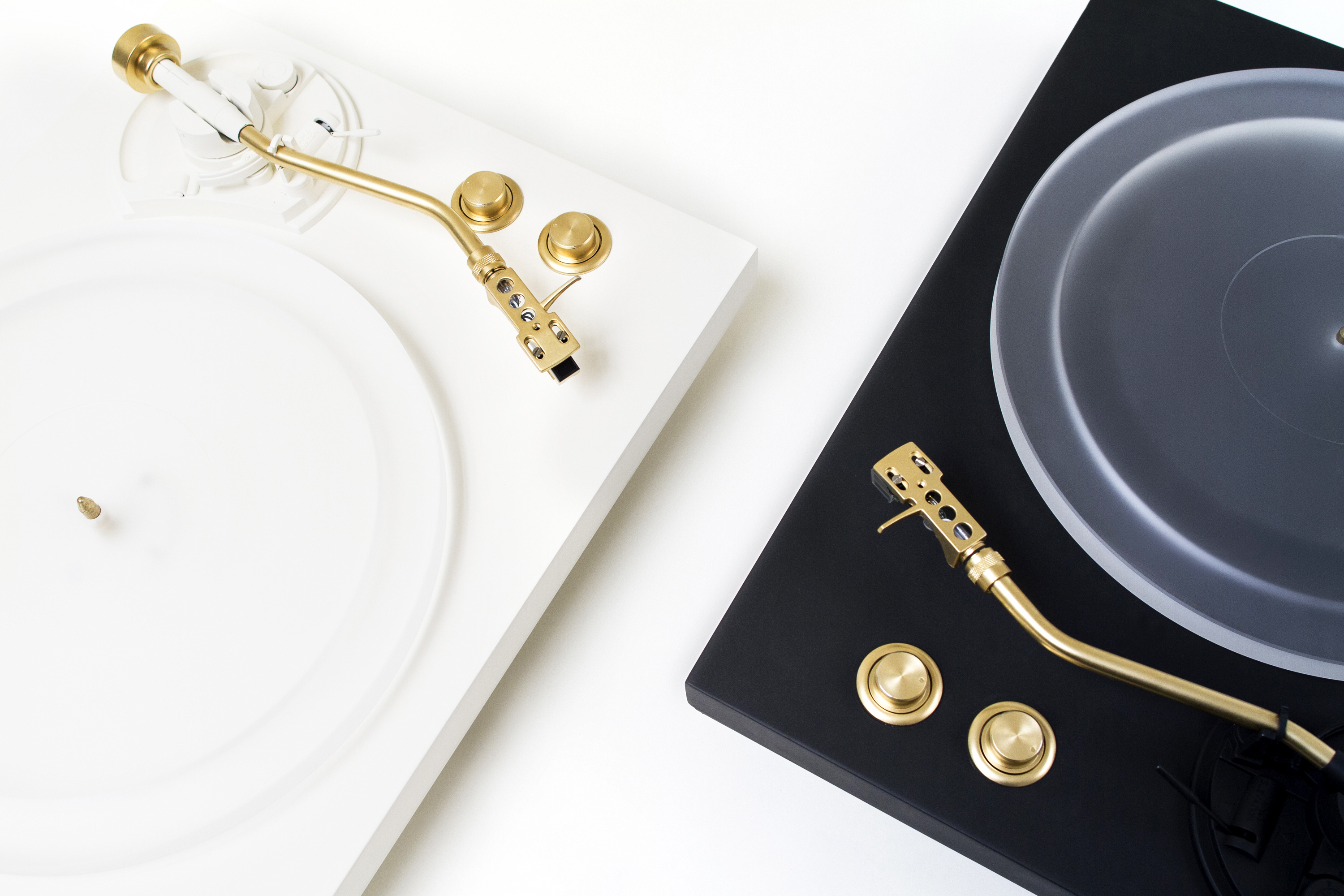
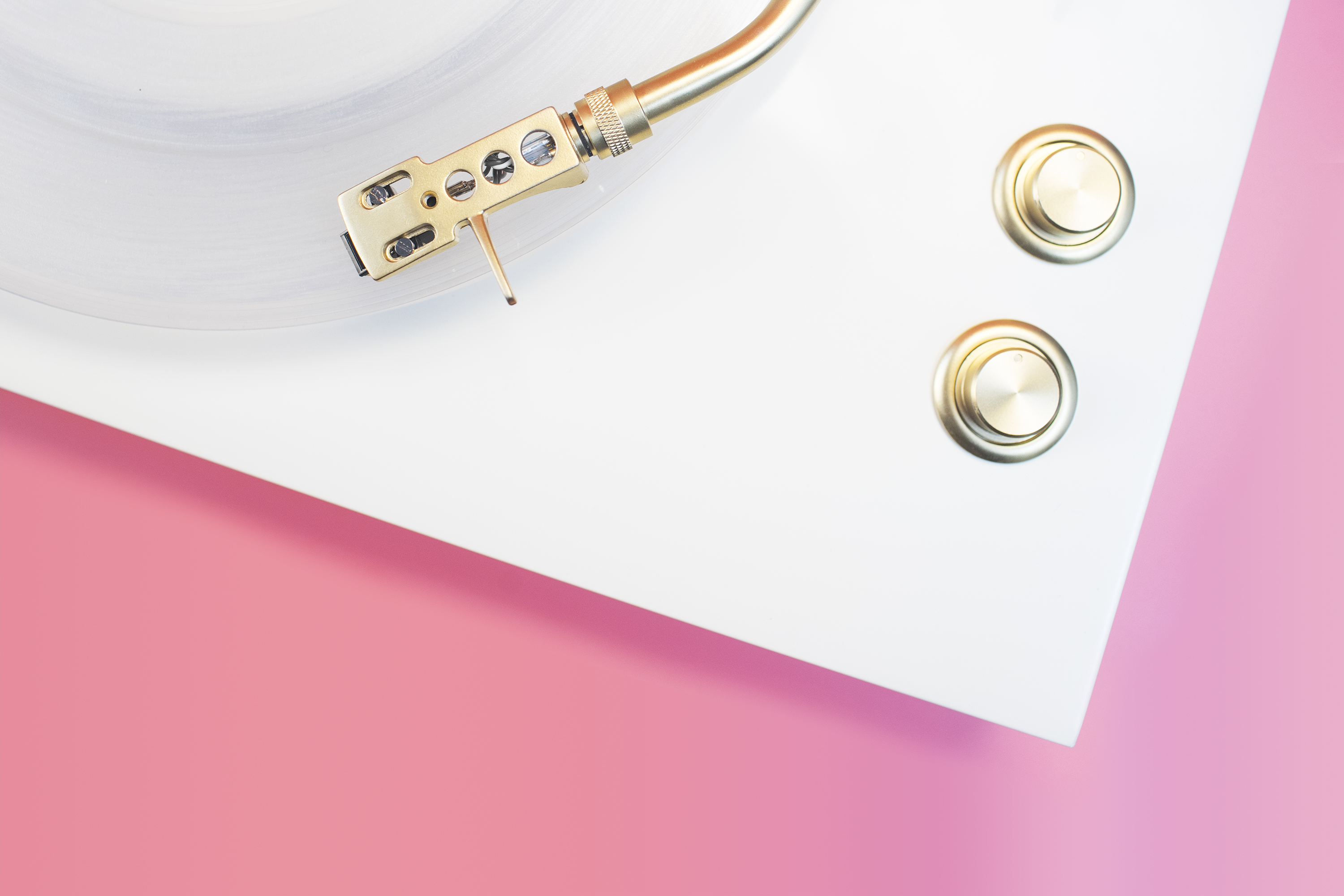
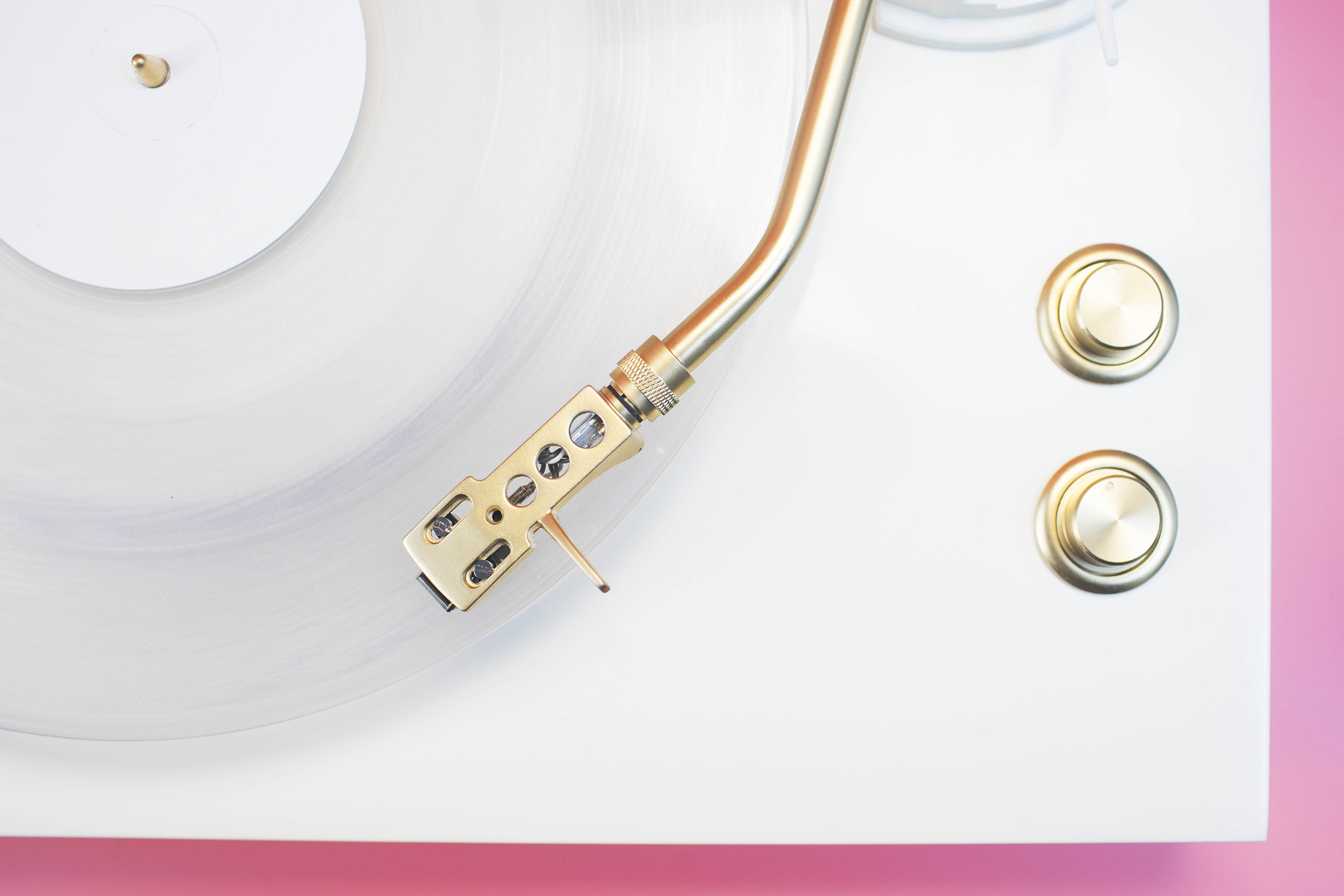
TRNTBL comes in either Creme+Gold or Black+Gold and costs $420 MSRP but is available for a limited pre-order for $351 here.

trntbl_BW_1

trntbl_BW_2

trntbl_white_9

trntbl_white_4

trntbl_white_7

trntbl_white_8

trntbl_white_6

trntbl_white_10

trntbl_white_3

trntbl_white_1

trntbl_white_5

trntbl_black_5

trntbl_black_6

trntbl_white_2

trntbl_black_4

trntbl_black_3

trntbl_black_2

trntbl_black_1

trntbl_black_7

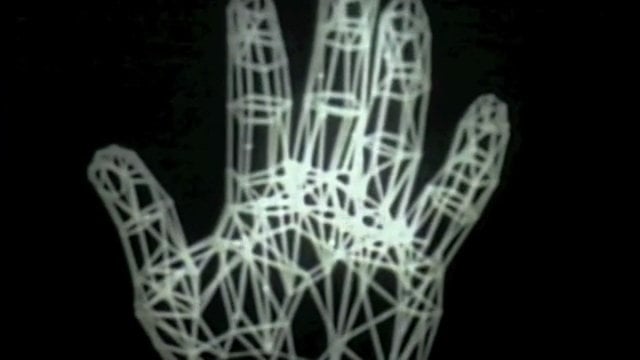
In 1972, the founder of Pixar, Ed Catmull created the first 3D rendered movie. Here it is.

0

In 1972, Ed Catmull, future founder of Pixar, and his colleagues created the world’s first 3D rendered movie, an animated version of Ed’s left hand. This is the film that they produced. It includes some “making of” footage (around 1:30) and some other early experiments.

40 Year Old 3D Computer Graphics (Pixar, 1972) from Robby Ingebretsen on Vimeo.

Official promotional video for George Harrison’s Crackerbox Palace, originally released in 1976

0

“Crackerbox Palace” is the ninth track on George Harrison’s 1976 album, Thirty Three & 1/3. The song was released as the second single from the album and reached number 19 in the American pop charts. A whimsical promotional film accompanied the single and was first shown on November 20, 1976, episode of Saturday Night Live. Directed by Monty Python’s Eric Idle, the film featured Harrison, Neil Innes (as the carriage-pushing nanny/mother, a bathrobe-clad man with a duck on his head, and as a church authority), future wife Olivia Arias, John Cleese and various other friends, in an array of wild costumes. The film was shot in and around the grounds of Harrison’s home, Friar Park.

https://youtu.be/icHU5zB5fLM

That Time Boy George Sold A Real Karma Chameleon Phone

0

Love that 1983 hit Karma Chameleon from Culture Club? Want to hear it every time your phone rings, from a harmonica-playing ladybug and a chameleon that lights up in ”red, gold, and green”? Take that $69.95 you’ve been saving for concert tickets, and buy this instead.

Take A Tour Of MAD Magazine With Their Idiot-In-Chief

0

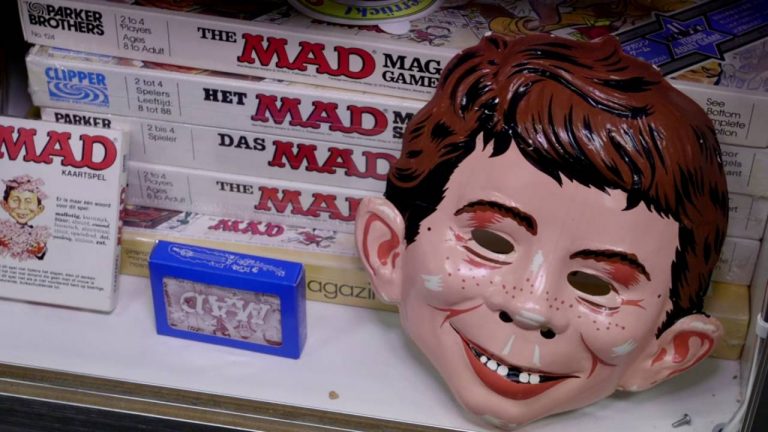
“People ask me what it’s like to work at MAD,” said John Ficarra, current editor-in-chief of MAD Magazine, the long-running satirical publication which taught generations of skeptical teens to question false idols, push back at deceptive advertising, and mock authority figures. “It is a job. We come in every morning and we sit and there’s blood on the walls trying to come up with an idea that we can agree on as funny.”

Ringtones are even better when played as classical piano pieces

0

Berklee pianist Tony Ann plays a medley of familiar ringtones.

“Louder Than Words: Rock, Power and Politics” exhibit opens May 20 at Rock & Roll Hall of Fame

0

From the moment rock and roll hit the airwaves, it has played a crucial role in politics and social movements around the world. Now, two iconic museums – the Newseum and the Rock and Roll Hall of Fame in Cleveland, Ohio – are partnering on a one-of-a-kind exhibit that explores the power of rock to change attitudes about patriotism, peace, equality and freedom.

“Louder Than Words: Rock, Power and Politics” will be on display in the cities hosting two major political events in the upcoming presidential election cycle: the Republican National Convention in Cleveland and the 2017 presidential inauguration celebrations in the nation’s capital.

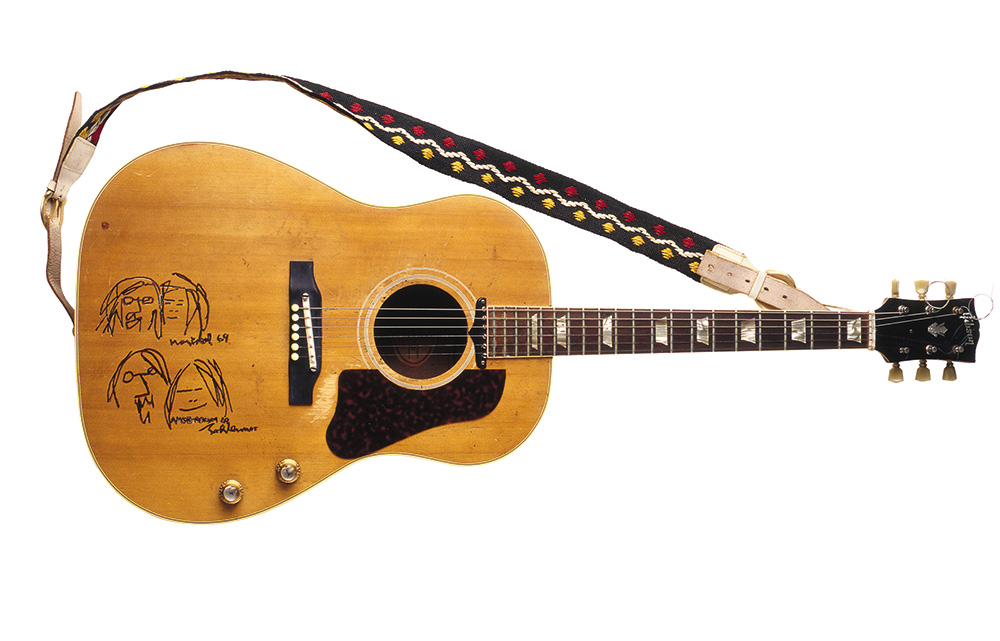
Using video, multimedia, photographs, periodicals and artifacts, such as the guitar John Lennon debuted at the bed-in where he and Yoko Ono introduced the anti-war song “Give Peace a Chance,” “Louder Than Words” will showcase the intersection between rock and politics and examine how artists exercise their First Amendment rights, challenge assumptions and beliefs, stimulate thought and effect change. The exhibit will explore music’s influence on civil rights, the Vietnam War and gender equality, and will include such artists as Bob Dylan, U2 and Rage Against the Machine.

“Louder Than Words,” presented by the Hilton, Sound Exchange, AT&T and Altria Group, premieres on May 20, 2016, at the Rock Hall in Cleveland, and moves to the Newseum on Jan. 13, 2017, where it will be on display through July 31, 2017.

John Lennon originally acquired this guitar in 1964 to replace an identical one that was stolen. He used it extensively throughout his career. It was prominently seen in the film Help! In 1967, the guitar was painted psychedelic blue and red by the Fool, the Dutch art cooperative that also painted Lennon’s Rolls-Royce. In 1968, Lennon had the guitar’s finish stripped to the natural wood finish. Lennon and Yoko Ono held two “bed-ins” for peace in March and May of 1969, which Lennon commemorated by drawing caricatures of Yoko and himself on the guitar. It was during the second bed-in, held at the Queen Elizabeth Hotel in Montreal, that the single “Give Peace a Chance” was recorded, using this guitar.
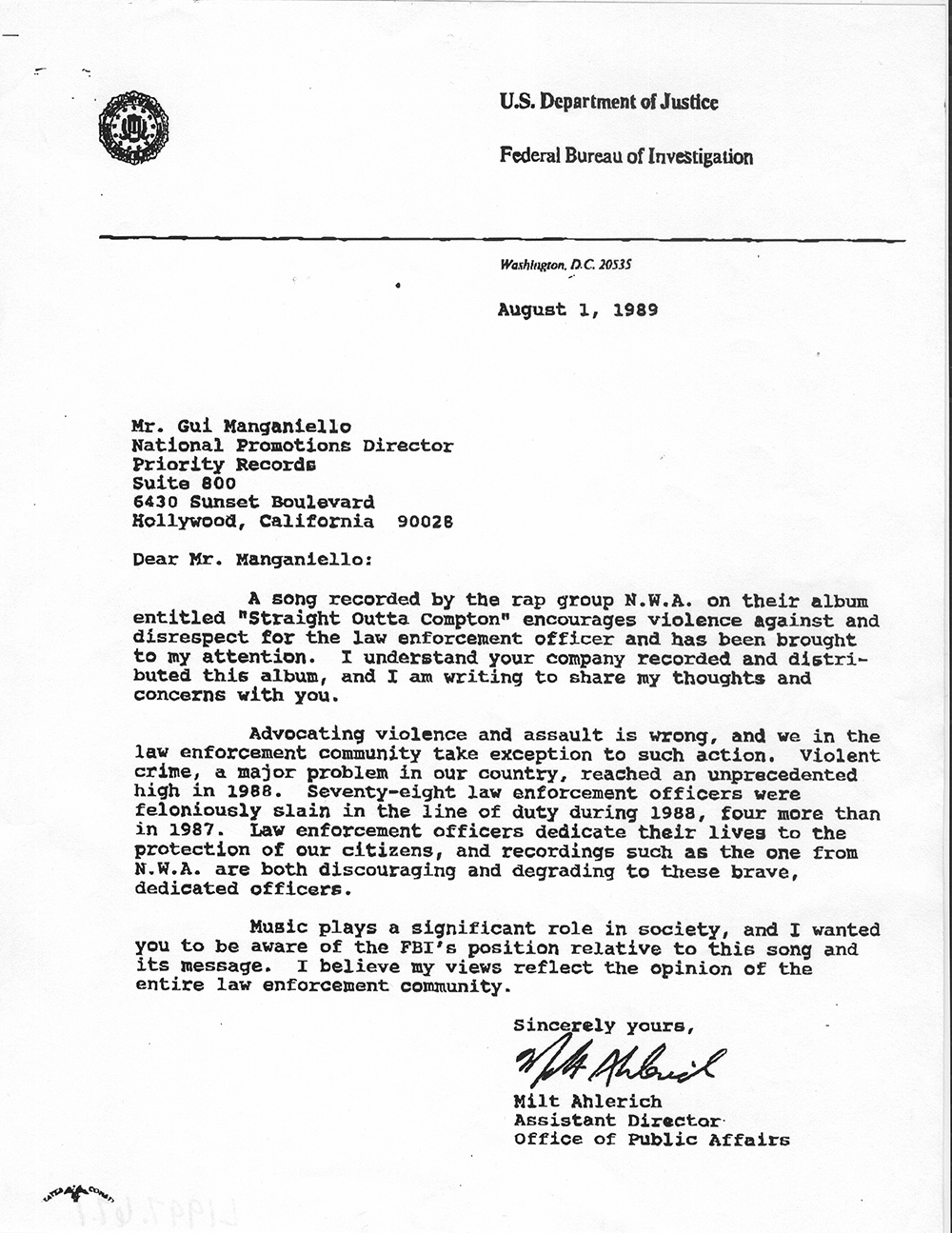
N.W.A was a Compton, California-based hip-hop group widely considered one of the seminal acts of gangsta rap. Rappers Eazy-E, Ice Cube, Dr. Dre, and MC Ren would all go on to be stars in their own right. N.W.A. released the groundbreaking album, Straight Outta Compton, in 1988. The album reflected the rising anger of urban youth and addressed themes such as police brutality and racial profiling, especially on the tracks “Straight Outta Compton” and “Fuck tha Police.” The explicit and anti-establishment nature of their lyrics banned them from many mainstream U.S. radio stations and drew the attention of high-level law enforcement.
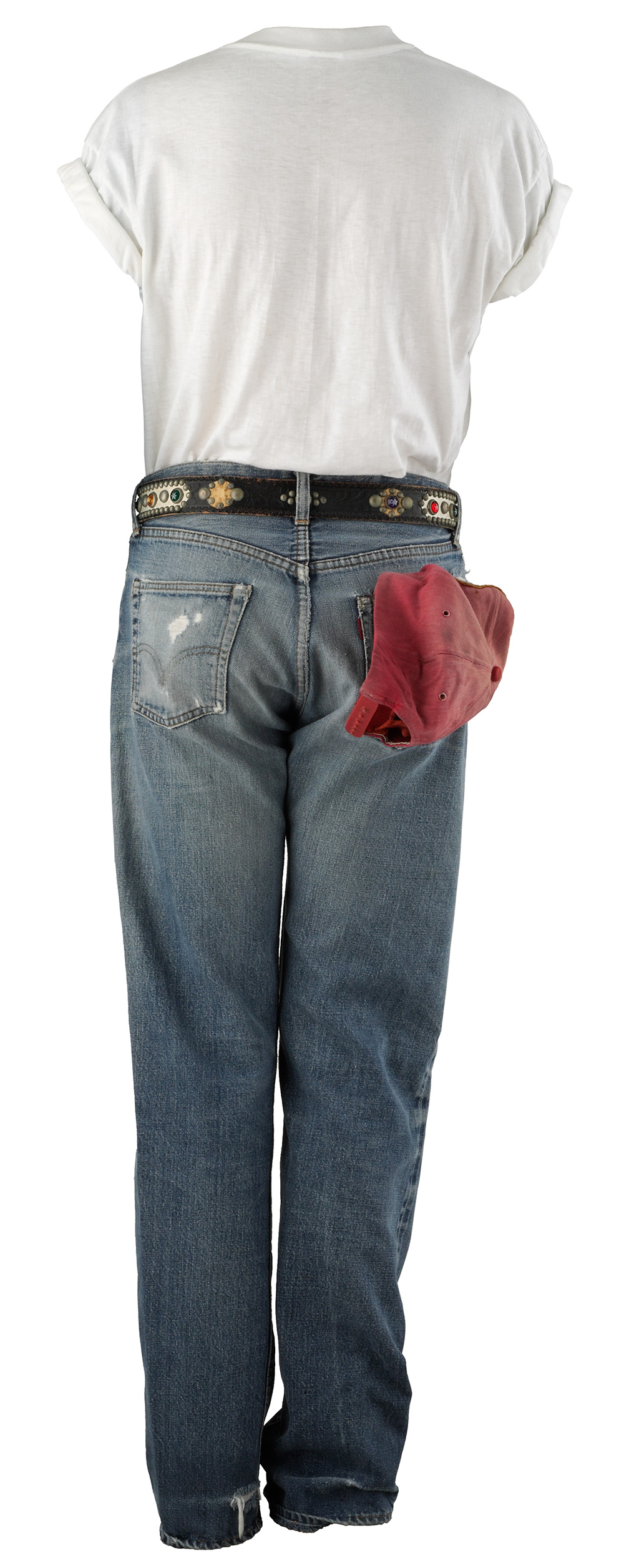
Bruce Springsteen wore this outfit on the cover of “Born in the U.S.A.”
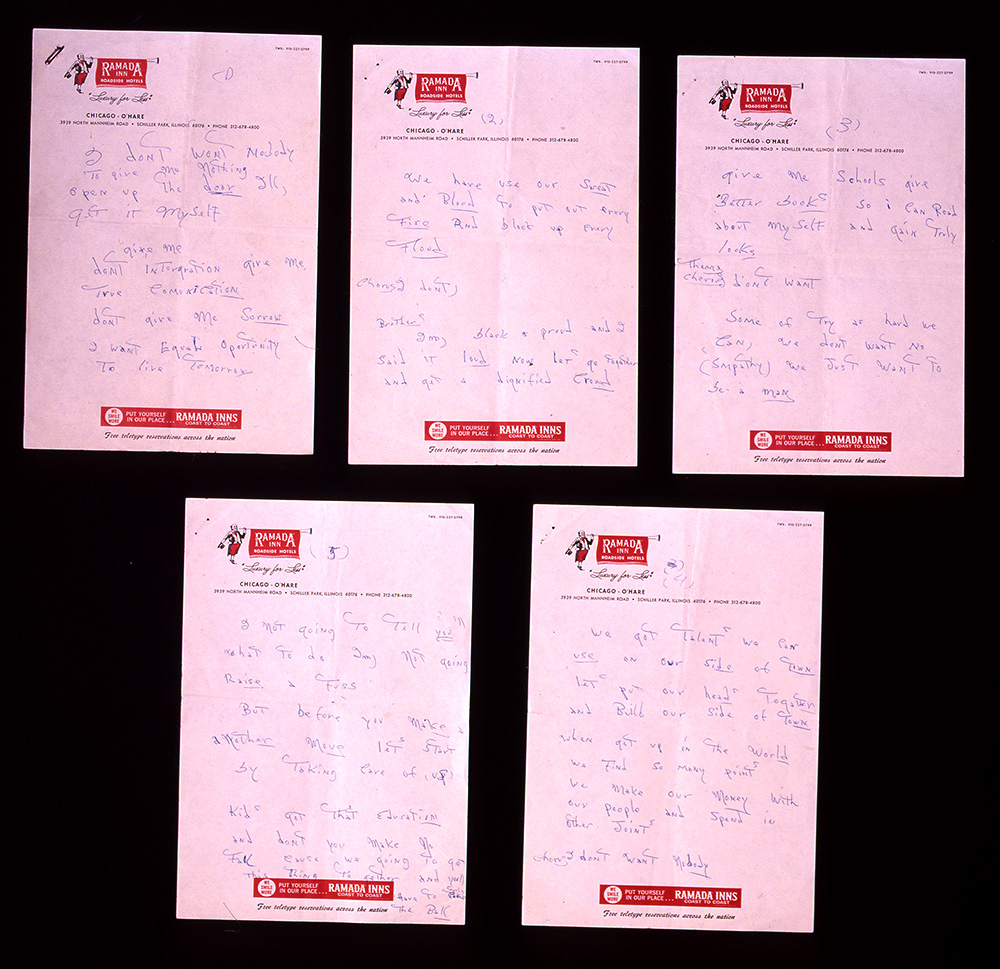
By 1965, James Brown had moved beyond his basic rhythm & blues roots to pioneer what would become known as funk. Deep and infectious grooves were paired with politically aware lyrics. This musical revolution was mirrored in the ascending Black Power movement. “I Don’t Want Nobody to Give Me Nothing (Open Up the Door, I’ll Get It Myself)” only reached Number 20 on the pop chart, but it made it to Number Three on the R&B chart.
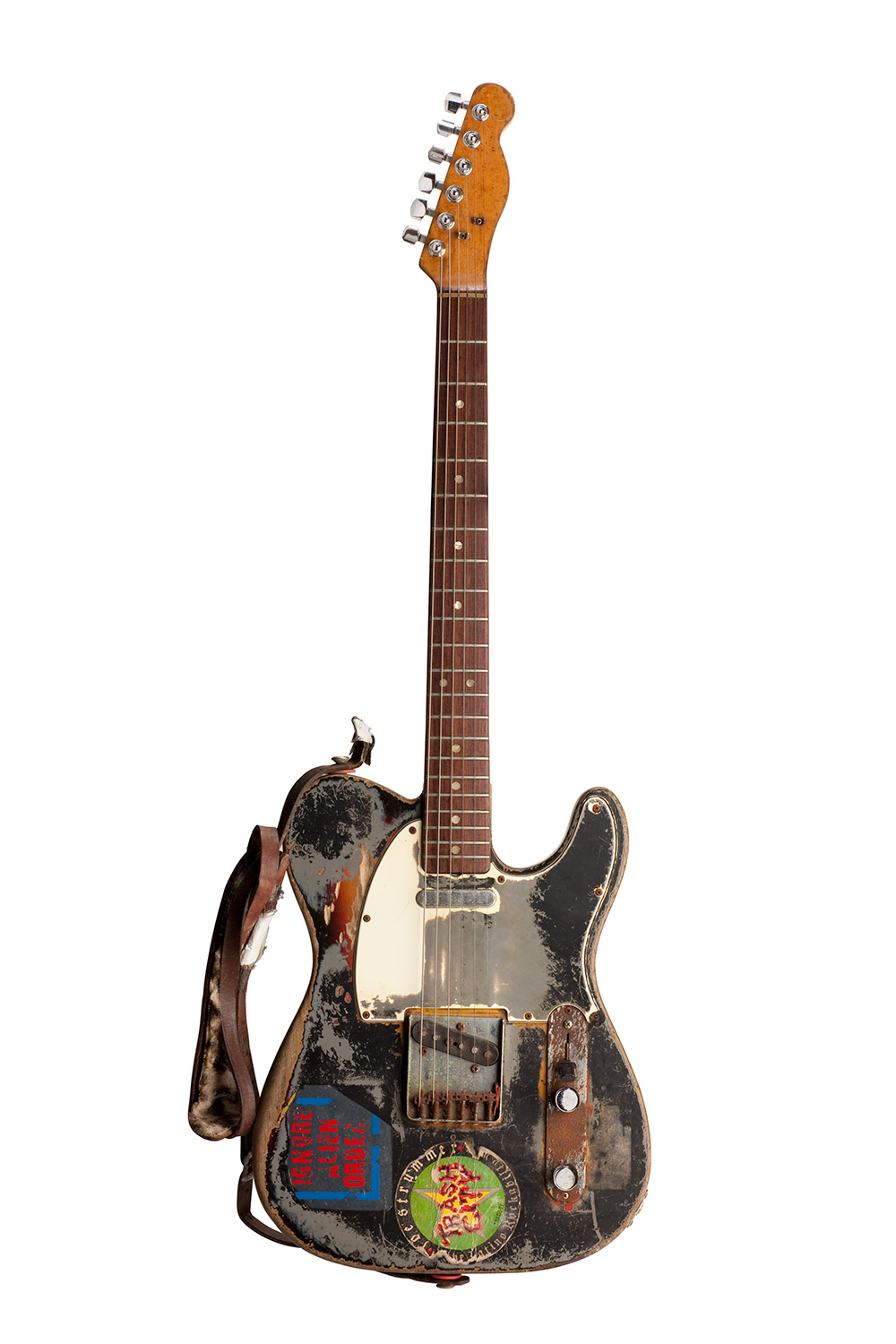
This guitar was Joe Strummer’s principal instrument. He played it in the studio while with the Clash and throughout his solo career. After he acquired the guitar in the early 1970s, Strummer took the guitar to an auto-body shop, where he had it spray painted with gray primer.

15% Of Country Music Listeners Are Top-Tier Spenders

0

The Country Music Association’s latest consumer research took a deep look at top-tier music listener purchases with data revealing that spending for this audience is at $800* or more in the past 12 months – a level which applies to nearly 15 percent of overall Country Music listeners on which the study was based. These figures were released Tuesday during the final of three webinars presenting CMA’s extensive consumer research initiative.

“Across the board we saw higher levels of engagement and spending. There were very few areas where these fans were not over-indexing in terms of music consumption against the general Country Music listening audience, not just spending,” said Karen Stump, CMA Senior Director of Market Research.

This top tier of spenders, deemed the “Fan Economy,” was comprised of all ages; however, Millennials age 25-34 were significantly higher (32 percent) as a high spending group, compared to other age groups. Gen X made up the next largest segment with a share of 25 percent among the tier. Adult Millennials had the highest average music spending levels at slightly more than $1,100*.

Overall, these high spenders are not only purchasing more, they are consuming more across the board and all channels, both paid and free music. Seventy-eight percent of this “Fan Economy” listen to Country Music on a daily basis, while among the general Country Music audience, about 50 percent listen on a daily basis.

The study uncovered a few notable differences, meaning significantly higher engagement among the super “Fan Economy” tier. This group reported twice the rate of daily listening across purchased digital music, satellite radio, and Spotify. Eighty-four percent spent money on concert tickets, compared to 50 percent among other Country Music listeners.

This group also yields another benefit to the format as social influencers of music. The “Fan Economy” listeners are super-users of social media and reported twice the level of everyday/constant use of Twitter, Snapchat, and Instagram compared to the total audience. They use social media to influence and learn about music and artists, with 86 percent agreeing that social media is a good way to engage with music and artists.

In webinars presented exclusively to CMA members May 3 and May 11, research has shown the Country Music audience continues to gain popularity across the board with the fastest growth in listeners occurring among non-whites, Hispanics, and Millennials. Additionally, research also indicates that Country Music fans, on average, spend more on music than fans of any other genre.

The data reported in this summary is from CMA’s proprietary consumer study, which was conducted among 3,330 adult consumers across the U.S. during October 2015. The study was conducted by a third-party research partner, The Futures Company. CMA Research is conducted on behalf of and provided exclusively to CMA members.

For more information about CMA’s initiatives and events, visit CMAworld.com.

Google patents sticky tape attaching pedestrians to cars that hit them

0

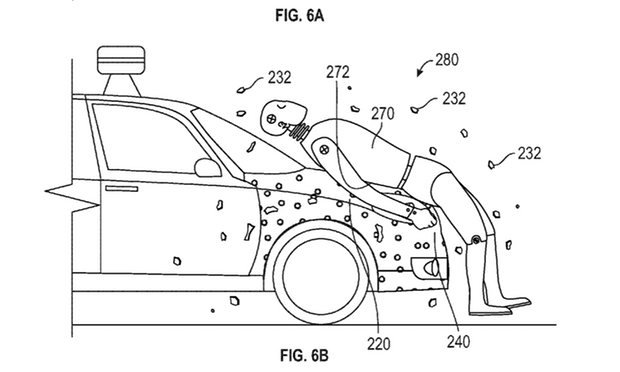
The patent, which was granted on 17 May, is for a sticky adhesive layer on the front end of a vehicle, which would aim to reduce the damage caused when a pedestrian hit by a car is flung into other vehicles or scenery.

“Ideally, the adhesive coating on the front portion of the vehicle may be activated on contact and will be able to adhere to the pedestrian nearly instantaneously,” according to the patent description.

Via