Home Blog Page 334

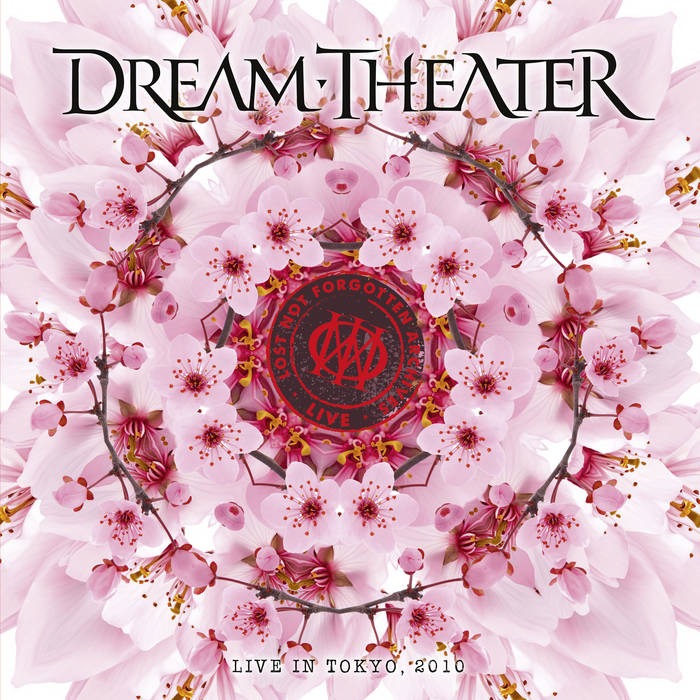
Progressive Metal Icons Dream Theater Announce ‘Live In Tokyo, 2010’ Release

0

Dream Theater return to their Lost Not Forgotten Archives series with ‘Live In Tokyo, 2010,’ set for release on March 13, 2026 via InsideOutMusic. Recorded at Summer Sonic Festival in Tokyo, the six-track live set captures the band during a pivotal moment, marking founding drummer Mike Portnoy’s final performance with the group before his return in 2023. The release follows the band’s fourth career Grammy nomination and serves as their first archival offering of 2026.

The performance features extended live versions of key songs from across the band’s catalog, including “A Nightmare To Remember,” “The Count Of Tuscany,” and a combined finale of “Pull Me Under / Metropolis.” ‘Live In Tokyo, 2010’ will be available in multiple formats, including CD, several 180-gram double-LP variants, and digitally. The set documents Dream Theater’s precision and scale in a festival setting, preserving a high-water mark from a defining era of the band’s live history.

Electronic Music Pioneer Moby Announces New Album ‘Future Quiet’ And Shares Lead Track “When It’s Cold I’d Like To Die”

0

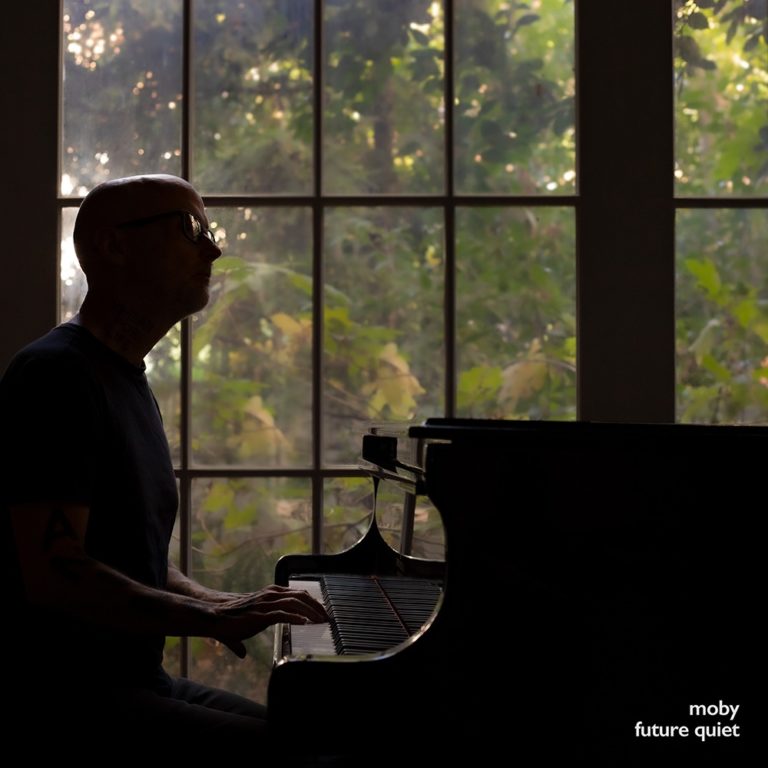
Moby has announced his 23rd studio album ‘Future Quiet,’ set for release on February 20, 2026 via BMG. Alongside the announcement, he shares the album’s opening track, a newly recorded orchestral version of “When It’s Cold I’d Like To Die,” featuring vocals from Jacob Lusk of Gabriels. The release marks a reflective new phase in Moby’s catalog, built around restraint, atmosphere, and emotional space.

Across eleven tracks, ‘Future Quiet’ moves through piano minimalism, ambient compositions, and select vocal collaborations. The album centers on the contrast between constant digital noise and the human need for stillness, shaping a listening experience designed around calm and focus. The record has already drawn a strong response for its clarity and intention, presenting a quieter but deeply considered body of work.

Moby describes the album as a deliberate retreat. He explains that while he still loves loud and maximal music, the increasing intensity of modern life has pushed him toward writing and recording music that feels safe and grounding. He describes ‘Future Quiet’ as a personal refuge, created with the hope that listening can offer the same sense of relief and pause.

The album opens with the reworked “When It’s Cold I’d Like To Die,” originally released on Moby’s 1995 album ‘Everything Is Wrong’ with vocals by Mimi Goese. The song has reached a new audience following its use in seasons one and four of Stranger Things, where it resonated widely despite its sparse structure. Moby notes that the renewed attention has been surprising, especially given that the original recording was never released as a single.

Reflecting on Jacob Lusk’s involvement, Moby recalls hearing his voice for the first time on KCRW and immediately wanting to collaborate. After tracking him down, the two worked together on the new version, which places Lusk’s voice at the center of a sweeping orchestral arrangement. Moby has described the result as transcendent, pointing to the emotional depth Lusk brings to the performance.

With a career spanning more than three decades, Moby continues to evolve while remaining deeply connected to his values around activism, compassion, and mental health awareness. His work across music, writing, film, and visual art reflects an artist still driven by curiosity and purpose. As ‘Future Quiet’ arrives and live plans expand through 2026, the album reinforces his long-standing role as a singular voice shaping the emotional language of modern music.

Ali McGuirk Shares Hip Hop Remix Of “Where Does All The $ Come From?”

0

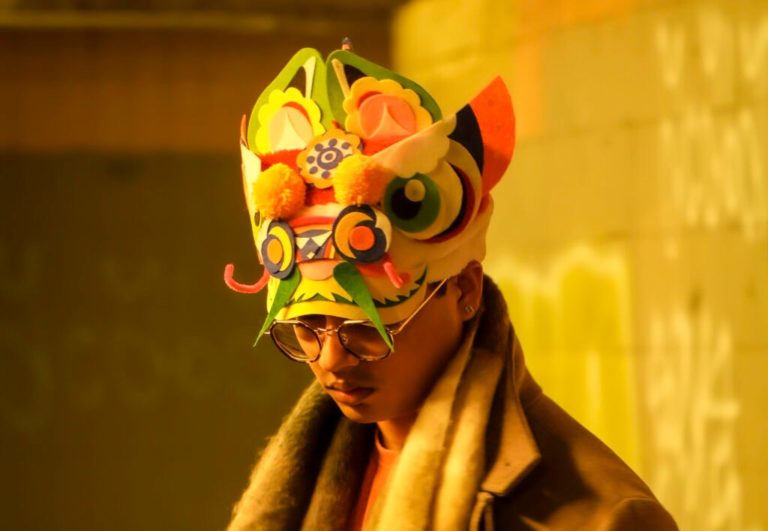
Ali McGuirk has released a new hip hop remix of “Where Does All The $ Come From?”, a track originally featured on her album ‘Watertop’. The remix includes expanded lyrics from Boston activist and rapper Eroc of Foundation Movement, production by Charles Haynes, and additional vocals from Boston soul singer Jonathan Gramling. The new version reframes the song through a sharper rhythmic lens while keeping its focus on questions of value, power, and responsibility.

McGuirk describes her connection with Eroc as long-standing and rooted in shared conversations around justice and liberation. “He is someone who carries an energy of love and clarity that I deeply admire, which is so needed in our world today,” she says, noting that the collaboration had been a long-held hope. She also points to the contrast between her usual band-based recordings and the hip hop process behind the remix, calling the experience expansive and grounding. “Watching this remix come together was magical,” she adds, crediting Haynes’ production approach and Gramling’s vocals for bringing new depth and color to the track.

The remix continues the thematic throughline of ‘Watertop’, an album that examines human and societal value through a blend of soul, folk, and experimental sound design. Across the record, McGuirk approaches activism and care as spiritual practice, pairing direct lyrical intent with emotionally charged performances. The new remix extends that conversation, placing collaboration and collective voice at the center of the song’s message.

The Ultimate Guide to Styling Engineered Oak Parquet Flooring

0

By Mitch Rice

Engineered oak parquet flooring has a way of instantly elevating a space. Patterned, tactile and rich in character, it offers the charm of traditional parquet with the practicality modern homes demand. From period terraces to new-build apartments, parquet has stepped firmly back into the spotlight and it’s more versatile than many expect.

What Is Engineered Oak Parquet Flooring?

Parquet flooring is defined by its patterned layout rather than the material itself. Herringbone, chevron and basketweave are the most recognisable designs, traditionally associated with grand European interiors.

Engineered oak parquet combines a real oak surface layer with a stable, layered core. This construction offers greater resistance to movement caused by temperature changes, making it suitable for underfloor heating and everyday family life without losing the warmth and authenticity of real wood.

Why Parquet Flooring Is Trending Again

Parquet’s resurgence is closely tied to a wider shift towards character-led interiors. Homes are moving away from ultra-minimal finishes and embracing detail, texture and craftsmanship.

Engineered parquet fits neatly into this mindset:

  • It adds visual interest without relying on bold colour
  • It feels heritage-inspired but not dated
  • It works as a long-term design choice rather than a short-lived trend

Social platforms have also helped reframe parquet as contemporary, often paired with relaxed styling, modern furniture and lived-in details rather than formal layouts.

Choosing the Right Parquet Pattern for Your Space

Different parquet patterns create very different moods, so the layout should always be chosen with the room’s proportions and personality in mind.

Herringbone: The most versatile option. Its broken zig-zag pattern suits both classic and modern interiors, adding movement without feeling overly structured.

Chevron: More streamlined and directional, chevron feels bold and architectural. It works particularly well in contemporary homes or open-plan spaces where the flooring can be fully appreciated.

Basketweave: A softer, more decorative pattern that feels traditional and works beautifully in period properties, hallways or character-filled living spaces.

Styling Parquet Flooring in Different Interior Styles

Modern Homes: In contemporary interiors, parquet flooring becomes a feature rather than background. Keep the palette restrained with soft whites, warm greys or muted earth tones. Low-profile furniture, clean-lined sofas and minimal accessories prevent the pattern from feeling too busy. Lighter oak tones work especially well here, helping spaces feel open while still adding texture underfoot.

Period Properties: Parquet feels entirely at home in older buildings. Pair it with classic details such as panelling, cornicing or fireplaces, then balance the look with relaxed furnishings to avoid anything feeling overly formal. Richer oak shades complement heritage colour schemes, while aged or brushed finishes enhance the sense of authenticity.

Eclectic & Personality-Led Spaces: For homes that mix eras and styles, parquet provides a grounding element. It allows bolder furniture, artwork and colour choices to shine without overwhelming the space. Layering rugs, mixing wood tones and incorporating tactile textiles helps create a lived-in, collected feel rather than a polished showroom look.

Using Colour, Texture & Furniture to Balance Parquet

Because parquet is inherently detailed, surrounding elements should be thoughtfully chosen.

  • Furniture: Go for simple silhouettes. Curved edges soften angular patterns, while slim legs allow the floor to remain visible.
  • Rugs: Large, neutral rugs help zone spaces and break up the pattern, especially in open-plan rooms.
  • Textures: Linen, wool, leather and ceramics balance the precision of parquet with warmth and softness.

Parquet works best when it’s allowed breathing room rather than competing with heavy visual clutter.

Don’t Forget the Hallway

Hallways are often overlooked, yet they’re one of the best places for engineered oak parquet. The pattern instantly creates impact, setting the tone for the rest of the home.

Paired with durable finishes, subtle wall colours and practical runners, parquet transforms a functional space into a welcoming introduction.

Is Engineered Oak Parquet Right for Your Home?

Parquet flooring suits homeowners looking for:

  • Timeless design with long-term appeal
  • Flooring that adds character without constant redecorating
  • A balance between visual impact and everyday practicality

While it does require thoughtful styling, engineered oak parquet rewards that effort with depth, warmth and enduring style. Whether laid in a small living room or across an entire ground floor, it brings a sense of intention that plain flooring often lacks.

From Classic to Contemporary

Engineered oak parquet flooring is more than a decorative choice; it’s a foundation for considered design. When paired with the right colours, textures and furniture, it adapts effortlessly to modern, classic and eclectic interiors alike.

Styled with balance rather than excess, parquet proves that patterned flooring doesn’t have to dominate a space. Instead, it quietly enhances it, room by room, for years to come.

Data and information are provided for informational purposes only, and are not intended for investment or other purposes.


Glasgow Songwriter Ant Thomaz Shares Joyful New Single “Good Times Roll”

0

Ant Thomaz returns with his new single “Good Times Roll,” a rhythm-driven track shaped by a life lived between cultures. With family roots in southern Louisiana and a creative base in Scotland, Thomaz blends folk, soul, pop, zydeco, and rock into a sound built on warmth, melody, and feel. Written and recorded with the idea of a “Scottish Mardi Gras,” the song brings together musicians from different musical backgrounds, allowing each voice and rhythm to live fully inside the groove. The result feels communal, open, and grounded in shared movement.

Co-produced with longtime collaborator Chris Gordon, “Good Times Roll” took nearly a year to complete, passing through more than 60 mixes before reaching its final form. The track draws from Louisiana Mardi Gras traditions, Bollywood influences, South African rhythms, and Celtic music, shaping a unified celebration that moves easily between styles. Lyrically, the song reflects on finding balance within chaos and carrying joy through change, themes that align with Thomaz’s long-standing focus on optimism, self-awareness, and connection. Following years of busking, festival stages, BBC airplay, and supporting artists including Happy Mondays and Sheku Kanneh-Mason, the new single signals a fresh chapter as Thomaz continues toward his debut solo album.

London Pop Artist Priyank Shah Returns With Bilingual Single “What You Want”

0

Priyank Shah has released his new single “What You Want,” a polished pop track that highlights his fully self-contained creative process. Writing, producing, mixing, and mastering the song from his own studio, Shah continues to shape a sound that balances groove and clarity. He describes the track as a literal meeting point between cultures, saying, “Music has always been my way of crossing borders, but with this track, I took that literally. It’s a conversation between cultures blending the universal language of funk-pop with the poetic depth of Mandarin.”

The song blends retro textures with modern pop precision, pulling from 80s and 90s-style drums, funk-driven guitar lines, and warm analogue synths. Sung in both English and Mandarin, “What You Want” approaches love as a shared experience that moves beyond language. Shah adds, “Here’s the truth: I don’t speak a single word of Mandarin. I’m a boy from India living in London. On paper, this collaboration shouldn’t make sense. But when I heard the flow of the Mandarin lyrics, I didn’t need to understand the definitions to understand the feeling. It was just musical.” The result reflects Shah’s interest in connection through sound, without borders or formulas.

Australian Rock Band Kisschasy Share New Single “Better” Ahead Of New Album

0

Kisschasy have released “Better,” the fourth and final preview from their upcoming album ‘The Terrors of Comfort,’ out February 13, 2026. The track introduces a brighter, more optimistic tone compared to the band’s recent singles, pairing an open, melodic arrangement with a sense of forward motion. Vocalist Darren Cordeaux describes the song as an inverted love song, built around an expansive feel that contrasts with earlier releases “Parasite,” “Lie to Me,” and “Uncomfortably Numb.” The chorus leans into a familiar Kisschasy strength, direct, catchy, and designed to carry in a live setting.

Recorded between Melbourne and Los Angeles, ‘The Terrors of Comfort’ was produced and engineered by Cordeaux alongside Richard Stolz. The album moves deliberately through shifts in tone and mood, reinforcing the band’s focus on the album format as a complete listening experience. In 2026, Kisschasy will support Good Charlotte and Yellowcard on arena shows in Perth, Brisbane, Bendigo, and Sydney, marking an active new chapter as they continue building on more than two decades together.

John Fogerty Brings Family And History To Tiny Desk

0

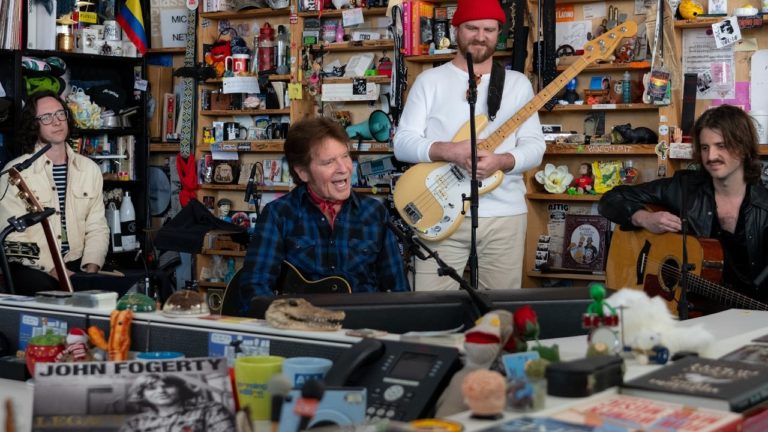
John Fogerty steps into the Tiny Desk space with a performance shaped by family, memory, and songs that have lived many lives. Joined by his sons Shane and Tyler on guitar, Fogerty keeps the setup loose and personal, letting the writing and melodies carry the moment. The set moves easily between solo material and familiar songs tied to his work with Creedence Clearwater Revival, presented without excess and with a clear sense of ease.

Recorded on Veterans Day, the performance carries added weight as Fogerty reflects on the origins of some of his most enduring work. The setlist includes “Proud Mary,” “Change in the Weather,” “A Hundred and Ten in the Shade,” “Long As I Can See the Light,” and closes with “Have You Ever Seen the Rain,” drawing the room in for a shared finish. The result feels lived-in and warm, a reminder of how these songs continue to connect across generations.

Top 12 iOS App Development Companies

0

By Mitch Rice

With so many companies out there, hunting for an iPhone app developer feels like digging for treasure without a map. Forget the faceless tech giants. Ignore the massive corporations where your ticket number matters more than your vision. You need   IOS app development small team with experts. We did the hard work. Dig into this list of elite agencies that want to help you grow

Specialized Agencies for Custom iOS Solutions

These companies prioritize your product over their portfolio size.

1. TechAhead

TechAhead balances human design with serious engineering chops. You get a top-performing app with everything you asked for.

  • Concept to Store: Manage the entire lifecycle using agile loops.
  • Talking to Hardware: Build apps that smooth worlds on any Apple device.
  • Scalable: App grows as your users grow with AI-powered engineering.

2. Devlight

Devlight isn’t just a dev shop; they act as a “mobile-first” transformation engine with over 100 projects already delivered.

  • Market Leaders: Builds apps that handle millions of downloads without breaking.
  • Retention Focus: Engineers, give your app a design that hooks users.
  • Strategic Consulting: Analyze the business model and guide you with a revenue-friendly app.

3.Blue Label Labs

Blue Label Labs ships mobile software that actually sticks. Fixated on user-centric products and refuse to write a single line of code until the product strategy makes absolute sense.

  • Design Sprints First: Don’t rush to code, but rip it in a “Design Sprint” to validate.
  • Native Muscle: Swift and Objective-C are their weapons of choice.
  • Growth Hacking: They make sure your app does what it is supposed to do.  

4. Utility

Serve everyone from scrappy startups to the Fortune 500, prioritizing design that feels inevitable rather than just functional.

  • Deliver Perfect Product: Designers sweat the details until the app feels just right.
  • Heavy Lifting: Write complex Swift code that processes heavy data.
  • Regular Updates: You get regular updates as per your demand.

5. Five Pack

Continue to learn and innovate new ideas to integrate in your app, its there motto. 

  • Ready to Move Team: Five Pack embeds senior experts into your existing team. Better code and smart developers.
  • Safety: Secure iOS tools that help employees do their jobs with no data risk.
  • Fix the Impossible: Five Pack thrives on the “unsolvable” technical knots that scare away the amateurs.

6. Atomic Object

Atomic Object operates as an employee-owned consultancy. Every person on your code cares about the code quality.

  • Polyglot Engineers: Pick the right stack to keep your app stable for years.
  • Sitting Together: Designers and developers sit together to stop miscommunication before it starts.
  • Clean Code: Writes testable, clean software.

7. Tepia

Reject cookie-cutter solutions, focusing heavily on startups and businesses that need a digital tailored suit.

  • Startup Experts: Specializes in guiding entrepreneurs to a concrete, investable product
  • Digital Devotion: Design experiences that customers love with the tool.
  • Legacy Modernization: Takes your ancient systems and modernize it.

8. Majestyk Apps

Majestyk Apps turn complexity into smooth workflows. Pick startups and mid-market players. 

  • Clutter Killer: Minimalist interfaces where content is king and navigation disappears.
  • MVP Sprint: Get a launchable product in less time. Best for start-ups
  • Ready to Grow: Architect the backend to handle a flood of users.

9. Simpalm

Apply a “tried and true” process that eliminates the guesswork from building apps, making them a safe bet for risk-averse clients.

  • Agile to the Core: Works in sprints, you see progress every week.
  • Hybrid Mastery: Sometimes native isn’t the answer. They are experts in cross-platform tech, too.
  • Gov & Non-Profit: Experience in building secure, accessible apps for government agencies and non-profits.

10. DockYard

Embrace modern web tech but maintain a fierce mobile engineering unit that treats app development like a science.

  • PWA or Native?: They can do both, whichever gives you a better product.
  • Lockstep Design: Your design gets coded exactly as you want.
  • Testing Rigor: Relies on automated testing to catch regressions before they ever reach a user’s pocket.

11. Magora Systems

Dig into the business logic and create an iOS app that can actually get you the revenue you want.

  • Business First: Built a tool as per your revenue model and business KPIs.
  • Pharma & MedTech: Follow strict standards for every app, especially for regulated industries.
  • Iterative Evolution: Constantly refining the product based on real-world feedback

12. Jafton

Jafton is last in the list but is now inferior to any mentioned above. With a skilled team of developers, they excel in crafting reliable apps for the Apple Store.

  • Government Tech: Understands government compliance. Build public sector apps that people actually like using.
  • Bleeding Edge Tech: Integrate the absolute latest iOS features, like App Clips.
  • Founder Friendly: Works closely with founders to prioritize features that matter for the next funding round

Conclusion

You cannot hire just anyone—after all, your business is at stake. Only pick the best iOS partner. This list will save you time and help you hire the right team for your app. Maybe you need the government expertise of Jafton. Perhaps the startup focus of Tepia fits the bill. Or maybe you want the strategic design focus of Blue Label Labs—or the enterprise-grade innovation and AI-driven engineering excellence of TechAhead. Decide what you want and get your agentic AI consulting started.

Data and information are provided for informational purposes only, and are not intended for investment or other purposes.
Remembering Valentino Garavani With 25 Facts You Need To Know

0

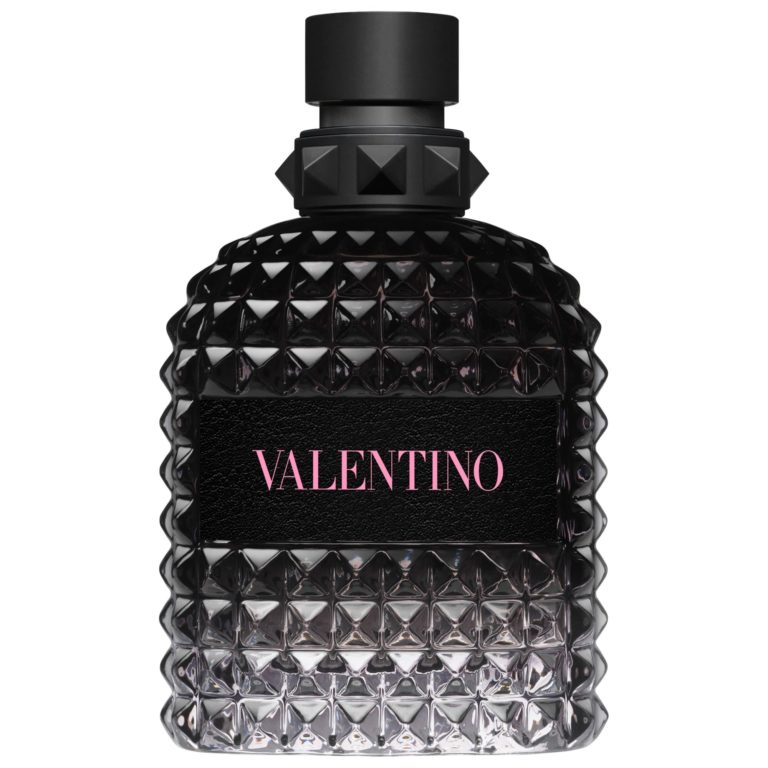
When Valentino Garavani passed away in Rome at 93, the fashion world lost more than a designer. It lost a guardian of beauty, discipline, and devotion. Valentino believed elegance was an act of care – for craft, for history, for the people who wear clothes and the people who make them. In that spirit, here are 25 lesser-known facts about a man who treated fashion as a lifelong responsibility.

  1. His mother named him after silent-film star Rudolph Valentino, sensing destiny early.
  2. His first fashion lessons came from his aunt Rosa in Voghera, not Paris.
  3. He apprenticed under local designer Ernestina Salvadeo before formal schooling.
  4. He studied at both the Ecole des Beaux-Arts and the Chambre Syndicale in Paris.
  5. He assisted Jean Desses by sketching for Countess Jacqueline de Ribes.
  6. A vacation dispute in Saint-Tropez ended one Paris chapter of his career.
  7. He returned to Italy in 1959 to relearn couture the Roman way.
  8. His first Rome atelier opened on Via Condotti in 1960.
  9. Models for his debut show were flown in from Paris to Rome.
  10. Valentino Red emerged from his love of opera costumes in Barcelona.
  11. He met Giancarlo Giammetti by chance at Cafe de Paris on Via Veneto.
  12. Giammetti left architecture school to save Valentino from bankruptcy.
  13. Florence, not Paris, hosted his international debut in 1962.
  14. Jacqueline Kennedy ordered six black-and-white dresses after a private fitting.
  15. He designed her wedding dress to Aristotle Onassis.
  16. His iconic V logo debuted in an all-white 1967 collection.
  17. He quietly followed trends but refined them through tailoring.
  18. The 1970s made him a favorite of New York society.
  19. Diana Vreeland championed him relentlessly in the US.
  20. Joan Collins made him a Dynasty-era household name.
  21. He designed luxury interiors for a Lincoln Continental line.
  22. Accademia Valentino funded AIDS support initiatives in Rome.
  23. He appeared as himself in The Devil Wears Prada.
  24. His final couture show earned a standing ovation at Musee Rodin.
  25. He never stopped believing elegance was a moral choice.

Valentino showed that fashion can be disciplined without being cold, luxurious without being careless, and timeless without being rigid. His legacy lives on not just in dresses, but in standards.