Home Blog Page 334

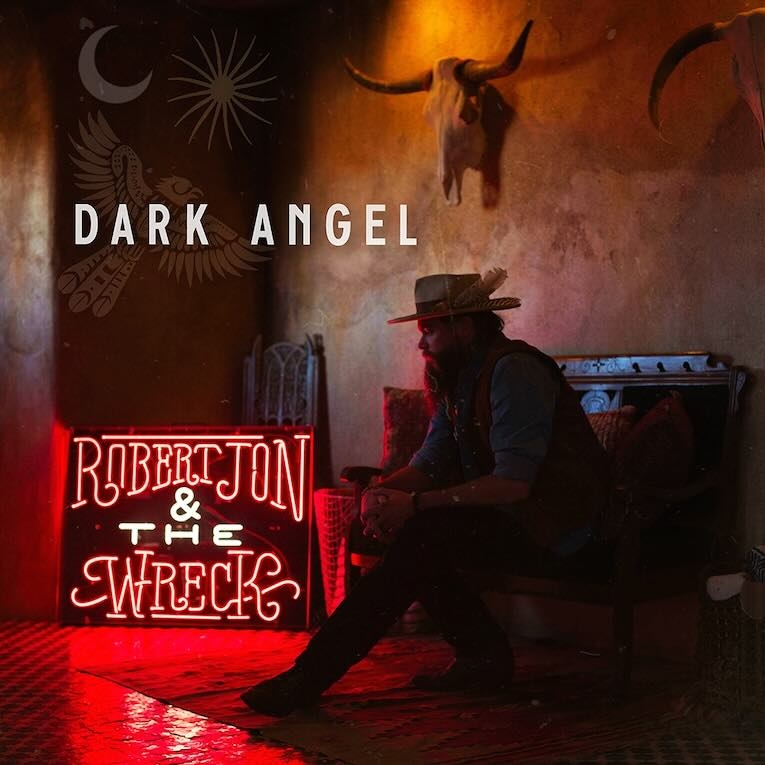
Southern Rockers Robert Jon & The Wreck Release “Dark Angel” from New Album ‘Heartbreaks & Last Goodbyes’

0

Southern California rockers Robert Jon & The Wreck unveil “Dark Angel,” the latest single from their highly anticipated studio album Heartbreaks & Last Goodbyes, out now via Joe Bonamassa’s Journeyman Records. Produced by Dave Cobb (Chris Stapleton, Jason Isbell, Rival Sons).

“Dark Angel” tells the story of a mysterious woman in Savannah, Georgia-equal parts memory, mirage, and muse. With evocative storytelling, moody guitar licks, and a groove steeped in country-soul swagger, the track captures a shadowy slice of Southern mythos, blurring the line between love and longing.

“‘Dark Angel’ was another song that came out of our writing sessions at Nashville’s historic RCA Studio A,” says guitarist Henry James. “We had the privilege of working with singer-songwriter Leslie Satcher (George Strait, Martina McBride, Gretchen Wilson, Patty Loveless, and Vince Gill), with lyrics inspired by one of her personal experiences as a touring musician. It tells the tale of an encounter with a mysterious woman in a bar in Savannah, GA-leaving plenty of room for poetic embellishment. Her knack for storytelling and wordplay was evident, and we had great chemistry as line after line poured out of her. The song was a natural fit for Cobb’s production, with punchy riffs and a classic southern/country rock groove. By coincidence, we recorded the song in the very city that inspired it-Savannah. We’re excited and proud to share ‘Dark Angel’ with the world.”

“Dark Angel” follows a string of singles that showcase the wide emotional and sonic spectrum of Heartbreaks & Last Goodbyes, including the swaggering “Better Of Me,” the electrifying “Highway,” the reflective “Ashes in the Snow,” the smouldering “Long Gone” (co-written with John Oates), and the high-octane “Sittin’ Pretty.” Each track further solidifies the band’s identity as a modern rock powerhouse rooted in timeless American traditions.

Heartbreaks & Last Goodbyes was recorded in Savannah with the band living communally throughout the process-eating, writing, and recording together under Cobb’s watchful eye. The album captures the raw chemistry that has made their live shows legendary, pairing hard-driving rockers with heartfelt ballads, all anchored by the band’s sharp musicianship and soul-baring lyrics.

“This record really represents who we are right now, both musically and personally,” says frontman Robert Jon Burrison. “We stepped away from our day-to-day and just focused on the songs, and you can feel that in every track.”

Mixed by Greg Gordon (Chris Stapleton, Sturgill Simpson), the album will be available on CD, digital platforms, and limited-edition coloured vinyl, with special merch bundles including an exclusive shirt and bandana.

Winston Surfshirt Drops Fourth Album ‘WINSTON’ with Smooth New Single “One Sugar”

0

Genre-blending artist Winston Surfshirt has officially announced his fourth studio album WINSTON, out now via Sweat It Out. The announcement arrives alongside a smooth, soulful new single titled ‘One Sugar’, offering fans another taste of the sonic evolution that defines this new chapter in Winston’s career.

Following a string of singles including ‘Spend My Nights’‘Ice Cream’, and ‘BOOTS’‘One Sugar’ keeps things sweet with playful lyrics and sultry R&B grooves. Co-written with long-time collaborator OSWRLD, the track shows off Winston’s signature fusion of hip hop, soul, and nostalgic 2000s R&B — a sound he calls his “most personal yet.”

The upcoming WINSTON album promises 11 tracks of heartfelt storytelling, gliding between buttery vocals, funk-infused beats, and modern production touches. Winston describes the project as a return to his roots while pushing his sound into bold new territory.

“You’ve always got a go to sound / genre or era that you listen to and sort of defines you. For me it sits between 1998-2002 ish through my older sisters music taste, noughties RnB, Aaliyah, Usher, Craig David etc.. when I started working with Oscar we just created music with no clear guide to what we wanted & as we made more and more a theme started to show up that sat right in that world. 

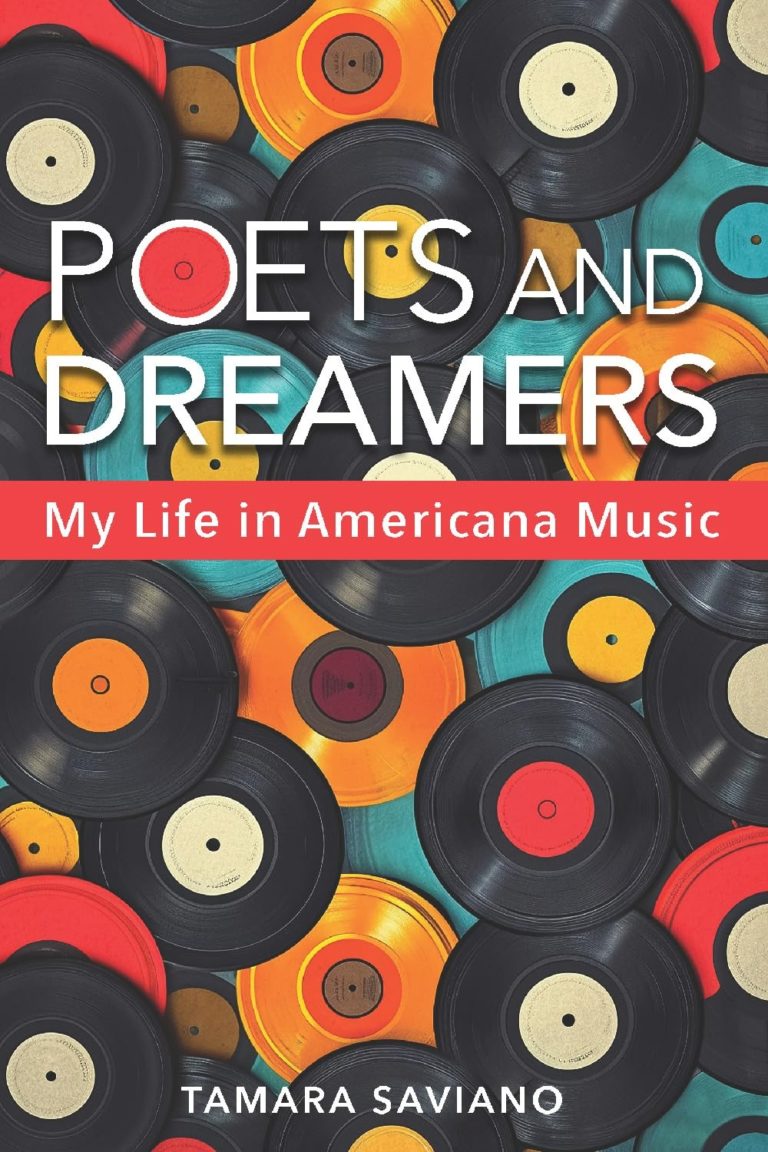
Tamara Saviano Traces the Rise of Americana in New Memoir ‘Poets and Dreamers’

0

Part memoir, part oral history, Poets and Dreamers: My Life in Americana Music traces Tamara Saviano’s remarkable journey through the rise of the Americana music genre. Spanning more than three decades, Saviano unfolds the story of Americana–country music’s bohemian cousin–from her unique perspectives as a journalist, historian, Grammy-winning music producer, filmmaker, and artist emissary.

The first woman president of the Americana Music Association and producer of the early Americana Honors and Awards shows at Nashville’s storied Ryman Auditorium, Saviano takes readers behind the scenes for some of the most significant moments in Americana history. Poets and Dreamers illuminates the exceptional Americana community: an ever-expanding yet close-knit circle of friends and unsung heroes devoted to the success of roots music and its artists.

Highlights include interviews with artists and colleagues and memories of special events, concerts, and day-to-day life with singers, songwriters, and musicians. Tender stories recalling Saviano’s close relationships with two of her most enduring clients, iconic songwriters Kris Kristofferson and Guy Clark, round out this singular historical work. Including photographs of significant people and moments in Americana music, Poets and Dreamers: My Life in Americana Music will entertain and inform a worldwide readership of fans, students, and scholars of Americana and roots music.

The SNL Five-Timers Club: Musical Legends Who Keep Coming Back

Saturday Night Live isn’t just a comedy institution—it’s a rite of passage. For nearly 50 years, hosting the show has marked a career milestone for actors, comedians, and even athletes. But reach that rare fifth hosting gig, and you’re welcomed into an exclusive fraternity: the SNL Five-Timers Club, complete with velvet robes, tongue-in-cheek sketches, and cameos from fellow inductees.

While the club is often associated with comedy greats like Steve Martin or Tom Hanks, music has played a central role in the show’s DNA since 1975. A select few musicians have crossed over into that hallowed territory of five or more host gigs, while others have become so synonymous with SNL that their frequent guest spots feel just as iconic.

Let’s break down the musicians who’ve earned their Five-Timers status—and the artists who may not have hosted as often, but whose fingerprints are all over Studio 8H.


Official Musical Five-Timers

Paul Simon: The Original Member

Paul Simon didn’t just perform on SNL—he helped define its earliest years. Hosting four times in the show’s first decade (1975, 1976, 1986, and 1987) and again in 1990, Simon became the first musician to cement Five-Timer status. He wasn’t just a musical guest either; his comedic chops turned him into a recurring figure in sketches, most famously the 1976 monologue where he appeared in a turkey costume.

Simon’s close friendship with Lorne Michaels only solidified his place as SNL’s unofficial musical patron saint. He’s performed on the show countless times outside of hosting, from “Still Crazy After All These Years” in the premiere season to a moving “The Boxer” with Ladysmith Black Mambazo in 1986. Simon’s presence is so intertwined with SNL that it’s hard to separate the two.

Justin Timberlake: From Boy Band to Comedy Gold

If Paul Simon is the serious elder statesman of the Five-Timers, Justin Timberlake is the class clown who somehow aced every exam. Timberlake’s five official hosting stints (2003, 2006, 2009, 2011, 2013) cemented him as not only a pop star but also one of SNL’s most reliable comedy ringers.

From the “Barry Gibb Talk Show” with Jimmy Fallon to “Bring It On Down to Omeletteville,” Timberlake blurred the line between host and cast member. His 2006 digital short “Dick in a Box” with Andy Samberg won an Emmy and became one of the most replayed sketches of the YouTube era. For many, Timberlake’s repeated returns proved that musicians could be more than stiff monologue readers—they could become comedy icons.

Justin Bieber: The Pop Prince of Studio 8H

While not as universally beloved as Timberlake, Justin Bieber has hit the Five-Timers mark by a mix of hosting and guest appearances. Bieber’s hosting debut came in 2013, but his presence on SNL stretches back further: he was a musical guest in 2010 and popped up in sketches before his official hosting gig.

Bieber’s charm is in his willingness to poke fun at himself. In one sketch, he played a high school student overdoing Valentine’s Day gestures, while in another he joined in a Miley Cyrus parody of his own persona. Love him or roll your eyes, Bieber’s repeated SNL stints capture his arc from teen idol to pop mainstay—and yes, he’s got the jacket to prove it.


Honorary Status: Jack White’s Special Induction

Jack White hasn’t hosted SNL five times—but he still holds a unique spot in the Five-Timers Club lore. After filling in on short notice for canceled acts (including Morgan Wallen in 2020) and consistently delivering standout performances, White was awarded an honorary induction in a sketch during the pandemic era.

Why the exception? Because few modern artists embody SNL’s spirit of unpredictability and reinvention like Jack White. His blistering 2002 performance of “Dead Leaves and the Dirty Ground” with The White Stripes remains a fan favorite, and his 2012 solo set showcased his knack for pushing boundaries. White may not have hosted, but his status as one of SNL’s most dependable—and electrifying—musicians earned him a robe nonetheless.


Frequent Musical Guests

Not every artist wants—or needs—to host. Some musicians let their instruments do the talking, returning again and again to Studio 8H just to perform. A few names stand above the rest:

  • Dave Grohl (16 appearances): If there’s an unofficial king of SNL musical guests, it’s Grohl. Between Nirvana, Foo Fighters, Them Crooked Vultures, and guest spots with Mick Jagger and Tom Petty, Grohl has practically worn out the stage. His 2011 Foo Fighters performance of “Walk” brought down the house, and his sheer range of appearances shows his enduring connection to the show.
  • Gwen Stefani (5 appearances): Twice with No Doubt and three times solo, Stefani has been a reliable draw for SNL since the ’90s. Her 1996 performance of “Don’t Speak” with No Doubt introduced her voice to millions, while her solo stints leaned into her colorful, eccentric persona.
  • Chris Martin (8 appearances): Whether solo or with Coldplay, Martin is nearly an SNL regular. Coldplay’s 2001 debut brought “Yellow” to an American audience, while their 2019 appearance added gravitas to the show’s musical legacy. Martin even popped up in sketches, most memorably kissing Will Ferrell in a parody of The Bachelor.

These artists may not have the robes of the Five-Timers, but their repeated presence shows just how much SNL values them as cultural mainstays.

How to Prepare for Your First Major Label Meeting: A Guide for Emerging Artists

For many emerging artists, landing a meeting with a major record label is the dream—and a nerve-wracking milestone. It can feel like the make-or-break moment in your career. While it’s true that these meetings are important, it’s equally true that preparation, professionalism, and authenticity will set you apart more than trying to “play the part.”

The best label meetings are not auditions. They’re conversations about opportunity, partnership, and potential. Below is a roadmap to help you prepare for your first big meeting, so you walk in confident, informed, and ready to present the best version of yourself and your music.

Pre-Meeting Preparation

Do your homework. Labels want to know that you’re serious about your career and understand their ecosystem. Research the label’s roster—who’s signed, who’s been recently dropped, and who’s having success. For instance, if you’re a pop singer and the label has just had a breakout with another female solo act, you’ll want to be ready to position yourself as complementary rather than competitive.

Understand the label’s divisions. Major labels are often structured by genre or region. Familiarize yourself with the department or imprint most relevant to your music. A hip-hop artist meeting with Def Jam should know its legacy and current artists, while a jazz artist should understand Blue Note’s positioning.

Know the decision-makers. You may be meeting with an A&R rep, but who else will be in the room? Google the executives. Check their LinkedIn or past interviews. For example, if you know an A&R executive recently signed a rising alt-pop artist, you can draw a parallel about how your sound or fan base fills another niche.

Essential Materials

Bring a press kit—both physical and digital. At minimum, this should include:

  • Professional photos: High-resolution images that reflect your brand. Avoid casual snapshots; think of how you want to be presented in media.
  • Streaming and sales stats: Be transparent. Labels want to see data, even if it’s modest. If your last single streamed 50,000 times on Spotify, that’s worth highlighting.
  • Social media analytics: Show engagement, not just followers. Executives pay attention to fan loyalty, not inflated numbers. A TikTok video with 15,000 organic shares can matter more than 200,000 passive followers.
  • Press clippings and testimonials: Local coverage, playlist placements, or quotes from industry professionals add credibility.

Think of your press kit as your résumé. It should present you as a serious, market-ready artist.

Presentation Skills

This is your chance to showcase not just your music, but your brand and vision. Labels sign people, not just songs.

  • Play your strongest tracks. Quality matters more than quantity. Two or three polished songs are better than a dozen rough demos. For example, when Billie Eilish’s early demos caught attention, it was because “Ocean Eyes” stood on its own.
  • Tell your story. Executives want to know who you are. Share your journey and your vision in a way that’s memorable. Maybe you grew your audience busking in Toronto, or maybe you wrote your debut EP in your parents’ garage—stories make music relatable.
  • Be concise. Avoid rambling. Have a clear “elevator pitch” for your artistry: “I make soulful pop rooted in gospel influences, with a message of resilience.”

A major pitfall: overpromising. Don’t say “I’ll be bigger than Drake in two years.” Instead, talk about your commitment to growth and your fan community.

Common Questions You’ll Face

Executives often ask variations of the following:

  • Who are your influences? Be thoughtful. Mention artists who reflect your sound but also your aspirations.
  • What’s your fan base like? Be specific. “18–24 college students on TikTok” is better than “everyone likes my music.”
  • What’s your vision for the next 12 months? Show you have a plan: touring, releasing singles, building content.
  • Why should we sign you now? This is where you highlight momentum—growing streams, viral content, recent tour success.

Prepare honest answers. Labels can tell when you’re bluffing.

Professional Etiquette

  • Dress the part, but stay you. If your brand is streetwear, don’t show up in a three-piece suit. If you’re a folk singer, ripped jeans and a flannel may be just right. The goal is professional authenticity.
  • Be punctual. Arrive 10–15 minutes early. It signals respect for their time.
  • Communicate clearly. Don’t interrupt, but don’t shrink back either. Make eye contact, listen attentively, and keep your phone silenced and out of sight.

I’ve seen artists lose credibility by arriving late and frazzled, or by treating the meeting too casually. Remember: how you act in that room is how they’ll expect you to act on tour or in the studio.

Follow-Up Strategy

What you do after the meeting is just as important as the meeting itself.

  • Send a thank-you email within 24 hours. Express gratitude and reiterate one or two key points from the meeting. For example: “I appreciate your thoughts on audience growth strategies. I’m excited to share new music soon.”
  • Provide additional materials if requested. Don’t send everything at once—be targeted. If they asked for live performance clips, send a Dropbox link.
  • Be patient. Labels rarely make decisions overnight. Expect a few weeks to a few months for a follow-up. Don’t pester, but a polite check-in after four weeks is appropriate.

Lead with Authenticity

A first major label meeting is both exhilarating and intimidating. Remember: they already see potential in you—that’s why you’re there. Your job is to show that you’re prepared, professional, and clear about who you are as an artist.

Yes, the polished press kit, the stats, and the presentation skills matter. But the most successful meetings happen when artists bring authenticity to the table. Adele once sang for XL Recordings with just a guitar and her voice; Ed Sheeran handed out homemade CDs and freestyled in label offices. In both cases, their honesty and unique artistry shone through.

Be ready, be professional, but most of all, be yourself. Labels can sign a voice, a look, or a brand—but what lasts is when they sign you.


Lady Gaga’s Isolated Vocals For “Bad Romance”

Lady Gaga’s “Bad Romance,” released in 2009 as the lead single from ‘The Fame Monster’, became an instant pop phenomenon with its haunting electropop sound and unforgettable hook. Inspired by Gaga’s own fears and fascination with toxic love, it showcased her bold artistry and experimental edge. The track topped charts worldwide, sold over 12 million copies, earned a Grammy, and remains one of the catchiest and most celebrated songs of the 21st century.


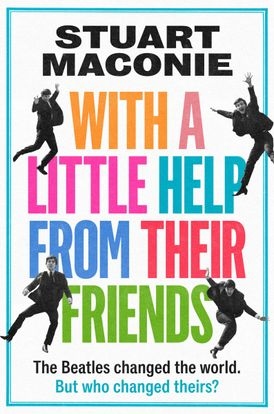
Stuart Maconie’s ‘With a Little Help from Their Friends’ Reveals the People Who Shaped The Beatles’ Story

0

Everyone knows a Beatles tune. But their story goes beyond the omnipresent songs and iconic albums. Theirs is a tale that has become one of the core stories we tell about ourselves as a nation. The Beatles narrative has both shaped and reflected the country we live in today. Four lads from Liverpool have taken a seat alongside Shakespeare as one of our key cultural exports to the world, a world they changed and re-made in their own image in a blaze of creativity. But these four distinct personalities changed the world not in isolation but with more than a little help from their friends.

Like all the best stories there’s an incredible supporting cast, and all the most compelling elements of the great dramas: ambition, power, triumph, disaster, heartbreak, tragedy, drama, intrigue, lust…and of course, love.

Split into 3 sections, Before The Beatles, With the Beatles and Beyond the Beatles, bestselling writer and broadcaster Stuart Maconie tells the epic tale of the people who made the band who made Britain, and along the way adds his own experiences, encounters and conversations that show the Beatles like you’ve never seen them before.

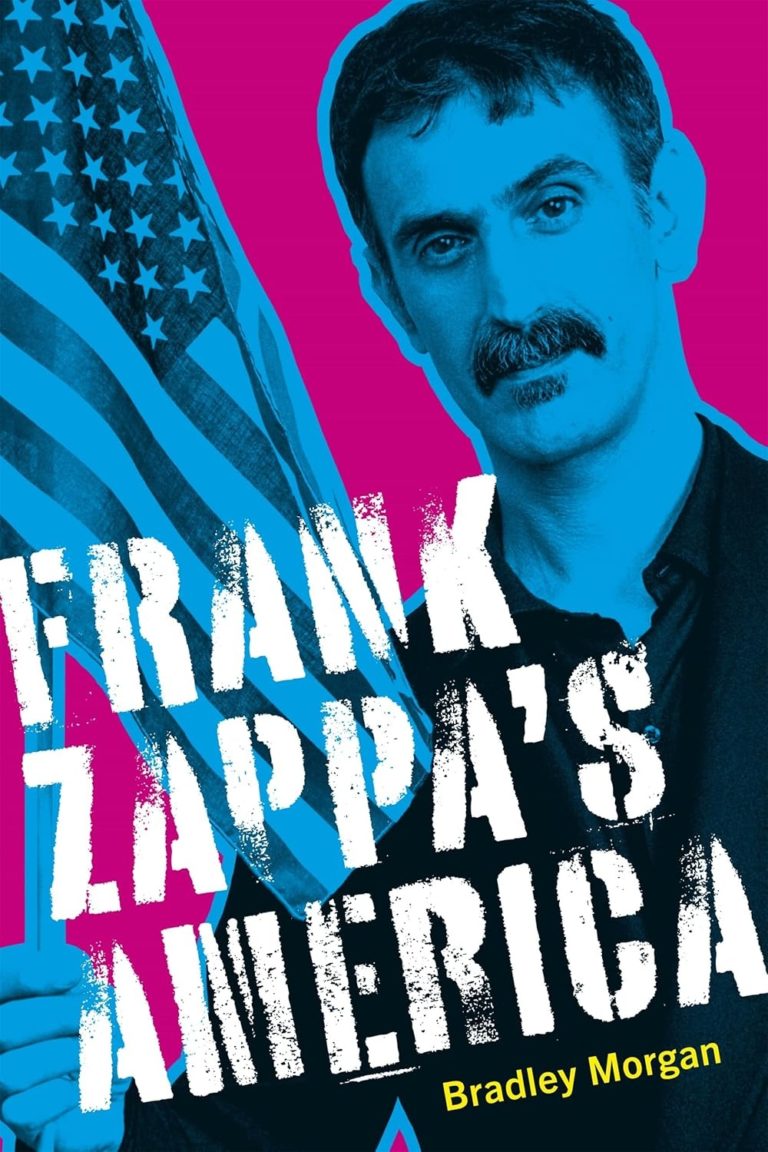
Bradley Morgan’s ‘Frank Zappa’s America’ Examines the Icon’s Satire, Politics, and Fight for Free Expression

0

From his early albums with the Mothers of Invention, Frank Zappa established a reputation as a musical genius who pushed the limits of culture throughout the 1960s and 1970s, experimenting with a blend of genres in innovative and unheard-of ways. Not only did his exploratory styles challenge the expectations of what popular music could sound like, but his prolific creative endeavors also shaped how audiences thought about the freedom of artistic expression.

In Frank Zappa?s America, Bradley Morgan casts the artist as an often-misunderstood figure who critiqued the actions of religious and political groups promoting a predominantly white, Christian vision of the United States. A controversial and provocative satirist, often criticized for the shocking subject matter of his songs, Zappa provided social commentary throughout his career that spoke truth to power about the nefarious institutions operating in the lives of everyday Americans. Beginning in the late 1970s, his music frequently addressed the rise of extremist religious influence in American politics, specifically white Christian nationalism.

Despite commercial and critical pressure, Zappa refused to waver in his support for free speech during the era of Reagan and MTV, including his pointed testimony before the U.S. Senate at the Parents Music Resource Center (PMRC) hearings. Throughout the 1980s, and until his death in 1993, Zappa crafted his art form to advocate for political engagement, the security of individual liberties, and the advancement of education. Music became his platform to convey progressive views promoting the rights of marginalized communities most at risk in a society governed by the principles of what he perceived as Christian radicalism.

Frank Zappa?s America examines the musician?s messaging through song, tracing the means by which Zappa created passionate, at times troubling, art that combats conservativism in its many manifestations. For readers in the twenty-first century, his music and public advocacy demonstrate the need to preserve democracy and the voices that uphold it.

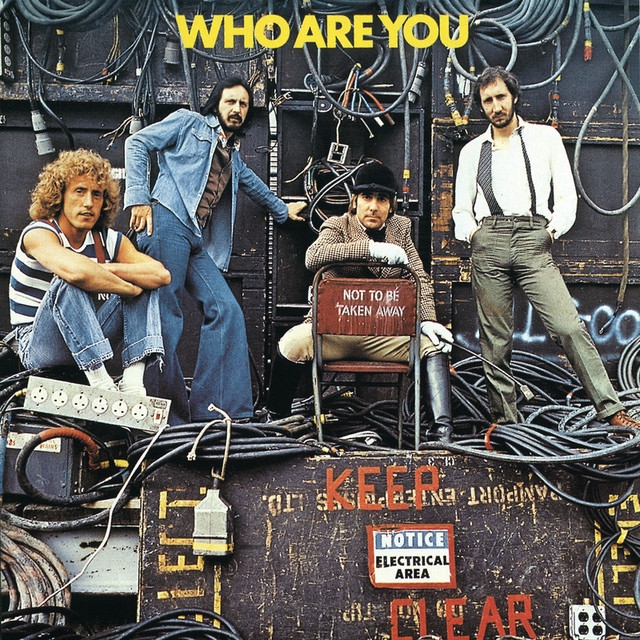
The Who and CSI: A Perfect Match of Rock and Mystery

0

Few TV franchises have left as big a cultural mark as CSI, and few rock bands have a catalog as instantly recognizable as The Who. Put them together, and you get one of the most iconic pairings in television history. Across all the CSI series and spin-offs, The Who’s legendary songs provided the soundtrack to countless investigations, dramatic reveals, and yes—those unforgettable opening credits.

Here’s how each series found its perfect anthem:

  • CSI: Crime Scene Investigation & CSI: Vegas – Both the original and its modern revival chose “Who Are You” as their theme. With its fiery riffs and pointed question, it became synonymous with the detective work of Las Vegas crime labs.
  • CSI: NY – “Baba O’Riley,” often (and lovingly) called “Teenage Wasteland,” set the stage for the gritty New York spin-off, its epic opening chords instantly pulling viewers into the city’s pulse.
  • CSI: Miami – Few moments in TV history are as meme-worthy as David Caruso’s sunglasses and a perfectly timed “Yeeeaaah!”—all backed by “Won’t Get Fooled Again.” It was camp, drama, and rock ‘n’ roll rolled into one.
  • CSI: Cyber – For its tech-savvy take on crime solving, the series turned to “I Can See for Miles,” a song that fit the theme of digital reach and surveillance in the cyber age.

Together, these songs did more than just open shows—they tied an entire franchise together with a unifying thread of classic rock. Each riff, drum hit, and soaring vocal line brought a sense of urgency and cool to the mysteries on screen.

The Who’s music was already timeless, but thanks to CSI, a whole new generation of viewers discovered just how powerful and versatile these songs could be. Decades later, many fans can’t hear those tracks without picturing flashing police lights, lab techs in sunglasses, and cases waiting to be solved.

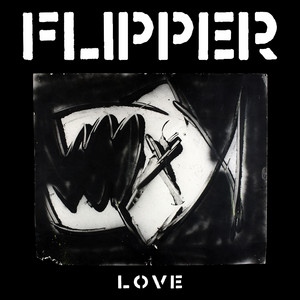
20 Amazing Facts About Flipper

0

The punk world lost a true original this week. Bruce “Loose” Calderwood, longtime singer-bassist of the legendary San Francisco punk band Flipper, passed away at age 66. Known for their noisy, slowed-down, bass-heavy take on punk, Flipper inspired countless bands—from Nirvana to the Melvins—by being unapologetically themselves.

To honor Bruce and the band’s chaotic, beautiful legacy, here are 20 amazing facts about Flipper.

Flipper formed in San Francisco in 1979, part of the city’s raw underground punk scene.

They slowed punk down into a heavy, noisy sludge that confused some but inspired many.

Bruce “Loose” Calderwood replaced original singer Ricky Williams early on.

Bruce and Will Shatter both played bass onstage, trading vocals in chaotic harmony.

Their early single “Ha Ha Ha” became an underground classic of noisy punk.

The 1981 single “Sex Bomb” ran nearly eight minutes with one repeated line.

Their 1982 debut LP was cheekily titled Album – Generic Flipper.

Fans spray-painted “Flipper Rules” across walls around the world.

They appeared in the 1983 indie film Emerald Cities performing live songs.

The 1984 record Gone Fishin’ featured a cut-out model of Ted Falconi’s van.

Their 1984 live cassette Blow’n Chunks captured their wild CBGB performance.

The 1986 double live album Public Flipper Limited unfolded into a playable board game.

Bassist and co-vocalist Will Shatter died in 1987 but left a lasting legacy.

Kurt Cobain often wore a Flipper T-shirt, including on Saturday Night Live.

Nirvana’s Krist Novoselic played with Flipper from 2006 to 2009.

R.E.M., the Melvins, and others covered Flipper songs like “Sex Bomb.”

Henry Rollins once described them as simply “heavier than anything.”

Bruce changed his stage name from “Lose” to “Loose” in the 2000s.

After Bruce stepped away in 2015, David Yow of the Jesus Lizard took over vocals.

Flipper’s distorted chaos continues to echo in punk, grunge, and noise rock.