Home Blog Page 345

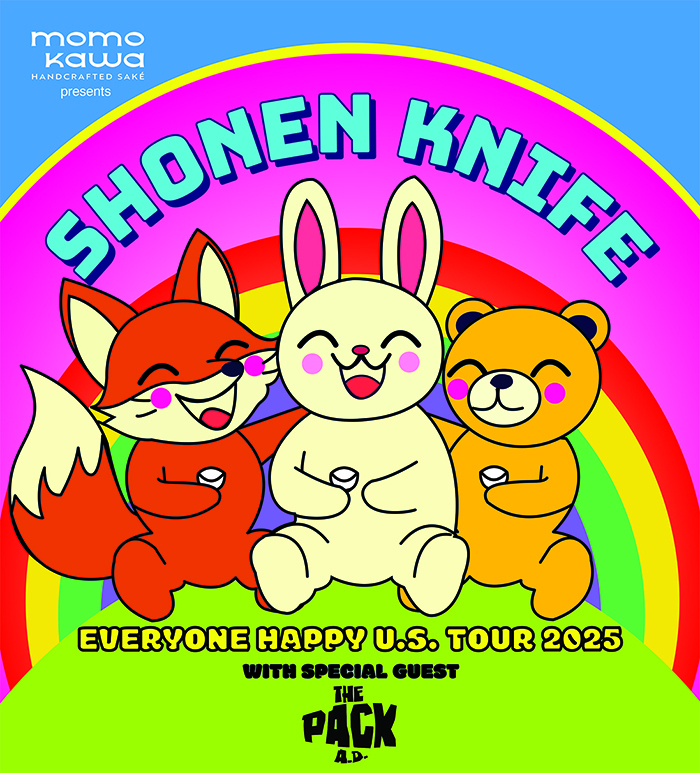
Shonen Knife Announce ‘Our Best Place (Expanded Edition)’ and Rare Cassette Reissue Ahead of EVERYBODY HAPPY U.S. Tour

0

In advance of Shonen Knife’s EVERYBODY HAPPY U.S. Tour (their first North American dates since 2019!) which is sponsored by Momokawa Sake, the Japanese punk legends are announcing the release of Our Best Place (Expanded Edition) on September 19, 2025 via Good Charamel.

Originally released digitally and on CD on February 15, 2023, the expanded edition will be officially released on vinyl and will initially be available only at the merch table on their tour (it will be made available at the Good Charamel online store once the tour has concluded at the end of October).

Our Best Place which was released in 2023 became a representative album of Shonen Knife,” says Naoko, founding member and lead vocalist. “It includes many of our punk pop songs. The 2025 vinyl version has fabulous embroidered artwork and will a collector’s item for our fans! “Not only that, I hope this vinyl release will be a good opportunity for other people to know our music!”

In addition to the original album’s 10 songs, four new songs have been added to the tracklisting: “Nice Day (‘60s Mix),” “The Story of Baumkuchen (Japanese Version),” “Girls Rock (2023 Japanese Version)” and “Green Tea (2025 Naoko Vocal Version).” Considered an immediate critical classic upon its release, Our Best Place found the trio returning to the quirky punk-pop flavor that fueled their first four albums and made fans out of Nirvana, Redd Kross, and Sonic Youth (among many, many others). All Music included it in their “Favorite Rock Albums of 2023,” praising “Into their fifth decade, the Japanese trio sound as happily hooky as ever as they tackle punky pop and poppy punk with joyous abandon.” SPILL Magazine noted “the playfulness of their early sound with the hard rock influence that they’ve adopted as of late… make this an eagerly anticipated return to their roots, especially for long-time fans.” The Punk Site added, “there’s something timeless, life affirming and comforting knowing they will always be there if you need a pick me up.”

“We played songs from Our Best Place during our European, U.K. tour and Japanese tours since it was released and the reaction of the audience is always very good which made me recognize it is a fun album! It also has an essence of early Shonen Knife.”

In addition to the release of Our Best Place (2025 Edition), Shonen Knife is also reissuing Minna Tanoshiku, their extremely rare and much sought after debut cassette. Retaining the original’s D.I.Y. aesthetic and format, their reissue will only be made available on cassette for purchase at the merch table at the band’s concerts. Released in 1982, Minna Tanoshiku (translated from Japanese to mean “Everybody Happy”), only 70 copies of the original 13 songs were made (50 were released by the band themselves and an additional 20 copies were pressed by Zero Records before the band requested duplication to be ceased).  The cassette was never reissued in any format… until now!

“I was so happy when we released Minna Tanoshiku,beams Naoko. “Our friends suggested we release a cassette album when they saw our show in 1982.” Recorded at home, the band even dubbed the cassettes themselves! “Songs and lyrics are very keen like a knife. Our original bassist Michie liked to read books and she wrote very artistic avantgarde lyrics [for this album]. The basic attitude of my songwriting policy has always been the same from the beginning, but these early songs are so unique, interesting and fun. It’s hard to put into words but once you listen to it. You will be surprised at the worldview on it that defies common sense!” Retaining the original’s format on cassette, Naoko adds, “The cassette tape will be a tiny mysterious treasure box and a time capsule of Shonen Knife.”

About their upcoming tour of the U.S., Naoko says, “We’re so excited to bring our music to fans across North America and celebrate together with delicious sake. Shonen Knife is about fun, friendship, and happiness, and we can’t wait to share that with everyone.”

The Everyone Happy U.S. Tour promises to be an unforgettable experience, blending Shonen Knife’s iconic sound with the joy of cultural tradition. Whether longtime devotees or new listeners, fans will be treated to a vibrant, energetic show that celebrates the band’s legacy and the simple joy of music… With exclusive releases in the vinyl version of Our Best Place (2025 Edition) and the first reissue of Minna Tanoshiku on cassette in over 40 years only available at the merch table on these tourdates, attendance is mandatory!
 

TOUR DATES (hi-res admat)
 

Sep 20Buffalo, NY         Music is Art Festival
Sep 21Boston. MASonia
Sep 23 Hamden, CTSpace Ballroom
Sep 24NYC   Littlefield
Sept 25NYCLittlefield
Sep 26Baltimore, MDOttobar
Sep 27Sellersville, PASellersville Theater
Sep 28Pittsburgh, PAPreserving Underground
Sep 30Columbus, OHRumba Cafe
Oct 02Cleveland, OHGrog Shop
Oct 03            Ann Arbor, MIThe Blind Pig
Oct 04Grand Rapids, MIPyramid Scheme
Oct 05Indianapolis, INHi-Fi
Oct 07Kansas City, MOThe Record Bar
Oct 09Denver, COHQ
Oct 10Colorado Springs, CO            Black Sheep
Oct 11Santa Fe, NMMeow Wolf
Oct 13Phoenix, AZRebel
Oct 14San Diego, CACasbah
Oct 16Los Angeles, CARoxy Theatre
Oct 17Fresno, CAFulton 55
Oct 18San Jose, CAThe Ritz
Oct 19San Francisco, CABottom of the Hill
Oct 21Novato, CAHopmonk
Oct 22Sacramento, CAHarlow’s
Oct 24Portland, ORStar Theater
Oct 25Seattle, WATractor Tavern
Oct 26Tacoma, WASpanish Ballroom

Katie Nolan to Launch New Daily Fan-Focused Show on SiriusXM’s Mad Dog Sports Radio Channel

0

SiriusXM announced today that popular sports media personality Katie Nolan will headline a new live daily call-in show on SiriusXM’s Mad Dog Sports Radio channel. Debuting today, September 2, “Fan Service with Katie Nolan” is Katie’s first live show, a daily fan-driven hour of radio created by a sports fan, for all sports fans to share in the joys and miseries of sports fandom.

“Fan Service” will serve as an hour-long hotline for sports fans across the country to share their takes, celebrate their teams, ask questions, and air grievances. Every day from noon-1pm ET, Nolan will open up the phone lines to take fans’ calls on any and every aspect of sports fans’ experience.

“Sports fandom is inherently about community, and I wanted to create a space where we can foster that,” said Nolan. “SiriusXM has already helped me welcome more fans into sports through my podcast “Casuals,” and now with “Fan Service” I’m excited to interact with that community in real time. Being a sports fan is a complex experience, and I’m dying to talk about it.”

In the Mad Dog Sports Radio (channel 82) weekday lineup, Katie will immediately follow “Schein on Sports,” hosted by Adam Schein (weekdays from 9 am-noon ET), and will lead into “The Stephen A. Smith Show” (weekdays from 1-3 pm ET) and “Mad Dog Unleashed,” hosted by channel headliner Christopher “Mad Dog” Russo (weekdays from 3-6 pm ET).

The new daily show expands her presence on SiriusXM following the launch of her twice-weekly SiriusXM podcast, “Casuals,” in January. “Casuals” prioritizes covering the entertaining and cultural side of sports over the in-depth X’s and O’s talk and statistical breakdowns that can feel like a barrier to entry for many fans. Katie will continue to record new episodes of the “Casuals” podcast twice a week, which are available to listeners wherever they get their podcasts.

“Katie is an exceptionally versatile talent and brings a unique voice to the Mad Dog Sports Radio lineup, connecting with those fans who are as interested in what goes on outside the lines as much as what happens on the field,” said Jared Fox, SVP, Sports Programming, Content Marketing & Partnerships, and Artist Relations for SiriusXM. “We’re thrilled to expand her presence on our platform. She’ll interact with our SiriusXM listeners live every weekday on Mad Dog Sports Radio and continue developing compelling content on ‘Casuals’ that reaches a broader podcast audience.”

A dynamic and singular talent, Nolan is known for her sharp, irreverent, and highly knowledgeable voice in sports, culture and beyond. Katie was a standout contestant on Celebrity Jeopardy!, where she earned a spot in the finals. She also co-hosted the limited series podcast “91st Minute” about the 2023 Women’s World Cup for Just Women’s Sports. Previously, Katie served as a commentator in the booth for Friday Night Baseball for Apple TV+, and worked as a correspondent for NBC Sports during the 2022 Winter Olympics, appearing across all NBC Sports platforms and The TODAY Show. From 2017-2021, Nolan was at ESPN, serving as a television, streaming and podcast host across various programs and platforms, including her own weekly sports comedy show, “Always Late with Katie Nolan.” Before joining ESPN, she was at Fox Sports 1, where her show “Garbage Time with Katie Nolan” won a Sports Emmy for Outstanding Social TV Experience. In addition, Nolan hosted “NFL Films Presents,” provided content for FoxSports.com and was one of the original hosts on “Crowd Goes Wild” alongside Regis Philbin.

10 Songs With Outros Better Than Most Intros

An outro can reshape everything you’ve just heard, shifting mood, tone, and meaning in the final minutes. Sometimes it’s where the musicians stretch the farthest, experiment the boldest, or deliver the emotional punch that lingers longest. These tracks show how endings can become the defining moment.

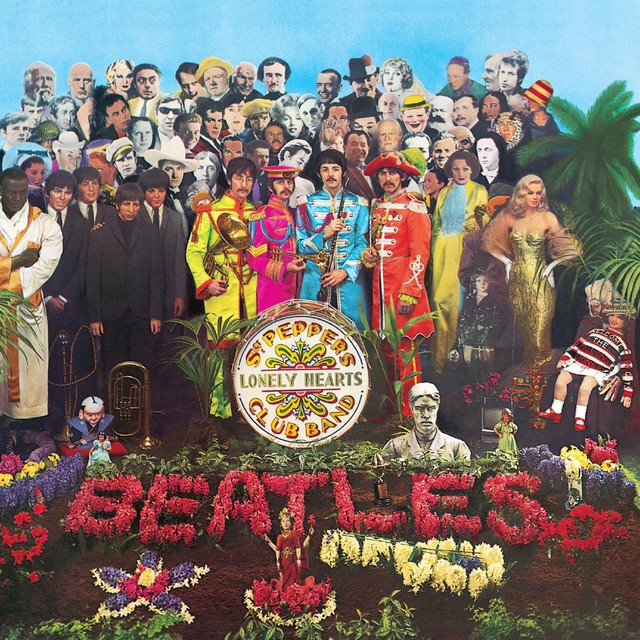
“A Day in the Life” – The Beatles
The Beatles close their Sgt. Pepper opus with a monumental piano chord that resonates for nearly a minute. That fading vibration, layered with orchestral chaos beforehand, captures a sense of finality and transcendence.

“Comfortably Numb” – Pink Floyd
David Gilmour’s outro solo elevates the song to emotional heights, soaring above the arrangement with both vulnerability and grandeur. It’s a moment that feels suspended in time, carrying the listener long after the lyrics end.

“Fade to Black” – Metallica
The outro of this metal ballad moves from despair into melodic power, weaving guitar harmonies that underline the song’s themes of release and reflection. It’s a quiet storm that feels both intimate and epic.

“Free Bird” – Lynyrd Skynyrd
Few outros are as iconic as the endless guitar fireworks of “Free Bird.” The track evolves into a Southern rock jam that showcases technical brilliance and emotional urgency, cementing its status as a live-show closer for eternity.

“I Was Meant for the Stage” – The Decemberists
The Decemberists craft a dramatic curtain call where the instrumentation unravels into raw intensity. It plays like the final bow of a play, capturing both spectacle and vulnerability in its extended finish.

“Let It Happen” – Tame Impala
The outro spirals into kaleidoscopic textures, looping and mutating until it feels like the song is dissolving into infinity. It’s immersive, psychedelic, and a defining feature of Kevin Parker’s studio vision.

“Pyramids” – Frank Ocean
Frank Ocean reshapes “Pyramids” with a coda that feels like a new chapter altogether. The beat slows, the mood darkens, and his vocal delivery becomes almost cinematic in scope, closing the track in haunting style.

“Stairway to Heaven” – Led Zeppelin
What begins as a gentle ballad ascends into one of rock’s most explosive finales. The outro’s driving riffs and Robert Plant’s searing vocals create a climax that defines the song’s mythic status.

“The Chain” – Fleetwood Mac
Fleetwood Mac’s outro takes on a life of its own, with pounding bass and snarling guitars locking into a hypnotic groove. It’s one of the band’s most unforgettable collective statements, often spotlighted in live shows.

“You Can’t Always Get What You Want” – The Rolling Stones
The Rolling Stones close with a gospel-tinged choir and gentle acoustic guitar, shifting the song into communal celebration. The outro’s layered voices and warm instrumentation feel like an anthem echoing far beyond its final note.

5 Ways to Keep Going When It Feels Like No One’s Listening

Ask any seasoned musician, and they’ll tell you at one point or another in their long career, silence can feel louder than applause. Every artist, whether they’re just starting out or touring the world, faces moments where the crowd feels invisible. Here are five ways I’ve learned to keep the fire burning.

1. Remember why you started

At the heart of it all is your love for the music. When the world seems quiet, return to the songs that made you pick up your instrument in the first place. Let your passion be the audience, even when the room is empty.

2. Celebrate small victories

A single stream, one fan message, a tiny review—these are not meaningless. They are proof that your music has reached someone. Collect these moments, because stacked together they remind you that impact isn’t always measured in charts.

3. Lean into community

No artist thrives in isolation. Trade stories with other musicians, swap playlists, or simply vent after a rough gig. Community provides perspective: you’re not the only one fighting through the noise, and together the silence feels less heavy.

4. Keep building, not waiting

Momentum doesn’t come by accident—it comes from steady output. Write, rehearse, release, promote. Even if no one seems to be paying attention now, the work you do today lays the foundation for tomorrow’s breakthrough.

5. Redefine success on your terms

Is it filling an arena, or moving one person to tears? Success isn’t a single measure—it’s a spectrum. Define what fulfillment looks like to you, and keep adjusting it as your journey evolves. This is how you stay resilient in the long run.

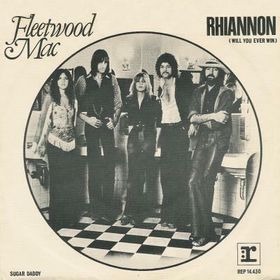
Stevie Nicks’ Isolated Vocals For Fleetwood Mac’s “Rhiannon”

“Rhiannon,” written by Stevie Nicks and released by Fleetwood Mac in 1975, became one of the band’s signature songs, peaking at #11 in the U.S. and later hailed by Rolling Stone among the greatest songs of all time. Often introduced by Nicks as “a song about an old Welsh witch,” its live performances between 1975–82 grew into fiery, theatrical moments that captivated audiences. Mick Fleetwood once described Nicks’s electrifying delivery as “like an exorcism.”


The Rise of Free AI Text to Video: What It Means for the Future of Music Marketing

0

By Mitch Rice

For as long as people have shared music, visuals have helped carry the story. MTV turned music videos into cultural milestones. YouTube gave every artist a global stage. TikTok rewired how songs catch fire in the first place. Each shift lowered the barrier for artists to share their sound and vision with the world.

Now another shift is underway. Artificial intelligence is making video creation faster, cheaper, and more accessible than ever. For musicians and marketers who once required large budgets or entire crews to produce even simple clips, this new wave of tools is transforming what’s possible. Because many of these tools are free to experiment with, including options for free AI text to video, they’re opening doors for artists who want to try something new without incurring additional costs.

Why Video Matters More Than Ever in Music Marketing

Streaming platforms influence what breaks through, but short-form video drives discovery. TikTok clips, Instagram Reels, and YouTube Shorts can turn a hook into a hit faster than radio ever could. A single 15-second clip might push a track from obscurity to millions of plays.

For musicians, visibility extends beyond sound. A song needs a visual companion that works in bite-sized, shareable formats. Producing even brief promotional videos has traditionally required specialized gear, editing skills, and financial resources, which many independent artists lack.

Video has become the heartbeat of music marketing, yet access to it hasn’t always been equal. That gap is exactly where artificial intelligence is starting to make a difference.

Enter Free AI Text to Video Tools

Artificial intelligence has taken the grind out of video production. Instead of scripting, filming, and editing, creators can type out a few lines of text and generate a finished clip in minutes. These tools utilize avatars, voiceovers, and automated editing to transform ideas into visuals that appear polished and professional enough for a campaign.

For musicians, the most appealing part is accessibility. Anyone can try a tool like this and produce content without investing in cameras or learning complex software. That lowers the risk of experimenting, whether it’s a lyric explainer, a tour announcement, or a teaser for a new single. The barrier to entry has dropped to little more than an internet connection and a few words on the screen.

Use Cases for Musicians

AI video isn’t limited to polished promos. Artists are already finding inventive ways to fold it into their everyday marketing. Lyric explainer clips give fans a deeper connection to songs. Quick tour updates can be pushed out in multiple languages, helping artists reach new audiences abroad. Social media teasers keep a release campaign buzzing without exhausting a budget.

Fan engagement can also take on new life. Personalized shoutouts or behind-the-scenes stories can be generated quickly enough to keep up with the constant demand for fresh content. For independent musicians, these uses turn video from a costly production into a practical tool that works at scale.

As Rolling Stone has noted in its coverage of the role of AI in music creation, the technology is influencing how artists approach their craft. Video is becoming one of the clearest examples of that shift, with musicians using it not only to share their work but to expand how it’s experienced.

What This Means for the Future of Music Marketing

Every major change in music technology has reshaped how artists connect with listeners. Home recording opened the door to new voices. Platforms like Bandcamp and SoundCloud have given independent acts direct access to their audiences. AI video is emerging as the next shift, one that hands creative control back to artists while keeping costs low.

For marketing, the implications are significant. Smaller artists can now keep pace with labels in terms of content output, releasing a steady stream of visuals to support every stage of their careers. Campaigns that once required substantial production budgets can now be sketched out on a laptop in just a matter of hours.

This democratization mirrors other changes already underway, where AI music and video tools are redefining digital content. As the tools mature, they’ll give musicians more flexibility to test ideas, reach wider audiences, and experiment with storytelling in ways that were previously out of reach.

Conclusion

The way music is promoted has always evolved in tandem with technology, and AI-generated video marks the latest leap forward. By removing the traditional costs of cameras, studios, and editing, it allows musicians to produce compelling visuals at the same pace they release new songs. For independent artists, the ability to test ideas with free tools means experimentation is no longer tied to a budget line.

As these platforms grow more sophisticated, they won’t replace creativity. They’ll amplify it. A short clip generated from a few lines of text can spark curiosity, strengthen fan relationships, or help a track find its audience in an oversaturated market. The tools are available, and they’re free to try. The next wave of music marketing may well start with just a sentence and the push of a button.

Data and information are provided for informational purposes only, and are not intended for investment or other purposes.

9 Pro Video Editing Techniques for Stunning YouTube Videos

0

By Mitch Rice

Do your videos look ordinary? A few simple editing techniques can transform your videos into something that looks like a pro? These methods will help you increase your video watch time and make you stand out in the vast world of YouTube.

The Jump cut

​A jump cut is a key editing technique. It’s a quick cut between two shots of the same subject. This technique speeds up your video, cuts out boring parts, and keeps your audience’s attention.

​A jump cut can seem annoying at first, but it’s very effective when used correctly. The key is to keep the dialogue natural and remove unnecessary silence. Adding a close-up or cutaway shot (like showing someone making coffee while they’re talking) can make these cuts look even smoother.

​For a perfect jump cut, make sure your audio is clear and consistent. Any unnecessary noise can ruin the entire flow. Using video quality enhancer tools like ‘Noise Reduction’ and ‘Volume Normalization’ to improve sound quality makes transitions seem invisible.

Color grading

​Color grading is more than just adjusting brightness or white balance. It gives your video a creative look, sets a certain mood in the video, and keeps everything consistent.

​If you’re new, start by adjusting exposure and white balance first. Then, you can experiment with LUTs (look-up tables) to use a color preset that matches the mood of your video. After that, you can fine-tune hue, saturation, and luminance to get the look you want. ​Keep in mind, excessive color grading can make your video look unnatural or confusing. Try to use a consistent color palette across all your videos. This will help create your brand identity.

​Use B-roll 

​B-roll is additional footage that is used alongside your main shot. It adds context and interest to the video. For example, if you are teaching how to make coffee, instead of just listening to you talk, the B-roll footage can show the coffee beans, the water being poured, and the steam rising. This makes your story more interesting.

​Shooting B-roll with the main footage makes everything fit together perfectly. Instead of just taking random shots, create variety by shooting from different angles (e.g., wide, medium, and close-up).

​However, shooting additional footage takes time and if it is not planned properly, it can look inconsistent with the main video. Try to keep the B-roll directly related to your main topic and don’t overdo it, otherwise it can distract from your main message.

​Add motion and keyframes

​Still shots can look a bit dull. Keyframes are used to solve this problem. With keyframes, you can set points in the timeline where you can add subtle motions like zoom, pan, or tilt.

​For example, slowly zooming in on a subject increases focus, while panning across a scene shows the entire scene. These movements make your video appear dynamic rather than static. But remember, it’s better to use less here. Overusing these effects or making them look choppy can look unprofessional. These movements take practice to perfect, but they can make a huge difference in your video.

​Professionalize your audio

​A good video is incomplete without good audio. If the sound is blurry, noisy, or inconsistent, viewers will often leave the video. Clear and crisp audio is a key feature of professional content. Simply remove unnecessary background noise, equalize the volume, and reduce loudness to improve the quality of your audio. Equalization (EQ) can be used to adjust the bass, mids, and highs to make your voice clearer and richer.

​If possible, record the audio separately using a good microphone. This will give you much better results than your camera’s built-in mic. While it requires a little extra setup, it will give you a smoother sound that will help keep your audience’s attention.

Add transitions and avoid flashy effects

​Transitions are the way to move from one clip to another. Professional editing emphasizes subtle transitions that make the story more interesting, not distracting.

​A simple cut is the best transition. Sometimes the simplest method is best. When a subtle change between two scenes is needed, cross-dissolve or luma fade can be used, but only in small amounts.

​Avoid overusing wipes, spins, or other flashy transitions. They often feel artificial and distract from the main content. Adding a simple cut with a light sound effect can enhance the experience without distracting from the main subject.

​Use graphics and lower thirds

​Lower thirds are text that runs along the bottom of the screen. They show the speaker’s name, place name, or important information. They make the video look sleeker and more professional, and they create opportunities for branding.

​A good lower third will be clean, easy to read, and consistent with your channel’s style. Using the same fonts, colors, and animations across all of your videos will help viewers easily recognize your channel.

​But be careful! Don’t clutter your video with too many graphics. Don’t make your video look like an advertising billboard. Keep graphics simple and purposeful. Using simple text on a clear background usually works best.

​The Power of Intentional Pacing

​Pacing is the rhythm and timing of your editing. By controlling it, you can increase the viewer’s experience and ability to hold their attention.

​Using quick cuts creates tension in your video, which is perfect for action or tutorial videos. And using slow motion gives viewers time to absorb emotional content.

​There are many places in a video where attention is lost, such as pauses, stuttering, or unnecessary dialogue. You can shorten the video by eliminating these “dead spots.” By carefully viewing your video from the viewer’s perspective, you can understand where interest is lost.

​It takes effort and practice to create the right pace. But it will ultimately change the way you tell your story and keep viewers engaged with the video.

Use ​AI in video editing

The role of artificial intelligence (AI) in video editing is growing, and we can’t deny that. AI tools make tasks like noise reduction, color grading suggestions, and even automatic cutting based on scene changes or audio much faster. Some tools can even remove watermark from video automatically, which used to require extra steps or complicated software. For example, some AI tools can analyze your footage and suggest editing for speed or improve simple clips on their own. Software like Adobe Premiere Pro and Topaz Video AI have smart features that save time and help beginners improve their videos.

However, relying too much on AI can reduce your creative control and often lead to generic or stereotypical results. So, use AI as an assistant to help you maintain your own style, not just to rely on.

​These techniques will serve as tools to help you tell the story of each of your videos beautifully. Video editing is a skill that only grows with practice, so don’t give up if it seems difficult at first.

​Instead, try new things regularly, watch how professional editors work, and keep refining your work accordingly. Remember, each edit will take you one step further.

Data and information are provided for informational purposes only, and are not intended for investment or other purposes.

Stylish & Protective: Car Seat Covers for New Drivers

0

By Mitch Rice

Are you risking your car’s value every time you grab a drive-thru coffee—or is there a smarter way to keep your seats looking new?

This is your beginner’s guide to car seat covers. New drivers quickly learn that factory cloth and leather can stain, fade, and tear. This happens from spills, sweat, sunscreen, and UV rays. Adding protective seat covers from the start gives real interior protection and prevents messes from becoming permanent.

Clean interiors are key in the U.S. used-car market. Kelley Blue Book and Edmunds pricing tools show that cars with tidy interiors are worth more. Seat cover benefits for new drivers include preventing fabric pilling, seam fraying, and dye transfer from denim. This means a stronger trade-in or private sale value later on.

Today, you can find stylish car seat covers that are both fashionable and functional. Brands like Covercraft’s Carhartt line, FH Group, Rough Country, and Wet Okole offer covers that install easily, breathe well on long drives, and are easy to clean or machine-wash. If you’re getting your first car seat covers, you’ll find designs from simple black to bold two-tone that fit your style without breaking the bank.

This guide will help you choose the right protective seat covers for your first car. We’ll cover materials, fit, and how to install them. You’ll learn how these covers can improve comfort, confidence, and resale value—starting with your first drive.

Why Seat Covers Matter for New Drivers

New drivers face a lot with school runs, practice, and weekend tasks. This pace leads to spills, sun damage, and scuffs. Choosing the right seat covers offers many benefits, like protecting the interior and keeping the car clean and valuable.

Think of covers as a simple insurance policy for your cabin. Pick materials that fit your climate and lifestyle. You’ll enjoy comfort and durability without spending a lot.

Protection from spills, stains, and everyday wear

Everyday messes like coffee, sports drinks, makeup, pet fur, and mud can harm factory fabric quickly. Stain-resistant seat covers create a strong barrier. They protect against liquids and dirt.

  • Neoprene and blends resist water and sweat after gym trips.
  • Canvas and leatherette are tough against abrasion and clean easily.
  • Mesh panels help keep cool in hot places, reducing heat soak.

UV protection keeps colors from fading and cracking, especially in hot states. This means less frequent deep cleaning and less wear on the foam underneath.

Boosting resale value with preserved upholstery

Dealers and buyers look at seats first. Clean, unfaded fabric shows care. Covers act as a protective layer, blocking stains and odors before they damage the seats. This helps keep the car’s value high and can save on reconditioning costs.

Install covers early, keep them clean, and remove before selling. This reveals fresh upholstery. It makes a better first impression and leads to stronger offers.

Comfort and confidence behind the wheel

Comfort seat covers make long drives more comfortable. They add padding and have anti-slip backing. This helps you stay in place during quick stops and turns.

Breathable designs manage heat and sweat. This lets you focus on driving, not sticky seats. A clean, personalized cabin boosts confidence. It helps you stay safe from the start.

getting your first car seat covers

Starting out is simple when you know what to check first. This guide helps you compare fit, safety, and comfort before you spend a dollar. Remember these tips as you choose between affordable and pricier options.

What to know before you buy

First, check your vehicle’s basics: headrests, side airbags, and seatbelts. Note if seats fold and if they’re heated or ventilated. Look for notes on compatibility and SRS airbag compatible stitching.

Measure twice for front and rear seats. Brands like FH Group and Covercraft publish fit details by model. This makes buying your first car seat covers easy and prevents returns.

Setting a realistic budget for affordable car seat covers

Plan a budget that fits your car and lifestyle. Entry-level seat covers cost about $25–$70. Semi-custom options are $80–$180.

Custom-fit solutions can cost $200–$450+. Add room for extras like seat-back pockets and install tools. This guide keeps affordable options in mind while highlighting quality.

Matching materials and styles to your driving habits

Choose materials that match your daily drive. Commuters like easy-clean leatherette or neoprene. Outdoor drivers prefer rugged canvas, like Carhartt by Covercraft.

Choose styles that match your interior: two-tone sport, minimalist monochrome, or OEM-match textures. These tips help you find the right balance of comfort, durability, and design.

How to choose car seat covers

Choosing car seat covers starts with a clear plan. First, think about your daily needs. Then, match those needs to fit, fabric, and safety. Remember to choose covers that are comfortable and handle heat and movement well.

Tip: Balance looks with function. A smart material comparison helps you spend once and enjoy the drive.

Fabric comparison: neoprene, leatherette, canvas, and mesh

Neoprene is soft and water-resistant. It’s great for gym sessions, spills, or beach days. But, it might feel warm on long summer drives.

Leatherette offers a fancy look and easy cleaning. It’s cheaper than real leather and perfect for daily commutes.

Canvas is tough and good for outdoor work. It can handle tools, pet claws, and mud well.

Mesh panels provide airflow and keep backs cool in traffic. They sacrifice some spill defense for better heat control. Many covers mix leatherette with mesh for a balance of grip, cleanability, and ventilation.

Fit types: universal, semi-custom, and custom car seat covers for new car owners

Universal sets fit most cars but might look loose. Semi-custom options improve the pattern for your car size and fit better.

Custom-fit covers match your car’s exact year, make, and model. Brands like Covercraft, Coverking, and Wet Okole offer precise cutouts for levers and controls. Katzkin offers a full upholstery replacement for a permanent upgrade.

Custom car seat covers give a clean cabin and easy installs. They align perfectly with your car and hold securely.

Safety considerations for airbags and seat sensors

Always pick side airbag compatible seat covers. They have certified breakaway stitching for safe SRS deployment.

Don’t block seat belt buckles or ISOFIX/LATCH anchors. Make sure there are openings for child-seat points and seat controls.

Heated and ventilated seats need the right fabrics. Some thick materials can block ventilation. Check product details for compatibility.

Climate and lifestyle factors for the United States

In the humid Southeast, a mesh-and-leatherette combo is best. It supports airflow and quick cleanups. In the sunny Southwest, choose UV-stable fabrics and light shades to reduce heat.

For rainy Pacific Northwest, neoprene protects against drizzle. In mountain and rural areas, canvas resists grit, snow gear, and pet wear.

First, match your routine and weather. Then, refine with a practical material comparison. This makes choosing car seat covers simple and ensures they fit your ride and life.

Best car seat covers for beginners

New drivers look for gear that’s stylish, fits well, and easy to clean. The best car seat covers for beginners make installation simple and upkeep easy. They’re perfect for anyone who commutes, car pools, or parks on campus.

Quick tip: Choose covers that are both comfy and easy to clean. Think about texture, spill resistance, and breathability before you buy.

Top beginner-friendly materials and why they work

  • Leatherette (PU): It’s easy to wipe down and looks premium. It’s great for coffee spills, pet hair, and rain. These covers resist fading and keep their shape well.
  • Neoprene/Neosupreme: They’re soft, grippy, and protect against moisture. Perfect for gym days and beach trips. They offer comfort and spill defense, making them a top choice.
  • Stretch polyester blends: They’re affordable and easy to install. The anti-slip backing helps the cover stay in place, which is great for beginners.

Popular car seat cover options for first-time buyers

  • FH Group PU Leather and NeoSupreme series: They’re value picks that look neat and feel durable for daily use.
  • Motor Trend AquaShield: It’s known for its water resistance and quick cleanups.
  • Covercraft Carhartt SeatSaver: It’s rugged canvas for tools, pets, and weekend projects.
  • Wet Okole custom neoprene: It offers a snug fit and standout protection if your budget allows.
  • Coverking Neosupreme and Spacer Mesh: They have a secure fit with breathable panels for warm climates.

These popular options meet common needs: easy care, secure fit, and a clean look in minutes.

Easy-clean picks for daily commuters and students

  • Wipe-clean leatherette sets with seat-back pockets for notebooks and chargers. They’re perfect for students and rideshare shifts.
  • Dark tones hide stains and scuffs. Look for anti-odor claims and antimicrobial treatments.
  • Machine-washable cloth covers with zipper or Velcro closures for quick removal and laundry days.
  • Check if they’re compatible with portable seat heaters to stay warm without damaging fabric.

When unsure, choose beginner seat cover materials that promise simple care and a steady fit. This way, student-friendly seat covers serve double duty: clean rides and confident drives.

Car seat cover installation tips

Start with a clean, snug fit by following simple steps and using the right tools. These tips ensure your airbags and sensors stay safe while you work fast. If you’re doing it yourself, plan your space, read the guide, and work slowly for a professional look.

Tools you’ll need and prep steps

Before you begin, gather all the necessary tools and parts. You’ll need a plastic trim tool, a small socket set, zip ties, microfiber towels, and a flashlight. Clean the seats and let them dry before starting.

  • Read the instructions from brands like Coverking or WeatherTech.
  • Look for seat-side airbags and sensor wiring under the seat.
  • Organize parts by seat: headrest, seatback, cushion, and anchors.

Installing car seat covers like a pro

  1. Start with headrests, then seatbacks, and finally cushions.
  2. Align seams with bolsters; use a plastic tool to route straps.
  3. Secure straps until they’re snug, avoiding pressure on electronics.
  4. Finish by tucking excess fabric and adding headrest covers last.
  5. For rear benches, secure anchor hooks and check latch and split access.

These steps make installing car seat covers easy, even for your first time.

Common mistakes to avoid during installation

  • Avoid covering or blocking side airbags or seat belt buckles.
  • Don’t overtighten straps that deform foam or stress stitching.
  • Make sure not to hide seat controls or child-seat anchors.
  • Don’t forget to check split-fold or trunk pass-throughs.
  • Always do a test fit before tightening straps and clips.

Check fit, function, and airbag tags as you go. Your tools should never pierce or pinch wires.

When to seek professional installation

If you have custom-fit kits, complex airbag systems, or leather conversions, call a pro. An auto upholstery shop, a dealership accessory department, or installers at Best Buy or Car Toys can help. They ensure sensor clearance and preserve warranty, while you still get the benefits of the earlier tips.

With patience, the right tools, and a steady plan, a DIY seat cover install can look and feel premium.

Style and aesthetics for new drivers

Make your car look great from the start. Pick stylish seat covers that fit with the car’s design but add your own flair. Make sure the interior colors match the seats, dashboard, door panels, and seat belts.

Keep glare in check with matte textures. Use two-tone layouts to match the car’s paint for a clean look. Neutral colors like black, gray, or beige are always a good choice if you’re not sure.

Color coordination with interior trims

Begin with the car’s original colors. Take a main color from the dashboard or console. Then, add a small accent on piping or panels for a perfect match. This way, your seat covers won’t clash with the car’s trim or chrome.

  • Use two-tone blocks to mirror exterior paint.
  • Choose matte finishes to prevent window reflections.
  • Let stitching echo knob accents or gauge rings.

Sporty vs. minimalist: choosing your vibe

For a sporty look, choose covers with contrast piping, perforated panels, and bolstered shapes. These add a racing feel. Look for designs inspired by Sparco or Recaro to make the car’s interior feel sharp but not too busy.

For a calm look, go for minimalist covers with clean seams and low-sheen fabrics. These make small cars feel spacious and high-end.

Personalization options and custom stitching

Adding personal touches is important, but they should enhance the design. Coverking and Covercraft offer custom stitching, embroidery, and monograms that match the car’s colors. Choose thread that complements the car’s buttons, vents, or trim rings for a polished look.

  • Add seat-back pockets or map pockets for practical flair.
  • Choose MOLLE panels from Carhartt for modular storage.
  • Limit graphics so the form and texture stay in focus.

Combine function with style. Mix sporty covers up front with minimalist ones in the back for a balanced look. Use interior color matching to connect every choice.

Durability and maintenance

Keeping durable seat covers in top shape is easy with a few simple steps. Regular care protects the stitching, color, and fit. It also stops small messes from becoming big problems. Think of it as part of your weekly car care routine.

Clean often, not hard. A weekly vacuum removes dirt that can damage the fabric. Use a mild soap and a soft cloth on leatherette. If your covers can be machine washed, do so on a gentle cycle with cold water. Always air-dry to prevent shrinkage and warping.

Using the right products can also help. Scotchgard fabric guards can make cloth covers stain-resistant. A UV protectant on vinyl or leatherette slows down fading and cracking. This makes deep cleaning less often necessary.

Cleaning routines to extend lifespan

  • Vacuum seams and bolsters weekly to prevent grit abrasion.
  • Spot-clean with diluted soap; blot, don’t rub, to protect the weave.
  • Wash removable fabric covers on gentle, cold cycle; air-dry flat.
  • Apply UV protectant to surfaces that sit in direct sun.

Following these steps helps prevent stretching or fraying. It also makes future touch-ups quicker and easier.

Stain-proofing and odor control tips

Act fast when spills happen. For coffee or soda, mix with water and blot before cleaning. Use enzyme cleaners for protein stains like milk or food. This keeps your covers stain-resistant.

  • Sprinkle baking soda overnight to absorb smells; vacuum in the morning.
  • Use activated charcoal pouches for steady odor control for cars.
  • Carry a compact care kit in the trunk with microfiber cloths, enzyme spray, and gloves.

Regular care reduces set-in odors and preserves color. This is crucial for long-term care of your seat covers.

When to repair versus replace

Minor seam splits can be fixed or patched. But torn anchor straps, crushed foam, or warped backing often mean it’s time for a new set. If airbags deploy or heat marks from seat warmers appear, it’s also time for a change.

Consider repair costs versus the remaining life of your covers. Cars used for rideshare or campus commuting might need new covers every year. This keeps the interior fresh and maintains odor control.

Budget and value: affordable car seat covers

Smart shoppers look for a clean fit, honest materials, and long-term savings. Affordable car seat covers are key. They balance price with your needs without sacrificing safety or style. Think about how you drive, clean, and how long you’ll keep the car.

Price tiers and what you get at each level

Entry-level sets cost $25–$70 and offer basic spill defense and simple looks. These are good for light use or a second car.

  • Budget universal: quick install, basic polyester or mesh, limited padding.
  • Mid-tier semi-custom ($80–$180): better fabrics, tighter fit, stronger stitching.
  • Premium custom-fit ($200–$450+): OEM-like finish, UV protection, reinforced seams, and solid warranty support.

Consider budget vs premium seat covers when deciding. Pay for what you need daily.

Balancing cost, comfort, and protection

Total cost of ownership is important. Easy-clean fabrics save on detailing. Canvas and neoprene handle heavy wear well. Breathable back panels and light padding make long drives better.

  • If you’ll keep the car 3–5 years, a mid-tier set often delivers the best return.
  • For rideshare or pets, step up to reinforced edges and stain-resistant coatings.
  • For hot climates, prioritize ventilation; for winter, look for insulated layers.

This way, value seat covers stretch your dollars while keeping seats fresh.

Where to buy: online marketplaces vs. local shops

When choosing where to buy seat covers, compare online vs local stores. Online sites like Amazon, Walmart, and eBay offer variety, fast shipping, and deep reviews. Buying direct from Covercraft, Coverking, or Wet Okole adds vehicle configurators for precise fit.

  • Local options: AutoZone, O’Reilly, and upholstery shops let you touch fabrics and get fit checks.
  • Always confirm airbag compatibility, return windows, and fit guarantees before checkout.
  • Match shipping time and install date to your schedule to avoid delays.

Blend online vs local stores to compare prices. Then, choose the seller that backs your buy with clear returns and support.

Conclusion

For new drivers in the United States, protecting your seats is a wise move. First, focus on fit and safety. Look for airbag-ready covers that don’t block sensors. If it’s your first time, pick fabric that fits your climate and lifestyle.

Neoprene handles spills well, leatherette is easy to clean, and canvas is great for gear and pets. Set a budget and think about the long term. Universal sets are good for beginners, while custom-fit options from trusted brands offer durability and style.

The best covers for newbies balance cost, comfort, and upkeep. When choosing, compare cleaning needs, wear resistance, and style. This boosts your confidence on the road.

Installation is key, not just the fabric. Use the right tools, tighten straps evenly, and ensure airbag cutouts are clear. For complex seats, consider a professional install. With a good plan and careful fit, you’ll protect your interior, keep resale value high, and enjoy every drive.

In short, getting your first car seat covers should be a smart choice, not a risk. Choose materials that fit your lifestyle, prioritize safety, and clean them regularly. This turns a simple purchase into lasting comfort, protection, and style.

FAQ

Why should new drivers use car seat covers right away?

Seat covers protect your car’s interior from spills and stains. They keep your car looking new. This helps your car’s value when you sell it.

What are the best car seat covers for beginners?

Beginners should look at leatherette, neoprene, and stretch polyester. They’re easy to install and clean. Some top picks include FH Group PU Leather and Motor Trend AquaShield.

How do I choose the right material for my lifestyle?

Neoprene is great for wet places. Leatherette is easy to clean and looks nice. Canvas is tough for tools and pets. Mesh keeps you cool in hot weather.

What fit should I pick: universal, semi-custom, or custom?

Universal fits most cars but might look a bit off. Semi-custom is better but still not perfect. Custom-fit covers look and fit great, but they cost more.

Are car seat covers safe with side airbags and seat sensors?

Yes, if they’re made to work with airbags. Make sure they don’t block important parts. Check if they work with heated or ventilated seats.

What should I check before getting your first car seat covers?

Look at your car’s headrests and airbags. Check if the covers fit with your car’s special seats. Make sure they work with your car’s features.

How much should I budget for affordable car seat covers?

Basic covers cost $25–$70. Semi-custom ones are $80–$180. Custom-fit covers can be $200–$450+. Don’t forget to add extra features.

Which popular car seat cover options for first-time buyers stand out?

FH Group NeoSupreme and PU Leather are good for value. Motor Trend AquaShield is also a great choice. For a perfect fit, try Wet Okole custom neoprene.

Do seat covers actually boost resale value?

Yes, they protect your car from stains and damage. This keeps your car looking good and increases its value.

What are the best materials for hot or humid U.S. climates?

In the Southeast, choose breathable mesh and leatherette. In the Southwest, pick UV-stable fabrics and light colors. Neoprene works well in rainy areas. Canvas is good for rural and mountain areas.

Car seat cover installation tips: what tools and prep do I need?

Vacuum and clean your seats first. You’ll need a plastic trim tool, microfiber towels, and a flashlight. Read the instructions and find airbags and wiring before you start.

How can I install car seat covers like a pro?

Start with the headrests, then the seatbacks. Use a plastic tool to route straps. Make sure everything fits right and looks good.

What installation mistakes should beginners avoid?

Don’t block airbags or seat controls. Avoid over-tightening straps. Make sure to test the fit and check for exposed buckles and LATCH points.

When should I seek professional installation?

Get help for custom-fit kits or complex airbag systems. Dealerships or upholstery shops can do a great job.

How do I keep covers clean and odor-free?

Vacuum weekly and wipe leatherette with mild soap. Wash fabric covers gently and air-dry. Use Scotchgard and UV protectant as needed. Clean spills fast and use baking soda for odors.

When should I repair versus replace my covers?

Small tears can be fixed. But if straps break or foam gets crushed, it’s time for new ones. Replace them every year if you use your car a lot.

Where’s the best place to buy: online marketplaces or local shops?

Online stores like Amazon offer a wide range. Buying directly from brands ensures a perfect fit. Local shops let you see materials and get advice. Check return policies and guarantees.

What colors and styles work best for new drivers?

Match your car’s interior. Neutral colors are safe. Sporty styles can add flair. Avoid shiny finishes and choose matte textures for a clean look.

Can I personalize custom car seat covers for new car owners?

Yes. Coverking and Covercraft offer custom designs. Choose colors that match your car’s interior for a perfect look.

Are there easy-clean picks for daily commuters and students?

Look for leatherette and dark colors to hide stains. Machine-washable cloth with zippers is also good. Make sure they work with seat heaters.

How do I balance cost, comfort, and protection?

Think about the long-term cost. Mid-tier semi-custom covers are a good choice. They offer a balance of quality, comfort, and protection.


20 Amazing Facts About Graham Greene

0

Graham Greene’s career was a gift to audiences everywhere. From his Oscar-nominated role in Dances with Wolves to his scene-stealing turns on stage, television, and even video games, he carried Indigenous stories and perspectives to the world with honesty, humor, and heart. His life reminds us of the power of resilience, creativity, and laughter.

Graham Greene CM was born on June 22, 1952, in Ohsweken on the Six Nations Reserve in Ontario.

He was a member of the Oneida Nation and became one of Canada’s most internationally recognized actors.

Greene achieved worldwide fame playing Kicking Bird in Dances with Wolves (1990), earning an Academy Award nomination for Best Supporting Actor.

Before acting, he worked as a draftsman, steelworker, and welder, as well as an audio technician for rock bands in Newfoundland and Labrador.

Musician Kelly Jay encouraged him to try acting, which sparked his career in theatre.

He made his professional theatre debut in the 1970s in Toronto and England, including the University of Western Ontario’s touring performance of Wacousta.

Greene’s television debut came in 1979 in The Great Detective.

His film debut was in Running Brave (1983).

He frequently collaborated with Native Earth Performing Arts, notably playing Pierre St. Pierre in Dry Lips Oughta Move to Kapuskasing.

Greene was well known on television for playing Edgar “K.B.” Montrose, the explosives expert, on The Red Green Show.

He appeared as Ishi, the last Yahi, in HBO’s The Last of His Tribe (1992).

He starred in major Hollywood films including Thunderheart, Maverick, Die Hard with a Vengeance, and The Green Mile.

Greene portrayed Chief Rains Fall in the acclaimed 2018 video game Red Dead Redemption 2.

He acted as Spotted Eagle in 1883 (2022) and appeared in The Last of Us and Reservation Dogs in 2023.

Greene was awarded a Grammy, Gemini, Canadian Screen Award, Dora Mavor Moore Award, and in 2025, the Governor General’s Performing Arts Award.

He received an honorary doctor of law degree from Wilfrid Laurier University in 2008.

Greene was appointed a Member of the Order of Canada in 2015.

He enjoyed a long marriage to Hilary Blackmore, and they shared their home with a “small army of cats.”

In interviews, Greene emphasized that Native people should be portrayed as more than stoic, saying, “My people are very funny.”

Graham Greene passed away on September 1, 2025, in Stratford, Ontario, leaving behind a legacy that bridged Indigenous storytelling and global cinema.

These 20 facts only scratch the surface of a remarkable journey. Graham Greene leaves behind a legacy of storytelling that transcends borders and genres, and a spirit that continues to inspire actors, musicians, and fans alike. His voice, his humor, and his presence will be missed—but never forgotten.

Duran Duran Unearth Surprise ‘Rio’ Meets Black Sabbath’s ‘Paranoid’ Mashup Video

0

When worlds collide, magic happens. Duran Duran once slipped “Rio” inside Black Sabbath’s “Paranoid,” and the result is pure rock-and-roll wonder. A secret gig video finally surfaces, and it’s glorious.