Home Blog Page 355

Styx Announce 18th Album ‘Circling From Above’ and Drop Soaring Single “Build and Destroy”

0

Creating and recording new music is often considered the lifeblood of any band – an ethos AOR torchbearers STYX continue to embody with the highly anticipated release of Circling From Above, the 18th studio album in their formidable catalog via the band’s label, Alpha Dog 2T/UMe. Spanning 13 tracks, the album navigates the complexities of the human experience through the intersecting lenses of technology and nature.

While the album won’t be available on streaming or digital outlets until July 18, CIRCLING FROM ABOVE CDs and vinyl copies are also available to purchase today on StyxWorld.com for immediate delivery. They will also be available starting with tonight’s launch–and at every show–of this summer’s “Brotherhood of Rock” tour with The Kevin Cronin Band and special guest Don Felder (a former lead guitarist of the Eagles) in Greenville, SC at the Bon Secours Wellness Arena.

CIRCLING FROM ABOVE features contributions from all seven members of the band, including founding guitarist/vocalist James “JY” Young (affectionately known as “The Godfather of Styx”), guitarist/vocalist Tommy Shaw, original bassist Chuck Panozzo, longtime drummer Todd Sucherman, keyboardist/vocalist Lawrence Gowan, guitarist/vocalist Will Evankovich and bassist Terry Gowan.

The kinetic energy of lead single “Build and Destroy” is the first introduction of new music to their fans who’ve been circling around the band for over 50 years. It’s available to stream and download on all digital outlets including the band’s YouTube page, and a thrilling AI conceptual video-directed by Jay Ziebarth-will premiere today at 3:00pm Eastern Time on Mellomanic. It will be available on the band’s YouTube page at 6:00pm Eastern Time.

“That little melody, I kept singing ‘Build and Destroy,'” explains singer/keyboardist Lawrence Gowan, who takes the lead vocal. “Even though we don’t sing over that part, I kept thinking that would be a good title. It’s thematic. The melody feels like a little ‘Star Trek’ or ‘Twilight Zone’ thing – just a small tag that reinforces the title.”

Shaw and Evankovich jumped in to flesh out the verses and finalize the lyrics, and the song came together in just a day and a half. “We knew it was strong,” Gowan says. “Even though it was the second-to-last song we finished, it felt like a quick way into the album’s overall theme.”

CIRCLING FROM ABOVE is a dynamic collection that reflects the full emotional and stylistic range of the Styx canon. It’s muscular yet introspective, theatrical in moments and layered in sincerity at others – balancing progressive leanings with deeper, thought-provoking messages.

“When you start writing an album, there’s generally something that piques your imagination, and all of a sudden, you’re a storyteller starting with the seed of a story,” says Shaw. “A good song is like a straight road – it’ll get you to the next place.”

The album, the band’s third in eight years, delivers a 41-minute, end-to-end listening experience that is both thought-provoking and exhilarating. A masterclass in storytelling, it blends signature STYX hallmarks with bold steps forward – building on the creative momentum of recent releases THE MISSION (2017) and CRASH OF THE CROWN (2021).

The album was produced by Evankovich, who also helmed the band’s previous two records before becoming an official member in 2022. All 13 songs were penned in various combinations by the band’s songwriting triumvirate of Shaw, Evankovich and Lawrence Gowan. Referencing the trio’s creative spark, Lawrence Gowan says it’s not a simple case of majority rules but rather a true collaborative endeavor.

“I’ve noticed over the last three records, there’s a real effort to make sure everyone’s got a smile on their face at the end of it,” he says. “There’s creative friction, but everybody gets a go around the table and we all get a swing at the tree. And that’s really, really good.”

“It’s a strange three-way democracy for sure,” Evankovich says. “We all know that the institution of Styx is the most important thing.”

Midway through writing the album, a loose theme began to orbit the band’s creative process – a gravitational pull, if you will, guiding them down the straight road Shaw describes. In a moment of studio serendipity, talk turned to an app that tracks abandoned satellites, those silent relics of once-lofty ambition. From that spark, the opening tracks – including the title cut and “Build and Destroy” – took shape, tracing the tension between human ingenuity and the dreams we sometimes discard in its pursuit.

“When they were shot up into space, these satellites were somebody’s dream and ambition,” says Shaw of the once-cutting-edge technology now floating aimlessly through the atmosphere. “They served their purpose and they were cast aside. It’s a wasteland up there, but they were once created with love. We’re all humans, and who’s to say our love project is better than someone else’s?”

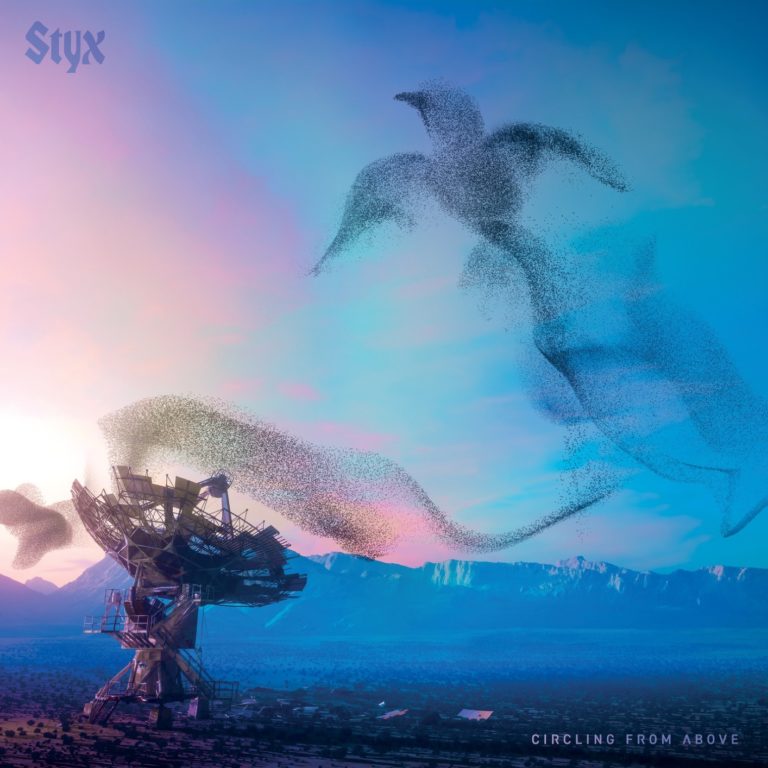
Look closely at the album cover art and you will see this thematic overture take flight. Thousands of starlings – chosen specifically for their supreme ability to work in concert together with their flight patterns – in the shape of one bird, soaring over a dilapidated satellite dish.

“They’re prevailing and we’re failing,” notes Evankovich of the cover. “We’re not like the rest of the creatures that work in stewardship together, like the birds and the bees and all the other things. We do things and then create waste for ourselves that ends up harming us.”

STYX has remained a touring juggernaut for the past 25 years, but according to guitarist/vocalist Tommy Shaw, the band’s current streak of artistic resurgence in the studio is due to multiple factors tethered to a deep sense of harmony.

“There’s just a lot of positive flow right now,” says Shaw. “There’s a lot of people playing great, and there’s a lot of love, respect and excitement about each other’s talents. Bands can go lifetimes and never have this kind of rapport and chemistry.”

Chevelle Announce New Album ‘Bright as Blasphemy,’ Drop Fierce Single “Jim Jones (Cowards, Pt. 2)”

0

Chevelle unleashed their first new music in four years with the hit single “Rabbit Hole (Cowards, Pt. 1)” earlier this spring, to the thrill of fans and supporters alike. It’s already at No. 9 at rock radio and is well on its way to Top 5 status.

Today, the band is excited to announce that it will release the new album Bright as Blasphemy on August 15 via Alchemy Recordings. Chevelle have also shared the lyric video for new single “Jim Jones (Cowards, Pt. 2)”

“History teaches us the longest rabbit hole has no end,” the band succinctly shares about the song. Regarding the album as a whole, Chevelle state, “Human Existence encompasses both inherent challenges and potential. It’s up to you how to pass the time. Enjoy.”

Slaughter to Prevail and BABYMETAL Unite for Explosive New Single “Song 3”

0

Slaughter to Prevail and BABYMETAL have released a new single, “Song 3”. The song will appear on Slaughter to Prevail’s upcoming album GRIZZLY as well as BABYMETAL’s upcoming album METAL FORTH. It’s one of the Japanese metal bands most forceful tracks to date, pairing Slaughter to Prevail’s raw, punishing vocals with BABYMETAL’s soaring, melodic choruses.

The result is tense and theatrical, but tightly controlled-a balancing act the band has long specialized in. The song was written between the UK and Russia by Slaughter To Prevail’s Jack Simmons and Alex Terrible before being sent special delivery across continents for BABYMETAL.

BABYMETAL added their vocals – lyrics, flows, and verses all centered around the concept of “3” – unleashing their signature kawaii chaos. Matt Heafy of Trivium performed the shamisen woven throughout the song, adding another unexpected layer to the madness.

The accompanying music video follows a young version of Slaughter to Prevail’s Alex Terrible, bullied and outcast, as he transforms- guided by BABYMETAL themselves-into a force capable of confronting his past. The track follows the release of BABYMETAL’s “from me to u” feat. Poppy and Slaughter to Prevail’s “Russian Grizzly In America”, both of which amassed millions of streams in less than month.

Paul McCartney Talking About Tears For Fears In 1989

0

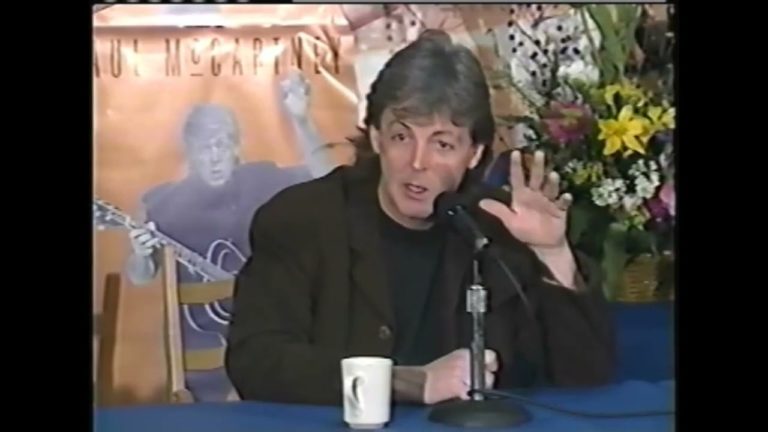
At a Montreal press conference in December, 1989, a journalist asks a very cool Paul McCartney his opinion on Sowing The Seeds of Love.

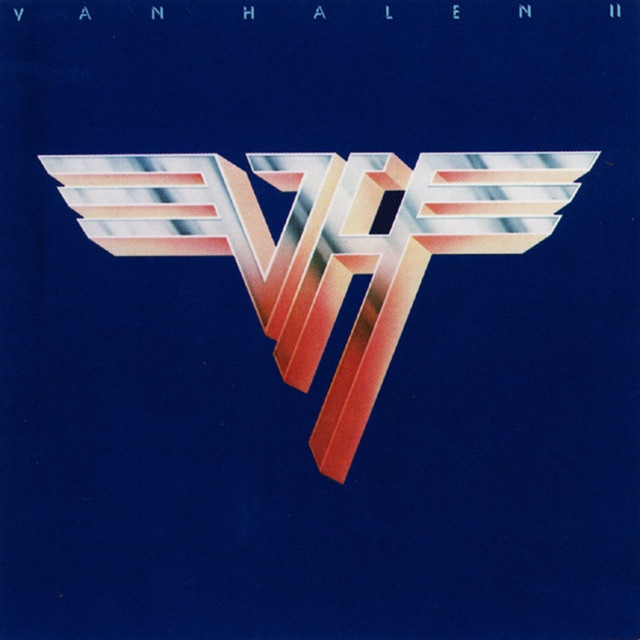
5 Surprising Facts About Van Halen’s ‘Van Halen II’

Released on March 23, 1979, Van Halen II cemented the band’s rise as one of America’s most electrifying hard rock acts. Peaking at number six on the Billboard Top LPs & Tape chart and selling nearly six million copies in the U.S., the album balanced high-energy rockers with radio-ready hooks. From “Dance the Night Away” to “Beautiful Girls,” it showcased Eddie Van Halen’s inventive guitar work and David Lee Roth’s charismatic flair. Here are five facts about the album.

1. Recorded in Just a Week
The band began recording on December 10, 1978, at Sunset Studio, only a week after finishing their world tour. They tracked the album in under a week, capturing raw energy and a live feel.

2. Songs With Early Origins
Many tracks dated back to their pre-fame demos, including “Somebody Get Me a Doctor” and “Beautiful Girls,” then called “Bring On the Girls.” Both appeared in Gene Simmons’ and Ted Templeman’s demo sessions.

3. A Hit Without a Solo
“Dance the Night Away” was the only song written fresh during the sessions. Eddie Van Halen chose not to include a traditional guitar solo, using tapped harmonics instead, giving the track a unique shimmer.

4. The Bumblebee Guitar’s Legacy
The black-and-yellow “Bumblebee” guitar featured on the back cover became iconic. Decades later, it was buried with Pantera’s Dimebag Darrell, honoring his admiration for Eddie’s playing and design.

5. Rock Meets Acoustic Firepower
“Spanish Fly” stood out as a solo showcase, with Eddie applying his rapid-fire technique to a nylon-string acoustic guitar. The brief track highlighted his versatility and expanded the band’s sound palette.

Van Halen II built on the momentum of the band’s debut while carving new directions for their sound. Blending party anthems, technical mastery, and unforgettable hooks, it proved the band was more than a one-album wonder and set the stage for their dominance of late-1970s and early-1980s rock.

5 Surprising Facts About The Police’s ‘Reggatta de Blanc’

Released on October 5, 1979, Reggatta de Blanc was the Police’s second studio album and their first to top the UK Albums Chart. It delivered two UK number-one singles, “Message in a Bottle” and “Walking on the Moon,” and won the band their first Grammy. Blending reggae rhythms with new wave urgency, the album quickly established the Police as one of the defining acts of the era. Here are five facts about its creation and impact.

Five Facts

1. A Low-Budget Recording
The album was recorded at Surrey Sound with Nigel Gray for just £6,000–£9,000, a modest sum compared to major-label productions of the time. The choice gave the band full control, free from record company interference.

2. Songs Built From Earlier Ideas
Several tracks were adapted from Sting’s earlier band, Last Exit, including “Bring on the Night” and “The Bed’s Too Big Without You.” Stewart Copeland also reshaped a college piano piece into “Does Everyone Stare.”

3. A Title With Franglais Flair
Like their debut Outlandos d’Amour, the album carried a Franglais title. “Reggatta de Blanc” loosely translates as “White Reggae,” reflecting the band’s unique fusion of rock, pop, and Jamaican rhythms.

4. The Police’s First Grammy Win
The instrumental title track earned the Police their first Grammy Award, winning Best Rock Instrumental Performance. It began as an extended live jam based on “Can’t Stand Losing You.”

5. “Message in a Bottle” As A Breakthrough
Written by Sting, the lead single became the band’s first UK number-one. Its universal theme of loneliness and connection, paired with Andy Summers’ layered guitar textures, made it a career-defining song.

Reggatta de Blanc captured the Police at a moment of explosive creativity, turning spare resources into worldwide acclaim. With its blend of inventive songwriting, reggae-infused grooves, and chart-topping singles, the album solidified their place on the global stage and remains a landmark of late-1970s rock.

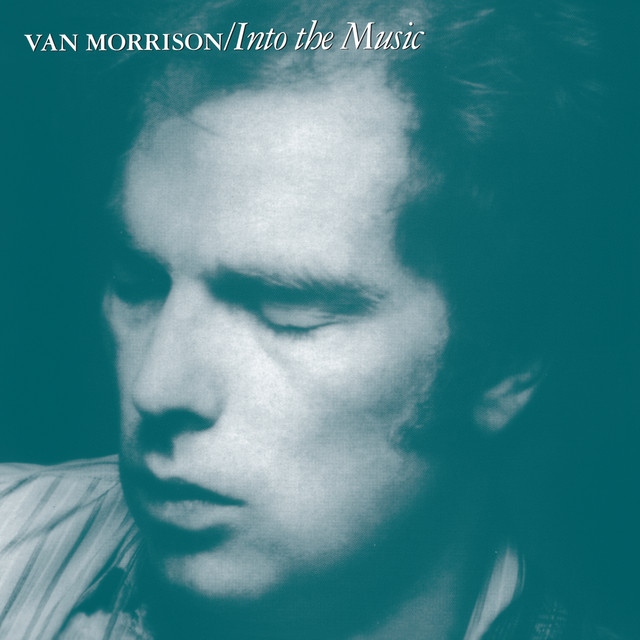
5 Surprising Facts About Van Morrison’s ‘Into The Music’

Released in August 1979, Into the Music is Van Morrison’s 11th studio album, recorded at the Record Plant in Sausalito. It features “Bright Side of the Road,” which charted in the UK, alongside songs that highlight themes of love, celebration, and the healing power of music. With contributions from Pee Wee Ellis, Ry Cooder, and other musicians, the album marked a creative return to a more spiritual and meditative sound. Here are five facts about the album’s making and legacy.

1. Recording in California
The album was tracked in early 1979 at the Record Plant in Sausalito, with Mick Glossop as engineer. Trumpeter Mark Isham introduced Morrison to Pee Wee Ellis, who became central to the horn arrangements and stayed on to shape the full record’s sound.

2. Ry Cooder’s Cameo
Guitarist Ry Cooder appears on “Full Force Gale,” adding slide guitar to Morrison’s gospel-inspired declaration. His guest spot gave the track a rootsy edge, blending Morrison’s Celtic soul with Cooder’s American blues touch.

3. Songs Born in Epwell
Morrison wrote many of the tracks while staying in Epwell, a Cotswold village. He often walked through the fields with his guitar, working out lyrics and melodies in the countryside setting that informed the music’s reflective tone.

4. Themes of Joy and Healing
The album celebrates love and life, with tracks like “Troubadours” and “You Make Me Feel So Free.” “And the Healing Has Begun” introduced the idea of music as a restorative force, a theme Morrison returned to frequently afterward.

5. A Pop Classic Revisited
Morrison wove a gentle version of the 1950s hit “It’s All in the Game” into the album. The interpolation sat alongside his originals, linking his personal storytelling to a wider tradition of popular song.

Into the Music endures as a pivotal work in Morrison’s catalogue. Its blend of joyful rhythms, spiritual reflection, and heartfelt songwriting showcased his ability to channel personal inspiration into timeless performances. The record remains a touchstone for the themes and style that continued to shape his music in the years ahead.

5 Surprising Facts About Madness’ ‘One Step Beyond…’

In 1979, ska went technicolor with One Step Beyond…, the debut album from Madness. Recorded in just three weeks, it shot to number two on the UK charts and stayed there for over a year. Powered by nutty dancing, Prince Buster tributes, and a sound both retro and brand-new, the record launched Madness as the joyful heart of the ska revival.

1. The “Nutty Train” Shot
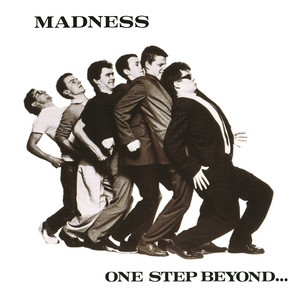
The iconic cover photo, snapped by Cameron McVey, was based on a pose from Kilburn and the High Roads’ album Handsome. It became Madness’s calling card, symbolizing the playful “Nutty Sound” they carried into ska history.

2. A Prince Buster Salute
The title track was a cover of Prince Buster’s 1964 B-side, but Madness added the unforgettable “Don’t watch that, watch this!” intro. Their version became a ska anthem, launching the album into ska revival legend.

3. Rough Mix, Big Hit
Producer Alan Winstanley revealed that the final single was just a rough mix. The track was stretched by repeating the short instrumental and altering half with a harmonizer — and that “mistake” became their breakout.

4. First of the Decade
“My Girl,” written by Mike Barson, sent Madness to Top of the Pops in January 1980. They had the distinction of being the very first band to perform on the program in the new decade, cementing their status as rising stars.

5. Miles of Saxophone
“Night Boat to Cairo” was built around Barson’s instrumental idea before Suggs added lyrics. With a sprawling structure, heavy sax breaks, and no real chorus, it broke rules and became their go-to show closer for decades.

One Step Beyond… was amazing to listen to dance in loafers and pork pie hats, mixing humor, grit, and irresistible ska rhythms. From the “Nutty Train” cover to “Night Boat to Cairo” closing countless gigs, Madness proved that fun could be as sharp as it was enduring.

5 Surprising Facts About Led Zeppelin’s ‘In Through the Out Door’

By 1979, Led Zeppelin were both battered and brilliant. Out of exile, grief, and excess came In Through the Out Door — an album recorded in Stockholm that blended samba rhythms, synth experiments, and smoky barroom blues into a strangely forward-looking final chapter.

1. The ABBA Connection
The album was recorded at ABBA’s Polar Studios in Stockholm, a space more associated with shimmering pop than heavy rock. Zeppelin turned it into their own laboratory, with John Paul Jones’ Yamaha GX-1 synthesizer coloring tracks like “Carouselambra” in ways that felt futuristic.

2. Six Hidden Covers
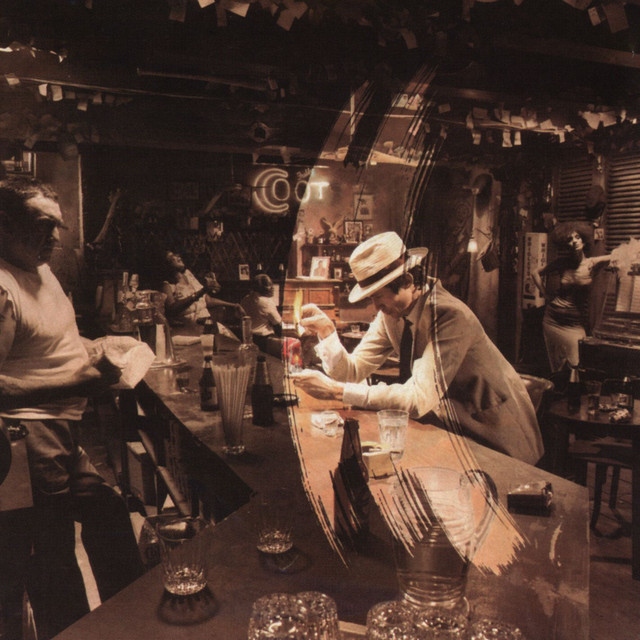
The sleeve design was a trickster’s delight. Each copy came wrapped in a plain brown paper bag, hiding one of six alternate bar-room photo covers. Fans had no idea which version they owned until peeling the wrapping, turning every purchase into a lucky dip for collectors.

3. Samba Meets Shuffle
“Fool in the Rain” drew inspiration from the samba rhythms Plant had absorbed during the 1978 World Cup broadcasts. The result — Bonham’s Purdie shuffle colliding with carnival swing — was one of the band’s most surprising rhythmic left turns, and their last US hit single.

4. A Song for Karac
“All My Love” was Robert Plant’s tribute to his late son Karac. Co-written with Jones, the song’s tender heart is marked by a classically-styled synth solo. For a band known for thunder, this ballad stood as one of their most openly vulnerable moments.

5. A Puzzle of Perspectives
The Hipgnosis artwork told its own story: a man burning a Dear John letter in a New Orleans-styled bar, observed by six others. Each of the six covers offered a different perspective of the same scene — a clever nod to fractured viewpoints within the band itself.

In Through the Out Door stands as both a swan song and a bold experiment, filled with synths, samba grooves, and one last blast of Zeppelin grandeur. Wrapped in brown paper mystery and recorded far from home, it captured a band still chasing new sounds on the edge of their story.

5 Unknown Facts About The Knack’s ‘Get the Knack’

Power pop rarely explodes into the mainstream with the speed of a lightning strike, but in the summer of 1979 the Knack pulled it off. Their debut album Get the Knack stormed out of Los Angeles clubs and onto the Billboard 200, climbing to #1 in less than two months. “My Sharona” blasted from car radios everywhere, teenage mania kicked in, and Capitol Records had its fastest-selling debut since the Beatles. Beneath the hype and the backlash, though, the record hides some surprising details.

1. Two weeks, $18,000

The entire album was recorded in just 14 days for $18,000. At a time when rock stars were spending six figures on studio time, the Knack made a blockbuster hit with the budget of an indie demo.

2. Beatlemania by design

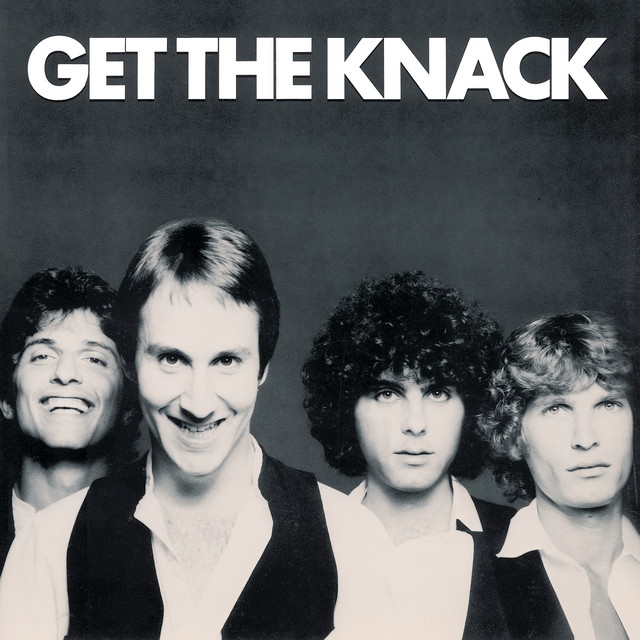
From the rainbow Capitol label to the Meet the Beatles!-inspired cover, the Knack insisted their debut look and feel like a Beatles artifact. Even the back cover echoed a shot from A Hard Day’s Night.

3. A song written in 15 minutes

Doug Fieger said “My Sharona” came together in a flash—written in 15 minutes, recorded in a single take, and mixed just as quickly. The result became 1979’s biggest single and one of power pop’s defining anthems.

4. Sharona was real

The song’s muse, 17-year-old Sharona Alperin, inspired a fevered streak of songwriting and later became Fieger’s girlfriend. She went on to a successful career in real estate, forever linked to a pop juggernaut.

5. “Knuke the Knack” backlash

Critics bristled at the Knack’s cocky image and fast rise. San Francisco artist Hugh Brown launched a satirical “Knuke the Knack” campaign with buttons and T-shirts, turning the band’s success into one of rock’s most notorious backlashes.

Get the Knack is one of the wildest overnight successes of the late ’70s, wrapped in Beatle-worship, fueled by a teenage crush, and chased by controversy. Forty-plus years later, it still sounds like a band sprinting into history with no time—or money—to waste.