


There’s nothing quite like Puddles Pity Party holding a song in his hands. With Tom Waits’ “Take One Last Look,” he sings it like a farewell whispered in the dark. A cover so moving, it almost feels like the first time you’ve heard it.
Freezing Man 2026 Brings Alternative Rock Icons to Madison for Joey’s Song Benefit

Joey’s Song, the non-profit organization dedicated to supporting epilepsy research and education, is cranking up the New Year with a power-chord punch—the return of its one-of-a-kind FREEZING MAN benefit concerts, January 9 and 10, 2026 indoors at The Sylvee in Madison, Wisconsin. This intimate, star-studded winter festival will unleash two nights of unforgettable, all-star collaborations from more than 35 artists, including Grammy winners, Rock and Roll Hall of Fame inductees, Top 40 hitmakers, and alternative rock icons.
Founded 15 years ago in memory of Joey Gomoll—who tragically passed away just before his fifth birthday after a lifelong battle with Dravet Syndrome, a severe form of epilepsy—Joey’s Song is driven by the Gomoll family’s determination to transform heartbreak into hope. What began as a tribute has grown into a powerful movement funding epilepsy research, education, and family support services. Through high-profile benefit concerts that draw renowned artists from across the country, Joey’s Song has raised more than $1.75 million to date.
The FREEZING MAN 2026 roster will be stacked with alternative rock royalty and fan favorites ready to tear up the stage – many of whom have performed or appeared at Joey’s Song fundraising events over the years. Returning to melt Madison’s midwinter chill are the following alumna from last year’s inaugural edition of FREEZING MAN: Butch Vig andDuke Erikson (Garbage), Vicki and Debbi Peterson (The Bangles), Tanya Donelly and Gail Greenwood (Belly), Jon Auer (Big Star, The Posies), Rick Nielsen and Daxx Nielsen (Cheap Trick, The Nielsen Trust), Kay Hanley and Stacy Jones (Letters to Cleo), Brian Aubert and Nikki Monninger (Silversun Pickups), John Gourley and Eric Howk (Portugal. The Man), and Freedy Johnston. New to the FREEZING MAN stage this year are: Jody Stephens(Big Star), Jane Wiedlin (The Go-Gos), Steve Porcaro (Toto), Max Collins (Eve 6), Chris Collingwood (Fountains of Wayne), Hugo Burnham (Gang of Four) and Marshall Crenshaw. Butch Vig, also the iconic producer for classic albums by Nirvana, The Smashing Pumpkins, L7 and Sonic Youth, will be the musical director and his popular covers group, The Know-It-All Boyfriends, will be the house band. Emmy Award-winning comedian Charlie Berens of “Manitowoc Minute” fame will bring his unique Wisconsin perspective to the action throughout the weekend. More special guest performers will be announced in the weeks ahead.
With an all-star yet casual, warm “supergroup” atmosphere, FREEZING MAN will be a can’t miss winter live music experience. As in previous Joey’s Song fundraisers, this edition will kick off with the “Battle of the Bands” crowd favorite—The Know-It-All Boyfriends will face off against the all-female “Know-It-All Girlfriends” in a musical showdown, performing songs chosen at random. The event culminates with a high-octane jam session where the rotating roster of musicians will play everything from chart-toppers and deep cuts to favorite songs from the artists themselves. To solicit donations in breaks between sets, Joey’s Song founder Michael Gomoll will hold auctions for autographed musical instruments such as drumheads and cowbells, posters and VIP packages for upcoming concerts.
For this year’s installment, FREEZING MAN will span two distinct nights:
Friday, January 9 (Unplugged): An intimate, seated evening with acoustic sets and behind-the-scenes stories from the artists.
Saturday, January 10 (Electric): The signature “Freezing Man” format fans know and love—a plugged-in rock showcase featuring the Battle of the Bands, can’t-miss collaborative performances and an epic all-star jam.
“Since our first fundraiser in 2010, Joey’s Song has hosted very memorable annual events to support epilepsy research and education, and Freezing Man is the latest—and most exciting—incarnation of that tradition,” said Michael Gomoll. “Now in its second year, Freezing Man will bring together an extraordinary mix of musicians for what promises to be our most ambitious concerts yet. It’s always been about more than music—it’s about connection, hope, and honoring Joey’s memory. We’re humbled by the artists who give their time and talent, and grateful to the fans whose support truly changes lives for families impacted by epilepsy.”
Joey’s Song annual fundraisers have sold out since 2014, so fans are encouraged to purchase tickets early when they go on sale Friday, September 12, 2025, at 9:00 AM ET via JoeysSong.org.
General admission tickets are $45 for the January 9th show and $55 for the January 10th show. Proceeds from the 2026 FREEZING MAN concerts will benefit CURE Epilepsy, select Epilepsy Foundation affiliates, and Wisconsin Badger Camp.
R&B Singer Khamari Brings Soul and Storytelling With ‘To Dry A Tear’ North American Tour
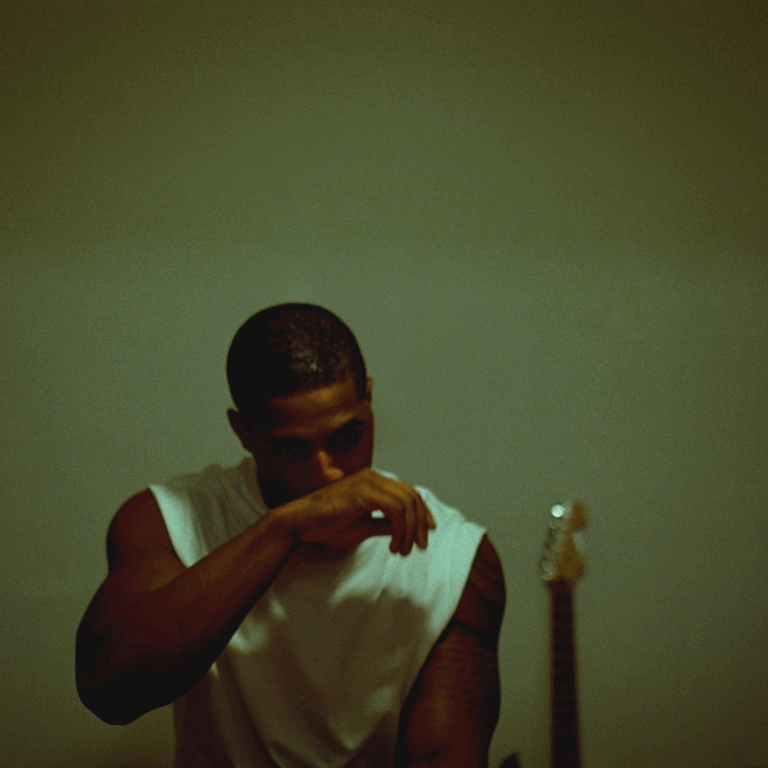
Today, R&B sensation and multi-instrumentalist Khamari announced his highly anticipated headlining tour “To Dry A Tear,” following the release of his heartfelt sophomore album.The tour will span North America and Canada with 17 performances between the two territories.
Last month, Khamari dropped To Dry A Tear via Encore Recordings, featuring eleven soulful tracks.With more than two years in the making, the album finds Khamari navigating themes of grief, hope, love, and self-discovery with a sharpened pen and an expanded sonic palette. The R&B singer-songwriter and producer threads together delicate piano arrangements, raw guitar riffs, lush strings, and hypnotic percussion, with each production choice serving the emotional core of the song.
Now, fans can experience the emotion and depth of Khamari’s latest project live, as the nationwide To Dry A Tear tour kicks off this November in Austin, Texas. Full routing is available below.
Tickets will be available for Artist pre-sale on Tuesday, September 9 at 10 AM local time through Thursday, September 11 at 10 AM local time across various ticketing platforms. The Spotify pre-sale will begin on Thursday, September 11 from 10 AM to 10 PM local time. General sale will begin on Friday, September 12 at 10 AM local time. For more information, please visit https://www.khamari.online/tour.
“To Dry A Tear” Tour Dates:
Sat. 11/1 – Austin, TX – Brushy Street Commons
Sun. 11/2 – Dallas, TX – Cambridge Room at House of Blues
Mon. 11/3 – Houston, TX – White Oak Music Hall
Thu. 11/6 – Atlanta, GA – Center Stage
Sun. 11/9 – Boston, MA – Paradise Rock Club
Mon. 11/10 – Philadelphia, PA – Brooklyn Bowl
Wed. 11/12 – Toronto, ON – The Opera House
Thu. 11/13 – Detroit, MI – El Club
Sun. 11/16 – Brooklyn, NY – Elsewhere
Mon. 11/17 – Washington, DC – Atlantis
Wed. 11/19 – Chicago, IL – Avondale Music Hall
Thu. 11/20 – Minneapolis, MN – Varsity Theatre
Sun. 11/23 – Denver, CO – Marquis
Wed. 11/26 Seattle, WA – Madame Lou’s
Fri. 11/28 – Portland, OR – Hawthorne Theatre
Sun. 11/30 – San Francisco, CA – August Hall
Mon. 12/1 – Los Angeles, CA – El Rey
Khamari is a Boston-born, Los Angeles-based singer-songwriter and multi-instrumentalist known for his soulful blend of R&B, old soul, and alt-rock influences. A classically trained musician who picked up the violin at age four, Khamari honed his sound with a deeply personal, self-taught approach that led to the acclaimed release of his debut EP Eldorado in 2020, followed by his major label debut A Brief Nirvana in 2023, which to date has earned over 130 million cumulative streams across standout tracks like “Doctor, My Eyes” and “These Four Walls.” His latest work, including the introspective single “Head in a Jar,” reflects his continued evolution as a storyteller and producer, drawing inspiration from icons like D’Angelo, Stevie Wonder, Jeff Buckley, Mazzy Star, and even director Christopher Nolan. Rooted in vulnerability and cinematic emotion, Khamari’s music captures the universal pursuit of connection and meaning, cementing his place as one of R&B’s most compelling new voices.
12 Albums That Changed Music Forever
Music history isn’t a straight line—it’s a series of ruptures, reinventions, and revelations. Certain records didn’t just capture their moment; they redefined what was possible in sound, culture, and technology. These are 12 albums, arranged chronologically, that altered the landscape forever.
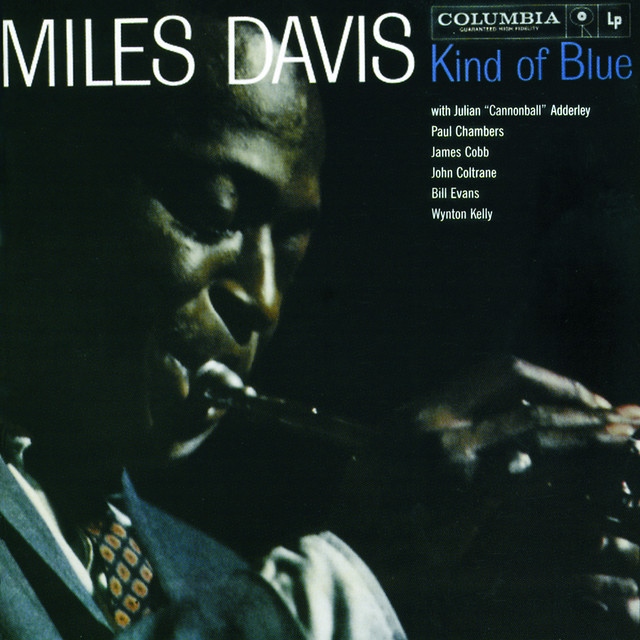
Miles Davis – ‘Kind of Blue’ (1959)
Modal jazz crystallized in these five tracks, shifting the genre from virtuosic complexity to spacious improvisation. Davis’ ensemble—including John Coltrane and Bill Evans—found transcendence in restraint, opening endless pathways for improvisers across genres. It remains a blueprint for freedom.
The Beatles – ‘Sgt. Pepper’s Lonely Hearts Club Band’ (1967)
A technicolor dream that transformed the album into an art form. Studio wizardry, conceptual ambition, and cultural omnipresence collided here, establishing rock’s potential for experimentation while still commanding mass attention. Psychedelia’s crown jewel became a cultural touchstone.
Marvin Gaye – ‘What’s Going On’ (1971)
Gaye blurred soul, gospel, and jazz into a seamless suite of social consciousness. Rejecting Motown’s pop formulas, he delivered a protest album of rare intimacy and scale—an urgent meditation on war, inequality, and ecological despair that reshaped soul’s possibilities.
Pink Floyd – ‘The Dark Side of the Moon’ (1973)
An immersive sonic architecture built on tape loops, conceptual unity, and existential dread. It proved that progressive rock could be both deeply experimental and commercially dominant, becoming one of the best-selling and most technically ambitious albums of all time.
Ramones – ‘Ramones’ (1976)
Four leather-jacketed New Yorkers obliterated excess with a barrage of two-minute songs. The Ramones rewrote rock language—stripped down, fast, and sneering—igniting punk’s global firestorm. What once sounded primitive now feels like a foundation.
Michael Jackson – ‘Thriller’ (1982)
The best-selling album in history wasn’t just a blockbuster; it was a cultural detonation. With Quincy Jones’ cinematic production and Jackson’s unmatched vocal precision, Thriller bridged pop, R&B, and rock, while the music video era redefined how albums lived in the public imagination.
Prince – ‘Purple Rain’ (1984)
Prince fused funk, rock, pop, and sexuality into a singular vision of liberation. The album’s theatrical sweep and guitar heroics expanded pop’s vocabulary, while its crossover success cemented him as one of music’s most fearless innovators. A genre unto himself.
Public Enemy – ‘It Takes a Nation of Millions to Hold Us Back’ (1988)
A political grenade disguised as hip-hop, its dense production layers and Chuck D’s baritone sermons reimagined rap as insurgent art. The Bomb Squad’s sonic collages mirrored urban chaos, while the lyrics demanded revolution. Hip-hop would never sound safe again.
Nirvana – ‘Nevermind’ (1991)
With one distorted riff, the underground stormed the mainstream. Nevermind demolished the hair-metal edifice and made alternative rock a global lingua franca. Kurt Cobain’s wounded melodies and Dave Grohl’s punishing drums turned grunge into both a movement and a marketplace.
Lauryn Hill – ‘The Miseducation of Lauryn Hill’ (1998)
Hill redefined hip-hop and R&B through intimacy, vulnerability, and poetic dexterity. Her only solo studio album blended rap, soul, and reggae with unmatched grace, centering a Black woman’s voice in ways that still reverberate. It set a standard for authenticity.
Radiohead – ‘Kid A’ (2000)
OK Computer was the classic, but with a rejection of rock stardom’s trappings, Kid A replaced guitars with glitch, jazz, and digital haze. Its anxious soundscapes mirrored millennial uncertainty, pushing mainstream audiences toward the avant-garde. What seemed alien at release became the language of modern rock.
Beyoncé – ‘Lemonade’ (2016)
A multimedia opus that intertwined personal betrayal with collective resilience. Lemonade dismantled the boundaries between genres—trap, country, soul, and rock—and between pop spectacle and political art. Its celebration of Black womanhood and its innovative visual album format expanded what a global pop statement could be.
How To Handle Conflicts Between Band Members

Conflict is as inevitable in a band as a missed note in rehearsal. When creative people work together, sparks fly—and not always in harmony. Disputes over songs, money, time, or personalities can feel overwhelming, but they don’t have to derail the music. In fact, the way a band handles conflict can be the difference between falling apart and building something stronger. Much like tuning an instrument, conflict requires adjustment, patience, and a good ear.
The first step toward keeping harmony is establishing clear roles and responsibilities. Many disputes start simply because no one is sure who is supposed to do what. If the drummer suddenly takes on booking gigs while the bassist is already contacting promoters, tensions are bound to rise. Creating a simple “band agreement” that outlines who manages finances, who handles social media, and who leads creative direction removes unnecessary overlap. Clarity prevents confusion, and confusion is often the root of frustration.
Another essential strategy is to separate business from rehearsal. Too many bands turn practice into a three-hour argument about money, logos, or setlists. This not only wastes time but also drains the joy from playing. Setting aside regular meetings dedicated solely to business—biweekly or monthly—keeps administrative conversations in their own space. Rehearsals can then focus on music, energy, and chemistry. One band I worked with constantly argued at soundcheck until they introduced short meetings before practice just to talk logistics. Arguments dropped dramatically, and rehearsals became fun again.
Creative differences are perhaps the most charged form of conflict, since music is personal. One guitarist may insist on a solo, while another hears something completely different. Instead of letting egos dominate, bands can adopt structured brainstorming. Allow everyone to present their idea without interruption, then record different versions to listen to later with fresh ears. Using a “yes, and” mindset encourages members to build on one another’s ideas rather than shooting them down. In many cases, the music itself provides the answer—when you hear both versions side by side, it becomes clearer which one serves the song best.
Money, of course, is another flashpoint. Few things strain friendships faster than finances. How gig pay is split, who fronts the cost for recording, or whether merchandise profits get reinvested are all questions that must be answered early. A transparent system prevents resentment. Some groups prefer equal splits; others use percentage-based systems that reflect songwriting or management contributions. I’ve seen bands avoid breakups simply by agreeing that all gig money gets divided equally while songwriting royalties are handled separately through performance rights organizations. Fair doesn’t always mean equal, but fairness comes from clear discussion and agreement.
When conflicts reach the point where direct conversations feel impossible, mediation can save the day. A trusted neutral party—a manager, producer, or even a respected peer—can redirect the energy from personal attacks to constructive dialogue. If two members are clashing over tour dates, for example, bringing in your booking agent to help guide the conversation can make all the difference. Having someone from outside the band reframe the dispute keeps everyone focused on solutions instead of personalities.
Communication habits themselves are often the hidden cause of tension. Misread text messages, unanswered calls, or sarcastic late-night jokes can turn small misunderstandings into bigger battles. Developing a simple communication charter can keep things on track. Decide as a group which channels are for business and which are for fun. One band improved dramatically after creating one WhatsApp group just for gigs and logistics and another for memes and inside jokes. Separating the two helped reduce unnecessary stress and confusion. Agreeing on expected response times or even tone guidelines might sound formal, but it prevents unnecessary blowups.
Finally, it’s important to recognize that not all conflict stems from tasks or logistics—sometimes it’s just personality. Bands are full of strong characters, and differences in temperament can feel like friction. But those differences can actually be strengths. Extroverts bring energy to stage performance, while introverts might excel at organization or songwriting. Using personality exercises like the Myers-Briggs or Enneagram can help members understand each other better. I once worked with a vocalist who thought her bassist was lazy, only to learn he was overwhelmed by scheduling tasks. Once they reassigned duties, he thrived musically and the group dynamic improved.
At the end of the day, bands are built on tension and release, just like songs. Conflict is not a sign that a group is failing—it’s proof that members care deeply about the music and the project. When approached with respect, transparency, and intentional structure, disagreements can transform from roadblocks into stepping stones. Bands that embrace conflict as part of the creative journey often emerge stronger, more resilient, and more unified. With patience, open communication, and a willingness to listen, discord can become the very thing that sharpens your harmony.
Tom Scholz’s Isolated Vocals For Boston’s “More Than A Feeling”
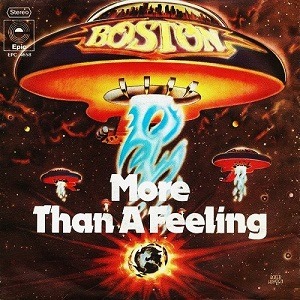
“More Than a Feeling” by Boston, released in 1976, quickly became a defining anthem of classic rock. Written entirely by Tom Scholz, it soared to #5 on the Billboard Hot 100 and remains a radio staple. Hailed by VH1 and Rolling Stone, it’s celebrated as one of the greatest rock songs ever recorded.
2D Animation and Motion Graphics: The Perfect Duo for Visual Impact
By Mitch Rice
It’s not easy to stand out in today’s world online. Every company is vying for an audience’s attention in a matter of seconds, and traditional images will likely be overlooked. Although text or basic images might communicate information, they rarely elicit the kind of response that businesses need to establish lasting relationships.
That’s why 2D animation and motion graphics have gained such immense power. They merge imagination with transparency, turning straightforward messages into compelling tales that stick.
In this blog, we’ll explore how 2D animation and motion graphics work as a perfect duo for creating visual impact.
What Is 2D Animation?
A 2D animation is one of the oldest and most popular forms of visual storytelling, which has its origin in the initial years of cinema. It involves the drawing of characters, settings, and objects in two dimensions and then animating them or, in the digital world, bringing them to life one frame at a time.
Unlike the 3D animation that is focused on depth and realism, 2D animation is focused on simplicity, creativity, and storytelling.
Companies, trainers, and marketers today are utilizing professional 2D animation services a lot to reduce complex concepts and interactively deliver them.
Key Features of 2D Animation
- Character-driven analysis: 2D animation is more expressive and is used in emotionally driven tales, and has been used by brands wishing to connect to their audience on a more personal level.
- Minimalist and explicit graphics: The simplistic and minimalist appeal is perfect for explainer videos, product demonstrations, learning classes, and advertising on social media.
- Flexibility in style: 2D animation can be tailored to suit your brand image and message, or you can choose to be playful and cartoonish or sleek and minimal.
- Cost-effectiveness: 2D animation may be less expensive than a high-budgeted 3D animation or live action film production, and can also deliver quality results.
- Classic touch: 2D animation is an old-fashioned charm that will never be forgotten when one speaks about classic cartoons or not-so-old digital short projects.
What Are Motion Graphics?
Motion graphics is a type of animation in which the animation is dedicated to the movement of design effects instead of character-driven narrative. Motion graphics bring shapes, symbols, type, and branded images to life, as opposed to creating detailed characters or movie scripts.
Unlike 2D animations, which are more commonly characterized by emotional plot development, motion graphic is characterized by clarity and professionalism. When businesses require the development of attractive data introductions, smooth branding devices, or more attractive corporate communications, they often resort to a motion graphics services company to create what they need.
The major characteristics of Motion Graphics.
- Data visualization: The ability to transform charts, graphs, and dashboards into an animation to simplify complex data.
- Typography effects: Add motion and power to text, best when used with titles, keywords, or brand mottos.
- Brand-based visuals: Logos, icons, and design elements animated to reinforce brand.
- Flexibility: As powerful as the official company video or the in-your-face ad.
- Professional polish: This adds refinement and credibility to any form of communication.
2D Animation vs. Motion Graphics: The Key Differences
Although they’re both forms of animation, their goals and styles differ:
| Aspect | 2D Animation | Motion graphic |
| Focus | Storytelling with characters & scenes | Moving design elements & typography |
| Emotional connection | Strong, character-driven | More informational and brand-focused` |
| Best suited for | Explainers, cartoons, ads, training videos | Infographics, promos, presentations, logos |
| Visual Style | Often colorful, illustrative, and expressive. | Clean, modern, and minimal, with emphasis on design and branding. |
| Engagement Approach | Appeals to emotions and imagination. | Appeals to logic, structure, and brand consistency. |
Why They’re More Powerful Together
The blend of motion graphics and 2D animation gives a moderate delivery of communication that draws attention and conveys the information in an effective manner. Each of these has its plus, and when they are combined, their impact is doubled.
- Attention + Information: A 2D animated character can be an emotional experience, as it may make the audience stick and pay attention, but motion graphics assist in supporting the main argument by offering some data, figures, or visual impression.
- Making Things Simple: Storytelling 2D animation simplifies concepts that are abstract and makes them easy to relate to, and motion graphics can simplify complex data or processes into easy-to-digest visuals.
- Diversity and Interaction: By adding visual variety and breaking up the monotony, the combination of the two styles keeps the audience alert and increases the message’s memorability.
- Greater Branding: 2D animation is more interesting and human, whereas motion graphics is more professional and smooth. They work together to create both brand-oriented and creative content.
- Greater Retention: Research shows that emotional development paired with intentional visuals results in increased retention of information; that is, the viewer will still recall the message despite a significant time delay between viewing.
Business Benefits of Using 2D Animation + Motion Graphics
The integration of 2D animation and motion graphics is not merely an artistic decision; it is a clever business decision. Collectively, they provide a collection of advantages that enhance brand communication to be more effective and powerful.
- Greater Interaction: The use of moving images, bright colors, and character-based plots appeals to the attention more than ordinary graphics. When combined with narrative storytelling, animated text or data can hold viewers’ interest for extended periods of time, increasing the likelihood that they will remember the content.
- Better Brand Recall: More animated graphics and stories will be recalled than boring information, 2D characters will cause you to connect with your brand, and motion graphics can bring to the fore the most important messages to make your brand memorable and recalled when making a purchase.
- Simplify Complicated Concepts: To sectors like technology, health, and finance, complicated notions can be a roadblock to communication. The 2D storytelling and motion graphics make it easy to visualize abstract concepts, processes, or data-intensive content that can be easily comprehended, and this improves their comprehension by different audiences.
- Cost-Effective Storytelling: Animation is less expensive to make, revise, and reuse than live-action video. To make minor adjustments, revise existing material, or scale campaigns, corporations do not need to pay the high costs associated with reshooting and editing of live video.
Real-World Applications of 2D Animation and Motion Graphics
The innovation of 2D animation and motion graphics can be applied in a variety of industries and purposes, and this is its versatility. Here is where companies and artists typically implement these tools:
- Marketing & Advertising: Starting with attention-grabbing social media advertisements to animated logos and exciting product launch videos, animations make brands stand out among the digital clutter.
- Corporate Communication: Within the context of corporate communication, it makes internal presentations, explainer videos, and training content more captivating and easier to follow through the assistance of motion graphics and animated storytelling.
- Education & E-Learning: Tutorials, course modules, and animation of lessons can be used to increase course retention by converting hard topics into easy-to-digest graphics.
- Healthcare & Technology: Complex medical processes, healthcare innovations, or non-technological workflows can be defined in simplified form and clarified to patients, clients, or non-technical stakeholders.
- Entertainment & Media: Animation has always been central to creativity, filling screens across the globe with beloved cartoons, music, and interactive works.
Conclusion
In the online world, where content is being overloaded, being noticed is not enough, but rather being recalled. 2D animation and motion graphics provide the answer to this by ensuring that it involves plenty of emotional narratives with dynamism in terms of graphics. Collectively, they develop content that is interesting, multi-purpose, and effective in industries.
To find a way out of the crowd and reach your target audience, 2D animation and motion graphics are no longer an option: investing in either of the two is a necessity.
Data and information are provided for informational purposes only, and are not intended for investment or other purposes.
Kaasupatruunat ja niiden säilyvyys: Mitä sinun tulisi tietää
By Mich Rice
Kaasupatruunat ovat arkipäiväinen, mutta usein aliarvostettu työkalu niin kotikeittiöissä kuin ammattimaisissa tilaisuuksissa. Erityisesti typpioksidi (N₂O), helium ja hiilidioksidi (CO₂) tarjoavat monipuolisia käyttötarkoituksia aina ilmavien kermavaahdojen valmistuksesta juhlien ilmapalloihin. Tämän artikkelin tarkoituksena on selventää yleisimpiä kysymyksiä kaasupatruunoiden käytöstä, niiden säilyvyydestä ja turvallisesta käsittelystä.
Helium ja sen säilyvyys
Helium on vakaa kaasu, mutta sen käyttöikä riippuu säilytyksestä ja pullon kunnosta. Oikein säilytettynä helium ei menetä painettaan nopeasti, mutta vuodot voivat johtaa kaasun menetykseen. Kotikäyttäjien on hyvä tarkistaa:
- Pullon tiiviys ennen käyttöä
- Säilyttää pullo pystyasennossa ja viileässä tilassa
- Välttää altistamista suoralle auringonvalolle
Näiden perusohjeiden avulla helium pysyy käyttökelpoisena pidempään ja sen tarjoamat hyödyt voidaan hyödyntää turvallisesti.
Typpioksidi ja FastGas
Typpioksidi, joka tunnetaan myös nimellä N₂O, on erityisen suosittu kulinaarisessa käytössä. Se mahdollistaa vaahtojen, kermavaahdon ja cocktailien ilmavuuden. FastGas on tunnettu laadukkaista N₂O-tuotteistaan, joiden avulla käyttäjät voivat nauttia tasalaatuisesta ja turvallisesta käyttökokemuksesta. Erityisesti fast-gas.com tarjoaa kattavan valikoiman sylintereitä, ohjeita ja lisätietoa turvalliseen käyttöön.
N₂O:n oikea säilytys ja käyttö
Kuten kaikki paineistetut kaasut, myös N₂O vaatii huolellista käsittelyä. Sylinterit tulisi säilyttää kuivassa, viileässä ja hyvin ilmastoidussa tilassa. Käytön aikana kannattaa muistaa:
- Käyttää sylintereitä vain niille tarkoitettuihin välineisiin
- Välttää iskuja tai lämmönlähteitä
- Nousta valmistajan suosituksia ja ohjeita
Näin varmistetaan, että FastGas N₂O toimii optimaalisesti ja turvallisesti.
CO₂ ja sen erityispiirteet
Hiilidioksidi on toinen yleinen kaasu, joka löytyy monista kotitalouksista ja ravintoloista. Sen pääasialliset käyttötarkoitukset liittyvät juomien hiilihapotukseen sekä erilaisten kaasupatruunoiden täyttämiseen. CO₂-sylinterien kohdalla on tärkeää tarkkailla:
- Pullon painetta säännöllisesti
- Säilytystä viileässä ja pystyasennossa
- Vältä sylinterin väärinkäyttöä
Vaikka CO₂ ei sovellu vaahtojen valmistukseen kuten N₂O, se tarjoaa luotettavan vaihtoehdon hiilihapotetuille juomille.
Vertailu: Helium, N₂O ja CO₂
| Kaasu | Pääasiallinen käyttö | Säilyvyys | Erityisohjeet |
| Helium | Ilmapallot, koristeet | Hyvä, jos tiivis | Säilytä pystyasennossa, viileässä |
| N₂O | Kermavaahdot, cocktailit | Erinomainen | Käytä vain kulinaarisiin välineisiin, noudata ohjeita |
| CO₂ | Hiilihapotetut juomat | Hyvä | Tarkista painetta, vältä väärinkäyttöä |
Taulukko tarjoaa yleiskatsauksen eri kaasujen käyttötarkoituksista ja turvallisuusohjeista, mikä helpottaa oikean kaasun valintaa tarpeen mukaan.
Turvallisuusvinkkejä kotikäyttöön
- Käytä aina sylintereiden mukana tulevia suojavarusteita
- Varmista, että lapset eivät pääse käsiksi kaasutankkeihin
- Älä koskaan yritä purkaa sylinteriä välineiden ulkopuolella
Näillä ohjeilla varmistat, että kaasujen käyttö on turvallista ja miellyttävää.
Yhteenveto
Kaasupatruunat, olivat ne sitten helium-, N₂O- tai CO₂-pohjaisia, tarjoavat monia mahdollisuuksia kotikeittiöissä ja ammattitiloissa. Turvallinen säilytys, oikea käyttö ja valmistajan ohjeiden noudattaminen takaavat parhaan käyttökokemuksen. Lisätietoja FastGas-tuotteista, niiden käyttötavoista ja turvallisuusohjeista löydät osoitteesta fast-gas.
Data and information are provided for informational purposes only, and are not intended for investment or other purposes.
20 Amazing Facts About Rick Davies

Richard “Rick” Davies (22 July 1944 – 5 September 2025) was an English musician, singer and songwriter best known as the founder, vocalist and keyboardist of Supertramp. As the band’s only constant member, Davies shaped its sound with his bluesy piano solos, jazz-infused progressive rock, and sharp, often cynical lyrics. With his passing, we look back at 20 amazing and facts about his remarkable life and music.
- Rick Davies was born in Swindon, Wiltshire, in 1944 to Betty and Dick Davies.
- His mother was a hairdresser, his father a merchant navy man who died in 1973.
- Music was the only school subject he excelled at, according to his mother.
- At age 8, a Gene Krupa record, “Drummin’ Man,” inspired his lifelong passion for rhythm.
- He built his first drum kit from a biscuit tin before joining a brass band as a snare drummer.
- Though he started as a drummer, he later taught himself keyboards without formal lessons.
- By 1959, he joined a rock ’n’ roll band called Vince and the Vigilantes.
- In 1962, he formed Rick’s Blues, which included Gilbert O’Sullivan on drums.
- Davies taught Gilbert O’Sullivan to play both piano and drums.
- He worked as a welder at Square D in Swindon when his father fell ill.
- He once lied about being able to play organ to join a band called The Lonely Ones.
- While in Munich, he met Dutch millionaire Stanley August Miesegaes, who funded his next band.
- He formed Supertramp in 1969 after placing an ad in Melody Maker.
- Although he often sang in a raspy baritone, he occasionally used falsetto, as on “Goodbye Stranger.”
- His songs include classics like “Bloody Well Right,” “Crime of the Century,” and “Goodbye Stranger.”
- When Roger Hodgson left in 1983, Davies became Supertramp’s sole lead vocalist.
- Supertramp’s Breakfast in America became their best-selling album, topping the U.S. charts.
- In 1977, he married Sue, who became Supertramp’s manager in 1984.
- He battled multiple myeloma, leading to the cancellation of the band’s 2015 tour.
- Even late in life, he performed locally with Ricky and the Rockets, keeping music close at heart.
10 Essential Albums for Classic Rock Newcomers

Classic rock is a world of riffs, anthems, and timeless storytelling. Whether you’re brand new to the genre or just want to revisit the records that shaped it, these 10 essential albums are perfect gateways — and reminders that even longtime fans can always go back for another listen.
‘Back in Black’ – AC/DC
Packed with unstoppable riffs and Brian Johnson’s gritty vocals, this album is pure hard rock energy. It’s one of the best-selling records ever, and every track feels built for blasting.
‘Born to Run’ – Bruce Springsteen
An album that captures pure American restlessness and big dreams. With soaring saxophones and heartland poetry, it’s The Boss at his most cinematic.
‘Dark Side of the Moon’ – Pink Floyd
A psychedelic journey that’s as much an experience as it is an album. Its seamless flow and experimental sound still sound ahead of their time.
‘Exile on Main St.’ – The Rolling Stones
Raw, sweaty, and sprawling, this double album blends blues, rock, and soul. It’s the Stones at their most chaotic and brilliant.
‘Hotel California’ – Eagles
From haunting ballads to sun-soaked rockers, this album is California dreams and nightmares rolled into one. The title track alone is a rite of passage.
‘Led Zeppelin IV’ – Led Zeppelin
Featuring “Stairway to Heaven” alongside thunderous rockers, this record is an ultimate introduction to Zeppelin’s power. Mystical, heavy, and unforgettable.
‘Machine Head’ – Deep Purple
The blueprint for heavy rock riffs, including the immortal “Smoke on the Water.” It’s lean, loud, and endlessly influential.
‘Rumours’ – Fleetwood Mac
Filled with harmonies, heartbreak, and unforgettable hooks, this is a masterclass in songwriting. Every track feels like a greatest hit.
‘The Doors’ – The Doors
A dark, poetic, and electric debut that introduced Jim Morrison’s mystique to the world. Psychedelic and moody, it’s a perfect entry into the late ’60s sound.
‘Who’s Next’ – The Who
Epic anthems like “Baba O’Riley” and “Behind Blue Eyes” make this album a rock powerhouse. It mixes raw energy with ambitious, forward-thinking sound.