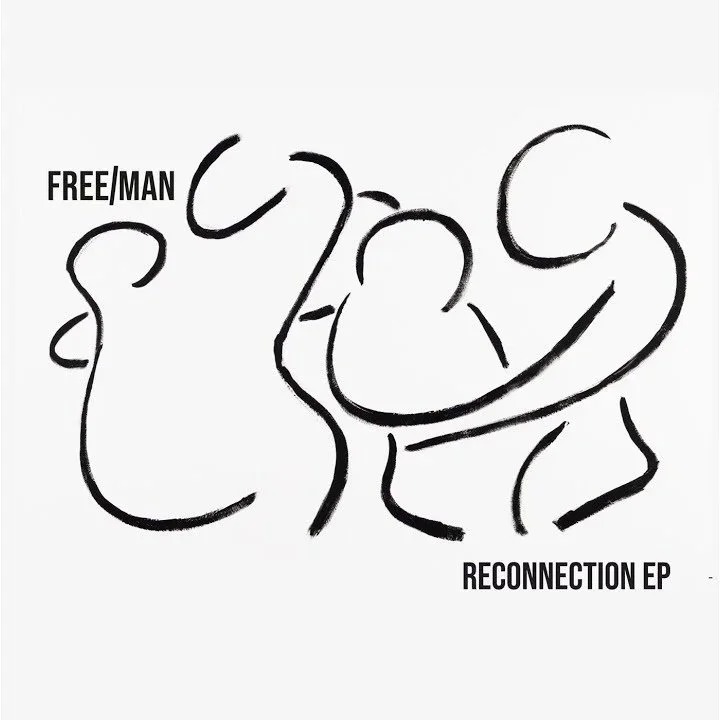
London-based singer-songwriter Charlie Freeman, known in the alt-soul and rock scene for his heartfelt and melodic sound, has released his latest EP ‘Reconnection’, a project that captures his artistic evolution and reaffirmation of music’s power to heal and unite. Blending ’70s rock and roll swagger, Britpop spirit, and Americana warmth, Freeman’s sound explores universal themes of truth, love, freedom, and spiritual connection across four tracks spanning 14 minutes and 1 second. The EP features “Not Tomorrow,” “Bluebird,” “Redemption Song,” a moving reinterpretation of Bob Marley’s classic, and “Two Witches,” offering an introspective yet uplifting journey that showcases Freeman’s signature blend of raw emotion and melodic craftsmanship. Critics have celebrated Freeman’s music for its authenticity and emotional resonance, with Indie Buddie praising him as instantly swayable and charming with an infectious buoyancy, while Huffington Post called his work overwhelmingly contagious and Indie Pulse noted his fun-loving zeal for life.
The release sets the stage for Freeman’s forthcoming full-length album ‘Gift In The Shadows’, expected at the end of 2025 and described by the artist as his most personal work to date, delving into themes of redemption, acceptance, and finding light in darkness. To coincide with the new releases, Freeman will embark on an extensive world tour beginning in late 2025, covering Europe, the USA, Mexico, and Argentina, with performances he describes as immersive, connective gig experiences that merge music, meditation, and spiritual reflection. Known artistically as FREE/MAN, Freeman emerged from deeply transformative experiences beginning with his father’s illness at age 19, when music became both refuge and revelation, evolving into a more mature, spiritually driven exploration of freedom, love, and authenticity. As co-founder of London’s JBJ Studio and creator of the Freedom Music Prize, Freeman channels his vision of art as a force for collective transformation, preparing ambitious projects for 2025 and 2026 including his film debut in The Hook, the philosophical feature Neon Soup, and a self-reflective documentary How to Be a FREE MAN.
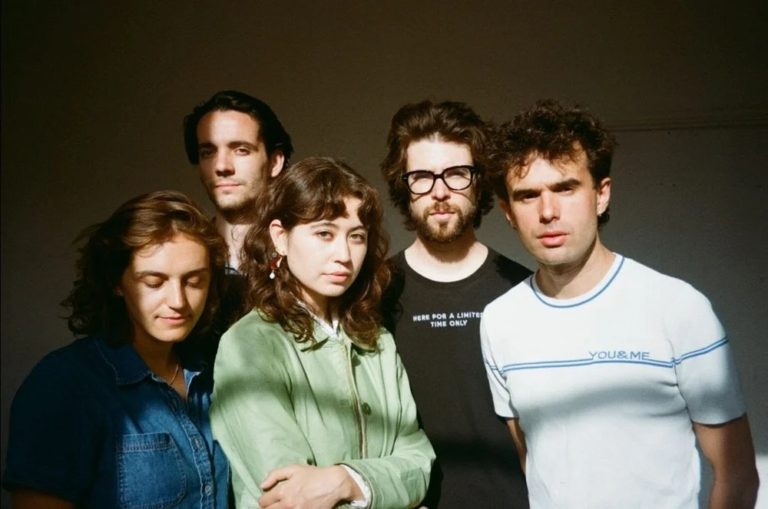
London five-piece pencil have released their brand new single “Wingman” via State51, marking a significant transition as the band welcomes new guitarist Soph Nathan of Our Girl and The Big Moon following the departure of bandmate Cai Burns. Both Nathan and Burns feature on the latest release, a song about endings, beginnings and the contours of life between, recorded with Polly Mackey of Art School Girlfriend and mixed by Luciano Rossi of mui zyu. The track signals a ceremonial passing of the torch as the band enters a brand new phase in their development, riding the crest of a wave of exciting London bands bringing back a sense of romance and melodicism. The group stated, “‘Wingman’ is a song about endings, beginnings and the spaces in between.”
Marking the follow-up to their acclaimed six-track EP ‘Bohemian Clutter’ released earlier this year, pencil have already attracted widespread attention touring with The Japanese House and building a reputation as an enthralling and unmissable live act with packed-out shows at Green Man and The Great Escape festivals. The band has drawn praise from key press champions including The Independent, DIY, Dork, The Line Of Best Fit, So Young, Clash, Rough Trade, and La Blogotheque, while receiving BBC 6 Music airplay from Deb Grant, Tom Ravenscroft, Marc Riley, and Gideon Coe, with the band also delivering a live session for Marc Riley’s show.
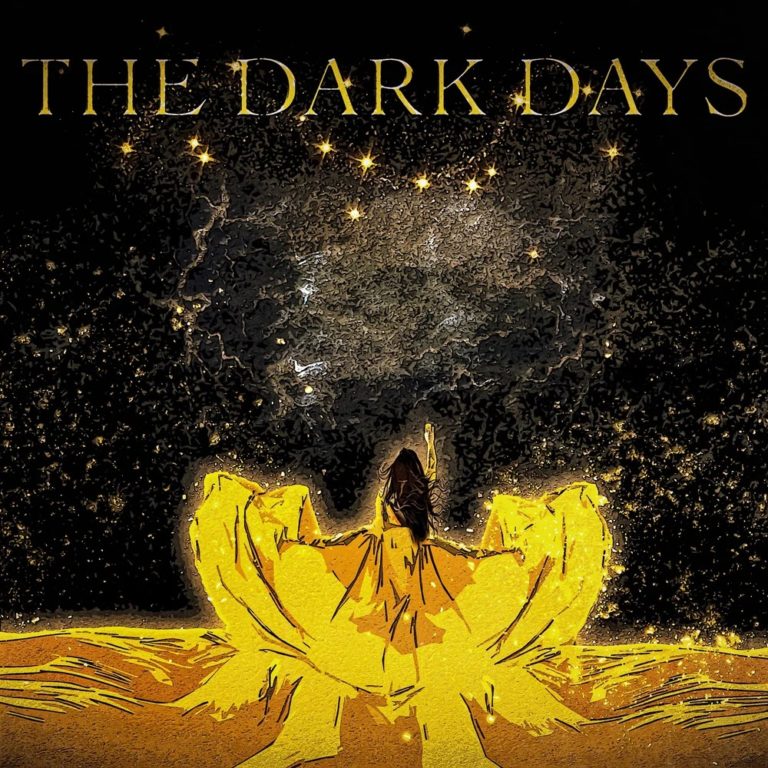
Norwich-based singer-songwriter Jasmine Catherine steps into a world of sweeping orchestration, six-part vocal harmonies, and distorted vocal textures with her new single “The Dark Days.” Drawing inspiration from the high-fantasy epic ambience of the Shadow and Bone book series and the legendary soundtracks of Game of Thrones, Pirates of the Caribbean, and The Lord of the Rings, the track fuses cinematic scope with pop sensibility to deliver something both grand and emotionally intimate. At its heart, “The Dark Days” tells a story of forbidden love, dark desires, and the ultimate triumph of light prevailing through chaos, with orchestral strings underscoring the ache of longing while six-part harmonies soar above a landscape of resistance and redemption. Jasmine comments, “I wanted to create a song that felt like walking across broken battlegrounds and finding something pure in the ashes, a song that resembles a battle of destiny and desire. The idea of forbidden love and dark desire seemed tied to that moment of reckoning — and when the light prevails, it doesn’t feel easy. It feels hard-won.” Born from Jasmine’s lifelong love of fantasy and storytelling, the single marks the next chapter in her evolution as an artist who builds worlds, appealing to fans of cinematic composers like John Williams, Hans Zimmer, and John Powell while drawing in pop audiences with immediate melody and hooks.
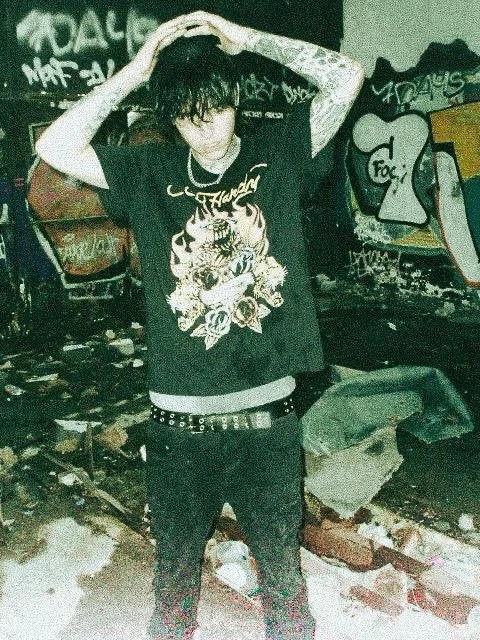
LostBoy is an emerging emo rap, punk, and rock artist based on the South Coast of Kent who creates deeply personal songs that reflect his own experiences, struggles, and unique perspective on the world shaped by his autism. Through lyrics that candidly address themes of being misunderstood, anxiety, depression, and psychosis, LostBoy aims to connect with those who feel isolated by their own struggles, believing in the power of shared experiences to foster hope and reassurance for those facing their darkest moments. His music resonates with listeners through relatable narratives that many can connect to on a personal level, offering a glimpse into his journey of navigating the complexities of mental health while providing a light for others on similar paths.
LostBoy’s latest release “Bonnie&Clyde” presents a raw and cinematic love story, a modern-day ballad drenched in passion, danger, and devotion with haunting lyrics. The track explores two souls bound by loyalty, ready to give up everything for each other, with outlaw imagery that conceals something tender underneath: the ache of knowing time moves too fast and love, once found, is worth fighting for. With his authentic voice and compelling storytelling, LostBoy is poised to make a significant impact in the music scene as an artist to watch in the near future.
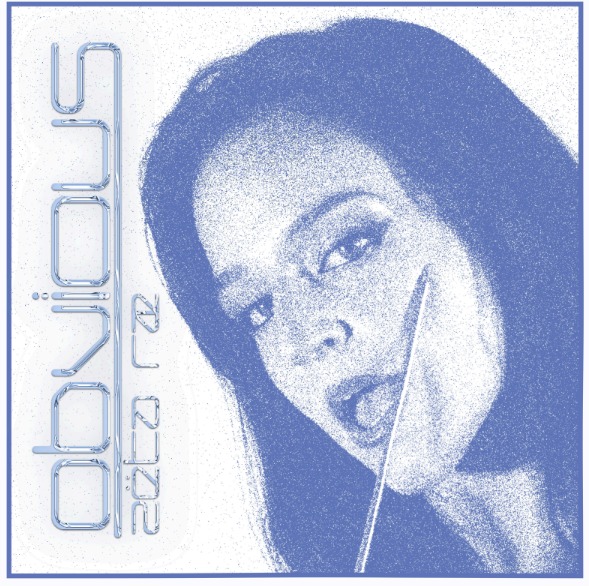
Rising alternative-pop artist Zëta Ræ has returned with “Obvious,” a shimmering, high-energy dance-pop track that blends tongue-in-cheek confidence with sleek, radio-ready production. The project of Nashville-based singer, songwriter, and producer Hannah Schmeling, Zëta Ræ has become known for her genre-bending sound that fuses the nostalgic textures of rock and soul with the futuristic edge of hyperpop and alt-pop. Schmeling comments, “We wanted this song to be a crossover between Pretty Please by Dua Lipa and Greedy by Ariana Grande — and I think we nailed it. At the time, I was writing a lot of emotional, alternative rock songs. Making a sassy, dance-pop track about a situationship was a total 180, but it was so much fun. It’s one of the quickest songs I’ve ever written — about an hour, in my bed. Even years later, it still makes me want to dance.” Originally written and recorded in the Berklee College of Music studios, “Obvious” marks Schmeling’s first experience in a professional recording environment, bringing her pop-star dreams vividly to life.
Co-written and produced with Ryan Adams, the track features Schmeling on vocals, Adams on production and guitar, and Max Troppe on bass, creating a confident, infectious single that sits comfortably alongside modern pop powerhouses like Dua Lipa, Ariana Grande, Doja Cat, and Sabrina Carpenter while retaining Zëta’s signature spark of individuality. The song captures that electric space between flirtation and frustration where attraction meets self-assuredness, creating an anthem for anyone who knows exactly what they bring to the table. Zëta Ræ’s work lives at the intersection of alt-pop, rock, and experimental sound, with influences spanning from soul and shoegaze to hyperpop and jazz, while her lyrics delve deep into the intricacies of identity, independence, and the female experience in her twenties, blending vulnerability and empowerment with poetic precision.
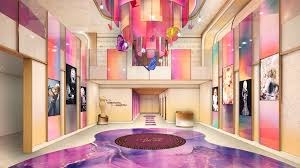
Reservations are now open for Dolly Parton’s SongTeller Hotel, and pre-sale tickets are available for Dolly’s Life of Many Colors Museum, both opening in June 2026 in downtown Nashville. Housed together under one roof, the hotel and museum will give guests two unique ways to experience the stories behind Parton’s life and music. Dolly Parton’s SongTeller Hotel weaves her iconic charm and songwriting spirit into all 245 uniquely designed rooms and suites, promising an immersive experience with Southern-inspired hospitality, rich storytelling around every corner, and two original live music venues called Parton’s Live and Jolene’s, featuring performances from some of Nashville’s most talented artists with cocktails and elevated Nashville-inspired cuisine. Parton comments, “I am very excited about the opening of my Nashville hotel and museum next year! Broadway has become such a hub of tourism, this felt like the right time to bring something special to all the wonderful activity in Nashville. I’ve always dreamed of being able to create something here in Music City and I know we’ve found the perfect addition to the city I call home.”
Dolly Parton’s SongTeller Hotel will be home to Dolly’s Life of Many Colors Museum, the largest exhibition dedicated to Parton to date. Spanning the entire third floor of the hotel at more than 20,000 square feet, the museum immerses visitors in her extraordinary journey through curated exhibits chronicling her rise from the top of the mountains to the top of the world. Guests will gain unprecedented insight into her decades-spanning career across music, film, television, and philanthropy, as well as the personal values of family and faith that remain central to her story. Parton states, “This museum is a place where folks can see my journey through my own eyes-every color, every story, and every dream that brought me here. I can’t wait to welcome visitors from around the world to Nashville to share in my life of many colors.” Hotel reservations are available at songtellerhotel.com or by calling 1-877-SONGTELLER, while museum pre-sale tickets can be purchased at dollyslifeofmanycolors.com without requiring a hotel reservation.
Femme Fatale made just one album during their original run, yet they left an indelible mark on the 80s Sunset Strip scene and the glam metal world at large. Still fronted by the effervescent Lorraine Lewis, the band has released “Bad Love,” a dynamite stomper accompanied by one of the most incendiary music videos of the year, directed by Vicente Cordero and shot by David Hernandez. The visual extravaganza features real fire, fire performers, and even a real firefighter from the adult industry named Eva Angelina, creating what Lewis describes as a truly pyro-powered feast for all the senses. Written by Lewis, guitarist and producer Steve Brown, and guitarist David Julian, “Bad Love” explores the magnetic pull of toxic connections. Lewis comments, “It’s messy, it’s addictive, and it’s real. I wanted to capture that push-and-pull between desire and self-preservation. We’ve all been there. We see the red flag and still jump in headfirst… but if that red flag’s on fire? Baby, that’s your cue to run.”
Brown brought in heavy hitters for the track including Joey Cassata on drums, Sean McNabb on bass, and what Lewis accurately describes as a slaying guitar solo from Ron Bumblefoot Thal. The result showcases Lewis looking and sounding as mesmeric as ever, with the band delivering an electrifyingly assaultive performance that matches the song’s intensity. Following their earlier 2025 single “Living Like There’s No Tomorrow,” which made a monster splash after years out of the spotlight, “Bad Love” continues Femme Fatale’s return to form with the kind of heat that simply cannot be faked.
Canadian roots, rock, and soul band Bywater Call have released “Ain’t No Friend of Mine,” a blues rock anthem that channels the energy of Gary Clark Jr, The Black Keys, Alabama Shakes, Marcus King, and the Rolling Stones. The track tackles themes of betrayal and broken friendship through a driving rhythm section, smoky female vocals from lead singer Meghan Parnell, and searing electric guitar work that gives the song its raw edge. Parnell explains the band aimed to create something bold and confident that mixes traditional blues influences with a modern rock attitude, with the gang vocal yell in the chorus designed to feel freeing and powerful when audiences sing along. Recorded at Palace Studios in Toronto with Patric McGroarty handling the capture and mix, and mastered by Kristian Montano of Montano Mastering, the release includes a music video shot by Zack Murray of Lightning House Media that offers a behind-the-scenes look at the song’s creation in the studio.
Have you ever found the perfect image, only to see it turn into a blocky, pixelated mess when you try to enlarge it? It’s a common frustration for marketers, designers, and anyone who works with digital media. A tiny, low-resolution photo just won’t work for a website banner, a high-quality print, or a social media post. In the past, your only option was to find a new image. Today, there’s a much better solution.
AI has completely changed how we handle image quality. You no longer need complicated software or technical skills to fix blurry pictures. With the right tools, you can now increase image resolution, sharpen details, and even create entirely new visuals with just a few clicks. This guide will show you exactly how to do it in 2026, focusing on the best and most efficient methods available.
The Best Way to Enhance Your Photos: AI Upscaling
What exactly is image upscaling? It’s the process of taking a low-resolution image and increasing its size without losing quality. Traditional methods simply stretched the pixels, which resulted in that familiar blurry outcome. AI, on the other hand, is much smarter. It analyzes the image, understands the context of the objects within it, and intelligently adds new pixels that look natural and sharp. It’s like a digital artist meticulously restoring a photograph. For anyone needing to make a small picture bigger, an AI Image Upscaler is the number one solution. It turns fuzzy, unusable images into crisp, professional-looking assets ready for any project.
Beyond just improving old photos, AI can also generate entirely new visuals from scratch. Imagine needing a specific image that you can’t find anywhere online, like a “cat wearing a spacesuit on Mars.” Instead of spending hours searching, you can now describe it in plain text and have a machine create it for you. An AI Image Generator offers incredible creative freedom, allowing you to produce unique visuals for blog posts, advertisements, or artistic projects in a matter of seconds. It’s a powerful tool for bringing your most imaginative ideas to life.
Why Choose an AI-Powered Tool?
You might be wondering what makes these modern tools so effective. The answer lies in their training. These AI models have learned from millions of images, enabling them to recognize patterns, textures, and shapes with incredible accuracy.
Here’s what sets them apart:
* Incredible Detail Restoration: AI doesn’t just make images bigger. It actively identifies and refines details that were lost in the low-resolution version. Faces become clearer, text becomes readable, and textures become more defined.
* Ease of Use: Forget about complex settings and confusing interfaces. Most AI upscalers are built for simplicity. You typically just upload your image, choose a scaling factor like 2x or 4x, and let the tool do the work.
* Speed and Efficiency: What used to take a skilled photo editor a significant amount of time can now be done in seconds. This allows you to improve your workflow and focus on the creative aspects of your project.
* Versatility: These tools work on all types of images, from old family photos and digital art to e-commerce product shots and real estate pictures.
How to Upscale an Image: A Simple Step-by-Step Guide
Using an AI upscaler is straightforward. While every tool has a slightly different interface, the core process is almost always the same.
Step 1: Choose Your Image
Start with the image you want to enhance. For the best results, try to use the highest quality version you have. While AI can work miracles, starting with an extremely pixelated or tiny image can be challenging even for the most advanced systems. A photo from an old phone is a much better starting point than a thumbnail saved from a website.
Step 2: Upload to the AI Upscaler
Navigate to your chosen AI upscaling tool. You’ll find an option to upload or drag and drop your image file onto the platform. The tool will accept common formats like JPG, PNG, and WEBP. The upload process is usually very fast.
Step 3: Select Your Upscaling Factor
Once the image is uploaded, you’ll need to decide how much larger you want it to be. Most tools offer options like 2x, 4x, or even 8x the original size.
* 2x Upscaling: This is great for making minor improvements or when you need a slightly larger image for a website.
* 4x Upscaling: This is a popular choice for turning a standard-definition photo into a high-definition one, perfect for prints or large digital displays.
* 8x Upscaling: This is for situations where you need a massive increase in resolution, like preparing a small image for a large poster or banner.
Step 4: Let the AI Work Its Magic
After you select the scaling factor, the AI will begin processing the image. This usually takes just a few seconds. The system analyzes the image, predicts what the missing pixels should look like, and generates a new, high-resolution version.
Step 5: Download Your Enhanced Image
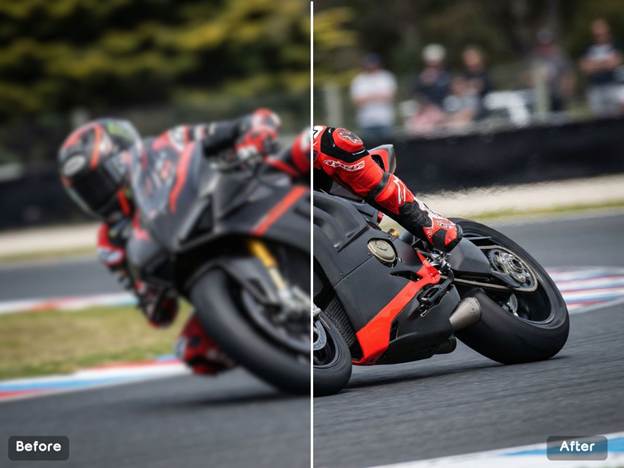
The tool will present you with a preview of the upscaled image, often with a slider to compare it to the original. You’ll be able to see the dramatic improvement in clarity and detail. If you’re happy with the result, simply click the download button to save the new, larger image to your device.
Creating New Looks: From Text to Visuals with AI
Enhancing existing photos is just one side of the coin. The other is creating entirely new visuals with an AI image generator. This technology, known as text-to-image generation, opens up a world of creative possibilities.
How AI Image Generation Works
The process is delightfully simple for the user. You write a text description, called a “prompt,” of the image you want to create. The AI interprets your words and generates a unique image based on that description.
A good prompt is key to getting a great result. The more descriptive you are, the better the AI can understand your vision.
Examples of Prompts:
* Simple Prompt: “A running dog.”
* Detailed Prompt: “A golden retriever joyfully running through a field of yellow flowers at sunset, cinematic lighting, highly detailed.”
The detailed prompt gives the AI more information to work with, resulting in a much more specific and often higher-quality image. You can specify the subject, the setting, the art style (e.g., “photorealistic,” “oil painting,” “cartoon”), the lighting, and even the mood.
Practical Use Cases for AI Image Tools
Who can benefit from AI image upscaling and generation? The answer is just about everyone. These tools are no longer just for tech experts; they are practical solutions for everyday problems.
For Marketers and Small Business Owners
High-quality visuals are essential for capturing customer attention. Marketers can use AI upscalers to improve product photos for e-commerce stores, ensuring customers can see every detail. They can also enhance images for social media campaigns, email newsletters, and website banners, creating a professional and polished brand look without needing a big budget for photography.
For Photographers and Designers
Even professionals work with less-than-perfect images sometimes. Photographers can use AI to restore old client photos or rescue a great shot that was taken at a low resolution. Graphic designers can upscale small design elements or logos provided by clients, saving time and avoiding the need to recreate assets from scratch.
For Content Creators and Bloggers
A compelling blog post needs great images. AI image generators are perfect for creating custom featured images, infographics, and other visuals that perfectly match the content. This helps creators avoid using the same generic stock photos that everyone else uses, making their content more unique and engaging.
For Personal Use
Have a treasured family photo that’s old, faded, and small? An AI upscaler can breathe new life into it, sharpening faces and restoring colors. You can finally get a beautiful, large print of a photo that has been sitting on your hard drive for years. It’s a wonderful way to preserve precious memories for future generations.
The Future is Clearer Than Ever
The rapid advancements in AI mean that the problem of low-resolution images is quickly becoming a thing of the past. What once required expensive software and expert-level skills is now accessible to anyone with an internet connection.
Whether you’re looking to improve the quality of an existing photo or create a brand new visual from your imagination, AI-powered tools provide a fast, simple, and effective solution. They empower you to be more creative and professional in your work, breaking down the technical barriers that used to stand in the way. The next time you encounter a blurry or pixelated image, you’ll know exactly what to do.
Data and information are provided for informational purposes only, and are not intended for investment or other purposes.
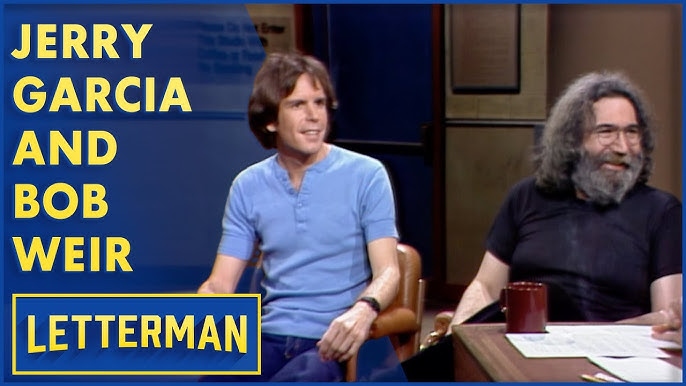
In a 1982 appearance on Late Night with David Letterman, Grateful Dead’s Jerry Garcia and Bob Weir discussed the band’s groundbreaking policy of allowing fans to record their live performances, a practice that would become legendary in rock history. The duo explained their philosophy behind welcoming tapers into their shows, noting they were happy for fans to have recordings of the performances. This approach, radical for its time, helped build one of music’s most dedicated fan communities and established a blueprint for how artists could connect with audiences beyond traditional commercial channels.