Home Blog Page 379

5 Surprising Facts About The Police’s ‘Reggatta de Blanc’

Released on October 5, 1979, Reggatta de Blanc was the Police’s second studio album and their first to top the UK Albums Chart. It delivered two UK number-one singles, “Message in a Bottle” and “Walking on the Moon,” and won the band their first Grammy. Blending reggae rhythms with new wave urgency, the album quickly established the Police as one of the defining acts of the era. Here are five facts about its creation and impact.

Five Facts

1. A Low-Budget Recording
The album was recorded at Surrey Sound with Nigel Gray for just £6,000–£9,000, a modest sum compared to major-label productions of the time. The choice gave the band full control, free from record company interference.

2. Songs Built From Earlier Ideas
Several tracks were adapted from Sting’s earlier band, Last Exit, including “Bring on the Night” and “The Bed’s Too Big Without You.” Stewart Copeland also reshaped a college piano piece into “Does Everyone Stare.”

3. A Title With Franglais Flair
Like their debut Outlandos d’Amour, the album carried a Franglais title. “Reggatta de Blanc” loosely translates as “White Reggae,” reflecting the band’s unique fusion of rock, pop, and Jamaican rhythms.

4. The Police’s First Grammy Win
The instrumental title track earned the Police their first Grammy Award, winning Best Rock Instrumental Performance. It began as an extended live jam based on “Can’t Stand Losing You.”

5. “Message in a Bottle” As A Breakthrough
Written by Sting, the lead single became the band’s first UK number-one. Its universal theme of loneliness and connection, paired with Andy Summers’ layered guitar textures, made it a career-defining song.

Reggatta de Blanc captured the Police at a moment of explosive creativity, turning spare resources into worldwide acclaim. With its blend of inventive songwriting, reggae-infused grooves, and chart-topping singles, the album solidified their place on the global stage and remains a landmark of late-1970s rock.
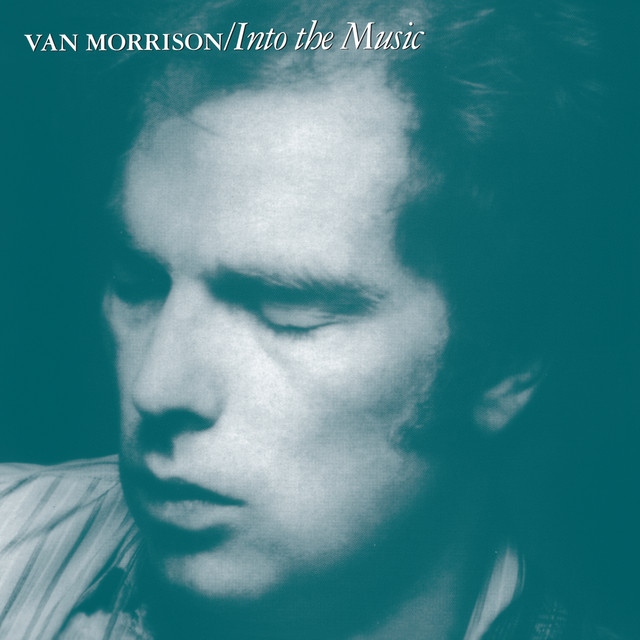
5 Surprising Facts About Van Morrison’s ‘Into The Music’

Released in August 1979, Into the Music is Van Morrison’s 11th studio album, recorded at the Record Plant in Sausalito. It features “Bright Side of the Road,” which charted in the UK, alongside songs that highlight themes of love, celebration, and the healing power of music. With contributions from Pee Wee Ellis, Ry Cooder, and other musicians, the album marked a creative return to a more spiritual and meditative sound. Here are five facts about the album’s making and legacy.

1. Recording in California
The album was tracked in early 1979 at the Record Plant in Sausalito, with Mick Glossop as engineer. Trumpeter Mark Isham introduced Morrison to Pee Wee Ellis, who became central to the horn arrangements and stayed on to shape the full record’s sound.

2. Ry Cooder’s Cameo
Guitarist Ry Cooder appears on “Full Force Gale,” adding slide guitar to Morrison’s gospel-inspired declaration. His guest spot gave the track a rootsy edge, blending Morrison’s Celtic soul with Cooder’s American blues touch.

3. Songs Born in Epwell
Morrison wrote many of the tracks while staying in Epwell, a Cotswold village. He often walked through the fields with his guitar, working out lyrics and melodies in the countryside setting that informed the music’s reflective tone.

4. Themes of Joy and Healing
The album celebrates love and life, with tracks like “Troubadours” and “You Make Me Feel So Free.” “And the Healing Has Begun” introduced the idea of music as a restorative force, a theme Morrison returned to frequently afterward.

5. A Pop Classic Revisited
Morrison wove a gentle version of the 1950s hit “It’s All in the Game” into the album. The interpolation sat alongside his originals, linking his personal storytelling to a wider tradition of popular song.

Into the Music endures as a pivotal work in Morrison’s catalogue. Its blend of joyful rhythms, spiritual reflection, and heartfelt songwriting showcased his ability to channel personal inspiration into timeless performances. The record remains a touchstone for the themes and style that continued to shape his music in the years ahead.

5 Surprising Facts About Madness’ ‘One Step Beyond…’

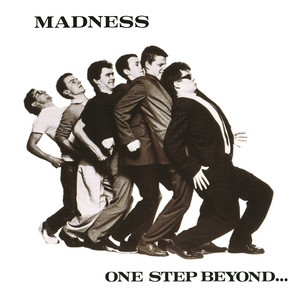
In 1979, ska went technicolor with One Step Beyond…, the debut album from Madness. Recorded in just three weeks, it shot to number two on the UK charts and stayed there for over a year. Powered by nutty dancing, Prince Buster tributes, and a sound both retro and brand-new, the record launched Madness as the joyful heart of the ska revival.

1. The “Nutty Train” Shot
The iconic cover photo, snapped by Cameron McVey, was based on a pose from Kilburn and the High Roads’ album Handsome. It became Madness’s calling card, symbolizing the playful “Nutty Sound” they carried into ska history.

2. A Prince Buster Salute
The title track was a cover of Prince Buster’s 1964 B-side, but Madness added the unforgettable “Don’t watch that, watch this!” intro. Their version became a ska anthem, launching the album into ska revival legend.

3. Rough Mix, Big Hit
Producer Alan Winstanley revealed that the final single was just a rough mix. The track was stretched by repeating the short instrumental and altering half with a harmonizer — and that “mistake” became their breakout.

4. First of the Decade
“My Girl,” written by Mike Barson, sent Madness to Top of the Pops in January 1980. They had the distinction of being the very first band to perform on the program in the new decade, cementing their status as rising stars.

5. Miles of Saxophone
“Night Boat to Cairo” was built around Barson’s instrumental idea before Suggs added lyrics. With a sprawling structure, heavy sax breaks, and no real chorus, it broke rules and became their go-to show closer for decades.

One Step Beyond… was amazing to listen to dance in loafers and pork pie hats, mixing humor, grit, and irresistible ska rhythms. From the “Nutty Train” cover to “Night Boat to Cairo” closing countless gigs, Madness proved that fun could be as sharp as it was enduring.

5 Surprising Facts About Led Zeppelin’s ‘In Through the Out Door’

By 1979, Led Zeppelin were both battered and brilliant. Out of exile, grief, and excess came In Through the Out Door — an album recorded in Stockholm that blended samba rhythms, synth experiments, and smoky barroom blues into a strangely forward-looking final chapter.

1. The ABBA Connection
The album was recorded at ABBA’s Polar Studios in Stockholm, a space more associated with shimmering pop than heavy rock. Zeppelin turned it into their own laboratory, with John Paul Jones’ Yamaha GX-1 synthesizer coloring tracks like “Carouselambra” in ways that felt futuristic.

2. Six Hidden Covers
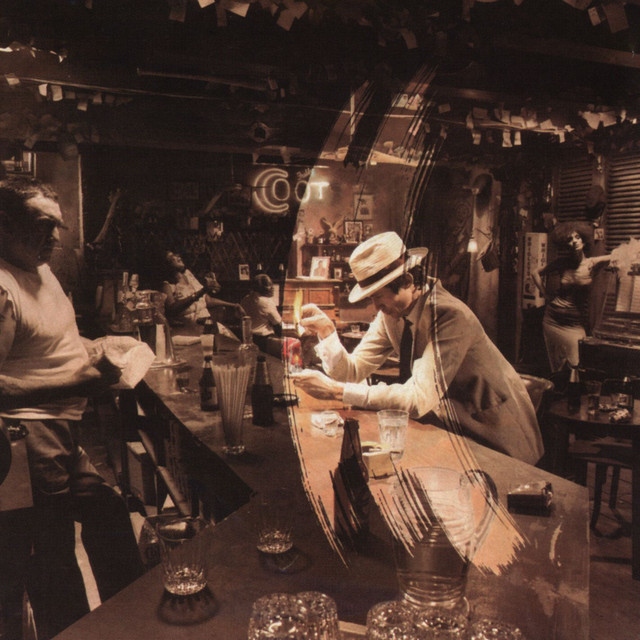
The sleeve design was a trickster’s delight. Each copy came wrapped in a plain brown paper bag, hiding one of six alternate bar-room photo covers. Fans had no idea which version they owned until peeling the wrapping, turning every purchase into a lucky dip for collectors.

3. Samba Meets Shuffle
“Fool in the Rain” drew inspiration from the samba rhythms Plant had absorbed during the 1978 World Cup broadcasts. The result — Bonham’s Purdie shuffle colliding with carnival swing — was one of the band’s most surprising rhythmic left turns, and their last US hit single.

4. A Song for Karac
“All My Love” was Robert Plant’s tribute to his late son Karac. Co-written with Jones, the song’s tender heart is marked by a classically-styled synth solo. For a band known for thunder, this ballad stood as one of their most openly vulnerable moments.

5. A Puzzle of Perspectives
The Hipgnosis artwork told its own story: a man burning a Dear John letter in a New Orleans-styled bar, observed by six others. Each of the six covers offered a different perspective of the same scene — a clever nod to fractured viewpoints within the band itself.

In Through the Out Door stands as both a swan song and a bold experiment, filled with synths, samba grooves, and one last blast of Zeppelin grandeur. Wrapped in brown paper mystery and recorded far from home, it captured a band still chasing new sounds on the edge of their story.

5 Unknown Facts About The Knack’s ‘Get the Knack’

Power pop rarely explodes into the mainstream with the speed of a lightning strike, but in the summer of 1979 the Knack pulled it off. Their debut album Get the Knack stormed out of Los Angeles clubs and onto the Billboard 200, climbing to #1 in less than two months. “My Sharona” blasted from car radios everywhere, teenage mania kicked in, and Capitol Records had its fastest-selling debut since the Beatles. Beneath the hype and the backlash, though, the record hides some surprising details.

1. Two weeks, $18,000

The entire album was recorded in just 14 days for $18,000. At a time when rock stars were spending six figures on studio time, the Knack made a blockbuster hit with the budget of an indie demo.

2. Beatlemania by design

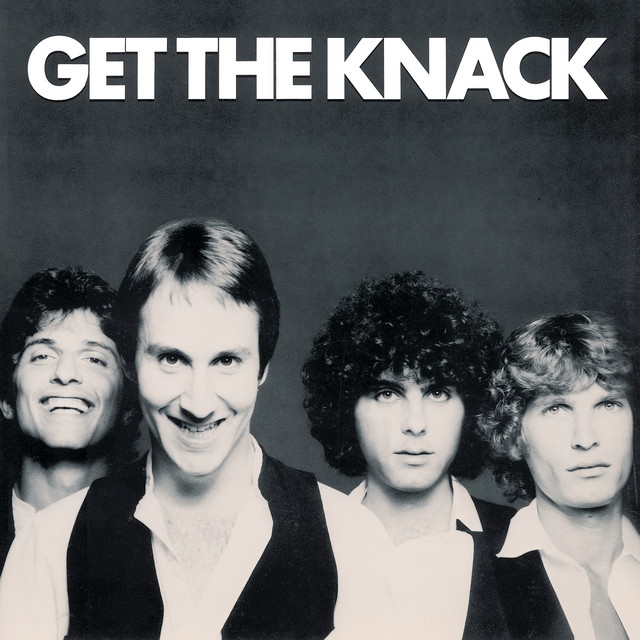
From the rainbow Capitol label to the Meet the Beatles!-inspired cover, the Knack insisted their debut look and feel like a Beatles artifact. Even the back cover echoed a shot from A Hard Day’s Night.

3. A song written in 15 minutes

Doug Fieger said “My Sharona” came together in a flash—written in 15 minutes, recorded in a single take, and mixed just as quickly. The result became 1979’s biggest single and one of power pop’s defining anthems.

4. Sharona was real

The song’s muse, 17-year-old Sharona Alperin, inspired a fevered streak of songwriting and later became Fieger’s girlfriend. She went on to a successful career in real estate, forever linked to a pop juggernaut.

5. “Knuke the Knack” backlash

Critics bristled at the Knack’s cocky image and fast rise. San Francisco artist Hugh Brown launched a satirical “Knuke the Knack” campaign with buttons and T-shirts, turning the band’s success into one of rock’s most notorious backlashes.

Get the Knack is one of the wildest overnight successes of the late ’70s, wrapped in Beatle-worship, fueled by a teenage crush, and chased by controversy. Forty-plus years later, it still sounds like a band sprinting into history with no time—or money—to waste.

5 Surprising Facts About The Kinks’ ‘Low Budget’

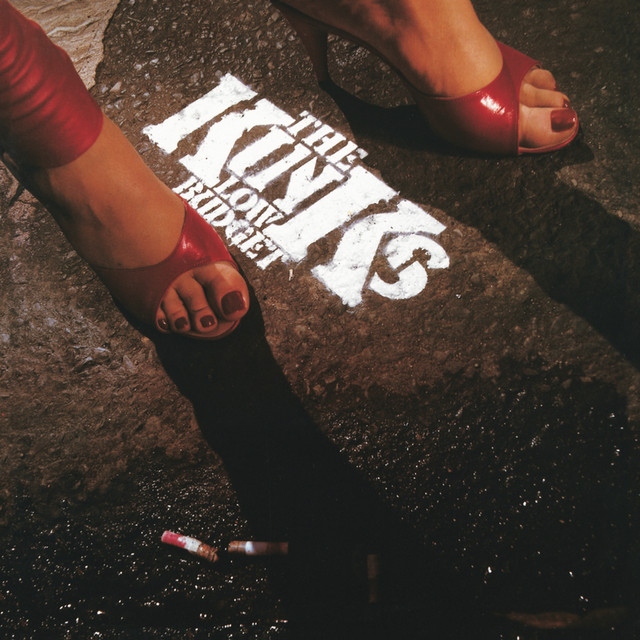
Released in 1979, Low Budget found the Kinks shifting gears yet again. With Jim Rodford stepping in on bass, Ray Davies steering into topical lyrics, and the band embracing a tougher rock edge, it became their best-selling US studio album. Beneath the crunch and satire, there are some fascinating stories.

1. Recorded on both sides of the Atlantic

The first songs, including “(Wish I Could Fly Like) Superman,” were tracked in London at Konk Studios. But most of the album was finished in New York at the Power Station and Blue Rock Studios, giving it an extra punch of American arena-rock energy.

2. Ray Davies handled all the keyboards

After cycling through multiple keyboard players who didn’t stick, Davies decided to take on the parts himself. His playing drives much of the record, shaping everything from disco grooves to barroom-style piano flourishes.

3. Topical lyrics with superheroes in tow

While “Catch Me Now I’m Falling” invoked Captain America to critique global politics, “(Wish I Could Fly Like) Superman” drew on Ray’s admiration for the comic books and a trip to see Superman: The Movie. The mix of satire and pop culture kept the themes fresh and immediate.

4. Dave Davies nearly rejected “Superman”

Dave Davies was skeptical about the disco-driven single. He eventually added his guitar parts, but he later admitted he thought the song was a risky move—saved, in his view, by its humor. Despite his doubts, it became a minor hit in North America.

5. Songs for the future snuck in

During the Low Budget sessions, the Kinks also tested out early versions of “Destroyer” and “Give the People What They Want,” songs that wouldn’t appear until their 1981 album. The sessions proved a workshop for both the present and the band’s next phase.

Low Budget turned the Kinks into a late-’70s arena rock powerhouse, brimming with disco jokes, social commentary, and riffs built for big stages. It remains a testament to the band’s adaptability—forever balancing grit, humor, and sharp songwriting.

5 Unknown Facts About Joe Jackson’s ‘I’m the Man’

Hot on the heels of Look Sharp!, Joe Jackson wasted no time dropping I’m the Man in October 1979. A mix of razor-edged wit, nervy new wave energy, and sharp social commentary, the album cemented Jackson’s reputation as pop’s sly contrarian. Beyond the hits, there’s a lot more lurking in this spiv’s suitcase.

1. The rise of “spiv rock”

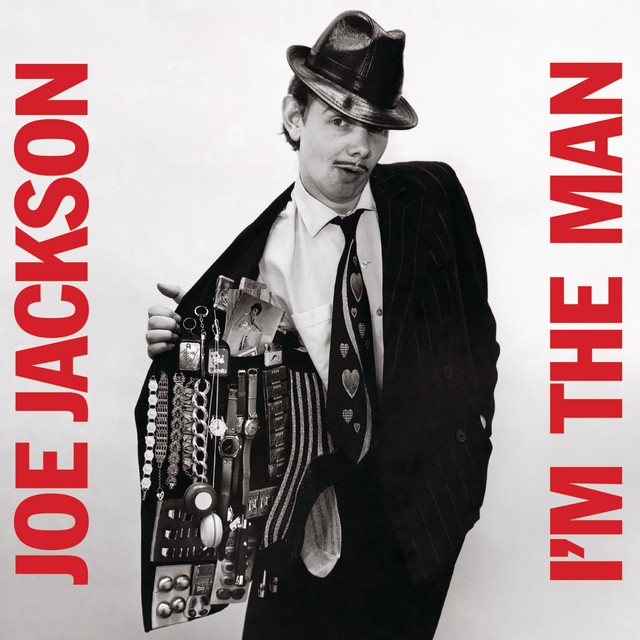
Jackson invented the term “spiv rock” to describe both the record and his trench-coated, polka-dot-tied alter ego on the cover. The spiv was a British petty hustler, always ready to sell you a fake watch. It was satire and image rolled into one.

2. The album almost wasn’t called I’m the Man

The swaggering title track wasn’t an obvious single, let alone the album’s namesake. Jackson insisted on pushing it forward as his lead card. When it flopped in the UK and US, he shrugged, later joking that the label had been right all along.

3. “It’s Different for Girls” flipped clichés on their head

Jackson’s biggest UK hit took the expected boy-chases-girl trope and reversed it. The male narrator seeks love while the woman just wants sex. Delivered with deadpan cool, it became his highest-charting UK single, peaking at number five.

4. A 7-inch album experiment

For collectors, I’m the Man wasn’t just vinyl—it was also issued as a “7-inch album,” packaged as five singles plus a poster. This quirky format played into Jackson’s cheeky vision of marketing music like trinkets peddled by his spiv character.

5. A Goo Goo Dolls connection

Years later, John Rzeznik of the Goo Goo Dolls listed I’m the Man as one of the ten albums that changed his life. The nervy pulse and lyrical bite clearly left their mark on future generations of alternative rockers.

I’m the Man may have been billed as “Part Two of Look Sharp!,” but its mix of humor, reversal, and biting character sketches gave Jackson’s spiv persona a lasting place in rock history. Behind the shades and thin mustache, the hustle worked.

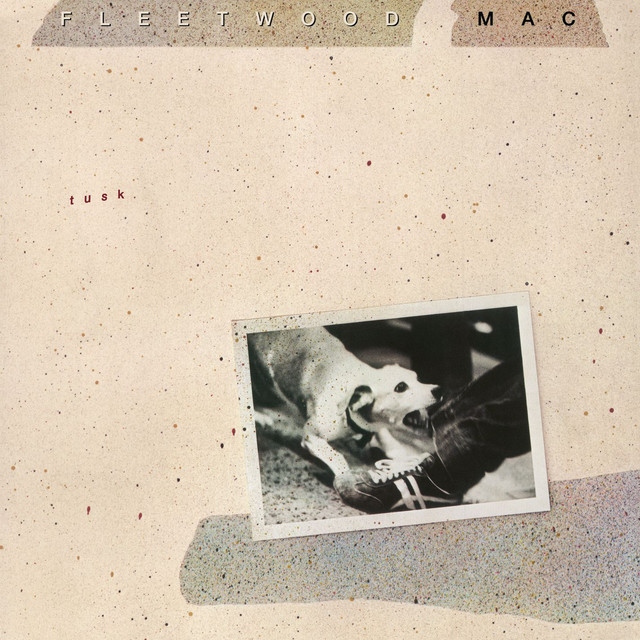
5 Surprising Facts About Fleetwood Mac’s ‘Tusk’

Released in October 1979, Tusk pushed Fleetwood Mac far beyond the gloss of Rumours. Lindsey Buckingham drove the band into experimental territory, building sprawling soundscapes out of punk energy, studio tricks, and restless vision. The result was the most expensive rock album ever made at the time — and one of the most fascinating.

1. A studio built just for Mac

The Village Recorder’s Studio D was custom-constructed to the band’s specs. Producer Ken Caillat suggested they buy the facility, but the group rented instead. Outfitted with a Dolby system and 30 ips tape speed, it became their $1.4 million sound laboratory.

2. Buckingham’s Kleenex percussion

Several tracks began as Lindsey Buckingham home demos where he played all instruments. For rhythm, he even slapped a Kleenex box in place of a snare. Mick Fleetwood later overdubbed real drums on top, merging DIY grit with arena polish.

3. Haircuts, push-ups, and taped mics

Caillat recalled Buckingham as “a maniac” in the studio. He once hacked off his hair with nail scissors, taped mics to the floor, and sang in a push-up position. Every knob was twisted 180 degrees “just to see what would happen,” fueling the record’s jagged edge.

4. The dog that stole Stevie’s cover

The album sleeve came from Peter Beard’s collage work, including a shot of Caillat’s dog biting his leg. That image became the front cover, replacing Stevie Nicks’ dream of twirling in spotlight. Nicks half-jokingly said she put a curse on the dog afterward.

5. The title’s many meanings

Depending on who you ask, “Tusk” meant male prowess, a mixing console nickname, or simply elephants. Mick Fleetwood once brought in full-size replica tusks, while Peter Beard’s African imagery sealed the choice. Buckingham just thought it sounded good.

Tusk is an album where ambition, tension, and experimentation collide. From Kleenex snares to elephant iconography, Fleetwood Mac reinvented themselves at colossal expense and delivered a record that still pulses with strangeness and daring.

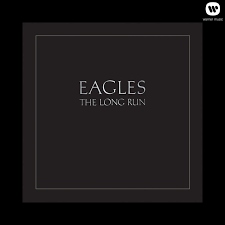
5 Surprising Facts About the Eagles’ ‘The Long Run’

Released in 1979, The Long Run captured the Eagles in full late-’70s glow: sleek R&B inflections, West Coast harmony, and radio-proof hooks. It introduced Timothy B. Schmit, sent “Heartache Tonight” to #1, and quietly tucked away a trove of great stories. Here are five.

1. Schmit’s smooth debut became the first song finished

Timothy B. Schmit brought the seed of “I Can’t Tell You Why,” based loosely on his own experiences. Glenn Frey and Don Henley finished it with him in all-night sessions. Cut in March 1978, it became the album’s first completed track and Schmit’s lead-vocal showcase.

2. A deliberate slide into R&B velvet

Henley called “I Can’t Tell You Why” “straight Al Green,” and Frey urged Schmit to lean into a Smokey Robinson vibe. Schmit’s bass part locks to a supple pocket, while Frey’s counterpoint melody threads the chorus. The result: a Top 10 hit with satin-lined cool.

3. ‘In the City’ took the Warriors’ route home

Joe Walsh first recorded “In the City” for The Warriors soundtrack, credited only to him. The song resonated so strongly that the Eagles cut their own version for The Long Run. Walsh’s grit meets the band’s widescreen sheen, bridging film and album in one sweep.

4. Disco on the chassis, menace in the mirror

Don Felder built “The Disco Strangler” on a four-on-the-floor engine; Henley wrote the lyrics. The track rides a relentless club pulse while the guitars flash like neon. It’s a late-night street scene rendered in kick drum, hi-hat, and cold-steel riffing.

5. Groove tributes and groove etchings

The title track tips its hat to the Stax/Memphis R&B sound—snap, sway, and soul in California sunlight. On the original vinyl, the band signed the run-out grooves with Easter eggs: “Never let your monster lay down” (Side 1) and “From the Polack who sailed north” (Side 2)

The Long Run folds R&B warmth, road-worn storytelling, and studio detail into a platinum listen. From Schmit’s luminous entrance to Walsh’s Warriors crossover and those dead-wax winks, it’s a late-’70s album that keeps revealing new corners every time the needle drops.

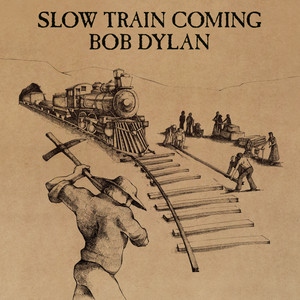
5 Surprising Facts About Bob Dylan’s ‘Slow Train Coming’

When Bob Dylan released Slow Train Coming in August 1979, he stood at a crossroads unlike any in his career. Fueled by a sudden religious awakening, the record fused gospel fire with Muscle Shoals groove, producing platinum sales and a Grammy-winning single. Beyond the headlines, the story of the album is full of fascinating details.

1. A Cross Sparked the Journey

At a San Diego concert in 1978, a fan tossed a silver cross onto the stage. Dylan pocketed it and later, in a Tucson hotel room, experienced what he described as a vision of Christ. That moment ignited the songs and spiritual urgency that became Slow Train Coming.

2. Dire Straits Meets Dylan

Mark Knopfler was invited after Dylan heard “Sultans of Swing.” The Dire Straits guitarist joined the Muscle Shoals sessions, adding clean, understated lines that wrapped Dylan’s new spiritual messages in sharp precision. His manager was surprised when every song turned out to be about God.

3. Jerry Wexler, the “Jewish Atheist,” at the Controls

Dylan chose legendary producer Jerry Wexler for the album’s big funk feel. Wexler joked about the irony of being asked to “get the Jesus sound,” but his deep soul pedigree gave the record its tight, polished Muscle Shoals backbone.

4. “When He Returns” Began as a Guide Vocal

Dylan originally planned for one of his backup singers to deliver the final track. After recording a guide vocal with Barry Beckett’s piano, Dylan reconsidered. He returned the next day, sang eight takes, and produced what critics call one of his most powerful studio performances.

5. Outtakes With Their Own Lives

Three songs didn’t make the final cut: “Trouble in Mind,” “Ain’t No Man Righteous,” and “Ye Shall Be Changed.” All resurfaced later, either on singles, compilations, or bootlegs, proving that Dylan’s Christian period was even more prolific than one album could contain.

Slow Train Coming combined Dylan’s newfound faith with Muscle Shoals muscle, gospel urgency, and some of the sharpest studio players of the era. With “Gotta Serve Somebody” leading the charge, it stands as one of Dylan’s boldest statements—an album that still shakes with conviction.