
All photos by Mini’s Memories. You can contact her through Instagram or X.
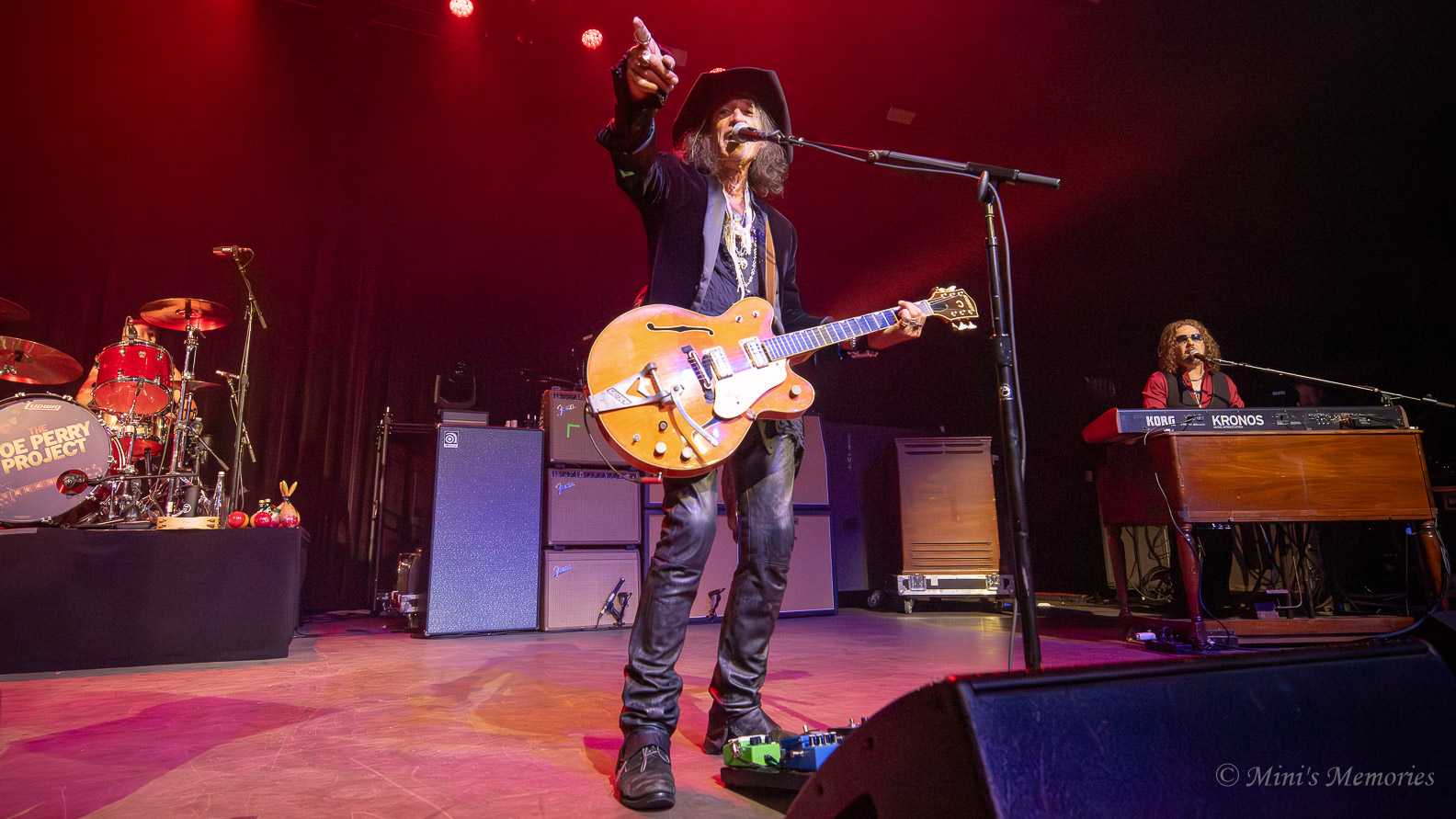
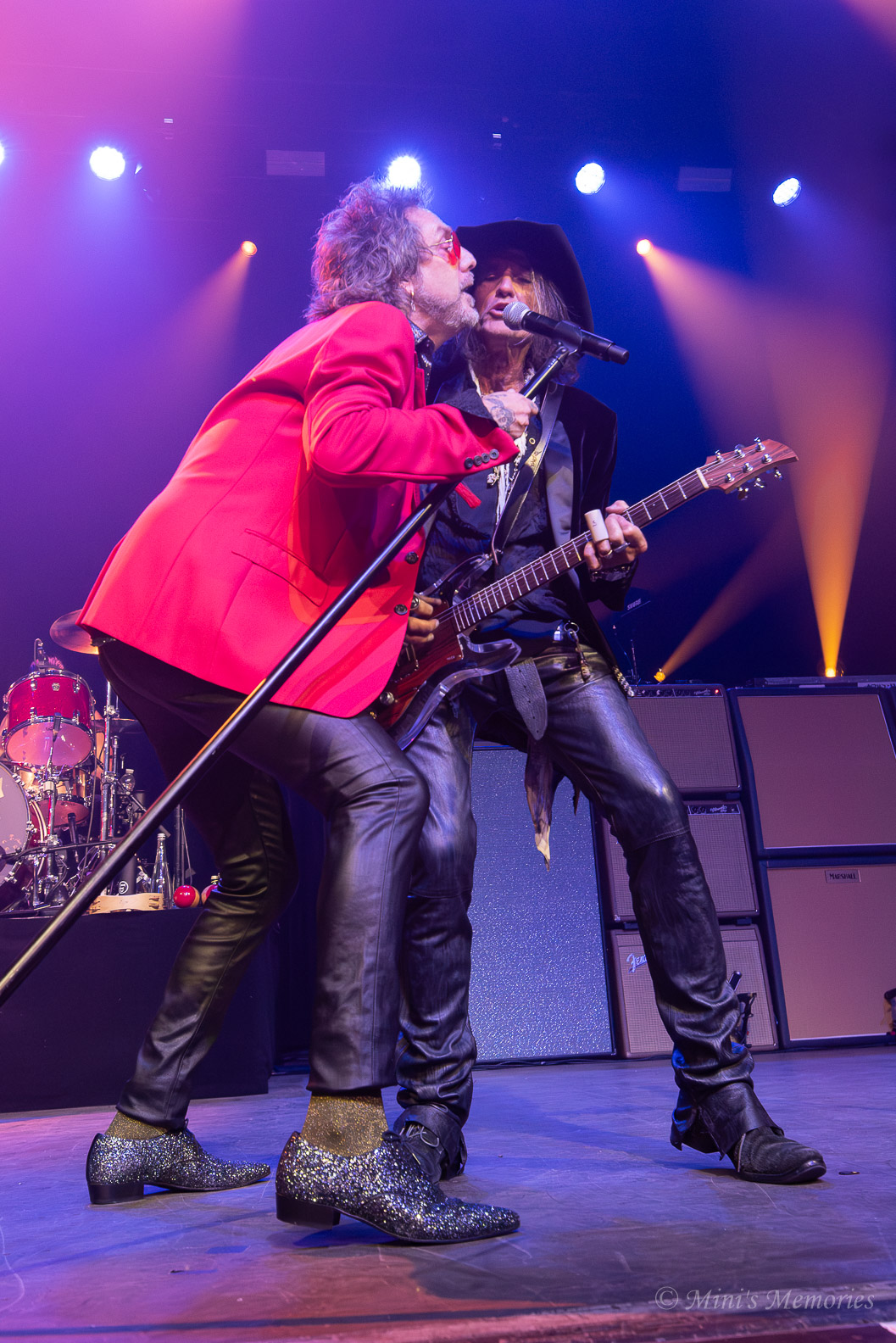
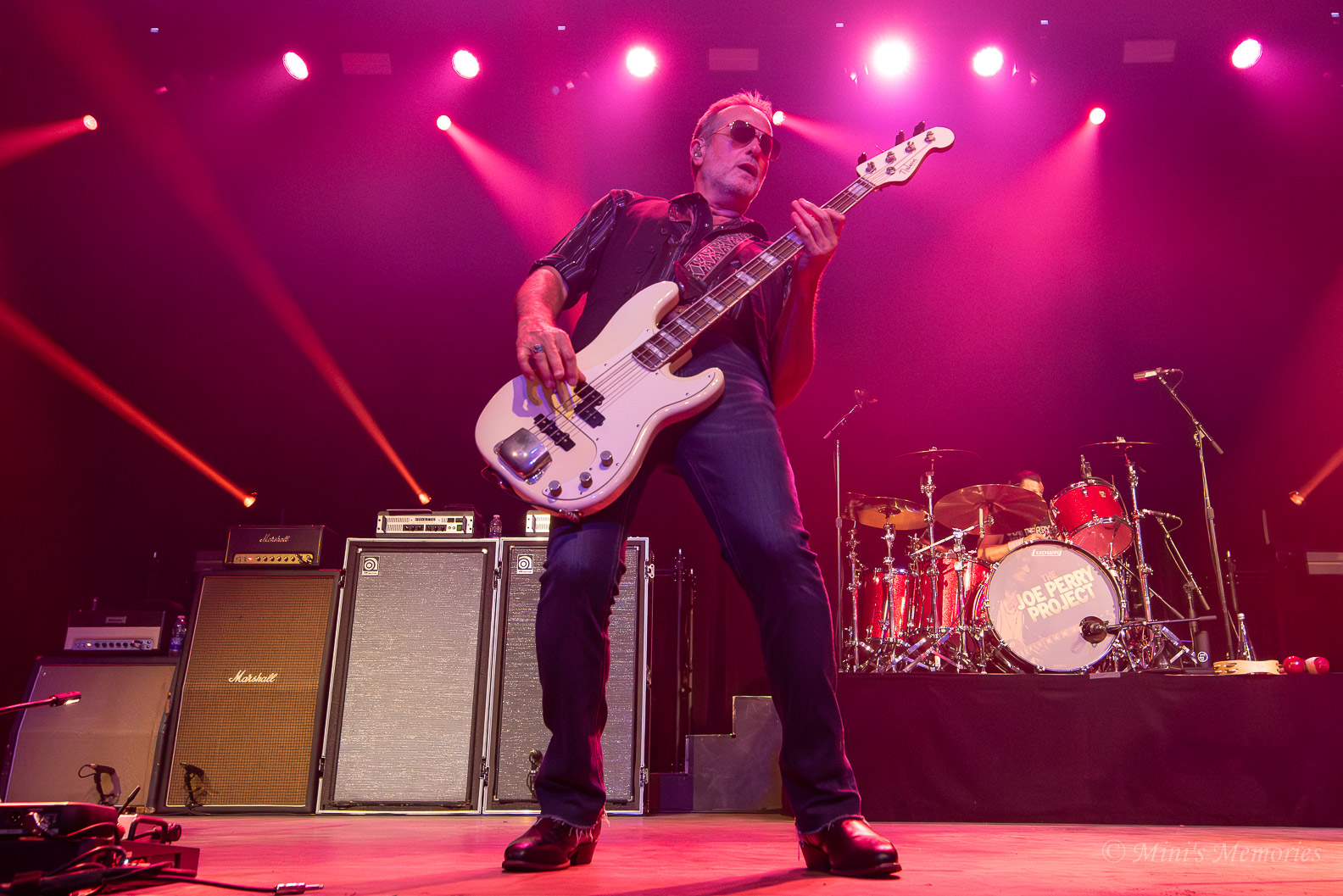
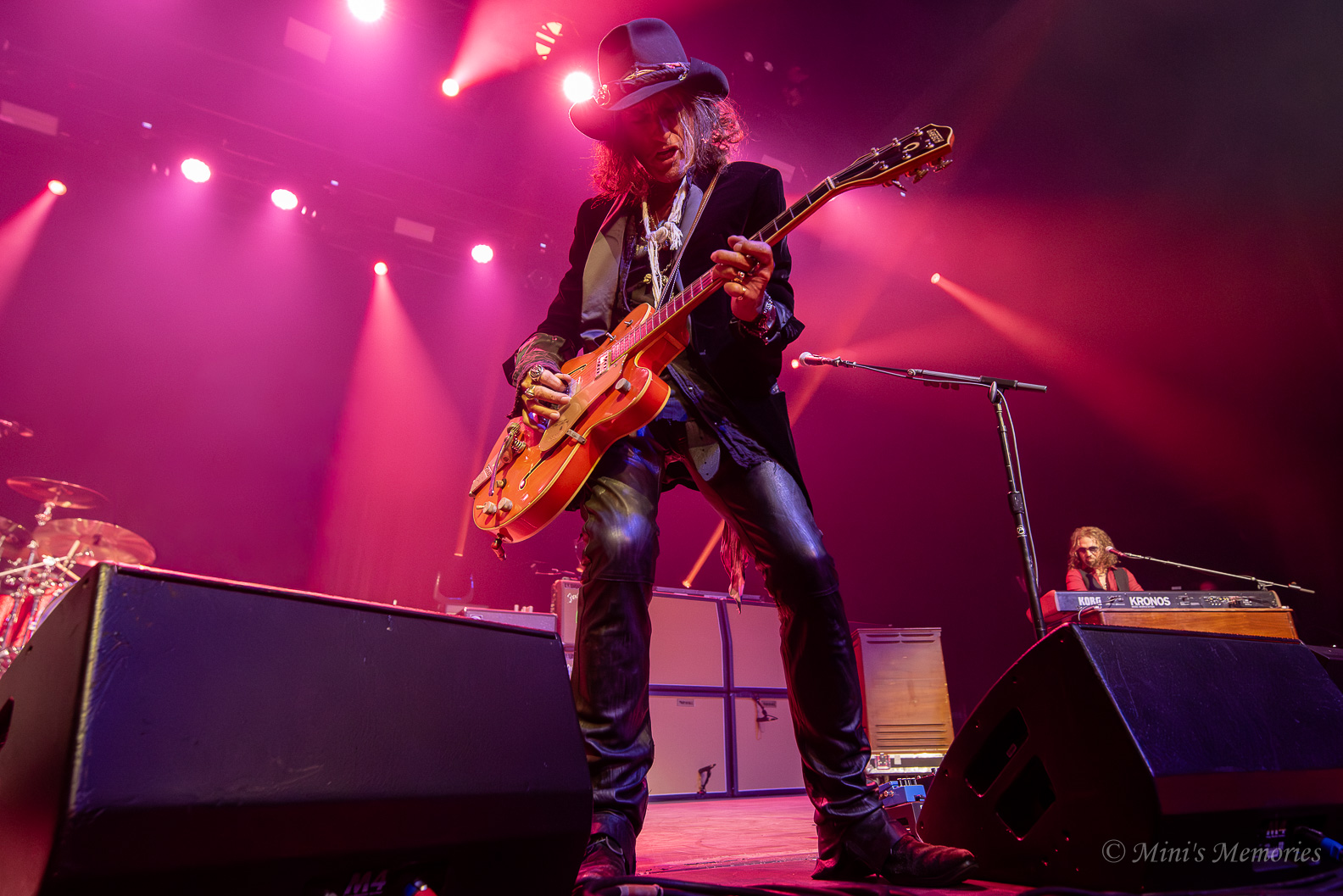
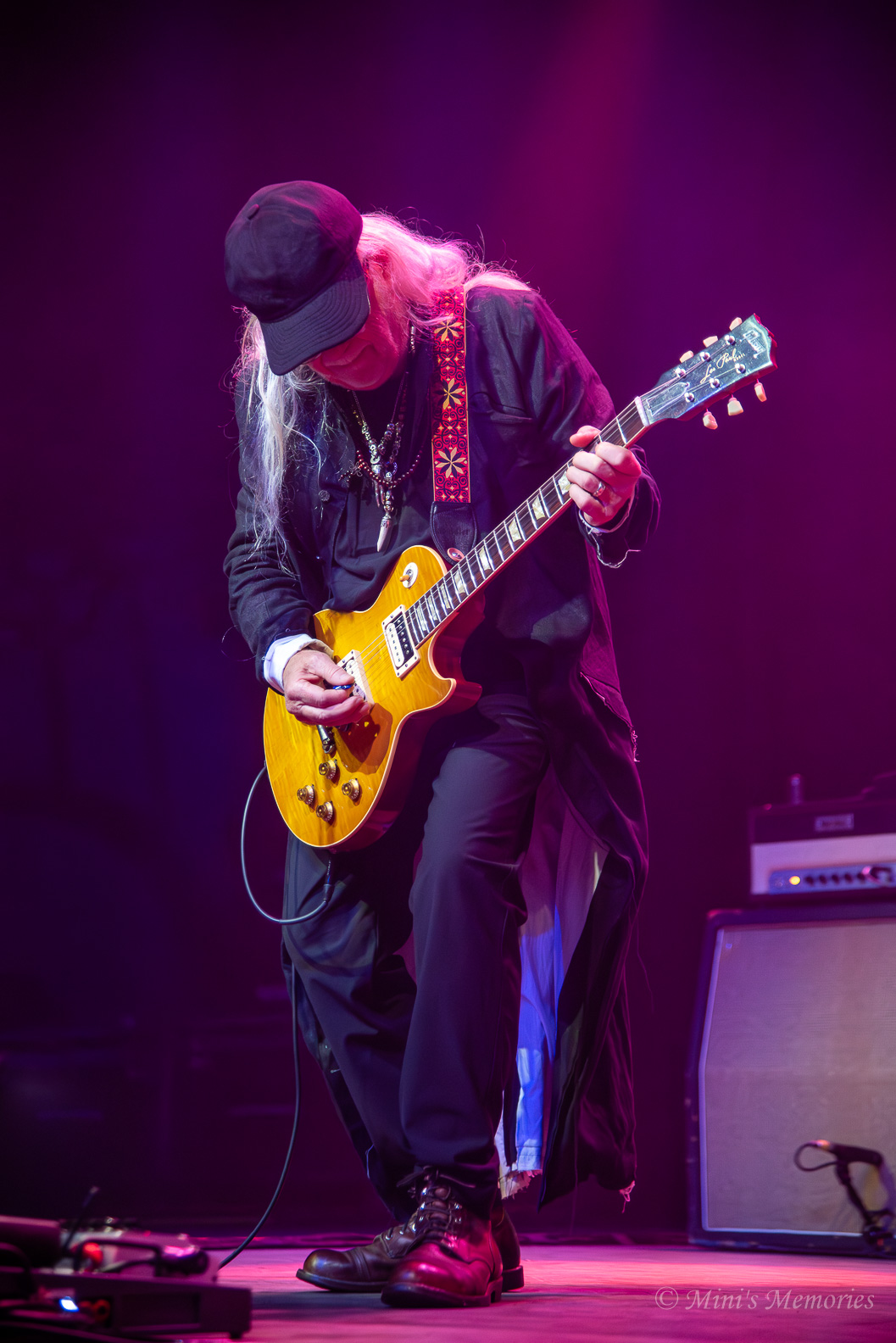
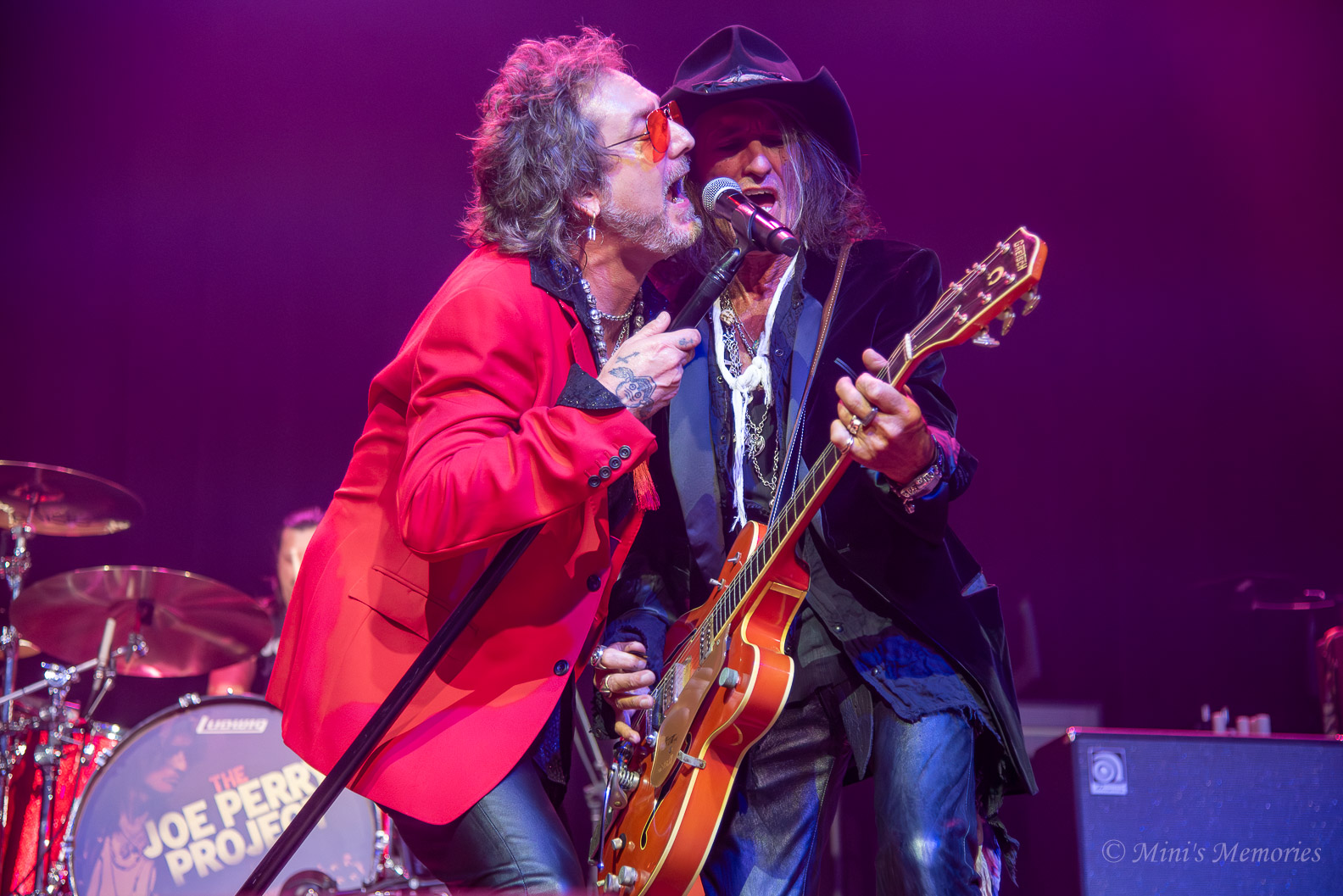
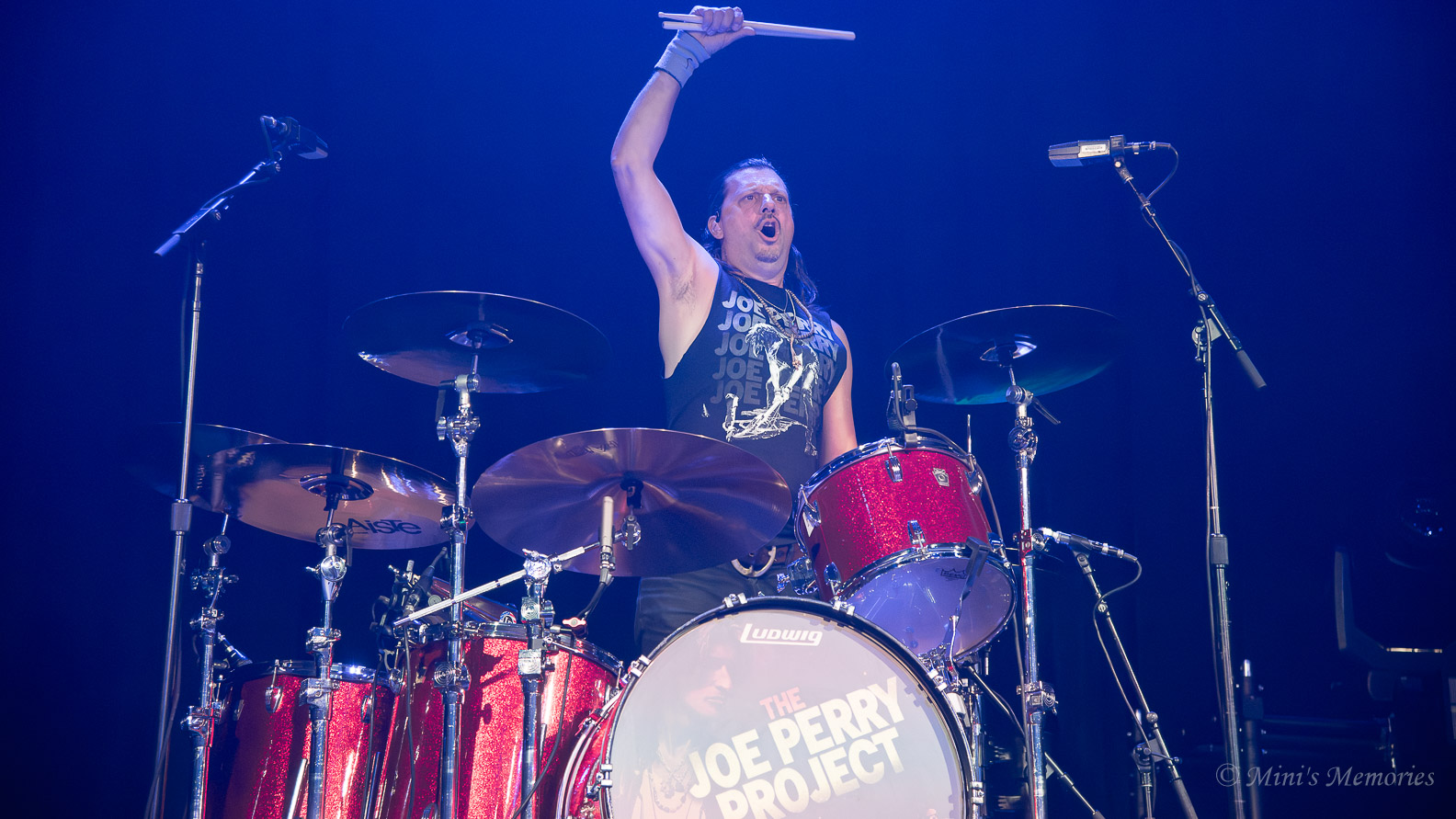
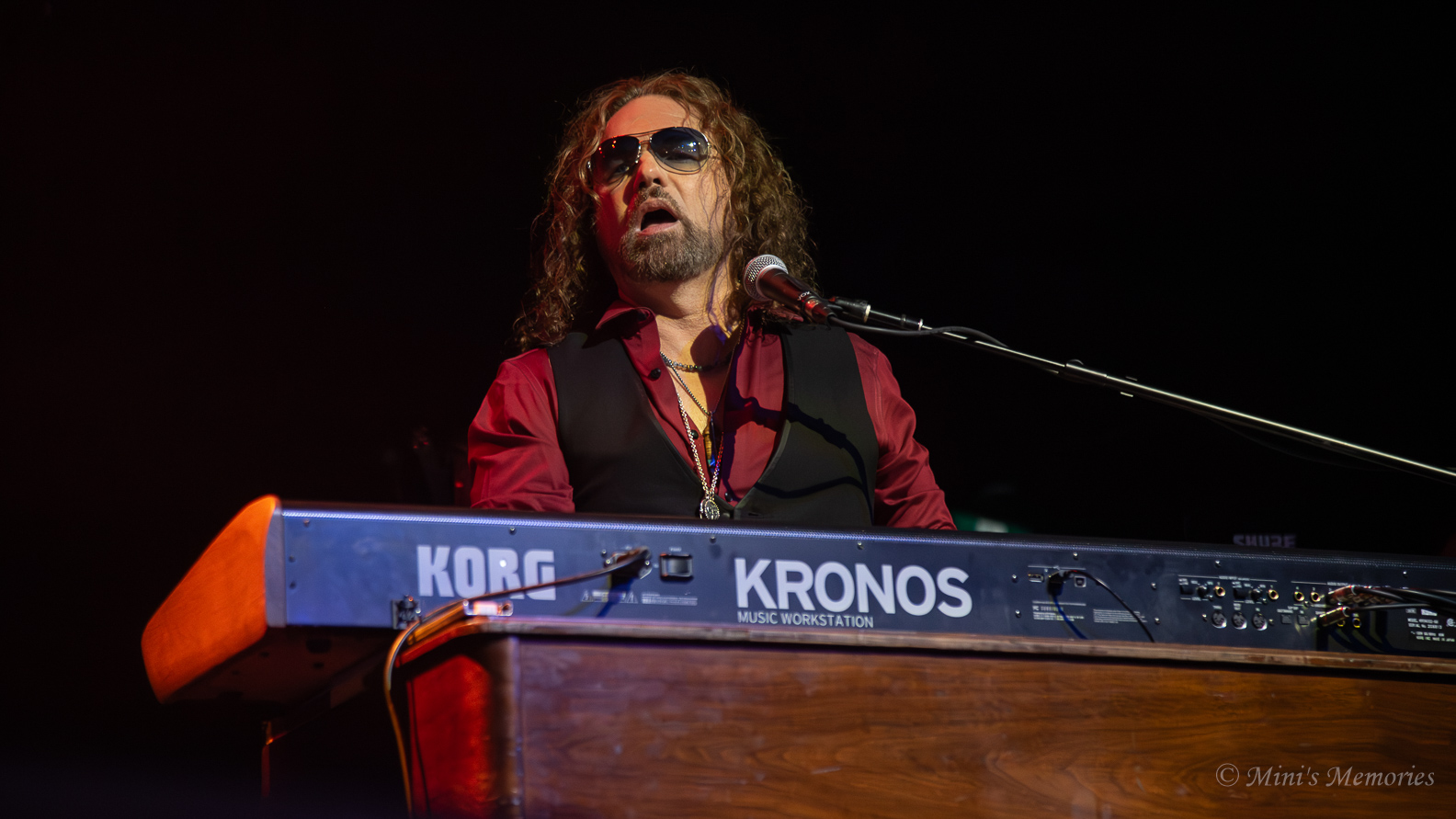
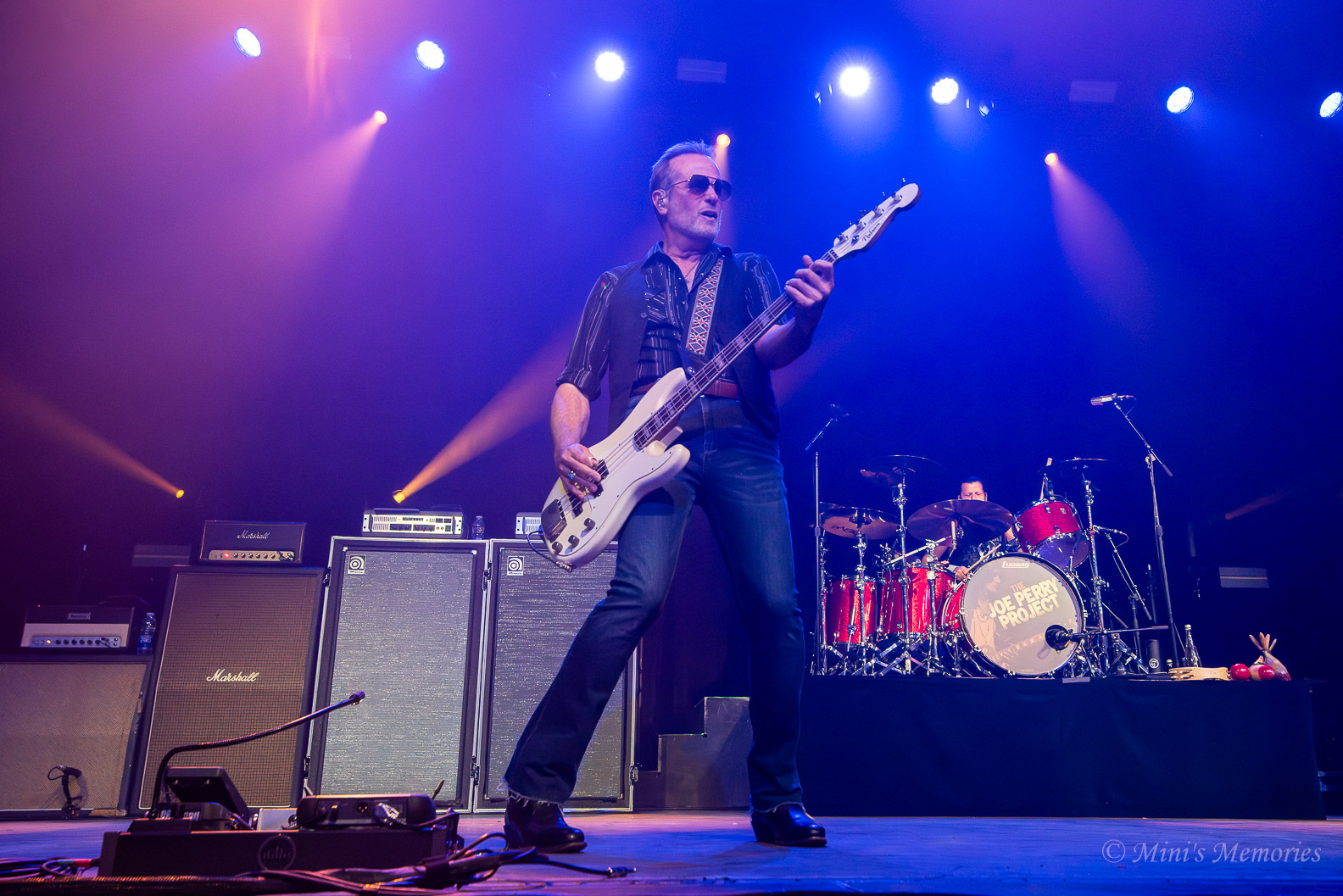
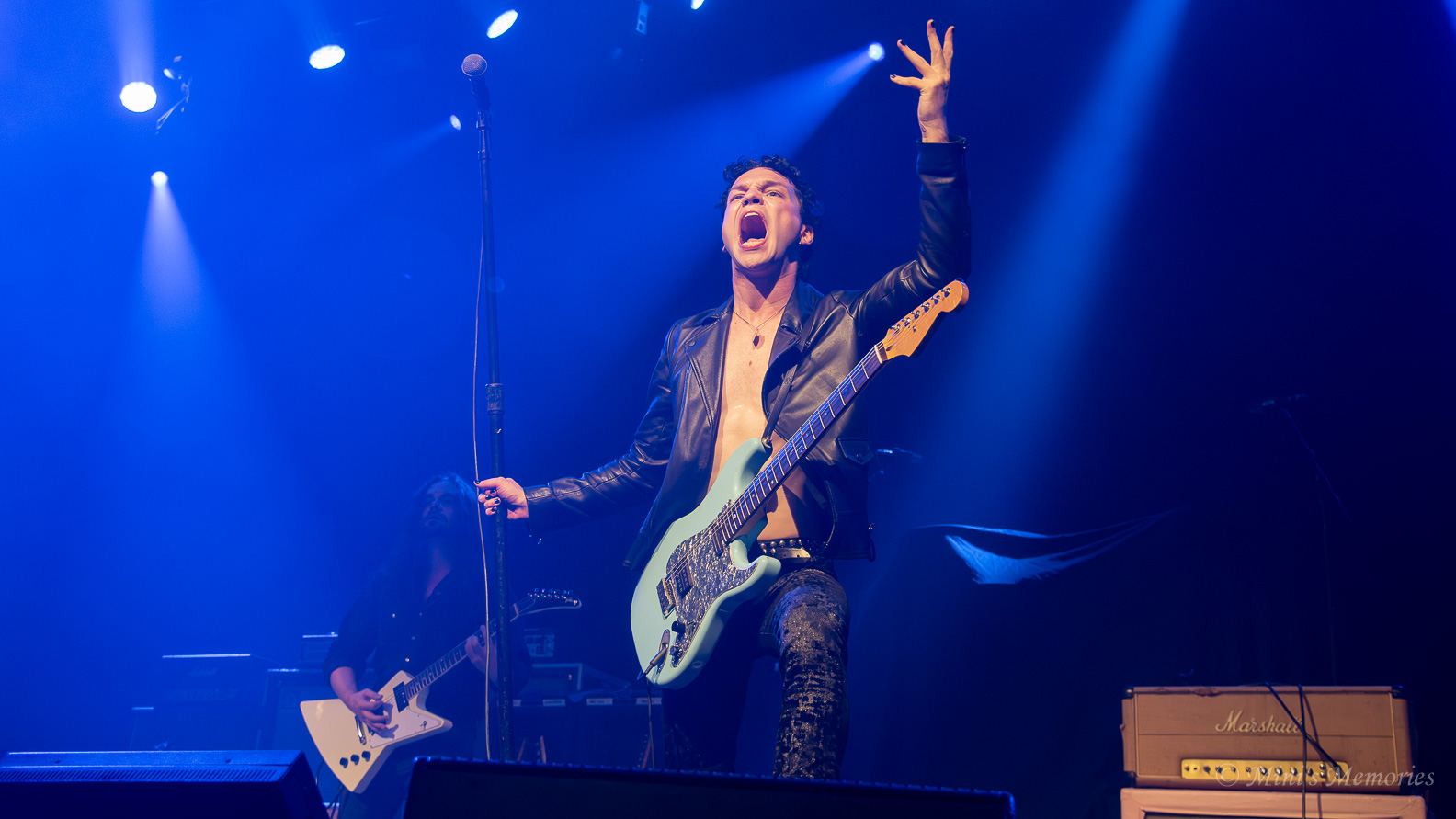
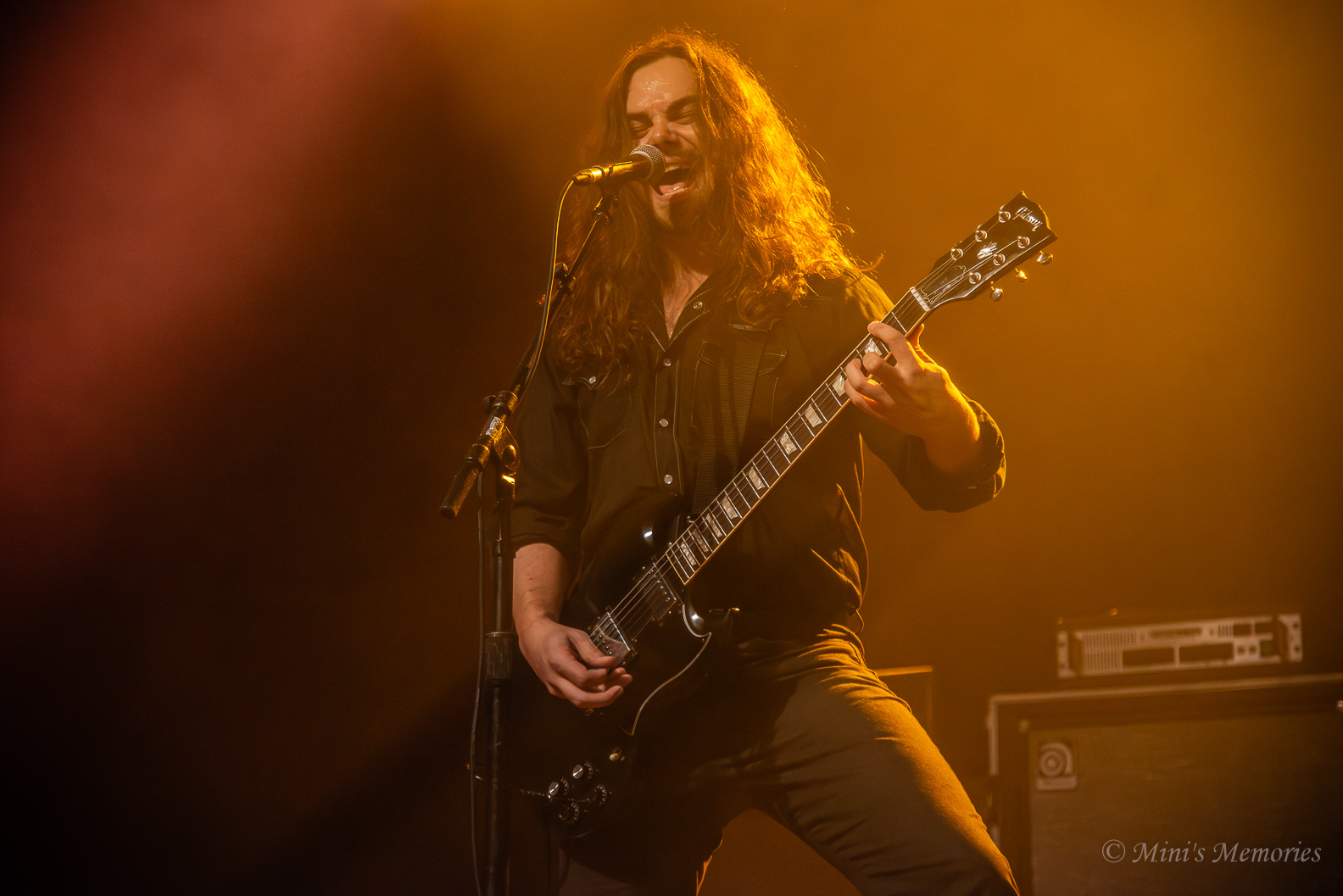
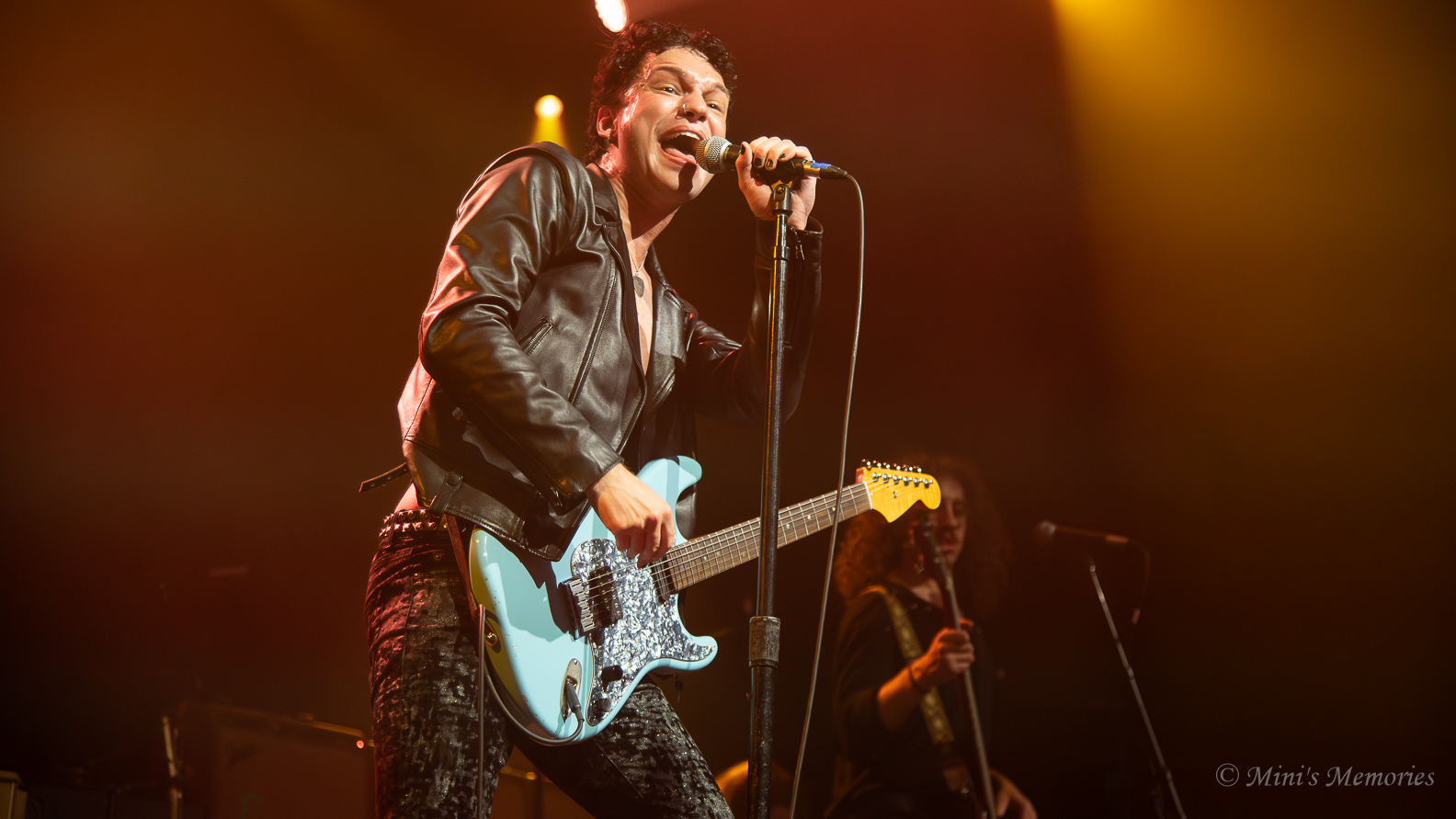
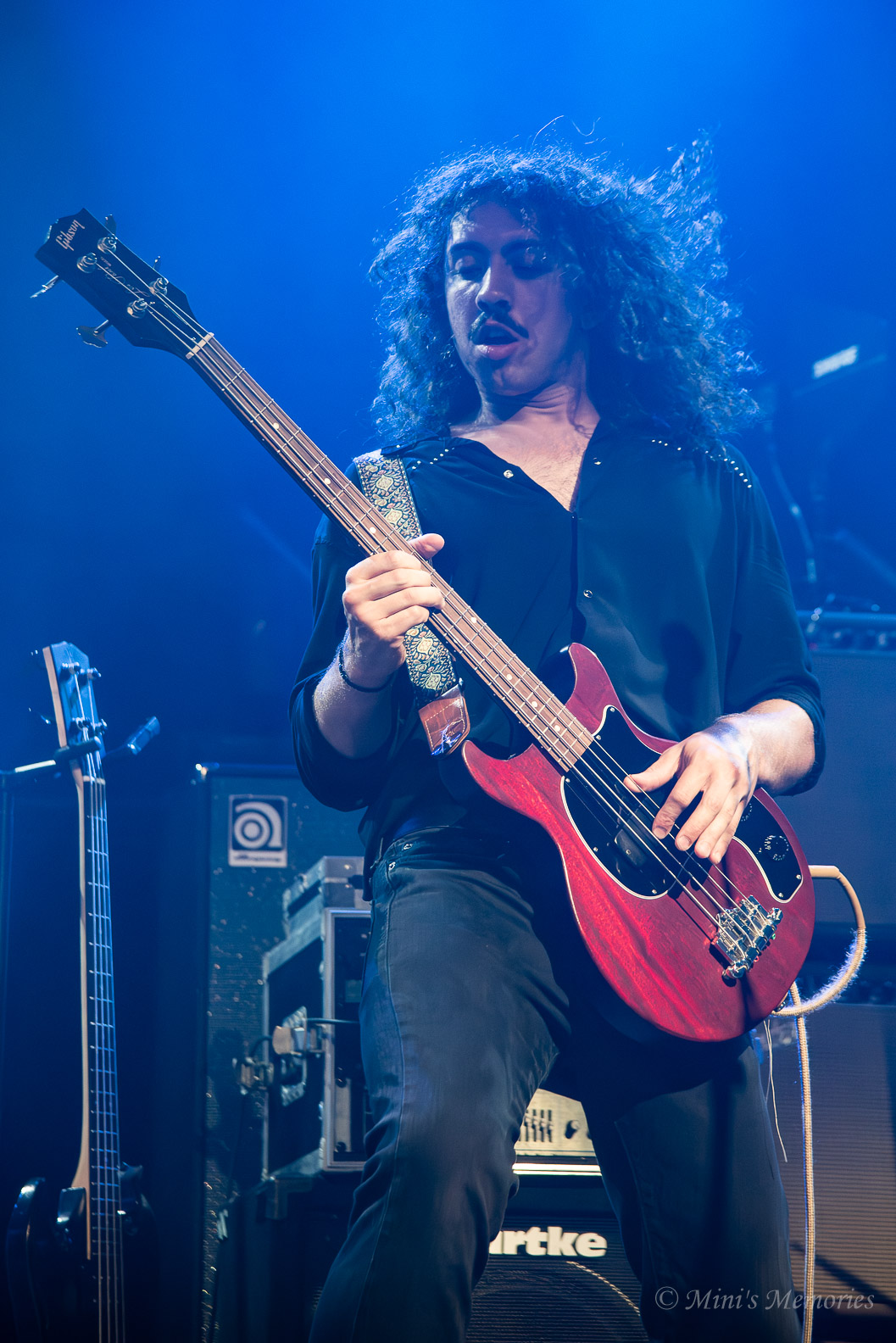
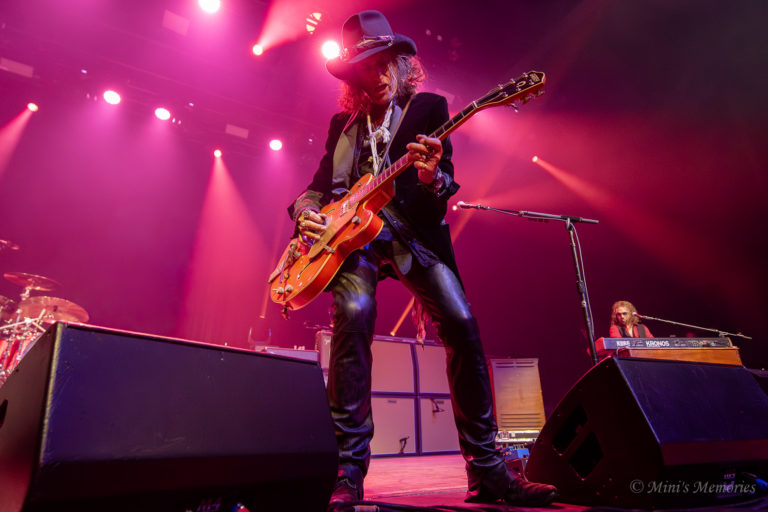
All photos by Mini’s Memories. You can contact her through Instagram or X.
Rock has always been more than just music—it’s an electric current running through culture, style, and identity. Across decades, it’s sparked revolutions, reshaped values, and created unforgettable moments that defined entire generations. Here are ten times rock truly changed the world.
The 1990s grunge wave roared out of Seattle with bands like Nirvana and Pearl Jam. Distorted guitars, torn jeans, and raw lyrics gave voice to millions of young people seeking something real and lasting.
In 1964, over 70 million Americans tuned in to see The Beatles perform. That single night reshaped pop culture forever and set the stage for the British Invasion.
The tiny New York club CBGB became the launchpad for The Ramones, Blondie, and Talking Heads. Punk’s do-it-yourself ethos showed young people they didn’t need perfection—just passion and a guitar.
At the 1965 Newport Folk Festival, Bob Dylan plugged in his guitar and forever blurred the lines between folk and rock. The moment lit a spark of experimentation that inspired artists everywhere.
Broadcast to nearly 2 billion viewers, Live Aid wasn’t just a concert—it was a global gathering powered by rock. Queen, U2, and countless others proved music could move the world to action.
In 1967, Jimi Hendrix set his guitar on fire, Janis Joplin stunned with her raw vocals, and The Who smashed their instruments. The Summer of Love had its soundtrack, and rock was at its center.
On August 1, 1981, MTV declared “Video Killed the Radio Star” and changed how generations consumed music. Rock stars weren’t just heard anymore—they were seen, larger than life, on every TV screen.
The 1970s saw bands like Led Zeppelin, Pink Floyd, and The Rolling Stones transform concerts into epic communal experiences. Stadium rock made music feel like a shared ritual under the stars.
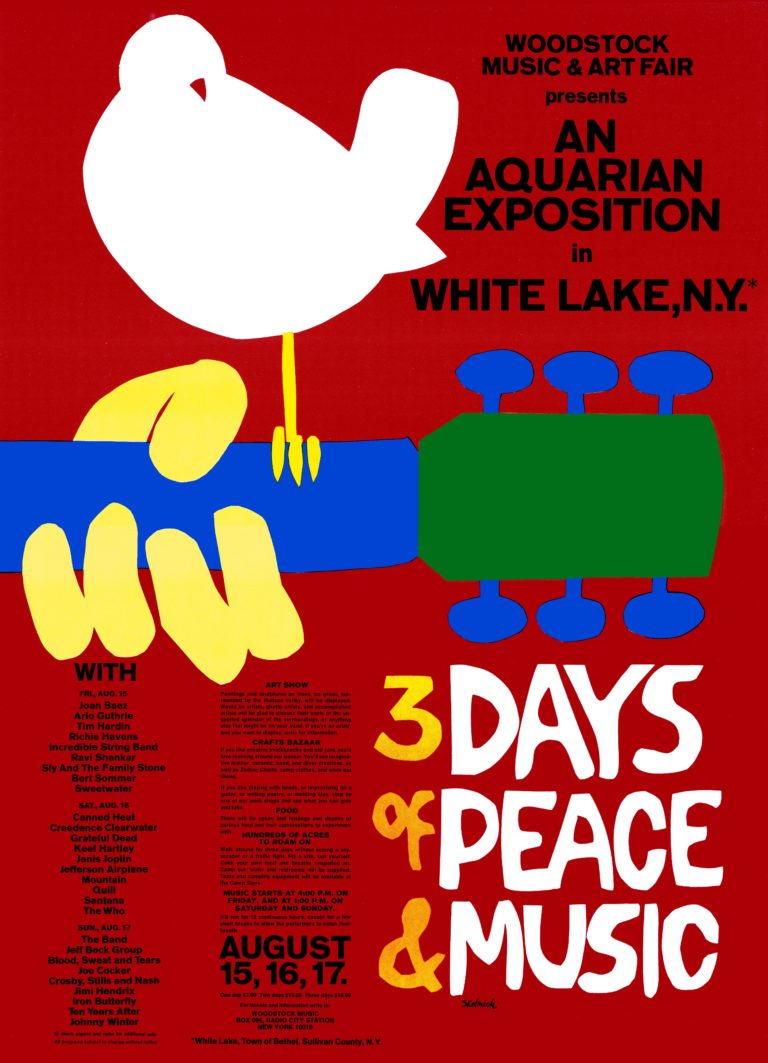
Half a million people gathered in a muddy New York field for three days of peace, love, and music. With Hendrix’s anthem and Joan Baez’s ballads, Woodstock became the symbol of an entire generation’s hopes.
In the 2000s, rock bands could launch from bedrooms to global stages through a single viral video. Platforms like YouTube turned unknowns into icons, proving rock still evolves with each generation.
From festivals in fields to revolutions on screens, rock music has always been about connection. Each moment shaped more than just sound—it shaped the way people lived, loved, and dreamed. And the best part? Rock keeps finding new ways to change the world, one riff at a time.
If you’ve written a song, you should register it now, not later. Copyright protection in music is automatic the moment you create the work, but registration gives you the legal ammunition to actually enforce it, defend it, and monetize it. Waiting even a few weeks can mean losing valuable rights or compensation. Here’s why acting fast matters and how to do it step by step.
1. Losing Statutory Damages and Attorney’s Fees
2. Someone Else Registers First
3. Delays in Licensing Opportunities
Before you start, gather these essentials:
Registering your music isn’t glamorous, but it’s one of the smartest moves you can make as an independent artist. It protects your rights, maximizes your earning potential, and prepares you for opportunities you might not even see coming yet. Think of it as insurance for your creativity—the earlier you file, the stronger your shield.
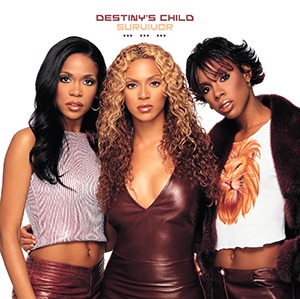
“Survivor” by Destiny’s Child, released in 2001, was written by Beyoncé Knowles, Anthony Dent, and Mathew Knowles. Inspired by a radio joke, the trio turned it into an empowering anthem. The hit peaked at #2 on Billboard, topped charts worldwide, and won a Grammy for Best R&B Performance.
By Mitch Rice
Same four chords for an hour. Brain feels like it’s running on empty, recycling the same melodies you wrote three weeks ago. Your fingers know exactly where to go, but nothing interesting comes out.
Then—out of nowhere—you hit something different. Maybe it’s how you voice that G chord, or the way your voice catches on a particular note. Suddenly, you’re writing again, ideas flowing like they’ve been waiting behind a dam that just burst.
This isn’t the songwriting gods deciding to smile on you. Something specific is happening in your head, and researchers have been mapping it for decades. Understanding what’s actually going on up there changes everything about how you approach writing.
When scientists scan songwriters during creative sessions, the part of the brain that usually judges everything starts getting quiet. Not completely off, just… backing away. Meanwhile, areas that recognize patterns and generate spontaneous thoughts start lighting up.
It’s not just one region doing all the work either. Think of it like this—your prefrontal cortex handles complex musical concepts, temporal lobes process beats and melodies, and the limbic system connects everything to emotions. When these areas start talking to each other instead of working in isolation, that’s when things get interesting.
Interesting: Your brain uses completely different networks for melodies versus lyrics. Melodies come from pattern recognition on your right side, and lyrics from language centers mostly on the left. Some writers crush melodies but can’t write lyrics. Now we know why.
Scientists found this network called the default mode—basically what your brain does when you’re not trying to think about anything specific. This thing takes random fragments from your memory and starts connecting them in ways you’d never consciously attempt.
Your best song ideas probably don’t come when you’re sitting at your instrument, trying hard. They show up in the shower, on walks, and driving to work. That’s your default mode network doing its job, taking all the musical fragments floating around your head and assembling them into something new.
Smart songwriters actually plan for this. They’ll work on a song until they hit a wall, then deliberately walk away and do something mindless. The conscious brain stops forcing solutions while background processing creates new possibilities.
Thing to try: Next time you’re stuck, just stop. Take a walk without earbuds, wash dishes, take a shower. Your brain needs time to work on things without you interfering.
Flow—that state where time disappears and ideas pour out—happens when your self-critical brain region (dorsolateral prefrontal cortex, if you want to get technical) decreases its activity. Your inner critic literally steps back.
This is why flow feels so different from normal thinking. Ideas emerge without immediate judgment. Pattern recognition and motor coordination areas become hyperconnected, so musical thoughts translate instantly into what you’re playing.
Different people find different ways into these enhanced states. Some writers discover that a cerebral, uplifting head high helps quiet the mental noise that usually blocks creative flow. That clear-headed state lets ideas emerge without the constant self-doubt that kills good songwriting before it starts.
Flow can’t be forced, though. Research shows it needs specific conditions: clear goals, immediate feedback, and the right challenge level. Too easy, and you get bored. Too complicated, and anxiety shuts everything down.
Small hack: Set tiny goals during sessions. Instead of “write an incredible bridge,” try “find one chord that makes me curious” or “create a melody line that moves me somehow.” Takes pressure off while keeping you focused.
Your brain stores musical information across multiple regions, creating networks that resist forgetting. This is why you remember songs from middle school but can’t recall your grocery list from yesterday.
When you’re songwriting, your brain pulls from these distributed musical memories simultaneously. Melodic fragments, rhythm patterns, chord progressions, emotional associations—all stored in different places, all accessible at once. More diverse memories equal more raw material for combinations.
Composers often describe their process as “hearing” music that already exists rather than creating from nothing. They’re accessing and rearranging existing musical memories in unexpected ways.
This explains why listening to different musical styles directly impacts your creative output. Every genre, tradition, or experimental album you absorb becomes potential building material.
Random insight: Studying music outside your usual taste is not just educational—it literally expands your creative arsenal. Each new concept becomes something you can remix into your own work later.
Where you write affects your brain chemistry. Moderate background noise (think of coffee shop level) enhances creative thinking by encouraging abstract processing without total distraction.
Successful songwriters often work in spaces designed for specific creative tasks. Rooms with some natural reverb seem to boost melodic ideas. Acoustically dead spaces help with lyrical focus. Temperature matters too—slightly warm environments optimize creative performance.
Light affects creativity through circadian rhythms. Natural light exposure, especially morning light, maintains healthy sleep-wake cycles that directly impact creative brain function.
Practical thing: Create different spaces for different creative tasks. Use a room with natural reverb for melodic exploration, find a quiet spot for lyrics, and neutral space for arranging.
Dopamine drives reward-seeking behavior that fuels creative exploration. Norepinephrine provides focused attention for developing ideas. GABA reduces anxiety, which kills creative risk-taking.
This explains why certain activities enhance creativity. Exercise boosts compounds that help form neural connections. Meditation increases calming chemicals while reducing stress hormones. Hanging out with other creative people releases stuff that enhances collaborative thinking.
Sleep directly impacts this chemical balance. REM sleep consolidates memories and strengthens weird connections between ideas. Musicians who prioritize sleep outperform those who sacrifice rest for practice time.
Successful contemporary songwriters combine musicianship with understanding how their brains work. They structure the creative process around neural patterns instead of fighting them.
Start sessions with activities that activate background processing—movement, brief meditation, reviewing previous work. This primes your brain for unexpected connections.
During active songwriting, alternate focused work with purposeful breaks. Your brain needs processing time to integrate new musical ideas with existing knowledge.
Track your creative patterns. When do breakthrough moments happen? What environmental factors enhance your creativity? Which activities trigger flow states? This becomes a roadmap for optimizing future sessions.
Sustainable creativity means treating your brain like the complex instrument it is. Cardio increases blood flow to creative brain regions. Quality sleep consolidates insights and maintains optimal chemical balance.
Diverse life experiences provide raw material while strengthening neural networks through novel challenges. The most innovative songwriters often have rich interests outside music that inform their artistic perspective.
Creative skills improve through practice, but breakthroughs emerge from preparation that meets optimal mental states. Understanding the science gives you tools to cultivate those states consistently instead of waiting for random inspiration.
Data and information are provided for informational purposes only, and are not intended for investment or other purposes.
Television and film are full of actors who suddenly step up to the microphone and reveal another layer of artistry. Sometimes it’s a single on a chart, sometimes it’s a song tucked inside a forgotten soundtrack. These moments live at the fascinating crossroads of Hollywood and the music industry—where charisma meets melody, and audiences discover a different voice from familiar faces.
Ewan McGregor
In Moulin Rouge! (2001), McGregor performs “Your Song” with heartfelt clarity. Known then for Trainspotting and Star Wars, he shifts seamlessly into Baz Luhrmann’s musical spectacle, embodying a bohemian spirit through Elton John’s classic.
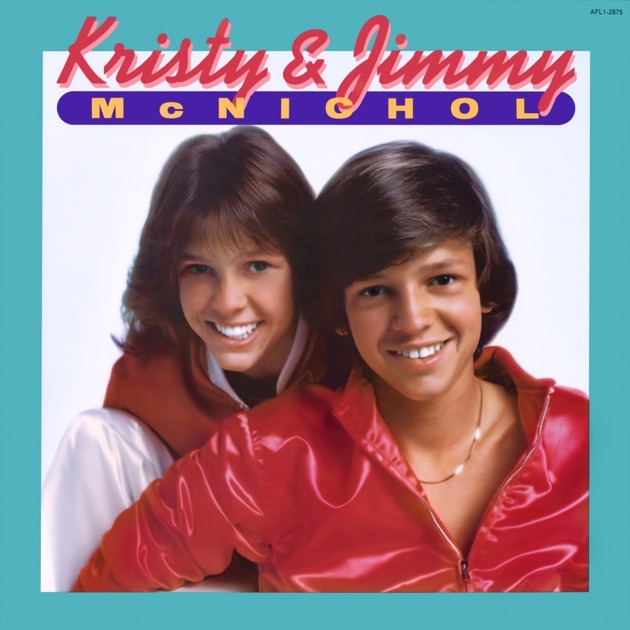
Kristy and Jimmy McNichol
The brother-sister duo records the album Kristy and Jimmy McNichol in 1978, at the height of Kristy’s run on Family and Jimmy’s TV guest star years. Their version of “He’s So Fine” finds teen idol charm wrapped in late-’70s pop gloss.
Mandy Moore
Before This Is Us, Moore releases “Candy” in 1999, launching her as both a charting pop singer and a rising film star in A Walk to Remember (2002). The dual career cements her as one of the era’s crossover figures.
William Shatner
In 1968, Shatner records The Transformed Man, blending Shakespeare monologues with pop songs like “Lucy in the Sky with Diamonds.” The album becomes a cult artifact, illustrating how performance art collides with pop culture.
Katey Sagal
Long before Married… with Children (1987–1997), Sagal tours as a backing vocalist for Bob Dylan and Bette Midler. In 1994, her debut album Well… arrives, a rootsy collection that echoes her family’s folk background.
David Soul
The Starsky & Hutch actor climbs to #1 on the Billboard Hot 100 in 1977 with “Don’t Give Up on Us.” Soul also appears on The Muppet Show the same year, singing with an ease that mirrors his television persona.
Emma Stone
Stone showcases her vocals in La La Land (2016), particularly with “Audition (The Fools Who Dream).” The number captures the fragility and fire of a character chasing possibility, delivered with a lived-in intimacy that feels cinematic.
John Travolta
Travolta’s 1976 single “Let Her In” peaks at #10 on Billboard, just before Saturday Night Fever (1977). The track positions him as both teen idol and leading man, threading disco-era romance through pop radio.
Reese Witherspoon
Witherspoon wins an Academy Award in 2006 for Walk the Line, where she performs June Carter’s repertoire live on set. Her voice carries both theatrical polish and a sense of Southern storytelling.
Zendaya
Before Euphoria, Zendaya records her self-titled debut album in 2013. Tracks like “Replay” show her balancing Disney Channel stardom with R&B-influenced pop, foreshadowing her multi-platform career to come.
Your Electronic Press Kit (EPK) is more than just a digital résumé—it’s your all-access pass to opportunities, shows, and media coverage. Bookers and blogs get hundreds of pitches a week, so yours needs to shine. With a little strategy and creativity, your EPK can instantly grab attention and open doors. Here’s how to make it unforgettable:
Your bio is your story, and people love stories. Keep it short, clear, and engaging, highlighting what makes your music unique. Instead of a list of stats, paint a picture—“Raised on soul records and powered by festival anthems, [Your Name] brings both grit and groove to the stage.” A great bio feels like an invitation.
First impressions matter, and visuals stick. Include at least three professional photos: one live action shot, one press-ready portrait, and one creative image that shows your personality. Think bold colors, unique backdrops, or an iconic stage moment—these are the photos blogs will love to run alongside your story.
Make sure your best tracks are front and center, with direct streaming links (Spotify, Apple Music, Bandcamp). Curate a short playlist of two or three songs that reflect your sound today. Bonus tip: add a 30-second video clip of your live performance so bookers can imagine you on their stage instantly.
EPKs are the perfect place to shine a spotlight on your wins. Include milestones like festival slots, playlist features, awards, or notable collaborations. Instead of a laundry list, organize highlights in a clean section: “Featured on CBC Radio, opened for [Band Name], 100K Spotify streams.” Clear and concise equals powerful.
Don’t bury your details—make them bold and impossible to miss. Include your booking email, social media handles, and website all in one neat section. Even better, add a clickable “Book Now” button that takes people directly to your inbox. The simpler it is to reach you, the more likely they will.
An EPK is your digital handshake, your stage introduction, and your media kit all rolled into one. By focusing on clear storytelling, strong visuals, accessible music, highlighted achievements, and easy contact options, you create a package that excites bookers and blogs alike. Build it with care, and your next opportunity might just be one click away.
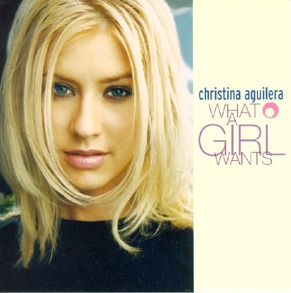
“What a Girl Wants” became one of Christina Aguilera’s breakout hits, featured on her 1999 debut album. Originally written by Shelly Peiken and Guy Roche as “What a Girl Needs,” the song had first been recorded by French artist Ophélie Winter in both English and French. Aguilera’s version, retitled, turned the track into a global pop anthem that cemented her arrival as a star.
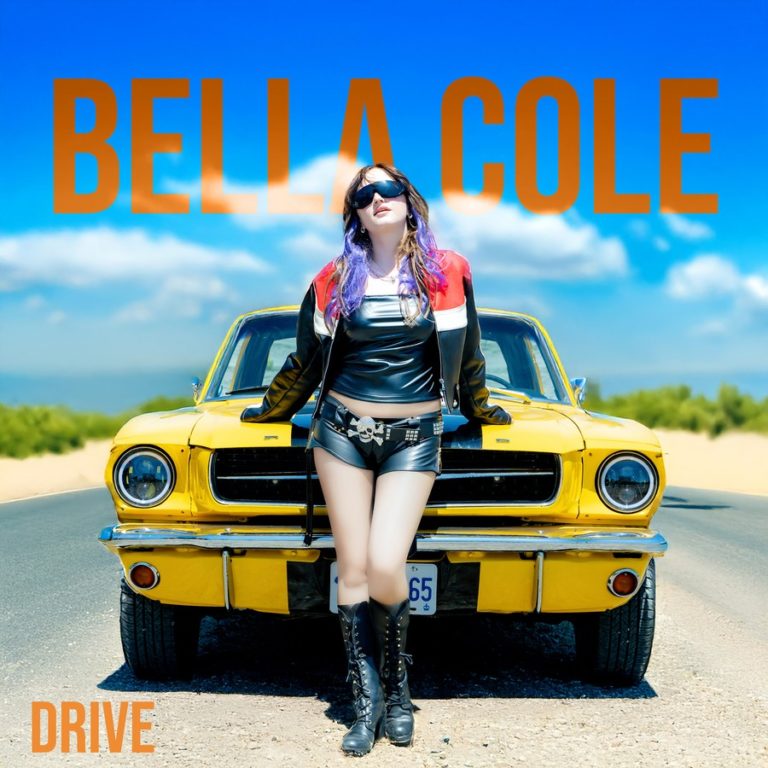
Buckle up: Bella Cole is back with a track that’s pure adrenaline, heart, and vintage cool. Her brand-new single “Drive”, out now on all streaming platforms, is a sonic joyride through whirlwind romance, fearless friendship, and the thrill of letting go — all wrapped in a pop-soul package that feels like a Mustang in flight.
Bella Cole is quickly becoming one of Toronto’s most magnetic new voices. Blending old-school soul and funk with modern pop finesse, her sound has drawn comparisons to Amy Winehouse and Billie Eilish — think groove, grit, and a whole lot of storytelling. A graduate of Toronto’s Trebas Institute in Audio Engineering, Bella’s background in theatre and music gives her a rare command of both stage and studio. She’s already lit up iconic stages like El Mocambo, and now she’s ready to light up your playlists.
“Drive” arrives just in time for late summer soundtracks. Co-written by Bella and her Producer Paul Koffman, featuring her signature blend of throwback tones and pop sparkle, the track captures that wild rush of falling for someone you know is trouble — but you can’t help yourself. “It’s about a whirlwind type of romance,” says Bella. “It burns bright and ends fast, but you just can’t help being pulled in because it’s all so exciting!”
The single’s release is backed by a vibrant, all-female-driven video that amplifies the song’s themes of empowerment and joy. “The goal was to show how strong and kick-ass girls are when they’re just hanging out, being friends and having fun,” she adds. “We had the best time bouncing off each other’s energy. And yeah — it didn’t hurt to drive around in a ’65 Mustang all day!”
“Drive” showcases Bella’s skill for narrative songwriting and reinforces the range of sound and soul that fans experienced on Bella’s spring ’25 release, “Hold On“ — a hallmark she’s carried since childhood. “When I’m writing music, I love to let my creativity flow like a story. I’ll think of a scenario and build it out with detail, like characters in a movie,” she says. This sense of cinematic storytelling fuels the track from verse to chorus.
“You just make me feel so alive / And you’re making me lose my mind and go crazy / Let me be the car and I will let you drive tonight!” — The chorus bursts like fireworks, capturing the dizzy euphoria of emotional surrender.
“I know you’re the bad choice again / But I like it when I feel like I’m losing control” — It’s the confession at the heart of every good love story: danger, desire, and diving in anyway.
“Could I be the one you’re looking for?” — In one line, Bella wraps vulnerability and strength into a moment of aching hope.
“Drive” is now available on all streaming platforms. For fans of groovy summer pop, soul throwbacks, and fearless female energy, this is one track you’ll want in heavy rotation. Bella Cole is currently working on new material, with more releases on the horizon.
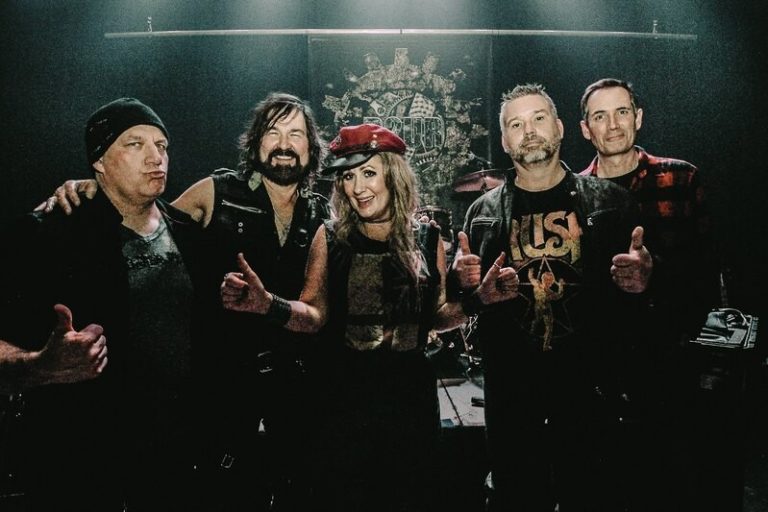
Winnipeg rockers D2UR (pronounced Detour) are fanning the flames with their scorching new single, “Fire”, now streaming everywhere. With blistering riffs, hypnotic rhythms, and lyrics that urge you to “get on your rocket” and “set yourself on fire,” the track is both an invitation and a declaration: now is the time to burn bright and rise higher.
Originally sparked by a request to create theme music for a podcast, “Fire” was never meant to be a full song. But as co-founder and guitarist Mike Isbister explains, “Once Diane heard the riff, she lit up. She said, ‘I want to write to this—I feel something.’ And she did what only she can do: she turned it into a story.” That story is one of self-belief, drive, and the sheer, soaring thrill of going all-in on your passion.
The track’s lyrics radiate positivity without pulling punches. “What you put in is what you get out,” sings Diane Isbister in a performance equal parts soulful and searing. “Life is a trip, it’s what you make it / Put it in drive and get high.” And when the chorus hits—“Set yourself on fire / Let’s take it a little higher”—it lands like a mission statement from a band that knows what it means to chase something bigger.
Musically, “Fire” leans into a slightly psychedelic tone, with an unorthodox guitar solo soaked in mono synth—risky and unrepeatable by design. “I love gear that fights back,” says Mike. “Sometimes the best guitar parts are the ones that challenge you, because they pull something new out of you.” That creative tension fuels the song’s layered textures and soaring climax.
“Fire” was produced by Mike Isbister and longtime collaborator Howard Klopak, and showcases the chemistry D2UR has honed since their early days in Winnipeg’s music scene. With a lineup that includes John Colburn (bass), David-Sikorski Thorn (guitar), and Stephen Broadhurst (drums), the band has built a reputation for modern rock that pays tribute to classic roots—think Heart meets Pretenders, with a touch of Pink Floyd and AC/DC grit.
“This is one of those songs where everything just clicked,” says Diane. “We wanted to write something that felt like freedom. It’s not about perfection—it’s about ignition.” That urgency is palpable across every measure, from the opening riff to the closing line: “You’re so alive / No more crying / Just set yourself on fire.”
D2UR’s journey spans two full-length albums (Rev U Up and Tic Toc), standout singles like “Live Again” and “Slippin’ Away,” and a sound that keeps evolving with every release. They’ve made CBC Searchlight’s Top 10, shared stages across Canada, and built a grassroot following that grows with every show. With Fire, they’re turning up the heat—and pushing forward on their own terms.
The band is currently gearing up for more single releases later this year, with tour plans in development. Until then, “Fire” is here to inspire.
Follow us on Instagram @thatericalper

Eric Alper is a 6-time nominee for Publicist of the Year during Canadian Music Week and has overseen the publicity campaigns for over 183 JUNO Award-nominated albums (and 16 in 2025), 45 Grammy-nominated albums, including 47 JUNO Award, 58 Canadian Folk Music Award, 126 Maple Blues Award-winning albums and is also truly honoured to work with some of the biggest and most important artists of our time.
Contact me: eric@thatericalper.com
© Copyright - That Eric Alper