Home Blog Page 39

DIY Pop Rocker Matt Cynner Delivers Early Two Thousands Energy On New Single “Ride”

0

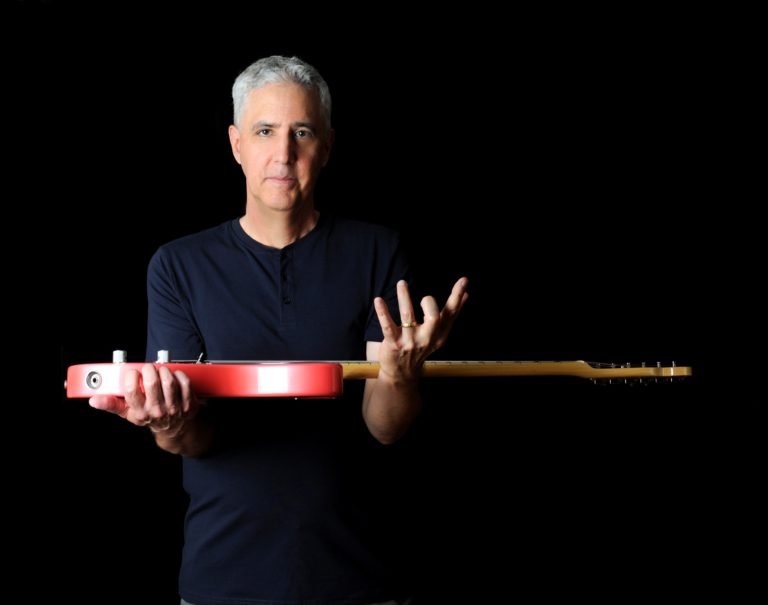
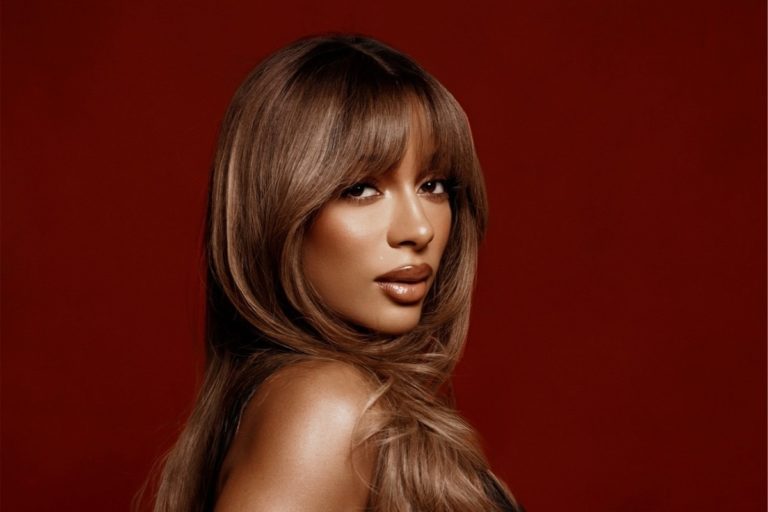
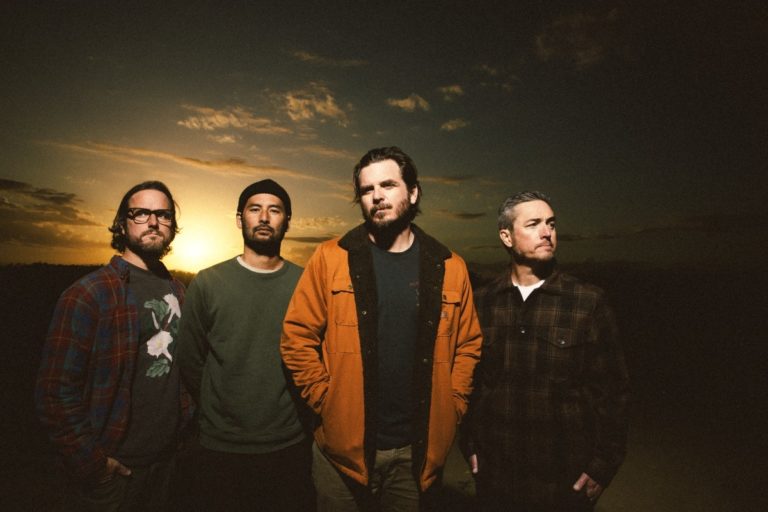
Matt Cynner operates with the kind of self-contained efficiency that defines the modern independent landscape. He handles the writing, recording, and production duties entirely on his own, ensuring the creative vision remains uncompromised from the first demo to the final master. His latest offering “Ride” is a clear reflection of this hands-on philosophy. It arrives as a guitar-driven anthem that leans heavily into the punchy, high-velocity aesthetics of the early millennium. The track avoids the pitfalls of over-production, opting instead for a raw and organic sonic profile.

The momentum of the track is immediate and unwavering. Cynner utilizes energetic guitar layers and a rhythmic identity that feels both nostalgic and fresh. This is music designed for movement, capturing a specific brand of lighthearted optimism that is often missing from the current alternative charts. By directing and editing his own visual components, Cynner maintains a cohesive aesthetic across all mediums. The result is a project that feels deeply personal and technically proficient. He is not just releasing songs. He is building a singular creative world.

The lyrical content draws from the visceral thrill of intense connections and the adrenaline of the open road. Lines regarding ignited flames and following a path to the end suggest a narrative of total commitment. This thematic weight is balanced by an upbeat musical arrangement that keeps the energy high throughout the three-minute runtime. It is a sophisticated take on the pop-punk blueprint, executed with the confidence of an artist who understands his strengths. The vocal delivery is assertive and lands with genuine melodic impact.

“Ride” is currently available across all major distribution channels. This release marks a significant starting point for his 2026 output, establishing a high bar for subsequent material. The industry often rewards those who wait for permission, but Cynner is moving forward on his own terms. He has successfully translated memories of past relationships into a universal soundtrack for the present moment. This single confirms his position as a formidable talent in the DIY rock space.

5 Surprising Facts About Tom Waits’ ‘Nighthawks at the Diner’

Picture the sun-drenched streets of 1975 Los Angeles melting away as you step into a smoke-filled, late-night dive bar where the coffee is bitter and the characters are straight out of a noir novel. This was the precise alchemy Tom Waits sought for his third studio outing. Rather than recording in a traditional, sterile booth, Waits and producer Bones Howe transformed the Record Plant into “Raphael’s Silver Cloud Lounge.” They moved in tables, chairs, and potato chips, invited a small audience of friends, and set up a full bar to manufacture the perfect, booze-soaked atmosphere of a jazz-club residency.

‘Nighthawks at the Diner’ stands as a masterpiece of mood-setting and characterization. It was a bold move for a relatively new artist—recording a “live” album in a studio setting—but it worked. The record peaked at 164 on the Billboard 200, marking the highest chart position of Waits’ early career. It solidified his persona as the poet laureate of the Hollywood underworld, blending the beatnik spirit of Allen Ginsberg with a world-class jazz rhythm section.

1. The Burlesque Opening Act

To get the “patrons” and the band into the proper headspace, the recording sessions featured a real opening act: an old-time burlesque queen named Dewana. Waits had met her during his late-night jaunts through the Hollywood underground. The band played classic bump-and-grind music for her performance, which successfully established the gritty, theatrical vibe before Waits even stepped to the mic.

2. The Edward Hopper Inspiration

The album is a sonic tribute to Edward Hopper’s iconic 1942 painting, Nighthawks. The original working title was the much wordier ‘Nighthawk Postcards from Easy Street’, but Waits eventually shortened it to the punchier ‘Nighthawks at the Diner’. This new title doubles as the opening line to the track “Eggs and Sausage (In a Cadillac with Susan Michelson)”.

3. No Sheet Music Allowed

Despite hiring some of the most elite jazz session players in the world—including Mike Melvoin and Pete Christlieb—the band had to rehearse for five days of drudgery because Waits had absolutely nothing written on paper. The musicians had to memorize every complex cue and arrangement by ear before the two-day recording sprint began.

4. The Classified Section Jam

During the sessions, Waits took his beat-poet influence to a literal level. After performing “Emotional Weather Report,” he famously turned his back to the audience and began reading the classified section of the newspaper aloud while the band improvised behind him. It was a spontaneous moment that captured the high-art-meets-low-life aesthetic he was perfecting.

5. Ad-Libbing Sinatra

Waits was deeply immersed in the Great American Songbook, even while subverting it. During the track “Nighthawk Postcards (From Easy Street),” he began ad-libbing lines from “That’s Life,” the 1966 hit made famous by Frank Sinatra. It was a subtle nod to the easy street fantasies that his characters were always chasing but never quite catching.

5 Surprising Facts About Peter Frampton’s ‘Frampton Comes Alive!’

Imagine an artist with four studio albums under his belt, decent respect from his peers, but zero traction on the charts. By 1975, Peter Frampton was a “musician’s musician” staring at a plateau. Then came the Winterland Ballroom in San Francisco. Peter captured a series of performances that crackled with an energy his studio recordings never quite pinned down. Originally planned as a modest single disc, A&M Records saw the potential for something much larger and pushed for a double-record set.

‘Frampton Comes Alive!’ didn’t just sell; it became a cultural phenomenon. Released in January 1976, it vaulted from the bottom of the charts to the number one spot, staying there for ten weeks and becoming the best-selling album of the year. It turned a black 1954 Gibson Les Paul and a plastic tube called a talk box into the most recognizable sounds in rock. This was the moment the live album stopped being a stop-gap release and became the ultimate career-making tool.

1. The “Automatic Sequence” Layout

When fans bought the original vinyl, they noticed something odd: Side 1 was backed with Side 4, and Side 2 was backed with Side 3. This wasn’t a printing error. It was designed for automatic record changers—the popular turntables of the era that let you stack two records. After Side 1 and 2 finished, you’d simply flip the whole stack to hear Side 3 and 4 in perfect order.

2. The Bargain of the Century

In a brilliant marketing move, A&M Records released this double-live masterpiece for just $7.98. At the time, a standard single-disc album cost $6.98. For only one dollar more, fans got twice the music and a massive gatefold photo. This loss leader pricing helped the album explode out of record crates and into eight million American homes.

3. The Talk Box “Technical Difficulty”

While the album is famously authentic, Frampton admits a few studio fixes were necessary. On “Show Me the Way,” the engineer forgot to move the microphone when Peter brought out the talk box, meaning the original live guitar track was unusable. He had to overdub the electric rhythm guitar in the studio to save the song that would become his signature hit.

4. The 90-Degree Kick Drum

During the high-stakes recording at the Winterland, a roadie or band member accidentally snagged a cable and pulled the kick drum microphone away from the drumhead. It ended up facing 90 degrees in the wrong direction. The mixing engineers had a nightmare trying to salvage the low-end punch, but the mistake contributed to the unique, airy drum sound that defines the record.

5. Breaking the “Hey Jude” Record

When “Do You Feel Like We Do” was released as a single, it had to be hacked down from its sprawling 14-minute album length. Even after the edit, the song clocked in at 7 minutes and 19 seconds. This officially made it one of the longest singles to ever hit the Top 40, narrowly beating out the 7-minute and 11-second runtime of The Beatles’ “Hey Jude.”

5 Surprising Facts About David Bowie’s ‘Young Americans’

In the summer of 1974, David Bowie did the unthinkable: he killed off the diamond-studded theatricality of glam rock to become a “Gouster.” Exhausted by the massive sets of the ‘Diamond Dogs’ tour, Bowie rolled into Philadelphia’s Sigma Sound Studios—the holy ground of Philly Soul—to reinvent himself as an R&B crooner. He called the result “plastic soul,” a self-deprecating nod to a white Englishman’s take on black American musical tradition, but the world saw it as a masterful pivot.

‘Young Americans’ wasn’t just a change in wardrobe; it was a total sonic overhaul. Bowie ditched his usual British recording tricks for a live studio feel, surrounding himself with a powerhouse band that included a then-unknown Luther Vandross and guitarist Carlos Alomar. The album became his massive US breakthrough, fueled by milk, peppers, and a dangerous amount of cocaine, resulting in a record that was slick, soulful, and deeply paranoid all at once.

1. The “Sigma Kids” Lock-In

During the recording in Philadelphia, a dedicated group of fans known as the “Sigma Kids” camped outside the studio every single day. On the very last night of tracking, Bowie rewarded their loyalty by inviting them all into the studio. He fed them pizza and played them the raw, unmixed tracks of the album—an unheard-of gesture of fan intimacy at the time.

2. Luther Vandross: The Secret Weapon

Before he was a solo superstar, Luther Vandross was just a backing singer brought in by Carlos Alomar. Bowie was so impressed by Vandross’s vocal ideas that he had him arrange the complex gospel-style harmonies for the entire album. The track “Fascination” actually evolved out of a song Vandross had written himself called “Funky Music (Is a Part of Me).”

3. The Beatle and the “Fame” Riff

“Fame” was a last-minute addition born from a jam session with John Lennon at Electric Lady Studios. The iconic, funky guitar riff was originally Carlos Alomar’s attempt to play a cover of “Footstompin’” by the Flares. Lennon began singing the word “aim” over the riff, which Bowie quickly flipped to “Fame,” writing the lyrics as a stinging rebuke to his former management.

4. The “Plastic Soul” Vocal Struggle

Bowie’s heavy drug use during the sessions significantly altered his physical voice. He developed a raspy quality that made it impossible for him to hit his usual high notes comfortably. Paradoxically, he believed ‘Young Americans’ contained some of the highest notes he ever attempted on record, pushed out through sheer willpower and studio adrenaline.

5. The Lost ‘Gouster’ Acetate

The album was originally titled ‘The Gouster’ and had a much more traditional soul vibe. It featured tracks like “Who Can I Be Now?” and “It’s Gonna Be Me”—deeply personal songs that were eventually cut to make room for the John Lennon collaborations. Producer Tony Visconti was reportedly heartbroken when Bowie decided to drop those soulful gems in favor of the more commercial “Fame.”

5 Surprising Facts About Aerosmith’s ‘Toys In The Attic’

Forget everything you thought you knew about 1970s arena rock—this was the moment the training wheels came off. By the time 1975 rolled around, Aerosmith was no longer just a local club act with a dream; they were a road-hardened machine that had spent a year sharpening their claws on the touring circuit. When they walked into the Record Plant to cut ‘Toys in the Attic’, they brought a new level of sophistication and a “sixth member” in producer Jack Douglas who pushed them to write on a deadline for the first time.

The result was a nine-million-selling monster that bridged the gap between New Orleans funk and hard-rock grit. This record gave the world “Walk This Way” and “Sweet Emotion,” two tracks so massive they eventually landed in the Rock and Roll Hall of Fame. It was a statement of pure, psychosensational longevity that proved Steven Tyler and Joe Perry were more than just a flash in the pan—they were architects of a new American sound.

1. The “Young Frankenstein” Connection

The title and hook for “Walk This Way” came from a trip to the movies. While stuck for lyrics, the band went to see Mel Brooks’ Young Frankenstein. They were so amused by Marty Feldman’s character, Igor, telling Gene Wilder to “walk this way” while limping, that they decided to use the phrase as the title for their funkiest new track.

2. The Graffiti Lyrics

Steven Tyler famously wrote the lyrics to “Walk This Way” twice. After leaving his first draft in a taxi, a panicked Tyler disappeared into the studio stairwell with a cassette of the instrumental and some pencils. Having forgotten paper, he scrawled the now-legendary lyrics about a teenage boy losing his virginity directly onto the stairwell walls of the Record Plant.

3. Sugar Packet Percussion

The iconic “Sweet Emotion” is full of studio MacGyvering. During the intro, Tyler couldn’t find any maracas, so he grabbed a packet of sugar and shook it near the microphone to create that signature rhythmic rustle. You can also hear a “Vibraslap” (a percussion instrument) that Tyler hit so hard it actually broke on the third take—that broken instrument is what remains on the final hit record.

4. The “Rice Pudding” Inspiration

Bassist Tom Hamilton wrote the famous “Sweet Emotion” bass line years before the album, while he was still in high school. He was partially inspired by the Jeff Beck track “Rice Pudding.” He was so nervous about showing it to the band that he waited until jam day at the very end of the sessions to finally reveal the riff that would become their first Top 40 hit.

5. A Case of Musical Amnesia

The closing ballad “You See Me Crying” is so complex and heavily orchestrated that the band rarely played it live. Years later, during the 1980s, a heavily drugged Steven Tyler heard the song on the radio and told Joe Perry he thought the band should cover it. Perry had to remind him: “It’s us, fuckhead.”

5 Surprising Facts About Supertramp’s ‘Crime Of The Century’

In 1974, Supertramp stood at the edge of a cliff. Their first two records had failed to find an audience, and the original lineup had splintered. But Rick Davies and Roger Hodgson refused to let the dream die. They recruited Bob Siebenberg, John Helliwell, and Dougie Thomson, creating the definitive Supertramp lineup. Their label, A&M, gave them a final chance by sending them to a seventeenth-century farm in Dorset to simply breathe and live the music.

‘Crime of the Century’ is the result of that isolation. It is a sonic masterpiece that brought the sophisticated arrangements of progressive rock into a clear pop context. While it deals with heavy themes of mental stability, loneliness, and the failings of the education system, the music remains incredibly accessible. It became a massive commercial breakthrough, reaching the Top 5 in the UK, Canada, and Germany, and established the band as a force on FM radio across North America. Let’s dive into some amazing facts about the classic record with the songs still heard on the radio.

1. The Cardboard Box Percussion

The hit “Dreamer” was originally composed by a 19-year-old Roger Hodgson at his mother’s house. On his original demo, he used a Wurlitzer piano and banged on cardboard boxes to create the percussion. When the band went to record the professional version for the album, they found the demo so magical that they actually played along to the original tape to capture that same energy.

2. A Million-Dollar Thank You

The album’s dedication “To Sam” is a tribute to Stanley August Miesegaes. He was a Dutch millionaire who acted as the band’s benefactor during their early, struggling years from 1969 to 1972. Without his financial support, the band likely would have folded long before they ever reached the ‘Crime of the Century’ sessions.

3. The Station Master’s Soundtrack

For the sprawling track “Rudy,” the band sought total authenticity for the song’s atmosphere. The train sounds you hear were recorded on location at London Paddington station. To capture the vibe of a bustling city, they also went to Leicester Square to record real crowd noises to weave into the mix.

4. A Family Affair for the Cover Art

The haunting cover—clutched hands pressed against bars in a starscape—was the first-ever album commission for photographer Paul Wakefield. The hands belonging to the “prisoner” are actually those of Wakefield’s twin brother. To get the look just right, his brother’s hands were whitened with stage make-up while he gripped a set of polished aluminum bars.

5. The 42-Song Cull

Davies and Hodgson were incredibly prolific during this period, entering the studio with approximately 42 demo songs. Despite the wealth of material, they were ruthless with the tracklist, selecting only 8 songs to ensure the album was a perfect, concise statement. Several of the rejected tracks were so strong they ended up as highlights on later albums like ‘Crisis? What Crisis?’ and ‘…Famous Last Words…’.

5 Surprising Facts About Steely Dan’s ‘Pretzel Logic’

It’s 1974. Steely Dan—at this point still technically a band in the traditional sense—is at a crossroads. They’d done the road. They’d seen the inside of enough dingy clubs and felt the friction of the traveling circus. Walter Becker and Donald Fagen, the cynical, jazz-obsessed architects behind the curtain, were starting to realize that the five-piece rock group they’d assembled was… well, a limitation.

‘Pretzel Logic’ is the pivot point. It’s the record where the band starts to dissolve into a revolving door of the world’s most elite session players. It’s the album where the songs got tighter, the hooks got sharper, and the jazz influences moved from the background to the driver’s seat. It was a massive commercial success, but it was also the beginning of the end for Steely Dan as a live entity for nearly two decades. This wasn’t just pop; it was high-concept musical engineering disguised as radio-friendly gold.

1. The Ghost of Horace Silver

You know that iconic, syncopated piano line that kicks off “Rikki Don’t Lose That Number”? It didn’t just fall out of the sky. It is an almost direct appropriation of the intro to jazz legend Horace Silver’s 1965 track, “Song for My Father.” It’s the ultimate example of Fagen and Becker’s “bop phrasing” leaking into the pop charts.

2. The Mystery of the “Squonk”

On “Any Major Dude Will Tell You,” Fagen sings about a squonk’s tears. During the recording sessions, the studio musicians were actually too intimidated to ask what a squonk was, fearing they’d look out of the loop. It turns out it’s a mythical creature from Pennsylvania folklore that is so ugly it spends its life crying and can dissolve into a puddle of tears when cornered.

3. The Last Stand of the Quintet

While the album used a small army of L.A. session legends (like Jim Gordon and Jeff Porcaro), ‘Pretzel Logic’ holds a bittersweet distinction: it was the last album to feature the original full quintet lineup of Becker, Fagen, Denny Dias, Jim Hodder, and Jeff “Skunk” Baxter. Shortly after, the touring stopped, and Baxter headed off to join The Doobie Brothers.

4. The Secret Trombone on a Pedal Steel

For the instrumental cover of Duke Ellington’s “East St. Louis Toodle-Oo,” Jeff “Skunk” Baxter didn’t just play guitar. He used his pedal steel to painstakingly recreate the classic “Tricky Sam” Nanton trombone solo from the original 1920s arrangement. To keep the vintage vibe, Walter Becker used a talk box to mimic James “Bubber” Miley’s muted trumpet.

5. The Lost Flapamba Intro

If you bought the original single of “Rikki Don’t Lose That Number” back in ’74, you were missing something. The album version starts with a weird, woody percussion solo played by Victor Feldman on an instrument called a flapamba. ABC Records (and later Geffen) ordered it cut from the radio single to get to the hook faster.

5 Surprising Facts About Stevie Wonder’s ‘Fulfillingness’ First Finale’

In 1974, Stevie Wonder delivered “Fulfillingness’ First Finale,” a record that deepened his artistic voice at the height of his creative peak. Following “Innervisions,” he moved into a more reflective, personal space, bringing emotion, spirituality, and sharp commentary into tighter, more intimate arrangements. Released on July 22, 1974, the album became his second to top the Billboard charts and won three Grammy Awards, including Album of the Year, confirming its place as one of the defining releases of his classic period.

1. It’s a Grammy-Winning Landmark

“Fulfillingness’ First Finale” earned Stevie Wonder his second consecutive Album of the Year Grammy, along with Best Male Pop Vocal Performance and Best Male Rhythm and Blues Vocal Performance for “Boogie On Reggae Woman,” showing just how strongly the album connected across both pop and R&B audiences.

2. It Balances Introspection with Political Fire

The album moves confidently between introspection and political commentary, highlighted by “You Haven’t Done Nothin’,” a direct and timely protest aimed at President Richard Nixon that became a number-one hit and captured the urgency of the moment.

3. The Sound Is Stripped Back and Intentional

The sound of the album is more restrained and intentional, with songs like “Creepin’” and “They Won’t Go When I Go” leaning into space and mood, creating a somber and focused atmosphere that gives the record its emotional depth.

4. One Track Breaks His Solo Writing Streak

Stevie Wonder wrote nearly every song on the album himself, with “They Won’t Go When I Go” standing as the only co-written track, created with Yvonne Wright, making it a rare collaborative moment on an otherwise deeply personal project.

5. It Moves Seamlessly Across Styles

Across the album, Wonder moves seamlessly through soul, funk, and progressive influences, from the rhythmic drive and synthesizer bass of “Boogie On Reggae Woman” to more spiritual and reflective material, creating a cohesive sound that connected strongly with both pop and soul audiences.

Harajuku-Core Quartet HANABIE. Drop New EP ‘HOT TOPIC’ And Launch First-Ever North American Headline Tour

0

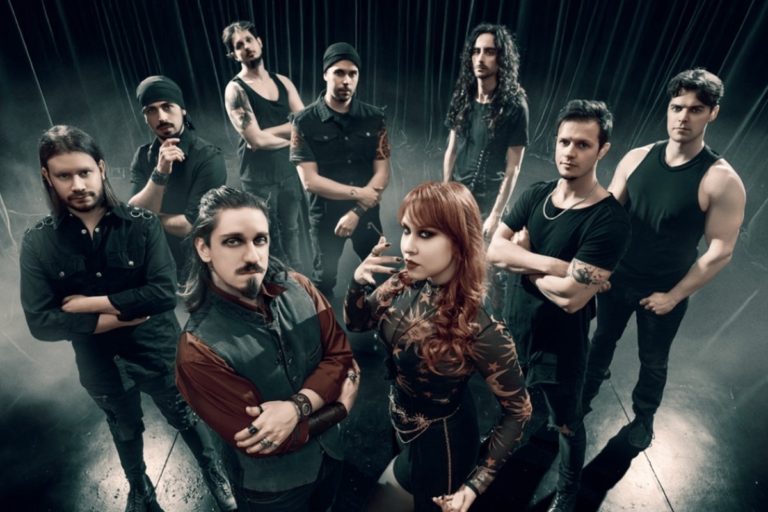
HANABIE. have been building toward this moment since making history as the first Japanese women to perform on the main stage at Lollapalooza in Chicago in 2024, and now the Tokyo-based Harajuku-core quartet are bringing their heavy, high-energy show to North America on their own terms. New EP ‘HOT TOPIC’ is out now via Sony Music Japan, and the first-ever North American headline run is underway with Nekrogoblikon and Enterprise Earth in support.

‘HOT TOPIC’ delivers five tracks that showcase the full range of what HANABIE. can do. “ICONIC” opens with a punchy, electronic-leaning approach and arrives with a full music video. “Tokimeki about you” marks the band’s first-ever straightforward love song, built around a groovy instrumental section that drummer Chika describes as her personal favorite on the record. “Spicy Queen” and “GIRL’S TALK” round out the familiar side of the catalog, while closer “Theme of hanabienchan.” delivers the wild-card energy that has become an EP tradition for the group.

Formed in 2015 as a high school club activity by Yukina, Matsuri, and Hettsu, with Chika joining on drums in 2023, HANABIE. have grown into one of the most genuinely exciting acts in heavy music. Their hit single “Pardon Me, I Have To Go Now” has surpassed 10 million YouTube views and 5.3 million TikTok views, building an international following that makes this North American headline run a natural next step.

The tour is currently underway, running through April 11 in Los Angeles.

‘HOT TOPIC’ Track Listing:

  1. “ICONIC”
  2. “Spicy Queen”
  3. “Tokimeki about you”
  4. “GIRL’S TALK”
  5. “Theme of hanabienchan.”

HANABIE. 2026 North American Tour Dates:

March 21, Theatre of Living Arts, Philadelphia, PA

March 23, The Ritz, Raleigh, NC

March 24, Buckhead Theatre, Atlanta, GA

March 25, House of Blues, Orlando, FL

March 27, House of Blues, Cleveland, OH

March 29, Saint Andrew’s Hall, Detroit, MI

March 30, House of Blues, Chicago, IL

April 1, The Fillmore Minneapolis, Minneapolis, MN

April 3, House of Blues, Dallas, TX

April 4, House of Blues, Houston, TX

April 6, Emo’s Austin, Austin, TX

April 7, The Van Buren, Phoenix, AZ

April 9, House of Blues, San Diego, CA

April 10, August Hall, San Francisco, CA

April 11, The Belasco, Los Angeles, CA

Edmonton Alt-Metal Newcomers Famous Strangers Unleash The Cinematic Video For Debut Single “Deepstar”

0

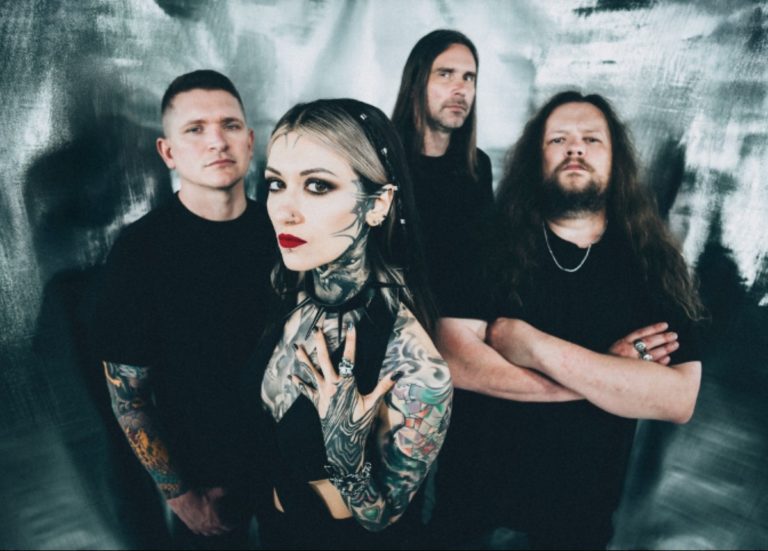
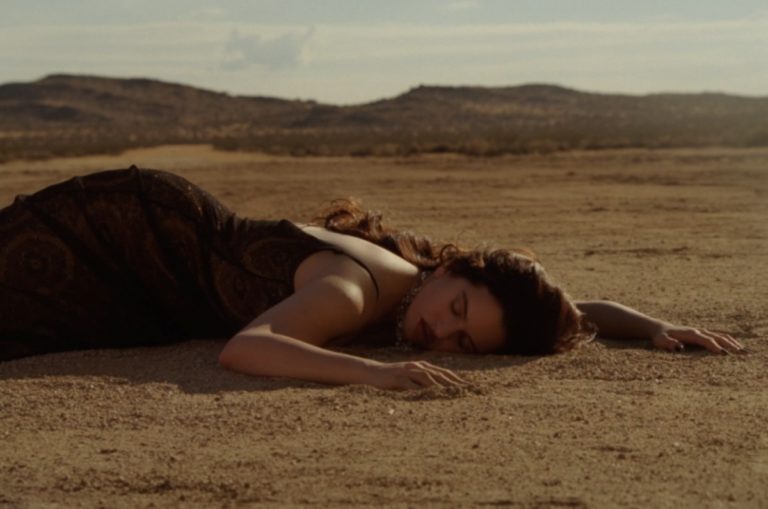
Famous Strangers have been sitting on this video for two years, and the wait made the release hit harder. The Edmonton alt-metal outfit have unveiled the long-anticipated music video for “Deepstar,” their debut 2024 single and the first song the band ever released, a cinematic visual that brings the track’s cosmic narrative fully to life and closes the loop on the earliest chapter of their story.

The song itself was mixed by Juno-winner Phil Anderson and mastered by world-renowned engineer Maor Appelbaum, whose credits include Faith No More, Dream Theater, and Dokken. Guitarist Jeff Kittlitz describes how naturally it came together: “While exploring presets on my new Fractal FM9, I landed on a tone that instantly brought to mind classic Deep Purple and Black Sabbath, and the main riff came together almost immediately.” Vocalist Amanda Kiernan’s lyrics draw from something equally personal, a tribute to a friend whose presence felt genuinely cosmic, with the friend herself appearing in the video.

Since forming in 2023, Famous Strangers have released four singles and performed at Armstrong MetalFest and Loud As Hell Open Air Festival, sharing stages with Revocation, Danko Jones, Three Inches of Blood, and Riot City. Their atmospheric, emotionally driven approach to heavy music has positioned them as one of Canada’s most intriguing emerging acts in the genre.

A full-length album is in the works for 2026, promising to push their sound darker and deeper than anything they have released so far. Fans of Halestorm, Nothing More, and Bad Omens should be paying close attention.