Home Blog Page 391

5 Surprising Facts About Otis Redding’s ‘Otis Blue/Otis Redding Sings Soul’

When Otis Redding walked into Stax Records on July 9, 1965, he was a young soul singer with modest recognition and one Top 10 R&B hit to his name. By July 10, he had recorded 10 of the 11 songs that would make up ‘Otis Blue,’ arguably the greatest studio soul album of the 1960s, all captured in under 24 hours across two sessions. The only track not recorded during that whirlwind period was his number two hit “I’ve Been Loving You Too Long,” which had been cut in April and re-recorded in stereo for the album. Backed by Booker T. & the M.G.’s, Isaac Hayes on piano, and a horn section filled with Mar-Keys and Memphis Horns members, Redding delivered performances that ranged from pained to celebratory, tender to gritty, establishing himself as the heir to Sam Cooke’s throne. The album sold more than 250,000 copies, topped the US R&B LPs chart, hit number six in the UK, and proved that Redding could take on the Temptations, Rolling Stones and B.B. King on their own turf while creating original material powerful enough for Aretha Franklin to transform into a feminist anthem.

The Recording Sessions Had A Break So The House Band Could Play Their Saturday Night Gigs Around Town

The two sessions ran from 10 a.m. Saturday July 9 through 2 p.m. Sunday July 10, but Stax had to break from 8 p.m. Saturday until 2 a.m. Sunday so Booker T. & the M.G.’s could play their regular local gigs around Memphis. The house band was working musicians who couldn’t afford to skip paying shows just to record an album, even one as monumental as ‘Otis Blue.’ When they returned in the early morning hours, they picked up right where they left off and finished the remaining tracks with the same precision and fire.

Redding Recorded “Satisfaction” Without Ever Hearing The Rolling Stones Original Version

Otis Redding cut his transformative take on “Satisfaction” without hearing the Rolling Stones’ original recording, working only from the lyrics and embellishing where he saw fit. He underscored “fashion” when singing “satisfaction” and threw in new verses that turned Mick and Keith’s restlessness into sheer uncontrollability, including “I keep on runnin’ round in my sleep/I keep on messin’ up any beat.” The version sounded so authentic that a journalist accused the Stones of stealing the song from Redding and performing it after him, when the exact opposite was true.

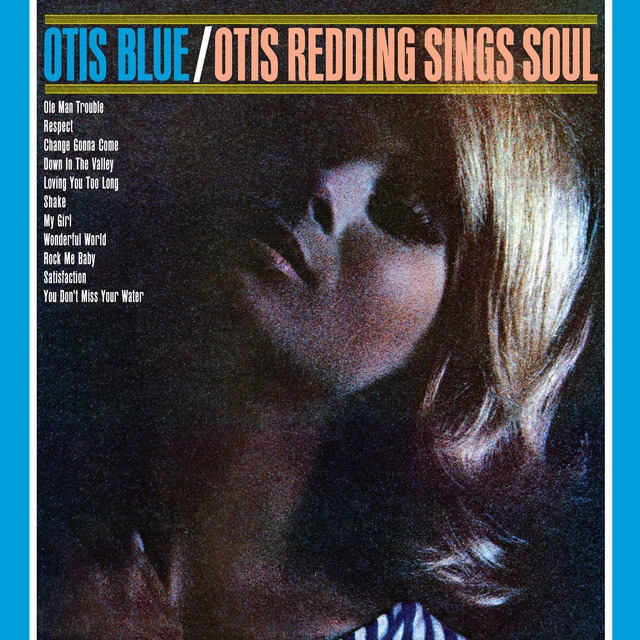
The Album Cover Featured A Blue-Tinted Photo Of A Non-Descript White Woman Instead Of Redding’s Face

Redding wasn’t famous enough in September 1965 to avoid one of the era’s most unfortunate record company practices, so instead of his face on the cover, Stax used a blue-tinted photo of an anonymous white woman. The decision reflected the industry’s racist assumptions about crossover appeal and marketability, treating one of soul music’s greatest albums as a product that needed whitewashing to reach broader audiences. By 1966 and early 1967, Redding had built enough recognition with both Black R&B and white rock audiences that such indignities became impossible to justify.

“Respect” Took A Day To Write, 20 Minutes To Arrange, And One Take To Record According To Redding

Otis Redding claimed “Respect” took a day to write, 20 minutes to arrange and one take to record, though the song’s origins remain disputed between drummer Al Jackson Jr.’s road tour quote and road manager Earl “Speedo” Sims’ claim that it came from a group he sang with. Sims stated that even though Redding rewrote it, much of the original lyric remained and that he sang backing vocals in the chorus but never received credit despite Redding’s promise. The song became one of Redding’s signature performances before Aretha Franklin covered it in 1967 and topped both the Billboard R&B and Pop charts, transforming his plea for respect into a feminist hymn that ironically countered the original’s perspective.
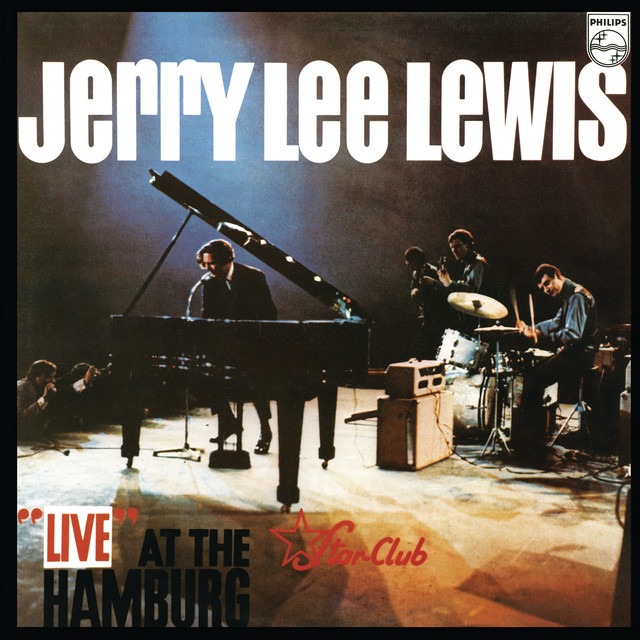
5 Surprising Facts About Jerry Lee Lewis’ ‘Live at the Star Club, Hamburg’

When Jerry Lee Lewis tore through two sets at Hamburg’s Star-Club on April 5, 1964, producer Siggi Loch captured what many consider the greatest live rock and roll album ever made. Lewis was in his wilderness years following the scandal around his marriage to his 13-year-old cousin, but relentless touring across Europe had sharpened his skills into something ferocious and untamed. The album showcases Lewis’ brutal piano attack and wild stage presence at its absolute peak, recorded with microphones placed as close to the instruments as possible and a stereo mic in the audience to capture the chaos. There’s a reason why he’s called “The Killer.” This album proves it.

The Producer Was A Jazz Executive Who Decided To Start Recording Rock Bands At The Star-Club

Siggi Loch ran the jazz department at Philips Records when he realized young British bands were obsessing over Chuck Berry and white American rock and rollers as their heroes. He approached the Star-Club owner with a proposal to start recording live performances at the venue, creating a setup that prioritized raw energy over technical perfection. The recording captured something brutally honest about Lewis that night, the primal center of rock and roll without any studio polish to soften the impact. You can hear Lewis feeling the energy of the crowd with his own whoops and hollers at the end of several tracks.

Two Songs From The Performance Were Lost And One Was Left Off The Original Album Due To A Sound Fault

Sixteen songs were recorded across two sets but “Down The Line” got left off the original LP because of a sound fault, only surfacing later on a French Mercury single before appearing on CD reissues. The tapes for “You Win Again” and Lewis’ current single “I’m On Fire” are believed to have been lost entirely, meaning we’ll never hear how those performances sounded. What survived is still enough to prove Lewis was operating at a level of intensity that few performers have ever matched on a live recording.

Detractors Complained The Piano Was Mixed Too Loud And Everything Sounded Too Noisy

Critics who didn’t get it complained the album was crashingly noisy, that Lewis lacked subtlety revisiting the songs, and that the piano dominated the mix too aggressively. That’s exactly what makes the recording work, capturing Lewis hammering his instrument without restraint while the Nashville Teens struggled to keep up with his ferocious energy. The lack of subtlety wasn’t a flaw, it was the entire point of documenting what Lewis sounded like when he was playing like his life depended on it.

Lewis Remained Proud Decades Later That He Kept Rock And Roll Alive When Others Abandoned It

Speaking in 2014, Jerry Lee Lewis told Rolling Stone he was proud that he “stuck with rock & roll when the rest of them didn’t, I kept the ball rollin’ with that” during years when his career had been destroyed by scandal. While Elvis went to Hollywood and Little Richard found religion, Lewis kept touring Europe and playing rock and roll with the same intensity he brought in the 1950s. The Star-Club recording proved that exile and controversy couldn’t diminish his power as a performer, and that rock and roll had at least one true believer who refused to let it die.

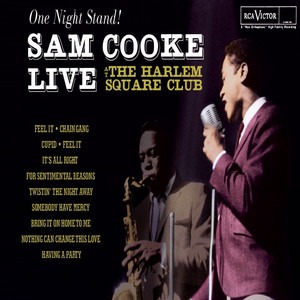
5 Surprising Facts About Sam Cooke’s Live at the Harlem Square Club, 1963′

Five Unknown Facts About Sam Cooke’s ‘Live at the Harlem Square Club, 1963’ That Took 22 Years To Release

When Sam Cooke walked onstage at Miami’s Harlem Square Club on January 12, 1963, RCA Victor engineers captured one of the greatest live performances in music history. The label immediately shelved it for 22 years because they thought it was too gritty, raw and raucous for Cooke’s carefully cultivated pop image. RCA wanted to break him as an international crossover star playing supper clubs, not document the down-home, gut-bucket show he delivered to predominantly Black audiences in the segregated South. The recording sat in the vaults until executive Gregg Geller discovered the tapes in 1985 and released them that June, where critics immediately recognized what they were hearing. The album ranked number 11 on The Village Voice’s Pazz & Jop poll and number seven on NME’s albums of the year in 1985, eventually earning placement on Rolling Stone’s 500 Greatest Albums of All Time list. This wasn’t just a live album. This was proof that one of the most beguiling figures of 20th century music was even more powerful, seductive and commanding than his polished studio recordings suggested, capturing 39 minutes of pure soul fire that RCA thought would damage his mainstream appeal.

The Harlem Square Club Bartender Worked Behind A Cage And Carried A Shotgun While Selling Drinks

The Harlem Square Club sat in Miami’s historically Black Overtown neighborhood, and the bartender sold liquor from a caged enclosure while armed with a shotgun according to reports from the era. The 2,000 capacity venue packed tight with devoted fans from Cooke’s gospel days, creating an atmosphere of smoke, booze and sweaty energy that comes through every second of the recording. RCA engineers set up eight microphones and a three-track mixer, adjusting levels throughout the evening before capturing the late 1 a.m. show that became the legendary performance.

Three Different Mixes Exist And The Current Streaming Version Has A Skip In “Twistin’ The Night Away”

The 1985 mix kept the audience loud and claustrophobic, while the 2000 box set version cleaned everything up and turned the crowd down, essentially removing what made the recording special. The 2005 remaster restored the audience presence and brought back the original “One Night Stand” title with new artwork showing King Curtis, but every pressing contains a mysterious skip around the 0:56 mark of “Twistin’ the Night Away” that nobody has ever explained or fixed.

King Curtis Was A Revered Session Player Who Could Make More Money At Home But Joined Because Cooke Asked

Saxophonist King Curtis could have earned bigger paychecks staying in New York doing session work, but Sam Cooke personally convinced him to join the Southern tour after they shared an Apollo Theater bill in November 1962. Curtis opens the Harlem Square Club recording with his instrumental hit “Soul Twist” before his fiery sax elevates the entire performance, delivering standout solos that outshine the studio versions. Cooke even name-checks “Soul Twist” in the closing number “Having a Party,” bookending the album with Curtis’ contribution.

Cooke Had To Dismiss A Leukemia Rumor Mid-Performance During “Somebody Have Mercy”

During “Somebody Have Mercy,” Sam Cooke deadpans to the audience “It ain’t that leukemia, that ain’t it” before chuckling, addressing a false rumor that he was dying from the disease. The urban legend forced the 31-year-old singer to shoot it down two weeks before his birthday while performing live. The moment shows the intense pressure Cooke faced as a Black crossover star navigating mainstream success while staying true to his gospel roots and devoted fans.

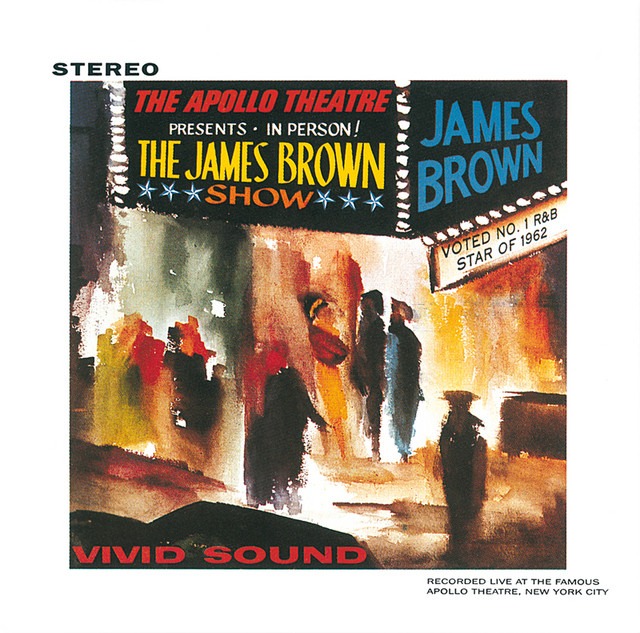
5 Surprising Facts About James Brown’s ‘Live at the Apollo’

When James Brown personally funded the recording of his October 24, 1962 Apollo Theater performance, King Records founder Syd Nathan didn’t just oppose the project. He thought it was a waste of money that would never sell without a single to promote it. Nathan had already dismissed Brown’s “Please, Please, Please” demo as “the worst piece of crap I’ve heard in my life” years earlier, so his judgment wasn’t exactly bulletproof. The resulting album spent 66 weeks on the Billboard Top Pop Albums chart, peaked at number two, and became so popular that R&B DJs would play entire sides without interruption except for commercials. This wasn’t just Brown capturing his stage show for the first time on record. This was the moment soul music announced itself as a cultural force that would define the entire decade, proving Nathan spectacularly wrong while cementing Brown’s status as Mr. Dynamite, The Hardest Working Man in Show Business, and eventually The Godfather of Soul.

The Original Master Tapes Were Lost For Decades In A Vault Containing 100,000 Reels

The master recordings for ‘Live at the Apollo’ vanished for years inside King Records’ massive vault holding 100,000 reels, making a proper CD reissue impossible until 1990. Jazz historian Phil Schaap accidentally found the tape while searching for a Max Roach master, pulling an anonymous box labeled “Second Show James Brown” off the shelf. He handed it over saying “I think you need to hear this,” and the tapes were finally recovered in late 1989, decades after the performance that changed soul music forever.

King Records Added Canned Applause And Screams Because They Didn’t Trust The Real Audience Response

King Records originally issued the album with canned applause and screams added in post-production, which ranks as one of the most unnecessary decisions in music history. The actual Apollo crowd that night delivered some of the most perfectly timed audience reactions ever captured on record, especially during the ten minute “Lost Someone” where female fan screams punctuate every emotional peak. The real thing was always more powerful than anything manufactured afterward, proving the label had no idea what they actually had on tape.

Brown Had Nine Consecutive Flops After His First Hit Before “Try Me” Saved His Career

After “Please, Please, Please” hit regionally in 1956, James Brown’s next nine consecutive singles flopped badly and almost got him dropped from Federal Records before his eleventh single “Try Me” became a national hit. Those lean years nearly made Syd Nathan’s harsh assessment of Brown prophetic, but “Try Me” saved his career and gave him four more years to build The James Brown Revue into the best live act in the business. By October 1962, Brown had gone from one flop away from obscurity to demanding the precision and intensity that made ‘Live at the Apollo’ legendary.

MC5 Guitarist Wayne Kramer Said ‘Live at the Apollo’ Inspired ‘Kick Out The Jams’ And Their Entire Performance Style

Wayne Kramer credited ‘Live at the Apollo’ as the direct inspiration for MC5’s ‘Kick Out the Jams,’ revealing the Detroit band listened to it endlessly on acid and played it on 8-tracks in the van before gigs to get pumped up. Every Detroit band before MC5 covered “Please, Please, Please” and “I Go Crazy” as standards, and MC5 modeled their entire approach on Brown’s records with everything done on a gut level about sweat, energy and anti-refinement. That single Wednesday night set at the Apollo in 1962 rippled through decades of American music, connecting soul to garage rock to punk through shared intensity and raw power.

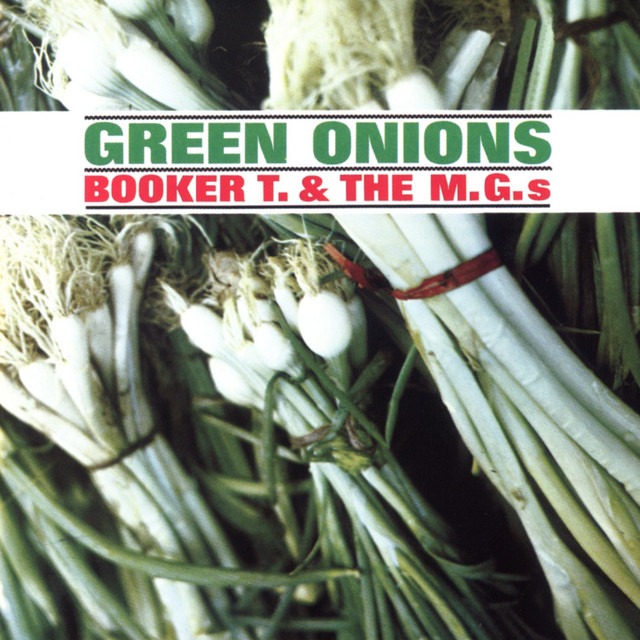
5 Surprising Facts About Booker T. & The M.G.’s ‘Green Onions’

0

When Booker T. & the M.G.’s unleashed ‘Green Onions’ in October 1962, they didn’t just create Stax Records’ first charting album. They crafted a blueprint for instrumental soul that would influence generations of musicians across every genre imaginable. The title track hit number one on R&B charts and number three on pop charts, becoming one of the most recognizable instrumental grooves in music history. Dozens of artists from the Blues Brothers to Deep Purple have covered it, but nobody captures that original strutting cool quite like the Memphis masters who accidentally created it while cutting what they thought would be a B-side. This album matters because it proved instrumental music could dominate charts, because it established the sound that would define southern soul, and because it showcased four musicians operating at such a high level of cohesion that their work became the foundation for countless Stax classics by Otis Redding, Wilson Pickett and Sam & Dave.

The Album Cover Photographer Went On To Shoot For Mad Magazine For 52 Years

Irving Schild captured the iconic ‘Green Onions’ cover photo before embarking on a legendary career as Mad magazine’s primary photographer for over five decades. The straightforward, professional shot of the M.G.’s perfectly matched the no-nonsense musical approach inside the grooves. Schild’s work would go on to define Mad’s visual identity for generations of readers, but this Stax debut remains one of his earliest professional triumphs in a career that spanned comedy, culture and everything in between.

Booker T. Jones Was Still In High School When He Started Playing For Stax

The organ wizard behind “Green Onions” hadn’t even graduated high school when he began his professional career with Stax Records. Jones brought youthful energy and raw talent to sessions with seasoned Memphis veterans, quickly proving that age meant nothing when the groove hit right. His keyboard work on this debut demonstrated maturity and sophistication far beyond his years, establishing him as one of soul music’s most important instrumentalists before he could legally buy a drink.

They Made “Green Onions” Twice On The Same Album

The M.G.’s loved their title track formula so much they recorded “Mo’ Onions,” which works over a similar pattern and captures that same streamlined groove. Both tracks showcase Booker’s organ leading the charge while Steve Cropper’s guitar emits rays of brilliance over the rhythm section’s foundation. The decision to include both versions on the debut shows the band’s confidence in their signature sound and their ability to milk maximum impact from a winning formula without losing the magic.

Steve Cropper May Have Forgotten To Play Guitar On “Behave Yourself” Because He Was Too Busy Watching Booker

During the slower blues number “Behave Yourself,” Cropper waits an unusually long time before chiming in with his guitar, possibly because he was mesmerized watching Booker heap up huge piles of organ notes with one hand while holding long chords with the other. The opening section features some of Booker’s most impressive keyboard work on the entire album, and Cropper’s delayed entrance suggests even one of the ultimate rhythm guitar players couldn’t help but stop and appreciate the mastery unfolding beside him before remembering he had his own part to play.

The Bass Player Changed Before Otis Redding Recorded His Version Of “A Woman, A Lover, A Friend”

The M.G.’s covered “A Woman, A Lover, A Friend” on ‘Green Onions’ with Lewis Steinberg on bass, but when Otis Redding sang his version on 1965’s ‘The Great Otis Redding Sings Soul Ballads,’ the recently deceased Donald “Duck” Dunn had replaced Steinberg in the rhythm section. This lineup change marked a significant shift in the band’s sound, though both bassists contributed to the M.G.’s legendary status as Stax’s unshakeable house band throughout the 1960s.

5 Surprising Facts About Muddy Waters’ ‘At Newport 1960’

‘At Newport 1960’ stands as a defining document of modern blues. Captured live at the Newport Jazz Festival, the album presents Muddy Waters at full electric force, introducing Chicago blues to a global audience and shaping the sound and confidence of generations that followed. This performance expanded the reach of the blues, fueled the blues revival, and laid a foundation for rock music’s future.

  1. A New Song Set the Tone From the First Note
  2. The album opens with “I Got My Brand on You,” a song so fresh it had not even reached record stores yet. Newport audiences heard it first, loud and electric under an open sky. Starting with new material announced confidence and momentum. This was Muddy Waters pushing the blues forward, not looking back.
  3. The Performance Arrived After a Chaotic Festival Weekend
  4. The night before brought unrest, police intervention, and a city on edge. By Sunday evening, the festival pressed on with cameras rolling for an international audience. When Muddy hit the stage, the tension melted into focus. The music transformed the moment into a powerful cultural statement broadcast beyond Newport.
  5. Stage Presence Became Part of the Sound
  6. Muddy Waters walked onstage dressed in black while his band wore sharp white suits. The contrast pulled every eye toward him instantly. Before the band played a note, authority filled the space. The visual power matched the electricity pouring from the amplifiers.
  7. The Finale Turned Into Living Blues History
  8. As the concert closed, Langston Hughes wrote “Goodbye Newport Blues” right there at the festival. Otis Spann stepped in on vocals as blues musicians crowded the stage together. The moment felt communal, spontaneous, and alive. The blues unfolded as shared creation, not performance.
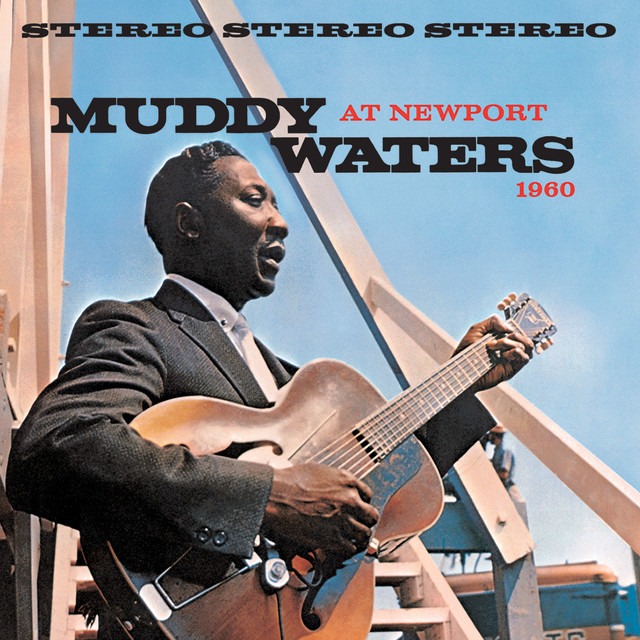
  9. An Iconic Cover Captured a Borrowed Guitar
  10. During the concert, Muddy played his Fender Telecaster, driving the band with sharp electric bite. For the album cover, photographer William Claxton handed him a semi-acoustic guitar owned by John Lee Hooker. The image froze a different instrument in time. The cover became legendary all the same.

Steve ‘n’ Seagulls Transform Iron Maiden’s “The Number of the Beast” Into Bluegrass Romp

0

Finnish bluegrass band Steve ‘n’ Seagulls flip Iron Maiden’s “The Number of the Beast” into an up-tempo bluegrass celebration that somehow makes heavy metal hellfire feel downright cheerful. The Seagulls transform one of metal’s biggest classics into something entirely different in the backyard of their nest, proving that bluegrass energy can tackle any genre with infectious joy and technical skill that makes the reimagining work beautifully.

Jazz Keyboardist Larry Goldings Masters Deep Purple’s “Highway Star” In Two Hours After First Listen

0

Musician Kevin Castro of Pianote challenged legendary jazz keyboardist Larry Goldings to learn a song completely outside his wheelhouse as quickly as possible, selecting Deep Purple’s “Highway Star” for the experiment. Goldings tackled the rock classic note for note, absorbing its driving energy and breaking down each section before mastering the entire track in just over two hours after his first exposure to it. The jazz legend translated the song through his soulful touch and harmonic vocabulary, demonstrating how deep musical understanding transcends genre boundaries when a skilled player commits to learning something new.

104-Year-Old World War II Veteran Dominic Critelli Performs “The Star Spangled Banner” On Saxophone At Rangers Islanders Game

0

World War II Army veteran Dominic Critelli brought his saxophone to center ice before the New York Rangers versus New York Islanders game on December 27, 2025, delivering a performance of the national anthem at 104-years-old. His performance connected everyone in the arena through respect for both his wartime sacrifice and the skill he brought to such a significant moment, proving that dedication to craft and country knows no age limit.

Grace De Gier Releases Alternative Rock Single ‘Done’ Co-Created With Edgar Grimaldos In Paris

0

Grace de Gier delivers ‘Done’, a new single blending emotional storytelling with alternative rock intensity created alongside multi-instrumentalist Edgar Grimaldos in Paris. The Colombian born, Netherlands based artist captures the complexity of breaking free from toxic relationships through soaring guitar lines and haunting vocal tones, building a cinematic arrangement that carries themes of strength and empowerment. Seven-time Grammy winning mastering engineer Adam Ayan not only mastered the track but recorded a video commending its emotional depth and production quality, adding weight to a release Grace describes as an anthem for anyone trapped who finally decides to say no more. The single explores liberation, healing and taking control through layered sonic and emotional experiences that showcase her growing command of alternative rock dynamics.

Grace’s previous single “Your Name” topped the Amsterdam Independent Artists Chart on ReverbNation while earning recognition from Rolling Stone Spanish edition, MTV Rock Edition, Colombia’s El Tiempo and El Espectador, expanding her presence across the global music scene. The Grammy Academy member has collected the Music Monster Award in Mexico and Golden Mara International Latin American Award, building bridges between continents through a unique sound that connects with worldwide listeners through authentic expression rooted in personal experience and refined musical craft.