

During a May 2008 episode of Late Night with Conan O’Brien, Conan O’Brien paused mid show to investigate a single, unmoving presence in the audience who refused to laugh at anything. That presence turned out to be Nick Offerman, locked into an unblinking stare that immediately became funnier than the jokes themselves. Conan, clearly rattled, called out the situation in real time, noting that the show was doing just fine, thank you, and yet this one man had not cracked so much as a polite smirk. The bit spiraled into a perfect slow burn, with Conan trying harder, the audience laughing louder, and Offerman remaining gloriously unmoved, unknowingly delivering one of the most memorable reaction performances in late night history without saying a word.
Conan O’Brien Fails To Break Nick Offerman During Stone-Faced 2008 Audience Moment

Google Nano Banana as Digital Fashion: AI Clothing Designs
By Mitch Rice
The fusion of technology and fashion has always sparked innovation, and with the rise of artificial intelligence (AI) and nanotechnology, the potential to create groundbreaking designs is at an all-time high. Imagine a concept like the Google Nano Banana, a digital fusion of nanotechnology and AI—transforming the fashion industry in ways previously unimagined. By using AI image generation, we can explore how this concept could inspire the creation of futuristic, nanotech-inspired outfits and accessories.
In this exploration, we’ll look at how nanotechnology could influence fashion designs and how AI can bring these ideas to life in the digital realm.
AI in Fashion: Revolutionizing Creativity
Artificial intelligence is rapidly changing the landscape of many industries, and fashion is no exception. AI tools now have the ability to generate intricate patterns, colors, and textures with unprecedented speed and accuracy. Designers are using AI to create pieces that push the boundaries of traditional fashion, making digital fashion a viable alternative to physical clothing.
For example, AI-generated fashion collections are gaining popularity in virtual worlds, with digital designers using algorithms to create unique, innovative pieces. In the case of the Google Nano Banana, AI can help bring futuristic designs to life by interpreting nanotechnology’s role in fashion, producing digital garments and accessories that could never be made with traditional materials.
Key Aspects of AI in Fashion:
- AI-powered tools analyze data trends, historical designs, and current aesthetic preferences to generate new ideas.
- Generative adversarial networks (GANs) allow designers to experiment with endless variations of design styles and materials.
- Virtual fashion, created entirely through AI, eliminates the constraints of physical fabrics, allowing for limitless creativity.
Nanotechnology as Design Inspiration
Nanotechnology, which involves manipulating matter at an atomic or molecular scale, has been a driving force in various industries, from medicine to manufacturing. But it’s in the world of fashion that nanotech could truly redefine how we perceive clothing and accessories.
Incorporating nanotechnology into fashion could lead to highly functional, self-assembling garments, responsive fabrics, or clothing that can adapt to environmental factors like temperature, humidity, or even light. Imagine a “Google Nano Banana” fashion piece—an AI-designed garment or accessory that incorporates nanotech features. This piece could have properties such as:
- Adaptive Fabrics: Similar to how nanotechnology is used in smart fabrics, a Google Nano Banana-inspired design could feature clothing that adjusts its texture or color based on the environment or user preferences.
- Self-Cleaning: Just like nanotech-enabled surfaces in various products, the fabrics could repel dirt and stains, making the clothing incredibly practical.
- Nanostructural Patterns: Nanotech-inspired fashion could incorporate microscopic patterns or textures, creating highly intricate designs that only become visible up close, adding an element of surprise and fascination.
Key Aspects of Nanotechnology in Fashion:
- Nanotech materials that react to light, temperature, or touch could result in garments that are both functional and highly stylish.
- Nanotech-inspired textures or finishes could offer designs that look radically different from traditional fabrics, creating completely new visual aesthetics.
- Nanotech could introduce interactive elements, allowing clothing to change appearance or perform different functions based on the user’s needs.
Digital Clothing and AI-Powered Art: The Next Fashion Frontier
The concept of digital fashion is booming, especially in virtual environments like video games, social media platforms, and virtual reality (VR). In this space, fashion isn’t restricted by fabric or physical construction, which opens up new realms of possibility for designers. AI-generated digital clothing allows for the exploration of ideas that would be impossible to realize in the physical world.
With the Google Nano Banana concept, AI-powered art can take the principles of nanotechnology and translate them into digital garments or accessories that embody these futuristic characteristics. Designers could create virtual fashion shows or limited-edition outfits for avatars, demonstrating how a banana-inspired digital garment could be reimagined into a fashion-forward piece using nanotech and AI-driven art.
Digital clothing powered by AI can also be used for interactive, hyper-realistic representations in augmented reality (AR) or VR spaces, allowing users to “wear” these pieces in virtual environments. The concept of a digital “Google Nano Banana” accessory could become the ultimate fusion of fashion, technology, and virtual reality.
Key Aspects of Digital Clothing and AI-Powered Art:
- Virtual clothing is not bound by the constraints of physical materials, enabling AI-generated designs to break traditional rules of fashion.
- AI-generated fashion can be personalized, allowing users to create custom outfits and accessories for their avatars or digital personas.
- Augmented and virtual reality platforms can showcase AI-designed digital fashion, creating immersive experiences for fashion lovers in virtual worlds.
How AI is Transforming the Fashion Industry
AI’s impact on the fashion industry is profound, from designing new collections to streamlining production processes. The use of AI in fashion is evolving rapidly, allowing for increased creativity, sustainability, and customization in design.
Incorporating nanotechnology into fashion design, AI can produce visuals of garments that aren’t just trendy, but functionally advanced, such as clothing with health-monitoring capabilities or self-repairing fabrics. Other Image models like Flux kontext Image model, AI could create an entirely new visual aesthetic, where the clothing or accessory integrates subtle nanotech-inspired motifs or patterns, creating a piece that is both innovative and beautiful.
Key Aspects of AI’s Transformation in Fashion:
- AI for Trend Prediction: AI helps designers understand upcoming trends, analyzing consumer data to predict what styles, colors, and materials will be popular in the future.
- Sustainability: AI can help create sustainable fashion by designing garments with fewer materials or finding ways to recycle old clothing efficiently.
- Customization: AI tools enable designers to personalize clothing to specific measurements or preferences, enhancing the user experience.
The Future of Fashion with AI and Nanotechnology
The Google Nano Banana concept offers an exciting glimpse into the future of fashion. By using AI to design nanotech-inspired garments, we open up endless possibilities for innovation. Digital fashion and AI-generated designs are reshaping how we think about clothing and accessories, moving beyond mere aesthetics to functional, adaptive, and environmentally sustainable creations.
Data and information are provided for informational purposes only, and are not intended for investment or other purposes.
Nic Cage Against The Machine Turn “Killing In The Name” Into Unhinged Art
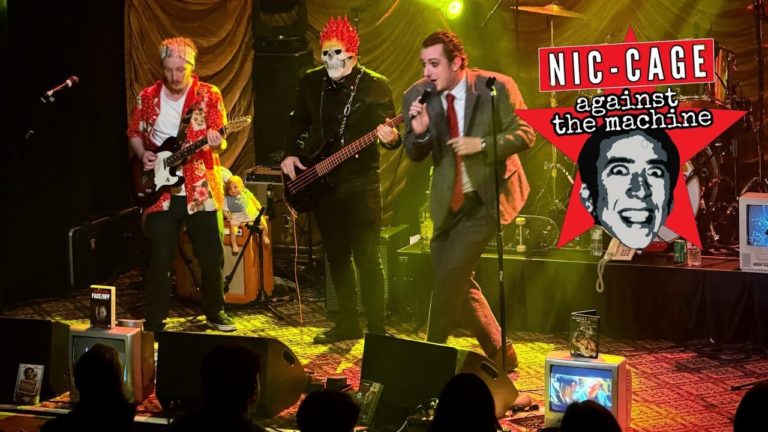
Nic Cage Against The Machine delivered one of the most unhinged and brilliant moments of live rock theater during their December 2025 show at The 1865, when a sharply dressed “Nic” rose from the crowd and casually strolled onstage. Channeling a pitch perfect Nicolas Cage impression, he launched straight into the spoken intro of “Wake Up” before the band detonated into “Killing in the Name” with full Cage intensity. What followed was Rage Against The Machine through a surreal Hollywood lens, part protest rally, part Cage monologue fever dream, all delivered with real musical firepower and absolute commitment to the bit. It was loud, ridiculous, and somehow worked far better than anyone could have predicted.
Stray Kids Head To The Big Screen With ‘Stray Kids The dominATE Experience’
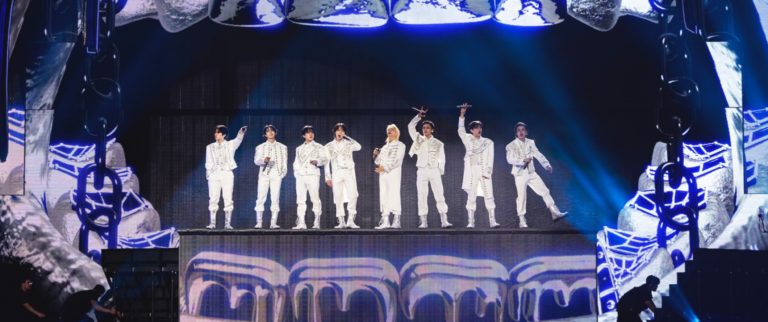
Bleecker Street’s new event cinema division Crosswalk and Universal Pictures Content Group announced today that they have acquired North American and International rights (excluding South Korea, China & Japan), respectively, to Stray Kids : The dominATE Experience, the epic concert film featuring the global K-Pop sensation and their sold-out SoFi Stadium performances, along with behind-the-scenes footage. Directed by award-winning filmmaker Paul Dugdale (Adele: One Night Only, Taylor Swift: Reputation Stadium Tour) with documentary segments directed by Farah X (The Remix: Hip Hop x Fashion) and produced by Live Nation Studios, the film is slated for a 2026 worldwide release in theaters including IMAX.
With more than 30 million albums sold worldwide and a fanbase that spans every continent, Stray Kids : The dominATE Experience will provide fans with a bold, large-scale theater experience, allowing them to see a glimpse behind the curtain of their favorite band. The deal was negotiated by Miranda King and Avy Eschenasy for Bleecker Street, and Ingrid Pittana for Universal Pictures Content Group with Ross Putman on behalf of Live Nation.
“Stray Kids’ global reach and passionate fanbase perfectly represent the bold, wide-reaching experiences we are constantly wanting to bring to audiences on the big screen,” said Bleecker Street CEO Kent Sanderson. “This film captures the energy, creativity, and connection that make live performances so special, and we’re thrilled to partner with Live Nation to deliver that experience in theaters.”
“We can’t wait to bring international cinema goers across the globe the opportunity to see the spectacular Stray Kids World Tour < dominATE > concert tour in their local towns and cities”, said Helen Parker, EVP, Universal Pictures Content Group. “Stray Kids are one of the most talented and successful K-Pop bands of this generation and as pioneers of the theatrical event cinema model, Universal Pictures Content Group feel privileged to be bringing this phenomenal event to the big screen and hope to have another record-breaking success story with this cinematic experience”.
“Taking live event experiences to screens worldwide is what Live Nation Studios does best,” said Ryan Kroft, Head of Film & TV, Live Nation Studios. “For the incredibly expansive ‘Stray Kids’ fandom or anyone fascinated by the tremendous K-Pop movement, this film has it all- never-before-seen BTS, revealing interviews and front-row concert footage.”
Paul Dugdale, a four-time Grammy nominee and recent two-time Emmy, BAFTA, and DGA Award winner, is one of the world’s leading pop culture directors, responsible for creating critically acclaimed, pioneering concert films, music documentaries and global live events. With 15 theatrically released films to date, Dugdale has worked with some of the world’s biggest artists including Adele, The Rolling Stones, Taylor Swift, Harry Styles, Coldplay, Ariana Grande, Elton John, Paul McCartney, and more.
Farah X is a multi–award-winning director and editor whose work has been shaped by long-standing creative partnerships with some of the world’s most iconic artists, including Prince, Mariah Carey, and Beyoncé. With a rich legacy in music-driven storytelling, she brought her vision to the acclaimed feature documentary The Remix: Hip Hop x Fashion, which swept multiple Best Documentary awards around the globe before landing on Netflix. She continued that momentum with the Hulu original RapCaviar Presents: and her collaboration with Beyoncé on Renaissance: A Film by Beyoncé.
Dugdale is self-represented and Farah X is represented by UTA.With Stray Kids : The dominATE Experience, Bleecker Street and Universal Pictures Content Group continue to expand their shared reputation for groundbreaking cinematic experiences. In collaboration together their 2026 slate includes recently announced action-comedy feature, STOP! THAT! TRAIN! starring multi-Emmy winner and entertainment icon RuPaul and directed by Adam Shankman; and Academy Award-winner Alex Gibney’s Musk, centered on the world’s most controversial tech-entrepreneur.
Disco Legends Boney M Featuring Maizie Williams Announce “The Final Curtain Tour”

Boney M featuring Maizie Williams return to the stage for “The Final Curtain Tour,” a celebratory run billed as the final chapter for one of disco’s most iconic names. Backed by a full live band, the shows spotlight a hit packed setlist including “Rasputin,” “Daddy Cool,” “Sunny,” “Rivers Of Babylon,” “Ma Baker,” “Gotta Go Home,” and “Brown Girl In The Ring,” delivering the songs that defined dance floors around the world.
With more than 150 million records sold globally, Boney M remain synonymous with the sparkle, color, and unstoppable momentum of the disco era. “The Final Curtain Tour” frames these performances as a last opportunity to experience that catalog live, turning each night into a shared singalong built on rhythm, nostalgia, and pure movement, a closing celebration that honors the band’s lasting place in pop and dance history.
Extreme Metal Band Archspire Announce 2026 North American Tour And New Album ‘Too Fast To Die’
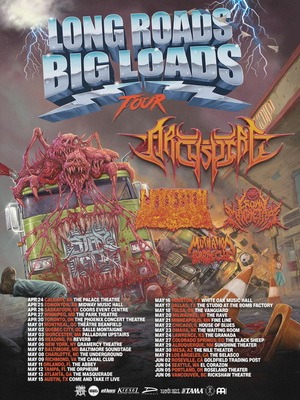
Following the success of their recently released single “Carrion Ladder”, Archspire, the world’s fastest band, are proud to announce the Long Roads Big Loads North American Tour in Spring & Summer 2026, with special guests Undeath, Crown Magnetar, and Mutilation Barbecue.
The tour supports their upcoming album “Too Fast to Die”, due out April 10th, 2026.
The run kicks off on April 24th in Calgary, AB at The Palace Theatre and tears across North America before wrapping up at the Rickshaw Theatre in Vancouver, BC on June 6th.
Since 2009, Archspire has aimed to be one thing above all else: extreme. With their upcoming release “Too Fast to Die”, they’ve once again raised the bar for what extreme music can be.
“We’re like a bit of meth in your cigarette”, says vocalist Oliver Rae Aleron, describing the band’s unhinged live show. “I think people don’t quite know how to describe what they’re hearing”.
Now five albums deep, the band continues to push the limits of speed and virtuosity while somehow keeping a sharp focus on hooks. Their music sits on a knife’s edge of “too much”, and just when you think you’ve hit overload, they drop in a soaring melody or a meticulously crafted clean section long enough for you to breathe; before throwing you back into a rap-flow vocal assault or some of the fastest drumming you’ll ever hear.
In 2025, Archspire announced their new drummer, Spencer Moore, marking a shift in the band’s trajectory. New blood brings new influences, and with the first single “Carrion Ladder”, they intend to show exactly how quickly he proved himself.
“I had to step my game up fast to pull off the new material”, Spencer explains. “But once we started tracking, everything felt comfortable and natural”.
Recorded in 2025, the album reunites the band with world-renowned producer Dave Otero (Cattle Decapitation, Khemmis) for the third time. They locked themselves inside his Denver studio for several months, cutting out distractions and dedicating themselves entirely to the record.
“Too Fast to Die” follows the critically acclaimed Juno Award winning ”Bleed the Future”, and marks the band’s first fully independent release. Early in the writing process they chose to crowdfund the album, a strategy they’d used before; but nothing prepared them for the scale of what came next.
They raised nearly $400,000 CAD in 30 days, blowing past their goal in under 24 hours and confirming that independence was the right move.
“I was actually shaking when I pressed launch”, says guitarist Dean Lamb. “We’d never taken on something this big, and all I could think was, ‘man, I hope we don’t mess this up’”.
“Too Fast to Die” is set for release on April 10th, 2026, and represents a new chapter for Archspire. Now fully independent and armed with a revitalized lineup, they’re intent on expanding their already rabid fanbase, pushing the boundaries of extreme metal, and having a great time doing it.
North American Tour Dates 2026:
April 24 – Calgary, AB @ The Palace Theatre
April 25 – Edmonton, AB @ Midway Music Hall
April 26 – Saskatoon, SK @ Coors Event Centre
April 27 – Winnipeg, MB @ The Park Theatre
April 30 – Toronto, ON @ The Phoenix Concert Theatre
May 01 – Montreal, QC @ Théâtre Beanfield
May 02 – Quebec City, QC @ Salle Montaigne
May 03 – Worcester, MA @ Palladium Upstairs
May 05 – Reading, PA @ Reverb
May 06 – New York, NY @ Gramercy Theatre
May 07 – Baltimore, MD @ Baltimore Soundstage
May 08 – Charlotte, NC @ The Underground
May 09 – Richmond, VA @ The Canal Club
May 11 – Orlando, FL @ The Abbey
May 12 – Tampa, FL @ The Orpheum
May 13 – Atlanta, GA @ The Masquerade
May 15 – Austin, TX @ Come and Take It Live
May 16 – Houston, TX @ White Oak Music Hall
May 17 – Dallas, TX @ The Studio at The Bomb Factory
May 18 – Tulsa, OK @ The Vanguard
May 20 – Milwaukee, WI @ The Rave / Eagles Club
May 21 – Minneapolis, MN @ Fine Line
May 22 – Chicago, IL @ House of Blues
May 23 – Omaha, NE @ The Waiting Room
May 24 – Lawrence, KS @ The Granada
May 27 – Colorado Springs, CO @ The Black Sheep
May 29 – Albuquerque, NM @ Sunshine Theater
May 30 – Mesa, AZ @ The Nile Theater
May 31 – Los Angeles, CA @ The Belasco
June 02 – Roseville, CA @ Goldfield Trading Post
June 04 – Seattle, WA @ El Corazon
June 05 – Portland, OR @ Roseland Theater
June 06 – Vancouver, BC @ Rickshaw Theatre
Progressive Metal Project First Contact Announces Album ‘Earth Nation’ And Space Alliance Tour

FIRST CONTACT has been established, and full global disclosure has been approved as second album EARTH NATION is set for worldwide transmission on 1 March via a new alliance with London’s JPU Records.
FIRST CONTACT is the epic new project led by Japan’s RYU, best known as the creative force behind cyber-trance metal innovators BLOOD STAIN CHILD. Free from the constraints of genre, the project boldly goes where progressive rock structures, metal hooks, expansive synth work and cinematic atmosphere collide.
Joining the audio voyage are special recruits Sawa (Aldious), responsible for bass, and MaoMao and TanTan, who provide smooth and soaring vocals when the tracks are not unfolding as instrumental masterpieces. The same team worked on debut album PEACEMILLION, released in August 2025.
A tour has also been announced following the release of EARTH NATION, entitled FIRST CONTACT 1st Live Tour “Space Alliance”. The tour touches down on 28 March at LIVE SPACE ODYSSEY in Osaka, followed by Shinjuku Wildside in Tokyo on 4 April.
The countdown has begun.
The transmission goes live on 1 March, with close encounters to follow.
Barry Manilow Reschedules January Shows Following Successful Early Cancer Detection
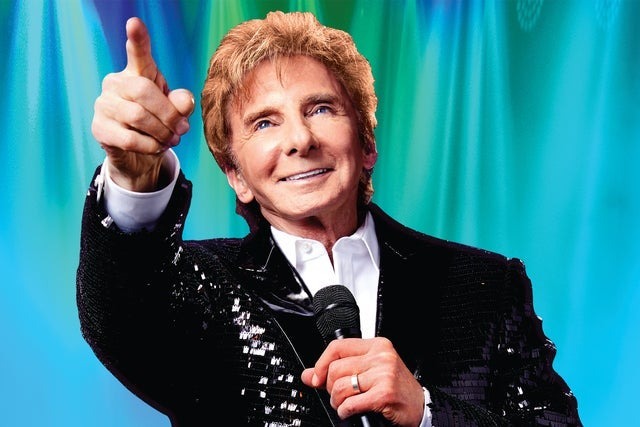
Barry Manilow has announced the cancellation and rescheduling of several January concert dates after doctors discovered a cancerous spot on his left lung that will be surgically removed. The news follows a stretch of health challenges that included prolonged bronchitis and came shortly after Manilow completed five annual Christmas charity concerts at the McCallum Theatre in Palm Desert, raising millions for Coachella Valley nonprofits. An MRI ordered as a precaution led to the discovery, which Manilow shared was caught early, with doctors believing it has not spread and will not require chemotherapy or radiation.
Manilow will take approximately one month to recover following surgery, prompting the January arena dates to move to later in 2026. He confirmed plans to return to the stage for Valentine’s weekend concerts at the Westgate Las Vegas on February 12, 13, and 14, followed by rescheduled tour stops through spring. Ticket holders for the affected January shows can use their existing tickets for the new dates. Manilow also encouraged fans to be proactive about their health and seek medical testing even for mild symptoms.
Rescheduled January Tour Dates:
February 27 – Tampa, FL – Benchmark International Arena
March 6 – Columbus, OH – Nationwide Arena
March 11 – Charleston, SC – North Charleston Coliseum
March 13 – Orlando, FL – Kia Center
March 14 – Sunrise, FL – Amerant Bank Arena
March 16–17 – Estero, FL – Hertz Arena
April 24 – Greensboro, NC – First Horizon Coliseum
April 27 – Jacksonville, FL – VyStar Veterans Memorial Arena
April 29 – Duluth, GA – Gas South Arena
Alternative Rock Band Culture Wars Push Forward With New Single “In The Morning”
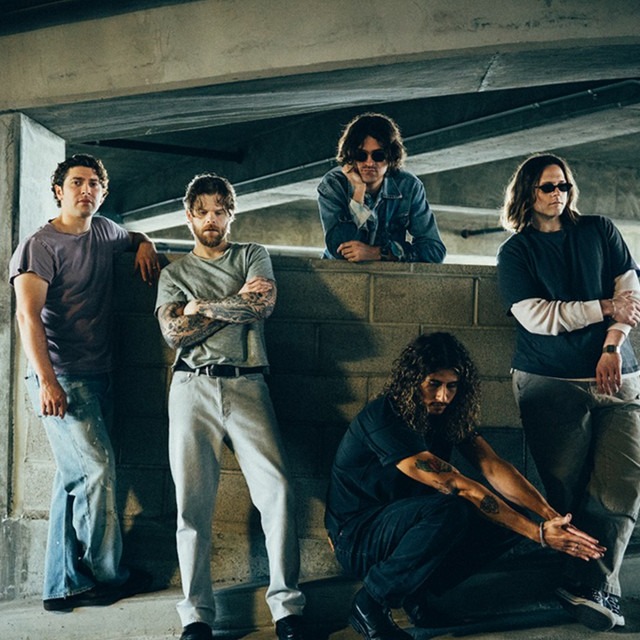
Culture Wars continue their strong run with “In The Morning,” a groove driven rock track that arrives during a standout year for the band. The single follows major touring moments alongside Keane, Wallows, and LANY, a Top 20 U.S. Alternative Radio breakthrough with “It Hurts,” and more than eight million global streams on “Typical Ways.” Built on thick guitar tones and steady rhythm, the song captures a quiet moment of reflection, leaning into atmosphere and feeling rather than excess.
Vocalist Alex Dugan frames the song around a familiar early morning headspace, shaped by loneliness, memory, and emotional pull, while noting it reflects an earlier version of himself. Sonically, the track signals a clear shift for the band, influenced by the scale and energy of their live shows, including a recent appearance opening for LANY at the Philippine Arena. “In The Morning” introduces the direction of their upcoming debut full length album ‘if not now, when?,’ due in early 2026, grounding Culture Wars’ next chapter in groove, texture, and lived experience.
SoundExchange Reveals 2025 Top Tracks And Breakout Creators Across Global Streaming

As the year ends, SoundExchange is looking back at 2025’s Top 20 Tracks and Breakout Creators. The annual lists are based on 12 months (December 1, 2024-November 30, 2025) of non-interactive streaming data from more than 3,000 digital service providers operating under statutory licenses for which SoundExchange administrates, collecting and distributing royalties to recording artists and rights owners.
“At the end of each year, SoundExchange digs through the data to understand which tracks received the most streams and which new artists are starting to breakout,” said Michael Huppe, President and CEO of SoundExchange. “It’s obvious that this year brought some great music to the forefront, and we know that 2026 will bring even more.”
Teddy Swims takes the crown on the SoundExchange 2025 Top Tracks list with “Lose Control,” and also shows up a second time in the top 10 with “Bad Dreams.” Myles Smith is in second place with “Stargazing,” followed by Billie Eilish‘s enduring “BIRDS OF A FEATHER.” Rounding out the top five are the inescapable “Too Sweet” from Hozier and “APT.” the hit collaboration from BLACKPINK’s ROSÉ and Bruno Mars.
SoundExchange’s 2025 Breakout Creators list is made up of artists who gained traction for their music and talent this year. This data-based set reflects these creators’ significant streaming activity, fueled by strong debuts or career highlight releases that connected with wider audiences.
Topping this year’s Breakout Creators list is Myles Smith, the British singer-songwriter whose “Stargazing” notched itself at #2 on this year’s Top Tracks list. Alex Warren, who hit with “Ordinary” this year and was named SoundExchange’s 2025 Breakout Artist, took the next spot. The top of the list was rounded out by country artist Zach Top, actor-turned-recording artist Leon Thomas, and Lola Young, who broke through with her single “Messy,” which landed at #14 on the year’s Top Tracks list.
Since 2003, SoundExchange has maintained its commitment to ensuring creators are paid fairly for their work through advocacy, innovation, and efforts to create a fairer music industry for all. In 2025, SoundExchange passed the milestone of cumulative distributions of $12 billion delivered directly to recording artists and rights owners.
SOUNDEXCHANGE 2025 TOP TRACKS
- “Lose Control” – Teddy Swims
- “Stargazing” – Myles Smith
- “BIRDS OF A FEATHER” – Billie Eilish
- “Too Sweet” – Hozier
- “APT.” – Bruno Mars & ROSÉ
- “Bad Dreams” – Teddy Swims
- “A Bar Song (Tipsy)” – Shaboozey
- “Die With A Smile” – Lady Gaga & Bruno Mars
- “luther” – Kendrick Lamar & SZA
- “That’s So True” – Gracie Abrams
- “Beautiful Things” – Benson Boone
- “Taste” – Sabrina Carpenter
- “Pink Pony Club” – Chappell Roan
- “Messy” – Lola Young
- “Anxiety” – Doechii
- “Love Somebody” – Morgan Wallen
- “Espresso” – Sabrina Carpenter
- “Ordinary” – Alex Warren
- “Miles On It” – Marshmello & Kane Brown
- “Residuals” – Chris Brown
SOUNDEXCHANGE 2025 BREAKOUT CREATORS
Myles Smith
Alex Warren
Zach Top
Leon Thomas
Lola Young
Gigi Perez
sombr
Hudson Westbrook
Addison Rae
ROLE MODEL
Ty Myers
Graham Barham
Neton Vega
Max McNown
Lanie Gardner
Tito Double P
AZ Chike
Balu Brigada
Disco Lines
Damiano David