Home Blog Page 41

Japanese Hip-Hop Duo Creepy Nuts Drop “Fright” on the Day of Their Coachella Debut

0

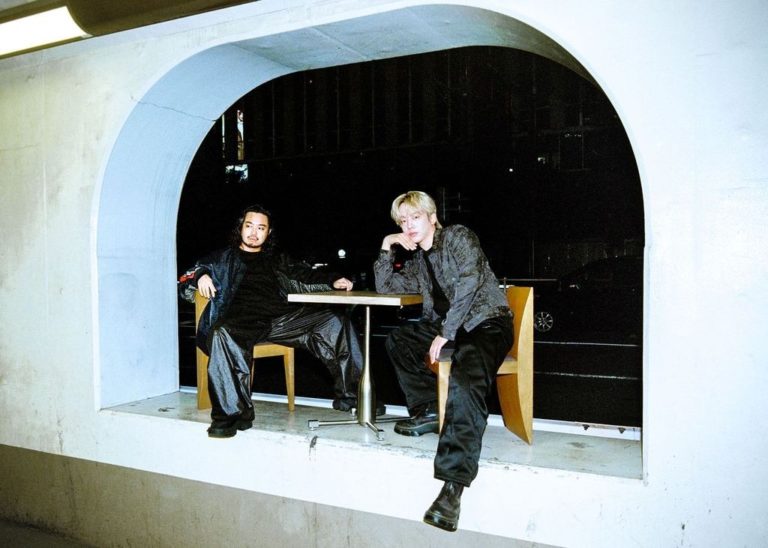
Creepy Nuts don’t do anything small. The Japanese hip-hop duo, comprised of rapper R-Shitei and DJ Matsunaga, release their new single “Fright” today, the same day they make their Coachella debut in Indio, California. It’s a calculated collision of moments, and it signals exactly where this group is headed on the global stage. Listen here.

“Fright” serves as the official theme song for the TBS prime-time drama Tokisude ni Osushi!?, premiering in Japan on April 7 and starring Hiromi Nagasaku and Kenichi Matsuyama in their first on-screen reunion in 18 years. The song mirrors the drama’s emotional core, exploring the tension between fear and moving forward anyway. R-Shitei puts it directly: “Whenever you begin something new, fear is always there beside you. But even carrying anxiety and doubt, you still move forward.” Lead actress Nagasaku called it “an overwhelming anthem” that urges listeners to stand at the starting line again without hesitation.

The single lands during a defining stretch for the duo. Since March 25, Creepy Nuts have been running a limited-time immersive experience inside Roblox’s “AVNU: Where Music Meets,” offering fans rhythm-based gameplay, trivia, exclusive content, and custom emotes built around their music. The activation runs through April 19 and has introduced the group to an entirely new global audience on a platform built for it.

The momentum behind all of this is real. Their 2024 release “Bling-Bang-Bang-Born” surpassed 900 million streams worldwide, and they became the first act to occupy the entire Top 3 of the Billboard Global Japan Songs Excl. Japan chart. In February 2025, they sold out Tokyo Dome with approximately 50,000 attendees. “Fright” is another strong entry in a catalog that keeps raising the stakes.

The North America Tour 2026 runs through April, with headline shows in New York, Chicago, and Mexico City bookending both Coachella weekends.

Creepy Nuts North America Tour 2026:

April 10 – Coachella Valley Music and Arts Festival, Indio, CA

April 13 – Hammerstein Ballroom at Manhattan Center, New York, NY

April 15 – The Auditorium, Chicago, IL

April 17 – Coachella Valley Music and Arts Festival, Indio, CA

April 19 – Pabellón Oeste, Mexico City, MX

Hilary Duff Re-Records Pop Classic “Come Clean (Mine)” Ahead of Record Store Day Vinyl Release

0

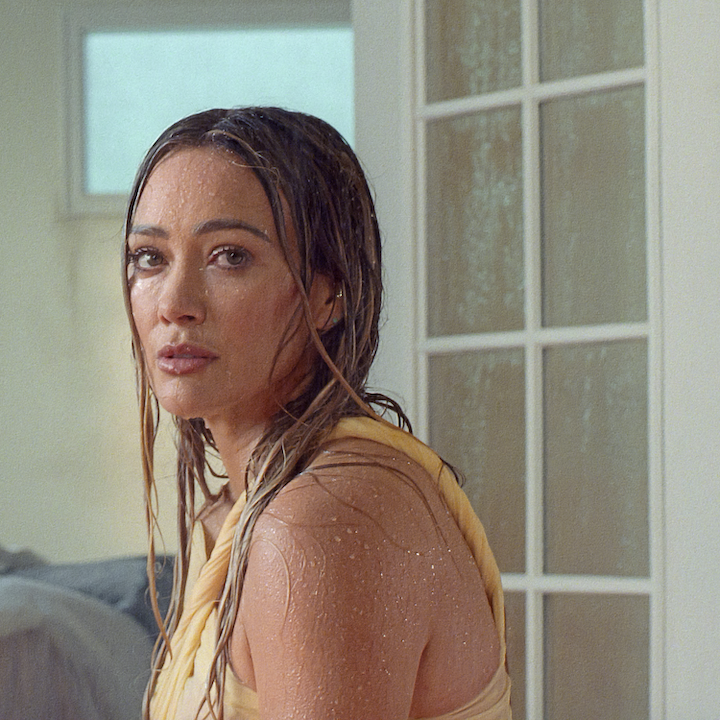
Hilary Duff’s return to music has been one of the better pop stories of the past year, and she’s not slowing down. Today she releases “Come Clean (Mine),” a newly re-recorded version of her landmark 2003 hit, freshly captured with brand new vocals and arriving ahead of ‘Hilary Duff (Mine),’ an exclusive Record Store Day vinyl collection pressed on silver vinyl and limited to just 10,000 copies, out April 18. Listen here.

The timing is sharp. “Come Clean (Mine)” will be featured in The Reunion: Laguna Beach, premiering tomorrow on The Roku Channel, giving the track immediate cultural context and a massive new audience. The broader ‘Hilary Duff (Mine)’ collection includes newly re-recorded renditions of career-defining tracks, including “What Dreams Are Made Of (Mine),” which Duff performed for the first time ever during her sold-out “Small Rooms, Big Nerves” run and two sold-out limited engagements at the Voltaire at The Venetian Resort Las Vegas.

All of this builds on ‘luck… or something,’ her critically acclaimed sixth studio album and first full-length since 2015, which debuted at number three on the Billboard 200. That’s her highest chart position since 2007, her sixth career Top 5 entry, and a number one debut in both Canada and Australia. Co-written by Duff and produced by her husband Matthew Koma alongside Brian Phillips, the album drew unanimous praise from Billboard, Rolling Stone, Pitchfork, the Los Angeles Times, and more.

The lucky me tour, her first full-scale global headline run in nearly two decades, kicks off June 21 in West Palm Beach and runs through February 2027 across seven countries. Support comes from Grammy Award-winning artist La Roux on US, Canada, Ireland, UK, Australia, and New Zealand dates, with Jade LeMac joining North American shows and Lauren Spencer Smith on 2027 Canadian dates. Most dates are already sold out, including two nights at Madison Square Garden, two nights at the Kia Forum, Red Rocks Amphitheatre, and two nights at Toronto’s RBC Amphitheatre.

“Come Clean (Mine)” is out now. ‘Hilary Duff (Mine)’ arrives April 18 exclusively for Record Store Day 2026.

The Lucky Me Tour Dates:

May 22 – Voltaire at The Venetian Resort Las Vegas (SOLD OUT)

May 23 – Voltaire at The Venetian Resort Las Vegas (SOLD OUT)

May 24 – Voltaire at The Venetian Resort Las Vegas (SOLD OUT)

June 21 – iTHINK Financial Amphitheatre, West Palm Beach, FL

June 22 – iTHINK Financial Amphitheatre, West Palm Beach, FL (SOLD OUT)

June 23 – MIDFLORIDA Credit Union Amphitheatre, Tampa, FL (SOLD OUT)

June 25 – Ameris Bank Amphitheatre, Alpharetta, GA (SOLD OUT)

June 27 – The Cynthia Woods Mitchell Pavilion, Houston, TX (SOLD OUT)

June 28 – Germania Insurance Amphitheater, Austin, TX (SOLD OUT)

June 30 – The Pavilion at Toyota Music Factory, Irving, TX (SOLD OUT)

July 2 – First Financial Credit Union Amphitheater, Albuquerque, NM

July 3 – Talking Stick Resort Amphitheatre, Phoenix, AZ

July 8 – Kia Forum, Los Angeles, CA (SOLD OUT)

July 9 – Kia Forum, Los Angeles, CA (SOLD OUT)

July 11 – Shoreline Amphitheatre, Mountain View, CA (SOLD OUT)

July 12 – Toyota Amphitheatre, Wheatland, CA

July 14 – Cascades Amphitheater, Ridgefield, WA

July 15 – White River Amphitheatre, Auburn, WA (SOLD OUT)

July 17 – Utah First Credit Union Amphitheatre, Salt Lake City, UT (SOLD OUT)

July 20 – Red Rocks Amphitheatre, Morrison, CO (SOLD OUT)

July 22 – Hollywood Casino Amphitheater, St. Louis, MO

July 23 – Ruoff Music Center, Noblesville, IN

July 25 – Mystic Lake Amphitheater, Shakopee, MN (SOLD OUT)

July 26 – Credit Union 1 Amphitheatre, Tinley Park, IL (SOLD OUT)

July 28 – Riverbend Music Center, Cincinnati, OH (SOLD OUT)

July 29 – FirstBank Amphitheater, Franklin, TN (SOLD OUT)

July 30 – Ascend Amphitheater, Nashville, TN (SOLD OUT)

August 1 – Truliant Amphitheater, Charlotte, NC (SOLD OUT)

August 2 – Jiffy Lube Live, Bristow, VA (SOLD OUT)

August 5 – Madison Square Garden, New York, NY (SOLD OUT)

August 6 – Madison Square Garden, New York, NY (SOLD OUT)

August 8 – Xfinity Center, Mansfield, MA (SOLD OUT)

August 9 – TD Pavilion at Highmark Mann, Philadelphia, PA (SOLD OUT)

August 12 – RBC Amphitheatre, Toronto, ON (SOLD OUT)

August 13 – RBC Amphitheatre, Toronto, ON (SOLD OUT)

August 15 – Pine Knob Music Theatre, Clarkston, MI (SOLD OUT)

August 16 – Acrisure Amphitheater, Grand Rapids, MI (SOLD OUT)

September 6 – 3Arena, Dublin, IE (SOLD OUT)

September 8 – Utilita Arena Cardiff, Cardiff, UK (SOLD OUT)

September 10 – The O2, London, UK (SOLD OUT)

September 12 – AO Arena, Manchester, UK (SOLD OUT)

September 13 – OVO Hydro, Glasgow, UK (SOLD OUT)

September 15 – The O2, London, UK

October 20 – Spark Arena, Auckland, NZ (SOLD OUT)

October 22 – Brisbane Entertainment Centre, Brisbane, AU (SOLD OUT)

BLXST and Big Sad 1900 Link Up for R&B and Hip-Hop Single “Day After Day” About the Real Cost of Showing Up

0

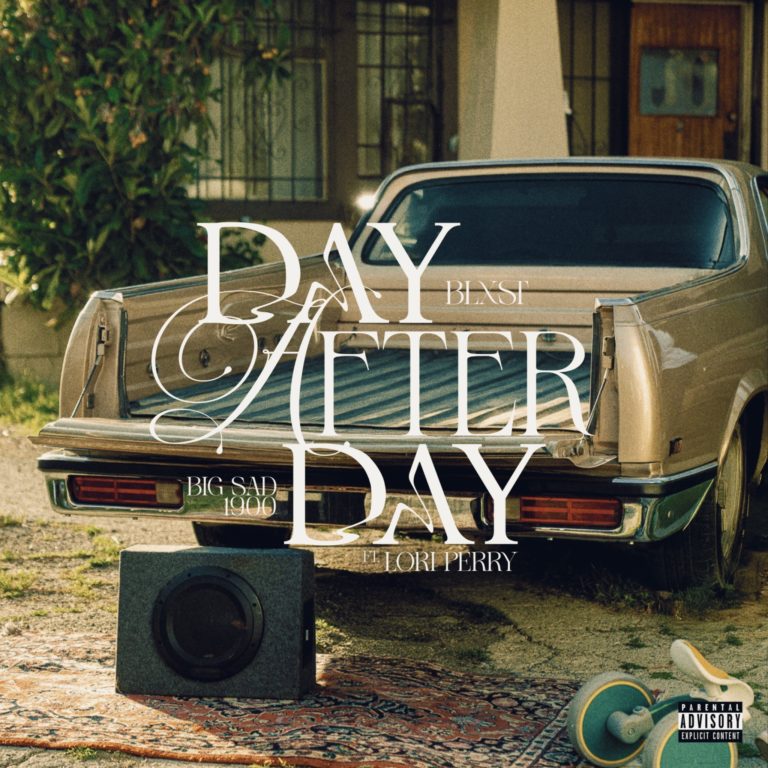
BLXST doesn’t ease back in. The Grammy-nominated West Coast singer-songwriter, producer, and rapper returns with “Day After Day,” a new single and video alongside Los Angeles rapper Big Sad 1900, out now via EMPIRE. Self-produced by BLXST, the track samples Lori Perry’s 1996 record “Up Against the Wind,” weaving her vocals through a song about growth, betrayal, and the reality that making it out doesn’t mean the hard part is over. Listen here.

The two artists bring complementary perspectives to the same truth. BLXST speaks on resilience and the evolution of struggle, while Big Sad 1900 adds weight on pain, loyalty, and carrying the burden of coming from nothing. Together they’ve built something that hits with the quiet force of lived experience. It’s one of the more grounded and emotionally layered tracks either artist has released.

The video, directed by Maxwell Alldread and filmed at a home in Los Angeles, matches the song’s depth. It opens on a rooftop before moving through intimate everyday moments, a woman braiding BLXST’s hair, another tending her garden, a family preparing a meal for the next generation. The visual centers community and connection, making the point that the daily grind is ultimately about the people you do it for.

“Day After Day” marks BLXST’s return following ‘I’ll Always Come Find You,’ his 2024 twenty-track concept album and short film divided into four acts and executive produced in part by Sounwave. That project pushed his narrative ambitions further than anything he’d done before. This new single picks up that momentum with focus and confidence.

BLXST has been one of the most consistent voices in modern R&B and hip-hop since his 2020 debut EP ‘No Love Lost,’ and “Day After Day” reinforces exactly why that reputation holds.

Slyder Smith’s “Killing The Machine” Confronts Technology’s Grip With a New Band and UK Tour

0

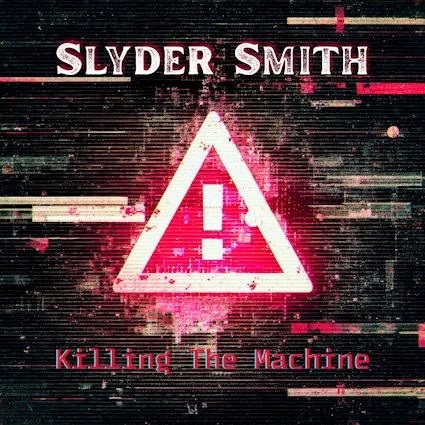
Slyder Smith comes out swinging on “Killing The Machine,” a hard-edged rock single that lands today on all major streaming platforms via Ray Records. The UK singer-songwriter has been building toward a moment like this, and the new track delivers it with gritty guitars, anthemic momentum, and the kind of raw lyricism that’s become his signature. It’s socially charged, sonically punishing, and deeply relevant. Listen here.

The single was produced by Robin Wynn Evans (Manic Street Preachers, The View, Sam Brown, Dodgy) at TPot Studio, and the production shows. There’s punch and precision here, a modern sonic edge that doesn’t sacrifice the timeless energy of classic rock. Slyder puts the theme plainly: “We’ve built something that’s meant to serve us, but it’s starting to feel like it’s shaping us instead. It’s about fighting back, holding onto what makes us human.”

“Killing The Machine” follows acclaimed releases “Plan To Fail” and “Nobody’s Listening,” continuing a run of music that confronts self-doubt, addiction, isolation, and societal disconnection without flinching. The single also arrives as a limited edition numbered CD bundle, including a signed CD, signed poster, and lyric sheet with two tracks recorded live at a sold-out Forfar 10 Bar show.

Slyder’s also unveiling a new four-piece lineup featuring Brian Kerr on guitar, Kevin Skelly on bass and backing vocals, and John McAvoy on drums. “The new band is sounding awesome in rehearsal,” he says. “Moving to a 4-piece was a great move that brings much more depth to the sound.” That depth hits the road across a string of UK dates starting tonight.

2026 UK Tour Dates:

April 10 – Bannermans, Edinburgh

May 1 – Audio (w/Bonifide), Glasgow

May 24 – 10 Bar, Forfar

July 11 – Rock Bottom, Falkirk

July 12 – Trillians, Newcastle

Eric Hirshberg’s “More Is Not The Answer” Turns a Near-Miss With Disaster Into His Most Personal Single Yet

0

Eric Hirshberg wrote “More Is Not The Answer” in the immediate aftermath of the Los Angeles wildfires, and the circumstances show. With minutes to decide what to grab before evacuating, the singer-songwriter found himself face to face with a question most people never have to answer under pressure: what actually matters? That moment is the song’s foundation, and it holds.

The track is the title cut from Hirshberg’s forthcoming album, due later this year, and it’s his most direct and personal release to date. “We were one of the lucky ones, but it got close,” he says. “It was incredibly clarifying, how little mattered, and how much it mattered.” That tension drives the entire song, grounding it in something real without tipping into sentimentality. It’s a quiet, cinematic piece of songwriting that earns every emotion it reaches for.

“More Is Not The Answer” follows “For Real,” his collaboration with Aloe Blacc that marked his national television debut on Live with Kelly and Mark, and earned praise from Kelly Ripa on-air as “an anthem,” alongside a feature in American Songwriter. Where that track looked outward at connection in a digitally saturated world, this new single turns inward, asking what remains when everything else is stripped away.

The accompanying video matches the song’s understated tone, a reflective, intimate performance that lets the writing breathe. Musically, Hirshberg continues developing his signature approach: direct, human-scale songwriting set against a broader cinematic soundscape. The result feels grounded and expansive at the same time.

Together, these releases are building something real. ‘More Is Not The Answer,’ the album, looks to be one of the more considered and thematically cohesive projects in the works this year.

Randall Franks and an All-Star Lineup Celebrate 100 Years of The Skillet Lickers

0

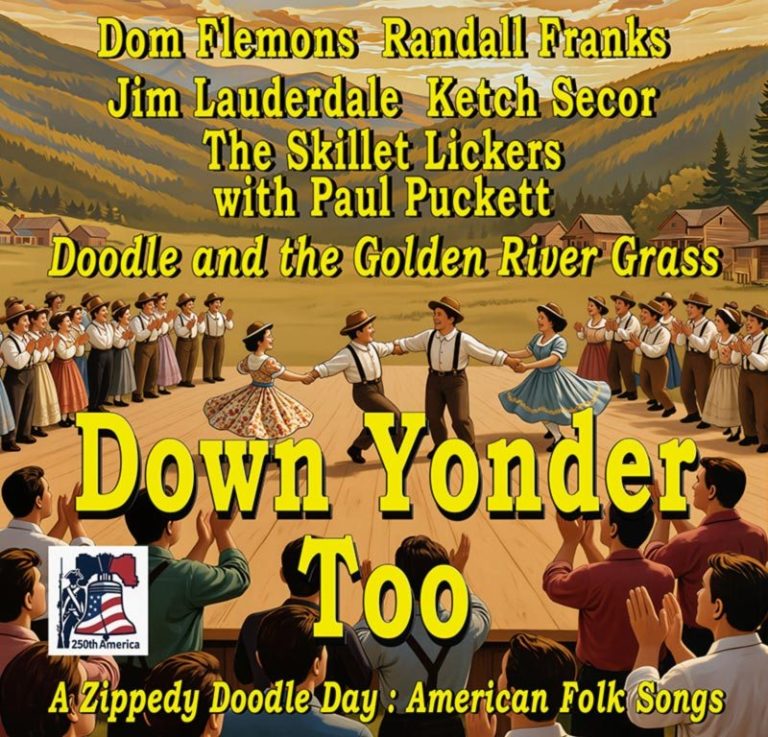
A centennial worth celebrating just got its soundtrack. Randall Franks, the award-winning bluegrass and Americana fiddler, actor, and International Bluegrass Music Museum Legend, has released “Down Yonder Too,” the debut single from the forthcoming charity album ‘A Zippedy Doodle Day: American Folk Songs.’ The track marks 100 years since The Skillet Lickers, Georgia’s pioneering fiddle band, formed in 1926, and it honors Doodle and the Golden River Grass, one of the last traditional fiddle bands of country music’s early era.

The single brings serious firepower to a historic moment. Dom Flemons, Jim Lauderdale, Ketch Secor, and Paul Puckett all appear alongside Franks, with fiddle, harmonica, banjo, jug, and layered vocals woven through a fresh interpretation of The Skillet Lickers’ multi-million-selling classic “Down Yonder.” Archival elements sit alongside contemporary performances, and the result bridges Appalachian string band tradition with the energy of artists who clearly love this music.

“Down Yonder Too” is joyful, deeply rooted, and built with real reverence for what came before it. Franks puts it plainly: “This project is about preserving the soul of Appalachian music and ensuring its future.” The Tanner family legacy runs through the track too, with third-generation member Phil Tanner and fourth-generation member Russ Tanner both contributing.

The full album features an extraordinary roster of contributors, all donating their talents to support the Share America Foundation’s scholarships for aspiring Appalachian musicians, and the West Georgia Museum’s historical preservation work. Franks is also directing an accompanying documentary drawing on archival footage, interviews, and performances tied to Doodle and the Golden River Grass, including their appearances at the 1982 World’s Fair and PBS specials.

Kelly Lang’s “HollyWould” Pulls No Punches on the Price of Chasing Fame

0

Kelly Lang writes songs that stick, and “HollyWould” is proof she’s not playing it safe. The Nashville singer-songwriter, producer, and Oklahoma Music Hall of Fame member has released her second single from the upcoming album ‘Jealous Green Eyes,’ and it’s a sharp, cinematic country track about the cost of chasing Hollywood at any price. The single premiered with The Country Note, the video debuted with Center Stage Magazine, and it landed on Whiskey Riff’s New Music Friday.

Lang held this one back for a reason. “It actually sat in a box for a while before I had the courage to release it,” she admits. The song follows a small-town girl who discovers just how much she has to surrender to make it, and Lang filmed the video at the historic Franklin Theatre in Tennessee, giving the visuals the same weight the song carries. It’s spicy, considered, and exactly the kind of track that earns repeat listens.

“HollyWould” sits comfortably alongside the album’s first single, “I Reach For Red,” a modern-leaning track with a confident nod to the K.T. Oslin era. Together, the two singles sketch the tone of ‘Jealous Green Eyes,’ an eleven-track collection of self-penned and co-written songs covering love, heartbreak, and divorce with Lang’s trademark storytelling precision.

The album also includes an answer song to T.G. Sheppard’s iconic “I Loved ‘Em Every One,” a detail that adds serious intrigue to an already compelling project. Lang has recorded with and written for country royalty across decades, and ‘Jealous Green Eyes’ reads like an artist fully in command of her own narrative. More singles roll out through spring and summer ahead of the album’s release date, to be announced.

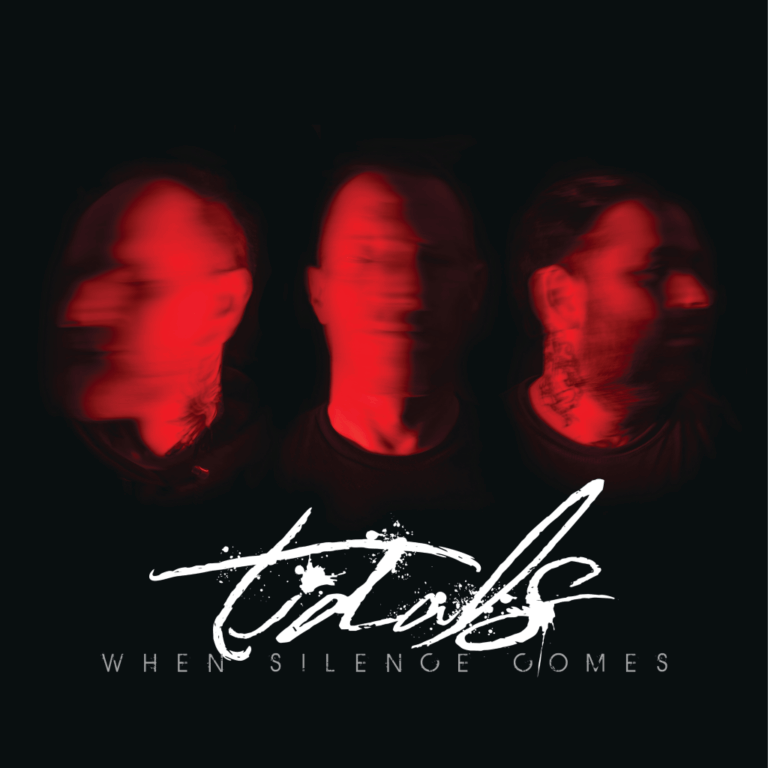
TIDALS Drop “When Heroes Speak,” a Cinematic Rock Anthem Built for the Moment

0

TIDALS have something to say, and “When Heroes Speak” makes sure you hear every word. The emerging rock powerhouse’s new single arrives as a full-scale cinematic statement, built on sweeping guitars, driving rhythms, and vocals that command attention from the first bar. This isn’t background music. It’s a track engineered to fill space and demand a response.

The song doesn’t shy away from a sharp point of view. TIDALS wrote it around the mechanics of manipulation, specifically how powerful entities push agendas that ultimately cost everyone else. As the band puts it, “the burden is ultimately endured by all.” That’s a serious idea, and they deliver it with the kind of sonic weight it deserves.

Musically, “When Heroes Speak” builds the way the best anthems do, with patience, tension, and a chorus that hits like a punch. The production is modern and expansive without losing its emotional core. TIDALS know how to make a big sound feel personal, and that balance is what separates this track from the crowded rock landscape.

The single reinforces what’s been clear for a while now: TIDALS are developing a signature sound rooted in cinematic rock with real lyrical substance. This is a band that writes about something, and the music carries that weight without collapsing under it.

My SiriusXM Show This Week: Interviews With David Archuleta, Don Breithaupt, Marc Jordan, Daniel Bedrosian, And Tami Neilson

0

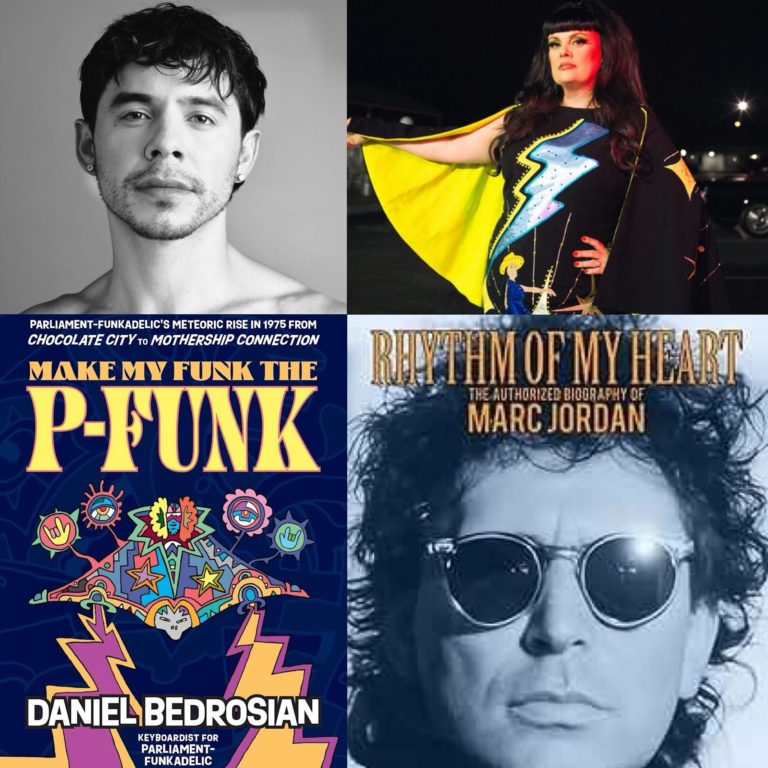
My SiriusXM show: Interviews with singer-songwriter and author David Archuleta; Marc Jordan with Don Breithaupt, author of Rhythm of My Heart: The Authorized Biography of Marc Jordan; Daniel Bedrosian, author, Make My Funk the P-Funk; Powerhouse vocalist Tami Neilson! Sat 8am + 2pm, Sun 12pm, Wed 2pm (all ET), Channel 167 + anytime on the SiriusXM app!

What is the ideal age to learn how to sing?

0

By Mitch Rice

Am I too young? Too old? Somewhere in between? Nearly every aspiring singer asks this question before booking that first lesson. The truth is, no single “perfect” age exists. But starting vocal training at the right stage of development, with proper guidance, can shape your voice in remarkable ways.

This article breaks down the best age ranges for singing lessons, explains why working with a qualified teacher matters, and offers practical advice for every life stage. Whether you’re considering lessons for a five-year-old or yourself at fifty, you’ll find actionable guidance here.

Is there really an ideal age to start singing lessons?

No universal ideal age applies to every singer. Certain developmental windows do offer unique advantages, but the voice remains trainable throughout life. Your vocal cords function like any physical instrument: they grow, change, and respond to practice regardless of when you start.

During childhood, the vocal folds are thin and flexible. Puberty thickens them considerably, especially in boys. After adolescence, the voice stabilizes and gains depth. Each of these stages presents different opportunities.

The “best” age ultimately depends on your goals, emotional maturity, and physical readiness. A five-year-old exploring melody games has different needs than a teenager preparing for auditions. When you choose to learn to sing with a teacher, you get guidance perfectly adapted to wherever you are in that journey. And the research backs this up: barring rare medical conditions, virtually anyone can develop their singing voice.

Why learning to sing with a teacher matters at every age

A qualified vocal teacher does what no app or YouTube tutorial can: they listen, observe, and correct in real time. That immediate feedback loop prevents bad habits from taking root. It also protects your voice from strain and injury, which self-taught singers risk every day.

Teachers assess vocal readiness before pushing technique. They choose exercises matched to your current range, breath capacity, and coordination level. A ten-year-old gets playful warmups. An adult beginner gets targeted breath support drills. The approach changes, but the principle stays the same: meet the student where they are.

Online resources and AI-powered vocal apps make excellent supplements between sessions. They help reinforce pitch accuracy and rhythm. But they can’t replace the nuanced ear of a trained professional who notices that slight tension in your jaw or the breath you’re cutting short.

Singing lessons for young children (ages 5–9): building a musical foundation

Forget perfection at this age. The goal is simple: make music joyful. Children between five and nine benefit most from activities that build pitch matching, rhythm recognition, and a genuine love of singing. Formal technique can wait.

Young vocal cords are delicate, almost fragile. A skilled teacher avoids exercises that push volume or range too aggressively. Sessions stay short, typically 15 to 20 minutes, packed with variety to hold attention. Think call-and-response games, silly songs, clapping patterns.

Posture and breathing basics enter the picture gently. A child who learns to stand tall and breathe from the belly at age seven carries that foundation forward for years. The key is embedding these habits through play, not drills.

Pre-teens and teenagers (ages 10–17): navigating voice changes

This age range represents the sweet spot for structured vocal training. Teenagers possess enough cognitive maturity to grasp concepts like resonance, breath support, and vowel placement. Their voices are also developing rapidly, which makes skilled guidance especially valuable.

A good teacher adjusts constantly during these years. The repertoire shifts. Exercises get modified week by week. Patience becomes the most important tool in the studio.

How puberty affects the singing voice

Puberty transforms the voice from the inside out. The larynx grows, vocal cords thicken, and hormones drive unpredictable changes. Boys experience this most dramatically (the classic “voice breaking”), but girls notice shifts in tone and range too.

This transition lasts anywhere from one to three years. During that window, notes that felt easy last month suddenly crack or disappear. A teacher helps the student navigate this frustrating phase without losing confidence. They assign exercises that strengthen without straining, keeping the voice healthy while it settles into its new shape.

Setting realistic goals for teen singers

Perfection makes a terrible goal for any teenager. Exploration works far better. These years should focus on building solid technique, experimenting with repertoire, and discovering what genres feel right.

  1. Encourage choir participation alongside private lessons for broader musical exposure
  2. Explore multiple genres: pop, classical, musical theatre, jazz
  3. Prioritize vocal health habits over impressive high notes
  4. Set small, measurable milestones (learning one new song per month, expanding range by a half step)

A teacher who understands teen voices can guide this exploration without overwhelming the student or letting them plateau.

Adult beginners (ages 18–50+): it is never too late to start

The myth that you must start singing as a child to “make it” deserves to be retired permanently. Adults bring powerful advantages to vocal training: discipline, emotional depth, self-awareness, and the ability to practice consistently without a parent reminding them.

Many adults hesitate because they believe they lack natural talent. That fear fades fast with the right teacher. A supportive instructor reframes the process, showing that singing relies on learnable skills, not some mysterious gift you either have or don’t.

Common adult concerns include judgment from others, stiff muscles, or limited free time. Here’s the reality: even 15 to 20 minutes of focused daily practice produces noticeable progress within weeks. Adults who commit to regular lessons often surprise themselves with how quickly their tone, range, and confidence improve.

What to expect in your first singing lessons

Your first lesson probably won’t involve performing a full song. Most teachers start with a vocal range assessment, checking which notes you hit comfortably and where your limits sit today. Then comes posture work, breathing exercises, and perhaps a simple melody.

Expect repetition. Lots of it. Foundational techniques like diaphragmatic breathing and proper alignment take weeks to internalize. That’s normal, not a sign of slow progress.

Lesson elementTypical durationPurpose
Warmups and scales10–15 minutesPrepare the voice safely
Breathing exercises5–10 minutesBuild breath support
Song work15–20 minutesApply technique to music
Cool-down5 minutesPrevent vocal fatigue

For younger students, teachers mix things up more aggressively: rounds, duets, movement-based activities. Adults typically prefer a structured plan with clear weekly goals and homework to practice between sessions.

How to choose the right singing teacher for your age and goals

Experience with your specific age group matters more than impressive credentials alone. A teacher who excels with adult beginners might struggle to engage a seven-year-old, and vice versa. Ask about their typical student profile before committing.

Teaching style and personal rapport often outweigh qualifications on paper. You should feel comfortable, encouraged, and gently challenged. If a teacher makes you dread lessons, find another one.

Consider the format that fits your life:

  • In-person lessons offer the richest feedback, especially for beginners who need posture correction
  • Online lessons provide flexibility and work surprisingly well for intermediate students
  • Hybrid approaches combine the best of both worlds

AI vocal coaches and pitch-training apps complement lessons nicely. Use them between sessions to reinforce what your teacher introduced. But treat them as supplements, never substitutes.

Daily practice tips to complement your singing lessons

Short daily sessions outperform marathon weekend practices every time. Fifteen minutes of focused work, five days a week, builds muscle memory faster than a single two-hour session on Saturday.

  1. Start each practice with a 3-minute warmup (lip trills, humming, gentle scales)
  2. Spend 5–7 minutes on the specific technique your teacher assigned that week
  3. Dedicate the remaining time to song work, applying what you practiced
  4. Record yourself at least once a week to track changes in tone and pitch accuracy

Practice posture and breathing even when you’re not singing. Stand tall while washing dishes. Breathe from your diaphragm during your commute. These micro-habits accelerate your progress in ways that surprise most students. The singers who improve fastest typically combine weekly lessons with three to four days of self-guided practice at home.

FAQ

Can a 5-year-old take singing lessons with a teacher?

Yes, absolutely. Lessons at this age should revolve around fun, rhythm games, and pitch-matching activities rather than formal technique. Keep sessions short (15 to 20 minutes) and use age-appropriate material that keeps the child engaged and smiling.

Is 40 too old to learn how to sing?

Not even close. Adults of any age develop their voice effectively with proper guidance and regular practice. Many adult beginners progress rapidly because they bring discipline and emotional maturity to the learning process, qualities that younger students often lack.

How long does it take to see results when learning to sing with a teacher?

Most students notice improvements within four to eight weeks of consistent lessons paired with daily practice. More significant gains in tone, range, and overall confidence typically emerge within six to twelve months. Progress depends heavily on practice frequency and the quality of teacher guidance.