Home Blog Page 414

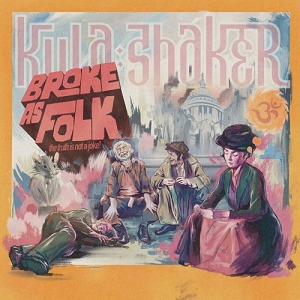
Kula Shaker Drop Fiery New Single ‘Broke As Folk’ Ahead of North American Tour

0

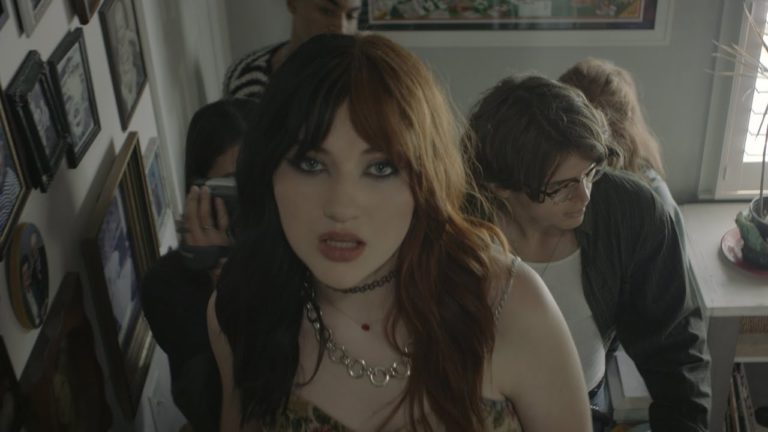
Prime purveyors of Psychedelia and one of the biggest bands of the ‘90s, Kula Shaker are back and stronger than ever. Featuring their classic lineup – Crispian Mills (vocals/guitar), Alonza Bevan (bass), Paul Winter Hart (drums) and fan favourite Jay Darlington (Hammond organ) – the band’s previous album, 2024’s “Natural Magick,” topped the UK indie charts, achieving their highest chart position in a quarter-of-a-century. Now Kula Shaker build on that momentum with today’s release of the brand new single “Broke As Folk” — accompanied by an epic video directed by Mills, filmed on the furthest south-western cliffs of Cornwall, England.

Howling wolves, foreboding keys and sparse gothic guitars set an ominous tone before “Broke As Folk” suddenly changes gear. What emerges from the shadows is a luminous flourish of Cadillac choruses and Doors-esque grooves, led by Darlington’s inimitable swirling Hammond and Mills’ beguiling lyrics — “Now Day is Night, and Night is Day…”

Crispian Mills: “‘Broke As Folk’ is a song for everyone who didn’t fly in for Jeff Bezos’s wedding; who isn’t part of the 1%; who’s ‘feeling the heat’, courtesy of our toxic overlords. Being ‘broke’ isn’t just about money, it’s a condition of the soul, a near-constant state of PTSD, which applies to most of us, if we’re honest. What do we do when reality itself is broken? When everything we read or hear (at least in the ‘official’ narrative) has lost all credibility. What replaces it? The song is also about the flip side, about counting one’s blessings, being grateful for the joys that money can’t buy. Like faith and family and friends, and foraging for wild mushrooms. It’s also got a really cool organ solo by Jay, which is what the world needs right now.”

“Broke As Folk” is written by Kula Shaker, produced by Alonza Bevan, and mixed by Ash Howes.

As Kula Shaker put the finishing touches to their 8th studio album (TBA) the video for “Broke As Folk” continues the theme of the “Charge of The Light Brigade” (released by the band in April) with its mystic twist on Madchester, and allusions to spiritual vampires and war mongering. This Spring, the band also made a high impact return to the live arena, with a sprawling UK tour as special guests to Ocean Colour Scene. Their new era has been supported with coverage including The Guardian, Loaded and Northern Exposure, as well as fresh airplay from Amazing Radio.

Kula Shaker emerged during the Britpop era, very much as an anomaly: their sound evoking echoes of Jimi Hendrix, The Doors and Deep Purple but with a spiritual ethos reminiscent of George Harrison’s “All Things Must Pass,” an energy befitting the optimistic zeal of the mid-’90s. Their debut track “Grateful When You’re Dead/ Jerry Was There” a launched series of classic hits: the free-spirited rush of “Hey Dude” (#2), the unstoppable hooks and Indian mantra vibes of “Tattva” (#4) and “Govinda” (#7) plus their famous take on the classic “Hush” (#2).

Their debut album ‘K’ shot to #1 in the UK and achieved double-Platinum status as it simultaneously climbed charts across the world. Their second record, ‘Peasants, Pigs & Astronauts’, (produced by Bob Ezrin and Rick Rubin) also hit the Top 10 and delivered more hits in the shape of ‘Shower your Love’ and Sound of Drums’. They resurfaced sporadically between 2007-2016, during which time Mills wrote and directed two feature films, until they began a new era of creativity with ‘1st Congregational Church of Eternal Love and Free Hugs’ in 2022, followed soon after by ‘Natural Magick’ in 2024 which was supported with coverage including NME, The Line of Best Fit and Louder.

Kula Shaker have a final pair of UK festival dates on the calendar before they head to North America in September. That tour starts with a run of headline shows before they perform as special guests to The Dandy Warhols.

AUGUST
16th – Devon, Beautiful Days

SEPTEMBER – HEADLINE SHOWS
16th – Chicago, IL, Metro
18th – Toronto, ON, Mod Club
19th – Montreal, QC, Le Studio TD
21st – Boston, MA, Brighton Music Hall
22nd – New York, NY, Irving Plaza

SEPTEMBER – SPECIAL GUESTS TO THE DANDY WARHOLS
25th – Dallas, TX, Longhorn Ballroom
26th – Austin, TX, Mohawk
27th – Houston, TX, Heights Theater
29th – Sante Fe, NM, The Bridge
30th – Phoenix, AZ, MarqueeBest headphones deals

OCTOBER – SPECIAL GUESTS TO THE DANDY WARHOLS
2nd – Santa Ana, CA, Observatory OC
3rd – San Diego, CA, Humphrey’s
4th – Pioneertown, CA, Pappy & Harriet’s
6th – Los Angeles, CA, Bellwether
8th – San Francisco, CA, Regency Ballroom


LEGO Unveils 3,228-Piece Hogsmeade Set With Zonko’s, The Hog’s Head, and 12 Minifigures

0

The LEGO Group is bringing the magic back to Hogsmeade—just in time for Back to Hogwarts 2025—with the launch of the LEGO Harry Potter Hogsmeade Village – Collectors’ Edition. This 3,228-piece set offers a nostalgic winter’s walk through the only all-wizarding village in Britain—brick by brick—bringing to life some of the most beloved moments from the Harry Potter films.

On September 1, Back to Hogwarts Day is an annual global fan celebration marking the date when students in J.K. Rowling’s Wizarding World board the Hogwarts Express from Platform 9¾. Each year, fans around the world come together—both in person and online—to celebrate with themed activities, special product launches, community events, and watch parties that keep the magic of the Wizarding World alive.

The Hogsmeade Village set features seven iconic buildings recreated in intricate detail—from the sweet-filled wonder of Honeydukes to the warmth of The Three Broomsticks—including, for the first time ever in LEGO brick form, Zonko’s Joke Shop and the Hog’s Head pub. Fans can relive unforgettable on-screen moments like sipping Butterbeer, stocking up on Exploding Bon Bons, or discovering the hidden passage behind Aberforth Dumbledore’s portrait.

Designed for display and perfect for connecting to other large-scale LEGO Harry Potter sets such as Diagon Alley and Gringotts Wizarding Bank, Hogsmeade comes alive with crooked chimneys, snow-dusted rooftops, and doors that open to reveal film-accurate interiors brimming with magical accessories—from Sneakoscopes to Remembralls. With 12 detailed minifigures—including Harry, Ron, Hermione, Professor McGonagall, and Aberforth Dumbledore—this set is a spellbinding addition to any wizarding collection.

The LEGO Harry Potter Hogsmeade Village – Collectors’ Edition will be available for purchase on September 4, 2025, from LEGO.ca/Hogsmeade, LEGO stores and select retailers across Canada.

LEGO Harry Potter Hogsmeade Village – Collectors’ Edition (SKU 76457)

  • Age – 18+
  • The model measures: Over 21.85 in. (55.5 cm) high, 14.8 in. (37.8 cm) wide and 6.18 in. (15.7 cm) deep
  • 3,228 pieces
  • Price: $489.99 CAD
  • Key functions and features include:
    • Features seven iconic buildings including first-ever LEGO brick versions of Zonko’s Joke Shop and The Hog’s Head.
    • Packed with authentic film references such as Exploding Bon Bons, Butterbeer, and Ariana Dumbledore’s portrait with hidden passage.
    • Includes 12 minifigures: Harry Potter, Ron Weasley, Hermione Granger, Professor McGonagall, Aberforth Dumbledore and more.
    • Connects to other large-scale LEGO Harry Potter sets such as Diagon Alley and Gringotts Wizarding Bank.

Peter Frampton, Trey Anastasio, and Grace Bowers Unite for Soaring ‘While My Guitar Gently Weeps’ at Love Rocks 2025

0

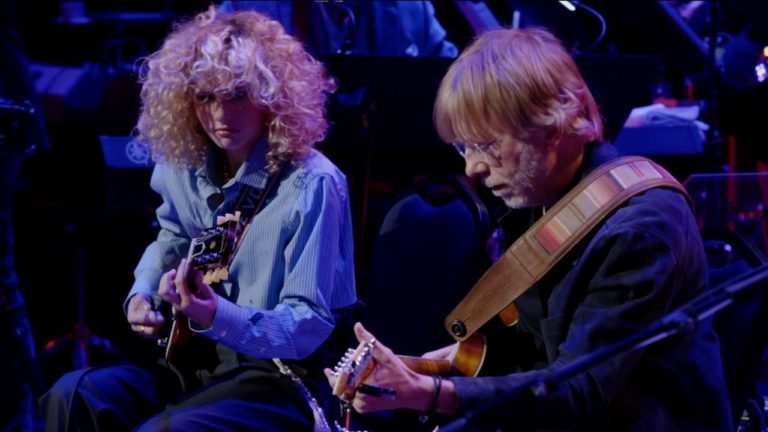
At Love Rocks 2025, Peter Frampton, Trey Anastasio, and Grace Bowers turned George Harrison’s ‘While My Guitar Gently Weeps’ into a six-string sermon. For a few minutes, time stopped—only the music mattered.

Belong Center Joins Above & Beyond’s North American Tour to Turn Concerts Into Connection Hubs

0
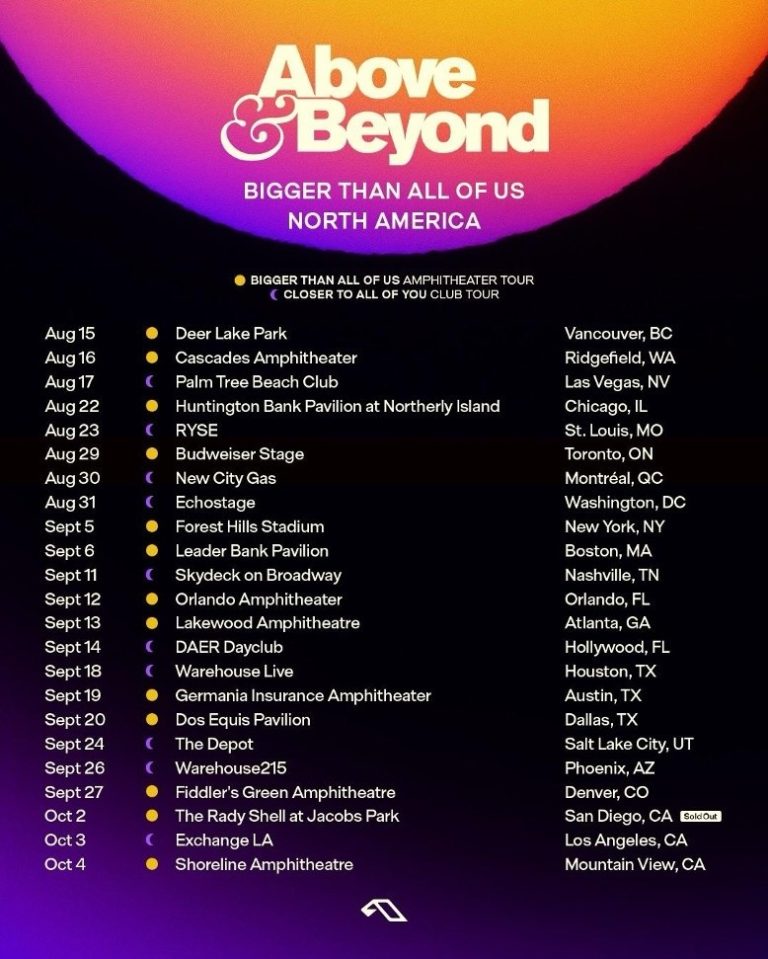
 As loneliness reaches epidemic levels worldwide, Belong Center is stepping into the spotlight with a powerful new partnership: joining the North American tour of internationally renowned electronic music trio Above & Beyond to bring real-world connection to tens of thousands of fans.
 
At the heart of the collaboration is a significant charitable initiative: $1 from every ticket sold on Above & Beyond’s Bigger Than All of Us tour will be donated to three nonprofit organizations — with one-third directly supporting Belong Center and its mission to end loneliness and build a culture of belonging. This partnership brings Belong Center’s work into the heart of live music culture, turning concerts into moments of presence, purpose, and community.
 
Beginning next month, Belong Center will activate five major tour stopsQueens, NY (Sept 5), Boston (Sept 6), Atlanta (Sept 13), Austin (Sept 19), and Denver (Sept 27) — with immersive, on-site experiences designed to spark meaningful connection. At each stop, fans will encounter the Belong Bench, a bright yellow interactive art installation wrapped with the message: “This is not a selfie-taking spot. It’s a connection spot. Take a risk. Sit. Talk. Belong.”     Fans who engage with the installation will be invited to scan a QR code to join the Belong Center movement, sign up for its upcoming Belonging Method™ community training platform, and access tools for creating community in their own lives. Pocket-sized Connection Cards will be distributed onsite – featuring playful, soulful prompts like “What’s a song that’s helped you feel less alone?” – to continue the conversation long after the show.
 
The partnership brings Belong Center’s mission into new territory: the heart of live music culture. Founded by Radha Agrawal, the social entrepreneur behind the early-morning sober dance movement Daybreaker, Belong Center exists to end the loneliness epidemic and help people feel re-connected – to themselves, to each other, and to the planet.
 
“Above & Beyond creates spaces where people feel seen, lifted, and connected – and that’s exactly what Belong Center is here to do,” said Agrawal. “We’re honored to join forces with a band whose music already brings people together, and to invite fans into a deeper experience of community while they’re already open, dancing, and alive.”     Local Belong Ambassadors will be present at each stop, helping fans engage with the bench, sign up for resources, and take their first steps into the Belong Center ecosystem. Fans who join the movement onsite will be entered into a giveaway to win a signed Above & Beyond album.
 
Declared a public health crisis by the U.S. Surgeon General, loneliness is now one of the most urgent issues of our time – with profound effects on mental, physical, and societal well-being. Belong Center is building a movement to meet that crisis with joy, play, and purpose.
 

Brick Meets Bounce: LEGO and Nike Slam Into September With Slam Dunk & Trickshot Sets

0

The LEGO Group and Nike are bringing the swagger of sport to the brick-building world this September—dropping two bold new LEGO Nike sets alongside a fresh lineup of Nike x LEGO apparel, footwear, and accessories that celebrate movement, creativity, and self-expression both on and off the court.

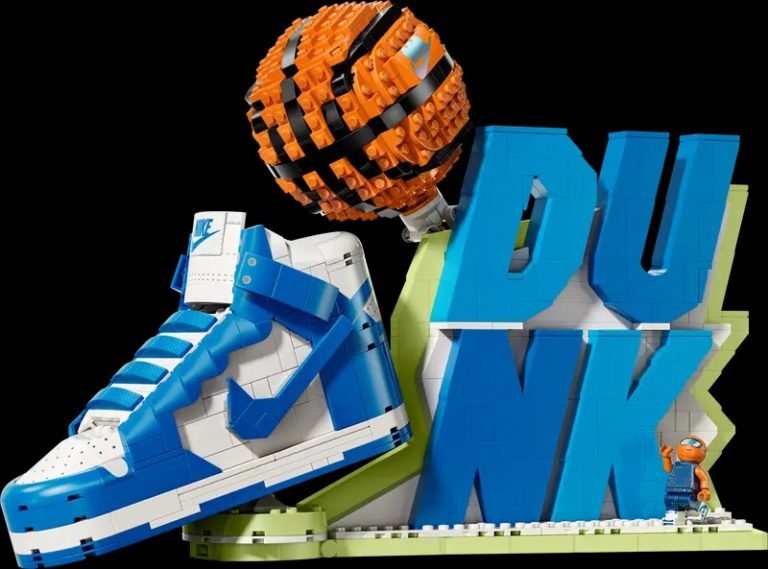
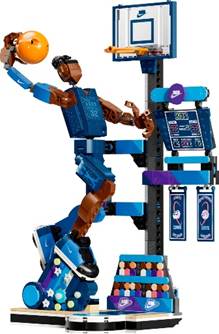
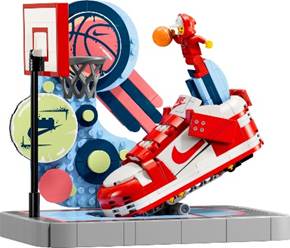
Building on the excitement from the Nike Dunk x LEGO Set released earlier this summer, these all-new sets take play to the next level: the Nike Slam Dunk x LEGO Set lets you capture the heart-pounding moment of a basketball player launching into a jaw-dropping slam dunk, complete with customizable jersey and hairstyle options that bring your courtside champion to life. Meanwhile, the Nike Dunk Trickshot x LEGO Set transforms the neighbourhood playground into your stage with a vibrant backdrop and an iconic red Nike Dunk sneaker, featuring an exclusive minifigure with two expressions ready to nail the perfect trick shot or kick off a pickup game. Both sets pulse with the energy, style, and creative spirit that define this collaboration—perfect for display or action-packed play.

The collaboration continues beyond the bricks with the second drop of the Nike x LEGO® Collection, available September 1 and designed for sport lovers, sneaker fans, and creative builders, blending championship style with LEGO-inspired creativity. This bold and colourful lineup includes:

  • Nike Dunk Low x LEGO Collection
  • Nike x LEGO Collection Basketball
  • Nike x LEGO Collection Basketball Jacket
  • Nike x LEGO Collection Girls’ Cropped T-Shirt
  • Nike x LEGO Collection Heritage Backpack
  • Nike x LEGO Collection Everyday Essentials Crew Socks
  • Nike x LEGO Collection Gathered Hair Ties

With the Nike x LEGO partnership inspiring kids to move, build, and dream big, there’s never been a better time to step onto the court—brick by brick. The LEGO Nike sets will be available for purchase on September 1, 2025, from LEGO.ca/Nike, LEGO stores, and select retailers across Canada, while the Nike x LEGO Collection will be available from Nike.ca/LEGO and select Nike stores.

LEGO® Nike Slam Dunk x LEGO® Set (SKU 43010)

  • Age – 10+
  • The model measures: Over 14.5 in. (37 cm) high, 10 in. (25 cm) wide, and 5.5 in. (14 cm) deep
  • 809 pieces
  • Price: $69.99 CAD
  • Key functions and features include:
    • Capture the ultimate courtside moment by building a basketball player mid-slam dunk.
    • Includes options to customize the player’s jersey and hairstyle for a personalized build.
    • A dynamic display piece that brings the action and creativity of the game to life.

LEGO Nike Dunk Trickshot x LEGO Set (SKU 43021)

  • Age – 10+
  • The model measures: Over 6 in. (16 cm) high, 7 in. (17 cm) wide, and 5 in. (13 cm) deep
  • 454 pieces
  • Price: $39.99 CAD
  • Key functions and features include:
    • Build a colourful streetball backdrop and an iconic Nike Dunk sneaker in its original red colourway.
    • Features an exclusive Minifigure with two head options.
    • Launch the Minifigure into an epic dunk or remove the shoe to create your own pickup game scene.

Gel Pens vs Ballpoint Pens: Which Should You Use?

0

By Mitch Rice

When it comes to writing, two main options stand out: gel pens and ballpoint pens. There’s nothing wrong with pencils, of course; they’re a tried and tested choice for drafts and sketches. But when you need something more permanent and smooth on paper, pens are the professional go-to.

Everyone has their own preference when it comes to pens. Maybe you want something simple for everyday use. Or perhaps you’d prefer a more precise and polished option for specific projects. In either case, both ballpoint pens and gel pens are solid choices, they just bring different things to the table.

If you can’t decide between the two, this guide will break down the key differences in features, feel, and where each one works best.

What’s the Difference?

Not all pens are created equal. Ballpoint pens use oil-based ink, thicker, slower-drying, and longer-lasting. You’ll usually need to apply a bit more pressure as you write, but the result is controlled, clean lines that smudge less. This makes them a go-to for general note-taking, carbon copies, or official paperwork.

Gel pens, on the other hand, use water-based gel ink. It flows more freely and smoothly but takes longer to dry. What you get is a much more fluid writing experience with rich, vibrant colours that really stand out.

Think of ballpoint pens as the reliable workhorse, not flashy, but gets the job done. Gel pens? They’re the smooth operator, full of colour and expression, with a flair for the creative.

Fun fact: Ballpoint pens were invented in the late 1930s by Hungarian journalist László Bíró, who was frustrated by how often fountain pens smudged. Gel pens came along decades later in the 1980s, offering smoother flow and punchy colours. Both changed the way we write, just in different ways.

Writing Experience & Feel

No matter what type of pen you use, there are two things you should consider:

  • How does it feel in your hand? Is it comfortable, and would you want to use it for long periods?
  • How easy is it to write with? Does it glide across the page or need extra pressure?

Both comfort and performance matter, and each pen type performs differently depending on the task.

Gel pens tend to offer a smoother writing experience, gliding across the page with minimal effort. They’re great for fast note-taking or long writing sessions, especially if your handwriting is small and neat. However, the ink can smudge easily, particularly if you’re left-handed or using cheaper paper.

Ballpoint pens, on the other hand, require more hand pressure, which can get tiring over time. But they make up for it in reliability. They’re less likely to smear, can handle a wider variety of surfaces (including glossy or slick paper), and offer better resistance and control if you tend to write quickly or with more pressure.

If smudging is more important to you than colour or fluidity, ballpoints might be the safer bet.

Ink Quality & Appearance

If you’re just jotting down quick notes or working on something personal, the quality of the ink may not be a dealbreaker. In those cases, something practical and functional does the job.

But when it comes to professional settings, ink quality matters. Your handwriting reflects your attention to detail, and smudged signatures or faded ink won’t do you any favours.

For official documents, contracts, and signing papers, ballpoints are a better option. The colours are usually more muted, typically black or blue, and while they may fade as the ink runs low, they’re generally consistent and dependable.

Gel pens, on the other hand, are more expressive. Their bold, vibrant colours are great for highlighting, colour-coding, or creative work like journaling. But they can bleed through paper and are more prone to smudging, especially on glossy or thin paper.

Pros & Cons by Scenario

Your ideal pen depends on where and how you plan to use it. What works well for studying may not be the best fit for signing documents.

Gel pens are also a favourite among scrapbookers, calligraphers, and anyone who enjoys bullet journaling. With fine tips and colour options like neons, glitters, and pastels, they add a stylish flair to headings, lists, and trims.

Meanwhile, illustrators might still use ballpoints for technical sketches or quick cross-hatching thanks to the pen’s precise control and lighter touch.

Here’s how they compare across a few common settings:

Office & Business

In most office or corporate settings, ballpoint pens are the standard. They’re reliable, clean, and unlikely to smear, ideal for forms, signatures, and paperwork. Gel pens might look stylish, but they can bleed through paper or smudge easily, which isn’t ideal for contracts or important reports.

School & Study

For students and note-takers, gel pens offer smoother writing and come in loads of colours, which makes revising more visual and engaging. They reduce hand strain during long sessions, but can smudge on planner pages or glossy textbook paper.

Ballpoints last longer and are more forgiving when you’re flipping through books and taking quick notes, just expect lighter ink and less vibrancy.

Creative Uses

If you’re journaling, doodling, or sketching, gel pens usually take the crown. With crisp lines, bright pigments, and effects like metallics and pastels, they’re perfect for making your work pop.

Ballpoints are still useful, particularly for outlines, captions, or shading, but they’re not as expressive. If you’re using delicate journal paper, a fine ballpoint might help avoid ink bleeding through.

Longevity, Reliability & Cost

You want a pen that won’t quit halfway through your notes. That often means looking at how long it lasts and how much it costs to replace.

Ballpoint pens tend to have the upper hand here. The ink lasts longer, especially per refill, and they’re more resistant to drying out. If you forget to pop the cap back on, they’ll usually still work.

Gel pens, while great for comfort and style, run out quicker and can dry out if left uncapped. Most gel pens can be refilled, which is great for sustainability, though you’ll often need to source specific cartridges.

If you’re the type to lose pens before they ever run out, it might not matter. But if you stick with the same pen for months, it’s something to think about. For value and longevity, ballpoints often come out on top.

The Final Verdict

As with any type of stationery supplies, it depends on how you plan to use it. There’s no one-size-fits-all; just the one that suits your writing style best.

Choose gel pens if you want smoother writing, bold colours, and a more expressive touch. They’re great for journaling, note-taking, and anything creative.

Or if you need something dependable, long-lasting, and mess-free, you might prefer ballpoint pens. Perfect for work settings and daily writing tasks.

Still unsure? Try using both for a week and see which one you naturally reach for. The key is to find what makes writing feel right for you. If you’re ready to start shopping, head out to your local stationery store, or for the best deals, shop online.

Data and information are provided for informational purposes only, and are not intended for investment or other purposes.

How to Automate Repricing for 1,000+ SKUs Without Losing Control

0

By Mitch Rice

In the fast-paced world of eCommerce, where prices shift constantly and competition is fierce, manual repricing is no longer viable, especially if you’re managing more than 1,000 SKUs. While automation is the clear solution, many sellers fear losing control over their pricing strategy, profit margins, and brand perception.

The good news? With the right tools, strategy, and monitoring processes in place, it’s possible to automate repricing without sacrificing control.

In this article, we’ll explore how to implement automated repricing at scale while maintaining full oversight of your business strategy.

Why Repricing Matters, Especially at Scale

For online sellers, pricing is one of the most important levers for winning the Buy Box, increasing sales velocity, and staying competitive. According to Feedvisor, more than 80% of Amazon sales go through the Buy Box, and one of the major Buy Box determinants is price competitiveness.

With over 1,000 SKUs, price updates become a daily (if not hourly) necessity. But doing this manually leads to errors, inconsistencies, and missed opportunities.

Benefits of automated repricing:

  • Saves time and manual effort

  • Ensures prices are always competitive

  • Adapts instantly to market conditions

  • Protects profit margins with floor and ceiling rules

Step 1: Choose the Right Repricing Tool

There are many repricing tools on the market, some built for speed, others for intelligence. Choosing the right one depends on your platform (e.g., Amazon, Walmart, Shopify), your catalog complexity, and your strategic goals.

Key features to look for:

  • Rule-based or AI-powered automation

  • Real-time repricing to react to competition

  • Customizable minimum/maximum price settings

  • Buy Box tracking and competitor monitoring

  • Performance reporting and alerts

Recommended tools:

  • RepricerExpress—Ideal for Amazon and Walmart sellers with aggressive pricing needs
  • Aura—AI-powered with a focus on Buy Box win-rate optimization
  • Seller Snap—Uses Game Theory repricing to adapt to competitors’ behaviour.
  • BQool offers dynamic repricing with a user-friendly dashboard
  • AlphaRepricer—A fastand affordable repricing tool offering 24/7 real-time price updates and Buy Box targeting

Step 2: Set Clear Pricing Boundaries

One of the biggest fears with automation is that a tool might lower prices too much or too quickly. That’s why setting boundaries is essential.

Define:

  • Minimum price (floor): The lowest price you’re willing to sell at while maintaining profit margins.

  • Maximum price (ceiling): Helps you avoid price gouging or going out of market range.

  • MAP (Minimum Advertised Price) compliance: For brands that must maintain pricing standards.

Make sure your repricer respects these limits for every SKU, especially across multiple marketplaces or countries.

Step 3: Segment Your SKUs Strategically

Not all products should be repriced the same way. For instance, high-demand seasonal items may need dynamic pricing, while evergreen or niche items benefit from more stable strategies.

Create SKU segments such as:

  • High-volume, competitive SKUs aggressive repricing to win the Buy Box

  • Niche or premium products more conservative pricing to protect brand perception

  • Discontinued or clearance items lowest possible price to move inventory fast

Segmentation allows you to apply custom repricing rules per product group, maintaining control over your broader pricing strategy.

Step 4: Use a Hybrid Repricing Strategy (Rules + AI)

Most tools offer two approaches:

  • Rule-based repricing: You set the conditions (e.g., “Price 5 cents below the lowest seller”)

  • Algorithmic or AI-powered repricing: The system learns from your competitors and adjusts intelligently

Why go hybrid?

A combined approach gives you control and adaptability. For example:

  • Apply rules for low-margin products

  • Use AI for competitive categories with more volatility

This allows automation with human oversight, reducing risk while maximising opportunity.

Step 5: Monitor Performance & Set Alerts

Even with automation, you must monitor repricing performance to ensure it aligns with your goals.

What to track:

  • Buy Box win percentage

  • Sales velocity per SKU

  • Profit margin per repriced item

  • Average selling price trend

  • Competitor changes

Most tools offer real-time dashboards and reports. Set up email or SMS alerts for:

  • Sudden price drops

  • Loss of Buy Box

  • Unusual volume changes

Proactive monitoring helps you stay in control and intervene when needed.

Step 6: Sync With Inventory and Order Management

Automated repricing should integrate seamlessly with your inventory and order systems.

Why this matters:

  • Prevent repricing on out-of-stock items

  • Adjust pricing based on inventory velocity (e.g., raise prices if stock is low)

  • Automatically pause repricing on SKUs in higher return or damage zones

Pro Tip:

If your tool allows it, trigger repricing based on inventory levels, such as:

  • If stock is less than 10 units, raise price by 10%
  • If product hasn’t sold in 30 days, drop price by 15%

Step 7: Test, Refine, Repeat

Start small: run A/B tests across select SKUs or categories.

Measure:

  • Revenue change

  • Profit margins

  • Buy Box retention

  • Sales velocity

Refine rules and strategies based on data. Automation doesn’t mean set-it-and-forget-it. It means set-it, watch-it, tweak-it.

Common Mistakes to Avoid

  1. No minimum price set can lead to losses

  2. Same rules for all SKUs ignores product diversity

  3. Ignoring competitor behaviourputs you at a disadvantage

  4. Not checking reports regularly leads to blind spots

  5. Over-optimizing for sales sacrifices long-term brand value

Avoid these pitfalls by combining automation with strong data discipline.

Final Thoughts

Automating repricing for 1,000+ SKUs doesn’t mean giving up control. It means amplifying your control by using smart tools and clear rules. When done right, automated repricing can boost efficiency, protect margins, and position your store for long-term growth.

The key is to:

  • Choose the right tool

  • Set strategic boundaries

  • Monitor performance consistently

  • Customise based on product behaviour.

With the right strategy, repricing becomes a powerful weapon and not a risk.

Data and information are provided for informational purposes only, and are not intended for investment or other purposes.

98 Songs That Say “Good Riddance” (and Mean It)

0

There’s something deeply satisfying about a song that doesn’t just end a relationship, friendship, or bad chapter—it celebrates it. Whether it’s a disco groove, punk snarl, or soulful roast, these tracks slam the door and throw the key into the sea. Here’s your ultimate A–Z playlist of “I’m glad you’re gone” anthems, each one ready to soundtrack your most triumphant exits.

“ABCDEFU” – Gayle’s viral breakup anthem spells out exactly how little she cares, one letter at a time.

“Alfie” – Lily Allen roasts her brother with affectionate mockery that’s somehow still savage.

“Already Gone” – Eagles’ breezy harmonies mask the sting of a confident goodbye.

“Another One Bites the Dust” – Queen’s funky bassline becomes a victory march over your downfall.

“Baby Bitch” – Ween delivers an acoustic kiss-off soaked in sarcasm.

“Better Place” – Saint Asonia’s rock edge insists life’s better without you in it.

“Black Me Out” – Against Me! fires off a punk-fueled middle finger with heart.

“Bye Bye Bye” – *NSYNC’s pop perfection says “I’m over you” with choreographed flair.

“Change of Heart” – Tom Petty makes a gentle, jangly exit sound effortless.

“Changed the Locks” – Lucinda Williams turns self-protection into bluesy empowerment.

“Dead” – My Chemical Romance brings theatrical flair to a defiant farewell.

“Delusional” – Kesha calls out someone lost in their own fantasy with biting pop energy.

“Devotion and Desire” – Bayside’s emo-punk wall of sound says the spark is gone.

“Ding-Dong! The Witch Is Dead” – The Wizard of Oz crew delivers the OG celebratory send-off.

“Don’t Come Close” – Yeasayer turns “stay away” into a dreamy yet decisive statement.

“Don’t Shed a Tear” – Paul Carrack croons goodbye without a single tear wasted.

“Don’t Think Twice, It’s All Right” – Bob Dylan’s folk poetry says more with less.

“Don’t Think Twice, It’s All Right” (Mike Ness cover) – Punk grit gives Dylan’s goodbye a streetwise edge.

“Eat My Dust You Insensitive Fuck” – Catherine Wheel channels grunge guitars into pure venom.

“Everything About You” – Ugly Kid Joe’s bratty hard rock leaves no doubt they’re done.

“Fall Back Down” – Rancid turns betrayal into punk resilience and loyalty to self.

“Fuck You” – Lily Allen smiles sweetly while twisting the lyrical knife.

“Fuck You” – The Headstones strip it down to a raw, grungy punch.

“Fuck You” – CeeLo Green’s soul swagger turns spite into something danceable.

“Friend of Mine” – Lily Allen exposes a backstabbing acquaintance with catchy charm.

“Friday Night” – Lily Allen’s scrappy storytelling makes club drama an anthem.

“Get Gone” – Fiona Apple’s jazzy cool masks steel-trap resolve.

“Get Out of My House” – Miya Folick sets strict boundaries to an alt-pop pulse.

“Gives You Hell” – The All-American Rejects make petty sound like pure joy.

“Glad to See You Go” – The Ramones put goodbye on fast-forward with punk speed.

“Go to Hell” – CeeLo Green delivers gospel fury with a smirk.

“Go to Hell” – Dolly Parton sweetens the blow but still sends you packing.

“Go Your Own Way” – Fleetwood Mac’s breakup classic is still devastatingly direct.

“Good F**** Bye”** – Matt Skiba’s punk venom leaves nothing to interpretation.

“Good Goodbye” – Linkin Park’s rap-rock swagger is the perfect wave-off.

“Good Riddance” – Green Day’s bittersweet acoustic farewell is as sharp as it is ironic.

“Goodbye Earl” – The Chicks mix dark humor and twang in the ultimate revenge tale.

“Goodbye to You” – Scandal’s power-pop parting shot still stings.

“Great Big Beautiful Tomorrow” – Rex Allen’s optimism is perfect for a clean break.

“Great American Sharpshooter” – Less Than Jake fires off ska-punk precision.

“Hair of the Dog” – Nazareth snarls through a bluesy hard rock put-down.

“Ha Ha You’re Dead” – Green Day turns your exit into a punk party.

“Heartless” – Kanye West’s frosty autotune chills to the core.

“Hit the Road Jack” – Ray Charles delivers the definitive R&B dismissal.

“I Am the Highway” – Audioslave’s poetic imagery drives off into the sunset.

“I Don’t Care” – Apocalyptica and Adam Gontier’s cello metal makes apathy heavy.

“I Don’t Care Anymore” – Phil Collins trades tenderness for ice-cold detachment.

“I Don’t F* With You” – Big Sean’s unfiltered rap rant leaves no bridges unburned.

“I Don’t Want You Back” – Eamon’s blunt R&B goodbye still shocks.

“I Hate Everything About You” – Three Days Grace’s grunge roar says it all.

“I Hate Everything About You” – Ugly Kid Joe’s earlier hard rock version is equally scathing.

“I Hope You Die” – John Wing’s comedic venom hits with surprising bite.

“I’ll Be Glad When You’re Dead, You Rascal, You” – Louis Armstrong makes jazz feel like a roast.

“I’ll Feel a Whole Lot Better” – The Byrds’ chiming guitars say relief loud and clear.

“I’m Looking Through You” – The Beatles’ folk-rock cool makes ghosting sound classy.

“I’m Still Standing” – Elton John struts through survival in glitter and grit.

“Idiot Wind” – Bob Dylan’s hurricane of words blows the bridge to pieces.

“If You Ain’t Glad” – Justin Townes Earle’s Americana flair spins smugness into gold.

“In My Life” – The Brian Jonestown Massacre’s hazy psych-rock farewell.

“In the Air Tonight” – Phil Collins’ slow build makes every grudge feel cinematic.

“Irreplaceable” – Beyoncé’s “to the left” mantra became a breakup blueprint.

“King Nothing” – Metallica’s metal growl strips a fallen ego bare.

“Knock ’Em Out” – Lily Allen warns off unwanted attention with quick wit.

“LDN” – Lily Allen sings sunny but cuts sharp about city life’s seedy underbelly.

“Leave (Get Out)” – JoJo’s teen pop debut was pure “we’re done” energy.

“Littlest Things” – Lily Allen’s bittersweet farewell still stings with truth.

“Love Yourself” – Justin Bieber’s polite-sounding put-down hides ruthless precision.

“Married with Children” – Oasis turns domestic boredom into Britpop snark.

“Nan You’re a Window Shopper” – Lily Allen’s playful takedown hides real shade.

“Na Na Hey Hey Kiss Him Goodbye” – Steam’s singalong is perfect for any public exit.

“No Children” – The Mountain Goats make mutual destruction weirdly catchy.

“Not Big” – Lily Allen’s bedroom burn is as blunt as it gets.

“Platypus (I Hate You)” – Green Day’s punk blast is pure spite.

“Positively 4th Street” – Bob Dylan’s sneer is as timeless as it is cutting.

“Rearviewmirror” – Pearl Jam’s grunge catharsis leaves you firmly in the past.

“Rest in Peace” – Dorothy’s rock stomp turns goodbye into a victory lap.

“Rootless Tree” – Damien Rice’s acoustic beauty hides a profane dagger.

“Seven Years” – Sully Erna’s raspy delivery makes the goodbye final.

“Shame for You” – Lily Allen calls out another cheating ex with pop bite.

“She’s Leaving You” – MJ Lenderman’s lo-fi charm makes the exit sting.

“Since U Been Gone” – Kelly Clarkson’s vocal power soars with freedom.

“Smile” – Lily Allen’s cheerful melody hides razor-sharp revenge.

“Somebody More Like You” – Nickel Creek’s folk precision twists the knife softly.

“Somebody That I Used to Know” – Gotye’s art-pop turns detachment into a masterpiece.

“Song for the Dumped” – Ben Folds Five mixes bitterness and humor perfectly.

“Superman” – Eminem’s love-hate rap makes clear there’s no saving this one.

“Tattoo” – Jordin Sparks turns permanent ink into a permanent goodbye.

“Take What You Take” – Lily Allen’s advice to meddling critics lands like a punch.

“Thank God and Greyhound You’re Gone” – Roy Clark’s country wit is sharp as ever.

“Thanks for Nothing” – Fefe Dobson’s pop-rock sneer is catchy catharsis.

“The Let Go” – Elle King’s bluesy rasp makes release sound sweet.

“Thnks fr th Mmrs” – Fall Out Boy’s pop-punk memory wipe is deliciously petty.

“Time for Me to Fly” – REO Speedwagon’s soaring vocals send you packing.

“Too Little Too Late” – JoJo’s R&B pop says the window’s closed.

“Unhappy Birthday” – The Smiths make cruelty sound almost charming.

“Your Legacy” – Ruby Red & Mr Ken’s brooding sound paints a final goodbye.

“You Don’t Know” – Reel Big Fish’s ska brass makes rejection bouncy.

“You Oughta Know” – Alanis Morissette’s alt-rock fury still scorches decades later.

How One-Second Intros Became the Streaming Survival Tactic You Need to Know About

Imagine you’re scrolling through your favorite streaming app—perhaps Spotify, Apple Music, or YouTube Music. Your thumb hovers, and suddenly you encounter a song that wastes a full five seconds before getting to the good stuff. Ouch. In the land of endless playlists and algorithmic whims, even five seconds of dead space can feel like an eternity. But what if you only needed one second—yes, just a blink—to hook a listener? Welcome to the world of micro-intros: where brevity isn’t just the soul of wit—it’s your streaming survival tactic.

We humans are wired to make snap judgments. In mere milliseconds, our brains begin deciding whether something is worth our attention. In music, that tiny window of first impression is even teenier. On streaming services, listeners aren’t just choosing songs; they’re choosing whether to tap “play” or swipe on by. According to industry studies, the majority of listeners decide to keep listening within the first 1–2 seconds of a track. If the intro stumbles, the listener bounces—back to the algorithm, off to the next track. That’s not just idle whimsy; it’s a hard fact driving developers to push artists toward micro-intros. You could call it the “twitch-thumb reflex.” As an artist, delivering an instant emotional or rhythmic cue isn’t optional—it’s essential.

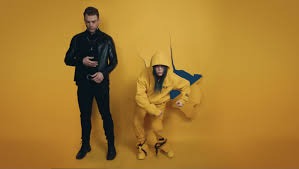
Some of the world’s biggest artists have already turned the one-second intro into a superpower. Billie Eilish’s “bad guy” delivers an instantly recognizable bass line and snappy “duh-duh” beat that hits like a musical wink within the first second, a tiny seed that grows into a full-blown hook. The Weeknd’s “Blinding Lights” uses synth stabs so immediate they feel like lightning, hooking you before you even realize it. Dua Lipa’s “Don’t Start Now” offers a crisp, funky bass pluck and a click of percussion that promises disco-infused groove almost instantly. Lil Nas X’s “Montero (Call Me By Your Name)” opens with an atmospheric vocal tonality—provocative and unmistakably him—that demands your curiosity. And Drake’s “Nonstop” launches with rolling 808s that refuse to give you even a breath before you’re moving along with them. None of this is accidental. These intros are intention-packed bursts that deliver genre, mood, and persona in seconds, arming the listener’s brain with a reason to stay locked in.

Micro-intros work because they serve as auditory anchors—mental bookmarks the brain can latch onto immediately. They offer signal clarity, communicating a track’s genre, rhythm, vibe, or emotional palette in a heartbeat. And in the algorithmic age, they provide a measurable advantage: many streaming platforms track “time to first beat” or “time to first vocal” as performance metrics that can influence playlist placements and promotional boosts.

So how do you, the artist, create an intro that turns a casual click into a full listen? Start with a sonic signature, whether it’s a vocal “hey,” a distinctive synth stab, or a rhythmic sample that instantly brands you. Use rhythmic jolts, not filler—skip the long ambient pad swells or gentle fades, and go straight for something percussive or melodic that sparks curiosity. Test your intros with real audiences by running A/B versions to see which hooks faster. Balance surprise with familiarity so the listener says “Whoa!” instead of “Wait, what?” Match the song’s core emotion—launch a ballad with a whispered lyric or felt piano hit, while a high-energy track should punch in with beats or synths that immediately signal movement. And always be aware of platform metrics, because a strong micro-intro can boost completion rates and playlist optimization.

If it helps, picture your track as a charming party guest arriving at a crowded streaming soiree. You only get one peek before the host decides whether to keep you or send you packing. That’s your one-second window to dazzle, so show up wearing something unforgettable—sonically speaking. While that analogy is playful, the reality is rooted in precision: carefully placed sonic accents, psychoacoustic priming, A&R teams analyzing skip metrics, and optimizing every millisecond for streaming survival.

The future might take this concept even further. We’re already heading toward nano-intros—hooks optimized not just to catch any listener, but to sync with individual micro-preferences. Imagine intros that shift based on a listener’s mood, history, or even the time of day, changing from a bright synth burst in the morning to a mellow guitar pluck at night. There could also be dynamic intros, where streaming platforms splice personalized hooks for each listener, weaving in a melodic motif they’ve responded to before. It sounds wild, but the technology is closer than you think.

In the end, this is the story of how one second—a blink, a breath—has become a musician’s best shot at survival in the streaming jungle. With psychology-backed urgency, examples from top-tier artists, and practical advice, the micro-intro is no longer a novelty; it’s a necessity. Keep it sharp, distinct, and emotionally illuminating, because in today’s music world, it’s not just what you say—it’s how fast you say it. And tomorrow? The next wave of micro-intros might whisper your name directly into a listener’s heart before they even know you’re there.

Ariana Grande’s Isolated Vocals For “Just a Little Bit of Your Heart”

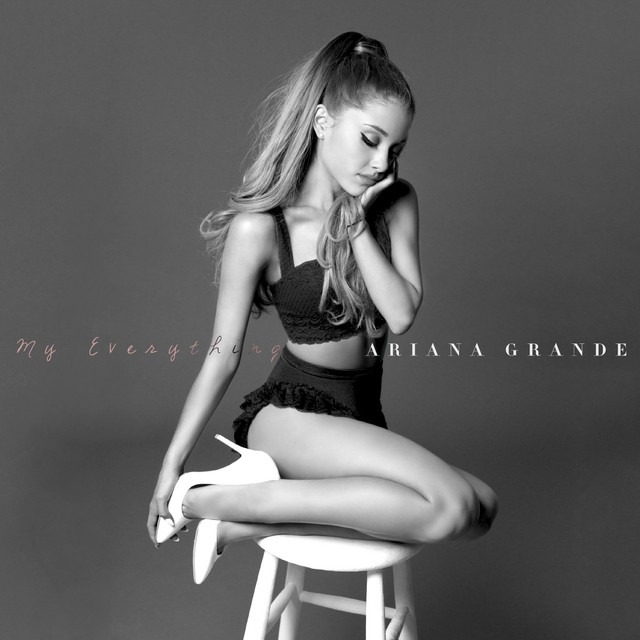
“Just A Little Bit of Your Heart,” the tenth track on Ariana Grande’s 2014 album My Everything, is a heartfelt piano ballad written by Harry Styles with Johan Carlsson. Grande debuted it live at the 57th GRAMMY Awards and later performed it with Chris Martin at the 2015 Global Citizen Festival. The tender track has since been covered by Styles himself, too.