Home Blog Page 414

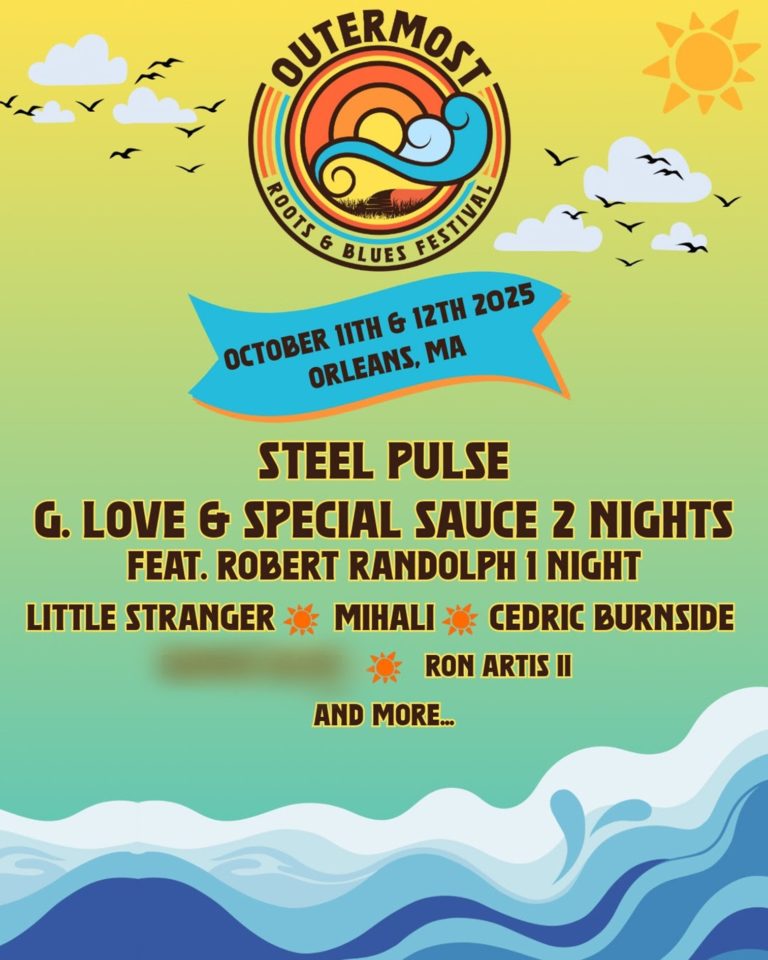
Outermost Music Festival Returns Oct. 11–12 With Steel Pulse, G. Love & Special Sauce, Robert Randolph, and More

0

The beloved Outermost Music Festival is returning to Cape Cod this fall, bringing two unforgettable days of roots, rock, and genre-blurring sounds to Orleans on October 11th and 12th, 2025. Anchored by a deep commitment to local talent and community spirit, this year’s festival features a powerhouse lineup of national headliners and rising regional stars, all set in the scenic coastal charm of Massachusetts’ Outer Cape.

Steel Pulse, the legendary British reggae band known for their socially conscious lyrics and global sound, will headline alongside two nights of G. Love & Special Sauce, with one night featuring the electrifying Robert Randolph. The weekend’s diverse lineup also includes fan favorites like Little Stranger, Mihali (of Twiddle), Cedric Burnside, and Ron Artis II, offering something for every lover of roots, blues, funk, and feel-good vibes.

“When we set out to curate Outermost Roots and Blues Festival, we always had in mind to bring an eclectic group of outstanding artists from all genres. This year are so proud to announce this lineup which encompasses Mississippi Hill, country, blues, roots reggae, hip-hop, sacred steel, funk, and rock ‘n’ roll in a seamless, energetic and joyful celebration of Friends, Family and our Cape Cod Community! We will see you at Nauset Beach!,” says Garrett Dutton (G. Love) of the eclectic lineup.

Building on its deep local roots, Outermost once again partners with Hog Island Beer Co., Orleans’ own award-winning craft brewery, to offer a full festival experience complete with locally brewed beers, artisanal food vendors, and an unmistakable Cape Cod vibe. The festival’s unique coastal setting—where salty air meets soaring melodies—has made it a favorite for both locals and visiting music lovers from across New England and beyond.

“Outermost has become one of the most anticipated events of the fall,” says Hog Island co-founder Mike McNamara. “It brings people together, showcases incredible talent, and gives us a chance to support the community we love through great music, food, and beer.”

Past editions of the festival have drawn praise for their laid-back atmosphere, strong production quality, and commitment to sustainability and local business partnerships. This year, organizers are doubling down on their community-first ethos, highlighting Cape Cod-based musicians and nonprofits as part of the weekend’s programming.

Tickets for the 2025 Outermost Music Festival are on sale now at www.outermostfestival.com. With limited capacity and rising demand, early purchase is strongly encouraged.

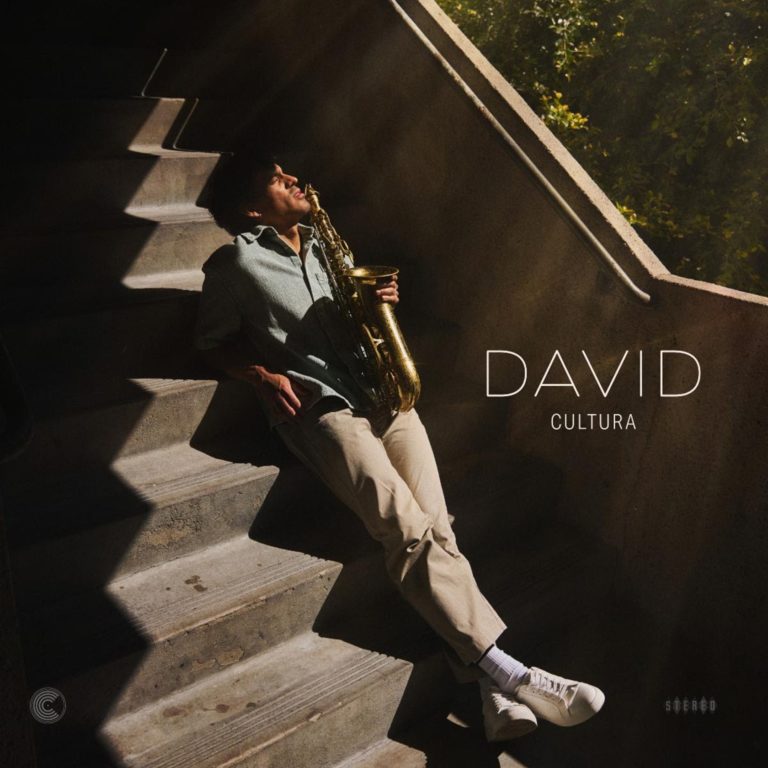
David Cultura to Release Debut Album Cultura on September 19 via Devon Allman’s Create Records

0

David Cultura is thrilled to announce Cultura, his debut album, set for release on September 19 via Devon Allman’s Create Records. The first single, “Margarita,” dropped July 25 on all major DSPs. Breezy and rhythm-driven, “Margarita” conjures the warmth of a sun-soaked cocktail on a Caribbean shore, its pulsing beat guiding listeners effortlessly from golden hour into the heart of the night.

“I wanted to make an album that was centered around melody,” says David (pronounced da-VEED). “I wanted it to be a jazz record that was accessible, that brought people into the music.” True to intention, the Panamanian-born multi-instrumentalist and his ensemble have done just that; delivering a seven-song debut simply and aptly titled, Cultura is loaded with melodic hooks, taut musicianship, and infectious, insistent grooves begging for a dance partner.

Emanating from a literal crossroads, its canal welcoming a myriad of cultures and commerce, David grew up in Panama City, Panama, learning saxophone, guitar, flute, and percussion, first under the musical tutelage of his father, then accenting his natural abilities with formal training. He moved to the United States, settling in another gateway locale, St. Louis,  and performed with various bands, including Tonina, where he developed a friendship with guitarist Jackson Stokes.

Stokes would introduce David to Devon Allman, singer, songwriter, guitarist, producer, and founder of Create Records. Allman, whose trusted ear for burgeoning talent had been honed over decades as a bandleader with The Allman Betts Band, the Devon Allman Project, and Honeytribe, among others, invited David to join the Project in 2022. Two years later, David and his group would decamp to Sawhorse Studios and, with Allman as producer, track the lucky seven that comprise Cultura.

With a panoramic scope widely informed by Latin and Caribbean rhythms, the set opens with the title track. Ironically, not a representative of David’s home country, “Cultura” was written years ago in St. Louis, and is instead a breezy nod to Stevie Wonder, and to L.A. soul. “I’m always inspired by my surroundings,” says David, now a Southern California resident, having transplanted to San Diego. “My songwriting often reflects a place, or a moment in time.”

Next up is “Murga,” seducing with a smoldering sax intro, only to shift into a fifth gear of groove that bops away on a looping, relentless theme.  

On “Vidrio,” David’s flute rides the trade winds, dancing on delicate keyboard flourishes and a locked-in, percussive pendulum, while “Jefferson Gravois* takes us back to intersecting streets in St. Louis, alternating between angular jazz riffs and polyrhythmic stabs.

Closing out the album is a pair of odes ot love, coincidentally both initially composed on guitar. First, there’s the exotic swing of David’s homage to his daughter on “Mia’s Lulaby,” that begins as a bedtime ballad, only to morph quickly into an up-tempo swell of repeating figures and furious, resounding drums. The finale is “Ring,” drawing its motivation from the symbolic piece of jewelry, and marries the lilt of David’s nimble ensemble with a stretch of horn-work that crescendos as confidently and as buoyantly as anything on the set; a parting burst of expression before resolving, once more, in the melodic spirit that runs throughout Cultura.

Jonas Brothers Launch 20th Anniversary Tour With Star-Studded, Sold-Out Celebration at MetLife Stadium

0

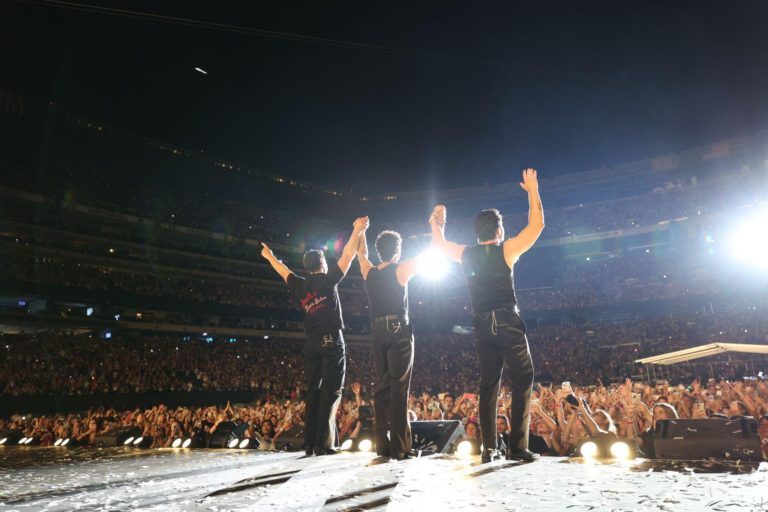
Sunday night, Jonas Brothers kicked off their highly anticipated JONAS20: Greetings From Your Hometown tour to a massive, sold-out crowd at MetLife Stadium. Last night marked a powerful, full-circle celebration of their 20-year journey from performing in malls to headlining the biggest stadiums and arenas in the world. Fittingly, the Jonas Brothers chose to begin this milestone tour in their home state of New Jersey, where it all began, transforming MetLife into a heartfelt tribute to two decades of music, growth, and connection with fans across generations.

The career-spanning live show highlighted every chapter of the Jonas Brothers’ 20 year career and their evolution as a band, including solo projects like Nick Jonas & the Administration, Nick Jonas’ solo career, Joe Jonas’ solo career, DNCE, and more. Last night, the band opened the show to a thunderous reception with “Lovebug,” and went on to deliver fan favorites such as “S.O.S.,” “Burnin’ Up,” and “Sucker,” alongside new songs like “No Time to Talk” and “Love Me to Heaven” from their brand new album Greetings From Your Hometown. Additionally, Nick and Joe went head-to-head each taking turns revisiting their solo eras.

The Jonas Brothers were also joined by a few very special guests. The crowd erupted as Demi Lovato took the stage to perform Camp Rock classics including “This Is Me” and “Wouldn’t Change a Thing”. Also, in honor of their first tour, the brothers welcomed Jesse McCartney to the stage; a full-circle moment, as they had opened for him in 2005. Together, they performed “Beautiful Soul.” The night also featured surprise guest appearances including Switchfoot for a performance of “Meant to Live” and Dean Lewis for “Loved You Better” off of Greetings From Your Hometown. (Full setlist below.)

Earlier in the day, the brothers hosted a special Album Release Party at American Dream, which included a track-by-track Q&A about the album moderated by Julian Shapiro-Barnum from Recess Therapy. Fans also got to experience the first-ever JONASCON ON TOUR, which opened with doors at 6 p.m. and offered exclusive merchandise, fan moments, meet-and-greets with The All-American Rejects and Big Rob, and the chance to win amazing prizes.

The JONAS20: Greetings From Your Hometown tour will run through November across North America. Select dates will feature special guests Marshmello, The All-American Rejects, and Boys Like Girls, as well as special local JONASCON pop-up events for fans. See the full list of tour dates below, and tickets are available now at ticketmaster.com.

Fans can watch Jonas Brothers LIVE in concert on their Greetings From Your Hometown 20th anniversary tour exclusively on Samsung TV Plus. Five concerts from throughout the tour will air live to fans around the world on Samsung Television Network. Dates include New Jersey’s MetLife, Dallas, Houston, Orlando, and Buffalo, which will be streaming in 17 countries, including the US, Canada, UK, Korea, Brazil, France, India, and more.

“JONAS20: Greetings From MetLife Stadium” Setlist

  1. Lovebug
  2. Love Me To Heaven
  3. Only Human
  4. S.O.S.
  5. Sucker
  6. Meant to Live (with Switchfoot)
  7. Hold On
  8. Little Bird
  9. Summer Baby
  10. Still In Love With You
  11. I Can’t Lose
  12. Waffle House
  13. Beautiful Soul (with Jesse McCartney)
  14. Vacation Eyes
  15. Celebrate!
  16. No Time To Talk
  17. Cake By The Ocean
  18. Slow Motion (with Marshmello)
  19. Leave Before You Love Me (with Marshmello)
  20. Jealous
  21. What A Man Gotta Do
  22. Walls
  23. Loved You Better (with Dean Lewis)
  24. Versus Megamix
  25. Gotta Find You
  26. This Is Me (with Demi Lovato)
  27. Wouldn’t Change a Thing (with Demi Lovato)
  28. Year 3000
  29. Burnin’ Up
  30. Please Be Mine
  31. When You Look Me In The Eyes

JONAS BROTHERS: “JONAS20: Greetings From Your Hometown” TOUR DATES:

*With Marshmello
+With The All American Rejects
#With Boys Like Girls
^JONASCON On Tour

Sun Aug 10 – East Rutherford, NJ – MetLife Stadium*+^

Tue Aug 12 – Bristow, VA – Jiffy Lube Live*+^

Thu Aug 14 – Camden, NJ – Freedom Mortgage Pavilion*+^

Fri Aug 15 – Virginia Beach, VA – Veterans United Home Loans Amphitheater+

Sun Aug 17 – Hershey, PA – Hersheypark Stadium*+^

Mon Aug 18 – Bethel, NY – Bethel Woods Center for the Arts#

Tue Aug 19 – Syracuse, NY – Empower Federal Credit Union Amphitheater at Lakeview#

Thu Aug 21 – Toronto, ON – Rogers Centre*#^

Sat Aug 23 – Boston, MA – Fenway Park*#^

Sun Aug 24 – Saratoga Springs, NY – Broadview Stage at SPAC#

Tue Aug 26 – Tinley Park, IL – Credit Union 1 Amphitheatre*#^

Thu Aug 28 – Detroit, MI – Little Caesars Arena*#^

Sat Aug 30 – Rogers, AR – Walmart AMP#

Sun Aug 31 – Dallas, TX – Dos Equis Pavilion*#^

Thu Sep 04 – Chula Vista, CA – North Island Credit Union Amphitheatre#

Sat Sep 06 – Los Angeles, CA – Intuit Dome#^

Sat Sep 13 – Salt Lake City, UT – Utah First Credit Union Amphitheatre#

Thu Sep 18 – Vancouver, BC – Rogers Arena#

Sat Sep 20 – Portland, OR – Moda Center#

Mon Sep 22 – Seattle, WA – Climate Pledge Arena#

Thu Sep 25 – San Francisco, CA – Chase Center#

Fri Sep 26 – Sacramento, CA – Golden 1 Center#

Sat Sep 27 – Anaheim, CA – Honda Center#

Sun Sep 28 – Phoenix, AZ – PHX Arena (Formerly Footprint Center)#

Tue Sep 30 – Albuquerque, NM – Isleta Amphitheater#

Thu Oct 02 – Denver, CO – Ball Arena#

Sun Oct 05 – Des Moines, IA – Wells Fargo Arena#

Mon Oct 06 – Omaha, NE – CHI Health Center#

Tue Oct 07 – Kansas City, MO – T-Mobile Center+

Wed Oct 08 – St. Louis, MO – Enterprise Center+

Fri Oct 10 – St. Paul, MN – Xcel Energy Center+

Sun Oct 12 – Milwaukee, WI – Fiserv Forum+

Tue Oct 14 – Nashville, TN – Bridgestone Arena+

Thu Oct 16 – Tulsa, OK – BOK Center+

Fri Oct 17 – Austin, TX – Moody Center+

Sat Oct 18 – San Antonio, TX – Frost Bank Center+

Sun Oct 19 – Houston, TX – Toyota Center+

Wed Oct 22 – Tampa, FL – Amalie Arena+

Fri Oct 24 – Sunrise, FL – Amerant Bank Arena+

Sun Oct 26 – Orlando, FL – Kia Center+

Tue Oct 28 – Atlanta, GA – State Farm Arena

Wed Oct 29 – Raleigh, NC – Lenovo Center+

Sat Nov 01 – Lexington, KY – Rupp Arena+

Sun Nov 02 – Indianapolis, IN – Gainbridge Fieldhouse+

Tue Nov 04 – Knoxville, TN – Thompson-Boling Arena at Food City Center+

Wed Nov 05 – Charlotte, NC – Spectrum Center+

Thu Nov 06 – Columbia, SC – Colonial Life Arena+

Sat Nov 08 – Columbus, OH – Schottenstein Center+

Sun Nov 09 – Buffalo, NY – KeyBank Center+

Tue Nov 11 – Cleveland, OH – Rocket Arena+

Wed Nov 12 – Pittsburgh, PA – PPG Paints Arena+

Fri Nov 14 – Uncasville, CT – Mohegan Sun Arena+

15 Classic Songs That Barely Charted Back in the Day

Some songs climb the charts, disappear, and never return. Others barely make a dent in the Billboard Hot 100 when they’re released, only to become cultural fixtures years later thanks to movies, commercials, sports events, or viral moments. Here’s a look at 15 tracks that missed the Top 40 but now feel impossible to escape — the ones you hear in grocery store aisles, at weddings, and on every nostalgic playlist.

The Romantics – “What I Like About You”
Peaked at #49 on the Billboard Hot 100 in 1980. Its real fame came later through Budweiser commercials, sports arenas, and heavy oldies radio play.

Modern English – “I Melt with You”
Reached just #78 in 1983. It became an enduring ’80s staple after appearing in Valley Girl and receiving strong MTV rotation.

Lindsey Buckingham – “Holiday Road”
Charted at #82 in 1983. Forever linked to National Lampoon’s Vacation, it resurfaces with each new sequel and in various pop culture nods.

Elton John – “Tiny Dancer”
Peaked at #41 in 1972. It achieved iconic status decades later, especially after its prominent use in Almost Famous.

The Clash – “Should I Stay or Should I Go”
Initially hit #45 in 1982 and #50 on a 1983 re-entry. A Levi’s commercial in the ’90s and recurring soundtrack placements fueled its second life.

Isley Brothers – “Shout (Part 1)”
Reached #47 in 1959 and #94 in 1962. Over time, it became a standard at weddings, sporting events, and in countless films.

Pixies – “Where Is My Mind?”
Never charted significantly on the Hot 100, but exploded in popularity after closing out Fight Club and becoming a sync favorite.

Seal – “Kiss from a Rose”
Initially made little impact before being featured in Batman Forever. It went on to spend multiple weeks at #1 in 1995.

The Cardigans – “Lovefool”
Underperformed at first, then took off worldwide after its inclusion in Baz Luhrmann’s Romeo + Juliet soundtrack.

The Wannadies – “You and Me Song”
Barely noticed upon release, but gained international recognition through the Romeo + Juliet soundtrack.

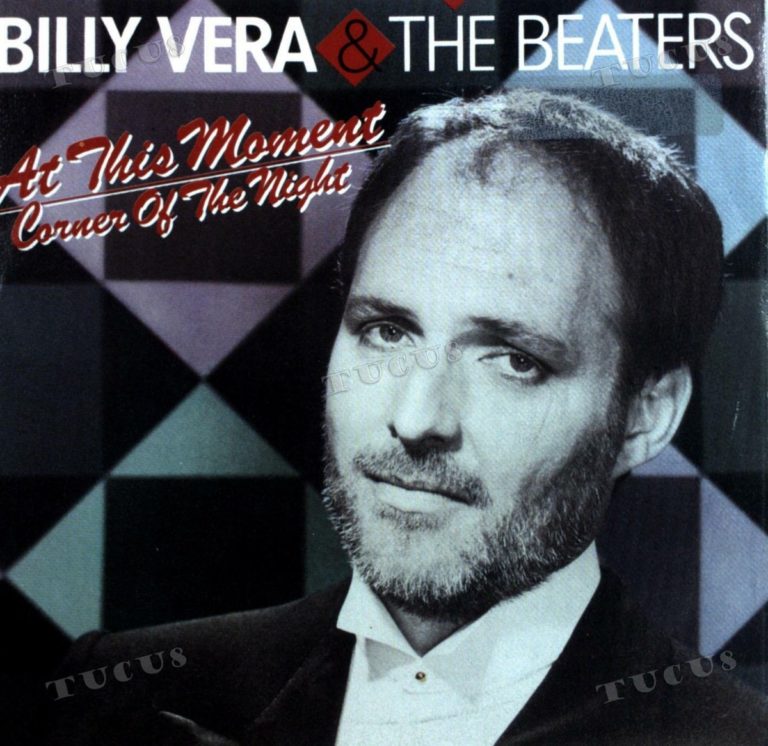
Billy Vera & The Beaters – “At This Moment”
Peaked at #79 in 1981 before a Family Ties storyline sent it to #1 in 1987.

Violent Femmes – “Blister in the Sun”
Did not chart in 1983 but became a cult classic after features in Grosse Pointe Blank and other films.

Queen – “Don’t Stop Me Now”
Not a major US chart success on release, but achieved global recognition after Shaun of the Dead and years of sports and advertising use.

Phil Collins – “In the Air Tonight”
While it charted modestly in 1981, its appearance on Miami Vice cemented its place as one of Collins’s defining songs.

Kate Bush – “Running Up That Hill”
Peaked at #30 in 1985 before a massive resurgence in 2022 thanks to Stranger Things, sending it back into the Top 10 globally.

Chart numbers aren’t always the best measure of a song’s staying power. These tracks show how cultural moments, media placement, and decades of re-discovery can transform modest hits — or outright chart flops — into timeless anthems. Sometimes, the real success story doesn’t start until years after release.

The Secret History of Auto-Tune

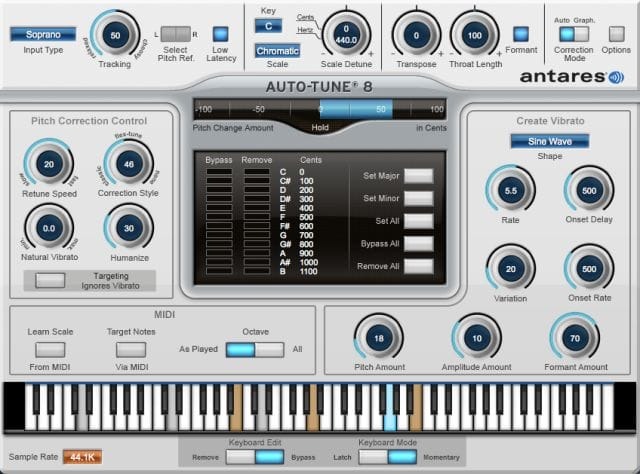
It started as a joke. In 1996, Andy Hildebrand, a former oil industry engineer turned music tech innovator, was told by a colleague’s wife she wished there was a way to sing perfectly in tune. Hildebrand, who knew his way around some heavy-duty math, went to work — and a year later, on September 19, 1997, Auto-Tune was born. Instead of a clunky vocoder or talk box, it used a smart autocorrelation algorithm to nudge wayward notes to the nearest perfect pitch. Studios loved it because it could quietly clean up vocal takes. Singers loved it because they could hit “record” without fearing that one bad note would ruin the magic.

But then came Cher. In 1998, she took a subtle studio tool and turned it into a pop culture earthquake. On “Believe,” producers cranked Auto-Tune’s retune speed to the max, slicing away all the natural slides between notes. The result? A robotic, futuristic vocal that sounded like nothing else on the radio. Fans thought it was a vocoder. Producers smirked. Labels panicked. Cher didn’t care — she told them they could take it out “over her dead body.” And so, the “Cher effect” was born.

From there, Auto-Tune became a part of the studio. Daft Punk made it sleek and shiny on “One More Time.” Radiohead made it eerie and alien on Amnesiac. Eiffel 65 rapped through it. Suddenly, the question wasn’t who used Auto-Tune — it was how they’d twist it next.

Enter T-Pain. By the mid-2000s, the Florida singer/rapper had taken Auto-Tune and wrapped an entire career around it. To him, it was an instrument. His voice became the hook, the melody, the glue that held songs like “Buy U a Drank” together. Everyone wanted the sound. Lil Wayne grabbed it for “Lollipop,” Snoop Dogg slid it into “Sexual Eruption,” Kanye West built a whole album (808s & Heartbreak) around it.

By the time the Black Eyed Peas hit #1 with “Boom Boom Pow” in 2009, Auto-Tune was the sound of the charts. Pop, hip-hop, R&B, country, raï, trap — every genre found a way to make it their own. Faith Hill, Shania Twain, and Tim McGraw quietly kept it in their live toolkit. Vince Gill, Trisha Yearwood, and Martina McBride proudly left it at home.

And it didn’t stop. Future and Young Thug bent Auto-Tune into the wavy, melodic heart of modern trap. Travis Scott, Lil Uzi Vert, and Playboi Carti followed, pushing it into stranger and more atmospheric territory. In North Africa, raï singers fused it with traditional rhythms. In clubs, DJs snapped it onto voices like another synth line.

Today, Auto-Tune is everywhere — and almost invisible. It’s in stadium anthems and bedroom demos, Grammy winners and TikTok hits. It’s still a safety net. It’s still a paintbrush. And, more than 25 years later, it’s still making people argue about whether it “ruined music” or just changed it forever. Andy Hildebrand probably just smiles. After all, it only took a math problem and a good joke to change the sound of the world.

What Is Virtual IOP? How It Works and Who It Helps

0

By Mitch Rice

Questions Answered in This Article:

  • How Virtual IOP Works in Practice
  • How Effective Is Virtual IOP Compared to In-Person?
  • How Long Should Virtual IOP Be?

If you’ve been searching for flexible, effective mental health or addiction treatment options, you may have come across the term virtual IOP. But what is virtual IOP, and how does it compare to traditional in-person care?

A Virtual Intensive Outpatient Program (IOP) is a structured form of treatment delivered entirely online, designed for people who need more than standard outpatient therapy but don’t require inpatient or residential care. Using secure video conferencing, virtual IOP programs bring therapy sessions, group support, and individualized care directly to your home.

In this guide, we’ll explore what makes IOP virtual program so effective, how long they typically last, and whether they can truly be as impactful as in-person treatment. You’ll also discover what to expect, common conditions treated, and how to find virtual IOP programs near you.

How Virtual IOP Works in Practice

A virtual intensive outpatient program functions much like an in-person IOP, but without the need to travel to a facility. Participants typically log in to a secure platform several days per week for multiple hours per session.

Here’s what a typical week in virtual IOP might include:

  • Group therapy sessions focused on building coping skills, communication, and peer support.
  • Individual therapy to address personal challenges such as anxiety, depression, or substance use.
  • Psychoeducation classes on topics like relapse prevention, emotional regulation, and healthy relationships.
  • Family therapy to strengthen support systems and address interpersonal issues.

Because these services are delivered through virtual care, people can access evidence-based treatment programs without disrupting their work, school, or family responsibilities.

How Effective Is Virtual IOP Compared to In-Person?

One of the biggest questions people have is: “Is virtual IOP effective as in person?”

Research suggests that the effectiveness of virtual IOP can be comparable to, and in some cases even better than, in-person programs—particularly for individuals who thrive with flexibility and fewer logistical barriers. Here’s why:

  • Consistent Attendance: Without commuting, people are less likely to miss treatment sessions.
  • Comfortable Environment: Being in a familiar space can make it easier to open up during therapy.
  • Access to Specialists: You can connect with licensed professionals regardless of geographic location.

Of course, every person’s needs are different. For some, in-person connection is vital. But for many, virtual treatment meets the same levels of care as traditional IOP while offering more convenience.

How Long Should Virtual IOP Be?

The length of a virtual intensive outpatient program depends on your individual treatment plan, diagnosis, and progress. Most virtual IOP programs last between 6 and 12 weeks, with sessions held 3–5 days per week for 2–4 hours each day.

Factors that can influence duration include:

  • Severity of mental health conditions or substance use challenges
  • Progress toward treatment goals
  • Recommendations from your treatment center team

Some people step down from IOP to a lower outpatient treatment level after completion, while others may need extended support to ensure long-term stability.

Conditions and Challenges Treated in Virtual IOP

Virtual IOPs are not just for substance use recovery—they can address a wide range of mental health challenges.

Common concerns addressed include:

  • Anxiety and depression
  • Bipolar disorder
  • Trauma and PTSD
  • Substance use disorders
  • Co-occurring disorders (mental health + addiction)

Because these programs are evidence-based and led by licensed clinicians, you can expect a high standard of intensive treatment tailored to your unique needs.

Advantages of Virtual IOP You Might Not Expect

You might already see the obvious benefits—like convenience—but there are other, less obvious perks to virtual intensive outpatient programming:

  • Privacy and discretion: No one sees you walking into a clinic.
  • Personalized care: Access to niche specialists who may not be available locally.
  • Continuity of care: Easier transitions from inpatient or partial hospitalization to outpatient care.
  • Cost savings: No travel or relocation expenses.

If you’re considering virtual IOP programs near me, ask the provider whether they offer hybrid options—allowing you to mix virtual and occasional in-person visits. This can combine the best of both worlds.

Choosing the Right Virtual IOP Program

Not all treatment centers offering virtual care are the same. When evaluating your options, consider:

  • Licensing and accreditation of the program
  • Experience in treating your specific condition
  • Whether they use evidence-based therapeutic methods
  • The quality of technology and privacy safeguards
  • Availability of ongoing support after completion

Example: At Cornerstone Healing Center, programs are designed to blend clinical expertise with personalized attention, ensuring that every participant receives comprehensive, compassionate care—no matter where they log in from.

Virtual IOP vs. Other Levels of Care

It’s important to know where virtual IOP fits among other treatment options:

  • Outpatient treatment: 1–2 sessions per week, less intensive
  • Intensive outpatient programming (IOP): Multiple sessions weekly, high engagement
  • Partial hospitalization program (PHP): Full-day programming, 5+ days per week
  • Inpatient/residential: 24/7 care for acute stabilization

If you’re asking, “Is IOP better than PHP?”—it’s not a matter of better or worse. It’s about matching the level of care to your needs. Virtual IOP is ideal if you require intensive treatment but still want to live at home.

Explore Your Virtual IOP Treatment Options Now

What is virtual IOP if not an opportunity to receive high-quality, evidence-based care from the comfort of home? Whether you’re facing anxiety, depression, addiction, or a combination of challenges, virtual intensive outpatient programs offer flexibility, accessibility, and proven effectiveness.If you’re ready to explore whether virtual IOP is right for you, Cornerstone Healing Center can guide you every step of the way. Call (480) 863-0241 today to speak with our admissions team and discover the treatment path that meets your needs—wherever you are.

Data and information are provided for informational purposes only, and are not intended for investment or other purposes.

Immersive Design: How Puzzles and Props Transform Escape Rooms into Unforgettable Experiences

0

By Mitch Rice

Escape rooms have evolved from simple puzzle boxes into fully immersive narrative adventures. At the heart of this transformation lies thoughtful design — where architecture, storytelling, and interactive elements blend seamlessly.

The most successful escape rooms don’t just challenge players; they transport them to another world. And the key to achieving this? Exceptional escape room puzzles and props that engage the senses and spark curiosity.

For designers, architects, and creative minds, escape rooms offer a unique playground where spatial design meets interactive storytelling. Let’s explore how innovative puzzles and meticulously crafted props elevate these experiences from ordinary to extraordinary.

The Psychology of Escape Room Design

A well-designed escape room is more than just a locked door and a timer — it’s a carefully constructed environment that plays with perception, logic, and emotion.

Studies show that immersive spaces activate memory and problem-solving skills more effectively than traditional games.

  • Spatial storytelling — The layout guides players through a narrative, with each puzzle acting as a plot point.
  • Cognitive flow — Challenges should escalate in difficulty, keeping players engaged but not frustrated.
  • Sensory engagement — Textures, sounds, and even smells deepen immersion.

Architects and designers can borrow principles from theater, game design, and even theme parks to create spaces that feel alive.

Puzzles That Tell a Story

The best escape rooms integrate puzzles so naturally that solving them feels like uncovering secrets rather than cracking codes. Here’s how:

1. Environment-Integrated Puzzles

Instead of padlocks and riddles on paper, modern escape rooms use physical interactions — rotating mechanisms, hidden compartments, or even augmented reality elements. For example:

  • A bookshelf that slides open when the right books are arranged.
  • A vintage radio that transmits clues when tuned correctly.

These puzzles don’t just challenge the mind — they make players feel like they’re part of the story.

2. Multi-Stage Challenges

Linear puzzles can feel predictable. Instead, designers are using nonlinear, layered puzzles where solving one element reveals another. This creates a sense of discovery and teamwork.

For instance:

  • A map with invisible ink that only appears under UV light.
  • A music box that plays a tune, which then becomes the code for a safe.

3. Tech-Enhanced Interactions

From motion sensors to RFID-triggered events, technology allows for puzzles that react to players’ actions in real time. Imagine:

  • A portrait whose eyes follow movement, hinting at a hidden switch.
  • A door that unlocks only when all players stand in the right positions.

These innovations make the space feel dynamic and responsive.

Props That Bring the World to Life

Puzzles alone aren’t enough — props sell the illusion. The difference between a generic “spy mission” and a Cold War-era bunker lies in the details:

1. Authentic Materials

  • Weathered wood, aged metal, and hand-written notes add realism.
  • Replica artifacts (like an “ancient” diary or a “classified” dossier) deepen immersion.

2. Functional Aesthetics

Every prop should feel like it belongs — not just as decoration, but as something players can interact with. A few standout examples:

  • A grandfather clock with a secret compartment.
  • A “broken” phone that, when repaired, plays a crucial message.

3. Lighting and Sound Design

  • Flickering lanterns, distant whispers, or sudden blackouts heighten tension.
  • Directional audio can guide players without breaking immersion.

The Future of Escape Room Design

As escape rooms grow more sophisticated, we’re seeing trends like:

  • Hybrid physical-digital experiences (projection mapping, AR puzzles).
  • Adaptive difficulty (AI adjusting puzzles based on player performance).
  • Multi-room narratives (expanding beyond 60-minute games).

For designers, the challenge is balancing innovation with intuitive gameplay — so that even the most elaborate setups remain solvable (and fun).

Why This Matters for Architects and Designers

Escape rooms are a testament to how environment shapes experience. The same principles apply to retail spaces, museums, and even offices — where interactivity and storytelling can transform user engagement.

For those looking to explore cutting-edge escape room puzzles and props, the intersection of design and gameplay offers endless inspiration. The most memorable spaces aren’t just seen; they’re experienced.

Data and information are provided for informational purposes only, and are not intended for investment or other purposes.

Rihanna’s Isolated Vocals For “American Oxygen”

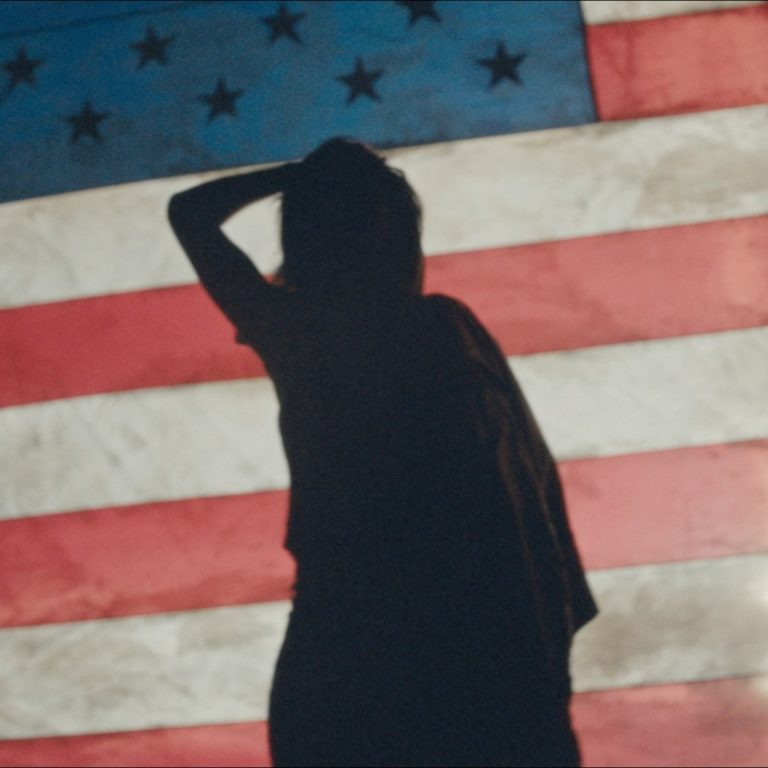
“American Oxygen,” released by Rihanna in 2015, is a patriotic-themed track reflecting on the American dream and a changing nation. Written with Alex da Kid, Candice Pillay, and Sam Harris — it drew inspiration from Bruce Springsteen’s “Born in the U.S.A.” First streamed on Tidal and later released on iTunes, the song blends social commentary with anthemic production.

5 Latest Romantic Movies on Netflix Not to Miss Out On

0

By Mitch Rice

Netflix has become a go-to place for movie lovers, offering a wide selection of films across every genre imaginable. If you’re in the mood for love, romance, and heartwarming stories, there are several romantic films that are currently gaining attention. 

From passionate connections to personal growth, these movies promise to touch your heart. Here are five romantic movies on Netflix that you shouldn’t miss.

1. My Oxford Year

This movie brings together a love story and a journey of self-discovery. My Oxford Year follows Ella, an American student who wins a prestigious fellowship to study at Oxford University. 

She is excited about the opportunity, but things take an unexpected turn when she meets Jamie, a charming and talented professor. The two grow closer as they navigate their differences and face personal struggles.The story beautifully balances the challenges of academia with the blossoming of a romantic relationship. 

My Oxford Year is a perfect watch for those who enjoy seeing characters evolve both emotionally and intellectually, all while surrounded by the stunning scenery of Oxford. It’s a recent release, so if you cannot find it in your library, you can use Surfshark Netflix VPN to access the title. 

2. The Life List

The Life List brings a fresh perspective to the romantic genre by combining it with a sense of adventure and personal reflection. The plot revolves around the main character, Sophie, who has lived her life following a strict set of rules. 

She has avoided taking risks and never stepped outside her comfort zone. After a life-changing event, Sophie decides to go on a journey to fulfill a list of things she always wanted to do but never dared to try.

As she embarks on her adventures, Sophie meets various people, including a love interest who challenges her views on life. The chemistry between Sophie and her romantic partner adds depth to the film. 

The story highlights themes of personal growth, self-discovery, and the importance of stepping out of your comfort zone. If you’re someone who loves seeing characters grow and evolve, this movie is a must-watch.

3. La Dolce Villa

La Dolce Villa is a tale of passion, second chances, and rediscovering love. The story centers around Isabella, a successful woman who returns to her family villa in Italy after many years. 

The villa, which once held many happy memories, is now a place of quiet and solitude. Isabella reconnects with her past, including an old flame who still holds a special place in her heart.

This film beautifully captures the magic of Italy, offering stunning visuals of the Tuscan countryside and charming villas. The romance in La Dolce Villa is understated but powerful. 

It’s not just about love between two people, but also about reconnecting with one’s roots and the idea that it’s never too late to find happiness. The movie’s gentle pacing allows viewers to fully immerse themselves in the emotional journey of the characters.

4. Our Little Secret

If you enjoy suspense mixed with romance, Our Little Secret is the movie for you. The story follows Emily, a young woman who is in a relationship with a man who has a mysterious past. 

As their relationship deepens, Emily begins to uncover secrets that her partner has been hiding. These secrets put their love to the test and raise questions about trust, loyalty, and the consequences of keeping things hidden.

Our Little Secret is more than just a typical romance. It adds layers of mystery and intrigue, making it stand out in the genre. The chemistry between the lead characters is palpable, and the tension that builds as secrets are revealed keeps you hooked. This movie is perfect for anyone who loves romantic dramas with a touch of suspense and emotional depth.

5. It Ends With Us

Based on Colleen Hoover’s best-selling novel, It Ends With Us is a deeply emotional story that tackles tough topics like love, abuse, and personal strength. The film follows Lily Bloom, a young woman who falls in love with a charming and passionate man named Ryle. 

However, as their relationship unfolds, Lily begins to notice warning signs and struggles with whether she should stay in the relationship or break free.

The beauty of It Ends With Us lies in its honest portrayal of love’s complexities. It doesn’t shy away from addressing difficult issues, and it shows how people can grow stronger through painful experiences. 

The movie is both heartbreaking and inspiring, offering a nuanced look at relationships and the importance of choosing one’s happiness.

Conclusion

Netflix continues to offer a wide range of romantic movies, each with its own unique charm and emotional depth. From the beautiful landscapes of My Oxford Year to the emotional rollercoaster of It Ends With Us, these films promise to keep you engaged and moved. 

Whether you’re looking for a lighthearted romantic adventure or a story that dives deep into the challenges of love, there is something for everyone on this list. So, grab some popcorn, get comfy, and enjoy these touching romantic stories that will leave you reflecting on the beauty of love and life.

Data and information are provided for informational purposes only, and are not intended for investment or other purposes.

53 Amazing Facts About Jerry Garcia: A Tribute for His Anniversary

On August 9, 1995, the world lost Jerry Garcia, a musician whose influence extended far beyond the Grateful Dead’s storied three-decade run. More than a guitarist and vocalist, Garcia was a cultural touchstone—an artist, innovator, and reluctant icon of the 1960s counterculture. His music was a blend of bluegrass, rock, folk, blues, and jazz, often stretched into uncharted territory through fearless improvisation. Yet Garcia’s life was as complex as his playing: filled with personal challenges, creative reinvention, and enduring curiosity. On the anniversary of his passing, we celebrate his extraordinary journey with 53 fascinating facts, mixing beloved milestones with lesser-known details that show the man behind the legend.

  1. Jerry Garcia was born Jerome John Garcia on August 1, 1942, in San Francisco’s Excelsior District.
  2. He was named after American composer Jerome Kern.
  3. His father, a professional musician, died in a fishing accident when Jerry was just five.
  4. At age four, Garcia lost most of his right middle finger in a wood-chopping accident.
  5. As a child, he took piano lessons but was more drawn to the banjo and guitar.
  6. His earliest musical inspiration came from his grandmother, who played country and bluegrass.
  7. Garcia attended the San Francisco Art Institute before fully committing to music.
  8. He was influenced by the writings of Jack Kerouac, introduced to him by artist Wally Hedrick.
  9. Garcia co-founded the Grateful Dead in 1965, evolving from a jug band called Mother McCree’s Uptown Jug Champions.
  10. The name “Grateful Dead” came from a random dictionary entry Garcia stumbled upon.
  11. He wrote or co-wrote classics like “Dark Star”, “Uncle John’s Band”, and “Scarlet Begonias”.
  12. Garcia never played a song the same way twice, valuing improvisation above all.
  13. The Dead performed 2,314 concerts over 30 years.
  14. Garcia’s guitar cues often came from rhythm guitarist Bob Weir.
  15. He considered John Coltrane one of his greatest musical influences.
  16. The Dead’s 1987 album In the Dark became their best-selling record.
  17. Garcia was ranked 13th on Rolling Stone’s “100 Greatest Guitarists” list in 2003.
  18. He played pedal steel guitar on Crosby, Stills, Nash & Young’s hit “Teach Your Children.”
  19. Garcia formed the Jerry Garcia Band as his main side project.
  20. He was a founding member of the bluegrass supergroup Old & In the Way.
  21. Collaborated extensively with mandolinist David Grisman, blending folk and jazz.
  22. Played on over 50 studio albums for other artists, from Jefferson Airplane to Warren Zevon.
  23. Experimented with early ambient music alongside Ned Lagin.
  24. Built a reputation for genre-crossing, from reggae to electronic music.
  25. Garcia was married three times and had four daughters.
  26. His second wife, Carolyn “Mountain Girl” Adams, was a former Merry Prankster.
  27. He credited marijuana for sparking one of his most joyful early experiences.
  28. He struggled for decades with heroin addiction and health problems.
  29. Survived a diabetic coma in 1986, which forced him to relearn guitar.
  30. Enjoyed sketching and painting, with his artwork later exhibited and sold worldwide.
  31. Designed neckties, clothing, and even hotel room décor featuring his art.
  32. Was known for telling friends, “I’m not the leader of the Grateful Dead,” despite public perception.
  33. In 1987, Ben & Jerry’s released Cherry Garcia, the first ice cream named after a musician.
  34. A species of cockroach was named Cryptocercus garciai in his honor in 1998.
  35. An asteroid discovered in 1985 was named Jerry Garcia after his death.
  36. Garcia Amphitheater in San Francisco’s McLaren Park was named after him in 2005.
  37. His likeness inspired the animated “God” character in NBC’s God, the Devil and Bob.
  38. Seattle band Soundgarden recorded “Jerry Garcia’s Finger” in tribute.
  39. He’s estimated to be the most recorded guitarist in history, with over 15,000 hours of playing preserved.
  40. The annual Jerry Day festival celebrates his life in his childhood neighborhood.
  41. Garcia owned around 25 guitars over his career, many custom-made.
  42. His iconic “Wolf” guitar, built by Doug Irwin, sold for nearly $790,000 in 2002.
  43. His “Tiger” guitar fetched $957,500 at the same auction.
  44. In 2017, Wolf sold again for charity, raising $1.9 million for the Southern Poverty Law Center.
  45. Garcia’s favorite amp, a McIntosh MC2300 nicknamed “Budman,” was used for two decades.
  46. His final main guitar, “Lightning Bolt,” was crafted from 19th-century rosewood salvaged from an opium bed.
  47. Garcia often swapped out pickups yearly to keep his tone fresh.
  48. He was known to experiment with MIDI synthesizers on guitar in the 1990s.
  49. Despite failing health, Garcia continued to tour until a month before his death.
  50. He died of a heart attack on August 9, 1995, at a rehab facility in Forest Knolls, California.
  51. His ashes were divided between the Ganges River in India and San Francisco Bay.
  52. Garcia was inducted into the Rock and Roll Hall of Fame in 1994 but skipped the ceremony.
  53. The Jerry Garcia Foundation, run by his wife and daughter, continues his commitment to art, music, and humanitarian causes.

Jerry Garcia’s story is not just the history of a musician, but of an artist whose work transcended categories. His openness to exploration—whether in sound, life, or art—left a permanent mark on American culture. Even decades after his passing, Garcia remains an enduring symbol of musical curiosity, generosity, and fearless improvisation. His songs still roll on, as alive and unpredictable as the man who played them.