
All photos by Mini’s Memories. You can contact her through Instagram or X.





















All photos by Mini’s Memories. You can contact her through Instagram or X.
By Mitch Rice
In Muay Thai, the fight starts long before the first punch. The moment a fighter steps toward the ring, the crowd is already locked in. Every cheer, every drumbeat, every note builds a story before gloves even touch. Entrance music is more than background noise. It is an announcement, a statement, and sometimes a little psychological warfare.
Some fighters stick to traditional Thai music, carrying on cultural roots that stretch back centuries. Others blast hip-hop, rock, or pop hits that signal their personality and strategy. If you want to follow these moments from anticipation to final bell, sites like https://www.thsport.live/scoremuay-thai.html give fans a clear look at the results once the music fades and the action begins.
Entrance music sets the stage. In combat sports, it is as much a part of the spectacle as the fight itself. The right song can fire up the crowd, intimidate an opponent, or focus a fighter’s mind. It is the soundtrack to confidence.
Muay Thai walk-ins often blend tradition and modern flair. The wai kru ram muay, a pre-fight ritual dance, might be performed with live traditional instruments. Then, as the fighter climbs the ring steps, the music might shift to something unexpected. That mix keeps fans guessing and makes each entrance unique.
Selecting walk-in music is a personal decision. For some fighters, it is tied to their heritage. For others, it is about finding a rhythm that matches their fighting style. The tempo and tone matter. A slow, haunting melody can create tension. A fast, pounding beat can pump up both fighter and fans.
Some popular approaches include:
The song is not just heard. It is felt. The bass vibrates through the venue, syncing the crowd’s heartbeat to the fighter’s pace.
Entrance music can shape the mental landscape of the fight. A loud, aggressive track might give a fighter a surge of adrenaline. A calm, steady song might center them, blocking out nerves.
Opponents can feel that energy too. Walking toward someone while their chosen anthem blasts can be intimidating. The crowd’s reaction, amplified by the music, can boost one fighter’s confidence while planting doubt in the other.
Like any live performance, some walk-ins become legendary. A fighter might be remembered for a stunning knockout, but fans also recall the night they walked in to a perfectly chosen track.
One example is the blend of traditional Thai percussion with a modern electronic drop, merging heritage with present-day flair. Another is when a fighter uses a song tied to a personal story, making the moment feel intimate even in a roaring stadium.
These moments linger. Just like a hit song on the radio, a well-executed entrance can stick in the minds of fans for years.
Music is one of the fastest ways to connect with people. In Muay Thai, it creates an immediate bond between fighter and audience. Even if fans do not understand the lyrics, they understand the feeling.
Crowds often clap, sing, or chant along. That shared rhythm builds energy in the venue, creating a wave the fighter can ride into the first round. It also makes the event more memorable for everyone watching.
The entrance is only the opening chapter. After the walk-in, the fight begins, and the story unfolds in real time. Fans who follow live scores and results get the full arc—from music and mood to punches and points.
That is why dedicated fight followers often pair the sensory thrill of the entrance with the data and detail of live score platforms. Watching a fighter’s walk-in is exciting. Seeing how that confidence or tension plays out over the rounds gives the complete experience.
Over the years, trends in entrance music have shifted. While traditional sounds remain a cornerstone, fighters have embraced global genres. K-pop, EDM, reggae, and even classic rock have made their way into arenas.
This evolution mirrors the sport’s expanding reach. Muay Thai is no longer just a Thai tradition—it is an international phenomenon. And like any global stage, its soundtrack is diverse.
When the fight ends, the entrance music might feel like a distant memory. But in many cases, it is what hooked the crowd from the start. It is part of the narrative, the style, and the showmanship that make Muay Thai so compelling.
Whether you are ringside or following from afar, paying attention to the beats before the bell adds a richer layer to the experience. It is the art before the art of fighting.
Data and information are provided for informational purposes only, and are not intended for investment or other purposes.
By Mitch Rice
Concerned that your employees are wasting time when they are at home? Or maybe you would want to know what your kids are up to on the family PC when you are not around? You are not the only one. As remote work has become our new reality, our screens have been on the rise, and the online danger hangs in the air every time we enter cyberspace, computer surveillance software is becoming the new norm in both the corporate and home environments.
Be it an employer coping with the inefficiency of the working team or a parent in need of a safer online experience for their child, computer monitoring software will be the solution. They have these tools which allow them to monitor activities on the screen, spy on them, and even record their keystroke without the user being aware of such activities.
This article will not only bring out the best 7 computer monitoring software in the market, but we have selected the best of the best based on their features, reliability, and user-friendliness. And, a tip before you see the list, the best 2 items in this list are simply priceless when it comes to stealth mode, data discovery, and complete control remotely. It doesn’t matter whether one is concerned about employee productivity or child safety; there is something here to arouse the interest of the readers.
What to Look For in a Computer Monitoring Tool
Monitoring software is not the same, and it is necessary to select the one that will be good, depending on your needs. What you want to watch out for when choosing a good tool is:
In 2025, such aspects as secure monitoring, productivity tracking, time management functionality, and remote access will not be optional qualities but basic and fundamental ones. In case of a business or a home, get the first line of defense against people nosing around in your accounts by using stealth surveillance.
You may be monitoring your remote workforce, want to monitor your digital partner, or simply make sure your teen is not getting involved in some dangerous virtual activities. In all cases, MoniVisor will offer you full visibility with no invasiveness. This tool is made by ClevGuard, a well-established company in the field of digital security, which makes the software superior in terms of stealth and capability of functioning on any Windows computer unnoticed.
Its important characteristics are:
The dashboard of MoniVisor is unobtrusive, simple, and privacy-compliant.
FamiGuard Monisen – Corporate-Level Monitoring for Personal and Business Use
FamiGuard Monisen is a powerful computer spy software that uses flexible scheduling and multi-user capability. The tool can be incorporated socially and professionally to suit both an individual and an employer. As such, this tool can be used as a parent to control the screen time of your child or as an HR manager tracking your workforce.
Distinctive characteristics:
It is an anti-time theft solution used by John, a human resources (HR) director, to minimize time theft among hybrid teams. Monisen runs silently in the background, is virus-immune, and offers lifetime updates, which means that it is one of the most trustworthy Windows surveillance tools available on the market.
FlexiSpy – Ideal for Deep Tech Users
In case you want access even deeper into the systems, FlexiSpy provides some of the tools that are used by specialists in cybersecurity. It would also be possible to enable the microphones, remotely log into the cameras, and even listen to calls as well as Data messages, thus it would be the perfect spyware that would suit parents who are tech-savvy or even private detectives.
The cost of this power is in the steep learning curve, and FlexiSpy is not the best application to use by casual users. Nevertheless, it is unsurpassed by people who want to be the masters of the device and even know how to handle it properly.
Net Nanny – Best for Parental Control and Kid Safety
Net Nanny is an old brand when it comes to child safety and parental control. It is full of features that the user will appreciate:
It is, however, not fit to track businesses or employees since they are not stealthy and do not provide sufficient reporting. Anyway, it is one of the best choices that worried parents can make to encourage healthy screen practices at home.
Teramind – Enterprise-class Behavior Analysis
Teramind is enterprise-oriented, and it can provide behavior-based alerts, as well as insider threat detection, and productivity heatmaps. It is most suitable for companies that require upscaling monitoring among dozens or hundreds of employees.
You’ll get:
Nevertheless, it is difficult to configure, and it sounds like a business-to-business plan, which is not very good in the case of individual entrepreneurs or, more likely, even families.
ActivTrak – Productivity Insight Visual Dashboards
It should not feel alien to data visualization and team performance reports enthusiasts, as ActivTrak makes a good candidate. It emphasizes:
Even though it is an entirely appropriate tool to collaborate with remote teams and transparency-oriented companies, ActivTrak does not allow stealth mode, i.e., it is ineffective in silent or inconspicuous monitoring.
Step 1: Select Your Tool and Sign Up for an Account
Start with the selection of software that suits you best. MoniVisor by ClevGuard is the most suitable when you have the need to track in real-time, be invisible, and have stealth capabilities, whereas FamiGuard Monisen is the best option when you just need to monitor the schedule and manage the business activity. After you have chosen the preferred tool, proceed to the official website, create your account with the help of your email, and select the preferred subscription plan that aligns with your intentions.
Step 2: Installing the Software and Being Put in Stealth Mode
After creating your account, you will need to go to your dashboard, where the file to install will be obtained. Install it on the targeted Windows and go through the step-by-step process to activate all the necessary permissions. When setting up, make use of the stealth mode so that the software can run without any notice, like icons or notifications. It is installed quickly and safely, there is no rooting or jailbreaking as well, and the program cannot be detected by the device user after it is configured.
Step 3: Log In and Begin Monitoring from Your Dashboard
Your installation is complete, and you are in silent mode. Log in to your dashboard via any browser or device. This central hub puts the activity of the target computer totally under your control and knowledge. Now you can track live screen sessions, get a history of browsing, keystroke logs, app use, as well as file transfer and downloads in real time. The interface is easily accessed and comes with constant updates to provide you with constant information wherever you are.
Final Thoughts
Most businesses are done through computers and monitoring through those computers in 2025 does not mean spying anymore; it is rather about taking care of the individual being supervised, personal safety, and the integrity of the organization. As a parent who wants your child to be a cautious digital citizen or an employer who needs to root out distractions and information leaks, the use of a proper monitoring tool will enable you to make the right choice without crossing the privacy line.
Such invisible but super-effective monitoring is what the users of ClevGuard need, and MoniVisor is their number one solution due to its stealth features and real-time capabilities. In the meantime, FamiGuard Monisen turns out to be an ideal universal device suitable in any context, whether at the family and business level, since it also provides sophisticated tracking capabilities, yet in a simple package.
Data and information are provided for informational purposes only, and are not intended for investment or other purposes.
By Mitch Rice
Imagine this: a songwriter hums a rough tune into an AI tool, layers it with a looping Afro-percussion beat, and drops in a spoken-word sample lifted from a late-night movie. Within minutes, a chorus takes shape-raw, unexpected, and full of character.
This is “weird songwriting,” and it’s quickly becoming the signature sound of 2025.
Far from being a gimmick, this new approach is giving artists an edge, helping them break creative blocks, stand out in a crowded market, and connect with audiences in surprising ways. In this article, we’ll explore the trends driving this shift and show you how to put them into practice.
In 2025, “weird” doesn’t mean random or unpolished-it’s a deliberate creative strategy. Today’s most interesting tracks are born from:
It’s not chaos – it’s craft, shaped by a willingness to push boundaries and embrace tools that expand what songwriting can be.
Songwriters aren’t staring at a blank page anymore-they’re feeding AI with tightly scoped prompts that split a song into emotion, metre, and hook ideas.
Think of the model as an improve partner: you throw cues, it riffs back options in seconds, and you keep the bits that spark.
You no longer need full formal training to get a workable demo. Music theory still helps, but the bottleneck has shifted to iteration speed and editorial judgement-selecting, trimming, and refining the best ideas from rapid AI variations.
Original AI music maker can take text prompts or a hummed motif and return melody drafts or stems within minutes, which you can then edit and arrange further.
How to apply:
Platforms like TikTok and Instagram Reels have become decisive in music discovery and chart performance. According to Billboard, 84% of songs that entered the Billboard Global 200 in 2024 first went viral on TikTok. That tells us that short loops – especially 7 – 12-second micro hooks – can be more impactful than a full verse.
TikTok users are 74% more likely to find and share new music via short‑form platforms than the typical short – form user. These tiny, instantly recognisable loops-often sync’d to hand‑gesture dances or quick cuts-are tailor‑made for algorithmic virality.
How to apply:
What used to be rare mashups – Afro-drill with folk melodies, hyperpop laced with acoustic ballads, or city pop riding on phonk basslines – are now at the heart of charting tracks. Streaming culture and global collaboration tools mean a producer in Lagos can swap stems with a singer in Tokyo overnight, turning local rhythms into worldwide hooks.
For artists, blending genres isn’t just an artistic choice – it’s a visibility strategy. Genre-melding is no longer experimental – it’s mainstream. Latin streaming trends exemplify this: Regional Mexican music grew 60% in U.S. on – demand audio streams in 2023. Cross-cultural hybrids naturally feel fresh, broaden audience reach, and stand out in algorithm-driven playlists. The key is balance: keep one familiar anchor while introducing a rhythm or instrument that feels unexpected but organic.
How to apply:
New creative freedoms also bring new responsibilities. As AI tools, short-form platforms, and cross-cultural collaborations become central to songwriting, artists need to ensure that their work is not only innovative, but also respectful and transparent.
1. Consent First
If you’re using AI-generated voices, samples, or spoken-word snippets, make sure they come from a source you can legally use. For vocal models, get explicit permission from the voice owner – especially if the tone or delivery could be mistaken for a real person. AI music generators are safe for original creation, but you should still keep a record of what was generated and when.
Many viral short-form tracks start with a sample or loop. Before you build your 7–12-second hook, confirm that every sound-whether it’s a drum fill, vocal chop, or movie clip-is cleared for commercial use. A single unlicensed sample can block distribution on streaming platforms.
When incorporating elements from another culture-be it an Afrobeat rhythm, a Japanese koto riff, or Latin percussion-learn the origin, context, and traditions behind them. Credit your sources where possible. Respectful integration makes your track feel authentic and helps avoid accusations of cultural appropriation.
By pairing innovation with these safeguards, you protect both your creative reputation and your ability to release and monetise your music globally.
Following these principles keeps your “weird” songwriting fresh, fair, and future-proof.
By 2025, the way we create music has transformed beyond recognition. AI co-writing has moved from novelty to everyday tool, short-form micro-hooks have become launchpads for global hits, and cross-genre blending is no longer the exception-it’s the rule. These shifts aren’t just changing how songs are made; they’re redefining how artists connect with audiences and how music travels across cultures.
The common thread? Speed, accessibility, and a willingness to experiment. Whether you’re using AI to draft a melody, crafting a 10-second viral loop, or mixing rhythms from opposite sides of the globe, the tools are in your hands – literally.
Your next step: Pick one idea from this article and try it today. Hum into an AI tool, cut a micro-hook for TikTok, or fuse two genres you’ve never combined before. The weirder, the better-because in 2025, ‘weird’ is the new normal. And that’s exactly what will set you apart.
Data and information are provided for informational purposes only, and are not intended for investment or other purposes.
By Mitch Rice
The world of online gaming is constantly evolving, with technological advancements playing a significant role in shaping its future. One of the most exciting developments in recent years is the integration of Virtual Reality (VR) into gaming platforms, offering players an immersive experience like never before. As VR technology continues to improve and become more accessible, its impact on the future of online gaming is poised to be transformative. For those interested in experiencing cutting-edge gaming technology, vicibet-casino.ca offers an impressive array of games that prioritize innovation and user experience. Known for its commitment to providing a secure and engaging environment, Vicibet stands out as a reliable choice for gamers seeking the latest advancements in online entertainment.
The Rise of Virtual Reality in Gaming
Virtual Reality has made significant strides in recent years, transitioning from a futuristic concept to a tangible reality. VR technology creates a simulated environment that allows players to interact with the game world in a more realistic and immersive way. This advancement has opened new avenues for game developers to create experiences that go beyond traditional gaming, offering players the ability to step inside the game and engage with it on a deeper level.
Enhancing Player Immersion
One of the most notable impacts of VR in online gaming is the enhanced level of immersion it provides. Traditional gaming setups, even with high-definition graphics and sound, can only offer a limited sense of being part of the game. VR changes that by placing players directly into the gaming environment, allowing them to look around, move freely, and interact with elements as if they were physically present. This level of immersion can significantly enhance the gaming experience, making it more engaging and memorable.
Revolutionizing Online Casinos
Virtual Reality is poised to revolutionize online casinos by offering an experience that closely mimics that of a physical casino. With VR, players can walk through virtual casino floors, sit at gaming tables, and interact with other players and dealers in real-time. This not only enhances the social aspect of online gambling but also provides a more authentic and thrilling experience. As VR technology becomes more widespread, online casinos that adopt it early, such as vicibet-casino.ca, will likely attract a broader audience looking for this novel experience.
Expanding Game Diversity
The integration of VR in online gaming also paves the way for greater diversity in game offerings. Developers can explore new genres and create games that take full advantage of VR’s capabilities. Whether it’s a fantasy adventure, a high-stakes poker game, or a futuristic racing simulator, the possibilities are endless. This expansion in game diversity will cater to a wide range of player preferences, drawing in new audiences and keeping existing players engaged.
Overcoming Technological Challenges
While the potential of VR in online gaming is vast, there are still technological challenges to overcome. The cost of VR headsets and the need for powerful hardware can be barriers for some players. Additionally, developers must ensure that VR games are optimized for performance to prevent issues like motion sickness, which can detract from the experience. However, as the technology continues to evolve, these challenges are likely to diminish, making VR more accessible to a broader audience.
The Future of VR and Online Gaming
Looking ahead, the future of VR in online gaming is bright. As technology becomes more advanced and affordable, we can expect to see even more innovative uses of VR in gaming. Cross-platform compatibility, improved graphics, and more interactive environments are just a few of the advancements on the horizon. Online casinos like vicibet-casino.ca that embrace these innovations will be at the forefront of this exciting evolution, offering players an unparalleled gaming experience.
The impact of Virtual Reality on the future of online gaming is undeniable. By providing a more immersive, interactive, and realistic experience, VR is set to transform the way players engage with games. As the technology continues to develop, platforms like vicibet-casino.ca will play a vital role in bringing these cutting-edge experiences to players worldwide. With the potential to revolutionize online casinos and expand the diversity of games, VR is poised to become a defining feature of the online gaming landscape, offering endless possibilities for players and developers alike.
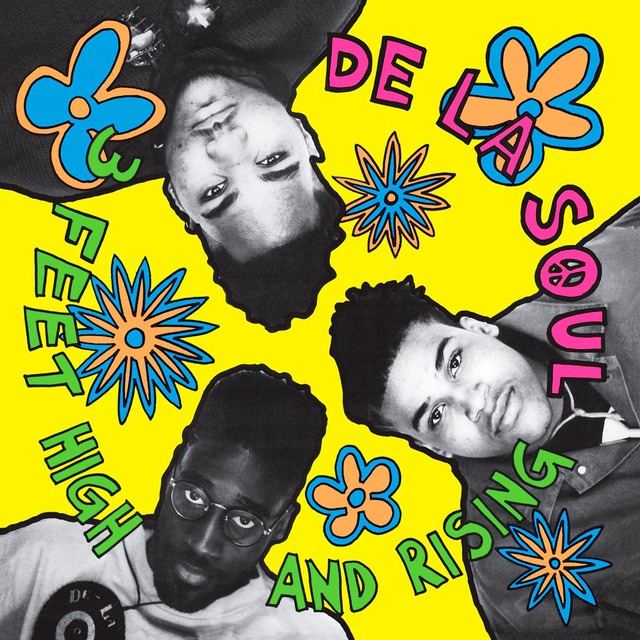
Released on February 6, 1989, 3 Feet High and Rising marked the arrival of De La Soul as one of hip-hop’s most inventive voices. Produced in collaboration with Prince Paul, it blended playful lyricism, genre-bending sampling, and a fresh visual identity to stand apart from the dominant gangsta rap of the era. The result was a critical and commercial breakthrough that still ranks among the most influential albums in rap history.
Here are five fascinating facts about this trailblazing debut.
At a time when gangsta rap’s hardcore themes dominated, 3 Feet High and Rising embraced surreal humor, unexpected topics like gardening and dandruff, and “Dr. Dolittle-esque” animal interactions. The group lampooned materialism in hip-hop while promoting their own “D.A.I.S.Y. Age” ethos—short for “Da Inner Sound, Y’all.” This sunnier, playful approach led critics to label them “hippies,” a tag they rejected but one that highlighted their unique space in the genre.
The album’s production reached beyond the typical funk and soul crates of the era, incorporating doo-wop, psychedelic rock, and even children’s music. Using a Casio RZ-1 drum machine and an Eventide harmonizer, De La Soul and Prince Paul layered unconventional song structures with an intricate patchwork of sounds. The approach helped earn the album the reputation as “the first psychedelic hip-hop record.”
3 Feet High and Rising is frequently credited with inventing or popularizing the hip-hop skit through its quiz show-themed interludes. These playful breaks threaded the album together, creating a narrative style that influenced countless rap albums in the decades to follow. At the time, the skits were as distinctive as the music itself, reinforcing the group’s offbeat identity.
Designed by Toby Mott of the Grey Organisation, the cover placed the group’s heads in a triangle surrounded by fluorescent, hand-drawn flowers. The design was a deliberate move away from macho hip-hop aesthetics, matching the D.A.I.S.Y. Age concept. Interestingly, De La Soul initially wanted an entirely different cover—an elevator halfway up with only their faces—but embraced the flower-adorned concept after seeing the final result.
The upbeat love song “Eye Know,” built from samples of Otis Redding, Steely Dan, The Mad Lads, Lee Dorsey, and Sly & the Family Stone, reached #14 in the UK but was never released as a single in the U.S. From 2004 to 2008, it was used as background music on the BBC’s Match of the Day 2. Its B-side, “The Mack Daddy on the Left,” featured a 12-year-old guest rapper—David Jolicoeur’s cousin Jeff—who later appeared on the group’s AOI: Bionix.
From its psychedelic sampling and anti-materialist lyrics to its groundbreaking skits and bold visual style, 3 Feet High and Rising remains a singular achievement in hip-hop history. Certified platinum and preserved in the U.S. National Recording Registry, its influence still ripples through rap culture. More than three decades later, De La Soul’s debut stands as a reminder that innovation, humor, and individuality can change the game.

Released on May 11, 1981, Kraftwerk’s Computer World (Computerwelt) remains a landmark in electronic music. The album arrived at a moment when computers were just starting to enter daily life, and its blend of forward-thinking concepts with sleek, minimal soundscapes positioned Kraftwerk as visionary cultural commentators. Accompanied by four singles and a world tour, it marked a creative high point for the German pioneers.
Below are five fascinating facts about this groundbreaking record.
Ralf Hütter summed it up simply: “We live in a computer world, so we made a song about it.” The album explored themes like home computers, digital communication, and even the risks of surveillance and social control. While it sounded futuristic, the entire production was done using analogue equipment—no computer technology was involved. This contrast between theme and method has become one of its enduring curiosities.
The cover art features a computer terminal, apparently modeled on the Hazeltine 1500, displaying the heads of the four band members in OCR-A typeface. Inside, Emil Schult and photographer Günter Fröhling created images of mannequin versions of the band performing studio activities. Karl Bartos’s mannequin is even pictured playing a Stylophone, the distinctive mini-keyboard featured on “Pocket Calculator.”
Initially released in June 1981 with “The Model” as its B-side, “Computer Love” peaked at #36 in the UK. When the two songs were reissued as a double A-side in December, “The Model” became the radio favorite, pushing the single to #1 in February 1982. Decades later, Coldplay’s “Talk” would sample its melody—after Chris Martin personally asked Kraftwerk’s permission.
Released in the US on fluorescent yellow vinyl to match the album cover, “Pocket Calculator” came with the Japanese version “Dentaku” on the flip side. Kraftwerk also recorded it in German (“Taschenrechner”), French (“Mini Calculateur”), and even performed an Italian version (“Mini Calcolatore”) on television. The track’s playful spirit and multilingual approach reflected the band’s worldwide outlook.
The German-language “Computerwelt” was remixed in 1982 with extra bass and percussion for a dance version, and the original earned a Grammy nomination for Best Rock Instrumental Performance. The BBC also selected “Computer World” as the title music for its computer literacy series The Computer Programme, cementing the song’s association with the dawn of the digital age.
Computer World stands as both a celebration and a cautionary tale about the rise of technology, made all the more remarkable by its entirely analogue creation. From its multilingual singles to its chart-topping success and lasting influence on artists like Coldplay, the album continues to resonate more than four decades later. Kraftwerk didn’t just soundtrack the computer era—they anticipated it.
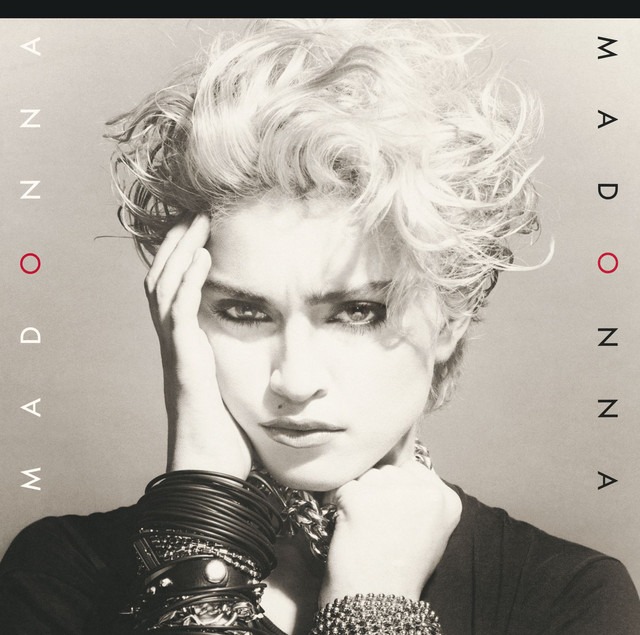
When Madonna released her self-titled debut album on July 27, 1983, she was an ambitious young artist with a handful of club hits and a vision that blended New York’s underground energy with radio-ready hooks. What began as a modest dance-pop project grew into a landmark record that sold an estimated 10 million copies worldwide, reached #8 on the Billboard 200, and helped define the sound of the 1980s. Beyond the hits “Holiday,” “Borderline,” and “Lucky Star,” the album’s story is full of behind-the-scenes moments that shaped both its sound and Madonna’s career. Here are five fascinating facts you might not know.
Madonna’s path to a record deal with Sire Records was anything but conventional. After DJ Mark Kamins played her demo track “Everybody” at Danceteria to an enthusiastic crowd, he brought the tape to Sire president Seymour Stein—who was recovering from heart surgery at Lenox Hill Hospital. Stein listened from his hospital bed, immediately liked what he heard, and signed Madonna for three twelve-inch singles with an option for albums.
Sire initially paired Madonna with Warner Bros. producer Reggie Lucas, known for his work with Roberta Flack and Stephanie Mills. While Lucas brought polished R&B sensibilities, Madonna felt his fuller arrangements strayed too far from her club-ready demos. The tension ultimately led Lucas to leave the project, paving the way for John “Jellybean” Benitez—Madonna’s boyfriend at the time—to remix and enhance several tracks, giving them the lean, danceable sound she envisioned.
“Holiday,” the song that became Madonna’s first Billboard Hot 100 hit, wasn’t written for her. Curtis Hudson and Lisa Stevens-Crowder of the group Pure Energy had originally intended to record it themselves, and later offered it to Mary Wilson of The Supremes and Phyllis Hyman—both passed. When Benitez brought it to Madonna, she recorded it quickly, adding her own cowbell part and working with Fred Zarr to incorporate the now-famous piano flourishes.
Before the album sessions, Madonna wrote “Lucky Star” as a personal thank-you to Mark Kamins for his early support. She composed it on a Casiotone keyboard using a cassette player he had given her. Early versions leaned heavily on R&B or guitar-driven arrangements, but these were abandoned in favor of Benitez’s remix, which added a synthesized disco beat and New Wave touches. The song went on to become her first top-five Billboard Hot 100 single.
“Borderline,” one of two tracks Lucas contributed, gave Madonna her first U.S. top-ten hit. The Mary Lambert–directed video portrayed Madonna in a relationship with a Hispanic man, juxtaposed with a modeling offer from a white British photographer. At the time, the depiction of an interracial romance was rare in mainstream music videos, drawing both attention and praise. The song’s refined vocal delivery also marked a turning point in her artistic presentation/
These moments capture the mix of hustle, instinct, and collaboration that defined Madonna. From securing a deal in a hospital room to reworking tracks until they matched her vision, the album’s creation was a study in persistence and self-direction. It also set the blueprint for her future career—balancing creative control with the input of key collaborators, embracing bold visuals, and making fearless choices in both music and image. Four decades later, Madonna remains not only a debut that launched a superstar, but also a blueprint for modern pop stardom.
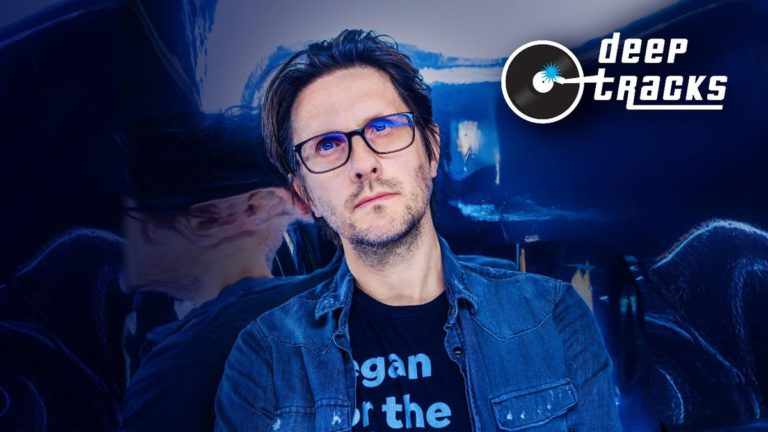
One of progressive music’s most fearless and innovative figures, Steven Wilson, joins SiriusXM with a new monthly series, Intrigue: The Progressive Rock Show with Steven Wilson, debuting on Deep Tracks.
During the show, Wilson — who first rose to prominence with Porcupine Tree before launching an acclaimed solo career — explores the expansive notion of what it means to be progressive in music. From the early pioneers of the 1970s to today’s experimental minds, Wilson curates an immersive journey through the unexpected and the uncompromising, highlighting artists who have pushed rock’s creative limits and expanded its sonic language.
“One of my greatest thrills as a professional musician has been the opportunity it’s given me to talk about the music I love and to turn other people onto it,” Wilson shares. “Now I’m thrilled to have my own show on Sirius XM because I can do more than just talk about it, I can actually play it! I’ll be featuring music by many bands that have been associated with progressive music over the years, covering classics and deep cuts, the old and the new, the obvious and the unexpected.”
The debut episode premieres today (Wed, Aug 6th) at 4 pm ET, with new episodes airing monthly on Deep Tracks (Ch. 308). Full episodes can be streamed on the SiriusXM app after they initially air.
Wilson is one of contemporary music’s most visionary auteurs — a six-time Grammy nominee, revered producer, and boundary-pushing composer whose work fuses cinematic ambition with emotional depth. He first gained recognition with Porcupine Tree, pioneering modern progressive rock, and has since crafted a dynamic solo catalog that includes “The Harmony Codex,” “Grace for Drowning,” and “Hand. Cannot. Erase.”
A musical polymath and spatial audio pioneer, Wilson has remixed the work of King Crimson, Tears for Fears, Pink Floyd, XTC, Black Sabbath, Grateful Dead, Chic, and The Who, among many others, bringing new dimension to classic albums with his meticulous touch. His own music wrestles with existential questions — alienation, technology, mortality — delivered with both poetic lyricism and sonic boldness.
His most recent album, “The Overview” (written, produced, and mixed by Wilson), is a high-concept, long-form experience inspired by the cosmic awe of space and the human condition. Featuring immersive visuals and dense, genre-defying compositions, the album is Wilson at his most ambitious, combining influences from Pink Floyd to gothic horror, electronica to orchestral grandeur.
Wilson hits the road for an ambitious world tour kicking off this fall. North American dates begin September 9 in San Francisco and continue through October 13 in Mexico, with stops in Los Angeles, Denver, Chicago, Toronto, New York, Philadelphia, Atlanta, and more. The tour then moves to South America, India, and Australia through November.

Dreaming In Color Entertainment and Jack Daniel’s are happy to announce that alt-rock legends Living Colour will be headlining the Seattle and Portland installments of Black and Loud Fest 2025. Taking place September 13th and 14th, tickets are on sale now via:
Over the last four years the Black and Loud Fest has grown from a free community event in a parking lot in Seattle to a full-on music festival at premier venues in Seattle, Portland, and beyond. This year, festival founder and producer King Youngblood band leader Cameron Lavi-Jones with his Dreaming in Color Team have utterly outdone themselves by bringing in LIVING COLOUR to headline. The iconic multi-Grammy, genre breaking act of alternative Black Rock is one of the few groups from that era still featuring all four original members: guitarist Vernon Reid, vocalist Corey Glover, drummer Will Calhoun and bassist Doug Wimbish.
“I wanted to really hammer home the mission and community of Black and Loud this year by bringing Living Colour. These guys embody every single reason why me and myband King Youngblood have had a chance to cut through to the forefront of Black Alternative Rock. Let me be clear, there would be no King Youngblood if Living Colour didn’t exist and pave the way. Call Living Colour the Goats and me and King Youngblood the Kids; that’s just fine by me.” explains Lavi-Jones.
Black and Loud may have started with humble beginnings but they have two sponsor partners who have stood loudly with them these four years – Electric Bike company Ariel Rider based in Tukwila, WA and of course title sponsor Jack Daniel’s. Both sponsors have been with the project since day one and are still going strong helping build the Black and Loud movement.
This movement gained steam with the addition of Black and Loud New Orleans in April 2025 at the House of Blues New Orleans. Featuring multi –Grammy winning Cyril Neville, the Uptown Ruler himself, and his son Omari Neville and the Fuel. The event also gave King Youngblood an opportunity to debut in New Orleans. Explains Cyril Neville, “I feel blessed to be part of this Black and Loud Movement and given a chance to fully change it up and get down with these young people. My roots are just as much in rock as they are in the funky soul sound of the Neville Brothers, The Meters, The uptown Rulers and of course the Wild Tchoupitoulas.”
Lavi-Jonesis bringing Cyril Neville to Black and Loud Seattle and Portland because the Mighty Neville Brothers have always had a strong following in the PNW.
Back by popular demand comes the return of Down North, and Nikki Dand the Sisters of Thunder, who would make the spirit of Sister Rosetta Tharpe, the mother of modern-day rock and roll loud and proud. Lavi-Jones discovered the fusion alt funk soul band Waterseed in New Orleans and is bringing them to the PNW for two nights of mayhem in Portland and Seattle. The list goes on with PARISALEXA, BLACK ENDS, Year of the Dragonf eaturing Dirty Walter of Fishbone, Nathan Nzanga and his band Up Left leading the ever popular Black and Loud Hip Hop Cypher, and many more. Also, an unexpected highlight for Black and Loud Seattle this year is the inclusion of Moka (aka MXKA) – a Blaxican (Blackand Mexican) Corridos singer who sings in exquisite Spanish the Corridos songs of her Mexican heritage. Moka has sparked Spanish speaking music communities across the USA. Moka caught the attention of Jack Daniel’s early in her career, and they are bringing her into the Black and Loud musical family of diverse artists.
Led by Lavi-Jones and his band King Youngblood, Black and Loud goes full on national in 2026 hitting Brooklyn, Nashville, Atlanta, New Orleans, Seattle, Portland, Los Angeles, the Bay Area, Chicago and more carrying the banner that Black Art is Resistance everywhere Lavi-Jones goes. Lavi-Jones, an independent voter, has been tapped by national/regional organizations including the Democratic Progressives and Indivisible, speaking at large rallies with crowds ranging from 17,000 to70,000 about the need for America’s youth to wake up and get involved because as Lavi-Jones has said, “This is not about left or right, this is about rich and poor and the fascist oligarchs who are trying to kill us all in an America on fire.”
Black and Loud by its very authentic and joyful existence, has a mission to bridge the Goats and the Kids of Black fronted alternative music in any genre, with serious intent to build community in a music industry overrun with internalized marginalization. The Fest has matured into an important genre bending movement with some of the best Black artists in the world.
There will be Black Painters painting on stage again this year and a pop-up Art Gallery by Black gallery owner Avery Barnes of Taswira Gallery. KISW will get behind the event on the airwaves and this year Black owned community radio station KVRU based in South Seattle will record during the event and broadcast Black and Loud Seattle 2025 after the event.
The festival producers hope folks will consider donating to the Black and Loud Ticket Scholarship fund to help BIPOC young people who might not be able to afford a ticket to experience all this Musical Blackness.
Follow us on Instagram @thatericalper

Eric Alper is a 6-time nominee for Publicist of the Year during Canadian Music Week and has overseen the publicity campaigns for over 183 JUNO Award-nominated albums (and 16 in 2025), 45 Grammy-nominated albums, including 47 JUNO Award, 58 Canadian Folk Music Award, 126 Maple Blues Award-winning albums and is also truly honoured to work with some of the biggest and most important artists of our time.
Contact me: eric@thatericalper.com
© Copyright - That Eric Alper