

All photos by Mini’s Memories. You can contact her through Instagram or X.






Eddie Palmieri’s name rings through the halls of Latin jazz history with the resonance of a thunderous montuno. A pianist, composer, bandleader, and innovator, Palmieri built a career that spanned seven decades, fused genres, and forever altered the sound of Afro-Caribbean music. His story is one of rhythm and rebellion, tradition and transformation. To understand Latin jazz without Eddie Palmieri is to miss one of its boldest architects. Below are 20 essential facts that celebrate the life and music of a true legend.
1. Eddie Palmieri was born on December 15, 1936.
Born in New York City to Puerto Rican parents who had emigrated from Ponce, Eddie Palmieri was raised in the South Bronx. Music ran in the family—his older brother Charlie Palmieri was already a revered pianist and bandleader in his own right.
2. He grew up surrounded by music and performance.
As a child, Eddie would accompany Charlie to talent contests, and by the age of eight, he was performing in them himself. His musical training continued through the public school system, where jazz was part of his daily soundtrack.
3. He played Carnegie Hall at age 11.
By the time most kids were learning their times tables, Palmieri had already played one of the world’s most prestigious concert venues. His early commitment to the piano foreshadowed a lifetime of fearless performance.
4. Influenced by jazz greats, he formed his first band at 14.
Inspired by Thelonious Monk and McCoy Tyner—and by Charlie’s musical prowess—Palmieri formed his first band in 1950. By the 1950s, he was playing with professional acts like Tito Rodríguez’s orchestra.
5. In 1961, he founded Conjunto La Perfecta.
La Perfecta was a musical experiment that became a revolution. With singer Ismael Quintana at the helm and a fresh instrumental configuration, the group would set the tone for Palmieri’s bold innovations.
6. He replaced violins with trombones in the charanga style.
Breaking with Cuban tradition, Palmieri swapped the elegant strings for the gritty blast of two trombones. The result: a thicker, heavier, funkier sound that redefined Latin dance music in New York.
7. His early collaborators shaped the Palmieri sound.
Trombonist Barry Rogers and guitarist Bob Bianco were instrumental in developing the harmonic complexity and punch of Palmieri’s work. The influence of jazz pianist McCoy Tyner and theorist Joseph Schillinger added further depth.
8. He fused Latin dance rhythms with jazz improvisation.
Palmieri didn’t just play dance music—he opened it up. Borrowing from Cuban descargas (jam sessions), he invited soloists to stretch out, breathe, and explore. His music blurred the lines between nightclub, concert hall, and jazz loft.
9. He was among the first to incorporate the mozambique rhythm.
Palmieri’s 1960s recordings like “Lo Que Traigo Es Sabroso” experimented with new rhythms coming out of Cuba, including the high-energy mozambique beat, adding another layer to his dynamic arrangements.
10. He reimagined La Perfecta in 1968 with top Cuban talent.
Seeking a more powerful sound, Palmieri re-formed the band with stars like Alfredo “Chocolate” Armenteros and bassist Andy Gonzalez. This era pushed his music deeper into Afro-Caribbean jazz and political consciousness.
11. He recorded the hit “Vamonos Pa’l Monte” with Charlie Palmieri in 1971.
This seminal track became a signature tune for Eddie and Charlie, combining soul, salsa, and a revolutionary spirit. It remains one of the most enduring anthems in Latin music.
12. He won the first-ever Grammy for Best Latin Recording.
In 1975, The Sun of Latin Music earned Palmieri the inaugural Grammy in that category. It was a landmark moment for Latin musicians—and a testament to Palmieri’s singular vision.
13. He shared the stage with Bob Marley and Patti LaBelle at the Amandla Festival.
In 1979, Palmieri joined artists like Bob Marley in Boston to support the anti-apartheid movement. His presence underscored his commitment to social justice and international solidarity through music.
14. In the 1980s, he reunited with Ismael Quintana and Cheo Feliciano.
The return of key vocalists gave new life to Palmieri’s music. During this period, he recorded La Verdad with Tony Vega, and continued blending salsa with deeper lyrical content.
15. His collaborations expanded throughout the 1990s.
Palmieri worked with the Fania All-Stars, Tico All-Stars, and notably introduced singer La India on Llegó La India via Eddie Palmieri in 1992. He continued pushing boundaries and nurturing new talent.
16. He earned an honorary doctorate from Berklee College of Music in 1998.
Berklee recognized Palmieri’s immense contributions to music theory, jazz, and Latin music education, cementing his legacy as both artist and scholar.
17. Despite announcing retirement in 2000, he kept recording.
He partnered with Tito Puente on Masterpiece, which earned two Grammys. He was also named “Outstanding Producer of the Year” by the National Foundation of Popular Culture.
18. His total Grammy count reached nine.
From salsa to Latin jazz, Palmieri’s shelf of Grammy Awards reflected his range and continued excellence. His 2006 album Simpático, with Brian Lynch, was another critical success.
19. He shaped salsa instrumentation with the ‘trombanga’ sound.
The unique fusion of two trombones and a flute—coined by Charlie Palmieri—became La Perfecta’s signature. This innovation influenced future bandleaders like Willie Colón and Manny Oquendo.
20. He passed away on August 6, 2025, at age 88.
Palmieri died peacefully in Hackensack, New Jersey, leaving behind a vast discography and a legacy that reshaped Latin music. His contributions continue to echo through jazz halls, salsa clubs, and cultural institutions around the world.
Eddie Palmieri wasn’t just a pianist—he was a visionary who took the rhythmic pulse of Puerto Rico, filtered it through New York’s jazz scene, and created something completely new. His music was daring, percussive, often political, and always deeply human. He inspired generations of Latin musicians not just to play, but to innovate.
Palmieri’s legacy lives not only in his nine Grammy Awards or groundbreaking albums, but in every salsa riff that dares to bend tradition, every young artist who finds jazz in the clave, and every listener who dances with purpose. The mountain he pointed to in “Vamonos Pa’l Monte” was never just physical—it was musical, spiritual, revolutionary.
And from the Bronx to the Caribbean, from Carnegie Hall to a tiny club in San Juan, the climb continues.
In an industry obsessed with youth, there’s something deeply inspiring about artists who continue to evolve, challenge themselves, and captivate audiences long after most would consider retiring. While many musicians fade from the spotlight or lose creative steam with age, some defy expectation—producing groundbreaking albums, selling out stadiums, and shaping culture well into their 60s and beyond. These artists prove that greatness isn’t bound by time, and that artistry can deepen with experience, perspective, and age.
Here are ten musicians who didn’t just maintain their brilliance after 60—they redefined it.
Bob Dylan
Before 60, Bob Dylan was already a Nobel-worthy legend: the voice of the 1960s, a prolific songwriter, and cultural icon with masterpieces like Blonde on Blonde, Blood on the Tracks, and Time Out of Mind. But post-60, he released Modern Times (2006), Rough and Rowdy Ways (2020), and even a Sinatra-inspired standards trilogy that showcased his vocal phrasing in new, nuanced ways. Dylan’s ability to reinvent himself without losing his poetic fire has kept him at the vanguard of American music well into his 80s.
Dolly Parton
By 60, Dolly Parton was a country legend and crossover queen, with hits like “Jolene,” “9 to 5,” and “I Will Always Love You,” along with business savvy that built Dollywood and a media empire. After 60, she released the acclaimed Backwoods Barbie (2008), performed at Glastonbury, and earned new fans through collaborations with younger artists. Her philanthropy—like funding COVID-19 vaccine research—only enhanced her cultural relevance. Dolly is proof that authenticity, warmth, and hustle never go out of style.
Paul McCartney
A Beatle, a Wings frontman, and solo hitmaker before turning 60, Paul McCartney could’ve coasted on his catalog. Instead, he doubled down creatively. Albums like Memory Almost Full (2007), Egypt Station (2018), and McCartney III (2020) showed continued curiosity and musical exploration. His sold-out tours into his 80s—complete with three-hour sets—show a stamina that matches his legacy. McCartney remains a vital musical force and a living link to rock’s golden age.
Tina Turner
Tina Turner’s comeback in her 40s with Private Dancer was already the stuff of legends. But she didn’t slow down after 60—touring globally, performing at the Grammys and Live 8, and releasing her final studio album Twenty Four Seven (1999) just before turning 60. In her later years, she published a bestselling memoir, oversaw a hit Broadway musical, and became a spiritual icon of resilience. Tina’s strength, style, and singular voice kept her legacy vibrant until her passing in 2023.
Leonard Cohen
The Canadian bard crafted contemplative, mystical songs for decades before retreating from the public eye. But after a financial betrayal forced him back on stage in his 70s, Cohen experienced an artistic rebirth. Albums like Old Ideas (2012) and You Want It Darker (2016) received critical acclaim, and his world tours revealed a commanding, sly stage presence. Cohen’s late work deepened his legacy, proving that wisdom and gravity can be rock and roll too.
Cher
Cher was a TV star, fashion icon, and chart-topping singer by 30—and still topping charts after 60. Her 1998 hit “Believe” reshaped pop’s use of Auto-Tune, and her Closer to the Truth album (2013) hit Billboard’s Top 5 when she was 67. With Las Vegas residencies, scene-stealing film roles, and viral tweets, she’s stayed relevant to multiple generations. Few artists have reinvented themselves more fearlessly—or with more fun—than Cher.
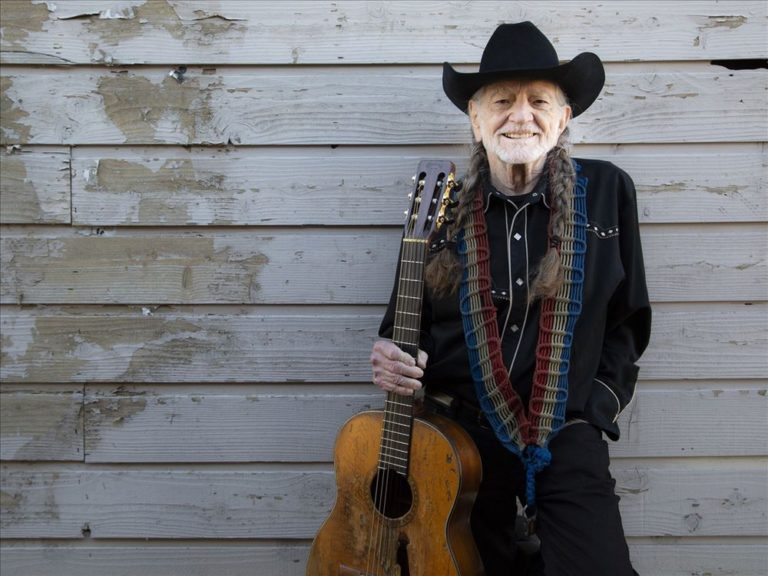
Willie Nelson
Willie Nelson had already penned classics like “Crazy” and released Red Headed Stranger before most of us knew what a concept album was. After 60, he became even more prolific—releasing over two dozen albums since the 1990s, including God’s Problem Child (2017) and A Beautiful Time (2022), which won him a Grammy at age 89. Willie’s timeless voice, activism, and humor keep him beloved across generations—and still gigging at 90.
David Bowie
Bowie’s death in 2016 reminded the world just how vital he remained to the very end. Long after his Ziggy Stardust days, Bowie kept innovating. His album The Next Day (2013) marked a stunning return, and Blackstar (2016), released just two days before his death, was a haunting, avant-garde masterpiece. It reasserted his genius and willingness to confront mortality through art. Bowie’s post-60 work wasn’t just great—it was daring.
Mavis Staples
As a member of The Staple Singers, Mavis Staples gave voice to civil rights anthems. But her solo career flourished even more after 60, with a string of powerful albums produced by the likes of Jeff Tweedy (You Are Not Alone, 2010) and Ben Harper (We Get By, 2019). Her raw, spirit-filled vocals, community activism, and powerful presence have made her a beacon for artists young and old. Mavis continues to bridge gospel, soul, and protest into her 80s.
Bruce Springsteen
Before 60, Bruce Springsteen was “The Boss,” with albums like Born to Run, Nebraska, and The Rising shaping America’s musical identity. Since then, he’s released Western Stars (2019), Letter to You (2020), and a Broadway show that became a Netflix special. His E Street Band tours remain massive events. Springsteen’s late-career work shows emotional depth and vulnerability while proving he can still fill stadiums—and hearts.
What binds these artists is that they stayed curious, collaborated with younger musicians, embraced new genres or technologies, and kept performing with soul and conviction. In doing so, they redefined what aging in music looks like—not as decline, but as deepening.
Their stories are a reminder that artistry doesn’t come with an expiration date. If anything, experience only sharpens the tools. For listeners and fellow musicians alike, these legends offer more than great music—they offer a blueprint for staying passionate, resilient, and creatively alive at any age.

Touring as a musician can feel like living in fast-forward. Long drives, late nights, early soundchecks, and unpredictable schedules make it tough to maintain any kind of routine—especially when it comes to eating well. One day you’re grabbing gas station snacks on a 10-hour drive, the next you’re at a venue with nothing but a vending machine backstage. Between fatigue, adrenaline, and convenience foods, nutrition often ends up on the back burner.
But what you eat directly affects your stamina, mood, vocal health, and mental clarity—four things you can’t afford to compromise when you’re playing shows night after night. Staying fueled doesn’t mean adhering to a strict diet or spending a fortune on fancy food. It’s about making small, intentional choices that support your body while still allowing for the chaos and joy of the road.
Here are five essential strategies to help you stay nourished, energized, and ready to give your best on tour.
1. Prioritize Protein and Fiber to Stay Full Longer
When your next meal is a mystery, it helps to eat in a way that keeps you full for longer stretches. Protein and fiber are your best friends here. They stabilize blood sugar, support muscle repair (important for physically demanding performances), and help prevent those mid-set energy crashes.
Look for portable protein options like jerky (turkey or plant-based), protein bars with minimal sugar, hard-boiled eggs, or packets of tuna or salmon. For fiber, grab apples, carrots, trail mix with nuts and seeds, or even whole grain wraps.
Quick ideas:
2. Build a “Tour Pantry” with Essentials
One of the easiest ways to eat better on tour is to stock up on non-perishable basics. Think of it as a tour survival pantry that travels with you in a tote or storage bin.
Focus on items that require little prep, last a while, and cover the bases: protein, carbs, fats, and micronutrients. Bonus points for anything that just needs hot water or a quick microwave.
Smart staples:
Having your own snacks means fewer desperate fast-food runs and more control over how you fuel between gigs.
3. Scope Out Grocery Stores, Not Just Restaurants
It’s tempting to rely on Yelp or Google Maps to find restaurants in a new city, but grocery stores are often the healthier, cheaper option. Even a quick stop at a local market can get you fresh produce, pre-made salads, and affordable snacks.
When time is tight, head straight to the deli or prepared foods section. Many chains offer grilled chicken, boiled eggs, pre-cut veggies, or even rice bowls you can heat up at the venue or hotel.
Money-saving tip: Use store loyalty apps for deals, and grab a reusable bag to avoid plastic bag fees or clutter in the van.
Smart buys under $10:
4. Hydration Is Half the Battle
Tour life dehydrates you fast—between stage lights, alcohol, caffeine, and inconsistent sleep, your body is constantly playing catch-up. Dehydration can affect your voice, energy levels, and even mood.
Carry a reusable water bottle everywhere and refill at gas stations, green rooms, or venues. Add a slice of lemon or a splash of electrolyte mix for variety and extra minerals. If you’re flying between dates, remember that cabin pressure also dries you out, so hydrate before and after.
Hydration tips:
5. Embrace the 80/20 Rule—Without Guilt
Eating healthy on tour doesn’t mean perfection. In fact, aiming for perfection is a recipe for burnout. Instead, embrace the 80/20 rule: if 80% of your choices are balanced and nourishing, there’s plenty of room for fun, comfort food, and celebration in the other 20%.
Say yes to local delicacies, backstage pizza, or late-night diner pancakes now and then—it’s part of the experience. The key is to not let those meals become the default. Think ahead when you can, plan one solid meal each day, and let the rest fall into place.
Realistic balance:
Music may come from the soul, but your performance starts with your body. Staying nourished on tour isn’t about counting calories—it’s about supporting your energy, mood, and longevity. When your body feels good, your mind is sharper, your voice stronger, and your stage presence magnetic.
So pack that snack bag, scope out a grocery store, and remember: every meal is a chance to fuel the music. Take care of yourself, and you’ll be ready to give everything to the crowd—night after night, city after city.
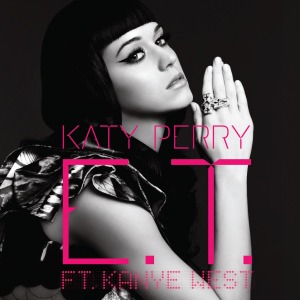
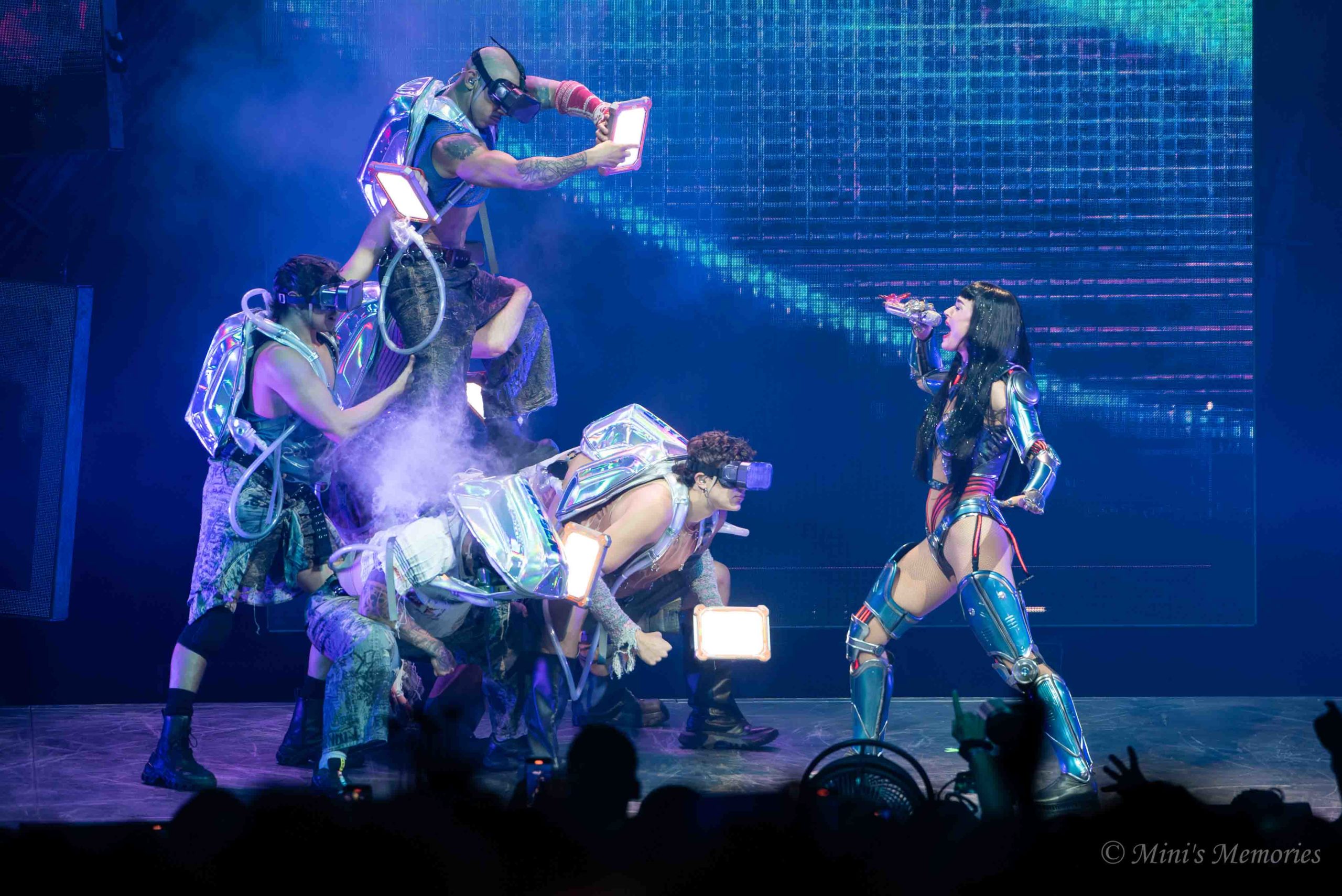
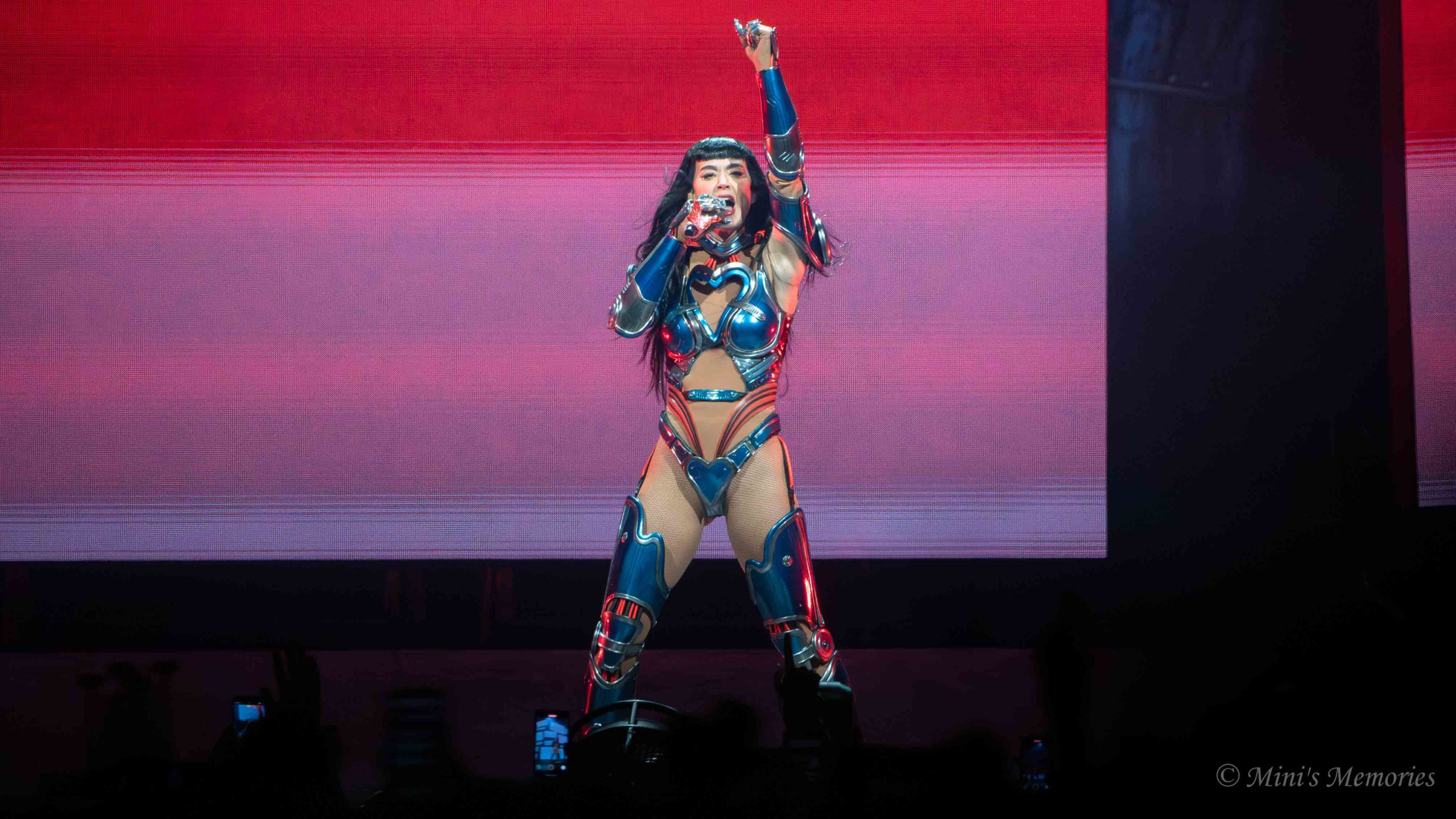
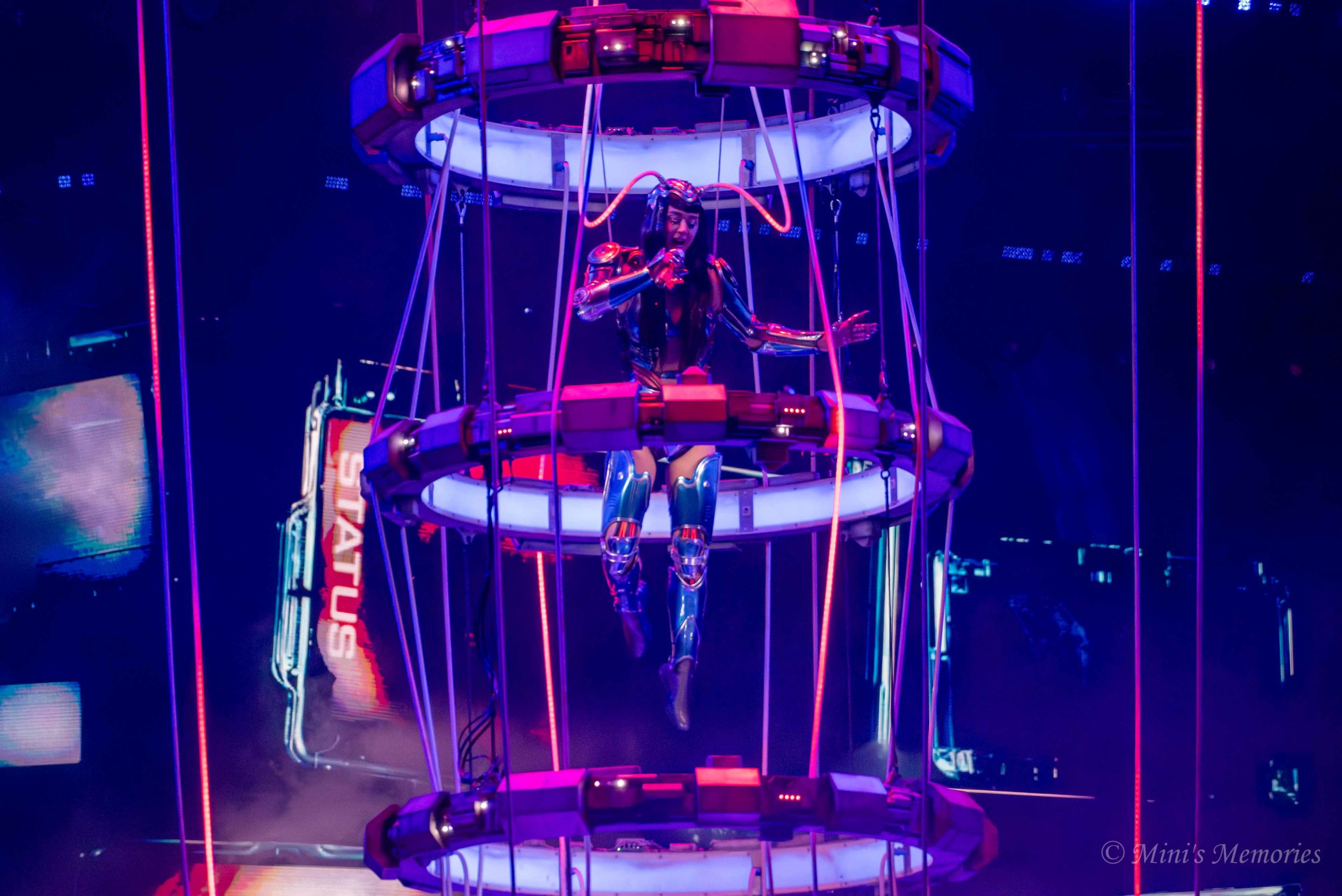
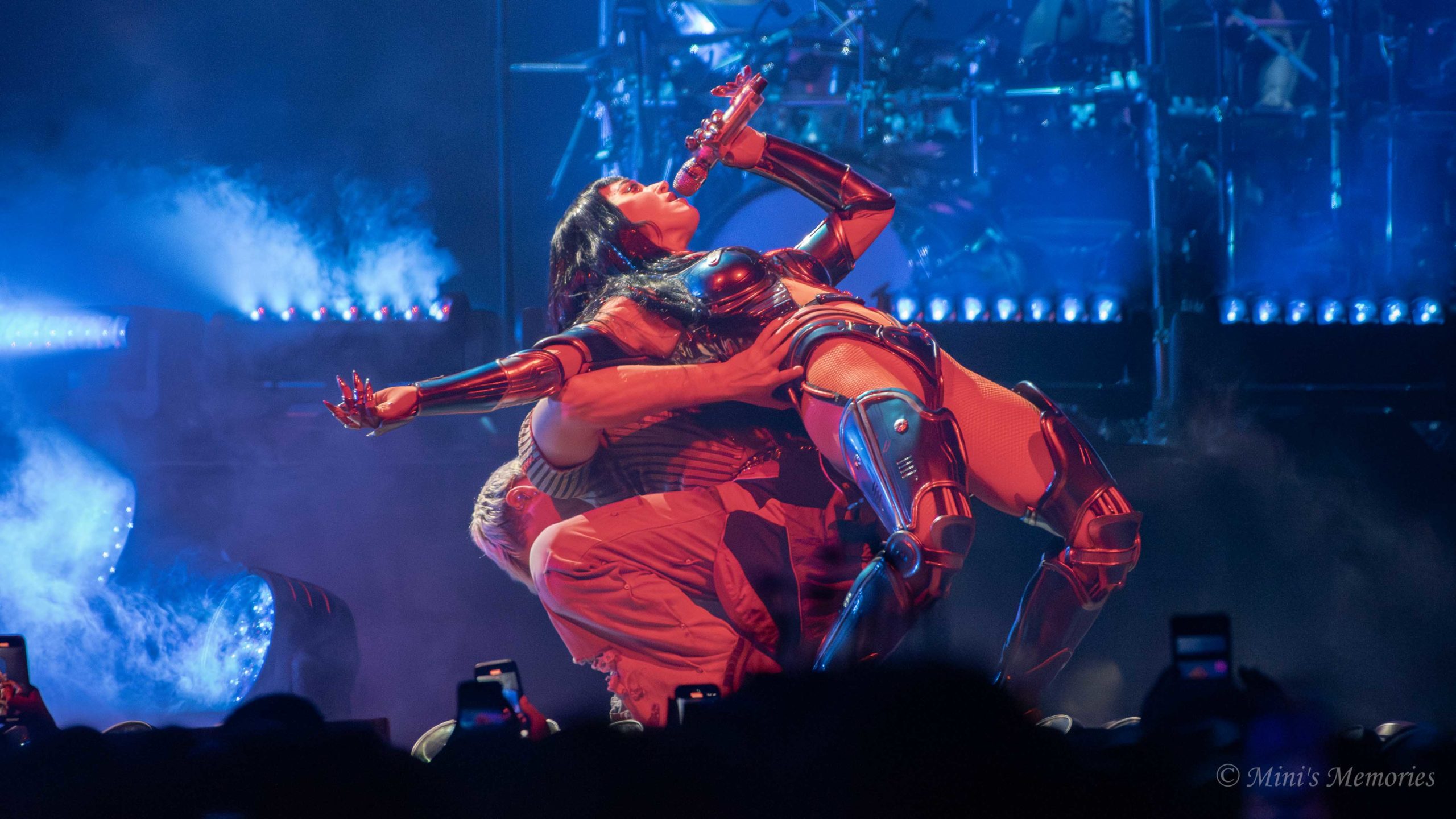
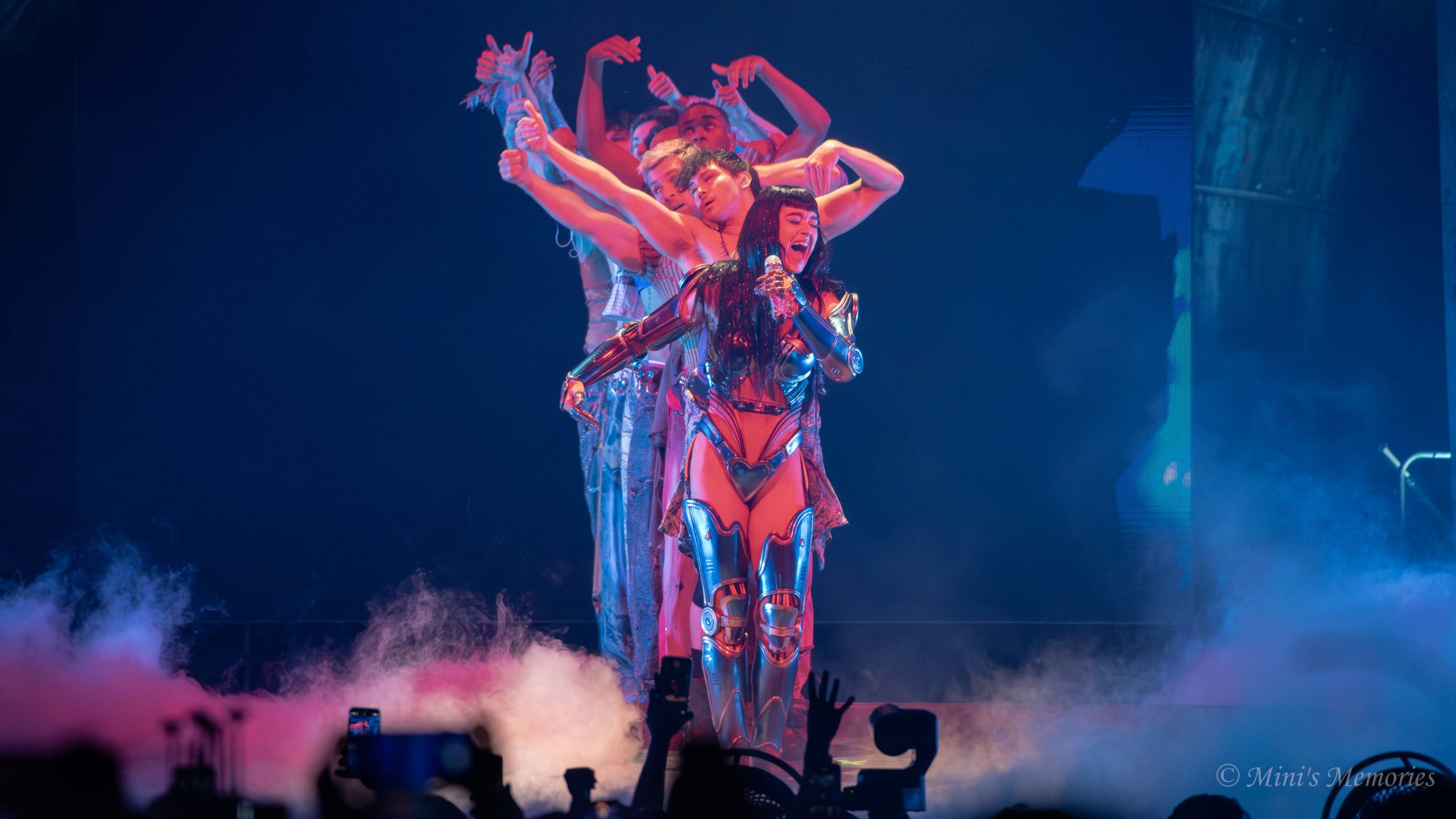
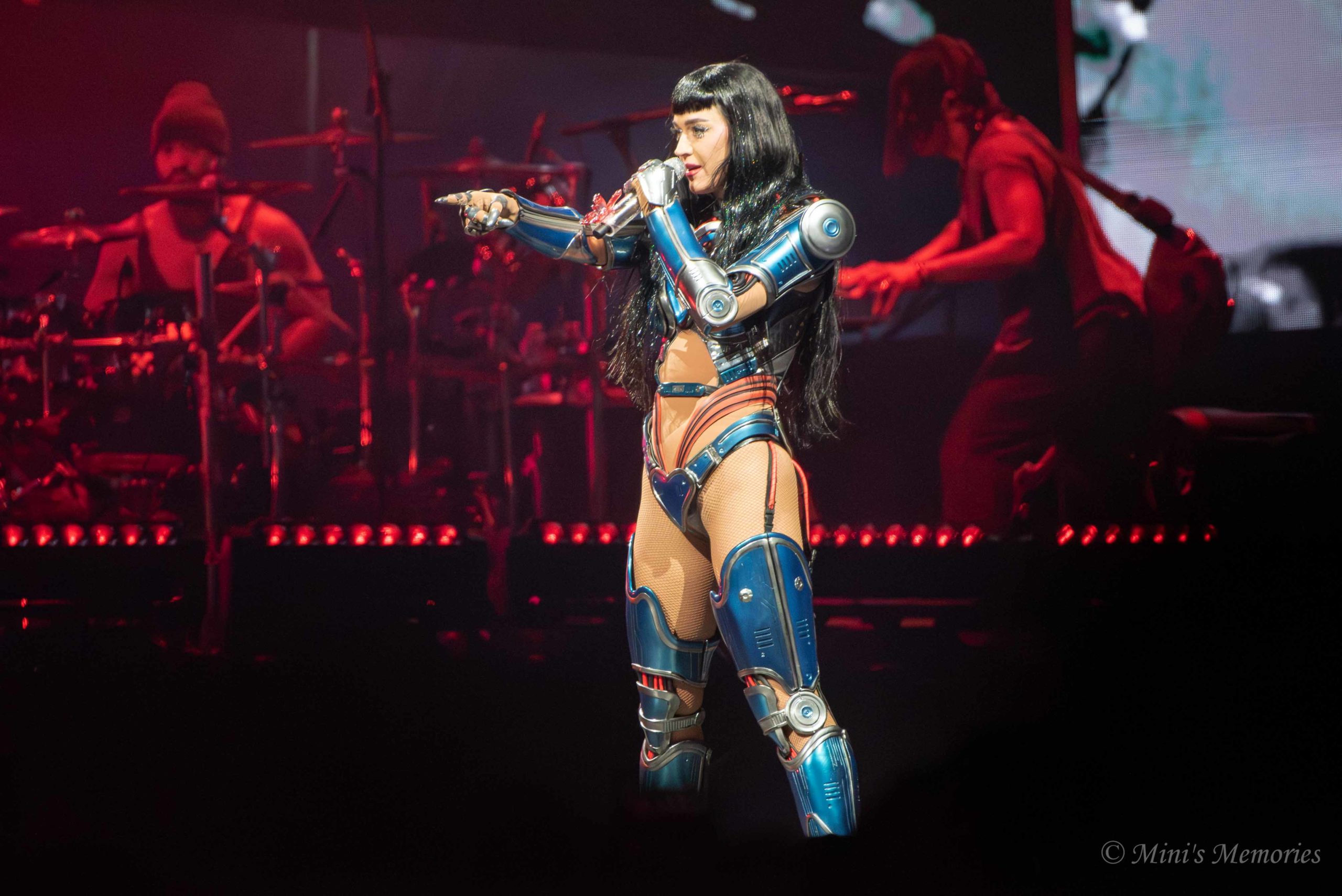
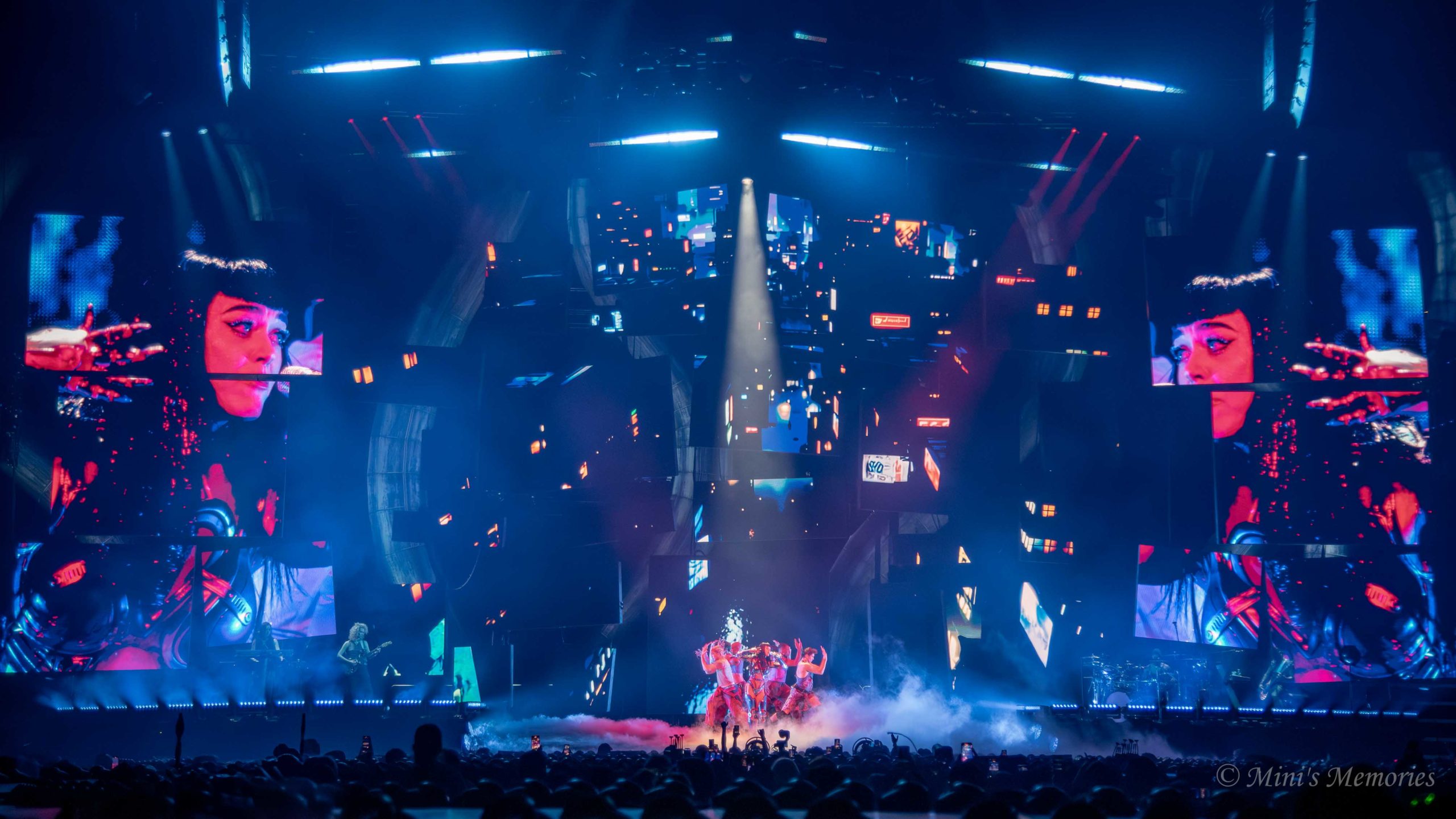
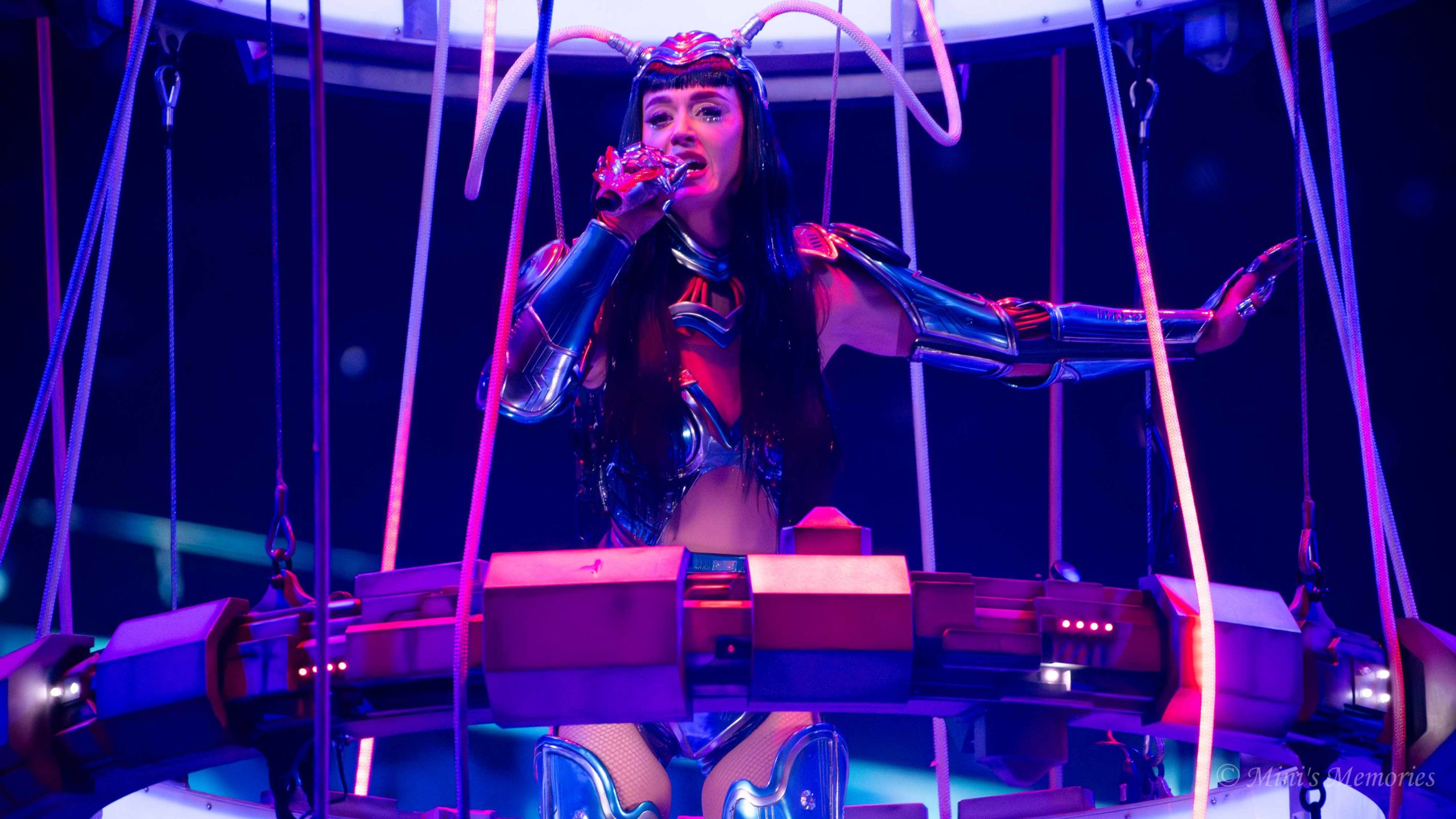
Katy Perry’s “E.T.” is a futuristic, genre-blending ballad from her 2010 album Teenage Dream. The track explores the idea of falling in love with a stranger, set against electronic, hip hop, and dubstep influences. A Diamond-certified hit, “E.T.” topped the Billboard Hot 100 and became one of 2011’s biggest songs.
By Mitch Rice
When parents think about extracurricular activities for their children, sports, art, and dance often come to mind. But one activity that combines both mental development and creative expression is often overlooked—piano lessons. Beyond simply learning to play an instrument, piano lessons for kids offer a range of benefits that can improve academic performance, sharpen cognitive skills, and unlock creative potential.
From better concentration to enhanced problem-solving, the skills kids gain at the piano often carry over into the classroom and beyond. Let’s explore how learning the piano can shape a child’s mind in remarkable ways.
Piano lessons involve more than pressing keys—they engage multiple areas of the brain simultaneously. Reading sheet music, maintaining rhythm, and coordinating both hands develop skills directly linked to academic success.
Studies have shown that children who study music often perform better in subjects like math and reading compared to their peers who don’t play an instrument.
When kids take piano lessons, they engage in a type of brain workout that improves focus, discipline, and problem-solving. Learning a new piece requires breaking it down into smaller sections, identifying challenging parts, and practicing until mastered—skills that directly translate into effective study habits.
Piano playing also enhances hand-eye coordination and fine motor skills, which are essential for writing, typing, and other school activities. Over time, this consistent mental and physical exercise boosts overall cognitive agility.
While piano lessons build discipline, they also give children a powerful outlet for creativity. Once a child learns the basics, they can experiment with their own melodies, change rhythms, and even try composing their own music.
This creative exploration encourages:
Mastering the piano doesn’t happen overnight—it requires patience, consistent practice, and a willingness to overcome challenges. As children meet small goals, such as perfecting a scale or playing a song fluently, they gain a sense of accomplishment that strengthens self-confidence.
This boost in self-esteem often extends to schoolwork. When children see that hard work and persistence pay off in piano, they’re more likely to apply the same mindset to academic tasks.
One of the most valuable lessons piano teaches kids is that learning is a continuous process. Even after years of playing, there’s always a new piece to master, a new style to explore, or a technique to improve. This mindset encourages curiosity and resilience, qualities that will benefit them in school, career, and life.
If you’re considering piano lessons for your child, finding the right piano instructor near you is key. Look for a teacher who understands how to keep learning engaging—especially for younger students. Lessons that mix fun songs, games, and challenges can help children stay motivated while building a strong musical foundation.
Many piano studios in NYC and beyond also offer group classes, which can add a social element that makes learning even more enjoyable.
Piano lessons for kids are much more than an extracurricular hobby—they’re an investment in a child’s intellectual and creative growth. From boosting math and reading skills to fostering imagination and discipline, the benefits of learning the piano extend far beyond the music room.
By starting early, children can develop not only a love for music but also the cognitive, academic, and personal skills that will serve them for a lifetime. And who knows? That first piano lesson might just be the key that unlocks their full potential—both on and off the stage.
Data and information are provided for informational purposes only, and are not intended for investment or other purposes.

AFI announce their new album Silver Bleeds the Black Sun… due October 3rd via Run For Cover Records, today. Silver Bleeds the Black Sun… marks the twelfth album from AFI and will include the lead single ‘Behind the Clock,’ which ushers in the bold new era for the iconic band. Alongside the new single, AFI share a music video directed by Gilbert Trejo.
Speaking about the ‘Behind the Clock’ video, director Trejo offers, “We wanted the video to feel like you’re seeing something you shouldn’t. In effect you are, because that’s how Davey writes lyrics. He’s expressing himself so openly, that you’re let behind this curtain. It’s a world that most artists don’t cut to, marrow deep.”
Sharing the experience working with Trejo, vocalist Davey Havok shares, “Gilbert’s video has sublimated the essence of ‘Behind the Clock.’ His vision and expertise is inspiring. Working with him was a privilege and utter joy. He is an artist of the purest form.”
For more than three decades, AFI has been in a nearly constant state of reinvention. The band have made it a point to evolve with every album – sometimes dramatically so – never allowing themselves to become too comfortable in one genre or rest on any of their impressive career laurels. It’s an approach that has grown their audience but also challenged it with a sonic identity that can shift in wild, unexpected directions. Now with Silver Bleeds the Black Sun…, AFI are once again at the start of an exciting new chapter, only this time they’ve even managed to surprise themselves.
The goal of Silver Bleeds the Black Sun… was to make an album with a singular mood, something dreamy and ethereal, and the band members found themselves diving headfirst into influences that had always been deeply embedded in AFI’s musical core, but now were being brought to the forefront. The result is an album that feels out of time, at once familiar and fresh, drawing on classic sounds and reinterpreting them through a modern lens. Silver Bleeds the Black Sun… is dark and otherworldly, but also grandiose and stately, biting and beautiful in equal measure-in other words, it’s very AFI, yet not quite like any version of the band you’ve ever heard before.
It’s this combination of endless creative daring, deftly wielded influences, and above all else, an unshakeable sense of self that’s allowed AFI to stay relevant for more than 30 years, often leading the way through emerging musical moments. From their scrappy roots as a high school hardcore band in the early ’90s (Answer That and Stay Fashionable, Very Proud of Ya and Shut Your Mouth and Open Your Eyes), to their dark melodic punk reinvention at the turn of the century (Black Sails in the Sunset and The Art of Drowning), to their crossover into mainstream stardom in the early 2000s (Sing the Sorrow and Decemberunderground) and their years as shapeshifting alternative rock journeymen (Crash Love, Burials, The Blood Album, and Bodies), the band has survived and thrived by staunchly being themselves-no matter what that is.
This fall, AFI will embark on their headline North American tour with special guests TR/ST to celebrate the release of Silver Bleeds The Black Sun… The 24-date run will begin on September 30th in Madison, WI with stops in Chicago, Brooklyn, Boston, Atlanta, Dallas, and Denver, before wrapping November 5th in San Diego, CA. The tour marks AFI’s first full-scale outing since their celebrated 2021 release Bodies, and will offer fans the chance to experience songs from across their extensive catalogue, delivered with the band’s signature electrifying performance.
AFI – Silver Bleeds the Black Sun… album tracklisting:
1. The Bird of Prey
2. Behind the Clock
3. Holy Visions
4. Blasphemy & Excess
5. Spear of Truth
6. Ash Speck in a Green Eye
7. VOIDWARD, I BEND BACK
8. Marguerite
9. A World Unmade
10. Noneunderground

California-based electric pop duo MOVIESTARZ announced their debut album FANTASY > REALITY. It is set for release on November 7th. With the news, they dropped a playful new single, “Records on Repeat” along with a spunky lyric visualizer.
From the creative minds of best friends Tyler Nichols and Alex Pombar, this duo draws on EDM, hyperpop, and early-2000s pop-rock influences to make something entirely their own.
Their latest release, “Records on Repeat” was born from a mess of guitar pedals and pure sonic mischief, capturing hyperpop chaos at its most honest. It’s catchy, it’s loud, and it might just hurt your feelings. Behind the glittery riffs and upbeat bounce is a biting truth: your favorite artists don’t care about you, but you’ll still worship them anyway. It’s funny. It’s depressing. It’s painfully relatable.
“This single was such a fun one to make! The song is about artists you love the most not caring about you in the slightest, which I find equally kind of funny and depressing,” shared Nichols. “It’s literally about our favorite bands complaining about their great life and how they don’t actually care about us, but we will still love and play their records on repeat” adds Pombar.
Following the release of the tongue-in-cheek attitude of “Invited” and the Y2K edge of their debut single “Club Punk,” MOVIESTARZ are turning up the distortion and deconstructing their sound with every release. Most recently, they put out two high-octane singles “Chaos in the Magic” and “Tear This Apart” diving headfirst into the glitch-filled world of hyperpop blending sugary vocals and a reckless sense of fun.
This record has been a long time coming and leans into the duo’s signature blend of unfiltered chaos and pop sensibility. “I’ve been chasing music since I was 15,” shares Nichols. “I’ve recorded albums, released songs, hit a million streams on MySpace, and seen plenty of those projects flop. Inspired by countless success stories, I always hoped the bands I admire would notice and the ‘cool’ influencers would share my music. I realized the fantasy is often more exciting than the reality, and that’s what this album is all about. But after two years of pouring ourselves into this album, we’re incredibly proud of this one regardless of the anyone else’s response and we can’t wait to share it with the world.”
Pombar adds, “This MOVIESTARZ album is the best and most refreshing batch of songs we have ever done. There’s so many different moods on this album that I think anyone can get into. We got a little bit of every genre on here and it can be treated as an art collection.”
In true MOVIESTARZ fashion, this album announcement and single release of “Records on Repeat” will be accompanied by a limited merch drop under their clothing label Newport Bleach. They have created a full musical experience incorporating genre-defying sounds, standout visuals, and high-quality fashion for a community of people looking to break boundaries and defy the mundane.
Working together with lead producer on this project, The Fund, they have big ambitions for this project and plenty more music coming down the pipeline. This record boasts a total of 12 genre-bending tracks you can find below. It will have a limited vinyl release this fall.
Track Listing:
1. Club Punk
2. Invited
3. On Mute
4. Records on Repease
5. 1M Frequencies (feat. Cali Rodi)
6. Heatstroke
7. The Rush
8. Listening
9. Chaos in the Magic
10. Tear This Apart
11. Wonderful Horrible
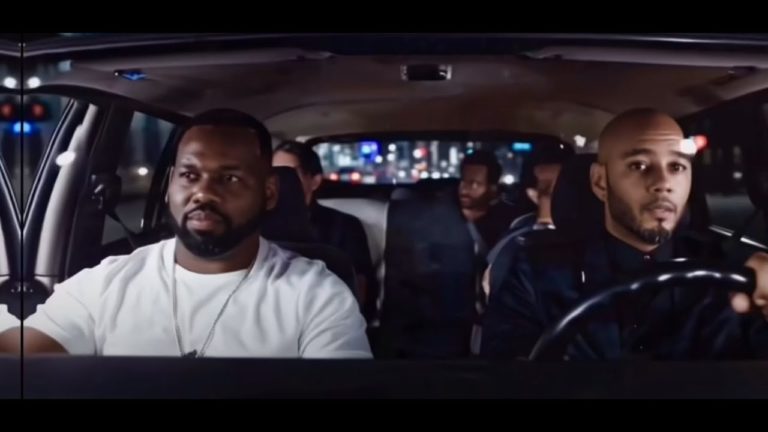
Riding high on the success of his new album, The Emperor’s New Clothes, Wu-Tang veteran Raekwon keeps the momentum going with a brand new video. The hip-hop legend embraces the limitless potential of AI-generated content for the “600 School” music video, featuring Ghostface Killah & Method Man, out now via Mass Appeal.
Prior to the video’s release, Raekwon took to social media and released the official trailer for “600 School,” a mafioso heater and fan favorite off of his eighth studio album. The action-packed trailer depicts Raekwon and his Wu-Tang brethren in the early stages of a citywide takeover, stating, “let’s handle AI before it handles us.” Now, the transcendent hip-hop star drives home the message with a cinematic visual.
Setting the stage for a massive fourth quarter, The Emperor’s New Clothes marks Raekwon’s first solo outing since 2017’s The Wild. The Chef has enlisted a star-studded team of longtime collaborators for this release, including fellow Wu-Tang members Ghostface Killah, Method Man, and Inspectah Deck, as well as Nas, Conway The Machine, Westside Gunn, Benny The Butcher, and vocalists Stacy Barthe and Marsha Ambrosius. The LP also boasts production from Swizz Beatz, J.U.S.T.I.C.E. League, Nottz, and many more. Raekwon’s magnum opus is the latest installment of Mass Appeal’s Legend Has It series, which will feature seven new albums from seven different hip-hop icons.

Based on the border between Pennsylvania and New Jersey, alt-pop artist Celeste Corsano shares her first-ever video for ‘Stuck’, her third in a trilogy of “debut singles” (following ‘Nightbird’ and ‘Sunlight Gazing’), released by Montclair, NJ’s Magic Door Record Label).
With hues of Kate Bush and Tori Amos and produced by RAY KETCHEM (Guided by Voices, Elk City, Gramercy Arms, Luna, Crash Harmony) at Magic Door Recording Studio.
Featuring famed guitarist JAMES MASTRO (The Bongos, Mott the Hoople, Ian Hunter, Patti Smith, John Cale) and keyboardist-bassist DAVID NAGLER (Nova Social, Joan Baez, Aaron Neville, Rosanne Cash), this tender composition explores being caught in the inescapable grip of an emotional impasse.
Corsano masterfully conveys the struggle of a mind wrestling with an unyielding heart, creating an intimate space where raw emotion takes center-stage. The animated video reflects this perfectly through the journey of a ball cutting loose from his existing reality and his loss of direction to find a bright new path.
Follow us on Instagram @thatericalper

Eric Alper is a 6-time nominee for Publicist of the Year during Canadian Music Week and has overseen the publicity campaigns for over 183 JUNO Award-nominated albums (and 16 in 2025), 45 Grammy-nominated albums, including 47 JUNO Award, 58 Canadian Folk Music Award, 126 Maple Blues Award-winning albums and is also truly honoured to work with some of the biggest and most important artists of our time.
Contact me: eric@thatericalper.com
© Copyright - That Eric Alper