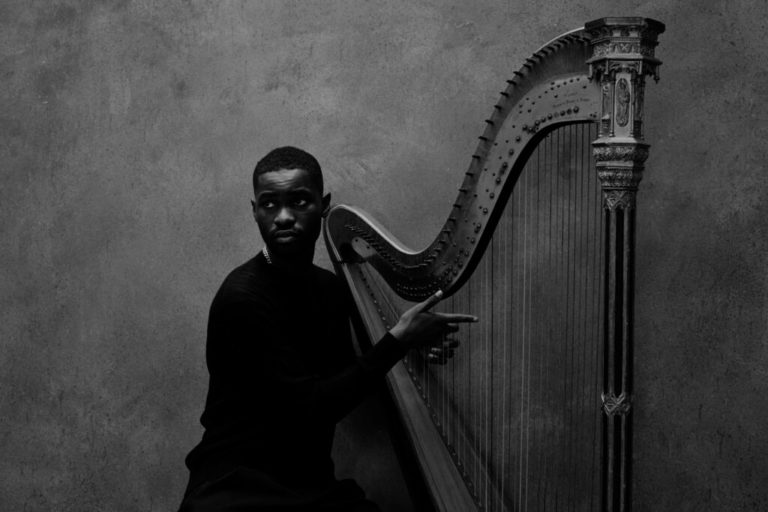
UK rap artist Dave has unveiled details of his “The Boy Who Played The Harp” European Tour, a 14-date arena run across February and March 2026. The announcement follows the release of his new album ‘The Boy Who Played The Harp,’ out now via Neighbourhood Recordings. The tour opens in Munich at Olympiahalle before moving through Paris, Brussels, Düsseldorf, Amsterdam, Berlin, Copenhagen, Stockholm, and Dublin, then closing with a major UK run that includes Glasgow, Birmingham, Manchester, and two nights at London’s The O2. The scale of the routing reflects an artist operating with confidence and clarity, bringing his latest body of work into rooms built for collective intensity.
The tour marks Dave’s first headline run since the ‘We’re All Alone In This Together’ era and arrives after a stretch of global chart impact. His 2023 collaboration with Central Cee, “Sprinter,” held the U.K. #1 spot for 10 consecutive weeks, while “Meridian” with Tiakola reached #1 in France. These milestones frame the new tour as a continuation of momentum rather than a reset, with ‘The Boy Who Played The Harp’ giving fresh shape to his songwriting and live presence. Expect tightly focused performances, lyric-heavy moments, and arenas filled with voices locked in on every word.
Tour Dates: 02/02 – Munich – Olympiahalle 02/04 – Paris – Accor Arena 02/06 – Brussels – ING Arena 02/08 – Düsseldorf – PSD Bank Dome 02/10 – Amsterdam – Ziggo Dome 02/13 – Berlin – Uber Arena 02/15 – Copenhagen – Royal Arena 02/17 – Stockholm – Avicii Arena 03/02 – Dublin – 3Arena 03/04 – Glasgow – OVO Hydro 03/06 – London – The O2 03/07 – London – The O2 03/13 – Birmingham – Utilita Arena 03/16 – Manchester – Co-op Live
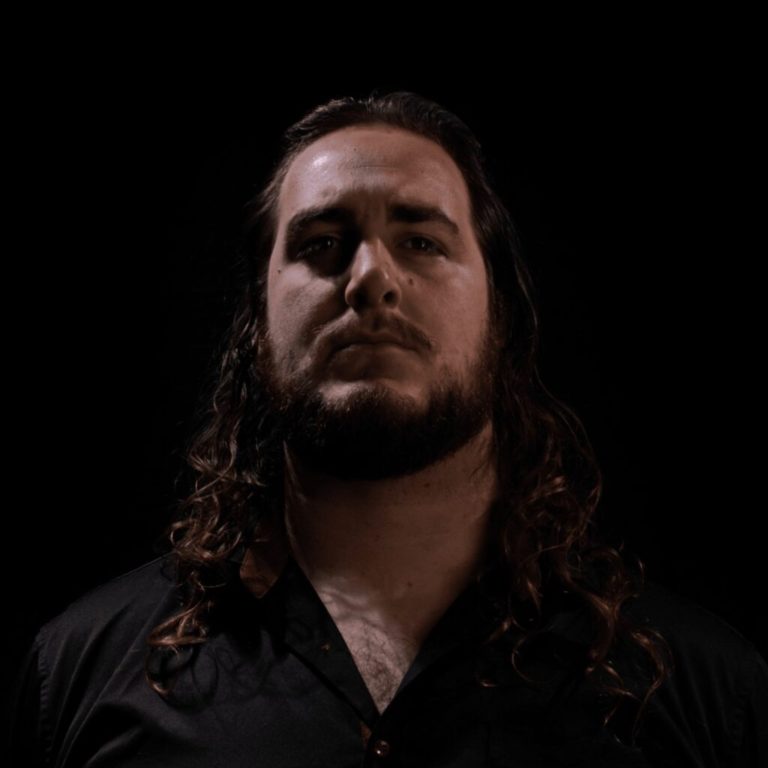
Southern California djent project Djentrified, led by Cousteau Bix Christopher, sharpens the impact of “Harbinger” with an official lyric video that places total focus on language, urgency, and intent. Set against a collapsing cityscape that mirrors the single’s cover art, stark white text cuts through the visuals, giving every line space to register and resonate. The stripped-back presentation intensifies the song’s message of bravery and resistance, turning words into anchors rather than background noise. Following a fast-rising year that saw “THIS SONG SHOULDN’T EXIST” gain viral traction and later singles earn Most Added placements on Metal Contraband and NACC Heavy, the lyric video lands as a focused extension of Djentrified’s core vision, where clarity, conviction, and collective awareness are pushed to the front.
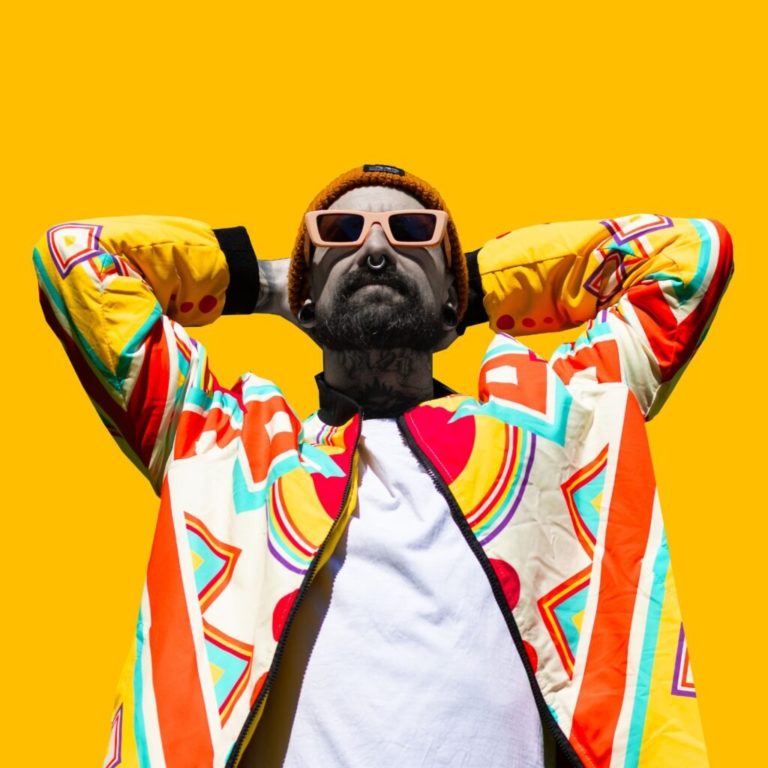
Hip hop and rap producer Garlic Party steps fully into focus with “Who Got The Funk?,” the bold lead single from debut EP ‘Follow Me,’ out now via Grand Alliance Music. Built on snapping snares, distorted bass, and sharp horn hits, the track moves with physical intent, designed to hit speakers hard and keep bodies moving. After years shaping visuals and collaborating across the Grand Alliance Music circle, Garlic Party uses this moment to assert a clear sonic identity rooted in funk pressure and rhythmic control. The track carries confidence in every layer, from its punchy groove to its deliberate arrangement, and it plays like a statement made at full volume, inviting listeners straight into a world where flavor, rhythm, and personality move together.
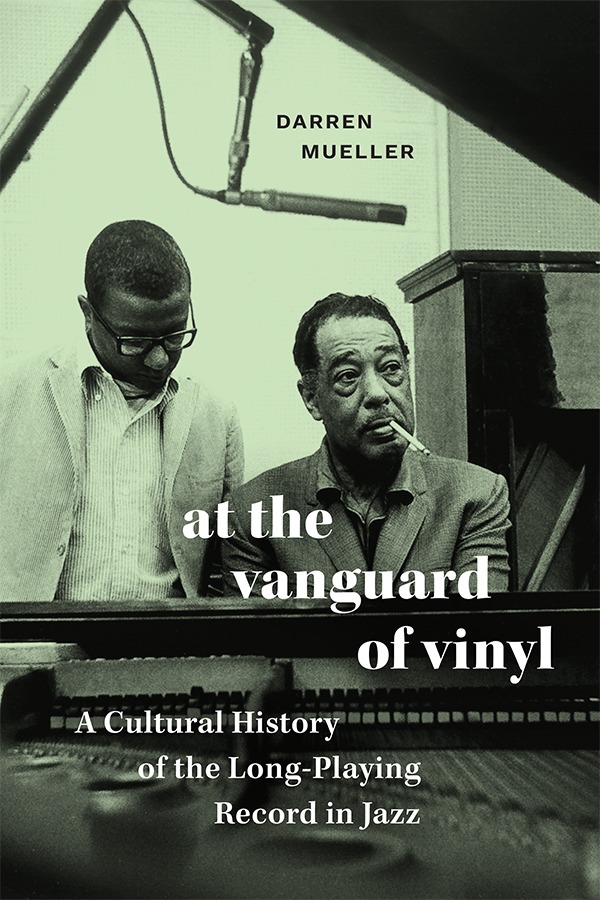
In ‘At The Vanguard Of Vinyl,’ music scholar Darren Mueller delivers a deeply researched and vividly written cultural history of the long-playing record and its transformative impact on jazz. Out now, the book traces how the LP revolution of the late 1940s opened space for longer performances, extended improvisation, and new recording practices while remaining entangled in the power structures of a segregated music industry. By focusing closely on studio processes and production decisions, Mueller shows how artists like Louis Armstrong, Miles Davis, Duke Ellington, and Charles Mingus used the LP format as a creative and cultural tool, shaping how jazz sounded, circulated, and signified modern Black life. The book moves with precision and insight, turning grooves and playback time into evidence, and leaves a clear impression of how recorded sound helped redraw the boundaries of American music and meaning.
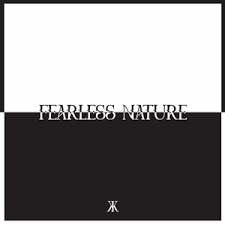
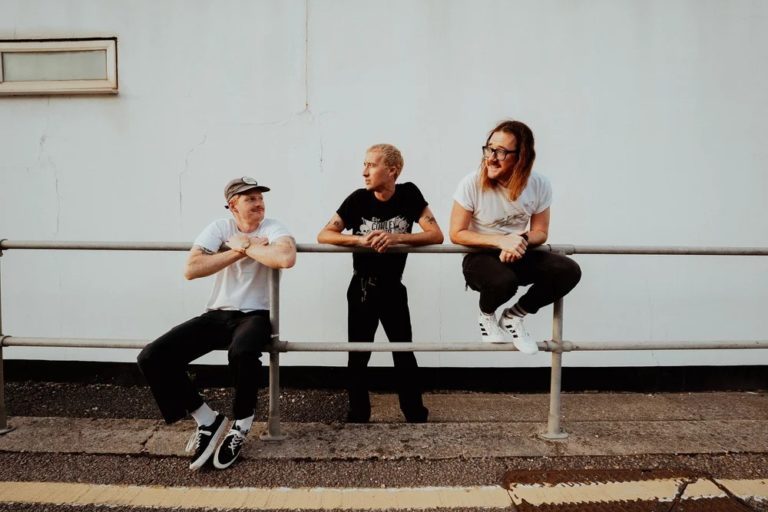
UK beat punk band Kid Kapichi charge forward with new single “Shoe Size,” a tense and hook-heavy track that sharpens their blend of grit, melody, and social awareness. Following “Stainless Steel,” the song locks into a pulsing groove and a chorus built for shouting back, carrying the weight of reflection without losing momentum. It sounds wired, focused, and self assured, with the band leaning into instinct and feel rather than polish.
“Shoe Size” arrives alongside the announcement of the full-length ‘Fearless Nature,’ out now via Spinefarm. Produced by Mike Horner and Ben Beetham with the band and mixed by George Perks, the album reflects a period of change and inward focus for vocalist Jack Wilson and the group as a whole. The songs move with conviction and clarity, grounded in lived experience and driven by a band playing with purpose. There is a confidence here that feels earned, the kind that fills a room and refuses to fade once the last note hits.
Brighton trio Self Torque step into a restless headspace with their new single “(All The Things I) Wannabe,” a sharp-edged snapshot of identity in motion. Written in a work van on a cold, wet day, the song pulls from Californian garage while staring down the contradictions of self definition. Guitarist and vocalist Gabriel MacKenzie frames the track as a study in internal conflict, with the music swinging between hard, fast pressure and a slow, doomy collapse thick with choir and reverb. The shifts feel physical, like gripping the wheel too tight, then letting go.
The single arrives alongside the debut full-length ‘A Brutal Nadir,’ out now via Sugar-Free Records. Recorded at Brighton Electric, the album was produced and mixed by Mark Roberts with additional engineering from Alex Gordon. Completed by drummer Luke Ellis and bassist Jay Cross, the band bring a tightly wound live energy shaped by years in the DIY punk circuit. The songs move with urgency and nerve, melodies cracked open by conviction and volume, and the record hits with the kind of force that makes shoulders tense and jaws set, then snaps back with clarity and resolve.
The trailer, released Saturday evening ahead of the January 9 Pongal launch, racked up nearly a million views across Tamil, Telugu, and Hindi versions in its first half-hour, with producers calling it Kollywood’s fastest to five million real-time views. Clocking 2 minutes and 52 seconds, it showcases high-octane chases, confrontations, and bold dialogues set to Anirudh Ravichander’s score, featuring Vijay opposite Bobby Deol’s villain and a strong cast including Pooja Hegde and Prakash Raj. This political action thriller marks Vijay’s final film before his full shift to politics with Tamilaga Vettri Kazhagam, fueled by strong pre-sales over 15 crore rupees and buzzing crowds at cinemas.
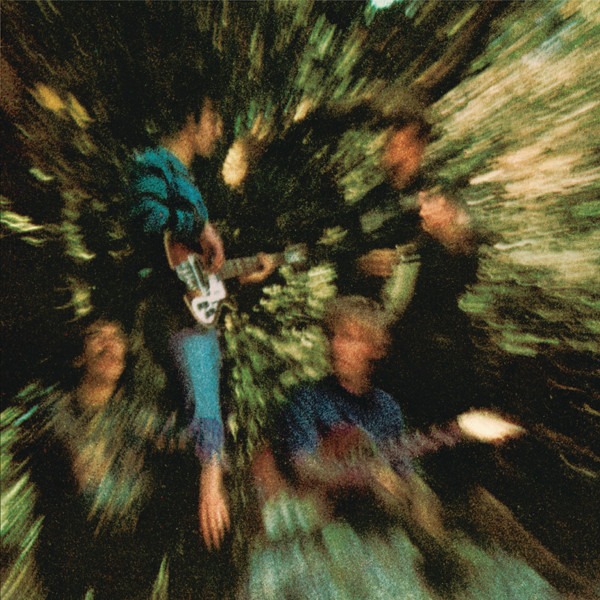
Creedence Clearwater Revival defined the sound of swamp rock with the 1969 release of their second studio album Bayou Country. Despite being California natives, the band—led by the singular vision of John Fogerty—crafted a gritty, Southern aesthetic that resonated with a factual sense of rural authenticity. The album was the first of a staggering three LPs the group released that year, peaking at number seven on the Billboard 200 and spawning the immortal hit “Proud Mary.” Recorded at RCA Studios in Hollywood, the project balanced raw club energy with meticulous studio overdubbing, all while tensions simmered over John Fogerty’s total creative control. Their transition from their struggling years as the Golliwogs to this chart-topping dominance deserves to be dug in a bit deeper.
The Beethoven Opening Influence
John Fogerty intentionally looked toward classical music for the dramatic opening of his signature hit, “Proud Mary.” He was a fan of Ludwig van Beethoven’s Symphony No. 5 and wanted to open the song with a similarly powerful, descending musical gesture. This led to the creation of the famous repeated C chord to A chord progression that kicks off the track. By blending this classical inspiration with an attempt to emulate the guitar style of Steve Cropper, Fogerty created a factual bridge between orchestral weight and Southern soul.
Blank Wall Meditation
The atmospheric opener “Born on the Bayou” was composed in a very sparse, beige-walled apartment where John Fogerty would sit and stare at the blank slate for hours. Lacking the funds for paintings or distractions, he used the silence and the ringing sound of his overdriven amp to enter what he described as a meditative, other-dimensional state. This intense focus allowed him to conjure hoodoos and swampy imagery despite having never lived in the American South, proving the power of his imagination as a songwriter.
The Carwash Confrontation
Despite their newfound success with “Susie Q,” the band was on the verge of breaking up during the Bayou Country sessions. A major confrontation erupted when the other members demanded more input into the arrangements and songwriting. John Fogerty, however, was terrified of returning to his pre-fame life at the carwash and insisted on assuming total control to ensure the band’s longevity. This autocratic approach was so intense that during a dispute over the melodic quality of the backing vocals for “Proud Mary,” Fogerty recalled that the group “literally coulda broke up right there.”
A Stolen Gibson Masterpiece
For the recording of “Born on the Bayou,” John Fogerty utilized a specific Gibson ES-175 guitar with an overdriven amp and a slow tremolo setting to achieve that “greasy” swamp rock tone. Factually, this iconic instrument was stolen from Fogerty’s car shortly after the track was completed. This loss marked a poignant end to the session, as the stolen guitar had been the primary tool used to capture the soulful, rhythmic feedback that drummer Doug Clifford cited as the beginning of the song’s unique “quarter note” beat.
The Real Proud Mary Ship
While the song has biblical and epical implications for many listeners, the title refers to a real piece of American history. The Proud Mary, more formally known as the Mary Elizabeth, was an actual ship based in Memphis, Tennessee, that traveled along the Mississippi River for fifty years, from 1928 to 1978. Fogerty combined this historical reference with fragments of other songs—including one about a washerwoman named Mary—to tell the story of a working-class narrator finding salvation and rebirth on the water.
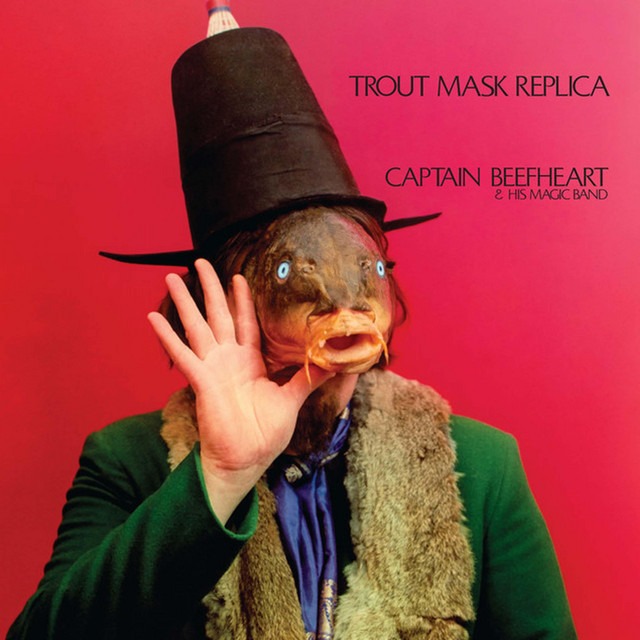
Captain Beefheart and His Magic Band shattered the boundaries of conventional music with the 1969 release of their avant-garde masterpiece Trout Mask Replica. Produced by Frank Zappa, this double album is a dense, polyrhythmic collision of Delta blues, free jazz, and experimental rock that has earned a reputation as one of the most challenging recordings in history. To achieve this singular sound, the band underwent eight months of grueling, communal rehearsals in a small Los Angeles house, practicing for up to 14 hours a day under Van Vliet’s intense and often cult-like direction. Despite failing to chart in the United States upon release, the album became a foundational influence for the punk and new wave movements, eventually being preserved in the National Recording Registry for its immense cultural significance. Every fractured guitar lick and growled vocal on this project reflects a daring spirit of artistic totalism. Witnessing the transition from their blues-rock beginnings to this complex, “monolithic” sonic architecture remains a defining highlight for any student of the avant-garde.
The Eight-Month Soybean Diet
The creation of the album was a factual exercise in extreme endurance. Living communally in a small house in Woodland Hills, the Magic Band had no steady income and survived largely on welfare and family contributions. Drummer John French recalled a period where the band lived on nothing but a small cup of soybeans a day for an entire month. This dire financial state was so severe that band members were once arrested for shoplifting food, only to be bailed out by Frank Zappa. Visitors described the musicians as looking “cadaverous” and in poor health due to the 14-hour daily practice sessions.
A Single Six-Hour Session
Despite the eight months of intense preparation, the instrumental tracks for the 20-song double album were recorded with incredible speed. Once they finally entered Whitney Studios, the well-rehearsed Magic Band laid down all the instrumental foundations in a single six-hour recording session. Beefheart himself did not participate in this instrumental blitz; instead, he spent the following days overdubbing his vocals and horn parts. This efficiency was only possible because the band had been drilled to play every complex, non-improvisational note exactly the same way every time.
The “Blind” Vocal Overdubs
In a technical move that contributed to the album’s disorienting sound, Captain Beefheart recorded his vocals without wearing headphones. He refused to monitor the instrumental tracks, instead relying only on the faint sound leakage coming through the studio’s glass window. This factual lack of direct synchronization meant his singing was only vaguely in sync with the band, creating a jarring, detached effect. When later questioned about how he managed the timing, Beefheart famously compared the process to a “commando raid” where precision is secondary to the surprise of the attack.
Piano Composition for the Non-Pianist
Van Vliet composed roughly three-quarters of the album using a piano, an instrument he had never played before and for which he had no formal training. By approaching the keys with no preconceived ideas of Western musical theory, he was able to create rhythmic patterns that were entirely unconventional. He would sit at the piano until he found a measure or two that he liked, which John French would then meticulously transcribe into musical notation. French then faced the monumental task of “splicing” these fragments together into full songs and teaching the parts to the rest of the band.
The “Manson-esque” House Rules
The environment during the rehearsal period was described by participants and visitors as “positively Manson-esque” and “cultlike.” Van Vliet asserted complete emotional and physical domination over the band, often putting members “in the barrel” for verbal berating sessions that could last for days. These psychological tactics were designed to break the musicians’ individual wills so they would become perfect vessels for his musical vision. Factual accounts from the band members detail an atmosphere of paranoia and nonexistent conspiracies that kept them isolated from the outside world during the entire development of the record.