
Inspired by LEGO’s botanical brick sets, this vibrant 1,000-piece puzzle offers a fun twist on the classic building experience. Measuring 25” x 20,” it’s perfect for game nights or a cozy rainy day. A must-have gift for Adult Fans of LEGO.
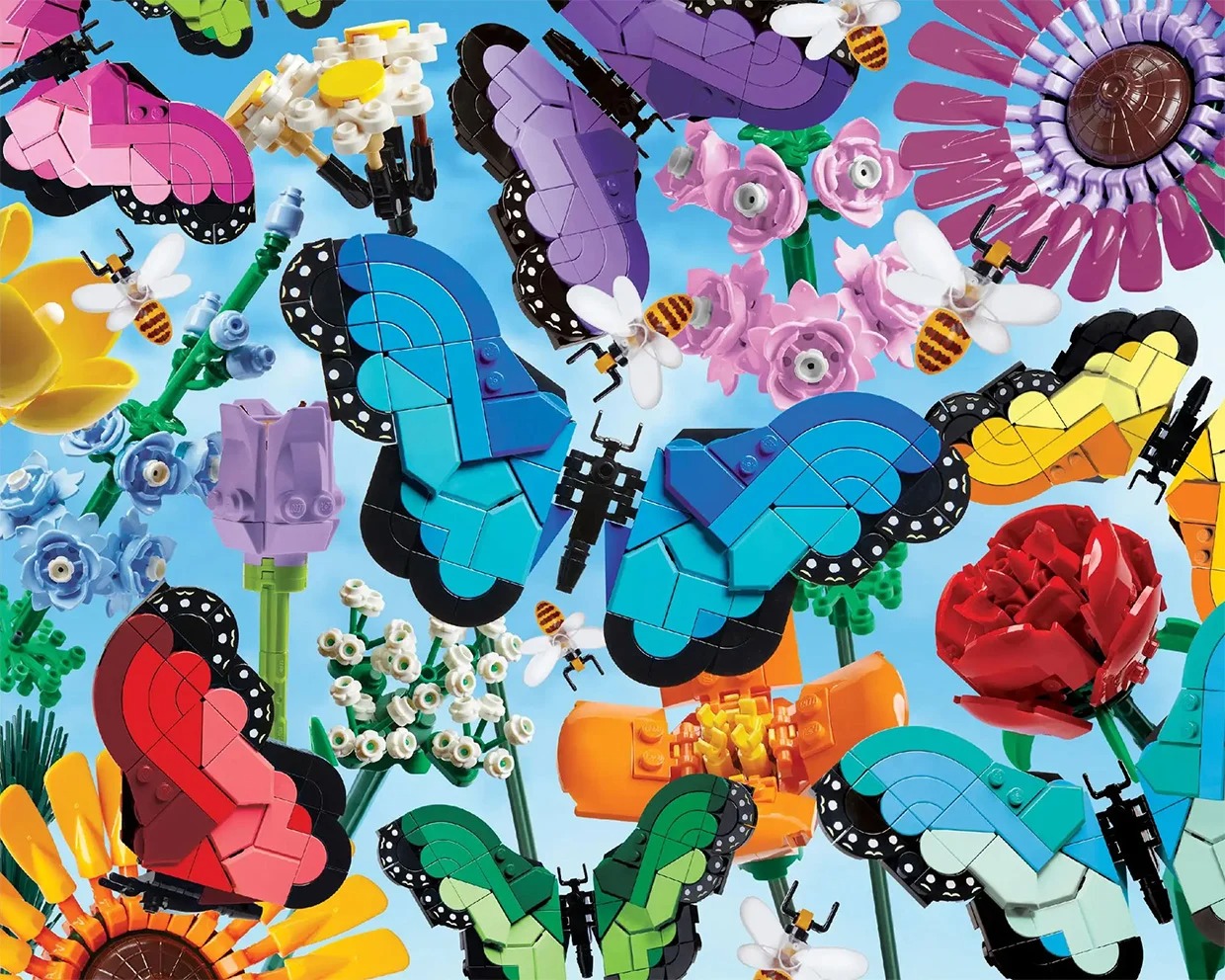
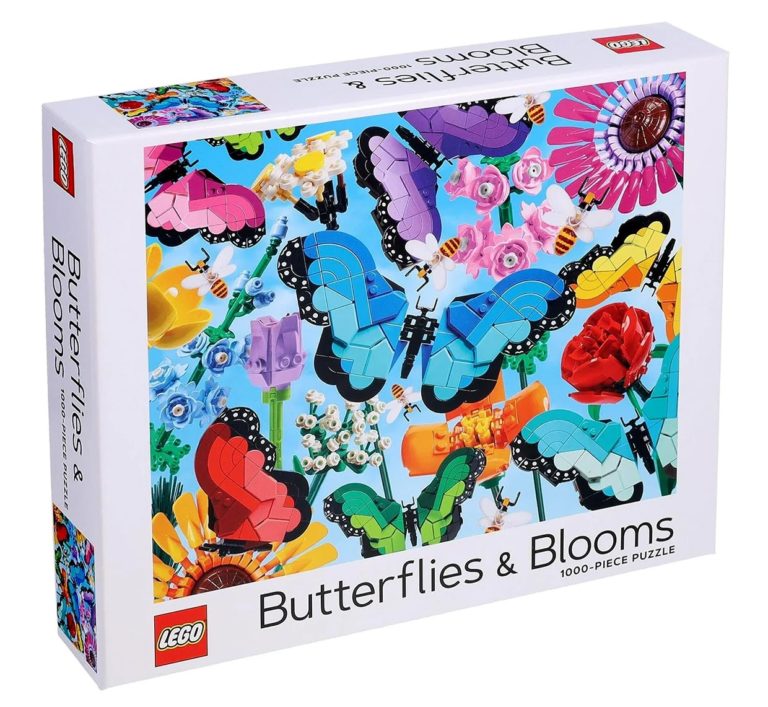
Inspired by LEGO’s botanical brick sets, this vibrant 1,000-piece puzzle offers a fun twist on the classic building experience. Measuring 25” x 20,” it’s perfect for game nights or a cozy rainy day. A must-have gift for Adult Fans of LEGO.
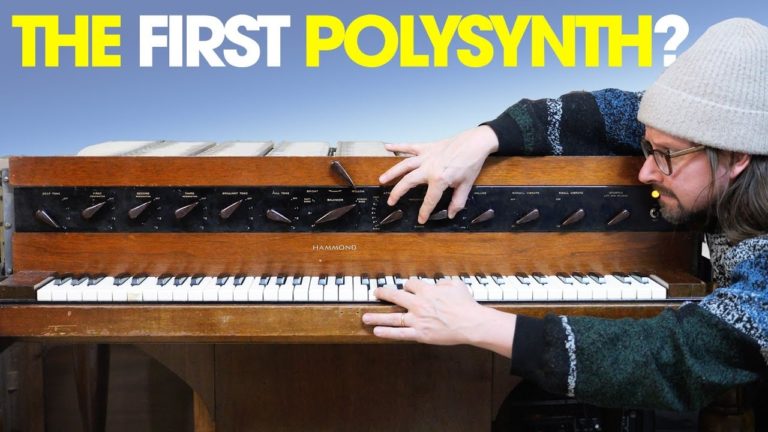
The Hammond Novachord, introduced in the late 1930s, is celebrated as the world’s first polyphonic synthesizer. With over 160 vacuum tubes, it created sounds ahead of its time. Hainbach brings this rare gem back to life in a stunning demo.

OREO is teaming up with Reese’s to create the ultimate cookie experience. Filled with smooth peanut butter crème, these limited-edition cookies are a dream come true. Grab them starting August 18, 2025!
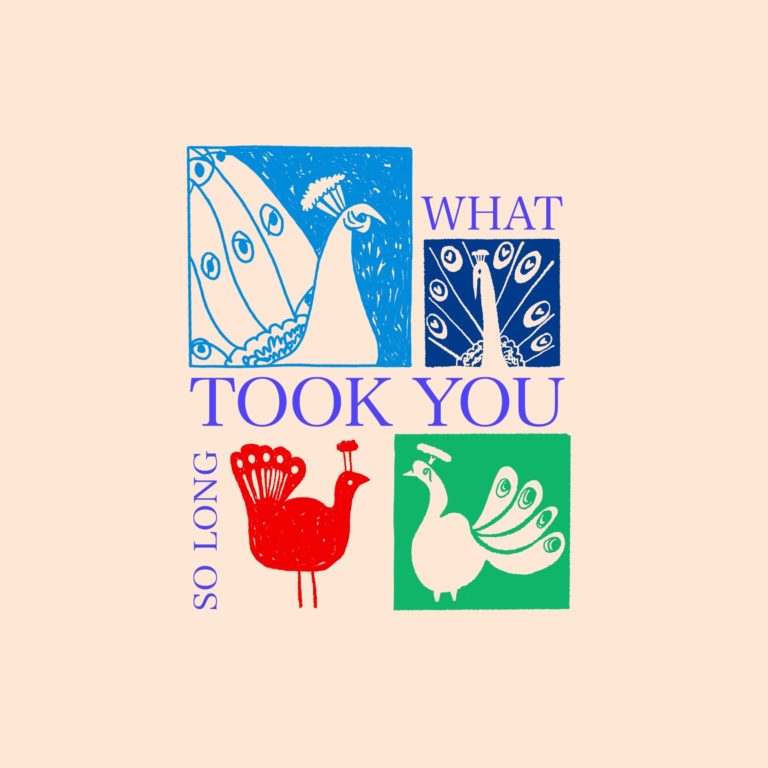
Twenty years of creative evolution collide in Newton Faulkner‘s triumphant new single ‘What Took You So Long‘, a track that represents both a return to form and a bold leap forward for the reinvented artist. Released 15th August via Cooking Vinyl, the song captures the essence of Faulkner’s artistic renaissance with the kind of raw honesty that only comes from decades of musical soul-searching.
Newton Faulkner has announced an exciting partnership with Teenage Cancer Trust to accompany his new single ‘What Took You So Long’ (out 15th August via Cooking Vinyl). The collaboration will feature limited edition stamped “bootleg” CDs of his upcoming album ‘OCTOPUS’ (19th September 2025) plus exclusive stripped back tracks, with all proceeds supporting the charity’s vital work.
‘What Took You So Long’ carries the weight of a twenty-year journey—from its initial conception to its current incarnation as the cornerstone of Faulkner’s upcoming album ‘OCTOPUS‘. Co-written and produced with longtime collaborator Adj, whom Faulkner first met two decades ago, the track embodies the kind of fearless creativity that emerges when an artist stops seeking external validation.
“This track set the tone for me for the whole record,” Faulkner explains. “It came in early, and when I listened to it for the first time with fresh ears the next day, I remember thinking, ‘This! This is the kind of record I want to make!’ It was decades in the making in many ways. I first met Adj (co-writer and producer) about 20 years ago. The verse idea – I remember playing it to an A&R team at least a decade ago – and they looked at me like I was totally nuts, asked what was wrong with me, and the idea got shelved. Now I don’t listen to anyone when it comes to making music that I love. Very glad I dusted it off. In many ways… what took me so long?”
The single’s journey from rejected concept to career-defining moment perfectly encapsulates Faulkner’s current creative phase—one marked by his symbolic break from the past when he cut off his iconic dreadlocks on stage at London’s Islington Assembly Hall in November 2024. That moment of liberation continues to fuel his most authentic work yet.
Following the bold statements of ‘Alright Alright Alright’ and the collaborative triumph of ‘Hunting Season (feat. Lissie & Los Bitchos)’, ‘What Took You So Long’ proves that this double platinum artist’s creative renaissance is no flash in the pan. Crafted in his East London studio sanctuary, the track showcases the full spectrum of Faulkner’s sonic evolution—from the acoustic foundations that built his reputation to the electronic experimentation that now defines his forward momentum.
‘What Took You So Long’ will be available across all streaming platforms from 15th August, serving as another tantalizing preview of the full album ‘OCTOPUS’, set for release 19th September 2025 via Cooking Vinyl Records.
Sometimes the best things are worth the wait. Sometimes they’re worth two decades.
As part of the new album campaign a series of collector’s edition CDs and vinyl have been made available to pre-order across Amazon, HMV, indie retail and Newton’s store. Each edition features exclusive, one-of-a-kind artwork created especially for this project – making them a must-have for fans and collectors alike.
UK & Ireland Tour Dates on Sale Now
IN STORE DATES:
19th Sept – HMV, Birmingham (5pm)
20th Sept – Vinilo, Southampton (1pm)
20th Sept – Resident, Brighton (6:30pm)
21st Sept – Rough Trade, Nottingham (6pm) *SOLD OUT*
22nd Sept – Vinyl Whistle, Leeds (1pm)
22nd Sept – Wax & Beans, Bury (7:30pm) *SOLD OUT*
23rd Sept – Jacaranda, Liverpool (6pm)
24th Sept – Rough Trade, Bristol (6:30pm) *SOLD OUT*
25th Sept – Rough Trade East, London (7pm)
26th Sept – St Peters Church, Marlborough (7:30pm)
LIVE
Mon 13th Oct – Norwich, The Waterfront
Tues 14th Oct – Manchester – Academy 3
Wed 15th Oct – Cardiff – Tramshed
Thurs 16th – Birmingham – Academy 2
Sat 18th Oct – Exeter – Lemon Grove
Sun 19th Oct – Bath – Komedia
Mon 20th Oct – Cambridge – Junction
Wed 22nd Oct – Leeds – Project House
Thurs 23th Oct – Newcastle – Northumbria Student Union
Sat 25th Oct – Aberdeen – OGV Podium
Sun 26th Oct – Glasgow – SWG3
Tues 28th Oct – Liverpool – Arts Club Theatre
Wed 29th Oct – Leicester – 02 Academy 2
Thurs 30th Oct – London – Earth Concert Hall
Thurs 13th Nov – Belfast – Limelight 1
Sat 15th Nov – Dublin – The Ambassador
Sun 16th Nov – Cork – Cyprus Avenue
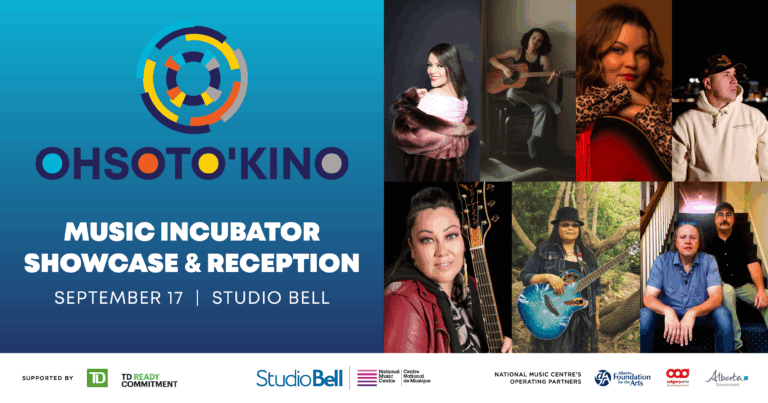
The National Music Centre (NMC) is excited to announce that Beaatz, Beatrice Love, Brandi Vezina, Damase Elis, Lacey Hill, Raven Reid, and Uncle Trent and Friends have been selected as participants in the OHSOTO’KINO Music Incubator program for Indigenous musicians. The program kicks off next month and will feature a live showcase and reception on September 17 at Studio Bell.
Beaatz is an award-winning Indigenous artist and producer from Tobique First Nation, New Brunswick, and a prominent figure in East Coast music. With years of experience and deep roots in hip-hop, he is best known as a founding member of the acclaimed group City Natives.
Cree soul-pop singer-songwriter Beatrice Love, who hails from Treaty 8 territory and belongs to the Sturgeon Lake Cree Nation and Horse Lake First Nation, has appeared as a contestant on Canada’s Got Talent, and describes her music as the sonic love child of James Brown and Janis Joplin.
Brandi Vezina is a Métis singer-songwriter from Manitoba who blends heartfelt narratives and unapologetic grit with modern country influences.
With Métis and Colombian roots, Calgaryfolk singer-songwriter and multi-instrumentalist Damase Elis channels her cultures and queer identity through her music.
Hailing from the Six Nations of the Grand River First Nation in southwestern Ontario, Lacey Hill describes her music as “Indigenous Soul,” full of heart and shaped by years of growth and exploration.
Indigenous folk singer-songwriter Raven Reid, originally from the Mikisew Cree First Nation in the Northwest Territories and now based in Saskatoon, is best known for her raw, emotional lyrics inspired by her experiences as a Sixties Scoop survivor.
Led by Cowessess First Nation country-roots artist Trent Agecoutay, Uncle Trent and Friends brings together a collective of musicians with a shared passion for creating music that resonates.
“Bringing together artists from a wide range of styles highlights the vast amount of community talent that is thriving. The OHSOTO’KINO programming will help elevate their chances of success in reaching both their personal goals and those within the music industry,” said David McLeod (Minegoziibe Anishinabe, formerly Pine Creek First Nation, Treaty 4), NMC Board Member and Chair of NMC’s National Indigenous Programming Advisory Committee. “We’re excited to welcome this year’s mentors and are eager to hear the ideas, collaborations, and inspiration that will rise from bringing everyone together in such a good way. The OHSOTO’KINO Music Incubator has been a force in supporting Indigenous musicians, and it’s wonderful to see it thrive thanks to TD.”
The selected artists will converge at Studio Bell, home of the National Music Centre in Mohkinstsis (Calgary), for five days to learn new skills, connect with music industry experts from across the country, and hone their craft and professional chops. Artists for the music incubator were selected by NMC’s National Indigenous Programming Advisory Committee, which includes First Nation, Métis and Inuit representation, and acts as a guiding voice for NMC Indigenous programs and content.
Launched in early 2022 and recently renewed for another three years, OHSOTO’KINO is an Indigenous programming initiative supported by TD that emphasizes three key pillars: creating new music in NMC’s recording studios, fostering artist development through a music incubator program, and amplifying Indigenous voices through storytelling in NMC’s exhibitions, including the annually updated Speak Up! gallery and NMC’s online platform, Amplify. The name OHSOTO’KINO, a Blackfoot phrase meaning ‘to recognize a voice of,’ honours the Blackfoot people and the land on which the National Music Centre stands.
Earlier this year, singer-songwriter Raymond Sewell and powwow and round dance artist Marlon Deschamps were awarded OHSOTO’KINO Recording Bursaries, granting them the opportunity to record a commercial album at Studio Bell. In June, the Speak Up! exhibition was also updated to feature a new lineup of Indigenous trailblazers, including Beatrice Deer, Dakhká Khwáan Dancers, Ray St. Germain, Harry Rusk, and Kelly Fraser. The current exhibition will be on display until June 2026.The OHSOTO’KINO Music Incubator Showcase and Reception takes place on September 17 at 7:00 pm. Tickets are $10 or $5 for NMC Members. Visit studiobell.ca/whats-on to get your tickets or to become an NMC Member and save on events, visit studiobell.ca/members.
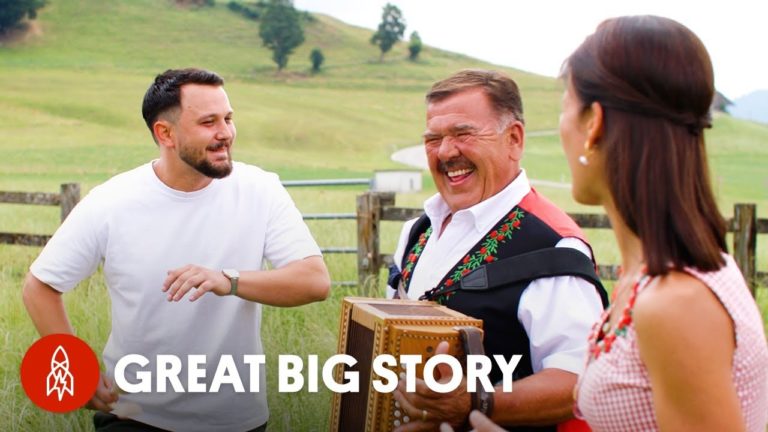
Stuart Smillie journeys to Switzerland to uncover the history of yodeling in the Alps, from its roots to modern contests. He meets Swiss yodelers, attends Jodlerfest Altstätten, and learns how the art is judged. Along the way, he receives a personal lesson from Melanie of Oesch die Dritten.
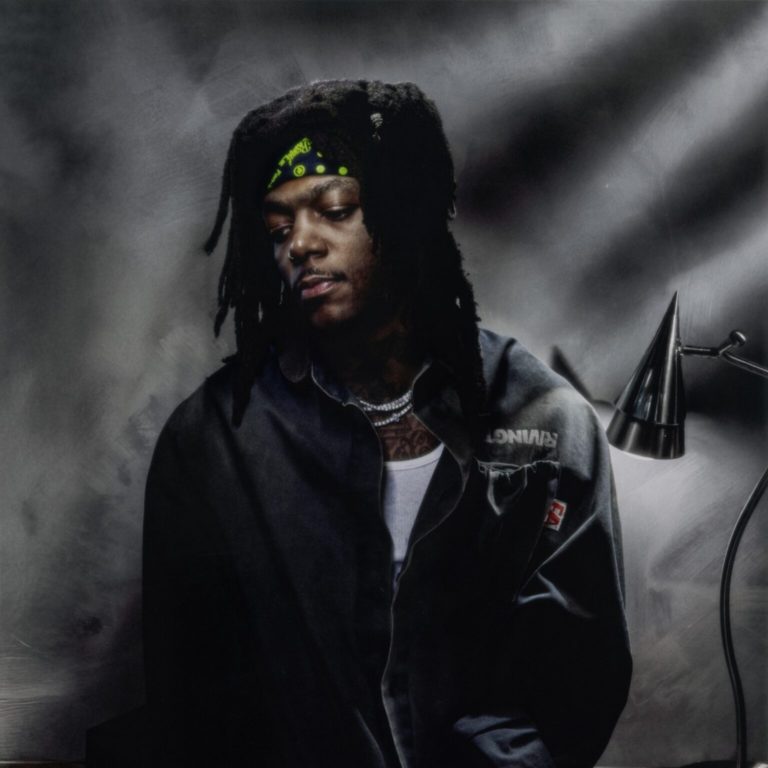
Giving fans a taste of what they can expect on this new album, J.I.D also released a short visual depicting scenes from a lost world, borrowing inspiration from films like The Warriors and Mad Max, but as always with J.I.D, set upon the backdrop of Atlanta.
The album announcement comes on the heels of J.I.D’s most recent release, called “WRK,” the “high energy offering [ushering] the start of a new era” (Hypebeast). The song was produced by Grammy-winning producer Pluss and longtime collaborator Christo. It centers J.I.D’s signature double time bars, infectious word plays and vocal changes that keep the listener hooked for the length of the three-minute track.
Though the Atlanta rapper has stayed busy with sold-out tours and collaborations with Lil Yachty, Ab-Soul, NewJeans, Eminem and more, “WRK” is the first solo cut from J.I.D since the release of his critically acclaimed album, The Forever Story (Dreamville/Interscope Records, 2022). The album, which Rolling Stone, Complex, NPR, GQ, XXL and more included in their “Best Albums of The Year” lists, bore fruit well past its release date.
Almost a year after its release, a cut from the record — the infectious track “Surround Sound” — soared to viral acclaim with its own TikTok challenge and ended the year in the #1 position across Billboard Viral 50, TikTok Viral, and TikTok 50. The song featuring Atlanta natives 21 Savage and Baby Tate re-entered the Billboard Hot 100 charts in 2024 and went on to be 3x platinum certified.
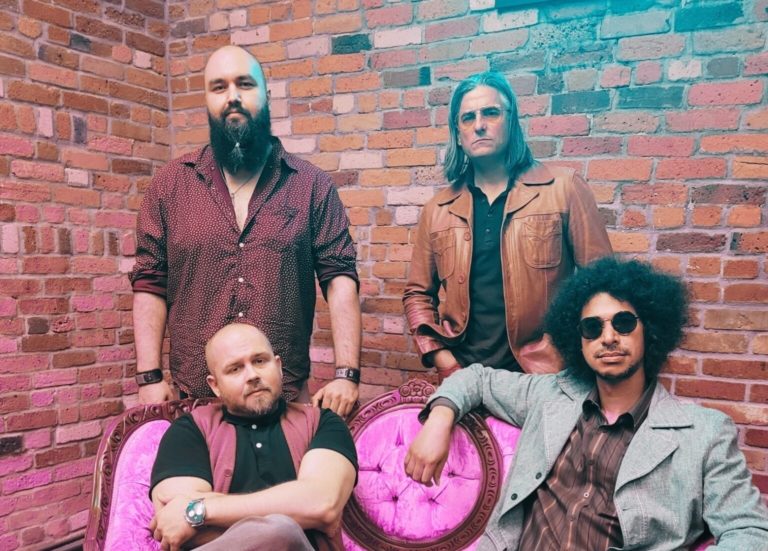
Ottawa band Mecca of Stank’s new single “The Other Side” is pure vibes. It’s the kind of song you can listen to, drift off, and forget the world for a while. It’s smooth, soulful, and has an undeniable feel-good energy.
The song starts off with a soft, soulful and almost lo-fi feel, with the vocals tastefully filling the space. As it progresses, it then transforms into something more dreamy and jazzy. The lyrics paint a picture of an imaginary place where music plays every night, worries disappear, and everyone’s living in the moment. “Welcome to the other side / Worries fade, we’re feelin’ fine / Music’s playing almost every night / And all your dreams come alive / If only for a while.”
The band’s sound is forged out of many influences—funk, soul, R&B, jazz, reggae, and a dash of Latin groove. That mature sound has been present with the project from the start. Mecca of Stank emerged on the scene in 2019, turning heads with their debut “Dopamine Dreams,” and getting a 2023 OMIC nomination for Best Newcomer.
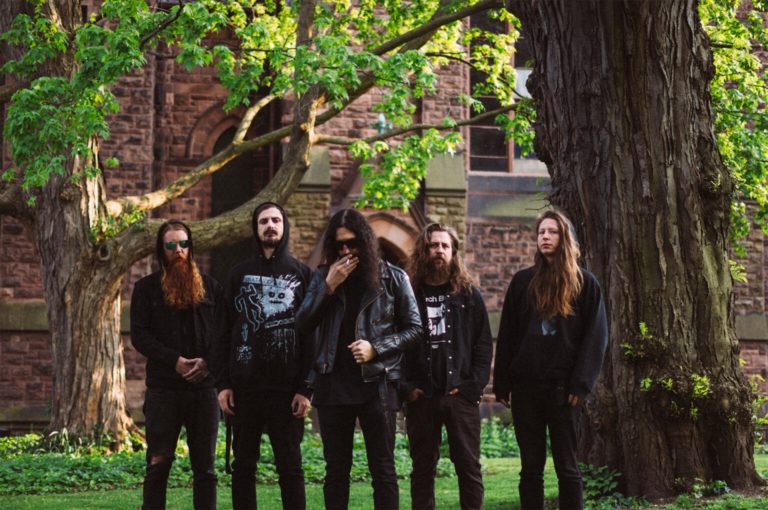
Recorded in 2024, Rose Thorn Necklace, mixed and mastered by Jack Shirley, features cover artwork created by Ksenija Tarasova and finds Nameless (aka Dennis Mikula) exploring the most intense and introspective music of their repertoire.
To celebrate the release of Rose Thorn Necklace, the band has released the visualizer for the track “Vodka Butterfly.”
The best music documentaries reshape the way we understand sound, creativity, and culture itself. They reveal the human fragility behind fame, the overlooked architects of iconic songs, and the ways music reflects society’s triumphs and tensions. Each of these films, drawn from across genres, offers a new way of seeing music—not just as entertainment, but as a force that changes lives.
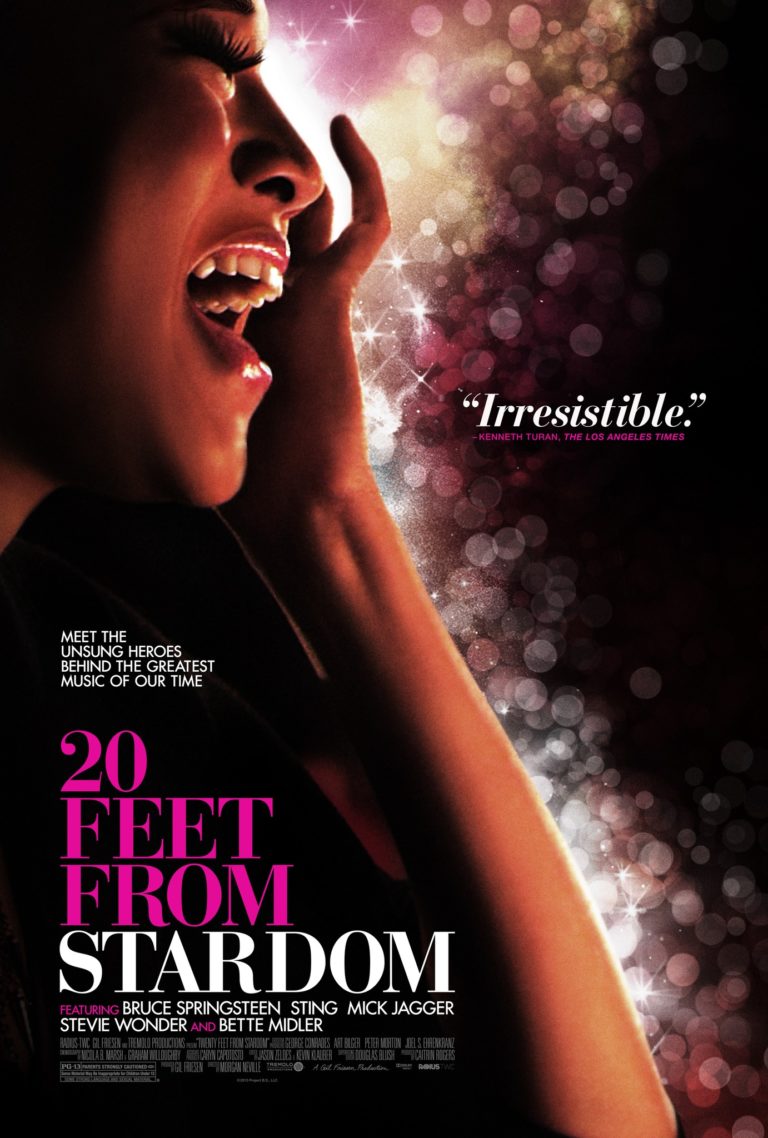
20 Feet from Stardom (2013), directed by Morgan Neville, shines a light on the unsung heroes of popular music: the backup singers. The film profiles artists like Darlene Love, Merry Clayton, and Lisa Fischer, whose voices powered countless hits while their names remained in the shadows. What makes it mind-blowing is how it repositions the idea of stardom itself—challenging the notion that only the front person defines a song’s power. Watching their stories reframes decades of music history, reminding us that some of the most iconic moments in pop and rock came from voices you may never have known.
Amazing Grace (2018), directed by Sydney Pollack and later completed by Alan Elliott, captures Aretha Franklin recording her landmark 1972 gospel album of the same name. Filmed over two nights in a Los Angeles church, the documentary immerses us in the raw power of Franklin’s voice, unadorned by the trappings of fame. What’s remarkable here is the intimacy—you feel not just the brilliance of her singing, but the collective experience of music as worship. The footage sat unreleased for decades, and its eventual release gives us one of the most authentic windows into Franklin’s genius.
Don’t Look Back (1967), directed by D.A. Pennebaker, follows Bob Dylan’s 1965 tour of England at the height of his cultural power. Rather than glorifying him, the camera captures Dylan as mercurial, witty, and often combative, dismantling the mythology of the folk hero. The film is groundbreaking for its cinéma vérité style, where nothing feels staged. What makes it unforgettable are the candid clashes with journalists and Dylan’s playful, cryptic cue-card performance of “Subterranean Homesick Blues”—a moment that feels like the birth of the modern music video.
Gimme Shelter (1970), directed by Albert and David Maysles with Charlotte Zwerin, documents The Rolling Stones’ 1969 U.S. tour and the fateful Altamont Free Concert. What begins as a celebration of rock’s spectacle becomes a chilling portrait of violence and disillusionment, as a murder is captured on camera during the show. The most shocking element is watching the Stones themselves process the footage afterward, a grim realization of how art and chaos collided. It’s not just a music film—it’s a requiem for the 1960s.
Homecoming (2019), directed by Beyoncé Knowles-Carter, goes beyond the concert film by chronicling her headlining Coachella performance. Intercutting the spectacle of the stage with intimate glimpses of rehearsals and personal struggles, Beyoncé reveals both the meticulous vision and the vulnerability behind the artistry. The cultural impact is immense: her performance was a celebration of Black history, HBCU culture, and feminist power on one of the world’s biggest stages. What makes it transformative is how it bridges pop entertainment with cultural manifesto.
I Am Trying to Break Your Heart (2002), directed by Sam Jones, captures the making of Wilco’s Yankee Hotel Foxtrot and the turmoil that surrounded its release. What could have been a simple studio film becomes a riveting story of artistic conviction, as Wilco battles its own record label while reshaping the sound of indie rock. The key revelations lie in watching a band refuse to compromise, even as commercial prospects collapse around them. It stands out for showing the creative process not as a smooth arc of inspiration, but as conflict, doubt, and persistence.
It Might Get Loud (2008), directed by Davis Guggenheim, brings together three generations of guitarists: Jimmy Page, The Edge, and Jack White. More than a masterclass in guitar technique, the film becomes a meditation on creativity, obsession, and the ways artists carve unique sonic identities out of six strings. The mind-blowing moments come when Page casually drops into a Zeppelin riff, or when Jack White cobbles together a guitar from spare parts. It’s a reminder that while tools matter, artistry comes from vision.
Kurt Cobain: Montage of Heck (2015), directed by Brett Morgen, paints an unflinching portrait of the Nirvana frontman through home movies, journals, and animation. Rather than focus solely on Nirvana’s rise, it delves into Cobain’s interior world—the vulnerabilities, traumas, and contradictions that fueled his artistry. What makes it stand out is the intimacy: rare family footage and Cobain’s own artwork animate the story from his perspective. The result is haunting, offering revelations about the human cost of cultural iconhood.
Ryuichi Sakamoto: Coda (2017), directed by Stephen Nomura Schible, follows the Japanese composer through illness and creativity, reflecting on his legacy as a pioneer of electronic, pop, and classical fusion. The film blends his activism against nuclear power with the delicate act of composing, showing how art and conscience intertwine. What’s astonishing is its meditative pace—music here isn’t just performance but a way of being in the world. It leaves you rethinking what it means to live as both an artist and a citizen.
Style Wars (1983), directed by Tony Silver, documents the rise of hip-hop culture in New York City, with a particular focus on graffiti artists, breakdancers, and DJs. The film is mind-blowing for how early it captured a movement that would soon dominate the globe, treating it not as a fad but as a profound cultural shift. Its revelations come from young voices articulating why their art matters in the face of disdain and criminalization. Today, it stands as one of the essential time capsules of hip-hop’s birth.
Follow us on Instagram @thatericalper

Eric Alper is a 6-time nominee for Publicist of the Year during Canadian Music Week and has overseen the publicity campaigns for over 183 JUNO Award-nominated albums (and 16 in 2025), 45 Grammy-nominated albums, including 47 JUNO Award, 58 Canadian Folk Music Award, 126 Maple Blues Award-winning albums and is also truly honoured to work with some of the biggest and most important artists of our time.
Contact me: eric@thatericalper.com
© Copyright - That Eric Alper