
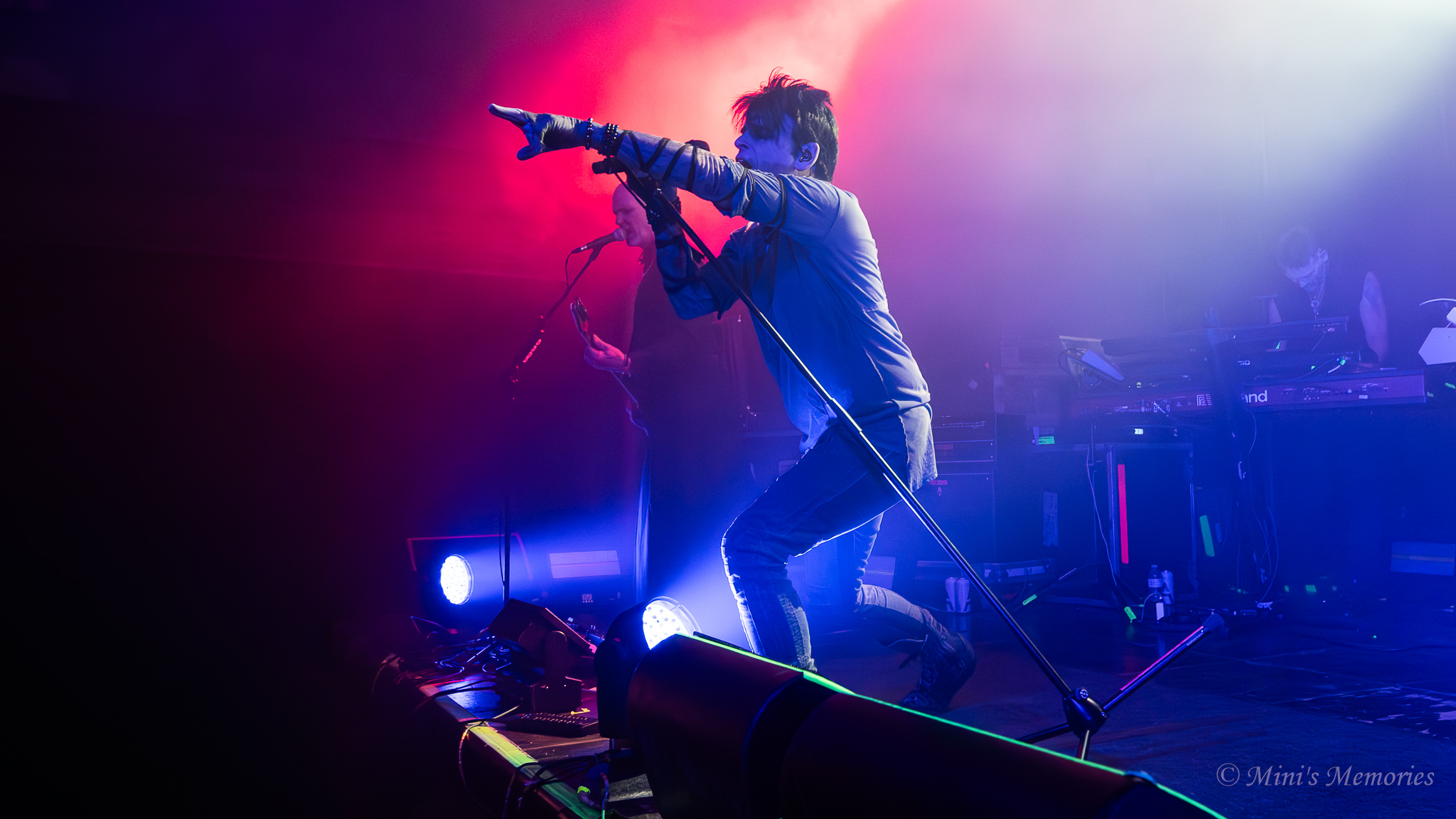
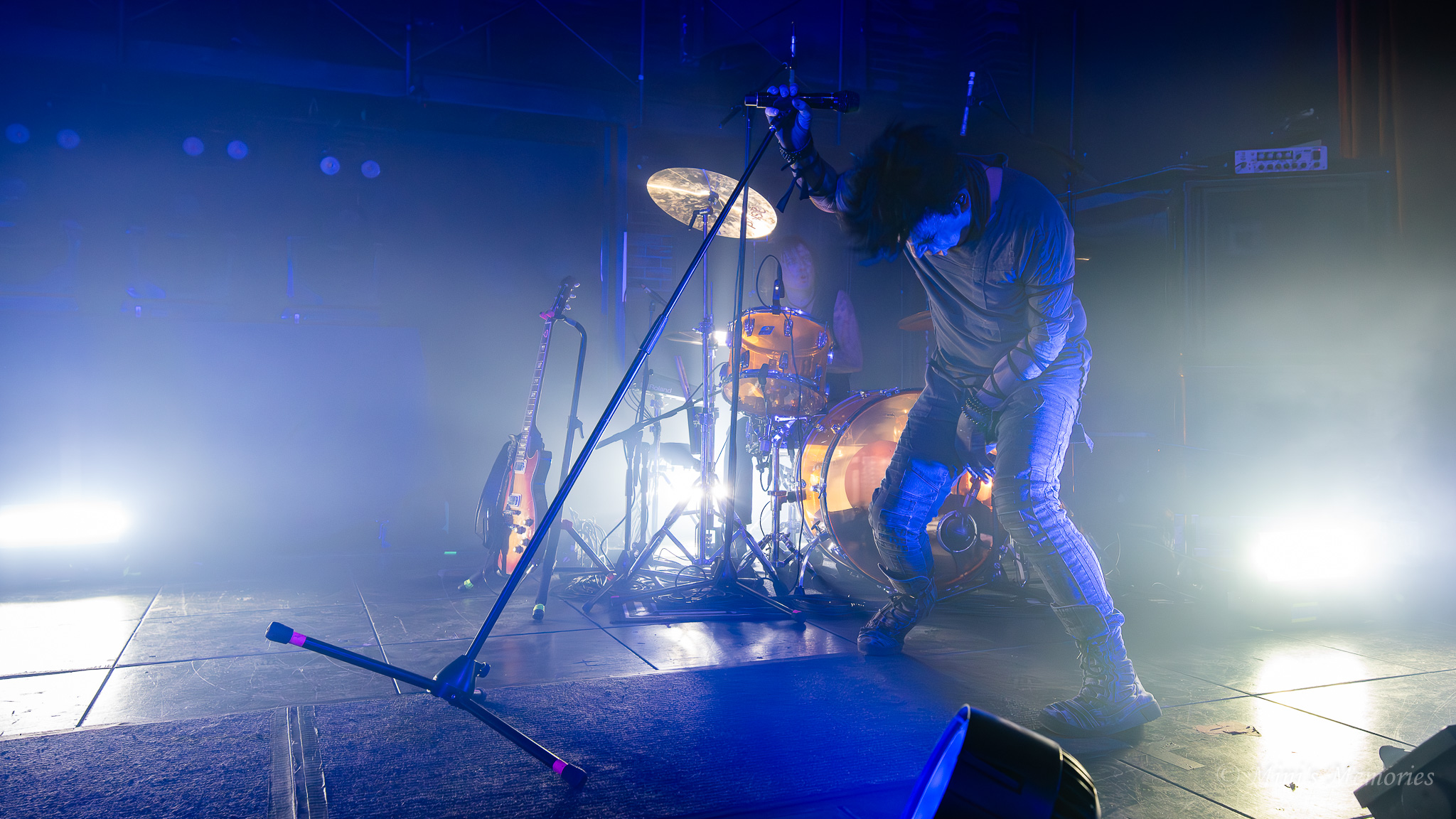
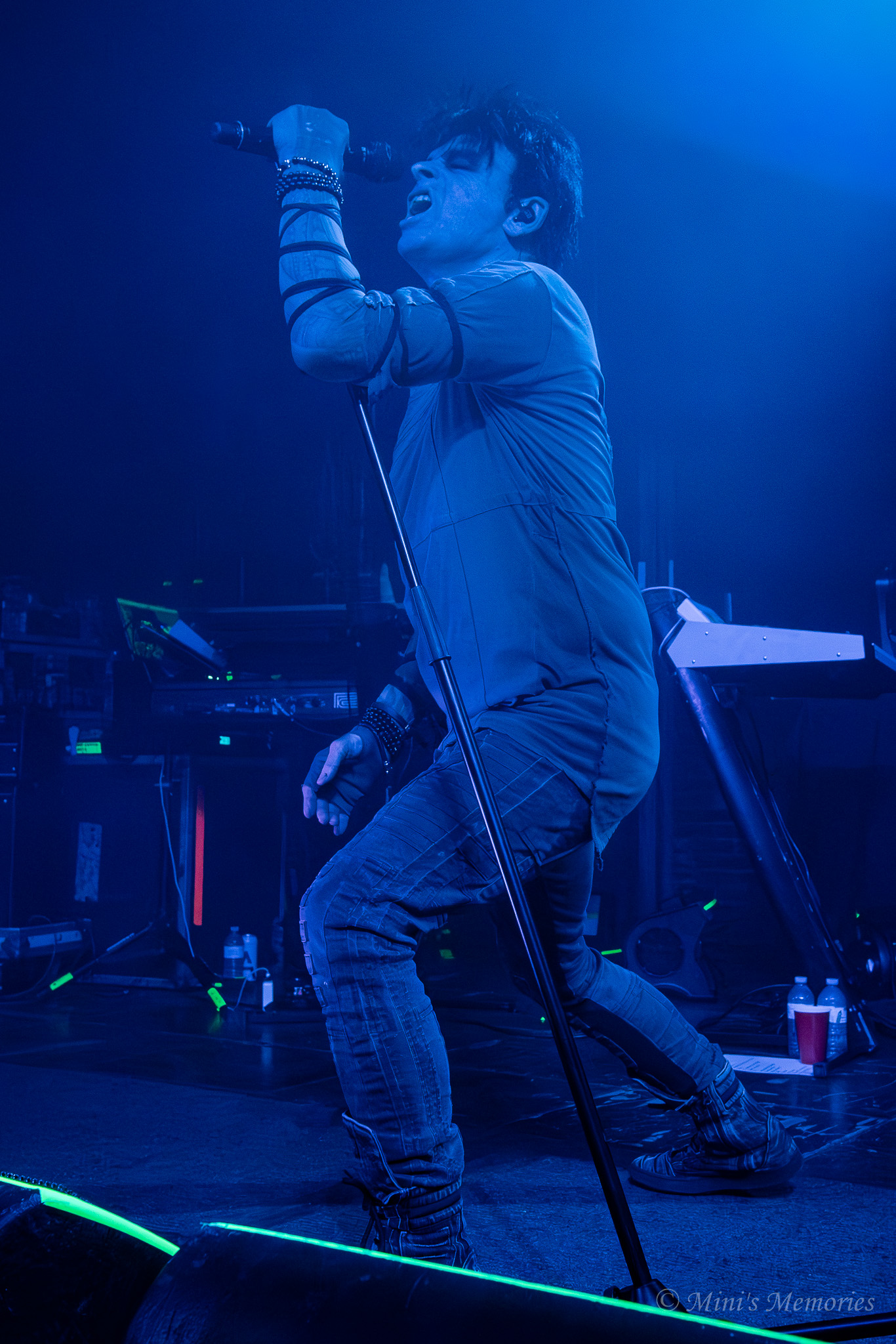
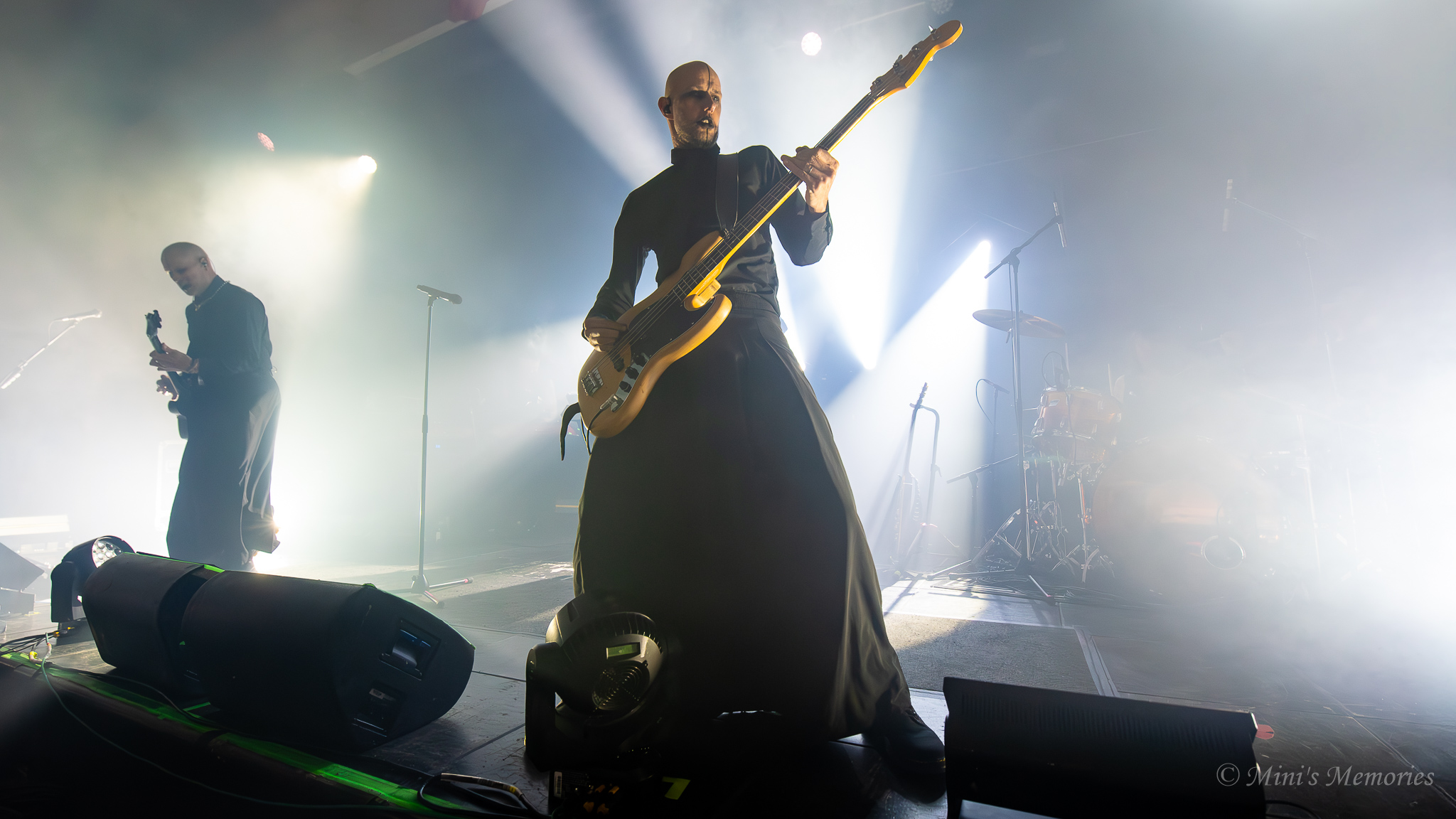
All photos by Mini’s Memories. You can contact her through Instagram or X.
By Mitch Rice
There’s a specific kind of frustration every musician knows. You record something quickly—maybe a melody, maybe half-formed words—and in that moment it feels right. Not perfect, but alive. Then later you hit play, trying to figure out what you actually said.
And it’s gone. Or almost gone.
You catch pieces. A word here, a phrase there. The rest dissolves into guessing. You rewind. Again. And again. At some point, you start filling gaps with something new, and the original idea quietly slips away.
That gap used to be part of the process. Annoying, but normal. Now it’s shrinking, and not because artists suddenly got more organized. It’s because something else started listening.
Talking First, Writing Later
A lot of artists don’t really “write” at the beginning anymore. Not in the traditional sense.
They mumble. They hum. They talk over a beat like they’re explaining something to themselves. Words show up halfway, then disappear again. It’s messy, and that’s the point.
The difference now is that the mess doesn’t stay messy for long.
AI tools take those recordings and turn them into text almost immediately. Not perfectly, not always clean, but readable. Enough to work with. Enough to recognize what was actually there in the first place.
And that changes the order of things. Voice first. Structure later.
The Weird Relief of Seeing Your Own Words
There’s something slightly strange about seeing lyrics you didn’t consciously write.
You said them, sure. But you didn’t sit down and decide on each word. They just came out. Then suddenly they’re on a screen, lined up like they were planned.
Sometimes it’s disappointing. A line that sounded deep turns out flat.
Sometimes it’s the opposite. A throwaway phrase ends up carrying the whole idea.
That moment—when sound turns into something you can read—is where a lot of editing actually begins now. Not before, not during. After.
It’s Faster, But That’s Not the Point
Yes, it saves time. That part is obvious.
What matters more is the shift in attention.
Instead of spending energy trying to catch what was said, artists spend it shaping what’s already there. The focus moves forward. Less decoding, more deciding.
And because of that, the process feels lighter. Not easier exactly, just less clogged.
There’s no need to babysit every idea as it happens. You can let it run, knowing it’ll be there later in some form.
Not Everything Comes Out Right
AI doesn’t really understand what’s being said. It guesses. Pattern matches. Fills in blanks based on probability.
So it gets things wrong.
Names get twisted. Slang turns into something more “formal.” Emotions flatten out. Sometimes a line comes back completely different from what was intended.
And yet… those mistakes aren’t always useless.
A wrong word can sound better. A misheard phrase can open a different direction. It’s accidental, but it works.
Some artists don’t even correct everything anymore. They pick what feels interesting and move on.
The Middle of the Process Feels Different
There used to be a long stretch between recording something and actually working on it. A kind of dead zone.
Now that stretch is shorter. Almost gone.
You record, you transcribe, you tweak. Then maybe you record again. It loops quickly. No big pause in between.
That rhythm changes how ideas develop. They don’t sit untouched for hours or days. They evolve immediately, while they still feel fresh.
Short cycles. Quick reactions.
Sometimes that’s all a song needs.
Doing More With Less
Not everyone has a team. Or time. Or patience for the technical side of things.
This is where tools like AI music transcription quietly become useful. No setup, no complicated workflow. Just upload, wait a bit, and get something you can actually read.
For independent artists, that’s enough.
It removes one more barrier. One less step where things can get stuck. Especially for people who think in sound, not sentences.
And there are a lot of those.
Catching Things That Would’ve Disappeared
Some ideas only exist for a few seconds.
You don’t plan them. They just happen. Usually at the wrong time—when you can’t stop and write, when you’re too tired, when it doesn’t feel “important enough.”
Those are the ones that get lost most often.
Recording everything used to help, but only partially. If you couldn’t understand it later, it didn’t matter that it was saved.
Now it does.
Even a rough transcription can bring back enough of the idea to rebuild it. Not perfectly, but close enough.
And close enough is often all you need.
Sharing Without Explaining
Collaboration used to involve a lot of explaining. “Wait, listen to this part.” “No, go back a bit.” “That line right there.”
It’s slower than it sounds.
Text cuts through that.
You send a recording with a transcript, and suddenly the other person knows where to look. They don’t have to guess what matters. It’s already outlined.
They might still hear it differently, but at least they’re starting from the same place.
That makes feedback quicker. And sometimes more honest.
Not Clean, Not Perfect, Still Useful
There’s a tendency to expect tools like this to be flawless. Especially when they’re called “AI.”
But in practice, they’re not. And that’s fine.
Creative work isn’t about clean input and perfect output. It’s about reacting to what’s there.
A slightly messy transcript still does its job. It captures enough. It gives something to push against.
In a way, it matches how ideas actually form—uneven, incomplete, a bit off.
The Process Feels More Continuous
One thing that stands out after using this kind of workflow for a while is how little separation there is between stages.
Recording blends into writing. Writing blends into editing. Editing loops back into recording.
There’s no clear line where one part ends and another begins.
That can feel chaotic at first. Then it starts to feel natural.
Because that’s closer to how ideas actually move—back and forth, not step by step.
Still Human at the Core
Even with all this, the important parts haven’t changed.
Choosing what to keep. Deciding what a line actually means. Cutting something that doesn’t fit, even if it sounds good. That’s still on the artist.
AI doesn’t replace that. It just gets you to that point faster.
Or maybe just with less friction.
And that’s enough to make a difference.
Where It Settles
This isn’t some dramatic reinvention of songwriting. It’s smaller than that.
But also more practical.
Artists are still doing what they’ve always done—trying to hold onto ideas long enough to shape them into something real. The tools are just better at helping them not lose those ideas halfway through.
And sometimes, that’s the only thing that matters.
Data and information are provided for informational purposes only, and are not intended for investment or other purposes.
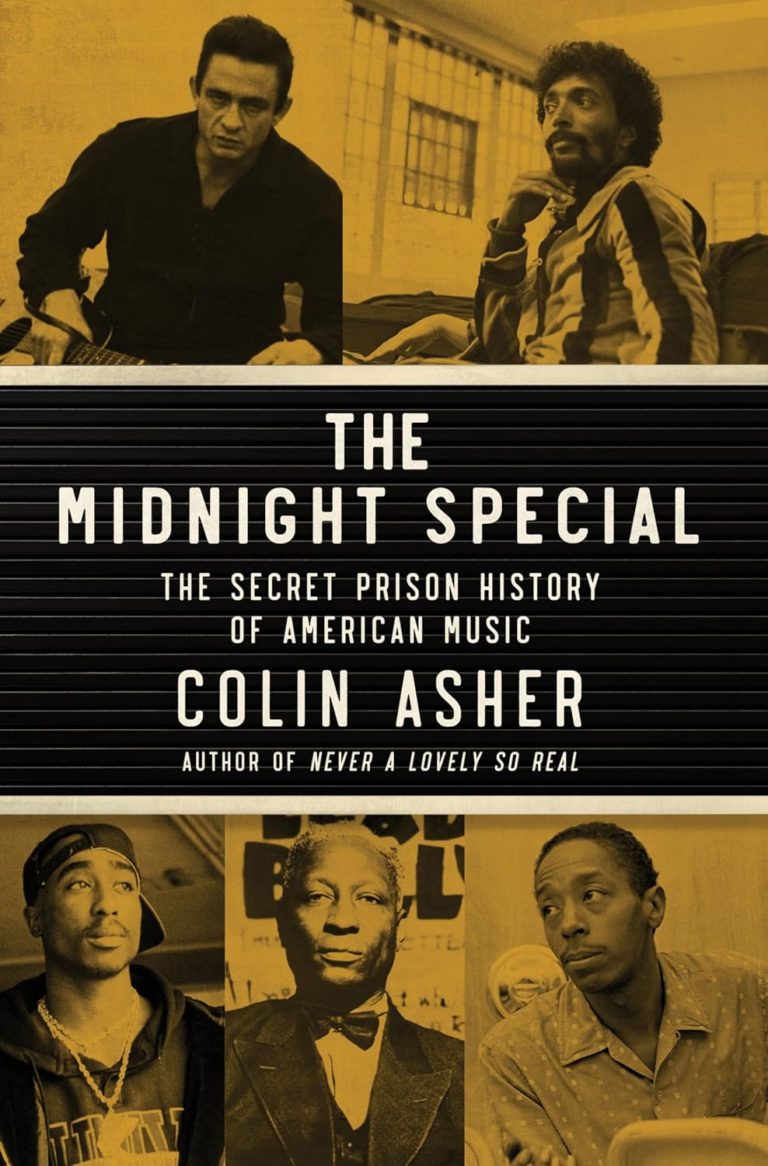
Colin Asher has written one of the most urgent and genuinely original music history books in years. ‘The Midnight Special: The Secret Prison History of American Music’, out June 30th from W. W. Norton, traces the deep and largely untold story of how the criminal justice system shaped American popular music from blues to hip-hop, and the portrait it draws is both revelatory and damning. Asher, the critically acclaimed author of ‘Never a Lovely So Real’, brings the same forensic depth and narrative precision to 336 pages that reframe the entire arc of twentieth century American music culture.
The book opens with Huddie “Lead Belly” Ledbetter, made to perform in prison clothes, and moves forward through the Jim Crow-era Southern prison farms, the heroin-driven mid-century drug wars that criminalized a generation of jazz artists, and into the crushing weight of mass incarceration decades later. The throughline Asher draws is consistent and sobering: the suggestion of criminality has often benefited white artists while active prosecution devastated Black musicians. The divergent trajectories of jazz pianist Elmo Hope and country singer Johnny Cash make that argument with particular force, Hope’s career stifled by violent discriminatory policing while Cash’s leniency produced a masterpiece at San Quentin.
The book closes with Tupac Shakur’s ‘Me Against the World’ and stories of music in prisons today, completing a narrative that is as musically astute as it is sociologically essential. Asher never loses sight of the individual lives behind the argument, and that human grounding is what separates ‘The Midnight Special’ from academic analysis and places it firmly in the tradition of essential American music writing. This is one of the most important music books of 2026, and one that demands to be read widely.
Country Music fans will have even more to look forward to at this year’s CMA Fest presented by SoFi as the Country Music Association reveals the lineup of artists set to perform across the festival’s free outdoor daytime stages. Taking place June 4-7 in downtown Nashville, the world’s longest-running Country Music festival will once again bring together hundreds of artists and thousands of fans from around the globe for four days of unforgettable live music.
As previously announced, the lineup for the nightly concerts at Nissan Stadium includes Bailey Zimmerman, Blake Shelton, Carly Pearce, Cody Johnson, Deana Carter, Ella Langley, Gretchen Wilson, HARDY, Jason Aldean, Jordan Davis, Keith Urban, Luke Bryan, The Red Clay Strays, Riley Green, Russell Dickerson, Shaboozey, Tim McGraw, Tucker Wetmore and Zach Top. The Band Perry and Stephen Wilson Jr. will also deliver dynamic mid-field performances, bringing energy to the heart of Nissan Stadium.
Taking the Chevy Riverfront Stage are Country hitmakers Ashley Cooke, Braxton Keith, Carter Faith, Charles Wesley Godwin, Chase Matthew, Chayce Beckham, Cooper Alan, Dasha, Drew Baldridge, Dylan Marlowe, ERNEST, Ian Munsick, Josh Ross, Kaitlin Butts, Kameron Marlowe, Lauren Alaina, Mackenzie Carpenter, Maddox Batson, Marcus King, Max McNown, Midland, Molly Tuttle, Nate Smith, Priscilla Block, RaeLynn, Redferrin, Russell Dickerson, Shane Smith & The Saints, Stephen Wilson Jr., Tigirlily Gold, Tucker Wetmore, Ty Myers, Tyler Braden, Vincent Mason and Waylon Wyatt.
The Dr Pepper Amp Stage at Ascend Park is packed with performances from Angie K, Billy Dean, Blanco Brown, Canaan Smith, Cody Hibbard, Craig Campbell, Dave Fenley, Drake Milligan, Emily Ann Roberts, Erin Kinsey, Greylan James, The Jack Wharff Band, John Morgan, Kaylee Bell, Kaylee Rose, Kolby Cooper, Late Night Thoughts, Leanna Crawford, Melissa Etheridge, Noeline Hofmann, Pam Tillis, Pecos & the Rooftops, Shaylen, Travis Bolt, Travis Denning, Ty Herndon, Tyler Farr, Uncle Kracker, The War And Treaty and Willow Avalon.
The Chevy Vibes Stage at Walk of Fame Park features a stellar lineup with Adrien Nunez, Alana Springsteen, Ashland Craft, Austin Snell, Bellah Mae, Caylee Hammack, Chase McDaniel, Colt Ford, Dax, Drake White, Frankie Ballard, Graham Barham, Hannah McFarland, Jade Eagleson, Karley Scott Collins, Kelsey Hart, Lanie Gardner, Lauren Watkins, Mack Geiger, Madeline Merlo, Mae Estes, Maggie Antone, Mark Wills, Melanie Dyer, Neal McCoy, Owen Riegling, Shane Profitt, Sister Hazel, Tayler Holder, Walker Montgomery and Willie Jones.
Hitting the Good Molecules Reverb Stage at Bridgestone Plaza are Abbey Cone, Alex Lambert, Alexandra Kay, Atlus, Ava Hall, Belle Frantz, Blake Proehl, Brad Cox, Bryan Andrews, Cassidy Daniels, Cody Lohden, Eli Winders, Elizabeth Nichols, Gareth, Jacob Hackworth, Jamie MacDonald, Jason Scott & The High Heat, Jenna Davis, John Foster, Julia Cole, Just Jayne, Kevin Powers, The Kruse Brothers, MaRynn Taylor, McCoy Moore, Myles Morgan, Preston Cooper, Scoot Teasley, Sophia Scott, Stella Lefty, Timmy McKeever, Trey Lewis, Tyce Delk, Tyler Nance, Wesko and Will Moseley.
New this year, the Wrangler Remix Stage inside Fan Alley will feature performances from Alli Walker, Aniston Pate, Ashley Kutcher, Benny G, BODHI, Bottomland, Brooke Lee, Carson Wallace, CECE, Chancey Williams, Chandler Walters, Clayton Mullen, Cole Goodwin, Dalton Davis, Emily Nenni, Gannon Fremin & CCREV, Hayden Blount, Hayden Coffman, Highway Home, Hogslop String Band, Jake Banfield, Jay Webb, Kat Luna, Lil Man J, Lily Meola, Matt Cooper, Payton Smith, ROME from Sublime with Rome, SKEEZ, Sons of Habit, Sterling Elza, Trey Pendley, Tyla Rodrigues and The Wilder Blue.
Free Outdoor Stages: Catch hundreds of artists performing throughout downtown Nashville on multiple outdoor stages. These high-energy concerts are free to attend and showcase the best of Country Music, from emerging talent to well-established stars.
Beyond incredible performances, at its heart, CMA Fest reflects the Country Music community’s shared commitment to giving back. Through the participation of artists and the broader Country Music community, a portion of proceeds from each annual CMA Fest supports the CMA Foundation’s music education initiatives nationwide. To learn more, visit CMAfoundation.org.
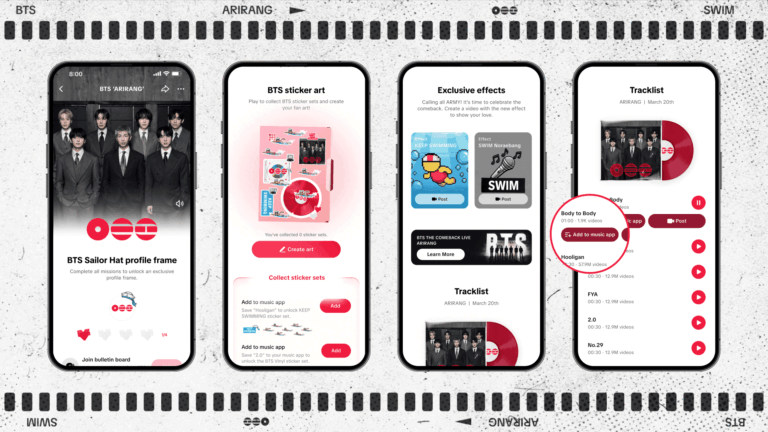
ARIRANG marks BTS’s first new music since all seven members completed their military service in 2025, ushering in a new era for the group and ARMY.
Launching today, March 20, the dedicated campaign page gives fans new ways to celebrate the band’s long-awaited comeback on TikTok. Fans can complete interactive tasks to unlock an exclusive BTS Sailor Hat profile frame, play games to earn bespoke BTS sticker packs, explore custom BTS effects, and discover the official tracklist for the new album. The experience will also give fans the chance to learn more about the upcoming BTS THE COMEBACK LIVE | ARIRANG on Netflix, offering an early look at the group’s next chapter.
BTS are the biggest band in the world on TikTok, with more than 74.4 million followers, over 104 million posts using #BTS, and 1.7 billion likes across their content, underscoring TikTok’s role as a global destination for ARMY to celebrate the music and culture they love. The group’s official account continues to bring fans closer to their world giving ARMY even more ways to connect with BTS.
KC You, TikTok’s Head of Artist and Label Partnerships, Asia, said: “BTS has built one of the most passionate global fan communities on TikTok, which continues to shape music culture and fandom on the platform every day. As BTS begin this exciting new chapter together, we’re proud to partner with them on the ARIRANG In-App Experience, giving ARMY around the world new ways to celebrate their comeback, unlock exclusive features, and connect with the music they love.”
The BTS ARIRANG In-App Experience launches globally on TikTok today, giving ARMY everywhere new ways to celebrate the reunion set to be etched in pop culture history.
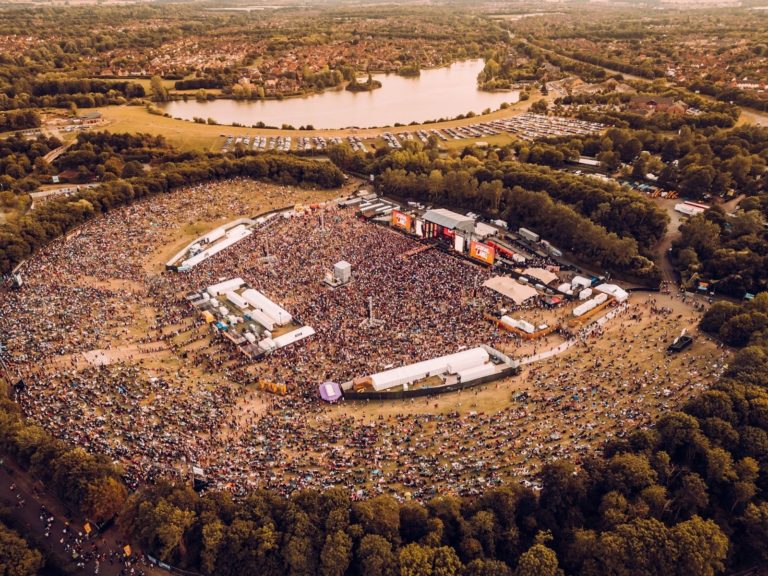
Diaspora Calling! is coming to the UK, and it is arriving with one of the most significant lineups of the British festival summer. On Friday August 7th, Milton Keynes National Bowl hosts the inaugural UK edition of Ms. Lauryn Hill’s celebrated music and arts initiative, with Hill herself headlining in what is currently her only confirmed UK performance of 2026. Wyclef Jean, YG Marley, and Zion Marley join her, with further artists across two stages still to be announced. Tickets go on sale Tuesday March 31st at 9AM via diasporacalling.com.
Launched by Ms. Hill in 2016, Diaspora Calling! began as a curated art exhibition and live performance at Brooklyn’s Kings Theatre, where Hill presented a gallery focused on Haitian art alongside a programme of live music. The concept expanded into a touring platform featuring artists including Nas, Kehlani, Noname, and Little Simz, consistently centering themes of unity, resilience, and cultural exchange among African descendant communities worldwide. The UK debut at Milton Keynes National Bowl is the most ambitious iteration of that vision yet.
The lineup carries enormous weight. Hill, whose landmark solo album ‘The Miseducation of Lauryn Hill’ earned five Grammy Awards and remains one of the most culturally significant records ever made, is joined by fellow Fugees founding member and Grammy-winning artist Wyclef Jean. YG Marley brings conscious lyricism and reggae-rooted sounds that reflect his family’s extraordinary legacy while carving out his own contemporary voice. Zion Marley extends that lineage further, fusing reggae, soul, and hip-hop in a way that feels both deeply rooted and entirely present tense.
Milton Keynes National Bowl is one of the UK’s largest and most storied outdoor concert venues, a setting that has hosted some of the biggest shows in British live music history and brings the technical capacity and scale that an event of this ambition demands. A full food village celebrating diaspora cuisine rounds out the experience. This is not simply a festival. It is a cultural statement, and one of the most important live music events on the UK calendar this year.
Tickets go on sale Tuesday March 31st at 9AM. Sign up for early access at diasporacalling.com. Move fast.
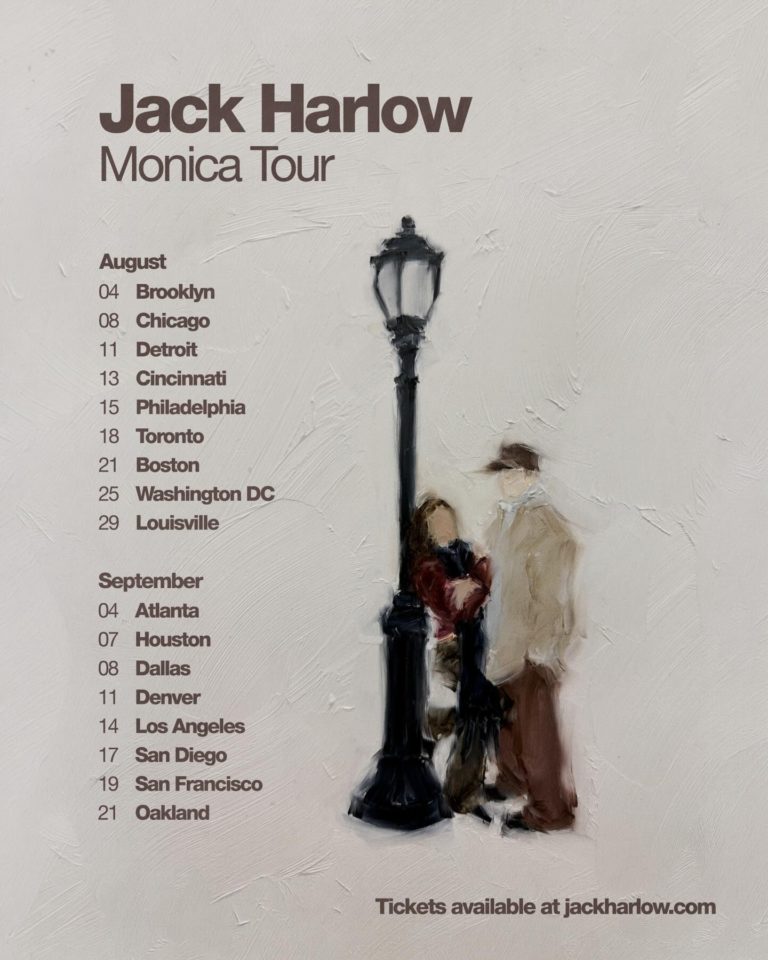
Jack Harlow is back on the road, and this run feels like a proper statement. “The Monica Tour,” promoted by Live Nation, launches August 4th at Brooklyn Paramount and stretches through seventeen North American theater dates before wrapping September 21st at The Fox Theater in Oakland. It supports ‘Monica’, his R&B-heavy new album and first release in nearly three years, and the venues chosen, intimate, high-capacity theaters in major markets, suit the moment perfectly.
The last time Harlow headlined a proper tour was his sold-out six-city 2023 Kentucky run, which closed at Lexington’s Rupp Arena with a show that grossed over $1.2 million on 12,450 tickets. “The Monica Tour” is a different kind of campaign, wider in geographic reach and rooted in the more sonically intimate world of the new album. Theater settings are the right call for music this R&B-leaning, close enough to feel the room, large enough to make noise.
The routing hits hard. Brooklyn Paramount, The Salt Shed in Chicago, MGM Music Hall at Fenway, The Anthem in Washington, Hollywood Palladium, and a San Diego stop at Gallagher Square at Petco Park are among the highlights. A hometown Louisville date at Old Forester’s Paristown Hall on August 29th will carry its own weight, as Harlow shows at home always do.
Presales begin March 26th, with general on-sale at 10am local time on March 27th. For an artist with Harlow’s track record of selling out rooms and delivering high-energy live sets, moving quickly on tickets is the right call.
“The Monica Tour” Dates:
August 4 – Brooklyn, NY – Brooklyn Paramount
August 8 – Chicago, IL – The Salt Shed
August 11 – Detroit, MI – The Fillmore Detroit
August 13 – Cincinnati, OH – The Andrew J Brady Music Center
August 15 – Philadelphia, PA – The Fillmore Philadelphia
August 18 – Toronto, ON – HISTORY
August 21 – Boston, MA – MGM Music Hall at Fenway
August 25 – Washington, DC – The Anthem
August 29 – Louisville, KY – Old Forester’s Paristown Hall
September 4 – Atlanta, GA – Coca-Cola Roxy
September 7 – Houston, TX – 713 Music Hall
September 8 – Dallas, TX – South Side Ballroom
September 11 – Denver, CO – Fillmore Auditorium
September 14 – Los Angeles, CA – Hollywood Palladium
September 17 – San Diego, CA – Gallagher Square at Petco Park
September 19 – San Francisco, CA – The Masonic
September 21 – Oakland, CA – Fox Theater
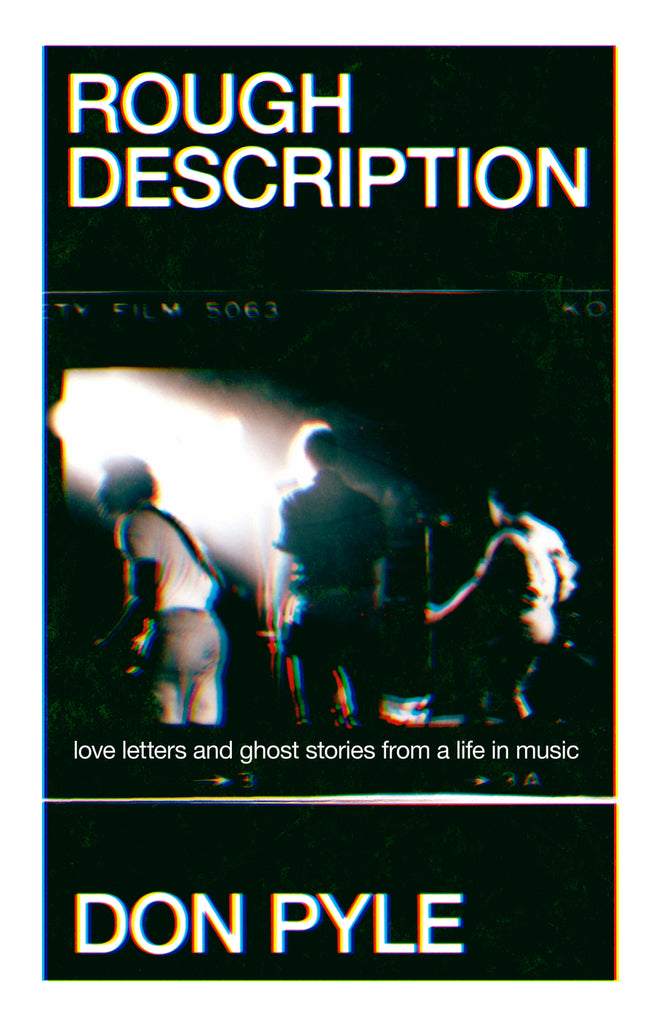
Don Pyle has lived one of the most genuinely singular creative lives in Canadian music, and ‘Rough Description: Love Letters and Ghost Stories From a Life in Music’, out May 26th from ECW Press, tells that story with the kind of candor and dark humor that only someone who has actually lived it could pull off. Pyle, drummer and co-founder of beloved instrumental group Shadowy Men on a Shadowy Planet, the band behind the Kids in the Hall theme, brings a sharp observer’s eye to 304 pages of memoir that are alternately hilarious, melancholic, and consistently impossible to put down.
The book covers an extraordinary amount of ground. Pyle traces his earliest bands, the absurdity and rewards of touring, his evolving relationship with his mother, a life-changing car accident, and the genuinely improbable chain of events that turned a punk rock pen pal connection into a career in showbiz. His working relationships with the late Dallas Good, legendary producer and engineer Steve Albini, and the iconic Kids in the Hall comedy troupe all figure prominently, and Pyle dishes on all of it with the kind of unguarded honesty that makes music memoirs worth reading in the first place.
What sets ‘Rough Description’ apart is Pyle’s perspective. A photographer, film and TV composer, producer, and writer with 15 albums to his name, he approaches every creative discipline as part of the same continuous stream, and that unified sensibility gives the book a texture and depth that goes well beyond standard rock memoir territory. The chapter on how the Ramones rewired his teenage brain alone is worth the price of admission.
‘Rough Description’ is available for pre-order now ahead of its May 26th release from ECW Press, in paperback at $24.95 CAD, with digital editions also available. For anyone who came of age with Canadian indie music, comedy, and punk in their bloodstream, this is essential reading.
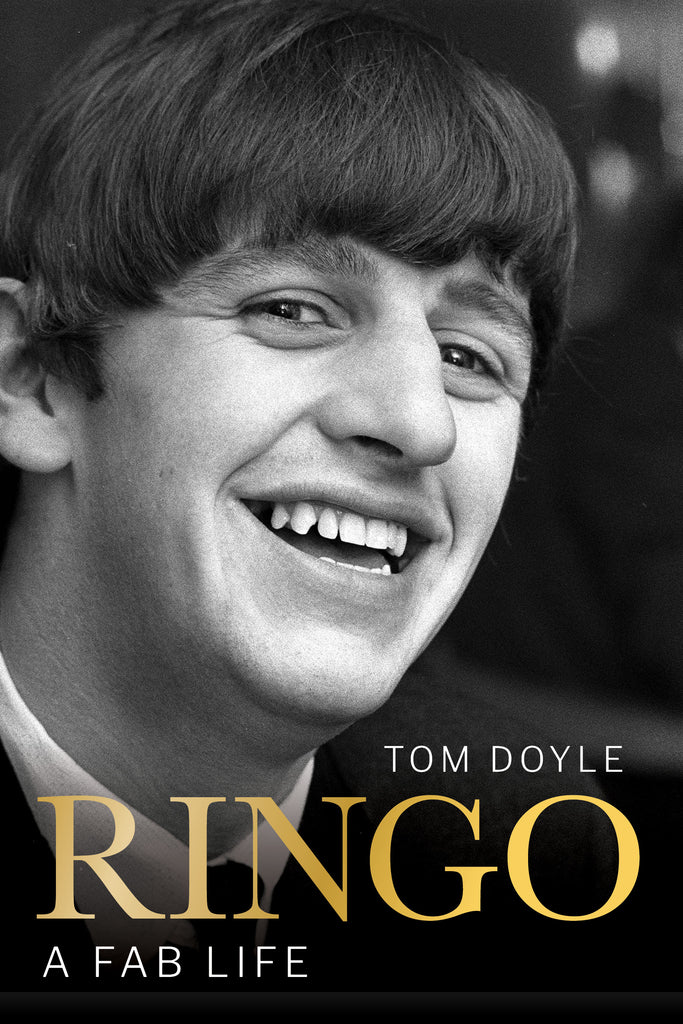
Ringo Starr has spent decades being the most underestimated member of the most famous band in history. Tom Doyle’s ‘Ringo: A Fab Life’, out May 12th from ECW Press, makes a compelling and long-overdue case for why that underselling has always been a mistake. Doyle, the critically acclaimed author behind the award-winning Kate Bush study ‘Running Up That Hill’ and a veteran of Q and Mojo, brings the same forensic depth and warm narrative instinct to Starr’s remarkable life across 400 pages of exclusive new interviews and meticulously researched detail.
The book’s scope stretches far beyond the Beatles years, which is precisely what makes it essential. Doyle traces the full arc from Richard Starkey’s poverty-stricken Liverpool childhood and near-fatal illnesses, through the dizzying years with the biggest band on the planet, and deep into the messier, richer decades that followed: the film career, the addictions, the career detours, the children’s television narration, the furniture design, the marriage to Barbara Bach, and ultimately the hard-won peace and sobriety of his later years. It is a life so packed with incident that the Beatles chapter, remarkable as it is, feels like one movement in a much longer symphony.
The critical response has been emphatic. Classic Rock awarded it a perfect 10, calling it “full of drama, emotion, comedy, tragedy and incident” and “an essential purchase for music fans, never mind Beatles fans.” Mojo called it a “resolutely fab” portrait of “the Beatles anchor emotionally as well as rhythmically.” Record Collector gave it five stars, praising Doyle’s “friendly, informal, engaging yet fact-packed and forensic” style. Samira Ahmed of BBC Front Row called it “perhaps the most dramatic life arc of any of the Beatles,” adding that it is “a beautiful read.”
‘Ringo: A Fab Life’ is available for pre-order now ahead of its May 12th release from ECW Press, in paperback at $29.95 CAD. For Beatles obsessives, music biography devotees, and anyone who has always suspected there was far more to Ringo Starr than the punchlines suggest, this is the book that settles the argument once and for all.
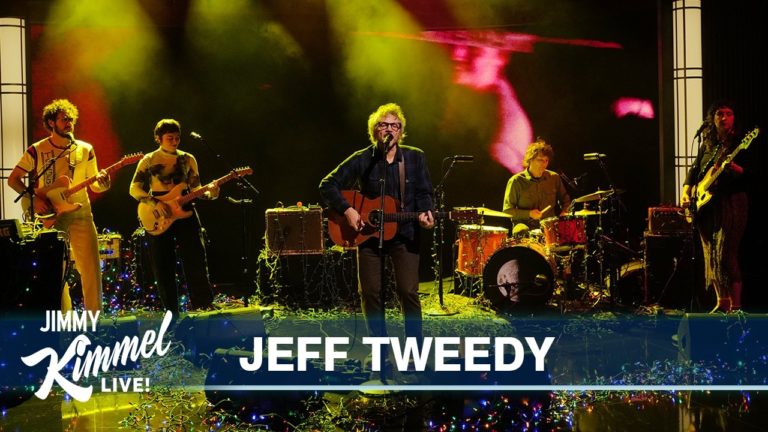
Jeff Tweedy took “Lou Reed Was My Babysitter” to Jimmy Kimmel Live this week, and the performance is exactly what you want from one of American rock’s most enduring and quietly essential voices. Watch it here.
Follow us on Instagram @thatericalper

Eric Alper is a 6-time nominee for Publicist of the Year during Canadian Music Week and has overseen the publicity campaigns for over 183 JUNO Award-nominated albums (and 16 in 2025), 45 Grammy-nominated albums, including 47 JUNO Award, 58 Canadian Folk Music Award, 126 Maple Blues Award-winning albums and is also truly honoured to work with some of the biggest and most important artists of our time.
Contact me: eric@thatericalper.com
© Copyright - That Eric Alper