Home Blog Page 445

10 Times a Rock Keyboard Solo Stole the Show

Rock music often celebrates the power of guitars, but many unforgettable moments come from the keys. With Hammond organs, Moog synthesizers, and pianos, rock’s keyboardists have created solos that elevate songs into legendary territory.

Here are ten tracks where the keyboard solo delivers a defining moment.

“Baba O’Riley” – The Who
The sequencer-driven intro by Pete Townshend creates one of rock’s most iconic synth motifs. The swirling patterns set the mood and energy, shaping the song’s entire atmosphere.

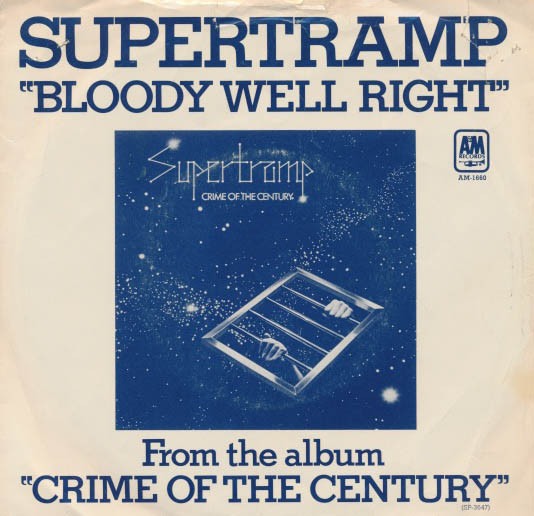
“Bloody Well Right” – Supertramp
Rick Davies’ electric piano solo grooves with precision and style. Each note adds flair, driving the song forward while adding a layer of refined character.

“Foreplay/Long Time” – Boston
The “Foreplay” section bursts with organ energy and rapid-fire runs. Tom Scholz’s playing blends technical mastery with a bright, uplifting rock spirit before flowing into “Long Time.”

“Funeral for a Friend/Love Lies Bleeding” – Elton John
The opening piano and synth arrangement moves through shifting moods and grand dynamics. Elton’s performance creates a sweeping journey that blends drama and excitement.

“Highway Star” – Deep Purple
Jon Lord’s organ solo blazes with classical-inspired lines and rock momentum. His Hammond work fills the track with a powerful, racing energy from start to finish.

“In the Cage” – Genesis
Tony Banks delivers a commanding keyboard passage with precise melodic runs and seamless transitions. The solo flows effortlessly through the song’s layered arrangement.

“Jump” – Van Halen
Eddie Van Halen’s synthesizer lead bursts with bold, uplifting energy. The bright, melodic lines set the song’s tone from the very first notes, blending rock power with a vibrant, anthemic spirit that defines the track’s identity.

“Light My Fire” – The Doors
Ray Manzarek’s extended organ solo explores vibrant improvisations with a jazz-inspired touch. Each phrase expands the song’s hypnotic, driving rhythm.

“Lucky Man” – Emerson, Lake & Palmer
Keith Emerson’s Moog solo rises with rich, evolving tones that create a sense of limitless space. The sound design and melodic phrasing lift the song into a grand finale.

“Roundabout” – Yes
Rick Wakeman’s intricate keyboard break sparkles with rhythmic precision and melodic clarity. The solo enhances the track’s vibrant, progressive energy.

Keyboard solos in rock bring a wide spectrum of color, texture, and energy. They can guide the listener through a song’s most memorable peaks and create unique musical landscapes that stay in the mind long after the track ends.

Why Skip Rates Matter More Than Streams in Today’s Music Industry

In the modern music business, stream counts have become the headline metric. Artists celebrate crossing the million-stream mark; labels use them as a shorthand for success; and playlists promote songs based on their daily and total plays. But here’s the inconvenient truth: not all streams are created equal.

A song might rack up impressive play numbers, but if most listeners are skipping it before the first chorus, does that really reflect engagement—or just algorithmic placement? This is where skip rates come into play, offering a far more telling measure of a song’s real impact.

What Are Skip Rates?

Skip rate measures the percentage of listeners who move on to the next track before finishing the one they’re currently playing. Streaming platforms typically track skips in the first 30 seconds, 60 seconds, and before the end of the track.

While each platform has its own threshold, the general formula is:

Skip Rate (%) = (Number of Skipped Plays ÷ Total Plays) × 100

For example, if your song had 100,000 streams and 35,000 of them ended before the 30-second mark, your skip rate would be 35%.

1. Skip Rates Reflect True Listener Engagement

Streams only tell you that a song was started. Skip rates tell you if it was finished.
A track with 500,000 streams but a 50% skip rate is effectively being abandoned by half of its audience—often before they’ve even heard the hook. That suggests the song isn’t connecting in the way the numbers might suggest.

In 2022, a Chartmetric study found that songs with skip rates under 25% were far more likely to sustain long-term playlist placements and algorithmic recommendations.

2. Streaming Algorithms Prioritize Completion Rates

Spotify, Apple Music, and YouTube Music weigh skip rates heavily in deciding what to recommend.
High skip rates signal to algorithms that a track isn’t satisfying listener intent, which can result in fewer editorial playlist adds and reduced Discover Weekly or Radio inclusion.

Conversely, low skip rates can lead to exponential exposure—even for songs with modest starting numbers.

3. Skip Rates Reveal First-Impression Quality

The first 10–15 seconds of a track have never been more critical. According to Spotify for Artists, the platform counts a “stream” after 30 seconds, but it’s the moments before that mark that often determine whether a listener stays or goes.

High early skip rates often indicate issues like:

  • Weak intros that fail to grab attention
  • Long instrumental build-ups without payoff
  • Misleading genre or mood compared to playlist context

4. Better Predictor of Longevity Than Streams

Many viral hits see a spike in streams that fades quickly. Tracks with low skip rates, even at lower volumes, tend to grow steadily through word-of-mouth and algorithmic reinforcement.
A MIDiA Research report showed that tracks with skip rates under 20% remained in key playlists for an average of 22 weeks, compared to just 8 weeks for those above 40%.

5. Financial Impact Beyond the Play Count

Lower skip rates can lead to:

  • Longer average listening sessions (boosting your placement in user queues)
  • Higher likelihood of follow-on plays from the same listener
  • Increased saves and playlist adds, which drive recurring streams over time

Simply put: a listener who finishes your song is more likely to become a repeat listener—and a paying fan.

Implications for Artists, Labels, and Platforms

For Artists: Skip rates offer a reality check. They highlight not just whether your music is being heard, but whether it’s holding attention.

For Labels: This metric can influence A&R decision-making and marketing spend. Investing in songs with strong retention rates is often more cost-effective than chasing viral but short-lived spikes.

For Streaming Platforms: Lower skip rates improve user satisfaction, which is directly tied to subscriber retention. It’s in their best interest to surface tracks that keep people listening.

How Musicians Can Improve Skip Rates

  1. Hook Early – Bring your strongest melodic or lyrical idea into the first 10–15 seconds.
  2. Refine Your Intro – Avoid overly long intros unless they are instantly captivating.
  3. Match Playlist Context – If your track is on a chill acoustic playlist, make sure the tone and instrumentation fit the expectation.
  4. Use Test Audiences – Share rough mixes privately and track listener retention before release.
  5. Monitor Data Regularly – Use Spotify for Artists, Apple Music for Artists, or Chartmetric to spot trends and adjust strategy.

So Remember…

  • Streams ≠ Engagement – A play doesn’t mean someone listened all the way through.
  • Skip Rates Drive Discovery – Algorithms reward songs that keep listeners engaged.
  • Low Skip Rates = Long-Term Growth – They correlate strongly with sustained playlist presence and fan loyalty.
  • Artists Can Influence Skip Rates – Through arrangement, production choices, and strategic playlisting.

The industry’s fixation on streams is slowly giving way to a richer understanding of listener behavior. As algorithms grow more sophisticated, completion-based metrics like skip rate will carry even more weight.

For artists, focusing on skip rate isn’t just about pleasing the algorithm—it’s about crafting music that resonates deeply enough to hold someone’s attention in a crowded, distraction-heavy world. In the end, the real win isn’t getting someone to click “play”—it’s keeping them from clicking “next.”

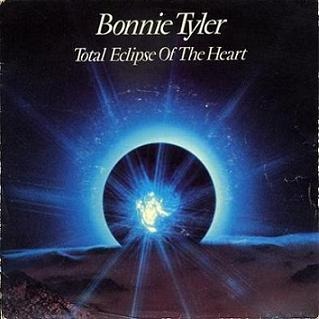
Bonnie Tyler’s Isolated Vocals For “Total Eclipse of the Heart”

“Total Eclipse of the Heart,” written and produced by Jim Steinman, was the lead single from Bonnie Tyler’s 1983 album Faster Than the Speed of Night. Recorded in 1982 as a duet with Rory Dodd, it became her biggest hit, topping the UK chart and spending four weeks at #1 in the US. Selling over six million copies worldwide and earning platinum status, it remains an ’80s classic, even voted the UK’s third-favourite ’80s #1 in a 2015 ITV poll.

The Impact of AI and Technology on the Music Industry

0

By Mitch Rice

Technology has always had a profound effect on the music industry, but artificial intelligence has become more significant recently than ever. From creating music to how it’s distributed and experienced, technology is fundamentally altering how we create, listen to and experience music. 

In this blog post, we’ll explore how AI and technology are revolutionizing this sector in simpler terms.

Creating Music: Exploring Innovations in Composition

Music creation once required many different instruments and studios, as well as teams of people like producers and sound engineers to bring it all together. But now with AI tools available to musicians, there are easier and more accessible means for creating music than ever. Composers use these tools to create songs, beats, and melodies. They also analyse thousands of songs to identify what makes a hit and replicate similar elements.

AI can listen to any genre of music and generate new tracks based on patterns it’s learned, producing songs similar to hits heard on the radio or even coming up with unique styles. While some fear AI will replace human musicians altogether, more likely than not, it will serve as an inspiring creative force that opens doors for artists exploring new ideas. Just as VapeGala provides fast UK delivery, AI is rapidly making its mark in the music industry, offering innovative solutions to boost creativity.

AI and Music Production

Artificial intelligence is making waves in music production as well. Once upon a time, music production required expensive equipment and extensive technical knowledge. Now, however, AI-powered software programs make production much simpler for producers, such as mixing and mastering songs automatically by adjusting volume levels, tone, tempo, etc – similar to having your sound engineer working quickly yet efficiently to streamline this process for artists.

AI can also aid producers with sound design, which involves creating new sounds and effects for music production. Through AI’s help, producers can experiment with innovative ways of shaping sounds to produce fresher, more exciting music than may have been possible otherwise.

Custom Music Selection and Recommendations

One of the most noticeable impacts that technology has had on the music industry is how we listen to songs. Streaming platforms like Spotify, Apple Music, and YouTube utilise artificial intelligence to recommend songs based on your listening habits. 

Streaming services now feature millions of tracks, making it easier for listeners to find precisely the song they’re in the mood for. AI helps these platforms adapt to our ever-evolving tastes, as well as introduce us to music we otherwise might never have discovered – it’s like having your DJ!

Future of Live Music Performances: Virtual Concerts and AI Displays

Live music venues are using technology in innovative ways. Virtual concerts have grown increasingly popular since the COVID-19 pandemic; artists now utilise live-streaming platforms such as Facebook Live to perform for fans who cannot attend in person, while AI and virtual reality make concerts even more immersive for attendees. Similarly, products like the Best 7000 Puff Kit Hayati Rubik are enhancing experiences, allowing users to enjoy a smooth, satisfying session, much like the innovative ways technology is shaping live music events.

Some artists have already experimented with virtual concerts that fans can experience with VR headsets in a three-dimensional space. AI also allows artists to create holograms of themselves that perform even when they aren’t physically present, allowing fans to experience performances like never before from wherever they may be located worldwide. 

Conclusion

Technology has revolutionised music distribution. Where once musicians relied on record labels to distribute their songs to audiences, today musicians can upload songs directly onto streaming platforms and reach global audiences without middlemen intervening in the distribution chain.

Data and information are provided for informational purposes only, and are not intended for investment or other purposes.


Why Accurate Weight Declarations Are the Hidden Key to Greener Shipping?

0

By Mitch Rice

The shipping industry is the backbone of global trade, carrying over 80% of the world’s goods across oceans. But alongside its essential role, shipping also carries a significant environmental footprint, contributing to greenhouse gas emissions, fuel consumption, and ocean pollution. While much of the discussion around sustainability in shipping focuses on new fuels, efficient ship designs, and renewable technologies, one often-overlooked element holds remarkable potential: accurate weight declarations.

Precise weight reporting not only ensures safe voyages but also directly influences fuel efficiency, carbon emissions, and overall operational sustainability. Two crucial concepts in this context are DWT (Deadweight Tonnage) and VGM (Verified Gross Mass), both of which are indispensable for optimizing greener and safer shipping operations.

Understanding the Importance of Accurate Weight Declarations

Every vessel relies on precise weight information to maintain balance, stability, and fuel optimization. A wrongly declared cargo weight can lead to overloading, improper stowage, and increased drag, which ultimately results in higher fuel consumption and more emissions.

Accurate declarations are not just about following maritime law—they represent a hidden yet powerful lever for reducing the shipping industry’s environmental impact. By ensuring that ships operate at their optimal capacity and stability, shipping companies can reduce unnecessary fuel usage and greenhouse gas output.

The Role of DWT in Greener Shipping

DWT (Deadweight Tonnage) refers to the maximum weight a ship can safely carry, including cargo, fuel, ballast water, provisions, and crew. Understanding and respecting a ship’s DWT is fundamental for safety and efficiency.

When shippers and operators accurately declare cargo weights, vessels can be loaded in line with their DWT capacity. This prevents excessive strain on the hull, avoids dangerous instability, and ensures optimal engine performance. Most importantly, it minimizes the risk of overconsumption of fuel, which directly ties into reducing CO₂ emissions.

For example, a container ship sailing below or above its ideal DWT level will experience suboptimal hydrodynamics. This means the ship either drags more water than necessary or burns extra fuel to compensate for inefficiencies. In both cases, the result is wasted energy and increased emissions—an entirely avoidable outcome if accurate declarations are made.

The Critical Role of VGM in Safety and Sustainability

Since the SOLAS (Safety of Life at Sea) regulation update in 2016, shippers have been required to provide the VGM (Verified Gross Mass) of every container before loading. The purpose was initially to prevent accidents from containers tipping, stack collapses, or vessel instability caused by misdeclared weights.

However, beyond safety, VGM also plays a crucial role in sustainability. With precise container weight information, stowage planners can balance loads more effectively, ensuring ships travel with the best possible stability and trim. Proper trim reduces drag and lowers the engine’s workload, which directly translates into fuel savings and reduced carbon emissions.

By simply declaring container weights correctly, shippers contribute to more efficient voyages and greener shipping operations without additional technology investments.

How Inaccurate Declarations Harm the Environment

Misdeclared or inaccurate cargo weights have ripple effects across the supply chain and the environment:

  1. Fuel Inefficiency – Overloaded or improperly balanced ships require more fuel, releasing more CO₂ and other greenhouse gases into the atmosphere.
  2. Increased Risk of Accidents – Capsizing, cargo loss, and accidents not only endanger lives but also cause oil spills and marine pollution.
  3. Higher Maintenance Needs – Ships running outside their optimal design loads experience higher wear and tear, leading to more frequent dry-dock visits and waste generation.
  4. Logistical Delays – Incorrect declarations cause re-checking, container re-stowage, and even penalties, which increase idle times in ports—another hidden source of emissions.

These inefficiencies underline why accurate weight declarations, through proper use of DWT and VGM, are crucial in building a sustainable shipping industry.

Accurate Declarations as a Cost-Saving Strategy

While sustainability is the ultimate goal, accurate weight declarations also offer significant financial benefits for ship operators and shippers alike. Reduced fuel consumption directly lowers operating costs, which is especially important given the volatility of global fuel prices.

Additionally, compliance with accurate VGM submissions avoids costly fines, demurrage, and re-handling fees at ports. The business case for sustainability becomes clear: greener shipping is not only good for the environment but also for the bottom line.

Technological Innovations Supporting Accurate Weight Declarations

With the advent of digitalization in shipping, several tools are helping make weight declarations more reliable and efficient:

  • Weighing Systems at Ports: Many terminals are installing certified container weighing equipment to eliminate manual errors.
  • Blockchain Solutions: Blockchain-based documentation ensures transparency and prevents tampering with weight declarations.
  • IoT Sensors and Smart Containers: Sensors installed in containers and cargo hold areas provide real-time data on weight, stability, and balance.
  • AI-driven Stowage Planning: Artificial intelligence optimizes container placement based on VGM data, maximizing efficiency and minimizing emissions.

By combining accurate declarations with advanced technology, shipping can move closer to a greener and safer future.

Regulatory Support for Greener Shipping

International organizations like the IMO (International Maritime Organization) are pushing for emission reductions in line with global climate goals. Accurate weight declarations align perfectly with these objectives.

For instance, IMO’s 2023 strategy aims to reduce shipping emissions by at least 20% by 2030 and net-zero by 2050. Achieving this requires both cutting-edge technologies and practical, immediate measures like proper DWT management and strict enforcement of VGM compliance.

Governments and shipping companies that adopt rigorous weight declaration practices will find themselves ahead in meeting sustainability benchmarks.

Building a Culture of Responsibility in Shipping

At its core, accurate weight declaration is not just a technical or regulatory issue—it’s a cultural one. Shippers, freight forwarders, port operators, and carriers must recognize their shared responsibility in ensuring accurate reporting.

  • Shippers should invest in certified weighing practices.
  • Carriers must enforce compliance and reject containers without verified weights.
  • Port authorities should streamline processes for transparent VGM submissions.

Only when all stakeholders align can the industry fully harness the environmental benefits of accurate weight declarations.

The Hidden Green Potential of Weight Accuracy

While much attention goes to alternative fuels like LNG, hydrogen, or methanol, accurate weight declarations stand out as a low-cost, high-impact solution available today. Unlike new fuels or vessel retrofitting, accurate declarations don’t require massive capital investment only honesty, compliance, and reliable measurement.

It is the “hidden key” to greener shipping because its benefits are often overshadowed by more glamorous sustainability initiatives. Yet, its role is immediate, impactful, and indispensable.

Conclusion

The journey toward greener shipping cannot be achieved by technology alone. It requires a comprehensive approach, where even the simplest practices contribute to reducing emissions and improving efficiency. Accurate weight declarations through the proper application of DWT and, more importantly, VGM (Verified Gross Mass) are a powerful yet underestimated tool in this mission.

By ensuring transparency, safety, and optimal vessel performance, VGM compliance helps reduce unnecessary fuel consumption, cut emissions, and support sustainable operations across global trade. In the race to make shipping greener, accurate weight declarations backed by both DWT and VGM may just be the hidden lever we need to unlock a cleaner, safer, and more efficient maritime future.

Data and information are provided for informational purposes only, and are not intended for investment or other purposes.
Statement from George Koller, Gary Karr Library Manager, Friend, and Devoted Fellow Musician

0

In the wake of Gary Karr’s passing, my heart is full — with sorrow, yes, but also with an overwhelming sense of gratitude. Over the last three years, I had the rare gift of knowing Gary deeply: as a colleague, a friend, and as the manager of the Gary Karr Library, now housed in the lower level of Hugh’s Room in Toronto. In that time, I came to see what many have known for decades — that Gary was not just a musical genius, but a radiant soul who lived each day with clarity, humility, and a childlike wonder.

Gary’s mantra, even in his final days, was one of joy. When he learned of his Stage 4 diagnosis, he said without hesitation: “I’ve lived a most incredible life.” And it’s true. A full solo career on double bass — once thought impossible — dozens of recordings, hundreds of commissioned works, and thousands of students across the globe. He awoke each day at 5:30 a.m. to play music while the sun came up, often Bach. He believed in beauty and in sharing knowledge freely, and he lived those values until the very end.

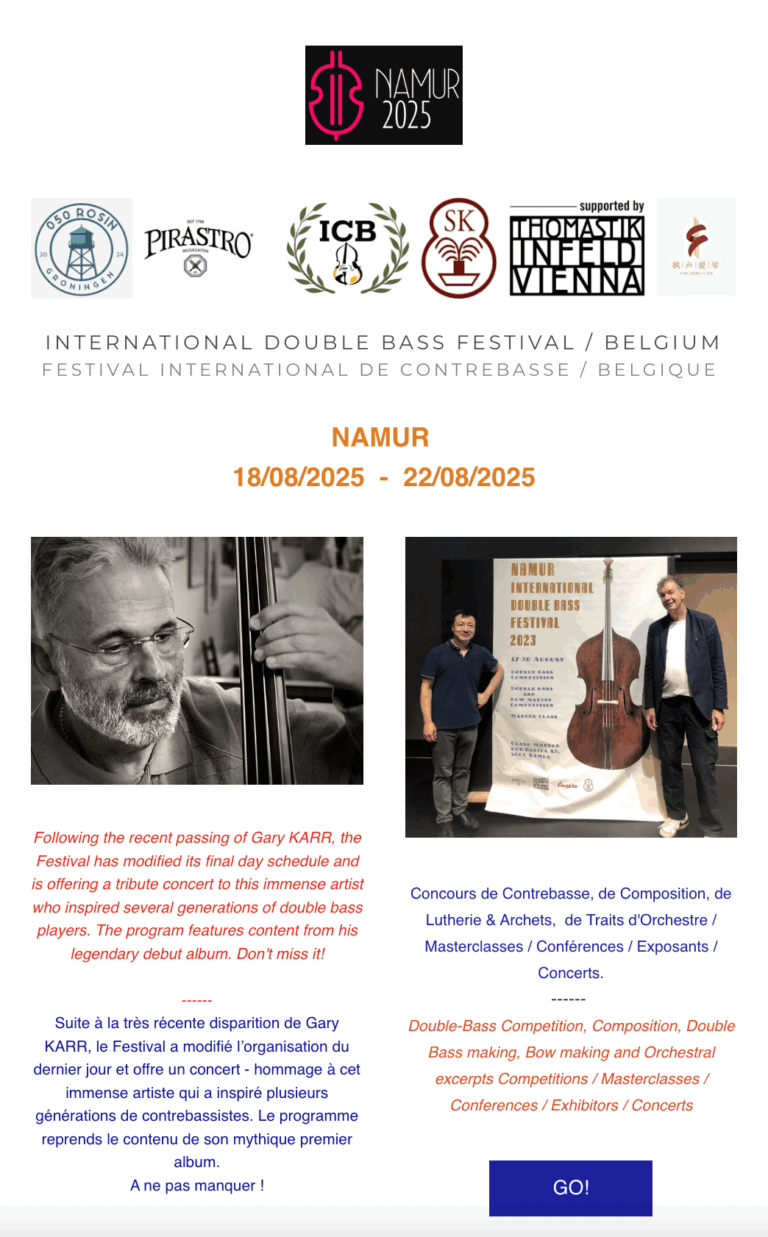
Though we’re not ready to announce memorial plans just yet, I can share that there will be celebrations of Gary’s life in both Victoria and Toronto in the coming months and a recent posting of a tribute concert at the Bass festival in Belgium on August 22. These will be true to who Gary was: generous, loving, filled with music, and open to all. We know how many in the bass community — and beyond — want a moment to come together and remember this extraordinary man.

The Gary Karr Library in Toronto will continue — and grow. It remains a living, breathing tribute to Gary’s legacy, offering inspiration to new generations of players, thinkers, and dreamers. There are still unreleased recordings to come, and we are committed to honouring and preserving his artistry with the care and attention it so richly deserves.

A recent development that thrilled Gary was the digital reissue of 17 of his recordings through Japan’s King Records. These performances, once available only on vinyl and CD, are now accessible to listeners around the world. It means the next generation can hear Gary’s mastery as vividly as those who sat in concert halls decades ago. These recordings are a bridge — from the past to the future — and a fitting addition to his ongoing legacy.

What stood out most in Gary was how he gave others permission to shine. Whether in a one-on- one lesson or on the stage of a bass convention, he had a way of planting a tiny seed of insight that could transform a student’s life — if they were open to it. He was both virtuoso and gentle guide. A performer who could dazzle with ease, and a teacher who listened with care.

In the hundreds of bass events, masterclasses, and casual conversations I’ve witnessed, I saw the respect and affection Gary commanded — not just as an artist, but as a human.

being. He could move effortlessly between solitude and celebration, criticism, and praise, and he always stayed true to who he was. Simply, humbly, joyfully.

Gary Karr was — and remains — a North Star for so many of us. I miss him deeply. But I also know that his spirit plays on: in his recordings, in the library that bears his name, in the students who carry forward his teachings, and in the sunrise music that still echoes every morning.

— George Koller Gary Karr Library Manager Toronto, Ontario August 2025

Vancouver’s Mark Ledlin Hits the Gas with Blue-Collar Anthem “Wish I Was”

0

— Mark Ledlin is swinging for the fences again. His new single “Wish I Was,” out now via XOXO Entertainment Corp./Believe, is more than a summer anthem—it’s a working-class dream set to a driving country-rock beat, penned by a man who traded his pro hockey gear for a guitar and never looked back.

Written by Ledlin alongside powerhouse collaborators Dan Botch, Garrett Ward, and David Borys, guaranteed Song of the Summer “Wish I Was” is sure to reach the same success as his breakout hit “Jealous of Jesus” which has amassed 2 million streams across your favourite streaming platforms. “Wish I Was” is the next chapter in a story that’s inspiring fans from coast to coast.

“I’ve always had these massive dreams—whether it’s music, sports, or just building something cool,” says Ledlin. “This one’s for anyone who’s sat there thinking ‘man, that’d be cool to have’ and decided to make it happen.”

The song was born on the water—literally. While vacationing with his girlfriend’s family in Bamfield, BC, the song took shape between fishing trips and life advice. “My father-in-law was putting fish on ice and dropping wisdom at the same time,” he says. “That ended up right in the lyrics. It’s all real.”

With guitar in hand and work boots on, Ledlin wrote “Wish I Was” for the dreamers building their lives one swing of the hammer at a time. “From second jobs to second verses, this is where real life meets country soul,” he says. “A blue-collar anthem for anyone grinding until there’s no more ‘wish I was’ left.”

Produced by Ledlin, Dan Botch, and Garrett Ward, the song showcases a rock-solid connection between artist and team. “The vibe was already in my head when we stepped into the studio,” says Ledlin. “Once we found the right chords, it just clicked. Like a lightbulb moment.”

The release continues a meteoric rise for Ledlin, who retired from pro hockey to chase his musical passion full-time. “I may still work 40+ hours a week, but music makes me a richer man than any number in my bank account,” he says.

With lyrics that dig deep and a melody built for late nights and long drives, “Wish I Was” captures the essence of Ledlin’s approach to songwriting: honest, driven, and rooted in experience. “I didn’t sing four years ago,” he adds. “Now I sing for thousands. Free will is beautiful—because there’s a million ways to your dream. You just have to wish it enough to get moving.”

Mark Ledlin Tour Dates:

August 15th – Chilliwack Mural Festival 

August 22nd – Cold Lake Mudfest

September 14th – Barnside Festival Ladner

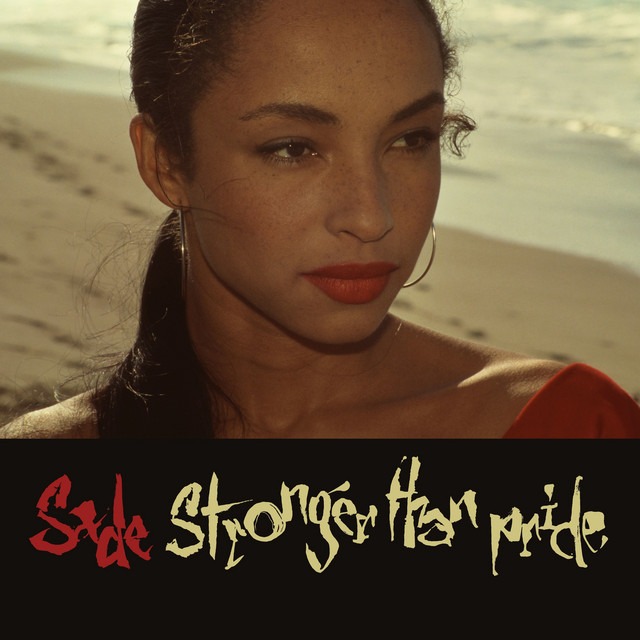
5 Surprising Facts About Sade’s ‘Stronger Than Pride’

When Stronger Than Pride arrived in 1988, it carried the warmth of sunlit studios and the clarity of a band confident in its direction. Its sound was spacious yet intimate, balancing restraint with emotional depth. This was Sade refining their voice, shaping each track with precision, and allowing silence to speak as powerfully as melody.

1. A Vision of Space and Simplicity
Sade Adu set the tone for the album’s production with a clear intention: to keep the arrangements basic, let the quiet songs breathe, and make the harder songs hit with more force. She wanted the voice to stand front and center, creating a direct connection between the music and the listener.

2. From Spain to the Bahamas
The album’s writing sessions began in Spain and London, capturing ideas in varied surroundings. Recording then took place in France and the Bahamas over the course of a year, bringing in the warmth and openness of those environments into the final sound.

3. First Steps as Sole Producer
With Robin Millar no longer able to continue after going blind during the making of Promise, Adu took on the role of self-producing the album. This was the first time she guided the record’s sound entirely, marking a milestone in her artistic independence.

4. A New Way of Writing Together
Stuart Matthewman noted that Stronger Than Pride was the first Sade album where songs were written piece by piece rather than as a collective. This shift in process brought a fresh dynamic to the songwriting, allowing each element to be carefully shaped before being woven into the whole.

5. Critical Recognition Across Decades
Upon release, the album became a commercial success, reaching the top 10 in multiple countries and spawning five singles. Decades later, it continues to be celebrated—Pitchfork ranked it number 37 on its list of “The 200 Best Albums of the 1980s,” underscoring its enduring influence.

Stronger Than Pride remains a work of poise and precision. Its understated production and carefully crafted songs speak with lasting elegance, embodying the quiet strength at the heart of Sade’s music. It stands as both a statement of independence and a testament to the beauty of musical restraint.

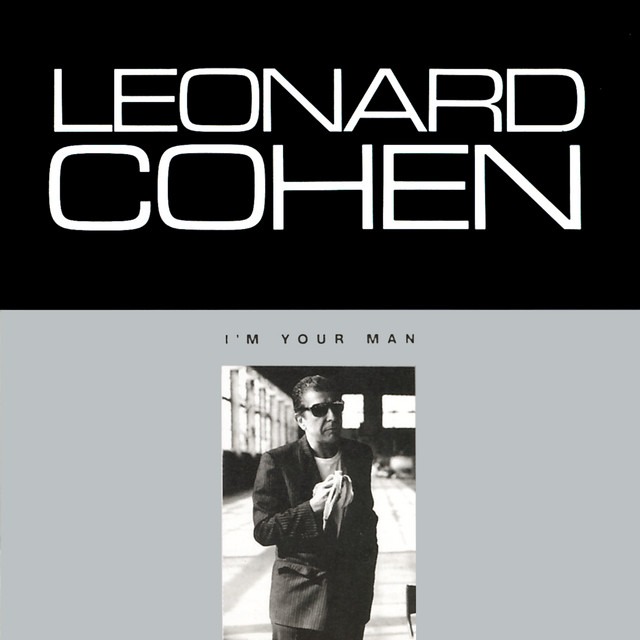
5 Surprising Facts About Leonard Cohen’s ‘I’m Your Man’

Released in 1988, I’m Your Man brought Leonard Cohen into a new era of sound and storytelling. With its bold embrace of synthesizers, drum machines, and cinematic arrangements, the album became a defining chapter in his career. Each track carries both precision and emotional weight, offering an intimate look at an artist deeply attuned to his craft.

1. A Global Studio Journey
The album was recorded across Los Angeles, Montreal, and Paris, bringing together a trio of contributing producers alongside Cohen himself. It was the first studio album where he took sole production credit, weaving modern textures with traditional instrumentation such as bouzouki, oud, and violin. This combination created a sonic space that was both contemporary and timeless.

2. A Voice in Full Stride
By the time of I’m Your Man, Cohen felt his voice had reached the strength and authority he had long sought. He spoke of being able to deliver songs with the necessary intensity, marking the album as a point where his vocal delivery and lyrical intent aligned completely. The result was a sound that carried both depth and assurance.

3. Poetry in Motion: “Take This Waltz”
“Take This Waltz” was adapted from Federico García Lorca’s poem Pequeño vals vienés, one of Cohen’s personal favorites. Originally recorded for a Lorca tribute album in 1986, it found a new life here with violin and duet vocals from Jennifer Warnes. The song became a chart-topper in Spain, a testament to the enduring resonance of Lorca’s imagery paired with Cohen’s music.

4. “Tower of Song” as a Songwriter’s Testament
“Tower of Song” stands as a meditation on the art of writing itself. Completed in Montreal and first recorded on a toy synthesizer, the piece reflects on aging, inspiration, and devotion to the craft. The lyric “I was born with the gift of a golden voice” became a beloved moment in live performances, celebrated for its humility and humor.

5. An Image That Spoke Volumes
The album’s cover—Cohen in a pin-striped suit, sunglasses, and a banana in hand—was captured spontaneously during a video shoot visit. Cohen felt the image reflected the human paradox of self-assured presentation and the gentle absurdity beneath it. It became not only the album’s visual signature but also the centerpiece of his 1988 tour promotion.

I’m Your Man stands as a pivotal work in Leonard Cohen’s catalog. It bridges his poetic origins with a modern production approach, pairing unflinching lyrical clarity with musical sophistication. Decades on, it continues to invite listeners into a world where every word is measured, every note intentional, and every song a quiet monument.

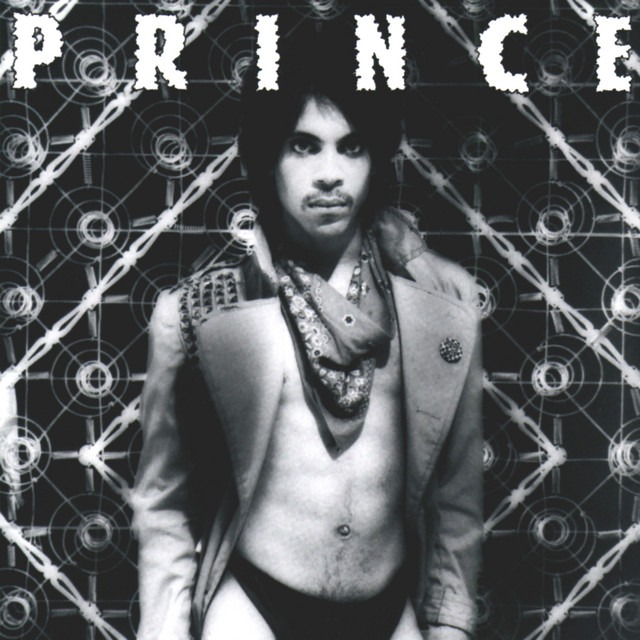
5 Surprising Facts About Prince’s ‘Dirty Mind’

If Dirty Mind were a cocktail, it’d be equal parts sweat, sass, and sonic revolution—served straight, no chaser. In 1980, Prince dropped this raw, genre-bending gem, blurring lines between funk, rock, new wave, and punk, all while turning up the heat lyrically and visually. Let’s crank the volume and dig into five facts that prove Dirty Mind was as bold as it was brilliant.

1. The Basement Where the Funk Got Filthy
Forget plush studios—Prince made Dirty Mind in a 16-track setup in his own basement on Lake Minnetonka. Under the alias “Jamie Starr,” he engineered it himself, often recording entire tracks in a single night. The result? A raw, stripped-back sound that felt more like a live wire than a polished pop product.

2. Born on the Road, Raised on the Edge
Half the songs were born while Prince was touring as Rick James’ opener. With downtime between gigs, he and the band jammed, fusing funk grooves with rock grit. Those rough sketches morphed into the album’s fearless tracks—proof that inspiration doesn’t always wait for a studio booking.

3. “Uptown” Was More Than a Groove
The lead single “Uptown” was funky dance-floor filler, sure, but it was a utopian manifesto against prejudice. Inspired by a Minneapolis artist haven, the song flips an awkward “Are you gay?” encounter into a celebration of racial and sexual freedom. In 1980, that made it one of the boldest R&B radio hits around.

4. The Wildest Tracks Weren’t Just About Shock
Songs like “Head” and “Sister” earned a reputation for being downright notorious. But behind the scandal was Prince’s artful play with identity, taboos, and performance. “Head” drips with synth-funk seduction, while “Sister” explodes in punk energy—both breaking rules with purpose, not just provocation.

5. A Jam That Sparked a Band
“Partyup” started as a bass-and-drum groove from Prince’s friend Morris Day. Prince reworked it into a funk-rock rally against war and the military draft—then offered Day a choice: cash or a record deal. Day picked the deal, leading to the birth of The Time. That’s funk history in the making.

Dirty Mind was a line in the sand. Prince erased all the boundries, making music that was unapologetically raw, political, and sexy. Decades later, it still sounds like freedom with a backbeat.