Home Blog Page 499

Photo Gallery: Killswitch Engage, Beartooth, Parkway Drive, I Prevail, The Amity Affliction, The Devil Wears Prada, Alpha Wolf and Kingdom Of Giants at Toronto’s Budweiser Stage July 15, 2025

0

All photos by Mini’s Memories. You can contact her through Instagram or X.

Dean DeLeo and Pete Shoulder Launch Stellar New Album ‘One More Satellite’

0

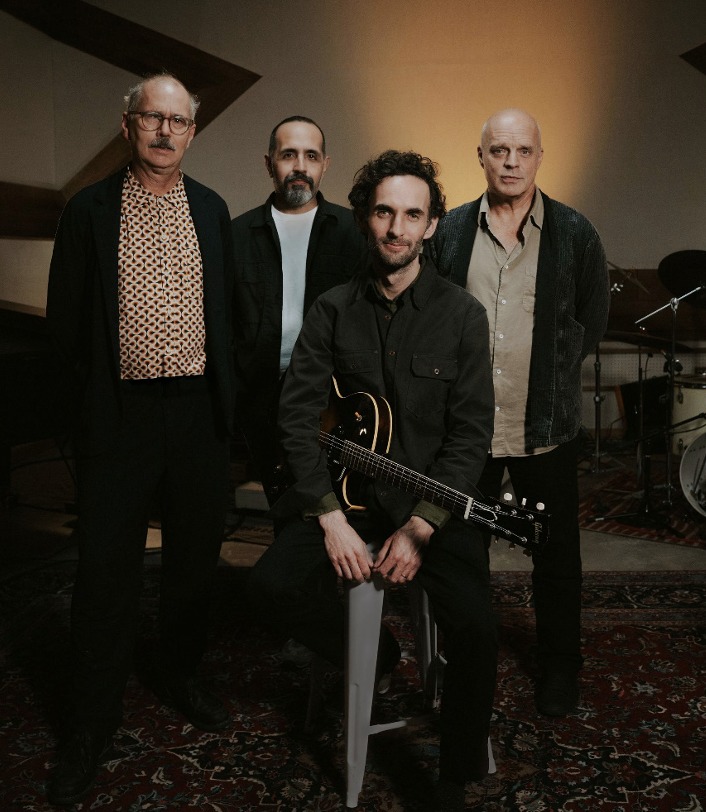
Renowned guitarist Dean DeLeo of Stone Temple Pilots and Trip The Witch, along with acclaimed UK vocalist Pete Shoulder, have released their latest collaboration, One More Satellite available now via Symphonic. Buy/stream album HERE.

Originally conceived as an instrumental project, One More Satellitetook a turn when DeLeo felt a few tracks would be better served with vocals. He sent raw phone recordings to his longtime friend Shoulder, and in short order, the songs returned — transformed with Shoulder’s expressive vocals and poignant lyrics. So inspired by the results, DeLeo reimagined the entire project, and a diverse ten-track album was born..

Check out acoustic performance of debut single, “Paper Over The Cracks” below.

DeLeo’s son Rocco drums on “Drowning Out The Sun,” “Willow Mae” and “Spit It Out.” Stone Temple Pilots drummer Eric Kretz plays on “Serenade” and Brian Tichy drums the rest. Daughter June DeLeo lends a lovely “aaah”…vocal on “Your Call,” and long-time collaborator, Ryan Williams co-produced and mixed the album.

One More Satellite merch items including vinyl, t-shirts, posters and hats can be found HERE.

One More Satellite track listing:

1.   Paper Over The Cracks

2.   Vultures

3.   Long Way Down

4.   Drowning Out The Sun

5.   Serenade

6.   Can Of Worms

7.   Willow Mae

8.   Spit It Out

9.   Pull Back The Veil

10.  Your Call

Alicia Moffet Named Spotify’s EQUAL Canada Ambassador for July

0

Alicia Moffet is everything Spotify’s EQUAL Canada playlist was meant to spotlight—bold, emotional, and completely in command of her story. From singing YouTube covers to selling out shows and building her career independently, she’s done it her way. Now, with No I’m Not Crying, she’s stepping into a new chapter that’s both raw and confident, proving that vulnerability and strength can live in the same verse.

“My story as a woman in the music industry is one of duality,” Alicia says. “Between strength and vulnerability, between carving out my place and staying true to who I really am.” As EQUAL Canada’s ambassador for July, she’s not just sharing songs—she’s setting the tone for a more honest, inclusive future in music.

Rakim Releases New Video And Single “Not To Be Defined” & Announces New Project ‘The Re-Up’

0

Today, hip-hop history is reborn, as Rakim, widely regarded as The God MC and one of the most influential lyricists of all time, returns with the announcement of a new project The Re‑Up.  Setting the stage is the powerful first single, “Not To Be Defined”, featuring Detroit-based, global hip-hop artist Lazarus (who is also a board certified physician, and featured in the U.S. Library of Congress for being the first artist to premiere a song from outer space—check your googles), and produced by Dem Jointz (of Aftermath Entertainment).  “Not To Be Defined” is a monumental union of legacy and lyrical mastery. 

A recent recipient of the Peabody Medal (the first ever rapper to receive the prestigious award) which he graciously accepted as commencement speaker for the 2025 Peabody conservatory graduation ceremonies at Johns Hopkins University (where Ra also received an honoree degree), for an artist who has seemingly done it all, “Not To Be Defined” marks a first in Rakim’s storied career, as it’s the first time he has worked with a Detroit emcee.  Together, Rakim and Lazarus bridge generations and cultures, delivering a bar-heavy anthem that defies trends and reaffirms hip-hop’s timeless essence.

“You can’t put me in no box, I am not to be defined.”

Some artists don’t fit the mold, they break it.  “Not To Be Defined” is a statement piece.  A manifesto.  The chorus alone captures the mission behind the track: to break boundaries and as always, central to Rakim, push the culture forward. Rakim’s signature wisdom and laser-sharp cadence mesh seamlessly with Lazarus’ Detroit grit, global perspective, and surgical lyricism.  Backed by Dem Jointz’s cinematic production, Not To Be Defined stands as a bold manifesto in an era of disposable singles, proving that true hip-hop never dies.

The Re‑Up, featuring “Not To Be Defined”, and a brand new Rakim solo-single, I’m Good,” produced entirely by Big Ghost will be released on 8.29.25 across all digital streaming platforms, with physical editions—including vinyl, CDs, and cassettes—available now at www.1332Records.com.

Luca Stricagnoli Reinvents Dire Straits’ “Money for Nothing” With a Guitar You’ve Never Seen Before

0

What do you get when you cross a classic rock riff with an inventor’s mind? Luca Stricagnoli’s jaw-dropping cover of Dire Straits’ “Money for Nothing” using his custom reverse slide neck. Built by Davide Serracini, it’s part guitar, part magic trick.

Gillian Anderson Brings Helen Keller’s Musical Joy to Life in the Most Beautiful Way

0

Helen Keller once “listened” to Beethoven’s Ninth through touch alone—and it moved her enough to write the New York Symphony Orchestra a letter of thanks. 100 years later, Gillian Anderson read that very letter aloud, and somehow, the music is still playing.

50 Surprising Facts About Alan Bergman

0

Alan Bergman, born September 11, 1925, passed away on July 17, 2025, at the age of 99. Alongside his wife and lifelong creative partner Marilyn – who passed way in 2022 – he helped shape the golden era of film and television music. Their songs are stitched into the fabric of cinema, and Alan’s legacy lives on in every lyric that made us pause and feel. Here are 50 facts to celebrate his remarkable life and work.

  1. Alan Bergman was born in Crown Heights, Brooklyn, in 1925.
  2. He studied at the University of North Carolina at Chapel Hill.
  3. He earned his master’s degree in music at UCLA.
  4. He began his career in television at Philadelphia’s WCAU-TV.
  5. Johnny Mercer encouraged him to pursue songwriting in Los Angeles.
  6. He met Marilyn Keith in L.A. through songwriter Lew Spence.
  7. Alan and Marilyn married in 1958.
  8. Their daughter, Julie Bergman Sender, is a film producer.
  9. Alan and Marilyn shared Brooklyn roots and never met until L.A.
  10. They were inducted into the Songwriters Hall of Fame in 1980.
  11. They won their first Oscar for “The Windmills of Your Mind” in 1969.
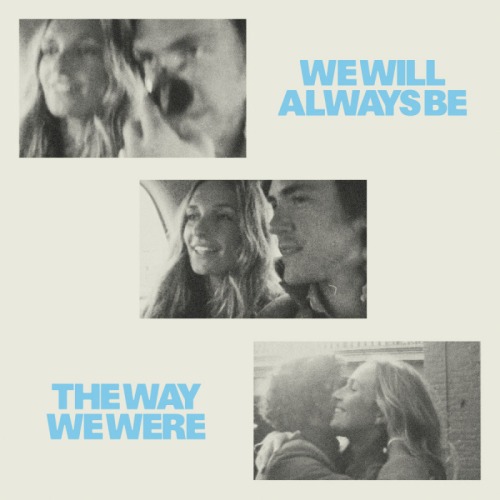
  12. They wrote “The Way We Were” with Marvin Hamlisch in 1973.
  13. The song won them an Oscar, a Golden Globe, and a Grammy.
  14. Alan and Marilyn wrote three of the five songs nominated for Best Original Song in 1983.
  15. They won the Oscar for Best Original Song Score for Yentl.
  16. Their Streisand collaborations include “Papa, Can You Hear Me?” and “The Way He Makes Me Feel.”
  17. They wrote lyrics for Frank Sinatra’s Nice ‘n’ Easy.
  18. They wrote Dean Martin’s title song “Sleep Warm.”
  19. Their “You Don’t Bring Me Flowers” became a hit duet for Barbra Streisand and Neil Diamond.
  20. Alan co-wrote “Someone In the Dark” for Michael Jackson’s E.T. album.
  21. They collaborated often with Michel Legrand, including on The Thomas Crown Affair.
  22. They contributed lyrics to “Pieces of Dreams” and “What Are You Doing the Rest of Your Life?”
  23. They penned “How Do You Keep the Music Playing?” for Best Friends (1982).
  24. They collaborated with John Williams on “Moonlight” for Sabrina (1995).
  25. They wrote “It Might Be You” for Tootsie.
  26. They composed “If We Were In Love” for Yes, Giorgio.
  27. They wrote the Emmy-winning song “Ordinary Miracles” for Barbra Streisand’s HBO special.
  28. Their songs were performed by Fred Astaire, Diana Krall, and Tony Bennett.
  29. Alan released his first vocal album Lyrically, Alan Bergman in 2007.
  30. He was praised for a vocal style reminiscent of Sinatra and Chet Baker.
  31. They co-wrote the TV themes for Maude, Good Times, and Alice.
  32. They won four Emmy Awards for music and lyrics.
  33. They created music for Broadway shows Something More! and Ballroom.
  34. They contributed lyrics to the score of Queen of the Stardust Ballroom.
  35. They wrote “Love Is Where You Are” for the film At First Sight.
  36. They helped open Bill Clinton’s inaugural festivities with “An American Reunion.”
  37. They worked with Quincy Jones on the In the Heat of the Night score.
  38. They contributed to the 2007 tribute album We All Love Ennio Morricone.
  39. They wrote for Streisand’s One Voice concert and her 2011 album What Matters Most.
  40. They collaborated with Cy Coleman on Portraits in Jazz for the Kennedy Center.
  41. Alan served on boards including the Johnny Mercer Foundation and The Jazz Bakery.
  42. They received the Johnny Mercer Award from the Songwriters Hall of Fame in 1997.
  43. Alan received a Distinguished Alumnus Award from UNC in 2011.
  44. They earned a Lifetime Achievement Award from the National Academy of Songwriters.
  45. They were honored by ASCAP and held leadership roles in music advocacy.
  46. They received honorary doctorates from Berklee and Trinity College.
  47. Alan worked into his 90s and collaborated on Chasing Mem’ries in 2017.
  48. They helped define the emotional landscape of American cinema.
  49. Their songs remain among the most recorded and performed in modern music.
  50. Alan’s lyrics, filled with warmth and wisdom, gave voice to generations of storytellers.

Alan Bergman’s songs taught us how to feel deeply, remember gently, and dream vividly. His passing at 99 marks the end of an extraordinary era—but his lyrics live on, humming softly in the background of life’s most beautiful scenes.

15 Country Albums That Broke the Mold

Country music is wide open. It’s front porch stories and studio magic, tradition and reinvention. Some albums honor the past with fresh eyes. Others kick the barn door down and invite the whole neighborhood in. These 15 records didn’t just play the game—they changed it, each in their own way.

12 Stories – Brandy Clark
A sharp pen, a soft voice, and characters who live in the real world. Brandy Clark’s debut tells tales of small-town struggle and humor with the skill of a novelist and the soul of a country crooner.

Annie Up – Pistol Annies
Three powerhouse women with stories sharp as rhinestones and harmonies that stick. Miranda Lambert, Ashley Monroe, and Angaleena Presley turned small-town truths into bold, back-porch country swagger.

Backwoods Barbie – Dolly Parton
Dolly returned to mainstream country with glam, grit, and a wink. Backwoods Barbie blended pop flair with mountain roots, reminding the world that Dolly writes her own script—and always makes it sparkle.

Bury Me in My Boots – The Cadillac Three
With grit, groove, and a little Southern fuzz, this trio blended rock, country, and a whole lot of slide guitar into a wild, whiskey-soaked ride. It’s country with a heavy foot and a wide grin.

Chief – Eric Church
Southern rock grit met outlaw cool. With Chief, Eric Church raised a glass to tradition while ripping solos and singing anthems that felt as big as a Saturday night crowd and as personal as a barstool confession.

From A Room: Volume 1 – Chris Stapleton
Raw vocals, sparse arrangements, and songs that hit deep. Chris Stapleton brought the soul back to country radio, proving that a good song and a great voice never go out of style.

Girl – Maren Morris
Bold, glittering, and full of pop-country fire. Maren Morris stood tall with a voice built for stadiums and lyrics made for turning up on long drives. Girl made space for country to shine in new shades.

Golden Hour – Kacey Musgraves
Shimmery, sun-drenched, and full of gentle wonder. Kacey’s Grammy-winning album floats between country roots and cosmic dreams, with a soft touch that rewrote what a country love song could sound like.

Home – Dixie Chicks
Acoustic instruments, bluegrass flavor, and songs that pulled no punches. Home showed that authenticity can be fearless, and that country radio wasn’t the only path to greatness.

In My Blood – Cody Jinks
Independent, introspective, and unapologetically soulful. Cody’s songwriting turns the spotlight inward with an honesty that resonates from dive bars to festival stages. A modern outlaw with a poet’s pen.

Metamodern Sounds in Country Music – Sturgill Simpson
Philosophy meets pedal steel. Sturgill took country for a psychedelic spin with cosmic lyrics and vintage vibes, bridging honky-tonk with the universe in a way only he could.

Montevallo – Sam Hunt
Hip-hop cadence, pop production, and a deep Southern drawl. Sam Hunt opened the door for a new kind of country star, without leaving behind the heart that brought him there.

No Fences – Garth Brooks
Stadium-sized songs with honky-tonk roots. This album gave us thunder, prayer, and one very famous rodeo. Garth proved country could sell out arenas and still feel like Saturday night at the local bar.

Red Headed Stranger – Willie Nelson
Minimalist. Masterful. A concept album about love, loss, and the open range. Willie’s storytelling and spare production made this a quiet revolution in country music history.

The Road to Here – Little Big Town
Four voices, endless harmonies. This album carved out a sound that was both lush and grounded, blending classic country themes with a fresh vocal chemistry that couldn’t be ignored.

10 Tips for Building Community in Your Local Scene

Look around—every vibrant music scene, book club, artist alley or neighborhood market starts the same way: with people showing up and lifting each other up. Community is a jam session, a shared mural, a potluck with strangers who become chosen family. Whether you’re just getting started or looking to deepen roots, these ten tips will help you build something meaningful, one hello at a time.

1. Show Up Consistently
Being present is the best way to be part of something. Go to shows, meetings, exhibits, or jam nights. Familiar faces build trust, and trust builds community.

2. Be the Connector
Introduce people to each other. That singer and that guitarist? The local bar and the spoken word artist? Helping others connect makes you the glue that holds it all together.

3. Celebrate Everyone’s Wins
Whether it’s someone’s first art sale or their third album drop, show up with real joy. Share their work, clap the loudest, and let them know they’re seen.

4. Create Space for New Voices
Invite someone newer to share their work, lead a workshop, or join the lineup. Fresh voices bring new life, and generosity is the heartbeat of community.

5. Share Knowledge Freely
If you know how to run sound, set up a gallery, book a tour, or fund a zine—pass it on. Lifting each other with info and encouragement makes the scene smarter and stronger.

6. Support Local, Always
Buy the art. Stream the track. Tip the band. Eat the cookies someone brought to the pop-up market. When we support each other, the whole ecosystem thrives.

7. Keep the Invite Open
Inclusivity isn’t a one-time gesture—it’s a way of being. Make sure your events feel welcoming to all ages, backgrounds, and experience levels. Everyone has something to add.

8. Collaborate Creatively
Mix mediums, genres, and talents. A DJ and a poet. A painter and a folk duo. When different corners of the community collide, magic happens.

9. Build Online Bridges Too
Share the event flyer. Boost a friend’s project. Thank someone publicly. Online support can spark real-world momentum and bring people into the fold.

10. Be the Kind of Person People Want Around
Kindness, encouragement, a little humor—these are superpowers. Community thrives where people feel good, and you can be the reason they do.

Your local scene is already something special because you’re in it. Keep showing up, keep sharing, and keep building. The music is sweeter, the rooms are warmer, and the laughs are louder when we all grow together.

DLSUD Investigates Blue Screen Errors Behind PC Freezing and Crashing

0

By Mitch Rice

A Sudden Crash: What’s Really Happening?

Picture this: you’re editing photos, writing an essay, or relaxing with a game when your screen locks up, the cursor won’t budge, and the whole machine restarts. Even worse, a gloomy blue screen flashes up with cryptic text. If that scene feels familiar, you’re wrestling with the infamous Blue Screen of Death (often shortened to BSOD). It’s Windows’ last‑resort safety net—when something goes terribly wrong, the system halts everything to protect itself from deeper damage.

While the name sounds dramatic, the blue screen problem is usually solvable. By spotting its early signs and tackling the root cause, you can turn lengthy crashes into a distant memory.


Why Blue Screens Lead to Freezes and Restarts

The operating system depends on hundreds of tiny programs—drivers, services, background tasks—working in harmony. If one fails, the whole stack can topple. A blue screen arrives when Windows hits an error so severe it can’t recover in the background. Instead, it stops, records the fault, and reboots to start fresh.

In day‑to‑day use, that translates to:

  • Sudden freezes you can’t unstick with Ctrl + Alt + Del
  • Random restarts without warning
  • Error codes (e.g., MEMORY_MANAGEMENT or DRIVER_IRQL_NOT_LESS_OR_EQUAL) plastered on a blue backdrop

Even brief hiccups—like stuttering audio or flickering windows—can be early warnings that a full crash is around the corner.


Five Common Culprits Behind the Blue Screen Problem

  1. Out‑of‑Date or Faulty Drivers
    Drivers bridge Windows and your hardware. When they’re buggy or years behind on updates, they can miscommunicate with the system and trigger a hard stop.
  2. Overheating Components
    A fan clogged with dust or dried thermal paste on the CPU can push temperatures sky‑high. To prevent permanent harm, the PC shuts down, sometimes spitting out a BSOD first.
  3. Bad Memory (RAM) or Failing Storage
    If Windows tries to read data from a corrupt sector on your SSD—or a defective RAM stick flips bits mid‑operation—the operating system can’t keep going safely.
  4. Aggressive Malware
    Certain viruses burrow deep, altering essential files or hijacking system processes. When Windows detects that tampering, it puts up a blue shield and reboots.
  5. Conflict After a Major Update
    Large Windows or driver updates occasionally clash with existing software. The mismatch can destabilize the system until patches arrive or conflicting apps are removed.

Easy Diagnostic Steps You Can Do Right Now

1. Catch the Code
Write down or photograph the stop code displayed on the blue screen. That shorthand tells you whether memory, storage, or a driver likely sparked the crash.

2. Boot into Safe Mode
Safe Mode loads only the bare essentials. If your PC runs smoothly here, the trouble probably lies with a driver or third‑party app.

3. Update Everything
Visit Settings → Windows Update and install every pending patch. Then open Device Manager, right‑click your graphics, audio, and network devices, and choose Update driver.

4. Run System File Checker
Open Command Prompt (Admin) and type:

bash

CopyEdit

sfc /scannow

Windows will scan and repair corrupted system files automatically.

5. Check Temperatures
Free apps like HWMonitor reveal CPU and GPU heat levels. Anything consistently above 90 °C under light load needs attention—clean fans, new thermal paste, or a cooler environment.


When Hardware Might Be the Villain

If diagnostics point away from software, hardware tests are next.

  • RAM test: Launch Windows Memory Diagnostic or try MemTest86 from a USB stick.
  • Drive health: CrystalDiskInfo reads SMART data and flags failing sectors.
  • Overheating fix: Remove side panels, blow out dust with compressed air, and ensure unobstructed airflow.

Should any component fail these checks, replacement is the surest cure for repeated blue screen headaches.


Protecting Your PC from Future Blue Screens

  1. Schedule Updates, Don’t Skip Them
    Many people postpone driver or Windows updates out of habit. Set a weekly reminder so critical fixes can install at a convenient hour.
  2. Use Reputable Security Software
    Malware doesn’t just steal data; it can crash machines. Keep real‑time protection enabled and run deep scans monthly.
  3. Maintain Cooling
    Every six months, pop the case open, clear dust, and verify all fans spin freely. Consider a laptop cooling pad or desktop fan upgrades if temperatures stay high.
  4. Create Restore Points
    Before big installs—like a graphics‑driver overhaul—make a restore point. If chaos follows, you can roll Windows back in minutes.
  5. Back Up Essential Files
    A blue screen itself won’t erase documents, but the failing drive behind it might. Cloud storage or an external SSD ensures your data lives on even if hardware dies.

Final Word: Don’t Fear the Blue

A surprise freeze or crash feels catastrophic, yet most blue screen problems boil down to a driver glitch, overheating chip, or worn‑out memory module. With the tips above—jotting stop codes, updating software, keeping components cool—you’ll transform random crashes into rare occurrences.

Remember: your PC isn’t out to get you. The Blue Screen of Death is Windows throwing up a safety curtain to stop deeper damage. Give it a little attention, perform regular tune‑ups, and you’ll keep that dreaded blue page out of sight—and your workflow back on track.

Data and information are provided for informational purposes only, and are not intended for investment or other purposes.