
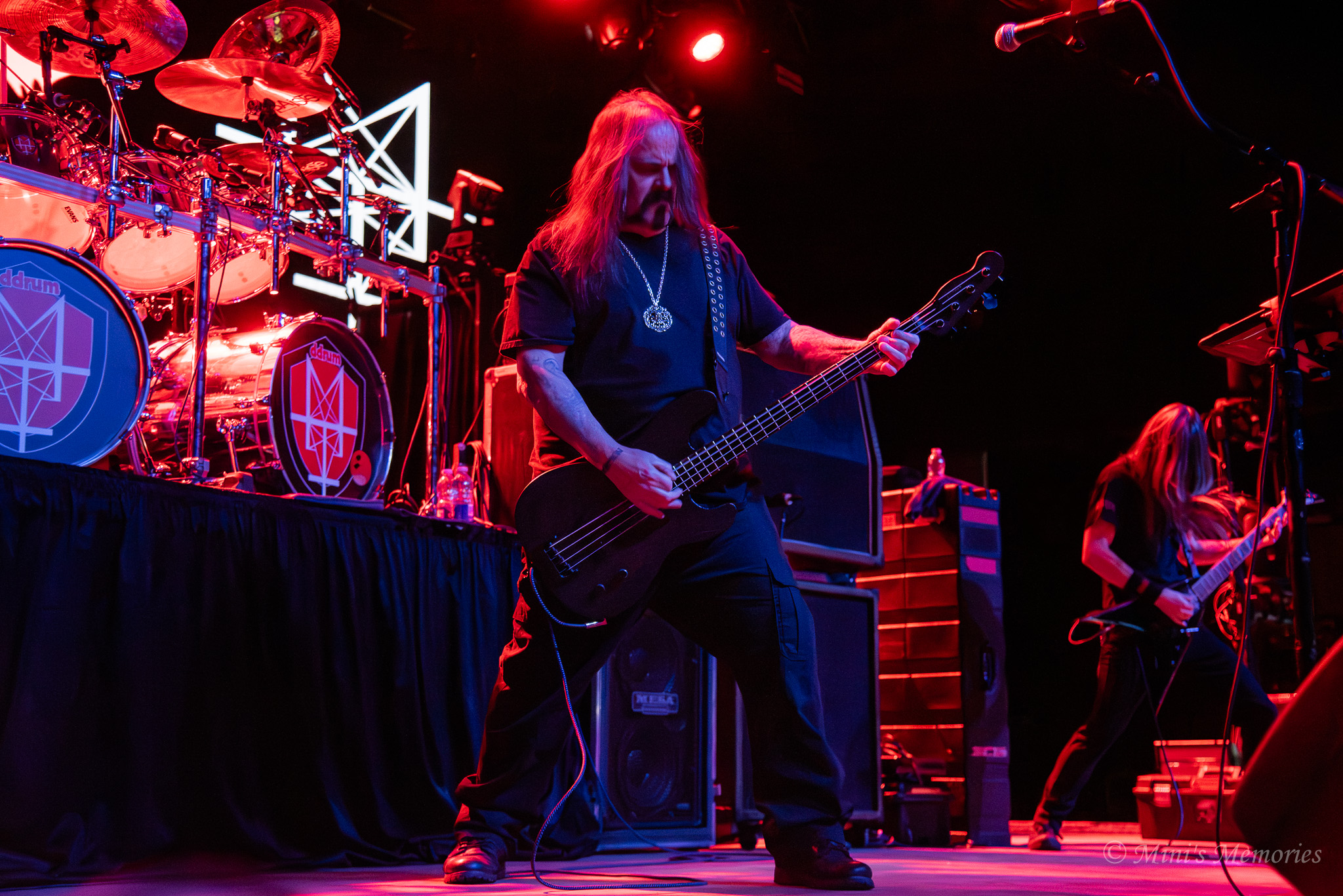
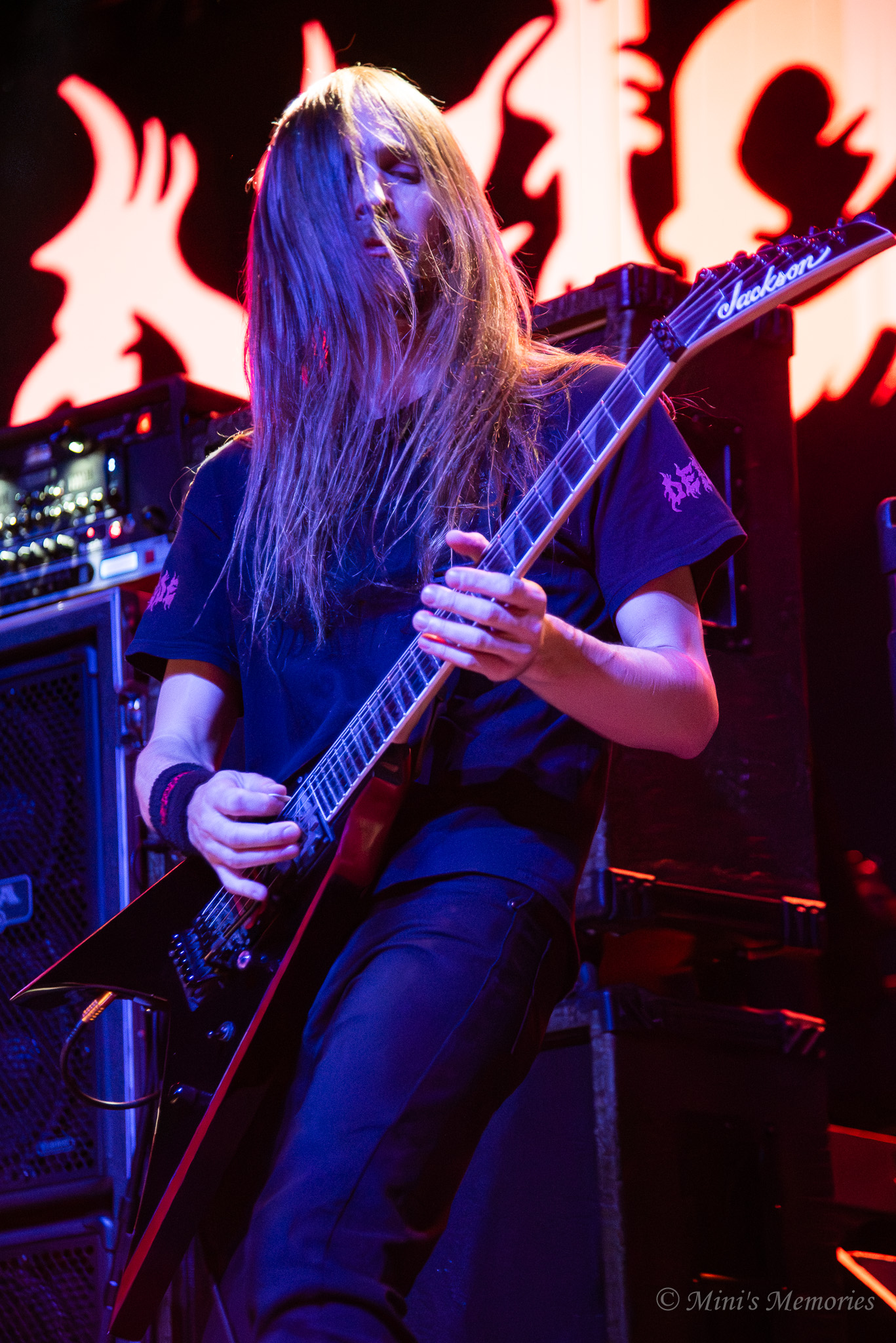
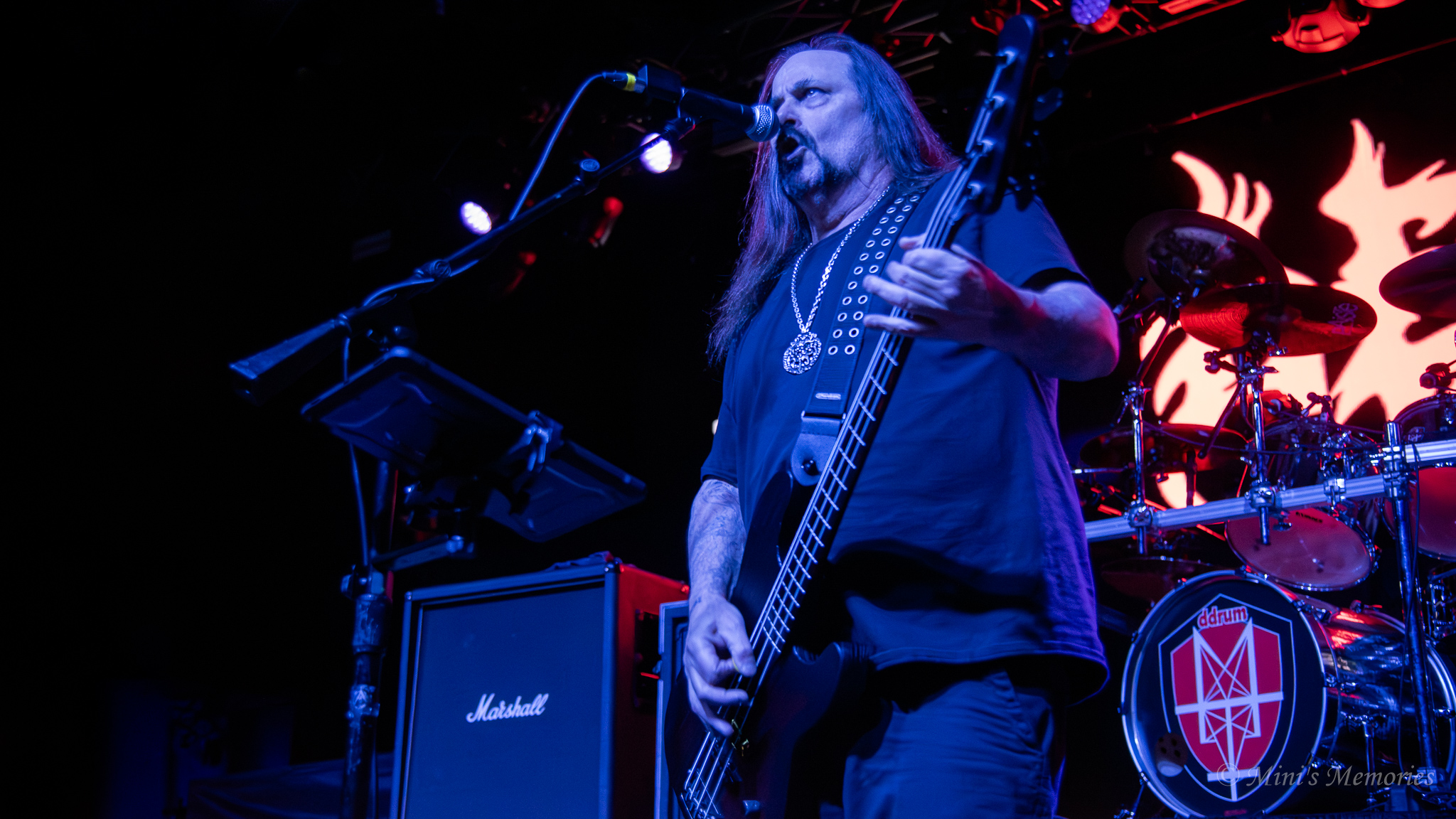
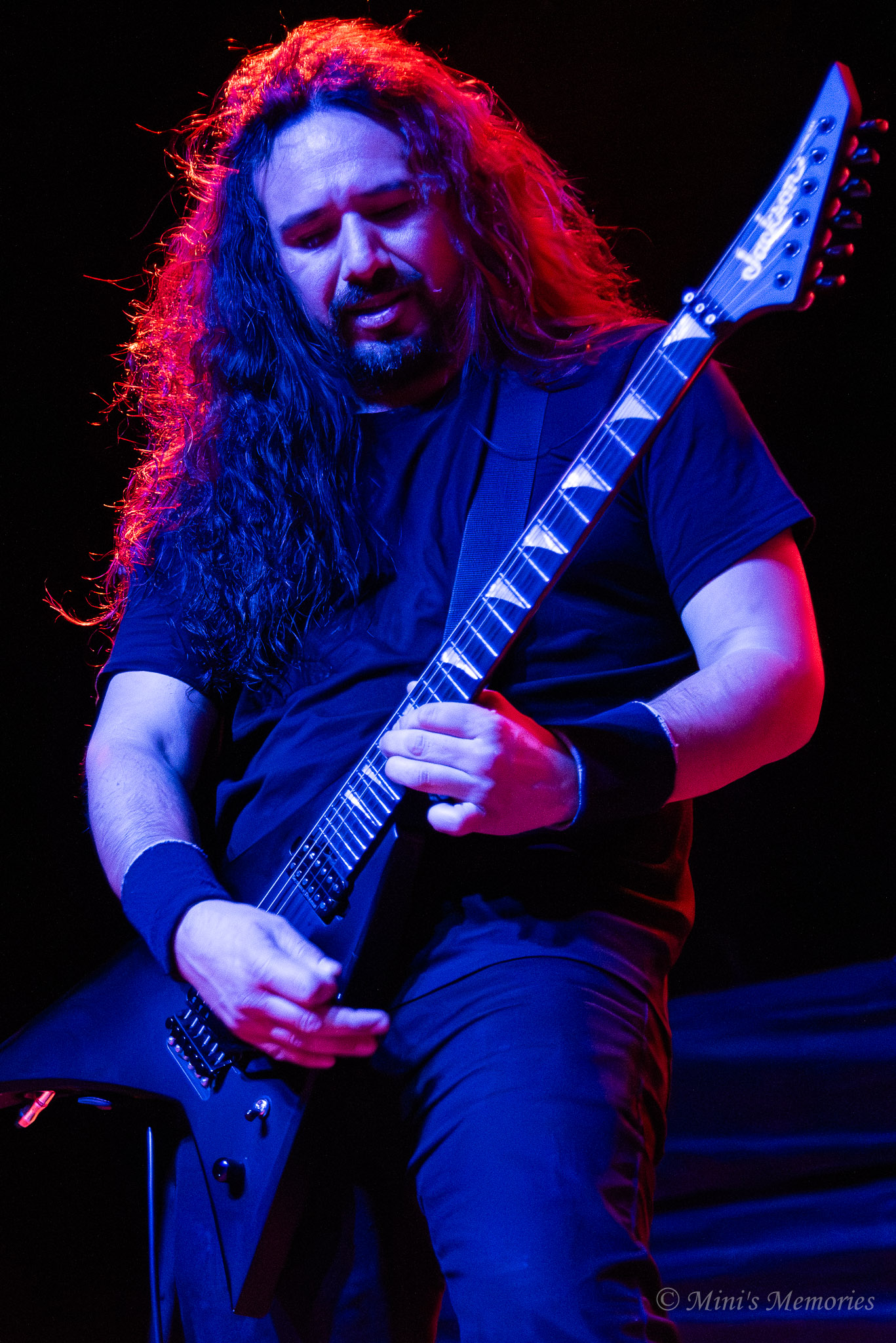
All photos by Mini’s Memories. You can contact her through Instagram or X.
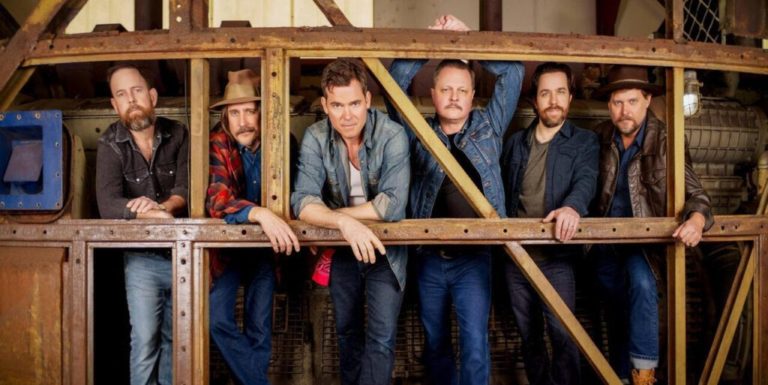
The 2-time GRAMMY-winning string band Old Crow Medicine Show has shared “Last American Waltz,” a gorgeous new single featuring Molly Tuttle, from their upcoming album ‘Union Made,’ due June 5 on Hartland Records via Firebird Music. Filmed in the dancehall of Nashville’s American Legion, the accompanying music video gives the track the kind of setting it deserves, warm, lived-in, and deeply American.
Bandleader Ketch Secor describes it as “a love song to America in 3/4 time,” built to feel timeless. “We wanted it to feel like the kind of song that could drift across a dancehall floor at midnight or echo through an old American Legion hall after the lights come up,” he says. Having Molly Tuttle on the recording, he adds, brought even more heart and soul to the track. It shows.
“Last American Waltz” follows “My Side Of The Mountain,” a generation-spanning collaboration co-written by Secor, Tuttle, and Luke Combs, and featuring bluegrass legends Del McCoury and Ronnie McCoury. That single drew early attention from The Bluegrass Situation, Relix, Whiskey Riff, MusicRow, and AmericanaUK, among others.
Produced by Morgan Jahnig and recorded at the band’s own East Nashville studio, ‘Union Made’ is Old Crow Medicine Show’s most collaborative project to date. The album features nearly a dozen guests including Maggie Rose, Turnpike Troubadours’ Evan Felker, Jesse Welles, Lee Oskar, John Carter Cash, and Ana Cristina Cash.
‘Union Made’ finds the band reflecting on the people, places, and stories of a country approaching its 250th birthday. Inspired by nearly 30 years of performing, from the street corners of Western North Carolina to the nation’s biggest stages, the album is a full-throated celebration of American roots music across its many forms, mountain music, bluegrass, old-time, and folk.
This follows ‘OCMS XMAS,’ the band’s first-ever holiday album, which drew acclaim from The New York Times, NPR’s Fresh Air, and Billboard, with TV appearances on CBS This Morning and The Kelly Clarkson Show. Ketch Secor also released his solo album ‘Story The Crow Told Me’ last year and became the new host of Tennessee Crossroads on Nashville PBS.
Old Crow Medicine Show is on the road now with a packed schedule running through November, including stops at Red Rocks Amphitheatre, Fenway Park, PPG Paints Arena, and many more. Pre-order for ‘Union Made’ is live now at crowmedicine.com.
‘Union Made’ Tracklist:
Old Crow Medicine Show 2026 Tour Dates:
May 14 – Salina, KS @ The Stiefel Theatre
May 15 – Bellvue, CO @ Mishawaka Amphitheatre *
May 16 – Aztec, NM @ Tico Time Bluegrass Festival
May 17 – Boulder, CO @ Boulder Theater *
May 28 – Cary, NC @ Koka Booth Amphitheatre +
May 29 – Richmond, VA @ Music at Maymont +
May 30 – Columbia, SC @ Songbird Festival – Finlay Park
June 4 – Ridgewood, NY @ Gottscheer Hall
June 6 – Paris, TN @ Tennessee River Jam
June 19 – Vitoria-Gasteiz, ES @ Azkena Rock Festival
June 20 – Grolloo, NL @ Holland International Blues Festival
June 25 – Prior Lake, MN @ The Great Midwest Ribfest
June 26 – Bloomington, IL @ Bloomington Center for the Performing Arts =
June 27 – Cedar Rapids, IA @ Paramount Theatre =
June 28 – Louisville, KY @ The Louisville Palace Theatre =
July 13 – Salt Lake City, UT @ The Twilight Concert Series – The Gallivan Center #
July 14 – Colorado Springs, CO @ Pikes Peak Center %
July 15 – Casper, WY @ Ford Wyoming Center %
July 17 – Whitefish, MT @ Under The Big Sky
July 18 – Emigrant, MT @ The Old Saloon
July 21 – Ketchum, ID @ Argyros Performing Arts Center
July 23 – Phoenix, AZ @ Arizona Financial Theatre ^
July 24 – Albuquerque, NM @ First Financial Credit Union Amphitheater ^
July 25 – Morrison, CO @ Red Rocks Amphitheatre ^
July 26 – Omaha, NE @ Steelhouse Omaha
July 31 – Albany, NY @ MVP Arena ^^
August 1 – Port Chester, NY @ Capitol Theatre ~
August 2 – Boston, MA @ Fenway Park ^^
August 5 – Erie, PA @ Rebich Investments Amphitheater **
August 6 – Lynchburg, VA @ Academy Center of the Arts **
August 8 – Myrtle Beach, SC @ Alabama Theatre **
August 13 – Pittsburgh, PA @ PPG Paints Arena ^^
August 14 – Columbus, OH @ Nationwide Arena ^^
August 15 – Columbia, MD @ Merriweather Post ^^
August 28 – West Fargo, ND @ Buckaroo Festival – Lights Ampitheatre
September 13 – Bristol, TN & VA @ Bristol Rhythm & Roots Reunion
September 15 – Red Bank, NJ @ Count Basie Center for the Arts $
September 17 – Patchogue, NY @ Patchogue Theatre $
September 18 – Shelburne, VT @ Ben & Jerry’s Concerts on the Green – Shelburne Museum $
September 19 – Hammondsport, NY @ Concerts at Point of the Bluff $
September 20 – Morgantown, WV @ The Metropolitan Theatre $
October 1 – Reno, NV @ Grand Sierra Resort
October 9 – Eureka Springs, AR @ Hillberry Music Festival
October 15 – Franklin, NC @ Smoky Mountain Center for the Performing Arts $
October 16 – Charleston, WV @ Clay Center $
October 17 – Jim Thorpe, PA @ Penn’s Peak $
October 18 – York, PA @ Appell Center for the Performing Arts $
October 27 – Milwaukee, WI @ Riverside Theater
October 29 – Kansas City, MO @ Knuckleheads
October 30 – Oklahoma City, OK @ The Jones Assembly
October 31 – San Antonio, TX @ Stable Hall
November 1 – Dallas, TX @ Majestic Theatre
November 11–15 – Miami, FL @ Moon River At Sea
* with Madeline Hawthorne + with Marty Stuart and His Fabulous Superlatives = with Trey Hensley # with Big Richard, Michelle Moonshine % with Big Richard ^ with Darius Rucker, Austin Williams ^^ with Zac Brown Band ~ with Deadgrass ** with Presley Haile $ with Palmyra
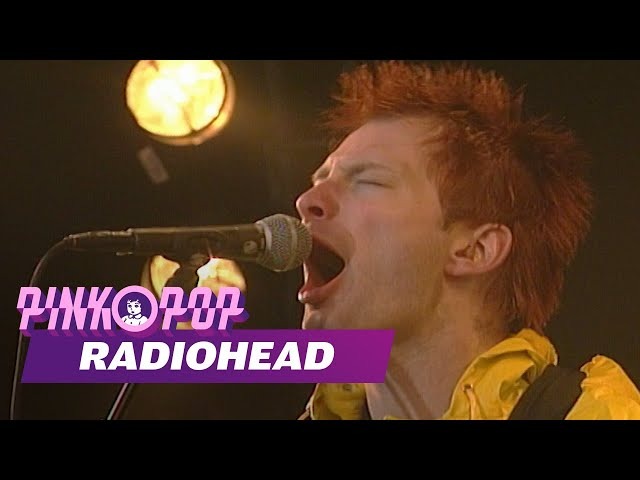
Radiohead delivered something rare at Pinkpop on May 20, 1996, a festival set that felt like a reckoning. Already reshaping alt-rock from the ground up, the British five-piece brought melancholy and raw power to Landgraaf, Netherlands, in equal measure. Thom Yorke’s voice moved from fragile to fierce within a single phrase, turning the open-air stage into something close and urgent. Jonny Greenwood and Ed O’Brien layered guitars that were equal parts tender and sharp, while Colin Greenwood’s bass and Phil Selway’s drumming locked everything into place with real conviction. The crowd swayed, sang along, and never looked away.
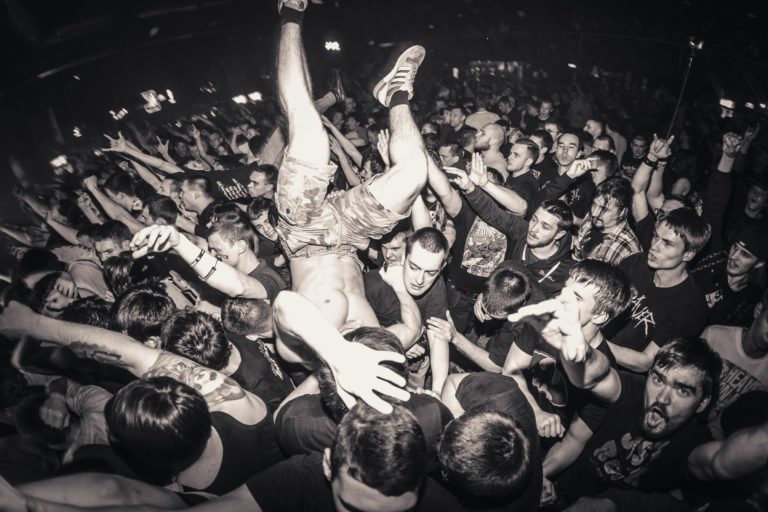
Nobody ever walked out of a mosh pit and said “that was fine, quite pleasant, very orderly.” They either walked out buzzing like they’d touched a live wire, or they walked out with someone else’s elbow print on their face wondering what on earth just happened. This guide is firmly aimed at getting you into the first category.
This is not a guide telling you to avoid the pit. If you want to stand at the back near the sound desk nursing a drink and nodding along, that is a completely valid life choice and nobody is judging you. But if you want to get in there, this is how you do it without ending up as a cautionary tale your friends bring up at every show for the next three years.
Know What You’re Walking Into
Not all pits are created equal, and walking into the wrong one unprepared is like showing up to a swimming race having only ever done a bit of paddling. A circle pit at a pop punk show is basically a very enthusiastic group jog. A wall of death at a metal festival is something else entirely, and if you don’t know what a wall of death is, please spend two minutes on YouTube before you accidentally find yourself in one. Watch from the edge first. Get a feel for the energy. Are people bouncing off each other in a friendly sort of way, or does it look like a tumble dryer full of very angry laundry? Both are valid pit experiences. Just know which one you’re joining.
Dress For It
Wear proper shoes. This sounds so obvious that it barely needs saying, and yet every show there’s someone in sandals looking surprised that their feet are being stepped on. Trainers, laced up properly, on your feet. That’s the entire footwear brief. Beyond that, wear something you’re not precious about because it’s going to get sweaty, possibly stretched, and definitely a bit gross. Leave your valuables with a friend outside the pit or in a locker. Your phone, your wallet, your nice watch, the expensive necklace. All of it. Because nothing kills the vibe faster than spending the best song of the night on your hands and knees looking for something you dropped. Also take off hoop earrings. Trust me on this one.
The Unwritten Rules
Every subculture has a code and moshing is no different. Nobody hands you a rulebook at the door but the rules are very real and the people around you absolutely know them. Rule one, and this is the big one: if someone falls, you pick them up. Immediately. Before anything else. You don’t step over them, you don’t keep moshing, you get them back on their feet. This is the most sacred rule in the pit and the reason a good mosh crowd is actually a surprisingly decent bunch of people once you’re in it. Rule two: this is not fighting. There’s a difference between bouncing into someone with your shoulder and deliberately throwing a punch, and everyone in the pit knows exactly which one you’re doing. Don’t be that person. Rule three: watch your elbows. Keeping your arms up to protect yourself is sensible. Using them as weapons is not. There’s a very fine line and your neighbours will notice if you cross it.
Protect Yourself Without Turning Into a Human Pinball
Your instinct when things get intense is to tense up like you’re bracing for a car crash. This is actually the wrong move. Staying loose is safer, absorbs impact better, and makes you much harder to knock over. Keep your knees slightly bent, your weight balanced, and your arms up in front of your chest. Not aggressively, just enough to give yourself a small buffer and protect your ribs and face. If you go down, tuck your chin, get up fast, and remember that the people around you should be helping. If they’re not, you’re in the wrong pit and you should leave it immediately and go find a better one.
Know When to Get Out
This is genuinely the most important skill in the whole guide and the one that takes the most honesty with yourself. There’s a difference between “this is intense and I love it” and “this is intense and something is wrong.” If the crowd surges and you can’t get your feet back under you, if someone near you is behaving aggressively and security hasn’t clocked it yet, if you feel a rising panic that the music isn’t fixing, those are all signals to move toward the edge. Work with the movement of the crowd rather than against it. Edge sideways, catch a security guard’s eye, and get yourself out. You can rejoin from the edge once things settle or you can watch the rest of the show from somewhere less chaotic. Either is a perfectly good outcome. Getting out when something feels wrong is never the wrong call, and anyone who gives you grief for it can stay in the pit by themselves.
Hydration: Boring Word, Important Thing
A mosh pit is essentially a very loud sauna that’s also playing your favourite band. You will sweat. You will sweat more than you think you will. You will sweat more than that. Drink water before you go in. Get out for water during the set if you need to. If you feel dizzy, nauseous, or like the room is doing something rooms shouldn’t do, get out and drink something immediately. Dehydration sneaks up on you fast when you’re physically active and completely distracted by the music. Look after yourself. The encore will still be great from the side of the room.
Look Out for the People Around You
Here’s the thing about mosh pits that surprises people who’ve never been in one. The crowd that looks like absolute mayhem from the outside is often genuinely looking out for each other on the inside. The people who’ve been doing this the longest are usually the most aware of who’s struggling around them. So be one of those people. If someone looks panicked, check on them. If a crowd surfer is coming over at a bad angle, help steer them down safely. If someone smaller than you is getting swallowed up, make a bit of space. You’re not their babysitter, but you are temporarily sharing a very small, very chaotic patch of floor with them, and a little awareness goes a long way.
The Bit at the End Where We Get Briefly Serious
If you see something genuinely dangerous, tell security. Not because you’re being a killjoy, but because security can actually do something about it and you can’t. If someone is unconscious, not moving, or clearly in distress, shout for help immediately and loudly. Shows get stopped for this and that’s fine. No gig is worth someone getting seriously hurt. The band will understand. They’ve all been in the pit too.
Now go enjoy the show. Try not to lose a shoe.
If you’ve ever heard the story about Van Halen demanding a bowl of M&Ms with all the brown ones removed, you already know what a rider is, even if you didn’t know it had a name. But here’s the thing: that request wasn’t rock star nonsense. It was a clever way to check whether a venue had actually read the contract. If the brown M&Ms were gone, the technical requirements probably were read all the way through. That’s the spirit of a good rider. Not entitlement. Insurance.
Whether you’re playing your first run of 300-capacity rooms or you’re stepping up to theatres and festivals, a well-written rider protects you, sets professional expectations, and makes your show actually happen the way you planned it. Here’s how to write one.
First Things First: What Actually Is a Rider?
A rider is a document attached to your performance contract that lists your technical and hospitality requirements. It tells the venue what you need to perform, from the PA system to the number of sandwiches backstage. There are typically two parts: the Technical Rider, which covers everything the sound and lighting crew need to know, and the Hospitality Rider, which covers food, drink, and backstage conditions. Both matter. Neither should be ignored.
Who Needs a Rider?
Everyone who plays live, honestly, but the level of detail scales with where you’re at in your career. If you’re just starting out, a one-page rider is fine and will immediately mark you out as a professional. If you’re mid-level and touring regularly, a detailed rider can be the difference between a great show and a disaster. The venues you’re playing at this stage are bigger, the production is more complex, and there are more ways things can go wrong.
The Technical Rider
This is the important one. Get this wrong and your show suffers. Get it right and your sound engineer will love you. Start with your Stage Plot, a simple diagram showing where everyone stands on stage, where the monitors go, and where the amps and backline sit. You can draw this by hand, use a free tool like Stage Plot Pro, or even do it in PowerPoint. It doesn’t need to be beautiful, it needs to be clear. Next comes your Input List, a numbered list of every channel going into the mixing desk. Channel 1: kick drum. Channel 2: snare. Channel 3: bass DI. And so on. Include what microphone or DI box you prefer for each source if you have preferences, but don’t be precious about it if you’re at the smaller end of the scale.
Your PA Requirements should describe the size and quality of system you need. For smaller artists this might just be “a professional front-of-house system capable of filling the room.” As you grow, you’ll get more specific about brands and configurations. On monitors, list how many separate mixes you need and where. A basic band might need three or four, with the drummer hearing more kick and less vocals, the singer hearing less guitar and more of themselves. Write it out clearly so there’s no guesswork on the day.
On backline, be upfront about whether you’re carrying your own gear or need the venue to provide it. If you need a drum kit, specify the sizes. If you need a guitar amp, name the brand you prefer. If you’re happy to use what’s there, say so, because venues genuinely appreciate flexibility from emerging artists. Finally, always include an advance contact: the name, phone number, and email of whoever the venue’s technical team should call with questions. Don’t make them chase your booking agent for this.
The Hospitality Rider
This is where riders get their reputation, fairly or not. Yes, some artists go completely overboard. But a reasonable hospitality rider is just basic human decency. You’re asking for what you need to do your job. On catering, if the venue is providing a meal, say when you need it, usually before soundcheck or after doors. List any dietary requirements clearly, especially allergies, and be specific rather than vague. “Vegetarian option” is not the same as “no meat, no fish, no gelatine.” The more clearly you write it, the less likely you are to arrive hungry to a plate of something you can’t eat.
For drinks, keep it reasonable and keep it practical. Water on stage is non-negotiable, so list how many bottles you need and where you want them. Backstage, a few soft drinks, some juice, tea and coffee, and a modest amount of alcohol if that’s your thing, is entirely reasonable. What isn’t reasonable, unless you’re selling out arenas, is demanding specific craft beers, branded spirits, or enough food to feed a small village. The venue reads your rider before they agree to have you. An absurd hospitality list is a red flag that you’re going to be difficult.
Dressing Room Requirements
Keep this section functional. How many people are in your party? You need enough space and seating for all of them. Do you need a private bathroom? Mirrors for getting ready? A working lock on the door? Say so. If you have a support act, think about whether you need separate rooms or whether you’re happy to share. These are practical questions, not luxury demands.
Guest List and Passes
This isn’t always part of the rider but it’s worth including. How many guests does each band member get? Who handles the guest list, the tour manager or the booking agent? How many AAA passes, stage passes, and photo passes are you issuing? Getting this in writing saves arguments at the door every single night of the tour and means nobody is standing in the rain at the guest list desk while you’re trying to get ready for your set.
The Golden Rules
Keep it proportionate to where you’re at. A three-piece indie band on their first UK tour does not need four pages of requirements. Update it regularly as your production changes, because sending a rider with the wrong input list is worse than sending none at all. Write it clearly, in plain language, so a venue technician reading it at 9am on show day can understand it without calling anyone. And always, always send it in advance. Dropping a rider on a venue the morning of the show is not professional behaviour.
One Last Thing
A rider is a living document. The best ones get refined after every tour, updated when something goes wrong, and tightened when something turns out not to matter. Talk to your sound engineer, your tour manager, and your bandmates. Ask other artists at your level what they include. And if you’re ever unsure whether a request is reasonable, ask yourself honestly whether the venue is likely to read it and nod, or read it and roll their eyes. That’s usually all the guidance you need.
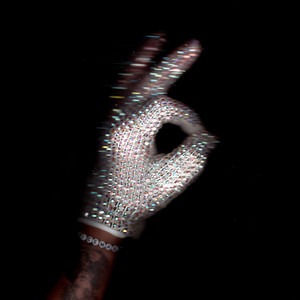
Drake. Just Drake. One name, and the entire music industry pays attention.
He’s one of the best-selling music artists in history with over 170 million units sold worldwide, the highest-certified digital singles artist in United States history, and the holder of more Billboard Hot 100 records than anyone alive, including the most charted songs with 359, the most top 10 singles with 81, the most top 40 singles with 217, and 431 consecutive weeks on the chart. Billboard named him Artist of the Decade for the 2010s, the highest-grossing hip-hop touring artist ever, and the fourth greatest pop star of the 21st century. He’s tied for the most number 1 albums among male soloists with 14, and tied for the most number 1 Hot 100 singles for a male solo artist with 13. His awards haul includes 5 Grammys, 41 Billboard Music Awards, 6 American Music Awards, 2 Brit Awards, and 3 Juno Awards. He holds the record for the most number 1 singles on the R&B/Hip-Hop Airplay, Hot R&B/Hip-Hop Songs, Hot Rap Songs, and Rhythmic Airplay charts. That’s who just dropped 3 albums at midnight.
Drake doesn’t make moves without calculating the impact. Releasing 3 albums simultaneously is a deliberate act of dominance, a statement that the rules of the music industry apply differently when your name is Drake. After the bruising public battle with Kendrick Lamar, coming back with a single album risked being measured against that narrative. Coming back with 43 songs across 3 projects reframes the entire conversation. It’s volume as armor, and range as rebuttal.
The influence Drake carries into any release cycle is unlike virtually any other artist alive. With 359 charted songs on the Billboard Hot 100, more than anyone in history, every new release adds to a catalog that already owns the record books. His monthly Spotify listener count, which regularly sits in the tens of millions and spikes dramatically with new material, will almost certainly see a surge that reshapes the platform’s global charts within hours. Artists who charted comfortably at the top of streaming playlists this week will find themselves displaced by multiple Drake tracks simultaneously.
Three albums at once is a tactical flood — radio programmers, playlist curators, music journalists, and social media algorithms all have to respond to the same artist across dozens of songs simultaneously, with no single narrative to attach to a release that massive. The discourse fragments across all three projects, generating three times the conversation, three times the social engagement, and three times the streaming activity in the same window. Drake is the third-most-streamed artist in Spotify history, so his monthly listener count — which regularly sits in the tens of millions — will almost certainly surge and reshape the platform’s global charts within hours, burying competing artists who had the misfortune of releasing music this same week. It’s streaming strategy, fan engagement, and industry dominance wrapped into one jaw-dropping move.
The chart implications for next week are significant. The Billboard Hot 100 could see Drake occupy multiple top 10 positions simultaneously, something he has done before and which no other artist manages with the same regularity. The Billboard 200 album chart tells a different story too: three simultaneous entries from the same artist in the top tier would be historically unprecedented, and the combined streaming weight of 43 new songs could push all three projects into the top 5. Spotify’s Daily Top Songs chart globally will reflect this almost immediately. It’s a statement that the old model of one album, one rollout, one moment is finished for artists operating at this level. And now, expanded editions with bonus tracks aren’t arriving months or even weeks after an original release, we’re talking days, just to keep the title top of mind for fans and media. Drake just changed that game.
Drake actually might have all 43 songs on next week’s Billboard Hot 100. 43 percent. I mean, can you even imagine?
Drake can.
What it means culturally is harder to quantify less than a day into all of this, but equally real. Drake has redefined what a comeback looks like in the streaming era, turning what could have been a cautious return into a declaration of scale. The music industry will spend the next several weeks processing, ranking, and debating three bodies of work at once, which means Drake controls the cultural conversation for the foreseeable future, exactly where he has always been most comfortable. The naysayers and haters will ask: ‘Should he have released a triple album?’ ‘Paired it down to one single record, slashing the less-than-greater songs for classic album status?’
That’s not the point. I don’t know Drake. But I do know he loves record-breaking feats.
‘Iceman’, ‘Habibti’, and ‘Maid of Honour’ all arrived simultaneously on Friday, a surprise triple release totaling 43 tracks, marking Drake’s first solo output since 2023’s ‘For All the Dogs’ and his first since the seismic 2024 feud with Kendrick Lamar. All three are released under OVO Sound with an exclusive license to Republic Records, an imprint of Universal Music Group.
Let’s talk about the label for a moment. Observers are speculating that flooding the market satisfies the album requirements of Drake’s high-value agreement with UMG in a fraction of the usual time, with his estimated $400 million deal signed in 2022 making the financial stakes enormous. On ICEMAN, Drake raps “Swear my label gotta free me, baby” and “I’m better off independent, they should let him leave” — and in another track references fighting the label directly through private arbitration, which is precisely how recording contract disputes are settled behind closed doors.
Did he owe the label three more records before Thursday? Maybe. If he did, there you go. He’s now a complete free agent. If he didn’t owe anything to anyone, there’s the reason for the license agreement to take place.
‘Iceman’ had been teased since 2024, with Drake building the rollout through a 4-episode livestream series on YouTube that previewed tracks including “What Did I Miss?” and “Which One.” The album’s release date was literally frozen inside giant blocks of ice in downtown Toronto in late April, discovered by streamer Kishka who retrieved a bag containing the date from inside the sculpture. The fourth and final episode of the livestream closed with the reveal that two additional albums were also dropping that night, with the message “All three albums dropping at midnight from the biggest sound” appearing on screen.
‘Iceman’ addresses the Kendrick Lamar feud directly, with Drake taking aim at Lamar’s public image and repeating claims about bot-inflated streaming numbers. The album features production from Noah “40” Shebib and contributions from Future and rising star Molly Santana, alongside cameos from Shane Gillis and DJ Akademiks in the accompanying music videos. The cover art for ‘Iceman’ depicts a sequined glove referencing Michael Jackson. ‘Maid of Honour’s cover features a photo of Drake’s mother as a young woman. ‘Habibti’ shows a black-and-white portrait of a woman covered in masking tape.
Across all 3 albums, features include Future, 21 Savage, Sexyy Red, Central Cee, Popcaan, PartyNextDoor, Loe Shimmy, Iconic Savvy, Stunna Sandy, and Qendresa. Production credits include Boi-1da and DJ Frisco954 among others.
‘Iceman’ Tracklist:
“Make Them Cry”
“Dust”
“Whisper My Name”
“Janice STFU”
“Ran To Atlanta” ft. Future, Molly Santana
“Shabang”
“Make Them Pay”
“Burning Bridges”
“National Treasures”
“B’s On The Table” ft. 21 Savage
“What Did I Miss?”
“Plot Twist”
“2 Hard 4 The Radio”
“Make Them Remember”
“Little Birdie”
“Don’t Worry”
“Firm Friends”
“Make Them Know”
‘Maid of Honour’ Tracklist:
“Hoe Phase”
“Road Trips”
“Outside Tweaking” ft. Stunna Sandy
“Cheetah Print” ft. Sexyy Red
“Which One” ft. Central Cee
“Amazing Shape” ft. Popcaan
“BBW”
“True Bestie” ft. Iconic Savvy
“Where’s Your Stuff Interlude”
“New Bestie”
“Q&A”
“Stuck”
“Goose and The Juice”
“Princess”
‘Habibti’ Tracklist:
“Rusty Intro”
“WNBA”
“Slap The City” ft. Qendresa
“High Fives”
“Hurrr Nor Thurrr” ft. Sexyy Red
“I’m Spent” ft. Loe Shimmy
“Classic”
“Gen 5”
“White Bone”
“Fortworth” ft. PartyNextDoor
“Prioritizing”
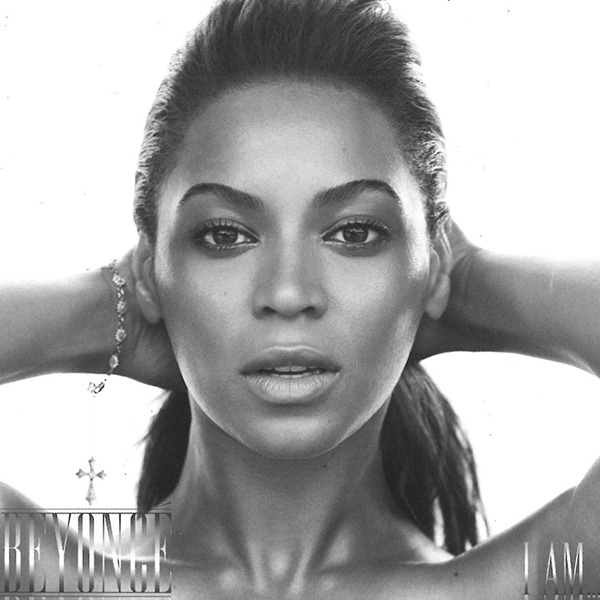
The Library of Congress has announced its 2026 class of National Recording Registry inductees, and the 25 selections span 70 years of American sound. From a 1944 novelty record to Taylor Swift’s blockbuster 2014 album ‘1989’, this year’s class is one of the most wide-ranging in the registry’s history.
The class marks the first recordings by both Swift and Beyoncé to enter the registry. Swift’s ‘1989’ joins Beyoncé’s 2008 anthem “Single Ladies (Put a Ring on It)” as the newest additions chronologically. Weezer’s self-titled debut, known as ‘The Blue Album’, was among the most nominated recordings from the public, with fans submitting more than 3,000 nominations total this year.
Acting Librarian of Congress Robert R. Newlen made the final selections from a list compiled by the National Recording Preservation Board, describing the chosen recordings as “audio treasures worthy of preservation for all time.” NPRB chair Robbin Ahrold noted the class “beautifully captures the scope of the American experience” as the country approaches its 250th anniversary.
The Go-Go’s 1981 debut ‘Beauty and the Beat’ earned its place alongside a roster of genre-defining records. Belinda Carlisle called the induction a gift to music history. Bandmate Jane Wiedlin put it more directly: “There is literally no other all-female band that went No. 1 on the charts, play their own instruments and write their own songs. None.”
Chaka Khan reflected on the convergence that made her 1984 recording of “I Feel for You” something beyond a hit. “Prince’s genius, Stevie’s harmonica, Grandmaster Melle Mel’s rap, and whatever God put in me that day,” she said. “For the Library of Congress to say this recording belongs in the permanent collection of American sound heritage, that means it wasn’t just a hit, it was history.”
Vince Gill’s 1994 single “Go Rest High on That Mountain” also joins the registry, a song he wrote about the loss of his brother. “I’ve been writing songs for over 50 years, and if you asked me straight up what’s the one song you’d want to be remembered for, I would pick this one, hands down,” he said. The induction also marks a historic first: Johnny Cash’s ‘At Folsom Prison’ entered the registry in 2003, making this the first time a father and daughter have both been included.
The full class covers country, pop, jazz, Latin, folk, funk, R&B, classical crossover, video game composition, and a landmark sports broadcast. The sole non-musical selection is the 1971 radio broadcast of “The Fight of the Century” between Muhammad Ali and Joe Frazier at Madison Square Garden.
The National Recording Registry now holds 700 entries, representing roughly 0.01% of the Library’s 4 million collected recordings. Nominations for the 2027 class close October 1, 2026.
2026 National Recording Registry Inductees:
“Cocktails for Two” – Spike Jones and His City Slickers (1944)
“Mambo No. 5” – Pérez Prado (1950)
“Teardrops from My Eyes” – Ruth Brown (1950)
“Fly Me to the Moon (In Other Words)” – Kaye Ballard (1954)
“Put Your Head On My Shoulder” – Paul Anka (1959)
‘The Blues and the Abstract Truth’ – Oliver Nelson (1961)
‘Modern Sounds in Country and Western Music’ – Ray Charles (1962)
“Turn! Turn! Turn! (To Everything There Is a Season)” – The Byrds (1965)
“Amen, Brother” – The Winstons (1969)
“Feliz Navidad” – José Feliciano (1970)
“The Fight of the Century: Ali vs. Frazier” (March 8, 1971)
“Midnight Train to Georgia” – Gladys Knight and the Pips (1973)
‘Chicago’ Original Cast Album (1975)
“The Devil Went Down to Georgia” – The Charlie Daniels Band (1979)
‘Beauty and the Beat’ – The Go-Go’s (1981)
‘Texas Flood’ – Stevie Ray Vaughan and Double Trouble (1983)
“I Feel For You” – Chaka Khan (1984)
“Your Love” – Jamie Principle (1986) / Jamie Principle and Frankie Knuckles (1987)
‘Rumor Has It’ – Reba McEntire (1990)
‘The Wheel’ – Rosanne Cash (1993)
‘Doom’ Soundtrack – Bobby Prince, composer (1993)
“Go Rest High on That Mountain” – Vince Gill (1994)
‘Weezer (The Blue Album)’ – Weezer (1994)
“Single Ladies (Put a Ring on It)” – Beyoncé (2008)
‘1989’ – Taylor Swift (2014)
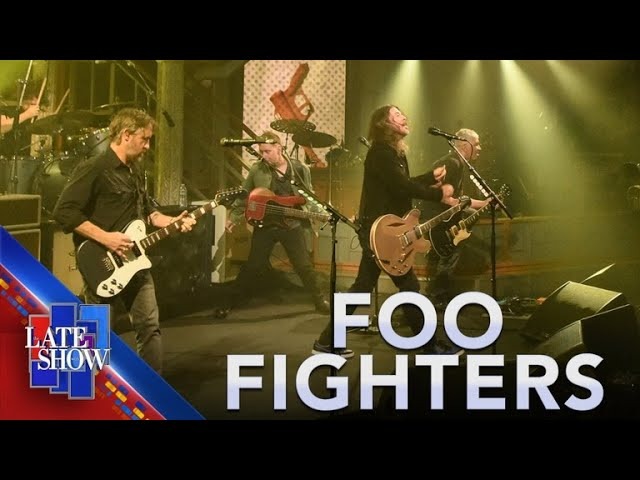
Some performances carry more history than a single night can hold. When Foo Fighters took the Late Show stage on May 4 for a web-exclusive medley of “This Is a Call” and “Everlong,” they weren’t just playing two songs. They were closing a 31-year chapter.
The medley bookends one of the most storied relationships between a band and a late-night host in television history. “This Is a Call” marked Foo Fighters’ first-ever national TV performance when they played it on Late Show with David Letterman on August 14, 1995. “Everlong” was the last song the band played on that same stage, during Letterman’s final episode on May 20, 2015.
Stephen Colbert introduced the set directly: “Performing a medley of the first song they played on this stage on The Late Show 31 years ago, ‘This Is a Call,’ and the last one on Letterman in 2015, ‘Everlong,’ ladies and gentleman, Foo Fighters.”
The connection between Grohl and Letterman runs deep. After debuting “Everlong” on the show in 1997, the band famously paused their international Sonic Highways tour to perform it again when Letterman returned from open-heart surgery in 2000. Letterman had credited the song with helping him through his five-week recovery. “When we found out he actually liked our music, that he actually was a fan, I was really blown away,” Grohl recalled. “It felt like something we had to do.”
Letterman ultimately introduced Foo Fighters on his final episode as “my favorite band, playing my favorite song.” That moment, and this new medley, sit together as one of the more genuinely moving throughlines in late-night history.
The timing carries extra weight. The Late Show with Stephen Colbert airs its final episode on May 21, making this Foo Fighters performance almost certainly their last on that stage, closing the full arc of the show’s run across both hosts.
The band is fresh off the April release of ‘Your Favorite Toy’, which also produced “Caught in the Echo” and “Window,” performed during the televised portion of their May 4 appearance. A North American stadium tour launches in August, with support from Queens of the Stone Age.
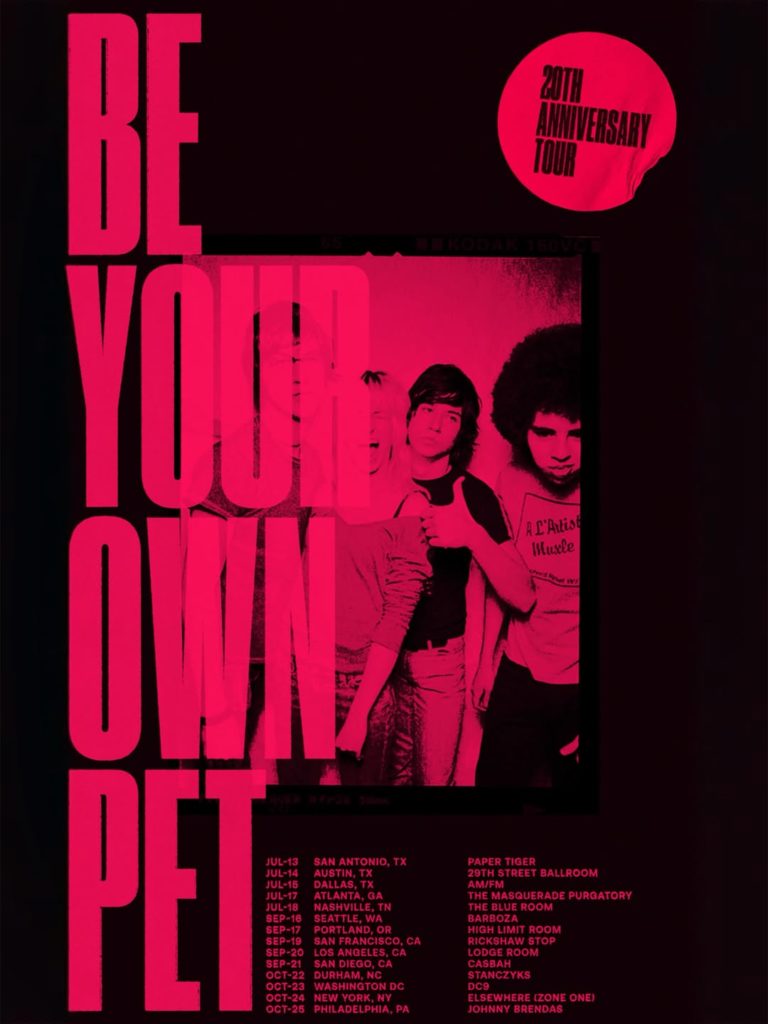
Be Your Own Pet are back, and they’re bringing the full debut with them. The Nashville punk favorites have announced a 14-date US tour celebrating the 20th anniversary of their self-titled debut album, running across three legs this summer and fall. Tickets for select dates go on sale Friday, May 15 at 10 AM local time.
The format is two sets per night, and the band is making it count. “We’re gonna do this a little different and play the first album in its entirety, the good, the bad, the lazy, and the ugly, and then a second set of all our favs from the other albums,” the band shared. Show-only merch described as “extra special and rare” will also be available exclusively at each date.
The run opens in July across the South and Southwest, hitting San Antonio, Austin, Dallas, Atlanta, and Nashville. September brings a West Coast leg through Seattle, Portland, San Francisco, Los Angeles, and San Diego. October closes things out on the East Coast with stops in Durham, Washington D.C., New York, and Philadelphia.
Be Your Own Pet first reunited in 2022 after 15 years away, a return that quickly gathered momentum and led to ‘Mommy’ in August 2023, their third album and first new music in over a decade. This tour adds another chapter to what has become a full-on comeback.
The self-titled debut remains a raw, urgent snapshot of a band operating on pure instinct, and hearing it performed front to back is the kind of live experience that doesn’t come around often.
2026 Tour Dates:
July 13 @ Paper Tiger, San Antonio, TX
July 14 @ 29th Street Ballroom, Austin, TX
July 15 @ AM/FM, Dallas, TX
July 17 @ The Masquerade Purgatory, Atlanta, GA
July 18 @ The Blue Room, Nashville, TN
September 16 @ Barboza, Seattle, WA
September 17 @ High Limit Room, Portland, OR
September 19 @ Rickshaw Stop, San Francisco, CA
September 20 @ Lodge Room, Los Angeles, CA
September 21 @ Casbah, San Diego, CA
October 22 @ Stanczyks, Durham, NC
October 23 @ DC9, Washington, D.C.
October 24 @ Elsewhere (Zone One), New York, NY
October 25 @ Johnny Brenda’s, Philadelphia, PA
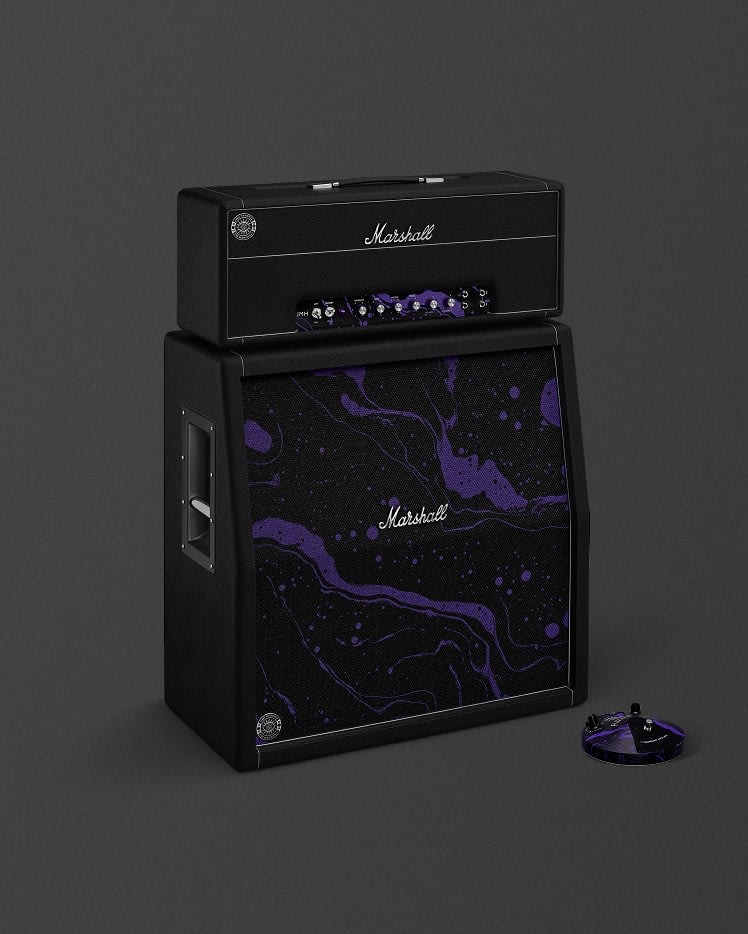
Six decades of Marshall and Hendrix, and the connection still crackles. Marshall has launched the Marshall x Hendrix 60th Anniversary Collection, a limited-edition stack built to honour one of the most storied relationships in rock history. Pre-orders are open now, with shipping beginning June 1.
The centrepiece is the 1959 Handwired Head, a 100W head delivering the same high-gain distortion tones Hendrix used to rewrite the rules of electric guitar. Paired with the 1960 AHW Handwired Angled Cabinet, loaded with 4 Celestion G12H 30 12-inch speakers, the combination recreates Hendrix’s signature Marshall stack setup, tight low-end, punchy mids, and stunning highs.
Completing the collection is the JMH-1 Fuzz Face Distortion, a limited-edition Dunlop pedal offered exclusively with the stack. It carries the same oil-in-water design as the rest of the collection and delivers the snarling, snappy tones that defined Hendrix’s legendary Isle of Wight performance.
The design language across the collection is unmistakable. Psychedelic, celestial artwork draws from the themes central to Hendrix’s creative world: space, the cosmos, and the colour purple. It’s visually striking and entirely fitting for a collection of this scale.
To mark the launch, recording artist Zach Person performed through the anniversary collection at Washington Hall in Seattle, one of the few remaining venues where Hendrix himself played. The performance demonstrates exactly what this gear can do in the right hands.
The Marshall x Hendrix 60th Anniversary Collection is priced at £3,799.99 and available for pre-order now at marshall.com.
Follow us on Instagram @thatericalper

Eric Alper is a 6-time nominee for Publicist of the Year during Canadian Music Week and has overseen the publicity campaigns for over 183 JUNO Award-nominated albums (and 16 in 2025), 45 Grammy-nominated albums, including 47 JUNO Award, 58 Canadian Folk Music Award, 126 Maple Blues Award-winning albums and is also truly honoured to work with some of the biggest and most important artists of our time.
Contact me: eric@thatericalper.com
© Copyright - That Eric Alper