

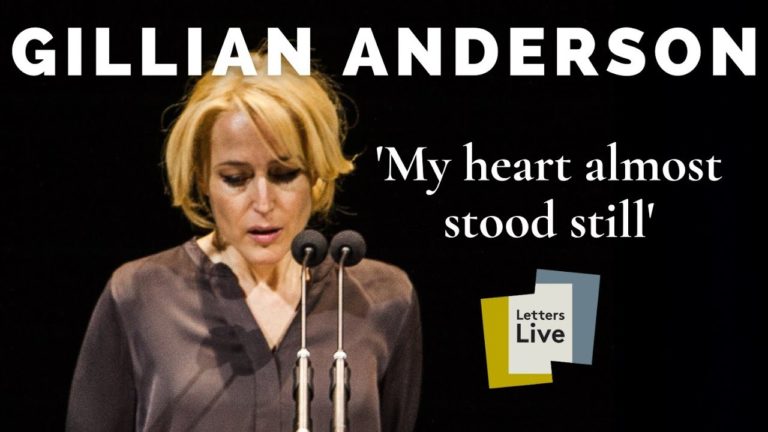
Helen Keller once “listened” to Beethoven’s Ninth through touch alone—and it moved her enough to write the New York Symphony Orchestra a letter of thanks. 100 years later, Gillian Anderson read that very letter aloud, and somehow, the music is still playing.
50 Surprising Facts About Alan Bergman
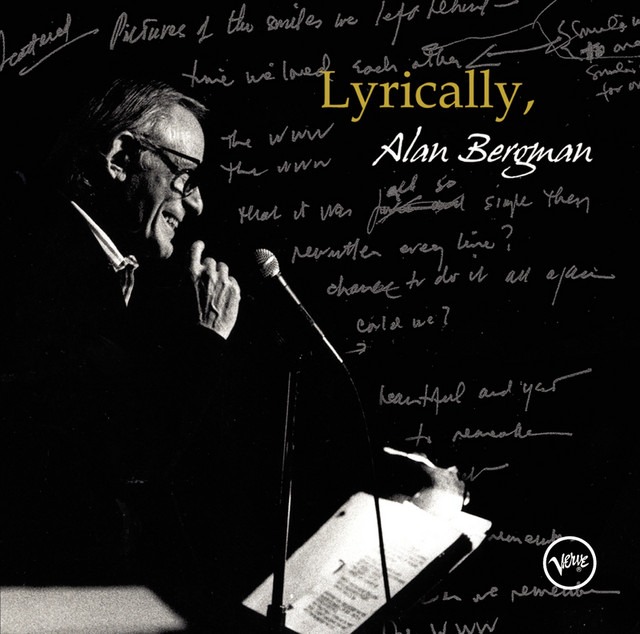
Alan Bergman, born September 11, 1925, passed away on July 17, 2025, at the age of 99. Alongside his wife and lifelong creative partner Marilyn – who passed way in 2022 – he helped shape the golden era of film and television music. Their songs are stitched into the fabric of cinema, and Alan’s legacy lives on in every lyric that made us pause and feel. Here are 50 facts to celebrate his remarkable life and work.
- Alan Bergman was born in Crown Heights, Brooklyn, in 1925.
- He studied at the University of North Carolina at Chapel Hill.
- He earned his master’s degree in music at UCLA.
- He began his career in television at Philadelphia’s WCAU-TV.
- Johnny Mercer encouraged him to pursue songwriting in Los Angeles.
- He met Marilyn Keith in L.A. through songwriter Lew Spence.
- Alan and Marilyn married in 1958.
- Their daughter, Julie Bergman Sender, is a film producer.
- Alan and Marilyn shared Brooklyn roots and never met until L.A.
- They were inducted into the Songwriters Hall of Fame in 1980.
- They won their first Oscar for “The Windmills of Your Mind” in 1969.
- They wrote “The Way We Were” with Marvin Hamlisch in 1973.
- The song won them an Oscar, a Golden Globe, and a Grammy.
- Alan and Marilyn wrote three of the five songs nominated for Best Original Song in 1983.
- They won the Oscar for Best Original Song Score for Yentl.
- Their Streisand collaborations include “Papa, Can You Hear Me?” and “The Way He Makes Me Feel.”
- They wrote lyrics for Frank Sinatra’s Nice ‘n’ Easy.
- They wrote Dean Martin’s title song “Sleep Warm.”
- Their “You Don’t Bring Me Flowers” became a hit duet for Barbra Streisand and Neil Diamond.
- Alan co-wrote “Someone In the Dark” for Michael Jackson’s E.T. album.
- They collaborated often with Michel Legrand, including on The Thomas Crown Affair.
- They contributed lyrics to “Pieces of Dreams” and “What Are You Doing the Rest of Your Life?”
- They penned “How Do You Keep the Music Playing?” for Best Friends (1982).
- They collaborated with John Williams on “Moonlight” for Sabrina (1995).
- They wrote “It Might Be You” for Tootsie.
- They composed “If We Were In Love” for Yes, Giorgio.
- They wrote the Emmy-winning song “Ordinary Miracles” for Barbra Streisand’s HBO special.
- Their songs were performed by Fred Astaire, Diana Krall, and Tony Bennett.
- Alan released his first vocal album Lyrically, Alan Bergman in 2007.
- He was praised for a vocal style reminiscent of Sinatra and Chet Baker.
- They co-wrote the TV themes for Maude, Good Times, and Alice.
- They won four Emmy Awards for music and lyrics.
- They created music for Broadway shows Something More! and Ballroom.
- They contributed lyrics to the score of Queen of the Stardust Ballroom.
- They wrote “Love Is Where You Are” for the film At First Sight.
- They helped open Bill Clinton’s inaugural festivities with “An American Reunion.”
- They worked with Quincy Jones on the In the Heat of the Night score.
- They contributed to the 2007 tribute album We All Love Ennio Morricone.
- They wrote for Streisand’s One Voice concert and her 2011 album What Matters Most.
- They collaborated with Cy Coleman on Portraits in Jazz for the Kennedy Center.
- Alan served on boards including the Johnny Mercer Foundation and The Jazz Bakery.
- They received the Johnny Mercer Award from the Songwriters Hall of Fame in 1997.
- Alan received a Distinguished Alumnus Award from UNC in 2011.
- They earned a Lifetime Achievement Award from the National Academy of Songwriters.
- They were honored by ASCAP and held leadership roles in music advocacy.
- They received honorary doctorates from Berklee and Trinity College.
- Alan worked into his 90s and collaborated on Chasing Mem’ries in 2017.
- They helped define the emotional landscape of American cinema.
- Their songs remain among the most recorded and performed in modern music.
- Alan’s lyrics, filled with warmth and wisdom, gave voice to generations of storytellers.
Alan Bergman’s songs taught us how to feel deeply, remember gently, and dream vividly. His passing at 99 marks the end of an extraordinary era—but his lyrics live on, humming softly in the background of life’s most beautiful scenes.
15 Country Albums That Broke the Mold
Country music is wide open. It’s front porch stories and studio magic, tradition and reinvention. Some albums honor the past with fresh eyes. Others kick the barn door down and invite the whole neighborhood in. These 15 records didn’t just play the game—they changed it, each in their own way.
12 Stories – Brandy Clark
A sharp pen, a soft voice, and characters who live in the real world. Brandy Clark’s debut tells tales of small-town struggle and humor with the skill of a novelist and the soul of a country crooner.
Annie Up – Pistol Annies
Three powerhouse women with stories sharp as rhinestones and harmonies that stick. Miranda Lambert, Ashley Monroe, and Angaleena Presley turned small-town truths into bold, back-porch country swagger.
Backwoods Barbie – Dolly Parton
Dolly returned to mainstream country with glam, grit, and a wink. Backwoods Barbie blended pop flair with mountain roots, reminding the world that Dolly writes her own script—and always makes it sparkle.
Bury Me in My Boots – The Cadillac Three
With grit, groove, and a little Southern fuzz, this trio blended rock, country, and a whole lot of slide guitar into a wild, whiskey-soaked ride. It’s country with a heavy foot and a wide grin.
Chief – Eric Church
Southern rock grit met outlaw cool. With Chief, Eric Church raised a glass to tradition while ripping solos and singing anthems that felt as big as a Saturday night crowd and as personal as a barstool confession.
From A Room: Volume 1 – Chris Stapleton
Raw vocals, sparse arrangements, and songs that hit deep. Chris Stapleton brought the soul back to country radio, proving that a good song and a great voice never go out of style.
Girl – Maren Morris
Bold, glittering, and full of pop-country fire. Maren Morris stood tall with a voice built for stadiums and lyrics made for turning up on long drives. Girl made space for country to shine in new shades.
Golden Hour – Kacey Musgraves
Shimmery, sun-drenched, and full of gentle wonder. Kacey’s Grammy-winning album floats between country roots and cosmic dreams, with a soft touch that rewrote what a country love song could sound like.
Home – Dixie Chicks
Acoustic instruments, bluegrass flavor, and songs that pulled no punches. Home showed that authenticity can be fearless, and that country radio wasn’t the only path to greatness.
In My Blood – Cody Jinks
Independent, introspective, and unapologetically soulful. Cody’s songwriting turns the spotlight inward with an honesty that resonates from dive bars to festival stages. A modern outlaw with a poet’s pen.
Metamodern Sounds in Country Music – Sturgill Simpson
Philosophy meets pedal steel. Sturgill took country for a psychedelic spin with cosmic lyrics and vintage vibes, bridging honky-tonk with the universe in a way only he could.
Montevallo – Sam Hunt
Hip-hop cadence, pop production, and a deep Southern drawl. Sam Hunt opened the door for a new kind of country star, without leaving behind the heart that brought him there.
No Fences – Garth Brooks
Stadium-sized songs with honky-tonk roots. This album gave us thunder, prayer, and one very famous rodeo. Garth proved country could sell out arenas and still feel like Saturday night at the local bar.
Red Headed Stranger – Willie Nelson
Minimalist. Masterful. A concept album about love, loss, and the open range. Willie’s storytelling and spare production made this a quiet revolution in country music history.
The Road to Here – Little Big Town
Four voices, endless harmonies. This album carved out a sound that was both lush and grounded, blending classic country themes with a fresh vocal chemistry that couldn’t be ignored.
10 Tips for Building Community in Your Local Scene

Look around—every vibrant music scene, book club, artist alley or neighborhood market starts the same way: with people showing up and lifting each other up. Community is a jam session, a shared mural, a potluck with strangers who become chosen family. Whether you’re just getting started or looking to deepen roots, these ten tips will help you build something meaningful, one hello at a time.
1. Show Up Consistently
Being present is the best way to be part of something. Go to shows, meetings, exhibits, or jam nights. Familiar faces build trust, and trust builds community.
2. Be the Connector
Introduce people to each other. That singer and that guitarist? The local bar and the spoken word artist? Helping others connect makes you the glue that holds it all together.
3. Celebrate Everyone’s Wins
Whether it’s someone’s first art sale or their third album drop, show up with real joy. Share their work, clap the loudest, and let them know they’re seen.
4. Create Space for New Voices
Invite someone newer to share their work, lead a workshop, or join the lineup. Fresh voices bring new life, and generosity is the heartbeat of community.
5. Share Knowledge Freely
If you know how to run sound, set up a gallery, book a tour, or fund a zine—pass it on. Lifting each other with info and encouragement makes the scene smarter and stronger.
6. Support Local, Always
Buy the art. Stream the track. Tip the band. Eat the cookies someone brought to the pop-up market. When we support each other, the whole ecosystem thrives.
7. Keep the Invite Open
Inclusivity isn’t a one-time gesture—it’s a way of being. Make sure your events feel welcoming to all ages, backgrounds, and experience levels. Everyone has something to add.
8. Collaborate Creatively
Mix mediums, genres, and talents. A DJ and a poet. A painter and a folk duo. When different corners of the community collide, magic happens.
9. Build Online Bridges Too
Share the event flyer. Boost a friend’s project. Thank someone publicly. Online support can spark real-world momentum and bring people into the fold.
10. Be the Kind of Person People Want Around
Kindness, encouragement, a little humor—these are superpowers. Community thrives where people feel good, and you can be the reason they do.
Your local scene is already something special because you’re in it. Keep showing up, keep sharing, and keep building. The music is sweeter, the rooms are warmer, and the laughs are louder when we all grow together.
DLSUD Investigates Blue Screen Errors Behind PC Freezing and Crashing
By Mitch Rice
A Sudden Crash: What’s Really Happening?
Picture this: you’re editing photos, writing an essay, or relaxing with a game when your screen locks up, the cursor won’t budge, and the whole machine restarts. Even worse, a gloomy blue screen flashes up with cryptic text. If that scene feels familiar, you’re wrestling with the infamous Blue Screen of Death (often shortened to BSOD). It’s Windows’ last‑resort safety net—when something goes terribly wrong, the system halts everything to protect itself from deeper damage.
While the name sounds dramatic, the blue screen problem is usually solvable. By spotting its early signs and tackling the root cause, you can turn lengthy crashes into a distant memory.
Why Blue Screens Lead to Freezes and Restarts
The operating system depends on hundreds of tiny programs—drivers, services, background tasks—working in harmony. If one fails, the whole stack can topple. A blue screen arrives when Windows hits an error so severe it can’t recover in the background. Instead, it stops, records the fault, and reboots to start fresh.
In day‑to‑day use, that translates to:
- Sudden freezes you can’t unstick with Ctrl + Alt + Del
- Random restarts without warning
- Error codes (e.g., MEMORY_MANAGEMENT or DRIVER_IRQL_NOT_LESS_OR_EQUAL) plastered on a blue backdrop
Even brief hiccups—like stuttering audio or flickering windows—can be early warnings that a full crash is around the corner.
Five Common Culprits Behind the Blue Screen Problem
- Out‑of‑Date or Faulty Drivers
Drivers bridge Windows and your hardware. When they’re buggy or years behind on updates, they can miscommunicate with the system and trigger a hard stop. - Overheating Components
A fan clogged with dust or dried thermal paste on the CPU can push temperatures sky‑high. To prevent permanent harm, the PC shuts down, sometimes spitting out a BSOD first. - Bad Memory (RAM) or Failing Storage
If Windows tries to read data from a corrupt sector on your SSD—or a defective RAM stick flips bits mid‑operation—the operating system can’t keep going safely. - Aggressive Malware
Certain viruses burrow deep, altering essential files or hijacking system processes. When Windows detects that tampering, it puts up a blue shield and reboots. - Conflict After a Major Update
Large Windows or driver updates occasionally clash with existing software. The mismatch can destabilize the system until patches arrive or conflicting apps are removed.
Easy Diagnostic Steps You Can Do Right Now
1. Catch the Code
Write down or photograph the stop code displayed on the blue screen. That shorthand tells you whether memory, storage, or a driver likely sparked the crash.
2. Boot into Safe Mode
Safe Mode loads only the bare essentials. If your PC runs smoothly here, the trouble probably lies with a driver or third‑party app.
3. Update Everything
Visit Settings → Windows Update and install every pending patch. Then open Device Manager, right‑click your graphics, audio, and network devices, and choose Update driver.
4. Run System File Checker
Open Command Prompt (Admin) and type:
bash
CopyEdit
sfc /scannow
Windows will scan and repair corrupted system files automatically.
5. Check Temperatures
Free apps like HWMonitor reveal CPU and GPU heat levels. Anything consistently above 90 °C under light load needs attention—clean fans, new thermal paste, or a cooler environment.
When Hardware Might Be the Villain
If diagnostics point away from software, hardware tests are next.
- RAM test: Launch Windows Memory Diagnostic or try MemTest86 from a USB stick.
- Drive health: CrystalDiskInfo reads SMART data and flags failing sectors.
- Overheating fix: Remove side panels, blow out dust with compressed air, and ensure unobstructed airflow.
Should any component fail these checks, replacement is the surest cure for repeated blue screen headaches.
Protecting Your PC from Future Blue Screens
- Schedule Updates, Don’t Skip Them
Many people postpone driver or Windows updates out of habit. Set a weekly reminder so critical fixes can install at a convenient hour. - Use Reputable Security Software
Malware doesn’t just steal data; it can crash machines. Keep real‑time protection enabled and run deep scans monthly. - Maintain Cooling
Every six months, pop the case open, clear dust, and verify all fans spin freely. Consider a laptop cooling pad or desktop fan upgrades if temperatures stay high. - Create Restore Points
Before big installs—like a graphics‑driver overhaul—make a restore point. If chaos follows, you can roll Windows back in minutes. - Back Up Essential Files
A blue screen itself won’t erase documents, but the failing drive behind it might. Cloud storage or an external SSD ensures your data lives on even if hardware dies.
Final Word: Don’t Fear the Blue
A surprise freeze or crash feels catastrophic, yet most blue screen problems boil down to a driver glitch, overheating chip, or worn‑out memory module. With the tips above—jotting stop codes, updating software, keeping components cool—you’ll transform random crashes into rare occurrences.
Remember: your PC isn’t out to get you. The Blue Screen of Death is Windows throwing up a safety curtain to stop deeper damage. Give it a little attention, perform regular tune‑ups, and you’ll keep that dreaded blue page out of sight—and your workflow back on track.
Data and information are provided for informational purposes only, and are not intended for investment or other purposes.
Why Flujo TV is the Future of Online Streaming Services
By Mitch Rice
Over the last ten years, the manner we do television viewing has altered radically. People no longer want to adhere to the strict schedules and traditional cable but rather have access to flexibility, personalization, and ease of content. With the transformation of the old-school type of television into new streaming solutions, a new generation of platforms has emerged, and among the sea of them stands Flujo TV, the solution that differs in an incredibly unique way.
Whether its Latin American drama series or any live variety program, flujo tv has been popular among people seeking real life programs free of constraints with regard to culture. However, there is more to it than the content leveling the platform to the other ones. It is the fact that it unites community, the culture, and convenience that symbolizes the future of online streaming.
Entertainment into a New Era
Streaming services have soared in popularity due to the fact that users have complete control. You may stop, reverse, and marathon watch your preferred series any time you want. The majority of large brand names have a similar formula going on in them: mainstream movies, global content, and a few shows of various regions. The thing is that they lack local flavor and actual cultural representation.
Flujo TV excels in that area. This platform targets Latin American programs, so its viewers can enjoy TV that seems intimate and near. Whether it is the exciting telenovela, news shows, and comedy shows, FlujoTVv provides what most other sites miss: the opportunity of remaining in touch with your culture wherever you are.
The Flujo TV-Breaking the Mold
As most streaming platforms are aimed to appeal to a wide international audience, flujo tv is dedicated only to a narrow and still small perspective of viewers the lovers of LA entertainment. The result? A site that has got no clues about what her customers want.
The broadcasters allow viewers to know live television, on-demand series, and variety shows as per their interest. Regardless of your taste and age, you will be able to find something to watch as there are programs of all tastes and ages. All of that can be done in a smooth and easy interface. Staring at a smart TV, tablet, or cell phone, flujo TV will make streaming easy.
Flujo TV: Real-Life Viewers-Oriented TV
Flujo TV is well-crafted based on the actual behavior of its viewers, unlike some services that are stuffed with so much generic content. It is ideal when using it as a family whose family members wish to watch shows together, those people who have little time but wish to watch their favorite shows, or those who wish to appreciate Latin culture and want to watch more of their content.
Having a large variety of contents is one of the greatest benefits of flujo tv. There is no need to scramble and hop among applications. All is at one location: live news, game shows, soap operas, musicals programs, etc. And even due to the frequent updates of the contents, something new can always be found out.
Why Flujo TV is the Hit with Viewers?
Quite a small number of reasons why it is that increasing numbers of folks are moving to Flujo TV:
- Cultural attachment: The audience receives a product representing them with regard to language, humor, and values.
- Easy to install: It requires no technology expertise. You just have to log in and begin watching.
- Cost-effective access: It is affordable and has been priced in a manner that makes it accessible to a larger number of users.
- Cross platform: flujo TV works on any computer (phone, smart TV, and laptop).
Flujo TV – Future Proof Platform
With increasing population going to work, study or pursue opportunities in other countries, they are finding ways to feel connected with home. The solution to this is Flujo tv which is a streaming service which is a cultural lifeline. It offers them the possibility to read shows in their native language and of their customs, which is a comforting state of familiarity.
However, when other platforms attempt to please all, flujo tv chooses to be nothing in a half-baked effort to please someone, and it is a good concept. This laser like focus is one of the reasons why it is one of the most promising platforms in the streaming world today.
The Personalization That Counts
The way in which flujo tv conforms to the preferences of its users is one of the reasons why the streamer would become the future of it. The medium gets to know likes and dislikes of the audience, notes which shows they watched and suggests a new one, basing on their history. This removes a sense of the impersonal and arbitrary nature of the entire process.
The thing is that a streaming service cannot get by with just hundreds of shows anymore. Viewers are interested in the programs which are important to them. And flujo tv brings you just that since the very moment you log in.
Streaming with Heart: A Look into the Future
The streaming technology is constantly growing, and not every platform grows with the heart. Flujo tv is different because it remains faithful to its mission to serve Latin American communities and the world who like their contents with a purpose to enjoy real entertainment.
Or it means that the future of online streaming will not be limited to larger libraries or faster applications. It is about platforms, which know their audience. And in that yardstick, Flujo TV is already ahead of the game.
Data and information are provided for informational purposes only, and are not intended for investment or other purposes.
Mob Rules Release “Dawn of Second Sun” Video Ahead of New Album ‘Rise of the Ruler’

Mob Rules have released a new music video for their latest single, “Dawn Of Second Sun”. The song is taken off their forthcoming studio album, entitled “Rise Of The Ruler”, that is slated for a release on August 22nd via ROAR.
About their new single, “Dawn Of Second Sun”, singer Klaus Dirks comments, “Dawn Of Second Sun” also marks the epic conclusion of our four-part cinematic video series. In this final chapter, the exiled return to the ominous ‘Temple of Two Suns.’ Musically, there are some Iron Maiden influences shining through in terms of epic and composition.”
Seven long years since their latest studio offering MOB RULES returns with their eagerly awaited new album “Rise Of The Ruler”. The follow-up to 2018’s successful album “Beast Reborn” (which reached a sensational #37 in the German and #59 in the Swiss album charts) is not only a work brimming with creativity, wit and quality, but also the conceptual continuation of their two early albums “Savage Land” (1999) and “Temple Of Two Suns” (2000), with which MOB RULES laid the foundation for their career. Both albums are linked by an exciting concept story about life in a dystopian, hostile end-time world in which resources are becoming scarce. This is exactly where the band’s new offering “Rise Of The Ruler” comes in and keyboardist Jan Christian Halfbrodt (who is responsible for all the lyrics) continues the thread.
Once again, the band’s forthcoming magnum opus “Rise Of The Ruler” was mixed and mastered by the experienced hands of Markus Teske (Vanden Plas, The New Roses etc.). After “My Sobriety Mind” (from the “Beast Reborn” album), MOB RULES also collaborated again with singer Ulli Perhonen (Snow White Blood), which is reflected in the beautiful duet of the song “On The Trail”.
After “Beast Reborn” (2018), the live album “Beast Over Europe” (2019) and the anniversary compilation “Celebration Days – 30 Years Of Mob Rules” released in 2024, the Northern Lights are finally back with a powerful new studio album that marks another milestone in their extensive career!
In addition to the eleven-track standard album (available as CD digipak and colored vinyl), MOB RULES have also been working on a very special fan item over the last few months: The limited earbook edition of “Rise Of The Ruler” comes with an exclusive bonus CD containing five additional, brand new songs, as well as a spoken version of the concept story, an alternative version of “Dawn Of Second Sun” and the two video clips for “Back To Savage Land” and “Dawn Of Second Sun”! The large-format, hardcover book-style 48-page earbook extensively documents the creation of the album, video shoot, photo shoot and provides insights into the concept story.
Martyr Unleash “Legions of the Cross” Video Ahead of New Album ‘Dark Believer’

Martyr have shared a music video for their latest single “Legions Of The Cross”, the album closing track of their forthcoming studio offering “Dark Believer”. The album will be available on CD, Vinyl and Digital formats on August 15th via ROAR.
The band comments: ‘Legions of the Cross’ is a rallying cry for all who follow their beliefs with unwavering conviction. For MARTYR, that belief is our music our heavy metal – pure, loud, and true. This track from our new album ‘Dark Believer’ is a tribute to the faithful, the fearless, and the unbreakable legions who stand with us.”
Martyr is a metal band from the Netherlands, forging their legacy since 1982. The world first took notice in 1985 when their track “En Masse (Stand Or Die)” appeared on Metal Blade’s iconic “Metal Massacre VI” compilation alongside acts like Possessed, Dark Angel, and Nasty Savage. That same year, their debut album “For The Universe” became an instant classic, praised by Encyclopaedia Metallum for its superior songwriting.
Martyr’s impact on Dutch Metal was further cemented with their inclusion in the 2014 “Dutch Steel (80’s Metal From The Netherlands)” compilation. The band’s hometown of Utrecht also recognized their contributions, with Mayor Jan van Zanen personally thanking them in 2018 for representing the city on the global stage. Renowned for their electrifying live performances, Martyr has toured extensively across Europe, Japan, and India, sharing stages with legends like Trivium, Iced Earth, Saxon, Raven and Flotsam & Jetsam, as well as Iron Maiden alumni Paul Di’Anno and Blaze Bayley. In 2022, Martyr released “Planet Metalhead” to widespread acclaim, earning “Album of the Year” from Metalfan.nl and leading to a partnership with Rock Of Angels Records for its global re-release in 2023.
Now, on August 15, 2025, Martyr is set to unleash their seventh studio album, “Dark Believer”, through ROAR. With headline slots, festival appearances, and club shows on the horizon, Martyr continues to prove why they remain one of metal’s most enduring forces!
5 Surprising Facts About Pet Shop Boys’ ‘Actually’

Released on 7 September 1987, Pet Shop Boys’ Actually is a slick, subversive portrait of Britain in the late ’80s. With chart-busting singles, pristine production, and lyrics dripping in dry wit and despair, it’s the duo at their most crystalline and cutting. Here are five lesser-known facts that lift the veil on an album where every sigh and synth stab meant something more.
1. “It’s a Sin” Was Written as a Camp Joke, and the Church Took the Bait
Penned in 15 minutes, “It’s a Sin” was Neil Tennant’s theatrical exorcism of Catholic guilt. Inspired by Chris Lowe’s hymn-like chords, it turned teenage shame into a thunderous, melodramatic dance anthem. The song wasn’t meant to spark outrage—but it did. A Newcastle priest preached about it from the pulpit, while Tennant casually recited the Confiteor in Latin over booming synths and a NASA countdown. The moral panic only made it climb faster.
2. “Shopping” Is a Banger About Thatcher-Era Privatisation
While it pulses like a neon-lit mall anthem, “Shopping” came from something grimmer—Britain’s great sell-off under Thatcher. The lyrics trace the rise of consumer capitalism, with nods to British Gas and the “Tell Sid” campaign. Under the sparkling synths is a cool dissection of a country selling off its soul one share at a time. Neil Tennant’s dry delivery lands like a smirk from behind designer shades.
3. “It Couldn’t Happen Here” Has Ennio Morricone in the Credits
Pet Shop Boys reached out to Morricone for a string arrangement, and instead received an Italian song. They borrowed the chorus melody and wrote their own verse. Angelo Badalamenti helped with the arrangement, but the orchestration was done entirely on a Fairlight. The result is a cinematic ballad haunted by loss, with lyrics that reflect on the AIDS crisis and the illusion that Britain was untouched. Tennant wrote the song while mourning his friend Christopher Dowell.
4. “What Have I Done to Deserve This?” Took Years and Dusty Springfield
Originally penned in 1984 with Allee Willis, the song waited for the right voice. EMI pushed for Barbra Streisand or Tina Turner, but Tennant held firm for Dusty. She said no at first—then changed her mind. Springfield arrived in London in leather boots, lyric sheet in hand. Her voice on “Since you went away…” hit the control room like a spell. It led to a career resurgence and new collaborations. It also gave Actually one of the decade’s most iconic duets.
5. “Rent” Began as Hi-NRG and Ended as a Kept-Woman Tragedy
“Rent” started as an Italo disco-inspired jam with Bobby Orlando, but by the time it made the album, it had slowed to half-speed elegance. It tells the story of a hidden relationship with the coolness of a velvet curtain. Tennant imagined a New York mistress kept by a powerful man. The title was chosen to provoke, with deliberate ambiguity. Behind the synths is a love song laced with secrecy and class tension.
Actually remains a high-gloss, low-heat reflection of a changing Britain—one eye on the charts, the other on Westminster. The Pet Shop Boys captured it all: desire, disillusion, and dance floors that glimmer while the lights dim on the world outside.
5 Surprising Facts About Marvin Gaye’s ‘Let’s Get It On’
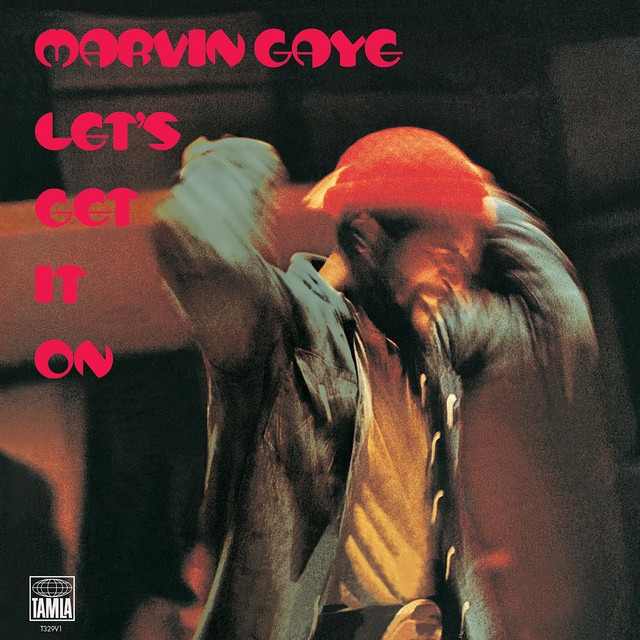
Albums about sex move hips. Let’s Get It On moves history. Released August 28, 1973, Marvin Gaye’s twelfth studio LP shifted the sound of Motown and stretched the boundaries of what soul music could feel like. Romantic, erotic, and deeply spiritual, it showed Gaye’s mastery not just as a vocalist, but as an architect of mood. And if you thought you already knew this record, turn down the lights and let these 5 lesser-known facts remind you: Marvin was playing in a deeper key than anyone realized.
1. “Let’s Get It On” Started as a Religious Anthem
Before the sensual falsettos and sultry guitar licks, “Let’s Get It On” was a spiritual hymn. Co-writer Ed Townsend, fresh from rehab, envisioned it as a message of divine uplift. Marvin recorded a version with political themes, but Townsend redirected it toward love. The music stayed, but the meaning shifted—from salvation to seduction, from Sunday morning to satin sheets. Janis Hunter, then just 17, entered the studio, and Marvin’s delivery turned into a live-wire transmission of real-time desire.
2. “Distant Lover” Took Over 20 Sessions to Perfect
Every whisper, every wail—Marvin bled for this track. “Distant Lover” first appeared as “Head Title” in 1970, captured in a raw falsetto growl with background chatter from Gaye’s niece-in-law Denise Gordy. But Marvin wasn’t done. He recorded take after take over three years. The final version features that heartbreak howl, floating above mellow doo-wop harmonies and ghostly mic bleed. It became a concert staple and one of Gaye’s most hypnotic ballads.
3. The Originals Kept One Track Anchored in the Past
“Just to Keep You Satisfied” first glided through Motown as a love song performed by The Originals. When Marvin claimed it for Let’s Get It On, he rewrote the lyrics to reflect his own crumbling marriage with Anna Gordy. The Originals’ background vocals stayed in, haunting the track like a memory. The result? A breakup song steeped in vintage harmony, personal grief, and gospel-like reverence.
4. The Funk Brothers Brought the Heat, Finally Got the Credit
James Jamerson on bass. Eddie “Bongo” Brown on percussion. The Funk Brothers, long the unsung heroes of Motown’s house sound, laid down the grooves for Let’s Get It On. This time, they got their name on the sleeve. Their syncopation powered the funk in “Come Get to This” and the aching pulse in “If I Should Die Tonight.” These were craftsmen of feel, and Marvin knew exactly how to use their touch.
5. “You Sure Love to Ball” Was Bold Even by 1973 Standards
Heavy breathing. Full moans. A groove soaked in red velvet. “You Sure Love to Ball” was Marvin’s most daring studio moment to date, complete with studio-recorded intimacy right on the track. Radio stations blushed. Some refused to play it. But it charted anyway—proof that soul’s power lies not just in what’s said, but in what’s felt between the lines.
Let’s Get It On is an album of dualities—earthy and divine, soft and raw, vintage and future. It helped birth the slow jam, shaped quiet storm radio, and turned Marvin into a messenger of pleasure and pain. Every groove is a diary entry, every vocal a sermon. And 50 years later, the lights are still low, and the speakers still whisper his name. If you were born in June, 1974, you know why.