Home Blog Page 517

7 Must-Know Secrets of Music Contracts

0

By Mitch Rice

Why Contracts Set the Stage

Think music contracts are just paperwork? Wrong – they’re the rhythm of your career. From recording deals to tour agreements, they keep your music biz humming. A 2024 Billboard study says 68% of artists hit snags from unclear contract terms. These seven secrets help musicians, managers, and PR pros sign deals like pros, no sour notes included.

Secret 1: Pin Down Every Detail

Vague contracts are a vibe killer. Royalties, deadlines, rights – spell it all out. Music lawyer Emma Chen says, “Fuzzy terms cost artists big bucks yearly.” A 2025 X post shared a band losing 12% of merch profits over a sloppy clause. Get a lawyer to review every line to keep your deal crystal clear.

Secret 2: Go Digital for Speed

Chasing signatures the old-school way? Total drag. Digital tools let you zap contracts to producers or labels in seconds. Check out https://comfax.com/ for secure, fast ways to share signed deals, no printer needed. A 2024 Music Week report noted an indie band closing a festival contract 40 hours faster with digital delivery. Keep your paperwork rocking.

Secret 3: Watch Exclusivity Traps

Exclusivity clauses can box you in, limiting collabs or side projects. A 2025 X post told of an artist stuck in a deal, unable to drop a mixtape. Negotiate wiggle room, like keeping rights to livestream gigs or indie releases. Freedom lets your career hit high notes.

Secret 4: Royalties Can Trick You

Royalties sound hot, but the splits? Often ice-cold. Labels can grab huge cuts before you see cash. A 2024 Variety study found 62% of new artists earn under 18% of streaming revenue due to bad deals. Demand clear royalty terms and audit rights. An X user caught a label shaving 8% by auditing regularly.

Secret 5: Plan Your Exit Strategy

Bad deal? You need a way out. Termination clauses are your escape hatch, avoiding legal drama. A 2025 X thread shared how a singer ditched a shady contract thanks to a clear exit plan. Lock in timelines and penalties upfront to keep your career on track.

Secret 6: Sync Deals Spark Big Wins

Sync licenses – music in ads, films, or games – can fatten your wallet, but terms matter. A 2024 Rolling Stone piece said sync deals boosted one band’s income by 22%. Define usage rights and payments clearly. An X post warned of an artist losing sync profits over vague territorial terms.

Secret 7: Negotiate Like a Star

Never sign without pushing back. Labels expect it, so ask for better royalties or shorter terms. A 2025 X post described a rookie doubling their advance by negotiating hard. Channel your inner headliner and fight for a deal that screams success.

Final Contract Vibes

Music contracts are your ticket to the big stage. Nail the details, go digital, guard your freedom, and negotiate tough. Why let a bad deal steal your spotlight? Save these secrets, share your contract wins on X, and keep the music biz grooving!

Data and information are provided for informational purposes only, and are not intended for investment or other purposes.

Skid Steer Applications Demystified: A Complete Resource

0

By Mitch Rice

You’ve probably seen those compact, nimble machines zipping around construction sites and wondered exactly what they’re capable of. Skid steers might look like simple four-wheeled workhorses, but they’re actually some of the most versatile pieces of equipment you’ll encounter in construction, landscaping, and beyond.

Why Skid Steer Rental Makes Perfect Sense

Let’s be honest – buying a skid steer isn’t exactly pocket change. You’re looking at anywhere from $30,000 to $80,000 for a decent machine, and that’s before you factor in maintenance, storage, and insurance. Rental changes the game completely.

When you look into a skid steer rental, you get access to the latest models with updated safety features and improved fuel efficiency. No dealing with unexpected breakdowns during crucial project phases. Plus, you can match the machine size to your specific job – why rent a massive unit for tight residential work when a compact model will do?

Most rental companies offer flexible terms too. Need it for a day? A week? Three months? They’ve got you covered. You’ll also get operator training if needed, which is invaluable if your crew hasn’t worked with skid steers before.

Construction Site Powerhouse

Your skid steer really shines on construction sites. Material handling becomes effortless – you can move pallets of brick, bundles of rebar, or bags of concrete mix with precision. The tight turning radius means you can navigate cramped job sites where larger equipment would struggle.

Excavation work? Absolutely. With the right bucket attachment, you can dig trenches for utilities, clear foundations, or move substantial amounts of dirt. The hydraulic system provides impressive lifting power for such a compact machine.

Landscaping and Grounds Maintenance

This is where skid steers truly prove their worth. You can grade and level surfaces with surgical precision, something that’s nearly impossible with larger equipment. Installing hardscaping elements like retaining walls becomes manageable when you can position heavy stones exactly where they need to go.

Snow removal is another major application. Attach a snow blade or blower, and you can clear driveways, parking lots, and sidewalks efficiently. The low ground pressure means you won’t damage delicate surfaces like decorative pavers.

Agricultural Applications

Farmers have discovered skid steers are perfect for barn cleaning, hay handling, and feed distribution. The compact size lets you work inside existing structures without modifications. You can also use them for land clearing, removing brush and small trees that would challenge other equipment.

Attachment Versatility Changes Everything

Here’s where skid steers get really interesting. The quick-attach system means you can switch from a standard bucket to specialized tools in minutes:

  • Augers for fence post installation
  • Trenchers for irrigation lines
  • Grapples for debris removal
  • Brush cutters for overgrown areas

Safety and Efficiency Tips

Always perform your pre-operation inspection. Check hydraulic fluid levels, tire condition, and attachment security. Maintain three-point contact when entering and exiting the cab.

Keep your load low when traveling. The higher your load, the less stable your machine becomes. Use proper lifting techniques – let the hydraulics do the work, not momentum.

Making the Right Choice

Consider your primary applications when selecting a skid steer. Tight residential spaces call for compact models under 6,000 pounds. Larger commercial projects might require mid-size or full-size units with greater lifting capacity.

Track units offer superior traction and flotation but cost more than wheeled versions. Wheeled models provide faster travel speeds and work well on hard surfaces.

Your skid steer investment – whether rental or purchase – will pay dividends in productivity and versatility across virtually any project you tackle.

Data and information are provided for informational purposes only, and are not intended for investment or other purposes.

Steve Blacknell Unleashes Wild Memoir ‘Tales from the Bedroom Wall’

0

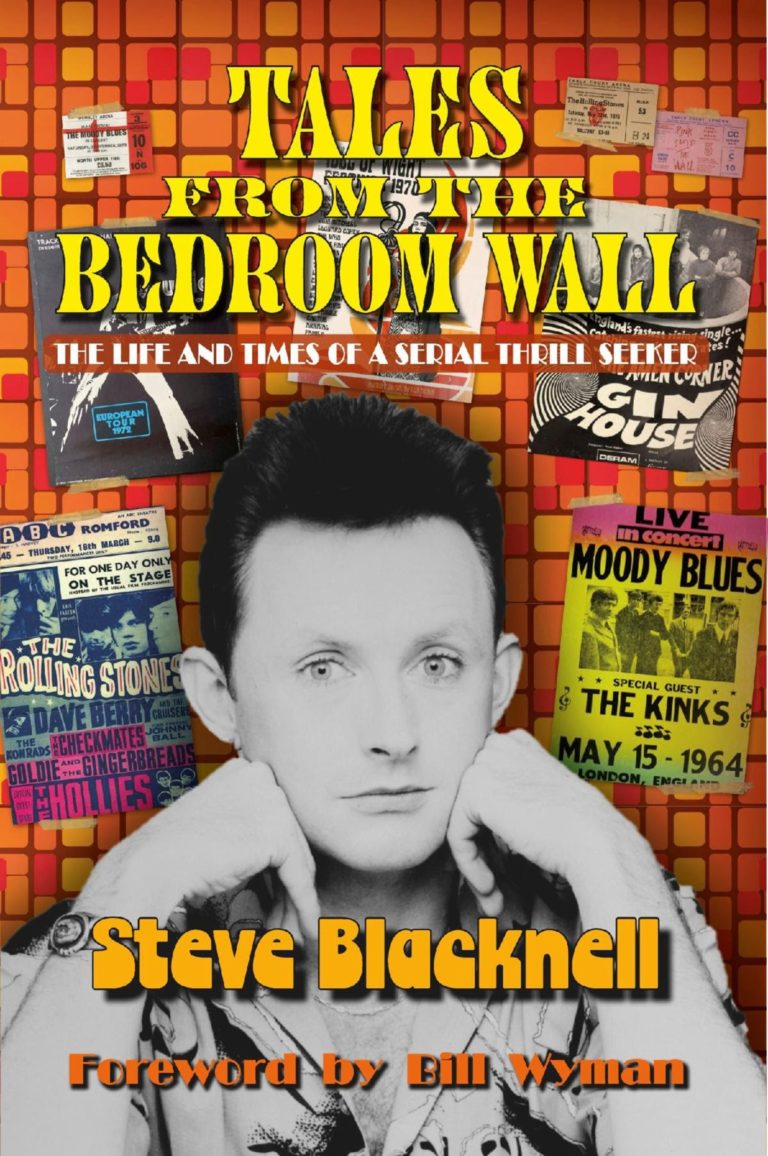
Enigmatic TV host, radio presenter, record company executive, and friend to the rich and famous—there is nothing that STEVE BLACKNELL hasn’t done. Except write his memoir, which he has finally done in TALES FROM THE BEDROOM WALL – THE LIFE & TIMES OF A SERIAL THRILL SEEKER (Old Treacle Press). Due out July 9 through Amazon – the book takes readers on a journey throughout his colorful life—the ups the downs, near death experiences, losing millions, taking Concorde to Live Aid with Phil Collins and dating Kate Bush, to his battle with bulimia and other addictions. This is the book that has it all and more.

In America, STEVE BLACKNELL is mainly known for hosting the award-winning MTV USA music fashion show “London Calling” which pulled 23 million viewers. He interviewed over 100 pop stars that included a snarly Alice Cooper, heartthrob David Cassidy in a hotel Jacuzzi, a 40-minute chat with Motorhead’s Lemmy Kilmister who consumed an entire bottle of Jack Daniels and a table tennis game with Bill Wyman who discussed his career in the Rolling Stones.

Growing up, STEVE adorned his bedroom wall with pictures of his musical heroes, blissfully unaware he would meet so many of them in future days. His bizarre adventures both in the UK and Hollywood, his ridiculous forays into drugs and food addictions and an inability to take other people’s advice saw him go from millionaire to near poverty. The book is about failure, ignorance, arrogance, and an innate desire to push boundaries until they explode.

“There’s an old joke that goes ‘Everybody has a book in them’ which explains the lump in my throat. Indeed, I do believe there are so many of us who aren’t necessarily household names that have lived life to ‘the max!” STEVE says. “With me it hasn’t been deliberate—I’ve just tried to pack in as many adventures as possible in my allotted time.  At 72 I still have a few tricks up my sleeve—for as the Buddhists say ‘You’re only here three billion times so you’d better enjoy yourself.’”

Steve Blacknell was born in Peckham, UK and moved to Dartford, Kent in his early years eventually attending one of his heroes Mick Jagger’s old school, Dartford Grammar—where he even got his second-hand geography book!  An obsessive pop fan since the early 60’s, he decided early on that he wanted to be a Radio DJ and so wrote to many key industry figures with only one reply—from John Peel who advised him to try hospital radio. He became the breakfast DJ at St Thomas’s Hospital in London for a year, supported by a certain ‘Whispering’ Bob Harris.

His first love was Kate Bush, who he met in Dartford on the arm of another man however they got together soon after.  The budding songwriter and wannabee DJ would plot world domination; her the pop star and Steve introducing her on ‘Top of the Pops’! He, however, had no idea that he was dealing with a real musical genius.

The early 70s saw a move to Worcestershire where he worked at a Special Needs Home, and he started taking drugs. He eventually got his big break into music at Decca Records in the PR department and later at ABC working with artists from Steely Dan to Don Williams, during which time he began a dangerous dance with Anorexic Bulimia. He also met the future love of his life, Maggie.  He moved to Chrysalis Records in the late 70s working with acts like Leo Sayer, Jethro Tull and Split Enz, finally joining Jive Records where he signed A Flock Of Seagulls after seeing them perform “I Ran.”

By the 1980s he was hanging out with the right people and was spotted by the BBC who asked him to host BBC 2’s “hip” new pop fashion show “Riverside” where he introduced a brand-new band—New Order! After calling the Deputy Editor of BBC Breakfast Time most days for about six weeks, he was drafted in to do the pop news when the late Mike Smith became ill. He stayed for three years and learned his trade from Frank Bough.  By this point, he was also a regular host on Radio One’s “In Concert,” also the simulcast with BBC2 – “Sight and Sound in Concert.”

He was the BBC presenter covering Live Aid, the most important music event in the thirty-year history of rock & roll, flying in Concorde with Phil Collins–the only performer onstage at both Wembley and later the same day, Philadelphia.

After a 5-year stint as Peter Stringfellow’s PR and as Europe’s first “Video Jockey,’’ he hosted the award-winning MTV USA music fashion show “London Calling” which pulled 23 million viewers.

He became super rich and bought a mansion flat in the super trendy Holland Park Avenue–complete with chauffeur. He then had a dramatic sinus operation that left him stranded indoors for three months where he saw “God,” and on the flip of a coin while listening to Paul Young singing “Everything Must Change’’ he decided to try and crack the U.S.A and moved to Los Angeles.

While in the U.S., he met and married ex-groupie and 60’s legend Catherine James—the former wife of Moody Blues/Wings star Denny Laine. She was Diane Keaton’s movie double for many years and was also best mates with mega-stars Melanie Griffith and Don Johnson. He soon found out that Catherine had lived with Mick Jagger in London and dated the A-Z of rock heroes. She’d been at the piano with Clapton when he wrote “Layla,” and knew Hendrix, Morrison and others.

After several TV hosting jobs–including a stint as the Hollywood anchor of the UK-based TV channel BSKYB and as an actor making five movies, he avoided death when a speed boat exploded in Marina Del Rey and spent six months in a wheelchair addicted to the powerful opiate Vicodin. After only six years in the States, he left Hollywood and his wife for the UK once more–now penniless.

Once back in the UK he reunited with Maggie–the love of his life–and eventually moved to Hythe, Kent with her. They have had a 50-year romance that survived the gaps! After 18 years, he still runs London’s premiere “media networking” club The Waffle. He is also the most qualified TV teacher in the UK and is CEO of The Central London School of TV and Media Training.

AI Image Combiner Gets 11 Powerful New Features

0

By Mitch Rice

AI-assisted design continues to advance beyond our most optimistic predictions. Among the greatest developments this year must be noted the fast-gaining popularity of the AI image combiner tools, which now have 9 powerful new features. These application software are making the mix-and-match of images by creators, designers, marketers, and hobbyists to achieve stunning solutions and beautiful images with no complex software involved.


You can be combining the product pictures, making fantasy art, or mixing your portraits; the latest version of the AI image combiner possibilities are unprecedented! It is not just an update that has enhanced its functionality and speed, but it also provides more control, style, and customization to the users. Here we shall go through each new feature and understand how they are transforming AI-powered design.

1. Smarter Object Recognition

The much-hyped improvement is better object detection. The AI image combiner can identify objects such as people, animals, cars, and backgrounds better. This enables it to have a smooth mixability without missing out on any form of detail or edge precision. It applies improved segmentation algorithms to keep object integrity and makes even complex images natural. This improvement comes especially handy in business applications, like e-commerce or advertising products, where a clear distinction between the subject and the background is essential.

 2. Style-Aware Merging

The merging with styling, users may now use visual styles, such as painting, sketched, or realistic, when doing the combination. This provides the end resulting combined image with a streamlined artistic headway, even when the original images are of a different style or tone. The AI model optimizes the graphic image and levels out the textures and coloration. That is, when you merge two images, say, a watercolor image and a photo, the difference is intelligently smoothed by the AI photo merging module, relying on your lack of skills in editing

3. Immediate Background

Another noticeable feature is real-time background enhancement. The tool now identifies low resolution or background clutter and swaps it with a perfected view, such as nature, skies, interiors, or minimal elements. Using one of the clicks, the users can aestheticize their merged images. This is a game-changer for users who wish to merge AI images online for free; they do not need to access photo editors such as Photoshop to tidy up the chaotic scenes

4. Fusion of Face Features in a Preservative

The face merge is a trend noticed by the users of the overlapping of portraits. The revised AI engine has introduced deep-learning facial emotion detection to preserve or modify the facial expressions during face synthesis. Smiles, eye contact, and micro-expressions of the facial kind are maintained to produce natural expressive works. The aspect enables optimal user experience when using memory-making, fantasy art, or avatar creation apps. Ever since they have merged faces, they are more natural than before, with smarter emotional mapping

5. Support of Multi-Image Merging

Earlier models permitted two pictures at a time. Now, users can combine three or more pictures at once. If your drawing is a surreal landscape with a gradient, a collage with several subjects in it, a timeline of the facial evolution, etc., the AI can manage the number of elements in real time. Artists are currently able to create extroverted narratives with several delivered image sources, all perforated in clarity. This property also gives the story about the telling, animation ideas, or brand images, improved versatility

6. Layer Visibility Controls

The new interface also consists of layer visibility buttons—the user can turn on or off image layers, change the amount of opacity, and preview results without re-running. This would offer greater personalization without hampering the work processes. Designers can make their vision more accurate and simply test various visual outcomes. It comes in handy with people who apply the AI photo merger to generate social media illustrations or brand material that may require version control 

7. Enhanced Resolution Output


The AI now supports 4K exports and has an added super-resolution performance improvement filter. That is, your final merged image will not only appear good on a phone, but it can also be taken to print as posters or online advertisements. The people trying to find an AI image merge online using a free tool finally obtain some results that can compete with expensive software without having to use a paid design platform. The tool is accessible and, at the same time, professional-grade due to this feature 

8. Contextual Prompting for Creative Control

 Contextual prompting stands out as one of the features of advanced users. In the course of the merging procedure, users now have the possibility to make descriptive text inputs, e.g., make it look like dusk or blend with warm tones. The AI takes action according to the prompt and alters the picture. This does not just turn the tool into a mere merger but rather, an AI co-creator. Through the text-to-vision comprehension, users can have more control of the story and still maintain simplicity and speed

9. Mobile-First Optimization

 The tools of the AI image combiner are completely mobile-friendly. The new responsive interface can use drag and drop, voice control, and touchscreen input. Whether it is cutting and pasting of the pictures in your phone gallery or taking some new snaps, the interplay is seamless. This aspect closes the gap between the mobile-first customers and those who seek power and convenience in one spot. It is a great option that is suited to a content creator or an influencer on the run who needs quick outcomes. The significance of these updates.

10. Why These Updates Matter


The 9 new features are much more than new. They are part of a change to more accessible, creative, and user intent-aware AI-powered design tools. The enhanced object awareness, emotional correctness, high resolution, and multilayer are the essential aspects of AI image combiner tools becoming a cover part of the content flow. They make design open to everyone; they remove the demand for deep learning, they democratize visual experiments, and they make it accessible to designers and non-designers alike. This kind of tool lies at the center of a bigger trend: transforming static photo editing to an AI-augmented, interactive, collaborative co-creation work.

11. Real-World Applications of the AI Photo Merger

The companies turn to AI image combiners to produce product previews, marketing imagery, and advertising content on short notice. Learners and teachers create visual learning resources in the form of combined diagrams or theme collages. Illustrators are creating fantasy landscapes by a combination of various landscape elements and people.
Casual users are not left behind: think of combining the photo memories of three of your family portraits or inserting the face of your pet into a comic background—it can be done instantly, and it is free. The innovator’s ceiling is lifted, and such tools are now in your browser. In case you want to test it directly, you may check out this online AI tool for image merging free of charge.

FAQs 

Q1: What is an AI picture assembler? 

An AI image combiner is an AI image tool that allows the seamless combination of two or more images to form a single visual output.

Q2: How is it different from retouching photos by hand?

The AI image combiner does the background blending, style matching, and object recognition automatically, unlike traditional editing approaches, which would involve the use of software.

Q3: Is it free to integrate AI photos?

Indeed, there are a lot of free online programs available for combining AI photographs, some of which are compatible with the newest features like multi-image and editing prompt capabilities.

Q4: Does the combination picture come free of watermarks? 

There is a wide availability of free, watermark-free downloads of standard resolutions. Others might need high-end access to 4K or commercial licenses. 

Conclusion: 

The AI picture fusion has indeed come into the limelight with its 9 distinctive functionalities. With better merges, imaginative encouragements, and enhanced resolution printing, we realize that this device is changing rapidly, but in a very positive way. 

The fact that anyone (be it a professional or a creative layman) could unify pictures in just a few clicks with the recognition of stylistic balancing and emotion-sensing technology is a very powerful tool. It destroys technical boundaries and substitutes them with subjective creativity that is easy to use. Why not give it a go today? Begin with a free tool and feel the opportunities of using AI image merge online free, and your next masterpiece can be only a click away.

Data and information are provided for informational purposes only, and are not intended for investment or other purposes.


15 Lo-Fi Albums That Will Get You Through Life

Life gets noisy. Deadlines loom, relationships wobble, and the world spins a little too fast. That’s when lo-fi albums step in—not with big hooks or shiny production, but with crackling warmth, quiet resolve, and melodies that feel like a weighted blanket for your ears.

Lo-fi is music made in bedrooms, basements, and rented cabins with borrowed gear and full hearts. It’s about imperfection, honesty, and tape hiss that sounds like a hug. These 15 lo-fi albums won’t solve every problem, but they’ll help you breathe a little deeper, cry a little softer, and maybe even believe in mornings again.

Alex G – DSU
Bedroom pop meets slacker rock in this surreal collection of lo-fi experiments and heartfelt detours. Every track sounds like it was made at 3 a.m., because it probably was.

Bon Iver – For Emma, Forever Ago
Recorded in a remote Wisconsin cabin during a personal winter, this album is pure catharsis. Justin Vernon’s falsetto drifts like snow through heartbreak, solitude, and slow healing.

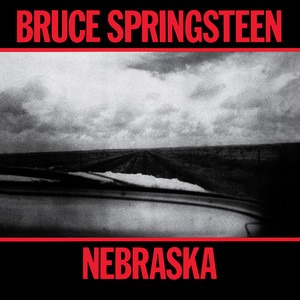
Bruce Springsteen – Nebraska
Armed with a 4-track cassette recorder and a gut full of stories, Springsteen stripped it all down for Nebraska. Stark, haunting, and deeply human, these songs of drifters, dreamers, and quiet desperation remind us that sometimes the rawest version is the truest version.

Carissa’s Wierd – Songs About Leaving
The kind of band you find late at night and never forget. Melancholic melodies, hushed harmonies, and lyrics that know what it’s like to miss something that never fully arrived.

Daniel Johnston – 1990
Pure, unfiltered genius. Daniel’s off-kilter piano ballads and childlike drawings became underground legend, and this lo-fi classic reminds us that sincerity always shines.

Elliott Smith – Either/Or
A masterclass in quiet intensity. With whispered vocals and fingerpicked sadness, Elliott gives voice to the ache that hides behind smiles—and somehow makes it feel beautiful.

Frankie Cosmos – Zentropy
Short, sweet, and emotionally precise. Greta Kline’s debut is packed with 2-minute observations on growing up, figuring things out, and staying soft in a sharp-edged world. Bedroom pop perfection.

Grouper – Dragging a Dead Deer Up a Hill
Ambient folk for dreamers and deep feelers. Liz Harris wraps echoey guitar and spectral vocals into songs that dissolve the line between reality and memory.

Iron & Wine – The Creek Drank the Cradle
Recorded at home on a four-track recorder, this debut by Sam Beam feels like dusty sunlight through lace curtains. Gentle, Southern, and soaked in soul.

Mount Eerie – A Crow Looked at Me
Written after the loss of his wife, Phil Elverum turns raw grief into sparse, heartbreaking poetry. This album doesn’t just whisper—it sits next to you and listens.

Nick Drake – Pink Moon
Just a voice, a guitar, and enough emotion to fill the night sky. Pink Moon is fragile, timeless, and deeply personal. Nick Drake’s hushed delivery and intricate fingerpicking create a world where melancholy and beauty live side by side.

Sparklehorse – Vivadixiesubmarinetransmissionplot
A lo-fi alt-rock rollercoaster with tape loops, distortion, and moments of soft wonder. Mark Linkous turned broken beauty into a sound you can’t forget.

Sufjan Stevens – Seven Swans
Before Illinois and the orchestras, Sufjan gave us this sparse, sacred-feeling album of banjos, biblical themes, and whispered confessions. Spiritual and steadying.

The Microphones – The Glow Pt. 2
A swirling, raw, and experimental journey through sound, self, and seasons. Phil Elverum’s lo-fi masterpiece blends distortion, field recordings, and vulnerability into something cosmic and close all at once.

Vashti Bunyan – Just Another Diamond Day
Released in 1970 and rediscovered decades later, this pastoral gem feels like a forgotten folk lullaby. With soft vocals and simple instrumentation, it’s a lo-fi love letter to wandering, nature, and new beginnings.

10 Tips for Being the Opening Act Everyone Wants to Book

In live music, every headliner starts somewhere. More often than not, that place is the opening slot. For new and rising artists, being the opener is one of the most powerful opportunities in the business. It builds relationships, earns loyal fans, and shows the industry what an artist can bring to the stage.

Club owners, promoters, and touring acts all notice the openers who take their role seriously. So many support slots on North American tours are booked through venue and promoter recommendations. These decisions rely heavily on professionalism, performance quality, and a great attitude—not just popularity or streaming numbers.

Here are 10 tips to become the opening act everyone wants to work with again and again:

1. Show Up Early and Be Ready
Venues and headliners run on schedules. Openers who arrive early, set up efficiently, and follow instructions make a strong impression from the very beginning.

2. Know the Set Time—And Stick to It
A 25-minute set means 25 minutes. Running long causes stress for the headliner and staff. Openers who stay on time show respect for the whole show.

3. Bring a Crowd, Even a Modest One
No one expects an opener to sell out the venue, but bringing a few fans—especially early in your career—shows effort and builds goodwill with the venue.

4. Keep the Energy High, Even for Small Rooms
Whether the room has 30 people or 300, treat every show like it matters. A powerful set with good energy always gets noticed.

5. Promote Like a Headliner
Share the poster, tag the headliner, and talk about the show on socials. When openers help build momentum for the night, everyone benefits.

6. Make Load-In and Soundcheck Easy
Be organized and courteous. Quick load-ins, clean setups, and clear communication with the sound tech earn real respect backstage.

7. Connect with the Audience, Not Just Your Friends
Look beyond the front row. Try to win over new listeners, thank the headliner, and stay humble. Every word and action builds your reputation.

8. Stick Around for the Headliner
Supporting the main act from the crowd shows class and community spirit. Bookers and artists remember the ones who stayed and cheered.

9. Thank the Staff and Techs
A simple thank-you to the sound engineer, bartender, and stage manager goes a long way. Venues are built on relationships, and kindness makes them stronger.

10. Follow Up After the Show
Send a thank-you message to the booker or promoter. Share photos, tag the venue, and leave the door open for the next opportunity.

Being a great opener comes down to consistency, respect, and real effort. The artists who treat every show like a stepping stone create a path toward bigger stages. The club owner may not always say much, but trust this—they see everything. And they always remember the ones who made the night better.

Opening acts create energy, build trust, and bring the night to life. Every set is a chance to rise—and the right habits open the right doors.

10 Songs That Totally Add Up: Celebrating Math 2.0 Day With Music That Counts

July 8 is Math 2.0 Day, and before you start sweating at the thought of algebra class or that one time you cried during a calculus final, take a deep breath. This day isn’t about pop quizzes—it’s about celebrating the way math shapes the world. Without numbers, there’d be no buildings, no airplanes, no phones, and—let’s be honest—no Spotify algorithms to recommend you sad breakup songs at just the right time.

Created in 2009, Math 2.0 Day brings together mathematicians, tech innovators, educators, and policy makers to highlight the power of math literacy in our daily lives. It’s a reminder that math isn’t boring—it’s the very code that makes modern life possible. So what better way to celebrate than with songs that embrace math, numbers, and a little rhythmic logic?

Here are 10 songs where numbers do all the talking—and dancing:

1. “One” – U2
The title says it all. A song about unity, division, love, and contradiction—all perfectly balanced in a slow-building anthem that has become one of the band’s most enduring classics.

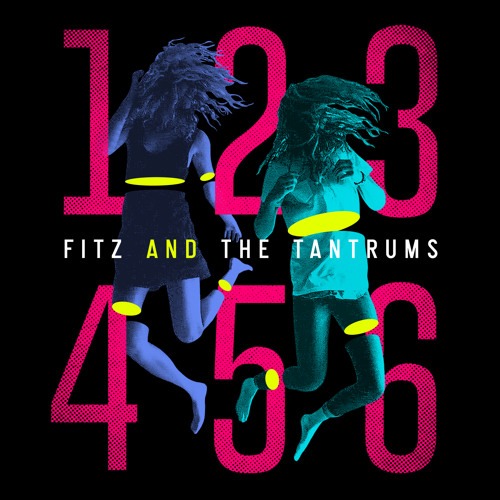
2. “123456” – Fitz and The Tantrums
Funky, fast, and undeniably catchy, this bop counts its way into your head and stays there. Proof that even the most basic numbers can be irresistibly danceable.

3. “Eight Days a Week” – The Beatles
Leave it to The Beatles to bend time and logic. Eight days a week? Math may say no, but love says yes. An iconic early hit that proves numbers can be romantic too.

4. “100 Years” – Five for Fighting
A life story in one song. This emotional track breaks down a human life into a series of ages and moments, reminding us how quickly time—and numbers—fly by.

5. “She’s in Love with the Boy” – Trisha Yearwood
Math makes a stealthy appearance in this country classic, where a 2.0 GPA and a boy in a beat-up truck equals true love and a father’s eventual approval.

6. “867-5309/Jenny” – Tommy Tutone
The most famous phone number in music history. Dial this digit-packed earworm and you’ll be humming for days. Just don’t prank call anyone.

7. “99 Problems” – Jay-Z
One of the most iconic hooks in hip-hop. Clever, bold, and mathematically catchy, Jay-Z reminds us that counting problems still adds up to a hit.

8. “Edge of Seventeen” – Stevie Nicks
Stevie made 17 sound like the most magical and mysterious number on earth. Add a dash of white-winged doves and poetic brilliance, and you’ve got a song that transcends the digits.

9. “Seven Nation Army” – The White Stripes
One of the most instantly recognizable riffs in rock history. Proof that a single bassline, a thundering beat, and a numeric title can conquer arenas around the world.

10. “Two Princes” – Spin Doctors
Pick one, pick two—this ‘90s hit adds playful decision-making to a charming melody and an unforgettable chorus. A classic example of how math meets romance.

So go ahead, celebrate Math 2.0 Day by cranking up these mathematically sound tracks. Whether you’re solving equations or just humming along, remember: music + math = magic.

Gwen Stefani’s Isolated Vocals For No Doubt’s “Just A Girl”

Released in 1995, “Just a Girl” was No Doubt’s breakout hit and Gwen Stefani’s first solo writing effort. The track blends punk-pop attitude with sharp feminist commentary on gender expectations. Its success launched Tragic Kingdom and made Stefani a generational icon.

The Role of Musical Traditions in Strengthening Family Bonds

0

By Mitch Rice

Family has always been at the heart of human society, a foundational source of support, learning, and cultural continuity. Just as families nurture their members with love and guidance, music has the unique ability to create emotional anchors within family structures. From lullabies passed down through generations to modern tunes that become the soundtrack of family gatherings, music plays a pivotal role in fostering relationships and nurturing collective memories. In this article, we explore how musical traditions have not only enriched our cultural landscape but also strengthened the ties that bind families together, evolving over time to mirror the changing dynamics of modern households while still preserving a sense of tradition and identity.

The Historical Connection Between Music and Family Life

Historically, music and family have shared a deep, symbiotic relationship. In many cultures, the act of making music was a communal family affair. Parents sang to their children to ease them into sleep; grandparents passed on folk songs that encapsulated the history and values of their lineage; and siblings shared playful tunes that resonated with their shared experiences. These early musical experiences helped shape not only individual identities but also collective memories that would sustain family bonds over the years.

The tradition of passing down songs from one generation to the next has served as an enduring link to the past. These melodies often carry stories of hardship, hope, and celebration, providing a sonic record of a family’s journey through time. In living rooms and around family tables, music offers a space for intergenerational dialogue, where stories, traditions, and emotions are shared in a way that transcends the spoken word. This longstanding connection has allowed music to evolve into a tool for both preserving heritage and adapting to new circumstances, ensuring that the family bond continues to be reinforced through shared cultural practices.

Music as a Catalyst for Emotional Expression and Connection

The emotional impact of music within the family setting is profound. Music has the remarkable ability to evoke memories and emotions that may otherwise remain buried beneath the layers of daily routine. During family gatherings or intimate moments at home, a familiar tune can instantly bring forth recollections of past celebrations, adventures, or challenges overcome together. In this way, music operates as both a repository of memory and a catalyst for intergenerational conversation.

Modern families often find themselves turning to music as a means of expressing feelings that might be difficult to convey in words. For instance, on occasions when language falls short, a well-chosen song can express joy, sorrow, or gratitude with clarity and nuance. The emotive power of musical compositions creates an environment where every family member, regardless of age, can find resonance in the shared soundscape. This shared experience not only cements relationships but also reaffirms the idea that within the family, every emotion has a place and every memory, no matter how faded, remains vibrant through the magic of music.

The Influence of Traditional and Contemporary Musical Practices

In today’s world, families are exposed to an expansive array of musical genres and practices, many of which are steeped in centuries-old tradition. The delicate interplay of traditional melodies and contemporary rhythms offers a rich tapestry of sounds that can be both nostalgic and forward-looking. Homegrown tunes, often lovingly recreated at family gatherings, offer continuity with the past, while new musical styles allow families to explore and embrace the cultural diversity of the present.

It is in this dynamic interplay that family rituals are born. At festive family reunions, for example, an old folk ballad might merge seamlessly with a modern pop hit to create an atmosphere that honors the past while celebrating the present. Within this musical milieu, it is not uncommon to come across a subtle yet poignant inclusion of family songs, interwoven in the fabric of a melody, that evokes feelings of unity and belonging without ever overshadowing the broader narrative. Such moments highlight how music continuously evolves to serve the essential function of knitting together the varied strands of family life.

The Role of Music in Marking Life’s Milestones

Life is punctuated by events and transitions that forge lasting memories. Music is uniquely suited to encapsulate these pivotal moments, whether it’s the first lullaby sung to a newborn, the celebratory anthems during graduations, or the reflective melodies played at farewells. Each milestone in a family’s life is often accompanied by a particular tune—a musical signature that forever links a song to a specific time and emotion.

During key family celebrations, music often becomes a ritual in itself. The familiar sound of a cherished melody can transform a simple gathering into a moment of communal reflection and celebration. Even as individual tastes evolve and new genres gain popularity, the role of music in marking life’s milestones remains unchanged. The very act of gathering together to share in these moments underlines music’s timeless function as a binder of memories and traditions. Each note, rhythm, and lyric becomes part of the family’s collective narrative, connecting past, present, and future in a harmonious cycle.

Modern Reflections on Family and Music

In contemporary society, the nexus between family and music is more visible than ever. With digital streaming and global accessibility, families now have a far greater repository of songs and musical traditions at their fingertips. This easy access has led to a renewed interest in exploring old classics while simultaneously embracing innovative new sounds that reflect the modern family’s diverse identity.

The digital age has also redefined the ways in which families experience music together. Virtual gatherings, online playlists curated by family members, and shared digital libraries have created novel opportunities for music to serve as a medium of connection even when physical distance separates loved ones. In these modern contexts, the power of music to evoke shared memories and foster togetherness has been amplified, demonstrating that while the platforms may have evolved, the emotional foundation of family music remains unshaken. Families continue to turn to music as a source of comfort, joy, and continuity in an ever-changing world.

Looking Toward the Future: Preserving Legacy Through Music

The enduring legacy of music in family life prompts us to consider how this tradition might continue to evolve for future generations. As families become increasingly multicultural and geographically dispersed, the role of music as a unifying force becomes even more critical. Educators, cultural leaders, and family storytellers are now emphasizing the importance of preserving traditional songs while also embracing new musical forms that reflect contemporary experiences. This dual approach not only helps maintain continuity with the past but also encourages creativity and innovation in how music is experienced and shared.

Initiatives within communities and families alike continue to foster environments where music is celebrated as a core element of identity. Whether it is through informal gatherings where members share cherished tunes or through more organized efforts such as local music festivals and educational programs, there is a growing appreciation for the myriad ways music strengthens family bonds. These efforts underscore the belief that while technology and society may change, the intrinsic human connection to music remains a constant that continues to nurture and inspire.

Conclusion

The power of music to connect and transform is evident in every family tradition and celebration. It is not merely a backdrop but rather an active participant in shaping family memories, guiding emotional expression, and affirming the bonds that tie loved ones together. In a world that is continually evolving, the role of music in reinforcing family ties is as vital as ever. Through generations of shared melodies and new digital experiences alike, music stands as a testament to the enduring spirit of familial love, offering a timeless reminder of where we come from and where we might be headed.

In the quiet moments after a shared meal or during lively family celebrations, one can almost feel the echoes of traditions passed down through time—a harmonious reminder that every note and every lyric ultimately serves as a celebration of family itself.

Data and information are provided for informational purposes only, and are not intended for investment or other purposes.
Are You Wearing Your Initial Necklace Wrong?

0

By Mitch Rice

Do you ever look in the mirror and wonder if your jewelry is working for you? A simple initial necklace can change everything. In this guide, we walk you through choosing the best metal, measuring that sweet spot length, and stacking pieces so they play nicely together. Your signature piece will tell the world who you are.

Are You Wearing Your Initial Necklace Wrong?

A personalized item can fade into the background. This happens when styling is off. A chain can be too short or too long. The weights can clash with other necklaces. For instance, a fine 16-inch link drowns beside a chunky gold curb.

It just does not work. Adjusting those details makes a necklace shift from ordinary to eye-catching. Proper care makes sure your initial necklace shines as bright as you do.

Master Your Initial Necklace with These Tips!

Ready for simple guidance? From metal mix rules to measuring secrets, these tips give you confidence.

●          Layered Look

Layering jewelry adds depth to any outfit, so begin with a favorite personalized initial necklace that acts as your main focal point. Next, add a shorter piece, like a tiny heart necklace or another alphabet necklace, so it sits just above the first chain. For extra character, throw on a snug 16-inch choker while a longer, 20-inch matinee chain hangs below. This mix lets each initial necklace shine.

Layering necklaces of different lengths gives you a pretty cascade look, so start with a short 16-inch choker. Next, add an 18-inch chain and finish with a 20-inch piece. The result is a soft waterfall of sparkle. Slip a dainty initial necklace into the mix for a sweet, personal hint.

●          Contrasting Metals

Playing with different metal colors is a fun way to keep your look fresh; for instance, pair a warm letter necklace gold with a cool sterling-silver chain and watch the pieces pop. For a modern twist, you can create your first initial pendant in 14K gold or your last initial pendant in sterling silver. This bold contrast will highlight each pendant and reflect your unique taste.

●          Focal Point

Turn your first necklace into a showstopper by giving it a clear focal point, so pick a bold letter piece, then pair it with simpler chains. A sideways initial necklace, for example, really makes the eye stop; that way, your star pendant will not fade. Look for a charm with a cool twist, something that screams you.

Choosing The Right Initial Necklace Material!

Picking the right material is crucial for a piece that lasts. From sturdy sterling silver to warm gold, each choice has its own charm. Let’s walk through the options so you can find one that fits your lifestyle.

●          14K Gold

A 14k gold initial necklace never goes out of style because it contains about 58.3% pure gold, so the piece stays strong for everyday wear. The warm hue looks great with every skin tone; therefore, it is a smart pick for a standout item like the classic initial necklace tiffany.

●          Sterling Silver

Sterling silver is both budget-friendly and flexible for a cute initial bar necklace. At 92.5 percent pure silver, it shines with a clean glow, and the bright finish works well with everything. A fine, delicate initial necklace feels effortless. To keep that sparkle, store it carefully.

●          Rose Gold

Rose gold brings a warm, dreamy blush from adding copper to the metal mix. Slip on a rose gold initial charm or a bychari rose gold piece, and you immediately get that soft punch. Moreover, this shade is perfect for fun trends like the sideways initial necklace Australia or the kate spade initial necklace rose gold.

Feature14K GoldSterling SilverRose GoldStainless Steel
Composition58.3% Gold, Alloy92.5% Silver, CopperGold, Copper AlloyIron, Chromium, Nickel
Durability (Mohs)2.5 – 32.5 – 32.5 – 35.5 – 6.3
HypoallergenicYesIf Nickel-FreeYesYes
AppearanceYellow, LustrousBright, Cool ShinePinkish HueSilver-like Luster
MaintenanceLow, PolishProne to TarnishLow, PolishVery Low, Resists Tarnish
Best ForLuxury, Daily WearVersatility, BudgetTrendy, Warm TonesDurability, Activewear

Table on Choosing The Right Initial Necklace Material!

What’s The Best Initial Necklace Length?

Picking the right necklace length turns a good piece of jewelry into a great one. Below is a guide to the most common sizes.

●          16-Inch Choker

A 16-inch choker hugs the neck just above the collarbones, and because it sits so close, this length looks amazing with high-cut tops. A petite letter necklace can become a delicate statement piece at this size. It also acts as the first tier in a stacked game. One of our favorites is a rose flower necklace with initial slid onto the 16-inch strand.

●          18-Inch Princess

The 18-inch princess chain is the crowd favorite. It rests a few finger-widths below the collarbone, making room for any outfit and is the sweet spot for a classic name necklace. The charm lands neither too high nor too low. Pairing it with an engraved bar necklace au at 18 inches also gives a polished vibe.

●          20-Inch Matinee

A 20-inch matinee necklace sits just below the collarbone. Because it hangs lower, the design guides the eye downward and looks nice with wide necklines. The length works well if you want a fresh gift or treat, making it a smart choice for an initial necklace.

About YFN Jewelry

At YFN, gold jewelry is a canvas for your story, with each piece crafted fresh from our workshop. Explore over 10,000 designs across 500+ themes, including our exquisite heart necklace, perfect for adding a touch of sentiment to your collection. Personalize your selection with custom engravings or sparkling gems, ready in just 7 to 10 days. Use invite code Share15 at checkout for 15% off your first order. Style your jewelry with confidence—select the ideal materials and lengths, layering thoughtfully to create a look you love, with a heart necklace as the perfect centerpiece to elevate your stack.

Data and information are provided for informational purposes only, and are not intended for investment or other purposes.