Look, I’m not saying your band is destined to break up over money—but if you’re reading this and haven’t talked splits yet, I’m legally required to raise one eyebrow in concern. Here are 10 tips for keeping your band together, solvent, and (mostly) emotionally intact.
Let’s split this up fairly, shall we?
1. Talk Before You Rock Before you hit the stage, hit the table. Don’t wait until there’s streaming revenue to divvy—talk splits before your song hits Spotify Wrapped or your drummer’s ego hits Mach 5.
2. Songs ≠ Shows Songwriting and live performance are two different beasts. If one person wrote the lyrics while everyone else was perfecting the triangle part, consider separating songwriting splits from gig income. You can’t pay rent in exposure or vibes.
3. Equal Isn’t Always Fair Yes, democracy is lovely—but if one member is producing, mixing, writing, booking, and wrangling merch orders while the bassist “vibes,” maybe a 25/25/25/25 split isn’t quite right. Fair ≠ equal.
4. Put It in Writing (Seriously) Handshake deals are for 1960s Motown contracts and movie montages. Draft a basic band agreement outlining revenue splits, songwriting credits, and what happens when someone quits to become a barista-slash-novelist.
5. Revisit the Deal—Like, Occasionally Your band will evolve. Maybe the drummer becomes the main songwriter. Maybe your synth player joins a cult. Check in once a year to make sure your deal still fits the band’s actual contributions.
6. Copyright Credit ≠ Royalty Rate Just because all five of you are listed as writers on the song doesn’t mean royalties must be split evenly. Think of writing credit as “who helped build the house” and royalties as “who paid for the materials.”
7. Side Hustles Need Boundaries If your lead singer starts a solo project, clarify what’s “band property” and what’s not. Otherwise, one TikTok collab could lead to three lawsuits and an awkward green room silence.
8. Manager ≠ Mediator Don’t make your manager (or your mom) settle disputes over money. Get a neutral third party—or better yet, a lawyer who knows both chords and clauses.
9. Use a Spreadsheet, Not a Napkin Keep track of who gets what. Seriously. If your band’s finances exist only in someone’s Notes app, you’re begging for resentment (and IRS confusion).
10. Remember: It’s About the Music, But Also the Money Music is magical, but rent is real. If you want to make art and stay friends, treat your business like a business. You don’t need a fancy contract—just a fair one.
In the end, fair splits are like good harmonies: no one notices when they work—but the second someone’s off-key, it’s all anyone hears. Save yourself a decade of passive-aggressive text threads and get your deal down early.
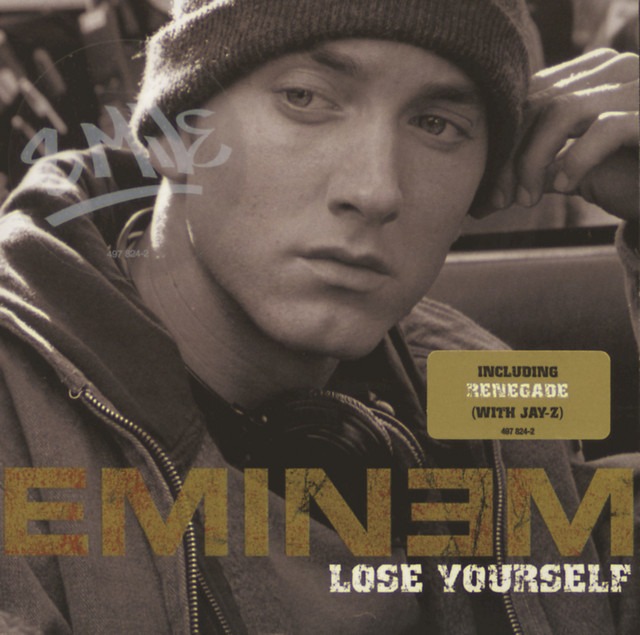
Eminem’s “Lose Yourself” was released on October 28, 2002, as the lead single from the 8 Mile soundtrack. It topped the Billboard Hot 100 for 12 weeks and won an Oscar, two Grammys, and 13× Platinum certification. It’s widely regarded as one of the greatest hip-hop songs ever.
Once confined to smoky casinos and local betting shops, wagering has undergone a digital revolution. Today, it’s as easy as opening an app or logging onto a website. This shift has given birth to what we now call iGaming—a broad, fast-evolving world of online betting that spans from sports wagers to slot machines and everything in between.
In this article, we’ll break down what iGaming truly means, how it came to life, and why it’s growing faster than ever. Whether you’re a curious newcomer or an industry insider, this guide will help you understand the pulse of a digital phenomenon that’s reshaping entertainment worldwide.
Understanding iGaming: Definition and Scope
At its core, iGaming means placing a bet or playing a game online where real money is involved. Think about it this way: if you’ve ever placed a bet on a football match using an app, joined an online poker table, or played virtual slot machines—then you’ve taken part in iGaming.
It’s not the same as playing a puzzle or candy-matching game on your phone just for fun. The key difference? iGaming involves real money, which means you can win—or lose—cash. Casual games are just for entertainment, with no money on the line.
Over time, iGaming has grown far beyond just poker or roulette. Now, it includes fantasy sports leagues, online lottery tickets, and even live-streamed casino games where real dealers interact with players in real time.
Behind these exciting experiences are tech companies that make everything run smoothly. One example is DSTGAMING—a platform provider that helps new brands launch their own online betting websites with ready-made tools and trusted systems.
So, whether you’re spinning a slot from your sofa or placing a bet during halftime, that’s the world of iGaming—and it’s growing fast.
A Brief History of iGaming’s Evolution
Online betting did not develop overnight. It began to take off in the 1990s when countries like Antigua and Barbuda approved laws allowing online casinos to operate legally.
Licensing bodies like the Kahnawake Gaming Commission started granting international permits at about the same time. These early years set the groundwork for the multi-billion-dollar market we see today.
Mobile phones later enabled iGaming to reach levels that were previously unheard of. The opportunity to gamble anytime and anywhere grew along with the popularity of smartphones. People no longer had to visit a casino or use a desktop computer to make a bet, so this convenience rapidly transformed player behavior.
The COVID-19 pandemic also contributed to the growth of iGaming. More gamers began betting from home when physical locations closed. The freedom that online platforms provided made people continue to use them even when restrictions were lifted. This era underlined the growing significance of online betting in the larger gambling market.
The support given to new and developing brands also helps to explain the industry’s steady growth. DSTGAMING, for example, offers turnkey and white label casino solutions that simplify the launch process. These ready-to-use platforms are designed to remain secure and compliant with local legislation while managing heavy traffic volumes.
Further information on how iGaming has evolved over time and where it is headed can be found on this DSTGAMING original post.
Modern Features and Regulatory Landscape
Today’s iGaming platforms aren’t just about placing bets—they’re about giving users a smooth, safe, and enjoyable experience. People expect websites and apps to work fast, be easy to use, and keep their money and personal information secure. That’s why providers like DSTGAMING build platforms with key features like mobile access, secure payment systems, and tools to detect fraud.
Technology plays a big role in making this all possible. For example, blockchain is being used to make payments safer and more transparent, while artificial intelligence (AI) helps spot strange behavior and create custom offers for users—kind of like how Netflix suggests shows you might like.
But while tech moves fast, so do the rules. Laws around online betting differ from country to country, and sometimes even within the same country. This makes it tricky for new brands to launch. That’s why many turn to companies like DSTGAMING, who design their platforms to follow the rules in each market.
Whether you’re planning to launch in the UK, Europe, or somewhere else, having a system that meets the right legal standards is a must. Because in iGaming, being smart and compliant isn’t just a bonus—it’s the foundation of long-term success.
Final Thoughts
iGaming today is more than just digital entertainment—it’s a fast-paced, ever-evolving ecosystem where real-time engagement meets cutting-edge technology. From sportsbook platforms to immersive online casinos, the industry is growing rapidly, shaped by changing player expectations and new digital frontiers.
Behind this transformation are B2B innovators like DSTGAMING—the driving force behind scalable, future-ready platforms. Whether you’re an operator looking to expand or an investor exploring the next big wave in gaming, engaging with the right technology partner is essential.
Stay future-focused. Collaborate with the infrastructure experts powering the next generation of iGaming.
Data and information are provided for informational purposes only, and are not intended for investment or other purposes.
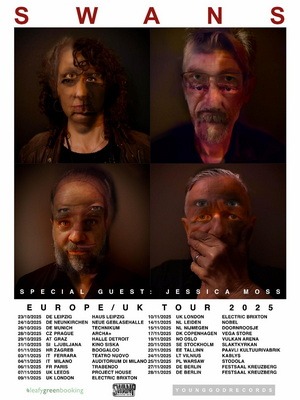
Swans, who recently announced their seventeenth studio album, Birthing, arriving May 30 via Young God Records/Mute, have confirmed a European trek in support of the highly-anticipated release, launching on Oct. 23 in Leipzig.
The tour, with the previously announced North American dates, will be the last “big sound” Swans tour, with a line-up of: Michael Gira, Kristof Hahn, Dana Schechter, Larry Mullins, Phil Puleo, Christopher Pravdica, and Norman Westberg. European support comes from Jessica Moss with Little Annie & Paul Wallfisch opening on North American dates.
Gira shared insight into the new album, as well as insight into the future of Swans: “The material contained in this album was largely developed over the course of a yearlong Swans tour, during 2023 – 2024 (‘The Healers,’ ‘I Am a Tower,’ ‘Birthing,’ ‘Guardian Spirit,’ ‘Rope,’ and ‘Away’), then recorded and further orchestrated and rearranged in the studio. Two pieces were created and performed in the studio (‘Red Yellow,’ ‘The Merge’).
In all cases the material began with me sitting in my office with an acoustic guitar, singing and dreaming about what would become of these skeletal songs. I’m blessed to have such a stellar group of musicians to work with live, and through improvisation, endless revisions and an intensity of focus in performance (not to mention endurance), over the course of time the music morphed into what you generally hear on this collection.
This album, coupled with the recent live release, Live Rope, constitutes my final foray (as producer / impresario) into the all-consuming sound worlds that have been my obsession for years. We’ll do a final tour in this mode towards the end of 2025, then that’s it.
After that, Swans will continue, so long as I’m able, but in a significantly pared down form. Hints of that direction can be found in a few moments on the current album. In the meantime, my hope is that the music provides a positive and fertile atmosphere in which to dream.”
“Birthing” pre-orders are available here, with the album available on triple vinyl (in a brown chipboard sleeve), double CD (in a brown chipboard digipak), and digital formats. Initial pressings of the triple vinyl and CD editions include a bonus DVD featuring “Swans Live 2024 (Rope) The Beggar”, a concert film directed by Marco Porsia from the last Swans U.S. tour, plus Christopher Nicholson’s documentary on Gira’s 2022 solo tour, entitled “I Wonder If I’m Singing What You’re Thinking Me to Sing”.
Michael Gira founded Swans in 1982. Initially known for their brutal, high-volume onslaughts of sound and the extreme, abject imagery of Gira’s lyrics and his thundering vocals, Swans underwent a series of startling transformations over the next 15 years. After early punishing albums like “Filth and Cop”, they explored proto-industrial rock with Greed, atmospheric and martial elements on “Children of God” (1987), acoustic meditations on “The Burning World” (1989), and grand, melody-dense sonic whirlwinds with White Light from the “Mouth of Infinity” (1991) and “Love of Life” (1993), before becoming more dissonant and sharp-edged with “The Great Annihilator” (1994). Finally, the ultimate statement of that epoch of Swans, “Soundtracks for the Blind”, combined all of these elements across well over two hours of music. Gira disbanded the group, shifting focus to Angels of Light and his Young God Records label, fostering artists like Devendra Banhart and Akron/Family. In 2010, he revived Swans with “My Father Will Guide Me Up a Rope to the Sky” to ecstatic critical response followed by “The Seer” (2012) and “To Be Kind” (2014), with both earning critical and commercial success, leading to sold-out tours and multiple Billboard chart placements. “The Glowing Man” (2017) marked the end of that Swans incarnation, with “Leaving Meaning” (2019) and “The Beggar” (2023) continuing Gira’s work with an evolving lineup.
Swans European/UK tour dates:
October 23 Leipzig, DE Haus Leipzig October 24 Neunkirchen, DE Neue Geblassehalle October 26 Munich, DE Technikum October 28 Prague, CZ Archa+ October 29 Graz, AT Halle Detroit October 31 Ljubljana, SI Kino Siska November 1 Zagreb, HR Boogaloo November 3 Ferrara, IT Teatro Comunale November 4 Milan, IT Auditorium di Milano November 6 Paris, FR Trabendo November 7 Leeds, UK Project House November 9 London, UK Electric Brixton November 10 London, UK Electric Brixton November 14 Leiden, NL Nobel November 15 Nijmegen, NL Doomroosje November 17 Copenhagen, DK VEGA Store November 19 Oslo, NO Vulkan Arena November 20 Stockholm, SE Slaktkyrkan November 22 Tallin, EE Paavli Kultuurivabrik November 24 Vilnius, LT Kablys November 25 Warsaw, PL Stodola November 27 Berlin, DE Festaal Kreuzberg November 28 Berlin, DE Festaal Kreuzberg
Swans North American tour dates:
September 4 Philadelphia, PA Union Transfer September 5 Washington, DC The Howard Theatre September 6 Norfolk, VA The NorVa September 9 Dallas, TX Granada Theater September 10 Austin, TX Mohawk Austin September 12 Albuquerque, NM Sunshine Theater September 13 Tucson, AZ The Rialto Theatre September 15 Los Angeles, CA Lodge Room September 16 Los Angeles, CA Lodge Room September 17 Los Angeles, CA Lodge Room September 20 San Francisco, CA Great American Music Hall September 21 San Francisco, CA Great American Music Hall September 23 Seattle, WA The Neptune Theatre September 24 Portland, OR Revolution Hall September 27 Denver, CO Bluebird Theater September 28 Omaha, NE Waiting Room Showroom September 30 Chicago, IL Cabaret Metro October 1 Detroit, MI The Magic Bag October 3 Toronto, ON Phoenix Concert Theatre October 4 Montreal, QC Théâtre National October 6 Boston, MA Paradise Rock Club October 7 Brooklyn, NY Brooklyn Steel
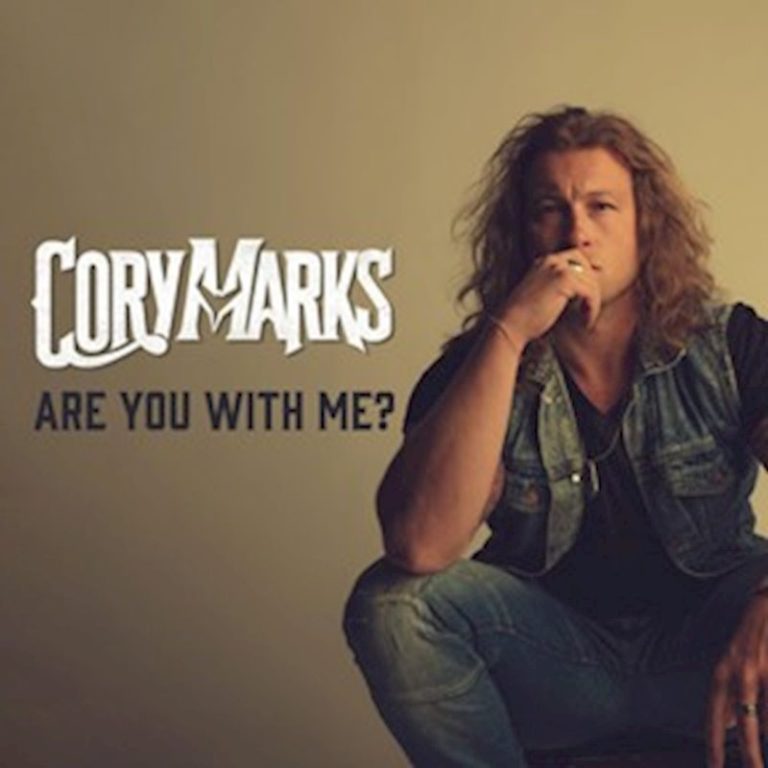
Cory Marks was so musically inspired by his recent European tour, that he decided to release a brand-new song and lyric video, a musical rallying cry to his fans, “Are You With Me?” via Better Noise Music.
Marks also wanted to share the new lyric video for “Lit Up” from his SORRY FOR NOTHING album, out now. The songs have just been released as a double-single on digital outlets (“Are You With Me?”) and (“Lit Up”).
“‘Are You With Me?’ is a song for my fans, for the people loving my music and loving this country rock sound,” exclaims Cory Marks. “They’re the reason we do this and want to get out on the road and play live no matter how hard, long, tough and unfair smoke and mirrors this music industry can be. There’s nothing like playing live and watching the crowd sing a long and rock out with you. Are you with me?”
With over 350 million global streams to date, CORY has been captivating fans across the country and rock spectrum. Unafraid to stand out and stay true to himself, his third album SORRY FOR NOTHING is an unapologetic double-barreled blast of 13 songs produced by longtime collaborator Kevin Churko (Ozzy Osbourne, Five Finger Death Punch, Shania Twain, Papa Roach), plus Kile Odell (Nita Strauss, David Draiman), and Andrew Baylis (Jelly Roll, Brantley Gilbert). The album comes as a follow-up to CORY’s successful debut, WHO I AM, which included the hit single “Outlaws & Outsiders.” The song made history as the first-ever Top 10 rock radio-charting single from a Canadian country act and over 230 million global streams to date. The single received Platinum certification in Canada and Gold in the U.S.
SORRY FOR NOTHING’s tracks range from Haggard-like country and virtual bluegrass to straight-up arena anthems and almost Pantera-like hard metal as well as mashing both styles in a single song. Guest appearances include Sully Erna of Godsmack, Travis Tritt and Mick Mars on the Top 20 Active Rock radio-charting single “(Make My) Country Rock” and DL of Bad Wolves on “Guilty.”
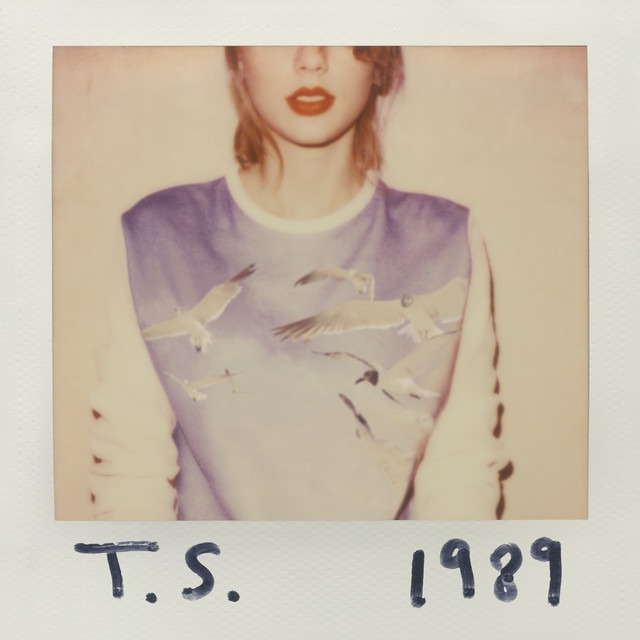
When Taylor Swift released 1989 in 2014, she embraced a dazzling new pop sound, rewrote her musical story, and welcomed fans into a neon-lit world of heartbreak, confidence, and glitter. From London rainstorms to retro drum machines, this album holds more surprises than meet the ear. Here are five delightful facts about 1989 that make the experience even more magical.
1. The Polaroids were personal pop artifacts. Every CD of 1989 included a set of 13 instant-style photos chosen from a collection of 65. These weren’t stock images—they were moody, handwritten snapshots of Taylor’s life, complete with lyrics scribbled at the bottom. The photos showed her walking the streets of New York, lounging in the studio, or just looking pensive in perfect lighting. Fans traded them, collected them, and treated them like golden tickets to the 1989 universe.
2. Ryan Tedder got a voice memo invitation. Taylor sent Ryan Tedder a voice memo with melodies and lyrics for “I Know Places,” describing the exact mood and structure she wanted. When they met, it took just one day to finish the track. It was a fast-paced burst of creative magic, proving how clearly Taylor envisioned the album’s sound. Their collaboration turned a rough idea into a sleek, shadowy anthem.
3. “Clean” came from a London breakthrough. After spending two weeks in London, Taylor realized she had moved on from a past relationship. That feeling became “Clean,” a song she brought to life with Imogen Heap in one day at Heap’s studio. With its gentle instrumentation and lyrics about emotional clarity, the track closes the album with a quiet sense of strength. It’s healing in musical form, a perfect final chapter.
4. “I Wish You Would” started with a snare sample. Jack Antonoff sampled the snare drums from Fine Young Cannibals’ “She Drives Me Crazy” and played it for Taylor on his phone. She immediately loved it. That beat became the heartbeat of “I Wish You Would,” layered with electric guitars and swirling synths. The song merges ‘80s edge with heartfelt longing, crafted with one borrowed beat and a whole lot of pop flair.
5. “Shake It Off” includes trademarked Taylor-isms. In the middle of “Shake It Off,” Taylor tosses out the phrase “this sick beat”—and later had it trademarked, along with “Party like it’s 1989.” These lines became more than lyrics; they turned into cultural taglines. The song’s blend of sass, confidence, and legal savvy reflects Taylor’s playful command of her image and brand. Only she could turn a bridge lyric into intellectual property.
1989 is a pop time capsule, polished with care and packed with sonic sparkle. Behind every synth, beat, and hook is a story that adds color and depth to Taylor Swift’s joyful leap into pop legend status.
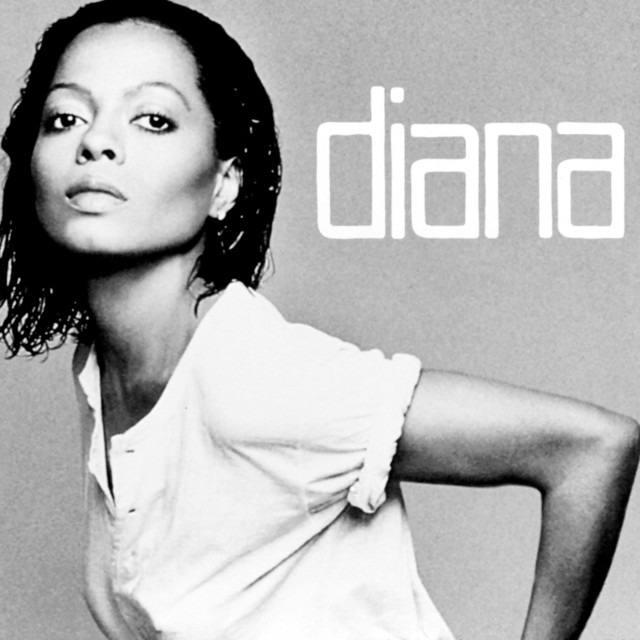
When diana arrived on May 22, 1980, it launched a new chapter in Diana Ross’s legendary career—fueled by confidence, creativity, and pure dancefloor magic. With production by Nile Rodgers and Bernard Edwards of Chic, the album radiates flair, empowerment, and groove from start to finish. From drag club inspiration to royal approval, here are five fabulous facts you might not know about this Motown masterpiece.
1. “I’m Coming Out” was inspired by drag queens and a late-night epiphany. At a New York club called The Gilded Grape, Nile Rodgers saw several drag queens dressed as Diana Ross. He immediately called Bernard Edwards and said, “Let’s write a song called ‘I’m Coming Out.’” The track became a joyful anthem for self-expression and identity. For Ross, it also reflected a powerful moment in her life as she stepped confidently into independence.
2. Diana wore supermodel Gia Carangi’s jeans on the album cover. The iconic cover photo, shot by Francesco Scavullo, captures Ross in a laid-back yet stylish pose. She borrowed a pair of jeans from fashion legend Gia Carangi, adding a cool, casual edge to the album’s visual. The handwritten lowercase “diana” completed the fresh new vibe that perfectly matched the music within.
3. Ross took creative control and remixed the entire album. After previewing the original version, Diana worked with Motown’s Russ Terrana to remix every track. She adjusted tempos, re-recorded vocals, and reshaped the sound into something bolder and more focused. The new version became the best-selling studio album of her career and gave her full ownership of her artistic direction.
4. “Upside Down” came straight from a heart-to-heart. Rodgers and Edwards spent days interviewing Ross before writing any songs. When she said she wanted to turn her life “upside down” and “have fun again,” they ran with it. That conversation turned into a chart-topping hit that moved people worldwide—and gave Ross one of the defining songs of her career.
5. A future king calls it one of his favorite songs. In 2025, King Charles III named “Upside Down” as one of his all-time favorite tracks during an Apple Music program. He shared that it was “absolutely impossible not to get up and dance when it was played.” Even royalty finds joy in the rhythm and voice of diana.
With Chic’s brilliance, Ross’s vision, and a legacy of joy, diana shines as a radiant statement of reinvention. Every track, every detail, and every beat carries the energy of an artist fully stepping into her power.
To reduce harm to the festival community the festival’s site safety and first aid teams want patrons to know there is a substance circulating on site that is causing an adverse reaction. Gel cap mushrooms should be avoided as they may also have an additive in them which can lead to fainting. Folks who have experienced this have been cared for by safety and first aid teams.
The festival cares about the health and safety of their patrons and have many systems and supports in place, and therefore invest heavily in safety initiatives. The website includes information and resources to encourage all participants who choose to use substances to practice harm reduction strategies to reduce the risks.
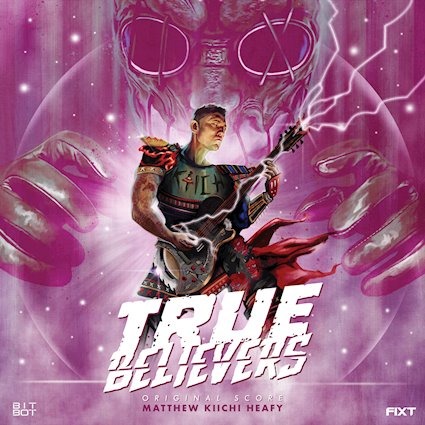
Matthew Kiichi Heafy, mastermind and frontman of the metal band Trivium (who are currently on their North American Tour with Bullet for My Valentine), unleashed an original 30-minute soundtrack for the crowd-funded slasher comic series True Believers, co-written by New York Times bestselling Bram Stoker Award-winner Stephen Graham Jones (The Only Good Indians, My Heart is a Chainsaw) and Denver Post bestselling writer Joshua Viola (Legacy of Kain: Soul Reaver, It Came from the Multiplex), with interior artwork by Ben Matsuya. The blood-soaked series features official cameos from horror and pop culture icons like Jamie Lee Curtis, R. L. Stine, Devon Sawa, GWAR, Matthew Kiichi Heafy, and more.
True Believers goes beyond the page, offering fans unique merch like latex masks, prop weapons, and soundtrack editions on vinyl, CD, and cassette, creating an immersive horror experience like no other. The score is available for pre-order from FiXT in partnership with Bit Bot Media, the new multi-media company from Klayton and Josh Viola. The full soundtrack released on April 24, 2025.
This beast of a score slams together Heafy’s skull-crushing guitar riffs and pummeling intensity with spine-chilling, synth-drenched vibes that scream John Carpenter’s horror legacy, where Halloween meets a mosh pit. This isn’t just a soundtrack, it’s a sonic bloodbath that proves Heafy’s a genre-smashing titan, fusing metal’s raw fury with the twisted pulse of graphic storytelling.
The soundtrack’s centerpiece, “Too Far Gone,” highlights Heafy’s intense vocals and guitar prowess, paying homage to classic horror cinema.
Matthew Kiichi Heafy is a Japanese-born American musician best known as the guitarist and lead vocalist for heavy metal band Trivium.
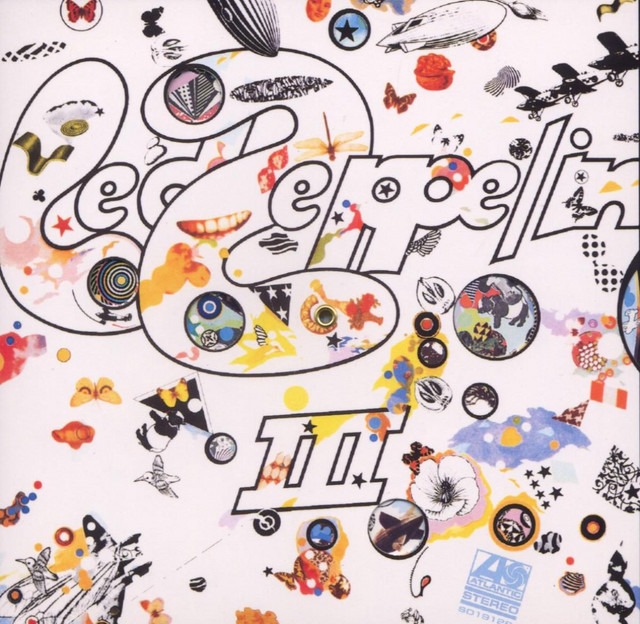
When Led Zeppelin III was released on October 5, 1970, it flipped the script on what a hard rock band could sound like. Sure, “Immigrant Song” still roared like thunder, but nestled between the riffs were acoustic guitars, mandolins, and songs that felt more campfire than coliseum. Behind its spinning volvelle cover and chart-topping success lies a story packed with creativity, wild recording methods, and a lot of heart. Here are five lesser-known facts about this landmark album.
1. The album was born in a cottage with no electricity or water. Robert Plant and Jimmy Page holed up in Bron-Yr-Aur, an 18th-century stone cottage in rural Wales, to decompress after relentless touring. With no power, no running water, and nothing but the landscape around them, they unplugged—literally and musically. This back-to-basics retreat inspired the acoustic direction of songs like “That’s the Way” and “Bron-Y-Aur Stomp,” bringing a whole new vibe to the band’s sound.
2. “Bron-Y-Aur Stomp” is actually about Robert Plant’s dog. That joyful foot-stomper of a track? It’s a tribute to Plant’s blue-eyed Merle named Strider—yes, named after Aragorn from The Lord of the Rings. The song captures the simple pleasure of roaming the countryside with your best four-legged friend, with Bonham on spoons and Jones on double bass adding to the down-home feel. At live shows, Plant would often end the song with a proud shout: “Strider!”
3. One of the intros was built from a happy accident. “Celebration Day” was supposed to open with a thunderous Bonham drum intro—until a studio engineer accidentally erased it. Rather than re-record it, the band seamlessly blended in a droning Moog synthesizer fade from the previous track, “Friends.” The result turned a technical mistake into a psychedelic bridge, showing Zeppelin could improvise magic just as well as they could plan it.
4. The spinning album cover is pure rock art wizardry. Designed by multimedia artist Zacron, the Led Zeppelin III cover featured a rotating cardboard disc (called a volvelle) with dozens of trippy images visible through holes in the outer sleeve. Page personally chose Zacron to create it, and the design delayed the album’s release because of its complexity. It’s one of the most iconic—and interactive—album packages of all time, showing Zeppelin’s commitment to music as full-on experience.
5. The bluesy “Since I’ve Been Loving You” was recorded almost live. This epic track was one of the first written for the album and captured in a near-live studio take. John Paul Jones played bass pedals and Hammond organ simultaneously, while Jimmy Page delivered a soaring solo in one powerful, emotional sweep. It became their definitive live blues number for years to come and remains a fan favorite for its raw, soul-deep intensity.
Led Zeppelin III might have surprised fans in 1970, but its blend of ferocity and folk has aged like the finest whiskey. From Welsh hillsides to pedal steel heartbreaks, it proved that Zeppelin could play anything they set their minds (and mandolins) to—and sound like legends doing it.