Home Blog Page 533

5 Surprising Facts About Radiohead’s ‘In Rainbows’

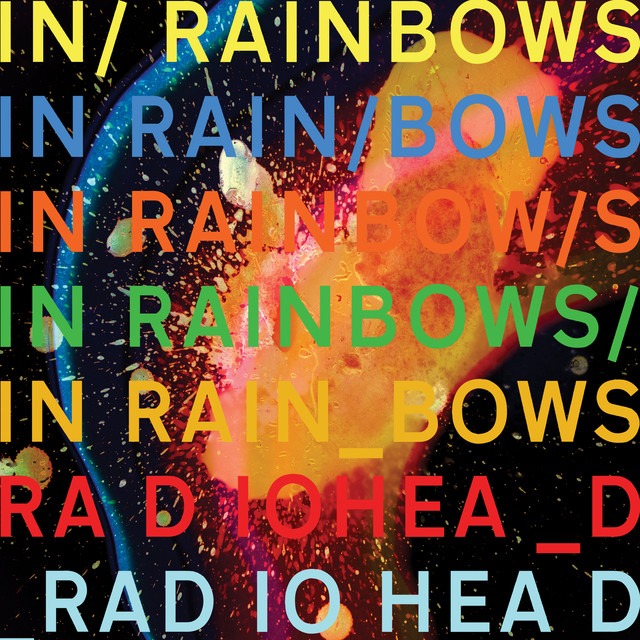
Radiohead didn’t announce their In Rainbows album with a press tour or a big reveal—it floated into inboxes like a quiet meteor in 2007, transforming the music industry in the process. With its pay-what-you-want release, radiant artwork, and some of the band’s most intimate songwriting, it became both a cultural moment and a creative reset. But behind the colorful splash of its cover and the haunting beauty of tracks like “Nude” and “Reckoner” are stories full of weird houses, surprise kids’ choirs, and a truly funky drum machine. Here are 5 facts about In Rainbows that might make you hear it all differently.

1. The album was born in a crumbling mansion full of “strange vibes.”
Radiohead recorded part of In Rainbows at Tottenham House, a derelict country estate with holes in the floors, broken windows, and rain leaking through the ceilings. The band lived in caravans on the property while recording inside the spooky building. Thom Yorke later said the place had an eerie energy that crept into the music. Apparently, a haunted vibe pairs well with strings and falsetto.

2. One song took four versions—and a few “sonic babies.”
“All I Need” wasn’t recorded in one clean take. Instead, it was pieced together from four different versions. Producer Nigel Godrich blended elements of each and made the band commit to their performances by locking in the rhythm track early. Colin Greenwood said the result created something beautifully unpredictable, like their sounds were “having little sonic babies.”

3. A group of schoolchildren helped open the album.
The cheer you hear at the start of “15 Step” isn’t sampled from a festival—it’s a real group of kids from Oxford’s Matrix Music School. Their joyful clapping and whooping offsets the song’s darker lyrics about disillusionment. The contrast was deliberate, and also kind of adorable: the band added the kids after hearing their excitement in the studio hallways.

4. One bassline saved a song ten years in the making.
“Nude” first appeared during the OK Computer sessions but never quite worked. Years later, Colin Greenwood came up with a new bassline that unlocked the song’s flow and finally brought it to life. The updated version—with lush strings and Yorke’s aching falsetto—became one of the album’s emotional high points. Sometimes, it takes a decade to find the right groove.

5. Radiohead’s final decision wasn’t about money—it was about freedom.
The pay-what-you-want release model for In Rainbows started as an idea from their managers during a long recording stretch. Radiohead wanted to reach fans directly, without rules or intermediaries. Fans could download the album for free—or pay whatever they felt it was worth. No catch, no email sign-up. Just music, straight from the source.

In Rainbows continues to glow brighter with time—sonically rich, emotionally open, and packed with details that reward careful listening. Whether you fell in love with the layered swirl of “Weird Fishes” or the whispered goodbye of “Videotape,” the album remains a triumph of feeling over flash. And now you know: sometimes it takes haunted mansions, string theory, and a room full of kids to make something timeless.
Dolly Parton’s God-Dog Billy Returns in New Picture Book Billy the Kid Dances His Heart Out, Featuring New Song “Bella”

0

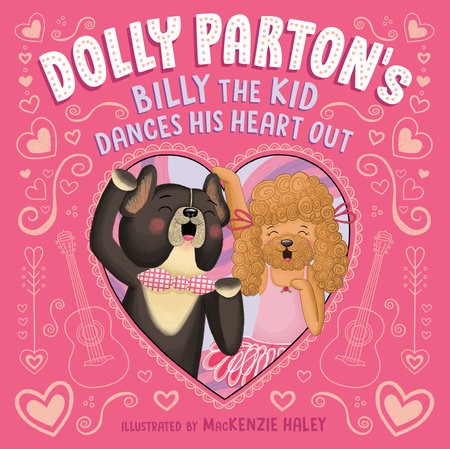
On December 2, 2025, Penguin Workshop, an imprint of Penguin Young Readers will publish DOLLY PARTON’S BILLY THE KID DANCES HIS HEART OUT, the third standalone children’s picture book in Parton’s New York Times bestselling series featuring French bulldog, her god-dog, Billy the Kid. In this follow up to Billy the Kid Makes It Big and Billy the Kid Comes Home for Christmas, French bulldog and musical superstar Billy the Kid faces one of his biggest fears: dancing in front of an audience. To prepare for his exciting gig opening for Dolly Parton’s Doggy Dance Pawty, Billy enrolls in dance lessons and is paw-struck by his teacher, Bella, who is as graceful as she is beautiful. But trying to win Bella’s attention causes Billy to stumble even more—can he nail the dance routine and catch Bella’s eye, all before the big dance pawty? Dolly Parton has written an original song “Bella” specifically for this book, available on December 2nd in tandem with the book release. The book will be available both in hardcover and as an audiobook narrated by Dolly herself.

“I am excited to introduce Bella into Billy’s life in our new book!” exclaims Parton. “Creating stories that are fun, real, and carry life lessons hopefully makes it meaningful for children and their parents to experience the joy of reading together.”

Parton’s previous children’s books include Coat Of Many Colors (1994) and I Am A Rainbow (2009). In 2023, Parton introduced the beloved new character Billy the Kid, inspired by her favorite god-dog, in Billy the Kid Makes It Big. The book was an instant New York Times bestseller and dubbed a “wholesome howl” by Kirkus Reviews. Her festive 2024 follow-up, Billy the Kid Comes Home for Christmas, was called “heartfelt” and “adorable” by School Library Journal.

Francesco Sedita, President & Publisher, Penguin Workshop, said, “There is no greater joy than working with Dolly on a book about dogs, dancing, and love!  And to get a brand-new song from Dolly in the process has been a dream come true.  We’re so excited to give Dolly—and her god-dog Billy—a brand new stage.

Dolly Parton is the most honored and revered female singer-songwriter of all time. She has been inducted into the Country Music Hall of Fame and the Rock & Roll Hall of Fame, has a record-breaking 28 songs that have reached #1 on the Billboard charts, and hundreds of awards across her career. To date, Parton has donated over 270 million books to children around the world with her Imagination Library and has authored successful books for children and adults. From her “Coat of Many Colors” while working “9 to 5,” no dream is too big and no mountain too high for the country girl who turned the world into her stage.

Erica S. Perl is the author of more than forty popular and critically acclaimed books for children. She has also collaborated on books with Dolly Parton and R.J. Palacio. Erica teaches writing in the Vermont College of Fine Arts MFA program and lives in Washington, DC, with her family.  

MacKenzie Haley is an illustrator whose books include The Ninja Club SleepoverPegasisters Go to Camp, and Snitchy Witch, among others. She received her Bachelor of Fine Arts in illustration from the University of Dayton and currently resides in Louisville, Kentucky.

Indie Rockers DICE Drop ‘Alter Ego’ and Announce Massive U.S. Tour Inspired by The Killers and Bloc Party

0

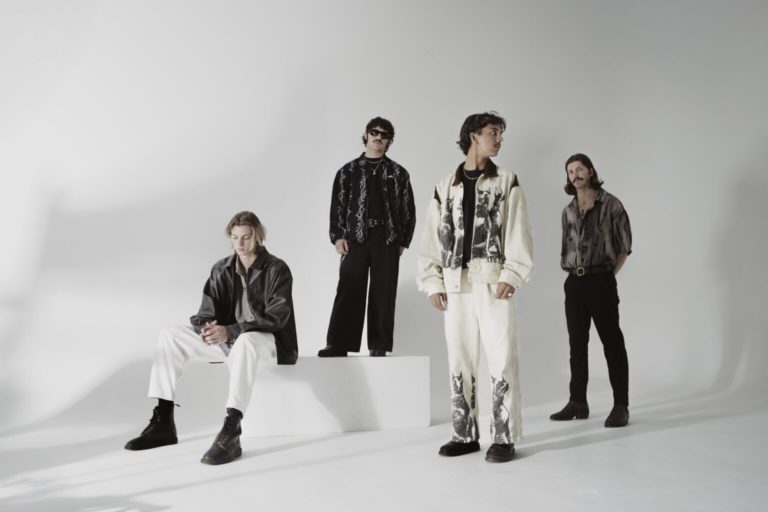
West Australian indie rock outfit DICE are back in full force with the release of their infectious new single ‘Alter Ego’. Following the success of their 2025 single Chasing Hearts and their ARIA-charting debut album Midnight Zoo, the rising four-piece continue to build serious momentum with this dynamic new offering.

Blending the nostalgic energy of The Killers, Bloc Party, and Two Door Cinema Club, ‘Alter Ego’ is a fast-paced indie anthem built for long road trips and late-night adventures. Driven by tight guitar work, pulsating rhythms, and anthemic choruses, the track is the perfect addition to any summer playlist – especially as the northern hemisphere heads into festival season.

Lyrically, ‘Alter Ego’ explores the inner turmoil of identity and self-reflection, grappling with how past actions can feel disconnected from who we are today. It’s an introspective narrative wrapped in vibrant, high-energy instrumentation – a hallmark of DICE’s sound.

As they prepare for a massive USA run in October, DICE are firmly establishing themselves as one of Australia’s most exciting indie rock exports.

DICE Chasing Hearts Tour

USA
Tuesday, 30 September 2025 – 
Valley Bar – Phoenix, AZ
Wednesday, 1 October 2025 – Soda Bar – San Diego, CA
Thursday, 2 October 2025 – 
Constellation Room – Santa Ana, CA
Friday, 3 October 2025 – The Echo – Los Angeles, CA
Saturday, 4 October 2025  – Cafe du Nord – San Francisco, CA
Tuesday, 7 October 2025 – Barboza – Seattle, WA
Wednesday, 8 October 2025 – Polaris Hall – Portland, OR
Thursday, 9 October 2025 – Shrine Social Club- Boise, ID
Friday, 10 October 2025 – DLC –Salt Lake City, UT
Saturday, 11 October 2025 – Meow Wolf – Denver, CO
Tuesday, 14 October 2025 – Turf Club – St Paul, MIN
Wednesday, 15 October 2025 – Schabas Tavern – Chicago, IL
Thursday, 16 October 2025  – A&R Music Bar – Columbus, OH
Friday, 17 October 2025 – Magic Bag – Detroit, MI
Saturday, 18 October 2025 – The Velvet Underground – Toronto, ON
Tuesday, 21 October 2025 – Middle East Upstairs – Boston, MA
Thursday, 23 October 2025 – Baby’s All Right – Brooklyn, NYC
Friday, 24 October 2025 – Johnny Brenda’s- Philadelphia, PA
Saturday, 25 October 2025 – DC9 – Washington, DC
Sunday, 26 October 2025 – Motorco Music Hall – Durham, NC
Tuesday, 28 October 2025  – The Masquerade (Purgatory) – Atlanta, GA
Wednesday, 29 October 2025  – The Basement – Nashville, TN
Friday, 31 October 2025 – WOMH Upstairs – Houston, TX
Saturday, 1 November 2025 – 3Ten ACL Live – Austin, TX
Sunday, 2 November 2025 – Limbo Room at Ruins – Dallas, TX

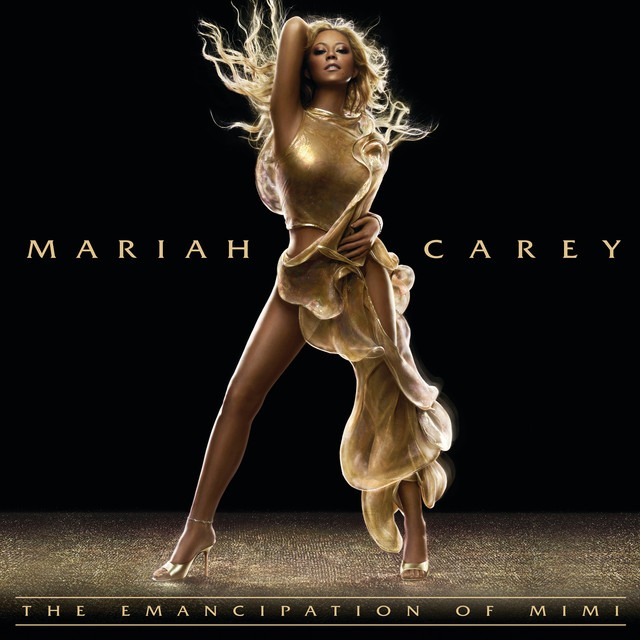
5 Surprising Facts About Mariah Carey’s ‘The Emancipation of Mimi’

When The Emancipation of Mimi dropped in 2005, it marked a glittering celebration of Mariah Carey’s voice, vision, and boundless energy. With powerhouse ballads, slick club bangers, and playful lyrics, the album became a landmark moment—not only in her career but in 2000s music history. But behind the vocal runs and Billboard reign were moments of inspiration, spontaneity, and pure Mimi magic that don’t always make the headlines. Here are 5 little-known facts that make this album shimmer even brighter.

1. Mimi had always been there—she just got a title.
Mariah’s inner circle had long called her “Mimi,” but the public had never been properly introduced. That changed when Island Records’ L.A. Reid heard the record and suggested she put Mimi in the spotlight. Mariah loved the idea—it felt like inviting fans closer, as if the velvet rope had finally lifted. “Mimi” became the voice of freedom, fun, and high notes for days.

2. The biggest hit came from a two-day dash in Atlanta.
“We Belong Together” and “It’s Like That” weren’t part of the original album plan. After hearing early tracks, Reid sent Mariah to Atlanta to cook up something extra with Jermaine Dupri. In just two days, they created both songs—one would become a global smash and the other a party anthem. Mariah knew something special happened; even the plane ride home felt electric.

3. That “ash and lotion” line? Total studio silliness.
In “It’s Like That,” Mariah sings, “Them chickens is ash and I’m lotion”—a line that raised many eyebrows and inspired even more memes. Turns out it came from a moment of pure fun in the studio with Jermaine Dupri. They were joking around, tossing playful phrases back and forth, when the image stuck. It became a lasting reminder that Mimi knows how to moisturize… lyrically.

4. Gospel made a grand appearance on track 14.
“Fly Like a Bird,” the album’s closer, stands as one of Mariah’s most powerful vocal performances. Inspired by faith and written with longtime collaborator James “Big Jim” Wright, the song even features a spoken Bible verse from her pastor. It became a live show-stopper, especially at the Grammys where it earned a standing ovation. Mimi saved the heavenly moment for last.

5. The album title nearly stayed a secret.
Mariah teased the phrase “The Emancipation of Mimi” on her website months before the album dropped—but without any explanation. Fans speculated wildly about its meaning, from alter egos to secret mixtapes. When the official announcement came, the title became a bold statement of creative freedom and personal joy. Mimi had arrived, and the world was ready.

Nearly two decades later, The Emancipation of Mimi continues to sparkle as one of Mariah Carey’s most defining albums. It brought together playful energy, heartfelt emotion, and bold vocal power in a way that still feels fresh today. Whether you’re dancing to the handclaps of “It’s Like That” or singing along to “We Belong Together,” Mimi’s world is one worth revisiting—full of freedom, flair, and unforgettable moments.

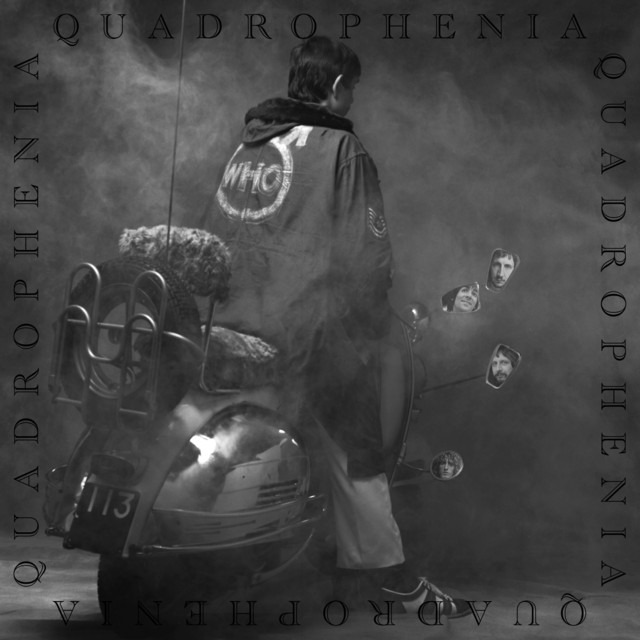
5 Surprising Facts About The Who’s ‘Quadrophenia’

There’s no question Quadrophenia is one of The Who’s most ambitious works—an epic rock opera, a deep dive into mod culture, and the sound of Pete Townshend pouring his soul through a synthesizer. But behind the teenage angst and tidal waves lies a storm of fascinating details that even diehard fans might’ve missed. Here are five little-known facts that’ll have you cranking up “The Real Me” all over again.

1. Pete Townshend Played Cello… After Learning It in Two Weeks
That string section you hear? Not some hired orchestra—Pete Townshend bought a cello, taught himself to play, and recorded the parts in just two weeks. Because why hire someone when you can become a one-man string section with a deadline and a grudge against mediocrity?

2. Jimmy’s Personality Is Literally the Band
The moody mod main character, Jimmy is made up of four personalities, each representing a member of the Who. There’s “Bell Boy” (Moon), “Is It Me?” (Entwistle), “Helpless Dancer” (Daltrey), and “Love Reign O’er Me” (Townshend). It’s basically The Who: The Musical, filtered through one very confused teenager.

3. The Album Was a Sound Design Feat Worthy of Sci-Fi Cinema
Forget your favorite movie soundtrack—Quadrophenia had nine tape machines running simultaneously for its sound effects. Townshend recorded waves in Cornwall, a train near his house, and even a marching band in Regent’s Park to create the sonic world Jimmy lives in. The album isn’t just music—it’s a 90-minute soundscape.

4. John Entwistle’s Bass Line on “The Real Me” Was a One-Take Wonder
John Entwistle laid down that iconic, chaotic, bass-on-fire track to “The Real Me” in one take. According to him, he was just joking around. According to the rest of us, he casually dropped one of the greatest bass performances in rock history, then probably made a sandwich.

5. The Album Nearly Imploded the Band (and Their Manager)
While making Quadrophenia, the band built their own studio—but had to borrow Ronnie Lane’s mobile unit when it wasn’t ready. Manager Kit Lambert, once their creative guru, missed sessions and clashed with Daltrey so badly that he was ousted before the album dropped. Townshend ended up producing it all himself, proving once again: never underestimate a stressed-out genius with a vision and a synthesizer.

15 Punk Albums That Still Sound Dangerous

You ever put on a record and immediately feel like you should punch the air, quit your job, and spray-paint a truth bomb on a Starbucks window? Good. That means punk still works.

Danger in punk isn’t about volume—it’s about urgency, chaos, and the feeling that the next track might collapse under its own raw energy. Some albums age. These albums detonate.

So here are 15 punk records that still sound like they were banned in 12 countries yesterday. No apologies. No skipped tracks. Just bite.

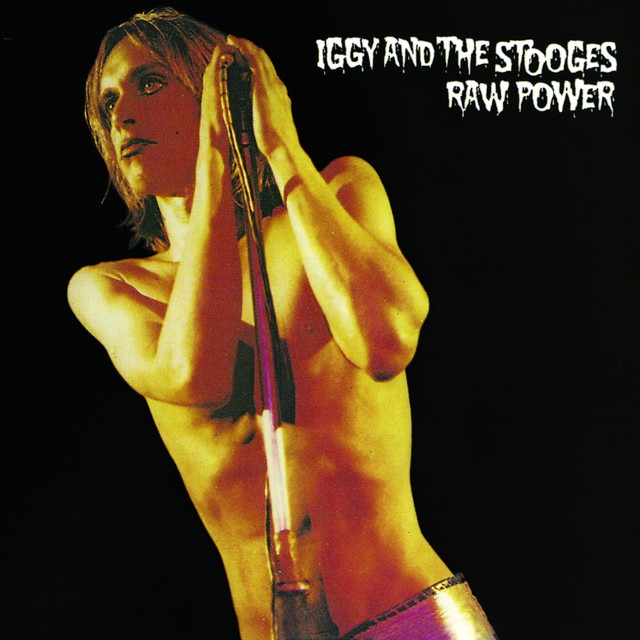
1. The Stooges – Raw Power (1973)
Before punk had a name, Iggy Pop stripped rock to its bone marrow and screamed into the void. It still sounds like a riot at a thrift store.

2. Sex Pistols – Never Mind the Bollocks (1977)
Every sneer, every buzzsaw riff—it still pisses off the right people. And that’s the point.

3. Dead Kennedys – Fresh Fruit for Rotting Vegetables (1980)
Jello Biafra’s voice is the sonic version of throwing a Molotov cocktail at the DMV. Unhinged and perfect.

4. Black Flag – Damaged (1981)
You don’t listen to Henry Rollins—you endure him. “Rise Above” could punch through drywall.

5. Minor Threat – Out of Step (1983)
18 minutes of pure straight-edge fury. Blink and it’s over, but your heart’s still racing.

6. Crass – The Feeding of the 5000 (1978)
Anarcho-punk at its most radical. It’s less an album, more a manifesto read through a megaphone during a protest.

7. The Clash – Give ‘Em Enough Rope (1978)
Everyone talks about London Calling, but this one still feels volatile, jagged, and ready to explode.

8. Bad Brains – Bad Brains (1982)
Hardcore meets Rastafarian lightning bolt. Faster than you can form a mosh pit.

9. X-Ray Spex – Germfree Adolescents (1978)
Poly Styrene’s voice cuts like a neon dagger through consumer culture. Punk, but make it glitter and rage.

10. Bikini Kill – Pussy Whipped (1993)
Kathleen Hanna didn’t come to play. She came to dismantle patriarchy with a distortion pedal.

11. Refused – The Shape of Punk to Come (1998)
They predicted post-hardcore before it was cool and screamed about capitalism like they had stocks in chaos.

12. The Germs – GI (1979)
Produced by Joan Jett, fronted by the infamous Darby Crash. It’s a beautiful, sloppy, falling-apart masterpiece.

13. Fugazi – Repeater (1990)
If you can sit still through Repeater, check your pulse. It’s got groove, intellect, and the fury of a basement show in full swing.

14. The Misfits – Walk Among Us (1982)
If Halloween was a punk show and the devil had a pompadour, it would sound like this.

15. Against Me! – As the Eternal Cowboy (2003)
Country-tinged punk that still makes you want to scream your truth from a rooftop bar bathroom.

Punk’s not dead. It’s just wearing different jackets. These albums don’t ask for respect—they kick the door in and demand it. Whether you’re crowd-surfing in a club or side-eyeing your Spotify algorithm, throw one of these on and feel the static rise.

And if someone says punk doesn’t feel dangerous anymore… crank up Damaged, hand them a safety pin, and tell them to listen harder.

10 Tips for Setting Fair Band Splits and Avoiding Resentment

Look, I’m not saying your band is destined to break up over money—but if you’re reading this and haven’t talked splits yet, I’m legally required to raise one eyebrow in concern. Here are 10 tips for keeping your band together, solvent, and (mostly) emotionally intact.

Let’s split this up fairly, shall we?

1. Talk Before You Rock
Before you hit the stage, hit the table. Don’t wait until there’s streaming revenue to divvy—talk splits before your song hits Spotify Wrapped or your drummer’s ego hits Mach 5.

2. Songs ≠ Shows
Songwriting and live performance are two different beasts. If one person wrote the lyrics while everyone else was perfecting the triangle part, consider separating songwriting splits from gig income. You can’t pay rent in exposure or vibes.

3. Equal Isn’t Always Fair
Yes, democracy is lovely—but if one member is producing, mixing, writing, booking, and wrangling merch orders while the bassist “vibes,” maybe a 25/25/25/25 split isn’t quite right. Fair ≠ equal.

4. Put It in Writing (Seriously)
Handshake deals are for 1960s Motown contracts and movie montages. Draft a basic band agreement outlining revenue splits, songwriting credits, and what happens when someone quits to become a barista-slash-novelist.

5. Revisit the Deal—Like, Occasionally
Your band will evolve. Maybe the drummer becomes the main songwriter. Maybe your synth player joins a cult. Check in once a year to make sure your deal still fits the band’s actual contributions.

6. Copyright Credit ≠ Royalty Rate
Just because all five of you are listed as writers on the song doesn’t mean royalties must be split evenly. Think of writing credit as “who helped build the house” and royalties as “who paid for the materials.”

7. Side Hustles Need Boundaries
If your lead singer starts a solo project, clarify what’s “band property” and what’s not. Otherwise, one TikTok collab could lead to three lawsuits and an awkward green room silence.

8. Manager ≠ Mediator
Don’t make your manager (or your mom) settle disputes over money. Get a neutral third party—or better yet, a lawyer who knows both chords and clauses.

9. Use a Spreadsheet, Not a Napkin
Keep track of who gets what. Seriously. If your band’s finances exist only in someone’s Notes app, you’re begging for resentment (and IRS confusion).

10. Remember: It’s About the Music, But Also the Money
Music is magical, but rent is real. If you want to make art and stay friends, treat your business like a business. You don’t need a fancy contract—just a fair one.

In the end, fair splits are like good harmonies: no one notices when they work—but the second someone’s off-key, it’s all anyone hears. Save yourself a decade of passive-aggressive text threads and get your deal down early.

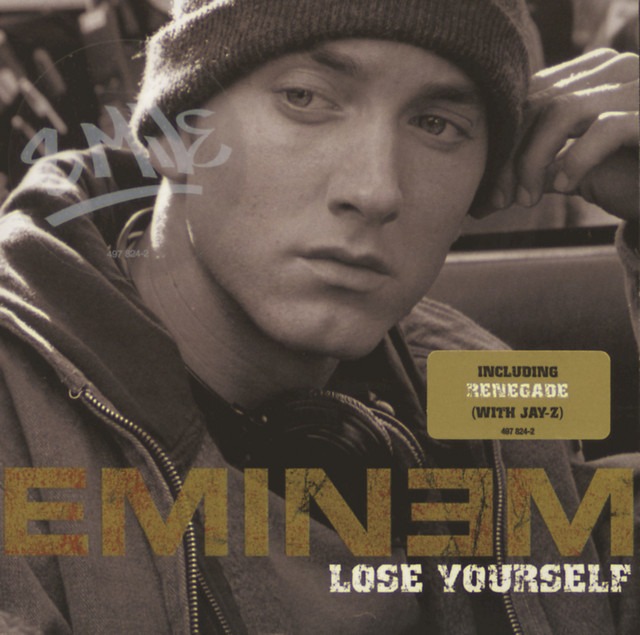
Eminem’s Isolated Vocals For “Lose Yourself”

Eminem’s “Lose Yourself” was released on October 28, 2002, as the lead single from the 8 Mile soundtrack. It topped the Billboard Hot 100 for 12 weeks and won an Oscar, two Grammys, and 13× Platinum certification. It’s widely regarded as one of the greatest hip-hop songs ever.


What is iGaming? The Meaning and Evolution of Online Betting

0

By Mitch Rice

Once confined to smoky casinos and local betting shops, wagering has undergone a digital revolution. Today, it’s as easy as opening an app or logging onto a website. This shift has given birth to what we now call iGaming—a broad, fast-evolving world of online betting that spans from sports wagers to slot machines and everything in between.

In this article, we’ll break down what iGaming truly means, how it came to life, and why it’s growing faster than ever. Whether you’re a curious newcomer or an industry insider, this guide will help you understand the pulse of a digital phenomenon that’s reshaping entertainment worldwide.

Understanding iGaming: Definition and Scope

At its core, iGaming means placing a bet or playing a game online where real money is involved. Think about it this way: if you’ve ever placed a bet on a football match using an app, joined an online poker table, or played virtual slot machines—then you’ve taken part in iGaming.

It’s not the same as playing a puzzle or candy-matching game on your phone just for fun. The key difference? iGaming involves real money, which means you can win—or lose—cash. Casual games are just for entertainment, with no money on the line.

Over time, iGaming has grown far beyond just poker or roulette. Now, it includes fantasy sports leagues, online lottery tickets, and even live-streamed casino games where real dealers interact with players in real time.

Behind these exciting experiences are tech companies that make everything run smoothly. One example is DSTGAMING—a platform provider that helps new brands launch their own online betting websites with ready-made tools and trusted systems.

So, whether you’re spinning a slot from your sofa or placing a bet during halftime, that’s the world of iGaming—and it’s growing fast.

A Brief History of iGaming’s Evolution

Online betting did not develop overnight. It began to take off in the 1990s when countries like Antigua and Barbuda approved laws allowing online casinos to operate legally.

Licensing bodies like the Kahnawake Gaming Commission started granting international permits at about the same time. These early years set the groundwork for the multi-billion-dollar market we see today.

Mobile phones later enabled iGaming to reach levels that were previously unheard of. The opportunity to gamble anytime and anywhere grew along with the popularity of smartphones. People no longer had to visit a casino or use a desktop computer to make a bet, so this convenience rapidly transformed player behavior.

The COVID-19 pandemic also contributed to the growth of iGaming. More gamers began betting from home when physical locations closed. The freedom that online platforms provided made people continue to use them even when restrictions were lifted. This era underlined the growing significance of online betting in the larger gambling market.

The support given to new and developing brands also helps to explain the industry’s steady growth. DSTGAMING, for example, offers turnkey and white label casino solutions that simplify the launch process. These ready-to-use platforms are designed to remain secure and compliant with local legislation while managing heavy traffic volumes.

Further information on how iGaming has evolved over time and where it is headed can be found on this DSTGAMING original post.

Modern Features and Regulatory Landscape

Today’s iGaming platforms aren’t just about placing bets—they’re about giving users a smooth, safe, and enjoyable experience. People expect websites and apps to work fast, be easy to use, and keep their money and personal information secure. That’s why providers like DSTGAMING build platforms with key features like mobile access, secure payment systems, and tools to detect fraud.

Technology plays a big role in making this all possible. For example, blockchain is being used to make payments safer and more transparent, while artificial intelligence (AI) helps spot strange behavior and create custom offers for users—kind of like how Netflix suggests shows you might like.

But while tech moves fast, so do the rules. Laws around online betting differ from country to country, and sometimes even within the same country. This makes it tricky for new brands to launch. That’s why many turn to companies like DSTGAMING, who design their platforms to follow the rules in each market.

Whether you’re planning to launch in the UK, Europe, or somewhere else, having a system that meets the right legal standards is a must. Because in iGaming, being smart and compliant isn’t just a bonus—it’s the foundation of long-term success.

Final Thoughts

iGaming today is more than just digital entertainment—it’s a fast-paced, ever-evolving ecosystem where real-time engagement meets cutting-edge technology. From sportsbook platforms to immersive online casinos, the industry is growing rapidly, shaped by changing player expectations and new digital frontiers.

Behind this transformation are B2B innovators like DSTGAMING—the driving force behind scalable, future-ready platforms. Whether you’re an operator looking to expand or an investor exploring the next big wave in gaming, engaging with the right technology partner is essential.

Stay future-focused. Collaborate with the infrastructure experts powering the next generation of iGaming.

Data and information are provided for informational purposes only, and are not intended for investment or other purposes.

Swans Announce Final “Big Sound” Tour with Fall EU/UK Dates Ahead of Birthing Release

0

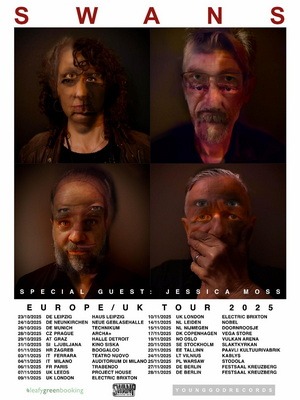
Swans, who recently announced their seventeenth studio album, Birthing, arriving May 30 via Young God Records/Mute, have confirmed a European trek in support of the highly-anticipated release, launching on Oct. 23 in Leipzig.

The tour, with the previously announced North American dates, will be the last “big sound” Swans tour, with a line-up of: Michael Gira, Kristof Hahn, Dana Schechter, Larry Mullins, Phil Puleo, Christopher Pravdica, and Norman Westberg. European support comes from Jessica Moss with Little Annie & Paul Wallfisch opening on North American dates.

Gira shared insight into the new album, as well as insight into the future of Swans: “The material contained in this album was largely developed over the course of a yearlong Swans tour, during 2023 – 2024 (‘The Healers,’ ‘I Am a Tower,’ ‘Birthing,’ ‘Guardian Spirit,’ ‘Rope,’ and ‘Away’), then recorded and further orchestrated and rearranged in the studio. Two pieces were created and performed in the studio (‘Red Yellow,’ ‘The Merge’).

In all cases the material began with me sitting in my office with an acoustic guitar, singing and dreaming about what would become of these skeletal songs. I’m blessed to have such a stellar group of musicians to work with live, and through improvisation, endless revisions and an intensity of focus in performance (not to mention endurance), over the course of time the music morphed into what you generally hear on this collection.

This album, coupled with the recent live release, Live Rope, constitutes my final foray (as producer / impresario) into the all-consuming sound worlds that have been my obsession for years. We’ll do a final tour in this mode towards the end of 2025, then that’s it.

After that, Swans will continue, so long as I’m able, but in a significantly pared down form. Hints of that direction can be found in a few moments on the current album. In the meantime, my hope is that the music provides a positive and fertile atmosphere in which to dream.”

“Birthing” pre-orders are available here, with the album available on triple vinyl (in a brown chipboard sleeve), double CD (in a brown chipboard digipak), and digital formats. Initial pressings of the triple vinyl and CD editions include a bonus DVD featuring “Swans Live 2024 (Rope) The Beggar”, a concert film directed by Marco Porsia from the last Swans U.S. tour, plus Christopher Nicholson’s documentary on Gira’s 2022 solo tour, entitled “I Wonder If I’m Singing What You’re Thinking Me to Sing”.

Michael Gira founded Swans in 1982. Initially known for their brutal, high-volume onslaughts of sound and the extreme, abject imagery of Gira’s lyrics and his thundering vocals, Swans underwent a series of startling transformations over the next 15 years. After early punishing albums like “Filth and Cop”, they explored proto-industrial rock with Greed, atmospheric and martial elements on “Children of God” (1987), acoustic meditations on “The Burning World” (1989), and grand, melody-dense sonic whirlwinds with White Light from the “Mouth of Infinity” (1991) and “Love of Life” (1993), before becoming more dissonant and sharp-edged with “The Great Annihilator” (1994). Finally, the ultimate statement of that epoch of Swans, “Soundtracks for the Blind”, combined all of these elements across well over two hours of music. Gira disbanded the group, shifting focus to Angels of Light and his Young God Records label, fostering artists like Devendra Banhart and Akron/Family. In 2010, he revived Swans with “My Father Will Guide Me Up a Rope to the Sky” to ecstatic critical response followed by “The Seer” (2012) and “To Be Kind” (2014), with both earning critical and commercial success, leading to sold-out tours and multiple Billboard chart placements. “The Glowing Man” (2017) marked the end of that Swans incarnation, with “Leaving Meaning” (2019) and “The Beggar” (2023) continuing Gira’s work with an evolving lineup.

Swans European/UK tour dates:

October 23 Leipzig, DE Haus Leipzig
October 24 Neunkirchen, DE Neue Geblassehalle
October 26 Munich, DE Technikum
October 28 Prague, CZ Archa+
October 29 Graz, AT Halle Detroit
October 31 Ljubljana, SI Kino Siska
November 1 Zagreb, HR Boogaloo
November 3 Ferrara, IT Teatro Comunale
November 4 Milan, IT Auditorium di Milano
November 6 Paris, FR Trabendo
November 7 Leeds, UK Project House
November 9 London, UK Electric Brixton
November 10 London, UK Electric Brixton
November 14 Leiden, NL Nobel
November 15 Nijmegen, NL Doomroosje
November 17 Copenhagen, DK VEGA Store
November 19 Oslo, NO Vulkan Arena
November 20 Stockholm, SE Slaktkyrkan
November 22 Tallin, EE Paavli Kultuurivabrik
November 24 Vilnius, LT Kablys
November 25 Warsaw, PL Stodola
November 27 Berlin, DE Festaal Kreuzberg
November 28 Berlin, DE Festaal Kreuzberg

Swans North American tour dates:

September 4 Philadelphia, PA Union Transfer
September 5 Washington, DC The Howard Theatre
September 6 Norfolk, VA The NorVa
September 9 Dallas, TX Granada Theater
September 10 Austin, TX Mohawk Austin
September 12 Albuquerque, NM Sunshine Theater
September 13 Tucson, AZ The Rialto Theatre
September 15 Los Angeles, CA Lodge Room
September 16 Los Angeles, CA Lodge Room
September 17 Los Angeles, CA Lodge Room
September 20 San Francisco, CA Great American Music Hall
September 21 San Francisco, CA Great American Music Hall
September 23 Seattle, WA The Neptune Theatre
September 24 Portland, OR Revolution Hall
September 27 Denver, CO Bluebird Theater
September 28 Omaha, NE Waiting Room Showroom
September 30 Chicago, IL Cabaret Metro
October 1 Detroit, MI The Magic Bag
October 3 Toronto, ON Phoenix Concert Theatre
October 4 Montreal, QC Théâtre National
October 6 Boston, MA Paradise Rock Club
October 7 Brooklyn, NY Brooklyn Steel