

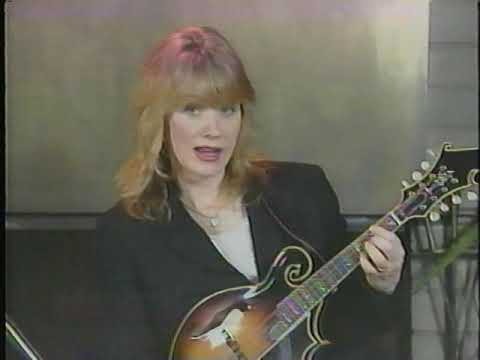
Nancy Wilson of Heart demonstrates how to play Led Zeppelin’s “The Battle of Evermore” on mandolin using just a few simple chords. The legendary guitarist, who previously broke down the riff for “Barracuda” and the acoustic intro to Heart’s 1975 hit “Crazy on You,” tackles Jimmy Page’s mandolin part with her own interpretation that honors the original while showcasing her distinctive approach to the instrument.
Bastion Rose Release “Dust” As Lead Single From Upcoming Album ‘Blue Rising’
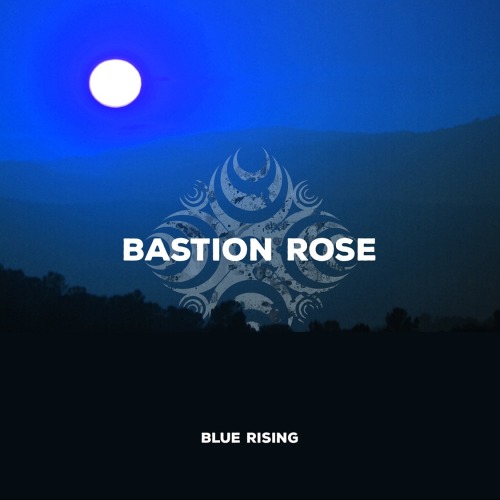
Bastion Rose drop “Dust,” the lead single from their newly announced second album ‘Blue Rising,’ arriving just two months after their David Bottrill-produced debut ‘Traces of Gold’ continues climbing rock charts and playlists. The three-time Grammy-winner behind Tool, Rush, and Peter Gabriel helped shape the sound that earned Bastion Rose acclaim in Metal Hammer, SPIN, and Classic Rock Magazine, and now the cinematic hard rock outfit strikes while momentum builds with a haunting philosophical track exploring the inevitable fading of all things. Frontman Austin Frink says he’s always been fascinated and disturbed by this transience, noting that lives are temporary and everyone you love eventually returns to dust, but there’s power in using that realization to rise above whatever hole you’ve fallen into during times of struggle. Musically, “Dust” leans into 90’s alternative metal influences alongside the classic aggressive hard rock that defines their signature blend of monumental riffs and atmospheric depth.
‘Blue Rising’ delves deeper into themes of resilience and the Cinematic Hard Rock scope that’s become the band’s calling card, expanding their sonic universe while ‘Traces of Gold’ remains a fixture in the rock world. Bastion Rose earned over 1.5 million streams in the last year and built a rapidly growing YouTube community of 60,000 subscribers, positioning themselves as one of the most compelling and active new voices in rock right now. This single captures everything that makes the project resonate with listeners searching for weight and atmosphere delivered through massive sound and philosophical depth, proving the band refuses to pause between releases when creative fire demands forward motion.
Mike Gordon Announces March 2026 Tour
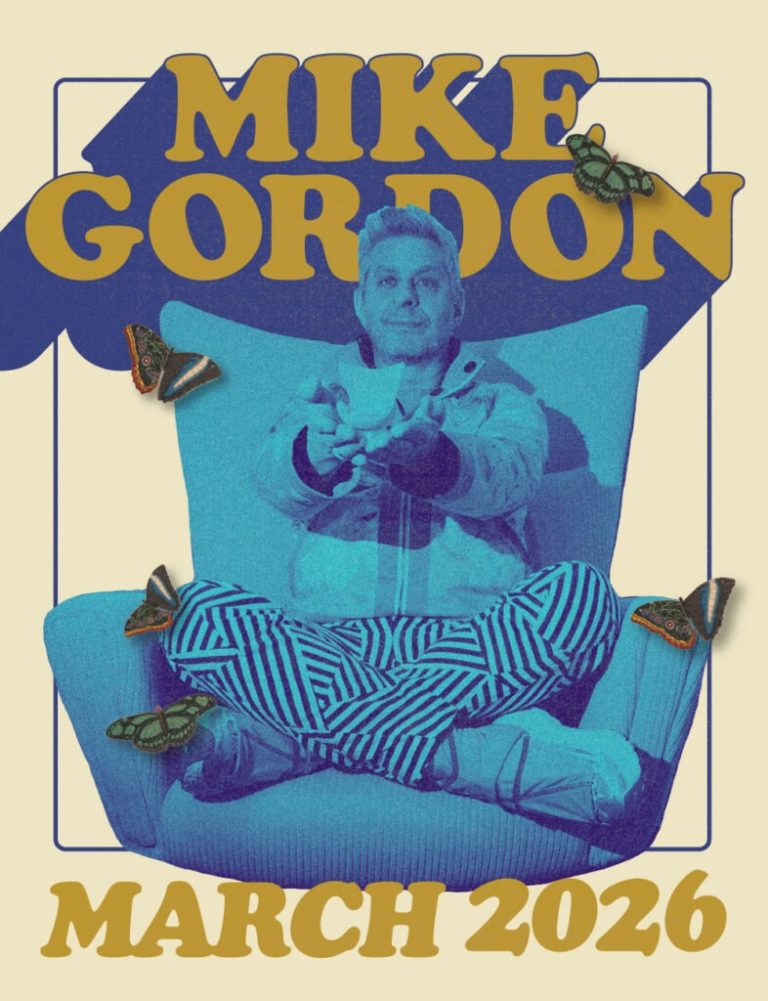
Mike Gordon hits the road this March with a tour starting in Woodstock, NY, and wrapping with a hometown show in Burlington, VT. The lineup features John Kimock, Robert Walter, Xavier Lynn, and Bob Wagner, the same crew Mike debuted with in New Orleans last May, with Eli Winderman jumping in on keys for select mid-tour dates followed by some dual-keyboard performances. A real-time fan pre-sale launches tomorrow, Wednesday, at 10 AM ET at tickets.mike-gordon.com, with general public tickets going on sale Friday at 10 AM ET for all shows except Nashville, which starts at 11 AM ET.
TOUR DATES:
March 13 Bearsville Theater, Woodstock, NY
March 14 The Stone Pony, Asbury Park, NJ
March 15 Union Transfer, Philadelphia, PA
March 17 Orange Peel, Asheville, NC
March 19 Neighborhood Theatre, Charlotte, NC
March 20 Brooklyn Bowl, Nashville, TN
March 21 Variety Playhouse, Atlanta, GA
March 22 Charleston Music Hall, Charleston, SC
March 24 Lincoln Theatre, Washington D.C.
March 26 Brooklyn Bowl, Brooklyn, NY
March 27 Paradise, Boston, MA
March 28 State Theatre, Portland, ME
March 29 Higher Ground, Burlington, VT
This House Is Creaking Share “Something Else” Ahead Of Tomorrow Never Knows Festival
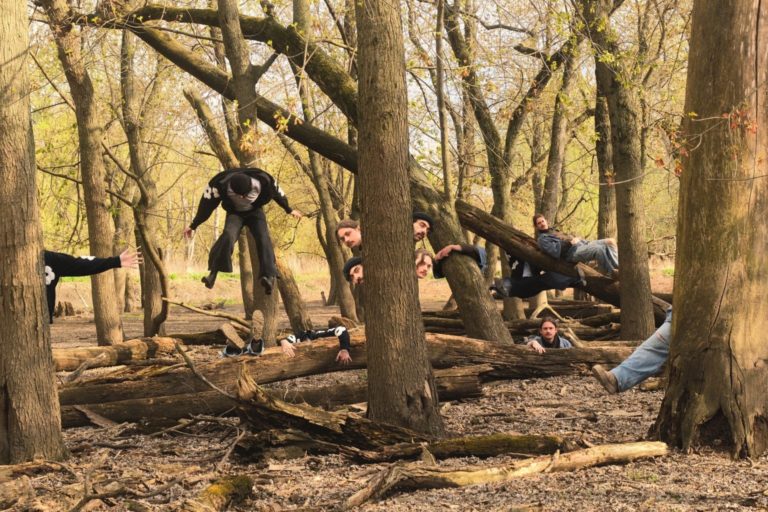
Chicago’s This House is Creaking unleash “Something Else,” sending white-hot sparks through their scuzzy noise pop with a track that ricochets from nebulous and bubbling to a splittingly intense cathartic explosion. Sharp, angular guitar wraps around introspective lyrics that accept mediocrity in the face of failure, wrestling with broken things you can’t quite understand how to fix, all recorded with friends Peter Schultze and Hunter Borowick from Tuff Sudz. The band’s inventive playfulness keeps ears guessing while contrasting confessional words with sonic unpredictability, proving their approach refuses formula at every turn. Their second album ‘I Want To Feel At Home Here’ dropped this past summer, showcasing their range from the hooky, scrawling “Talk To Me” to the tender, earth-laden “Elden Ring,” each track illustrating their bent towards noise and careful ear for melody that never reveals their next sonic steps.
This House is Creaking opens for DIIV at Lincoln Hall on January 17 as part of Tomorrow Never Knows Festival’s 20th anniversary edition, then performs at Ground Control Touring Presents 4th Annual Abortion Access Benefit Series on January 24 at the Empty Bottle alongside Tobacco City, Good Flying Birds, Action/Adventure, and Mass Text. The band has earned support slots with Water From Your Eyes, Hotline TNT, and a Midwest tour with Delaney Bailey this fall, cementing their status as a scene favorite within Chicago’s thriving creative community. Drawing on Miller’s electronic music roots and Nauman’s guitar skills from bands like Godly the Ruler and M.A.G.S., their mixture of sounds reflects the expansive cross-pollination happening in Chicago right now, and this single captures exactly why their highly distinct sound keeps turning heads and demanding repeat listens.
The Velvet Tuxedo Unleash “Buzz The Scuzz” On February 6

Hull’s The Velvet Tuxedo drop “Buzz The Scuzz” on February 6, a garage-psych rallying cry recorded at Magic Garden Studios with producer Gavin Monaghan, known for his work with Editors, The Sherlocks, Ocean Colour Scene, and The Twang. The track opens with an eastern tambura drone and swirling reversed-guitar line before exploding into a valve-driven riff designed to ignite chaos, channeling The Who’s wild electricity, MC5’s proto-punk bite, and the acid-drenched swirl of The Seeds, The Pretty Things, and 13th Floor Elevators. Frontman Will Reid describes it as their drop-out anthem, a two-fingered salute to conformity that rejects the 9-to-5 brainwash machine with pounding drums, snarling vocals, and a defiant energy that tears through speakers. The made-up phrase represents the band’s ethos of ditching the script, digging the fuzz, and following your own road instead of accepting the conveyor-belt life society sells.
The Velvet Tuxedo, featuring Will Reid on vocals and guitar, Jimmy Rustill on lead guitar, Robert Frost on drums, and Alfie Snow on bass, fuse 1960s Freakbeat, Garage, Psych, and R&B into something steeped in nostalgia yet alive with present-day fire. Their reputation as a word-of-mouth band thrives on explosive, high-octane live shows known for unpredictability and guitar-driven attack that hits with serious ferocity. This single roars with the raw power that makes their underground scene performances legendary, proving they stand as torchbearers of a timeless style dragged kicking and screaming into 2026.
Upcoming shows:
13th Jan – Rescue Rooms Nottingham, supporting The Molotovs.
25th January – Headline show at Sidney & Matilda Sheffield, superiors TBA
31st January – TPR, Hull for Dayrider festival during independent venue week.
14th Feb – Hull Adelphi, support for China Shop bull
7th March – March of the Mods day festival in Redcar
Scarlett Guitars Crafts Electric Guitar Body From 500 Sheets Of Construction Paper

Scarlett Guitars transforms 500 sheets of construction paper into a stunning guitar body using epoxy resin to create a Micarta-like material that rivals traditional builds. The process involves cutting each sheet on a table saw, bathing them in epoxy, shaping the body with a CNC mill, and adding walnut accents before applying a high-gloss finish that makes the colors explode. Watching construction paper become a playable instrument through lamination and precision work shows what happens when unconventional materials meet expert craftsmanship, resulting in something genuinely extraordinary.
LEGO Unveils SMART Bricks Technology At CES 2026 With Star Wars Sets
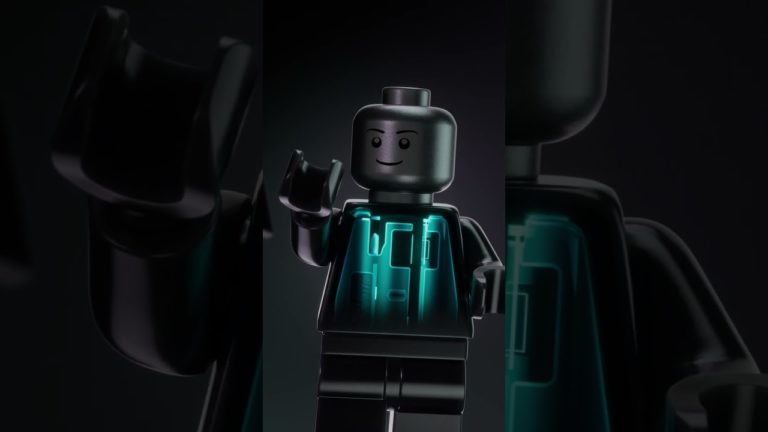
LEGO introduces SMART Bricks, SMART Tags, and SMART Minifigures at CES 2026, bringing motion-reactive, light-sensitive building to Star Wars X-Wing Fighter, TIE Fighter, Throne Room, and A-Wing sets. The technology plays sounds and lights up based on movement and environment, turning static builds into responsive experiences. Pre-orders start January 9, 2026.
Kajii Japan Builds DIY Calliope Using PVC Pipe And Foot Pump Power
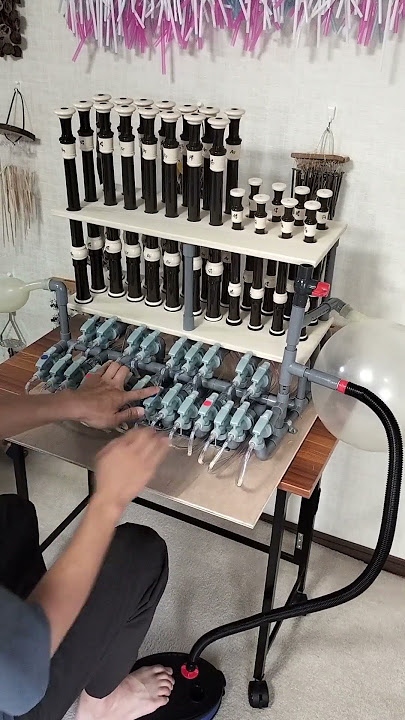
Kajii Japan constructs a homemade calliope from PVC pipe, recorders, and a foot pump typically used for inflating mattresses. The traditional instrument produces high-pitched notes through steam and narrow pipes, but this version swaps steam for manual air pressure, proving ingenuity wins when creativity meets resourcefulness.
Brooklyn Artist Nory Shares “Snip Snip” Video Ahead Of January 15 Show At Nightclub 101
Blog Post:
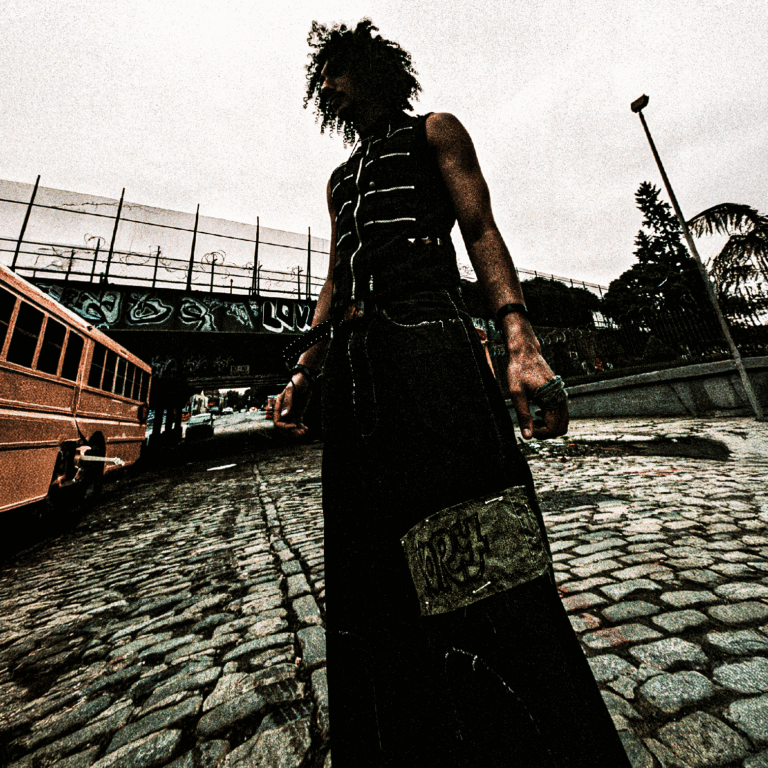
Miami-bred, Brooklyn-based artist Nory drops the video for “Snip Snip” today, amplifying the conversation that started when his street interview about being half Muslim and half Jewish went viral in recent weeks. The track appears on his debut LP ‘FUCK THAT THIS THE RHYTHM’, now out, where he blends hip-hop, rock, and jazz into something that refuses easy categorization. Lines like “I’m moving to the left, because I’m never right / I can’t stay in the middle, I’m too afraid to die” cut straight through the noise, articulating what it means to exist outside clean boundaries during a cultural moment built on choosing sides. His flow recalls Q-Tip’s finesse mixed with Zack de la Rocha’s fire, and the 13 tracks address political corruption, negligence, and his own search for identity through religion and artistry.
Nory performed at Nublu on January 5 for the weekly Producer Mondays series hosted by Ray Angry of The Roots, following his November support slot for Oddisee at Music Hall of Williamsburg. Recent viral freestyles with Robert Glasper, Thundercat, and Harry Mack have created a surge of attention around his voice and perspective. The musician, producer, rapper, dancer, and actor hosts JAVAJAM, a weekly Brooklyn music event drawing over a hundred fans from around the world, and his collaborations span Marc Rebillet, DARGZ, Bernell Jones II, KennerKeyz, Shevya, J3PO, Zohar and Adam, and many others. This video arrives as raw proof that his genre-shattering approach connects on multiple levels, pulling from EDM, rap, explosive rock-hip hop, and experimental jazz without apology. He headlines Nightclub 101 in Manhattan on January 15, carrying this momentum into a live setting where his musicality and lived complexity collide onstage.
Harry Connick Jr. Directs Rockin’1000 US Debut At Caesars Superdome In New Orleans

New Orleans & Company and Rockin’1000 are thrilled to announce that Harry Connick Jr. will return to his hometown of New Orleans to direct a special New Orleans “welcome” for the US debut of Rockin’1000 on January 31, 2026, at the iconic Caesars Superdome.
Connick has been invited by Rockin’1000, the global collective that unites 1,000 musicians to perform together for the concert of their lives, to serve as a special guest Artistic Director. In this role, Connick will curate an entire act of the live stadium show that will feature local musicians, unmistakable New Orleans moments, and a global celebration of the New Orleans spirit, brought to life by the Biggest Rock Band on Earth – Rockin’1000.
A fearless global movement, Rockin’1000 proves music transcends barriers by turning strangers into bandmates for one unforgettable night of music and performances. The live stadium show will feature a curated setlist of timeless rock anthems and fan favorites, performed live by 1,000 guitarists, bassists, drummers,
keyboardists, singers, and a special horn section featuring trumpets, saxophones, and trombones – together in unison. Live, loud, and in perfect sync, they will take the stage together to unleash a wall of sound unlike anything the U.S. has ever seen. From a 10-year-old guitar player, to a 75-year-old drummer, musicians range in age and occupation, including a truck driver, retired algebra teacher, and retired parole supervisor.
Harry Connick, Jr. said, “Music is food for the soul, and Rockin’1000 feeds it by bringing together people from around the world to play and sing their hearts out. What better place for their U.S. debut than my hometown of New Orleans, a city that eats, sleeps, and breathes music. I’m excited to welcome all the participants and show them how we do music in the Crescent City!”
Harry Connick, Jr.’s career has exemplified excellence across multiple platforms in the entertainment world over the past three decades. The foundation of Connick’s art is the music of his native New Orleans, where he began performing as a pianist and vocalist at the age of five. Connick has received Grammy and Emmy awards as well as Tony nominations for his live and recorded musical performances, as well as his achievements in film, television and Broadway. He continues to establish himself as a best-selling musician and singer, a composer, actor, and legendary live performer, with millions of recordings sold around the world.
“We are incredibly excited to celebrate our U.S. debut in New Orleans. Hosting our first stadium show in a city with such a deep musical history is a real honor for us, and having a local icon like Harry Connick Jr. join as our Artistic Director helps ensure the spirit of New Orleans is at the heart of this performance,” said Fabio Zaffagnini, visionary Founder of Rockin’1000. “We were overwhelmed by the response from musicians around the world who wanted to be part of this moment, from Italy to Indonesia, and from more than 230 cities across the U.S. One stadium at a time, Rockin’1000 continues to show that when people come together through music, something powerful happens.” What started as a wild idea by Fabio Zaffagnini to get his favorite band the Foo Fighters to play in his small Italian town of Cesena in 2015, has evolved into a worldwide community of over 100,000 devoted music lovers, united by the mutual belief that collective energy and shared passion can change the world. From that first viral video in 2015 that captured hearts worldwide, Rockin’1000 has gone on to fill stadiums across the planet, creating magical moments that transcend language, culture, and borders.