Home Blog Page 542

Brandon Isaak Releases ‘Walkin’ With The Blues’ – A Raw, Soulful Journey into Classic Electric Blues

0

Brandon Isaak, the Whitehorse-born bluesman known for his gravelly voice and deep respect for tradition, returns with Walkin’ With The Blues—his most authentic and electrified blues album to date. Recorded live off the floor with minimal mics, vintage gear, and a soul soaked in the genre’s deepest roots, the record is a love letter to classic blues—gritty, emotional, and defiantly old-school.

“This is the most straight-up blues record I’ve ever made, and I could not be more pleased with how it turned out,” Isaak shares. “I wanted to make a record with strong lyrics, soulful playing, and zero tolerance for wanking—and I think I’ve achieved this.” The album marks Isaak’s first time producing and engineering on his own, a feat he describes as both a challenge and a dream realized.

The lead single and title track, “Walkin’ With The Blues,” captures Isaak’s hallmark songwriting style—equal parts heartbreak and hard-won wisdom. Lyrics like “With the blues as my companion / down this long hard road / we’ll keep on walkin’ / and share this heavy load” show Isaak’s emotional range, drawing listeners deep into his world of lost love and gritty perseverance.

Themes throughout the album stretch from life and love to death, sex, and even murder—all delivered with what Isaak calls “gusto and passion.” Each track is infused with the vintage tones of electric blues, channeling the spirit of legends like T-Bone Walker and Ronnie Earl. “I’ve always dreamed of making an electric blues album that captures the feel of the records I grew up on,” he says. “This one’s for the guitarists I worshipped as a kid.”

The record was made with Isaak’s touring band, The Saints of Swing, on Vancouver Island. “We built this in a single room with ribbon mics, cold beer, and heart,” he says. “Every note played was real, unfiltered. The drums, the guitars, the feel—it’s all there, honest and alive.” That honesty translates to every track, from rollicking shuffles to mournful ballads.

A true blues craftsman with over 37 years on the road, Isaak has toured across three continents and earned accolades including a 2024 Juno nomination for Blues Album of the Year. His performance resume includes 13 European tours and four nominations at the 2023 Maple Blues Awards, where he was recognized for Male Vocalist of the Year, Album/Producer of the Year, Songwriter of the Year, and Acoustic Act of the Year.

To celebrate the release of Walkin’ With The Blues, Brandon Isaak will embark on an extensive tour across Western Canada, bringing his new album to life with performances full of storytelling, humour, and heart. Tour stops include:

  • June 26 – Hermann’s Jazz Club – Victoria, BC
  • June 28 – Evergreen Cultural Centre – Coquitlam, BC
  • July 5 – Large House Concert – Errington, BC
  • July 6 – Chemainus Blues Festival – Chemainus, BC
  • July 8 – 39 Days of July – Duncan, BC
  • July 12 – Large House Concert – Main Island, BC
  • July 13 – 39 Days of July – Duncan, BC
  • July 24 – Parksville Museum – Parksville, BC
  • July 25 – Fort Langley Jazz Festival – Fort Langley, BC
  • Sept 4 – Blues Barn – Leduc, Alberta
  • Sept 5 – Large House Concert – Red Deer, Alberta
  • Sept 6 – Badlands Amphitheatre – Drumheller, Alberta
  • Sept 11 – Mackie House Concert – Coldstream, BC
  • Sept 12 – Dream Café – Penticton, BC
  • Sept 13 – Vibrant Wine Vineyard – Kelowna, BC
  • Sept 20 – Osborne Bay – Crofton, BC
  • Oct 7 – Oak Bay Recreation Centre – Victoria, BC
  • Oct 18 – Cobblestone Music Venue – Cobblestone, BC
  • Oct 31 – Marsh Lake – Yukon
  • Nov 1 – Old Firehall – Whitehorse, Yukon
  • Nov 21 – Hermann’s Jazz Club – Victoria, BC

Whether performing solo or backed by a powerhouse band, Isaak’s shows are rooted in the blues tradition—one part celebration, one part confession, all heart. “I’m not trying to reinvent the blues,” he says. “I’m just doing what it’s always done—telling stories, sharing truths, and keeping the fire burning.”

Martha and the Muffins’ Mark Gane’s ‘Garden Music’ Is a Meditative Journey Through Sound, Soil, and Sonic Memory

0

Mark Gane—co-founder of iconic Canadian band Martha and the Muffins and the mind behind international hit “Echo Beach”—has released his first solo album, Garden Music, a collection of experimental instrumental compositions inspired by plant names and imagined inner worlds. Released May 1, 2025, Garden Music is a sprawling, deeply intuitive project that took shape over decades and now arrives as an ambient, artful meditation on memory, nature, and sound.

The Toronto-based composer, visual artist, and sonic experimenter first began dreaming of Garden Music years ago, spurred by a suggestion from his partner and creative collaborator Martha Johnson. “She said I should do a solo project that combined my three great loves—music, painting, and gardening,” Gane explains. “Eventually, I started asking: If plants were people, what would their lives sound like?” That seed grew into a rich, textured album composed from over 50 years of collected studio, field, and found recordings.

Listen to it now on Apple Music, Bandcamp, or Qobuz.

Each of the 11 instrumental pieces is named after a common plant—Bee Balm, Feverfew, Creeping Charlie, and the haunting Love Lies Bleeding, which includes the lone sung lyric: “Honey Bee you’re gone for good, and so I sing this song…”. From miniature sonic sculptures to lush ambient collages, Gane’s compositions defy genre and reward close listening. Reviewers have called the album “a film that passes before the eyes of our ears” and “a whimsical wander through the landscape of the author’s imagination”.

Though highly conceptual, Garden Music isn’t cold or calculated. “My approach was almost entirely intuitive,” says Gane. “I wasn’t trying to force anything. I just let each piece evolve from sounds I’d archived—live recordings, field sounds, tape hiss, voice fragments. The presence of the human voice showed up unexpectedly and stayed.” That presence takes many forms: a chopped-up interview with Delia Derbyshire, a 1951 Valentine from Gane’s mother, a ghostly late-night phone call in Deadly Nightshade.

Originally set aside while Martha and the Muffins projects took precedence and both artists dealt with health challenges, Garden Music was resurrected in 2022 during COVID lockdowns. “Finishing it felt like gardening,” Gane says. “Meditative, grounded, outside of time.” Even after mixing wrapped, the album sat quietly for two years—delayed not by doubt, but by a reluctance to re-enter the promotional machine. “When faced with the choice of building a website or working in the garden, the garden always won,” he laughs.

Gane recommends listening in the dark, lying down, allowing the music to wash over like dusk wind through lavender. Mixed with Ray Dillard and mastered by Graemme Brown at Zen Mastering, Garden Music is a testament to Gane’s lifelong practice across disciplines. His history spans avant-garde performance, collaborations with sonic pioneers like Laurie Anderson and John Oswald, and design work ranging from album art to urban gardens.

Though best known for pop brilliance with Martha and the Muffins—including co-producing albums with Daniel Lanois and David Lord—Garden Music reveals a different Gane: a solitary gardener of sound, sowing strangeness and beauty in equal measure. “It was most interesting to have no idea what was creating the sounds I was hearing,” wrote Kevan Staples of Rough Trade. “So otherworldly… quite literally wonderful”.

Garden Music is available now on all major streaming platforms. For listeners of Brian Eno, Pauline Oliveros, or Boards of Canada—and for anyone who finds solace in the hum of life’s quiet corners—Mark Gane’s long-awaited solo debut offers a richly immersive world to disappear into.

Men Without Hats Travel Back to the Future With New Single “I ❤️ the ‘80s” and UK/EU Tour

0

Dust off your Walkman, dig out that denim jacket, and prepare for a neon-coloured nostalgia trip: Men Without Hats are back with a synth-pop banger that celebrates the decade that made them legends. Their new single, “I ❤️ the ‘80s,” is out now with a hairsprayed wink and a shoulder-padded strut, and it’s everything you’d expect from the band who gave us “The Safety Dance”—and more.

“I ❤️ the ‘80s” is a riotous, melodic time machine powered by boom boxes, moonwalks, tube tops, and enough pop-culture references to make Stranger Things blush. “Everybody felt alive / Back in 1985,” sings frontman Ivan Doroschuk, before commanding us to “Party like it’s ‘82” and “Dance safely across the floor / Like we did in ‘84.” If you were there, you’ll get goosebumps. If you weren’t, this is your crash course.

This gloriously cheeky synth-soaked anthem is the lead single from their upcoming album Men Without Hats On The Moon, slated for release in mid-October. Produced by Grammy and Juno winner Brian Howes (Hinder, Simple Plan), mixed by the legendary Mark Needham (The Killers, Elton John), and mastered by Howie Weinberg (Nirvana, U2), the track was written by Ivan Doroschuk and Howes and recorded at Black Stove Studios on Vancouver Island.

It’s a high-voltage return from a band whose influence on pop culture is still alive and pogo-dancing. From Montreal basement gigs in 1977 to stadium-filling synth anthems in the ’80s, Men Without Hats have carved out an enduring space in music history. “Pop Goes The World” and “The Safety Dance” are more than hits—they’re international memes, football chants, and soundtrack staples for generations.

As Ivan puts it: “One of the biggest challenges in writing this song was narrowing down all the things I loved about the ’80s… The song could have been half an hour long!” In place of a guitar solo, the band even cheekily dropped in a sing-along refrain of “Pop Goes The World,” a move that marries nostalgia with cheeky brilliance.

This single drops just in time for the band’s first UK and EU tour in nearly a decade. Kicking off August 21 at The Old Woollen in Leeds and winding through Edinburgh Fringe, Liverpool, Utrecht, Berlin, Copenhagen, Stockholm, and Oslo, the tour wraps in Malmö on September 17. Fans can expect a non-stop, high-energy blast of classics, deep cuts, and fresh material, delivered with charisma and big-haired enthusiasm.

This lineup—Ivan Doroschuk (vocals), Sahara Sloan (keyboards and vocals), Sho Murray (guitar), and Adrian White (drums)—is tight, charismatic, and utterly infectious. Sahara, daughter of founding member Colin Doroschuk, brings the band’s story full circle with next-gen synth magic and harmonies that sparkle.

The live album, recorded during their 2024 North American tour, just dropped in February 2025, keeping the party alive on vinyl and streaming. With 31 million views on YouTube, nearly 10 million monthly Spotify listeners, and a fanbase spanning generations, Men Without Hats continue to blend the joyful absurdity of the 1980s with modern polish.

“I ❤️ the ‘80s” isn’t about going back—it’s about bringing the joy of that era forward. So, pull up those leg warmers, crank the volume, and dance safely into the future.

MEN WITHOUT HATS – 2025 TOUR DATES

July 1, 2025 – Officer’s Square – Fredericton, NB
July 25, 2025 – Canyons Village – Park City, UT
July 28, 2025 – Soda Row Live Daybreak – South Jordan, UT

August 6, 2025 – Peach Fest – Penticton, BC
August 9, 2025 – Rock the Kooney’s – Cranbrook, BC
August 12, 2025 – The Black Sheep – Colorado Springs, CO
August 13, 2025 – Oriental Theatre – Denver, CO
August 14, 2025 – Beaver Creek – Beaver Creek, CO
August 16, 2025 – Rock the Harbour Festival – Dartmouth, NS

UK/EU TOUR

August 21, 2025 – The Old Woollen – Leeds, UK
August 22, 2025 – Fringe Festival (La Belle Angele) – Edinburgh, UK
August 23, 2025 – Academy 3 – Liverpool, UK
August 24, 2025 – Craufurd Arms – Milton Keynes, UK
August 25, 2025 – The Garage – London, UK

August 27, 2025 – De Helling – Utrecht, NL
August 28, 2025 – Nieuwe Nor – Heerlen, NL
August 29, 2025 – Mergener Hof – Trier, GER
August 30, 2025 – Das Rind – Russelsheim, GER
August 31, 2025 – Exil – Gottingen, GER

September 2, 2025 – Feierwerk – Munich, GER
September 3, 2025 – Die Stadtmitte (80’s Party) – Karlsruhe, GER
September 4, 2025 – Sumpfblume – Hameln, GER
September 5, 2025 – Trompete – Bochum, GER
September 6, 2025 – NCN Festival – Leipzig-Deutzen, GER

September 8, 2025 – Shiva – Bremerhaven, GER
September 9, 2025 – Markthalle @ MarX – Hamburg, GER
September 10, 2025 – Lido – Berlin, GER
September 11, 2025 – Die Pumpe – Kiel, GER
September 12, 2025 – Hotel Cecil – Copenhagen, DEN
September 13, 2025 – Musikens – Gothenburg, SWE
September 14, 2025 – Slaktkyrkan @ Hus 7 – Stockholm, SWE
September 16, 2025 – John Dee – Oslo, NOR
September 17, 2025 – Babel – Malmö, SWE

FALL 2025 – CANADA & U.S. – MORE DATES TO BE ANNOUNCED

October 4, 2025 – Base31 – Picton, ON
October 16, 2025 – The Parker – Ft. Lauderdale, FL
October 17, 2025 – Moss Centre – Miami, FL
October 18, 2025 – Sunrise Theatre – Ft. Pierce, FL
October 19, 2025 – Florida Theatre – Jacksonville, FL

Steve Rosenbloom Big Band Releases Monumental Album ‘San Francisco 1948’

0

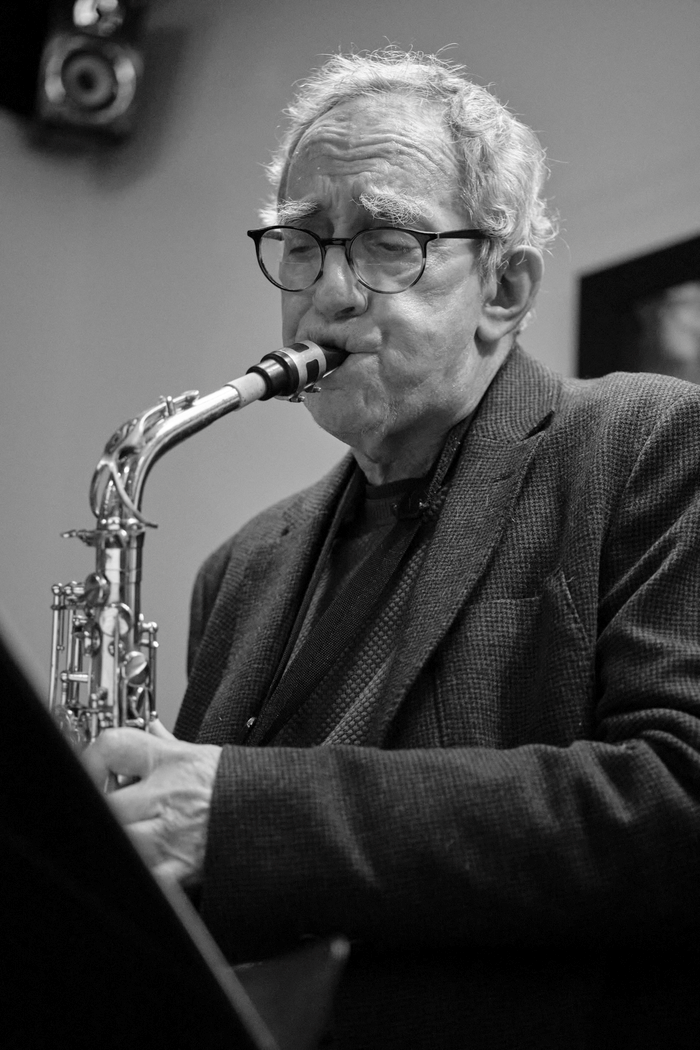
The jazz world welcomes a new landmark with the release of San Francisco 1948, the latest album by the Steve Rosenbloom Big Band. This expansive, meticulously crafted project reaffirms Rosenbloom’s status as a composer and arranger – with assistance from Chris Smith and Michael Johncsik) who channels the vibrant spirit of the big band tradition while infusing it with contemporary freshness and thoughtful nuance.

A native of Montreal and a committed voice in Canadian jazz, Steve Rosenbloom has long been recognized for his compositional depth and dedication to the big band idiom. With San Francisco 1948, he assembles a stellar 16-piece ensemble to deliver a record that is as much a celebration of history as it is a bold statement of artistic vitality.

The album’s title track, composed by Rosenbloom himself, sets the tone with a dynamic range of moods, transporting listeners to the golden era of big band jazz while highlighting modern sensibilities. The intricate arrangements blend bold brass voicings with intricate reed textures, showcasing Rosenbloom’s keen understanding of orchestration and ensemble interplay.

Integral to the project’s success are the contributions of some of Montreal’s finest jazz musicians: Jules Payette commands the lead alto and flute, Allison Burik delivers warm tones on alto sax and bass clarinet, while Steve Rosenbloom himself rounds out the alto section with his signature sound. The tenor sax section is richly textured by Michael Johancsik and Alex Francoeur, who also lend clarinet colors, and the baritone sax and clarinet duties are expertly handled by Benjamin Deschamps.

The trumpet section shines with the bright, assertive tones of Lex French, Andy King, Benjamin Cordeau, and Cameron Milligan, each bringing their own voice to the collective power of the brass. The trombone section, anchored by Mathieu Van Vilet, Thomas Morelli-Bernard, Taylor Donaldson, and Chris Smith, adds both warmth and punch, weaving seamlessly into the fabric of the band.

On rhythm, pianist Eric Harding provides the harmonic foundation, supported by Mike De Masi’s steady bass lines and the responsive, dynamic drumming of Jim Doxas. Together, they form the heartbeat of the ensemble, driving the music with subtlety and swing.

The making of San Francisco 1948 reflects Rosenbloom’s decades-long journey in composition and arranging, a process rooted in mentorship and collaboration. From early guidance by Gerry Danovitch, through partnerships with arrangers like Christopher Smith, Michael Johancsik, and Alex Francoeur, Rosenbloom has continually refined his craft. The album includes arrangements by both Smith and Johancsik, blending classic and contemporary big band sensibilities.

Recorded in May 2024, the album captures the band’s vibrant energy and precision, resulting in a recording experience that resonates with authenticity and passion. The careful mix and master enhance the detailed arrangements, inviting listeners into a sonic landscape rich with color and emotion.

San Francisco 1948 is a testament to Rosenbloom’s commitment to sustaining and evolving the big band tradition. It embodies the grandeur, complexity, and emotional depth that define the genre, offering a listening experience that appeals to seasoned jazz aficionados and new audiences alike.

This album marks a significant chapter for Rosenbloom and the Montreal jazz scene, highlighting the city’s wealth of talent and the continuing relevance of large ensemble jazz in the 21st century.

Listeners can experience San Francisco 1948 across all major streaming platforms, including Spotify, YouTube Music, and Apple Music, beginning May 30, 2025.

Band Personnel:
Jules Payette (Lead Alto, Flute), Allison Burik (Alto, Bass Clarinet), Steve Rosenbloom (Alto Sax), Michael Johancsik (Tenor Sax, Clarinet), Alex Francoeur (Tenor Sax, Clarinet), Benjamin Deschamps (Baritone Sax, Clarinet), Lex French (Trumpet), Andy King (Trumpet), Benjamin Cordeau (Trumpet), Cameron Milligan (Trumpet), Mathieu Van Vilet (Trombone), Thomas Morelli-Bernard (Trombone), Taylor Donaldson (Trombone), Chris Smith (Trombone), Eric Harding (Piano), Mike De Masi (Bass), Jim Doxas (Drums).

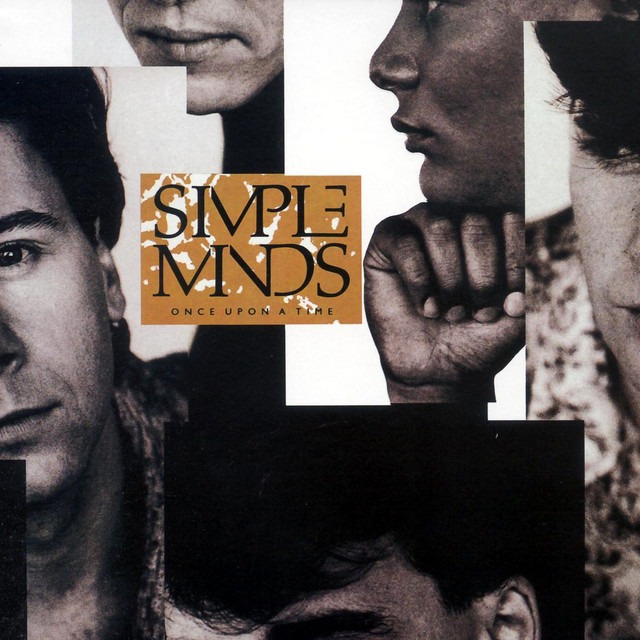
5 Surprising Facts About Simple Minds’ ‘Once Upon a Time’

In 1985, Simple Minds released Once Upon a Time—an album that confirmed what longtime fans already knew: they were born for the world stage. With sweeping melodies, anthemic energy, and lyrics that reached skyward, the Scottish band matched their ambition with sound and vision. This was the album that turned their momentum into a movement. Here are five powerful and uplifting facts about Once Upon a Time, a record that showed Simple Minds were always ready to rise.

1. They Built An Album Around Their Own Voice
“Don’t You (Forget About Me)” became a global hit, but when the time came to make Once Upon a Time, the band kept the spotlight on their own songwriting. Instead of leaning on outside material, Simple Minds trusted the strength of their own work. The result was a tracklist that reflected their growth and identity—songs that spoke directly from the heart of the band.

2. Jimmy Iovine Brought Out Their Power
Producer Jimmy Iovine brought experience from working with Bruce Springsteen and Stevie Nicks, and he infused Simple Minds with a new kind of intensity. He encouraged Jim Kerr to sing with more passion and presence. The band responded with one of their most dynamic and spirited albums. Each track carries the weight of that momentum and belief.

3. “Alive and Kicking” Set The Tone For Everything To Come
The album’s lead single, “Alive and Kicking,” was more than a song—it was a declaration. With Robin Clark’s bold harmonies and a rhythm section built for stadiums, the song carried a message of endurance and joy. It perfectly captured the band’s energy and readiness to meet every moment head-on.

4. “All the Things She Said” Began With a Story of Hope
Inspired by an article about women waiting for loved ones held as political prisoners, Jim Kerr found the emotional core of “All the Things She Said” in real-life resilience. The song became a tribute to faith, love, and the human spirit. Its success proved that stadium-sized songs could also hold deeply personal truths.

5. They Turned Global Success Into a Shared Celebration
Once Upon a Time produced four major singles and led to an unforgettable world tour. With Robin Clark and percussionist Sue Hadjopoulos joining the live lineup, the band delivered a full-force experience. Their concerts became more than performances—they became affirmations of connection, unity, and sound. Every show felt like a celebration of everything the band had built together.

Once Upon a Time lifted Simple Minds to new heights—not by changing who they were, but by embracing every part of their journey. The sound was bigger, the voice was stronger, and the belief was everywhere. This was the moment Simple Minds took everything they had and shared it with the world—and the world was ready.

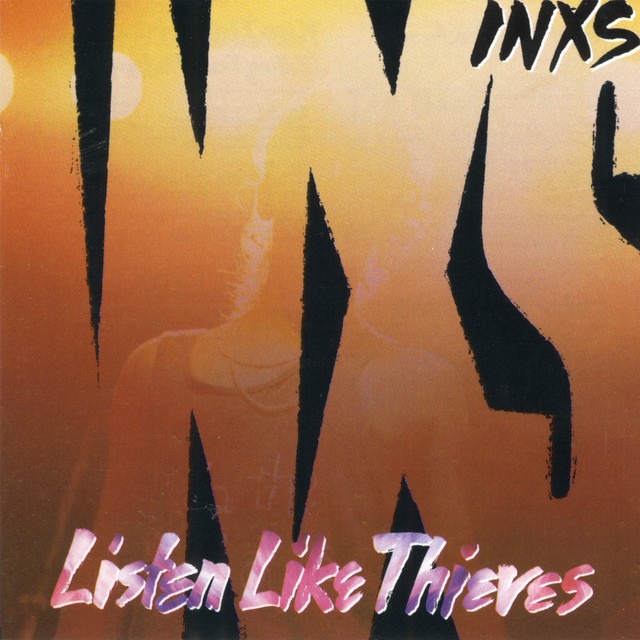
5 Surprising Facts About INXS’ ‘Listen Like Thieves’

Before they filled stadiums and soundtracked every late-’80s mixtape, INXS were a group of Australian brothers and friends chasing one goal: to make the kind of music that felt just as good in headphones as it did blasting out of a car stereo. In 1985, Listen Like Thieves became their passport to the world—an album that pulsed with urgency, confidence, and a kind of smooth swagger that couldn’t be taught. It was the moment INXS stepped out from cult favorites to global contenders. And it almost didn’t happen. Here are five things you might not know about this incredible record—and why it still matters.

1. The hit that broke them in America came at the last possible moment
With recording finished and time nearly up, producer Chris Thomas told INXS they were still missing a hit. The band had one day left in the studio. Andrew Farriss pulled out a groove he’d labeled “Funk Song No. 13,” and Michael Hutchence helped transform it into “What You Need.” Two days later, the track was done—and it became their first U.S. Top 5 single. When pressure meets instinct, sometimes you get magic.

2. “Listen Like Thieves” captures everything the band stands for in four words
The title track wasn’t just another song—it was a mission statement. A call to pay attention. To tune into what’s being said—and what’s being felt. Hutchence delivers the lyrics like a sermon and a dare, wrapped in a taut, rhythmic groove that still sounds like it could kick open the doors to any arena.

3. The band wrote most of the album as a collective
At a time when most bands split into “the singer” and “the rest,” INXS remained a unit. Multiple tracks were co-written by all six members, and even the B-sides showcased each member’s individuality—Garry Gary Beers sang the gentle “Sweet as Sin,” while Jon Farriss contributed and performed his own track “I’m Over You.” It wasn’t just Hutchence’s voice—it was their voice.

4. They recorded it at home, but they were thinking globally
After sessions in New York and the UK for previous albums, INXS returned to Sydney’s Rhinoceros Studios to make Listen Like Thieves. But this wasn’t a retreat—it was a launch pad. The album fused funk, rock, and new wave into something slick but raw, bold but unpretentious. It was their way of saying: We’re from here, but we’re ready to go anywhere.

5. Hutchence found the sweet spot between sex appeal and soul-searching
“What You Need” and “This Time” introduced the world to Hutchence as both frontman and force. He didn’t just sing—he prowled, he preached, he pulled listeners in. But even when the groove was tight, the heart was never far. Listen closely to “This Time” and you hear yearning beneath the beat. The charisma was real—but so was the vulnerability.

Listen Like Thieves is more than the album that brought INXS into the international spotlight—it’s the moment their sound crystallized, their chemistry snapped into place, and their confidence became unshakable. They weren’t following trends. They were following the rhythm in their bones, and trusting the world would catch up.

It did.

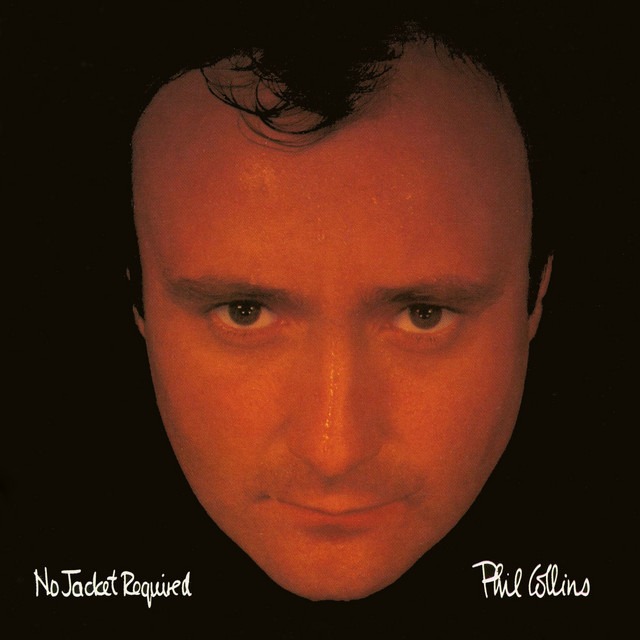
5 Surprising Facts About Phil Collins’ ‘No Jacket Required’

Sometimes an album becomes more than a collection of songs—it becomes a time capsule, a turning point, a burst of everything an artist has carried inside. In 1985, Phil Collins released No Jacket Required, an album full of horns, hooks, heartbreak, and healing. It took him from the drummer in the back to the voice in every living room. With over 25 million copies sold, four massive singles, and a world tour that included both Live Aid stages in one day, No Jacket Required still echoes in stadiums, in movie soundtracks, and in the kind of moments that don’t always need explanation. Here are five things you might not know about this landmark album—and why it still kills nearly 40 years later.

1. It begins in a quiet room with a drum machine and a broken heart
Phil Collins writes most of No Jacket Required in five focused weeks, fresh off producing Philip Bailey and working with Eric Clapton. He returns from his honeymoon with a mission—to make something upbeat after the shadow of his first divorce had shaped so much of Face Value. Songs like “Sussudio” and “One More Night” are born from improvisation, but the emotion behind them feels lived-in. Even the happiest tracks carry the ache of someone who knows what it’s like to hurt.

2. “Take Me Home” hides its pain in plain sight
With its sweeping chorus and stadium-sized synths, “Take Me Home” sounds like a road song. But Collins says it’s inspired by One Flew Over the Cuckoo’s Nest, and imagines the voice of someone trapped in a mental institution. Backing vocals from Sting, Peter Gabriel, and Helen Terry add haunting layers to a song that’s really about wanting to be seen, to be heard, and to belong.

3. “Long Long Way to Go” becomes Collins’ quiet protest
Tucked between radio hits, “Long Long Way to Go” feels like a prayer. It doesn’t chart, but it might be the most powerful song on the album. Written during a time of global unrest, Collins invites Sting to sing backup not for star power, but because they had shared a moment of purpose in Band Aid. The song’s title says it all—some things don’t change overnight. But they’re worth singing about.

4. A restaurant dress code gives the album its name—and its fire
Collins is denied entry to The Pump Room in Chicago for not wearing a “proper” jacket. Robert Plant gets in. Collins, wearing a jacket, doesn’t. That sting stays with him. He names the album No Jacket Required, adding sweat and steam to the cover photo. The music inside is confident, vulnerable, and lit from the inside—like someone who’s spent years being underestimated and finally gets to speak loud enough to be heard.

5. Every lyric comes from a place Phil is still trying to understand
Not every song on the album makes sense—not even to Collins himself. “Don’t Lose My Number”? He’s not quite sure what it means. “Sussudio”? A made-up word from a jam session. But that’s the magic of the record. It’s not always literal. It’s emotional. It’s the way a phrase feels when it fits the music. That’s what keeps No Jacket Required alive—not just the precision, but the pulse.

No Jacket Required captures an artist at the height of his popularity, and still reaching for something honest. It’s got chart-toppers, guest stars, and synths for days—but underneath all that shine is a songwriter who just wants to connect. These songs weren’t just made for radio—they were made for anyone trying to hold it all together.

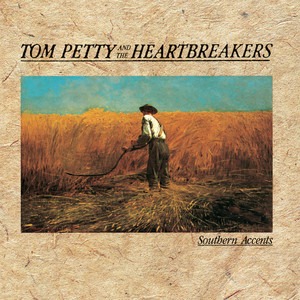
5 Surprising Facts About Tom Petty and the Heartbreakers’ ‘Southern Accents’

Released in March 1985, Southern Accents plays like a dream drifting through the American South—part concept album, part cosmic detour. What begins in the tradition of Petty’s roots soon opens into something stranger: a collection shaped by sitars, heartbreak, funk grooves, and broken walls. It never follows a straight line, and that’s what makes it so unforgettable. Here are five facts about Southern Accents that go deeper than radio hits and music video memories.

1. It starts as a Southern concept album, then welcomes outsiders
Petty sets out to write an album entirely focused on the South—its heritage, its contradictions, its soul. But when Dave Stewart of Eurythmics enters the mix, songs like “Don’t Come Around Here No More” shift the tone into more psychedelic terrain. Several tracks originally written for the album stay unreleased or end up elsewhere, showing how the project continues to evolve.

2. Petty’s broken hand changes the course of the sessions
While working on “Rebels,” Petty punches a wall in frustration, breaking his hand badly enough to require surgery. The wound comes not from anger toward a person, but from creative tension. He believes no studio take captures the feel of his original demo, and the moment reflects just how much he invests in every song.

3. “Don’t Come Around Here No More” begins with a night at Stevie Nicks’ house
Dave Stewart visits Stevie Nicks after a show and hears her say, “Don’t come around here no more,” following a breakup with Joe Walsh. That phrase becomes the song’s foundation. Stewart and Petty collaborate in a studio filled with synths, string players, and unexpected energy. The song ends up sounding like nothing else in Petty’s catalog.

4. The title track finds its way to Johnny Cash
“Southern Accents” holds a quiet power. It reflects Petty’s vision of pride and loss, grounded in a place he understands deeply. Years later, Johnny Cash covers it on Unchained, bringing a weathered voice and new weight to the lyrics. The song lives on as a modern Southern hymn.

5. The album cover draws from Civil War memory
The cover features Winslow Homer’s 1865 painting The Veteran in a New Field, showing a lone soldier returning to farm life after war. The image holds space for reflection and resilience, offering a visual that matches the record’s mood. It doesn’t shout, but it stays with you.

Southern Accents moves through multiple musical landscapes but never loses its compass. It speaks through fuzzed-out riffs and delicate ballads, dreamlike textures and dusty details. The songs carry stories of longing, place, and persistence—proof that the American South always offers more than one sound.

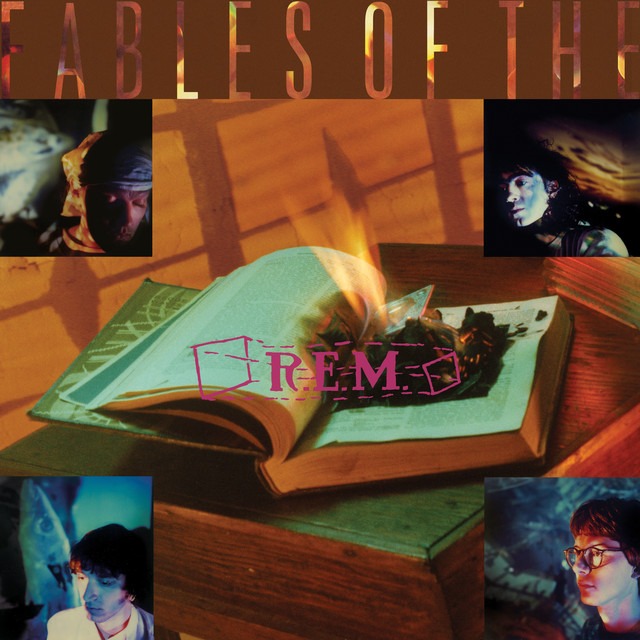
5 Surprising Facts About R.E.M.’s ‘Fables of the Reconstruction’

By 1985, R.E.M. had already helped define American indie rock—and then they veered left. Fables of the Reconstruction (or is it Reconstruction of the Fables?) saw the band leave their Athens, Georgia roots behind—physically, at least—recording in a rainy London studio with legendary folk producer Joe Boyd. What emerged was a dense, haunting, and surreal album that wrapped Southern Gothic storytelling in jangly guitars and ghostly murk. It was weird. It was brilliant. It was R.E.M. at their most evocative. Here are five things you might not know about this eerie masterpiece of oddball Americana.

1. The Title Reads Both Ways—And So Does the Cover
Is it Fables of the Reconstruction or Reconstruction of the Fables? Yes. The album’s packaging deliberately lists both titles, with each side of the record acting as a “front.” This mirrored the album’s lyrical obsession with duality: myth vs. memory, home vs. exile, truth vs. tale. In R.E.M.’s world, fables get twisted—and reconstructed.

2. The Band Wanted Van Dyke Parks, But Got Joe Boyd
Michael Stipe had his heart set on working with Van Dyke Parks, known for Jump! and his deep ties to American folklore. Instead, the band landed Joe Boyd—producer for Nick Drake and Fairport Convention. Boyd’s meticulous approach clashed with R.E.M.’s usual spontaneity, and the cold London weather didn’t help. Still, the resulting friction added depth and mood.

3. “Life and How to Live It” Was Based on a Real Eccentric’s Book
One of the album’s most energetic songs was inspired by Brivs Mekis, an Athens man who literally wrote the book on living—titled Life: How to Live. He built a house divided into two sides, living in one while writing about the other. After his death, hundreds of unsold copies were found. R.E.M. turned his peculiar life into art.

4. “Green Grow the Rushes” Was Written as a Pact With Natalie Merchant
Stipe and 10,000 Maniacs’ Natalie Merchant made a pact: both would write songs about the genocide of Native Americans. Merchant penned “Among the Americans”; Stipe delivered “Green Grow the Rushes.” Wrapped in Byrds-like harmonies, the song blends poetic protest with haunting beauty—a cornerstone of R.E.M.’s gift for subtle activism.

5. “Driver 8” Still Echoes—With Trains, Harmonica, and Homage
“Driver 8” might’ve missed the Hot 100, but it remains one of R.E.M.’s most iconic tracks. Its imagery of trains and Southern landscapes captures the record’s wandering spirit. Peter Buck later admitted he unintentionally recycled the chords for “Imitation of Life,” proving that even decades later, Fables keeps riding the rails through R.E.M.’s career.

From train whistles to shadowy dreamscapes, Fables of the Reconstruction is the sound of a band haunted by their roots and boldly exploring them at the same time. It’s eerie, poetic, and unshakably Southern—even when recorded in a gray London studio. Like a back porch story told at dusk, this album lingers long after the needle lifts.

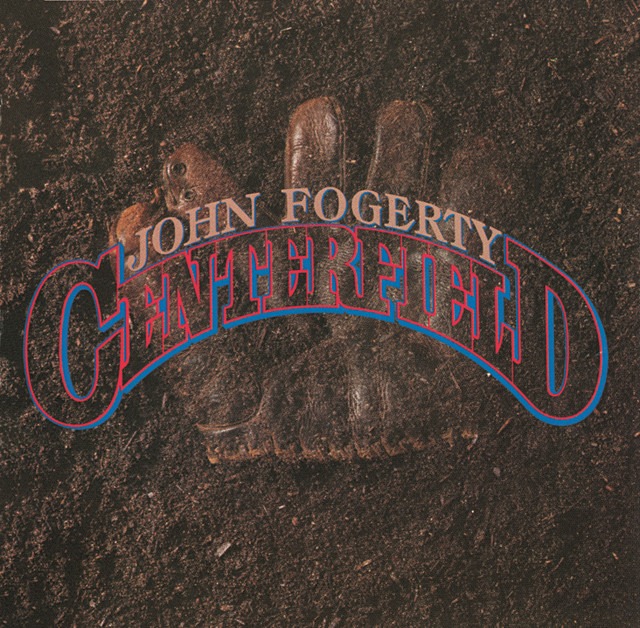
5 Surprising Facts About John Fogerty’s ‘Centerfield’

After nearly a decade away from the spotlight, John Fogerty stepped back up to the plate in 1985 with Centerfield—and crushed it out of the park. His first solo album in nine years, Centerfield marked a fiery return for the Creedence Clearwater Revival legend. Fueled by swamp rock riffs, baseball lore, and a righteous sense of justice (musical and legal), the album proved Fogerty still had one of the most distinctive voices—and visions—in rock. But behind the crack of the bat and the top-10 hits are stories just as rich as the grooves. Here are 5 things you might not know about Centerfield.

1. Fogerty Played Every Single Instrument—Every Note
Drums? That’s John. Bass? John again. Guitar, keys, percussion? All Fogerty. In true garage hero fashion, he recorded the entire album himself using overdubs, holed up in solitude and determination. After years in legal limbo, this was Fogerty reasserting his independence—one track at a time.

2. “Centerfield” Was Named Before It Was Written
The title track, which became an American sports anthem, started as nothing more than an album title. Fogerty hadn’t even written the song yet, but the name stuck in his head like a rally chant. The famous opening riff came later—and when it did, the rest of the tune raced out like a runner stealing home.

3. “Zanz Kant Danz” Turned Into a Legal Firestorm
Originally titled “Zanz Kant Danz” as a jab at Fantasy Records head Saul Zaentz, the track featured a dancing pig who “can’t dance but he’ll steal your money.” After Zaentz threatened to sue, Fogerty changed it to “Vanz Kant Danz.” But the lawsuit saga didn’t stop there…

4. Fogerty Was Sued for Copying… Himself
In one of rock’s most surreal legal battles, Fogerty was sued for allegedly plagiarizing his own Creedence song, “Run Through the Jungle,” with Centerfield’s lead single “The Old Man Down the Road.” In court, Fogerty brought his guitar, played both songs live, and won. The case set a precedent: artists could win legal fees even without proving malicious intent.

5. The Album Is Dedicated to a Kid Who Dreamed of a Triangle
Ever heard of Gossamer Wump? He’s the fictional character Fogerty dedicated the album to—a kid who wanted to be a musician and chose to master the triangle. “After ten years of courage, determination, and hard work, Gossamer plays ‘tingle,’” Fogerty said. “No difference? Maybe not. But Gossamer could hear it.” Just like Fogerty could.

Centerfield is a big statement of musical freedom, of resilience, and of love for both rock & roll and the American spirit. From courtrooms to ballparks, Fogerty swung hard with this one—and nearly 40 years later, we’re still singing, “Put me in, coach—I’m ready to play.”