Home Blog Page 546

Justin Bieber Is Dropping a New Album This Friday—Here’s Why That Matters

0

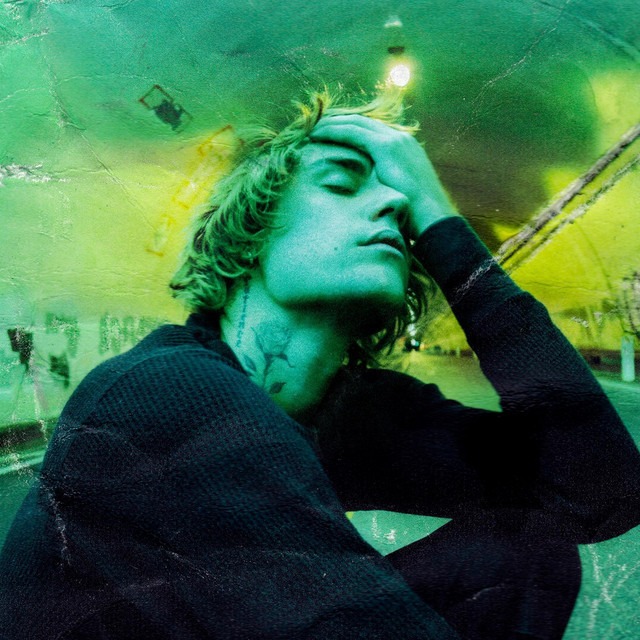
It’s official—Justin Bieber is back. The Hollywood Reporter confirmed today that Bieber’s long-awaited seventh studio album will be released this Friday, July 11, via Def Jam. That’s four years since his last full-length, Justice, and based on everything we’ve heard so far, he’s not just returning—he’s recalibrating. The record includes collaborations with Gunna, Sexyy Red, and Cash Cobain, and sources say it was born in both the frosty quiet of Iceland and the jam-packed energy of Los Angeles house sessions. The duality? Pure Bieber.

Let’s rewind a little. According to THR, Bieber’s musical comeback started in Iceland this past April. He flew out to “vibe out” with collaborators in the kind of isolated creativity bubble artists dream of. The album may or may not be called Swag—thanks to mysterious billboards now popping up in Reykjavík and Los Angeles—but one thing’s for sure: this is Bieber reentering the chat with something to prove, especially after a few quieter years in the public eye.

In the time since Justice, Bieber’s world has shifted: he became a father, ended his longtime professional relationship with Scooter Braun, and settled financial tensions over his canceled tour. But he never stopped working. He hosted jam sessions in L.A. with DJ Tay James, HARV, and SZA producer Carter Lang. He brought in international talent like U.K. singer Sekou and hitmakers like Dylan Wiggins. This is a collaborative album made in the age of group chats, voice notes, and spontaneous DMs—and that modern, fluid energy will likely be felt all over the record.

The features alone signal a sonic departure. Sexyy Red and Cash Cobain aren’t names traditionally associated with Bieber’s pop leanings—this is a pivot into the raw, genre-crossing world of hip-hop-adjacent cool. Bieber has always had an ear for what’s next: remember Purpose? Where Are Ü Now? Peaches? He’s not chasing trends here—he’s setting the tone again.

Bieber’s rocky relationship with fame has been well-documented—relentless paparazzi, public scrutiny from a young age, and intense pressure led to struggles with mental health and burnout. At times, it seemed like the weight of celebrity might pull him away from music altogether. But his decision to stay, to keep creating and evolving despite it all, is a testament to his resilience. In an industry that can easily chew artists up, Bieber continuing to share his voice feels not just like a comeback—but a commitment to growth, artistry, and healing in public.

It also can’t go unnoticed that Bieber’s return coincides with a rare moment of reinvention across the music industry. Gen Z is leaning into nostalgia and chaos, AI is reshaping how music gets made, and artists are more independent—and genreless—than ever. Bieber seems to be threading that needle: working outside of traditional systems while staying as chart-ready as ever. He’s done this dance before. He just has a new set of shoes.

So this Friday, don’t be surprised if the conversation shifts. Justin Bieber isn’t here to remind us of his past success—he’s here to rewrite what pop sounds like in 2025. And if those Icelandic “Swag” billboards are any indication, he’s doing it his way, on his terms, with the kind of quiet confidence you only get from being the guy for nearly 15 years.

15 Music Videos That Deserve a Movie Deal

Some music videos are fully formed cinematic universes waiting for someone in Hollywood to wise up and give them 90 minutes and a budget. Artists are already writing with film in mind, directors are storyboarding like it’s Sundance, and fans? We’ve been ready. If Barbie can go billion-dollar, surely these deserve at least a greenlight. Here are 15 music videos so rich in narrative, worldbuilding, and aesthetic ambition, they practically beg for a movie deal.

Billie Eilish – “bury a friend”
Eilish’s horror-noir mind palace of body horror and shadow creatures could easily anchor an A24 psychological thriller. Imagine Black Swan meets Get Out, but soundtracked entirely by synths and whispers.

Childish Gambino – “This Is America”
A razor-sharp commentary on race, distraction, and violence in America. The layered symbolism and shifting tone could carry a feature-length political satire or dystopian allegory—Jordan Peele, call your people.

The 1975 – “I’m In Love With You”
Shot like a monochrome musical dream, this video feels like La La Land with circus paint and awkward glances. The romantic tension and nostalgic whimsy scream for an indie rom-com treatment.

Beyoncé – “Haunted”
This Gothic fever dream from the BEYONCÉ visual album drips with haunted mansion intrigue, cults, and slow-burn tension. Think Eyes Wide Shut meets Suspiria, with Queen Bey as the final girl or the puppet master.

Doja Cat – “Attention”
A slick noir slow-burn where celebrity becomes a chase sequence, both literal and existential. Give this one the Requiem for a Dream lens and let Doja narrate fame’s fever dream from inside the belly of the beast.

Hozier – “Take Me to Church”
Already a short film in its own right, this story of forbidden love and violent repression could expand into a sweeping, tragic love story—one with teeth, fire, and a haunting score.

Harry Styles – “Adore You”
Boy befriends magical fish and becomes an island legend. It’s Wes Anderson meets The Shape of Water, with a little Monty Python absurdity for good measure. Why is this not already a quirky indie hit?

Rosalía – “SAOKO”
Neon, motorcycles, and a fiercely defiant energy—Rosalía’s gritty, hyperstylized vision would make for an explosive post-apocalyptic action flick. Think Mad Max: Reggaetón Road.

Florence + The Machine – “Big God”
Cinematic movement, spectral lighting, and ritualistic beauty. A surrealist dance-horror drama could bloom from this visual language, like The Cell but for spiritually conflicted poets.

Kendrick Lamar – “ELEMENT.”
Every shot is frame-worthy, drawn from street photography, fine art, and poetic realism. Kendrick’s visual vocabulary could power a coming-of-age film drenched in metaphor and West Coast grit.

FKA twigs – “Cellophane”
An emotionally devastating climb through a collapsing dreamspace. As a film, it’d be a body-bending exploration of vulnerability, like Black Swan meets Annihilation, with choreography as its weapon.

Rina Sawayama – “XS”
A dystopian shopping channel unravels into a slick critique of capitalism. Blow it up into a satirical sci-fi thriller about beauty, biotech, and the human cost of excess—The Menu with better outfits.

Tyler, The Creator – “EARFQUAKE”
Tyler’s pastel-colored chaos, emotional unravelling, and ‘50s variety show aesthetic deserves a dark comedy feature with him as a heartbreak clown who might just burn the set down.

Lady Gaga – “911”
An operatic crash into mental health and identity. It’s already structured like a short film, and with Gaga’s full commitment, this could evolve into a genre-bending psychological fantasy.

AJR – “World’s Smallest Violin”
A chaotic Rube Goldberg breakdown of performance pressure and generational angst. Picture this as an absurdist dramedy where a band races to finish one last show before their stage literally explodes.

Music videos are already mini-movies. All they need now is a script, a studio, and a few million dollars. Until then, we’ll keep watching these on repeat and dreaming up the trailers in our heads.

10 Tips for Touring Sustainably as a DIY Artist

Touring is a rite of passage for any artist—but doing it sustainably? That’s the next level. Whether you’re playing basements or building up to theatres, being eco-conscious on the road isn’t just about saving the planet—it’s about saving your budget, your energy, and your sanity. From someone who’s seen the inside of more vans than venues, here are 10 practical, industry-informed tips to keep your tour green, lean, and DIY-credible.

1. Plan Routing Like a Pro

A smart tour map saves you fuel and stress. Cluster your dates by region and avoid zig-zagging the country—your wallet (and the environment) will thank you. Use tools like Bandsintown for Artists, Indie on the Move, or even Google Maps batch routing to optimize travel days.

2. Ditch Single-Use, Embrace Reusables

Water bottles, coffee cups, utensils—bring your own. Venues are getting better at refill stations, and fans notice when you lead by example. Bonus: no waking up in a sea of plastic the next morning.

3. Digital Over Paper (Unless You’re Selling It)

Promote with QR codes, geo-targeted posts, and digital flyers. Save paper for merch with a margin—like lyric zines or art prints. They’re keepsakes, not waste.

4. Offset Your Emissions

You probably can’t afford an electric van, but you can offset your tour’s carbon footprint. Platforms like Cool Effect or Carbonfund.org let you invest in verified environmental projects. Add a note on your tour poster or merch table: “Carbon offset included.” Fans love transparency.

5. Bundle Your Merch Runs

Order merch in bulk and locally to your tour launch city. Fewer shipping miles = fewer emissions and fewer headaches. Plus, tote bags and upcycled shirts are crowd-pleasers with a message.

6. Use Hospitality Riders Wisely

Even if you’re just getting drink tickets, ask venues to minimize plastic backstage. Request snacks in bulk, plant-based meals, or local produce. Being respectful and sustainable builds long-term relationships.

7. Sleep Strategically

Choose eco-certified hotels or crash with friends and fans to reduce hotel energy usage. Bonus: you save money and sometimes gain breakfast and laundry access.

8. Share the Load

Tour with other artists when you can—shared rides, shared gear, shared costs. Multi-band bills can reduce the number of vehicles on the road and increase draw for small venues.

9. Repurpose, Recycle, Reimagine

Need gear cases? Reuse thrift store luggage. Need stage decor? DIY with recyclables. The punk scene knew it decades ago—resourcefulness is rebellion.

10. Make Sustainability Part of the Story

Let your audience in on what you’re doing. Post about your offset program, tag venues with good green practices, or offer a merch discount for fans who bring reusable containers. Touring is performance—but it’s also platform.

You don’t have to be Coldplay to tour consciously. With a little intention, you can build a touring career that’s good for your music and the world it lives in. After all, the road goes on forever—but only if we take care of it.

15 Bear-Themed Songs Worth Roaring About For Teddy Bear Day

Whether you’re 5 or 55, this is your official excuse to drag your old stuffed bear out of the closet and into the sunshine. July 10 is Teddy Bears’ Picnic Day — a delightfully oddball day where nostalgia meets imagination, and you can let your inner child dine al fresco with a fictional forest friend. So in honour of bears big, small, wild, animated, and plush, here are 15 songs that celebrate them — with whimsy, wit, and sometimes a touch of melancholy.

1. “Teddy Bear’s Picnic” – Anne Murray
The quintessential bear tune. It’s charming and playful on the surface… but something about it always feels just a little off, right?

2. “(Let Me Be Your) Teddy Bear” – Elvis Presley
Elvis turns cuddly in this rock ’n’ roll classic, offering himself up as a huggable heartthrob. Simpler times.

3. “Rupert The Bear” – Jackie Lee
Stripy trousers. Psychedelic side characters. This British children’s theme hits all the right nostalgic buttons.

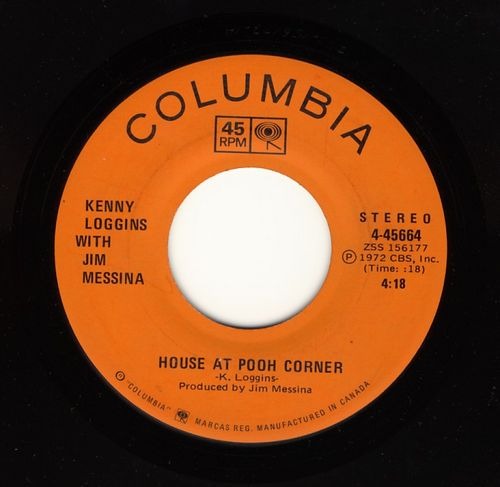
4. “House at Pooh Corner” – Loggins & Messina
Kenny Loggins aches for a simpler time through the lens of Winnie the Pooh, in one of the most bittersweet children’s songs ever written.

5. “Birdmad Girl” – The Cure
Robert Smith wishes he were a polar bear. It’s whimsical, melancholic, and deeply Cure-core.

6. “The Grizzly Bear” – Shel Silverstein
Forget metaphors — Shel is the grizzly bear. Wild, loud, and probably chewing the mic.

7. “Gus: The Polar Bear From Central Park” – The Tragically Hip
A devastating tribute to a captive polar bear and a reflection on mental health — even among animals.

8. “Dakota The Dancing Bear Part 2” – David Allan Coe
A darkly funny tale about exploitation, showbiz, and dancing bears. Cynical, biting, brilliant.

9. “Les Ours” – Nick Cave & Warren Ellis
Atmospheric and haunting, this cinematic piece evokes the quiet power of bears in the wild.

10. “Grizzly Bear Blues” – Corb Lund
You won’t learn much survival advice here, but you’ll laugh the whole way through.

11. “Bear By The Bonfire” – Mudslide
70s-style rock chaos meets campfire horror — and possibly real gore. Approach with caution.

12. “Bear on the Beach” – A Camp (Nina Persson)
Moody, poetic, and open to interpretation. A bear? A memory? A metaphor? Yes.

13. “L’Ours” – Christophe Maé & Youssou N’Dour
A heartbreaking ode to the polar bear and the shrinking ice it calls home. Timely and poignant.

14. “The Right to Arm Bears” – Paul Westerberg
It’s exactly what it sounds like. Legal satire, Americana weirdness, and a visual you won’t shake.

15. “Bears” – Zebra
A hard rock plea to remember the bears, wrapped in 80s riffs and arena-sized sincerity.

Lenny Kravitz’s Isolated Vocals For “Fly Away”

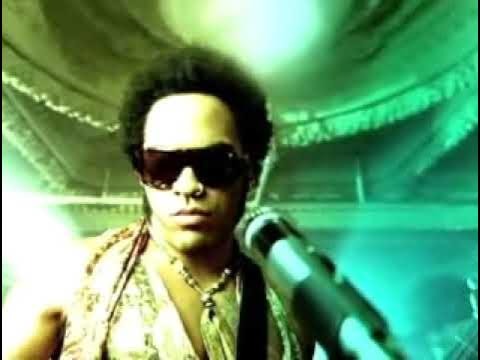
When Lenny Kravitz plugged in a guitar to test an amp, he accidentally wrote a jet-fueled rock anthem. “Fly Away” wasn’t even supposed to make the album 5, but it took off—and never looked back.

Paul McCartney Announces “Got Back” North American Tour For 2025

0

Following his historic three-night stand at New York City’s Bowery Ballroom earlier this year — hailed by BILLBOARD as “a religious experience” and moving NPR to rave “Paul McCartney has so much swag it’s ridiculous” — Paul McCartney and his acclaimed Got Back Tour will make their wildly anticipated return to North America this fall.

Got Back’s 2025 run of 19 newly announced dates marks Paul’s first extensive series of shows across the US and Canada since 2022. The tour kicks off September 29th with Paul’s Greater Palm Springs area live debut at Acrisure Arena and runs through to a November 24-25th finale at the United Center in Chicago. Got Back 2025 will feature Paul’s long-awaited return to Las Vegas, Denver, Des Moines, Minneapolis, Tulsa, New Orleans, Atlanta, Nashville, Columbus, Pittsburgh, Buffalo, Montreal, and Hamilton – plus a few cities that will be hosting their first-ever Paul McCartney concerts, Albuquerque and the aforementioned Greater Palm Springs area. 

General on sale for these Got Back tour dates will begin July 18th at 10am local time. For further information, and pre-sales, check paulmccartneygotback.com.

Irrefutably one of the most successful and influential singer-songwriters and performers of all time, McCartney’s concerts bring to life the most beloved catalogue in music. With songs like “Hey Jude,” “Live and Let Die,” “Band on the Run,”  “Let It Be” and so many more, the Paul McCartney live experience is everything any music lover could ever want from a rock show and more: hours of the greatest moments from the last 60 years of music – dozens of songs from Paul’s solo, Wings and of course Beatles songbooks that have formed the soundtracks of our lives.

Paul McCartney launched his Got Back tour in 2022 with16 sold out shows across the US that led up to his history-making set at Glastonbury in June 2022. In 2023 Paul performed 18 shows as Got Back rocked through Australia, Mexico and Brazil. In 2024, Paul amazed capacity crowds at more than 20 dates spanning from South America and Mexico to the UK and Europe. 

Paul and his band have performed in an unparalleled range of venues and locations worldwide: From outside the Colosseum in Rome, Moscow’s Red Square, Buckingham Palace, The White House and a free show in Mexico for over 400,000 people to the last ever show at San Francisco’s Candlestick Park where The Beatles played their final concert in 1966, a 2016 week in the California desert that included two headline sets at the historic Desert Trip festival and a jam-packed club gig for a few hundred lucky fans at Pappy & Harriet’s Pioneertown Palace, two Glastonbury Festival headline slots, rocking the Bowery in New York City for a week of spontaneous club shows, and even one performance broadcast live into Space! 

Featuring Paul’s longtime band – Paul “Wix” Wickens (keyboards), Brian Ray (bass/guitar), Rusty Anderson (guitar) and Abe Laboriel Jr (drums) – and constantly upgraded state of the art audio and video technology that ensures an unforgettable experience from every seat in the house, a Paul McCartney concert is never anything short of life-changing. The Got Back Tour also features the Hot City Horns — Mike Davis (trumpet), Kenji Fenton (saxes) and Paul Burton (trombone) — who first joined Paul in 2018 to perform at Grand Central Station ahead of embarking on the Freshen Up World Tour in the same year. 

PAUL McCARTNEY – GOT BACK 2025

September 29 — Palm Desert, CA — Acrisure Arena
October 4 – Las Vegas, NV — Allegiant Stadium
October 7 – Albuquerque, NM — Isleta Amphitheater
October 11 – Denver, CO — Coors Field
October 14 – Des Moines, IA — Casey’s Center
October 17 – Minneapolis, MN — U.S. Bank Stadium
October 22 – Tulsa, OK – BOK Center
October 29 – New Orleans, LA — Smoothie King Center
November 2 – Atlanta, GA — State Farm Arena
November 3 – Atlanta, GA — State Farm Arena
November 6 – Nashville, TN – The Pinnacle
November 8 – Columbus, OH — Nationwide Arena
November 11 – Pittsburgh, PA — PPG Paints Arena
November 14 – Buffalo, NY — KeyBank Center
November 17 – Montreal, QC — Bell Centre
November 18 – Montreal, QC — Bell Centre
November 21 – Hamilton, ON – TD Coliseum
November 24 – Chicago, IL — United Center
November 25 – Chicago, IL — United Center

Streaming While Traveling: Why a VPN Is Essential for Accessing Your Home Library

0

By Mitch Rice

The modern traveler’s dilemma isn’t just about lost luggage or flight delays, it’s about losing access to your entire digital entertainment world the moment you cross a border. According to ExplodingTopics 2025 report, online video streaming services reached approximately 1.8 billion subscriptions worldwide, the frustration of discovering your favorite Netflix series has vanished or your sports app won’t work abroad has become a universal travel experience.

Whether you’re a business traveler trying to unwind with familiar shows after long meetings, a digital nomad maintaining your entertainment routine, or a vacation-goer who wants to stream movies on a rainy day, geographic restrictions can turn your carefully curated digital library into a foreign landscape. A Virtual Private Network (VPN) has evolved from a nice-to-have tool into an essential travel companion that ensures your entertainment follows you wherever you roam.

The Complex Web of Content Licensing

The reason your streaming library changes abroad isn’t a technical glitch but it’s a deliberate result of how content licensing works in the digital age. Netflix, for instance, operates in over 190 countries but offers completely different content libraries in each region. The United States Netflix catalog contains approximately 6,000 titles, while users in France see only about 4,300 titles, and those in India have access to roughly 5,500 different shows etc.

This disparity exists because streaming platforms must negotiate separate licensing agreements for each country or region. A Hollywood studio might sell the rights to stream a blockbuster movie to Netflix in the US, Hulu in Canada, and Amazon Prime in the UK, all while keeping it off streaming platforms entirely in certain countries to protect theatrical releases.

Platform-Specific Restrictions

Different streaming services handle international access in various ways:

Netflix is available in most countries but with drastically different libraries. A Netflix subscription in the US costs $13.00/month but shows completely different content than the same subscription accessed from Germany or Japan.

Disney+ still isn’t available in many countries, particularly in Asia and parts of Africa. Even where it’s available, content varies significantly due to local censorship laws and existing licensing agreements.

HBO Max availability is limited to specific regions, with no legal access in many countries. Travelers from the US often find themselves completely locked out of their subscriptions.

Hulu is exclusively available in the US, making it impossible for American travelers to access their subscriptions abroad without technical workarounds.

Live sports streaming is perhaps the most restrictive category, with complex blackout rules that can prevent you from watching your home team’s games even within your own country, let alone abroad.

How VPNs Restore Your Home Library

A VPN works by creating an encrypted tunnel between your device and a server located in your chosen country. When you connect to a VPN server in your home country, streaming services see the server’s IP address instead of your actual location.

The technical process simplified:

  1. Connection Establishment: Your device connects to a VPN server in your home country
  2. IP Masking: Your real IP address is hidden behind the server’s IP
  3. Traffic Encryption: All data traveling between your device and the VPN server is encrypted
  4. Geo-block Bypass: Streaming services treat you as if you’re accessing from your home country
  5. Content Delivery: Your familiar library and recommendations are restored

Real-World Impact of VPN on Popular Services

Netflix users report 90% success rates in accessing their home libraries when using premium VPN services such as Astrill VPN, cyberghost, IPVanish etc. The key is choosing providers that regularly update their IP addresses to stay ahead of detection.

Amazon Prime Video is generally easier to access through VPNs, with success rates around 85% for most premium providers. However, Prime Video’s detection methods are becoming more sophisticated.

Disney+ is more aggressive in VPN detection, with success rates varying between 70-80% depending on the provider and server location.

Device-Specific Setup Strategies

  • Install VPN apps before departure (app stores may restrict downloads abroad)
  • Enable auto-connect on untrusted Wi-Fi networks
  • Configure kill switches to prevent data leaks if the VPN disconnects
  • Install both the native app and browser extensions for flexibility
  • Test different protocols (WireGuard, OpenVPN, IKEv2) for optimal performance
  • Configure DNS settings to prevent location leaks

The Hidden Dangers of Public Wi-Fi

Streaming isn’t just about entertainment, it’s about security. According to cybersecurity firm Wandera, 25% of public Wi-Fi hotspots don’t use any encryption at all, making them perfect hunting grounds for cybercriminals.

Common threats on public networks:

  • Man-in-the-Middle Attacks: Criminals intercept traffic between your device and legitimate websites
  • Fake Hotspots: Malicious networks designed to steal credentials and personal data
  • Packet Sniffing: Unencrypted data can be captured and analyzed for sensitive information
  • Malware Distribution: Compromised networks can push malware to connected devices

VPN Encryption: Your Digital Shield

Modern VPNs use AES-256 encryption, the same standard used by government agencies and financial institutions. This level of encryption means that even if someone intercepts your traffic, they would need Quintillions of years to crack the encryption using current technology. Also, supercomputer-level processing power to even attempt breaking the cipher. Moreover, access to quantum computers (still theoretical for civilian use) to pose any realistic threat.

Advanced Troubleshooting Techniques while Streaming abroad

Apply following settings to prevent DNS Leak:

  • Configure custom DNS servers (1.1.1.1, 8.8.8.8)
  • Use VPN providers with built-in DNS leak protection
  • Test for leaks using online tools before streaming

Browser Optimization settings:

  • Disable WebRTC in browser settings
  • Use browser extensions that block location detection
  • Clear browsing data regularly to remove location markers

Mobile App Workarounds:

  • Use mobile browsers instead of apps when possible
  • Enable “Desktop site” mode for better compatibility
  • Consider using older versions of apps that may be less restrictive

Emerging Technologies and Challenges


Streaming services are increasingly using machine learning to identify VPN usage patterns. Netflix’s detection algorithms now analyze viewing patterns, device fingerprints, and network behaviors to identify VPN users.


Also, the rollout of 5G networks is changing how we stream content. 5G’s lower latency and higher speeds make mobile streaming more viable, but also create new challenges for VPN providers. Emerging platforms using blockchain technology may offer new ways to access content without traditional geographic restrictions.

Conclusion: Your Digital Freedom Depends on Preparation

The landscape of global streaming continues to evolve, but geographic restrictions remain a persistent challenge for travelers. With streaming services generating over $70 billion in global revenue annually, the motivation to maintain regional licensing agreements isn’t disappearing anytime soon.

A quality VPN represents more than just a technical solution, it’s an investment in your digital freedom. Whether you’re a business traveler who needs familiar entertainment after stressful days, a family on vacation wanting to stream documentaries during downtime, or a digital nomad maintaining your entertainment routine across continents, a VPN ensures that your carefully curated digital library travels with you.

Remember that while technical solutions can overcome most geographic restrictions, the ultimate goal should be supporting the creators and platforms that produce the content you love. A VPN should enhance your legitimate access to content you’re already paying for, not replace the need for proper subscriptions.

In our interconnected world, the ability to access your home library regardless of your physical location isn’t just a convenience, it’s becoming an essential component of maintaining your digital lifestyle while exploring the physical world. Choose your VPN wisely, set it up properly, and let your wanderlust flourish without sacrificing your favorite shows.

Data and information are provided for informational purposes only, and are not intended for investment or other purposes.


Vosita Helps You Reach More Patients Without Extra Marketing Costs

0

By Mitch Rice

In today’s fast-paced healthcare industry, providers constantly struggle to balance quality care with the administrative burden of running a practice. One of the most pressing challenges is attracting new patients without spending a fortune on marketing campaigns. From digital ads to social media promotions, the cost of patient acquisition can be overwhelming, especially for small or solo practices. But what if there was a way to connect with more patients without burning your marketing budget?

That’s exactly where Vosita steps in. Vosita is a smart, affordable healthcare platform designed to help providers grow their practice, expand their reach, and streamline appointment management—all without the extra cost of traditional marketing.

Let’s dive deeper into how Vosita can transform the way you connect with patients and keep your appointment books full.

The Struggle of Traditional Healthcare Marketing

Before we explore Vosita’s solution, it’s essential to understand why traditional marketing for healthcare providers is challenging.

  • High Costs: Running ads on Google or Facebook can easily eat up hundreds or even thousands of dollars every month, often with mixed results.
  • Time-Consuming: Managing campaigns, responding to online inquiries, and keeping up with marketing trends takes time away from patient care.
  • Limited Reach: Local SEO and ads may not always reach the right audience—patients who are actively looking for care.
  • Competition: Large healthcare networks and hospitals often dominate search engine results, making it hard for smaller practices to stand out.

For many independent providers, these factors create a frustrating cycle of spending more but getting fewer results. Vosita changes that narrative by helping patients find you directly.

What Is Vosita?

Vosita is a patient-friendly healthcare marketplace that connects people with trusted, in-network medical providers in their area. It’s like a bridge between patients who are actively looking for care and providers who want to grow their practice without overextending their budget.

Patients can search for providers based on:

  • Specialty
  • Insurance network
  • Location
  • Patient reviews
  • Language spoken

For healthcare professionals, this means instant exposure to a highly targeted audience that’s already looking to book an appointment.

How Vosita Helps You Reach More Patients

Vosita’s platform is designed with one core goal in mind: making it easier for patients to find and connect with healthcare providers. Here’s how it works:

1. Improved Visibility Without Paid Ads

When you list your practice on Vosita, it becomes visible to thousands of patients searching for care in your area. You don’t have to worry about spending extra on advertising campaigns. Vosita works like an organic patient directory—patients come to the platform already looking for providers.

2. Focus on Insurance Networks

Many patients specifically search for providers who accept their insurance. Vosita allows you to highlight the insurance plans you accept, ensuring you get matched with the right patients. This reduces unnecessary inquiries and connects you with people who can actually book with you.

3. Increased Trust with Reviews

Vosita allows patients to leave reviews, which build trust and credibility for your practice. Positive reviews can attract even more patients, creating a self-sustaining growth loop.

4. Seamless Appointment Booking

Vosita eliminates phone tag and missed opportunities by enabling patients to instantly book an appointment online. You’ll receive notifications, and your calendar stays organized without extra effort.

5. No Hidden Marketing Fees

Unlike other platforms that charge expensive lead-generation or advertising fees, Vosita offers a simple, affordable pricing structure. You don’t pay for clicks or impressions—you simply get connected to real patients.

Streamlining Your Practice with Technology

Vosita isn’t just about patient acquisition; it also simplifies practice management. Here’s how:

  • Telehealth & In-Person Visits: Patients can choose whether they want a video visit or an office visit. This flexibility means you can see more patients with fewer scheduling conflicts.
  • Integrated Calendar: Vosita syncs appointments seamlessly, helping you avoid double bookings or missed slots.
  • Patient Reminders: Automated reminders reduce no-shows and keep your schedule running smoothly.

This smart technology means less time managing logistics and more time focusing on quality patient care.

Why Patients Love Vosita

Vosita isn’t only beneficial for providers; it’s designed with patients in mind too. Here’s why patients love using Vosita:

  • Easy Search: They can quickly find nearby providers who accept their insurance.
  • Transparent Reviews: Patients can make informed decisions based on real feedback.
  • Quick Booking: No waiting on hold—appointments can be scheduled in minutes.
  • Telehealth Options: For convenience, patients can book virtual visits from home.

When patients love using the platform, they’re more likely to choose you as their provider.

Affordable Growth for Your Practice

The best part about Vosita is that it’s an affordable alternative to traditional marketing. Instead of pouring money into ads that may not convert, you’re investing in a platform that directly connects you with patients ready to schedule care.

Vosita levels the playing field for smaller practices that can’t compete with big healthcare networks’ advertising budgets. By being part of this marketplace, you gain exposure, credibility, and seamless appointment management—without extra costs.

Getting Started Is Simple

Signing up with Vosita is easy:

  1. Create Your Provider Profile – Add your specialty, accepted insurance plans, location, and availability.
  2. Start Appearing in Searches – Patients in your area will see your profile when they search for care.
  3. Accept Appointments Instantly – Patients can directly book an appointment with you, and you’ll be notified immediately.

There’s no need to hire a marketing agency or learn complex advertising strategies. Vosita does the heavy lifting for you.

The Future of Patient Acquisition

Healthcare is moving toward a more patient-centric, technology-driven model. Patients expect convenience, transparency, and easy access to providers. Vosita aligns perfectly with these expectations while helping providers grow sustainably.

By joining Vosita, you’re not just getting more patients—you’re future-proofing your practice. You’ll stay visible in a digital-first world, attract patients who truly fit your practice, and eliminate the stress of expensive, unpredictable marketing campaigns.

Final Thoughts

Growing your practice doesn’t have to mean draining your budget on advertising. Vosita empowers healthcare providers to reach more patients, simplify appointment management, and build trust—all without extra marketing costs.

If you’re ready to attract new patients while focusing on what you do best—delivering exceptional care—Vosita is the smart, affordable solution you’ve been waiting for.

Data and information are provided for informational purposes only, and are not intended for investment or other purposes.
5 Surprising Facts About Isaac Hayes’ ‘Hot Buttered Soul’

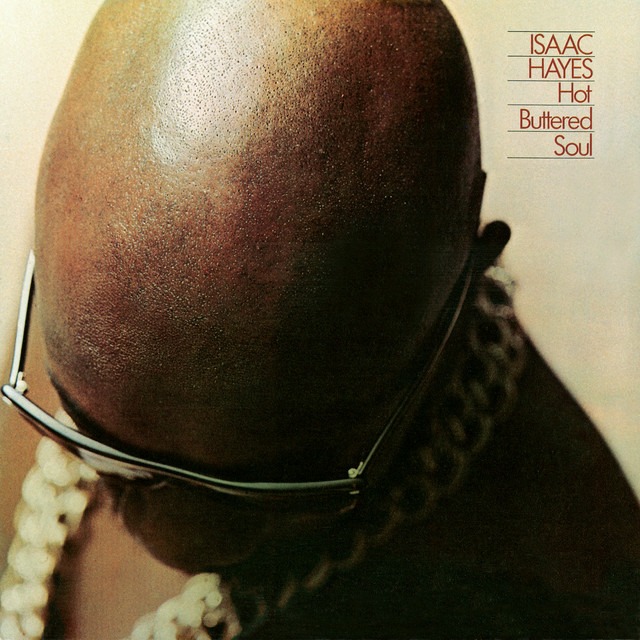
Before What’s Going On, before Super Fly, there was Hot Buttered Soul—a record that rewrote the boundaries of soul music. Released in June 1969, Isaac Hayes’ second album broke all the rules with 4 songs including a 12-minute cover, a 19-minute monologue, and a full orchestra in tow. Backed by The Bar-Kays and armed with total creative freedom, Hayes sculpted sound, mood, and memory into something sweeping and unforgettable.

Whether you know the samples, the voice, or just the sunglasses, here are five facts that show why Hot Buttered Soul still grooves in permanent rotation.

1. Four songs, endless emotion.
The album features just four tracks, but each one unfolds like a short film. Hayes’ take on “Walk On By” stretches to twelve minutes, and “By the Time I Get to Phoenix” goes nearly nineteen. With sweeping strings, live vocals, and unhurried storytelling, Hayes pushed soul into new territory.

2. Hayes called the shots—and changed the game.
After his first album underperformed, Isaac Hayes agreed to return only if he had complete creative control. Stax Records said yes, and Hayes delivered something visionary. His leadership shaped every detail, from the tracklist to the live band arrangements.

3. “Walk On By” became a sample goldmine.
Hayes’ psychedelic, 12-minute spin on “Walk On By” didn’t just reimagine a Bacharach classic—it laid the foundation for dozens of future tracks. Its ominous strings, slow-burn rhythm, and cinematic flair made it one of the most sampled soul cuts in history. Across decades and genres, artists have returned to it again and again, turning that groove into something entirely their own.

His version of “Walk On By” has been sampled by Compton’s Most Wanted in “Hood Took Me Under” (1992), The Notorious B.I.G. in “Warning” (1994), Faith Evans in “No Other Love” (1995), 2Pac in “Me Against the World” (1995), McGruff in “Harlem Kidz Get Biz” (1998), MF DOOM in “Dead Bent” (1999), Wu-Tang Clan in “I Can’t Go to Sleep” (2000), Hooverphonic in “2 Wicky” (1996), Hip Hop Pantsula in “Let Me Be” (2005), and Beyoncé in “6 Inch” (2016).

4. The album’s sound crossed cities and studios.
Tracked in Memphis and finished in Detroit, Hot Buttered Soul blended Southern soul with orchestral ambition. The Bar-Kays laid down the rhythm, while Johnny Allen arranged cinematic horns and strings. The result was velvet-smooth and thunderously bold all at once.

5. Henry Rollins can’t get enough of it.
Punk icon Henry Rollins has praised Hot Buttered Soul as one of his all-time favorite albums. He even interviewed Hayes in 1995 and printed it in his book Black Coffee Blues, Part 2. Soul meets punk respect—now that’s range.

Hot Buttered Soul plays like a statement of purpose—bold, lush, and deeply intentional. With just four tracks, Isaac Hayes redefined what soul music could hold, blending orchestral ambition with raw groove. Its influence continues to flow through samples, performances, and playlists around the world.

5 Surprising Facts About Olivia Rodrigo’s ‘SOUR’

What were you doing at 17? Because Olivia Rodrigo was co-writing a record that changed the pop landscape, one heartbreak anthem at a time. Released on May 21, 2021, SOUR is a technicolour scrapbook of Gen Z emotion—fierce, fragile, and fully chart-dominating.

Here are five facts about SOUR that’ll have you revisiting your teenage feelings in 3…2…1:

1. “Brutal” opens the album like a mic drop in combat boots.
Track one on SOUR, “Brutal” grabs the listener with a jagged riff, sardonic lyrics, and a sense of gleeful chaos. It channels early-2000s angst through a Gen Z lens, making room for teen confusion, boredom, and social anxiety—all without apology. Co-written just before the album’s deadline, the song arrived with a music video drenched in retro visuals and glitchy energy. “Brutal” doesn’t aim to be pretty; it aims to be loud, honest, and cathartic. The kind of opening track that turns insecurities into anthems.

2. Two songs debuted at number one, and they couldn’t be more iconic.
“Drivers License” and “Good 4 U” both entered the Billboard Hot 100 at number one, giving SOUR a record-setting double punch. Rodrigo became the first artist in history to score two number-one debuts from a debut album. With one song channeling soft heartbreak and the other kicking into pop-punk fury, it showed listeners that emotional complexity can hit from multiple angles. The success reflected not just hype but a real sense of cultural connection.

3. SOUR turned a streaming platform into a stage.
In its opening week, SOUR collected over 385 million Spotify streams worldwide—the biggest debut ever for a female artist on the platform. Listeners hit repeat on ballads and bangers alike, turning bedroom speakers into concert halls. The streaming numbers reflected just how wide and deep the album’s impact ran, from friends sending “Traitor” at 2 a.m. to “Brutal” fueling entire playlists. The momentum was instant, and the response felt personal.

4. Every track came from a two-person collaboration in lockdown.
Olivia Rodrigo and producer Dan Nigro created the album together, writing and recording much of it during the isolation of the COVID-19 pandemic. Without big studio sessions or outside noise, the songs grew from voice notes, text messages, and emotional clarity. That stripped-back intimacy shaped the sound of SOUR, giving the album a sense of focus that feels both unfiltered and fully formed. It’s the kind of collaboration that builds an entire world from a quiet room.

5. The SOUR Tour turned streaming stats into sing-alongs.
In 2022, Rodrigo launched her first headlining tour with sold-out shows across North America and Europe. Fans arrived in merch, sang every word, and even got a live duet with Avril Lavigne in Toronto. Songs like “Jealousy, Jealousy” and “Favorite Crime” found new life on stage, amplified by a crowd that knew every lyric. The tour captured SOUR‘s spirit—vulnerable, loud, and deeply shared—and turned it into a communal celebration.

So what do you get when a 17-year-old pours heartbreak, rage, and existential dread into 11 tracks and hands them to the world? You get SOUR—a debut that shouts, sobs, and sings its way into pop history without ever asking for permission. Whether it’s the messy honesty of “Brutal” or the car-cry catharsis of “Drivers License,” Olivia Rodrigo turned raw emotion into a global chorus.