Home Blog Page 565

Africa Express Debuts “Hacernos Así” and “Invocation” Ahead of Bahidorá Album Featuring Damon Albarn, Luisa Almaguer, Joan As Police Woman & More

0

Globally acclaimed music phenomenon Africa Express is debuting two new singles in celebration of its highly anticipated forthcoming studio album, Africa Express Presents… Bahidorá (due July 11 via World Circuit Records). Stream and share “Hacernos Así” (featuring Luisa Almaguer, Damon Albarn, Seye Adelekan, Nick Zinner, Joan As Police Woman, and the Mexican Institute of Sound) and “Invocation” (featuring Onipa, Jupiter & Okwess, Otim Alpha, Damon Albarn, and Joan As Police Woman) HERE.

These two new singles follow the recently released tracks “Mi Lado,” “Kuduro,” “Soledad,” and “Otim Hop.” Listen to all four songs HERE.

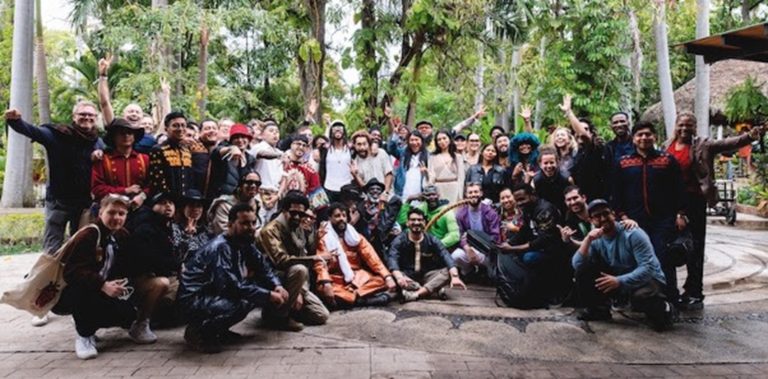
Mexican singer-songwriter Luisa Almaguer features once again on “Hacernos Así,” a passionate and deeply personal meditation on being transgender in a hostile world. She sings, “Te propongo algo, quitarnos la ropa, y hacernos así” (“I’ll tell you what—take off our clothes, and make us like this”), backed by Damon Albarn on piano, Joan As Police Woman on violin, Nick Zinner of the Yeah Yeah Yeahs on guitar, and Seye Adelekan on bass—alongside what Albarn has described as “one of the most unique and enchanting voices I have ever heard.” The track is accompanied by a profoundly moving video, filmed during the album’s recording sessions in Mexico, capturing an extraordinary moment of musical collaboration and human connection.

This powerful song is joined by “Invocation,” a dark, haunting, and mystical hymn to the ancestors and ancients from Congolese singer Jupiter Bokondji and K.O.G.

Almaguer observes, “When we recorded ‘Hacernos Así,’ musicians from London, New York, Mexico, and Nigeria came together and fully gave themselves to a song that was written by and for trans people. When the session ended, I broke down in tears, and we all hugged—some of us were crying, too. Something powerful happened that day.”

Seye Adelekan adds, “I have had the pleasure of working with Luisa on ‘Hacernos Así,’ and I can’t help but feel honored to be sharing a space with such a brilliant Mexican musician at a time when we need more trans visibility and more love spread around the world.”

Nick Zinner reflects, “Watching this video again, I’m reminded how emotionally charged that recording was. I think we did two takes; during and after the second take everyone was in tears. It was an honor to play this beautiful song with Luisa.”

Jupiter Bokondji says of the new track “Invocation,” “When my friends played this sound, it instantly carried me away and made me want to sing—then to invoke our common ancestors. It came out naturally; that’s the magic of bringing together artists from all over the world. I’m very proud to have started my career in Europe 15 years ago with Africa Express and to continue collaborating through this new experience with Mexican artists. Returning with all these encounters in Europe is wonderful. We keep proving that the cultural diversity of Africa, Europe, and the Americas unites us in a world that is far too divided!”

K.O.G. adds, “Sharing these creative moments with Jupiter, who unlocks portals of cathartic energy by the shuddering sound of his voice, and with Otim Alpha, who extends the light and cadence of this record, was pure joy. Africa Express creates profound, orchestrated music that highlights the eternal wavelength of artistic collaboration.”

Joan As Police Woman notes, “This song is a prayer, an invocation, a lament. Listen to Luisa. Africa Express has been—and will remain—one of the highlights of my life. AE is a template for what’s possible in the world.”

Africa Express visited the Americas for the first time in 2024 to headline the Mexican festival Bahidorá, bringing together an extraordinary group of musicians, singers, and DJs from around the globe. They rehearsed, performed, and wrote new music ahead of an epic five-hour show on the banks of Bahidorá’s ancient springs, then stayed on to record in field studios, tents, and hotel rooms. The result is this remarkable collection of 21 tracks—the project’s sixth album and its first since 2019’s Africa Express Presents… Egoli, recorded in Johannesburg.

An album like no other, Africa Express Presents… Bahidorá is a joyful, mind-blowing sonic journey that distills a Mexican musical adventure into 21 extraordinary songs perfectly suited to our times. Featuring artists from four continents but with its roots firmly planted in Mexico, the album entwines rich musical traditions—ranging from cumbia, hip-hop, and kuduro to soul, salsa, and shimmering pop.

Africa Express is an ever-evolving adventure founded on respect and collaboration. By breaking down barriers between artists of different nations, genders, generations, and genres, it proves that human beings are stronger when we create together. That spirit shines brightly throughout Bahidorá.

The collective will hit the road this summer for dates across Europe, including Roskilde Festival on July 6 and Barcelona’s Cruïlla Festival on July 11 (see full itinerary below).

Founded in 2006 in Mali by Damon Albarn and others, Africa Express has connected local legends such as Toumani Diabaté, Bassekou Kouyaté, and Amadou & Mariam with visiting artists including Martha Wainwright and Fatboy Slim. Over nearly two decades, the project has staged marathon concerts from Liverpool to Lagos, taken a train filled with musicians around Britain for the London Olympics, re-formed a Syrian orchestra divided by war, and produced the first African interpretation of Terry Riley’s minimalist classic “In C.” Participating artists have included Baaba Maal, Blur, Charli XCX, Femi Kuti, Flea, Franz Ferdinand, Kano, Oumou Sangaré, Paul McCartney, Paul Weller, Rokia Traoré, Tony Allen, and many more.

AFRICA EXPRESS PRESENTS… BAHIDORÁ TRACK LIST:

1. Soledad ft. Damon Albarn, Luisa Almaguer, Nick Zinner, Seye Adelekan,
Joan As Police Woman, Mexican Institute of Sound
2. Otim Hop ft. Otim Alpha, Bootie Brown, K.O.G., Tom Excell
3. Mi Lado ft. Alansito Vega, Poté, Mare Advertencia
4. Seya ft. Onipa, Fatoumata Diawara, Abou Diarra, Mélissa Hié, Ophélia Hié
5. Tayhana ft. Tayhana, Otim Alpha, La Bruja de Texcoco
6. Kuduro ft. Fatoumata Diawara, Moonchild Sanelly, Tom Excell
7. Defiant Ones ft. Son Rompe Pera, M.anifest, Ophélia Hié,
Mélissa Hié, Mexican Institute of Sound
8. Raise A Glass ft Django Django, Mare Advertencia, Seye Adelekan
9. Ofrenda de Sangre ft. Luisa Almaguer, Mare Advertencia, Alansito Vega
10. Chucha ft. Son Rompe Pera, Joan As Police Woman, Otim Alpha,
Abou Diarra, Ophélia Hié, Mélissa Hié, Mexican Institute of Sound
11. Quisiera ft. Luisa Almaguer, Alansito Vega, Nick Zinner, Joan As Police Woman
12. The Sky Above You ft. Seye Adelekan, Luisa Almaguer, Joan As Police Woman,
Nick Zinner, Imarhan, Damon Albarn
13. Dorhan Oullhin (What The Heart Desires) ft. Imarhan, Damon Albarn
14. El Niño ft. Eme Malafe, Los Pream, Mélissa Hié, Ophélia Hié,
Joan As Police Woman, Marco Carrion, Alansito Vega
15. Invocation ft. Onipa, Jupiter Bokondji, Otim Alpha, Damon Albarn,
Joan As Police Woman
16. Hacernos Así ft. Luisa Almaguer, Damon Albarn, Seye Adelekan, Nick Zinner,
Joan As Police Woman, Mexican Institute of Sound
17. Frenemies ft. Hak Baker, Bonobo, Damon Albarn, Otim Alpha,
Mélissa Hié, Ophélia Hié
18. Kelegusta ft. Tayhana, Otim Alpha, La Bruja de Texcoco
19. El Diablo y La Bruja ft. La Bruja de Texcoco, Los Pream
20. Pánico (Cuelga al DJ) ft. Mexican Institue of Sound, Damon Albarn,
Los Pream, Nick Zinner, Montana Kinunu Ntunu
21. Adios Amigos ft. Baba Sissoko, Luisa Almaguer, Joan As Police Woman,
Abou Diarra, Mélissa Hié, Ophélia Hié, Yendé Balamba

TOUR DATES
July 5—Roskilde, DK—Roskilde Festival
July 6—Budapest, HU—Müpa
July 8—Berlin, DE—Huxleys
July 9—Hamburg, DE—Elbphilharmonie
July 11—Barcelona, ES—Cruïlla Festival
James McMurtry Releases The Black Dog and the Wandering Boy With All-Star Guests and Acclaimed Storytelling

0

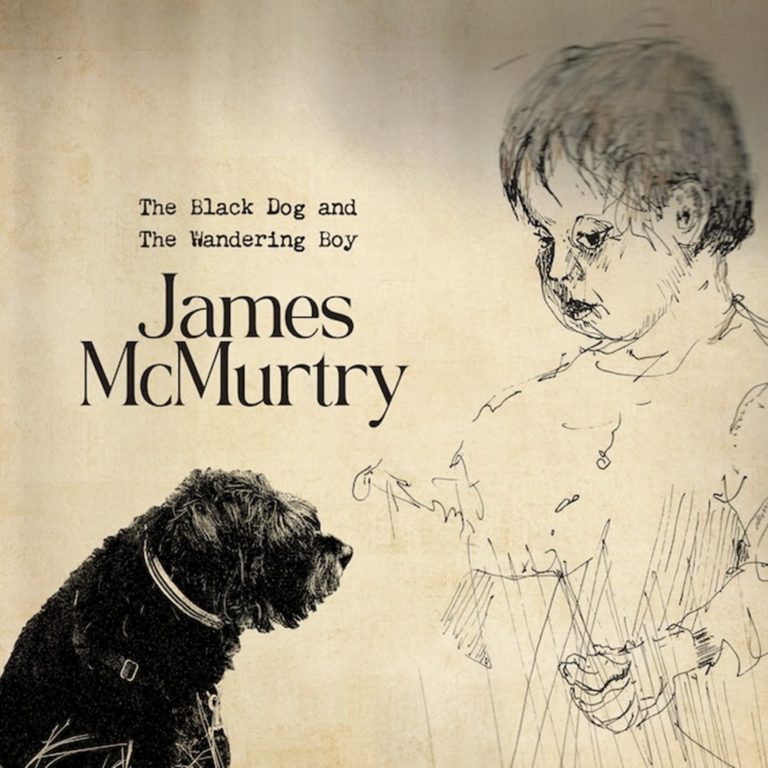
James McMurtry released The Black Dog and the Wandering Boy via New West Records. The 10-song collection was co-produced by McMurtry & Don Dixon (R.E.M., The Smithereens) and is his first album in four years. The Black Dog and the Wandering Boy features appearances by Sarah Jarosz, Charlie Sexton, pat mAcdonald, Bonnie Whitmore, Bukka Allen, and more alongside his trusted backing band—BettySoo on accordion & backing vocals, Cornbread on bass, Tim Holt on guitar, and Daren Hess on drums. Met with universal acclaim, Rolling Stone called him “One of America’s greatest living songwriters” while Texas Monthly said “The consistency of such evocative, specific details has earned McMurtry the prestigious designation of songwriter’s songwriter. He is the type of performer other musicians revere, cite as an influence, and love to collaborate with…” Mojo Magazine awarded the album 4 Stars while Uncut Magazine called it in their 9/10 review, a “Masterful set from the distinguished folk-blues Texan.” Americana Highways said “McMurtry continues to prove that few songwriters—inside or outside Americana—can match his lyrical precision. Like John Prine at his sharpest or Guy Clark at his most plainspoken, McMurtry writes with clarity, compassion, and a healthy dose of bite. The Black Dog finds him at the peak of his powers—wiser, wearier, and unflinchingly honest.”

Today, Garden & Gun magazine premiered the album in its entirety alongside a Q&A with McMurtry. Hear The Black Dog and the Wandering Boy in full, a day ahead of its official release.

As varied as they are, McMurtry’s new story-songs find inspiration in scraps from his family’s past: a rough pencil sketch by Ken Kesey that serves as the album cover, the hallucinations experienced by his father, the legendary writer Larry McMurtry, an old poem by a family friend. A supremely insightful and inventive storyteller, McMurtry teases vivid worlds out of small details, setting them to arrangements that have the elements of Americana but sound too sly and smart for such a general category. Funny and sad often in the same breath, The Black Dog and the Wandering Boy adds a new chapter to a long career that has enjoyed a resurgence as young songwriters like Sarah Jarosz and Jason Isbell (who is namechecked on the new album) cite him as a formative influence. 

For The Black Dog & The Wandering Boy, McMurtry called on his old friend Don Dixon, who produced his third album, Where’d You Hide the Body?, back in 1995. He says, “A couple of years ago I quit producing myself. I felt like I was repeating myself methodologically and stylistically. I needed to go back to producer school, so I brought in CC Adcock for Complicated Game, and then Ross Hogarth did The Horses & The Hounds. It seemed natural to revisit Mr. Dixon’s homeroom. I wanted to learn some of what he’s learned over the last thirty years.” McMurtry and his band worked to create something that sounds spontaneous, as though he’s writing the songs as you hear them. They were open to odd experiments, weird whims, and happy accidents. In addition to his original compositions, the album features a pair of covers as bookends, “Laredo (Small Dark Something),” an opioid blues & testimony from a part-time junkie losing a weekend to dope by Jon Dee Graham, and Kris Kristofferson’s “Broken Freedom Song.” McMurtry says, “Kris was one of my major influences as a child. He was the first person that I recognized as a songwriter. I hadn’t really thought about where songs come from, but I started listening to Kristofferson as a songwriter and thinking, How do you do this? Kris had just passed not too long before we recorded ‘Broken Freedom Song.’” 

Once the album was mixed, mastered, and sequenced, McMurtry recalled a pencil sketch he had found a few years earlier in his father’s effects. It seemed like it might make a good cover. “I knew it was me, but I didn’t realize who drew it. I asked my mom and my stepdad, and finally asked my stepmom, Faye, who said it looked like Ken Kesey’s work back in the ‘60s. She was married to Ken for forty years.” The Merry Pranksters—Kesey’s roving band of hippie activists and creators—stopped by a couple of times to visit Larry McMurtry and his family. “I don’t remember their first visit, the one documented in Tom Wolfe’s Electric Kool-Aid Acid Test. I was too young, but I do remember a couple of Ken’s visits. I guess he drew it on one of those later stops. I remembered it and thought it would be the perfect art, but I had to go back through the storage locker. It’s a miracle I found it again.” It’s a fitting image for an album that scavenges personal history for inspiration. 

Known for his powerhouse performances, McMurtry tours year-round. He’ll be in Seattle, WA tonight for the first of two consecutive nights at the Tractor Tavern and his tour dates in support of the new album feature stops at The Bluebird Theater in Denver, Le Poisson Rouge in NYC, World Cafe Live in Philadelphia, and more. Please see tour dates, with more to be added, below. 

“You follow the words where they lead. If you can get a character, maybe you can get a story. If you can set it to a verse-chorus structure, maybe you can get a song. A song can come from anywhere, but the main inspiration is fear. Specifically fear of irrelevance. If you don’t have songs, you don’t have a record. If you don’t have a record, you don’t have a tour. You gotta keep putting out work.”

James McMurtry’s The Black Dog & The Wandering Boy will be available across digital platforms, compact disc, and standard black vinyl. A limited khaki color vinyl edition, as well as a limited compact disc edition, both signed by McMurtry will be available via Independent Retailers. A limited blue color vinyl edition, as well as a limited compact disc edition, both signed by McMurtry are available NOW via NEW WEST RECORDS

The Black Dog & The Wandering Boy Track Listing: 

1. Laredo (Small Dark Something)
2. South Texas Lawman
3. The Color of Night
4. Pinocchio in Vegas
5. Annie
6. The Black Dog and the Wandering Boy
7. Back to Coeur d’Alene
8. Sons of the Second Sons
9. Sailing Away
10. Broken Freedom Song

James McMurtry On Tour

6/19 – Tractor Tavern – Seattle, WA
6/20 – Tractor Tavern – Seattle, WA
6/21 – The District Bar – Spokane, WA
6/22 – Great Northern – Whitefish, MT
6/24 – Zootown Arts Community Center – Missoula, MT
6/25 – The ELM – Bozeman, MT
6/26 – The Commonwealth Room South – Salt Lake City, UT
6/27 – Aggie Theatre Fort – Collins, CO
6/28 – Bluebird Theater – Denver, CO
6/29 – Wave – Wichita, KS
8/15 – Fitzgerald’s – Berwyn, IL
9/4 – Proud Larry’s – Oxford, MS
9/5 – Saturn – Birmingham, AL
9/6 – 40 Watt Club – Athens, GA
9/7 – Visulite Theatre – Charlotte, NC
9/9 – Cat’s Cradle – Carrboro, NC
9/10 – The Grey Eagle – Asheville, NC
9/11 – Bijou Theatre – Knoxville, TN
9/12 – Woodward Theatre – Cincinnati, OH
9/13 – The Athenaeum Theatre – Columbus , OH
9/14 – Magic Bag – Ferndale, MI
9/16 – Horseshoe Tavern – Toronto, ON
9/17 – Thunderbird Cafe & Music Hall – Pittsburgh, PA
9/18 – Birchmere – Alexandria, VA
9/19 – World Cafe Live – Philadelphia, PA
9/20 – Le Poisson Rouge – New York, NY
9/21 – The Annex – Norfolk, VA
9/23 – Charleston Pour House – Charleston, SC
9/24 – Capitol Theatre Macon – Macon, GA
9/25 – Standard Deluxe: Little House Concert – Waverly, AL
9/26 – Saenger Theater – Hattiesburg, MS
9/27 – Chickie Wah Wah – New Orleans, LA

How to Download MP3 Songs in iPhone?

0

Not sure how to download MP3 songs in your iPhone? That’s totally fine. Most search results send you straight into a mess of sketchy sites, sketchier browser tricks, or random apps that Apple shuts down a few months later. They promise easy fixes, but you usually end up with broken links or worse, malware.

Forget all of that. Here we cover only official, legal ways to download MP3s to an iPhone directly. Maybe these methods won’t match what you hoped for, but they work. No converters. No pirated links. Just clean, approved solutions that stay available and safe to use. If you stay serious about keeping your music collection intact and respect the copyright of the artists, read on.

What You Should Avoid When Downloading Music to an iPhone

Before we explain how to download music on an iPhone through official methods, we want to address one important topic – legality and copyright. Because of these two factors, we must exclude certain methods from this guide. We do not just avoid them – we strongly advise against them.

These methods might look easy, but they break the rules:

  • YouTube to MP3 converters rip audio from YouTube videos. They violate copyright laws and often fail to deliver clean audio files. Many also flood you with ads or inject malware.
  • Websites that offer popular tracks for free rarely own the rights. They operate in a legal gray zone or cross into piracy. Apple devices also block many of these files due to digital rights management (DRM) or unsafe metadata.
  • Some tools promise to ‘grab’ music from streaming sites. They often stop working after browser updates, violate user agreements, and pose a privacy risk.
  • Telegram or file drops from friends. Yes, your friend might send you a track through Telegram or another messenger. But if the file came from an illegal source, you still cross a legal line by using it.
  • Third-party apps outside the App Store install music players that pull songs from unknown sources. They don’t pass Apple’s review process, and Apple usually removes them after a few months.

Why should you avoid these? It’s simple. Artists deserve fair compensation. Their income does not stop with concert tickets. They earn money every time someone streams or buys their music. When users look for ways to avoid paying, by asking how to download music on iPhone for free from unofficial sources, they cut into those earnings. That’s why, in most cases, the honest answer is – there is no way to do it for free. Apple only allows downloads through official platforms. You must either purchase each track or subscribe to a licensed service.

We say ‘in most cases’ because one legal exception exists. It respects copyright law and gives access to truly free songs, but it comes with a few limitations. We’ll explain it later in the guide.

Legal Ways to Download MP3 to iPhone

Now that we have the basics covered, let’s get down to practice. Below are a few legal ways to download MP3s to your iPhone – without shady workarounds, without copyright issues. Most of these options rely on streaming platforms. They never place a raw MP3 on your iPhone, and they simply flag tracks for offline playback inside their own library.

That setup still eats storage. If you want to keep an entire album or a long playlist available offline, confirm that your iPhone has sufficient storage space. Open Settings > General > iPhone Storage and check the free space before you download anything. If you suspect that there may not be enough space, delete unnecessary content. Start with duplicate or similar photos, screenshots, or other large files that you no longer need.

Instead of removing them manually, try an app like Clever Cleaner: AI CleanUp App. It’s free and handles gallery cleanup in just a few taps. This is one of the fastest ways to free up multiple gigabytes. If it doesn’t suit you, choose one of the many other totally free iPhone cleaners available in the App Store.

1. Apple Music

We think it makes the most sense to start with Apple Music. It’s the default music app on every iPhone and comes baked right into the system. Surprisingly, it’s not always the top pick in popularity contests, but it gives you everything you need to stream and download MP3 songs legally.

To use Apple Music (even for basic listening), you must have an active subscription. Apple does not allow playback or downloads without one. If you plan to download MP3 songs on your iPhone through Apple’s own app, you need to subscribe first.

Once you activate your subscription, the process becomes simple. Let’s go through the steps using Alex Warren’s songs as an example. His tracks have recently reached top chart positions, making them a relevant case.

  1. Open the Music app on your iPhone.
  2. Tap Search, type the song title or artist name.
  3. See the right track? Click Add to Library to move it into your library.
  4. Open Library, choose the song under the right album or playlist – you’ll find the track waiting.
  5. Hit the three-dot icon (…) beside the title and choose Download. Your iPhone grabs the file and keeps it ready for offline play – done.

This method does not save a raw MP3 file in your Files app, but the track becomes fully playable without internet access as long as your Apple Music subscription remains active.

If you don’t want to pay for an Apple Music subscription but still want to use the Music app, there’s another way – just buy the songs through iTunes. No monthly fees here. You pay once for each track or album, and it’s yours to keep.

  1. Open the iTunes Store on your iPhone.
  2. Use the search to find the artist and song you want.
  3. In the results list, tap the gray price icon (usually $0.69 or $1.29) next to the track and confirm your purchase with Face ID, Touch ID, or your Apple ID password.
  1. After you complete your purchase, go to the Music > Library app and you’ll see the new song waiting for you.

What’s the difference between purchases in Apple Music and iTunes? Both options use the same Music app for playback. Apple Music gives you unlimited access to millions of songs, but only while your subscription is active. Cancel it, and everything you’ve downloaded will be deleted. iTunes purchases are yours to keep. You pay once per song or album, and that’s it (no monthly fee). You own the file and can redownload it anytime through your Apple ID.

2. YouTube Music

The next streaming service worth your attention is YouTube Music. This platform remains one of the most popular alternatives to Apple Music. The way it works feels quite similar: it allows you to access a huge music catalog through the app, and you can download MP3 songs on iPhone for offline playback – if you subscribe.

However, there’s one big difference. YouTube Music serves up every song free of charge – you can play full tracks, flip through albums, and hunt down any artist on demand. The trade-off is that the audio stops when the screen locks, and the app refuses to save songs for offline play unless you upgrade to a YouTube Music Premium plan.

  1. Launch YouTube Music on your iPhone and use the search bar to look up the artist or track you’re interested in.
  2. Next to the song title, tap the ⋯ menu and pick Download.
  3. The track lands in Library > Downloads. Play it anytime, without data, as long as your Premium plan remains active.

To avoid stretching this article too much, we will briefly mention Spotify. It works a lot like YouTube Music – free streaming with ads and limited background play, full features with a paid subscription. Spotify Premium allows you to save music for offline playback, but it blocks single-track downloads. The service insists you cache an entire album or playlist instead.

You can beat that limit. Make a new playlist, drop one song into it, and tap Download. You still get the lone track offline, even if the trick looks a bit clunky.

3. Free and Legal MP3 Download Sites for iPhone

If you are searching for how to download music on an iPhone for free, the field remains small. Jamendo, Free Music Archive, and Internet Archive stand out. They host royalty-free tracks you can keep and use without licensing headaches. You won’t spot chart fixtures like Alex Warren or Miley Cyrus there, yet the catalogs offer plenty of songs for personal projects (podcasts, indie films, class presentations, and similar work).

The catalogs on these platforms host music under Creative Commons licenses or in the public domain, so you may download and use each track without legal risk and without short-changing the artists.

Handle the download on a computer, not on your iPhone. Many of these sites clash with mobile Safari (download links ignore taps, and the browser sometimes blocks the file type). A desktop browser finishes the transfer quickly and lets you move the audio to your phone with far less fuss.

  1. On your computer, go to one of the sites.
  2. Search by genre, mood, or artist – whatever you’re in the mood for.
  3. Spot a song you like and click Download.
  1. Once the MP3 finishes downloading, choose how you want to get it onto your iPhone. You can upload it to Google Drive, Dropbox, or iCloud Drive, then open it through the Files app on your iPhone. Or sync it straight into the Music app using Finder (on Mac) or iTunes (on Windows).

In this way, you get the MP3 itself, straight on your iPhone, and keep yourself on the right side of copyright law. Remember, though, the catalog aims at practical use. It won’t stack a top-40 playlist, but it will supply solid background cuts and instrumentals for your projects.

Conclusion

As you can see, there are not many ways to download MP3 songs on an iPhone without running into restrictions. Most legal options involve streaming platforms, and full MP3 downloads to iPhones in the classic sense are only available in very specific cases, such as direct purchases or free-use sites.

Still, these methods offer real convenience. Streaming platforms allow fast access, curated libraries, and offline playback without extra steps. For most users, this solves the main task – to listen to music anywhere, anytime.

Keep this clear: the fact that other MP3 download iPhone methods exist does not give you automatic permission to use them. Respect the artists’ rights before you pull any track. Ignore that rule, and you act carelessly at best, unjustly at worst. Music does not create itself. Behind every track stands someone who writes, records, and publishes it. If you value their work, use legal tools to enjoy it. The result will be safer, easier to manage, and far more respectful to the people who make the songs you love.

5 Surprising Facts About Tears For Fears’ ‘Songs From The Big Chair’

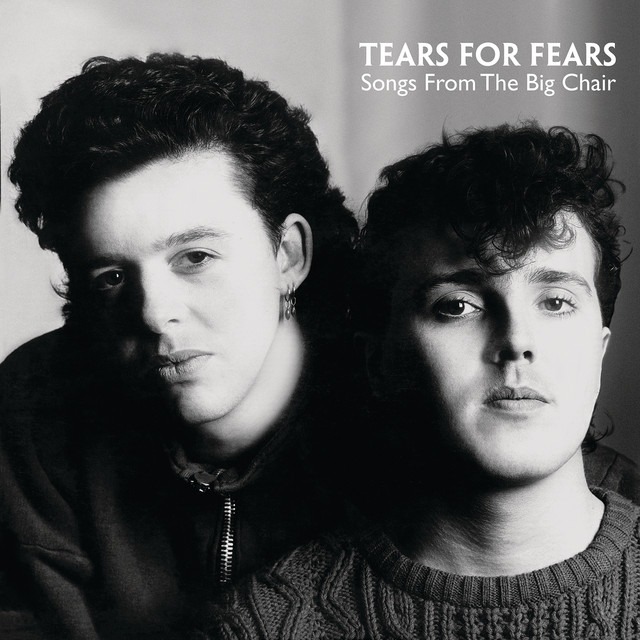
Look at the album cover. Seriously—look at it. Roland Orzabal and Curt Smith, side by side in cozy black and white, wearing knitwear like armor and gazing into the future like they’ve already conquered it. There’s no angst, no teenage turmoil—just quiet, calm confidence. That image says: “We’ve got something to say, and it’s going to be huge.”

And it was. It’s closing in on 10 million copies sold around the world. But behind the polished sound and massive success of Songs from the Big Chair are a few curious and delightful facts that make it even more iconic. Here are 5 of them.

1. The Album Was Almost Called Something Way Less Cozy
Before settling into Songs from the Big Chair, the band nearly titled the album The Working Hour. But Roland Orzabal found inspiration in the 1976 TV film Sybil—about a woman with multiple personalities who only feels safe in a therapist’s chair. That “big chair” became a symbol of comfort, security, and the wildly different moods of each track.

2. “Everybody Wants to Rule the World” Was Almost Left Out
Yes, really. Roland Orzabal initially wasn’t too keen on the two acoustic guitar chords that would become their biggest global hit. But producer Chris Hughes insisted they give it a go. A week later, they had a shimmering masterpiece about power, corruption, and, well, world domination—with a beat perfect for driving in a convertible.

3. That Song Structure Is Udderly Bizarre
“Everybody Wants to Rule the World” may feel like a classic pop anthem, but its structure is delightfully unorthodox for such a massive hit. With its gentle intro, shifting grooves, a bridge that changes everything, and not one but two guitar solos, it plays like a sweet sonic detour from traditional Top 40. And it still ruled the charts.

4. “Shout” Was Built on a Mantra and a Drum Machine
What started as Roland looping one hypnotic chorus in his living room became a global protest anthem. With a Drumulator beat, power chords, and a synth that sounds like it’s yelling in harmony, “Shout” grew into a primal pop explosion that hit #1 in the U.S. and echoed across stadiums, bedrooms, and dance floors alike.

5. They Played New Songs Live Before Recording Them
Months before Songs from the Big Chair was even a chair, Tears for Fears performed “Mother’s Talk,” “Head Over Heels,” and “The Working Hour” live during their 1983 tour. Fans caught early versions of these future hits in their raw, pre-studio forms—proof that this album’s foundation was already shaking stages before it shook the charts.

Songs from the Big Chair stretched the emotional range of pop music, mixed protest with polish, and gave the world synths that could whisper and shout. It’s an album that found its voice somewhere between therapy sessions and Top of the Pops. And it still sounds big.

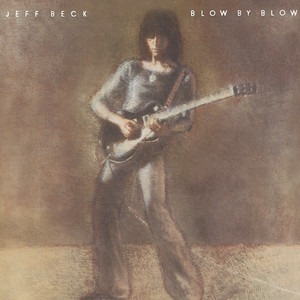
25 Surprising Facts About Jeff Beck, One of Rock’s Most Enigmatic Guitar Heroes

Jeff Beck was a wizard of sound, a sonic architect, and a fiercely original figure who never stayed in one lane for long. He left behind a legacy that included rock, jazz fusion, blues, electronica, and even a little Motown magic. He may not have had the commercial career of some of his peers, but he had something rarer: the respect and admiration of nearly every guitarist who ever picked up a six-string. Here are 25 facts you might not know about the man who turned feedback into feeling and solos into spellwork.

1. He Sang in a Church Choir at Age 10
Before he shredded stages worldwide, little Geoffrey Beck was hitting high notes in a choir robe. Who knew the road to rock legend started with a hymn?

2. He Built His First Guitar from Cigar Boxes and a Fence Post
Forget Guitar Center—young Beck glued together cigar boxes, used a fence post for the neck, and painted on frets. A DIY king before DIY was even a thing.

3. His Sister Introduced Him to Jimmy Page
Talk about a family connection! Annetta Beck introduced her brother Jeff to a fellow teenage guitarist named Jimmy Page. History quietly began.

4. His First Band Was Called The Nightshift
Inspired by R&B, The Nightshift played London’s 100 Club. Long before the spotlight, Beck was already lighting up the underground.

5. He Played on a 1964 Screaming Lord Sutch Track
Before the Yardbirds, he was slinging guitar lines for “Dracula’s Daughter.” Yes, really. Dracula’s Daughter. It rocked.

6. He Was Hired to Replace Eric Clapton in the Yardbirds
Not a bad gig. Beck brought a jolt of fuzz, feedback, and innovation that reshaped British rock—and pointed toward psychedelic sounds.

7. “Beck’s Bolero” Featured Future Led Zeppelin Members
That 1966 instrumental had Page, Jones, and even Keith Moon on drums. It’s practically proto-Zeppelin with Beck at the helm.

8. Pink Floyd Wanted Him After Syd Barrett Left
Nick Mason once revealed the band wanted Beck after Barrett’s departure—but no one had the nerve to ask. What a parallel universe that would’ve been.

9. He Turned Down the Rolling Stones
After Brian Jones died, Beck was approached about joining the Stones. He declined. Because of course he did.

10. He Crashed a Car and Delayed His Supergroup Plans
Just as Beck was about to form a power trio with Bogert and Appice, he fractured his skull in a car accident. The band would have to wait.

11. He Once Tried Recording at Motown’s Hitsville USA
In 1970, Beck flew to Detroit to record with the Funk Brothers. The tracks were never released—but just imagine that sound.

12. He Covered Four Stevie Wonder Songs
Beck was one of the earliest rockers to recognize Stevie Wonder’s genius, and his cover of “Superstition” with Beck, Bogert & Appice was a standout.

13. He Threw His Strat Offstage in Cleveland
During a 1975 show, frustrated by a talk box and a broken string, Beck hurled his Yardbirds-era Strat into the void—and kept playing on a Les Paul like nothing happened.

14. He Was Nearly Deafened by Guns N’ Roses’ Cymbals
While rehearsing for a guest spot with GNR in Paris, Beck was hit with a cymbal crash that temporarily deafened him. Rock and roll is dangerous, folks.

15. His 1985 Hit with Rod Stewart Was a Curtis Mayfield Cover
“People Get Ready” reunited Beck and Stewart—and brought a little Curtis Mayfield magic to MTV.

16. He Quit Picks in the ’80s
From the ’80s on, Beck played with his fingers. No pick, just thumb, vibrato bar, and volume knob. The human voice of the Stratocaster.

17. He Won Eight Grammy Awards—All for Instrumentals
No vocals needed. Beck’s playing spoke louder than words, earning him Grammys across rock, pop, and even reggae.

18. He Played Guitar on Kate Bush’s ‘The Red Shoes’
That swirling, otherworldly guitar? It’s Beck. He also worked with Roger Waters, Jon Bon Jovi, and Hans Zimmer.

19. He Was a Hot Rod Fanatic
Beck restored vintage Fords himself, tuning the engines and detailing the bodies. When he wasn’t bending notes, he was rebuilding muscle cars.

20. He Was a Vegetarian Since 1969
Way before it was trendy, Beck gave up meat and later supported wildlife causes, becoming a patron of the Folly Wildlife Rescue Trust.

21. His First Strat Came in 1969 and Never Left
That Fender Stratocaster became his mainstay. In his words: “It was made for me.” The guitar world agreed.

22. He Released a Tribute Album to Cliff Gallup in 1993
‘Crazy Legs’ was Beck’s love letter to the guitarist who helped shape his sound, honoring rockabilly roots with full throttle joy.

23. He Collaborated with Johnny Depp in His Final Years
Together, they released “Isolation,” a Lennon cover, and an album titled 18. Their friendship was unexpected—and oddly perfect.

24. He Was Inducted into the Rock Hall Twice
Once as a Yardbird (1992), once solo (2009). At the first one, he famously said, “They kicked me out… F*** them!”

25. His Final Recording Was for Teen Cancer Charities
His last song was a cover of “Going Home: Theme of the Local Hero,” recorded for the Teenage Cancer Trust. Even at the end, he played with purpose.

Jeff Beck didn’t need a frontman. His guitar was the voice. From Yardbirds to jazz fusion, rock to reggae, cigar boxes to Grammy stages, he remained a restless inventor. Quiet, wild, and utterly irreplaceable—he made six strings feel like magic.

Easy Travel for Students: Take the Bus from NYC to Binghamton

0

By Mitch Rice

Binghamton, New York, is well-known among domestic and international students for its proximity to Binghamton University, a public institution formed in 1946. The university is ranked #73 among national universities. Students from around the world study here for its academic excellence, advanced research opportunities, and outstanding post-graduation outcomes. You may have enrolled at this university because of its strong reputation and its ability to compete with Ivy League schools. It’s undoubtedly a good decision, as Binghamton also enjoys superb connectivity with surrounding cities and states. Hence, you can travel between your home and university during weekends or holidays without a hassle.

In the past, you could take a train to reach your destination. Today, intercity buses have become the primary mode of transportation, particularly for residents of New York City. Search for an NYC to Binghamton bus, and you will find the desired options. Some people opt for rental cars, which are expensive. Bus tickets can be obtained at an affordable price. Buses can cover a distance of 178 miles between NYC and Binghamton in around four hours, provided there are favorable weather and traffic conditions. Once you reach the bus terminal, you can hop on any local transit option to get to the university. Even your parents can use intercity buses to meet you when they want. There is a lot to do and see in the city itself.

Artistic atmosphere

The city organizes several events for creative people. You can find many museums here. At the same time, it hosts the First Friday Art Walk every month with a focus on art exhibitions. Students can also attend Broadway shows.

Unique, fun opportunities

When here, you can enjoy your time throughout the year. During the fall season, you can visit Apple Hills Farm to pick some apples. If you go to Ross Park Zoo, you can meet a lot of furry friends. At the regional farmers’ market, you can buy fresh produce.

Scenic views

The city also provides a peaceful and seamless connection to nature through its parks and green spaces. You can take a stroll in Cutler Botanic Garden and Otsiningo Park. Even Binghamton University boasts an 182-acre Nature Preserve, from which you can witness the charm of a beaver pond, a bridge, and beautiful trails. For swimming or other scenic opportunities, you can consider visiting Nathaniel Cole Park.

Your decision to study in a college town like Binghamton can prove rewarding. While the institutions nourish your mind and soul with rich knowledge, the city’s natural beauty and close-knit community elevate your overall experience. You can pursue your education in peace and look forward to going home whenever breaks begin. Since intercity buses offer affordable and comfortable rides between NYC and Binghamton, you can make a quick travel plan anytime, hesitation-free. However, choose only reliable bus services. Some ticket booking agencies offer various bus options from NYC. You can select a suitable schedule according to your convenience and reach your university at a preferred time. Most buses are equipped with Wi-Fi, allowing you to stay connected with your loved ones online. Their apps also provide precise route details, allowing you to track buses and estimate your arrival time.

Data and information are provided for informational purposes only, and are not intended for investment or other purposes.

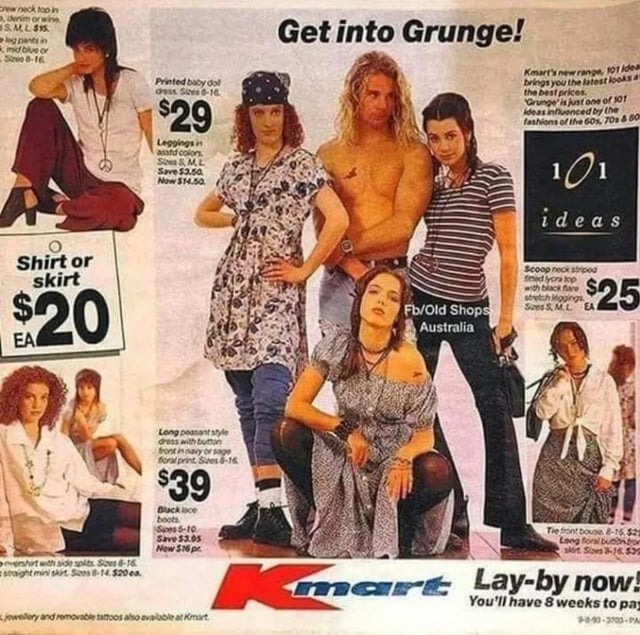
10 Reasons Grunge Never Really Died

0

Back in the early ’90s, grunge exploded like a distorted power chord from a Seattle garage. Bands like Nirvana, Pearl Jam, Soundgarden, and Alice in Chains lit the rulebook on fire, then made something poetic about it, even as they battled internally with the punk ethos performing to 50,000 people a night. With its scruffy guitars, scuffed-up jeans, and songs that sounded like therapy sessions set to drums, grunge gave a voice to the disenchanted, the disillusioned, and the kids who never quite fit in.

And then, just as suddenly as it arrived, it was pronounced dead. But here’s the thing: grunge never left. It just stopped trying to be cool and went back to doing what it always did best—telling the truth, loudly.

Here are 10 reasons grunge is still very much alive and riffing:

1. Flannel Is Forever
No matter the year, someone somewhere is rocking a flannel shirt like it’s their emotional armor. Fashion trends come and go, but flannel? That’s a lifestyle. And grunge lives in the folds.

2. Every Teen Still Finds Nirvana
Whether it’s on a vintage CD, a TikTok deep dive, or a vinyl from dad’s collection, teens still have that moment where “Smells Like Teen Spirit” blows their mind. And just like that, they’re in.

3. That Dirty Guitar Tone Lives On
Grunge guitar isn’t clean—it’s gritty, growling, and glorious. And it’s everywhere. From alt-pop to indie rock, that thick, fuzzy tone keeps crawling back like feedback after a power chord.

4. Angst Is Timeless
You can’t schedule an identity crisis. Whether it’s 1993 or 2025, someone’s feeling misunderstood, over it, and ready to scream into the void. Grunge gives that scream a chorus.

5. Gen Z Discovered Pearl Jam
And Soundgarden. And Alice in Chains. And they didn’t just stream a song—they made playlists, wore the shirts, and started bands. The torch was passed without anyone noticing.

6. Lyrics That Feel Like a Journal Entry
No metaphors. No sugarcoating. Just raw, poetic honesty. Grunge lyrics read like someone cracked open their notebook and pressed record. That level of real never goes out of style.

7. The DIY Spirit Never Left
Grunge taught us that you don’t need perfection—just passion, distortion, and maybe a 4-track. Today’s bedroom producers and indie artists owe a lot to that ethos. Long live lo-fi.

8. Movie Soundtracks Still Love It
From teen dramas to crime thrillers, when you need something emotional, moody, and loud, grunge shows up. It’s the sonic shorthand for “everything’s falling apart but I look cool doing it.”

9. Post-Grunge Became a Whole Thing
It evolved, it morphed, it got shinier—but it never vanished. Bands like Foo Fighters kept the grunge DNA alive, even as they turned the distortion knobs a little cleaner.

10. It Was Never Just a Marketing Tool
Grunge was an attitude. A refusal to pretend. A celebration of flaws. That energy still pulses through music today—even if the jeans are a little less ripped and the eyeliner more precise.

Grunge didn’t die. It took a break, wandered through the rain, picked up an old guitar, and kept playing—just a little quieter, until the rest of the world catches up up again.

10 Tips for Turning TikTok Comments Into Music Ideas

Because sometimes your next big hit is hiding right below the “Part 2 please” comment.

1. Screenshot the Gold
If a comment makes you laugh, cry, or go “Wait, that’s deep,” screenshot it immediately. Comments disappear fast—capture the moment like it’s a flash of inspiration. Future-you will thank you.

2. Let “Storytime?” Be Your Muse
When someone begs for the backstory, give them one—in song form! A vague video can lead to a very specific verse. Turn mystery into melody.

3. Embrace the Misinterpretation
Someone totally misunderstood your post? Perfect. Write the song they thought it was about. A new meaning can be the start of a whole new idea.

4. Turn Fan Fiction Into Lyrics
TikTok commenters love to imagine drama. Use it. That fake breakup in the comments section? Make it the chorus. The love triangle someone invented? There’s your bridge.

5. Make a Hook From a Catchphrase
“THIS lives in my head rent-free.” “Certified bop.” “I felt that in my soul.” Turn these viral phrases into your chorus. If it sticks in a comment, it’ll stick in a hook.

6. Ask a Question, Answer in Song
Drop a question in your video and use the best or weirdest answers as your lyrics. It’s call-and-response, internet-style. TikTok gives, you sing.

7. Use the “Too Real” Comment for Truth-Telling
When someone says “This is too real,” dig into why. That raw emotion is songwriting fuel. Real moments connect—just like good songs do.

8. Take a Comment Thread and Make It a Verse
The comments under a video often tell a full story. One person relates, another adds context, someone cracks a joke. Boom—your verse writes itself.

9. Turn Spam Into Surrealism
Even the bots have something to offer. That odd comment selling sunglasses on your breakup ballad? Use it as inspiration for a left-field line. Get weird.

10. Credit the Crowd
When your lyric is born in the comments, shout them out! It builds community, encourages more interaction, and shows the magic of making art together.

Sometimes your best co-writer isn’t a famous producer—it’s someone commenting “This made me cry in Target.”

Navigating Digital Shifts with Strategy and Precision

0

By Mitch Rice

Marketing today moves faster than most businesses can adapt. Every platform update, algorithm tweak, or shift in consumer behavior demands a recalibration of strategy. While trends rise and fall, brands need more than just reactive tactics. They need a framework for navigating change with intention. This is especially true for companies operating in large, diverse markets where competition and innovation collide. A strategic approach helps turn constant disruption into sustainable advantage. That’s why understanding the evolving landscape of digital marketing is more than helpful; it is necessary.

From content strategy to performance tracking, alignment across teams and platforms has become a central challenge. Many businesses struggle not with ideas, but with execution that truly makes a difference. Bridging the gap between brand promise and digital performance requires more than flashy campaigns. It calls for clarity in roles, consistency in messaging, and smart allocation of creative and paid media. When those components connect, brands begin to operate from a position of strength, not just survival. The rest of this blog explores how agencies and brands can achieve that cohesion while managing the realities of modern digital ecosystems.

Strategic Thinking as the Foundation for Growth

Every digital initiative must begin with strategic intent. Without a unifying purpose behind campaigns, creative assets often fail to convert or connect. Strong digital marketing agencies in New York often prioritize strategy first because fragmented efforts rarely yield consistent returns. These agencies understand that even the most visually impressive campaigns need planning frameworks that align with larger business goals. A tactical approach only works when it’s anchored to a clear understanding of audience, timing, and platform expectations. Strategic thinking also enables more flexible execution as new challenges arise. That flexibility is vital to maintaining relevance without losing focus.

Moreover, strategy acts as a lens that helps teams make better decisions across the board. Whether it’s media buying or influencer outreach, strategic clarity reduces the guesswork. Such clarity doesn’t just protect budgets; it sharpens creative outcomes. Businesses operating in fast-paced markets benefit when agencies advocate for long-term frameworks rather than trend-chasing. In practice, such clarity means building systems that support testing, refinement, and learning. Strategic discipline frees up creative freedom by removing ambiguity from the process. The result is a smarter, more coordinated marketing engine.

Content Operations that Scale Without Losing Focus

As digital ecosystems expand, content production has to scale without compromising brand clarity. The task requires more than volume; it demands systems that keep production aligned with messaging. A social media marketing agency in New York, for instance, might work across dozens of platforms and client verticals, each with different voice requirements. To keep output up, these agencies often develop effective modular content strategies and templated asset systems. This process helps ensure every post or campaign fits into a broader communication goal. Content then becomes an asset, not just a deliverable. Proper planning also helps reduce creative fatigue among internal teams.

Scaling content also depends on collaboration across departments. From strategy to design to analytics, every stakeholder must understand the role content plays in reaching objectives. When workflows are siloed, content loses direction and results become harder to measure. But when all parts of the system work together, content becomes a reliable growth lever. Repurposing strategies, editorial calendars, and dynamic creative optimization are just a few ways high-functioning teams deliver more with less. That level of operational consistency often separates average campaigns from those that build real momentum. Sustained impact is rarely accidental; it is the outcome of deliberate execution.

Data Visibility and the Feedback Loop

Campaign data is only useful when it feeds back into planning in a timely and usable format. Without that loop, brands can’t tell whether they’re optimizing for performance or simply repeating past mistakes. An internet marketing company typically faces intense pressure to turn performance data into insight fast. That’s because clients in competitive urban markets expect results and transparency. To meet that demand, agencies build custom dashboards and analytics systems that surface key trends, not just raw numbers. Real-time access to insights enables rapid iterations that improve targeting, messaging, and channel mix. These optimizations increase efficiency and lower acquisition costs over time.

The feedback loop also strengthens collaboration across disciplines. When creative teams understand what’s working, they can produce with purpose. When strategy teams have access to fresh signals, they can adjust campaigns proactively. Such an approach creates a cycle where performance fuels smarter planning, not just retrospective analysis. It also ensures the budget isn’t wasted on underperforming tactics or outdated assumptions. Ultimately, the agencies that build the best systems for insight delivery also build the best campaigns. Feedback isn’t just a metric. It is a mechanism for evolution.

Aligning Paid and Organic for Sustainable Reach

Too often, paid and organic efforts operate in silos, undermining overall performance. When these efforts work together, however, brands extend their reach while improving cost efficiency. This alignment begins by identifying shared goals across teams and building content pipelines that support both paid distribution and organic engagement. High-quality evergreen content, for example, can fuel both SEO and remarketing campaigns. By using organic insights to inform paid strategy, teams reduce friction in the buyer journey. Audiences receive more relevant messaging, and conversion rates improve as a result. Integrated efforts also help balance short-term wins with long-term visibility.

Additionally, aligning paid and organic enables more consistent brand messaging. Too often, paid ads prioritize urgency, while organic content centers on education. This disconnect can create confusion and reduce trust. By weaving both into a single funnel strategy, brands maintain tone and clarity across touchpoints. Paid placements provide immediate traction, while organic strategies build authority and long-term equity. Smart agencies ensure content, timing, and targeting work together seamlessly. That harmony drives performance and strengthens brand identity at every level.

Creative Execution That Reflects Purpose

Design and storytelling are still central to digital success, but their value depends on alignment with business goals. Creative work that looks good but does not serve a purpose drains resources and weakens results. The most effective campaigns tie visual choices to performance metrics, ensuring every asset earns its place in the funnel. From typography to call-to-action language, every element plays a role in how users engage and respond. Successful agencies treat creativity not as decoration but as a conversion tool. This mindset helps unify art direction with brand strategy and user behavior insights.

As the digital environment becomes more cluttered, clarity matters more than novelty. While experimental formats can stand out, consistency in voice and design supports recognition and recall. This is especially important for businesses with complex products or long sales cycles. They rely on familiarity and trust, both of which are built through repeated, coherent exposure. Agencies that master creative alignment don’t just produce content; they craft experiences. These experiences guide users from interest to action in subtle but deliberate ways. That is the difference between creative that entertains and creative that drives outcomes.

Wrap Up

Digital marketing continues to evolve, but the need for clarity and cohesion remains constant. Businesses navigating this space must balance short-term gains with long-term strategies. They must also coordinate creative content, data, and distribution into a system that supports growth. Without alignment, even the best ideas lose momentum before they deliver results. That’s why structured thinking and feedback loops are more than technical necessities. They are strategic assets. When every team works from a shared understanding of goals, performance becomes more predictable. The process becomes less about chasing trends and more about building value. And that shift transforms execution into leverage.

Ultimately, the agencies and businesses that thrive aren’t just those with flashy campaigns or large budgets. They’re the ones that build systems designed to evolve with the market. Such development means continuously refining how strategy connects to execution and how insights shape creativity. It means scaling content without losing quality and testing without losing vision. Each part of the system should reinforce every other part, leading to compounding results over time. While platforms and preferences may change, the foundation of smart marketing stays the same. Success comes from purpose, alignment, and adaptability. That is how modern marketing sustains impact in a crowded digital world.

Data and information are provided for informational purposes only, and are not intended for investment or other purposes.

20 Songs That Will Take You Right Back to the 2000s

The 2000s were a time when your iPod shuffle was your most prized possession, burning mix CDs was a love language, and LimeWire downloads felt like buried treasure. It was a decade where pop collided with indie, hip-hop redefined itself, and rock got weird, loud, and emotional all over again. From dancefloor anthems to genre-defying experiments, these songs didn’t just top charts — they soundtracked our lives. Whether you were cruising with the windows down or crying on your bedroom floor, these are the songs that instantly pull you back to a moment.

The Postal Service – “Such Great Heights”
Delicate, sparkly, and deeply romantic. If you burned this song onto a mix CD for someone, you were either falling in love or falling apart. Ben Gibbard made longing sound like sunlight.

Coldplay – “Clocks”
The piano loop that launched a million movie trailers. Ethereal and soaring, it was the sound of both hope and hesitation.

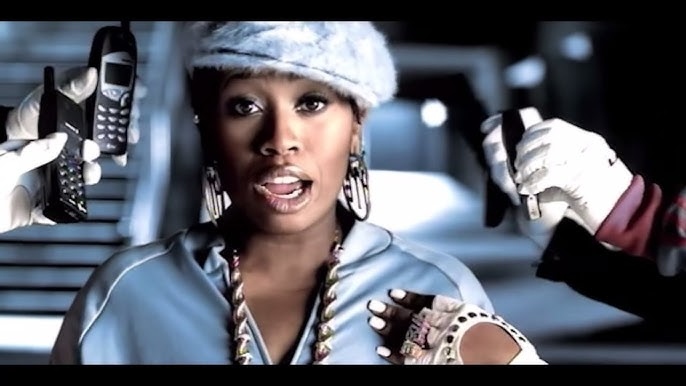
Missy Elliott – “Work It”
The definition of creative genius. Missy twisted language like origami and made Timbaland’s beats feel like they were from the future. Still sounds ahead of its time.

Radiohead – “Everything In Its Right Place”
The moment you hit play on Kid A, everything shifted. Yorke’s processed voice drifted over synth landscapes and nothing in alt-rock was the same again.

Rihanna – “Umbrella”
From the moment she said “ella-ella-ella,” the world knew Rihanna had arrived. A thunderstorm of emotion and strength, wrapped in one of the best hooks of the decade.

OutKast – “B.O.B.”
Breakneck tempo, chaotic energy, and lyrical fire. This track felt like a church revival and a mosh pit at the same time. You didn’t listen to it—you survived it.

Kelly Clarkson – “Since U Been Gone”
Pop-rock with a punch. This track handed the mic to anyone who ever wanted to scream-sing their way out of heartbreak.

Johnny Cash – “Hurt”
A cover that became a goodbye. Fragile, raw, unforgettable. Cash turned Reznor’s song into a gospel of regret.

50 Cent – “In Da Club”
If you turned 21 in the 2000s, this song was your anthem. From the first “Go shorty,” the party was on.

Yeah Yeah Yeahs – “Maps”
Tenderness disguised as noise. Karen O made heartbreak sound like art, and “wait” never hit so hard.

Gnarls Barkley – “Crazy”
No other song defined the decade’s emotional chaos like this. Soulful, strange, and universal. It united dance floors, headphones, and generations in 3 perfect minutes.

Beyoncé – “Crazy in Love”
With that horn blast and strut-heavy beat, Beyoncé kicked off her solo reign with pure fire. This was the sound of arrival—and she made sure we all knew it.

Amy Winehouse – “Rehab”
Retro soul with razor-sharp wit. Amy’s refusal was defiant, infectious, and heartbreakingly prophetic.

U2 – “Beautiful Day”
The band looked back to their big-chorus roots and made something that felt like a sunrise in song form. Hope never sounded so epic.

MGMT – “Time to Pretend”
Glitter-drenched disillusionment set to a synth-pop dream. This was every art kid’s anthem for both fame fantasies and existential dread.

Jay-Z – “99 Problems”
A rock riff, a Rick Rubin beat, and Jigga at his defiant best. It was hip-hop, punk, and poetry rolled into one explosive track.

Lady Gaga – “Poker Face”
Gaga gave pop a new persona with this icy, robotic masterpiece. Glam, camp, and cool all collided behind her perfectly unreadable expression.

Green Day – “Boulevard of Broken Dreams”
Post-punk loneliness dressed up as arena-rock anthem. Billie Joe Armstrong gave voice to a generation still figuring things out.

Missy Elliott – “Get Ur Freak On”
Bhangra beats, boundary-pushing rhymes, and unapologetic swagger. Missy had us dancing to rhythms we didn’t even understand yet.

Arctic Monkeys – “I Bet You Look Good On The Dancefloor”
Lightning in a bottle. This track was British indie rock at its peak—fast, frantic, and effortlessly cool.