Home Blog Page 569

Spotify’s 2025 Francophone Report Reveals French Is a Global Listening Powerhouse

0

With French-language content traveling more than ever, Spotify is today revealing its 2025 Francophone Report: a unique look at the listening dynamics shaping French-language cultural influence around the world. Driven by sustained growth in listening to French-language music, podcasts, and audiobooks, including outside French-speaking countries*, this report highlights the central role of playlists in the discovery and dissemination of this content. By combining local and international data, Spotify is establishing itself more than ever as the essential expert in audio usage and a key player in French-language cultural export.

Gustav Gyllenhammar, Vice President of Markets and Subscription at Spotify :“It’s incredible to see the power of our platform connecting over 100 million fans around the world with French-language content. This is more than just a musical trend; it’s a testament to our ability to deliver creativity and drive discovery around the world. We’re seeing French-language content listening explode in markets across Asia, Africa, and Latin America—phenomenal proof of Spotify’s universal power to bridge the gap and empower artists and creators to find their audiences, wherever they are. Spotify gives audio creators from all walks of life, from Quebec to West Africa, a global stage—and we’ll continue to help them grow their global audiences on our platform.”

The international influence of French-speaking music

French-language music has never crossed borders so much. In 2024, more than 123 million users worldwide listened to French audio content, whether music, podcasts or audiobooks, including more than 100 million outside of historically French-speaking countries (France, Quebec, Belgium, Luxembourg, Switzerland). Each month, more than 64 million hours of music sung in French resonate across the globe, driven by continued growth in usage: between 2023 and 2024, the number of adds of French-speaking titles or artists to personal playlists increased by 26%, and this dynamic is constant with an average annual increase of 25% since 2020. Since 2019, listening to French-language music has recorded a 192% increase on Spotify. This influence is part of global cultural habits: peak listening times for songs performed in French are at 5 p.m., local time, and November 29 was the day in 2024 when French-language content was most listened to outside of France and its French-speaking neighbors*. A peak in listening driven by the international success of the title Ma meilleure enemie from Belgian Stromae in duet with French artist Pomme, which allowed the duo to enter Spotify history by becoming the most listened-to French-language song in 24 hours on the platform with nearly 6 million streams. The track even subsequently climbed into the top charts worldwide, in second place, for around ten days, breaking a second record on Spotify. Among the tracks that thrill international listeners, Ramenez la coupe à la maison which established itself as a viral anthem well beyond France. Inside, the singer No creates surprise by rising to 7th place of French-speaking listening, while in the United States and Mexico, the voice of Edith Piaf still resonates in the Top 10, the legend of French song continues to seduce, enshrined as a timeless classic. So much proof that French-language music touches, unites and travels, carried by Spotify to the four corners of the world.

French diversity
Behind the global success of French-language music lies a wealth of styles and emotions that transcend borders. Whether they are fans of rap, electro-pop, R&B, or variety, listeners around the world are swept away by melodies performed in French. Today, we can hear Dernière danse play in São Paulo, Casanova makes playlists in Cairo, or even Je te laisserai des mots touching hearts in Seoul. Powerful voices like those of Stromae, GIMS, the Queen of France Aya Nakamura or even Indila are establishing themselves alongside more emerging talents such as Yam, whose title Bécane has gone viral. This musical diversity, driven by artists from all walks of life, makes the French language a field of expression as vast as it is universal. On Spotify, this dynamic is reflected in usage: French-language tracks are increasingly naturally integrated into its users’ playlists, regardless of country or language, revealing a deep emotional connection with a scene that transcends codes and borders.

Most listened to French-speaking artists on the platform worldwide:

  1. Stromae
  2. GIMS
  3. Jul
  4. Indila
  5. Patrick Watson
  6. Soolking
  7. Aya Nakamura 
  8. Tayc
  9. Gazo
  10. PNL


Most listened to French-language titles on the platform worldwide:

Most listened to French-speaking artists by region of the world:

In North America:In South Africa, Middle East and Asia:
Patrick Watson  Stromae  Pomme  Indila  GIMS GIMS  Jul  Indila  Tayc  Soolking 
In Asia-Pacific : And Europe :In Latin America:
Indila  GIMS  Stromae  Patrick Watson  Aya Nakamura Jul  GIMS  Stromae  Soolking  PNL Stromae  Patrick Watson  Indila  Pomme  Videoclub 

When French-speaking musical creation from Africa shines internationally
From the neighborhoods of Abidjan to the stages of Paris, from the studios of Bamako to playlists around the world, the music of French-speaking Africa crosses borders with a quiet force. Thanks to the energy of a constantly evolving music scene, French-speaking African content is opening up to new audiences, propelled by talents who navigate between local heritage and global influences. Their voices tell stories of love, resilience, and celebration, and resonate in Montreal, Brussels, and São Paulo. At their side, a new generation, embodied by Didi B, BAD NOVA and Jeune Lion, shakes up the codes with its rap sounds, while established figures like Tiken Jah Fakoly, Amadou & Mariam and Sidiki Diabaté breathe life into their traditions. Between Afro-pop, reggae, rap, and Mandingo rhythms, these artists, among the most added to users’ playlists in 2024, weave a vibrant bridge between continents and generations, confirming the vitality and creativity of a booming scene on Spotify.

Export of artists from the French-speaking African music scene:
Magic System Vieux Farka Touré Amadou & Mariam Sidiki Diabaté Jeune Lion

French is heard all over the world
While the sounds of French-language music are captivating the world, podcasts have also found attentive ears. French-language podcasts have seen their listening explode by 1,888% since 2019, proving that the French language has no borders. Today, listeners from all over the world connect from the morning, especially between 8 a.m. and 9 a.m., to listen to French-speaking voices. At the top of the listening charts outside French-speaking areas*, The GOAT and LEGEND, Guillaume Pley’s conversational podcast, appeals with its direct tone and iconic guests. Alongside them, educational formats like InnerFrench, Little Talk in Slow French or Easy French are a great success with those who want to learn or improve their French. Voices like those of L’Heure du Monde, Canapé Six Places, HugoDecrypts or even Rock & Pop Stories feed the curiosity of listeners around the world with content on current affairs, society or pop culture. On average, the French-speaking podcast lasts more than 4 hours per month of listening time by non-French speakers, a constantly increasing figure, which reflects a genuine curiosity for stories and voices from the French-speaking world.

The top 10 most listened to French-language podcasts around the world:

  1. The Goat
  2. LEGEND
  3. Little Talk in Slow French
  4. L’Heure du Monde
  5. InnerFrench
  6. Easy French: Learn French through authentic conversations | Conversations authentiques pour apprendre le français
  7. Canapé Six Places
  8. Le français avec Fluidité
  9. HugoDécrypte – Actus et interviews
  10. Rock & Pop Stories

When the French language is heard in stories

French audiobooks are only just beginning their journey on Spotify – but the first figures are already telling. Launched in October 2024 in France, Audiobooks quickly found their audience, driven both by the curiosity of the listeners and the diversity of the works offered. Whether it be great classics like 1984, immersive stories like Jacaranda, particularly popular in Europe and Latin America, or content designed to support learning French, French-language audio is gradually finding its place in listening habits. While most listening is currently concentrated in a few key markets, the trend is spreading: each month, nearly 12,000 hours of French audiobooks are listened to in countries where French is not the primary language. This format already attracts several hundred thousand listeners around the world, fuelled by the richness of the stories told and the musicality of a language that is listened to as much as it is read.

Quebec’s undisputed place in the export of the Francophonie

Quebec plays a key role in this global craze for French-language content. With nearly half of Quebec users (49%) regularly listening to music, podcasts, or audiobooks in French, the province stands out as a pillar of the digital Francophonie. Spotify supports this cultural vitality by promoting local talent and amplifying their reach well beyond Quebec’s borders. The global success of the French-language scene also relies on Quebec artists, whose musical richness appeals both nationally and internationally. Figures like Les Cowboys Fringants, Patrick Watson, Charlotte Cardin And Enima dominate the charts in Quebec, and titles like Je te laisserai des mots reach the top of playlist additions in markets as far away as the United States and the Netherlands. Je te laisserai des mots of Patrick Watson has been added to over 6.6 million playlists worldwide in 2024 – proof of the global reach of Quebec music. In Canada, 5 of the 10 most listened to French-language audiobooks in North America are from Quebec authors, such as Aliss, Hell.com and Mafia Inc.  This success testifies to the literary wealth of Quebec and the growing interest in its stories on Spotify.

 Live Sound Secrets: How Venue Acoustics Impact Performances and Artist Careers

0

By Mitch Rice

Live music is emotional, electric, and immediate. But none of that matters if the sound is bad. Great acoustics make you feel the kick drum in your chest and the lyrics in your bones. Bad acoustics turn a sold-out show into a muddy mess.

Most fans don’t think about acoustics. They just know when something sounds “off.” But for artists, it’s everything. The sound of the room shapes how they sing, how the band plays, and how the crowd reacts. It’s the invisible force behind every great performance—or disappointing one.

How Venue Acoustics Directly Impact Artist Success

Artists thrive when they hear themselves clearly, and the audience hears every note. If the venue’s acoustics fight against that, it hurts everyone: the singer struggles to stay in key, the drummer pulls back, and the audience zones out. It doesn’t matter how talented the act is—if the room isn’t right, the show won’t land. That’s why many venues now invest in acoustical material services to fine-tune their spaces. From major theaters to small clubs, more owners are searching for solutions—sometimes starting with phrases like “acoustic wall panels near me”—to find local providers who can upgrade their sound. These improvements aren’t just about quality. They’re about reputation, repeat business, and artist loyalty.

Understanding Different Venue Types and Their Acoustic Challenges

Intimate Club Settings and Sound Considerations

Small clubs bring raw energy. They’re close, sweaty, loud—in a good way. But tight spaces often mean reflective surfaces and uncontrolled echoes. Add in subwoofers, crowd chatter, and minimal soundproofing, and the mix can fall apart fast.

Simple fixes go a long way here. Wall-mounted acoustic panels, low ceilings treated with absorptive materials, and strategic speaker placement can help turn a noisy box into a powerful live room.

Mid-Size Theater Acoustics

Theaters add complexity. They’re designed for projection and presence but not always for live bands with amps and full drum kits. Historic venues, in particular, weren’t built for modern decibels.

Here, acoustic tuning is key. Reflective domes, angled balconies, and ornate moldings can create pockets of distortion. Thoughtful placement of diffusers and sound-absorbing treatments behind and above the stage can preserve the space’s beauty while improving clarity.

Arena and Stadium Sound Complexities

Arenas are built for crowds, not clean mixes. Sound bounces off massive concrete surfaces and gets lost in the open air. Delay, echo, and uneven volume levels are constant problems.

Line arrays and delay towers help with distribution, but venue-wide acoustic treatment is crucial. Without it, fans in one section get blown away by bass while another section barely hears vocals. Sound engineers can only do so much if the space works against them.

Outdoor Venue Unique Challenges

Outdoors, there are no walls—great for neighbors, bad for acoustics. Wind, open space, and crowd movement all affect how sound travels. Bass dissipates, highs get lost, and feedback risks increase.

Here, the acoustic focus shifts to stage design and speaker orientation. Covered stages with partial enclosures, directional speaker arrays, and temporary sound barriers can help tame open-air chaos.

The Science Behind Great Venue Sound

Room Acoustics Fundamentals

Every venue is an acoustic instrument. Shape, size, and materials all affect how sound behaves. Hard surfaces reflect, soft surfaces absorb, and air volume influences how long sound lingers. Without balance, even the best equipment can’t fix a bad room.

Good acoustics come down to intentional design. It’s not just about reducing noise—it’s about shaping sound so it hits the audience clean and even.

Reverberation and Echo Control

Reverb adds richness—but too much blurs lyrics kills detail, and drowns solos. The echo is even worse. A one-second delay from a back wall can wreck a vocal performance or cause tempo problems for the band.

Controlling reverb means using materials that absorb excess sound—especially in high-reflective zones like ceilings, back walls, and upper balconies. Smart echo control makes a room feel intimate, even when it’s built to hold thousands.

Sound Absorption vs Sound Reflection

You don’t want to kill the room. Too much absorption creates a dead, lifeless sound. That’s why the best venues combine absorptive materials with reflective elements—such as angled panels or curved surfaces—to naturally scatter sound.

The goal is clarity. Properly treated venues let every note breathe without bouncing wildly or vanishing into the void.

Soundproofing and Noise Control for Music Venues

Protecting Neighboring Communities

City venues face noise complaints. Outdoor shows battle curfews. Sound bleed is a real threat to staying open. Smart soundproofing—like floating walls, insulated windows, and directional speakers—can reduce spillover.

It’s not just about avoiding fines. It’s about keeping peace with the neighborhood so your venue stays part of the community, not a problem.

Creating an Optimal Internal Sound Environment

Inside, soundproofing keeps noise in and distractions out. Proper doors, sealed HVAC ducts, and acoustic insulation help lock in the performance and block noise from bars, hallway chatter, or passing traffic.

The result? Artists hear better. The audience focuses more. The entire experience feels tighter, more immersive, and more controlled.

Meeting Municipal Noise Regulations

Local laws matter. Most cities have decibel limits, curfews, or zoning laws that require venues to prove they’re containing noise. Investing in professional acoustic assessments and upgrades isn’t just smart—it’s often mandatory.

Effective compliance enhances licensing, facilitates expansion, and promotes long-term viability. Don’t wait for a violation letter to start thinking about noise control.

Investment Returns on Acoustic Improvements

Better sound = better shows. Better shows = better reviews, happier artists, and repeat ticket sales. Venues that invest in acoustics often see a strong return through higher bookings, increased bar revenue, and loyal crowds.

Artists talk. If your space sounds great, word gets around. If it doesn’t, it gets skipped on tour routing.

How Poor Acoustics Affect Artist Performance and Reputation

Artist Confidence and Stage Presence

When artists can’t hear themselves, it shows. They second-guess their vocals, play more cautiously, and lose energy. Good monitors and a well-tuned room give performers the confidence to go all in.

Audience Engagement and Energy

Crowds feed off the sound. A muddy mix makes people check out. The clean, punchy sound pulls them in, makes them move, and turns casual listeners into fans.

Social Media and Review Impact

One bad show can live forever online. Grainy phone videos don’t help, but bad venue acoustics make it worse. Reviews mention it. Fans remember it. Artists avoid it.

Working with Venues as a Music Industry Professional

If you’re a manager, agent, or promoter, venue acoustics shouldn’t be an afterthought—they should be part of your strategy. Great sound doesn’t just benefit the crowd—it protects the artist’s brand. A poorly received show reflects poorly on everyone involved, especially the team behind the scenes.

Start by making acoustics part of your venue vetting process. Ask questions early:

  • Has the room been acoustically treated?
  • Are there known problem areas?
  • Do they use a competent FOH (Front of House) engineer?
  • Have they invested in recent sound upgrades?

Attend soundchecks when possible. This isn’t just about logistics—it’s about protecting the performance. Work closely with the venue’s audio team. Share tech riders in advance. Communicate the artist’s preferences, and be present enough to catch and solve issues before doors open.

If a venue sounds bad but has potential, advocate for change. Connect them with acoustical material services, recommend consultants, or even offer to co-invest in portable sound treatment if your artist plays there often. Your input can help elevate the space not just for your act but for everyone who plays there afterward.

A great-sounding venue supports repeat bookings, stronger audience response, and better live recordings. It also gives your artist a reliable place to grow. The truth is simple: good sound makes people believe the performance was better. And that can shift the narrative of a show, a tour—or an entire career.

Data and information are provided for informational purposes only, and are not intended for investment or other purposes.

Master Facebook Advertising Intelligence: Your Complete Guide to Facebook Ads Spy Tools

0

By Mitch Rice

In today’s competitive digital landscape, Facebook advertising has become a cornerstone of successful marketing strategies. With over 2.9 billion monthly active users, Facebook presents an enormous opportunity for businesses to reach their target audiences. However, navigating this complex advertising ecosystem requires more than just creating compelling ads—it demands strategic intelligence about competitor activities, market trends, and audience behavior patterns.

1. Understanding Facebook Ads Spy Tools and Their Impact

What Are Facebook Ads Spy Tools and Why They Matter

Facebook ads spy tools represent revolutionary platforms that transform how businesses approach social media advertising. These sophisticated systems monitor and analyze millions of Facebook advertisements across various industries, providing marketers with unprecedented insights into competitor strategies and market dynamics. By aggregating data from active campaigns, these tools create comprehensive libraries of advertising intelligence that inform strategic decision-making.

The importance of these platforms extends beyond simple competitor monitoring. They serve as strategic intelligence centers, helping businesses understand market positioning, identify emerging trends, and discover new opportunities within their target markets. For e-commerce stores and businesses operating in competitive spaces, spy tools provide the analytical foundation necessary to develop effective advertising strategies and maximize return on investment.

Modern advertising intelligence platforms have evolved to become essential business tools, offering features that were previously available only to large corporations with extensive market research budgets. Small and medium-sized businesses can now access the same level of competitive intelligence, leveling the playing field in digital advertising.

Core Advantages of Facebook Advertising Intelligence Platforms

The strategic advantages of using Facebook advertising intelligence platforms are multifaceted and significant. First, these tools dramatically reduce the time and resources required for market research. Instead of manually monitoring competitor activities or conducting expensive focus groups, businesses can access comprehensive campaign data instantly. This efficiency enables rapid strategy development and campaign optimization.

Another crucial advantage lies in creative inspiration and trend identification. Spy tools provide access to vast databases of successful advertising creatives, allowing marketers to identify design patterns, messaging strategies, and visual elements that resonate with target audiences. This intelligence helps businesses avoid common pitfalls and leverage proven approaches in their own campaigns.

Risk mitigation represents another significant benefit. By analyzing competitor campaigns that have run for extended periods, businesses can identify strategies with proven staying power. This intelligence reduces the likelihood of launching campaigns that fail to gain traction or violate platform policies. Additionally, spy tools help businesses identify market saturation points and discover underserved audience segments.

Essential Features That Define Premium Facebook Ads Spy Tools

Premium Facebook advertising intelligence platforms distinguish themselves through comprehensive feature sets that address various aspects of competitive analysis. Advanced search capabilities form the foundation of effective spy tools, allowing users to filter advertisements by numerous criteria including industry, geography, campaign duration, and engagement metrics. The ability to search by specific keywords, ad copy elements, or visual components enables targeted competitive research.

Database depth and historical data access represent critical differentiators among spy tools. The best platforms maintain extensive archives of Facebook advertisements, some dating back several years. This historical perspective enables trend analysis, seasonal pattern identification, and long-term strategy development. Users can track how successful campaigns evolved over time and identify optimization patterns.

Real-time monitoring and alert systems enhance the strategic value of spy tools significantly. Advanced platforms provide instant notifications when competitors launch new campaigns, modify existing strategies, or achieve viral success. This real-time intelligence enables rapid response to market changes and competitive threats, providing businesses with first-mover advantages in emerging opportunities.

2. Advanced Techniques for Facebook Ads Competitive Analysis

Proven Methods for Monitoring Competitor Facebook Campaigns

Effective competitor monitoring requires systematic approaches that go beyond casual observation. Successful marketers develop comprehensive monitoring frameworks that track multiple competitors across various campaign types and objectives. This involves creating competitor lists, establishing monitoring schedules, and developing metrics for measuring competitive activity levels.

The most effective monitoring strategies focus on understanding competitor campaign lifecycles rather than individual advertisements. By tracking how competitors launch, optimize, and conclude campaigns, businesses gain insights into strategic decision-making processes and resource allocation patterns. This intelligence helps predict competitor moves and identify market opportunities.

Advanced monitoring techniques include analyzing competitor testing patterns, budget allocation strategies, and seasonal campaign timing. Successful marketers pay particular attention to competitor A/B testing activities, as these reveal strategic priorities and optimization approaches. Understanding when competitors increase or decrease advertising spend provides insights into business performance and market confidence levels.

Deep-Dive Analysis of Competitor Ad Performance and Creative Strategy

Comprehensive campaign analysis requires examining multiple dimensions of competitor advertising strategies. Creative analysis forms the foundation of this process, involving detailed examination of visual elements, messaging approaches, and emotional appeals. Successful marketers document creative trends, noting which design principles, color schemes, and imagery styles appear most frequently in successful campaigns.

Performance analysis extends beyond surface-level metrics to understand campaign effectiveness indicators. While spy tools may not provide exact performance data, they offer valuable proxy metrics such as campaign duration, creative variations, and targeting adjustments. Long-running campaigns with minimal creative changes often indicate strong performance, while frequently modified campaigns may suggest optimization challenges.

Audience targeting analysis reveals competitor market segmentation and customer acquisition strategies. Facebook ads spy tools provide insights into demographic targeting, interest-based targeting, and behavioral targeting parameters. This intelligence helps businesses understand market competition intensity and identify underserved audience segments with growth potential.

Optimizing Your Targeting and Ad Placement Using Spy Tool Intelligence

Strategic targeting optimization leverages spy tool intelligence to improve campaign precision and efficiency. By analyzing competitor targeting strategies, businesses can identify high-performing audience segments and avoid oversaturated markets. This intelligence informs decisions about demographic targeting, geographic expansion, and interest-based audience development.

Placement optimization represents another crucial application of spy tool intelligence. Different ad placements on Facebook’s platform perform differently for various industries and campaign objectives. Spy tools reveal which placements competitors use most frequently and successfully, providing guidance for placement strategy development.

Advanced targeting techniques involve combining multiple intelligence sources to create sophisticated audience strategies. This might include analyzing competitor lookalike audience strategies, identifying emerging demographic trends, and understanding seasonal targeting adjustments. The most successful marketers use spy tool intelligence to develop unique targeting approaches that differentiate their campaigns from competitor efforts.

3. Selecting and Implementing the Right Facebook Ads Spy Tool

Comprehensive Review of Leading Facebook Ads Spy Platforms

The Facebook advertising intelligence market includes several leading platforms, each offering distinct advantages and feature sets. Minea has emerged as a comprehensive solution for e-commerce businesses, providing detailed product analysis capabilities alongside traditional advertising intelligence. The platform excels in tracking product-focused campaigns and identifying trending items across various e-commerce categories.

AdSpy remains one of the most established players in the market, offering extensive database coverage and advanced search capabilities. The platform provides detailed demographic data, campaign performance indicators, and comprehensive creative analysis tools. AdSpy’s strength lies in its vast database and sophisticated filtering options, making it suitable for businesses requiring detailed competitive intelligence.

PowerAdSpy offers a balanced approach to Facebook advertising intelligence, combining comprehensive database coverage with user-friendly interface design. The platform provides detailed audience analysis, creative trend identification, and campaign performance tracking. PowerAdSpy’s strength lies in its analytical capabilities and reporting features, making it suitable for businesses requiring detailed strategic insights.

Critical Selection Criteria for Facebook Advertising Intelligence Tools

Selecting the right Facebook advertising intelligence platform requires careful evaluation of multiple factors aligned with business objectives and operational requirements. Database size and coverage represent fundamental considerations, as larger databases provide more comprehensive competitive intelligence. Businesses should evaluate whether platforms cover their specific industries, geographic markets, and target audience segments.

Feature depth and analytical capabilities significantly impact platform value. Businesses should assess whether platforms provide the specific analytical tools required for their strategic objectives. This might include creative analysis features, audience intelligence capabilities, or campaign performance tracking tools. The sophistication of search and filtering options also affects platform utility.

Cost-effectiveness and return on investment considerations influence platform selection decisions. While premium platforms offer extensive features, businesses must evaluate whether these capabilities justify the investment. Factors to consider include subscription costs, feature limitations, and potential impact on campaign performance and strategic decision-making.

Real-World Success Stories and Implementation Best Practices

Successful implementation of Facebook advertising intelligence tools requires systematic approaches to data analysis and strategy development. Leading e-commerce businesses have used spy tools to identify trending products, understand seasonal demand patterns, and optimize their advertising creative strategies. These companies typically establish regular monitoring schedules and develop frameworks for translating intelligence into actionable campaign improvements.

One notable success story involves a fashion e-commerce business that used spy tool intelligence to identify emerging trend opportunities. By analyzing competitor campaigns and creative strategies, the company identified underserved audience segments and developed targeted campaigns that achieved significantly higher conversion rates than previous efforts. The key to success involved systematic analysis of competitor creative elements and strategic adaptation rather than direct copying.

Best practices for implementation include establishing clear objectives for intelligence gathering, developing systematic analysis processes, and creating feedback loops between intelligence and campaign performance. Successful businesses treat spy tools as components of broader competitive intelligence systems rather than standalone solutions. They integrate insights with other data sources, including internal campaign performance data and market research, to develop comprehensive strategic understanding.

The most effective implementations involve cross-functional collaboration between marketing, creative, and strategic planning teams. This collaborative approach ensures that intelligence insights inform multiple aspects of business operations, from campaign development to product strategy and market positioning decisions.

Data and information are provided for informational purposes only, and are not intended for investment or other purposes.

Beyond the Curtain – The Real Beauty of Glass Shower Enclosures

0

By Mitch Rice

Glass shower enclosures have become a staple of modern bathroom design, praised for their sleek look, easy maintenance, and ability to make any bathroom feel more spacious. Whether you’re planning a full bathroom remodel or simply looking to replace your existing shower setup, understanding the essentials of glass enclosures is key to making informed choices.

We will explore everything you need to know about glass shower enclosures, from types and configurations to materials and maintenance tips. This comprehensive overview is tailored for homeowners, renovators, and curious readers seeking solid, unbiased information.

What Is a Glass Shower Enclosure?

A glass shower enclosure is a transparent or translucent structure made of tempered safety glass that surrounds a shower area, acting as a barrier to contain water. Unlike traditional shower curtains, enclosures offer a more durable, elegant, and functional solution for both small and large bathrooms.

Benefits of Installing a Glass Shower Enclosure

1. Visual Expansion of Space

Glass makes small bathrooms appear larger by reducing visual barriers. This illusion of openness is especially helpful in apartments or compact homes.

2. Modern Aesthetic Appeal

Clean lines and minimalist design make glass enclosures a favorite in contemporary bathrooms. Frameless models, in particular, enhance luxury appeal.

3. Durability and Longevity

Tempered glass, the standard in most installations, is heat- and impact-resistant. It won’t degrade or mildew like fabric curtains.

4. Ease of Cleaning

Glass is easier to wipe down compared to porous materials. Water-repellent coatings further reduce soap scum and mineral buildup.

Popular Types of Glass Shower Enclosures

Understanding the different styles will help you select the ideal enclosure for your space and lifestyle needs.

1. Frameless Shower Doors

Frameless designs use minimal hardware and rely on thicker glass (usually 3/8” to 1/2”) for stability. They offer an uninterrupted view and are considered premium in both style and cost.

Best for: Modern bathrooms, walk-in showers, luxury upgrades

2. Semi-Frameless Enclosures

These designs have metal frames along some edges, such as the bottom or sides, while still showcasing glass as the main feature.

Best for: Mid-range renovations, durability with some design flair

3. Framed Shower Enclosures

Framed models include metal framing around all glass panels. They are more budget-friendly and structurally stable.

Best for: Budget-conscious homeowners, traditional bathrooms

4. Sliding Glass Shower Doors

Perfect for tight spaces, sliding doors glide on tracks and eliminate the need for door clearance.

Best for: Small bathrooms, tub-to-shower conversions

5. Hinged or Pivot Doors

These doors swing open like a standard room door, offering a wider entry.

Best for: Large bathrooms, corner enclosures

Glass Options: Clarity, Safety, and Style

1. Tempered Glass

This is the industry standard due to its safety features. When broken, it crumbles into small, blunt pieces rather than sharp shards.

2. Low-Iron Glass

Also known as ultra-clear glass, this option eliminates the greenish tint common in standard glass for a truer color representation.

3. Frosted or Opaque Glass

Ideal for added privacy, especially in shared bathrooms.

4. Patterned or Textured Glass

Adds design interest and helps conceal water spots or streaks.

Custom vs. Pre-Made Shower Enclosures

Custom Shower Enclosures

These are tailor-made to your bathroom’s measurements and offer complete flexibility in design, glass type, hardware, and configuration.

Pros:

  • Perfect fit
  • Greater aesthetic freedom
  • Better value for unusual bathroom layouts

Cons:

  • Higher cost
  • Longer installation timeline

Ready-Made Units

These are pre-fabricated and available in standard sizes.

Pros:

  • Budget-friendly
  • Quick installation
  • Readily available

Cons:

  • Limited design options
  • May not fit irregular spaces perfectly

Key Considerations Before Choosing a Glass Shower Enclosure

1. Bathroom Layout

Corner showers, alcove spaces, or standalone tubs each influence what type of enclosure works best.

2. Shower Base Compatibility

Make sure your enclosure fits your existing base, or vice versa, for watertight integrity.

3. Ventilation and Steam Control

A sealed enclosure may trap heat and humidity, while an open-top frameless model allows airflow.

4. Cleaning and Maintenance Preferences

Frameless and coated glass options are easier to maintain than framed, which can accumulate grime in metal joints.

5. Budget

Costs can vary widely based on glass thickness, custom features, and installation complexity. Basic framed models start under $400, while custom frameless setups may exceed $1,500–$2,500.

Installation Tips: DIY or Professional?

Installing a glass shower enclosure requires precise measurements, heavy lifting, and attention to water-tight sealing.

DIY Installation:

  • Best for pre-fabricated, framed models
  • Requires tools like levels, caulk guns, and safety gear
  • Always follow manufacturer instructions

Professional Installation:

  • Ideal for frameless or custom units
  • Ensures proper alignment and sealing
  • Often includes warranty or guarantee

Tips: Even if you’re a skilled DIYer, hiring a professional for heavy glass panels is recommended for safety.

Maintenance and Care Guide

To extend the life and beauty of your shower enclosure:

  • Squeegee after every shower: This prevents hard water spots.
  • Use vinegar or mild glass cleaner weekly: Avoid abrasive pads or ammonia-based cleaners.
  • Apply water-repellent coating every few months: Products like Rain-X can reduce buildup.
  • Inspect seals and hinges annually: Tighten screws and replace worn gaskets.

Current Trends in Glass Shower Enclosures

Keeping an eye on evolving design trends can inspire your own bathroom renovation.

  • Minimal Hardware: Matte black or brushed brass minimalistic handles and hinges are gaining popularity.
  • Curved Glass Panels: These add softness to the sharp lines of modern bathrooms, especially in walk-in or corner units.
  • Grid-Style Designs (Industrial Look): Metal grids embedded in glass provide a bold, loft-style aesthetic.
  • Smart Glass Showers: Some high-end bathrooms now include smart glass that tints or becomes opaque at the push of a button — offering privacy on demand.

Conclusion

Glass shower enclosures combine functionality, style, and value — making them an increasingly popular choice for homeowners across the U.S. By understanding the various types, materials, and design options, you can choose a solution that fits both your bathroom layout and lifestyle.

Whether you’re planning a remodel or just curious about bathroom upgrades, being informed about glass shower enclosures helps ensure a successful and satisfying renovation journey.

Data and information are provided for informational purposes only, and are not intended for investment or other purposes.

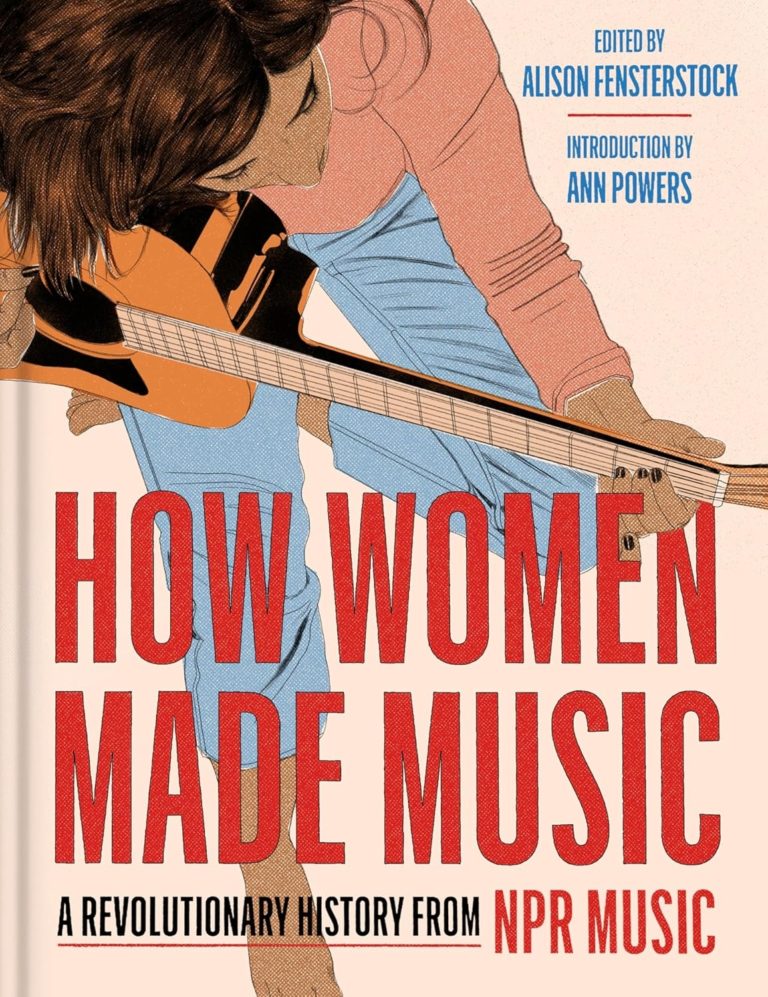
‘How Women Made Music’ From NPR Music Celebrates Female Trailblazers

0

Drawn from NPR Music’s acclaimed, groundbreaking series Turning the Tables, the definitive book on the vital role of Women in Music—from Beyoncé to Odetta, Taylor Swift to Joan Baez, Joan Jett to Dolly Parton—featuring archival interviews, essays, photographs, and illustrations.

Turning the Tables, launched in 2017, has revolutionized recognition of female artists, whether it be in best album lists or in the Rock and Roll Hall of Fame

How Women Made Music: A Revolutionary History from NPR Music brings an impressive reshaping of the history of women in music, drawing on over fifty years of NPR’s coverage alongside newly commissioned work. This essential read for music fans, songwriters, feminist historians, and anyone curious about the creative process features notable figures reflecting on their art. Joan Baez discusses nonviolence as a musical principle in 1971, while Dolly Parton shares the story behind her favorite song. Patti Smith describes art as her “jealous mistress” in 1974, and Nina Simone reveals how she honed the edge in her voice as a tool against racism in 2001. Taylor Swift opens up about the uncertainty she faced early in her career, and Odetta reflects on how her shift from classical to folk music allowed her to channel her fury over Jim Crow.

 This incomparable hardcover volume is a vital record of history destined to become a classic and a great gift for any music fan or creative thinker.

Kasey Chambers Shares Life Lessons in ‘Just Don’t Be a D**khead’ Book

0

Kasey Chambers Just Don’t Be a D**khead and Other Profound Things I’ve Learnt is a whirlwind of great stories and rock-solid life lessons, Just Don’t Be a Dickhead is Kasey Chambers at her most heartfelt and honest. From her childhood in the Australian outback to the heights of her chart-topping international success as a singer/songwriter, Kasey has trusted her gut, stuck to her values and learned some hard truths, always while trying to live by the best advice she’s ever received: just don’t be a dickhead.

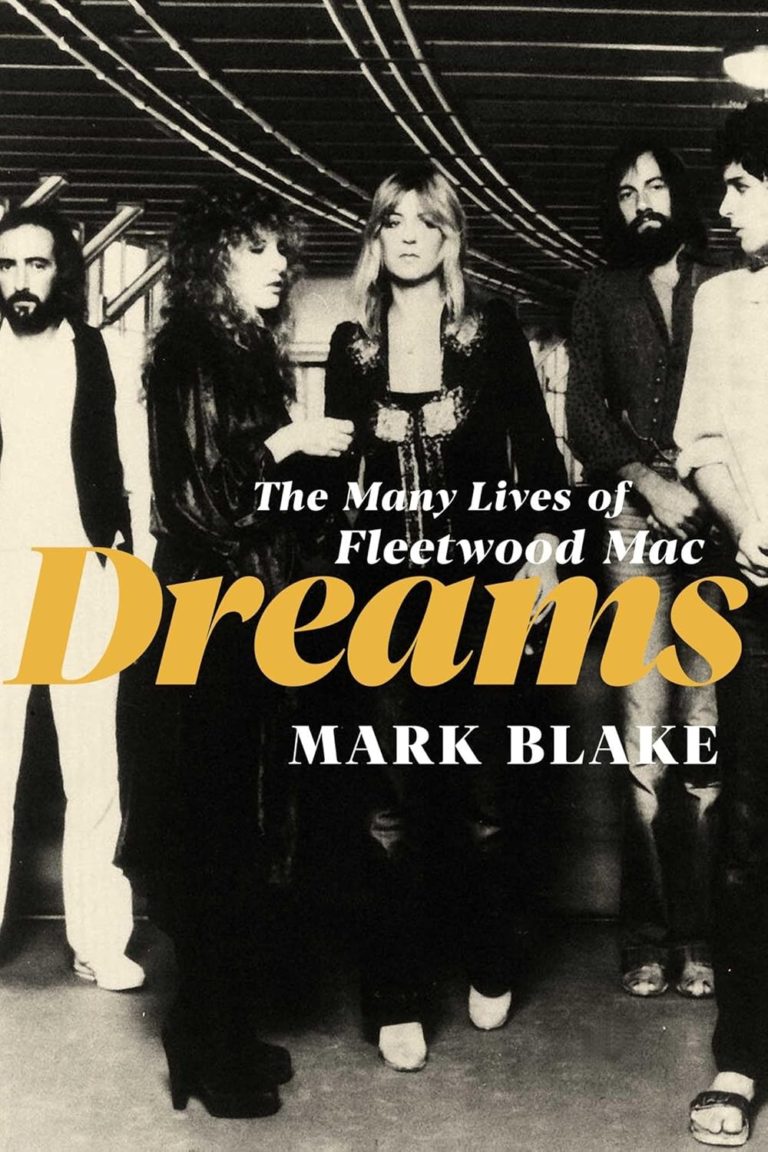
Mark Blake’s ‘Dreams’ Chronicles the Tumult and Triumph of Fleetwood Mac

0

An illuminating deep-dive into everything Fleetwood Mac—the songs, the rivalries, the successes, and the failures—Dreams evokes the band’s entire musical catalog as well as the complex human drama at the heart of the Fleetwood Mac story.

Fleetwood Mac has had a ground-breaking career spanning over fifty years and includes some of the best-selling albums and greatest hits of the twentieth and twenty-first centuries. But the band’s unique story is one of enormous triumph and also deep tragedy. There has never been a band in the history of music riven with as much romantic drama, sexual tension, and incredible highs and lows as Fleetwood Mac.

Dreams is a must-read for casual Fleetwood Mac fans and die-hard devotees alike. Presenting mini-biographies, observations, and essays, Mark Blake explores all eras of the Fleetwood Mac story to explore what it is that has made them one of the most successful bands in history.

Blake draws on his own exclusive interviews with Mick Fleetwood, Stevie Nicks, Lindsey Buckingham, and the late Peter Green and Christine McVie, and addresses the complex human drama at the heart of the Fleetwood Mac story, including the complicated relationships between the band’s main members, but he also dives deep into the towering discography that the band has built over the past half-century.

Among Mark Blake’s previous books are Magnifico!: The A to Z of Queen; the bestselling Comfortably Numb: The Inside Story of Pink Floyd; and Bring It On Home: Peter Grant, Led Zeppelin and Beyond, which was listed as a “Music Book of the Year” by the London Times, the Sunday Times, the Daily Mail, and the Daily Telegraph. Mark lives in England.

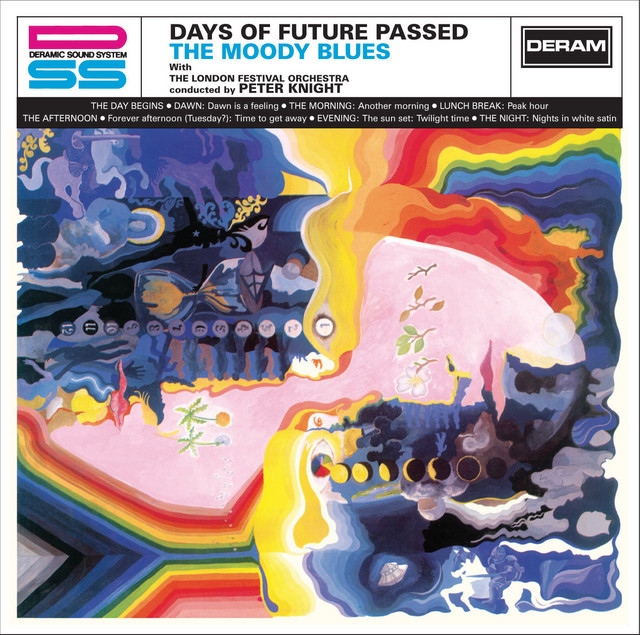
5 Surprising Facts About The Moody Blues’ ‘Days of Future Passed’

Released in November 1967, Days of Future Passed by The Moody Blues wasn’t just another album—it marked a bold reinvention. With a new lineup, a new sound, and a Mellotron in tow, the band turned a record label’s classical crossover request into one of the earliest and most influential progressive rock concept albums. Fusing symphonic orchestration with lush psychedelic pop and poetic storytelling, they mapped out a full day in the life of an ordinary person—and in doing so, reshaped the possibilities of rock music forever. Here are five lesser-known facts about how this timeless album came to life.

1. They Tricked the Label… to Make a Masterpiece
Decca Records wanted a stereo demonstration record with The Moody Blues covering Dvořák’s New World Symphony alongside early rock classics like “Blue Suede Shoes.” Instead, the band recorded their live set of original songs—Days of Future Passed—without telling the label. When the executives finally heard the final mix, they were surprised, but one champion believed in the record. That was all it took to release it.

2. The Mellotron Made the Magic Happen
Mike Pinder introduced the Mellotron to the group, having once worked for the company that built it. It wasn’t just a keyboard—it was a machine that played tape loops of orchestral instruments. Pinder customized it, removed the rhythm loops, and built a dual-solo setup. With this modification, the Mellotron became the foundation of the band’s new sound and transformed “Nights in White Satin” into something celestial.

3. “Tuesday Afternoon” Was Born in a Field with a Dog Named Tuesday
Justin Hayward wrote “Tuesday Afternoon” in a field near Lypiatt Park while visiting his parents. He had his guitar, a moment of solitude, and a dog named Tuesday nearby. The song flowed out during a quiet psychedelic moment of inspiration. Though the dog isn’t in the song, that pastoral setting made its way into every note of the track.

4. The Orchestral Parts Were Recorded in One Afternoon
Peter Knight and the London Festival Orchestra recorded all their parts in a single three-hour session. The band wasn’t present, but the arrangements were meticulously built around the songs the group had already recorded. The orchestral interludes act like bridges in a dream—connecting each moment of the day into one seamless journey.

5. “Nights in White Satin” Wasn’t Meant to Be a Hit—Until It Was
The band first recorded “Nights in White Satin” for the BBC. They heard it on the radio while driving and pulled the van over to listen. Something about the sound gave them hope. Years later, when it was reissued in 1972, it soared to #2 on the Billboard Hot 100 and #1 on Cash Box. From a flatmate’s bedsheets to FM radio immortality, the song never stopped growing.

The Moody Blues rewrote their future by trusting their vision, experimenting with new tools, and embracing their own stories. More than 50 years later, the album still feels expansive, intimate, and full of wonder—just like the day it set out to explore.


5 Surprising Facts About R.E.M.’s ‘Monster’

Released in September 1994, R.E.M.’s Monster marked a dramatic sonic pivot—cranking up the amps, muting the acoustics, and trading in mandolins for tremolo-soaked guitar riffs. After two landmark records of introspection, the band charged into glammy, grungy territory with swagger, sadness, and surrealism. Here are five electrifying facts you might not know about Monster—a record where characters roam, ghosts linger, and the distortion speaks louder than the lyrics.

1. “Let Me In” Was Played on Kurt Cobain’s Guitar
One of the most powerful songs on Monster, “Let Me In” was written for Michael Stipe’s friend Kurt Cobain, shortly after his death in 1994. The song’s swirling emotion came straight from the source: bassist Mike Mills recorded it using Cobain’s own Fender Jag-Stang guitar, gifted to him by Courtney Love. Since Cobain was left-handed and Mills is right-handed, the guitar was played upside down. The band captured the track with thick organ textures and raw performance energy—grief expressed without polish or pretension.

2. “What’s the Frequency, Kenneth?” Was Inspired by a Real-Life Media Mystery
The album’s lead single takes its title from an infamous 1986 incident in which CBS news anchor Dan Rather was attacked by a man repeating the phrase, “What’s the frequency, Kenneth?” Michael Stipe turned that strange cultural moment into a Gen X fever dream, singing in the voice of a confused media figure trying to decode youth culture. The song’s sudden tempo drop at the end wasn’t part of the plan—bassist Mike Mills was unknowingly battling appendicitis while recording it, and the band followed his slowing pace. They kept the take.

3. River Phoenix and Migraine Boy Helped Shape the Album’s Mood and Look
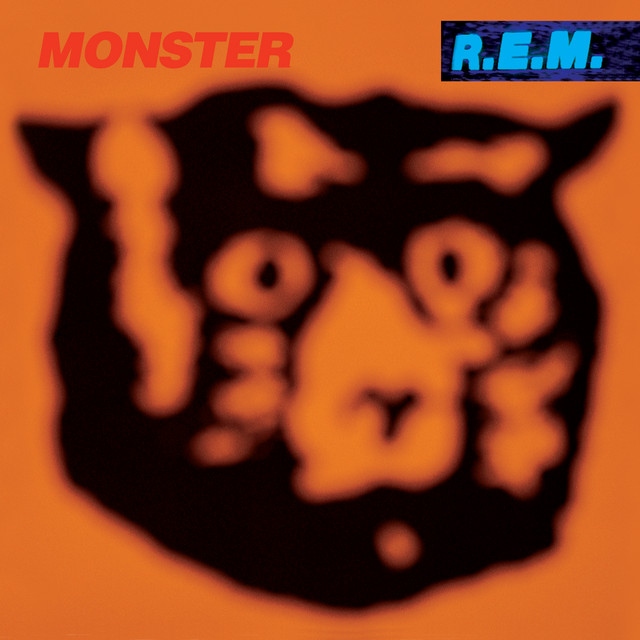
Monster is dedicated to River Phoenix, a close friend of Michael Stipe’s, and his death deeply influenced the album’s emotional tone. Stipe couldn’t write for months after the loss, until lyrics for songs like “Crush With Eyeliner” and “Circus Envy” began to surface. The album’s visual world also carried unexpected depth: the orange cover features a blurry bear head, while the liner notes include appearances by indie comic character Migraine Boy. The surreal meets the sentimental, just as it does in the music.

4. Most of the Album Was Recorded Live in the Studio
R.E.M. approached Monster with one goal in mind: make an album that could fill arenas. Many of the tracks were recorded live, as though the band were already on tour. Producer Scott Litt set up stage monitors and PAs to give the sessions a concert vibe. This raw approach added urgency and grit to the mix—and challenged the band to lean into simplicity and immediacy. The result was both louder and looser than anything they’d recorded in years.

5. “Strange Currencies” Nearly Missed the Cut for Sounding Too Familiar
Originally shelved for having a similar rhythm to “Everybody Hurts,” “Strange Currencies” was rescued by a vocal melody the band couldn’t ignore. Its 6/8 timing and swelling emotional arc helped it become one of Monster’s most beloved ballads, climbing to the top 10 in the UK. Michael Stipe described the song as an earnest plea—someone using the power of words to convince another that they’re meant to be. Its quiet persistence stands in contrast to the record’s louder moments, making it even more essential.

Monster roared onto the scene with jagged guitar lines, glam rock gloss, and a tangle of masks and meaning. It remains a snapshot of a band in transition—dealing with grief, fame, noise, and reinvention all at once. Behind the fuzz and feedback, there’s vulnerability, experimentation, and deep creative courage.

5 Surprising Facts About The Rolling Stones’ ‘Tattoo You’

Released on August 24, 1981, Tattoo You roared into the world on a riff, a swagger, and a stack of tapes the band had nearly forgotten about. Built from sessions dating back as far as 1972, it became a chart-topping classic powered by spontaneity, craftsmanship, and a little rock and roll serendipity. Here are five things you might not know about the Stones’ final U.S. #1 studio album—and why its magic still rolls strong.

1. “Start Me Up” Began Life as a Reggae Jam
Originally recorded as “Never Stop” in 1975, “Start Me Up” ran through more than 40 reggae takes before engineer Chris Kimsey uncovered a scrappy rock version buried in the vaults. Keith Richards’ opening riff, now a rock and roll signature, had been waiting patiently for six years. Mick Jagger’s lyrics were completed just in time for the 1981 tour, and the final track was touched up with bathroom reverb, handclaps, and just the right amount of swagger. The Stones didn’t plan this anthem—it found them when the moment was right.

2. “Waiting on a Friend” Was Nearly a Decade in the Making
The gentle warmth of “Waiting on a Friend” was sparked in 1972 during the Goats Head Soup sessions in Jamaica. The music sat quietly for nearly ten years until Jagger added lyrics about friendship and aging, showing a more reflective side of the frontman. Legendary saxophonist Sonny Rollins recorded his solo while Jagger danced out the rhythm in the studio, using movement as a cue. With Nicky Hopkins on piano and Peter Tosh sitting on the stoop in the video, the track became a soulful snapshot of connection—one that reached #13 on the Billboard charts.

3. The Album Was Built From Forgotten Fragments
Producer Chris Kimsey pieced Tattoo You together from leftover recordings, half-finished jams, and previously shelved gems. “Slave,” “Tops,” and “Worried About You” were all tracked years earlier with Billy Preston, Mick Taylor, and Wayne Perkins, each adding their own magic. New vocals and overdubs brought the tracks to life. The Stones shaped it all into two distinct sides: one made for strutting, and the other for swaying. No filler. No throwaways. Just songs waiting for their spotlight.

4. The Album Cover Was a Grammy-Winning Masterpiece
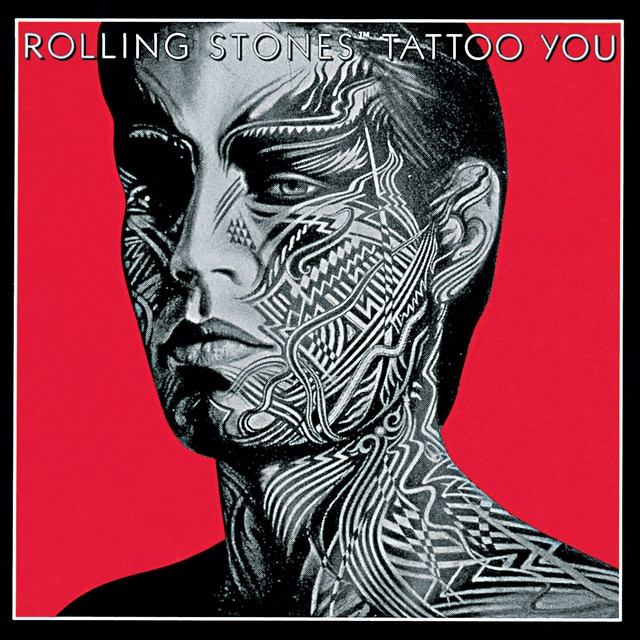
Peter Corriston’s striking black-and-red cover design, illustrated by Christian Piper, stood out even in the golden age of album art. With Jagger’s face transformed into a tribal tattoo sculpture, it earned the band their first Grammy Award—for Best Album Package. The photo sessions, the typography, and the overall concept helped define the aesthetic of the early MTV era. Even now, Tattoo You remains instantly recognizable, just like its sound.

5. “Tattoo You” Almost Had a Different Name—And Caused a Clash
The album was originally going to be called Tattoo. At some point—exactly when remains unclear—the title became Tattoo You. Jagger says he still doesn’t know how that happened. Richards suspected the change had been made without his input, and it sparked tension. Still, whatever the title, the music united them. With three Top 20 hits, nine weeks at #1 in the U.S., and over 4× platinum in sales, Tattoo You turned reclaimed studio scraps into timeless stadium rock.

Tattoo You is a perfect reminder that great songs are never truly lost. Whether captured in a single take or uncovered years later, the Stones’ instinct for rhythm, soul, and electricity turned a pile of tape reels into a rock and roll triumph.