By Mitch Rice
Music has long been part of the NBAs in arena experience, shaping how games feel from the moment teams take the floor. Walk out songs, often played during introductions or warm ups, help define atmosphere rather than individual performance. Over the years, certain tracks have become closely associated with NBA presentation, not because of changing trends, but because of how well they align with the league’s energy, pacing, and broadcast identity.
One of the defining characteristics of successful NBA walk songs is rhythm. Arenas are large, structured spaces, and music needs to carry evenly without overwhelming commentary or crowd noise. Songs with steady tempos and clear percussion tend to work best, as they fill space without becoming chaotic. This is why many long‑standing walk songs rely on strong beats and repeating motifs rather than complex lyrical sections.
Another important factor is familiarity. Arena music is designed for shared recognition rather than individual discovery. Tracks that audiences already know are more effective at unifying large crowds, even when played in short snippets. In the NBA, this familiarity helps create instant engagement during introductions, timeouts, and key broadcast moments without drawing focus away from the game itself.
Hip hop has played a particularly influential role in shaping NBA walk out music. Beginning in the late 1990s and early 2000s, arenas increasingly adopted tracks that reflected contemporary urban soundscapes while remaining suitable for mass audiences. These selections often feature clean, identifiable beats paired with concise hooks, making them adaptable to live presentation environments.
Rock and electronic music have also maintained a presence. Guitar driven riffs and synthesised intros have historically been used to signal intensity or occasion. These genres translate well in arenas because their openings are immediate and structured, allowing them to be faded or looped without losing impact. The versatility of such tracks explains their repeated use across seasons and venues.
What separates enduring NBA walk songs from short‑term selections is their adaptability. The most successful tracks work in multiple contexts, pre game introductions, halftime build ups, or highlight sequences. Songs that rely too heavily on a specific cultural moment tend to be rotated out, while those built around timeless rhythm and clear tone remain in circulation for years.
The role of broadcast presentation cannot be overlooked. Walk songs are not just experienced by fans in the arena, but also by viewers watching at home. Music that complements broadcast pacing without clashing with commentary or transitions helps maintain a cohesive viewing experience. This consideration often shapes which songs become staples across multiple teams rather than remaining venue‑specific choices.
NBA teams also use walk out music to reinforce branding. The goal is not to tell a new story each season, but to maintain a consistent sound that audiences associate with the organisation. Over time, certain songs become part of that identity, reused across eras and formats regardless of roster changes. This continuity supports recognition without requiring explanation.
Importantly, walk songs are chosen for collective resonance rather than individual association. While fans may link certain tracks to specific moments or periods, arena music teams generally prioritise how songs function in the space itself. The focus remains on atmosphere, timing, and clarity rather than on celebrating individual personalities.
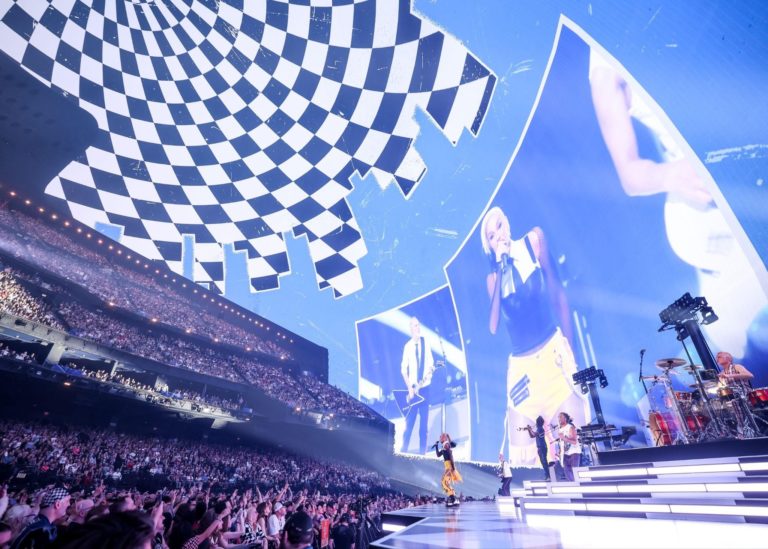
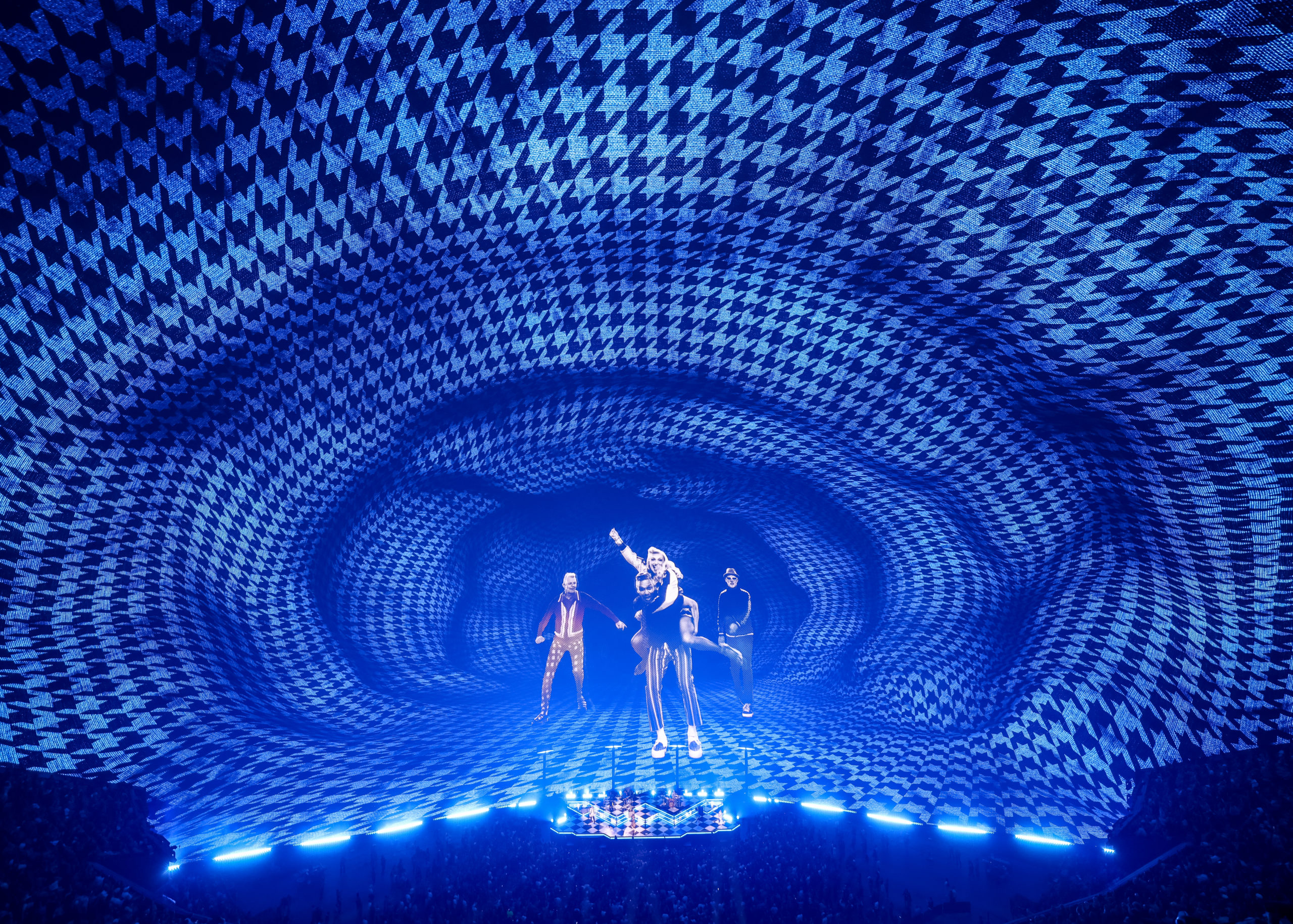
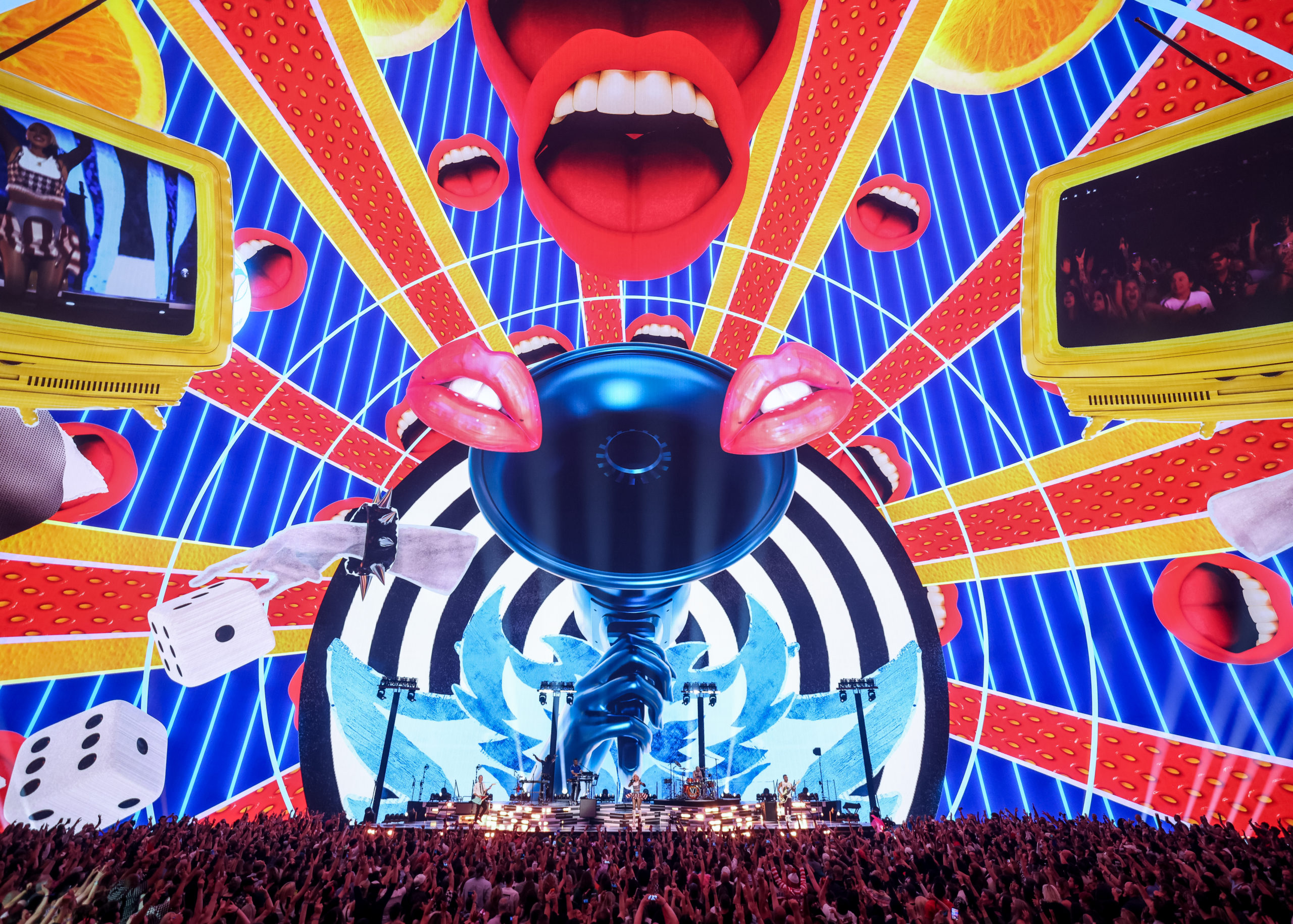
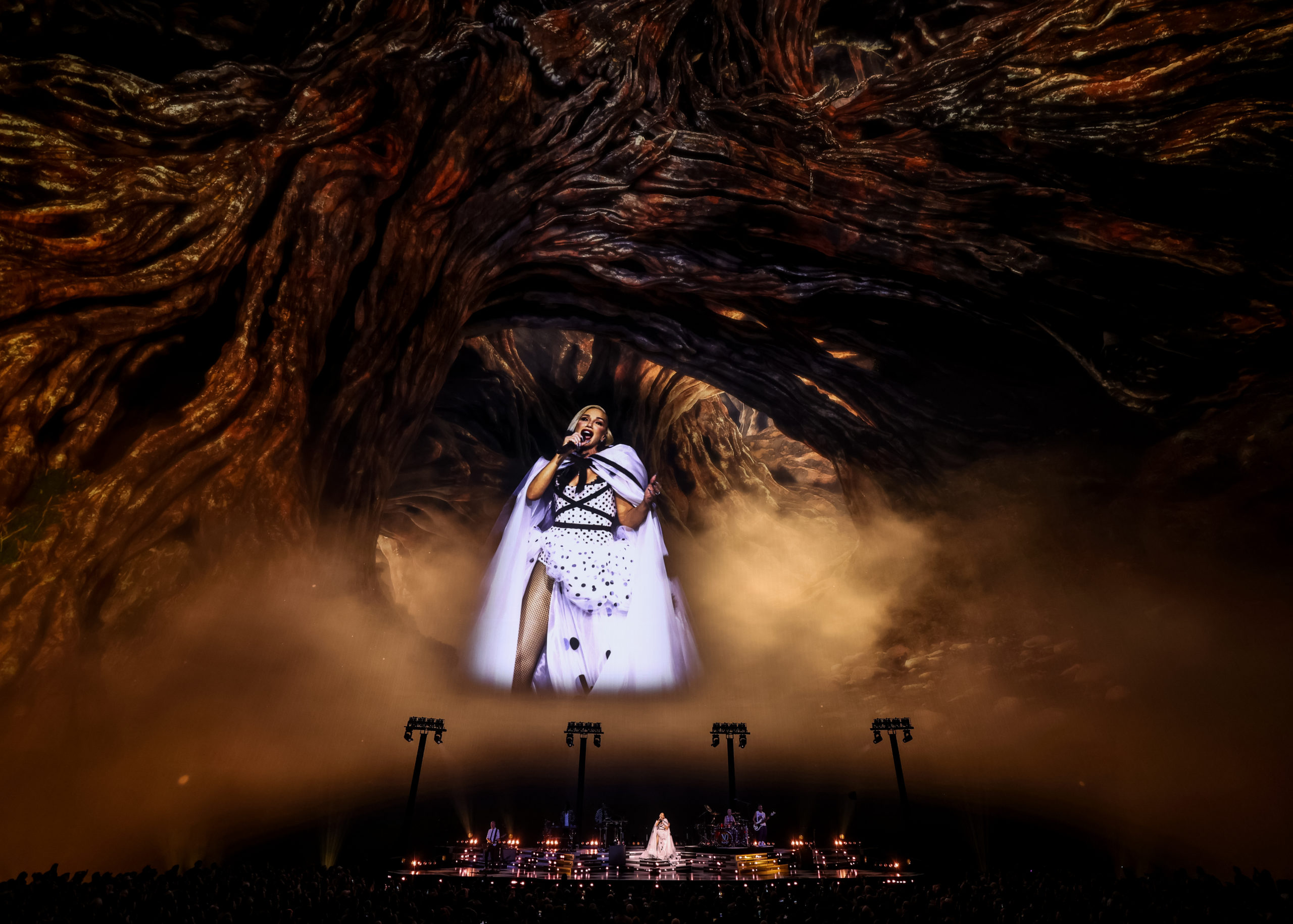
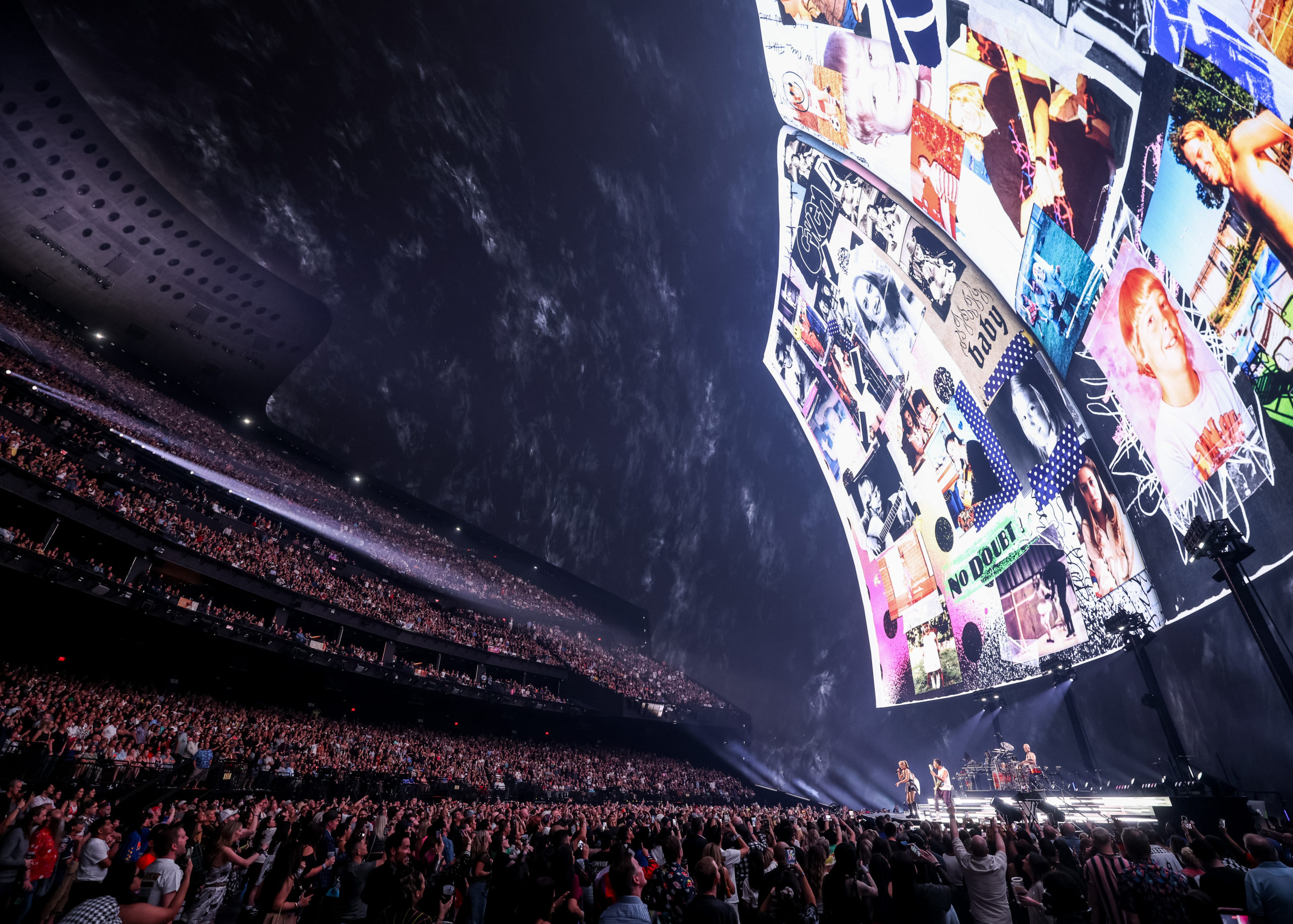
The evolution of NBA walk out music mirrors broader entertainment trends. As production standards across sports have increased, so has the emphasis on cohesive sensory experience. Music now works alongside lighting, graphics, and screen content as part of a unified presentation strategy. Each element supports the others without competing for attention.
This approach to experience design is not unique to basketball. Many forms of organised entertainment rely on structured audiovisual cues to guide audience engagement. Whether attending a live sporting event, watching a broadcast, or adults interacting with familiar recreational formats such as Monopoly Casino, people tend to respond positively to environments where sound and structure feel deliberate rather than improvised.
Ultimately, the best NBA walk songs are defined by balance. They are recognisable without being distracting, energetic without being overwhelming, and flexible enough to fit different eras of the league. Their longevity speaks not to trend chasing, but to thoughtful selection rooted in how music functions within the rhythm of the game itself.
Data and information are provided for informational purposes only, and are not intended for investment or other purposes.