Home Blog Page 571

Prove It All Night: Bruce Springsteen’s Longest Shows

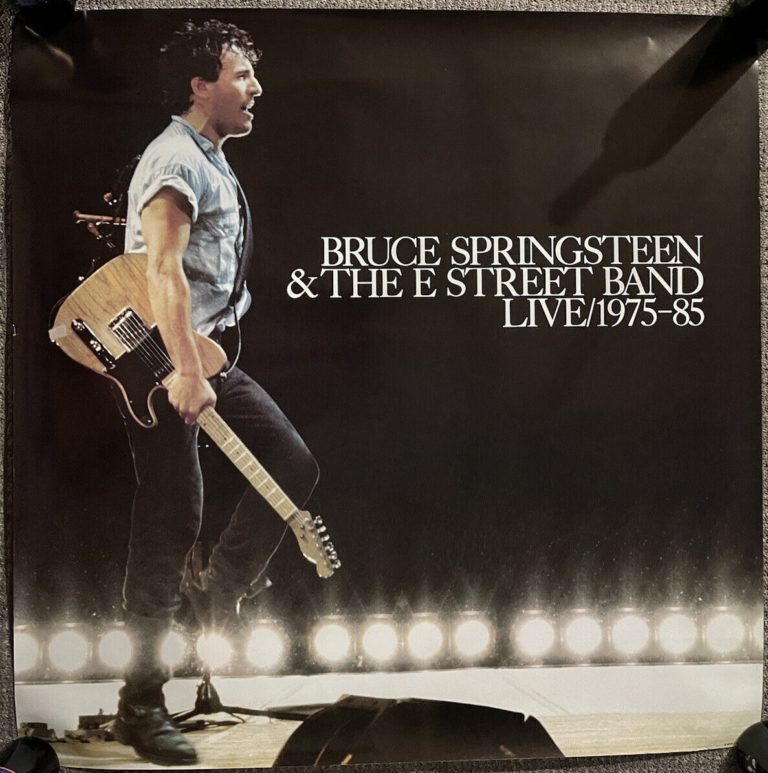
Bruce Springsteen plays concerts the way a preacher delivers a revival. Long before phones had flashlights and setlists were posted in real time, Springsteen was already outlasting curfews and rewriting what a rock show could mean. Each night was built for full immersion, shaped by sweat, soul, and total commitment.

Springsteen’s longest concert to date took place in Helsinki, Finland, on July 31, 2012, running 4 hours and 6 minutes. It was a towering, full-hearted celebration of his legacy — a night when the band didn’t retreat, the songs didn’t fade, and the crowd never stopped singing.

In the United States, his longest show came on September 7, 2016, in Philadelphia at Citizens Bank Park, reaching 4 hours and 4 minutes. That evening joined the mythology of Springsteen’s relationship with Philly, built on decades of deep resonance between artist and audience.

The 2016 tour featured several extended shows that shaped its narrative. Foxborough on September 14 reached 4 hours and 3 minutes, while East Rutherford on August 30 stretched to 4 hours and 1 minute. A few nights earlier, on August 25, the Meadowlands crowd witnessed a performance that climbed to 3 hours and 59 minutes — one breath away from four hours.

Gothenburg, Sweden on June 25, 2016, delivered 3 hours and 58 minutes of wall-to-wall music. Rome on July 16 and Virginia Beach on September 4 each passed the 3 hour and 49 minute mark. These weren’t isolated events — they were part of a year when Springsteen continued to treat every stage as a new invitation to connect deeper, go longer, and give more.

The endurance ethic runs through his career. On New Year’s Eve 1980, Springsteen closed out the decade with a 3 hour and 48 minute performance at Nassau Coliseum. In 2012, shows in Madrid, Paris, Oslo, and East Rutherford each surpassed 3 hours and 45 minutes, proving that energy and devotion defined every tour stop.

Many of these concerts — including the Helsinki 2012 show — have been released as part of Springsteen’s official live archive series. Listening back, you hear every gear shift, every spontaneous detour, every musical moment fueled by the momentum of the crowd and the urgency of the message.

These weren’t designed as spectacles. They were built from the same principle that shaped his earliest club shows: if the people come ready to feel something, then every song, every verse, and every encore belongs to them. Four hours never felt so alive.

Springsteen’s Longest Concerts by Duration

  • 2012-07-31 Helsinki – 4:06
  • 2016-09-07 Philadelphia – 4:04
  • 2016-09-14 Foxborough – 4:03
  • 2016-08-30 East Rutherford – 4:01
  • 2016-08-25 East Rutherford – 3:59
  • 2016-06-25 Gothenburg – 3:58
  • 2016-08-23 East Rutherford – 3:52
  • 2016-07-16 Rome – 3:52
  • 2016-09-04 Virginia Beach – 3:49
  • 1980-12-31 Nassau Coliseum – 3:48
  • 2012-06-17 Madrid – 3:48
  • 2014-02-16 Melbourne – 3:48
  • 2016-09-09 Philadelphia – 3:47
  • 2012-07-05 Paris – 3:47
  • 2012-07-21 Oslo – 3:47
  • 2016-09-01 Washington DC – 3:46
  • 2012-09-19 East Rutherford – 3:46

Each show over 3 hours and 45 minutes carried its own character, shaped by location, energy, and the moment. Together, they form a portrait of an artist who kept saying yes to the crowd — and to the power of staying on stage just a little longer.
The Collaborator’s Collaborator: A Tribute to Herbie Flowers and His Incredible Musical Journey

If your favorite song from the ‘60s, ‘70s, or ‘80s has a killer bassline — odds are Herbie Flowers played on it. With his signature tuba, double bass, and Fender Jazz Bass, Herbie wasn’t just a session legend. He was the heartbeat behind some of the biggest names in music history. Here’s a look at the astonishing list of artists he worked with — each one made greater by his presence.

David Bowie
Played on Space Oddity, Diamond Dogs, and the live album David Live. Flowers added edge, groove, and presence to Bowie’s evolving sound.

Lou Reed
Created the iconic bassline for Walk on the Wild Side on Transformer. Two basses, one immortal riff.

Elton John
Brought depth to Tumbleweed Connection, Madman Across the Water, and A Single Man, helping shape Elton’s early sound.

T. Rex (Marc Bolan)
Joined the final lineup and appeared on Dandy in the Underworld. Played alongside Bolan on TV’s Marc just before Bolan’s tragic death.

The Beatles (Solo Years)
Worked with George Harrison on Somewhere in England, Gone Troppo, and Brainwashed.
With Paul McCartney on Give My Regards to Broad Street.
With Ringo Starr on Stop and Smell the Roses.

Cat Stevens
Appeared on Foreigner and New Masters, lending a steady pulse to Stevens’ introspective folk-pop.

David Essex
Played on Rock On, David Essex, Imperial Wizard, Silver Dream Racer, Be-Bop the Future, Stage-Struck, and This One’s For You. His double-tracked bass on “Rock On” became an era-defining sound.

Harry Nilsson
Appeared on Nilsson Schmilsson and Son of Schmilsson, bringing humor and soul to Nilsson’s imaginative pop.

Bryan Ferry
Played on The Bride Stripped Bare, adding class and groove to Ferry’s solo work.

Al Kooper
Contributed to New York City (You’re a Woman) and A Possible Projection of the Future, bringing rich tones to Kooper’s cinematic arrangements.

George Harrison
Contributed to three Harrison solo albums, often providing subtle, expressive bass lines that never got in the way of George’s spiritual songwriting.

Justin Hayward
Played on Night Flight, supporting the Moody Blues frontman’s melodic solo venture.

Melanie
Contributed to Candles in the Rain, a folk-pop classic featuring raw emotion and iconic vocals.

Cliff Richard
Played on Rock ’n’ Roll Juvenile, giving Richard’s sound a crisp, pop-rock finish.

Donovan
Worked on Poetry in Motion and Betjeman & Read, adding musical sensitivity to poetic collaborations.

Marc Almond, Paul Young, Jon Anderson, Gene Pitney, Leo Sayer, Annie Haslam
Appeared alongside this stacked lineup for Betjeman & Read, providing the bass foundation for spoken-word-meets-pop innovation.

Sally Oldfield
Played on Water Bearer, Easy, Celebration, and Playing in the Flame, balancing ethereal soundscapes with grounded basswork.

Chris Spedding
Worked on Hurt, bringing taut energy to the underrated rock guitarist’s solo release.

Roger Daltrey
Played on McVicar, the soundtrack for Daltrey’s biopic role.

Steve Harley
Contributed to Hobo with a Grin and Poetic Justice, bringing rhythmic warmth to Harley’s storytelling.

Olivia Newton-John
Played on her debut album If Not for You, helping launch one of the most successful crossover careers in pop history.

Camel
Featured on Nude, playing tuba and adding symphonic weight to the prog-rock concept album.

Hazel O’Connor
Played on 5 in the Morning, supporting O’Connor’s punk-inflected new wave sound.

Sam Brown
Played on 43 Minutes and Of the Moment, adding understated support to her soulful, emotional voice.

Allan Clarke
Recorded with The Hollies frontman on My Real Name Is ‘Arold and Allan Clarke.

Albert Hammond
Played on Al Otro Lado Del Sol, adding groove to Hammond’s heartfelt songwriting.

Chanter Sisters
Appeared on First Flight, providing rhythmic strength to the sibling duo’s blend of soul and pop.

Jane Wiedlin
Contributed to Tangled, supporting the Go-Go’s guitarist with polished pop-rock basslines.

Tim Rose
Played on Love – A Kind of Hate Story, adding foundation to Rose’s dark and powerful folk-blues.

Dig Richards
Appeared on The Thing is…?, adding steady support to the Australian rockabilly legend.

Sky (band)
Co-founded Sky, a fusion of classical, rock, and jazz, and enjoyed commercial success through the ’80s.

Blue Mink
A founding member; played on their UK hit “Melting Pot,” helping bring soul-pop to the charts.

CCS and Rumplestiltskin
Contributed to both bands, showing his range from blues-rock to theatrical prog.

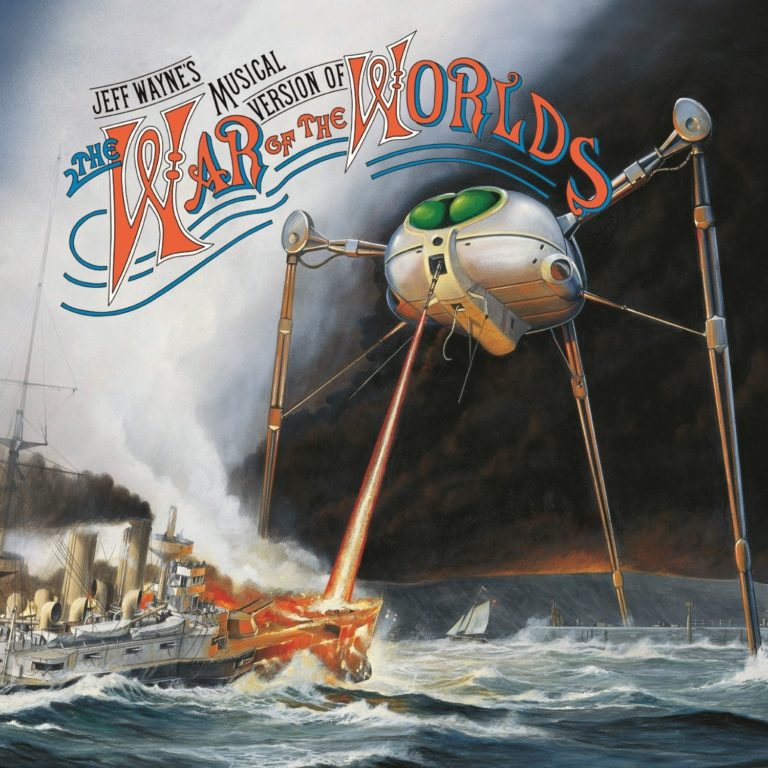
Jeff Wayne’s War of the Worlds
Played on the iconic concept album, adding cinematic depth to this sci-fi masterpiece.

From Alabama to Arizona: Bands Named After U.S. States That Rock Just as Hard as Their Names

What do you get when you mix geography with guitar riffs? These artists took their names straight off the map and onto the marquee. Whether they sound like dusty highways, neon-lit clubs, or epic national anthems, these state-named bands bring the whole country to your headphones.

Alabama
Southern charm meets country stardom. Alabama ruled the ’80s with hit after hit and harmonies tighter than a tour bus on a hairpin turn.

Kansas
Prog-rock grandeur with a Midwestern name. Kansas built sonic skyscrapers with violins, choirs, and enough philosophy to power a think tank.

Florida Georgia Line
Modern country with plenty of bass drops and backroads romance. These two guys turned their state-line namesake into a global party playlist.

Mississippi Mass Choir
Gospel that shakes the heavens. When they sing, you feel it in your chest — like thunder, joy, and redemption in stereo.

Nevada Tan
A German nu-metal band with a name inspired by an internet meme and a U.S. state. Wild, weird, and very MySpace-era.

A R I Z O N A
Dreamy synth-rockers with a cinematic sound from New Jersey. Their music feels like golden hour on a desert road trip — wide open and endlessly listenable.

America
Laid-back acoustic vibes and harmonies that stretch across the desert. America’s “A Horse with No Name” still gallops through FM radio like a mirage with perfect hair.

Texas
They’re not from Texas — they’re from Scotland. But their soulful pop-rock and shimmering melodies still hit like a warm Southern breeze.

Montana of 300
A lyrical force with rapid-fire flow and intense wordplay. Named after a state and a movie, Montana of 300 brings grit and gospel fire to every verse.

Tennessee Ernie Ford
A classic crooner with a name made for radio. His version of “Sixteen Tons” is as iconic as his booming voice and old-school charm

New York Dolls
Glam, grit, and guitar fuzz. The Dolls brought downtown attitude, lipstick, and volume to the punk movement before it even had a name.

Carolina Liar
Pop-rock hooks with emotional punch. Their name blends the charm of the Carolinas with the angst of youth and heartbreak.

Georgia Satellites
Straight-up rock ’n’ roll soaked in Southern grit. “Keep Your Hands to Yourself” never left the jukebox, and neither did their swagger.

Ohio Players
Funk royalty. With grooves as smooth as silk and album covers as bold as their basslines, the Ohio Players made every track a dancefloor magnet.

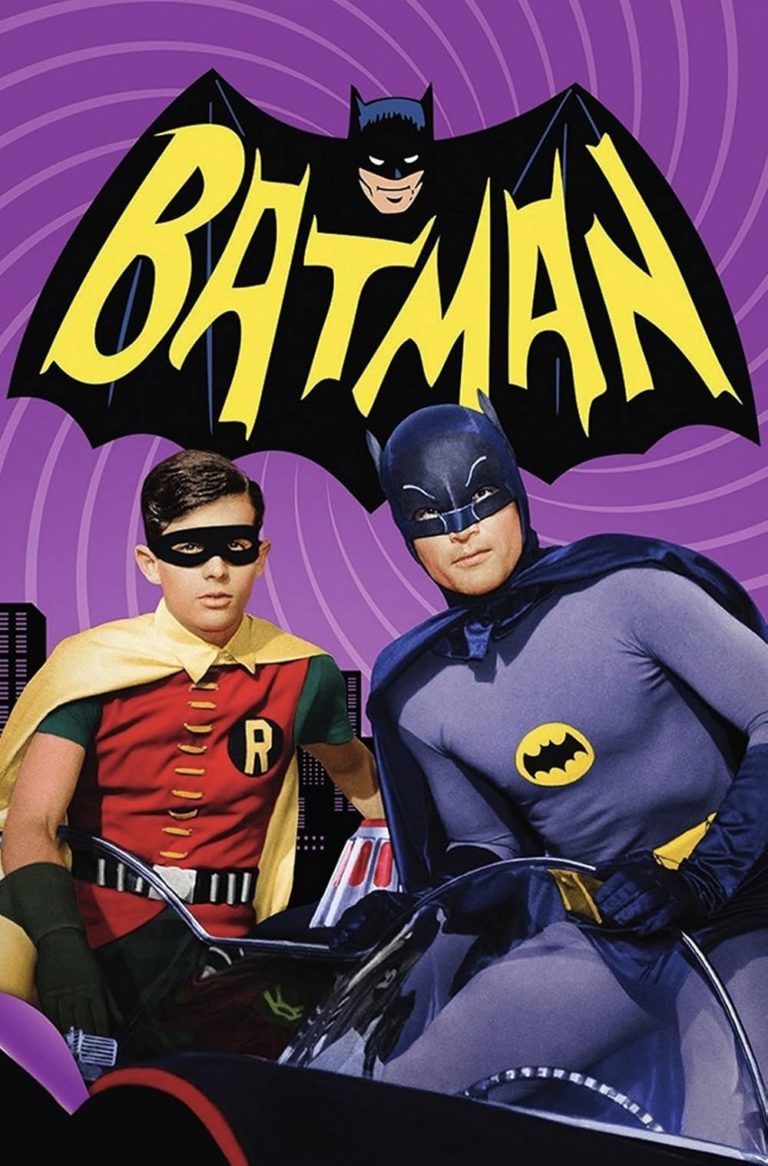
Holy Guest Stars, Batman! 10 Musical Legends Who Appeared on the Batman TV Show

0

The 1966 Batman TV show brought together tights, gadgets, and high camp — and somehow still had room for rock stars, pop icons, and lounge legends. These musical guests made their mark on Gotham City with charm, wit, and a whole lot of star power. Each cameo felt like a crossover event between Saturday morning cartoons and your favorite record collection.

Chad & Jeremy
The British duo arrived in Gotham as themselves, only to have their voices swiped by Catwoman. A plotline that perfectly matched the swinging sound of the times with comic-book mischief.

Lesley Gore
Pop sensation Lesley Gore played Pussycat, one of Catwoman’s stylish sidekicks. She sang, she schemed, and she gave Gotham an extra blast of bubblegum soul.

Van Johnson
Hollywood favorite Van Johnson appeared as The Minstrel, a musically-minded villain with a fondness for scientific sabotage. His melodies carried menace, wrapped in perfect harmony.

Art Carney
Carney took on the role of The Archer, a medieval-themed outlaw with an eye for loot and flair. His appearance combined classic TV charisma with a nod to folk storytelling.

Sammy Davis Jr.
In a blink-and-you’ll-miss-it moment, Davis greeted Batman and Robin from his window while rehearsing a number. He complimented their act, adding a cool wink to the world of crime-fighting.

Don Ho
Don Ho brought Hawaiian sunshine to Gotham in Season 2. He offered commentary on the Bat-Rope’s usefulness for collecting coconuts and made the Batcave feel just a little more tropical.

Liberace
Dressed in sequins and seated behind twin grand pianos, Liberace played both concert pianist Chandell and his criminal twin Harry. He lit up the screen with every ivory key he touched.

Rudy Vallee
Vallee portrayed Lord Ffogg, a villain with a fog machine and refined taste. His stage presence carried the charm of a 1930s bandleader dressed for royal troublemaking.

Vincent Price
As Egghead, Price delivered perfect diction and endless egg puns. He embraced every syllable with delight, bringing theatrical gravitas to yolk-based criminal plots.

Eartha Kitt
With elegance and authority, Eartha Kitt stepped into the role of Catwoman and added a jazz-infused, commanding energy. Her voice, moves, and gaze left an imprint on the series and its fans.

10 Pop Albums From the 2000s That Still Sound Like a Revolution

The 2000s brought in the digital age — and with it, a new wave of pop icons who rewrote the rules and expanded the sound. These albums still sound forward-thinking, fabulous, and wildly fun.

Beyoncé – B’Day
A tour-de-force of vocal power, energy, and empowerment. B’Day cemented Beyoncé’s solo reign and never lets up for a single second.

Lady Gaga – The Fame Monster
Every track is a statement. Gaga gave the world pop with theater, edge, and attitude — and the sounds of this album still pulse through the genre today.

Rihanna – Good Girl Gone Bad
The transformation from breakout star to global icon happened here. With hits like “Umbrella” and “Don’t Stop the Music,” it’s endlessly replayable.

Kylie Minogue – Fever
Effortless elegance meets disco-pop ecstasy. Fever delivers sleek beats and feel-good hooks that keep dance floors spinning.

Kelly Clarkson – Breakaway
Anthems of heartbreak and self-discovery, backed by powerhouse vocals. Kelly turned pop-rock into something deeply personal and utterly universal.

Amy Winehouse – Back to Black
Classic soul with a modern bite. Amy’s voice, the production, and the stories — Back to Black feels as raw and brilliant as ever.

Pink – Missundaztood
Rebellious, vulnerable, and packed with pop punch. Pink broke through expectations and built a sound all her own with this unforgettable album.

Justin Timberlake – FutureSex/LoveSounds
Slick, smart, and packed with ambition, JT blended pop, funk, and innovation. Timbaland’s production still feels like the future.

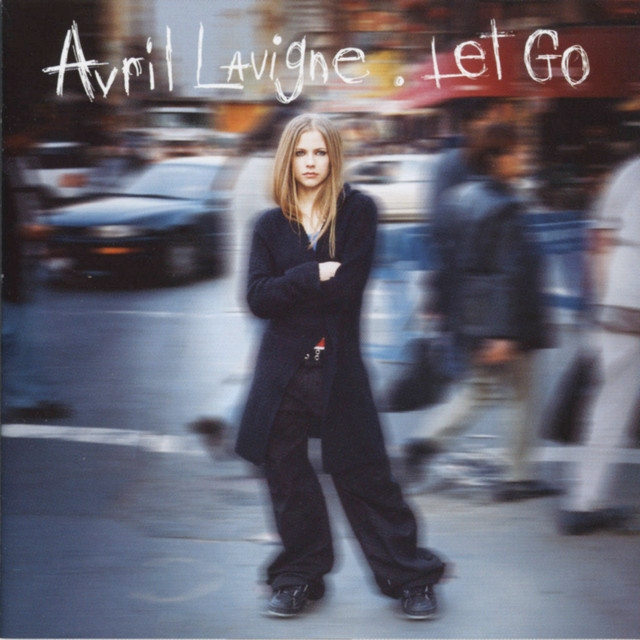
Avril Lavigne – Let Go
Pop-punk attitude met pop polish. Let Go gave outsiders an anthem, and Avril’s voice still rings loud with teenage truth and freedom.

Coldplay – A Rush of Blood to the Head
Atmospheric, emotional, and endlessly melodic. This album bridges pop and rock with sweeping beauty that still touches hearts everywhere.

10 Pop Albums From the 1990s That Still Feel Brand New

You might remember the 1990s as grunge and hip-hop — but they were also a golden age of pop in all its forms. These albums still sound like turning up the radio and falling in love with music for the first time.

Mariah Carey – Daydream
Soaring vocals, smooth production, and unforgettable melodies. Daydream blends pop, R&B, and romance into a timeless experience.

Alanis Morissette – Jagged Little Pill
Every lyric lands like a lightning bolt. Jagged Little Pill gave pop an edge and a voice for every misunderstood heart.

Spice Girls – Spice
Pure, unapologetic fun. Spice brought friendship, fashion, and British pop brilliance to the world — and it’s still zig-a-zig-ah-ing.

Robyn – Robyn Is Here
Long before she became an indie icon, Robyn was already delivering glossy pop hooks with depth and edge. Robyn Is Here is a debut that holds up beautifully.

Backstreet Boys – Millennium
Harmony, heartbreak, and hooks for days. Millennium is boy band perfection that still fills arenas and hearts around the world.

Britney Spears – …Baby One More Time
The start of a pop era. Britney’s debut brought Max Martin’s melodies and teen pop energy into the spotlight — and they’ve never left.

NSYNC – No Strings Attached
Tight harmonies, unforgettable singles, and the sound of turn-of-the-century excitement. It still grooves, sparkles, and moonwalks through nostalgia.

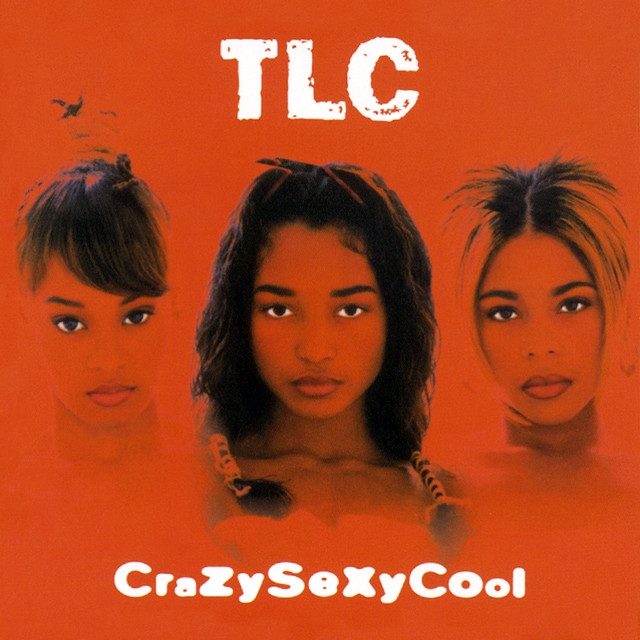
TLC – CrazySexyCool
Slick, confident, and full of emotion, CrazySexyCool is pop-R&B fusion at its finest. Every track still oozes style and sincerity.

Shania Twain – Come On Over
Pop-country that conquered the world. Shania’s crossover appeal, catchy hooks, and empowering lyrics still feel fresh and fierce.

Savage Garden – Savage Garden
Romantic, melodic, and full of emotion. This duo created dreamy pop that still sweeps you off your feet with every chorus.

10 Pop Albums From the 1980s That Still Sound Electric

Synths, shoulder pads, and superstar reinventions — the 1980s were pure electricity. And while some trends faded, these albums still feel like the neon heart of pop’s golden age.

Michael Jackson – Thriller
Every beat still hits. Thriller is the pop gold standard, a moonwalk into genius with Quincy Jones steering the soundboard and Michael redefining what an album could be.

Madonna – Like a Virgin
Every note struts with confidence. This album captured Madonna’s meteoric rise and set the tone for a career that still shapes pop culture to this day.

Prince – 1999
Synth-funk, rebellious energy, and pure originality — 1999 predicted the future and danced in it. Prince made every groove feel revolutionary.

Whitney Houston – Whitney
An album full of powerhouse vocals, polished perfection, and chart-topping sparkle. Whitney’s voice soars over every track with timeless grace.

Cyndi Lauper – She’s So Unusual
Colorful, quirky, and totally captivating. Cyndi brought her own lane to pop, and this debut still feels like a celebration of being yourself.

George Michael – Faith
Soulful, stylish, and full of swagger, Faith gave pop a mature, funky glow. George’s songwriting and vocals remain unmatched in their cool confidence.

Janet Jackson – Control
Fierce beats, fearless lyrics, and the arrival of a superstar. Janet took the reins and gave pop a bold, new voice that still resonates today.

Tina Turner – Private Dancer
The comeback that never aged. Tina’s raspy strength and raw power made Private Dancer a masterpiece of resilience and rhythm.

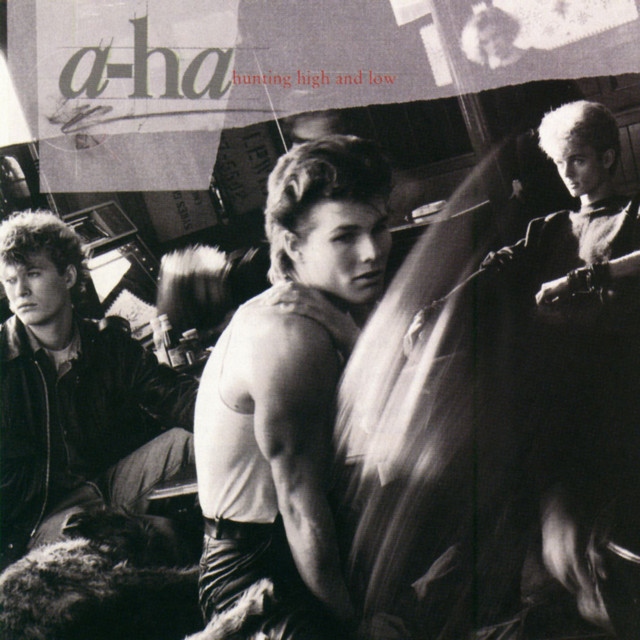
a-ha – Hunting High and Low
Dreamy synth-pop with heart. “Take On Me” may be the icon, but the whole album glows with Scandinavian magic and emotional honesty.

Eurythmics – Touch
Annie Lennox and Dave Stewart delivered icy cool and emotional heat in perfect balance. The synths still shimmer, and the vocals still stun.

10 Pop Albums From the 1970s That Still Shine Bright

The 1970s gave us bell-bottoms, disco balls, and the rise of the pop album as both art and entertainment. These records didn’t just soundtrack a decade — they helped define what pop could be. And today, they still deliver that warm, analog magic like they’re brand new.

Carole King – Tapestry
A voice like home and lyrics that reach into your soul, Tapestry captures vulnerability and strength in every note. It’s one of those records that makes you feel seen, wrapped in piano chords and poetic truth.

Fleetwood Mac – Rumours
Drama never sounded so divine. Rumours is a melodic masterpiece, every harmony soaked in emotion and every guitar lick dripping with clarity. Forty-plus years later, its magic remains fully intact.

ABBA – Arrival
Every track sparkles like a mirror ball on a Saturday night. Arrival brings hooks, harmonies, and heart in equal measure, and the joy it generates has never gone out of style.

Elton John – Goodbye Yellow Brick Road
Big, bold, and theatrical in all the best ways, this double album is pure pop ambition. Elton’s melodies and Bernie Taupin’s lyrics create a universe of heartbreak, glam, and wizardry.

Stevie Wonder – Songs in the Key of Life
An opus of optimism and genius, Stevie packed this album with grooves, stories, and soul. It’s as uplifting and musically rich today as it was the day it dropped.

The Bee Gees – Main Course
This album pivoted the Bee Gees into the disco stratosphere, and the grooves here are still irresistible. “Jive Talkin’” alone could keep a party going forever.

David Bowie – Young Americans
A soulful shift from the Starman, this album brings funk, pop, and R&B into a smooth, stylish package. Bowie’s vision was always forward, and this one still feels like tomorrow.

Donna Summer – Bad Girls
Disco got an edge and a voice with Donna Summer’s Bad Girls. It’s pure empowerment wrapped in pulsing rhythms and unforgettable melodies.

Paul Simon – Still Crazy After All These Years
Laid-back brilliance that sneaks up on you with every listen. Simon’s songwriting is effortless here, and the warmth of the production feels timeless.

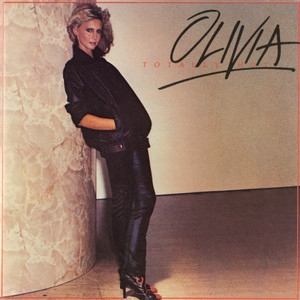
Olivia Newton-John – Totally Hot
With rock-tinged energy and vocal glow, Totally Hot bridges soft pop and sultry power. A vibrant, often underrated gem of ’70s pop perfection.

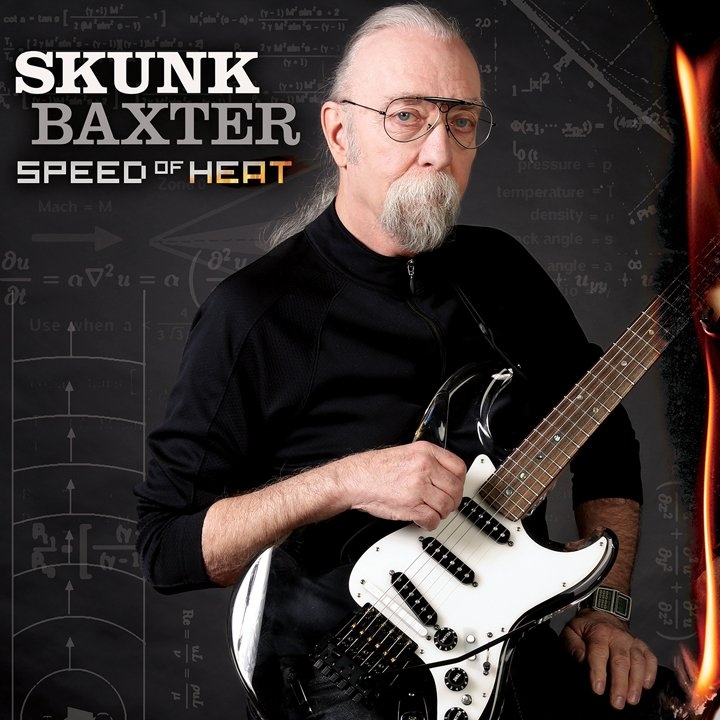
From Steely Dan to Streisand: The Secret Agent Guitar Hero Who Played on 33 Other Albums

Jeff Baxter’s guitar has lit up some of the most iconic albums in rock, pop, and soul. From Steely Dan and The Doobie Brothers to Dolly Parton and Ringo Starr, his versatility made him one of the most in-demand session players of the ’70s and ’80s. Here’s a complete list of Jeff’s collaborations — one riff at a time.

With Richie Havens
Played guitar on The End of the Beginning (1976)
Returned for Connections (1980)

With Steve Cropper
Contributed to Night After Night (1982)

With Glen Campbell
Featured on Somethin’ ’Bout You Baby I Like (1980)

With Dolly Parton
Played on Heartbreaker (1978)
Returned for 9 to 5 and Odd Jobs (1980)
Appeared on Heartbreak Express (1982)

With Ringo Starr
Performed on Time Takes Time (1992)
Returned for Vertical Man (1998)

With Jackie DeShannon
Played guitar on Quick Touches (1978)

With Livingston Taylor
Featured on Man’s Best Friend (1980)

With Al Kooper
Recorded on Championship Wrestling (1982)

With Steely Dan
Played on Can’t Buy a Thrill (1972)
Contributed to Countdown to Ecstasy (1973)
Appeared on Pretzel Logic (1974)

With Rod Stewart
Performed on Tonight I’m Yours (1981)
Also featured on When We Were the New Boys (1998)

With Dalbello
Played on Drastic Measures (1981)

With Judy Collins
Appeared on Hard Times for Lovers (1979)

With Carly Simon
Contributed to Carly Simon (1971)
Played on Playing Possum (1975)
Returned for Another Passenger (1976)

With Leo Sayer
Featured on Here (1979)

With Joe Cocker
Played guitar on Heart & Soul (2004)

With Elton John
Performed live on the deluxe edition of Captain Fantastic and the Brown Dirt Cowboy (2005)

With Deniece Williams
Recorded on I’m So Proud (1983)
Also featured on Let’s Hear It for the Boy (1984)

With John Mellencamp
Played on Nothin’ Matters and What If It Did (1980)

With Albert King
Performed on Red House (1991)

With Dusty Springfield
Featured on It Begins Again (1978)

With Barbra Streisand
Played on Wet (1979)
Also contributed to Till I Loved You (1988)

With Tom Rush
Recorded on Ladies Love Outlaws (1974)

With Donna Summer
Featured on Bad Girls (1979)
Also played on The Wanderer (1980)

With Cher
Contributed to Stars (1975)

With Carl Wilson
Played guitar on Youngblood (1983)

With Steve Goodman
Recorded on Hot Spot (1980)
Returned for Unfinished Business (1987)

With Joni Mitchell
Contributed to The Hissing of Summer Lawns (1975)

With The Beach Boys
Played on That’s Why God Made the Radio (2012)

13 Bands That Ended Forever After Losing a Member

Sometimes, a band is more than just a group of musicians — it’s lightning in a bottle. And when one spark goes out, the bottle shatters. These are the bands that decided they couldn’t, wouldn’t, or simply shouldn’t go on after losing one of their own.

The Beastie Boys
When Adam Yauch (MCA) passed away in 2012, it wasn’t just the end of a life — it was the end of an era. The Beastie Boys had redefined hip-hop, punk, and pop culture, but without MCA, there was no future for the group. Out of respect and love, Mike D and Ad-Rock chose not to continue, leaving behind a legacy louder than any comeback could match.

Led Zeppelin
After John Bonham’s death in 1980, Led Zeppelin released a simple, powerful statement: they could not continue without him. Bonham was the thunder in their thunderstorm, and his drumming was the backbone of their sound. They’ve reunited for the occasional show, but the band — as the world knew it — ended with Bonzo.

Nirvana
In April 1994, the music world shook when Kurt Cobain died. Nirvana, which had redefined a generation, ended instantly. Dave Grohl and Krist Novoselic couldn’t imagine continuing under the same name — and they didn’t. Instead, Grohl formed Foo Fighters and carried the spirit forward in his own way.

The Doors
After Jim Morrison’s death in 1971, The Doors tried to carry on — briefly. Ray Manzarek and Robby Krieger sang on two albums, but without Morrison’s voice and presence, the magic couldn’t be recaptured. By 1973, they knew it was time to close the door.

Soundgarden
Chris Cornell’s death in 2017 wasn’t just a loss — it was the soul leaving the room. The band was in the midst of a comeback and planning a new album. But without him, Soundgarden became a memory. The surviving members have said: it’s not Soundgarden without Chris.

Van Halen
When Eddie Van Halen died in 2020, so did the band that bore his name. Despite a revolving door of singers over the years, Eddie was always the center of the storm. As his son Wolfgang said: “No EVH = No VH.” Simple math, eternal impact.

Type O Negative
Peter Steele’s death in 2010 silenced one of metal’s most distinctive voices. His bandmates knew that Type O Negative wasn’t just about the sound — it was about Peter’s towering presence and wit. They didn’t try to replace him. They let the legacy stand.

T. Rex
Marc Bolan was T. Rex — the glitter, the groove, the glam. When he died in a 1977 car crash, the band ended with him. He was just shy of 30 years old, and his stardust still glimmers through decades of imitators.

Joy Division
Ian Curtis died by suicide in 1980, just as Joy Division was on the cusp of worldwide success. The remaining members kept making music, but they honored their pact: no Ian, no Joy Division. They formed New Order, starting a new chapter with a new name.

Motörhead
Lemmy Kilmister was Motörhead. Period. After his death in 2015, drummer Mikkey Dee confirmed it: “Motörhead is over. Lemmy was Motörhead.” No debates, no tributes. Just raw, honest truth.

Mother Love Bone
Before Pearl Jam, there was Mother Love Bone. When singer Andrew Wood died of a heroin overdose in 1990, the band never recovered. But out of tragedy came Temple of the Dog and then Pearl Jam — rising from ashes with voices of tribute and change.

Minutemen
D. Boon’s death in 1985 ended one of punk’s most innovative bands. The Minutemen were tight, wild, and unfiltered — and without Boon, they couldn’t go on. Mike Watt and George Hurley would form fIREHOSE, but the Minutemen were gone forever.

The Gits
Mia Zapata’s brutal murder in 1993 shocked the Seattle scene. The Gits disbanded soon after, unwilling to replace a frontwoman whose voice had meant so much. A brief collaboration with Joan Jett as Evil Stig paid tribute, but the Gits were no more.

Sometimes a band can survive lineup changes, tragedies, and ego clashes. But for these groups, losing one member meant losing the whole identity. And maybe that’s what made them unforgettable.