Home Blog Page 571

25 Must-Have Vinyl Albums You Should Own

There’s something about vinyl. The crackle, the warmth, the way an album cover feels in your hands. It’s not just about listening, it’s about experiencing music. Here are 20 albums that absolutely belong on your turntable — not because they sound better (though they might), but because they feel better.

  1. Fleetwood Mac – Rumours (1977)
    A heartbreak masterpiece made for spinning. The harmonies, the drama, the basslines — this one was made for the hiss and hum of vinyl.
  2. Kendrick Lamar – To Pimp a Butterfly (2015)
    Jazz, funk, and revolution. There’s no better way to hear this sprawling opus than on a big platter spinning slow and steady.
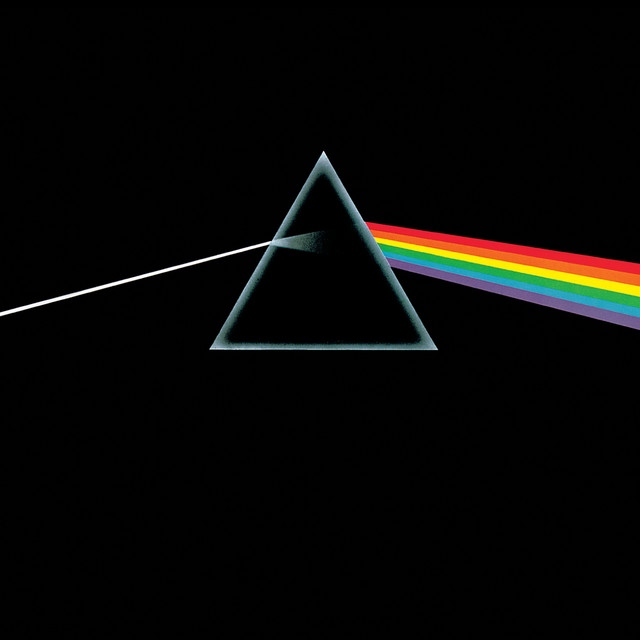
  3. Pink Floyd – The Dark Side of the Moon (1973)
    Audiophile heaven. This album feels like it was pressed into existence for the express purpose of being played on vinyl, preferably at midnight.
  4. Joni Mitchell – Blue (1971)
    Vinyl makes Joni’s voice sound like it’s coming from inside your ribcage. Pour some tea, dim the lights, and let this one whisper to your soul.
  5. Daft Punk – Discovery (2001)
    Electronic music with a human heartbeat. On vinyl, every beep and bloop gets a second life, and those robot vocals? Iconic.
  6. Miles Davis – Kind of Blue (1959)
    The ultimate chill record. It practically floats off the turntable. Vinyl gives each note a little more space to breathe.
  7. Amy Winehouse – Back to Black (2006)
    The crackle of the vinyl pairs perfectly with the ache in Amy’s voice. Soul never sounded more lived-in.
  8. Radiohead – OK Computer (1997)
    Cold, weird, beautiful — this album is a sci-fi prophecy that somehow feels more human on analog. Spin it and stare out a window.
  9. Prince – Purple Rain (1984)
    That guitar solo in “Purple Rain” hits different when it’s coming from a vinyl groove. It’s a purple paradise.
  10. Lauryn Hill – The Miseducation of Lauryn Hill (1998)
    A warm, soulful LP that wraps around you like a velvet hug. Play this one loud and feel every line.
  11. The Beatles – Abbey Road (1969)
    The medley on side two is basically a vinyl flex. Flip it, and suddenly it’s magic.
  12. David Bowie – The Rise and Fall of Ziggy Stardust (1972)
    Glam meets grit. The cover alone is worth the purchase, but the music? A starman waiting in the groove.
  13. Bob Marley and the Wailers – Exodus (1977)
    Laid-back revolution. There’s something about reggae on vinyl that feels like a sunbeam for your ears.
  14. Nirvana – MTV Unplugged in New York (1994)
    Every breath, every murmur — it’s all right there. Vinyl makes this already-intimate performance feel like it’s happening in your living room.
  15. Taylor Swift – 1989 (Taylor’s Version) (2023)
    Pop gone analog! This one brings sparkly synths and heartbreak bangers to life on your turntable, and the colored vinyl is just the cherry on top.
  16. Carole King – Tapestry (1971)
    Soft rock royalty. Vinyl lets you hear every nuance of Carole’s piano and every ache in her voice.
  17. Beastie Boys – Paul’s Boutique (1989)
    A sample-packed collage of hip-hop brilliance. Spinning it on wax is like flipping through a pop-culture encyclopedia.
  18. Bon Iver – For Emma, Forever Ago (2007)
    It sounds like it was recorded in a cabin with a single microphone. Vinyl only enhances the intimacy.
  19. The Clash – London Calling (1979)
    Punk with purpose. There’s a fire in the grooves of this one. It’s meant to be turned up and turned over.
  20. Billie Holiday – Lady in Satin (1958)
    Heartbreak on high fidelity. Vinyl gives Billie’s voice all the raw fragility it deserves. Every note is a soft thunderclap.

Collect them, spin them, love them. Because music like this? It deserves to be held.
Jens Gerrit Papenburg Explores the History of Music Technology in ‘Listening Devices’

0

From 1940 to 1990, new machines and devices radically changed listening to music. Small and large single records, new kinds of jukeboxes and loudspeaker systems not only made it possible to playback music in a different way, they also evidence a fundamental transformation of music and listening itself. Taking the media and machines through which listening took place during this period, Listening Devices develops a new history of listening.Although these devices were (and often still are) easily accessible, up to now we have no concept of them. To address this gap, this volume proposes the term “listening device.” In conjunction with this concept, the book develops an original and fruitful method for exploring listening as a historical subject that has been increasingly organized in relation to technology.

Case studies of four listening devices are the points of departure for the analysis, which leads the reader down unfamiliar paths, traversing the popular sound worlds of 1950s rock ‘n’ roll culture and the disco and club culture of the 1970s and 1980s. Despite all the characteristics specific to the different listening devices, they can nevertheless be compared because of the fundamental similarities they share: they model and manage listening, they actively mediate between the listener and the music heard, and it is this mediation that brings both listener and the music listened to into being. Ultimately, however, the intention is that the listening devices themselves should not be heard so that the music they playback can be heard. Thus, they take the history of listening to its very limits and confront it with its “other”-a history of non-listening.

The book proposes “listening device” as a key concept for sound studies, popular music studies, musicology, and media studies. With this conceptual key, a new, productive understanding of past music and sound cultures of the pre-digital era can be unlocked, and, not least, of the listening culture of the digital present.

Jens Gerrit Papenburg is Professor of Musicology/Sound Studies at the University of Bonn, Germany. He is the co-editor of Sound as Popular Culture. A Research Companion (2016) and principal investigator of the research project Syncopation and Volume: Sounding Out Sonic Modernity, 1890-1945.

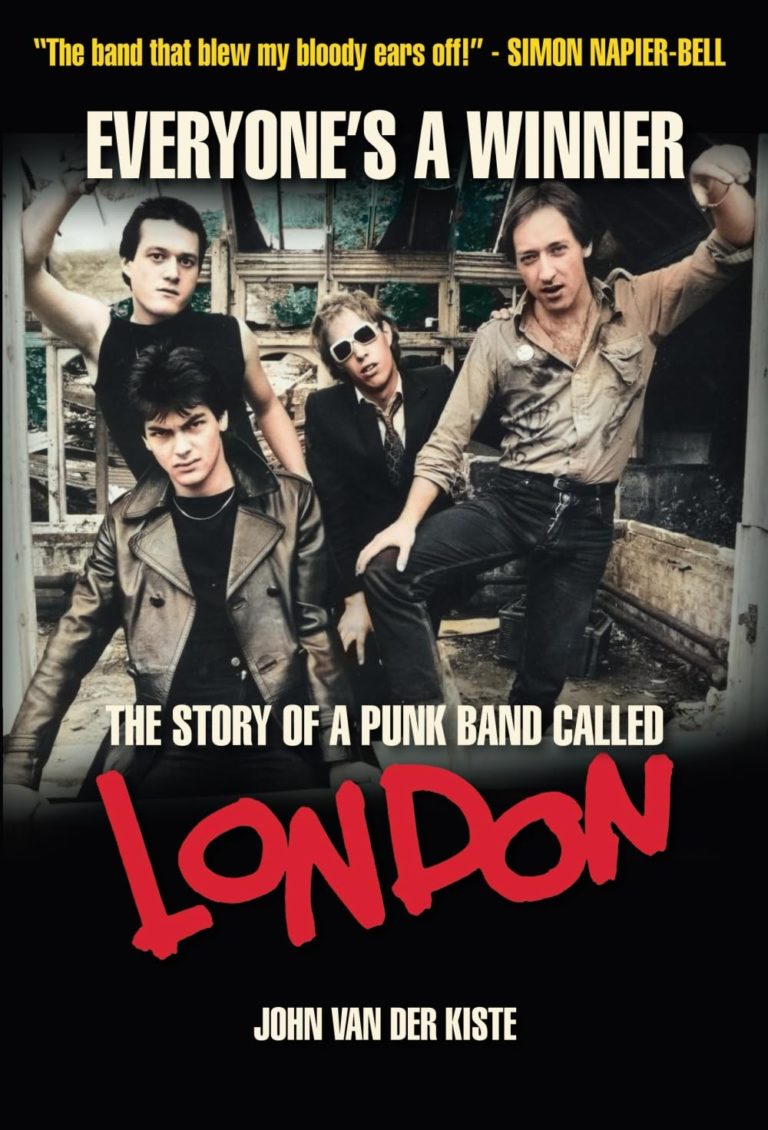
John Van der Kiste Tells the Tale of Punk Band London in ‘Everyone’s a Winner’

0

Simon Le Bon said they were the first band he ever saw, Paul Simonon of The Clash remembered them as “a great live band with good songs”, and Simon Napier-Bell described them as “the band that blew my bloody ears off!”

Everyone’s a WinnerThe Story of a Punk Band Called London by John Van der Kiste, with a foreword by Simon Napier-Bell, is an illustrated history of the cult band including a song-by-song breakdown of their albums, a detailed discography, complete gig listings and over 300 photos.

Find out why Paul McCartney made a beeline for singer Riff at his Buddy Holly night and discover how London tried to pinch Captain Sensible from The Damned, only to have him steal their own drummer a few weeks later to replace Rat Scabies. Read about punch-ups on tour with The Stranglers, rubbing shoulders with all the punk greats of the day, and the time Sting nicked their original guitarist for The Police two days after he had joined London. Hear about their unlikely comeback 30 years later and their rock opera about 1960s gangland Soho.

Formed in 1976, London were Riff Regan (vocals), Steve Voice (bass/vocals), Dave Wight (guitar), and Jon Moss (drums). They quickly secured a contract with MCA Records, an experienced manager in Simon Napier-Bell, and the support slot on the Stranglers’ notorious Rattus Norvegicus tour. From this they built up a following that ensured enthusiastic audiences to this day.

They split just as their album Animal Games was released early in 1978. Drummer Jon Moss went on to form Culture Club with Boy George, and Riff Regan, under his real name Miles Tredinnick, became a comedy writer for Frankie Howerd. Regan and Voice then reformed the band in 2008 with Hugh O’Donnell (guitar) and Colin Watterston (drums). New albums followed with the release of Reboot in 2012 and The Hell for Leather Mob in 2020.

This illustrated history, including recollections from members of both line-ups, recounts the rollercoaster tale of a band who were there at the beginning of punk and reappeared 30 years later to take their place in a musical landscape that had changed beyond recognition. Their debut single says it all. Everyone’s a Winner!

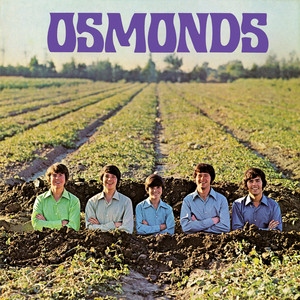
25 Little-Known Facts About The Osmonds

  1. In the early 1970s, few acts matched The Osmonds in fame, fan frenzy, or chart success. As clean-cut teen idols turned rock performers, they dominated pop culture with hit records, a beloved TV variety show, and sold-out tours worldwide. Blending barbershop harmonies with pop and hard rock experimentation, the Osmonds helped define an era — and became one of America’s most recognizable musical families.
  2. The original Osmond Brothers began as a barbershop quartet in 1958, performing to raise money for their brothers’ hearing aids.
  3. Virl and Tom Osmond, the two eldest siblings, were born with severe hearing impairments and never performed musically with the group.
  4. The family was discovered by Disney entertainment director Tommy Walker while singing at Disneyland.
  5. Their first national TV appearance was on “The Andy Williams Show” in 1962, earning them the nickname “the one-take Osmonds.”
  6. Donny joined the group on the Andy Williams show, making them a five-member act at just five years old.
  7. The Osmonds’ first single was “Flower Music” in 1967, but it failed to chart.
  8. Their breakout hit “One Bad Apple” hit #1 in 1971 and stayed there for five weeks.
  9. The song “One Bad Apple” was originally written with The Jackson 5 in mind.
  10. The Osmonds were among the first artists to record at Muscle Shoals Sound Studio.
  11. The band’s 1972 hit “Crazy Horses” featured no vocals from Donny Osmond.
  12. Marie Osmond scored a #1 U.S. country hit at just 13 years old with “Paper Roses” in 1973.
  13. Jimmy Osmond was the youngest artist ever to hit #1 in the U.K. with “Long Haired Lover from Liverpool” in 1972.
  14. The Osmonds released a concept album called The Plan in 1973, inspired by their Mormon faith.
  15. The family ran their own television studio in Orem, Utah, where they produced The Donny & Marie Show.
  16. Donny was nearly cast as the Teen Angel in Grease but turned it down for the film Goin’ Coconuts.
  17. Merrill Osmond recorded a Top 40 country hit under the pseudonym “Merrill and Jessica” in 1987.
  18. The Osmonds shifted to country music in the early 1980s and had a string of country chart hits.
  19. Alan Osmond was diagnosed with multiple sclerosis and later retired from performing.
  20. Alan’s sons performed as a second-generation group called The Osmond Boys in the 1980s and 90s.
  21. The family avoided bankruptcy in the late ’70s by repaying debts with touring revenue instead of filing.
  22. The Osmonds’ Las Vegas comeback show in 2008 marked their only U.S. stop during their 50th anniversary tour.
  23. Jay Osmond wrote the story for The Osmonds: A New Musical, which toured the U.K. and Ireland in 2022.
  24. The Osmonds received a star on the Hollywood Walk of Fame in 2003.
  25. Despite 1970s chart dominance, their music is now rarely heard on classic hits radio.
  26. In 2022, Merrill Osmond retired to serve a church mission, making Jay the final performing member of the original quartet.


5 Absolute No-Brainers the Rock & Roll Hall of Fame Needs to Induct

0

The Rock and Roll Hall of Fame is no stranger to controversy, omissions, and delayed recognition. For every well-deserved induction, there are legends still waiting outside the doors, wondering what more they need to do to earn a spot. While fans debate the merits of genres, influence, and legacy, some names are so obvious they shouldn’t even be up for debate. Here are five artists the Rock Hall should induct without hesitation—because their resumes speak for themselves.

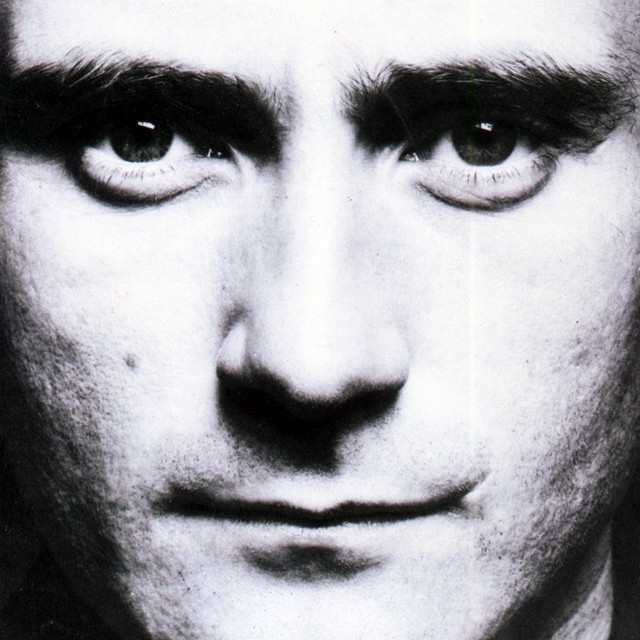
1. Phil Collins
Already inducted as a member of Genesis, Phil Collins deserves a second honor for his solo career—no question. He’s sold over 150 million records worldwide, scored seven #1 Billboard Hot 100 singles, and shaped the sound of the 1980s with his instantly recognizable voice and gated-reverb drum sound. From “In the Air Tonight” to “Against All Odds,” Collins blended pop, rock, and soul in a way few others could, all while being a world-class drummer. If Eric Clapton, Paul McCartney, and Stevie Nicks can be inducted twice, Collins more than qualifies.

2. Oasis
Britpop’s loudest and most volatile torchbearers have yet to make the Hall—absurd, considering the Gallagher brothers were the voice of a generation. Definitely Maybe and (What’s the Story) Morning Glory? weren’t just massive albums—they were global events. They reignited rock’s swagger in the ’90s, with Noel’s melodies and Liam’s snarl giving life to anthems like “Wonderwall” and “Don’t Look Back in Anger.” Their influence spans from Arctic Monkeys to Coldplay, and their legacy remains as culturally relevant as ever.

3. The Smiths
Yes, Morrissey is divisive. No, it shouldn’t matter. The Smiths changed the course of alternative music with a sound that combined jangly guitars, sardonic wit, and unfiltered emotion. Johnny Marr’s guitar work was revolutionary, and Morrissey’s lyrical content—equal parts tragic, hilarious, and heartfelt—made countless misfits feel seen. Without The Smiths, there’s no Britpop, no indie revival, and no countless bands that followed in their shadow.

5. Smashing Pumpkins
They helped define the sound of 1990s alternative rock, blending grunge, goth, and dream-pop into something entirely their own. With landmark albums like Siamese Dream and Mellon Collie and the Infinite Sadness, they pushed the boundaries of what rock music could be—both sonically and emotionally. Billy Corgan’s ambitious songwriting and the band’s layered, atmospheric production inspired a generation of musicians.

5. Iron Maiden
One of the most successful and influential metal bands of all time, Iron Maiden are a global force. Albums like The Number of the Beast and Powerslave helped define heavy metal, and their live shows are the stuff of legend. With nearly 100 million albums sold and decades of sold-out tours, their absence from the Hall is baffling.

10 Songs About Starting Over

There’s something magical about hitting the reset button. Whether it’s a breakup, a breakthrough, or just a new pair of shoes, music has always been there to soundtrack the art of starting over. Here are 10 songs that capture the thrill, the heartbreak, and the wide-eyed wonder of beginning again — each one a sonic do-over in 2 to 3 lines.

1. “Begin Again” – Taylor Swift
In classic Swift fashion, she captures that hopeful awkwardness of a first date after heartache. Acoustic, poetic, and set in a Parisian café — it’s a fresh start in cardigan form.

2. “Brand New Day” – Sting
This one’s got harmonica, sunshine, and optimism for miles. It’s the anthem of dusting off yesterday and driving headfirst into tomorrow (bonus points for Stevie Wonder’s harmonica cameo!).

3. “Starting Over” – Chris Stapleton
With a voice like warm bourbon and lyrics like a handwritten letter, Stapleton turns a fresh chapter into a full-blown road trip. It’s a love song, a leap of faith, and a back porch jam rolled into one.

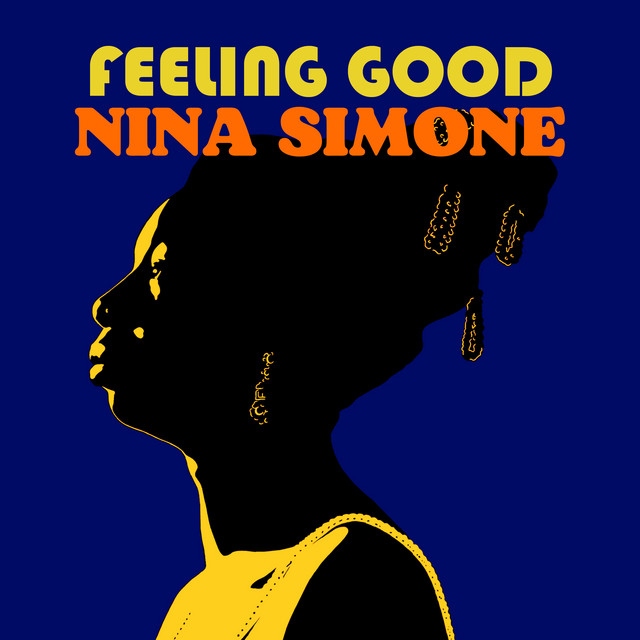
4. “Feeling Good” – Nina Simone
Technically about a new dawn and a new day — but make no mistake, this is the sound of personal revolution. Birds flying high? That’s just Nina announcing your comeback.

5. “I’m Still Standing” – Elton John
A glitter-drenched reminder that resilience can be loud, proud, and fabulous. Who says starting over can’t include sequins and piano flourishes?

6. “Dog Days Are Over” – Florence + The Machine
This one doesn’t tiptoe into change — it sprints into it barefoot across a meadow. With drums like thunder and a voice like a battle cry, Florence leads the charge into your better days.

7. “Starting Over” – John Lennon
A gentle reboot for romance, this post-Beatles gem is a love letter to second chances. It’s cozy, doo-woppy, and full of Lennonesque warmth.

8. “Born Again” – Third Day
Gospel-tinged and spiritually soaring, this rock ballad frames starting over as a full transformation. Think baptism-by-guitar-solo.

9. “Unwritten” – Natasha Bedingfield
Is it legally required to blast this at full volume during any life pivot? Possibly. It’s the unofficial theme song for journaling your way into a new you.

10. “Reset” – Outkast (André 3000 feat. Khujo)
Deep cut alert! This futuristic funk-rap track from The Love Below is all about life’s big do-overs. It’s quirky, cosmic, and unmistakably André 3000 — just the way we like our fresh starts.

New beginnings aren’t always easy, but they sure sound good. Whether you’re reinventing your career, your love life, or your breakfast routine, these tracks are your melodic reset button. Now press play, take a breath — and begin again.

10 Songs You Didn’t Know Mick Jagger and Keith Richards Wrote… For Other People

Before the Rolling Stones were the Rolling Stones as we know them—rock and roll’s eternal juggernauts—Mick Jagger and Keith Richards were young songwriters looking to break into the biz however they could. And that meant penning tunes for other artists. Here are 10 songs that Jagger and Richards wrote not for themselves, but for others to sing, shout, and shimmy to:

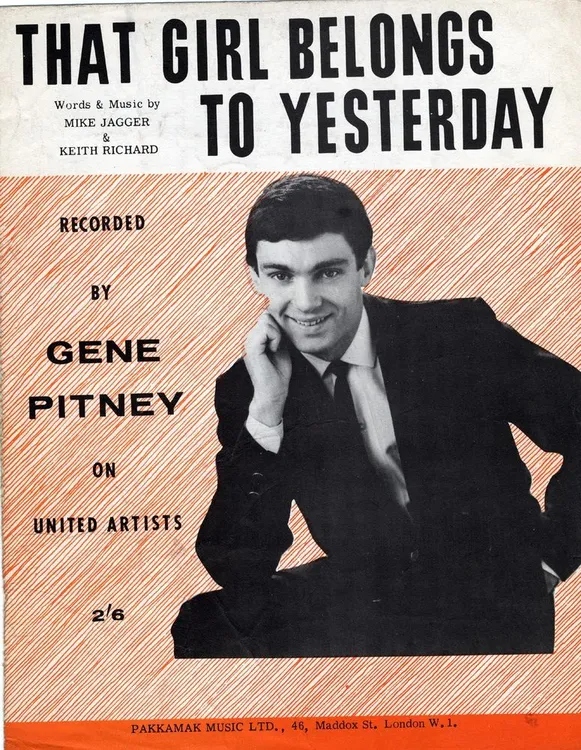
1. “That Girl Belongs to Yesterday” – Gene Pitney (1964)
One of the earliest Jagger–Richards compositions to hit the airwaves, this melancholic pop tune became a hit for Gene Pitney. It marked the first time the songwriting duo cracked the U.S. charts with someone else singing their words.

2. “As Tears Go By” – Marianne Faithfull (1964)
Long before the Stones made it their own, “As Tears Go By” was written for Marianne Faithfull when she was just 17. The lush orchestration and wistful lyrics launched her career—and hinted at the ballads Jagger and Richards could craft when they weren’t rocking out.

3. “Shang a Doo Lang” – Adrienne Posta (1964)
This girl-group-style pop number was written for 14-year-old British singer Adrienne Posta. Released in March 1964, it’s pure ’60s gold, brimming with swingin’ hooks and youthful charm.

4. “Will You Be My Lover Tonight” / “It Should Be You” – George Bean (1964)
Recorded as a two-sided single, these tunes by George Bean bear the unmistakable melodic stamp of early Jagger–Richards. Bean wasn’t a household name, but he had the honour of singing their words before they became icons.

5. “When Blue Turns to Grey” – Tracey Dey (1964)
Tracey Dey put her voice to this emotionally charged track before the Stones ever released their own version. It’s a perfect example of how the duo could channel heartbreak into harmony for other voices.

6. “Each and Every Day” – Bobby Jameson (1964)
The B-side to “All I Want Is My Baby,” this hidden gem was penned solely by Jagger and Richards. Jameson’s delivery gives it a moody edge, but the songwriting foundation is all Glimmer Twins.

7. “So Much in Love” – The Mighty Avengers (1964)
A British beat band that never quite broke through, The Mighty Avengers gave this Jagger–Richards tune a rousing go. The Herd, featuring a young Peter Frampton, would later revive it in 1966.

8. “Act Together” – Ronnie Wood (1974)
Written by Mick and Keith but gifted to Ronnie Wood for his debut solo album, this track grooves with a loose, communal feel. It’s Stones-y without being the Stones—just how Ronnie liked it.

9. “Sure the One You Need” – Ronnie Wood (1974)
Another Jagger–Richards track that Ronnie made his own, this swaggering rock number popped up again with the New Barbarians in 1979. The lyrics drip with Stones attitude, even when they’re not on lead.

10. “Lonely at the Top” – Mick Jagger (1985)
Ironically written by the pair but never performed by the band, this funky gem ended up on Jagger’s solo album She’s the Boss. It’s part satire, part autobiography—and proof their songwriting chemistry stretches far beyond the Stones’ catalog.

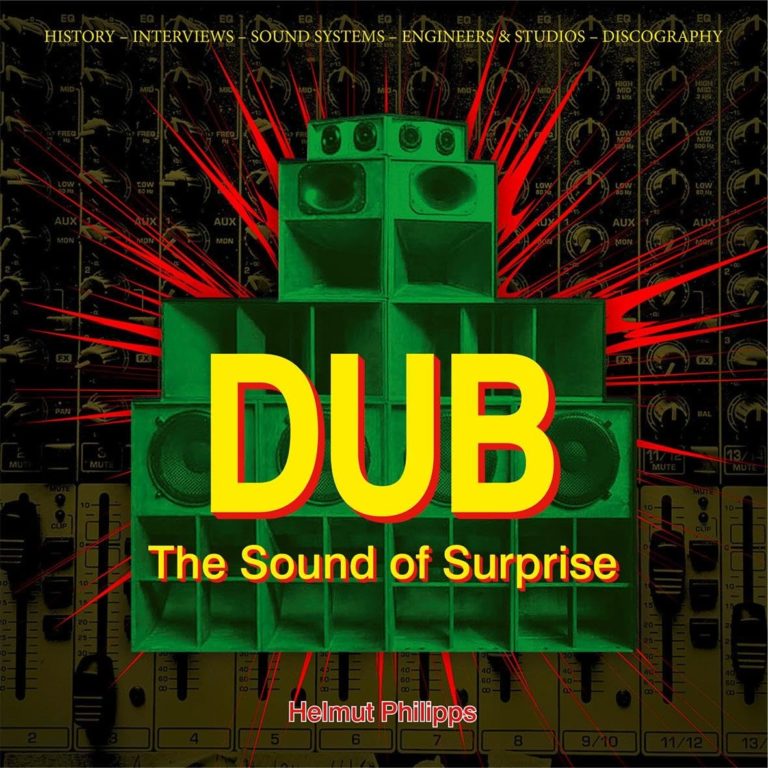
Helmut Philipps Explores Dub’s Global Legacy in ‘Dub: The Sound of Surprise’

0

DUB, The Sound of Surprise is a detailed chronicle and fascinating guide to the captivating history of Jamaican dub music, the first of its kind. This archetype of the remix style grew out of reggae in the late 1960s and early 1970s. The book presents over 200 illustrations and some rare album covers, and describes the origins and development of a unique technique created in Jamaican recording studios which would change the world of music production forever. Author Helmut Philipps has visited the places dub happened, and met its pioneers, inventors, and key figures.

In addition to analysis, Philipps includes essays and conversations with and about King Jammy, Scientist, Style Scott, David Rodigan, Bunny Lee, King Tubby, Lee Perry, Dennis Bovell, Ernest Hoo Kim, Errol Brown, Linval Thompson, Tippy I-Grade, Victor Rice, Mad Professor and many others. The gripping narrative also takes a look at the development of dub in Europe, the UK, and the United States.

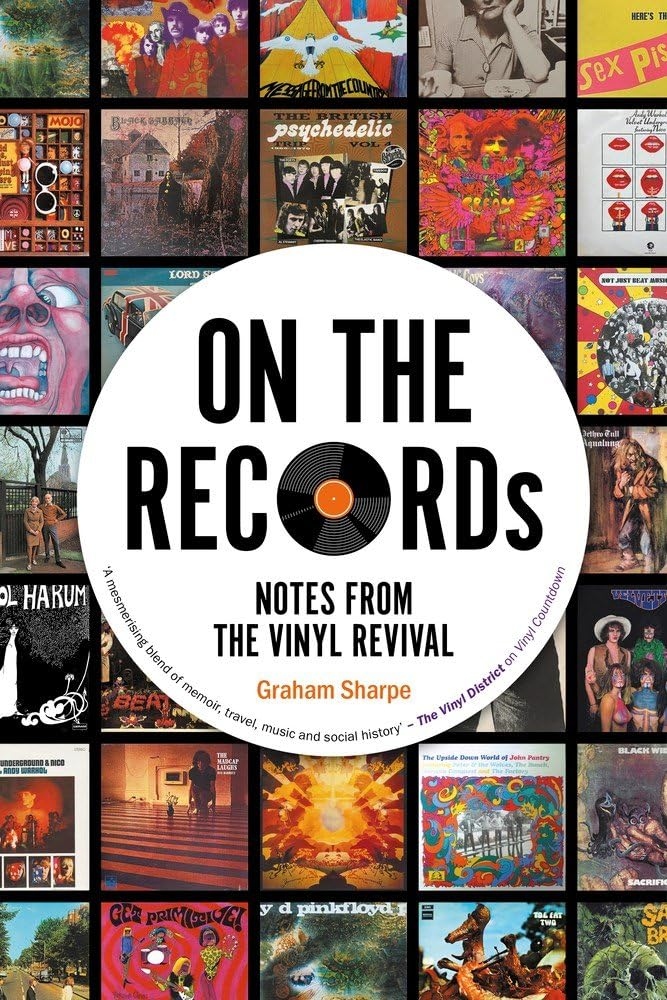
Graham Sharpe Chronicles the Vinyl Revival in ‘ON THE RECORDs’ Book

0

Far from being yesterday’s fading, forgotten format, vinyl records have survived and flourished as the music medium of choice for not only baby-boomers, but all ages. Every record a collector acquires comes with a story of its own, and the recent Covid-19 lockdowns prompted many vinylholics, including Sharpe, to look more closely at their reasons for collecting, take stock of existing collections and rediscover old favourites. ON THE RECORDs: Notes from the Vinyl Revival includes interviews and contributions from voices across the record industry – shop owners, record company insiders, online/postal sellers, auction organisers, market traders of vinyl, amateur collectors – who share their stories with candour, warmth and humour. A mesmerising blend of memoir, travel, music and social history that will appeal to anyone who vividly recalls the first LP they bought and any music fan who derives pleasure from the capacity that records have for transporting you back in time.

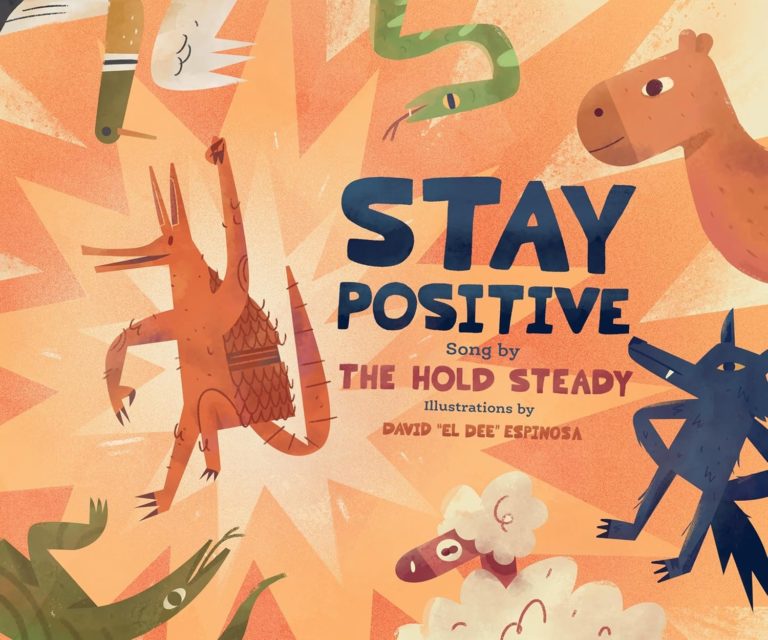
The Hold Steady and David Espinosa Alvarez Turn “Stay Positive” Into a Children’s Book

0

The Hold Steady’s beloved song of stick-to-itiveness and positivity is adapted into a beautiful children’s book co-written by David Espinosa Alvarez about the social life of a humble armadillo

STAY POSITIVE is a charming children’s picture book based on The Hold Steady song of the same name. The title track of the band’s fourth album (released in 2008), “Stay Positive” is a call to arms to stand strong and persevere during trying times. The song remains a fan favorite and a staple of The Hold Steady’s live shows.

The book follows the path of an adorable armadillo who discovers along the way how music can pull together a disparate cast of characters. It’s also a lesson in tenacity and maintaining a positive attitude when encountering adverse situations. The story ends up in a unified celebration that mirrors the joy of a Hold Steady performance.

Singer Craig Finn explains, “‘Stay Positive’ has a line that says, ‘The kids at the shows will have kids of their own,’ and it’s true: each year more Hold Steady fans become parents or grandparents. So I’m thrilled that we’re offering the children’s book version of ‘Stay Positive,’ which brings THS joy to the whole family.”