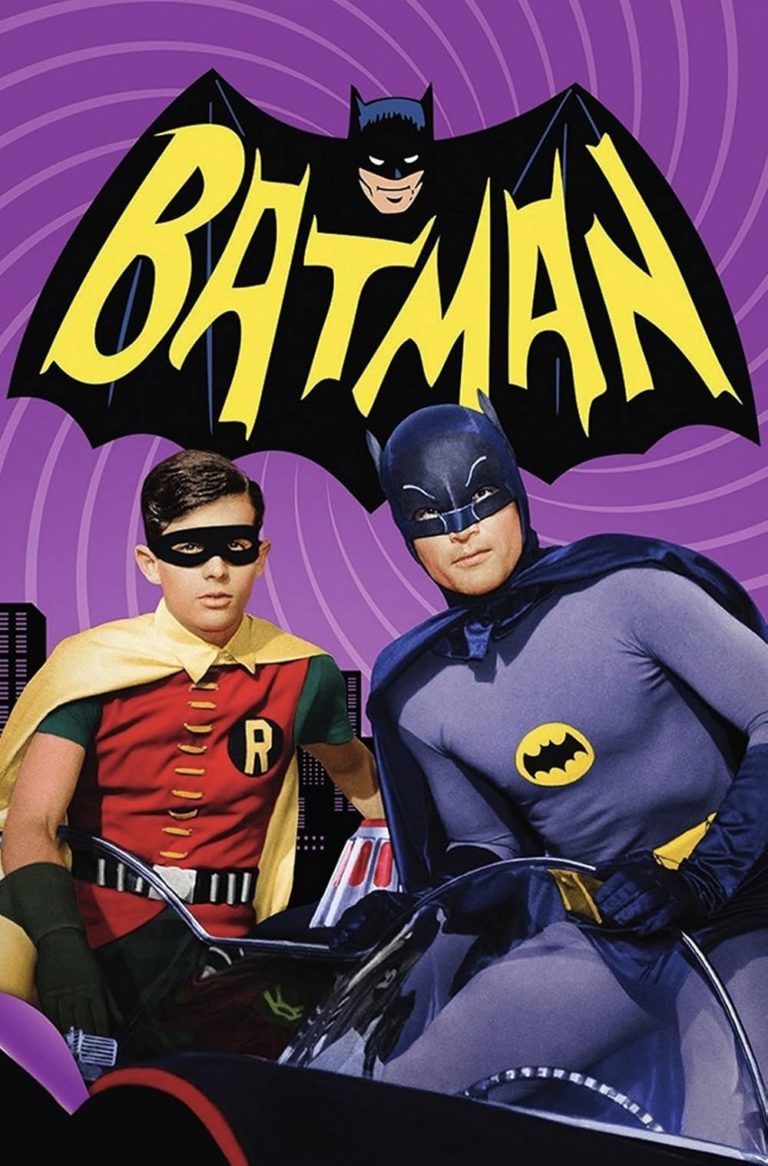
The 1966 Batman TV show brought together tights, gadgets, and high camp — and somehow still had room for rock stars, pop icons, and lounge legends. These musical guests made their mark on Gotham City with charm, wit, and a whole lot of star power. Each cameo felt like a crossover event between Saturday morning cartoons and your favorite record collection.
Chad & Jeremy The British duo arrived in Gotham as themselves, only to have their voices swiped by Catwoman. A plotline that perfectly matched the swinging sound of the times with comic-book mischief.
Lesley Gore Pop sensation Lesley Gore played Pussycat, one of Catwoman’s stylish sidekicks. She sang, she schemed, and she gave Gotham an extra blast of bubblegum soul.
Van Johnson Hollywood favorite Van Johnson appeared as The Minstrel, a musically-minded villain with a fondness for scientific sabotage. His melodies carried menace, wrapped in perfect harmony.
Art Carney Carney took on the role of The Archer, a medieval-themed outlaw with an eye for loot and flair. His appearance combined classic TV charisma with a nod to folk storytelling.
Sammy Davis Jr. In a blink-and-you’ll-miss-it moment, Davis greeted Batman and Robin from his window while rehearsing a number. He complimented their act, adding a cool wink to the world of crime-fighting.
Don Ho Don Ho brought Hawaiian sunshine to Gotham in Season 2. He offered commentary on the Bat-Rope’s usefulness for collecting coconuts and made the Batcave feel just a little more tropical.
Liberace Dressed in sequins and seated behind twin grand pianos, Liberace played both concert pianist Chandell and his criminal twin Harry. He lit up the screen with every ivory key he touched.
Rudy Vallee Vallee portrayed Lord Ffogg, a villain with a fog machine and refined taste. His stage presence carried the charm of a 1930s bandleader dressed for royal troublemaking.
Vincent Price As Egghead, Price delivered perfect diction and endless egg puns. He embraced every syllable with delight, bringing theatrical gravitas to yolk-based criminal plots.
Eartha Kitt With elegance and authority, Eartha Kitt stepped into the role of Catwoman and added a jazz-infused, commanding energy. Her voice, moves, and gaze left an imprint on the series and its fans.
The 2000s brought in the digital age — and with it, a new wave of pop icons who rewrote the rules and expanded the sound. These albums still sound forward-thinking, fabulous, and wildly fun.
Beyoncé – B’Day A tour-de-force of vocal power, energy, and empowerment. B’Day cemented Beyoncé’s solo reign and never lets up for a single second.
Lady Gaga – The Fame Monster Every track is a statement. Gaga gave the world pop with theater, edge, and attitude — and the sounds of this album still pulse through the genre today.
Rihanna – Good Girl Gone Bad The transformation from breakout star to global icon happened here. With hits like “Umbrella” and “Don’t Stop the Music,” it’s endlessly replayable.
Kelly Clarkson – Breakaway Anthems of heartbreak and self-discovery, backed by powerhouse vocals. Kelly turned pop-rock into something deeply personal and utterly universal.
Amy Winehouse – Back to Black Classic soul with a modern bite. Amy’s voice, the production, and the stories — Back to Black feels as raw and brilliant as ever.
Pink – Missundaztood Rebellious, vulnerable, and packed with pop punch. Pink broke through expectations and built a sound all her own with this unforgettable album.
Justin Timberlake – FutureSex/LoveSounds Slick, smart, and packed with ambition, JT blended pop, funk, and innovation. Timbaland’s production still feels like the future.
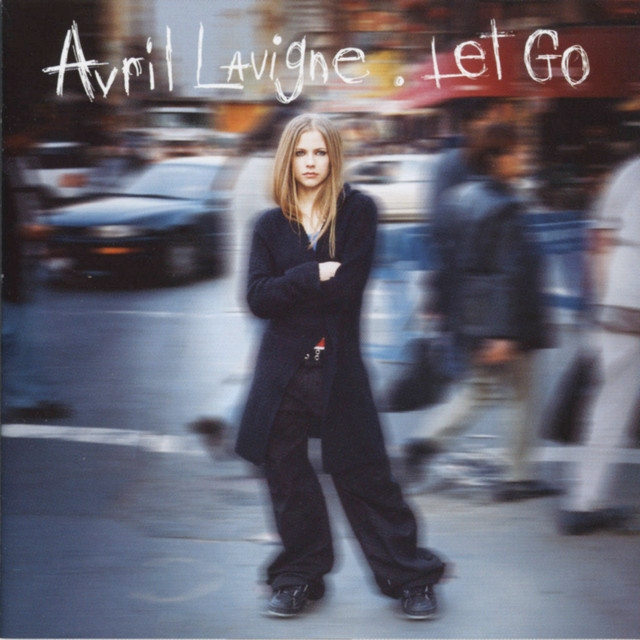
Avril Lavigne – Let Go Pop-punk attitude met pop polish. Let Go gave outsiders an anthem, and Avril’s voice still rings loud with teenage truth and freedom.
Coldplay – A Rush of Blood to the Head Atmospheric, emotional, and endlessly melodic. This album bridges pop and rock with sweeping beauty that still touches hearts everywhere.
You might remember the 1990s as grunge and hip-hop — but they were also a golden age of pop in all its forms. These albums still sound like turning up the radio and falling in love with music for the first time.
Mariah Carey – Daydream Soaring vocals, smooth production, and unforgettable melodies. Daydream blends pop, R&B, and romance into a timeless experience.
Alanis Morissette – Jagged Little Pill Every lyric lands like a lightning bolt. Jagged Little Pill gave pop an edge and a voice for every misunderstood heart.
Spice Girls – Spice Pure, unapologetic fun. Spice brought friendship, fashion, and British pop brilliance to the world — and it’s still zig-a-zig-ah-ing.
Robyn – Robyn Is Here Long before she became an indie icon, Robyn was already delivering glossy pop hooks with depth and edge. Robyn Is Here is a debut that holds up beautifully.
Backstreet Boys – Millennium Harmony, heartbreak, and hooks for days. Millennium is boy band perfection that still fills arenas and hearts around the world.
Britney Spears – …Baby One More Time The start of a pop era. Britney’s debut brought Max Martin’s melodies and teen pop energy into the spotlight — and they’ve never left.
NSYNC – No Strings Attached Tight harmonies, unforgettable singles, and the sound of turn-of-the-century excitement. It still grooves, sparkles, and moonwalks through nostalgia.
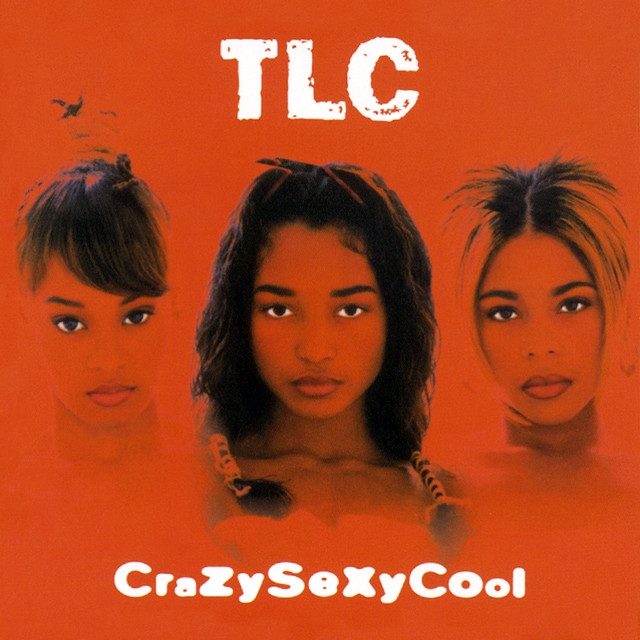
TLC – CrazySexyCool Slick, confident, and full of emotion, CrazySexyCool is pop-R&B fusion at its finest. Every track still oozes style and sincerity.
Shania Twain – Come On Over Pop-country that conquered the world. Shania’s crossover appeal, catchy hooks, and empowering lyrics still feel fresh and fierce.
Savage Garden – Savage Garden Romantic, melodic, and full of emotion. This duo created dreamy pop that still sweeps you off your feet with every chorus.
Synths, shoulder pads, and superstar reinventions — the 1980s were pure electricity. And while some trends faded, these albums still feel like the neon heart of pop’s golden age.
Michael Jackson – Thriller Every beat still hits. Thriller is the pop gold standard, a moonwalk into genius with Quincy Jones steering the soundboard and Michael redefining what an album could be.
Madonna – Like a Virgin Every note struts with confidence. This album captured Madonna’s meteoric rise and set the tone for a career that still shapes pop culture to this day.
Prince – 1999 Synth-funk, rebellious energy, and pure originality — 1999 predicted the future and danced in it. Prince made every groove feel revolutionary.
Whitney Houston – Whitney An album full of powerhouse vocals, polished perfection, and chart-topping sparkle. Whitney’s voice soars over every track with timeless grace.
Cyndi Lauper – She’s So Unusual Colorful, quirky, and totally captivating. Cyndi brought her own lane to pop, and this debut still feels like a celebration of being yourself.
George Michael – Faith Soulful, stylish, and full of swagger, Faith gave pop a mature, funky glow. George’s songwriting and vocals remain unmatched in their cool confidence.
Janet Jackson – Control Fierce beats, fearless lyrics, and the arrival of a superstar. Janet took the reins and gave pop a bold, new voice that still resonates today.
Tina Turner – Private Dancer The comeback that never aged. Tina’s raspy strength and raw power made Private Dancer a masterpiece of resilience and rhythm.
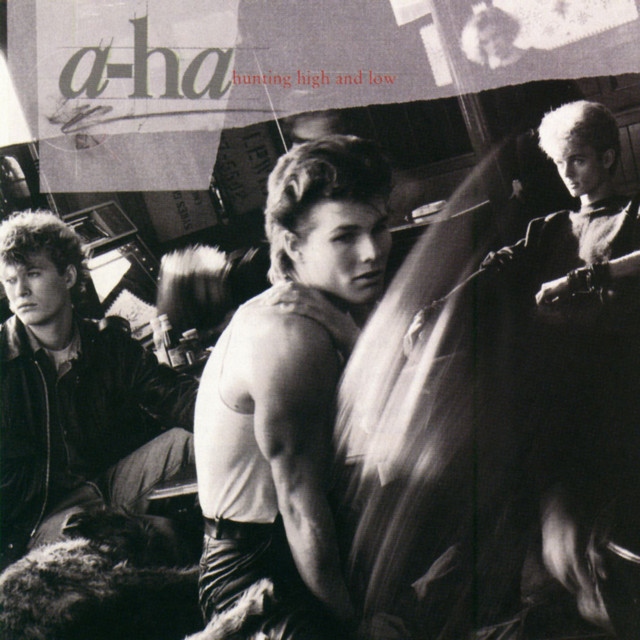
a-ha – Hunting High and Low Dreamy synth-pop with heart. “Take On Me” may be the icon, but the whole album glows with Scandinavian magic and emotional honesty.
Eurythmics – Touch Annie Lennox and Dave Stewart delivered icy cool and emotional heat in perfect balance. The synths still shimmer, and the vocals still stun.
The 1970s gave us bell-bottoms, disco balls, and the rise of the pop album as both art and entertainment. These records didn’t just soundtrack a decade — they helped define what pop could be. And today, they still deliver that warm, analog magic like they’re brand new.
Carole King – Tapestry A voice like home and lyrics that reach into your soul, Tapestry captures vulnerability and strength in every note. It’s one of those records that makes you feel seen, wrapped in piano chords and poetic truth.
Fleetwood Mac – Rumours Drama never sounded so divine. Rumours is a melodic masterpiece, every harmony soaked in emotion and every guitar lick dripping with clarity. Forty-plus years later, its magic remains fully intact.
ABBA – Arrival Every track sparkles like a mirror ball on a Saturday night. Arrival brings hooks, harmonies, and heart in equal measure, and the joy it generates has never gone out of style.
Elton John – Goodbye Yellow Brick Road Big, bold, and theatrical in all the best ways, this double album is pure pop ambition. Elton’s melodies and Bernie Taupin’s lyrics create a universe of heartbreak, glam, and wizardry.
Stevie Wonder – Songs in the Key of Life An opus of optimism and genius, Stevie packed this album with grooves, stories, and soul. It’s as uplifting and musically rich today as it was the day it dropped.
The Bee Gees – Main Course This album pivoted the Bee Gees into the disco stratosphere, and the grooves here are still irresistible. “Jive Talkin’” alone could keep a party going forever.
David Bowie – Young Americans A soulful shift from the Starman, this album brings funk, pop, and R&B into a smooth, stylish package. Bowie’s vision was always forward, and this one still feels like tomorrow.
Donna Summer – Bad Girls Disco got an edge and a voice with Donna Summer’s Bad Girls. It’s pure empowerment wrapped in pulsing rhythms and unforgettable melodies.
Paul Simon – Still Crazy After All These Years Laid-back brilliance that sneaks up on you with every listen. Simon’s songwriting is effortless here, and the warmth of the production feels timeless.
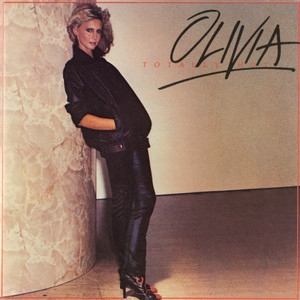
Olivia Newton-John – Totally Hot With rock-tinged energy and vocal glow, Totally Hot bridges soft pop and sultry power. A vibrant, often underrated gem of ’70s pop perfection.
Jeff Baxter’s guitar has lit up some of the most iconic albums in rock, pop, and soul. From Steely Dan and The Doobie Brothers to Dolly Parton and Ringo Starr, his versatility made him one of the most in-demand session players of the ’70s and ’80s. Here’s a complete list of Jeff’s collaborations — one riff at a time.
With Richie Havens Played guitar on The End of the Beginning (1976) Returned for Connections (1980)
With Steve Cropper Contributed to Night After Night (1982)
With Glen Campbell Featured on Somethin’ ’Bout You Baby I Like (1980)
With Dolly Parton Played on Heartbreaker (1978) Returned for 9 to 5 and Odd Jobs (1980) Appeared on Heartbreak Express (1982)
With Ringo Starr Performed on Time Takes Time (1992) Returned for Vertical Man (1998)
With Jackie DeShannon Played guitar on Quick Touches (1978)
With Livingston Taylor Featured on Man’s Best Friend (1980)
With Al Kooper Recorded on Championship Wrestling (1982)
With Steely Dan Played on Can’t Buy a Thrill (1972) Contributed to Countdown to Ecstasy (1973) Appeared on Pretzel Logic (1974)
With Rod Stewart Performed on Tonight I’m Yours (1981) Also featured on When We Were the New Boys (1998)
With Dalbello Played on Drastic Measures (1981)
With Judy Collins Appeared on Hard Times for Lovers (1979)
With Carly Simon Contributed to Carly Simon (1971) Played on Playing Possum (1975) Returned for Another Passenger (1976)
With Leo Sayer Featured on Here (1979)
With Joe Cocker Played guitar on Heart & Soul (2004)
With Elton John Performed live on the deluxe edition of Captain Fantastic and the Brown Dirt Cowboy (2005)
With Deniece Williams Recorded on I’m So Proud (1983) Also featured on Let’s Hear It for the Boy (1984)
With John Mellencamp Played on Nothin’ Matters and What If It Did (1980)
With Albert King Performed on Red House (1991)
With Dusty Springfield Featured on It Begins Again (1978)
With Barbra Streisand Played on Wet (1979) Also contributed to Till I Loved You (1988)
With Tom Rush Recorded on Ladies Love Outlaws (1974)
With Donna Summer Featured on Bad Girls (1979) Also played on The Wanderer (1980)
With Cher Contributed to Stars (1975)
With Carl Wilson Played guitar on Youngblood (1983)
With Steve Goodman Recorded on Hot Spot (1980) Returned for Unfinished Business (1987)
With Joni Mitchell Contributed to The Hissing of Summer Lawns (1975)
With The Beach Boys Played on That’s Why God Made the Radio (2012)
Sometimes, a band is more than just a group of musicians — it’s lightning in a bottle. And when one spark goes out, the bottle shatters. These are the bands that decided they couldn’t, wouldn’t, or simply shouldn’t go on after losing one of their own.
The Beastie Boys When Adam Yauch (MCA) passed away in 2012, it wasn’t just the end of a life — it was the end of an era. The Beastie Boys had redefined hip-hop, punk, and pop culture, but without MCA, there was no future for the group. Out of respect and love, Mike D and Ad-Rock chose not to continue, leaving behind a legacy louder than any comeback could match.
Led Zeppelin After John Bonham’s death in 1980, Led Zeppelin released a simple, powerful statement: they could not continue without him. Bonham was the thunder in their thunderstorm, and his drumming was the backbone of their sound. They’ve reunited for the occasional show, but the band — as the world knew it — ended with Bonzo.
Nirvana In April 1994, the music world shook when Kurt Cobain died. Nirvana, which had redefined a generation, ended instantly. Dave Grohl and Krist Novoselic couldn’t imagine continuing under the same name — and they didn’t. Instead, Grohl formed Foo Fighters and carried the spirit forward in his own way.
The Doors After Jim Morrison’s death in 1971, The Doors tried to carry on — briefly. Ray Manzarek and Robby Krieger sang on two albums, but without Morrison’s voice and presence, the magic couldn’t be recaptured. By 1973, they knew it was time to close the door.
Soundgarden Chris Cornell’s death in 2017 wasn’t just a loss — it was the soul leaving the room. The band was in the midst of a comeback and planning a new album. But without him, Soundgarden became a memory. The surviving members have said: it’s not Soundgarden without Chris.
Van Halen When Eddie Van Halen died in 2020, so did the band that bore his name. Despite a revolving door of singers over the years, Eddie was always the center of the storm. As his son Wolfgang said: “No EVH = No VH.” Simple math, eternal impact.
Type O Negative Peter Steele’s death in 2010 silenced one of metal’s most distinctive voices. His bandmates knew that Type O Negative wasn’t just about the sound — it was about Peter’s towering presence and wit. They didn’t try to replace him. They let the legacy stand.
T. Rex Marc Bolan was T. Rex — the glitter, the groove, the glam. When he died in a 1977 car crash, the band ended with him. He was just shy of 30 years old, and his stardust still glimmers through decades of imitators.
Joy Division Ian Curtis died by suicide in 1980, just as Joy Division was on the cusp of worldwide success. The remaining members kept making music, but they honored their pact: no Ian, no Joy Division. They formed New Order, starting a new chapter with a new name.
Motörhead Lemmy Kilmister was Motörhead. Period. After his death in 2015, drummer Mikkey Dee confirmed it: “Motörhead is over. Lemmy was Motörhead.” No debates, no tributes. Just raw, honest truth.
Mother Love Bone Before Pearl Jam, there was Mother Love Bone. When singer Andrew Wood died of a heroin overdose in 1990, the band never recovered. But out of tragedy came Temple of the Dog and then Pearl Jam — rising from ashes with voices of tribute and change.
Minutemen D. Boon’s death in 1985 ended one of punk’s most innovative bands. The Minutemen were tight, wild, and unfiltered — and without Boon, they couldn’t go on. Mike Watt and George Hurley would form fIREHOSE, but the Minutemen were gone forever.
The Gits Mia Zapata’s brutal murder in 1993 shocked the Seattle scene. The Gits disbanded soon after, unwilling to replace a frontwoman whose voice had meant so much. A brief collaboration with Joan Jett as Evil Stig paid tribute, but the Gits were no more.
Sometimes a band can survive lineup changes, tragedies, and ego clashes. But for these groups, losing one member meant losing the whole identity. And maybe that’s what made them unforgettable.
Open-plan living has become the gold standard in modern home design. Knocking down walls to create spacious, interconnected areas can make a home feel larger, brighter, and more inviting. However, the freedom that comes with an open-plan layout can also bring a unique challenge: how do you arrange your furniture to create functional, comfortable zones without walls to guide you?
At RC Willey, we know that thoughtful furniture placement can transform an open-plan space from a chaotic expanse into a cozy, practical haven. Here’s how to master the art of arranging your home furniture to ensure smooth flow and optimal functionality in any open-plan layout.
1. Define Your Zones
In an open-plan home, the first step is to define different areas for different activities. Think about how you and your family use the space:
Living area: For relaxing, watching TV, or entertaining guests.
Dining area: A dedicated spot for meals.
Work or study nook: A quiet corner for productivity.
Use rugs, lighting, and furniture placement to visually separate these zones without putting up physical barriers. For example, a large area rug under the sofa can help define the living area, while a pendant light over the dining table sets it apart from the rest of the space.
2. Consider Traffic Flow
An open-plan home should feel easy to move through, without awkward obstacles. To achieve this:
Allow clear pathways between furniture pieces.
Avoid placing large furniture in direct walking routes.
Arrange seating so people can easily enter and exit without squeezing through tight spots.
A good rule of thumb is to leave at least 2-3 feet of walking space around and between furniture.
3. Use Furniture as a Divider
Furniture can be a clever way to subtly divide zones. For example:
A low-backed sofa can separate a living area from a dining space while keeping sightlines open.
A console table or open shelving unit can create a boundary and provide extra storage without blocking light.
This technique maintains the airy feel of an open plan while giving each area its own purpose.
4. Anchor with Statement Pieces
In a wide, open room, it helps to have a focal point to prevent the space from feeling too scattered.
Choose a standout piece — like a stylish sectional, an eye-catching dining table, or a dramatic light fixture — to ground each zone. Arrange other furniture around these anchors to create balance and cohesion.
5. Embrace Flexible Furniture
Open-plan living often calls for furniture that can adapt to different needs. Consider items like:
Nesting tables that can be tucked away when not needed.
Modular sofas that can be reconfigured for different occasions.
Benches or ottomans that provide extra seating and can be moved easily.
This flexibility allows you to adjust the layout as your family’s lifestyle evolves.
6. Pay Attention to Scale
Large open rooms can dwarf small furniture, making the space feel empty. Conversely, oversized pieces can overwhelm the area and disrupt flow.
When choosing furniture, keep these tips in mind:
Measure your space carefully.
Opt for furniture that suits the proportions of the room and the designated zone.
Don’t clutter the space with too many small pieces; fewer, larger items often work better in an open plan.
7. Create Visual Harmony
To tie it all together, maintain a consistent design style and color palette throughout the open-plan area. Complementary tones, materials, and finishes help different zones feel connected and cohesive.
For example, echo the wood finish of your dining table in your coffee table or shelving. Or repeat an accent color from your living room throw pillows in your dining chair cushions.
8. Let the Light Shine
Open-plan homes thrive on natural light. Arrange furniture to make the most of your windows:
Keep bulky furniture away from window areas.
Use mirrors strategically to reflect light deeper into the room.
Choose lighter upholstery and rugs to enhance the airy feel.
Good lighting also helps define spaces. Combine overhead lighting, floor lamps, and table lamps to create a warm, layered ambiance throughout.
9. Personalize Your Space
Finally, make your open-plan home truly yours. Display artwork, family photos, or favorite décor items to add personality and warmth. Plants are another excellent addition; they bring life and help soften large, open areas.
Bring It All Together with RC Willey
Arranging an open-plan home is all about balance — creating distinct, functional zones while keeping the space open and inviting. With thoughtful planning and quality pieces from RC Willey, you can design a layout that flows effortlessly and fits your lifestyle perfectly.
Whether you’re furnishing a new home or refreshing your current space, explore our wide selection of stylish, durable home furniture to find everything you need to make your open-plan living dream a reality.
Data and information are provided for informational purposes only, and are not intended for investment or other purposes.
A Term Plan for NRI is conceptualised for Non-Resident Indians, Overseas Citizens of India or Persons of Indian Origin cardholders, & their families to fulfil the financial requirements. Irrespective of the place of residence, the term plan provides financial security along with the death benefit in the absence of the policyholder.
Term Insurance for Non-Resident Indians (NRIs) offers financial security to their family members, with reasonable premium costs. It offers several benefits, such as flexible policy terms, easy claim settlement processes, cost-effective premiums, etc. However, one should take into consideration certain factors, such as documents required, eligibility criteria, taxation benefits, medical examination required, etc., thus helping in choosing an insurance company.
Eligibility Criteria
One can purchase a term plan in case of an NRI having a minimum age of 18 years & a maximum of 65 years of age. Provided below is a list of individuals who can buy a term plan in India:
Non-Resident Indians (NRIs)
They are a citizen of India who is temporarily living in India, having a valid Indian passport.
Overseas Citizen of India (OCI) or Person of India Origin (PIO)
They are foreign nationals except for Pakistan & Bangladesh, having the mentioned criteria fulfilled:
Spouse of an Indian National
Parents or grandparents who were Indian citizens
Previously, having an Indian passport
Foreign Nationals
They are foreign nationals residing in India.
Reasons to Buy a Term Plan in India by NRIs
While looking forward to the family’s financial future, choosing a plan from the best term insurance company in India will bring multiple benefits that best suit your requirements. These are as mentioned below:
Cost-Effective Protection for Family Members:
A term plan often offers a considerable amount of coverage at affordable premium rates. Hence, these plans offer financial security to their family members within their budget.
Significant Tax Advantages:
It offers deduction of tax on the premium amount paid u/s 80C. Additionally, the death benefits received are also exempt from tax, hence increasing the financial strength of the NRI.
Convenient Payment & Management:
It offers easy modes of payment, which also include payment through NRE or NRO account, digital platforms, etc., which can be accessed from anywhere in the world.
Global Coverage with Local Benefits:
This term plan offers worldwide coverage, ensuring protection & safety irrespective of where the NRI lives. The family members residing in India will continue getting benefits.
Simplified Process Despite Distance:
This plan often allows the policyholder to get themselves examined in their country of residence, verifying documents virtually, without any requirement to visit India.
Steps to Apply for a Term Plan by NRI
Provided are the steps to be followed to apply for an NRI term insurance:
Step 1: Conduct Research about the Plans
Assess the term plans available & compare those that can be applied by NRI individuals.
Step 2: Choose a Plan
Choose a plan, depending on certain factors, such as policy tenure, coverage required, affordable premiums, turnaround time, claim settlement ratio, etc.
Step 3: Fill Out the Application Form
Fill out the accurate details, which include your personal, financial, & occupational information.
Step 4: Submit the Documents
Submit the required documents, such as a visa, address proof, passport, photographs, etc.
Step 5: Conduct Medical Check-Ups
Get the medical check-ups performed either in India or abroad, as required by the insurance company.
Step 6: Make the Premium Amount
Make the payment towards the premium amount via the international mode of payment options provided by the insurance company.
Step 7: Issuance of Policy
Once the submission & verification of documents have been completed, the insurance company will issue the policy document. It will be sent to your registered emailaddress.
Premium Payment Modes for NRIs
Provided are the premium payment options made available for NRIs:
Payment Method
Details
Cheque Payments
Premium amount can be paid by cheques drawn from NRE, NRO, or FCNR accounts.
NRE/NRO/FCNR Accounts
Payments can be made through Non-Resident Ordinary (NRO), Non-Resident External (NRE), or Foreign Currency Non-Repatriable (FCNR) accounts through internet banking.
Digital Wallets & UPI
Some insurance companies also allow payments through Unified Payments Interface (UPI)& digital wallets for added convenience.
International Credit or Debit Cards
Insurance companies may also accept MasterCard, International Visa, &American Express cards for premium payments.
SWIFT Transfers
Premium amount can be remitted directly from the foreign bank accounts using SWIFT transfers in various currencies.
Tax Implications
According to Section 80C of the Income Tax Act of India, 1961, a deduction of up to INR 1,50,000 can be availed on the premium amount paid towards the term plan.
The amount of death benefit received by the beneficiaries is totally exempt from tax u/s 10(10D), subject to certain terms & conditions.
Additionally, if the payouts received are not exempt from tax u/s 10(10D), they will be subject to the tax deducted at source, i.e. TDS. NRIs are eligible to avail of credit for the total tax liability incurred.
How to Claim an NRI Term Insurance in India?
Mentioned are the steps to claim an NRI Term Insurance in India:
Step 1:For instance, inform the insurance company about the death of the policyholder.
Step 2: Complete all the formalities, such as submitting the documents. This includes claim forms, policy documents, medical & death certificates, post-mortem reports, etc.
Step 3: The investigation will be performed by the insurance company, which may take up to 3 months.
Step 4: The insurance company may ask for any additional documents for clarification purposes.
Step 5: The insurance company, after approval, will disburse the claim amount.
Conclusion
A term plan is a very important decision in your life in terms of financial management, as it offers financial security to your family in your absence. A term plan for NRIs provides this security, even if you reside in any other country, away from your family. This helps an NRI remain tension-free in case of any mishap.
Data and information are provided for informational purposes only, and are not intended for investment or other purposes.
Quilting is more than a craft, it’s a journey of creativity, patience, and skill-building. Whether you’re picking up a needle and thread for the first time or looking to refine advanced techniques, finding the right quilting class can make all the difference in your progress and enjoyment. The key is matching your current skill level and goals with the right type of instruction.
Starting Out: Beginner Quilting Classes
If you’re new to quilting, start with a beginner-friendly class that covers the basics. These classes typically focus on essential techniques such as fabric selection, cutting, piecing, and simple machine sewing. You’ll likely complete a small project, like a lap quilt or table runner, that teaches you how to follow patterns and handle your materials confidently.
Look for classes that include:
Hands-on guidance with rotary cutters, rulers, and sewing machines
An introduction to basic blocks (like the nine-patch or rail fence)
Simple finishing techniques like binding and basic quilting stitches
Most importantly, beginner classes should create a relaxed, supportive environment where you can build confidence without pressure.
Intermediate Classes: Building on the Basics
Once you’ve made a few quilts and feel comfortable with your tools, you may be ready for intermediate classes. These courses delve deeper into pattern complexity and offer a chance to explore your personal style.
In intermediate classes, you might learn:
How to work with triangles and curves
Foundation paper piecing
Color theory and fabric coordination
Free-motion quilting and new stitching patterns
These classes often include projects that take longer to complete and encourage more creativity in design. They’re ideal for quilters who want to challenge themselves without feeling overwhelmed.
Advanced and Specialty Classes: Mastering the Art
For experienced quilters looking to refine their skills or explore specific styles, advanced or specialty classes are a perfect fit. These sessions may focus on intricate piecing techniques, hand quilting, appliqué, art quilting, or even quilt show preparation.
Advanced classes are best suited for quilters who:
Are confident in reading and modifying complex patterns
Want to explore traditional or modern quilting genres more deeply
Are interested in textile design, dyeing, or surface embellishment
Many advanced classes are taught by master quilters or nationally recognized instructors and may be offered in multi-day workshops or retreats.
Online vs. In-Person: Which Format Is Right for You?
Both formats have their perks. In-person classes offer hands-on help, social connection, and direct instructor feedback. They’re great for tactile learners and those who enjoy group settings.
Online classes, on the other hand, offer flexibility, access to top-tier instructors from around the world, and the ability to learn at your own pace. Many online platforms also include downloadable resources and community forums for support.
Final Stitch: Choose the Class That Fits You
No matter where you are in your quilting journey, the right class can motivate, educate, and inspire. Take time to evaluate your skill level, goals, and preferred learning style before enrolling. Whether you’re sewing your first stitch or preparing a quilt for exhibition, there’s always something new to learn, and joy to be found in quilting.
Data and information are provided for informational purposes only, and are not intended for investment or other purposes.