Home Blog Page 593

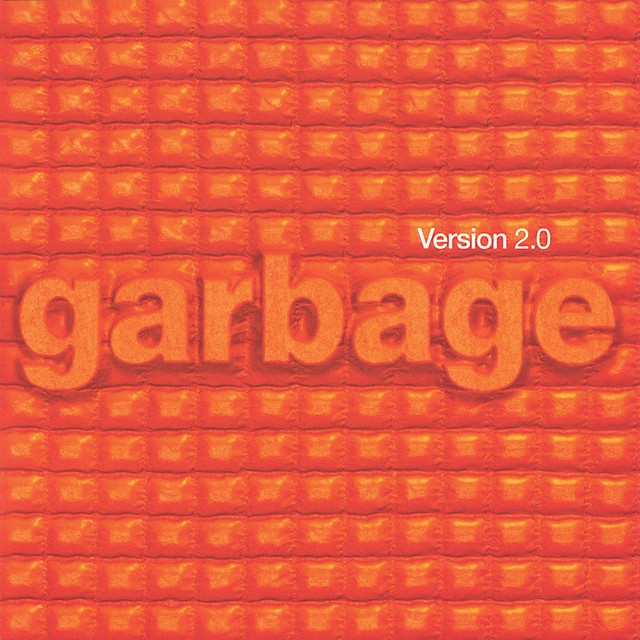
5 Surprising Facts About Garbage’s ‘Version 2.0’

When Garbage released Version 2.0 in 1998, they weren’t trying to reinvent themselves—they were trying to upgrade. Bigger beats, bolder emotions, and a sleek digital sheen wrapped around Shirley Manson’s razor-sharp lyrics made it a defining album of the late ’90s. You may know the hits, but here are five strange, sweet, and sonically wild facts you probably didn’t know about Version 2.0.

The Album Almost Had the Saddest Circus Name Ever
Before it became the techy, polished Version 2.0, the working title of Garbage’s second album was… Sad Alcoholic Clowns. Yes, really. Equal parts tragic and hilarious, it sounds like a lost Tom Waits song or a Tinder bio that screams “ask me about my record collection.” The title was eventually scrapped for something more digital and tongue-in-cheek, but the vibe of that original name? Still in there—boozy, brooding, and brilliantly off-kilter.

2. Candy Factories Make Surprisingly Great Drum Rooms
Need the perfect echo for your industrial percussion? Step aside Abbey Road—Garbage recorded some of the drum tracks for Version 2.0 inside a disused candy factory in Madison. The acoustics were sweet, but the neighbours weren’t: the cops shut them down mid-session. Butch Vig and the gang still got what they needed, though—those reverb-heavy fills live on in “Temptation Waits” and “I Think I’m Paranoid.” Who knew licorice and snare drums had so much in common?

3. They Used Enough Tracks to Build a Sonic Skyscraper
Some songs on Version 2.0 had up to 120 audio tracks—and this was in 1998, long before it was cool to have your DAW crash every ten minutes. The band worked with Pro Tools like mad scientists, layering strings, loops, reversed snares, guitar feedback, and filtered vocals. Then they mixed it all down to just 14 analog tracks. It’s like baking a cake with 120 ingredients and only serving 14 slices. But wow, what a cake.

4. “Push It” Got Brian Wilson’s Blessing—And Then Some
Midway through “Push It,” you might catch a dreamy little line that sounds like the Beach Boys’ “Don’t Worry Baby.” That’s because it is—sort of. Shirley Manson ad-libbed it, the band re-recorded it in the right key, and they had the nerve to ask Brian Wilson for permission. Not only did he say yes, he reportedly kept the tape. Somewhere out there, Brian Wilson is vibing to Shirley whispering “don’t worry baby,” and that alone is worth a Grammy.

5. “Temptation Waits” Was the Showstopper That Never Got a Spotlight
It was the album opener, packed with haunted theremin sounds (well, a synth pretending to be one), sub-bass, wah-wah guitar filters, and disco nods to Isaac Hayes. Yet “Temptation Waits” was never released as a proper single—except in Spain, where it got airplay to celebrate the album’s long chart run. Instead, it became a cult classic in the TV world, popping up in Buffy, The Sopranos, and Dawson’s Creek. No big deal, just casually soundtracking angst, vampires, and suburban mafia drama.

Version 2.0 was a full-on digital symphony of distortion, elegance, and raw emotion, built by a band that wanted to be louder, poppier, and weirder all at once. Mission accomplished.
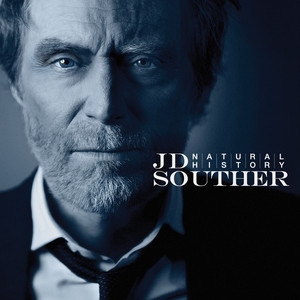
The Songs JD Souther Gave Away That Made Music History

JD Souther may have flown under the radar compared to the superstars he wrote for, but his fingerprints are all over the Southern California sound. His sharp songwriting, heartfelt lyrics, and melodic instincts helped shape the careers of the Eagles, Linda Ronstadt, and many more. Here’s a closer look at some of the classic songs he gifted to others:

“Best of My Love” – Souther co-wrote this Eagles ballad that became their first #1 hit on the Billboard Hot 100.

“New Kid in Town” – A soulful story of fame and transience, co-written with Glenn Frey and Don Henley, it won the Eagles a Grammy in 1977.

“Heartache Tonight” – Souther, Frey, Henley, and Bob Seger collaborated on this upbeat anthem that topped the charts in 1979.

“Victim of Love” – A rock-forward track from ‘Hotel California’ that Souther co-wrote with the band.

“James Dean” – Co-written by Souther, this swaggering tribute helped define the edgier side of the Eagles’ early sound.

“How Long” – Originally from his 1972 solo debut, the Eagles revived it for their 2007 album ‘Long Road Out of Eden’.

“Faithless Love” – This tender heartbreak song became a staple of Linda Ronstadt’s ‘Heart Like a Wheel’.

“White Rhythm and Blues” – Written for Ronstadt’s ‘Living in the USA’ album, it balanced grit and grace.

“Prisoner in Disguise” – Another classic Ronstadt track that showed off Souther’s talent for melodic melancholy.

“Sometimes You Can’t Win” – A country-soul duet with Ronstadt that underlined their creative chemistry.

“Hearts Against the Wind” – Featured in ‘Urban Cowboy’, this Souther-Ronstadt duet had cinematic sweetness.

“Run Like a Thief” – A Bonnie Raitt cut from her 1975 album ‘Home Plate’, written by Souther with roadhouse flair.

“Her Town Too” – A co-write and duet with James Taylor, this track charted high and spoke to shared heartbreak.

“The Heart of the Matter” – Souther co-wrote this introspective Don Henley hit that resonated with late-80s listeners.

“Wishing on Another Lucky Star” – A poignant ballad featured in the 1988 film ‘Permanent Record’.

“Doin’ Time for Bein’ Young” – A rockabilly-tinged track written for the ‘Cry-Baby’ movie soundtrack.

Steven Blush’s ‘When Rock Met Reggae’ Tracks the Clash of Cultures That Rewired Rock

0

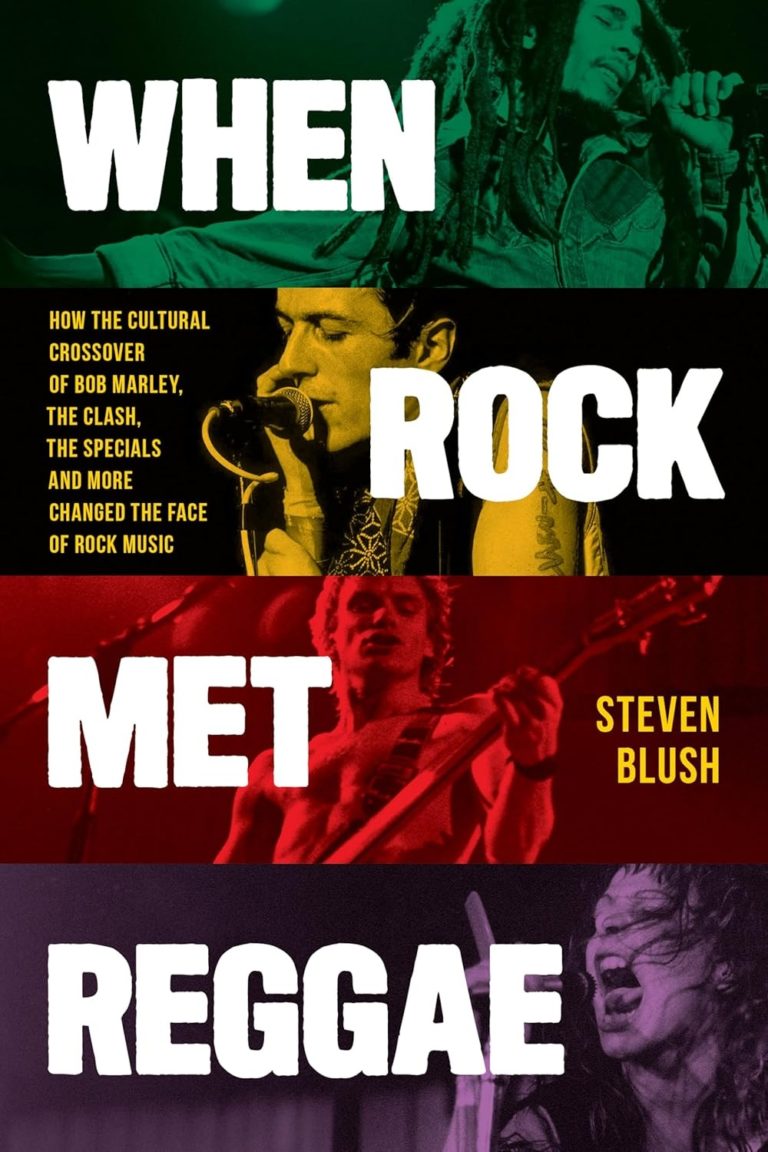
In When Rock Met Reggae, Steven Blush takes a spirited, cross-genre perspective in this “illuminating chronicle” (Booklist) of the crossover of Jamaican, British, and American sounds that changed the face of popular music. Library Journal notes that “Blush’s nimble outline of the interplay between reggae and British punk will appeal to music fans.”

Bringing the same incisive, cross-genre perspective he offered in When Rock Met Disco, Steven Blush gives a spirited survey of the crossover of Jamaican, British, and American sounds that changed the face of popular music in When Rock Met Reggae. The inspiration of ska, rock-steady, dub, and reggae—heard on independent recordings played on “soundsystems” from Kingston and Brixton—created a new rock tonality and attitude, spanning from Eric Clapton to The Clash. Meanwhile, the “Two Tone” sounds—traversing The Specials, Madness, and UB40—fueled the ‘90s ska revival of Sublime, No Doubt, The Mighty Mighty Bosstones, and beyond. Attentive to the racial, political, and artistic aspects of this intricate story, Blush gives a memorable account of one of the most fertile cross-pollinations in pop music history.

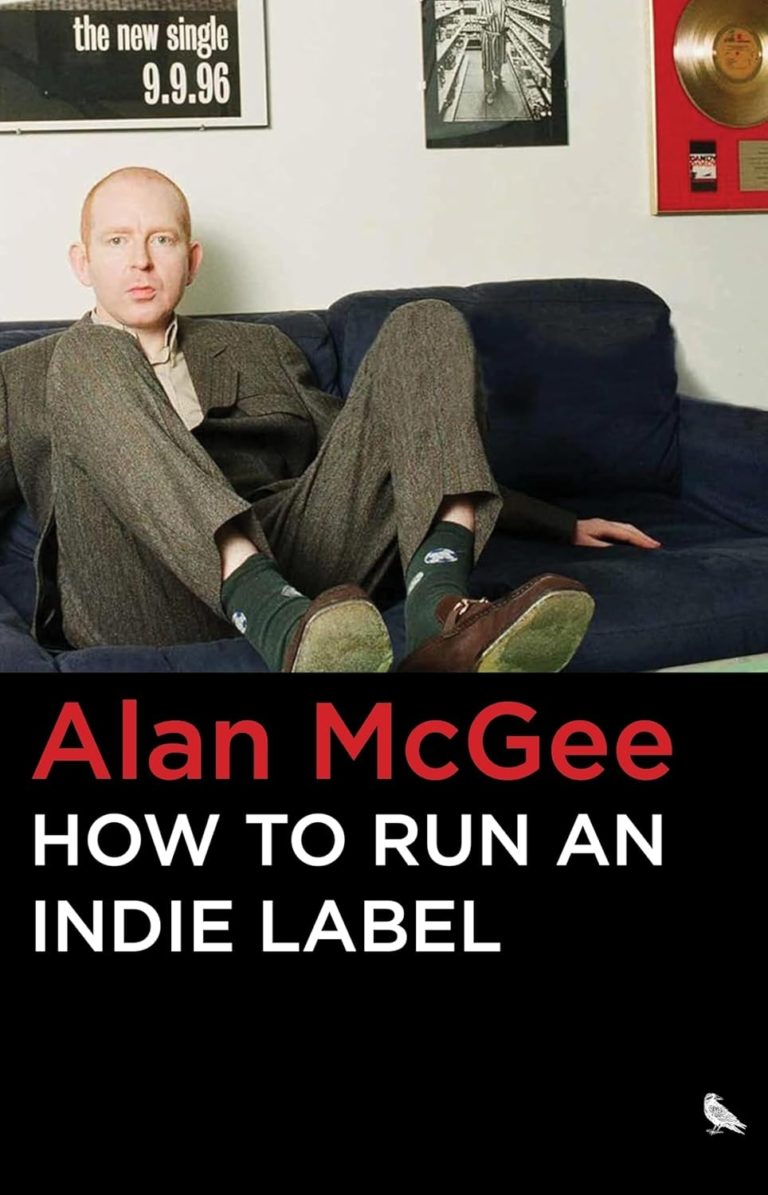
Alan McGee’s ‘How To Run An Indie Label’ Offers Wild Lessons In Music And Mayhem

0

How To Run an Indie Label tells you everything you need to know about how to be a creative force.

Music is like no other business. It’s about being at the right place at the right time, following your nose and diving in feet first. It’s about being plugged into the mystical electricity and about surfing on the wild energy. It’s about how to fuck up and how to survive and be sustained by the holy grail of the high decibel.

No-one captures this wild feral spirit better than Alan McGee whose helter skelter career through music has made him a major force. Wilder than his bands, more out of control than his most lunatic singer, more driven than his contemporaries and closer in spirit to the rock n roll star he could never be himself, McGee was always in a rush. Creation would sign people and not just the music. McGee understood that running an indie label is mainly about the charisma, the game changers, the iconography and the story.

It’s about never being boring. His ability to start a raw power ruckus brought the visceral danger back to a moribund mid-eighties music scene. His nose for danger and his ear for classic guitar rock n roll brought us Jesus and Mary Chain, Primal Scream, My Bloody Valentine, Teenage Fan Club and Ride before topping out in the nineties with the biggest band in the world, Oasis. By no means a conventional instruction manual or business book How To Run an Indie Label tells you everything you need to know about how to be a creative force.

When Scooby-Doo And Mystery Inc. Got Groovy With Rock Stars

There’s something magical about Scooby-Doo teaming up with musicians. Maybe it’s the shared love of costumes, mystery, and occasionally unmasking a ghost disguised as a roadie. Across decades and formats, Mystery Inc. has crossed paths with musical legends, giving fans some of the most unexpected and delightful cartoon concerts of all time.

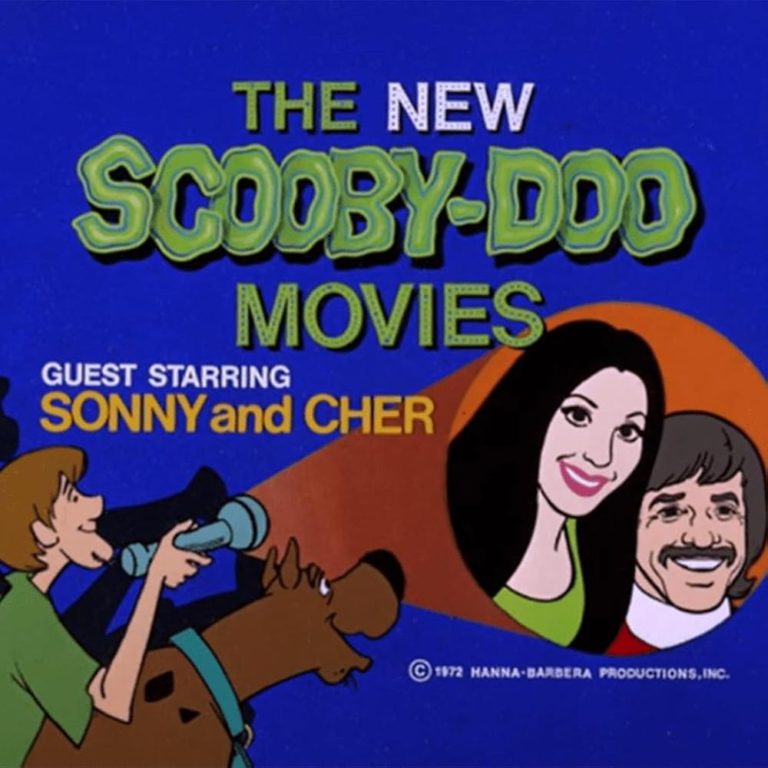
Sonny & Cher – “The Secret of Shark Island” (1972)
When Sonny & Cher showed up in The New Scooby-Doo Movies, they weren’t just dodging sharks—they were helping Daphne and Velma solve the case with style, sarcasm, and a groovy soundtrack. Their variety show was already a hit, and this crossover sealed their cartoon legacy.

KISS – Scooby-Doo! and KISS: Rock and Roll Mystery (2015)
Scooby-Doo and the Demon. Enough said. The gang heads to a KISS-themed amusement park where a witch is stirring up chaos. The members of KISS voiced themselves, flew around like superheroes, and basically turned the whole movie into a wild prog-rock acid trip… for kids.

Weird Al Yankovic – “Attack of the Weird Al-Osaurus!” (2019)
Only Scooby-Doo could make an accordion camp get attacked by a dinosaur feel normal. Weird Al’s delightful weirdness fits right into the Mystery Machine’s world, complete with an inflatable duck, music-powered solutions, and Scooby learning the joys of polka.

The Hex Girls – Various Episodes and Movies (1999–2020s)
Goth-rock eco-warriors and certified fan-favorites, The Hex Girls first appeared in Scooby-Doo! and the Witch’s Ghost and became instant icons. With songs like “I’m a Hex Girl,” they’ve returned in several Scooby adventures, putting spells—and earworms—on all of us.

The Harlem Globetrotters – Multiple Episodes (1972)
Sure, they’re ballers, but the Globetrotters’ slick moves and rhythmic bounces were practically choreography. Their Scooby appearances are legendary, complete with theme songs, trick shots, and a whole lot of zany teamwork. And it’s brilliant.

Music, mystery, and meddling kids—what more could you ask for? Scooby-Doo’s crossovers with the music world prove that rock stars and cartoon sleuths make the perfect backstage pass to Saturday morning fun.

Disney’s Pop Star Powerhouse — Where Chart-Toppers Got Their Start

For decades, Disney has been more than a TV network — it’s been a launchpad for some of music’s biggest names. From mouse ears to world tours, the path from Disney stardom to pop royalty is a well-worn one, paved by a dazzling roster of young talent who turned childhood fame into chart-topping careers.

It began with the Mickey Mouse Club, which introduced the world to Britney Spears, Christina Aguilera, and Justin Timberlake. These three would go on to dominate the early 2000s, reshaping the sound of pop and showing that Disney-trained artists could go toe-to-toe with the industry’s biggest stars.

In the 2000s, the golden age of Disney Channel gave rise to Miley Cyrus (Hannah Montana), Selena Gomez (Wizards of Waverly Place), Demi Lovato (Camp Rock, Sonny With a Chance), and the Jonas Brothers (Camp Rock). Their projects combined acting, music, and branding in a way that turned them into household names. For many fans, these artists defined an era — both on screen and on the radio.

Other names soon joined the Disney-to-pop pipeline. Zendaya and Bella Thorne emerged from Shake It Up, each taking distinct career paths — with Zendaya becoming both a style icon and an acclaimed singer and actress, and Bella Thorne releasing music with a bold, rebellious streak. Sabrina Carpenter, known for Girl Meets World, would go on to carve out a sleek, confident pop persona, while Sofia Carson, who starred in Descendants, followed with elegant, cinematic pop music.

Olivia Rodrigo, who got her start on Bizaardvark and High School Musical: The Musical: The Series, made history with “Drivers License” and her explosive debut album Sour, proving that a new generation of Disney alumni could be just as boundary-pushing and emotionally resonant as those before.

The list continues: Dove Cameron (Liv and Maddie, Descendants) delivered dark-pop anthems like “Boyfriend”; Aly & AJ starred in Phil of the Future and Cow Belles before returning with indie-pop acclaim; Hayley Kiyoko, from Lemonade Mouth, brought LGBTQ+ representation and honest storytelling into her music; and Hilary Duff, once the face of Lizzie McGuire, dropped hit albums that helped shape the early 2000s teen pop sound.

Even Olivia Holt (Kickin’ It, Girl vs. Monster) and Vanessa Hudgens (High School Musical) made the leap from screen to studio, contributing memorable albums and performances along the way.

No matter the era — from Mickey Mouse Club beginnings to Disney+ musicals — these artists prove that the Disney pipeline has been one of the most consistent sources of musical talent for generations. Whether they stayed in pop or explored other genres, each of them started with a signature wand wave and ended up carving out a place in music history.

Front Page Rock: Musicians Who Made the Cover of TIME Magazine

Making it onto the cover of TIME Magazine has long been a symbol of influence far beyond the charts. For musicians, it signals a moment when their cultural, political, or emotional impact reached the frontlines of global conversation. Here are the artists who made it there—some once, a few twice—with the year they graced the red border.

  • Bing Crosby – 1941
  • Louis Armstrong – 1949
  • James Caesar Petrillo – 1948 (President of the American Federation of Musicians)
  • Frank Sinatra – 1955
  • Rosemary Clooney – 1953
  • Dave Brubeck – 1954 (first jazz musician on the cover)
  • Joan Baez – 1962
  • Aretha Franklin – 1968
  • The Beatles – 1967
  • The Band – 1970
  • James Taylor – 1971
  • Joni Mitchell – 1974
  • Cher – 1975
  • Elton John – 1975
  • Paul McCartney – 1976
  • Linda Ronstadt – 1977
  • The Who – 1979
  • David Bowie – 1983
  • Michael Jackson – 1984 (Andy Warhol–styled cover)
  • Madonna – 1985
  • Garth Brooks – 1992
  • Pearl Jam – 1993
  • Jewel – 1997
  • Lauryn Hill – 1999
  • Ricky Martin – 1999
  • Kanye West – 2005
  • Dixie Chicks – 2006
  • Bruce Springsteen – 1975 and 2002
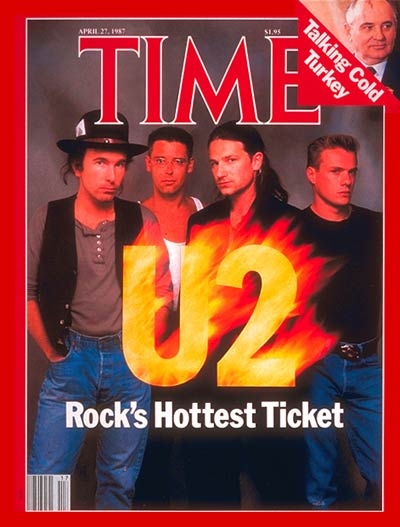
  • Bono – 1987 (with U2) and 2002 (solo)
  • Taylor Swift – multiple features in the 2010s and 2020s (including Person of the Year 2023)
  • Giulio Gatti-Casazza – 1923 (an early opera manager included for historical perspective)

Each of these covers told a story beyond the music. These weren’t just chart-toppers—they were lightning rods, icons, and cultural leaders. Being featured on TIME meant the world was listening in more ways than one.

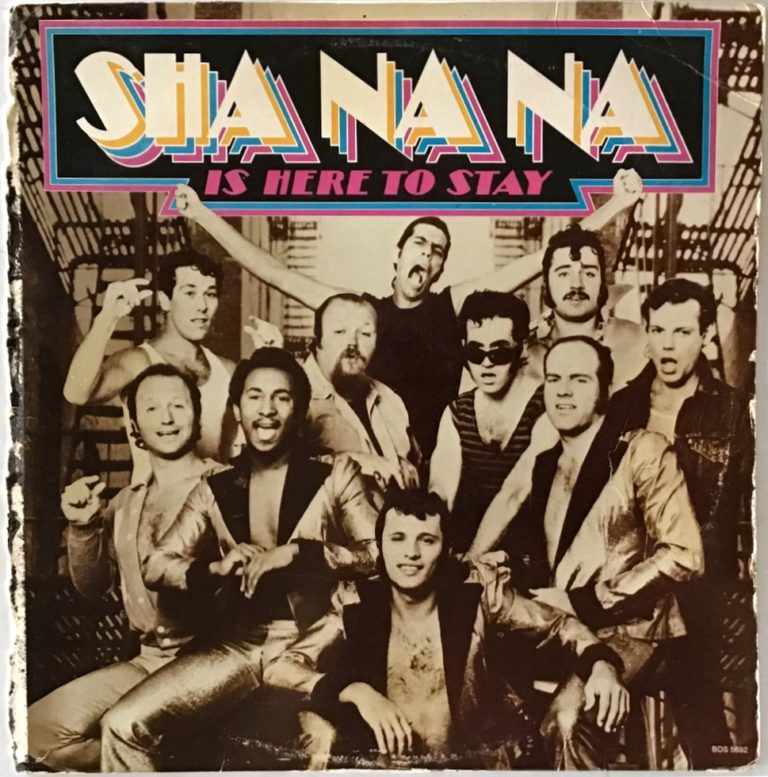
Grease for Peace: How Sha Na Na Brought the 1950s to the 1970s

In a decade known for disco balls, platform shoes, and glam rock glitter, Sha Na Na arrived slicked-back, doo-wopped, and ready to party like it was 1959. Clad in gold lamé, letterman sweaters, and more pomade than a drugstore shelf, this group didn’t just revive rock ‘n’ roll nostalgia — they embodied it. And in doing so, they became one of the most unexpected cultural phenomena of the 1970s.

Sha Na Na formed out of Columbia University in 1969, and just days after their debut, they were opening for Jimi Hendrix at Woodstock. That sentence alone is proof of how surreal and perfectly timed their act was. While other bands expanded the boundaries of psychedelia, Sha Na Na went backward — offering fast-paced, harmony-rich, and hilariously choreographed tributes to early rock and doo-wop.

What made them click wasn’t irony — it was joy. Their performances were celebratory, theatrical, and filled with genuine reverence for the golden age of American pop. They weren’t winking at the past; they were dancing in it. Songs like “At the Hop,” “Teen Angel,” and “Get a Job” weren’t just covers — they were reintroductions, lighting up TV sets and concert halls with energy that felt both timeless and deeply rooted.

By 1977, the band had their own syndicated TV show — Sha Na Na — which ran for four years and reached millions. It featured live performances, comedy skits, and a parade of musical guests that included Chuck Berry, Chubby Checker, and The Ramones. In a cultural moment where both Happy Days and Grease were reviving interest in 1950s Americana, Sha Na Na were the house band for an entire retro boom.

Speaking of Grease — they played the high school dance band Johnny Casino and the Gamblers in the film, cementing their place in rock ’n’ roll mythology. If there’s a cooler sentence than “We played the prom in Grease,” it has yet to be written.

Sha Na Na brought the 1950s to the 1970s not as costume, but as cultural connection. They reminded a generation shaped by Vietnam and Watergate that music still had the power to be fun, freeing, and uncomplicated. Their success wasn’t about nostalgia as escape — it was nostalgia as celebration.

So the next time you hear a doo-wop harmony or a saxophone solo that sounds like it’s spinning from a jukebox in 1957, remember: before retro was cool, Sha Na Na was already sliding across the floor in bowling shoes, bringing the past into the spotlight — one ducktail at a time.

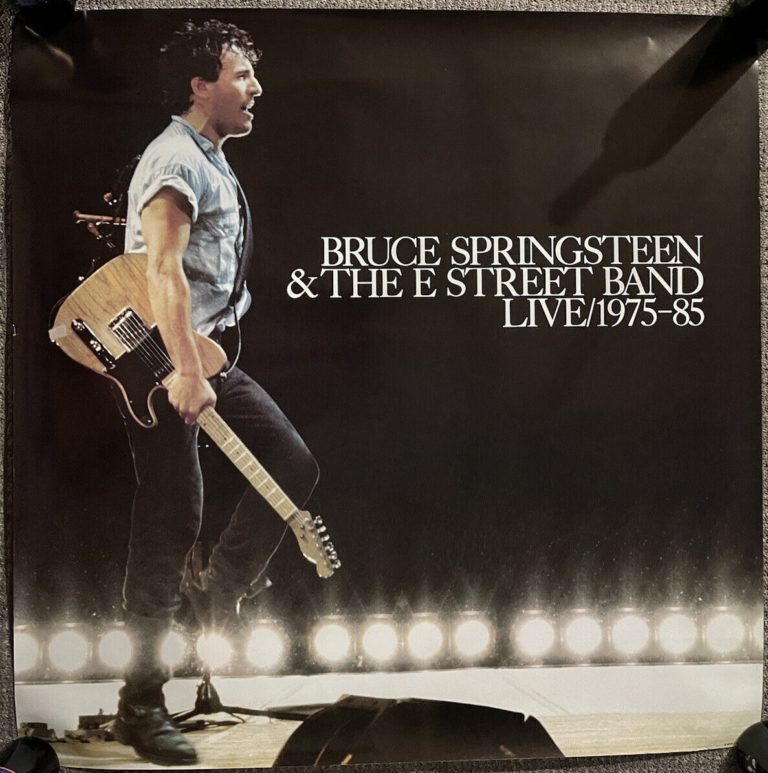
Prove It All Night: Bruce Springsteen’s Longest Shows

Bruce Springsteen plays concerts the way a preacher delivers a revival. Long before phones had flashlights and setlists were posted in real time, Springsteen was already outlasting curfews and rewriting what a rock show could mean. Each night was built for full immersion, shaped by sweat, soul, and total commitment.

Springsteen’s longest concert to date took place in Helsinki, Finland, on July 31, 2012, running 4 hours and 6 minutes. It was a towering, full-hearted celebration of his legacy — a night when the band didn’t retreat, the songs didn’t fade, and the crowd never stopped singing.

In the United States, his longest show came on September 7, 2016, in Philadelphia at Citizens Bank Park, reaching 4 hours and 4 minutes. That evening joined the mythology of Springsteen’s relationship with Philly, built on decades of deep resonance between artist and audience.

The 2016 tour featured several extended shows that shaped its narrative. Foxborough on September 14 reached 4 hours and 3 minutes, while East Rutherford on August 30 stretched to 4 hours and 1 minute. A few nights earlier, on August 25, the Meadowlands crowd witnessed a performance that climbed to 3 hours and 59 minutes — one breath away from four hours.

Gothenburg, Sweden on June 25, 2016, delivered 3 hours and 58 minutes of wall-to-wall music. Rome on July 16 and Virginia Beach on September 4 each passed the 3 hour and 49 minute mark. These weren’t isolated events — they were part of a year when Springsteen continued to treat every stage as a new invitation to connect deeper, go longer, and give more.

The endurance ethic runs through his career. On New Year’s Eve 1980, Springsteen closed out the decade with a 3 hour and 48 minute performance at Nassau Coliseum. In 2012, shows in Madrid, Paris, Oslo, and East Rutherford each surpassed 3 hours and 45 minutes, proving that energy and devotion defined every tour stop.

Many of these concerts — including the Helsinki 2012 show — have been released as part of Springsteen’s official live archive series. Listening back, you hear every gear shift, every spontaneous detour, every musical moment fueled by the momentum of the crowd and the urgency of the message.

These weren’t designed as spectacles. They were built from the same principle that shaped his earliest club shows: if the people come ready to feel something, then every song, every verse, and every encore belongs to them. Four hours never felt so alive.

Springsteen’s Longest Concerts by Duration

  • 2012-07-31 Helsinki – 4:06
  • 2016-09-07 Philadelphia – 4:04
  • 2016-09-14 Foxborough – 4:03
  • 2016-08-30 East Rutherford – 4:01
  • 2016-08-25 East Rutherford – 3:59
  • 2016-06-25 Gothenburg – 3:58
  • 2016-08-23 East Rutherford – 3:52
  • 2016-07-16 Rome – 3:52
  • 2016-09-04 Virginia Beach – 3:49
  • 1980-12-31 Nassau Coliseum – 3:48
  • 2012-06-17 Madrid – 3:48
  • 2014-02-16 Melbourne – 3:48
  • 2016-09-09 Philadelphia – 3:47
  • 2012-07-05 Paris – 3:47
  • 2012-07-21 Oslo – 3:47
  • 2016-09-01 Washington DC – 3:46
  • 2012-09-19 East Rutherford – 3:46

Each show over 3 hours and 45 minutes carried its own character, shaped by location, energy, and the moment. Together, they form a portrait of an artist who kept saying yes to the crowd — and to the power of staying on stage just a little longer.

The Collaborator’s Collaborator: A Tribute to Herbie Flowers and His Incredible Musical Journey

If your favorite song from the ‘60s, ‘70s, or ‘80s has a killer bassline — odds are Herbie Flowers played on it. With his signature tuba, double bass, and Fender Jazz Bass, Herbie wasn’t just a session legend. He was the heartbeat behind some of the biggest names in music history. Here’s a look at the astonishing list of artists he worked with — each one made greater by his presence.

David Bowie
Played on Space Oddity, Diamond Dogs, and the live album David Live. Flowers added edge, groove, and presence to Bowie’s evolving sound.

Lou Reed
Created the iconic bassline for Walk on the Wild Side on Transformer. Two basses, one immortal riff.

Elton John
Brought depth to Tumbleweed Connection, Madman Across the Water, and A Single Man, helping shape Elton’s early sound.

T. Rex (Marc Bolan)
Joined the final lineup and appeared on Dandy in the Underworld. Played alongside Bolan on TV’s Marc just before Bolan’s tragic death.

The Beatles (Solo Years)
Worked with George Harrison on Somewhere in England, Gone Troppo, and Brainwashed.
With Paul McCartney on Give My Regards to Broad Street.
With Ringo Starr on Stop and Smell the Roses.

Cat Stevens
Appeared on Foreigner and New Masters, lending a steady pulse to Stevens’ introspective folk-pop.

David Essex
Played on Rock On, David Essex, Imperial Wizard, Silver Dream Racer, Be-Bop the Future, Stage-Struck, and This One’s For You. His double-tracked bass on “Rock On” became an era-defining sound.

Harry Nilsson
Appeared on Nilsson Schmilsson and Son of Schmilsson, bringing humor and soul to Nilsson’s imaginative pop.

Bryan Ferry
Played on The Bride Stripped Bare, adding class and groove to Ferry’s solo work.

Al Kooper
Contributed to New York City (You’re a Woman) and A Possible Projection of the Future, bringing rich tones to Kooper’s cinematic arrangements.

George Harrison
Contributed to three Harrison solo albums, often providing subtle, expressive bass lines that never got in the way of George’s spiritual songwriting.

Justin Hayward
Played on Night Flight, supporting the Moody Blues frontman’s melodic solo venture.

Melanie
Contributed to Candles in the Rain, a folk-pop classic featuring raw emotion and iconic vocals.

Cliff Richard
Played on Rock ’n’ Roll Juvenile, giving Richard’s sound a crisp, pop-rock finish.

Donovan
Worked on Poetry in Motion and Betjeman & Read, adding musical sensitivity to poetic collaborations.

Marc Almond, Paul Young, Jon Anderson, Gene Pitney, Leo Sayer, Annie Haslam
Appeared alongside this stacked lineup for Betjeman & Read, providing the bass foundation for spoken-word-meets-pop innovation.

Sally Oldfield
Played on Water Bearer, Easy, Celebration, and Playing in the Flame, balancing ethereal soundscapes with grounded basswork.

Chris Spedding
Worked on Hurt, bringing taut energy to the underrated rock guitarist’s solo release.

Roger Daltrey
Played on McVicar, the soundtrack for Daltrey’s biopic role.

Steve Harley
Contributed to Hobo with a Grin and Poetic Justice, bringing rhythmic warmth to Harley’s storytelling.

Olivia Newton-John
Played on her debut album If Not for You, helping launch one of the most successful crossover careers in pop history.

Camel
Featured on Nude, playing tuba and adding symphonic weight to the prog-rock concept album.

Hazel O’Connor
Played on 5 in the Morning, supporting O’Connor’s punk-inflected new wave sound.

Sam Brown
Played on 43 Minutes and Of the Moment, adding understated support to her soulful, emotional voice.

Allan Clarke
Recorded with The Hollies frontman on My Real Name Is ‘Arold and Allan Clarke.

Albert Hammond
Played on Al Otro Lado Del Sol, adding groove to Hammond’s heartfelt songwriting.

Chanter Sisters
Appeared on First Flight, providing rhythmic strength to the sibling duo’s blend of soul and pop.

Jane Wiedlin
Contributed to Tangled, supporting the Go-Go’s guitarist with polished pop-rock basslines.

Tim Rose
Played on Love – A Kind of Hate Story, adding foundation to Rose’s dark and powerful folk-blues.

Dig Richards
Appeared on The Thing is…?, adding steady support to the Australian rockabilly legend.

Sky (band)
Co-founded Sky, a fusion of classical, rock, and jazz, and enjoyed commercial success through the ’80s.

Blue Mink
A founding member; played on their UK hit “Melting Pot,” helping bring soul-pop to the charts.

CCS and Rumplestiltskin
Contributed to both bands, showing his range from blues-rock to theatrical prog.

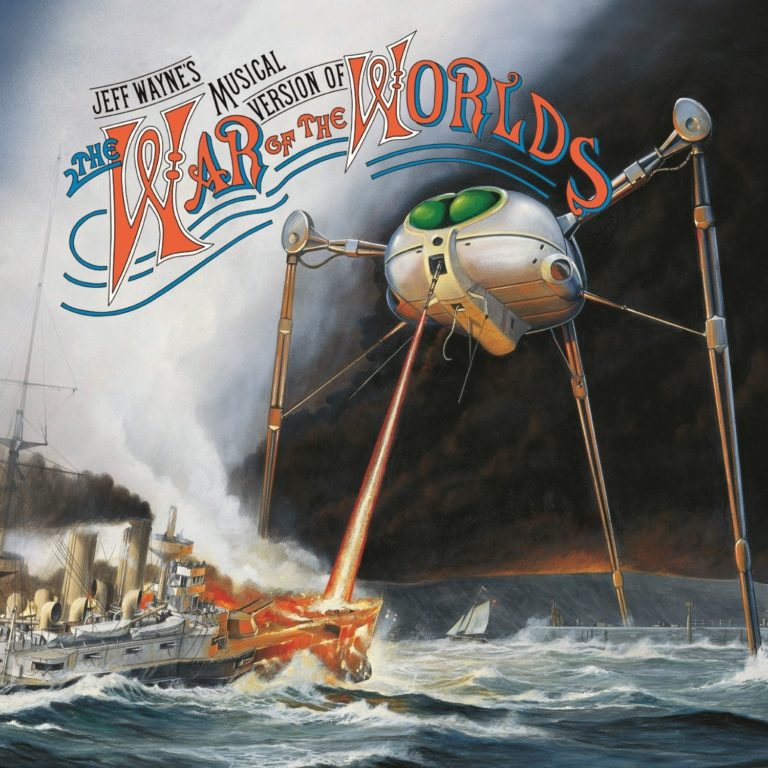
Jeff Wayne’s War of the Worlds
Played on the iconic concept album, adding cinematic depth to this sci-fi masterpiece.