Home Blog Page 601

Zeds Dead Announce Return of “Backyard Jamboree” to Cap Deadrocks Weekend

0

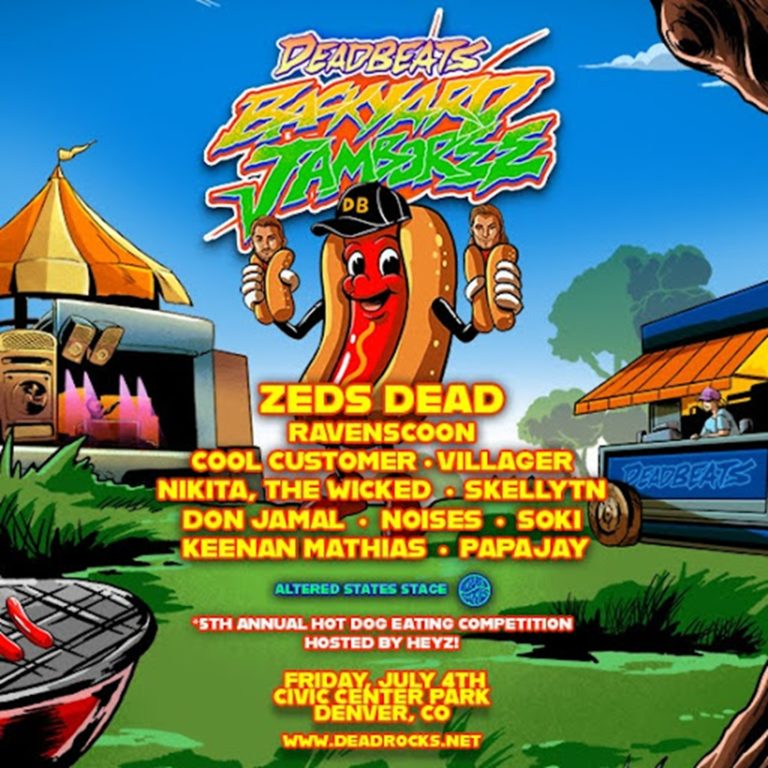
As Zeds Dead prepare for their historic 11th annual Deadrocks takeover at Red Rocks Amphitheatre on July 2 and 3, the Canadian electronic music icons are also bringing back one of the summer’s most beloved celebrations: the 5th Annual Backyard Jamboree, returning to Denver’s Civic Center Park on July 4.

Now in its fifth year, the Backyard Jamboree has grown from a fan appreciation BBQ into a 10,000-person, community-focused music festival. Blending all-day performances, local vendors, and classic lawn games, it’s become a defining feature of Deadbeats’ Colorado calendar — welcoming fans of all ages to celebrate with food, fun, and unmatched vibes in the heart of the city.

The 2025 performance lineup features a powerhouse roster of fan-favorites and rising talent, including Ravenscoon, Cool Customer, Villager, Nikita, The Wicked, Skellytn, Don Jamal, Noises, Soki, Keenan Mathias, and Papajay.

This year’s Jamboree follows the release of Zeds Dead’s first album in nearly a decade, Return to the Spectrum of Intergalactic Happiness —a psychedelic concept record currently fueling a nationwide headline tour and 55-minute visual companion film. With the new album as a backdrop and Deadrocks XI already sold out before lineup reveal, the July 4th Jamboree stands as the final chapter in a three-day takeover of Colorado.

Event Highlights:

    Live music all day (lineup TBA, curated by Zeds Dead and Deadbeats)

    First artists announced: Ravenscoon and Cool Customer

    Deadbeats’ legendary hot dog eating contest — one of the largest west of the Mississippi

    Backyard activities: dunk tanks, 3-legged races, donut-on-a-string, inflatable games, and more

    Vendor village featuring food trucks, crafts, and local creators

    Family-friendly environment with games and installations

    Interactive brand activations and community engagement zones

Ravenscoon joins the celebration following a sold-out Mission Ballroom show and 25-date Glass Orchid headline tour. Fusing punk, metal, and hip-hop with psychedelic bass music, Ravenscoon has become a standout voice in the experimental bass scene. Also announced is rising Deadbeats artist Cool Customer, whose glitch-hop-meets-bass stylings have made him one of the most talked-about new producers in the genre, with co-signs from Zeds Dead, Subtronics, and Tape B.

The event is designed as a daylong retreat for superfans and newcomers alike, reflecting the duo’s jam-band–inspired approach to live touring: building immersive weekends, rallying loyal audiences, and elevating community-led energy. Last year’s festivities featured performances across two stages, prize-winning competitions, and pop-up experiences from longtime Deadbeats partners.

From underground pioneers to arena-scale curators, Zeds Dead’s evolution continues to center on fan connection and creative risk-taking. This year’s Deadrocks will introduce a brand-new set built around their latest album and its accompanying visuals, while the Jamboree closes out the weekend with lighthearted fun and high-impact sound.

The Backyard Jamboree caps a monumental stretch for Zeds Dead, following the release of their first album in over eight years, Return To The Spectrum of Intergalactic Happiness. A 14-track sonic odyssey rooted in sampling, nostalgia, and freeform creativity, the project has been praised as the duo’s most immersive work to date — pairing glitchy, time-warped beats with a psychedelic visual companion film. Inspired by the idea of a TV flickering through decades of music and memory, the album marks a homecoming to the unfiltered experimentation that defines Zeds Dead, and sets the tone for their 2025 Deadrocks XI performances and national headline tour.

Tickets for the Backyard Jamboree are on sale now, and demand is expected to surpass previous years. Fans are encouraged to secure theirs early. More information and tickets are available at: deadbeats.lnk.to/Jamboree2025
The Miracle in Mundelein Brings Two Days of Music and Cannabis Culture to Illinois

1

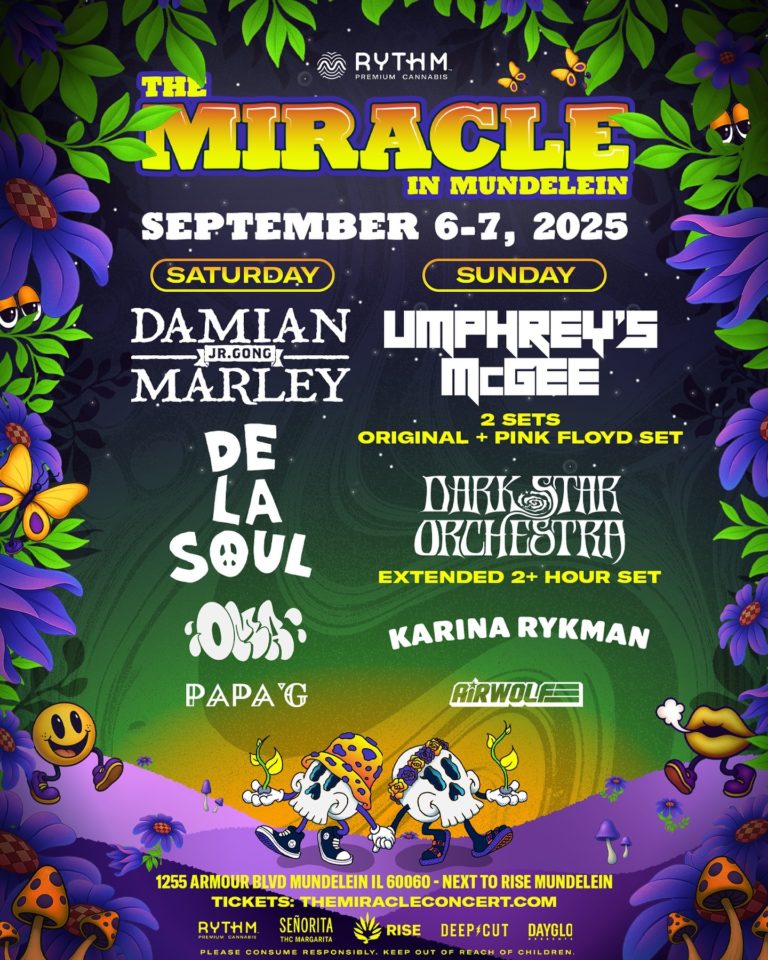
This fall, Rythm Premium Cannabis invites music fans across the Midwest to experience The Miracle in Mundelein, a two-day festival on Saturday, September 6 and Sunday, September 7, 2025. Set against the leafy backdrop of 1255 Armour Blvd (next to Rise Mundelein) in Mundelein, Illinois, The Miracle combines world-class performances, lush festival grounds, and elevated production values to create a weekend-long celebration of rhythm, groove, and good vibes.

On Saturday, September 6, the stage will ignite with reggae, hip-hop, and soulful flair. Headline artist Damian “Jr. Gong” Marley brings his signature roots-influenced sound to the Midwestern prairie for what promises to be an unforgettable opening set. De La Soul, the revolutionary hip-hop trio whose genre-defining classics have spanned three decades, follow with a career-spanning performance. Festivalgoers will also enjoy a high-energy appearance by Oliá and the laid-back, groove-driven stylings of Papa G. Together, these four acts shape a Saturday lineup that seamlessly traverses reggae, rap, and contemporary beats—perfect for both longtime fans and first-time concertgoers.

Sunday, September 7 turns the spotlight on jam-band artistry and tribute performances. Umphrey’s McGee, renowned for their musical virtuosity and improvisational prowess, deliver two full sets—one at their signature “original” style and a second dedicated to Pink Floyd classics. Directly following, Dark Star Orchestra—celebrated worldwide for their faithful and expansive renditions of the Grateful Dead catalog—unveil an extended, two-plus-hour set that pays homage to the spirit of the ’60s and ’70s jam scene. Sharing that same improvisational spirit is Karina Rykman, a New York–born bassist and vocalist whose bombastic live shows fuse psychedelic-tinged indie pop with thick, distorted jam-rock. Whether tearing through sold-out headline gigs or stealing festival sets at Bonnaroo and Peach Music Festival, Rykman’s high-octane bass lines, infectious laughter, and joyous stage presence captivate audiences at every turn. Rounding out Sunday’s lineup is Airwolf, the dynamic duo known for blending retro-inspired synth lines with modern production techniques to create electrifying electronic soundscapes.

All performances begin at noon local time each day, with gates opening at 11 a.m. Attendees should plan to arrive early to explore artisan vendors, food trucks, art installations, and curated activations from our partners. The Miracle in Mundelein is strictly 21 and older; valid photo ID will be checked at all entrances. For the safety and comfort of all guests, no outside food, drink, or coolers are permitted.

Tickets for The Miracle in Mundelein are on sale now at themiracleinmundelein.frontgatetickets.com and additional information can be found at www.themiracleconcert.com. A limited number of “Early Harvest” weekend passes are available at a discounted rate, while single-day admission and VIP upgrades will sell quickly. VIP ticket holders enjoy access to an elevated viewing platform, private lounge area with reserved seating, dedicated restrooms, and complimentary gourmet bites from onsite caterers.

Location & Logistics
• Venue: 1255 Armour Blvd, Mundelein, IL 60060 (adjacent to Rise Mundelein)
• Dates & Times:
– Saturday, September 6, 2025 (doors at 11 a.m.; first act at noon)
– Sunday, September 7, 2025 (doors at 11 a.m.; first act at noon)
• Age Restriction: 21+ only; valid photo ID required
• Parking: Onsite parking is available on a first-come, first-served basis. Offsite parking with shuttle service will be provided at designated lots within three miles of the venue.
• Tickets & Information: themiracleinmundelein.frontgatetickets.com | www.themiracleconcert.com

Sponsors & Activations
Presented by Rythm Premium Cannabis, The Miracle in Mundelein also features onsite activations from Señorita THC Margarita, Rise, Deep Cut, and Dayglo Events. Each brand brings immersive experiences—ranging from interactive art installations to specialty craft-cocktail bars—to complement the weekend’s performances. As a responsible-consumption festival, Rythm Premium Cannabis reminds guests to consume responsibly, to keep all products out of reach of children, and to respect local laws and regulations.

The different Tong its player archetype: Know your model

0

By Mitch Rice

In Tong its, while there are no strict, formalized “player types” or character classes as seen in some online games, the game’s structure and rules do naturally influence how players approach the game, leading to recognizable playing styles or roles based on behavior and strategy. However, unlike games with defined roles (such as tank, healer, or damage dealer), Tongits player types are more about approach and tactics, not official designations.

The nature of how to play Tongits, with its blend of skill, strategy, and chance, allows for a diverse range of playing styles to emerge organically. These styles are shaped by factors such as risk tolerance, card management preferences, and overall game philosophy. Players may adopt different approaches from game to game, or even within a single game, depending on their hand, the actions of their opponents, and the current state of play.

Understanding these unofficial player types can provide valuable insights into the game’s strategic depth and help players anticipate opponents’ moves. It’s important to note that these styles are fluid and adaptable, with experienced players often blending elements from multiple approaches to create their own unique strategy. This flexibility and variety in playing styles contribute significantly to the enduring appeal and complexity of Tongits as a card game.

1. The Aggressive Tong its Player

The aggressive player in Tongits card game embodies a fast-paced, high-risk strategy aimed at achieving a swift victory. These players are constantly on the lookout for opportunities to complete melds and discard their cards rapidly. They often make bold moves, frequently drawing from the discard pile to expedite their path to “Tongits.” This style is characterized by a willingness to expose combinations early, even at the risk of revealing information to opponents. Aggressive players thrive on the pressure they put on other players, forcing them to react and potentially make mistakes. Their gameplay is marked by quick decision-making and a constant push towards ending the game on their terms. While this approach can lead to spectacular wins, it also carries the risk of accumulating high point totals if the strategy backfires, making it a double-edged sword in Tong its go.

2. The Conservative Tong its Player

The conservative player in Tong its online prioritizes minimizing risk and maintaining a low point total over aggressive play. They frequently draw from the stockpile, avoiding potentially dangerous discards that could benefit opponents. This cautious approach involves careful hand management, aiming to keep card values low throughout the game. Conservative players excel at positioning themselves for a favorable outcome in case of a draw, where the lowest hand value wins. Their strategy revolves around patience and calculated moves, often resulting in longer games. The primary goal is to consistently minimize potential losses while maximizing the chances of winning through attrition or a favorable draw scenario.

3. The Opportunistic Tong its Player

The opportunistic player in Tong its game exhibits a flexible and adaptive strategy, adjusting their gameplay based on the evolving game situation. They begin cautiously, assessing their hand and opponents’ actions, but remain alert for chances to shift to a more aggressive stance. These players excel at recognizing pivotal moments, such as the opportunity to complete a significant meld or go out. Their versatility allows them to seamlessly transition between conservative and aggressive play styles as needed. The opportunistic player’s primary objective is to maximize their winning potential, whether through achieving “Tongits” or securing the lowest point total. This balanced approach requires keen observation, quick decision-making, and the ability to capitalize on sudden advantages.

4. The Challenger

The Challenger in Tong it go is a vigilant and assertive player, always prepared to contest the game’s outcome. They meticulously monitor their opponents’ melds and the discard pile, maintaining a keen awareness of the game’s progression. This player type excels at mental calculation, constantly evaluating their hand’s point value against potential opponent scores. The Challenger’s strategy revolves around being ready to dispute a draw or a “Tongits” claim, believing their hand to be superior. Their goal is to secure victory through careful observation and timely challenges, often turning the tables in seemingly lost situations. This approach requires confidence, quick thinking, and a thorough understanding of the game’s nuances.

5. The Beginner or Casual Player

The beginner or casual player in Tongits go online approaches the game with a mixture of curiosity and caution. Still grasping the intricacies of the rules and strategies, they often exhibit hesitant gameplay, taking longer to make decisions and sometimes missing opportunities for advantageous moves. These players may inadvertently make errors, such as forgetting to discard at the end of their turn or failing to recognize potential melds in their hand. Their primary focus is on understanding the game mechanics rather than winning, leading to a more relaxed playing style. Beginners often seek guidance from more experienced players, learning through observation and trial and error. As they gain familiarity with Tongits, their gameplay gradually evolves, becoming more strategic and confident. The main goal for these players is to enjoy the social aspect of the game while steadily improving their skills and knowledge, making each game a learning experience.

Official Player Roles in Tong its

In Tongits go, the official structure of the game is notably straightforward, with no formally designated player roles beyond the initial dealer position. This three-player card game maintains a level playing field where each participant’s strategy and skill determine their success, rather than predetermined roles influencing gameplay dynamics.

The dealer’s sole distinction lies in receiving 13 cards at the start, while the other two players receive 12 each. This slight numerical advantage is balanced by the rotation of the dealer position in subsequent rounds, ensuring fairness over multiple games. Beyond this initial card distribution, all players operate under identical rules and opportunities throughout the game.

The absence of official roles contributes to Tongits’ appeal as a game of pure strategy and skill. Each player must adapt their approach based on their hand, the current game state, and their opponents’ actions, rather than relying on role-specific advantages or responsibilities. This structure encourages players to develop versatile strategies and to read the game effectively.

The “player types” often discussed in Tongits strategy guides (such as the Aggressive Player, Conservative Player, etc.) are informal categorizations based on observed playing styles and strategies. These are not official designations but rather descriptive terms used to understand and discuss different approaches to the game.

Data and information are provided for informational purposes only, and are not intended for investment or other purposes.

When a Song Finds You: The Unexpected Power of Musical Timing

0

By Mitch Rice

We have all been there. A song plays on the radio, in a café, or through a friend’s phone, and it hits you in a way that feels personal. The words are just right. The melody sits deep. You were not looking for it, but it found you.

This is the quiet magic of timing in music. It is not about release dates or chart positions. It is about when a song reaches a person, and what that person is going through in that moment. For many, the right song at the right time can feel like a message. For others, it is a mirror.

Music as a Mirror

Music has long been called the soundtrack to our lives. But it is more than background noise. It can reflect who we are, how we feel, or even how we want to feel. When a listener is feeling heartbroken, a soft ballad can feel like it was written just for them. When life is going well, a fast, joyful track can add to the energy.

Unlike a book or a film, music often does not ask for your full attention. You can play it while working, walking or driving. That makes it easier for songs to slip into your life quietly. Then, without warning, they catch you off guard. A lyric stands out. A chord hits just right. Suddenly, you feel seen.

Some of the most meaningful music experiences come from this mirror effect. It is not always about deep meaning or complex production. Sometimes, it is just about the timing.

Timing Over Trend

Music trends change often. What is popular today may fade tomorrow. But emotional timing is not about what is in style. It is about what lands at the right time for the listener.

Some people hear a hit song and feel nothing. Months later, they go through a breakup or a big life change. Then they hear the same song again, and it feels brand new. The words that once meant nothing now feel full of meaning. That is not because the song changed. It is because the person did.

This is one reason why older songs come back into fashion. A younger listener might not connect with a track when it first comes out. Years later, they find it again and hear it differently. The song has not changed, but they have.

Accidental Discoveries

Many powerful music moments happen by accident. Someone hears a song through a friend’s playlist or on a film soundtrack. It is not something they would have chosen. But somehow, it fits their mood perfectly.

Streaming services try to predict what listeners might like, but they cannot always predict timing. A playlist may suggest a sad song when you are feeling upbeat, or the other way around. Still, even random plays can lead to real moments of connection.

These discoveries are often the most powerful. You were not looking for a song. You were not searching for meaning. But something in the track reaches you. It feels less like you chose the music and more like it chose you.

Lyrics That Land

Words matter. A simple lyric can mean everything when it lands at the right moment. Some songs speak directly to love, loss, hope or fear. When a person hears those words at a time when they are feeling those emotions, the result is powerful.

One lyric can stay with someone for years. It might even guide a decision or change the way they think. These are not always complex lines. In fact, the simplest ones are often the most moving. That is because they are open. The listener brings their own meaning to them.

More Than Just Entertainment

For many people, music is not just a hobby. It is a kind of support. It helps with stress, loneliness or even grief. Some use it to calm down. Others use it to get through hard days.

The songs that help most often become linked to specific moments. Someone might hear a track that helped them during a hard time and be taken back instantly. That memory, tied to sound, becomes part of who they are.

It is no surprise that people turn to music during big life events. Weddings, funerals, breakups and reunions all come with their own soundtracks. These songs stay with people. They are not just background music. They are emotional anchors.

A Shared Experience

Even though music can feel deeply personal, it also connects people. A song that feels like it belongs to you might mean the same thing to someone else. That shared feeling creates connection.

Social media and streaming comments often reveal how many people connect to the same song in similar ways. One person writes about how a song helped them through a loss. Another says it helped them through recovery. They may be strangers, but the music connects them.

That shared moment can build community. It is one of the ways music keeps people from feeling alone, even when listening in silence.

Soundtracks to Waiting

Music is not always about action. Sometimes it is about waiting. Waiting to heal. Waiting to move on. Waiting for something better. The right song can make that waiting easier.

In times when people are looking for comfort, they often turn to music and other light distractions. Some scroll social media. Others pass the time on sites like Sweepstakes24.com, letting background music play while they think or rest. These quiet periods often bring the most honest moments with music. You are not trying to force a feeling. You are simply letting the song be there.

Replays and Reminders

Once a song becomes linked to a feeling or time in your life, it rarely loses that meaning. You might hear it years later and be brought back to that moment. The memory is not just mental. It is emotional.

That is why playlists matter so much. They are not just collections of songs. They are collections of memories. People build playlists for moods, seasons, or chapters in their life. When they go back to them, they are stepping back into that version of themselves.

Final Thoughts

Music has the power to reach people in unexpected ways. Often, the songs that matter most are not the ones we plan to hear. They are the ones that arrive by chance, at the right time, with the right words.

Data and information are provided for informational purposes only, and are not intended for investment or other purposes.

Spotify and United Airlines Launch Free In-Flight Streaming With Podcasts, Audiobooks, and Playlists

0

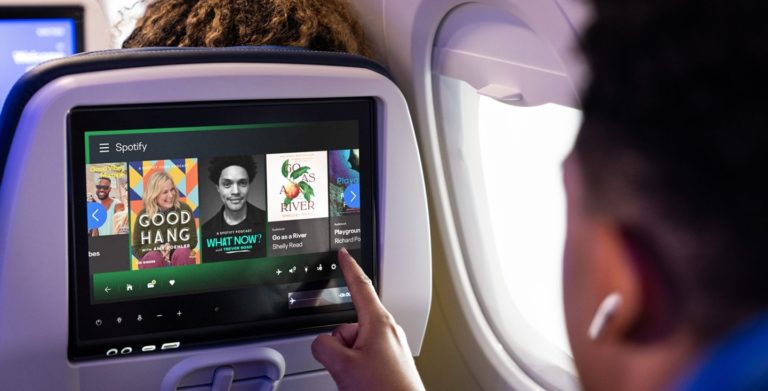
Spotify and United are teaming up to deliver an even more entertaining in-flight travel experience. Starting today, more than 450 hours of Spotify-curated playlists, podcasts, and audiobooks can be enjoyed for free from over 130,000+ seatback screens, many of which offer stunning 4K quality and Bluetooth audio compatibility.

This marks the first time we’ve offered audiobooks and video podcasts onboard an airline, giving United flyers access to a curated selection of titles, including Good Hang with Amy PoehlerThe Dave Chang Show, and The Comment Section with Drew Afualo.

“Spotify has a huge audience and people love their content. And now our customers can enjoy it all in a simple and easy way, at 35,000 feet,” said Richard Nunn, CEO of MileagePlus. “Together, we’re giving millions of customers an entirely new way to experience and explore premium content from the world’s most popular artists, authors, and podcasters, all while flying with the latest technology in the sky.” 

Additionally, on Starlink-equipped aircraft, travelers can stream Spotify content on their personal devices from gate to gate without interruption—free of charge. All they need to do is log in to their MileagePlus accounts and accept the terms and conditions for using Starlink. From there, travelers will be able to open their Spotify apps and stream content, just like they do at home.

To celebrate the launch, MileagePlus members who are new to Spotify Premium Individual can sign up for a subscription and earn up to 1,000 bonus miles.  To see more and learn how to redeem the offer, visit spotify.com/ppt/united

But this is just the start of what they have planned. In 2026, United passengers will be able to use their personal devices to log in to the Spotify app on the in-flight entertainment screen. This will allow passengers to enjoy their favorite personalized content on the seatback so they can pick up their favorite podcasts, music, and audiobooks from right where they left off.

“As a frequent United flyer myself, it’s incredibly exciting to see Spotify now available on the world’s largest airline,” said Ian Geller, VP Business Development, Spotify. “At Spotify, we’re dedicated to being everywhere our users are, giving creators opportunities to reach new platforms and engage different audiences. I’m especially looking forward to bringing an even more personalized app streaming experience to seatbacks next year.”

5 Surprising Facts About Tom Waits’ ‘Rain Dogs’

There’s something unreal about Rain Dogs opening your ears for the first time. The clatter, the clang, the carnival in the alley—it doesn’t ask you to like it, it dares you to live in it. Released in September 1985, Tom Waits’ ninth studio album takes you through New York’s underbelly, where songs echo off wet pavement and dreams sleep in stairwells. It’s theatrical, messy, and brave—just like the city it was born from. Let’s dive into five lesser-known facts about this landmark record, the middle chapter in Waits’ wildly brilliant trilogy.

1. Waits Wrote the Album in a Basement That Sounded Like a Vault
Tom Waits wrote most of Rain Dogs in a tiny basement room at the corner of Washington and Horatio in Lower Manhattan, just a block from the river. The room was cold and quiet, except for the pipes that hissed and groaned like they had stories to tell. Waits said it was the perfect place to work. No distractions, no sunshine, just that creaking underground lullaby. The whole place had the kind of stillness that soaks into your songs. That basement shaped the album’s tone as much as any lyric ever could.

2. Keith Richards Played by Instinct, Not Instruction
When Waits invited Keith Richards to play on tracks like “Big Black Mariah” and “Blind Love,” he knew what kind of energy he wanted. He started trying to describe the rhythm, but something was missing. So Waits started moving—physically showing the pulse with his body. That’s when Richards lit up. He understood it through motion, through vibe. No need for technical talk when you’ve got groove in your bones. He locked in immediately. That instinct helped give the songs their swagger and streetlight soul.

3. The Album Cover Captures Two Real People Named Rose and Lilly
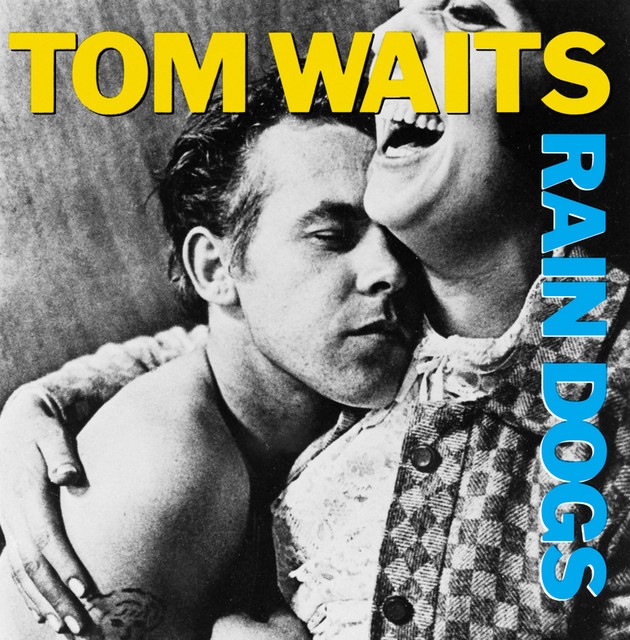
The striking photo on the cover of Rain Dogs wasn’t posed or staged. It came from a series of snapshots taken in the late 1960s by Swedish photographer Anders Petersen at Café Lehmitz in Hamburg. The man and woman in the photo are named Rose and Lilly. They were regular people in a bar, caught in a moment of quiet connection. The image holds that mix of tenderness and grit that matches the music inside. It’s not glossy or cleaned up—it’s raw, human, and unforgettable.

4. The Percussion Came From Furniture, Not Plugins
To build the wild sound of Rain Dogs, Waits searched for textures that felt physical. If a snare drum didn’t give the right punch, his team brought a chest of drawers into a bathroom and struck it with a two-by-four. He believed in chasing sound through real effort. He liked the idea of making something new with what was already lying around. The result? Beats that feel like footsteps in alleyways, like furniture crashing in dreams, like a rhythm section built from second-hand soul.

5. Marc Ribot Was Told to Play Like a Midget’s Bar Mitzvah
Guitarist Marc Ribot joined the sessions without knowing what to expect. Waits gave him direction with phrases instead of charts. One of them was, “Play it like a midget’s bar mitzvah.” Ribot listened to Waits play on an old hollow-body guitar, then just followed where the mood took him. There were no rehearsals, no rigid structures. He had freedom to explore and improvise. Many of the parts you hear happened on the first or second take. That looseness added a spark that still crackles after all these years.

Rain Dogs feels like something found in a dusty suitcase, forgotten in a subway locker, still humming with stories. It moves like a drunk parade, filled with crooked horns, tired feet, and beautiful noise. Tom Waits created a world that mirrors the city—chaotic, alive, and impossible to forget. If you ever find yourself alone on a rainy night with nowhere to go, this album knows exactly how you feel.

5 Surprising Facts About The Cars’ Debut Album

When the first three songs from your debut album—“Good Times Roll,” “My Best Friend’s Girl,” and “Just What I Needed”—are all stone-cold classics, something magical happened. Released on June 6, 1978, The Cars was a roadmap to what new wave could sound like when melody, technology, and irony collided at full speed. And over four decades later, it still sounds like the future. Let’s dive into five facts about this iconic album you may not know—but definitely should.

1. The Demos Became the Hits—With a Little Help From Boston Radio

Before The Cars had a record deal, Ric Ocasek was handing out demo tapes like flyers at a punk show. Two of those demos—“Just What I Needed” and “My Best Friend’s Girl”—found their way into the hands of Boston DJ Maxanne Sartori. She played them constantly on WBCN, and the phone lines exploded. Labels came calling, not because of some industry buzz, but because fans already knew the songs. Those exact recordings helped land the Elektra deal. If there was ever proof that radio still breaks bands, this was it.

2. The Album Cover Wasn’t the Band’s Idea—And They Weren’t Thrilled

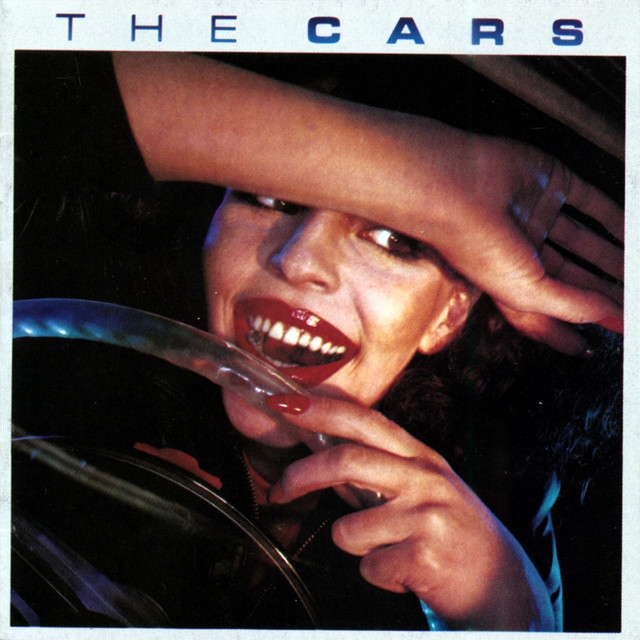
The iconic cover featuring a woman laughing behind the wheel? That wasn’t the band’s design. In fact, drummer David Robinson had created an alternate version that cost just $80 to produce, but the label overruled it due to copyright issues. His original concept was shuffled inside as the inner sleeve. Guitarist Elliot Easton later said he got tired of “that big grinning face,” and Robinson agreed it looked too slick. It’s one of those great rock album covers that’s instantly recognizable—and quietly resented by the people who made the music.

3. They Used Technology Like Kids in a Candy Store

The Cars loved gear. Like, really loved it. Greg Hawkes had synths that blinked like alien spacecraft. David Robinson had footswitches lined up like a moon landing control panel. They’d scoop up the newest tech from music stores—even if it’d be outdated in two months. The result? A sound that felt decades ahead of its time. The Cars blended cold, machine-driven polish with emotional detachment and hooks for days. It wasn’t just punk energy—it was sci-fi pop built in a garage full of gear.

4. Ric Ocasek’s Lyrics Had Edge, Wit, and Zero Sentimentality

Ric Ocasek could write a pop chorus that made you want to dance, cry, or stare out the window, sometimes all at once. But his lyrics were sharp—ironic, sarcastic, and slyly cutting. “Let them brush your rock and roll hair,” he sang on “Good Times Roll,” with a smirk buried inside the melody. He once admitted the line wasn’t a throwaway—it was a way to let people interpret freedom on their own terms. He didn’t give you the dream. He gave you the feeling of someone dreaming while stuck in traffic.

5. Benjamin Orr Was the Secret Weapon

While Ric Ocasek was the band’s visual and lyrical architect, it was bassist Benjamin Orr who sang “Just What I Needed.” His voice—smooth, confident, and slightly removed—gave the song its cool detachment. Ocasek knew who should sing what, and Orr’s delivery made the lyrics even more biting. Ultimate Classic Rock even called the performance “perfect.” In the years that followed, Orr’s role in the band grew more appreciated. On this record, he didn’t just hold down the low end—he delivered the punchlines, too.

The Cars was released 47 years ago, but it hasn’t aged a minute. From the first note to the final fade, it captures the tension between romance and robotics, between radio and rebellion. Whether you’re hearing it for the first time or the 400th, it still sounds just what you needed.

Let the good times roll.

Dua Lipa Brings ‘Service95 Book Club’ Video Series to Spotify

0

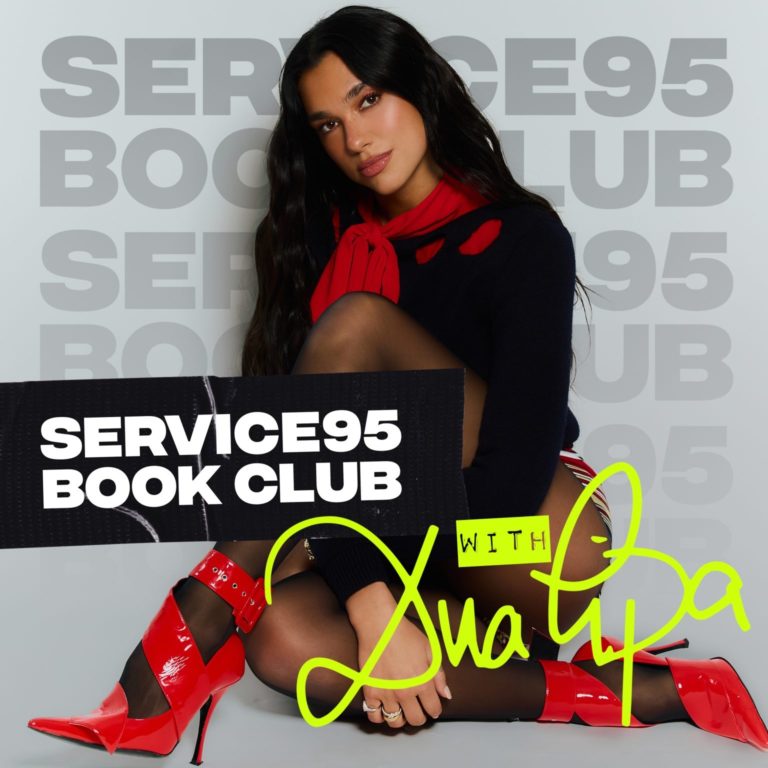
Whether she’s in the studio, on a tour bus, or traveling the world, there’s one thing Dua Lipa always carries with her: a good book. And now, the star’s acclaimed Service95 Book Club video interview series is expanding its reach with a new presence on Spotify. Starting June 10, Dua’s conversations with authors will be available for Spotify’s vast audience to view, creating new avenues for discovery and connection.

The Service95 Book Club has become a beloved space for Dua’s fans and literary enthusiasts alike, featuring her personally curated monthly reads and exclusive Q&As with authors, plus reading recommendations from the Service95 team. The Service95 Book Club With Dua Lipa podcast will feature both brand-new interviews with authors of Dua’s monthly reads and a treasure trove of conversations from the Service95 archives.

“For me, one of the best things about reading is getting to chat with my friends about the book that’s just blown my mind,” said Dua. “But surely the ultimate fantasy would be to have the author in the room there with us, answering all our questions about the incredible world they’ve created. Well, I get to live out my fantasy with the Service95 Book Club podcast, where in each episode I share a book I love and I’m joined by the author themselves. As someone who really is obsessed with books, it’s a dream come true.”

To celebrate the launch, here are a few of Dua’s summer 2025 book picks: 

  • This House of Grief by Helen Garner: “It wouldn’t be my book pile without at least one harrowing story. [This is] a nonfiction account of a case that follows an accused father driving his car into a dam with his three sons in the back. I couldn’t put it down.”
  • Dream Count by Chimamanda Ngozi Adichie: “This has been in my TBR [to-be-read] pile for a while and I can’t wait to have time to read it this summer.”
  • Fearless and Free by Josephine Baker: “Formed from over 20 years of conversations with French journalist Marcel Sauvage, this memoir has just been published in English for the first time.”

“It’s a genuine thrill to welcome Dua Lipa and the Service95 Book Club to Spotify,” said Roshni Radia, Audiobooks Editor at Spotify. “Dua’s unique style and clear passion for literature make this a perfect fit for us, and it really showcases the full ecosystem of creative talent on Spotify. We’re excited to see fans of Dua’s music fall in love with this interview series, and then go on to discover new authors whose audiobooks they can listen to right there on Spotify, too.”

Check out the trailer for the Service95 Book Club With Dua Lipa, launching June 10 on Spotify.

Spotify Premieres ‘Travis Scott Live From Barcelona’ Featuring Unreleased Tracks

0

Last month, Spotify brought Travis Scott to Barcelona to play his first-ever show in the city and celebrate the release of his Spotify x Cactus Jack x Barça jersey. Held on the eve of FC Barcelona’s El Clásico victory (which saw the team sporting the limited-edition shirt), the show was a lively affair featuring performances of two unreleased tracks from the global icon’s upcoming album, JACKBOYS 2

Now we’re making that performance available for the world with an exclusive premiere on Spotify. 

Taking place at Barcelona’s iconic Tres Xemeneies, Spotify Presents: Travis Scott Live From Barcelona is a high-intensity experience that captures Travis taking fans through classic hits including “FE!N,” “4×4,” “SICKO MODE,” and “goosebumps,” and the aforementioned JACKBOYS 2 tracks “Dumb” and “Kick Out.”

“This film is a piece of the energy we created in Barcelona,” said Travis. “The fans showed up for my first performance there and it was a wild, real moment. Now fans around the world can tap in and feel that same vibe.” 

Building on the success of The Weeknd x Billions Club and Lady Gaga’s Little Monsters Press Conference, the film marks the next chapter in our artist-driven video content, reimagining how fans connect with music on Spotify. Video has become a core part of the Spotify experience, driven by massive demand from our 678 million users worldwide.

“This partnership with Travis is a perfect example of how Spotify is deepening the connection between artists and fans,” said Marc Hazan, Vice President, Partnerships and Marketing, Spotify. “Bringing a global icon like Travis Scott to perform in Barcelona created a once-in-a-lifetime moment for fans on the ground—and capturing it on film, exclusively for Spotify, allows us to share that with fans around the world. It’s about offering new ways to experience video, and to feel closer to the artists they love.”

Spotify Presents: Travis Scott Live From Barcelona can be streamed via iOS, Android, Desktop, or TV. The film will be available as a Spotify exclusive until June 6, when it will also be available on YouTube. 

Spotify Returns to Cannes Lions With Paris Hilton, Cardi B, Charlie Puth & More

0

Spotify is heading back to France for the annual Cannes Lions International Festival of Creativity, and this year they’ll showcase how Spotify is more alive than ever as a creative playground where creators share, fans explore, and brands are discovered. Throughout the week, they’ll invite attendees to experience Spotify IRL, as a cultural force and the best home for creators and fans.

“Spotify is home to an unrivaled global community of artists, songwriters, podcasters, authors, creatives, fans, and brands,” said Brian Berner, Spotify’s Global Head of Advertising Sales & Partnerships. “This year, we’re bringing to life the creativity that lives on Spotify and how we’ve made it easier than ever for advertisers to join Spotify’s ever-evolving playground and engage with audiences in a positive, premium, brand-safe environment.”

From Monday, June 16, through Thursday, June 19, Spotify Beach once again serves as a creative epicenter on the Croisette. Their daytime sessions will feature some of the world’s leading authors, actors, creators, and musicians, including Paris Hilton, Louis Theroux, Charlie Puth, Mark Ronson, Morgan Absher, Jake Shane, Rachel Lindsay, Seal, Rob Mayhew, and more. They’ll also be hosting two evenings of can’t-miss concerts: Alex Warren, sombr, and Royel Otis will perform on June 17, while Cardi B, a DJ set from Mark Ronson, and Lola Young take the stage on June 18. Charlie Puth will also perform during an exclusive opening-night soirée. 

Spotify Beach will also host interactive, immersive experiences. At the Soul Coffee Cafe, guests can enjoy a coffee and join the Beach Jam via QR codes. Guests can snap a selfie, use it to create their own custom playlist cover art, and have it printed or sent to their socials at the Cover Art Creator Zone. At the Audiobook Flavors Bar, guests can check out top titles for summer listening and cool off with customized soft serve, so they can “taste” an audiobook of their choice.

Here’s a rundown of what’s happening daily:

Monday, June 16

Mic Check: In Conversation with Louis Theroux, featuring Paris Hilton
What happens when an award-winning documentarian meets a pop-culture powerhouse? Join Louis Theroux and Paris Hilton as they share the stage to explore the art of storytelling across formats—from podcasts and documentaries to music, memoir, and more. Expect creative chemistry, surprising parallels, and sharp perspectives you won’t want to miss.

Rhythm and ROI: Amplifying Music in Your Marketing Strategy with Charlie Puth
Artists shape culture; learn how brands can tap in. Chart-topping artist Charlie Puth shares his thoughts on how sound drives emotion and how collaboration can boost cultural impact and audience connection.

Tuesday, June 17

Culture Club: The Influence and Impact of Fandom
Culture isn’t just created; it’s ignited and propelled by fans. From viral podcasts fueled by listener enthusiasm to global music moments amplified by devoted audiences, fandoms are the vibrant engines where culture truly comes to life. Join Jake Shane, Morgan Absher, and Rachel Lindsay for a deep dive into how fandoms drive modern culture and elevate creators.

The Power of Presence: How Authenticity and Resilience Forge Global Influence with Mark Ronson
What does it take to build lasting cultural impact across industries? In this dynamic conversation, Spotify’s Chief Public Affairs Officer Dustee Jenkins sits down with Grammy-winning producer and author Mark Ronson to explore the role of authenticity in creative and professional success. From number-one hits to thought-provoking storytelling, they’ll discuss how staying true to your voice—whether written, spoken, or sung—can resonate with audiences, spark emotional connection, and drive meaningful brand engagement in today’s attention economy.

Nighttime performances shine a spotlight on the biggest emerging talent of 2025, including Alex Warren, sombr, and Royel Otis, and feature sets from DJs Baby J and Dre Tala.

Wednesday, June 18

From AI to IRL: Navigating Creativity in the Now
AI is the marketing industry’s topic du jour, but it takes human creativity to make ads that matter. In this discussion, guided by Spotify’s own AI DJ X, prominent creatives discuss how brands are blending Spotify’s intelligence (AI, personalization) with cultural and editorial insights to build products and campaigns that connect with global audiences and individuals on emotional levels. Get a fresh perspective on how to pair AI’s capabilities with human creativity to enhance brand storytelling and inspire engagement. The session will close with a special appearance by Grammy-winning artist Seal, who’ll reflect on the role of human emotion and storytelling in the age of AI.

Sound to Story: The Art of Personalization Through Music with Ludwig Göransson and Miles Caton
Unlock the sound secrets behind the blockbuster film Sinners. Discover how the seamless fusion of music and storytelling elevates a film’s emotional impact with composer Ludwig Göransson and breakout film actor Miles Caton. This session explores how soundtracks shape cinematic experiences and how brands can harness the same power to create lasting emotional connections with their audiences.

Nighttime performances feature Cardi B, a DJ set from Mark Ronson, and Lola Young. DJs Baby J and Dre Tala will also spin tunes.