Home Blog Page 602

Soulweaver and Gypsy’s Kiss Announces June 2025 Dual-Headliner UK Tour

0

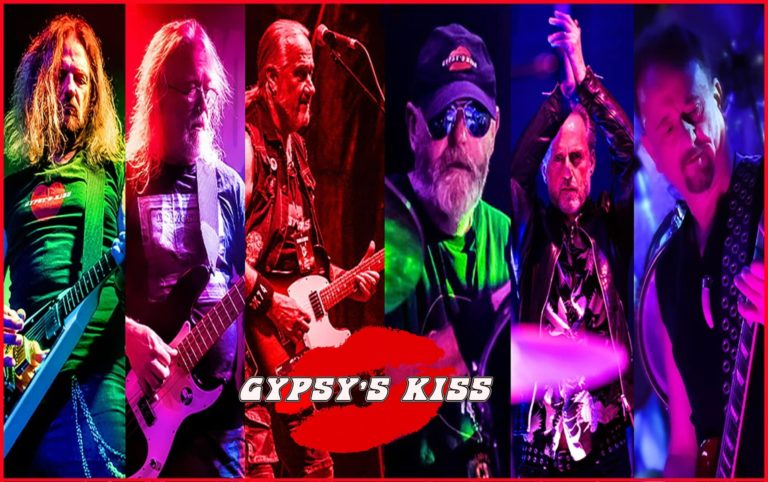
Two powerhouse bands, Soulweaver and Gypsy’s Kiss, are joining forces for a special three-date UK tour in June 2025. The run kicks off on Friday, June 20 at The Six Six in Cambridge, continues at the legendary Cart and Horses in London on Saturday, June 21, and wraps up at The Victoria in Swindon on Sunday, June 22.

Joining them for the Cambridge and London shows are special guests Pearl Handled Revolver, known for their distinctive style and recent acclaimed album. Please note, Pearl Handled Revolver will not be appearing at the Swindon date.

Audiences are encouraged to support independent venues and bands by purchasing tickets in advance.

The tour marks an exciting return for Soulweaver, the UK-based rock/metal trio reuniting after an eight-year hiatus. Formed in 2009 by guitarist and vocalist Goodge and bassist ‘M’, the band has now welcomed powerhouse drummer James Barber to the lineup, adding new drive to their already high-octane sound. With a history of sharing stages with icons such as Wishbone Ash, Nazareth, FM, and Black Star Riders, Soulweaver are known for their emotionally charged songwriting, blistering live shows, and unmistakable classic British rock spirit with a modern edge.

Their comeback single, Red, arrives in June 2025 and sets the tone for what promises to be a thrilling new chapter. The track delivers massive hooks, melodic intensity, and a fiery blend of hard rock and modern metal—an authentic reflection of the band’s passion and renewed energy.

Meanwhile, Gypsy’s Kiss bring their own rich legacy to the stage. Originally formed in 1974 by David Smith and Iron Maiden’s Steve Harris, the band holds a unique place in British rock history. Sitting proudly at the top of the Iron Maiden family tree, Gypsy’s Kiss combine rock, blues, and a touch of prog in a sound that continues to evolve. With a new album on the horizon, fans can expect fresh material alongside their classic high-energy set.

This tour offers a rare opportunity to experience two bands with distinct legacies and powerful live reputations on the same bill. Expect passionate performances, soaring riffs, and a shared commitment to keeping the spirit of rock alive and well.

Tour Dates:

  • Friday 20 June 2025 – The Six Six, Cambridge (with Pearl Handled Revolver)
  • Saturday 21 June 2025 – Cart and Horses, London (with Pearl Handled Revolver)
  • Sunday 22 June 2025 – The Victoria, Swindon (no support)
Gary Clark Jr. and Los Lobos Preview ‘Antone’s: 50 Years of the Blues’ Box Set

0

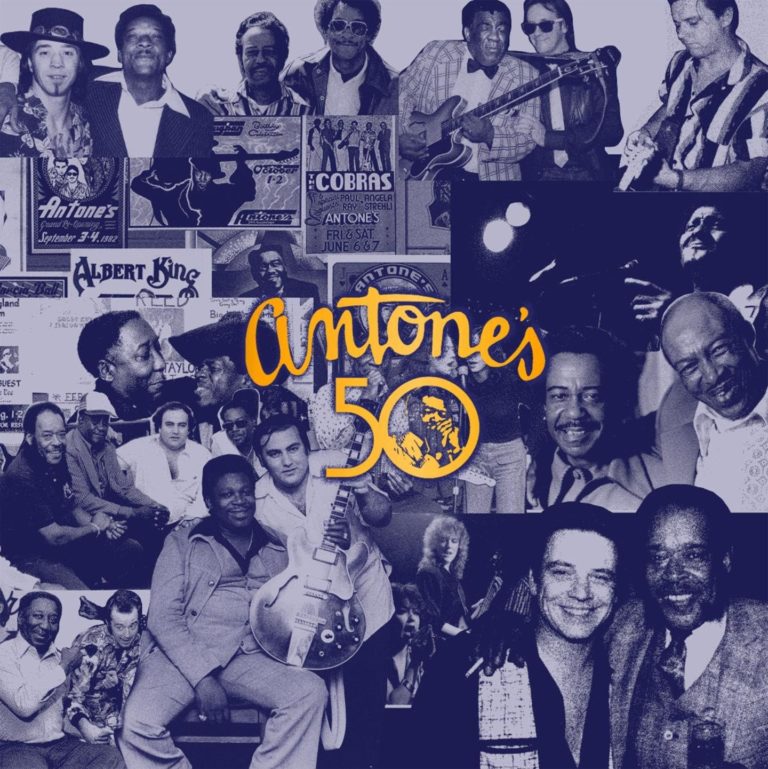
Antone’s: 50 Years Of The Blues – the five-disc, 41-track box set celebrating the legendary Austin music venue – has been previewed today with a pair of advance singles from Gary Clark Jr. and Los Lobos. Calling on their deep ties to the club’s rich history and enduring spirit, these trailblazing artists have each shared a never-heard recording in celebration of Antone’s 50th anniversary. Both will be included when the full box set is released August 22 via New West Records, a collection which consists of: three full-length albums (each capturing a unique element of the club’s history), a special bonus 45, rare and unseen photographs, an updated hardcover edition of Picture the Blues by Susan Antone and a new, definitive Antone’s history – written by revered Texas music historian Joe Nick Patoski with fresh interviews.

Clark Jr. began playing at Antone’s when he was just a teenager, noting that “I was a kid sitting around playing my guitar with no direction. I already loved to play, but when I jumped onstage at Antone’s, I felt like I was part of something important…It changed the way I thought about life and ended my search for acceptance, because I knew this was what I was supposed to do.”

This previously unreleased – and recently unearthed – board recording of “Catfish Blues” dates from 2004, when Clark was 20 years old and unsigned – but sharing the Antone’s stage with artists like Double Trouble, James Cotton and Jimmie Vaughan for a Hubert Sumlin benefit show. In this sense it’s a perfect embodiment of what Antone’s is all about – coming together to help their elder statesmen, while giving remarkable opportunities to the next generation. “Catfish Blues” will be released on We Went Live In ’75 (the box set’s collection of rare live recordings from the club) – one of the three full-length albums included within, alongside Tell Me One More Time (long-lost cuts from the club’s label Antone’s Records) and The Last Real Texas Blues Album (new material recorded by artists integral to Antone’s story).

In addition to the three full-length albums on Antone’s: 50 Years Of The Blues, a bonus 45 will feature Los Lobos’ brand-new studio recording of the Chicago blues classic “Three Hundred Pounds Of Joy” – written by Willie Dixon and made famous by Howlin’ Wolf. While synonymous with Southern California, Los Lobos hold a lifelong connection to Antone’s, thanks to a crucial encounter early in their careers. “Clifford Antone rescued us in 1983 when we found ourselves kicked off a tour and stranded in McAllen, TX with no money to get home to LA,” remembers Los Lobos’ Steve Berlin. “He said get to Austin somehow, and he’d pay us $100 a man per night to open for a week of shows at Antone’s. That was just enough to make it home, so it is in some very small measure our way of saying ‘thanks for saving our asses’ to do this song for him and his great club. God Bless Clifford and the entire Antone’s family.” Longtime Antone’s house band guitarist Derek O’Brien adds: “Clifford loved it when [Los Lobos’] Cesar Rosas would do Howlin’ Wolf.”

Antone’s: 50 Years of the Blues is part of a major year-long celebration of Antone’s, which will include performances over the next month in both Austin and New York City. On June 29, the club will bring the sounds of Antone’s to one of the world’s most prestigious stages – hosting a curated night of music as part of Lincoln Center’s Summer For The City series. The evening before (Saturday, June 28), they will host a Super Blues Party at Manhattan’s intimate Bowery Electric. This New York City run will feature music from Texas icon Jimmie Vaughan, 2025 GRAMMY Nominee Sue Foley, C.J. Chenier (Crown Prince of Zydeco), Benny Turner (Freddie King Band), Swamp Pop Legend Jivin’ Gene (Jin Records), Big Bill Morganfield (son of Muddy Waters, co-star of A Complete Unknown), Kam Franklin of The Suffers, John Primer (Muddy Waters Blues Band), Steve Bell (son of Carey Bell), Lurrie Bell (Koko Taylor’s Blues Machine), Rodd Bland (Bobby “Blue” Bland Orchestra), Lil’ Ed Williams (Alligator Records), The Texas Horns, Joe Sublett and surprise guests.

Both the Bowery Electric show and the Lincoln Center showcase are free and open to the public. For more information visit: https://antonesnightclub.com/50th-anniversary/ 

Back in Austin, the first ever show at Antone’s took place on July 15, 1975 – from zydeco king Clifton Chenier and his Red Hot Louisiana Band. To mark the 50th anniversary proper, the club has announced a month of concerts featuring Antone’s staples, returning to their hallowed stage. Highlights include Take Me To The River All-Stars Memphis Soul Revue featuring Carla Thomas and Hi Rhythm on June 20, as well as Jimmie Vaughan & the Tilt-A-Whirl Band with Anson Funderburgh on July 12. On the 15th, C.J. Chenier will lead his Red Hot Louisiana Band at Antone’s – alongside sets from Primer and the Antone’s 50th Allstars, including Derek O’Brien, Lou Ann Barton, Marcia Ball, Rodney Craig, Sarah Brown and many more.

Check out the full line-up for Antone’s 50th anniversary concert series here: https://www.ticketmaster.com/artist/3704509?venueID=476138 

Previous celebrations of Antone’s 50th anniversary have included two nights of Allstar Jams at Austin Blues Fest in April featuring Gary Clark Jr., as well as a day party and official showcase during SXSW, which was praised by Rolling Stone for “pointing the way towards the future of the blues.” Later this year, a special episode of Austin City Limits will air on PBS nationally celebrating Antone’s 50th – including performances from many of the artists listed above.

Antone’s: 50 Years of the Blues Tracklist

The Last Real Texas Blues Album

Going Down – Bobby Rush & Jimmie Vaughan
Reconsider Baby – Benny Turner feat. Derek O’Brien
Flip, Flop And Fly – Jivin’ Gene feat. Charlie Sexton
You’ll Lose A Good Thing – Kam Franklin
If You Change Your Mind – Lil’ Ed Williams
Talkin’ ‘Bout My Friends – Kim Wilson & The Fabulous Thunderbirds
Those Lonely, Lonely Nights – McKinley James
The Sky Is Crying – Lurrie Bell feat. Joe Sublett
Lead Me On – Ruthie Foster
Bad Boy – Doyle Bramhall II
Just Like A Bird Without A Feather – Big Bill Morganfield
Honest I Do – John Primer
Lookin’ Good – Eve Monsees feat. Lurrie Bell & Billy Gibbons
The Things That I Used To Do – Lynn August feat. Marcia Ball
Willie The Wimp – C.J. Chenier
You Got Me Where You Want Me – Sue Foley
If (I Could Be With You) – Kam Franklin
Message From Miss Lavelle – Lavelle White feat. Derek O’Brien & Marcia Ball

Bonus 45 

Three Hundred Pounds Of Joy – Los Lobos

Tell Me One More Time

Sugar Coated Love – Lou Ann Barton
I’m So Glad – Snooky Pryor
It Hurts Me, Too – Angela Strehli Band
No Special Rider – Lazy Lester
You’re Gonna Make Me Cry – Lavelle White
I Won’t Cry – Doug Sahm
A Fool in Love – Marcia Ball, Lou Ann Barton, Angela Strehli
Too Sorry – Doyle Bramhall
Gone Blind – Sue Foley
Hear From My Daddy – Barbara Lynn
Don’t Touch Me – Kim Wilson
Going Down Slow – Pinetop Perkins
 

We Went Live In ‘75

Chicken Shack / Sugar Bear Intro (Live) – Pinetop Perkins
Walking By Myself (Live) – Jimmy Rogers
Built Up From The Ground (Live) – Sunnyland Slim
Double Trouble (Live) – Otis Rush
Bigtown Playboy (Live) – Eddie Taylor
Look On Yonder’s Wall (Live) – Buddy Guy
What It Takes To Get A Good Woman (Live) – Angela Strehli
Cold Cold Feeling (Live) – Albert Collins
Catfish Blues (Live) – Gary Clark Jr.
Midnight Creeper (Live) – James Cotton

Liquid Death Sells Ozzy Osbourne’s DNA in Limited Edition Iced Tea Cans

0

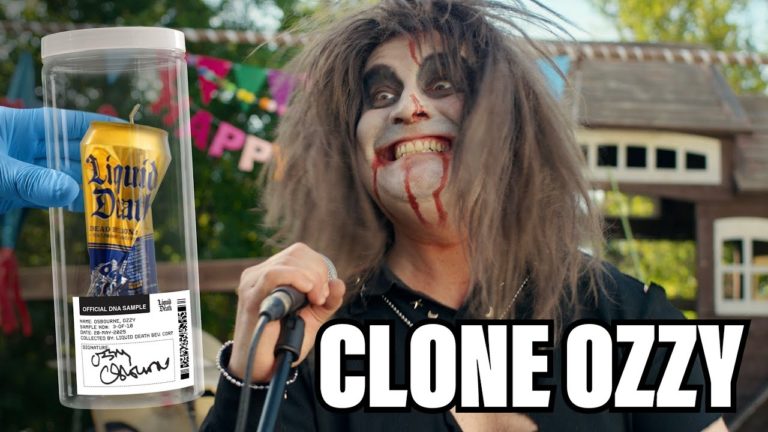
If you’ve ever wanted to own a piece of rock royalty—literally—Liquid Death has you covered. They got Ozzy Osbourne to drink their iced tea, crush the cans, and leave behind his DNA. Now those cans are in specimen jars, hand-signed by the Prince of Darkness himself. It’s called “Infinitely Recyclable Ozzy” and it’s $450 of pure heavy metal weirdness.

Christian McBride Assembles Jazz Royalty for ‘Without Further Ado, Vol. 1’ Featuring Sting, Samara Joy, Dianne Reeves & More

0

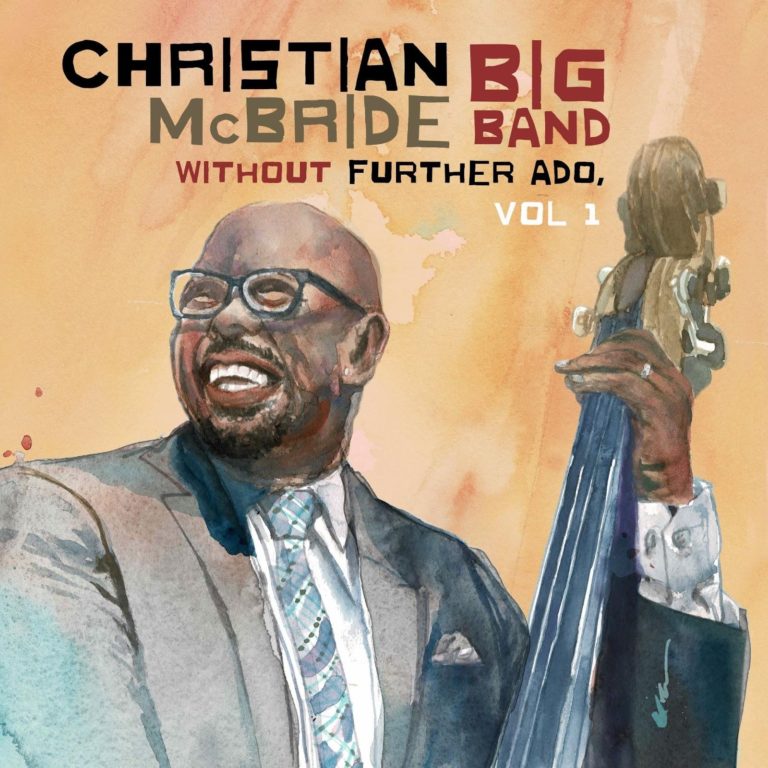
Today, nine-time GRAMMY Award winner Christian McBride announced the upcoming release of Without Further Ado, Vol. 1, a new album featuring his acclaimed big band and an all star cast of special guests. Following up his big band’s GRAMMY Award winning 2020 release For Jimmy, Wes & Oliver, the new release employs a jaw-dropping array of talent, featuring Sting, Andy Summers, Samara Joy, Dianne Reeves, José James, Cécille McLorin Salvant, Jeffrey Osborne, and Antoinette Henry to bridge eras with elegance and groove, reaffirming McBride’s status as a champion of jazz past, present and future. The album will be released on August 29 via Mack Avenue Records, and is currently available for preorder here. McBride has also released the track “Murder By Numbers,” reuniting Sting with his bandmate Andy Summers for the first time since The Police’s 2007-2008 reunion tour. The Christian McBride Big Band takes the band’s iconic song to new heights. 

“I am absolutely thrilled to have Sting and Andy Summers — two-thirds of one of the most influential bands in history, The Police — join me for one of their songs,” says McBride “Sting continues to evolve gracefully as an artist, and Andy still plays with the sophisticated fire and grit he has always possessed. A huge thank you to both of them, as well as to the remarkable Pedrito Martinez, for bringing that special ‘thang’ that only he can provide.”

Having played with artists ranging from Chick Corea and Wynton Marsalis to Billie Eilish and Celine Dion, several of McBride’s artistic paths converge on Without Further Ado creating an electrifying collection of reimagined classics and surprises. The inspiration and many of the arrangements for the album grew out of the annual NJPAC Gala, for which the Big Band has served as house band and McBride as musical director since 2012. “We’ve always invited a bunch of great singers to come and perform at the Gala,” McBride says, “and as musical director, I’m responsible for arranging all of the music. After so many years of writing big band charts for these incredible singers, I realized that I had stacks of music that had only been played once. This has been a fantastic opportunity to finally record some of these arrangements and to play them with some of my favorite singers.”

If there is any doubt that we are living through a vocal jazz renaissance, the multi-generational line-up of singers McBride has assembled for Without Further Ado, Vol. 1 definitively settles that debate. From Samara Joy’s breathtaking version of the jazz standard “Old Folks,” to Jeffrey Osborne’s reinterpretation of  his band L.T.D’s 1977 number one hit “(Every Time I Turn Around) Back in Love Again,” Without Further Ado, Vol 1 is like a vocal all-star game that’s heightened by the elegance and fire of the Christian McBride Big Band. 

Ahead of the album release, the Christian McBride Big Band will be performing at the Newport Jazz Festival on August 3, where they’ll be performing some of the new music from the album. In 2026 he will launch the first ever McBride’s World at Sea cruise, featuring performances with all of his critically acclaimed bands and loads of special guests onboard.

Christian McBride is a nine-time GRAMMY-winning bassist, composer, and bandleader. He is the Artistic Director of the historic Newport Jazz Festival, the New Jersey Performing Art Center’s TD James Moody Festival, and the National Jazz Museum in Harlem. McBride is also a respected educator and advocate for youth, serving as Artistic Director of JAZZ HOUSE KiDS and the Jazz Aspen Snowmass Summer Sessions. In addition to artistic directing and consistent touring with his ensembles, he hosts NPR’s “Jazz Night in America” and “The Lowdown: Conversations With Christian” on SiriusXM. Whether behind the bass or away from it, Christian McBride is always part of the music. From jazz to R&B, and pop/rock and hip-hop/neo-soul to classical, he is a luminary with one hand ever reaching for new heights, and the other extended in fellowship—and perhaps the hint of a challenge—inviting us to join him. McBride’s 2024 album But Who’s Gonna Play The Melody? was recorded with renowned bassist, composer, and seven-time GRAMMY Award-winner Edgar Meyer. Released via Mack Avenue Records, the album debuted at #1 on Billboard’s Classical Crossover chart.

Jeremy Allen White Is Bruce Springsteen in ‘Deliver Me From Nowhere’ Trailer

0

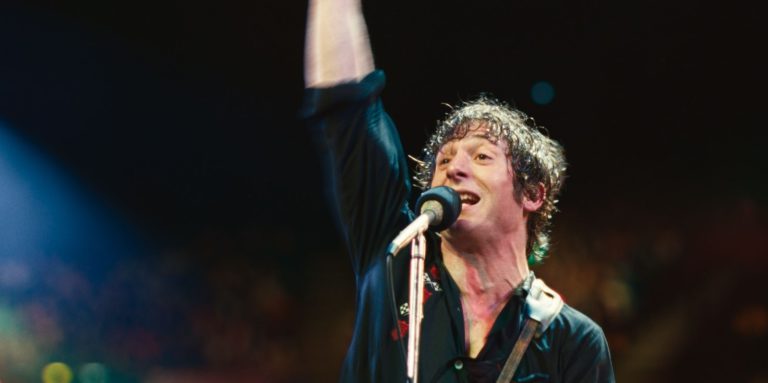
The first trailer for Deliver Me From Nowhere is here, and it’s giving us chills. Jeremy Allen White becomes Bruce Springsteen in this dramatized dive into the making of Nebraska, with Jeremy Strong as Jon Landau and Marc Maron as Chuck Plotkin. Directed by Scott Cooper, the film looks like a haunting, heartfelt tribute to artistic vulnerability. In theatres October 24, Deliver Me From Nowhere captures the myth, memory, and music of The Boss.


83 Surprising Facts About Paul McCartney For His 83rd Birthday

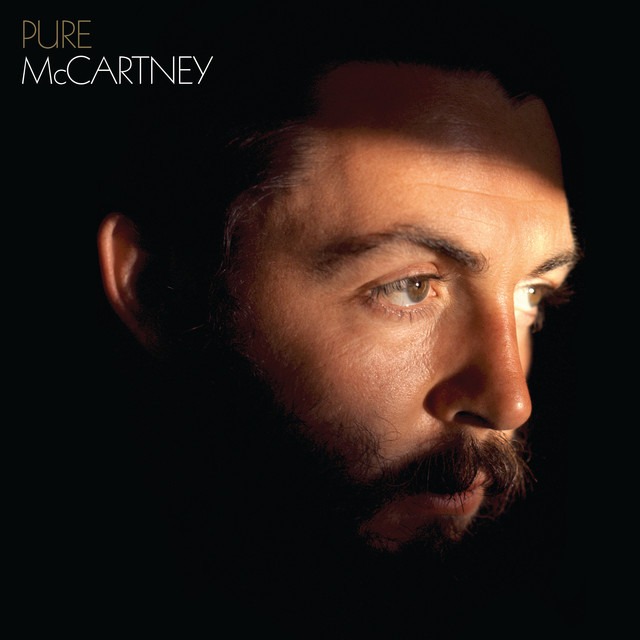
Happy 83rd birthday, Sir Paul McCartney! As the world celebrates his amazing career, let’s dive deep into some lesser-known gems about the legendary musician that you may not have heard before. From quirky moments to behind-the-scenes stories, these 83 facts will add even more admiration to the man who brought us “Yesterday,” “Hey Jude,” and so much more.

  1. Paul McCartney’s real name is James Paul McCartney.
  2. His first musical instrument wasn’t the guitar; it was the trumpet, which his dad gave him for his 14th birthday.
  3. He taught himself how to play the guitar after struggling with right-handed playing and flipping the strings to play left-handed.
  4. McCartney first met John Lennon in 1957 at a church fete in Woolton, Liverpool.
  5. His earliest musical influences were Buddy Holly, Little Richard, and Elvis Presley.
  6. McCartney was inspired to write “Yesterday” after having a dream about the melody.
  7. He originally played rhythm guitar in The Quarrymen, not bass.
  8. Paul was an avid fan of the band The Everly Brothers before The Beatles formed.
  9. McCartney once shared that his dream was to become a postman, a career he almost pursued before music took over.
  10. He was born in a house without indoor plumbing.
  11. Paul’s first band was a skiffle group called The Quarrymen before they evolved into The Beatles.
  12. McCartney wrote “Eleanor Rigby” on a piano at his father’s house.
  13. He had a brief stint playing the organ at a local church as a teenager.
  14. McCartney once wrote a song called “I Lost My Little Girl” when he was just 14.
  15. He’s left-handed, but he plays guitar right-handed.
  16. McCartney was responsible for the “synthesized” sounds heard on the Beatles’ track “Tomorrow Never Knows.”
  17. He has a passion for painting and didn’t reveal it to the public for over 15 years.
  18. McCartney once wrote an entire song, “Scrambled Eggs,” which eventually became “Yesterday.”
  19. When he was young, McCartney considered a career in art, but music won him over.
  20. He’s one of 3 artists to sell 100 million albums in a band and solo – Phil Collins and Michael Jackson are the others.
  21. His children’s book Hey Grandude! was inspired by his love for storytelling with his grandchildren.
  22. Paul McCartney holds a Guinness World Record for the “Most Number One Hits” on the Billboard Hot 100 as a member of the Beatles.
  23. He’s fluent in the art of crosswords, often solving them with his father when he was a child.
  24. McCartney wrote the song “Pipes of Peace” to symbolize his desire for global unity.
  25. He’s a huge animal lover and has been a vegetarian since 1975.
  26. Paul once co-wrote a hit song for Peter and Gordon, “A World Without Love.”
  27. McCartney’s first solo album McCartney was recorded entirely by himself, without any outside musicians.
  28. The Beatles had to replace their original drummer, Pete Best, just before their breakthrough, and Ringo Starr became their permanent drummer.
  29. He’s known for playing multiple instruments across his music, including bass, guitar, drums, piano, and even the recorder.
  30. McCartney came up with the idea of “Sgt. Pepper’s Lonely Hearts Club Band” as a way to step away from the image of being “the Beatles.”
  31. He’s been married three times, with his most recent wife being Nancy Shevell.
  32. Paul holds the record for most songs written with the word “love” in the title.
  33. The Beatles’ famous track “Love Me Do” was one of McCartney’s first charting hits.
  34. Paul wrote and recorded “Live and Let Die” as the theme for the James Bond movie.
  35. McCartney formed Wings in 1971, after the Beatles disbanded, with his wife Linda.
  36. He co-wrote “Ebony and Ivory” with Stevie Wonder, a song about racial harmony.
  37. The 1973 song “Band on the Run” was created under difficult conditions, with the band getting stranded in Lagos, Nigeria.
  38. McCartney is responsible for the iconic bassline in “Taxman,” one of The Beatles’ most famous songs.
  39. McCartney once spent an entire afternoon in the studio recording animal sounds for his experimental album Wild Life, including the sounds of a donkey and a goat.
  40. McCartney co-wrote “I Am the Walrus” with John Lennon, inspired by their love of experimental music.
  41. Paul once played a live set at the Glastonbury Festival in 2015, making history as the oldest headliner at the festival.
  42. He once admitted that he loved making music for films, having done so for several movies including The Family Way.
  43. McCartney is a massive fan of board games and is known to enjoy a good round of Monopoly or Scrabble.
  44. He and Ringo Starr were reunited for the first time in over 30 years for the “Two of Us” special on VH1 in 2000.
  45. He helped create the famous Apple Records logo.
  46. He once played an unannounced secret gig at The Cavern Club in 2020.
  47. McCartney is one of the richest musicians in the world, with an estimated net worth of over £1 billion.
  48. He’s performed on stage with some of the biggest stars, including David Gilmour and Eric Clapton.
  49. Paul has written songs for movies, including the soundtrack for The Family Way.
  50. His collaboration with Elvis Costello on Flowers in the Dirt produced the chart-topping hit “My Brave Face.”
  51. McCartney loves to travel and has performed concerts on almost every continent.
  52. He spent some time playing with a jazz band while studying at school.
  53. Paul collaborated with Michael Jackson on the song “Say Say Say,” which became a hit across the globe.
  54. McCartney famously said, “You can’t be a Beatle forever, you’ve got to evolve.”
  55. He has appeared on The Simpsons multiple times, contributing his voice to the iconic animated show.
  56. McCartney’s basslines in “Rain” and “Tomorrow Never Knows” are considered among the best in rock history.
  57. He loves playing small, intimate shows and frequently performs surprise sets.
  58. McCartney is known for his environmental activism, particularly advocating for the protection of rainforests.
  59. He once performed a surprise set at the historic Cavern Club, where the Beatles got their start.
  60. He was instrumental in raising awareness for the campaign to ban land mines in the 1990s.
  61. McCartney has performed at the Super Bowl halftime show twice, in 2002 and 2005.
  62. He and Ringo Starr are the last surviving members of The Beatles.
  63. Paul’s bass playing was heavily influenced by soul legends like James Jamerson from Motown.
  64. He once created a fictional band persona for Sgt. Pepper’s Lonely Hearts Club Band to help expand the band’s creative horizons.
  65. McCartney’s song “Hey Jude” was originally written for John Lennon’s son, Julian.
  66. He was deeply involved in the Beatles’ decision to stop touring, focusing on their studio albums instead.
  67. McCartney is one of the few artists to have been inducted into the Rock and Roll Hall of Fame twice, once as a member of The Beatles and again as a solo artist.
  68. McCartney has appeared in several films, including a cameo in Pirates of the Caribbean: Dead Men Tell No Tales.
  69. He’s performed live at many legendary venues, including Madison Square Garden, The Hollywood Bowl, and the O2 Arena.
  70. Paul wrote “Yesterday” in under an hour, but it was rejected by the rest of the band at first because it didn’t “sound like a Beatles song.”
  71. He is known for his charity work, supporting organizations like PETA and the Humane Society.
  72. McCartney once teamed up with Nirvana’s surviving members for the song “Cut Me Some Slack.”
  73. He’s also a patron of the Liverpool Institute for Performing Arts, the school he helped establish.
  74. He was the first Beatle to visit the White House after being knighted by Queen Elizabeth.
  75. McCartney plays a variety of musical genres, including classical, rock, and electronic music.
  76. He recorded an entire album in just one week, Run Devil Run, in tribute to his early influences.
  77. McCartney’s childhood hero was Buddy Holly, and he later purchased the rights to Holly’s catalog.
  78. He was one of the first to experiment with electronic sounds, paving the way for future artists.
  79. McCartney has stated that he doesn’t write his songs with any particular message or meaning in mind; it’s all about the melody.
  80. He once had a huge crush on Brigitte Bardot as a teenager.
  81. McCartney’s solo career has spanned over 50 years, and he continues to release new music and perform live.
  82. He was part of the famous “Paul is dead” conspiracy theory in the late 1960s.
  83. McCartney once said, “The music will always be there. The important thing is to stay grounded, humble, and love what you do.”

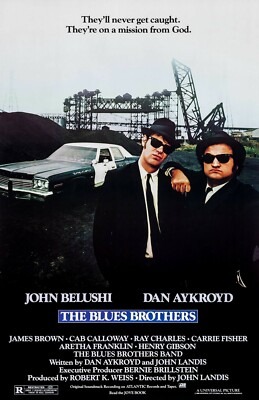
50 Fun Facts About The Blues Brothers Movie

The Blues Brothers is one of those films that never gets old. Released in 1980, it quickly became a cult classic, known for its high-speed car chases, epic musical numbers, and an ensemble cast of legendary stars. It has everything: comedy, music, unforgettable performances, and a whole lot of heart. Here are 50 fun facts that will make you love The Blues Brothers even more:

  • 1. The Blues Brothers started on Saturday Night Live: The iconic characters Jake and Elwood Blues were born during a musical sketch on SNL, where John Belushi and Dan Aykroyd performed live music.
  • 2. The movie was a big gamble: Universal Pictures took a risk with the film, betting on the musical and comedic chemistry of Belushi and Aykroyd, and it paid off big time.
  • 3. A 300-page script: Dan Aykroyd wrote a 300-page script, which was so detailed that it was bound in the cover of a Los Angeles Yellow Pages directory when handed in.
  • 4. The car chases were real: The film holds the record for the most cars destroyed during a movie shoot, with 60 police cars bought and many destroyed during wild chase scenes.
  • 5. Carrie Fisher played Jake’s ex-fiancée: She was not only a love interest in the film, but also the “mystery woman” who relentlessly tried to kill Jake.
  • 6. Cameos by music legends: The film is packed with cameos from music legends, including James Brown, Aretha Franklin, Ray Charles, and Cab Calloway, adding to the movie’s soulful atmosphere.
  • 7. The original budget was exceeded: The movie’s budget ballooned from an estimated $12 million to $27.5 million due to delays, car chases, and Belushi’s off-set behavior.
  • 8. Elwood’s driving skills: Aykroyd did most of his own stunts while driving the Bluesmobile, including the iconic bridge jump scene.
  • 9. The mall chase was filmed in a real mall: The wild shopping mall chase scene took place in the Dixie Square Mall in Harvey, Illinois, which had already been abandoned.
  • 10. John Landis directed the film: The director of Animal House, John Landis, brought his comedic genius to The Blues Brothers, mixing music and comedy effortlessly.
  • 11. Aretha Franklin’s “Think”: The scene where Aretha Franklin performs “Think” in the soul food restaurant became one of the most memorable moments of the film.
  • 12. A whole new use for the Bluesmobile: The Bluesmobile, a 1974 Dodge Monaco, was originally just a beat-up police car. It became a star in its own right, performing outrageous stunts.
  • 13. Belushi and Aykroyd’s deep friendship: The chemistry between Belushi and Aykroyd was key to the film’s success, with their long friendship translating into their characters’ bond.
  • 14. A legendary musical number: James Brown’s performance of “The Old Landmark” was the film’s most powerful gospel scene, setting the tone for the musical numbers that followed.
  • 15. The 100-piece orchestra: The grand finale concert scene at the Palace Hotel Ballroom included a live orchestra to make the final musical performance even more epic.
  • 16. Police were involved: Real police cars were used in the film, and during one sequence, hundreds of extras were hired to play officers, including a National Guard troop.
  • 17. Not just a comedy: While the movie is known for its slapstick humor, it also incorporates classic blues and R&B music, making it a love letter to the genre.
  • 18. The Chicago connection: Filming took place all over Chicago, including at Wrigley Field, which makes a cameo when Elwood uses it as his “home address” on his driver’s license.
  • 19. Classic rock shout-outs: The film features songs from some of the best of the best in rock and roll, from “Soul Man” to “Shake a Tail Feather,” showcasing some of the greatest musical legends of the time.
  • 20. The cult following: Though not an instant hit at the box office, The Blues Brothers gained a massive cult following and eventually made more than $115 million worldwide.
  • 21. The Blues Brothers Band: The film’s music wasn’t just for show. Many members of the Blues Brothers Band were actual musicians, including Steve Cropper and Donald Dunn of Booker T. & the MGs.
  • 22. The film’s wildest stunt: The Bluesmobile actually went airborne in one of the most outrageous car chases, a move that pushed the boundaries of what was possible in movie stunt driving.
  • 23. Elwood’s signature move: Aykroyd’s Elwood has a distinct way of driving, which made the Bluesmobile’s wild stunts even more entertaining to watch.
  • 24. John Landis made a cameo: Director John Landis appeared as a state trooper chasing the Bluesmobile in one of the many car chase scenes.
  • 25. The Blues Brothers’ debut album: The movie also resulted in a successful album, Briefcase Full of Blues, which was certified platinum.
  • 26. The heart of the movie: At its core, The Blues Brothers is about redemption and brotherhood, with the two main characters on a mission to save the orphanage they grew up in.
  • 27. The revival of classic blues: The movie played a huge part in bringing blues and R&B to a younger generation who may not have known about the genre.
  • 28. The iconic car chase through the mall: The film’s most infamous scene, the Bluesmobile barreling through a mall, was totally unplanned but became a highlight of the movie.
  • 29. A reunion of blues legends: The film brought together blues legends from various generations, giving them a platform to showcase their talents.
  • 30. John Belushi’s performance: The late John Belushi’s portrayal of Jake Blues was one of his best performances, blending humor with sincerity.
  • 31. The mystery woman: Carrie Fisher’s role as Jake’s vengeful ex-fiancée added an extra layer of intrigue to the movie.
  • 32. The enduring legacy: The Blues Brothers became one of the most important movies in music cinema, influencing countless films in the decades that followed.
  • 33. The greatest music film of its time: At its release, it was hailed as one of the best music-based films of all time, featuring live performances from music icons.
  • 34. A full-circle moment: The band performed live on Saturday Night Live after the film’s success, marking their return to their roots.
  • 35. The memorable chase sequences: The car chases in The Blues Brothers have since become some of the most iconic sequences in movie history.
  • 36. The script’s wild origins: Dan Aykroyd originally wrote a 300-page draft that wasn’t structured like a typical screenplay, leading to some hilarious improvisations.
  • 37. Classic jokes: The Blues Brothers is full of one-liners that have become as iconic as the music itself, like “We’re on a mission from God.”
  • 38. Recreating the Bluesmobile’s look: The Bluesmobile was designed to be intentionally funny, but it quickly became the star of the film.
  • 39. Behind-the-scenes chaos: The production was notorious for delays due to Belushi’s partying, but it only made the movie more legendary.
  • 40. A love letter to Chicago: The city of Chicago played a huge part in the movie, with locations like the Daley Center and Wrigley Field getting screen time.
  • 41. The epic rooftop concert: The final rooftop concert, which featured the band playing “I’m a King Bee,” was one of the film’s most memorable moments.
  • 42. An extended shootout scene: The movie features a wild shootout as the brothers try to evade the police, with high-speed chases and lots of action.
  • 43. A groundbreaking movie for its time: The film pushed the boundaries of car stunts and musical performances, making it a true cinematic classic.
  • 44. Iconic musical moments: The Blues Brothers is responsible for some of the most memorable musical moments ever captured on film.
  • 45. Legendary performances: The ensemble cast included some of the most iconic musicians of all time, making the film a who’s who of music legends.
  • 46. The Bluesmobile’s own fame: The Bluesmobile has become a symbol of the film, with replica cars appearing in museums and car shows across the country.
  • 47. It’s more than a comedy: While hilarious, the film also features some deeply emotional moments, especially in terms of the brothers’ redemption.
  • 48. The iconic “Soul Man” performance: The band’s performance of “Soul Man” in the movie is still considered one of the best music moments on film.
  • 49. Belushi’s commitment: Belushi was completely committed to his role, and his dedication to the film was a big reason why it was such a hit.
  • 50. The timeless legacy: The Blues Brothers continues to be a beloved film, watched by new generations of fans who are still discovering its charm and its music.

10 Tips for Choosing the Right Band Members

Choosing the right band members is a crucial step in forming a band that can take on the world. Whether you’re a new artist just starting out or looking to expand your lineup, the people you choose to work with will play a massive role in shaping your band’s sound, success, and overall vibe. So, what do you need to consider when picking out your bandmates? Here are 10 tips that will help guide you through the process and ensure you find the perfect match.

1. Chemistry Over Skill
While skills are important, chemistry is what keeps the music flowing. A band is like a marriage—if the members can’t get along or work well together, it’s never going to click. Choose people you vibe with and can communicate openly with. Trust me, you’ll thank yourself later.

2. Shared Musical Vision
All members should share a similar musical vision, whether that means they love rock, pop, or something in-between. Misaligned goals will lead to tension and frustration. It’s essential that everyone is on the same page musically to make sure the sound you’re aiming for stays consistent.

3. Balance Personalities
A good mix of personalities can make your band dynamic and interesting. While one person might be the quiet genius, another might be the lively, outgoing personality who connects with fans. Think about how each person’s vibe contributes to the energy of the group as a whole.

4. Consider Long-Term Goals
When choosing band members, make sure you’re considering long-term commitment. You need people who are not just willing to put in the work now but who are also aligned with the band’s future ambitions. Discuss the goals and make sure they match across the group.

5. Be Honest About Time Commitment
Music can be a demanding pursuit, so be upfront about the time commitment needed. If someone has other commitments, such as school or a day job, be realistic about how much they can dedicate to the band. This conversation early on saves a lot of stress down the road.

6. Get to Know Their Work Ethic
Skills aside, how hard does someone work when it comes to rehearsal, writing, and performing? A band is a team effort, and each member needs to contribute equally. You want to work with people who are as dedicated to the music as you are.

7. Musical Versatility
Ideally, you want band members who can bring multiple strengths to the table. Maybe one person is amazing at playing lead guitar, but can also step in as a backup vocalist when needed. The more versatile your members, the more flexibility your band will have.

8. Know Their Gear and Setup
A band is about what you bring to the table musically and technically. You want to make sure your band members have the right gear to pull off the sound you’re envisioning. Good equipment helps keep things running smoothly on stage and in the studio.

9. Look for Team Players
When it comes to creating music, ego can kill creativity. Look for members who are eager to collaborate and make the collective sound shine, not just their individual parts. Team players make the best collaborators and help create a cohesive and supportive environment.

10. Audition, Don’t Assume
Don’t just pick a band member based on their previous work or reputation. Auditioning them gives you a better understanding of how they’ll fit with your group’s dynamics, both musically and personally. Sometimes the best fit comes from unexpected places, so trust your instincts.

Choosing the right band members is one of the most important decisions you’ll make for your music career. Remember, it’s not just about finding great players—it’s about finding the right people who can work together and make something truly special. Keep these tips in mind and take your time. The perfect band lineup will take your music—and your journey—to the next level.

10 Classic Rock Songs You’ve Definitely Heard in a Movie

Movies and music have always had a special connection, but when classic rock hits are thrown into the mix, magic happens. Whether it’s an iconic car chase, a tender moment, or a climactic scene, classic rock has a way of amplifying emotions and creating unforgettable cinematic moments. Let’s dive into 10 classic rock songs that you’ve definitely heard in a movie—because nothing elevates a film quite like the sound of timeless rock anthems.

“Bohemian Rhapsody” by Queen
Perhaps one of the most well-known classic rock anthems to make its way into film, Queen’s “Bohemian Rhapsody” became an iconic moment in Wayne’s World (1992). The scene of Wayne and his crew headbanging to this epic track has cemented it as a cultural touchstone.

“Layla” by Derek and the Dominos
The piano coda plays during a montage of mob hits in Goodfellas (1990), creating a chilling contrast between beauty and brutality. It’s one of Martin Scorsese’s most iconic music cues.

“Back in Black” by AC/DC
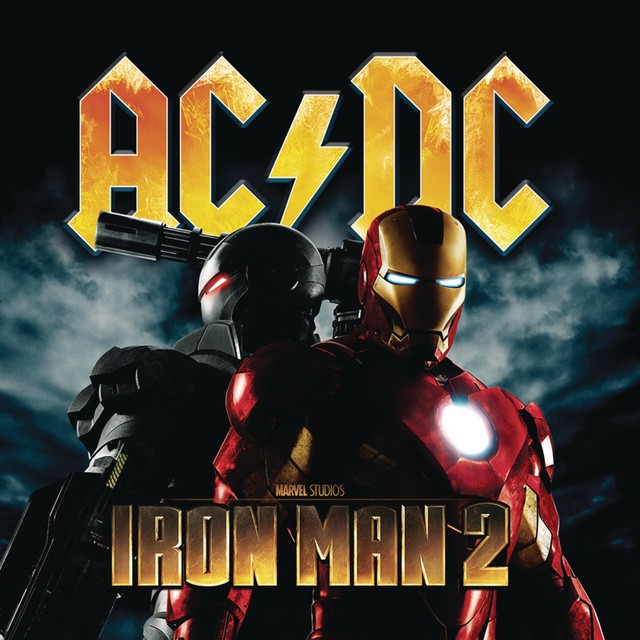
AC/DC’s “Back in Black” is a high-energy rock anthem that made its mark in Iron Man (2008), playing during the introduction of Tony Stark’s iconic armored persona. The song’s electrifying riff and bold attitude set the stage for a superhero transformation.

“Dream On” by Aerosmith
Aerosmith’s power ballad made its way into Armageddon (1998), capturing the emotional depth of the film’s heartfelt moments. With its soaring vocals and emotional weight, “Dream On” is a perfect soundtrack for an unforgettable disaster movie.

“You Make Loving Fun” by Fleetwood Mac
Fleetwood Mac’s “You Make Loving Fun” plays a significant part in The 40-Year-Old Virgin (2005), adding a perfect touch of lightheartedness and romance to the scene, and showing that even the best classic rock songs can fit into a modern comedy.

“Gimme Shelter” by The Rolling Stones
This classic track by The Rolling Stones plays in Goodfellas (1990) during a brutal, climactic scene. Its gritty, ominous sound enhances the intensity of the film, making it an unforgettable addition to one of Scorsese’s best.

“Born to Be Wild” by Steppenwolf
Used in Easy Rider (1969), “Born to Be Wild” became the anthem of the free-spirited, rebellious counterculture of the 1960s. It’s the perfect tune for those long motorcycle rides through the open American roads, encapsulating the essence of the film.

“Free Bird” by Lynyrd Skynyrd
Lynyrd Skynyrd’s “Free Bird” makes a notable appearance in Forrest Gump (1994), where it underscores a moment of change and freedom. The song’s extended guitar solo is synonymous with freedom and rebellion, a perfect fit for the film’s reflective tone.

“American Woman” by The Guess Who
The Guess Who’s “American Woman” was featured in Austin Powers: The Spy Who Shagged Me (1999), bringing the song’s 1970s rock vibes to a hilarious and stylish comedic setting. It’s the perfect anthem to capture the groovy yet over-the-top nature of the film.

“I Can’t Tell You Why” by Eagles
In The Big Lebowski (1998), the Eagles’ smooth track “I Can’t Tell You Why” provides the perfect backdrop to a scene that’s both calm and surreal. Its laid-back yet introspective mood fits effortlessly into the quirky world created by the Coen brothers.

Most People Have the Wrong Internet Plan – Do You?

0

By Mitch Rice

When it comes to home internet, most people think faster is always better, so they pay more for the biggest plan they can get. On the other end of the spectrum, some people try to save money by settling for the cheapest plan they can find. Neither approach works. You’re either going to pay too much for speeds you don’t need, or you’ll get stuck with internet that drops out and buffers all the time.

If you’re tired of paying too much, or you’re done with unreliable internet, here’s a breakdown of how to avoid common mistakes and get the right internet plan.

Don’t automatically buy the fastest plan

Internet plans are faster than ever these days, reaching Gigabit speeds, but sometimes the fastest plan offered far exceeds a person’s needs. Why pay for what you don’t need? Instead of signing up for the biggest plan you can find, start by assessing your needs. Many people don’t need more than 500 Mbps, and most families can function with speeds between 100 and 300 Mbps, depending on how they use the internet.

If you don’t need the biggest plan your ISP has to offer, get the plan that will support your needs. A reliable ISP will offer competitive, affordable rates for their plans. For example, a fast plan from Optimum Internet can cost as little as $40 per month, and you get 24/7 support with no annual contracts.

If you’re not working from home, streaming 4k on 2+ televisions, and gaming all at once, you don’t need a Gigabit connection. With that said, if you do have gamers and streamers in your household, and there are always multiple devices connected to your internet, it’s worth considering Gigabit speeds.

Don’t take “high-speed” at face value

High-speed doesn’t mean “fastest internet.” It’s a relative term that has no set definition. Even DSL providers describe their internet speeds as “high-speed,” and DSL is just one step above dial-up. Check this speed guide to determine what you actually need in your household. Then choose your internet plan based on your needs.

Consider upload speeds

Most people focus on download speeds, but upload speeds matter, too. If you ever upload videos, back up your files in a cloud file storage account, or use video calls, you need a good upload speed for a smooth experience. If your upload speed is slow, your Zoom calls can freeze and large file uploads can take forever. You also need a decent upload speed if you have a smart home system, like security cameras with cloud storage.

Before selecting an internet plan, check the upload speed. Most companies don’t advertise them, so you may need to read the fine print or check out the FAQ section on their web page to find the information.

Don’t look for the cheapest plan out there

It’s good to save money, but buying the cheapest internet plan isn’t necessarily going to help. Even if you find an internet provider offering the same speeds for less, there’s a chance it won’t be as reliable. For example, 100 Mbps will vary based on the type of connection. Satellite, traditional cable, and fiber optic connections will all provide variable reliability at the same speed.

Fiber optic will always be the most reliable, but you’ll need to factor in neighborhood use and weather conditions to know if satellite or traditional cable is better.

At the end of the day, if you buy a slow internet plan to save money, you’ll end up upgrading anyway, so don’t start with the barebones plan if you know you’ll need more speed.

Don’t ignore data caps

Some internet providers offer high speeds, but place a limit on how much data you can use at that speed each month. Once you hit the limit, they throttle your speed or charge you extra fees. It’s crucial to read the fine print and ask about this potential before buying a plan. If you stream, work from home, or game, you’re probably going to hit a data cap faster than you realize.

Check long-term pricing for all promotions

Internet service providers love to provide amazing discounts to get new customers, but those discounts are short-lived. Often, the price drastically increases once the promo period is over. Always check what the regular rates will be first.

The right plan means less stress

Choosing the wrong internet plan will only frustrate you and waste your money. But it doesn’t have to be that way. When you choose your plan based on your needs, you won’t have to worry about overpaying or getting stuck with a limited plan.  

Data and information are provided for informational purposes only, and are not intended for investment or other purposes.