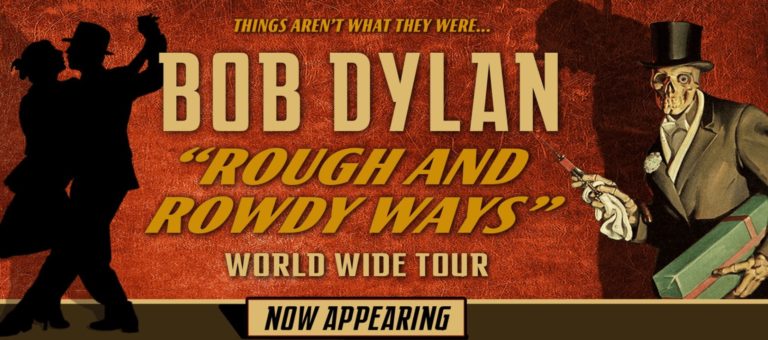
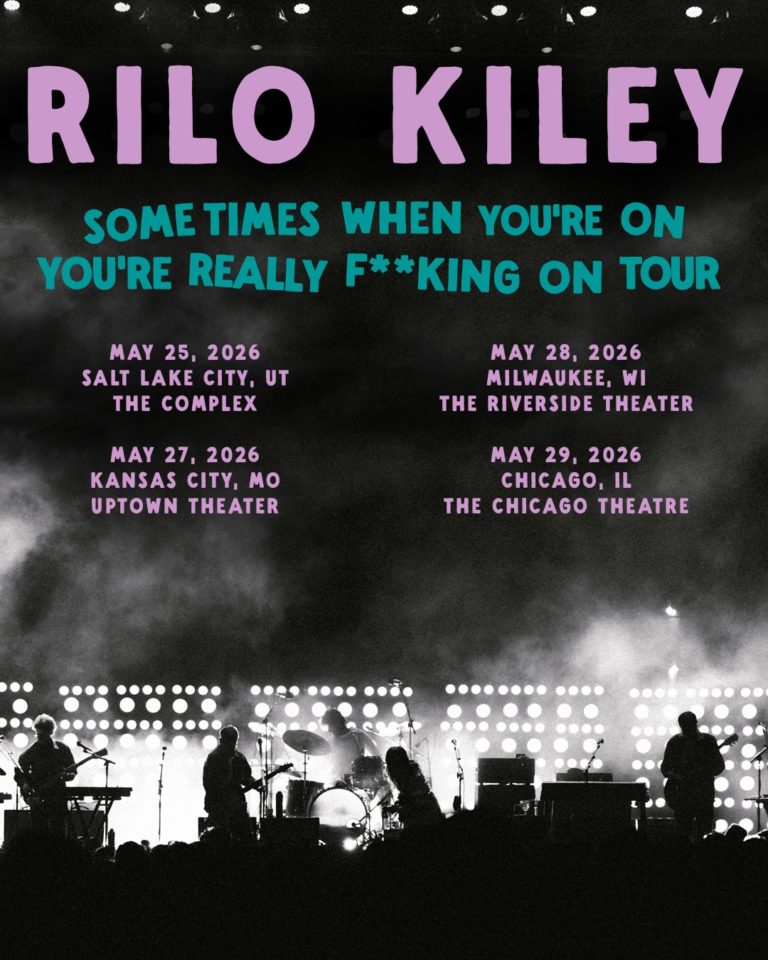
Fay Wray’s iconic scream made her a legend, but her words made her timeless. In a heartfelt letter, she assured King Kong that she knew he only ever wanted to protect her. Decades later, Laura Linney gave those words new life at a Letters Live event, reminding us all that even the biggest, most fearsome creatures might just have the gentlest hearts.
Wes Anderson Reflects on 12 Films and the Art of Unearthing Stories
“When you’re writing a story, it often feels less like you’re doing architecture and more like you’re doing excavation–we’re just unearthing it.” Wes Anderson had made 12 films over 29 years, making his name widely known for his distinctive visual style of symmetrical compositions, vivid color palettes and unique camera movements. From his very first film ‘Bottle Rocket’ to his great hits like ‘The Grand Budapest Hotel’ and ‘The Royal Tenenbaums,” Wes Anderson takes a look at all of his films and discusses in detail how they came to life.
10 Ways Brian Wilson Changed Music Forever
By the time Brian Wilson heard “Be My Baby” on the car radio and had to pull over just to cry, pop music already had its messiah—it just didn’t know it yet. From beach anthems to spiritual symphonies, Wilson made trends—he invented new languages for music to speak. Here are 10 ways Brian Wilson forever changed the sound, shape, and soul of music.
1. He Turned Surf Pop Into High Art
The Beach Boys started with songs about surfing, cars, and high school dances—but Brian had bigger dreams. Tracks like “In My Room” and “The Warmth of the Sun” traded sand for soul-searching. He smuggled emotional vulnerability into sun-soaked harmonies and made adolescent longing feel orchestral. Without Brian, surf music might have stayed stuck in the shallow end. With him, it dove deep.
2. He Made the Recording Studio an Instrument
Before Brian Wilson, most artists played into microphones and hoped for the best. Brian built songs in the studio. “Good Vibrations” was literally assembled across four studios in dozens of takes. He layered cellos, harpsichords, and Theremins like a painter mixing colors. Every studio knob became a brushstroke. And every other producer—from George Martin to Youth to Nigel Godrich —took notes.
3. He Invented the Concept Album Before It Was Cool
Before Sgt. Pepper, there was Pet Sounds. Wilson called it a “feeling album”—a diary in falsetto, a spiritual confessional dressed in 12-string guitars and French horn. It wasn’t just a collection of songs. It was an experience. Paul McCartney called it the inspiration for Sgt. Pepper. Brian made albums you didn’t just hear. You lived them.
4. He Elevated the Bassline to Center Stage
In Brian’s world, the bass wasn’t background—it was melody. Listen to “God Only Knows” or “Don’t Talk (Put Your Head on My Shoulder)” and the bassline tells its own story. Influenced by Motown and classical music alike, he wove the bass into the emotional DNA of the track. It danced, it cried, it anchored entire songs in mystery and movement.
5. He Wrote the Saddest Happy Songs Ever Made
No one captured melancholy wrapped in sunshine like Brian Wilson. “Wouldn’t It Be Nice” sounds like a love song for prom night—until you hear the ache underneath. “I Just Wasn’t Made for These Times” made feeling out of place into a national anthem for misfits. Wilson proved that joy and sadness could share the same melody—and that pop songs could break your heart with a smile.
6. He Brought Classical Composition to Pop
Brian took inspiration from Bach, Gershwin, and the Four Freshmen—and somehow made it sound like California. He used counterpoint, chromaticism, and orchestration in ways unheard of in pop. Songs like “Let’s Go Away for Awhile” were instrumentals worthy of film scores. He didn’t just bridge pop and classical—he dissolved the bridge altogether and built something new.
7. He Pioneered DIY Before It Had a Name
Long before bedroom pop was a genre, Brian turned his house into a studio. With sand on the floor and dogs barking in the background, he recorded parts of Smiley Smile and Friends in his Bel Air mansion. He showed that music didn’t need a label’s studio—just vision, tape, and the courage to sound like nothing else on Earth.
8. He Was the First Vulnerable Male Pop Star
In a world of leather jackets and swagger, Brian Wilson admitted he was scared, sensitive, and unsure. He wasn’t a rock god—he was the boy who stayed home while everyone else went to the beach. “Caroline, No” is about love fading. “‘Til I Die” is an existential sigh in harmony. His bravery was just being honest.
9. He Made Harmony Into a Spiritual Force
Brian Wilson didn’t just arrange harmonies—he conjured them. He taught his brothers and cousins to sing like angels and made even “Ba ba ba ba ba” feel divine. Listen to “Our Prayer” and you’ll swear the Beach Boys discovered a direct line to heaven (or the cosmos). His influence lives on in everyone from Fleet Foxes to Bon Iver to Animal Collective.
10. He Finished Smile—40 Years Later
Imagine starting the most ambitious album of the 1960s, having a breakdown, shelving it for decades, and then finally releasing it to standing ovations in your 60s. That’s Smile. It was a myth, a ghost, a tragedy—and then a triumph. When Brian Wilson Presents Smile came out in 2004, it was the sound of healing. Of hope. Of what might have been—and still was.
Brian Wilson changed what music could be. He made pop weird, wonderful, heartbreaking, and holy. And now that he’s gone, the silence sounds like it’s missing something. But play any of his records, and it’s all still there: the California sun, the teenage dream, the symphony in the sandbox.
82 Facts About Brian Wilson, The Genius Behind The Beach Boys
Brian Wilson passed away today at the age of 82, leaving the world quieter, but his harmonies louder than ever in our hearts. The genius who turned surfboards into symphonies and teenage heartbreak into spiritual revelation, Wilson reshaped pop music with nothing but a piano, a sandbox, and the voices in his head. He was fragile. He was fearless. And now, he’s forever.
In tribute, here are 82 facts—fun, weird, heartbreaking, and heartwarming—about Brian Wilson, the man who heard Good Vibrations long before the rest of us knew what they were.
1. Brian Wilson could hear harmonies in his crib. Seriously—his father claimed he could hum back melodies before he could talk.
2. He lost most hearing in his right ear as a child. No one knows how. Slap? Accident? The myth lives on.
3. He once said Phil Spector’s “Be My Baby” was the greatest record ever made. He pulled his car over the first time he heard it.
4. He spent an entire year deconstructing Four Freshmen harmonies on piano.
5. He wrote “Surfer Girl” in the backseat of a car… at a stoplight.
6. He hated surfing. Never surfed. Dennis did. Brian wrote about it anyway.
7. “California Girls” came to him while tripping on LSD and listening to cowboy music.
8. He used to stuff his piano with sand so he could feel like he was playing at the beach.
9. Brian once described “Good Vibrations” as a “pocket symphony.” That pocket had a $50,000 recording budget.
10. He wrote over two dozen Top 40 hits by the age of 24.
11. He heard melodies in vacuum cleaners.
12. He once stayed in bed for years and still wrote better songs than most people do awake.
13. “Pet Sounds” was inspired by The Beatles’ “Rubber Soul.”
14. Paul McCartney said “God Only Knows” is the greatest song ever written.
15. Brian was so scared of fire, he shelved Smile after recording a song called “Mrs. O’Leary’s Cow.”
16. Smile was called a “teenage symphony to God.”
17. He didn’t finish it for almost 40 years.
18. His solo album Brian Wilson Presents Smile won a Grammy.
19. He used a theremin long before it was cool (see: “Good Vibrations”).
20. He once brought a horse into his home studio. No one stopped him.
21. He believed dogs could sense bad vibes in music.
22. Brian heard voices most of his life. He called them his “heroes and villains.”
23. His dad sold the Beach Boys’ publishing without telling him.
24. That included “Surfin’ U.S.A.” and “Wouldn’t It Be Nice.”
25. Brian once tried to write a suite based on the seasons, a fairy tale, and health food. All at once.
26. He ran a health food store called Radiant Radish. It didn’t last long.
27. He once demanded to be buried alive in his backyard.
28. Dennis Wilson punched someone for giving Brian drugs.
29. Brian responded by writing “‘Til I Die.”
30. His brothers Carl and Dennis were also in the Beach Boys. Both died before him.
31. He loved Rhapsody in Blue so much, it made him cry as a toddler.
32. He didn’t care much for performing. Touring exhausted him.
33. He called Pet Sounds his “feeling album.”
34. “I Just Wasn’t Made for These Times” was autobiographical.
35. He recorded a rap song in 1991. It was called “Smart Girls.” You can’t un-hear it.
36. He loved The Flintstones.
37. He once lived in a room filled with sand, mirrors, and a tent.
38. He produced records for girl groups like The Honeys and American Spring.
39. He was terrified of microphones for a time.
40. He wrote “Busy Doin’ Nothin’,” a song about writing a letter and making a sandwich.
41. He called his bandmates “messengers.”
42. Brian rarely wrote lyrics alone. But when he did, they were devastating.
43. He tried to get the Beach Boys to record a fairy tale. They refused.
44. His second wife, Melinda, was his rock for decades.
45. He adopted five children later in life.
46. He loved cheeseburgers and Beethoven equally.
47. He sang in a church choir as a child.
48. He had perfect pitch.
49. He once overdubbed his own vocals 24 times on one song.
50. Bruce Springsteen once said, “He’s one of the greats.”
51. He once wrote a song about vegetables. It featured Paul McCartney crunching celery.
52. He released an album of Disney songs in 2011.
53. He once said he wanted to write songs that felt like prayers.
54. “Don’t Talk (Put Your Head on My Shoulder)” is a lullaby for the lonely.
55. He created entire songs in his head, then played them out note-for-note in the studio.
56. He often wore a bathrobe to recording sessions.
57. He sang “Be-Bop-A-Lula” on stage in slippers during his reclusive years.
58. He had a smile that could break your heart.
59. He once described himself as “a frightened man who made beautiful music.”
60. He loved Burt Bacharach more than he loved surfing.
61. He loved his brothers deeply, even when they fought.
62. He signed autographs with doodles.
63. He sometimes wrote songs by humming into a cassette recorder while driving.
64. He described himself as “rock and roll’s Mr. Magoo.”
65. He felt things too deeply and put them into melody.
66. He preferred watching TV with the sound off.
67. He didn’t read music fluently but could orchestrate in his head.
68. “Caroline, No” was his first solo single. It still hurts.
69. He once said music was how he “talked to God.”
70. His voice aged, but it never lost its soul.
71. He was once declared legally incompetent—and came back stronger.
72. He toured Pet Sounds well into his 70s.
73. He was inducted into the Rock and Roll Hall of Fame in 1988.
74. He loved being in bed more than being on stage.
75. His songs have been covered by everyone from Elton John to Sonic Youth.
76. He collaborated with the Zombies in his later years.
77. He could sing “In My Room” and make an entire arena cry.
78. He found solace in a piano more than people.
79. He gave us the blueprint for sensitive, beautiful pop.
80. His songs are lullabies for the broken, ballads for the dreamers.
81. He once said, “My job is to bring love to the world.”
82. Mission accomplished, Brian.
Brian Wilson didn’t just change music—he gave sound to the soul of an era and taught us that vulnerability could be symphonic. Today, the world mourns not just a Beach Boy, but a beacon. The songs remain. The genius lingers. And somewhere, someone’s heart just swelled at a chord change he thought of 60 years ago.
Thank you, Brian. Wouldn’t it be nice… if you could stay forever.
Peter Crowley Releases ‘Down at Max’s – Vol. 1’ with Wild Punk Tales
Peter Crowley, the music curator of Max’s Kansas City, tells it like it is in his first volume of stories. A teenage runaway from Vermont who has seen it all from the West Village in the 1960s to the color sound of California to managing and booking bands during the punk explosion of the 1970s. Like a beer for a breakfast, a reflection on what it was really like to be there (you know where). From someone who was.
David Byrne Announces ‘Who Is the Sky?’ Album And Tour
David Byrne is proud to announce Who Is the Sky?, his first new album since 2018’s acclaimed and award-winning American Utopia, which will be released September 5th by Matador Records. The album was produced by the Grammy-winning Kid Harpoon (Harry Styles, Miley Cyrus), while its 12 songs were arranged by the members of New York-based chamber ensemble Ghost Train Orchestra.
Musical friends old and new, including St. Vincent, Paramore’s Hayley Williams, The Smile drummer Tom Skinner and American Utopia percussionist Mauro Refosco, also make appearances on Who Is the Sky?, which is led by the infectious single “Everybody Laughs.” Along with the song, Byrne has released its official video, directed by multimedia artist Gabriel Barcia-Colombo.
“Someone I know said, ‘David, you use the word “everybody” a lot.’ I suppose I do that to give an anthropological view of life in New York as we know it,” says Byrne. “Everybody lives, dies, laughs, cries, sleeps and stares at the ceiling. Everybody’s wearing everybody else’s shoes, which not everybody does, but I have done. I tried to sing about these things that could be seen as negative in a way balanced by an uplifting feeling from the groove and the melody, especially at the end, when St. Vincent and I are doing a lot of hollering and singing together. Music can do that – hold opposites simultaneously. I realized that when singing with Robyn earlier this year. Her songs are often sad, but the music is joyous.”
“It took me a second to realize, oh yeah, these songs are personal, but with David’s unique perspective on life in general,” adds Kid Harpoon (aka Tom Hull). “Walking around New York listening to the demo of ‘Everybody Laughs’ was so joyous, because it made me feel like we’re all the same – we all laugh, cry and sing. The thing about David that resonates with a lot of people is that he’s in on the joke. He gets the absurdity of it all, and all of these personal observations are his perspective on it.”
Byrne will also return to the road with a brand new live show in support of Who Is the Sky?. The touring band will comprise 13 musicians, singers and dancers, including members of the American Utopia band, all of whom will be mobile throughout the set. The North American tour begins in September, with Australia & New Zealand dates kicking off in January 2026 and European & United Kingdom dates starting the following month.
In 2023, as his triumphant American Utopia era came to a close after morphing from an album and tour into an acclaimed Broadway show and then a Spike Lee-directed HBO film, Byrne began jotting down the occasional groove, chord or melody. It had been a minute.
During the tumultuous three prior years, “I did a LOT of cooking (Mexican and Indian mostly) and a LOT of drawing,” says Byrne, who also started compiling lyric ideas and phrases for possible songs. “I’ve found that when the time comes, it’s easier to start if there’s a little stockpile – and before too long there was. Very rudimentary songs began to emerge, with just me on acoustic guitar singing over a programmed loop or beat.”
And with the world, and the in-progress American Utopia Broadway run, on pause, he, like much of humanity, took the opportunity to ask, “Do I like what I’m doing? Why am I writing songs, or working this job, or whatever? Does any of it matter?”
Byrne’s attempts to answer those weighty questions can be found on Who Is The Sky?, which builds upon the optimistic themes laid out by American Utopia and its supporting tour, and more specifically spelled out by the Grammy-winning Broadway show and subsequent movie. With this offering, Byrne continues his lifelong exploration of human connection and the potential for societal unity against the chaotic backdrop of the world. Who Is the Sky? is particularly cinematic, humorous and joyful, but often with a lesson baked in – that love is unexplainable, that enlightenment means very different things to different people and that it’s always a good idea to moisturize, whether you wake up the next morning with skin like a baby or not. Most importantly, the songs evince Byrne’s gift for riding the razor’s edge of avant-garde and accessible pop.
Byrne was inspired to enlist Ghost Train Orchestra for the album after hearing their 2023 tribute album to the blind New York composer and street poet Moondog, and later that year jumped on stage with the group during a Brooklyn performance. Enticed by the 15-member Ghost Train’s varied instrumental lineup – which includes drums, percussion, guitar and bass along with strings, winds and brass – he thought to himself, “what if that’s what these new songs of mine sounded like?” Byrne asked if they’d want to serve as his band for the Who Is The Sky? sessions, and they quickly agreed.
“David sent me some demos and asked us to put together some orchestral ideas,” says Ghost Train Orchestra leader Brian Carpenter. “Curtis Hasselbring and I quickly wrote a couple rough draft arrangements of his songs for Ghost Train, including ‘My Apartment Is My Friend,’ which was the first song we rehearsed at our tiny rehearsal space in Chinatown. To hear him singing with us for the first time on that song was just incredible.”
Via an introduction at a party by a friend, Kid Harpoon came into the picture next. “Sometimes things do happen at parties,” Byrne notes. “I knew this could all get complicated and I also wanted to be sure the recordings sounded as good as possible. An outside set of ears can be super helpful. A few artists I knew had worked with Kid Harpoon, and I thought those records sounded really good.” Byrne sent Harpoon some demos, and after a discussion at the former’s Santa Monica hotel, he jumped aboard too.
There are “more story songs than usual” on Who Is the Sky?, according to Byrne. These “mini-narratives based on personal experience” include “She Explains Things to Me” (sample lyric: “how come it’s all so obvious to her?”), “A Door Called No” (which magically opens after Byrne receives a kiss), “My Apartment Is My Friend” (“you’ve seen me at my very worst / but we always get along,” he sings) and “I Met the Buddha at a Downtown Party” (at which the onetime spiritual guru is more interested in the unhealthy deserts than deification).
Marked by the inviting vocal interplay between Byrne and Paramore’s Williams, the jaunty “What Is the Reason for It?” aims to codify love in a way logic can rarely accomplish (“does it do something useful? / nobody understands it”), while “The Avant Garde” wrestles with the merits of art for art’s sake (“it’s ahead of the curve / it’s deceptively weighty, profound, absurd / it’s whatever fits” – a meta observation if ever there was one from one of the most iconoclastic artists to emerge from the New York rock underground.
“I suspected that intimate orchestral arrangements would bring out the emotion I sense is there in these songs,” says Byrne. “It’s something that folks don’t always hear in my work, but this time for sure I thought it was there. At the same time, I also see myself as someone who aspires to be accessible. I imagined that Kid Harpoon would help with that, as well as being a set of trusted ears, since there was a lot going on. People think of producers as people who mainly make a record sound good, and Kid Harpoon did that, but he was also aware of how important the storytelling is.”
An admitted “stickler when it comes to grooves,” Byrne welcomed late-in-the-game contributions from Skinner and Refosco, with whom he’s recorded and toured for more than 30 years. Mixed by Mark “Spike” Stent and mastered by Emily Lazar, the finished product is about both hiding and revealing, or as Byrne puts it, “a chance to be the mythical creature we all harbor inside. A chance to step into another reality. A chance to transcend and escape from the prison of our ‘selves.'” These concepts are heavily incorporated in the Who Is The Sky? album package, which was designed by Shira Inbar and finds Byrne nearly obscured by radiating, colored patterns and psychedelic, spiky outfits designed by Belgian artist Tom Van Der Borght.
“At my age, at least for me, there’s a ‘don’t give a sh*t about what people think’ attitude that kicks in,” Byrne says. “I can step outside my comfort zone with the knowledge that I kind of know who I am by now and sort of know what I’m doing. That said, every new set of songs, every song even, is a new adventure. There’s always a bit of, ‘how do I work this?’ I’ve found that not every collaboration works, but often when they do, it’s because I’m able to clearly impart what it is I’m trying to do. They hopefully get that, and as a result, we’re now joined together heading to the same unknown place.”
Who Is the Sky? track list:
Everybody Laughs
When We Are Singing
My Apartment Is My Friend
A Door Called No
What Is the Reason for It?
I Met the Buddha at a Downtown Party
Don’t Be Like That
The Avant Garde
Moisturizing Thing
I’m an Outsider
She Explains Things to Me
The Truth
WORLDWIDE TOUR DATES
North America:
09/14/2025 – Providence, RI – Veterans Memorial Auditorium
09/16/2025 – Pittsburgh, PA – Benedum Center PAC
09/17/2025 – Columbus, OH – Mershon Auditorium
09/19/2025 – Akron, OH – Akron Civic Theatre
09/21/2025 – Schenectady, NY – Proctors
09/23/2025 – Syracuse, NY – Landmark Theatre
09/25/2025 – Buffalo, NY – Shea’s Buffalo Theatre
09/27/2025 – Washington D.C. – The Anthem
09/28/2025 – Washington D.C. – The Anthem
09/30/2025 – New York, NY – Radio City Music Hall
10/01/2025 – New York, NY – Radio City Music Hall
10/03/2025 – Boston, MA – Boch Center Wang Theatre
10/04/2025 – Boston, MA – Boch Center Wang Theatre
10/07/2025 – Wallingford, CT – Toyota Oakdale Theatre
10/08/2025 – Portland, ME – Merrill Auditorium at City Hall
10/10/2025 – New York, NY – Radio City Music Hall
10/14/2025 – Richmond, VA – Altria Theater
10/16/2025 – Philadelphia, PA – The Met Philadelphia presented by Highmark
10/17/2025 – Philadelphia, PA – The Met Philadelphia presented by Highmark
10/21/2025 – Toronto, ON, Canada – Massey Hall
10/22/2025 – Toronto, ON, Canada – Massey Hall
10/25/2025 – Detroit, MI – Fox Theatre
10/28/2025 – Chicago, IL – The Auditorium
10/29/2025 – Chicago, IL – The Auditorium
10/31/2025 – Chicago, IL – The Auditorium
11/03/2025 – Minneapolis, MN – Orpheum Theatre
11/04/2025 – Minneapolis, MN – Orpheum Theatre
11/06/2025 – Denver, CO – Bellco Theatre
11/07/2025 – Denver, CO – Bellco Theatre
11/11/2025 – Seattle, WA – Paramount Theatre
11/12/2025 – Seattle, WA – Paramount Theatre
11/16/2025 – San Francisco, CA – The Theater at Bill Graham Civic Auditorium
11/17/2025 – San Francisco, CA – The Theater at Bill Graham Civic Auditorium
11/20/2025 – Los Angeles, CA – Dolby Theatre
11/21/2025 – Los Angeles, CA – Dolby Theatre
11/25/2025 – Austin, TX – Bass Concert Hall
11/26/2025 – Austin, TX – Bass Concert Hall
11/28/2025 – Dallas, TX – Music Hall at Fair Park
11/29/2025 – Dallas, TX – Music Hall at Fair Park
12/02/2025 – Atlanta, GA – Fox Theatre
12/03/2025 – Atlanta, GA – Fox Theatre
12/05/2025 – Miami, FL – Fillmore Miami Beach At Jackie Gleason Theatre
12/06/2025 – Miami, FL – Fillmore Miami Beach At Jackie Gleason Theatre
Australia & New Zealand:
01/14/2026 – Auckland, New Zealand – Spark Arena
01/17/2026 – Brisbane, Australia – Brisbane Entertainment Center
01/21/2026 – Sydney, Australia – ICC Sydney Theatre
01/22/2026 – Melbourne, Australia – Sidney Myer Music Bowl
01/24/2026 – Adelaide, Australia – Adelaide Entertainment Centre Arena
01/27/2026 – Perth, Australia – RAC Arena
Europe & United Kingdom:
02/12/2026 – Berlin, Germany – Tempodrom
02/15/2026 – Amsterdam, Netherlands – AFAS Live
02/16/2026 – Amsterdam, Netherlands – AFAS Live
02/18/2026 – Brussels, Belgium – Forest National
02/21/2026 – Milan, Italy – Teatro degli Arcimboldi
02/22/2026 – Milan, Italy – Teatro degli Arcimboldi
02/24/2026 – Frankfurt, Germany – Jahrhunderthalle
02/27/2026 – Zurich, Switzerland – The Hall
03/02/2026 – Cardiff, UK – Utilita Arena
03/03/2026 – London, UK – Eventim Apollo
03/04/2026 – London, UK – Eventim Apollo
03/06/2026 – Glasgow, UK – SEC Armadillo
03/07/2026 – Glasgow, UK – SEC Armadillo
03/09/2026 – Manchester, UK – o2 Apollo
03/10/2026 – Manchester, UK – o2 Apollo
03/13/2026 – Dublin, Ireland – 3Arena
03/15/2026 – London, UK – Eventim Apollo
03/18/2026 – Paris, France – La Seine Musicale
03/19/2026 – Paris, France – La Seine Musicale
Video Special Effects: 10 Powerful Editing Tools
By Mitch Rice
Video content has been dominating the online space in today’s digital-first world. Videomakers and advertisers are always looking to go the extra mile to make their videos unique. And this is where the appropriate video special effects tools work in. This article elaborates on the topic of video special effects; we present to you ten awesome tools in editing that will take your image telling to a much higher level.
It is also not limited to high-end film studios to produce visually appealing visuals. With strong manipulation capabilities and editing tools, the viewer can unveil incredible changes in the video, even if it was created by amateur creators. The increasing popularity of intriguing and absorbing videos has led to a surge in the demand for special effects in the video category among filmmakers, social media stars, and content producers.
1. After Effects by Adobe
The industry standard for visual effects and motion graphics is Adobe After Effects. Having a wide range of plugin options, compatibility with Adobe Creative Cloud, and high-ranking animation opportunities, After Effects has the right to be the first choice of professionals. It is perfect whether you work on movie trailers or social media clips; the software adds exactness and finish.
2. HitFilm Pro
HitFilm Pro is a package that integrates video editing with visual effects. Among its features are 3D compositing, particle simulators, and more than 800 effects built in. It is easy to use and has YouTube tutorials in its community, so it is not complicated to use and serves the purpose of complex editors together.
3. DaVinci Resolve
DaVinci Resolve is known to perform solid color grading, but it also has powerful visual effects because of Fusion. It’s an advanced node-based composing workflow. The software finds application in the high-end film industry, and it is free, which makes it popular with indie producers.
4. Final Cut Pro X
Fast performance and magnetic timeline are known features of Final Cut Pro X by Apple. It contains a huge variety of effects, transitions, and motion graphics templates. It offers all that contemporary editors might require with built-in 360-degree video and HDR.
5. Blender
Blender is a 3D suite that is free and open-source. It contains an in-built video editor and advanced modeling, rendering, animation, and simulation tools. Blender shines especially at the interference of 3D objects with real-world footage, so it is a good tool to create futuristic or sci-fi types of visual narratives.
6. VSDC Video Editor
VSDC Video Editor is a small editor, using Windows, which allows nonlinear editing and special effects (color correction, object transformations, and blending modes). It is suitable for those users whose machines are low-end; hence, they still wish to get high-end results.
7. Camtasia
Teachers and marketers are familiar with Camtasia’s ability to create explanatory videos and lessons. It is simple to use and has drag-and-drop effects, transitions, and text animations—all of which are perfect for engaging and effectively explaining things—but it is not as powerful as After Effects.
8. Filmora Wondershare
The opportunity to use a clean interface and a large collection of drag-and-drop effects, transitions, and overlays is provided by Filmora. It has simplicity and creative controls with such features as motion tracking and keyframing. It is the best fit for the YouTubers and social media content creators.
9. Lightworks
Lightworks is a professional-level video editor of professional level utilized in the post-production of a number of award-winning films. Visual effects features also include chroma keying, masking, and real-time preview of effects. It can export in various formats and is hence a flexible option.
10. The Effects of the Future: AI-Based Tools
Artificial intelligence-based systems are improving the video special effects market. Such tools as AI Twerk Generator, Twerk AI, and AI Twerk Video Generator present enjoyable and non-beneficial visual forms by striking small effort. Such applications automate routine tasks and make editors more creative than before, due to which it possible to create eye-catching content more quickly than ever before. They are evidence of how the video special effects topic keeps developing with time, in tandem with the new technologies.
| Tool | Key Features | Best For |
| Adobe After Effects | Compositing, animations, 3D effects | Professional filmmakers |
| HitFilm Pro | VFX & editing combo, particle effects | YouTubers, indie filmmakers |
| DaVinci Resolve | Color grading, node-based VFX | Film production, colorists |
| Final Cut Pro X | Fast editing, 360-degree support | Apple users, vloggers |
| Blender | 3D modeling, rendering, simulation | Sci-fi & futuristic content |
| VSDC Video Editor | Lightweight, non-linear editing | Windows users on a budget |
| Camtasia | Screen recording, annotations | Teachers and business trainers |
| Filmora | Motion tracking and drag-and-drop functionality | Beginner editors, YouTubers |
| Lightworks | Real-time preview, masking, chroma key | Pro editors, multi-format export |
| AI Tools | Automated twerk visuals, AI animations | Trendy, viral video content |
These dynamic cuts and imaginative transitions were used to link the dancing rhythm with the brain’s objectives.
Transitions can be utilized to tell a story in addition to just switching between segments. Use of whip pans, zoom cuts, match cuts, and camera morphing creates a fluid flow of videos and engages viewers. In vacation videos, dynamic videos, and vlogs, dynamic transitions are quite helpful. Additionally, by automating transitions that might otherwise require manual implementation, the usage of AI tools speeds up the post-production process.
FAQs
Which software should a beginner use to work with video special effects?
A good recommendation is Filmora and Camtasia, as they can be used easily because of their libraries of effects.
Are video effects that are based on AI good?
Yes, AI-based AI twerk generators and AI twerk video generators are the tools that are quickly gaining reliability and efficiency to develop original, eye-catching content, first and foremost, in social media.
Are they free tools?
A great number of tools, such as Blender and DaVinci Resolve, provide free versions, accessible to professionals. Others, such as Adobe After Effects, are subscription-based.
What is the significance of a GPU in editing video special effects?
An effective GPU means a great boost to render time and the possibility of smoother real-time preview, which is vital to effects-intensive editing.
What is the best software for creating special effects in videos?
Adobe After Effects, Blender, HitFilm Express, and DaVinci Resolve are a few of these more well-liked choices. The browser tools are now offered by many AI-based platforms.
Are AI features such as the Twerk AI feature available to novices?
Indeed, the majority of the AI tools are user-friendly. Such features as the AI twerk generator or the AI twerk video generator usually need only one upload and a couple of clicks.
Are these effects applicable to mobile editing applications?
There are a lot of supported effects on the mobile platforms to work with, ranging from CapCut to InShot to LumaFusion platforms; there is great flexibility in terms of mobile editing.
Should there be any payment for utilizing such AI features?
There exist both free and paid tools to achieve AI effects; in both cases, the associated features and the quality of the produced results are more advanced.
Conclusion
Trying out various video effects is not only a matter of circumstance but also a matter of getting the adequate tool and theme that will match your vision. Each video special effects subject covered can be used to achieve a variety of benefits and creative liberties, particularly when combined with such AI technologies as the AI twerk generator or AI twerk video generator. Such features and effects also empower creators of different levels to provide astonishing content that will impress the viewers.
The realm of special effects can provide a non-stop succession of new approaches, whether you are an amateur who just starts trying to cut short videos or a professional editor who is ordered to produce a full-fledged product.
Data and information are provided for informational purposes only, and are not intended for investment or other purposes.
Themed Slots That Rock: Explore Casino Games Inspired by Legendary Bands and Musicians
By Mitch Rice
Online slots have evolved far beyond the classic fruit machines of the past. Today’s players seek immersive experiences that blend entertainment with the chance to win big—and what better way to engage audiences than with music? Themed slots inspired by famous bands and musicians bring the excitement of concerts to the casino world, combining stunning visuals, authentic soundtracks, and iconic imagery. Whether you’re a fan of rock legends like Guns N’ Roses or pop icons like Michael Jackson, there’s a musical slot out there that can take you on a nostalgia-fueled ride.
Platforms like 4-rabet.net offer a rich collection of these music-themed slots, giving fans a chance to spin the reels while jamming to their favorite tunes. With smooth gameplay and easy access to deposits and withdrawals, it’s never been more convenient to get started. Just download the app or play online, and you’re ready to rock the reels with your favorite stars.
Let’s take a closer look at how music-themed slots work and explore some of the most iconic titles that are striking the perfect chord with casino players around the world.
Why Music-Themed Slots Are So Popular
The appeal of music-themed slots lies in their ability to blend two forms of entertainment—music and gaming—into a single experience. For fans of legendary artists, these games go beyond standard gameplay; they deliver an immersive journey that celebrates the legacy of rock bands, pop stars, and heavy metal legends.
Here are some reasons why these slots resonate with players:
- Familiarity: Players already love the artists, making the slot instantly appealing.
- Authentic Soundtracks: Real songs from the artists’ catalogs are often included.
- Exclusive Visuals: Licensed imagery like album covers, stage designs, and custom animations bring the theme to life.
- Bonus Features: Many themed slots include concert-style bonus rounds, free spins, and multipliers that align with the artist’s persona.
Top Music-Themed Slots That Rock the Casino World
1. Guns N’ Roses Slot (NetEnt)
One of the most iconic rock-themed slots ever created, NetEnt’s Guns N’ Roses slot is a tribute to the legendary band. With classic tracks like “Welcome to the Jungle” and “Sweet Child O’ Mine” playing as you spin, the game oozes rock energy.
- Reels: 5;
- Paylines: 20;
- Bonus Features: Legend Spins, Crowd-Pleaser Bonus Game, Solo Multiplier;
- Standout Element: Choose your own soundtrack while playing.
This slot doesn’t just offer fun—it delivers a full-blown virtual concert experience.
2. Jimi Hendrix Slot (NetEnt)
NetEnt continues its streak of music-themed excellence with the Jimi Hendrix slot. Designed with psychedelic artwork and chill guitar riffs, the slot pays tribute to the legendary guitarist.
- Reels: 5;
- Paylines: 20;
- Bonus Features: Purple Haze feature, Pick and Click feature, Free Spins with song themes;
- Standout Element: Multiple bonus rounds based on iconic Hendrix songs.
It’s a must-play for fans of the ’60s counterculture and electric guitar solos.
3. Michael Jackson: King of Pop Slot (Bally)
A slot that celebrates the King of Pop in all his glory. Michael Jackson: King of Pop features music video clips, iconic dance moves, and hits like “Billie Jean” and “Beat It.”
- Reels: 5;
- Paylines: 25;
- Bonus Features: Moonwalk Wilds, Bonus Wheel, Free Spins;
- Standout Element: High-quality animations and MJ’s signature moves.
For fans of pop and nostalgia, this slot delivers both entertainment and potential payouts.
4. KISS: Shout It Out Loud! (WMS)
Rock fans rejoice! The KISS slot brings the band’s outrageous style and energy to the casino screen. Featuring an unusual layout with stacked reels and screaming guitar solos, it’s a true tribute to glam rock.
- Reels: 5+5 (Colossal Reels);
- Paylines: 100;
- Bonus Features: Wild substitutions, Free Spins;
- Standout Element: Colossal reels system for massive win potential.
Perfect for those who love high volatility and bold design.
5. Motörhead Slot (NetEnt)
Motörhead brings the heavy metal energy straight to your screen. With roaring riffs and dark visuals, this slot is not for the faint of heart.
- Reels: 5;
- Paylines: 76;
- Bonus Features: Bomber Feature, Mystery Reel, Free Spins;
- Standout Element: Rock Mode for immersive sound.
A true homage to Lemmy and his iconic band, this slot nails the edgy metal aesthetic.
How Music Licenses Enhance Authenticity
One reason these games feel so immersive is that top software providers like NetEnt, Bally, and WMS often sign licensing deals with artists or their estates. This ensures that:
- The music is original and high quality.
- The visuals accurately represent the band or musician.
- Fan-favorite symbols like guitars, microphones, tour buses, and stage lights are incorporated seamlessly.
Licensing deals also give players peace of mind that they’re getting an official experience—not a cheap imitation.
Playing Music Slots on Mobile: Rock On-the-Go
Thanks to modern casino platforms like 4-rabet.net, you can now take these musical slots with you wherever you go. The mobile versions of games like Guns N’ Roses or Jimi Hendrix retain their high-quality graphics and features, offering the same immersive experience on Android and iOS devices.
You can easily get started with:
- Quick registration;
- Secure payment methods via https://4-rabet.net/payment/;
- One-click game access through app or browser.
This makes it easy for players to enjoy their favorite musical slots during a lunch break, commute, or relaxed evening at home.
Tips for Playing Music-Themed Slots
While these games are all about fun and fandom, here are a few tips to maximize your enjoyment:
- Know the RTP: Return to Player (RTP) percentages vary by slot. Choose games with higher RTPs for better long-term odds.
- Use Bonuses: Take advantage of casino promotions for free spins or match bonuses on music slots.
- Set Limits: Don’t let the excitement of the music distract you from responsible gambling.
- Enjoy the Experience: These games are as much about entertainment as they are about winning. Let the music and visuals amplify your play.
Final Thoughts: Are Music-Themed Slots Worth It?
Absolutely. Music-themed slots combine emotional connection, engaging visuals, and rhythmic gameplay into one seamless experience. Whether you’re a rock-and-roll rebel, a pop music fan, or a metalhead, there’s a themed slot that speaks your language.
And with easy access to these games through trusted platforms like 4Rabet and smooth deposits and withdrawals, it’s never been easier to dive into a world where reels spin to your favorite tunes.
So put on your headphones, download the app, and spin the reels like a rockstar!
Data and information are provided for informational purposes only, and are not intended for investment or other purposes.
‘Harold Arlen and His Songs’ by Walter Frisch Explores a Twentieth-Century Songwriting Legend
Harold Arlen and His Songs is the first comprehensive book about the music of one of the great song composers of the twentieth century. Arlen wrote many standards of the American Songbook-including “Get Happy,” “Over the Rainbow, “Stormy Weather,” “Come Rain or Come Shine,” and “The Man That Got Away” – that today rank among the best known and loved. Author Walter Frisch places these and other songs in the context of a long career that took Arlen from Buffalo, New York; to Harlem’s Cotton Club; to Broadway stages; and to the film studios of Hollywood. Even with their complex melodies, harmonies, and formal structures, Arlen’s tunes remain accessible and memorable. As Frisch shows, he blended influences from his father’s Jewish cantorial tradition, his experience as a jazz arranger and performer, and peers like Gershwin, Kern, and Berlin. Arlen always emphasized the collaborative nature of songwriting, and he worked with the top lyricists of his day, including Ted Koehler, Yip Harburg, Johnny Mercer, and Ira Gershwin.
Harold Arlen and His Songs is structured around these and Arlen’s other partnerships, analyzing individual songs as well as the shows or films in which they appear. The book also treats Arlen’s performances of his own music as a vocalist and pianist, through numerous recordings and appearances on radio and television. A final chapter explores the interpretations of his songs by great singers, including many who worked with him, among them Ethel Waters, Lena Horne, Judy Garland, Frank Sinatra, and Ella Fitzgerald.