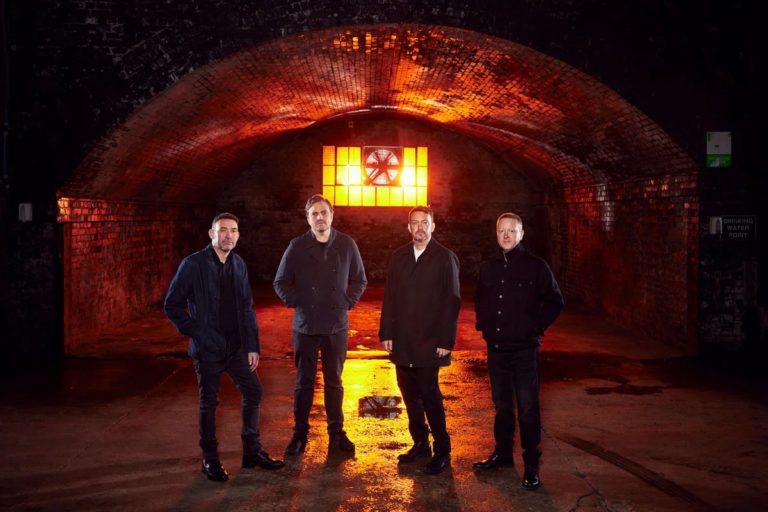
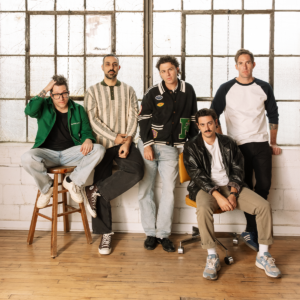
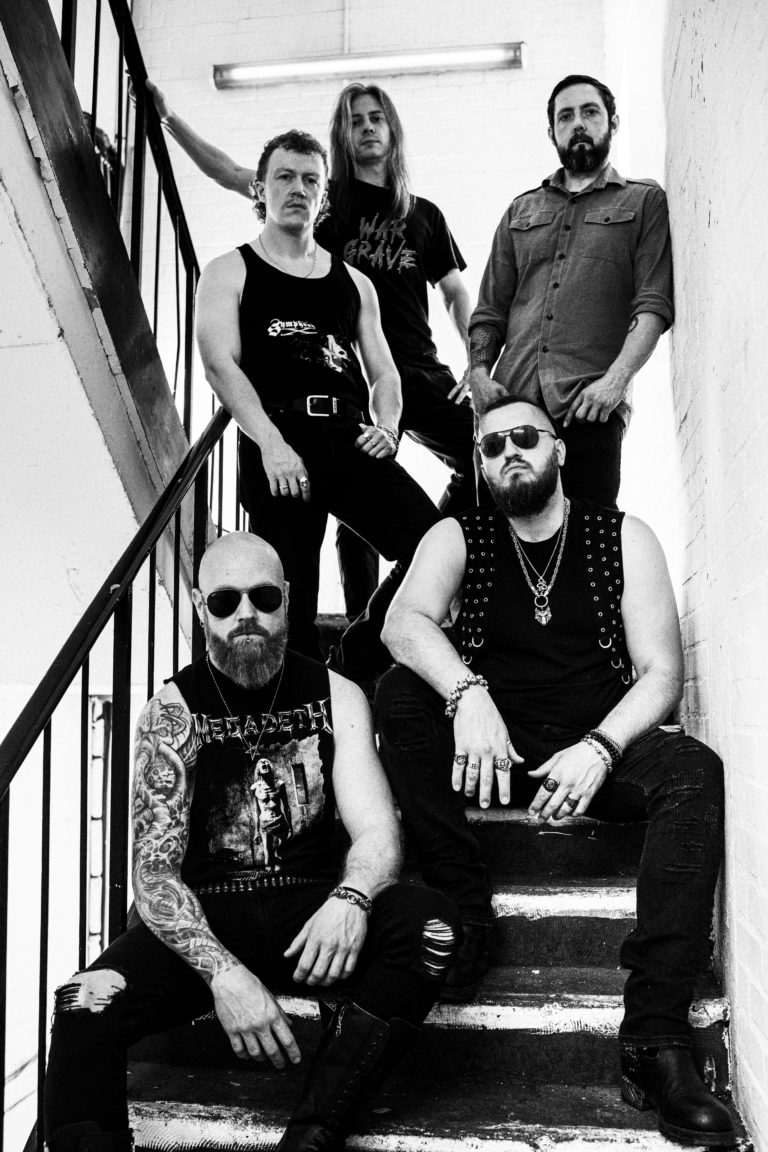
Starsailor is set to celebrate the 25th Anniversary of their critically acclaimed, multi platinum debut album ‘Love is Here’ with a special tour featuring a string ensemble arranged and conducted by Joe Duddell. This is an exciting new chapter in the band’s story, building on their latest collaboration with Duddell earlier this year. The ‘Starsailor with Strings: Love is Here 25th Anniversary UK Tour’ will be a six date run beginning at the historic London Palladium on Friday, October 2, 2026. Earlier this year, the band marked their 25th Anniversary by playing two special shows with Duddell and the Up North Session Orchestra at Liverpool’s Tung Auditorium, which resulted in the subsequent release of the ‘Starsailor with Strings: Live from Liverpool’ album in October. Duddell’s impressive list of credits also includes work with New Order, Elbow, James, and Richard Hawley.
The original release of ‘Love is Here’ back on October 8, 2001, cemented Starsailor’s reputation as one of Britain’s most exciting new bands. NME described it as “a debut album of real emotional depth… a lyrically deft record… partly thanks to James Walsh’s remarkable tuning fork of a voice,” and Rolling Stone commended it for its “irresistible, expansive melodies.” The album reached number two on the UK Album Chart and sold over a million copies worldwide, including more than 500,000 in the UK alone. Lead singer and guitarist James Walsh shared his enthusiasm, saying, “The response to the Starsailor with Strings: Live from Liverpool gigs and, more recently, the album release has been incredible, so it made sense to continue working with Joe and the Up North String Orchestra as we celebrate the 25th Anniversary of Love is Here.” He added, “Fans continue to tell us how much our debut album means to them, so we’re excited to be playing it in full for them next year, this time with the added power and emotion of the strings!” Adding to the 25th Anniversary celebrations, the band has never previously played any headline gigs at any of the six stunning venues that make up the UK Tour.
Starsailor with Strings: Love is Here 25th Anniversary UK Tour Dates:
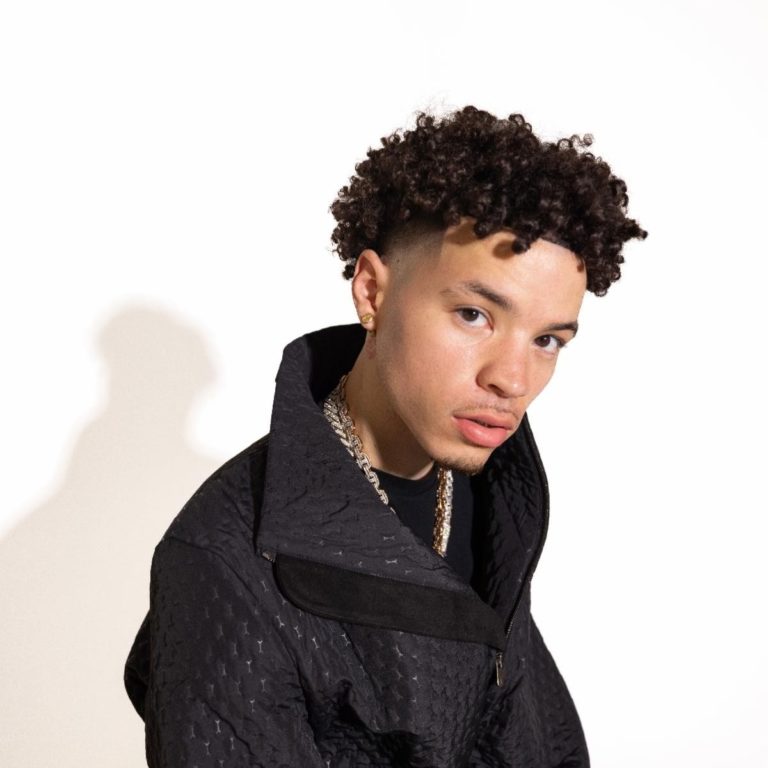
Platinum selling artist Lil Mosey is back with his new single, “Soulja,” out now via Cinq Music, GoDigital Music, and Love U Forever, and available on all major streaming platforms. This new single is the latest addition to Mosey’s growing catalogue of hits, following his recent EP, ‘Fall City’, which has already garnered over 2.4 million streams on Spotify since its release. With over five million monthly Spotify listeners, the young lyricist has amassed over one billion Spotify streams for his viral hit “Blueberry Faygo,” surpassed 670,000 YouTube views for fan favourite single, “Margiela Pink,” and he shows no signs of slowing down with this latest release. On “Soulja,” Mosey’s lyrics effortlessly flow over an ethereal melody infused with infectious beats, perfectly capturing the carefree vibe he embraced while creating the hit. Mosey comments: “I fell in love with this song while driving and replaying it over and over. It’s about just having fun with it and not thinking too hard about how the song will be portrayed. When I’m making these songs, I’m just letting go and letting the vibe take me wherever it goes.”
The new track showcases the rapper’s evolving sound and sets the stage for what is to come next. Fans can expect another single from Lil Mosey soon, leading directly into a full body of work slated to come next year. He adds: “I’m working towards another project early 2026, so I just want to continue the momentum while creating a new world for my fans.” “Soulja” is more than just a song; it is a clear invitation to experience the next chapter of Lil Mosey’s artistic journey, a journey marked by authenticity, craftsmanship, and an undeniable passion for creating music that deeply resonates with his fans.
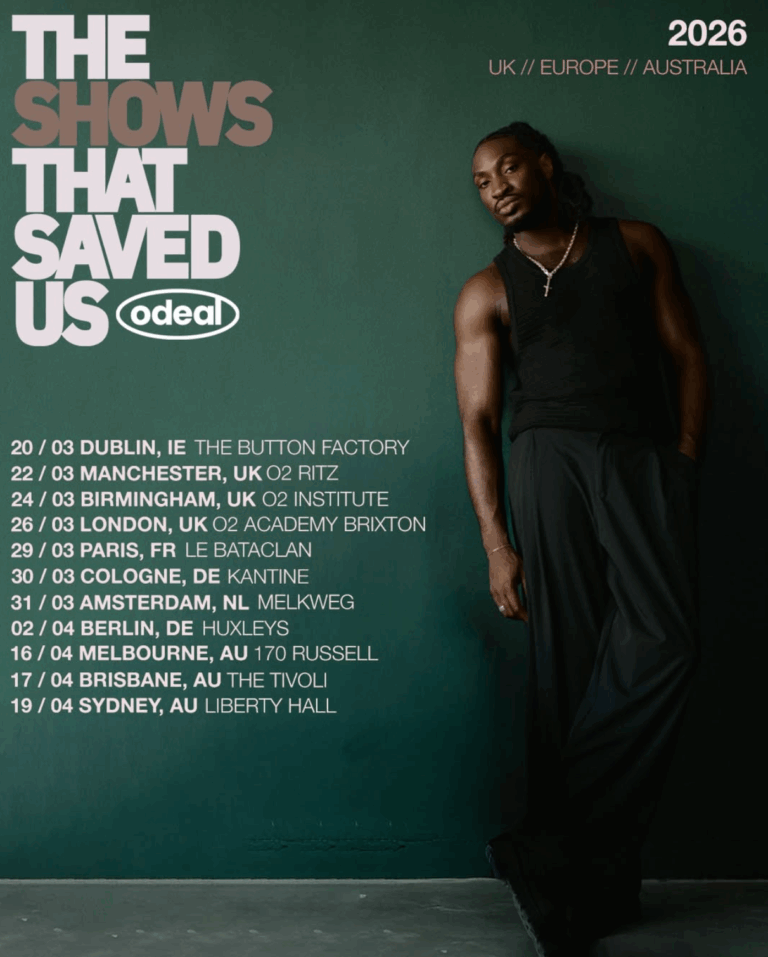
Today, Afro R&B sensation Odeal announced the international leg of his headlining tour spanning 11 cities across the UK, Europe and Australia. This announcement of an all new tour arrives just a few days after the release of Odeal’s brand new EP The Fall That Saved Us.
This has been an extraordinary year for Odeal and he’s eager to continue the momentum into 2026. Less than one month after the final North American show of part one of ‘The Shows That Saved Me’ tour which spanned 10 cities across US, showcasing his summer defining EP, The Summer That Saved Me, Odeal is already ramping up to do it again. From earning a 2025 BET Award nomination for Best New International Act, being named Billboard’s African Rookie of the Year for 2025, and receiving major cosigns from Justin Bieber, Odeal will be taking his unique, borderless sonic appeal overseas.
Moving into the colder seasons, Odeal returned with an even deeper body of work: The Fall That Saved Us. The 9-track project leans into Odeal’s moodier, introspective R&B palette, a sound that thrives in the colder months and marks a thoughtful shift from sun-lit warmth to fall and winter depth. On The Fall That Saved Us, Odeal takes a look into a world that teeters the line of trust, betrayal and the fragility of connection. This new era turns Odeal’s artistry towards a moody, deeper resonance, reflecting the feeling of life once summer comes to a close.
Now in 2026, fans will have the opportunity to experience the emotion and depth of Odeal’s latest projects live. The European leg of the The Shows That Saved US tour kicks off in March 2026 in Dublin, Ireland with a show at The Button Factory. Full routing is listed below.
TICKETS: Tickets for the all new tour will be available starting Tuesday, November 25 with an artist and local presale. The general on-sale begins Friday, November 28 at 10 AM local time at IAmOdeal.com. The full tour schedule is below.
The Canadian Academy of Recording Arts and Sciences (CARAS) and CBC today announced an exciting lineup of honourees and performers for The 55th Annual JUNO Awards, set to take place Sunday, March 29, 2026, live from TD Coliseum in Hamilton, Ontario, and nationwide on CBC and CBC Gem.
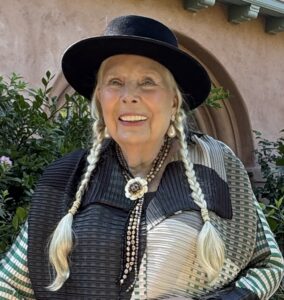
This year’s celebration will honour Joni Mitchell, one of the most influential songwriters and voices of her generation, with the Lifetime Achievement Award Presented by your National Arts Centre. The distinction recognizes her outstanding artistic contributions and enduring impact on global music culture. Mitchell, a four-time JUNO Award winner and Companion of the Order of Canada, will be celebrated for her trailblazing artistry that has inspired generations of creators across genres.
In an unforgettable moment, 10-time JUNO Award winner Nelly Furtado will be inducted into the Canadian Music Hall of Fame, joining the ranks of Canada’s most celebrated icons. With over 35 million albums sold worldwide and multiple JUNO, GRAMMY, and Latin GRAMMY Awards to her name, Furtado’s genre-defying career continues to shape the global pop landscape.
“Hamilton has always been a city that lives and breathes music,” said Allan Reid, President & CEO of CARAS/JUNO Awards, CEO of MusiCounts. “To return here with an incredible lineup that includes Joni Mitchell and Nelly Furtado – two of Canada’s most influential artists – is a fitting way to celebrate our country’s rich musical legacy.”
The 2026 JUNO Awards Broadcast will also feature electrifying live performances by nine-time JUNO Award winners and Hamilton hometown legends, Arkells and 5-time JUNO Winners, including Group of The Year at The 2025 JUNO Awards, The Beaches, two bands who exemplify the creativity and talent of Canadian music today.
MusiCounts, Canada’s music education charity associated with CARAS/The JUNO Awards, will be celebrating The 55th Annual JUNO Awards and amplifying the impact of Canada’s Biggest Night in Music through the MusiCounts Industry Exchange program, which will bring together 10 educators and 10 emerging artists from the Hamilton area for a one-of-a-kind experience combining community-building, celebrating Canadian music, and hands-on music industry learning.
The 55th Annual JUNO Awards, produced by Insight Productions (A Blue Ant Studios Company), will air live across Canada at 8 p.m. ET/5 p.m. PT on CBC TV, CBC Gem, CBC Radio One, CBC Music, CBC Listen, and stream globally at CBCMusic.ca/junos and on CBC Music’s YouTube channel.
Tickets to Canada’s Biggest Night in Music go on sale Friday, November 28 at 10 a.m. ET at ticketmaster.ca/junos.
Lifetime Achievement Award Presented by your National Arts Centre Recipient
Joni Mitchell
Joni Mitchell, the beloved Canadian singer-songwriter, has profoundly impacted folk, rock, pop and jazz music through her distinctive voice, innovative guitar playing, and a unique ability to craft poetic and thought-provoking lyrics.
Her prolific recording career began in 1968, resulting in a remarkable 19 studio albums and six live records. She is celebrated for her ability to seamlessly blend folk, jazz, and rock influences to create an instantly recognizable sound that is both timely and timeless. Her classic songs like “Big Yellow Taxi,” “A Case of You,” “Help Me,” and “Both Sides, Now,” continue to strike a chord with listeners. Beyond her musical talents, Mitchell is also a gifted painter, having said she considers herself a “painter derailed by circumstance,” and her artwork often graces her album covers, underscoring her boundless creativity.
For nearly six decades, Mitchell’s extensive contributions to music have earned her numerous accolades. She is a Rock and Roll Hall of Fame inductee (1997), a member of the Canadian Music Hall of Fame (1981), a laureate of the Polaris Music Prize (1996), and a recipient of both the Library of Congress Gershwin Prize (2023) as well as Kennedy Center Honors (2021). Rolling Stone ranks her among the greatest songwriters, singers, and guitarists of all time.
Canadian Music Hall of Fame Inductee
Nelly Furtado (Photo Credit: Valentin Herfray)
With over 20 billion streams, 35 million albums sold worldwide, and multiple #1 hit singles, Nelly Furtado is an undisputed icon whose innovative songwriting shaped an era and transformed pop music. Her unique “Nelly sound” has earned her Grammy and Latin Grammy Awards, 10 JUNO Awards, Multi-Platinum certifications, and millions of fans around the world. Effortlessly maintaining her place at the forefront of culture, the multi-talented musician and songwriter has landed three #1 songs on the Billboard Hot 100, five within the top ten, has charted #1 on the US Latin Billboard chart, and has sold-out arenas around the world.
In 2024, Nelly Furtado released her highly anticipated album 7, which she wrote and co-produced. The collection of celebratory and liberated pop music received praise and anticipation for the album from Rolling Stone, Billboard, The New York Times, Zane Lowe, Vogue Italy, NME, Complex, Vulture, PAPER Magazine, Grammy.com, Zach Sang, MTV, Stereogum, Wonderland, The Line of Best Fit, and publications around the world. Inspired by an “inner revolution”, Nelly Furtado is an artist thriving in her purpose, continuing her legacy of elevating pop music.
To further celebrate her impact, a new temporary exhibition will open in the spring of 2026 at the National Music Centre in Calgary, the physical home of the Canadian Music Hall of Fame. Stay tuned for more details.
2026 JUNO Awards Performers
Arkells
Whether they’re rocking stadiums, making a beeline for the discotheque, or gathering around the campfire, the implicit message of Arkells is always the same: everyone is welcome here. Since the beginning, Arkells have never wavered in their mission to be the house band that soundtracks the greatest nights of your life and provides emotional support in your darkest hours. And that communal spirit is reflected in an ever-evolving sound that hits all the perennial pleasure points – fusing the anthemic power of alt-rock, the pulpit-shaking passion of vintage soul, the off-the-cuff intimacy of singer-songwriter music, the urbane edge of 21st-century indie, and the futurist aesthetics of modern R&B.
Thanks to that eclectic ethos, Arkells have continued to evolve, while making everyone feel right at home. As one of the most heavily rotated acts on radio, and all-time record holders of the JUNO Award for “Group of the Year,” Arkells have extended their reach beyond borders by infiltrating all corners of pop culture; from global sports telecasts and top-tier video games to the stages of Coachella and Bonnaroo. But the band’s longevity is ultimately a function of their commitment to never coasting on past glories and to always live completely in the moment.
The Beaches
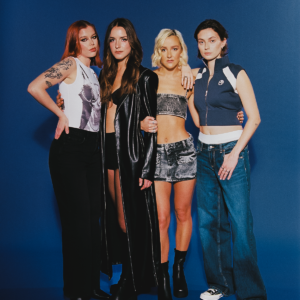
The Beaches are doing everything their way. After more than a decade together as a band, sisters Jordan Miller (lead vocals, bass) and Kylie Miller (guitar), plus closest friends Leandra Earl (guitar and keys) and Eliza Enman-McDaniel (drums), are entering a new era. On the new album “Blame My Ex,” the 5x Juno Award-winning Toronto band channels heartbreak into self-discovery through 10 exuberant songs that revel in pain and redemption. The lead single, “Blame Brett,” an acerbic pop-rock knockout Jordan calls “a song for all the hot messes out there,” has racked up over 100 million streams and over 10 million views on TikTok. The track peaked at #2 on a US Viral chart, #20 at Alternative Radio in the US and #1 at Alt Radio in Canada for 13 consecutive weeks, making it the biggest alternative radio hit of the year. Mark Hoppus (blink182), Nelly Furtado, and Demi Lovato are all fans of the track.
Their new album No Hard Feelings sees The Beaches at their most fine-tuned and brightest. From the bold and bright anthemic riffs of “Touch Myself” to the indie melancholy of “Lesbian of the Year,” the album is set to solidify the group as one of the driving forces of alt-rock today. Exploring the highs of nights out and lows of losing someone you love, No Hard Feelings is rife with the band’s signature witty lyricism, grungey tones, and unapologetic boldness.
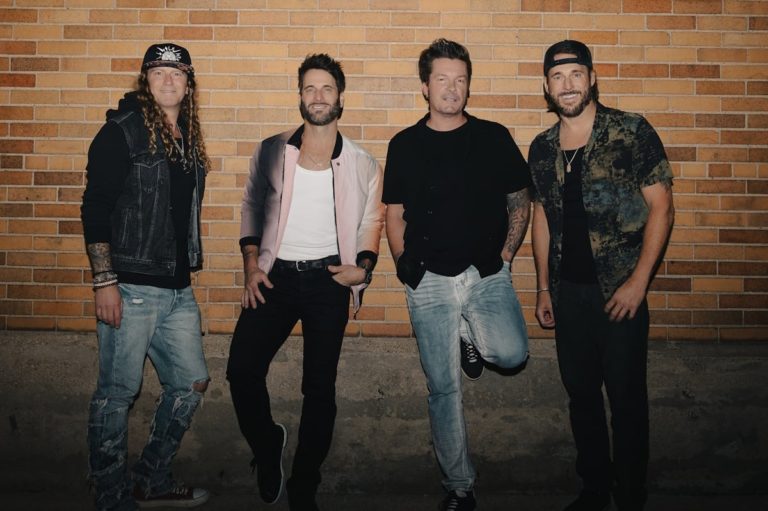
Chart topping and platinum selling country band Parmalee today releases their most personal and reflective song ever, “How Do I Let You Go.” The heart stirring ballad reflects on the profound themes of love, loss, and the ache of wishing for just a little more time with loved ones. The song was directly inspired by the passing of the fathers of frontman Matt and drummer Scott Thomas, as well as the father of guitarist and pianist Josh McSwain. The raw, real, and deeply human track delivers the kind of powerful storytelling that immediately stops you in your tracks, serving as a haunting and hopeful reminder that while letting go may feel impossible, there is undeniable beauty in the memories that remain.
Frontman Matt Thomas shares the personal meaning behind the track: “This song is a note to our dads and the friends we lost too soon.” He explains that he, Scott, and Josh grew up playing in bands with their fathers, and Barry eventually joined that group too. He notes a specific line in the song about “Corrigan’s,” explaining that this was the club where the band’s musical journey first began with their fathers, the place that truly shaped them as musicians and friends. Matt adds that one of the hardest things is knowing their fathers never got to see the band fulfill their dreams of playing music for a living. Even so, he affirms that their fathers have been with them every step of the way, and the band knows that every night they have the best seat in the house. This heartfelt ballad is a beautiful tribute to the men who inspired them.
Comprised of brothers Matt and Scott Thomas, cousin Barry Knox, and lifelong friend Josh McSwain, Parmalee has been a household name with headliner status for years, following four back to back number one songs at country radio and being recognized as the most played country act by Billboard in 2022 for their iconic love song “Take My Name.” The band is currently on their “Feel Like Home” Tour, and their vibrant stunner “Cowgirl,” from their latest album ‘Fell In Love With A Cowgirl’, is currently heating up to be their sixth number one hit at country radio as it races toward number one territory. With over 1.6 billion on demand streams and five number one smashes plus a growing list of platinum singles, Parmalee has firmly cemented their place as a hit making powerhouse and live concert favorite.
Upcoming Tour Dates:
November 20 – Sarasota, FL – Big Top Brewing Company
November 21 – Cocoa, FL – Cocoa Riverfront Park Amphitheater
November 22 – Jupiter, FL – Abacoa Amphitheater
November 23 – San Antonio, TX – Y100 All Star Jam
December 5 – Waynesboro, VA – The Foundry
December 6 – Covington, TX – Madison Theater
December 11 – Corpus Christi, TX – Brewster Street Ice House
December 12 – Durant, OK – Choctaw Casino Durant
December 13 – Katy, TX – Mo’s Place
February 19 – Rutland, VT – The Paramount Rutland
February 21 – Jordan, NY – Kegs Canalside
February 27 – Fort Lauderdale – Top Shelf Country Cruise 2026
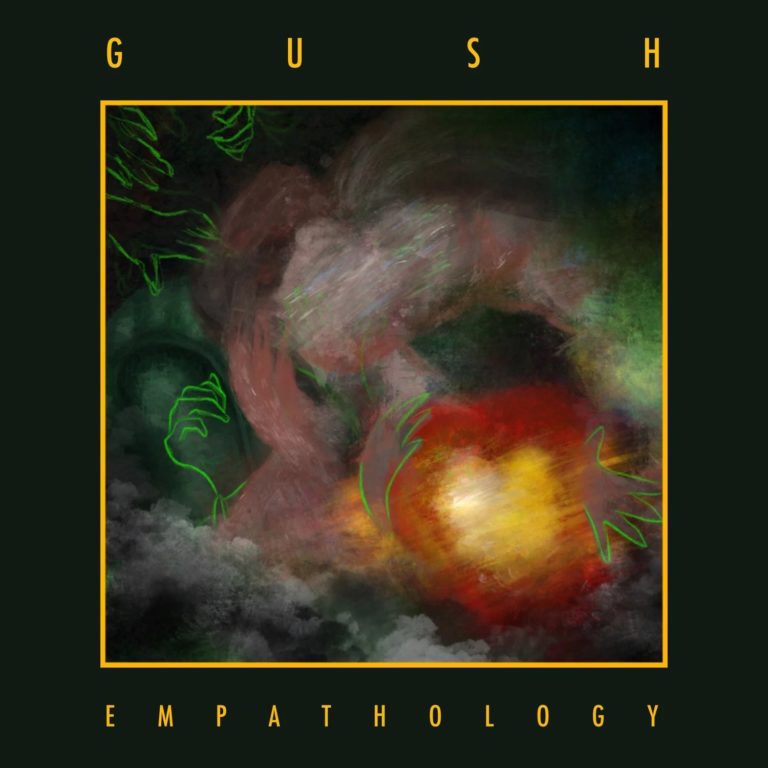
Belfast rockers Gush have returned with their blistering new single, “Empathology,” a major follow up to their 2024 debut EP ‘Explosure Therapy’, a five track whirling dervish of punk and grunge. The band has quickly established themselves as one of Belfast’s brightest talents, with previous single releases like the desert rock influenced “Like That” and the garage pop radio friendly “Your World.” That song earned them a coveted place on Spotify’s Alt_IE editorial playlist, was added to BBC Radio Ulster & Foyles ‘Where Music Matters’ playlist, and hit the airwaves with Dan Hegarty on RTE2FM, BBC Introducing, and BBC Precious Metal. The band has been on the road this year, completing their first Irish tour alongside fantastic festival appearances at GazeFest and Girls With Guts Festival. This new track sees the band further expanding their sonic palette as they bask at the altar of nineties flannel soaked distortion, with a powerful sound that is truly electrifying.
“Empathology” is an immediate test of your speakers, featuring a potentially earthquake inducing rumble from Rab’s bass and the nineties watery chorus lead of Robby’s guitar, all driven forward by Darren’s powerful drums. Chelsea’s inimitable vocals carry a subtle sense of menace while dripping with sincerity and truth. She shared the meaning behind the track, saying, “‘Empathology’ is half about wanting to feel the pain of everyone around you so they don’t have to, and half wanting to share it with them, grow closer and connect on a deeper level. I’ve created my own subject, Empathology: the study of empathy.” The band worked quickly with long time collaborator Jonny Woods at 1980 Something Studios, leveraging the musical trust built over previous releases. For the visual language, they again turned to Ebony Alexander, who captured a studio based photo shoot reflecting the song’s darker nature. Chelsea commented on the art work: “We went for a kind of blurred / over exposed colour style for the artwork, but still with that dark edge, with the idea of depicting someone almost stepping into another person’s skin. Ebony just took my words and turned them into something that looks super cool as usual!”
It is barely two months since UK metallers War Grave unleashed their full length debut album, the steel clad ‘Free Will’, and already the album has soared past 10,000 streams on Spotify. As a fantastic celebration of this milestone, the band has decided to release a brand new video for the standout album track, “Light ‘Em Up”—an atmospheric, moody, and magnificent tale set in the old West. This incredible streaming success so early in the album’s life is a clear sign that War Grave is rapidly building a dedicated following and that their powerful brand of metal is truly resonating with listeners.
The band shared the exciting background behind the song and its accompanying video, giving fans a deeper look into their creative process. The track “Light ‘Em Up” follows the doomed ride of a Wild West bandit and his crew, lured into one final score, which is a train heist promised to set them up for life. They take the gold and run, and for a moment, it feels like they’ve won. However, the dust never settles for long, and the sheriff is close behind, hunting them down and killing them one by one. The band explains that the promise of wealth turns hollow as the cost becomes clear, making “Light ‘Em Up” a tale of greed, betrayal, and the fleeting nature of glory, leaving the listener with a bloodstained question: was it ever worth it, just for gold? The video itself, according to the band, was inspired by Steve’s love of the cartoon The Lone Ranger as a child and his grandad’s fondness for a good old western film. The ultimate idea was to create an interactive way of not only telling, but also visually showing the story of this epic tune.
Pop artist and multi instrumentalist Ava Della Pietra is officially kicking off the festive season with a spectacular new project, the ‘It’s Giving Christmas’ EP, and it’s a brilliant showcase of everything fans adore about her music: clever storytelling, pitch perfect vocals, and a sense of joyful playfulness that truly never gets old. This is the holiday soundtrack we’ve been waiting for! Out right now, this new collection features two fantastic original seasonal tracks—the heartwarming “You Make It Christmas” and the cheeky “Reindeer Rebellion”—plus, get ready for a special surprise just before Thanksgiving when her bold reinterpretation of the classic holiday hit “Last Christmas” officially drops. The EP’s opener, “You Make It Christmas,” is a truly lovely moment, offering a nostalgic, acoustic revamp of Ava’s very first release, “Christmas Tonight,” which first arrived back in 2019 when she was just fifteen; Ava explains that, “Revisiting it in a more acoustic, mature way feels so nostalgic and beautiful. It brings forward all the warmth and closeness that have always made this song special to me.”
Ava’s connection to the holiday season is certainly no secret; her debut single, “Christmas Tonight,” sparked early attention and features in publications like Just Jared Jr., Parade, and American Songwriter. Her track “Reindeer Rebellion” quickly became a fan favorite thanks to her wonderfully playful live performances on KTLA and the nationally televised Hollywood Christmas Parade, and it continues to absolutely charm everyone with its brilliantly cheeky perspective on what happens when Santa’s four legged helpers finally decide they’ve had enough of the yearly grind. With the release of ‘It’s Giving Christmas’, she is completely leaning into that joyful holiday spirit, offering listeners a perfect, cozy, and upbeat soundtrack for all your seasonal celebrations, and don’t forget that amazing cover is coming soon!
Sarah Sherman’s first stand-up comedy special SARAH SQUIRM: LIVE + IN THE FLESH debuts FRIDAY, DECEMBER 12at 9:00 p.m. ET/PT on HBO and will be available to stream on HBO Max.
Sarah Sherman’s unholy alter ego, Sarah Squirm, slithers onto your screen in her first stand-up comedy special. After four seasons (and counting) on Saturday Night Live, the comedian rips off the straitjacket, unleashing a festering and hilarious hour of bodily fluids, open-wound confessionals, and jokes that will leave scars on your soul.
HBO and NFL Films re-team to present HARD KNOCKS: IN SEASON WITH THE NFC EAST debuting TUESDAY, DECEMBER 2 at 9:00 p.m. ET/PT on HBO and will be available to stream on HBO Max. New episodes will premiere on subsequent Tuesdays through the end of the NFL regular season and continue into the NFL playoffs in January 2026.
HARD KNOCKS: IN SEASON WITH THE NFC EAST will follow the reigning Super Bowl LIX champion Philadelphia Eagles, the Dallas Cowboys, the New York Giants, and the Washington Commanders during the final stretch of the NFL season. From wins and losses to injuries and adversity, the series will capture an inside look at life in one of football’s most historic divisions. The series will be narrated by Liev Schreiber.