Home Blog Page 618

Spotify Launches Comments and New Mobile App to Boost Podcast Creator-Fan Connections

0

For podcast creators who want to grow their audiences, building a stronger relationship with their listeners and fans goes a long way. And in order to amplify their presence, creators need tools that give them the functionality, insights, and flexibility to manage their shows and engage fans anytime, anywhere. 

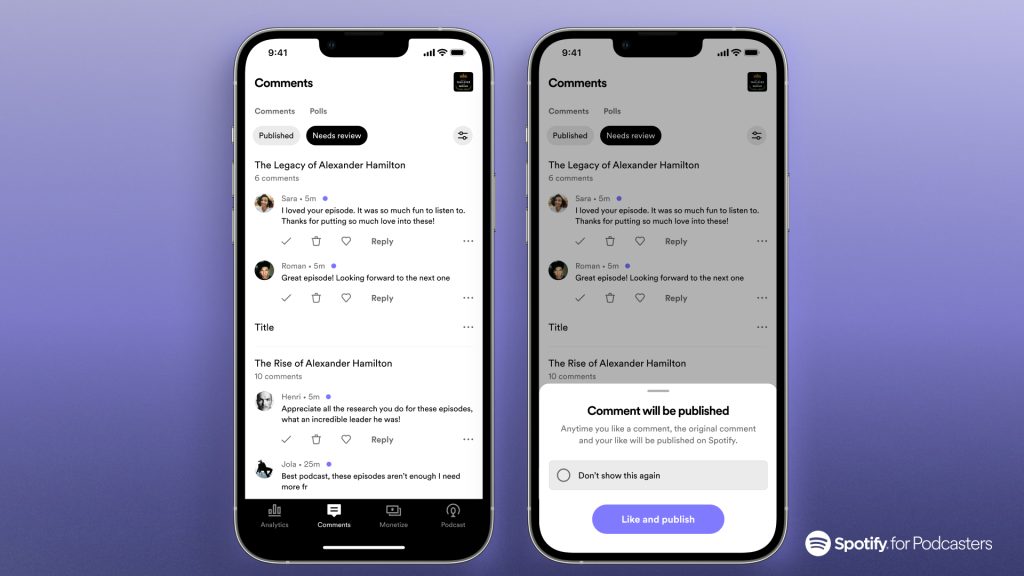
That’s why, starting today, they’re beginning to roll out a brand-new way for podcast creators to interact with their fans—with Comments—and introducing an easier way for all podcasters to manage their shows: with the all-new Spotify for Podcasters mobile app.

Their new Comments feature expands on the Q&A and polls functionality they introduced in 2021 as a way to bring interactivity into the podcasting industry for the first time. And interactivity is a feature that already has listeners and creators buzzing: More than 9 million unique Spotify listeners have interacted with a Q&A or poll just this year, and there’s been 80% year-over-year growth in the number of total Q&A responses and votes from listeners.

“As a podcast focused on the lessons we can learn from history’s greatest leaders, I’m always curious about which takeaways resonate most with my audience,” said Ben Wilson, creator of How to Take Over the World. “Comments on Spotify provide me that invaluable feedback, which makes creating my podcast that much more rewarding and allows me to build a stronger connection with my listeners.”

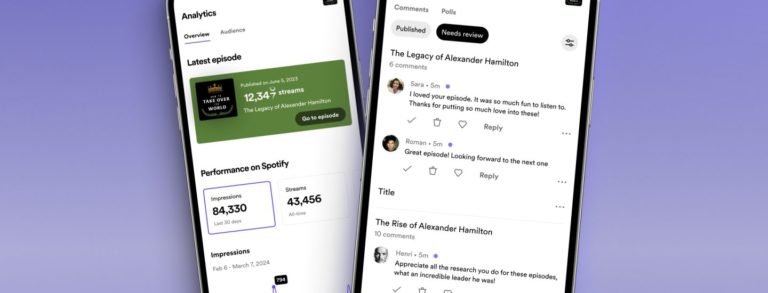
With the introduction of Comments, they’re also excited to give all creators—regardless of where their episodes are hosted—better ways to manage their entire show, including listener feedback. Podcast creators can now use Spotify for Podcasters on desktop or with our all-new mobile app to interact with listeners, manage their presence on Spotify, check their latest stats, and track growth in real time. And fans can directly comment on the podcast episodes they’re already listening to on Spotify. 

NEXT 

To learn more about these new features and the ways they’ll strengthen the relationship between podcasters and listeners, For the Record spoke with Maya Prohovnik, VP of Podcast Product at Spotify.

What’s new with the Spotify for Podcasters mobile app? 

We’ve kept our promise to manage and update your show on the go, but we rebuilt the Spotify for Podcasters mobile app to work for all podcasters, regardless of where their show is hosted. 

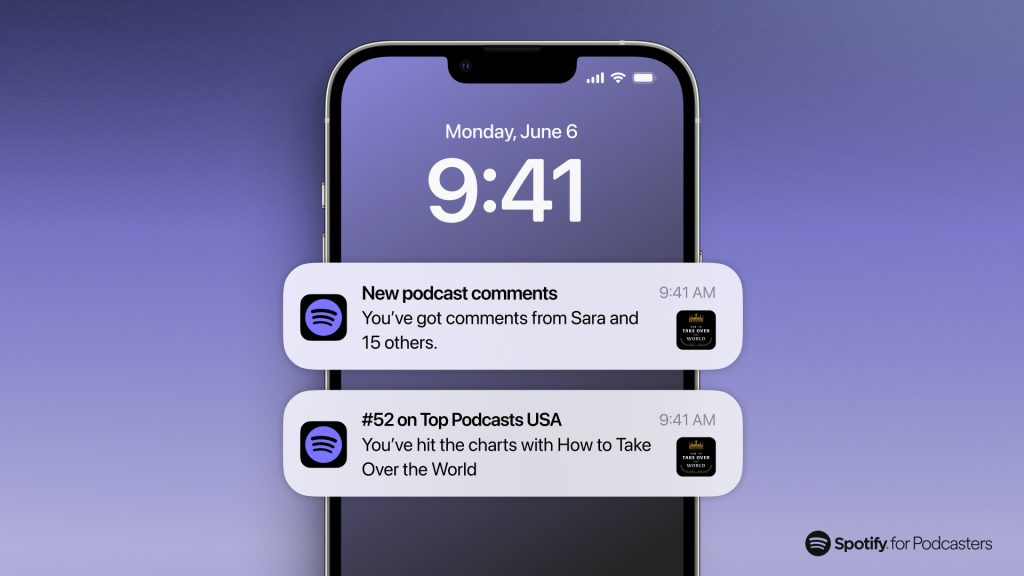
We’ve also added helpful new notifications so you’ll know right away if you make it onto a Spotify chart, if you get feedback from your listeners, or when your show hits an exciting new milestone. And we added the ability for podcasters to manage Comments on their episodes—a brand-new feature which has just launched on Spotify! 

Why are Comments such an important addition to podcasts on Spotify?  

Comments have been a long-requested feature from both podcasters and Spotify listeners, and we were excited to provide it since we’re very invested in making Spotify the best platform for all types of creators to connect with their biggest fans.

Podcasts have historically been a one-sided format and, while we’ve offered other interactivity features like Polls and Q&A for some time, people have told us they want more ways to connect directly. Now, for the first time, listeners can actually have a two-way conversation with their favorite podcast hosts on Spotify, podcasters can get near-immediate feedback from their audiences, and real communities can form around shows. I think that’s incredibly powerful. 

How will their new app offer a better podcast experience for both creators and users?

I’m a podcaster, so I feel like I can say this with some authority: Every podcast creator, regardless of their size or ambition, wants to grow their audience and deepen those relationships. Interactivity features are a meaningful way for them to do both. We’ve found that listeners who interact with a show are four times more likely to return to that show within 30 days. They also listen to twice as many hours per month on average than those who don’t. So there is really something special—and something tangible—in enabling this connection.

The biggest value for fans is that they can now talk to their favorite podcasters on a whole new level, right where they’re already listening to (or watching!) their favorite show. And we’ve managed to do this in a way that still leaves a ton of control in the creators’ hands, since we know how important it is to have a say over what can show up alongside your content. I’m really proud of the balance we’ve struck here and excited for everyone to start trying it out!

For more details on their new app, be sure to visit Spotify for Podcasters.
20 of the Best New Wave and Synth-Pop Albums Everyone Should Know

New wave and synth-pop have shaped the soundscape of modern music for over four decades. From shimmering synths to bold electronic beats, these genres blend emotion with innovation in unforgettable ways. Below, you’ll find twenty landmark albums that have defined and elevated synth-pop, crafting melodies and moods that continue to inspire new generations. Dive into this alphabetical journey through the essential synth-pop and new wave albums you need on your radar.

ABC — The Lexicon of Love
ABC’s debut album is a synth-pop symphony full of lush orchestrations and unforgettable hooks. Martin Fry’s charismatic vocals glide over polished, cinematic arrangements, turning songs like “The Look of Love” into timeless pop classics. This album perfectly captures the sophisti-pop flair that elevated synth-pop to a sophisticated art form.

Bronski Beat — The Age of Consent
A groundbreaking record from the London trio, The Age of Consent pairs pulsating synth beats with powerful, socially conscious lyrics. Jimmy Somerville’s falsetto soars on iconic tracks like “Smalltown Boy,” making it a landmark album that blends dancefloor energy with heartfelt activism.

Cabaret Voltaire — C O D E
Cabaret Voltaire’s C O D E melds industrial textures with infectious synth grooves. This album’s innovative approach brought haunting atmospheres and danceable rhythms together, influencing countless electronic acts and carving a unique niche in synth-pop’s diverse universe.

Chromatics — Kill for Love
Chromatics’ Kill for Love is a modern synth-pop masterpiece wrapped in dreamy, cinematic layers. The band’s evocative soundscapes and shimmering melodies create a hypnotic blend of electronic nostalgia and haunting beauty, making it a standout in 21st-century synth music.

Depeche Mode — Violator
Violator is a towering synth-pop landmark with a perfect balance of dark moodiness and irresistible hooks. Tracks like “Personal Jesus” and “Enjoy the Silence” are anthems that showcase the band’s ability to merge emotional depth with dancefloor-ready beats, earning the album legendary status.

Devo — Oh No! It’s Devo!
This album highlights Devo’s quirky genius and their flair for combining sharp synth lines with satirical lyrics. Songs such as “Peek-a-Boo!” capture the band’s eccentric, playful spirit and cement their role as synth-pop innovators who never stop pushing creative boundaries.

Erasure — The Innocents
With Vince Clarke’s sparkling synths and Andy Bell’s soaring vocals, The Innocents is a joyous synth-pop treasure. This album is packed with uplifting anthems like “A Little Respect,” earning it a cherished spot as one of the most beloved and enduring synth-pop records.

Eurythmics — Touch
Annie Lennox and Dave Stewart’s Touch blends soulful vocals with lush electronic production, creating an album full of danceable yet emotionally rich moments. Tracks like “Here Comes the Rain Again” remain synth-pop staples, showcasing the duo’s dynamic artistry.

Gary Numan — The Pleasure Principle
Gary Numan’s The Pleasure Principle is a synth-pop milestone defined by its robotic beats and futuristic soundscapes. The iconic track “Cars” helped propel electronic music into the mainstream, making this album a must-hear for fans of early synth innovation.

Grimes — Visions
Grimes’ Visions bursts with experimental synth-pop brilliance, weaving ethereal vocals with inventive electronic textures. This album launched the Canadian artist into global recognition, proving her ability to blend catchy melodies with avant-garde production.

Japan — Quiet Life
Japan’s Quiet Life is a refined synth-pop gem combining glam-rock flair with electronic elegance. David Sylvian’s commanding presence and the band’s sophisticated arrangements make this album an essential piece of the UK’s New Romantic movement.

Kraftwerk — The Man-Machine
Pioneers of electronic music, Kraftwerk’s The Man-Machine blends precise synth melodies with minimalist perfection. This album’s influence is immeasurable, laying the foundation for synth-pop’s future and delivering timeless tracks like “The Model.”

M83 — Hurry Up, We’re Dreaming
M83’s sprawling double album Hurry Up, We’re Dreaming combines dreamy synth textures with anthemic melodies. “Midnight City” stands out as a modern classic, and the album’s cinematic scope solidifies it as a modern synth-pop landmark.

MGMT — Little Dark Age
On Little Dark Age, MGMT balance psychedelic rock with electronic synth-pop in captivating ways. The album’s dark, catchy tunes like the title track reveal a band at their most refined, blending introspection with danceable beats.

New Order — Power, Corruption & Lies
New Order’s Power, Corruption & Lies is a synth-pop and post-punk fusion that redefined electronic music. The album features the legendary “Blue Monday” and showcases the band’s ability to craft emotionally resonant synth anthems with enduring appeal.

Orchestral Manoeuvres in the Dark — Architecture & Morality
Architecture & Morality by OMD is a synth-pop masterpiece with sweeping melodies and experimental production. Tracks like “Souvenir” and “Joan of Arc” demonstrate the band’s lyrical depth and knack for unforgettable electronic compositions.

Pet Shop Boys — Actually
Pet Shop Boys’ Actually is a sophisticated synth-pop album that pairs catchy hooks with social commentary. Neil Tennant and Chris Lowe deliver timeless classics like “It’s a Sin,” blending dancefloor energy with intelligent pop craftsmanship.

Soft Cell — Non-Stop Erotic Cabaret
Soft Cell’s debut, Non-Stop Erotic Cabaret, pulses with raw synth energy and theatrical flair. Beyond the legendary “Tainted Love,” the album explores themes of nightlife and emotional turmoil with tracks like “Bedsitter.” Marc Almond and David Ball crafted a record that is both dark and danceable, securing their place as synth-pop’s unforgettable provocateurs.

Tears for Fears — The Hurting
Tears for Fears’ debut album The Hurting is a deeply emotional synth-pop journey filled with introspective lyrics and haunting melodies. Released in 1983, it introduced the world to Roland Orzabal and Curt Smith’s unique blend of dark themes wrapped in catchy synth textures. Songs like “Mad World” and “Pale Shelter” capture the tension between vulnerability and strength, making The Hurting a cornerstone of ’80s new wave and synth-pop.

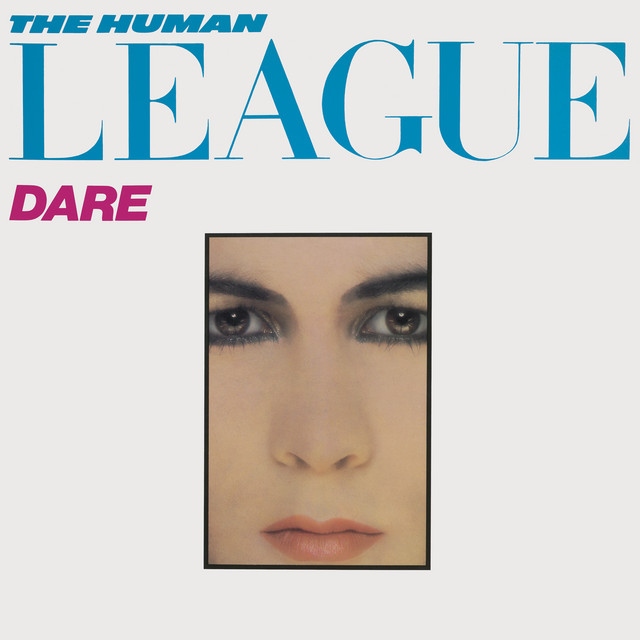
The Human League — Dare
The Human League’s Dare is a synth-pop milestone best known for the iconic anthem “Don’t You Want Me.” But beyond the hit single lies a treasure trove of electronic brilliance with tracks like “Open Your Heart” and “The Sound of the Crowd.” Released in 1981, Dare showcased the band’s ability to combine infectious melodies with futuristic synth arrangements, helping define the sound of an entire decade.

5 Surprising Facts About The White Stripes’ ‘Get Behind Me Satan’

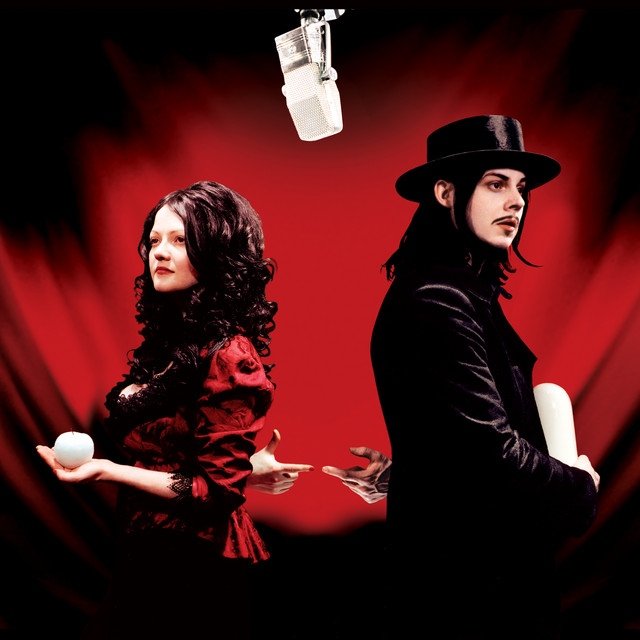
On June 7, 2005, The White Stripes took a leap into uncharted musical territory with Get Behind Me Satan. Gone were the raw guitar riffs of Elephant—in their place came marimbas, grand pianos, mandolins, and a poetic sense of experimentation. Jack and Meg White created something intimate and expansive, a sonic detour wrapped in mystery, metaphor, and marimba.

From Jack’s living room in Detroit came a Grammy-winning album that continues to surprise, delight, and inspire listeners two decades later. To celebrate, here are 5 things you might not know about Get Behind Me Satan:

1. It Was Recorded in Jack White’s Living Room
This Grammy-winning album wasn’t born in a fancy studio. Jack and Meg recorded it at home in Indian Village, Detroit, using a vintage 8-track tape machine and just six microphones. They even rented a Steinway grand piano to get that full-bodied sound. The whole thing was finished in under two weeks.

2. “Blue Orchid” Was Written and Released in Just Six Weeks
Jack White has called “Blue Orchid” the song that saved the album. It was the last song written and brought everything into focus. That urgent energy carried over to its release—it hit radio just six weeks after it was written and became one of the band’s biggest hits.

3. “The Nurse” Features a Happy Accident
That spooky marimba track? It almost didn’t make it. Jack was unsure about the wild, crashing drums and guitar that were added to cover a tape splice error. But after playing the mix for Brendan Benson, who called it “some Brian Wilson shit,” Jack was sold.

4. Meg White Has a Lead Vocal Moment
“Passive Manipulation” is a short and haunting tune, and it’s sung entirely by Meg White. The track runs less than a minute and delivers one of the album’s most memorable and lyrical moments—from a woman’s point of view, no less.

5. The Album Wasn’t Released on Vinyl Until 2015
Even with its success, Get Behind Me Satan didn’t get a commercial vinyl release for a full decade. Jack wanted to re-record a live version of the album specifically for vinyl, but it never came together. It finally arrived for Record Store Day 2015—on red and white wax, of course.

From its lyrical odes to truth and Rita Hayworth, to its playful embrace of marimba and mandolin, Get Behind Me Satan stands as a bold and beautiful chapter in the story of The White Stripes. It’s an album that invites you to listen closer, dance differently, and see the world through a red, white, and piano-tinted lens.

Happy anniversary, Satan. You’ve still got us under your spell.

5 Surprising Facts About Stone Temple Pilots’ ‘Purple’

Released on June 7, 1994, Purple arrived with the roar of a jet engine and the grace of a psychedelic fairytale. Stone Temple Pilots were already stars after Core, but Purple launched them into a new stratosphere. The album debuted at #1 on the Billboard 200, sold over six million copies, and gave us unforgettable tracks like “Vasoline,” “Interstate Love Song,” and “Big Empty.”

From its mythical artwork to its lightning-fast creation, Purple remains one of the most memorable albums of the 1990s.

1. They Recorded It in Less Than a Month
The band finished the entire album—recording, mixing, and mastering—in about three and a half weeks. They tracked it live with a PA system to keep the energy raw. They played basketball and wiffle ball between takes. That sense of looseness and momentum runs through every song.

2. “Pretty Penny” Was Recorded in a Living Room
For this dreamy acoustic number, Brendan O’Brien brought the band into a house with an old eight-track tape machine. They performed it live in the living room, capturing the warmth and intimacy in one session. No studio magic, just great playing and great atmosphere.

3. The Album Cover Has Its Own Language
Purple’s cover features a child riding a Qilin, a legendary creature in Chinese folklore, surrounded by fairies. The title is written in Chinese (紫), which means “purple.” The track list? Not on the back cover. Instead, there’s a decorated cake that reads “12 Gracious Melodies,” hinting at the album’s hidden twelfth track.

4. “Vasoline” Came From a Childhood Misheard Lyric
Scott Weiland once thought the Eagles’ “Life in the Fast Lane” said “Flies in the Vaseline.” That moment stuck with him. The song reflects the feeling of being trapped and overexposed. Robert DeLeo’s bass runs through a wah-wah pedal for that unforgettable intro tone.

5. “Interstate Love Song” Was Done in One Take
Scott Weiland recorded the vocals for “Interstate Love Song” in a single take. The track became one of the biggest rock hits of the decade, staying at #1 on the Billboard Mainstream Rock chart for 15 straight weeks. It started as a soft bossa nova sketch and turned into a rock anthem built for long drives and big feelings.

Purple still sounds fresh, bold, and full of surprises. Every listen feels like opening a time capsule sealed with melody, emotion, and sonic ambition. Happy anniversary to a truly gracious collection of songs.

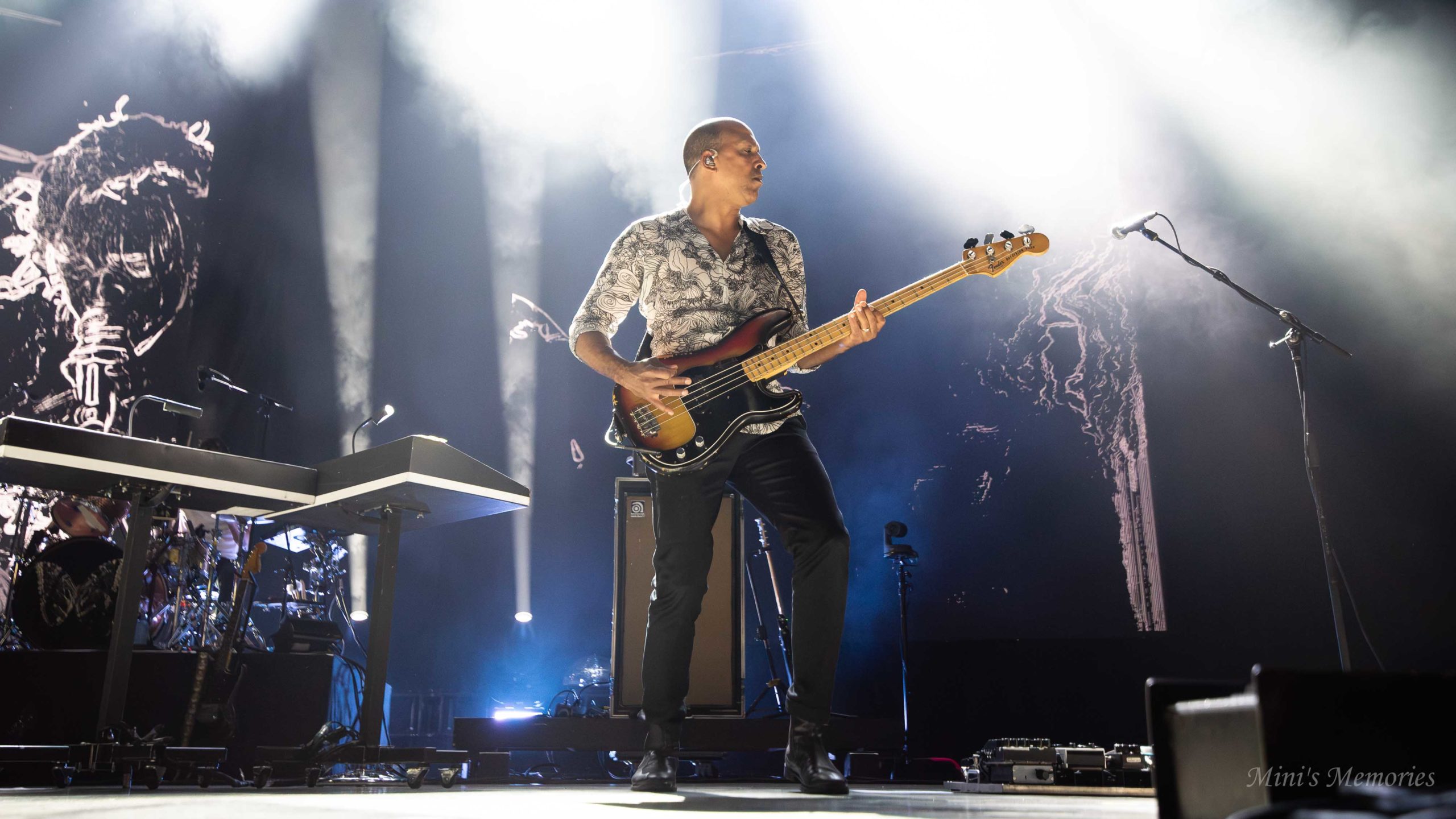
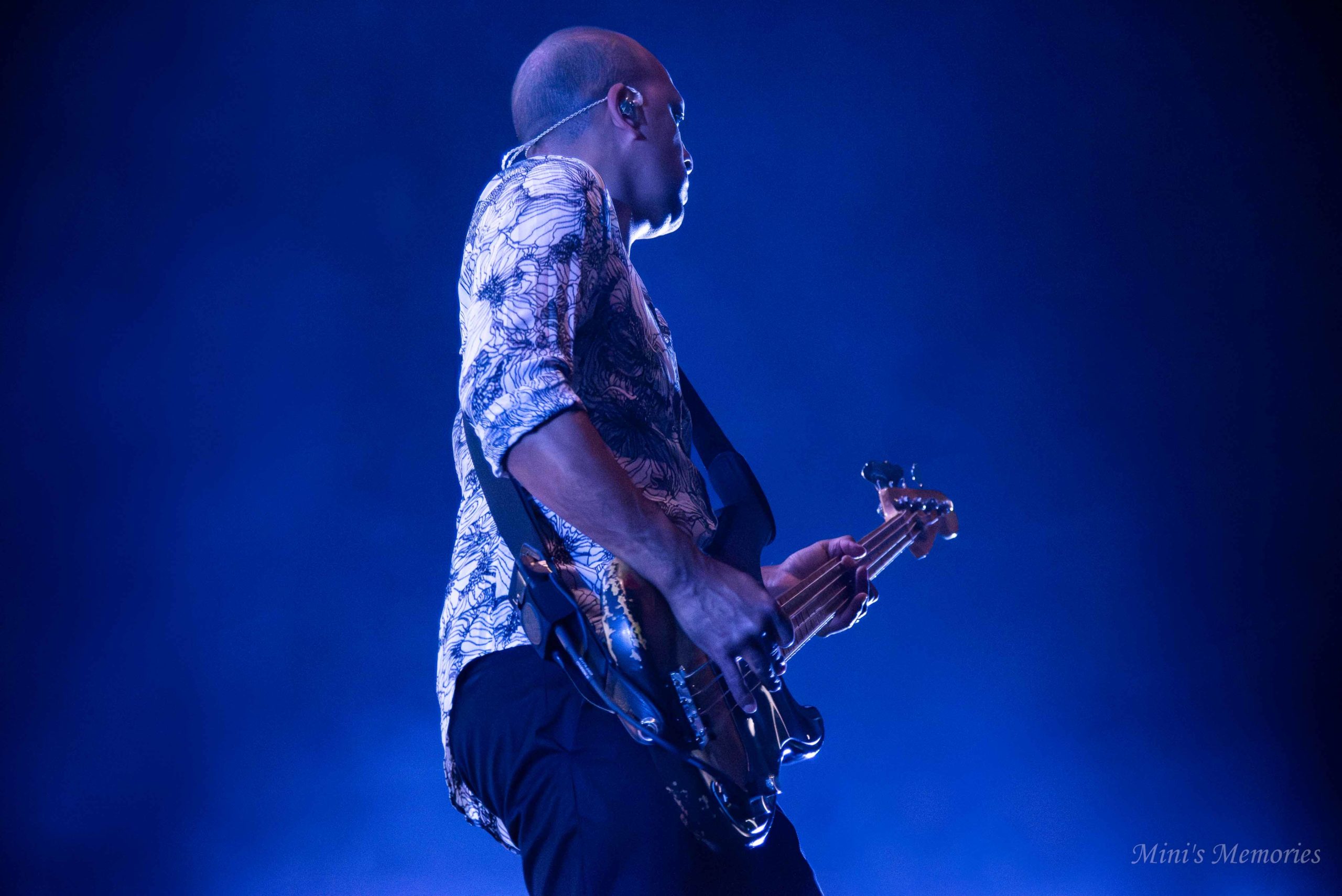
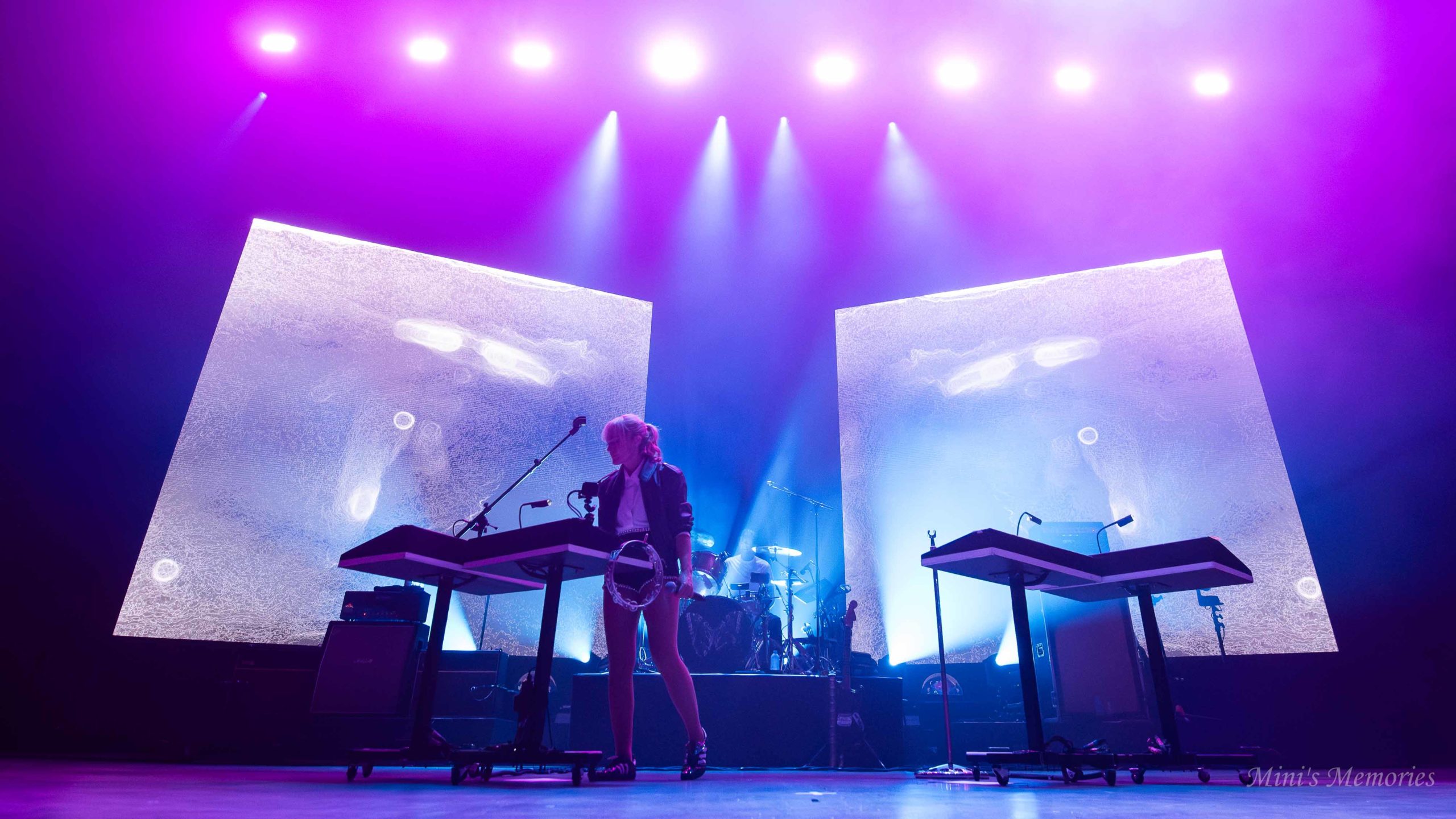
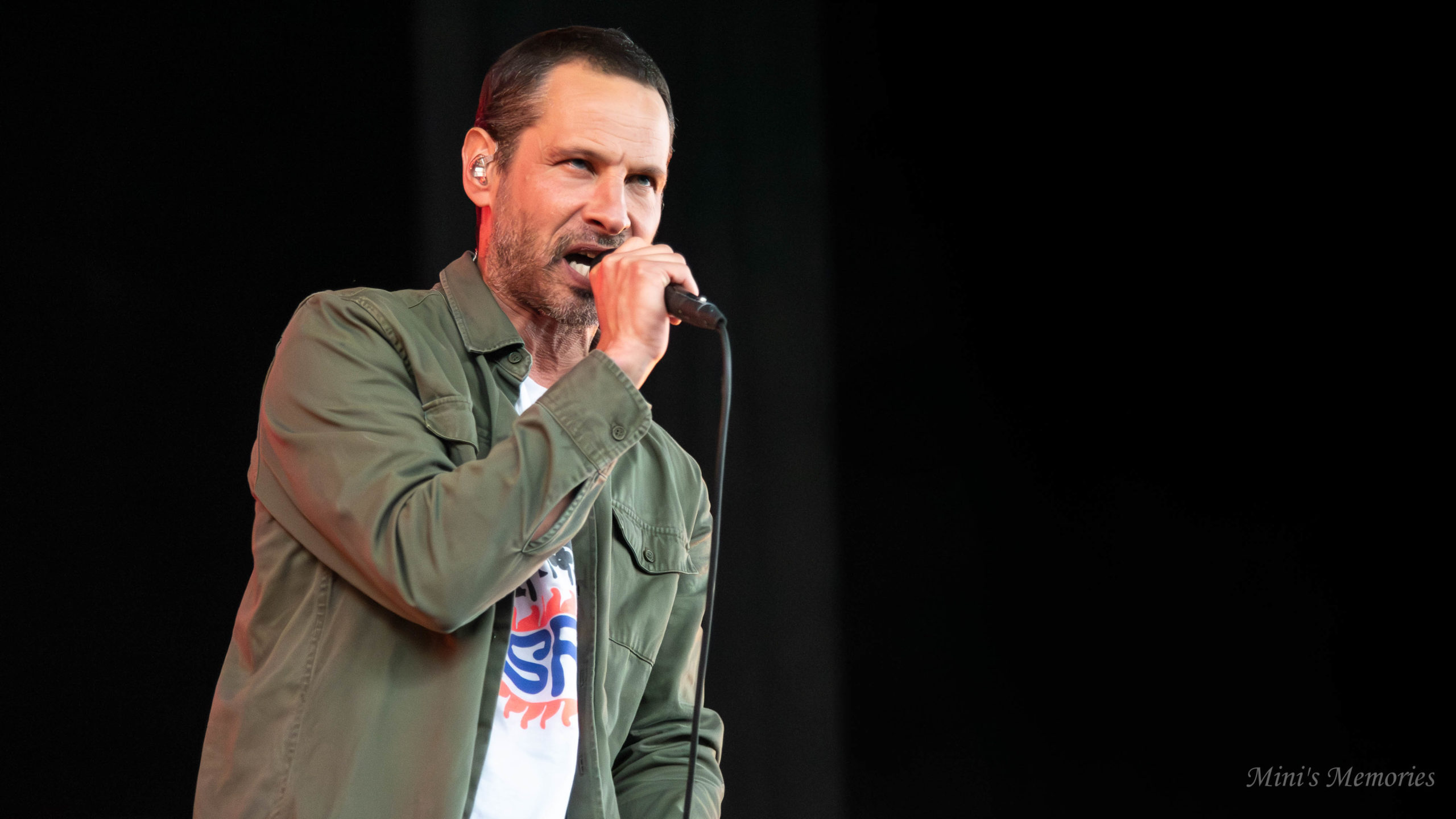
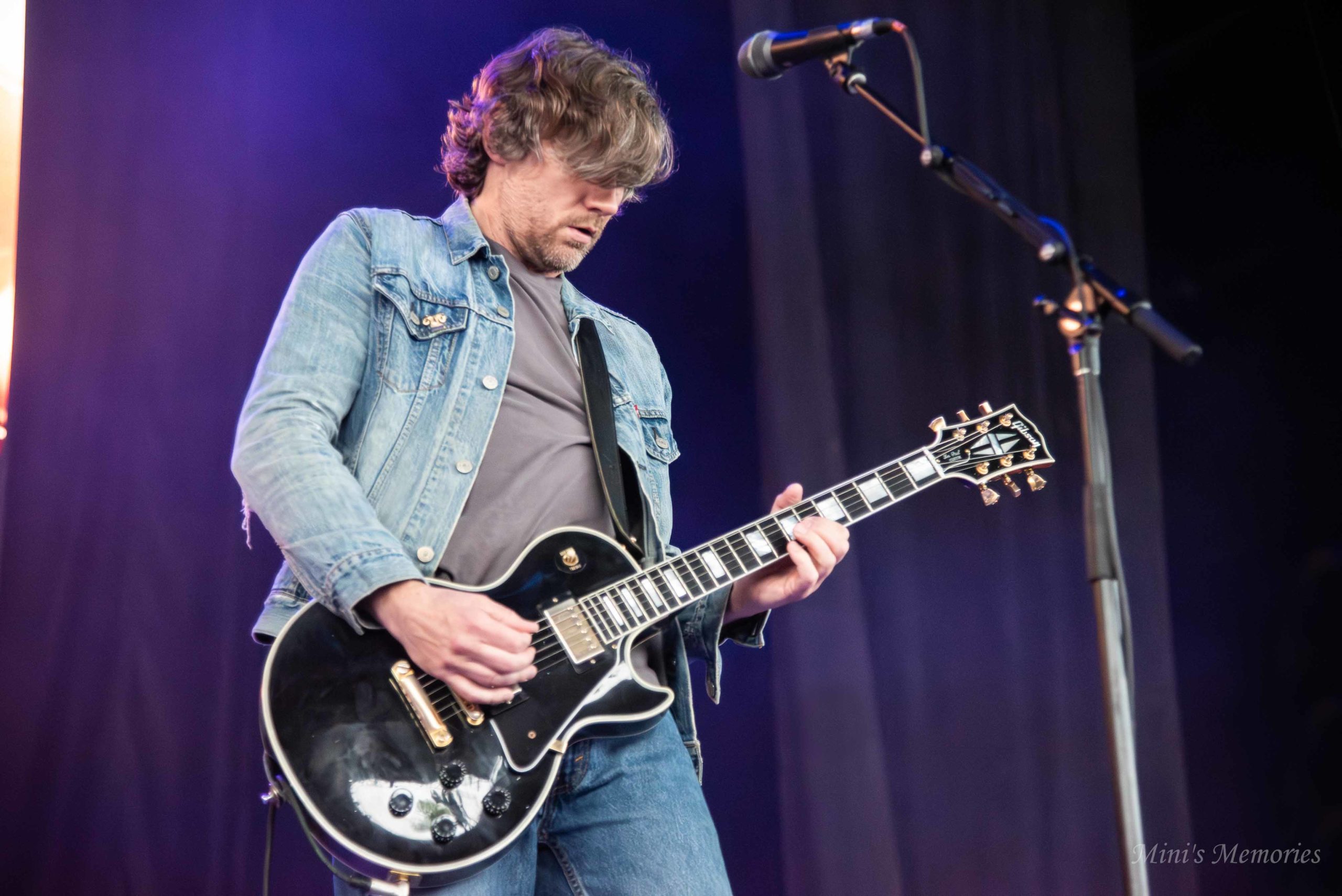
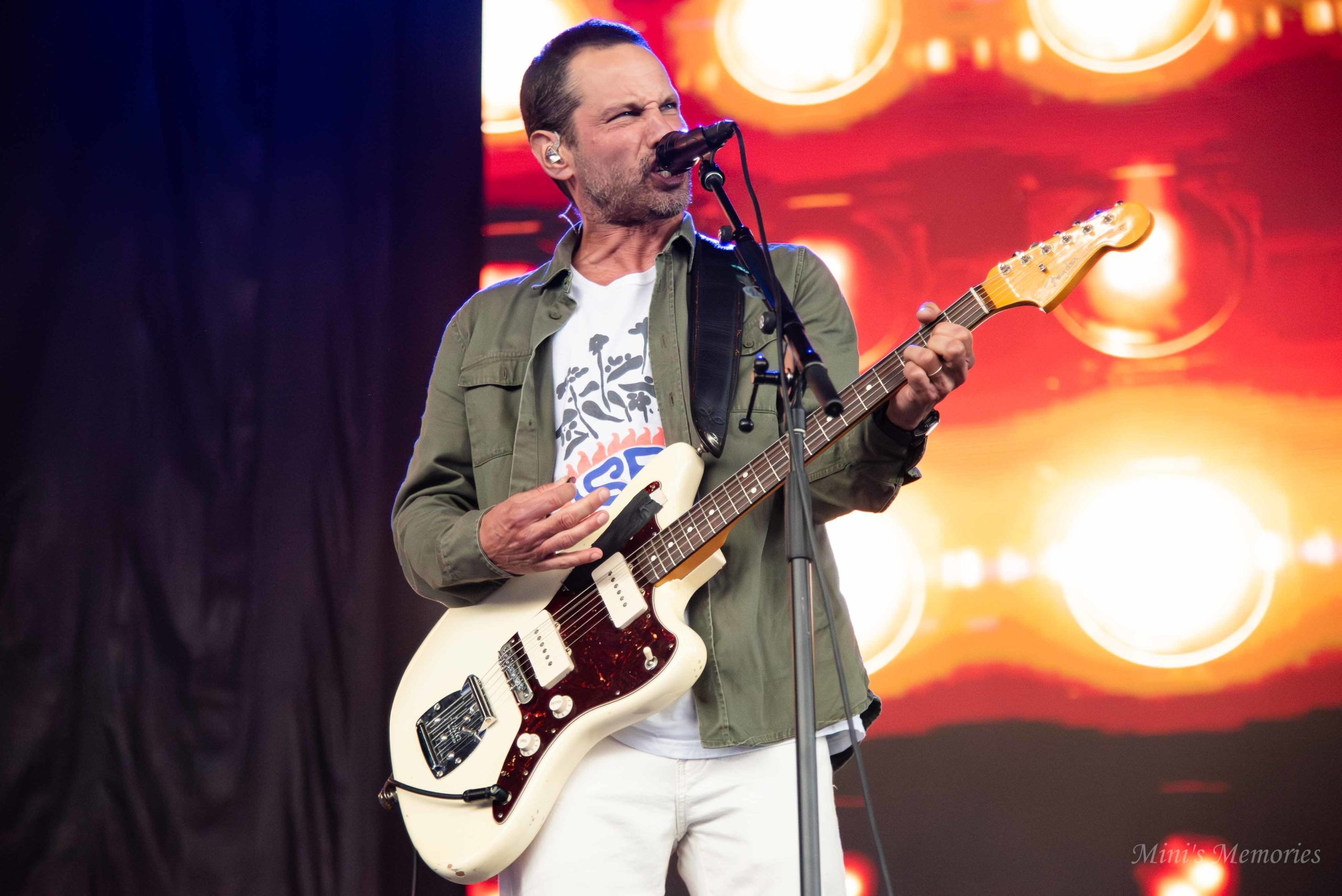
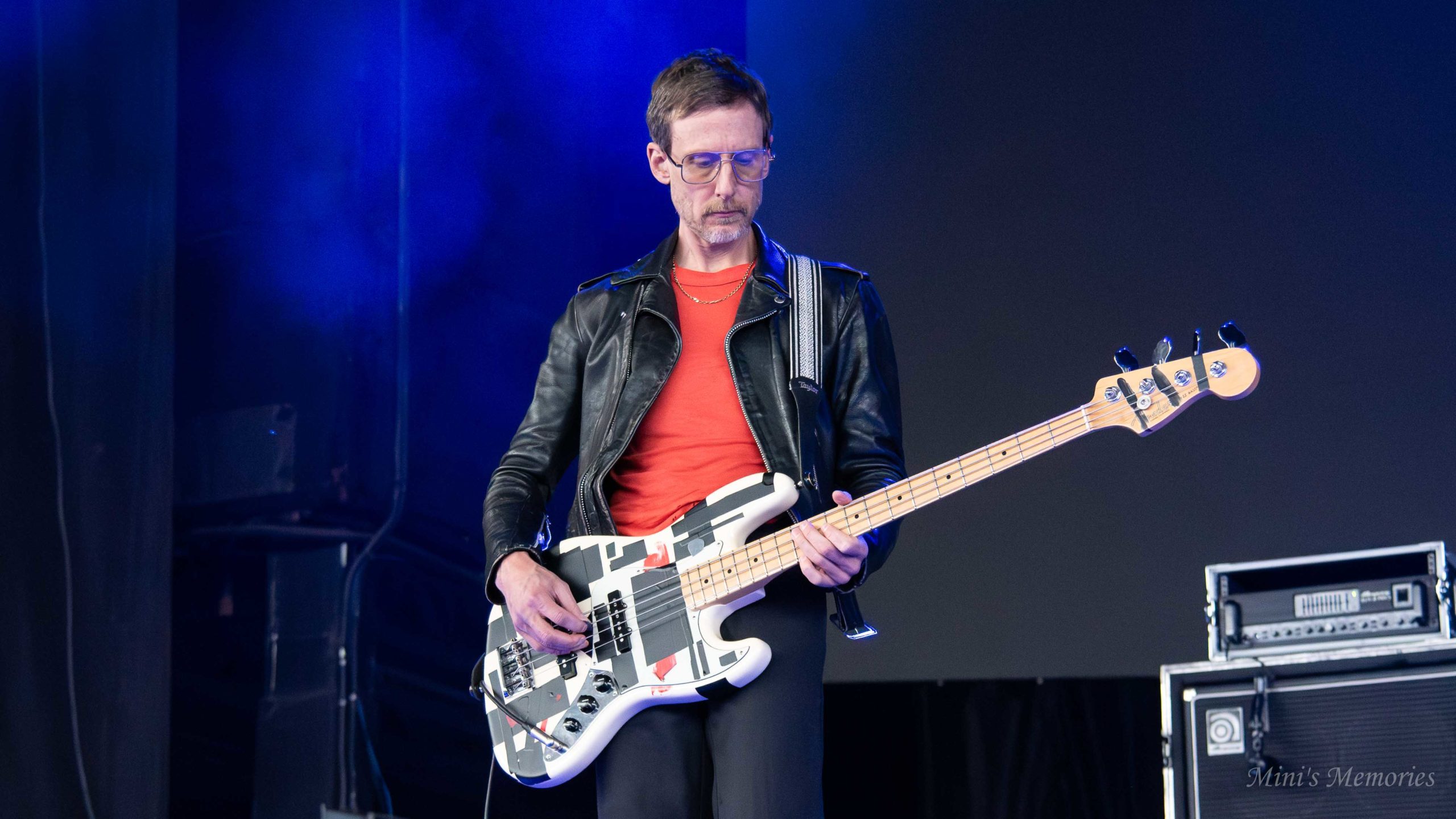
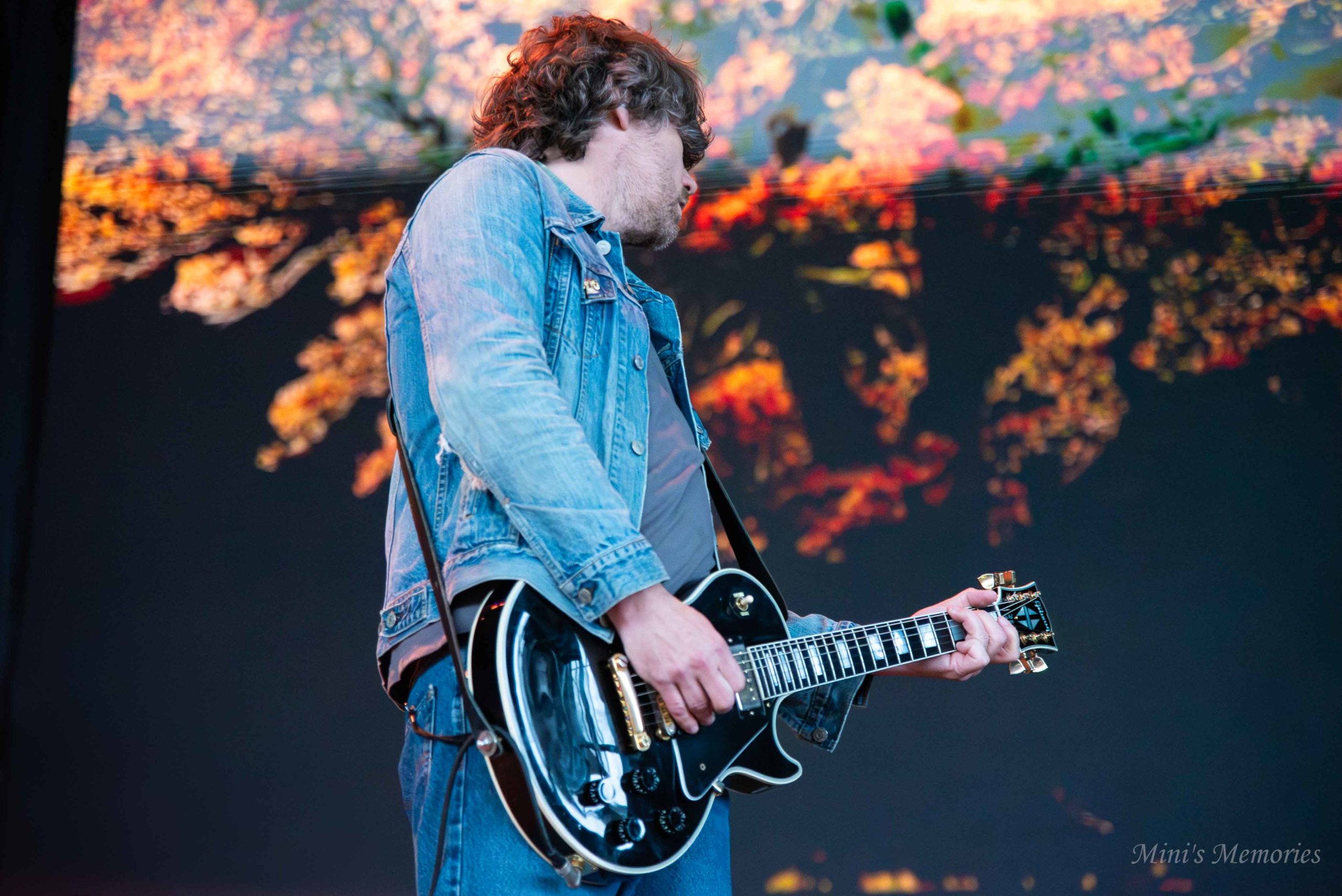
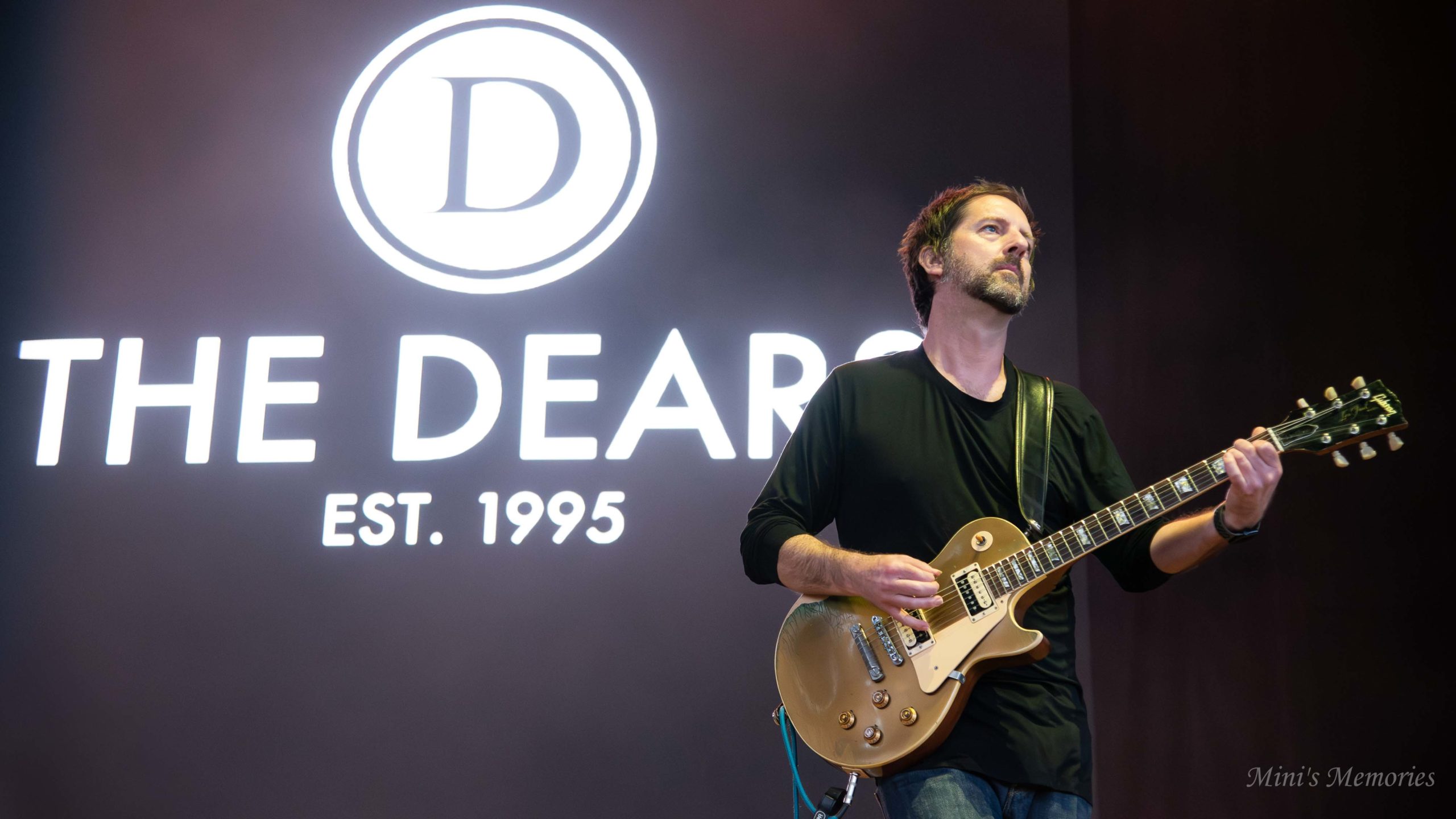
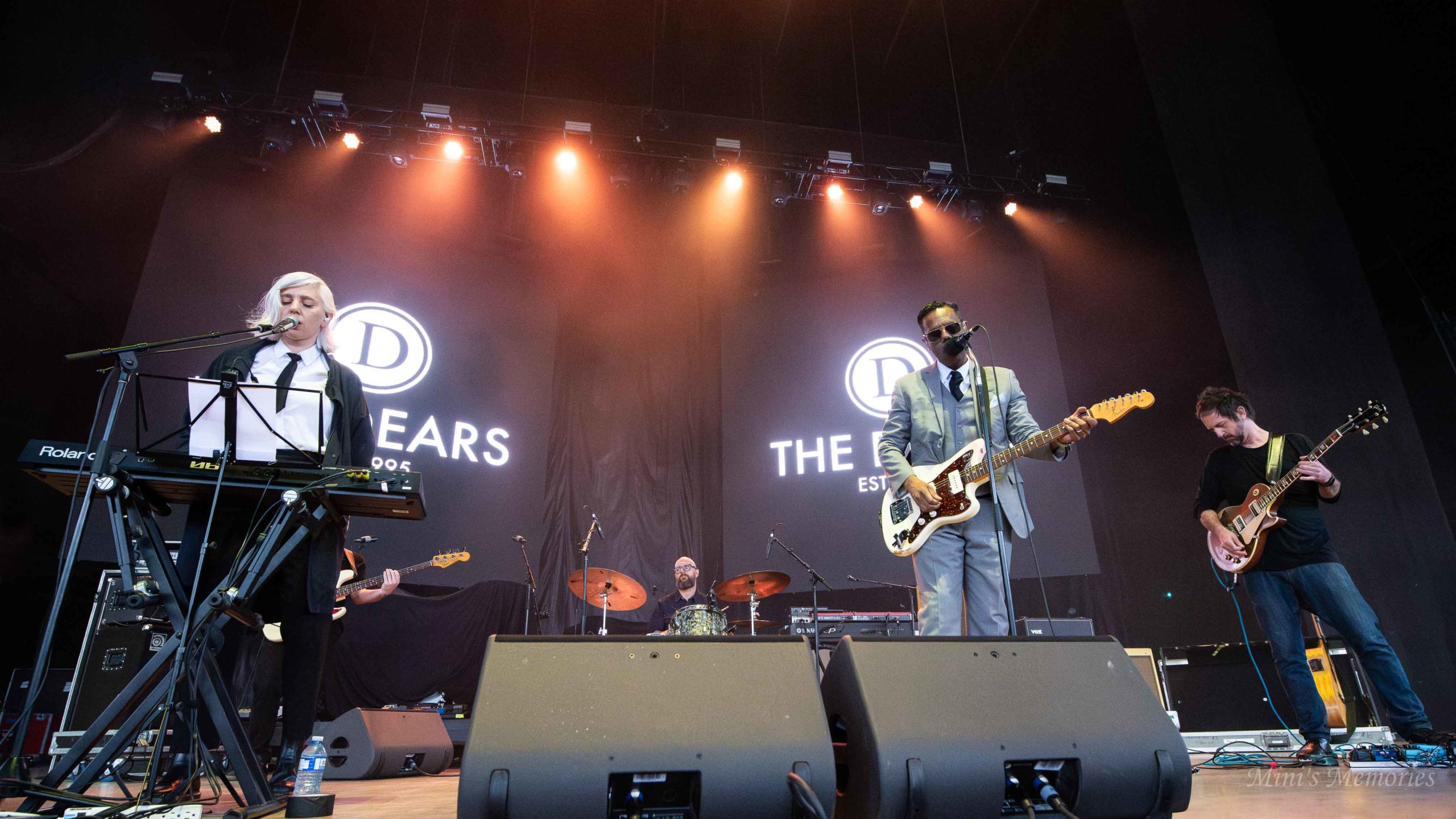
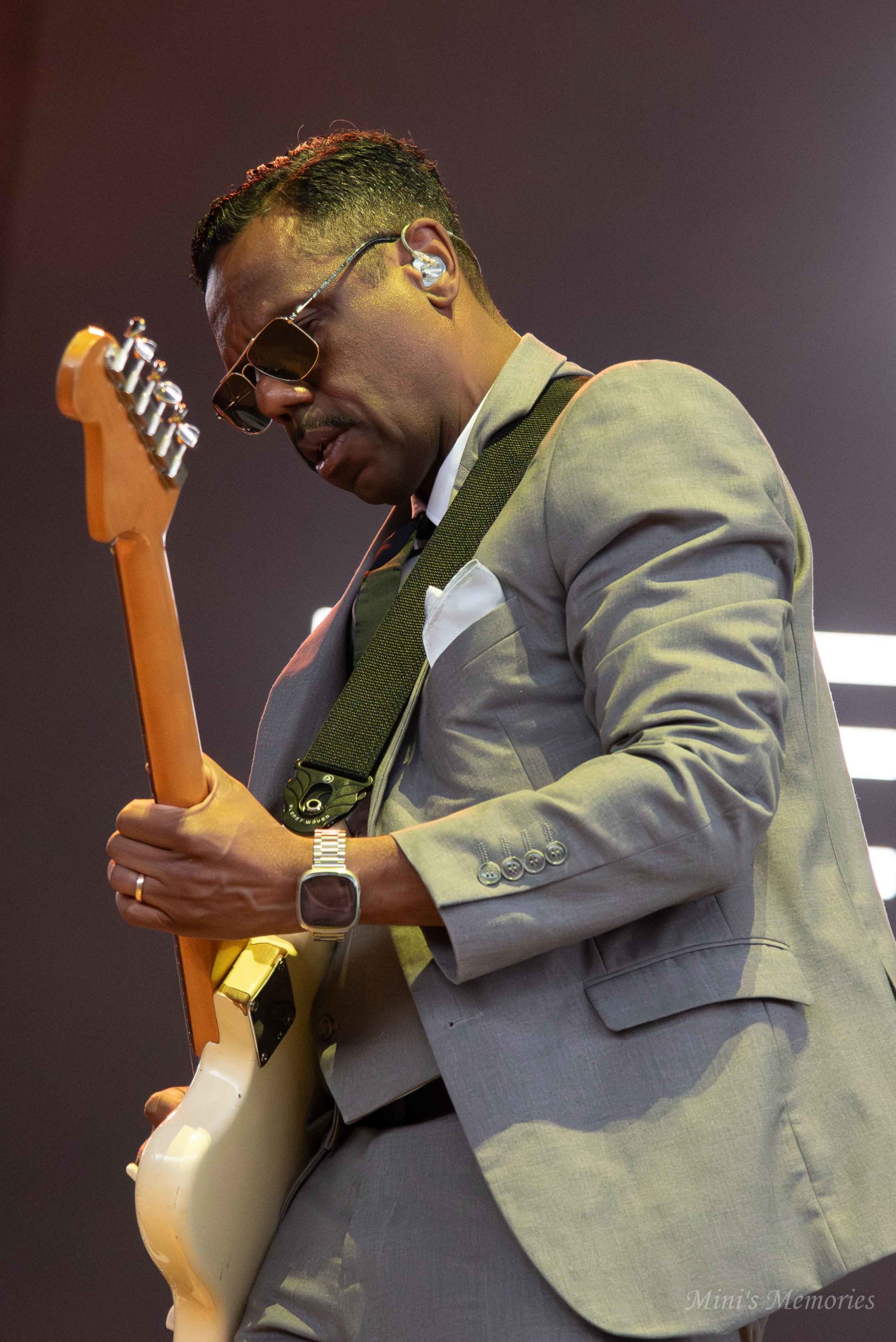
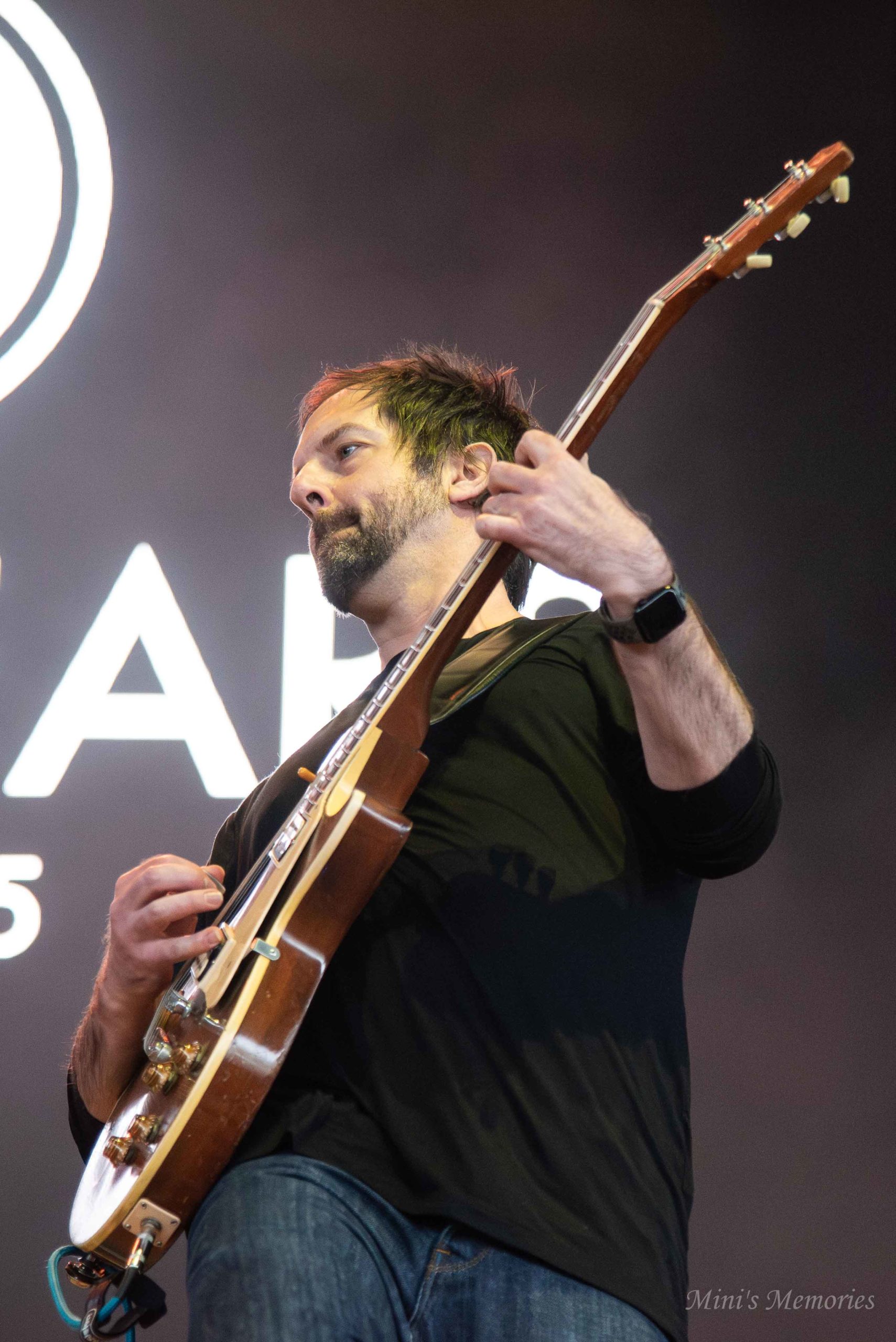
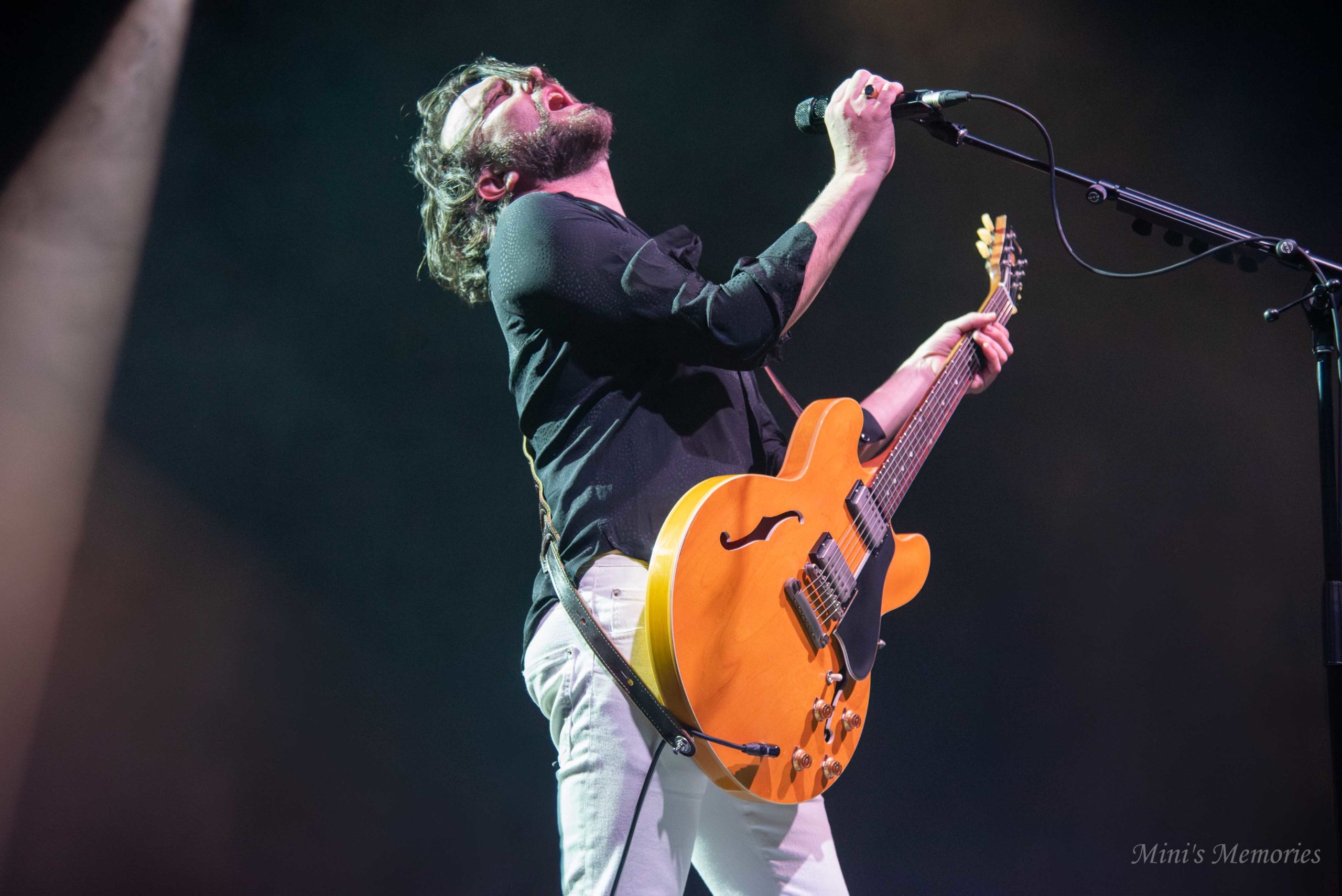
Photo Gallery: Metric, Sam Roberts Band, And The Dears at Toronto’s Budweiser Stage June 6, 2025

0

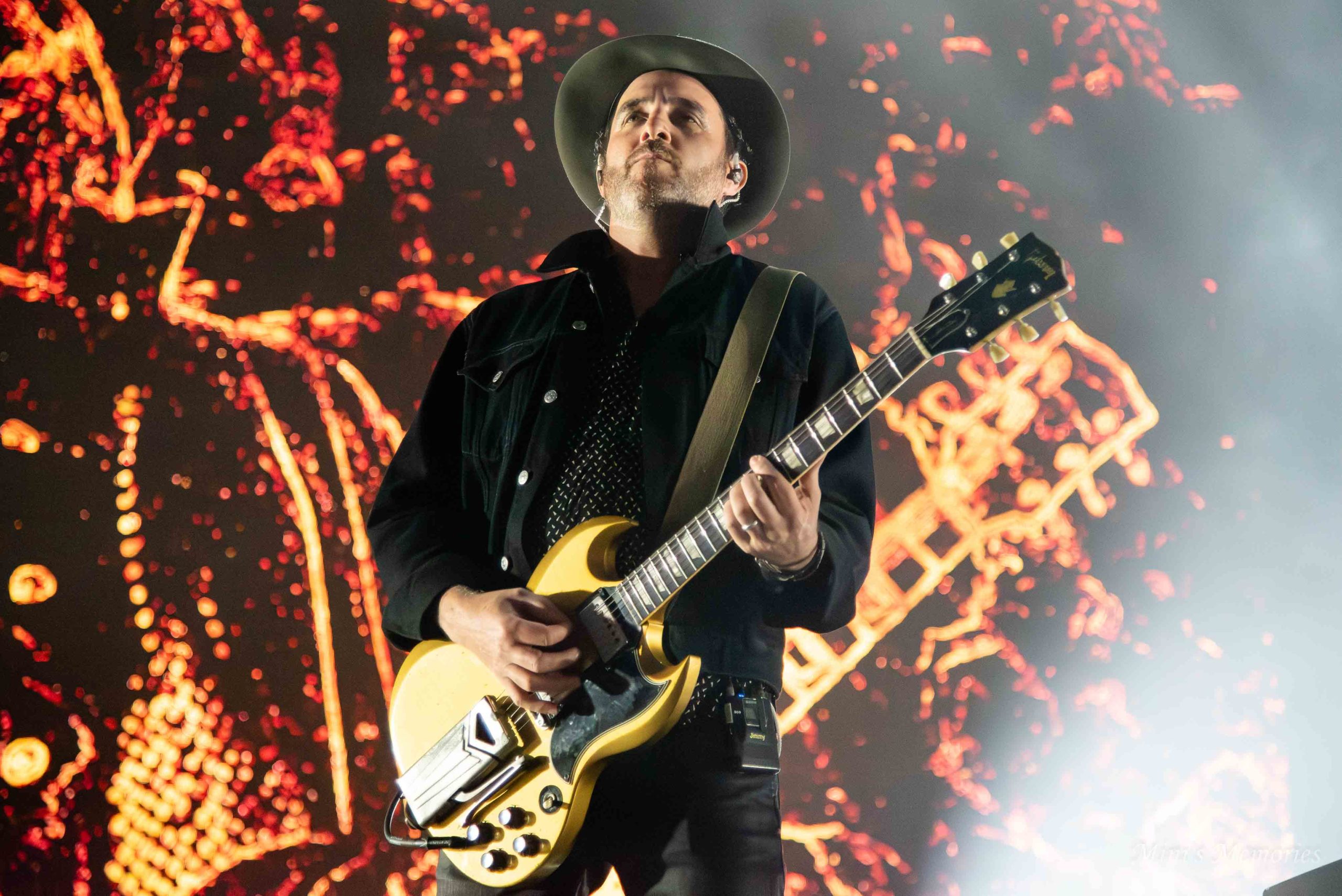
All photos by Mini’s Memories. You can contact her through Instagram or X.

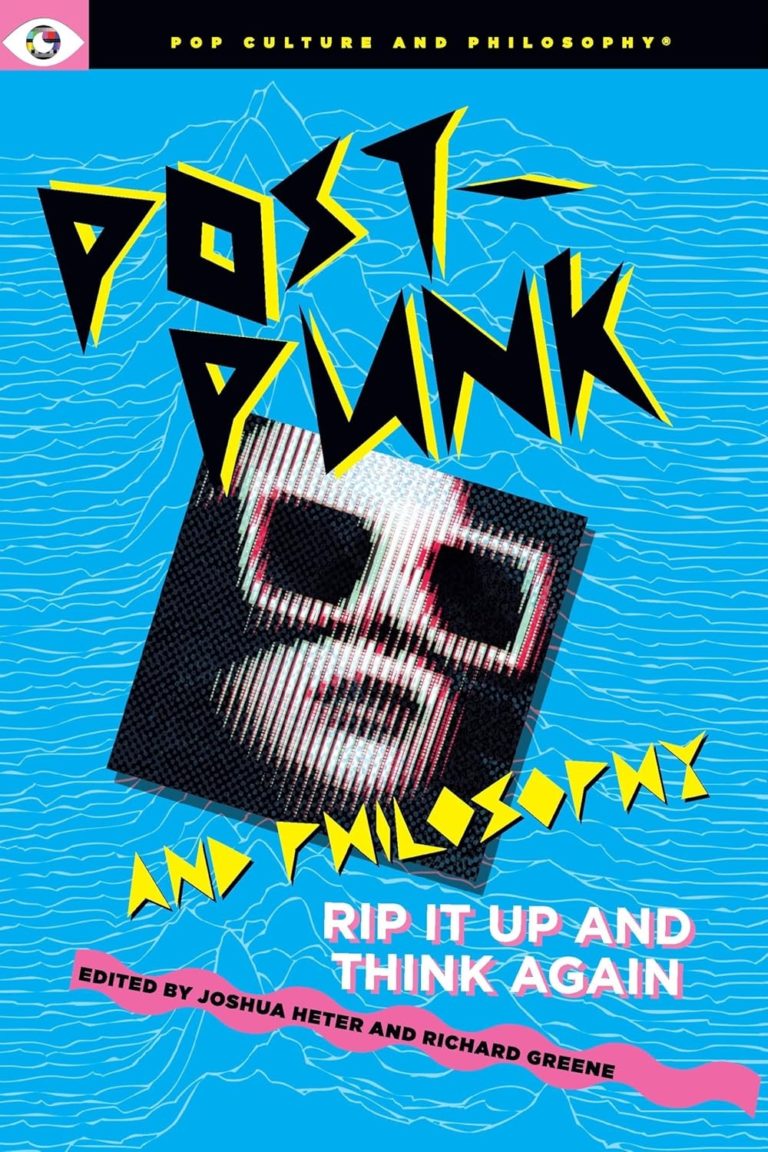
Joshua Heter and Richard Greene’s ‘Post-Punk and Philosophy’ Explores the Sound of Thought

0

What sort of thing is Post-Punk?  Is it merely a musical genre, an artistic movement, or something else altogether?  What is the proper role of emotion in the intellectual life?  Is any attempt to be cool an inherently losing battle; should I embrace my eccentricities?  Does a counterculture need to care about change, or can it simply focus on its art?  Are nihilism and love compatible?  Is the best way to deal with a bleak worldview simply to embrace it through art?  How much should we care (if at all) about the moral failings of the artists whose work we love so much?  What exactly is authenticity, and how important is it?  

As a result of so much thoughtful artistry and music-making, the editors of this book were fortunate enough to bring together the talented authors whose work comprises it as they raise, clarify, and even attempt to answer some of these questions. Thankfully, their creativity and innovation are worthy of the Post-Punk creatives about which they’ve written.  And, their varied and eclectic perspectives are akin to the variety of influences that led to and help make Post-Punk such a unique and beloved art form.  

So, that’s how we got here; through and past the downward spiral of Punk’s initial wave, alternative rock music came out stronger and even more diverse and compelling with the advent of Post-Punk, and we are now in a position to reflect deeply on the movement as a whole.  Perhaps if we think carefully enough about it all, we might even be able to discover where we go from here.” (From the editors’ introduction, “Well, How Did We Get Here?”)

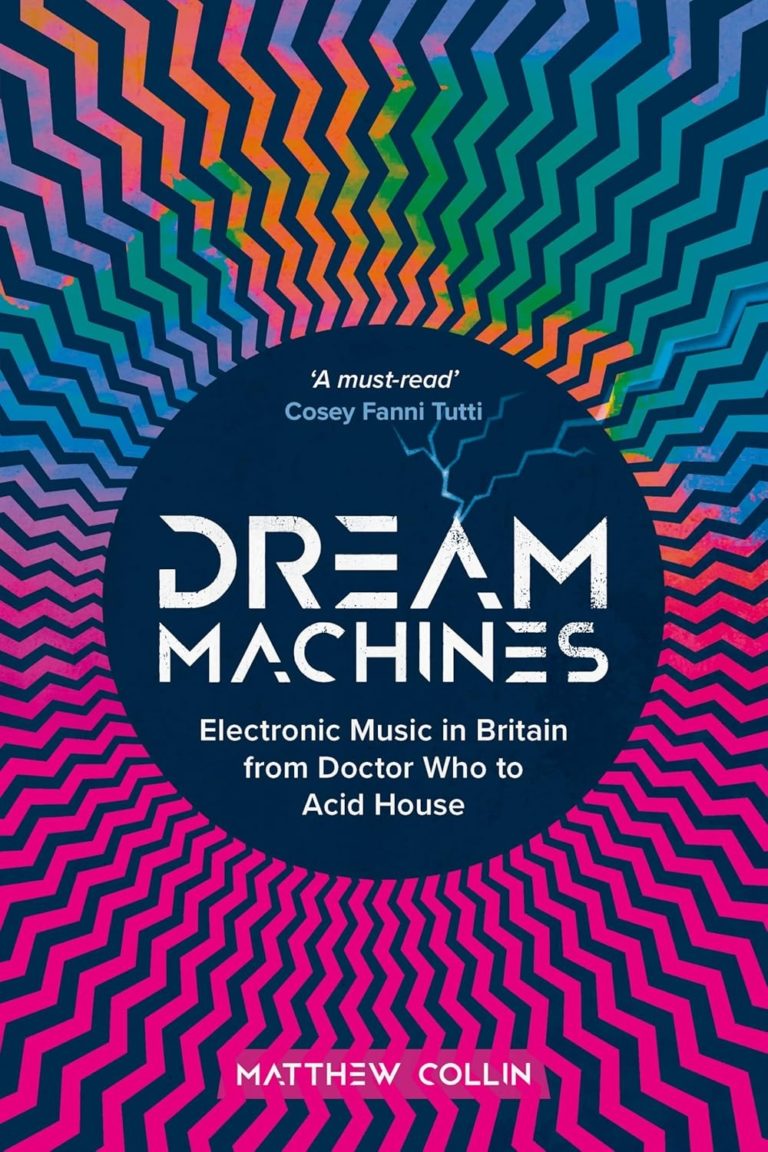
Matthew Collin’s New Book ‘Dream Machines’ Charts the Sonic History of Electronic Music

0

An expansive and illuminating account of the development of electronic music, told with passionate enthusiasm by Matthew Collin, the critically-acclaimed author of Altered State and Rave On.

Dream Machines tracks the music’s evolution from early avant-garde experiments after World War Two through psychedelia, art-rock and synth-pop to electronic dance music, sampling and the techno era. As well as profiling the sonic futurists who pioneered new styles, it documents the scenes and underground movements that built a thrillingly diverse electronic music culture in its formative decades.

Based on interviews with key players and a wealth of in-depth research, Dream Machines explores genres as diverse as space rock, electro-pop, ambient, dub, industrial music, prog, electro, hip-hop, hi-NRG and house, highlighting how developments in electronic music were shaped by changes in society as well as technological advances.

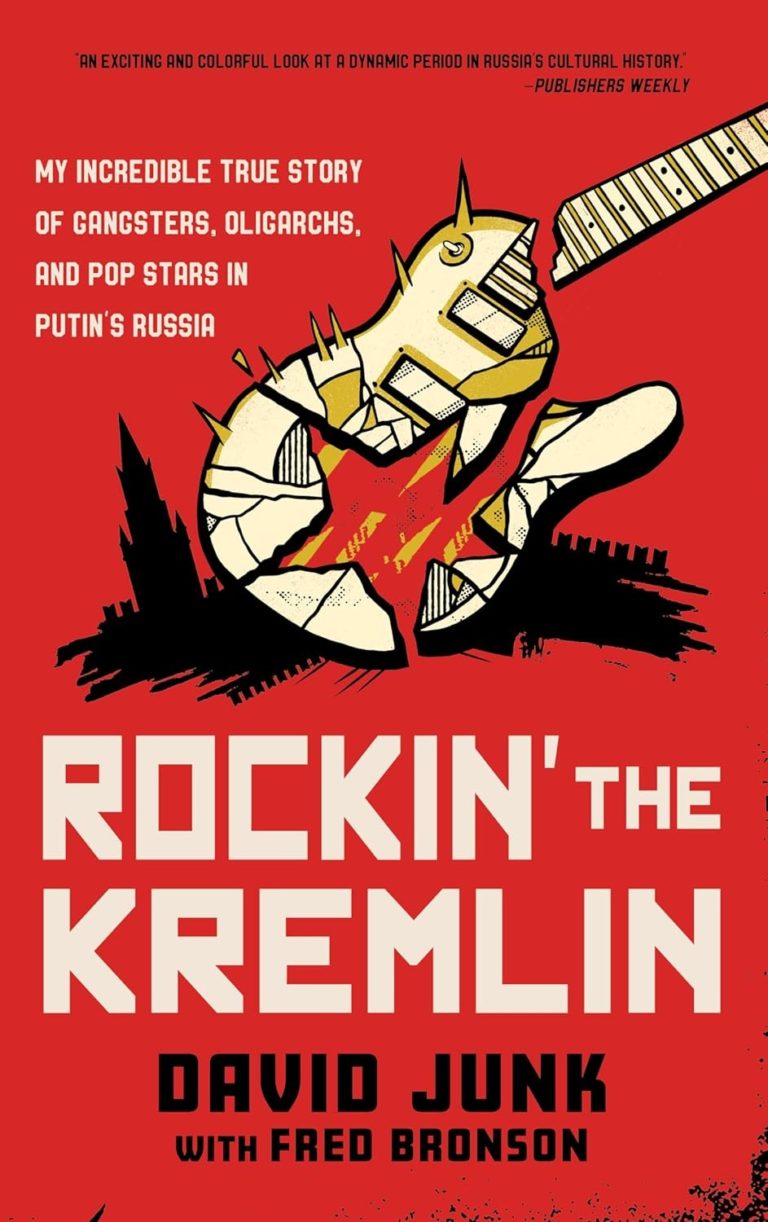
David Junk’s ‘Rockin’ the Kremlin’ Chronicles the Rise of Western Music in Post-Soviet Industry

0

Read the true story of Universal Music Russia’s first CEO and his quest to bring Western popular music to post-Soviet Russia in an account that Publishers Weekly calls “an exciting and colorful look at a dynamic period in Russia’s cultural history,” The Washington Post calls “a jaunty, picaresque memoir,” and Library Journal calls an “absorbing illustration of the mutuality of music and politics.”

When the Soviet Union collapsed in 1991, Russia opened its borders, and Russian audiences were hungry for Western popular music and the values it espoused. David Junk was one of the first idealistic, young Americans to seize this opportunity.

Rockin’ the Kremlin is the thrilling true story of how David became the first CEO of Universal Music Russia and built impactful cultural bridges with music—but also how that would all shatter with the rise of Vladimir Putin and invasions of Ukraine. There was no proper music industry in the USSR, and creating a modern music industry in Russia would be far more challenging than anyone had anticipated. David assembled a team of young and talented Russians, and they navigated a terrain filled with political chaos, organized crime, powerful oligarchs, bombings, and violence—with cultural clashes tinting many aspects. They captivated millions by bringing superstar acts to Russia for the first time ever, including Metallica, Mariah Carey, Sting, Eminem, and Enrique Iglesias, while developing local talent such as Alsou and t.A.T.u.—Russia’s greatest selling pop act of all time. Eventually, David would even build a music industry in Ukraine and other countries in Eastern Europe.

While Russia’s descent into authoritarianism and two invasions of Ukraine have tarnished this, the industry that David shepherded has birthed a newer generation of Russian musicians who are speaking out against the war and Putin. Filled with unique insights as well as gripping—and sometimes humorous—stories, this book reveals how it all happened.

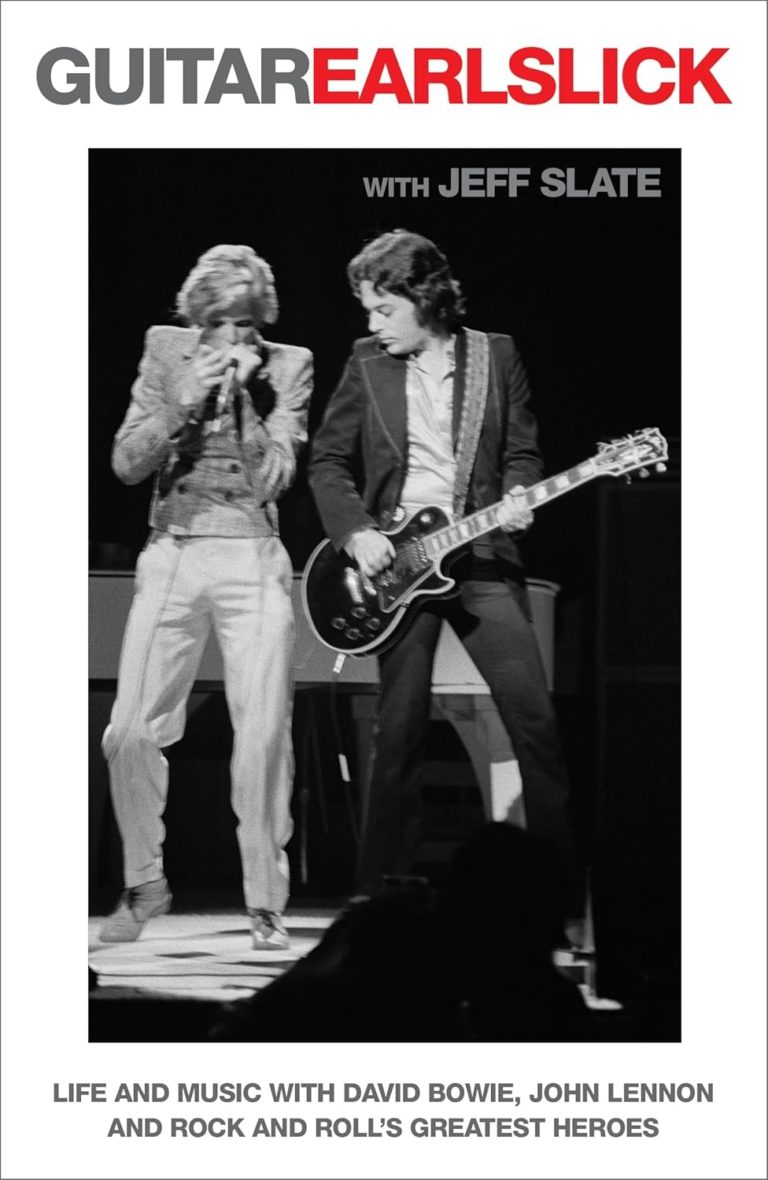
Earl Slick’s Memoir ‘Guitar’ Chronicles a Wild Life Alongside Rock Legends

1

Earl Slick was barely out of his teens when David Bowie hired him to play guitar on the ground-breaking 1974 Diamond Dogs tour. It marked the beginning of a relationship that would endure through thick and thin for the next forty years.

Gracing classic albums like Young AmericansStation to Station and the 2013 comeback, The Next Day, Slick played on the tour that followed Bowie’s smash hit Let’s Dance album and was at his side for the epic Glastonbury show in 2000.

But it wasn’t just Bowie.

The young guitarist was in John Lennon’s band at the time of the former Beatle’s tragic murder. Other collaborations read like a roll call of rock ‘n’ roll royalty including Mick Jagger, The Cure, George Harrison, Ringo Starr, Joe Cocker, Buddy Guy, Ian Hunter, David Coverdale and Eric Clapton. And in the ‘80s he became an MTV star in his own right with the success of Phantom, Rocker and Slick.

Through it all he lived the rock ‘n’ roll life to the hilt. Until it nearly killed him.

One of rock’s great sidemen, Earl Slick was in the room when music history was made. Guitar takes us there, shining a light on superstars like Bowie and Lennon, while recounting the extraordinary story of the boy from New York City who became a real-life Johnny B. Goode.

Canadian Museum of History Launches ‘Retro’ Music Exhibit Celebrating the Sounds of the ’60s to ’80s

0

No need to be decked out in your favourite retro outfit to experience the music of the ’60s, ’70s and ’80s — music that has brought people together, expressed inner worlds, and challenged the status quo, and that remains, in many ways, the soundtrack of our lives. Turn up the volume on your radio and visit Retro – Popular Music in Canada From the ’60s, ’70s, and ’80s, the first-ever exhibition about popular music produced by the Canadian Museum of History! 

Opening on June 6, 2025, this exciting new exhibition explores the era in which Canada’s popular music came of age. From iconic singer-songwriters, to stadium-filling acts, to bold trendsetters, Retro looks at how musicians and listeners experimented, innovated, and sparked new forms of creative expression.

“Music has always been a mirror of Canadian life — its struggles, its triumphs, and its diversity — and culture is often our best ambassador,” said Caroline Dromaguet, President and CEO of the Canadian Museum of History. “Retro highlights and celebrates the influence of Canadian artists who helped define generations, sparked conversations, challenged norms, and united communities. At a time when Canadians are reflecting on who we are and what unites us, this exhibition is a powerful reminder of the role music plays in shaping our shared identity.”

Retro – Popular Music in Canada From the ’60s, ’70s and ’80s is developed by the Canadian Museum of History and presented by Power Corporation of Canada. It features more than 160 objects, more than 100 song clips, a rich variety of photographs, 8 interactive elements, and nearly 40 audiovisual components, including multimedia productions.

Iconic objects include Robbie Robertson’s Gibson guitar, Céline Dion’s Eurovision outfit, Randy Bachman’s handmade guitar, Geddy Lee’s Rickenbacker doubleneck guitar, and the wedding dress worn by k.d. lang at the 1985 JUNO Awards. Visitors will also discover handwritten lyrics by Bruce Cockburn, a typewriter used by Leonard Cohen in the 1980s, a drumskin hand-painted by the Cowboy Junkies, and a self-portrait by Joni Mitchell. Striking visuals, photographs, memorabilia, and a few surprises — such as notepaper from John Lennon and Yoko Ono’s Bed-In for Peace — complement stories of artistry and collaboration. More than 100 influential artists are featured, including Neil Young, Robert Charlebois, Harmonium, BTO, Rush, and Daniel Lanois.

Popular music became an explosive cultural force during these three decades. Examining how music can be social, personal and political — often all at the same time — Retro transports visitors to different times and places, and shines a new light on this formative era and its enduring impact.

“At Power Corporation of Canada, we believe that supporting the arts means investing in the spirit of our communities,” said Paul C. Genest, Senior Vice-President at Power Corporation of Canada. “We are proud to partner with the Canadian Museum of History to bring Retro to life — a vibrant and timely celebration of the voices, sounds, and stories that have helped shape Canada’s cultural identity. Music has long been a powerful force for connection, expression, and change, and this exhibition pays tribute to the artists whose work continues to resonate across generations.”

To complement the exhibition, a slate of in-gallery and other programming is being developed. A souvenir catalogue for the exhibition has also been produced and is available through the Museum’s Gift Shop, both on site and online.

The exhibition will be on view from June 6, 2025 to January 18, 2026.

Located on the shores of the Ottawa River in Gatineau, Quebec, the Canadian Museum of History welcomes over 1.2 million visitors each year. The Museum’s principal role is to enhance Canadians’ knowledge, understanding and appreciation of the events, experiences, people and objects that have shaped Canada’s history and identity, as well as to enhance Canadians’ awareness of world history and cultures.

For more information, please visit historymuseum.ca