Home Blog Page 621

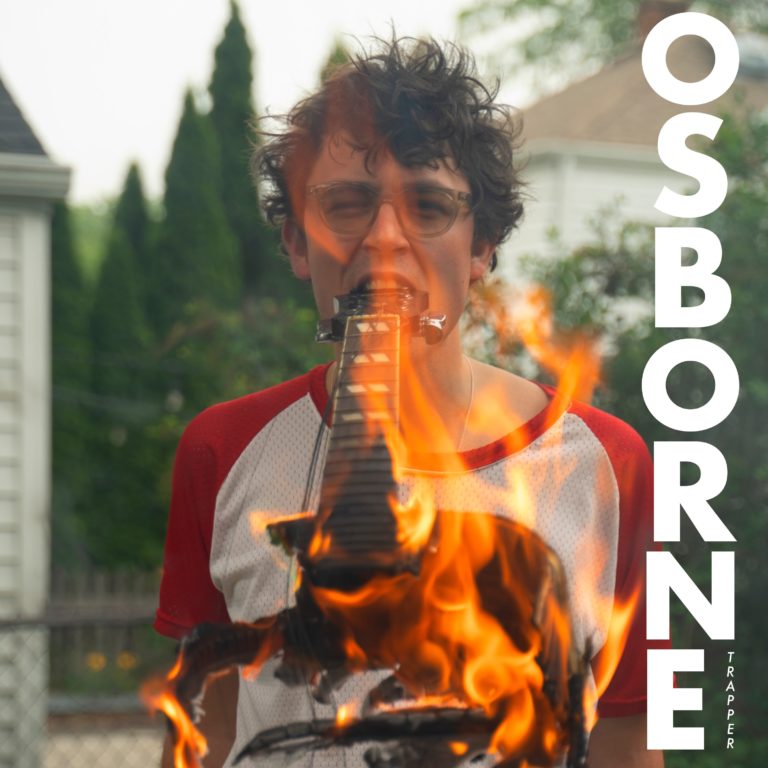
Trapper Schoepp Confronts Addiction and Rebirth With Explosive New Album ‘Osborne’

0

Milwaukee singer-songwriter Trapper Schoepp returns this fall with Osborne, his most raw, revealing, and radically different album to date — a blazing 11-track journey through addiction, recovery, and rebirth. The album’s lead single, “Loaded,” is set for release on May 29, marking the first chapter in a deeply personal new era for the 34-year-old artist.

“Loaded,” cuts deep with Trapper’s searing commentary on the reckless over-prescription of opioids: “It’s long and orange with a child-proof lid / It jingles like a tambourine where I once hid / It oughta be a crime the whole world should know / Your face on a true crime reality show / You ain’t gave me nothing but a loaded gun.”

“A pain management doctor said to my face that he helped patients get on these drugs but not off of them,“ Trapper says. “They wrote me advance prescriptions that I could fill at my leisure. I thought they were like loaded guns just sitting in my desk, which is where that title comes from.”

Set in a rage room, the “Loaded” music video is a cathartic commentary on the American opioid epidemic. It stars indie film legend Mark Borchardt as an evil, overprescribing doctor. 
Osborne was born from Schoepp’s experience last year at Hazelden Betty Ford, one of the country’s leading addiction treatment centers. After a decade of dependency on prescription painkillers stemming from a spinal surgery, Trapper checked himself into the Minnesota-based facility — and was assigned to the Osborne unit, a subtle nod to Ozzy Osbourne, who famously underwent treatment there. “There was heavy metal-themed artwork, a guitar Clapton left behind, and DVDs of The Osbournes laying around,” Trapper recalls. “It felt like home.”

“Recording this album was an exorcism of my demons,” Schoepp says. “I kept asking myself if this was a test or torture. I realized that if cleaning myself up was the torture, putting it all down on paper honestly was the test. I needed both.”

The album delivers blistering lyrics atop a chugging rhythm section, channeling the spirits of Black Sabbath, Suicide, and Springsteen. Songs were written shortly after Schoepp left Hazelden, recorded in a church basement in California with producers Mike Viola (Andrew Bird, Dawes) and Tyler Chester (Jackson Browne, Madison Cunningham), and tracked live to tape for maximum emotional punch.

From the reggae-tinged “Suicide Summer” to the Sackler family indictment “Satan is Real (Satan is a Sackler),” Osborne balances ferocity with humor, devastation with celebration. “I wanted this album to feel celebratory and not maudlin,” Trapper explains. “Nothing about recovery has to be gloom and doom.”

The album also marks a sonic and visual shift. Osborne is the first record to omit his last name on the cover, a subtle tribute to the anonymity of recovery communities — and features artwork of Trapper with a burning guitar in his mouth. “I want to set fire to the stigma around addiction,” he says.

While Osborne is a major artistic leap, Trapper’s songwriting roots remain grounded in craft. In 2019, he made headlines for completing an unfinished 1961 song by Bob Dylan called “On, Wisconsin,” earning himself a co-writing credit with the legend. “Imagine telling that to a 14-year-old kid standing in the baseball field that one day you’re going to have a co-writing credit with Bob Dylan about your home state,” Schoepp told Rolling Stone. “You just can’t make that sh*t up.”

With Osborne, Trapper offers an unflinching look at pain, addiction, and healing — but also a triumphant reminder: survival isn’t sad. It’s a story worth shouting from the stage.

To celebrate the release of his new single “Loaded” and the forthcoming album Osborne, Trapper is launching his earthy startup Schoepp Seeds—a line of organic, heirloom seed packets inspired by rock n’ roll and art-pop imagery,

Trapper Schoepp on the Road:
6/ 5 – Monterey, CA @ Golden State Theatre (Solo Opening for Three Dog Night)
6/6 – Visalia, CA @ Visalia Fox Theatre  (Solo Opening for Three Dog Night)
6/7 – Napa, CA @ Uptown Theatre Napa  (Solo Opening for Three Dog Night)
6/13 – Milwaukee, WI @ Anodyne (Solo Opening for Peter Mulvey)
6/14 – Burlington, WI @ WBSD 50th Anniversary
6/19 – Green Bay, WI @ Truck Yard
6/20 – Ripon, WI @ Siebkens
6/21 – Chicago, IL @ FitzGerald’s (Supporting Old 97’s)
6/24-25 – West Bend, WI @ Bend Theater (Solo Opening for Hotel California)
6/26 – Lake Geneva, WI @ Flat Iron Park
6/28 – Hartland, wI @ Lake Country House Concerts
6/30 – Ridgefield, CT @ Ridgefield Playhouse (Solo Opening for Three Dog Night)
7/15 – Green Bay, WI @ Bay Beach Amusement Park
7/17 – Hopkins, MN @ The Sunset Series
7/24 – Nekoosa, WI @ Lake Arrowhead: Tunes on the Turn
7/25 – Selbyville, DE @ Freeman Arts Pavilion (Solo Opening for Three Dog Night)
7/26 – Williamsport, PA @ Community Arts Center (Solo Opening for Three Dog Night)
7/27 – Montclair, NJ @ Wellmont Theater (Solo Opening for Three Dog Night)
 
Supporting Laura Jane Grace:
8/01 – Peoria, IL @  Scottish Rite Theatre
8/02 – Omaha, NE @ Slowdown
8/03 – Fargo, ND @ Sanctuary Events Center
8/05 – Winnipeg, MB @ The Park Theatre
8/06 – Saskatoon, SK @ Louis’ Pub
8/08 – Edmonton, AB @ The Starlite Room
8/09 – Calgary, AB @ Commonwealth Bar & Stage
8/10 – Kelowna, BC @ Revelry
8/12 – Vancouver, BC @ The Pearl
8/13 – Victoria, BC @ Sticky Wicket
8/15 – Missoula, MT @ Monk’s Bar
8/16 – Boise, ID @ Treefort Music Hall
8/17 – Salt Lake City, UT @ Soundwell
8/19 – Casper, WY @ Oil City Beer Company
8/24 – Dallas, TX @ Ferris Wheelers Backyard & BBQ
8/25 – Austin, TX @ Antone’s Nightclub
8/26 – Houston, TX @ House of Blues Houston
8/27 – Baton Rouge, LA @ Chelsea’s Live
 
Album release shows:
9/26 – Madison, WI @ Bur Oak
9/27 – Milwaukee, WI @ Vivarium
 
EUROPE:
16 Oct – Malmo, SE @Medley
17 Oct – Trelleborg, SE @ Kulturhuset
18 Oct – Kristianstad,SE @Biljardkompaniet
22 Oct – Trondheim, NO @ Moskus
24 Oct – Kristiansand, NO @ Vaktbua
25 Oct – Bergen, NO @ Statsraaden
30 Oct – Nieuw-en Sint Joosland, NL @ Theater de Wewijzer
31 Oct – De Speelplaats, NL @ Baars
1 Nov – Groningen, NL @ Take Root Festival
2 Nov – Nijmegen, NL @ Thiemeloods
4 Nov – Leiden, NL @ Q-bus
5 Nov – Ebersberg, GE @ Altes Kino
7 Nov – Lauchhammer, GE @ Real Music Club

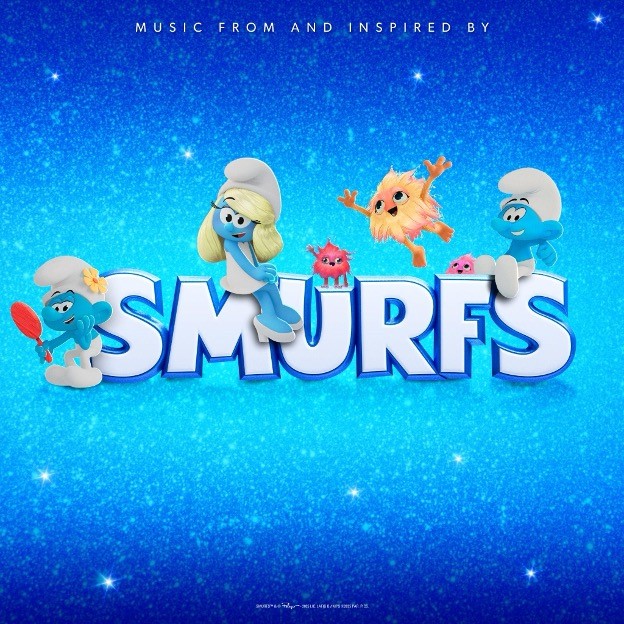
Rihanna, Tyla, DJ Khaled, Cardi B & More Join the Star-Studded ‘Smurfs’ Movie Soundtrack

0

SMURFS Movie announces the full soundtrack to the film featuring music from Rihanna, Tyla, DJ Khaled, Cardi B, Shenseea, James Corden and more. The soundtrack is available for Pre-Order/Pre-Save HERE and will officially release June 13th via Roc Nation Distribution.

The reveal of the soundtrack follows the release of Rihanna’s “Friend Of Mine” off the soundtrack as well as “Higher Love” by DESI TRILL featuring DJ Khaled, Cardi B, Natania and Subhi.

When Papa Smurf (John Goodman) is mysteriously taken by evil wizards, Razamel and Gargamel, Smurfette (Rihanna) leads the Smurfs on a mission into the real world to save him. With the help of new friends, the Smurfs must discover what defines their destiny to save the universe. SMURFS features an all-star voice cast including Rihanna, James Corden, Nick Offerman, JP Karliak, Daniel Levy, Amy Sedaris, Natasha Lyonne, Sandra Oh, Jimmy Kimmel,  Octavia Spencer, Nick Kroll, Hannah Waddingham, Alex Winter, Maya Erskine, Billie Lourd, Xolo Maridueña, Marshmello, with Kurt Russell and John Goodman. 

SMURFS MOVIE SOUNDTRACK TRACKLIST

1. Milenge by Natania

2. Celebrate by Natania

3. Friend Of Mine by Rihanna

4. Higher Love by DESI TRILL feat. DJ Khaled, Cardi B, Natania and Subhi

5. Liar For A Living by Natania

6. It Takes A Village by Natania and The Indian Connect

7. Big Dreams by James Fauntleroy

8. To Me by Lous and the Yakuza

9. Did We by Natania

10. Balle Balouza by Natania, Subhi and The Indian Connect

11. Everything Goes With Blue by Tyla

12. It’s My Party by Shenseea

13. Always On The Outside by James Corden

14. Higher Calling by The Indian Connect

GayC/DC Go Full Glam in Outrageous “Gay Boy Boogie” Video

0
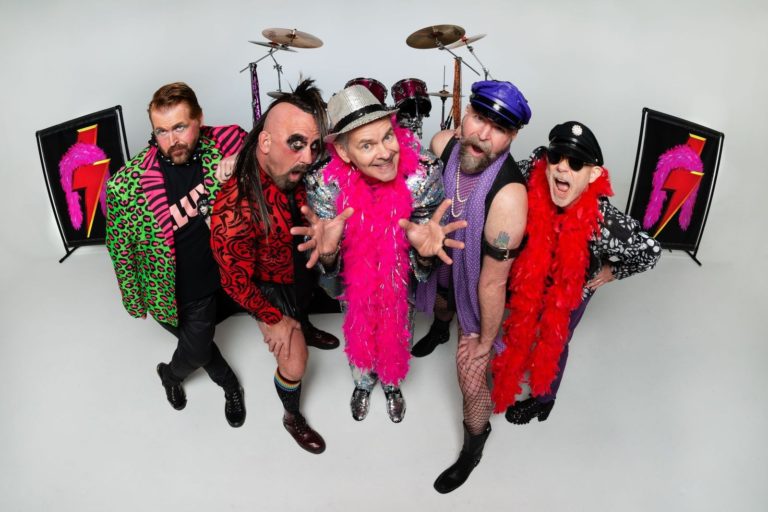
A fan favorite at their live shows, it was just a matter of time before “Gay Boy Boogie” made its way into the studio, accompanied appropriately by a bawdy video. Returning to the director’s chair was punk rock mastermind Frank Meyer of The Streetwalkin’ Cheetahs who had directed their previous video for “Highway to Hell.” An instant hard rock masterpiece, that video featured brilliant cameos from Johnny Martin (L.A. Guns), John Bush (Armored Saint, ex-Anthrax), and dUg Pinnick (King’s X).

“The idea to do a video for ‘Bad Boy Boogie’ was considered soon after we completed the ‘Highway To Hell’ video’,” explains drummer Brian Welch. “It’s one of the raunchier songs lyrically that we do live, and I thought ‘Why don’t we do something fun for this?’ After all, people come to our shows expecting an R rated show, so let’s give ’em an R rated video too!”

Reinterpreting the Twisted Sister iconic video for “We’re Not Gonna Take It,” GayC/DC and Meyer envisioned a prequal to their “Highway to Hell” video with L.A. Guns’ Johnny Martin reprising his role of “Waldo.”

“This was our love letter to Twisted Sister and homage to director Marty Callner but with a GayC/DC twist,” says Welch. (The late Callner was an acclaimed director for videos by Bon Jovi, KISS, and Whitesnake among others, as well as “We’re Not Going to Take It.”  He passed away in March 2025).

“For Waldo’s parents, I asked Joanie Pimentel [bass player from No Small Children], to play the mom. For the dad, I asked Don Speziale who was the lead actor in several of my films when I was in film school and also wrote the scripts for Pansy Division when we were developing the Jonah video series for the That’s So Gay album,” adds Freeman about the casting choices.

While the video (which was premiered by American Songwriter who called the video “full-on GayC/DC glam metal queer rock”) adds to their lovingly boa-frocked reverence for AC/DC, their adoration for Twisted Sister does not go uncredited, especially when it comes to that glam metal band’s colorful onstage regalia. “We love Twisted Sister who took rock and drag further than anybody at the time,” laughs Welch. “This is our homage and ‘thank you’ for giving us as young gay kids the opportunity to see fully grown men in drag every day on MTV decades before RuPaul’s Drag Race was a thing.”

Reinforcing the adage “Imitation is the sincerest form of flattery,” Twisted Sister’s lead singer Dee Snider offered his unwavering approval, “I think this is great!” 

Taking “the songs of perhaps the globe’s most heterosexual band and turning them into something altogether more fabulous” (Classic Rock Magazine), the glitter-hugged and boa-frocked “GayC/DC is literally the gayest AC/DC cover band out there” (Metal Injection). Reworking AC/DC’s uber-hetero-leaning catalog and tweaking it ever so slightly in a gay way (not that there’s anything wrong with it), they transform the classics into songs like “Dirty Dudes (Done Dirt Cheap),” “Big Balls” (which obviously didn’t really require any changes at all), and their recent cover “It’s A Long Way To The Top (If You Wanna Rock ‘n’ Roll).” While the band and their presentation may be campy, their musicianship is pure, unadulterated rock. Founded by Freeman (who also plays bass for Pansy Division) and drummer Brian Welch, GayC/DC is rounded out by bassist Glen Pavan, Patrick Goodwin on guitar and Steve McKnight on lead guitar.

From Beatles to Bach: The 1975 BBC Special That Decoded Music’s Magic

0

In a 1975 episode of Horizon, the BBC dug deep into the psychology of music—how a simple I-IV-V progression can tug at your heartstrings and why Muzak sparked a culture war. From Bach to Beatles, this vintage gem shows how music moves us—mind, body, and soul.


79 LGBTQIA+ Music Icons Who Changed the Sound—and the World

There’s nothing more powerful than a voice raised in song, except maybe one raised in truth. From the frontlines of pop, punk, folk, soul, disco, and country, LGBTQIA+ musicians have always been there—leading the charge, changing the game, and showing generations of fans what it means to live honestly and love loudly. These artists busted down the doors, lit the stage on fire and invited the rest of us to dance in the spotlight with them.

Adam Lambert
From his American Idol breakthrough to touring with Queen, Adam Lambert has become a proud icon in the LGBTQIA+ community. His visibility as an openly gay rock star has helped bring queer identity to arenas around the world.

Andy Bell (of Erasure)
With Erasure, Andy Bell made synth-pop that was danceable, dramatic, and defiantly queer. He’s long championed LGBTQIA+ visibility and HIV awareness, often using his platform to fight stigma.

Ani DiFranco
Bisexual folk-punk powerhouse Ani DiFranco brought radical honesty to the forefront in the ’90s. Her work around reproductive rights, queerness, and identity made her a vital voice in activist music.

Barry Manilow
After coming out publicly later in life, Barry Manilow was met with widespread love and support. His decades-long career and relationship with husband Garry Kief have been celebrated by fans around the world.

Bessie Smith
A pioneering blues singer of the 1920s, Bessie Smith lived openly on her own terms. Her bold songs and rumored relationships with women mark her as a foundational queer voice in American music.

Big Freedia
The Queen Diva of New Orleans bounce, Big Freedia brings gender-fluid joy to every beat. Her music and presence have made queer Black southern culture unmissable in mainstream music.

Bob Mould
As a founding member of Hüsker Dü and Sugar, Bob Mould helped shape punk and alternative rock. He came out in the ’90s and has since become an advocate for LGBTQIA+ inclusion in rock.

Boy George
As the face of Culture Club, Boy George brought androgyny, flamboyance, and queerness to MTV screens in the 1980s. He’s been a fearless figure in LGBTQIA+ visibility for over four decades.

Bronski Beat
With tracks like “Smalltown Boy,” Bronski Beat gave voice to the alienation and strength of queer youth. The band’s music remains one of the clearest soundtracks of gay liberation in the ’80s.

Brian Molko
As Placebo’s frontman, Brian Molko played with gender norms and sexual identity in a way that inspired countless fans. Openly bisexual, he became a symbol of freedom and fluidity in ’90s alt-rock.

Christine and the Queens
With poetic lyrics and gender-defiant performances, Christine and the Queens (now known as Redcar) has redefined what pop stardom can look like. They bring visibility to pansexual and nonbinary identities on a global scale.

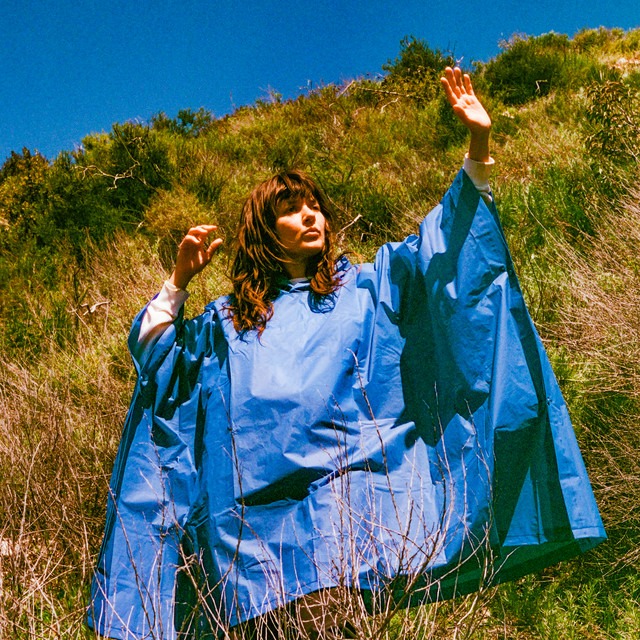
Courtney Barnett
Openly queer and refreshingly raw, Courtney Barnett’s music is beloved for its honesty and deadpan delivery. Her presence helps normalize LGBTQIA+ voices in the indie rock scene.

Cyndi Lauper
A fierce ally and activist, Cyndi Lauper has always stood with the LGBTQIA+ community. Her True Colors Fund supports homeless LGBTQIA+ youth, and her music has long been a soundtrack to Pride.

David Bowie
Bowie’s exploration of gender, sexuality, and persona changed the landscape of pop culture. His legacy lives on as one of music’s greatest champions of individuality and queer expression.

Demi Lovato
After coming out as non-binary and later embracing both she/her and they/them pronouns, Demi Lovato has used her platform to speak on mental health, queerness, and empowerment.

Divine
The outrageous drag icon of John Waters films also had a string of dancefloor hits in the ’80s. Divine broke boundaries for gender expression in pop culture and queer club scenes.

Dusty Springfield
Though she kept her private life mostly private, Dusty Springfield lived as a lesbian and later became a symbol of hidden queer strength in mid-century pop.

Elton John
Sir Elton John has been a proud advocate for LGBTQIA+ rights for decades. Through his music, foundation, and activism, he remains one of the most influential figures in queer history.

Ezra Furman
A gender-nonconforming indie rocker, Ezra Furman brings raw storytelling to her songs. She’s been a powerful voice for queer and trans youth navigating identity and faith.

Frank Ocean
With his poetic, genre-blending albums, Frank Ocean became one of the first major hip-hop-adjacent artists to come out. His 2012 Tumblr letter opened a new chapter in Black queer expression.

Freddie Mercury
The legendary Queen frontman lived boldly in his music and performances. While he was private about his bisexuality, his influence as a queer icon is unmatched.

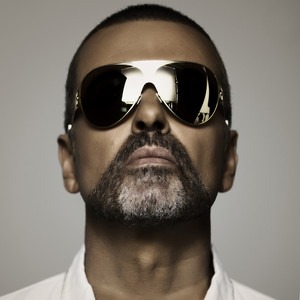
George Michael
After coming out in the late ’90s, George Michael became a proud and outspoken advocate for LGBTQIA+ rights and HIV awareness. His music and honesty remain powerful touchstones.

Hazell Dean
As the “Queen of Hi-NRG,” Hazell Dean created anthems that lit up gay clubs and Pride parades. She’s long embraced her lesbian identity and dedicated her career to LGBTQIA+ audiences.

Halsey
Openly bisexual and using both she/they pronouns, Halsey brings queerness to mainstream pop with vulnerability and edge. Her activism and candor have made her a role model for younger fans.

Holly Johnson
Frontman of Frankie Goes to Hollywood, Holly Johnson made radical, sexually charged pop music in the ’80s. Openly gay and living with HIV, he remains a beacon of resilience and pride.

Honey Dijon
As a trans Black woman dominating international DJ scenes, Honey Dijon champions queer culture on the dancefloor and off. Her sets are sonic love letters to LGBTQIA+ liberation.

Indigo Girls
Amy Ray and Emily Saliers became icons of lesbian and feminist folk-rock in the late ’80s. Their activism and community-building continue to uplift LGBTQIA+ voices.

Jake Blount
Blount brings Black and queer history into the heart of American folk music. His scholarship and artistry are reclaiming space for marginalized voices in traditional roots music.

Janis Joplin
Joplin’s sexuality was fluid, and her love affairs with both men and women were part of her rebel spirit. She remains a legend for living freely and singing fearlessly.

Janelle Monáe
Openly pansexual and nonbinary, Janelle Monáe creates futuristic anthems of freedom and self-love. Their music and visuals are a celebration of queerness, Blackness, and artistic vision.

Jermaine Stewart
Best remembered for “We Don’t Have to Take Our Clothes Off,” Stewart was a proud part of the queer ’80s dance scene. His work remains a light-hearted yet empowering voice in pop.

Jill Sobule
Her 1995 song “I Kissed a Girl” predates the Katy Perry version and came with real emotional resonance. Sobule gave bisexual identity a radio-friendly voice in a time of silence.

Joan Armatrading
A musical force since the ’70s, Armatrading quietly opened doors for Black queer women in folk, pop, and blues. Her artistry speaks volumes even when she doesn’t.

Joan Jett
Though never officially labeling her sexuality, Joan Jett has long been embraced as a queer icon. Her leather-clad defiance and trailblazing presence challenged rock’s boys’ club.

Kate Pierson
As a member of The B-52s, Kate Pierson’s quirky style and bisexual identity helped define the band’s queer-positive image. She’s been open and outspoken about her support for the community.

Kehlani
Openly queer and gender-fluid, Kehlani brings emotional depth and identity exploration to modern R&B. She uses her platform to promote visibility and healing.

Kevin Abstract
As a founding member of BROCKHAMPTON, Kevin Abstract rapped openly about being gay in a genre that long resisted such voices. He’s paved a path for other queer hip-hop artists.

Kim Petras
One of the first openly trans pop stars to top the Billboard Hot 100, Kim Petras is a shining example of trans excellence in music. Her work redefines pop stardom on her own terms.

Kylie Minogue
Kylie’s music has been beloved by queer fans since the ’80s. She’s embraced her status as a gay icon with grace, joy, and nonstop disco anthems.

Labi Siffre
A poet, songwriter, and activist, Siffre’s work has tackled racism and homophobia for decades. His anthem “(Something Inside) So Strong” remains a rallying cry for the oppressed.

Lady Gaga
From “Born This Way” to her Born This Way Foundation, Lady Gaga is one of the most visible LGBTQIA+ allies in pop. Her embrace of queer fans is matched by her dedication to mental health and equality.

Laura Jane Grace
As the lead singer of Against Me!, Laura Jane Grace was one of the first high-profile punk rockers to come out as trans. Her voice brought trans identity into the mosh pit with power and purpose.

Leonard Bernstein
One of the 20th century’s most acclaimed composers, Bernstein lived much of his life in the closet. His relationships and later openness about his queerness helped humanize classical music’s hidden narratives.

Lesley Gore
Known for “It’s My Party,” Lesley Gore came out publicly later in life. She used her platform to advocate for LGBTQIA+ rights and visibility, particularly for lesbians in entertainment.

Lil Nas X
A genre-defying superstar, Lil Nas X shattered stereotypes with swagger and soul. His bold queerness in country, pop, and hip-hop is nothing short of revolutionary.

Linda Perry
As the voice behind 4 Non Blondes and a prolific songwriter, Linda Perry has lived openly and loudly. She’s helped shape the careers of LGBTQIA+ artists while being a role model herself.

Long John Baldry
An early blues-rock hero, Baldry was one of the first British musicians to come out publicly. He mentored Elton John and lived his truth during a time when few dared.

Luther Vandross
While he never came out publicly, Vandross’ legacy as a queer soul icon remains significant. His love songs, filled with longing and elegance, have resonated deeply with queer fans.

Ma Rainey
The “Mother of the Blues” sang boldly about her love for women in the 1920s. Her songs and style made her one of the first visible LGBTQIA+ figures in American music.

Madonna
Madonna’s decades-long advocacy for LGBTQIA+ rights, her love for queer dancers, and her outspoken fight against AIDS stigma have made her one of the most powerful allies in pop.

Marc Almond
As half of Soft Cell, Marc Almond gave synthpop a seductive and subversive queer edge. He’s proudly lived his truth since the ’80s and supported HIV awareness throughout his career.

Marina Diamandis
Marina’s music often speaks to misfits, including queer fans who connect with her themes of self-discovery and rejection of social norms. She has openly supported the LGBTQIA+ community throughout her career.

Marlene Dietrich
A legendary actress and singer, Dietrich embraced androgyny and same-sex relationships at a time of global conservatism. She broke boundaries in film and cabaret, becoming a queer cultural icon.

Melissa Etheridge
One of the first major rock stars to come out, Etheridge brought lesbian visibility to MTV and mainstream radio. She’s been an activist and an inspiration ever since.

Meshell Ndegeocello
Blending funk, jazz, and poetry, Meshell’s bisexual identity and refusal to conform have made her a guiding light for queer Black musicians. Her work is richly introspective and trailblazing.

Michael Stipe
The R.E.M. frontman came out as queer in the ’90s, after years of fan speculation. He continues to support LGBTQIA+ causes and inspires with his artistic vulnerability.

Miguel Bosé
A global pop star, Bosé has long supported LGBTQIA+ rights and has publicly acknowledged his relationships with men. His star power has helped break down barriers in Latin pop.

Mika
With his joyful pop and flamboyant flair, Mika has embraced his gay identity with optimism and pride. His music often reflects self-love, resilience, and emotional honesty.

Miley Cyrus
Openly pansexual and gender-fluid, Miley Cyrus has used her platform to advocate for LGBTQIA+ rights through music and her Happy Hippie Foundation.

Morrissey
While ambiguous about his orientation, Morrissey’s music with The Smiths often spoke to queer loneliness and longing. He’s long been embraced by LGBTQIA+ fans for his outsider appeal.

Mykki Blanco
A fearless voice in queer hip-hop, Mykki Blanco brings poetry, politics, and performance art into every track. They’ve become a vital figure in trans visibility and boundary-pushing music.

Neil Tennant
As the voice of Pet Shop Boys, Tennant helped make synthpop a vessel for queer storytelling. He came out publicly in the ’90s and continues to support LGBTQIA+ rights.

Pete Burns
The Dead or Alive singer blurred every boundary with his look, identity, and voice. Pete Burns lived glamorously and unapologetically, paving the way for gender-nonconforming artists.

Prince
Though never openly LGBTQIA+, Prince’s gender-bending style and sexual openness inspired a generation of queer fans and artists. His refusal to be boxed in was a lesson in freedom.

Rob Halford
As the frontman of Judas Priest, Rob Halford shattered metal stereotypes when he came out in 1998. He’s since become a powerful advocate for queer representation in hard rock.

Ricky Martin
After years of speculation, Ricky Martin came out proudly in 2010. Since then, he’s used his platform to advocate for LGBTQIA+ rights in Latin America and beyond.

RuPaul
RuPaul didn’t just bring drag into the mainstream—he built a global empire rooted in queer creativity and self-love. “Supermodel (You Better Work)” remains a cornerstone anthem.

Sam Smith
Openly nonbinary and genderqueer, Sam Smith uses their platform to discuss identity, heartbreak, and empowerment. Their vulnerability has helped push pop toward deeper emotional authenticity.

Saucy Santana
Saucy Santana brings bold queerness to hip-hop with confidence and charisma. His music celebrates self-worth and queer joy with infectious beats and fierce lyrics.

Shea Diamond
A Black trans woman with a powerhouse voice, Shea Diamond creates songs rooted in survival and resilience. Her work blends gospel, soul, and activism with powerful intention.

Sinead O’Connor
Known for her boldness and honesty, Sinead O’Connor openly supported LGBTQIA+ causes throughout her life. Her refusal to conform made her a comfort to those seeking truth.

SOPHIE
A visionary producer and trans icon, SOPHIE’s music broke barriers in pop and electronic music. Her influence continues to reshape how gender and sound are experienced.

Stephen Gately
As one of the first boy band members to come out, Stephen Gately helped normalize queerness in pop music. His bravery inspired fans and paved the way for others.

Sylvester
The original disco diva, Sylvester’s high notes and sequins made him unforgettable. He lived openly and fearlessly as a gay man in the ’70s and became a symbol of Pride on and off the stage.

Tom Robinson
With songs like “Glad to Be Gay,” Tom Robinson sang what others wouldn’t in the 1970s. He remains an outspoken advocate for LGBTQIA+ visibility in music and beyond.

Tracy Chapman
Though intensely private, Tracy Chapman’s career has long championed social justice. Her presence as a Black queer woman in mainstream music has inspired generations of fans.

Troye Sivan
Openly gay and joyfully vulnerable, Troye Sivan represents a new wave of LGBTQIA+ pop stars. His music captures the nuances of queer love and self-discovery.

Tyler, the Creator
Tyler’s evolution from controversy to queer ally and possibly bi-identifying artist has challenged hip-hop’s norms. His artistry and openness invite more dialogue and inclusion.

Wendy Carlos
As a pioneering trans woman in electronic music, Wendy Carlos revolutionized how we hear sound. Her work on film scores and classical synth covers continues to influence generations.

Music changes hearts. These artists changed history. Every time they stepped up to the mic, they were telling us who they were, showing us what’s possible, and daring us to be louder, bolder, freer. The next time someone asks what music can do, show them this list. Then turn the volume all the way up.


5 Unknown Facts About Peter Gabriel’s 1978 Album ‘Peter Gabriel’ (aka Scratch)

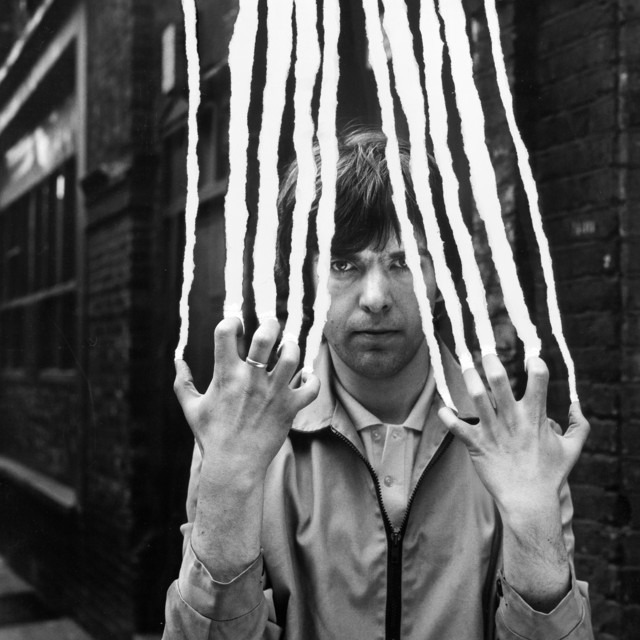
Released on this day, June 2, 1978, Peter Gabriel (often called Scratch) was his second solo album after leaving Genesis—and it was full of bold choices. With Robert Fripp as producer and a willingness to explore both structure and sound, Gabriel turned experimentation into a work of art. Here are five surprising facts about the album that made it stand out—then and now.

1. The Album’s Title Isn’t Really “Scratch”—But Fans Gave It One
Peter Gabriel released his first four solo albums under the same name—Peter Gabriel. To tell them apart, fans gave them nicknames based on their cover art. This one? Scratch, thanks to the striking Hipgnosis-designed artwork that shows Gabriel scraping his own image apart. The effect was done with torn paper, Tipp-Ex (White Out to North Americans), and a lot of clever photography. Gabriel didn’t need a title—he had a visual story.

2. Robert Fripp Didn’t Want Full Credit—So He Got Creative With It
King Crimson’s Robert Fripp produced the album but felt that Gabriel had such a strong creative hand in it, he shouldn’t take full credit. His suggestion? “Produced by Robert Fripp for Peter Gabriel.” It was Fripp’s way of saying, “This isn’t all me—this is Peter’s vision too.” Fripp also introduced techniques like “secret reverb” (if you could hear it, it was too loud) and used Frippertronics on the haunting track “Exposure.

3. “On the Air” Was About a Fantasy Radio Star Named Mozo
Gabriel’s song “On the Air” introduced Mozo, a lonely outsider who builds a new identity on shortwave radio. It was more than a song—it was part of a bigger universe Gabriel had imagined, with fragments of Mozo’s story appearing across future albums. “On the Air” became the sound of someone escaping into static and wires to become something more. Gabriel even explored turning Mozo into a film character.

4. “D.I.Y.” Was Inspired by Punk’s Spirit—but Done Gabriel’s Way
Rather than mimic the Sex Pistols, Gabriel channeled their do-it-yourself energy into something more acoustic and structured. He wrote “D.I.Y.” as a response to the punk wave but kept it uniquely his own, filled with time signature changes and playful musical details. The song even includes a processed voice spelling out “do it yourself.” The message? You have the power to create, and you don’t need permission.

  1. 5. Creative Tension Sparked the Album’s Raw Sound
    Fripp and Gabriel didn’t always agree. They debated arrangements, argued over synths, and even clashed on vocal takes. Gabriel wanted lightness, Fripp wanted rawness. That friction didn’t break the project—it shaped it. Songs like “White Shadow” and “On the Air” show the results of those push-pull moments: intricate, unpredictable, and totally unique. It wasn’t polished—it was alive.
  2. Peter Gabriel may have come from friction and left turns, but it laid the foundation for everything that followed. The experiments with texture, character, and sonic space became part of Gabriel’s creative DNA. That willingness to explore—musically and emotionally—would eventually lead to the refined, global, and groundbreaking sound of So in 1986. Every scratch, glitch, and whispered lyric on this album was a step toward something even bigger. Massively bigger.


60 Legendary Left-Handed Musicians Who Changed Music Their Own Way

Lefties make up just 10% of the world’s population, but they’ve given us some of the most unforgettable music of all time. From soul-shredding guitar solos to thunderous drumming and genre-bending creativity, these 25 left-handed musicians prove that greatness doesn’t follow the rules—or the dominant hand. Here’s to the legends who flipped instruments, rewrote norms, and rocked the world… left-handed.

Albert King
Played a Flying V guitar upside-down and became one of the most influential blues players of all time. His signature sound influenced Clapton, Vaughan, and Hendrix.

Al McKay
The groove-master behind Earth, Wind & Fire’s rhythm section. His left-handed guitar playing powered hits like “September” and “Boogie Wonderland.”

Ashley MacIsaac
The Canadian fiddler plays left-handed with fiery flair, bringing Cape Breton-style music to global stages with punk-rock intensity.

Barbara Lynn
A pioneering R&B artist who wrote, sang, and played left-handed guitar on her own tracks, including the classic “You’ll Lose a Good Thing.”

Bun E. Carlos
As drummer for Cheap Trick, Carlos brought left-handed swing and precision to arena-ready power pop hits throughout the ’70s and ’80s.

Carl Philipp Emanuel Bach
Though not confirmed as left-handed, his father, J.S. Bach, once noted his left hand was more developed, suggesting early left-hand dominance.

Cheyenne Kimball
The teen pop-rock prodigy played left-handed guitar and delivered emotionally resonant performances as a solo artist and member of Gloriana.

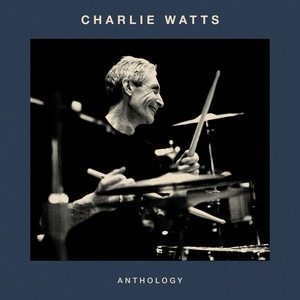
Charlie Watts
The Rolling Stones drummer led with elegance and restraint. A jazz-lover at heart, his left-handed tendencies helped create the band’s signature groove.

Courtney Barnett
The Aussie indie rock star strums a left-handed guitar with deadpan brilliance and sharp-witted lyrics that have earned her global acclaim.

David Bowie
Naturally left-handed but taught himself to play right-handed due to the scarcity of left-handed guitars in post-war Britain. A true shapeshifter.

Dennis Wilson
The only surfer in the Beach Boys and a left-leading drummer who brought a unique swing and later wrote one of the band’s most emotional tracks, “Forever.”

Dick Dale
The King of Surf Guitar played left-handed with breakneck speed and power, influencing generations of guitarists with songs like “Misirlou.”

Dominic Howard
Muse’s powerhouse drummer is left-handed, and his dynamic, theatrical playing style anchors the band’s towering space-rock sound.

Doyle Bramhall II
Plays guitar left-handed with the strings upside-down, creating a smooth, expressive blues-rock tone that’s unmistakably his own.

Elliot Easton
Lead guitarist for The Cars, Easton’s left-handed solos were crisp, stylish, and catchy—perfectly matching the band’s polished new wave vibe.

Elizabeth Cotten
Created her own fingerpicking style by playing a right-handed guitar upside-down. Her folk classic “Freight Train” is a masterclass in subtlety.

Eric Gales
A blues-rock phenom who plays guitar left-handed and upside-down, praised for his explosive solos and emotional phrasing.

Ernie C
The lead guitarist for Body Count, Ernie’s left-handed shredding brought heavy political power to Ice-T’s metal band.

Gerald Casale
As a founding member of DEVO, Casale brought left-handed bass grooves to new wave with satirical edge and robotic style.

Greg Sage
The Wipers’ frontman played blistering, emotional punk guitar left-handed and inspired the grunge movement along the way.

Gruff Rhys
Welsh songwriter and Super Furry Animals frontman who strums left-handed while crafting dreamy, surreal psych-pop soundscapes.

Jo Callis
Best known for his work with The Human League, this left-handed multi-instrumentalist added depth to the synth-pop world of the ’80s.

Jimi Goodwin
The Doves frontman is a lefty who switches instruments with ease—playing bass, guitar, and drums during the band’s soaring Britpop anthems.

Jimi Hendrix
The most iconic left-handed guitarist of all time. Flipped and restrung his guitar, changing the sound of rock forever with “Purple Haze” and “Voodoo Child.”

Joe English
As drummer for Paul McCartney & Wings, English played with dynamic left-handed style on hits like “Listen to What the Man Said.”

Joan Armatrading
The British singer-songwriter writes and plays guitar left-handed, delivering heartfelt, genre-crossing songs since the 1970s.

John Lennon
While not fully left-handed, Lennon was ambidextrous and often sketched and performed actions with his left hand—including some iconic guitar work.

John Cale
As a member of the Velvet Underground, Cale added haunting left-handed viola and bass playing to the band’s avant-garde sound.

Justin Bieber
Bieber is ambidextrous but usually strums guitar with his left hand. His lefty acoustic performances have become a signature of his live shows.

Kurt Cobain
A proud left-handed guitarist who made grunge mainstream. He played a flipped Fender Jaguar and inspired millions with his raw sound.

Malina Moye
One of the few left-handed women to break through in rock guitar, blending funk, blues, and soul with fiery stage presence.

Maria Taylor
Singer-songwriter Maria Taylor plays guitar left-handed, blending delicate melodies and heartfelt lyrics across indie-folk and pop records.

Mdou Moctar
This Niger-born guitarist fuses traditional Tuareg melodies with left-handed shredding, gaining global acclaim for his desert-blues sound.

Michael Stipe
The R.E.M. frontman writes left-handed and occasionally plays guitar that way too—bringing unique phrasing to the band’s introspective anthems.

Mike Bordin
Faith No More’s drummer plays open-handed and left-dominant, giving their explosive songs extra punch. Also backed Ozzy Osbourne live.

Miley Cyrus
Left-handed by birth, Miley was trained by her dad to play guitar right-handed, but she continues to favor her left for most tasks.

Omar Rodríguez-López
From The Mars Volta to At the Drive-In, Omar’s left-handed chaos turns every guitar line into a trip through the unknown.

Otis Rush
A Chicago blues legend who played guitar left-handed with the strings upside-down. His slow-burn solos influenced Eric Clapton and Stevie Ray Vaughan.

Paul Gray
The late Slipknot bassist laid down thundering, complex riffs with his left hand, adding depth to the band’s furious sound.

Paul McCartney
The world’s most famous left-handed bassist. McCartney flipped his Hofner violin bass and wrote the soundtrack to generations.

Phil Collins
A lefty who played a reversed drum kit in Genesis, later becoming a global solo superstar with hits like “In the Air Tonight.”

Richard Barth
A 19th-century composer and violinist noted for favoring his left hand—an unusual trait for classical musicians of his time.

Ringo Starr
Though he drums on a right-handed kit, Ringo leads with his left, creating a unique, swingy feel that defined the Beatles’ rhythm section.

Robin Campbell
The UB40 guitarist is a proud lefty who’s kept the band’s reggae-pop grooves flowing for decades with his smooth strumming style.

Shawn Lane
A legendary shredder known for his speed and soul, Lane was a lefty who influenced modern virtuosos despite his tragically short life.

Slim Whitman
Country singer and yodeling legend who played left-handed, inspiring Paul McCartney’s early guitar style.

Stella Parton
Younger sister to Dolly, Stella plays guitar left-handed and has released dozens of albums blending country, gospel, and folk influences.

Stewart Copeland
The Police’s drummer is ambidextrous but often leads with his left hand, adding energy and polyrhythms to the band’s sound.

Tim Armstrong
As the gritty voice behind Rancid, Tim plays guitar left-handed and keeps punk alive with raspy vocals and ska-infused riffs.

Tony Iommi
Heavy metal’s godfather. After a factory accident, Iommi customized his guitar to play left-handed and helped launch Black Sabbath.

Toronzo Cannon
Chicago blues guitarist and CTA bus driver turned star, Cannon’s left-handed fretwork has lit up stages with power and heart.

Zacky Vengeance
Avenged Sevenfold’s co-lead guitarist brings powerful left-handed rhythm work to some of the 2000s’ biggest metal anthems.

They flipped guitars, rethought rhythms, and carved their names into music history—left-hand first. And while right-handers may dominate the charts in numbers, these southpaws dominate in style, sound, and soul.

5 Surprising Facts About Charlie Watts That Make Him Even Cooler Than You Remember

Before there were pyrotechnics, tour buses, and 60,000 fans singing “Jumpin’ Jack Flash,” there was a quiet, jazz-obsessed kid from Wembley with a banjo head for a drum and a dream of playing like Chico Hamilton. Charlie Watts never chased the spotlight—he brought dignity and swing to it instead. Here are 5 fun and surprising things about the man behind the drum kit that prove his story is just as fascinating as his beat.

1. He Didn’t Even Want to Be a Rock Drummer—At First
Charlie Watts grew up with jazz in his bones. His earliest heroes weren’t rockers—they were bebop giants like Charlie Parker and Jelly Roll Morton. When someone first asked him to play rhythm and blues, he thought they meant jazz played slowly. He joined the Rolling Stones almost reluctantly, never chasing stardom but eventually helping to define it with every understated stroke. His approach brought a jazz sensibility to rock and roll—and made him utterly irreplaceable.

2. He Sketched Every Bed He Slept In on Tour
Starting in 1967, Watts began drawing the hotel beds he slept in on the road. By the early 2000s, he’d filled over a dozen diaries. These weren’t doodles but meditations. While others partied after shows, Watts quietly opened his sketchbook, documenting his strange and temporary homes. It was one of many ways he stayed grounded, showing the inner life of a man who always kept one foot in the real world, even as his band soared through history.

3. He Designed the Rolling Stones’ Tour Stages and Album Art
Before joining the Stones, Charlie worked as a graphic designer, and he never stopped using that eye for detail. He created early album art and even designed the stage sets for some of the band’s biggest tours—including the lotus-shaped stage for their 1975 U.S. tour. He wasn’t just keeping time on the drums—he was shaping the band’s visual identity, proving that rhythm isn’t limited to music alone.

4. He Never Learned to Drive—But Loved Collecting Cars
While the rest of the Stones raced around in sports cars, Charlie had a different approach. He collected classic cars, not to drive them, but to admire their beauty. He never got a driver’s license. His garage was like a museum of elegance and engineering—because to Charlie, the shape of a Ferrari mattered more than its speed. It was another example of how he appreciated artistry in all its forms, even with the engine off.

5. He Turned Down the Playboy Mansion for the Game Room
During the band’s famously hedonistic 1972 U.S. tour, the Rolling Stones were invited to the Playboy Mansion. While others mingled with models, Charlie made a beeline for Hugh Hefner’s game room. That was his style—cool, quiet, and happily uninterested in the chaos around him. He once said he’d never fit the rock star stereotype, and he never tried to. That refusal to perform offstage is part of what made him so admired on it.

Charlie Watts wasn’t flashy, but he was unforgettable. Whether designing stages, sketching hotel beds, or quietly anchoring one of the greatest rock bands in history, he always did it his way—calmly, tastefully, and with absolute precision. He didn’t need drum solos to make an impact. All he needed was a snare, a suit, and a sense of style that never wavered.

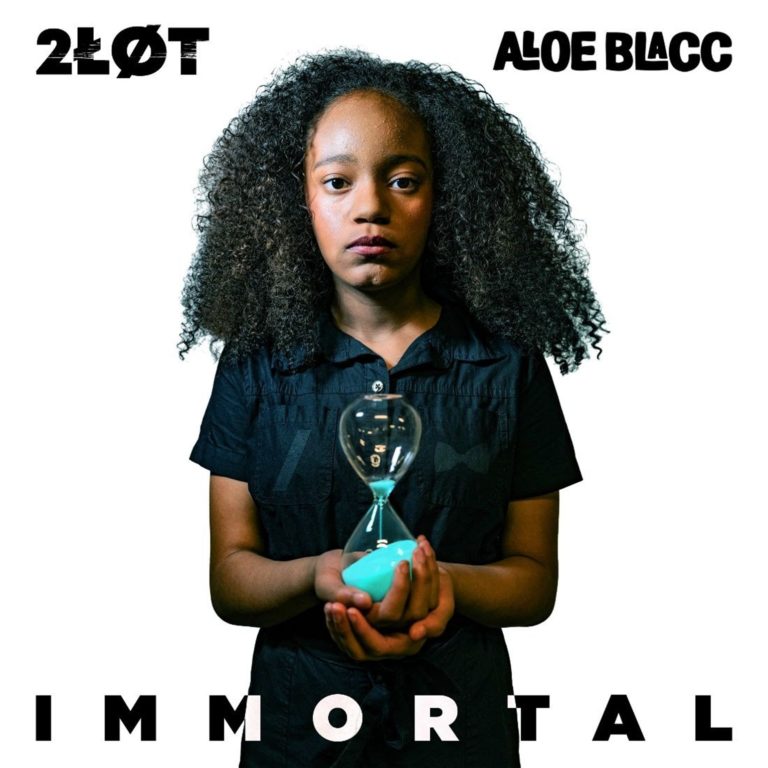
Aloe Blacc and 2ŁØT Channel Memento Mori in Bold New Single “Immortal”

0

The emerging genre-bending outfit 2ŁØT has teamed up with GRAMMY-nominated artist Aloe Blacc to release “Immortal,” a bold new single inspired by the ancient philosophical concept of memento mori—a Latin phrase meaning “remember you must die.” Far from morbid, the song is a rallying cry for courage and clarity, urging listeners to reflect on life’s impermanence and ask a single transformative question: What would I do if I weren’t afraid?
 
Fusing 2ŁØT’s genre-defying sound with Aloe Blacc’s soul-stirring voice, “Immortal” is both a spiritual provocation and a musical revelation. The track draws its power from the timeless reminder that tomorrow is never guaranteed—and dares the listener to live fully, bravely, and with purpose. “‘Immortal’ is about unlocking the part of you that’s waiting to be set free,” says Rudy Love Jr. of 2ŁØT. “It’s a reminder that fear is the biggest barrier between you and your true calling. If you knew your time was short, what would you change?”
 
“From a lyrical standpoint, it’s one of the strongest songs I’ve been a part of writing,” reflects Aloe Blacc. “This line—‘when I tumble over, the broken pieces fit together better in the end’—reminds me of the Japanese art of kintsugi, where broken pieces are mended with gold. The broken parts of us, when they’re healed, become the strongest parts of us.

Earlier today, Aloe Blacc and 2ŁØT appeared on KTLA in Los Angeles for the first live performance of their new single “Immortal.” The stripped-down set offered a raw, intimate take on the track’s powerful message, paired with a short on-air interview that gave viewers a behind-the-scenes look at the collaboration and the meaning behind the song.

“Immortal” builds on the conceptual foundation laid by 2ŁØT’s debut album Entropy, which draws from another powerful law of existence: the 2nd Law of Thermodynamics, which states that all systems tend toward disorder over time. Where Entropy explored how to make peace with chaos, Immortal calls for action—to transcend it.

With singles like “Never Knew You,” “Arrow of Time” (featuring Michael Kang of The String Cheese Incident), and “Call For Me,” 2ŁØT has built a body of work rooted in personal resilience, social impact, and philosophical depth. In April, the band released “Entropy (Paul Oakenfold Remix),” a euphoric reinterpretation of their title track by one of dance music’s most legendary producers. It marked the band’s entry into the global electronic scene, expanding their reach without compromising their core message.
 
On June 13–14th, Aloe Blacc and 2ŁØT will reunite to perform “Immortal” live at Somewhere Festival & Conference in Wichita, KS—one of the most socially conscious festivals in the country. The event will feature genre-spanning acts like Deadmau5, Flying Lotus, and Suki Waterhouse, as well as immersive tech, interactive art installations, and a community-driven conference. For more information and to purchase tickets, visit: somewhere-fest.com.
 
At the heart of Somewhere Festival is a shared ethos with 2ŁØT: that music can be a vehicle for meaning, connection, and social change. Festival organizers partner with nonprofits including The Phoenix, 1 Million Strong, Create Campaign, and others to offer real-world opportunities for impact—turning the festival into a launchpad for community action and dialogue.
 
“It’s about giving artists the space to create, but also the tools to build sustainable careers,” adds Rudy Love Jr. “The knowledge to make an impact, and the community to support them along the way.”
 
Grammy nominated Aloe Blacc has long been a voice for the people—a globally recognized singer, songwriter, and changemaker whose music uplifts, empowers, and unites. Best known for genre-defying anthems like the international smash “Wake Me Up” with Avicii, anthemic “The Man,” and the timeless “I Need A Dollar,” Blacc continues to inspire through sound and purpose. In 2025, Aloe Blacc returns with his most mission-driven work to date: a new full-length album titled Stand Together. Stand Together is both a celebration and a call to action, with Blacc’s signature soul and sincerity woven into every note. With powerful new music, renewed purpose, and a voice as vital as ever, Aloe Blacc stands at the center of culture and conscience in 2025—reminding the world that one good song really can change everything.
 
2ŁØT is a five-piece band known for their genre-defying sound, Electronic Jam Music (EJM). Formed during challenging times, the group combines elements of hip hop, soul, funk, jazz, rock, and electronic music. Comprised of members Rudy Love Jr. (vocals / keys), Omar Jawar (drums), Sage Judd (keys), Chase Koch (guitar), and Robert Trusko (bass), 2ŁØT is dedicated to advocating for social change, focusing on overcoming addiction, supporting youth, and criminal justice. Their mission is to activate and inspire audiences through both their music and their commitment to making a difference.
 

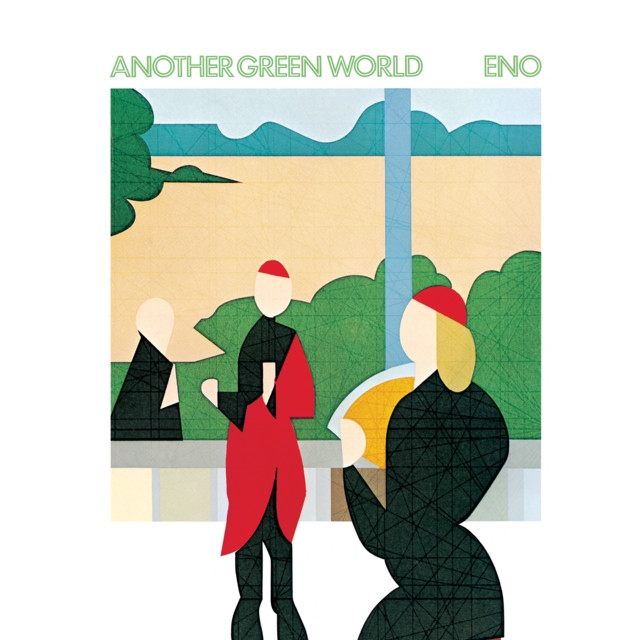
5 Surprising Facts About Brian Eno’s ‘Another Green World’

Brian Eno’s 1975 album ‘Another Green World’ didn’t chase trends or follow formulas. It explored sound the way a painter explores a blank canvas—slowly, curiously, with endless possibilities. With only five vocal tracks and a dream team of collaborators, this record became a quiet landmark in music history. Here are five facts that reveal how deep the creativity runs.

1. Phil Collins Was Given a Musical Puzzle to Solve

Before his solo career exploded, Phil Collins showed up to Eno’s sessions with nothing but his sticks and an open mind. Instead of handing him a chart, Eno gave him a list of numbers. Each one stood for a chord or sound. Alongside bassist Percy Jones, Collins turned the numbers into rhythm, using instinct and improvisation to build something that felt spontaneous and alive. It wasn’t about rules—it was about sound in motion.

2. John Cale’s Viola Added a Strange and Beautiful Layer

John Cale, already known for his work in The Velvet Underground, played viola on two tracks. His string parts brought a mysterious, elegant energy to the sessions. Cale’s background in classical and experimental music gave the album a texture that was rich and unpredictable. His contribution wasn’t flashy—it quietly shaped the emotional tone of the music.

3. Robert Fripp Turned a Science Lesson Into a Guitar Solo

When Eno asked Robert Fripp to record the guitar part for “St. Elmo’s Fire,” he described something very specific: the movement of electricity in a Wimshurst machine. Fripp picked up his guitar and created a sound that shimmered and surged with controlled energy. That solo became one of the most distinctive parts of the album. It captured Eno’s vision with a few minutes of fearless playing.

4. Some of the Most Vivid Tracks Were Just Eno, Alone in the Studio

Tracks like “The Big Ship” and “In Dark Trees” weren’t built by a band. They came from Eno layering sounds on his own. Using synthesizers, tape loops, and drum machines, he created entire environments. These pieces feel like quiet weather patterns, each one with its own mood and atmosphere. Eno treated the studio like an instrument, finding new ways to express feeling through sound.

5. The Lyrics Came From Gibberish That Turned Into Meaning

Eno didn’t start with written lyrics. He sang nonsense syllables over the music until the right sounds appeared. From those sounds, words began to form. It was like listening for the language hiding inside the melody. This method gave songs like “I’ll Come Running” and “Golden Hours” a loose, dreamlike quality. They sound like memories you can’t quite place but still recognize.

‘Another Green World’ feels like a walk through a place where music grows on trees and time stretches out in every direction. With each listen, new textures come forward, and familiar parts reveal new details. It’s not just an album—it’s a creative space that’s still open to anyone willing to explore it.