Strade Base is a pioneering platform at the intersection of fintech and music, revolutionising how artists, fans, and investors engage with streaming royalties.
UK Grime icon JME is the first artist to launch on Strade Base and within seconds of dropping, fans snapped up his offer of 100 shares to his track Integrity for £1 a share to celebrate the song’s 10 year anniversary.
At its core, Strade Base is about empowerment—giving artists greater control over their earnings, while inviting fans and supporters to participate directly in their success.
While similar concepts have been teased by global music moguls like Jay Z, Strade Base proudly leads the charge from the UK, bringing innovation and opportunity to the forefront of our homegrown music scene. Jay Z’s platform with Musicow received lots of hype earlier this year but doesn’t appear to have actually made it to market.
The team behind the platform include entrepreneur Dwight Okechukwu- British Grime royalty Skepta’s business partner, and UK grime icon JME as an advisor.
While fractional ownership is not a new concept, Strade Base is the first to offer it in an accessible, user-friendly format tailored for everyday fans, where the music artist is directly in control- not the labels.
Unlike traditional distribution model Strade Base provides artists with a new way to monetise their catalogue—immediately and transparently—while fostering a direct and meaningful connection with their audience. Each purchase comes with a digital, tradable ‘card’ representing royalty ownership, and users can trade these cards within the community, much like collectible items. Cards can be physical or virtual and may include unique artist rewards like concert access or exclusive merchandise, deepening fan engagement and support.
With over £3 million in investment and 3.5 years in development, Strade Base is built on passion and purpose.
For advisor and first artist on the platform JME, this isn’t just about innovation—it’s about justice. He is passionate about returning ownership to the hands of creators and sees Strade Base as a lifeline for emerging artists. With traditional industry models often delaying earnings for years, many talented musicians are forced to abandon their dreams or fall into debt. Strade Base offers a real alternative: a platform where new artists can share music and begin earning from day one.
JME is of course brother of famed MC, Skepta and between them and their record label ‘Boy Better Know’, they steered grime’s second wave, helping to build the success of British rap. They have played huge stages at Glastonbury and Wireless and are legends in the British grime and rap scene.
Strade Base will be announcing big artist drops monthly.
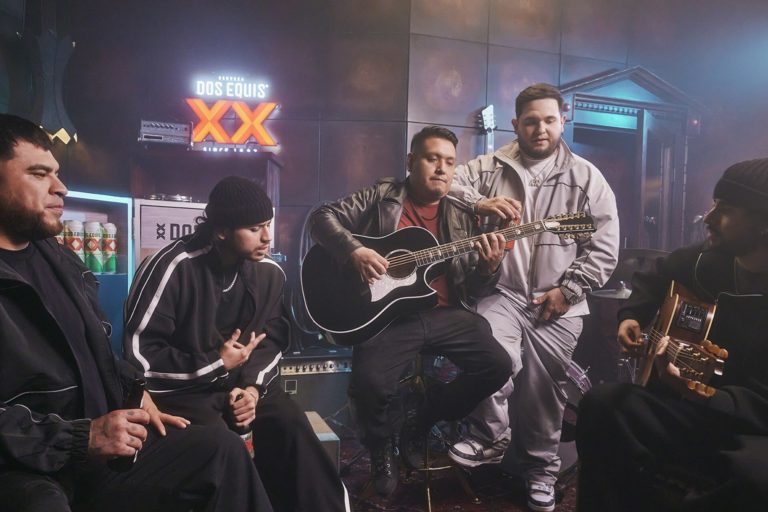
Dos Equis is proud to announce its latest campaign, ‘Ni Perdón Ni Permiso’ a bold celebration of unapologetic self-expression through music, art, and style. Inspired by those who live fearlessly, ‘Ni Perdón Ni Permiso’ (‘neither forgiveness, nor permission’) is a cultural expression rooted in Hispanic tradition that honors and applauds the act of authentically expressing oneself; where Dos Equis has adopted through the lens of music, celebrating artists who ‘own the stage’ by showcasing their fearless originality without needing permission.
Embracing its Mexican roots, Dos Equis adopts this familiar phrase through the inspiring power of music, in partnership with the influential Southern California-based musical group Fuerza Regida. The campaign encourages individuals to boldly embrace their unique stories, chase experiences beyond the ordinary, and pursue their passions fearlessly, without apology or the need for validation.
Fuerza Regida, known for their genre-bending sound and fearless authenticity, brings their influence to the forefront of the campaign. As pioneers of the evolving Música Mexicana category, their powerful voices and barrier-breaking artistry perfectly embody the ‘Ni Perdón Ni Permiso’ spirit. Fuerza Regida recently debuted at No. 1 on both the Apple Music All-Genre and Latin Albums charts, while making Billboard history with a No. 2 debut on the Billboard 200—before quickly rising to No. 1 on the Top Latin Albums chart a few days after. This popularity demonstrates their powerful connection with fans which is deeply rooted in Mexican-American identity, perfectly reflecting the campaign’s core message: authentic self expression isn’t just a choice – it’s the only real way to live.
“‘Ni Perdón Ni Permiso’ is more than a campaign – it’s a movement rooted in the spirit of embracing individuality,” said Alison Payne, Chief Marketing Officer for HEINEKEN USA, importer of Dos Equis. “It’s about championing the power of owning your truth and owning the stage, especially through the universal language of music. Fuerza Regida’s fearless authenticity embodies this movement, and we couldn’t ask for better partners to bring that vision to life as Dos Equis makes its mark on the vibrant world of Música Mexicana.”
“‘Ni Perdón Ni Permiso’ is all about unapologetic authenticity,” says JOP of Fuerza Regida. “We believe in the power of music to break boundaries and connect with people on a real level. This campaign with Dos Equis is our call to everyone to step up, own their voice, and live without hesitation.”
At the heart of the campaign is an exciting opportunity to co-create the ‘Ni Perdón Ni Permiso’ anthem through the Jam Session. Starting June 9, Dos Equis and Fuerza Regida are inviting fans to submit their vocal or instrumental tracks via social media for a chance to win an incredible experience: a trip to an exclusive Fuerza Regida performance and a signed vinyl featuring their bold musical creation alongside the band.
To participate in the Jam Session, fans must first visit the Dos Equis’ Instagram (@DosEquis) and follow these steps:
Locate the designated Jam Session reel.
Tap the three dots on the bottom right of the screen and select the ‘sequence’ option.
Record your vocal or instrumental contribution while being stitched next to the original video.
Edit your content in-app as desired and post using the hashtags #NiPerdonNiPermisoJam and #Contest
Stay connected with the ‘Ni Perdón Ni Permiso’ movement by following @DosEquis on Instagram for exclusive behind-the-scenes content, updates on the Jam Session, and opportunities to engage with this powerful celebration of authentic self-expression.
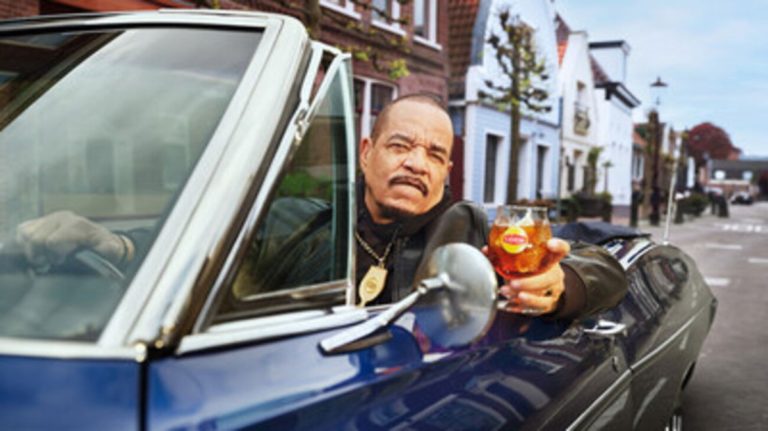
Many consumers have experienced ordering an iced tea at a café, expecting the familiar taste of Lipton Ice Tea, only to be served something entirely different. To address this common mix-up, the brand has partnered with iconic rapper and actor Ice-T to introduce ‘Ice Tea Insurance’ in the Netherlands and Belgium. The lighthearted initiative is designed to ensure iced tea drinkers receive the original they expect.
The initiative stems from a revealing consumer insight. According to a recent YouGov study conducted in the Netherlands, 44 percent of consumers say they have been served a different beverage than expected when ordering out. The numbers are even more striking when it comes to iced tea: 81 percent of frequent iced tea drinkers say they automatically associate the term ‘ice tea’ with Lipton Ice Tea.
Despite Lipton Ice Tea’s status as a category leader in Europe and a household name in the U.S., the brand recognized that mistaken drink orders were leaving some consumers disappointed. The ‘Ice Tea Insurance’ campaign aims to change that by allowing customers who receive the wrong brand of iced tea to submit a claim for a free Lipton Ice Tea.
The campaign is fronted by Ice-T, and it’s not just because his name echoes the drink. He rose to fame as the ‘Original Gangster’ with his 1991 album and became a cultural icon across both music and film. With a legacy rooted in originality, Ice-T is now teaming up with Lipton Ice Tea, the brand that introduced iced tea to millions, to remind people that there is only one original.
“Ordering iced tea doesn’t always mean you’ll get the original. With Lipton Ice Tea Insurance, we’re backing fans who expect the best, because the original always matters,” said Manon Lanckneus, Senior Brand Manager of Lipton Ice Tea Benelux.
The message of defending the original is one that resonates far beyond Europe, including in the U.S. The Ice Tea Insurance initiative runs throughout the summer of 2025 in the Netherlands and Belgium. Consumers who receive a different iced tea can visit www.liptoniceteainsurance.com to submit a claim and receive a complimentary Lipton Ice Tea.
The Frequency School set a new GUINNESS WORLD RECORDS title for “Most nationalities to contribute vocals to a musical recording (single song)” with the “195” song on Monday, in a bid to raise awareness about gender equality and to ignite a global movement uplifting people through the transformative power of soundhealing frequencies.
The record-breaking “195” is the first song in history featuring women from all of the world’s 195 countries and using sound healing frequencies and the 528 Hz ‘Love Frequency’.
The Frequency School co-founded by U.S. Grammy-nominated and multi-platinum music producer Maejor, Martina Fuchs, Kingsley M, Brandon Lee and Aaron Dawson produced this visionary, powerful and universal campaign and premiered it during the 55th Annual Meeting of the World Economic Forum (WEF) in Davos-Klosters, Switzerland, from January 20-24.
Using the sounds of birds and the heartbeat as instrumental elements, the “195” aims to raise the world’s frequency, elevate humanity, and trigger a positive impact by uniting and empowering women worldwide.
One woman in every one of the world’s 195 countries recognized by the United Nations said one word: “EQUALITY” in her national language or native tongue and sent in her voice and video recording.
The number of women and nationalities participating in the song was officially verified by a Guinness World Records adjudicator.
Martina Fuchs, Executive Producer of the “195” and Co-Founder of the Frequency School, said, “It has always been my dream to produce the first song in history featuring every country on the planet. Our vision was to unite 195 ordinary women from all walks of life in this pioneering and groundbreaking initiative to advocate for gender equality and the rights of women and girls, and to help people struggling with mental health issues. Breaking this record is only the beginning: we are on a global mission to make our world a more peaceful place.”
Maejor, Founder and CEO of the Frequency School who produced the song, said, “The world record is a testimony to our work and the universal language of music. This achievement is a call to every one of us to lift each other up and spread peace, love and harmony. We chose to use 528 Hz which is often referred to as the ‘love frequency’, or the frequency of transformation and miracles. We wanted to promote more respect and fairness for women, as well as deep inner healing and a state of peace. The transformative vibration of 528 Hz can inspire positive action and empathy and people to act more kindly and inclusively.”
According to scientific studies and music theory, Solfeggio frequencies, ranging from 174 Hz to 963 Hz, offer unique sound patterns that promote relaxation, stress relief, and overall well-being. These frequencies have been shown to positively impact mental, emotional, and physical health by generating vibrations that help achieve a state of calm and balance of the mind, body and spirit.
Kingsley Maduka, Co-Founder of the Frequency School, said, “We’re incredibly excited to set a new world record, and I am honored to have the youngest lady in my family, my 6 year-old daughter, to be apart of such an intentional women empowerment project, focused on wellness. Being a man, it’s important that we do our parts to support our better halfs for the sake of the mental health and wellness of humanity. The Frequency School is such an amazing platform for utilizing, implementing and amplifying wellness tools – working at the intersection of music, wellness, mental health and education is some of the most impactful work I’ve been able to be apart of.”
Brandon Lee, Co-Founder of the Frequency School, said, “Every one of us enters this world through a woman—women are the very heartbeat of humanity. I’m deeply honored to be part of this project and inspired by the future initiatives we’re building at Frequency School to uplift women’s wellness. Earning the GUINNESS WORLD RECORDS title will amplify our mission globally, allowing us to create an even greater impact.”
Aaron Dawson, Co-Founder and Creative Director of the Frequency School, said, “This project is much more than a world record, it’s a reflection of the immense gratitude I hold for women everywhere. I carry deep appreciation for every woman who have shaped me: my mother, grandmothers, aunts, cousins, godchildren, teachers, ancestors, and the many women whose love and existence have given me and the world such beautiful life. A better world exists when we honor women’s gifts, invest in them, and protect their well-being.”
Miriam Moriati, President of the Kiribati Rotaract Youth Club and a Women and Youth representative for OARS (Ocean Alliance for Resilience and Sustainability), said, “I’m from Kiribati, a small island nation in the Pacific, where our highest point is just 3 meters above sea level. Our women in Kiribati are vulnerable due to gender equality not being part of our culture and traditions. They are often the first to be affected by crises and the last to recover. Being part of this initiative to support women on an international stage is an incredible honor. Opportunities to represent our small country are rare, and I am grateful for this platform to amplify the voices of Kiribati women.”
Sawilanji Nachula, a middle school student representing Zambia, said, “I am a 13-year old Zambian and live on the ‘Mighty Zambezi’ near the Victoria Falls. I am currently a student at Falcon College in Esigodini, Zimbabwe, where I will start my grade 9 next month. I am both honoured and inspired to smash the world record with so many already successful and soon to be successful members. I doubt I will be able to contribute much myself for now. But I will be sure to promote gender equality as I get older.”
Inspired by the murmuration of birds and nature’s synchronicity, the visualizer of the song includes art elements evoking raw emotions and reflecting the power and harmony of women, and their aspiration for freedom and collective strength.
LIST OF “195” PARTICIPANTS:
Fawzia Koofi, Afghanistan
Juxhina Sotiri Gjoni, Albania
Kahina Bouagache, Algeria
Jimena Cierco Martinez and Júlia Carreras Salvadó, Andorra
Ester Nilsson, Angola
Abrianna Cooper, Antigua and Barbuda
Romina Sudack, Argentina
Sose Markosyan, Armenia
Anjali Nadaradjane, Australia
Delia Fischer, Austria
Bahar Balayeva, Azerbaijan
Amanda Darville, Bahamas
Ahdeya Ahmed Al-Sayed, Bahrain
Laiba Jannati Pritha, Bangladesh
Gloria Carter, Barbados
Kristina Lozinskaya, Belarus
Nyanchama Okemwa, Belgium
Julie Robinson, Belize
Adjalla Senami Naomy Campbell Mariela, Benin
Yangdon Sonam, Bhutan
Valentina Crespo Kuljis, Bolivia (Plurinational State of)
Iman Daneya Zulum, Bosnia and Herzegovina
Kabelo Botlhe Dikobe, Botswana
Samanta Bullock, Brazil
Daphne Lai Teck Ching, Brunei Darussalam
Natalini Yordanova, Bulgaria
Audrey Korsaga, Burkina Faso
Jeanne Irakoze, Burundi
Zanu Alves, Cabo Verde
Savada Prom, Cambodia
Sabrina Love, Cameroon
Alyson Meister, Canada
Kessy Martine Ekomo-Soignet, Central African Republic
Melissa Monique, United Kingdom of Great Britain and Northern Ireland
Flaviana Matata, United Republic of Tanzania
Kenzi Kachi Maduka, United States of America
Camila Bentancur, Uruguay
Muldir Khayitova, Uzbekistan
Adrina J L Abel, Vanuatu
Boglarka Sztancs, Vatican City
Sophia Santi Guevara, Venezuela, Bolivarian Republic of
Yip Thy Diep Ta, Viet Nam
Wadha Abdullah Mohsin, Yemen
Suwilanji Nachula, Zambia
Rosheen Ngorima, Zimbabwe
ABOUT THE FREQUENCY SCHOOL:
The Frequency School is a pioneering global initiative designed to harness the transformative power of music for the holistic development of people around the world, focusing on the mind, body, and spirit.
Through services like music therapy, education, and performance, we empower individuals to lead balanced, healthy, and fulfilling lives. The approach integrates the latest in sound therapy with traditional wellness practices to support the whole person.
It was launched by Maejor, Martina Fuchs, Kingsley M, Brandon Lee, and Aaron Dawson at the renowned international boarding school Aiglon College in Switzerland in 2024.
In the fast-moving world of music, surprise albums have become a thrilling way for artists to drop new music with little or no warning. Unlike traditional album releases, which often come with months of teasing singles, videos, and promotions, a surprise album arrives suddenly—sometimes with just hours or days notice. This approach grew from the challenges of album leaks in the 2000s and quickly became a powerful way for artists to connect directly with fans, shaking up how music is shared and celebrated.
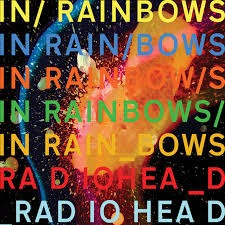
Radiohead – In Rainbows (2007) Radiohead’s In Rainbows is widely credited as the first big surprise album. The band announced the album just ten days before release on their website, offering it with a pay-what-you-want model. This bold move challenged the music industry and gave fans a new way to experience and support music.
Nine Inch Nails – Ghosts I–IV and The Slip (2008) Nine Inch Nails broke free from record label constraints by releasing two albums independently and for free. The surprise drop gave fans high-quality music immediately, with the added twist that they could remix and edit the tracks, fostering creativity and connection.
Jay-Z and Kanye West – Watch the Throne (2011) Before the official surprise drop of Watch the Throne, Jay-Z and Kanye West used false release dates to keep fans guessing and beat leaks. This strategy kept anticipation high while protecting the album’s impact upon release.
Frank Ocean – Channel Orange (2012) Frank Ocean took surprise releases a step further by releasing Channel Orange a week earlier than planned, catching listeners off guard in the best way. The album’s intimate sound and honest lyrics resonated deeply, establishing Ocean as a major voice in R&B.
David Bowie – The Next Day (2013) After years of silence, Bowie returned with The Next Day, released in secret. The sudden arrival reminded the world of his enduring artistry and ability to command attention on his own terms, debuting high on charts worldwide.
Beyoncé – Beyoncé (2013) Beyoncé’s self-titled visual album launched without any prior warning and instantly dominated iTunes. This move reset expectations for album releases, blending music, video, and surprise in a way that created a cultural moment.
U2 – Songs of Innocence (2014) U2 partnered with Apple to release Songs of Innocence directly into millions of iTunes libraries without asking. The move sparked conversations about digital distribution and privacy while making the album instantly available to a huge audience.
Frank Ocean – Endless and Blonde (2016) Ocean completed his contract with Def Jam by releasing the visual album Endless unexpectedly, then followed up with Blonde the very next day independently. This double surprise drop challenged industry norms and embraced digital exclusivity.
Eminem – Kamikaze (2018) Following mixed reactions to his previous album, Eminem dropped Kamikaze without advance notice. The surprise release gave him space to respond to critics head-on with raw lyrics and energy, engaging fans in a direct way.
Taylor Swift – Folklore and Evermore (2020) Swift surprised fans with Folklore during the pandemic, releasing it with less than a day’s notice. Just months later, she surprised everyone again with Evermore, showing how surprise releases can also convey intimacy and artistic evolution.
Kygo – Thrill of the Chase (2022) Norwegian DJ Kygo quietly released his fourth studio album Thrill of the Chase, delivering smooth tropical vibes without any buildup, proving surprise drops work across genres.
Kendrick Lamar – GNX (2024) Lamar’s unannounced release of GNX followed a high-profile feud, giving fans immediate access to new work and capturing attention without traditional hype.
Surprise albums continue to shake up the music industry, allowing artists to take control of their work and catch fans in moments of pure joy. Each of these releases shows how unpredictability can create connection, excitement, and lasting impact in the digital age.
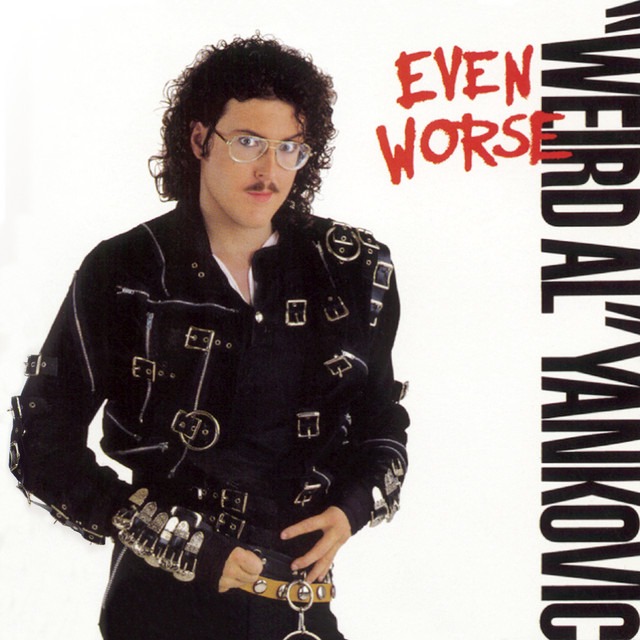
If you think you know “Weird Al” Yankovic — the accordion-wielding king of comedy music — think again. Behind the mustache, quirky songs, and spot-on parodies lies a fascinating and heartfelt story filled with surprising facts, incredible dedication, and more than a little weirdness (the good kind). Here’s a list of 50 unknown or little-known facts about Al that will delight you, make you chuckle, and maybe even inspire you.
1. Al’s real name is Alfred Matthew Yankovic. The nickname “Weird Al” started as a friendly insult in college but stuck forever.
2. Born on October 23, 1959, in Downey, California, he’s been making us laugh for over four decades.
3. His first accordion lesson happened the day before his seventh birthday — a door-to-door salesman offered his parents a choice between guitar or accordion lessons. They picked accordion, hoping to keep the Yankovic accordion tradition alive (though he’s not related to famous polka player Frankie Yankovic).
4. Al’s parents were quite the inspiration: his dad, a decorated WWII medic, taught him the importance of doing what makes you happy.
5. His mother didn’t let him outside often, so he had plenty of time to practice the accordion.
6. He skipped second grade and graduated high school two years younger than his classmates — he was the class valedictorian!
7. In high school, he was part of a Volcano Worshippers club — which did absolutely nothing but got them a yearbook photo.
8. His first parody hit was “My Bologna,” a take on The Knack’s “My Sharona,” recorded in a bathroom for the echo effect.
9. Dr. Demento, the legendary comedy radio host, was the first to play Al’s homemade tapes on air — launching his career at just 16.
10. “Another One Rides the Bus,” a Queen parody, was recorded live on the Dr. Demento show, with drummer Jon “Bermuda” Schwartz banging on Al’s accordion case for percussion.
11. His first TV appearance was performing “Another One Rides the Bus” on The Tomorrow Show in 1981.
12. The single “Eat It” (parody of Michael Jackson’s “Beat It”) was his first major breakthrough, and MJ himself gave his blessing.
13. Al’s iconic mustache has made several disappearances over the years — including shaving it off for the “Ricky” video and again after his LASIK eye surgery.
14. Speaking of LASIK, he had it done live on morning TV in 1998.
15. He earned a degree in architecture before fully committing to music, proving you can be both a nerd and an accordion genius.
16. “Smells Like Nirvana,” his Nirvana parody, was credited by Kurt Cobain as a sign they had “made it.”
17. He’s sold over 12 million albums and recorded over 150 songs, a testament to his relentless creativity.
18. “Mandatory Fun,” his 2014 album, was his first to debut at #1 on Billboard.
19. Al writes all his own songs — no fan submissions — maintaining tight control over his craft.
20. He’s famous for polka medleys, combining the hits of the day into one accordion-powered whirlwind.
21. Despite his comedic style, he spends weeks perfecting lyrics to match the rhythm and rhyme scheme of originals.
22. Al is a vegetarian since 1992, inspired by a book his girlfriend gave him.
23. He’s a devoted family man, married since 2001 with a daughter named Nina.
24. Al’s parents tragically died in 2004 from accidental carbon monoxide poisoning — yet he chose to continue performing concerts during that difficult time to find solace.
25. He’s directed many of his own music videos and even videos for other artists like Hanson and Ben Folds.
26. “Weird Al” is also an accomplished voice actor, appearing on shows like The Simpsons, My Little Pony, and Teen Titans Go!
27. His recurring jokes include the number 27, the names Bob and Frank, and a fascination with nostrils (yes, nostrils!).
28. He’s never released an album since 2014 but frequently drops singles online to keep up with the times.
29. Al’s not just about parodies — his original songs are style pastiches that cleverly mimic artists from Pixies to Rage Against the Machine.
30. He won five Grammys and has been nominated eleven more times — pretty serious honors for a comedy musician!
31. Many artists love being parodied by him, seeing it as a sign they’ve truly arrived.
32. Madonna once joked that Al should parody “Like a Virgin” as “Like a Surgeon” — and he did.
33. Despite his reputation, he’s polite, shy, and introverted in real life.
34. Al’s live shows are full-scale multimedia extravaganzas with costume changes, props, and video screens.
35. He’s toured the world over a thousand times — from the U.S. to Australia and Europe.
36. The famous Twinkie Wiener Sandwich — an overturned Twinkie as a bun, hot dog, and Easy Cheese, dipped in milk — was Al’s invention featured in his cult film UHF.
37. Al’s friends include legends like Lin-Manuel Miranda, who credits him as an influence.
38. He refused to do endorsements for beer, wanting to protect his younger fans.
39. His name is often misspelled online — “Yankovich” being a common mistake.
40. He’s been denied permission to parody some songs (looking at you, Prince!), but respects every artist’s wishes.
41. Al was the first guest editor for Mad magazine’s 533rd issue.
42. He’s appeared in films, TV shows, cartoons, and even web series — a true multimedia icon.
43. He once recorded a parody of “Black or White” called “Snack All Night,” but Michael Jackson denied permission because of the song’s serious message.
44. Al’s famous for borrowing $5 repeatedly in his interviews — and always getting turned down.
45. He even took part in political satire videos about U.S. presidential debates.
46. His recurring character, Harvey the Wonder Hamster, pops up in several songs and shows.
47. The number 27 is so important to him that he deliberately includes it in lyrics, album covers, and videos.
48. Al’s one of the few artists to have a Top 40 Billboard hit in every decade from the ’80s through the 2010s.
49. His parody of “White & Nerdy” was a surprise Top 10 hit and introduced a new generation to his work.
50. Despite all his fame, he remains humble, friendly, and grateful to his fans for four decades of support.
A master of laughter, music, and kindness, he’s proof that being yourself — no matter how weird — can lead to a truly extraordinary life. Stay weird, Al. We love you for it.
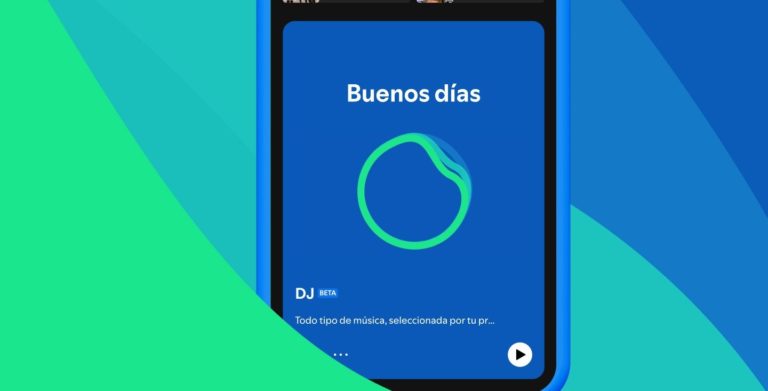
When they launched their AI DJ in English last year, it gave listeners a new way to connect with and discover music on Spotify. DJ is a personalized AI guide that knows you and your musical tastes so well it can choose what to play for you. It combines a curated lineup of songs with an AI-powered voice that provides commentary about those recommendations. This is all created through the powerful combination of Spotify’s personalization technology, generative AI in the hands of their expert music editors, and a real and relatable AI voice.
Now it’s time to bring their AI DJ, in beta, to Spanish-speaking Spotify Premium users around the world.
Since the debut of the AI DJ, they’ve learned the importance of context for their users. When listeners hear commentary alongside personal music recommendations, they’re more likely to listen to a song they may have otherwise skipped. Premium users love DJ. The median DJ listener spends more time listening to DJ than listeners of any other recommended set.
Whether you learn something new about your favorite artist or evoke a fond memory while listening to a nostalgic track, DJ brings playful moments to your listening experience that keep you coming back for more. Premium Users who listen to DJ listen to more Spotify. They see an increase in listenership the week after a user first listens to the DJ compared to the week before.
You may know Xavier Jernigan (his friends call him “X”) as the very first AI voice model of DJ, in English.
X is Spotify’s Head of Cultural Partnerships and has hosted numerous podcasts on Spotify over the years. His personality and voice resonated with their listeners, so he was a natural first pick. X isn’t going anywhere, but listeners who know and love the voice now have the option to choose to hear another DJ voice in Spanish.
The impact of the Spanish language within music culture is undeniable—from the popularity of Latin artists on their platform to the power of music in breaking down language barriers. They have millions of Spanish-speaking listeners on Spotify, many of whom have been taking to social media to ask about DJ. In fact, over the last few months, they’ve seen an over 215% increase in social conversation around DJ in Spanish. Rolling out DJ in Spanish was a natural next step in the evolution of the product, and they’re excited for the world to meet Livi, the voice of DJ in Spanish.
Introducing DJ Livi
To create the voice model for the DJ in Spanish, they enlisted their own Senior Music Editor, Olivia “Livi” Quiroz Roa, a Spotify music editor based in Mexico City who has spent her entire career in the music industry.
In her day job, Livi curates popular playlists on platform and has played an instrumental role in the launch of their EQUAL program in Mexico.
After an extensive international casting call, Livi’s voice resonated the most with users. Testers really felt it was relatable and like they were hearing music recommendations from a friend.
How to get started with DJ in Spanish
The Spanish-speaking voice will be available for Premium listeners in markets where DJ is currently available. It is expanding to Premium users in Spain and across select markets in Latin America, including Argentina, Bolivia, Chile, Colombia, Costa Rica, Dominican Republic, Ecuador, El Salvador, Guatemala, Honduras, Mexico, Nicaragua, Panama, Paraguay, Peru, Uruguay, and Venezuela.
As long as you’re using Spotify Premium in a market where DJ is available, here’s how you can find it:
Head to the Search tab on Spotify.
Search “DJ.”
Press play and let your personalized DJ do the rest.
To switch languages, simply tap the three-dot menu within the DJ card and choose between English or Spanish.
At its core, DJ is about discovery and connection. By providing context around your music recommendations, they’re creating even deeper connections between artists and fans. With Livi as the voice of DJ in Spanish, they now have the opportunity to reach millions of Spanish listeners on their platform and bring them an entirely new way to listen to Spotify.
MTV Unplugged was cultural milestone that transformed how we experience music. Stripped down, raw, and heartfelt, Unplugged sessions brought artists closer to their fans in ways electrified performances often can’t. From legendary debuts to surprise collaborations, here are 50 reasons why MTV Unplugged remains a beloved chapter in music history.
Eric Clapton’s 1992 Unplugged album sold over 26 million copies worldwide and earned him six Grammys, making it the best-selling live acoustic album ever.
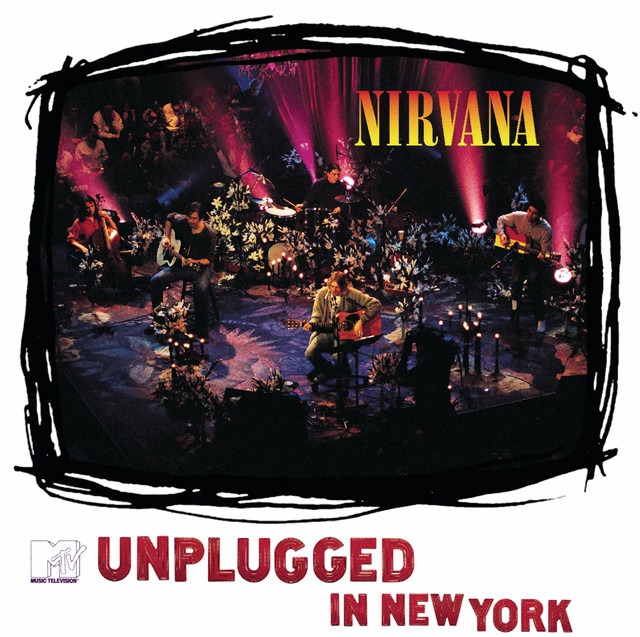
Nirvana’s 1993 Unplugged session featured haunting covers, including Lead Belly’s “Where Did You Sleep Last Night?” and was one of Kurt Cobain’s last performances.
Mariah Carey’s Unplugged album included her No. 1 cover of “I’ll Be There,” which helped showcase her vocal range in a stripped-down setting.
Rod Stewart charmed audiences with his 1993 Unplugged show, blending his signature raspy voice with acoustic warmth, resulting in a platinum album.
Lauryn Hill’s 2002 Unplugged No. 2.0 stripped away the polish, revealing a raw, emotional, and deeply personal side that earned critical acclaim.
Shakira’s 1999 Unplugged performance won a Grammy and was pivotal in introducing her to English-speaking audiences.
The Eagles’ 1994 “Hell Freezes Over” Unplugged reunion showcased acoustic versions of their biggest hits and marked a historic comeback.
Alice in Chains’ 1996 performance revealed Layne Staley’s fragile yet powerful vocals, creating one of the most emotional Unplugged sessions.
The Cure’s 1991 Unplugged session featured a mix of classics and new songs, highlighting Robert Smith’s haunting voice and the band’s versatility.
K-OS brought a unique hip-hop and live instrumentation fusion to his 2011 Unplugged session, showcasing his diverse talents.
Joe Walsh impressed on the first Unplugged season in 1989, teaming up with Dr. John for a spontaneous and soulful performance.
Don Henley performed his own solo Unplugged episode in 1990, delivering stripped-back versions of Eagles classics.
Phil Collins’ 1994 Unplugged session, though aired mainly in Europe, revealed his knack for heartfelt, intimate performances beyond the stadium.
LL Cool J’s 1991 Unplugged appearance helped pioneer acoustic hip-hop on the platform, blending beats with live instruments.
Paul McCartney’s 1991 Unplugged performance was so influential that it helped cement the show’s cult status.
Sting performed a memorable 1991 Unplugged set focusing on Police hits and solo material, which he later revisited in smaller venues.
Adele’s 2009 Unplugged performance won widespread praise and introduced her voice to a wider audience early in her career.
Katy Perry and All Time Low brought pop and alternative flair to the 2009 MTV Unplugged reboot.
Ten Thousand Maniacs’ 1993 Unplugged show was the last with Natalie Merchant and featured a beautiful cover of “Because the Night.”
Duran Duran’s 1993 Unplugged appearance came after a tour hiatus and included hits like “Serious,” reaffirming their classic sound.
Bruce Springsteen’s 1993 Unplugged included amplified instruments but delivered heartfelt performances capturing his storytelling essence.
Bjork’s 1994 Unplugged special was accompanied by a diverse group of musicians and highlighted her unique, ethereal style.
Neil Young returned for a second Unplugged session in 1993 after being unsatisfied with his first, delivering one of his best performances.
Roxette’s 1993 Unplugged show featured covers of legends like Aretha Franklin and Neil Young, showing their range beyond pop hits.
Soul Asylum’s 1993 session included a duet with Lulu and featured songs before their breakthrough “Runaway Train” video.
Chris Isaak’s 1995 Unplugged performance featured his haunting hit “Wicked Game” in a stunning acoustic setting.
Kiss’ 1995 Unplugged led to the reunion of their original lineup, rekindling their legendary rock chemistry.
Lenny Kravitz performed with an orchestra on his 1994 Unplugged episode, merging rock and symphonic elements.
Björk’s 1994 performance brought acoustic textures to her avant-garde sound, accompanied by diverse instrumentalists.
George Michael’s 1996 Unplugged performance featured a small, intimate crowd and included heartfelt renditions from his solo career.
Hole’s 1995 Unplugged featured string arrangements and debuted unreleased songs, showcasing Courtney Love’s powerful presence.
Cranberries’ 1995 performance offered a delicate, acoustic take on their alt-rock hits, backed by a string quartet.
Dashboard Confessional’s 2002 Unplugged marked the first band without a platinum record to appear, highlighting emo’s rise.
Jay-Z’s 2001 Unplugged with The Roots combined rap with live instrumentation, expanding the possibilities of hip-hop on the show.
Queens of the Stone Age performed their first Unplugged special in 2005, bringing hard rock into the acoustic fold.
Alicia Keys’ 2005 Unplugged featured guests like Mos Def and Adam Levine, highlighting her soulful, piano-driven sound.
Ricky Martin’s 2006 MTV Unplugged won multiple Latin Grammys and went double platinum, spotlighting his Latin pop mastery.
Korn’s 2006 Unplugged included collaborations with Robert Smith and Amy Lee, blending metal with haunting melodies.
Florence and the Machine’s 2012 Unplugged showed Florence Welch’s powerful vocals in a raw, emotional acoustic setting.
Shawn Mendes returned to MTV Unplugged in 2017, captivating fans with heartfelt acoustic renditions of his hits.
Biffy Clyro’s 2017 Unplugged featured stripped-down versions of their rock anthems, showcasing their songwriting depth.
Bleachers’ 2017 Unplugged album included guest vocals from Carly Rae Jepsen and Lorde, mixing indie pop talents.
Miley Cyrus’ 2014 Unplugged featured a duet with Madonna and reimagined tracks from her “Bangerz” era.
Alanis Morissette’s 1999 Unplugged captured her in a reflective, acoustic light that complemented her iconic ’90s hits.
Placebo’s 2015 Unplugged revealed a darker, intimate side of the band’s alternative rock sound.
Tony Bennett and Lady Gaga’s 2021 Unplugged showcased an unforgettable blend of jazz standards and modern flair.
Twenty One Pilots’ 2022 Unplugged featured fresh acoustic takes on their genre-blending hits.
BTS’ 2021 performance made them the first South Korean band featured on Unplugged, showcasing K-pop on a global stage.
Liam Gallagher’s 2019 Unplugged in the UK gave fans raw, stripped-back versions of Oasis classics.
Maxwell’s 1997 Unplugged session included powerful covers like Kate Bush’s “This Woman’s Work,” blending neo-soul with heartfelt emotion.
In the world of Rust, cosmetics like weapon skins, armor designs, and tool wraps aren’t just about style – they’re a form of virtual currency. Trading RUST skins has grown into a full-blown economy, with players around the world buying, selling, and swapping items across multiple platforms. Whether you’re a newcomer or a veteran survivalist, knowing how and where to trade your RUST skins can make a huge difference in value, speed, and safety.
What Are RUST Skins?
RUST skins are cosmetic items that players use to personalize their in-game weapons, tools, and outfits. These items don’t affect gameplay but are highly sought after, especially rare or limited-edition releases. Skins can be obtained through:
In-game purchases
Drops from Twitch events or Rust Twitch Rivals
Trading with other players
Purchasing from third-party marketplaces
Unlike the Steam Community Market, which locks your money inside Steam Wallet, third-party platforms offer more flexibility – including real money cashouts, crypto payments, and broader item selection.
Main Ways to Trade RUST Skins
There are several legitimate ways to trade RUST skins, depending on your goals: swapping, selling for money, or investing in item upgrades.
1. Steam Community Market
The official marketplace powered by Valve. Here you can:
List skins for Steam Wallet credit
Buy skins for use or resale
Avoid third-party risk
Limitations:
You can’t withdraw Steam Wallet funds
15% transaction fee
Trade delays due to Steam’s escrow system
Limited availability of some rare skins
Best for players who want to reinvest their balance into other Steam games.
2. Peer-to-Peer Trades via Steam
A classic approach where you directly trade with another user using Steam’s built-in trading tool. This allows:
Zero fees
Full control of item-for-item swaps
Creative deal-making in Discord or forums
Risks:
High potential for scams
No cashout option unless working with trusted buyers
No refund system if something goes wrong
Only recommended if you’re trading with a known person or verified trader.
3. Trading Sites Like SkinSwap (Best for Instant & Safe Trades)
In 2025, third-party platforms like SkinSwap dominate the RUST trading ecosystem. These sites are designed to facilitate secure and fast trades using automated bots, fair market prices, and cashout options.
🔄 Trading RUST Skins with SkinSwap
SkinSwap is one of the most advanced RUST trading sites available today. With an interface tailored for gamers and traders, it allows you to instantly swap, sell, or buy skins with minimal effort.
Why Choose SkinSwap?
⚡ Instant Trades: Swap your items instantly via trade bots with no waiting time.
💰 Real Cashouts: Get paid in cryptocurrency or other supported payment methods.
🎮 Multi-game Support: Trade items from RUST, CS2, TF2, and other titles.
🛡️ Secure: End-to-end encryption, Steam Guard login, and secure bots.
🎁 Bonuses: Seasonal giveaways, promo codes, and free item promotions.
Accept the Steam trade and receive your new item or cash instantly
Whether you’re looking to upgrade your gear or convert your inventory into cash, SkinSwap offers one of the best user experiences available.
Other Trusted Sites for RUST Skin Trading
While SkinSwap is highly recommended, several other platforms also offer secure trading:
Platform
Best For
Notes
SkinsMonkey
Beginner-friendly trading
Offers a welcome bonus and supports CS2/RUST
ShadowPay
Selling RUST skins for cash
Supports PayPal, crypto, and gift cards
LootFarm
Straightforward swaps
Good selection but no cashout support
Rust.tm
Rust-only trading
Built specifically for RUST players
CS.TRADE
Multi-game trading
Automated bot trades but fewer RUST skins
When choosing a platform, always compare fees, item liquidity, payment methods, and trade limits.
Tips for Safe & Successful RUST Trading
✅ Enable Steam Guard Mobile Authenticator to avoid trade holds
✅ Only trade via official platforms or verified bots
❌ Never click suspicious trade links in Discord or forums
✅ Use market pricing tools (like CSMoney or Pricempire) to verify values
🧠 Think long-term: investing in rare or discontinued skins can pay off
Final Thoughts
Trading RUST skins has never been more efficient or accessible. From secure instant-trade platforms like SkinSwap to niche RUST-focused marketplaces, players now have real control over their in-game inventory. Whether your goal is profit, prestige, or just a new look for your LR-300, knowing the right tools and platforms gives you a major edge.
If you’re looking for the fastest, safest, and most rewarding way to trade – SkinSwap should be your first stop. Its support for RUST, instant trades, and low fees make it a top-tier choice in the skin trading community.
Data and information are provided for informational purposes only, and are not intended for investment or other purposes.
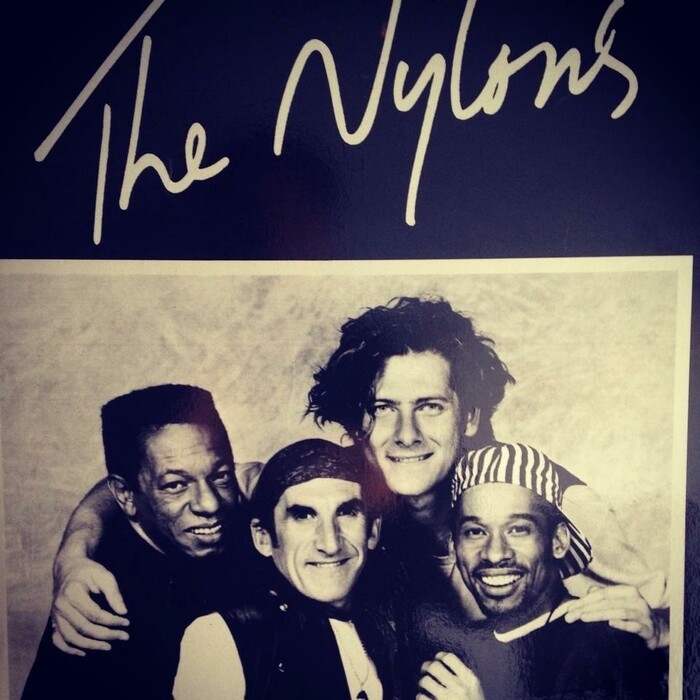
It will be more than just a concert when beloved Canadian jazz vocalist and former member of The Nylons, Micah Barnes, takes the stage for his upcoming solo performance Up On The Roof at Toronto’s Hugh’s Room on June 7. Tickets are now available here. It will be a homecoming of spirit, sound, and song. With just a piano, his voice, and a storied past that spans continents and genres, Micah is preparing to offer something truly rare — a musical journey through a life shaped by doo wop, cabaret, soul, and jazz, rooted in the clubs of Toronto and further developed in Los Angeles, New York, and around the world.
Micah’s voice has long been described as “swoonworthy” by LA Weekly and “unrivalled” by Canadian Musician, and in this intimate performance, he invites audiences not only to hear him sing, but to experience his story. Up On The Roof will explore pivotal moments from his youth in Toronto, through his time with The Nylons, and into his richly textured solo career. This is Micah at his most personal — reflective, joyful, and generous in spirit.
The concert holds special meaning as Micah pays tribute to the legacy of The Nylons and to founding member Claude Morrison, whose recent passing left a deep mark on the Canadian music community. Claude’s voice was a cornerstone of the group’s sound, and his spirit will be celebrated with warmth and gratitude during the evening. This homage to friendship, brotherhood, and shared harmony adds another layer of emotional resonance to an already powerful show.
Micah’s solo work, including chart-topping albums New York Stories and Vegas Breeze, has earned him national acclaim. Now an Alma Records/Universal Music recording artist, his music draws from the golden age of jazz, sophisticated cabaret, classic soul all with a little bit of rock n roll edge from his Queen Street days. In his new concert evening Up On The Roof, Micah will perform songs from his popular recordings alongside beloved Nylons classics like “Two Silhouettes On The Shade” , “Happy Together” and “Up The Ladder To The Roof,” inviting audiences to sing along to the soundtrack of their own memories.
With a unique blend of charisma, musical mastery, and heartfelt storytelling, Micah Barnes has long existed in a space between timeless elegance and bold innovation. His return to the solo stage marks a moment of gratitude for the path behind him and excitement for the road ahead. Each note promises to carry the weight of experience and the lightness of joy.
There are few artists who can hold a room with just a piano and their presence — Micah Barnes is one of them. Up On The Roof will not just be a performance; it will be a gathering of souls, joined in song, remembering where we’ve been and dreaming of where we’re going. For longtime fans and new listeners alike, this is a concert that will live in the heart long after the final note fades.
Tickets for this very special event are expected to move quickly. For full details, please visit www.micahbarnes.com. Come ready to be moved, uplifted, and reminded of the power of music to connect us all.