Home Blog Page 625

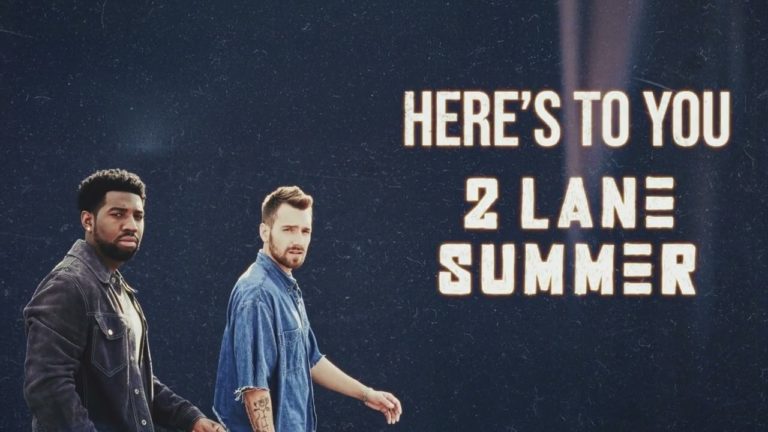
2 Lane Summer Raise a Toast to Small-Town Heroes with New Anthem “Here’s to You”

0

Quartz Hill Records’ newest signing, soulful country-pop duo 2 Lane Summer, today released “Here’s to You,” a summer-party-time toast to our sometimes-forgotten small-town Americans. The infectious, sing-along track is available now across all digital retail and streaming partners.

Best known for their heartfelt romantic ballads, culminating in the release of debut EP The Love Songs, 2 Lane Summer’s Joe Hanson and Chris Ray pick up the tempo when raising a glass in “Here’s to You.” But while the duo might be pushing pause on their love songs era, “Here’s to You” still tips a cowboy hat To the hometown country girls / Makin’ our world spin around.

At the same time, though, this uptempo pop-rocker with a jangly, electric-guitar-driven chorus is all about celebrating work-hard, play-hard country guys:

Here’s to the boys in trucks
Keepin’ it small town
Ridin’ round them girls
Keepin’ them red dirt roads worn down
Here’s to boys in boots
Sunup to sundown
Keepin’ them gears goin’ them tractors rollin’ around round
I’m raising this cold drink up
Keepin’ them map dots cool
If ya been raised on it gonna stay on it boys
Here’s to you

“We wanted to put out a song for all the hard-working, blue-collar people – to let them know we’re right there with you,” says Ray. “When we’ve played the song live, the response we got from the crowd was incredible. People were raising their drinks up, and singing ‘Here’s to You’ with us, which was really cool to see.”

“It just kind of turned the atmosphere into a party and really unified everybody together to celebrate the country men and women who make the world go ’round,” adds Hanson. “I love that ‘Here’s to You’ honors the people who don’t usually get all the attention and the accolades.”

“Here’s to You” was penned by hit songwriter Ash Bowers (Matt Stell’s multi-Platinum No. 1 “Prayed for You”) alongside Johnny Dailey, and Jaron Boyer (Dierks Bentley’s multi-Platinum smash “Somewhere on a Beach”). Bowers also produced the track.

Metallica’s ‘Black Album’ Hits 20x Platinum as ‘Master of Puppets’ Joins Billion-Stream Club

0

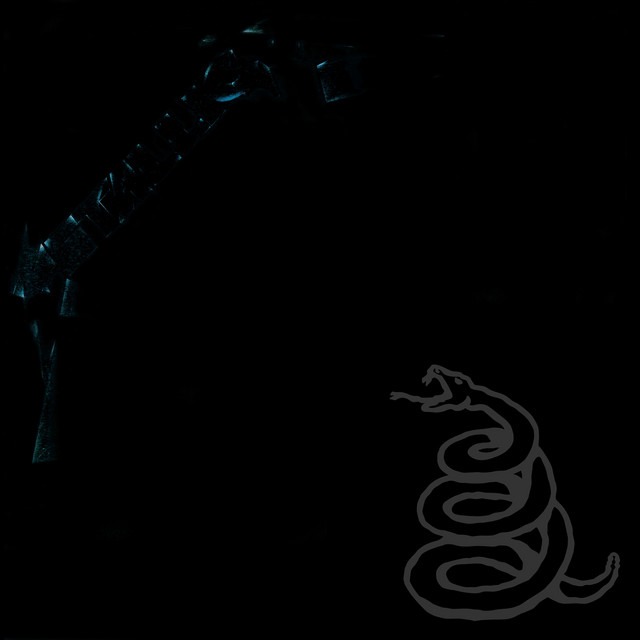
Metallica’s self-titled fifth album a/k/a The Black Album has been certified 20x platinum for sales in excess of 20 million copies, while the band’s third full length, Master of Puppets, has been certified 8x platinum having crossed the eight million mark.

The Black Album‘s 1991 release not only gave Metallica its first #1 album in no fewer than 10 countries, including a 4-week run at #1 in the U.S., its unrelenting series of singles — “Enter Sandman”, “The Unforgiven”, “Nothing Else Matters”, “Wherever I May Roam”, and “Sad But True” — fueled the band’s rise to stadium headlining, radio and MTV dominating household name status. The album’s reception from the press was similarly charged, building over the years from the top 10 of the 1991 Village Voice Pazz & Jop national critics poll to becoming a constant presence in the likes of Rolling Stone’s 500 Greatest Albums Of All Time. The Black Album’s impact and relevance continue to grow with successive generations—it remains unchallenged as the best-selling album of the Luminate era, outselling every release in every genre over the past 30+ years.

Metallica’s 1986 breakthrough third LP Master of Puppets has attained 8x platinum status, having sold more than eight million albums. The heaviest rock album ever to be selected by the Library of Congress for preservation in the National Recording Registry for being “culturally, historically, or aesthetically significant,” Master of Puppets has long been regarded as a watershed moment in the history of rock music. The album’s peerless balance of sheer power and complex song craft would earn Metallica its first gold record, elevating the band to new heights of critical acclaim on the strength of enduring favorites including “Battery,” “Orion” and of course the title track, speaking of which…

… “Master of Puppets” recently followed “Enter Sandman” and “Nothing Else Matters” as the third Metallica song to join the billion streams club, becoming the second longest song to do so. Clocking in at 8:36, “Master…” now sits between former second longest billion streamer “Stairway to Heaven” by Led Zeppelin (8:02) and reigning champion Taylor Swift’s “All Too Well (10 Minute Version).”

Metallica is currently in the midst of the third year of its M72 World Tour, which has seen the band play to more than three million fans across the globe. The M72 shows have been breaking attendance records from Los Angeles’ SoFi Stadium to the JMA Wireless Dome in Syracuse NY, while generating some of the most positive critical notes of the band’s career — and in one case, actual seismic activity, thanks to the unbridled enthusiasm of 70,000+ fans attending the first-ever concert at Lane Stadium in Blacksburg VA.

The 7 Live Recordings That Hit #1 on Billboard

0

Most songs that hit #1 on the Billboard Hot 100 come straight from the studio—polished, layered, and perfected. But once in a while, a live performance captures something so electric, so undeniable, it climbs to the top of the charts just the way it was heard on stage. Here are seven songs that made it to #1 in their raw, live-recorded glory—and reminded us that sometimes, magic really does happen in the moment.

“Fingertips” – Little Stevie Wonder (1963)
Before he dropped the “Little,” Stevie Wonder was just 13 years old when his live performance of “Fingertips” took over the country. Recorded at the Regal Theater in Chicago, the 1963 single was packed with wild harmonica solos, spontaneous call-and-response with the audience, and even a band that wasn’t ready for the encore. It spent three weeks at #1 and made Stevie the youngest artist ever to top the Billboard Hot 100. You can still hear the joy and chaos in every second.

“My Ding-a-Ling” – Chuck Berry (1972)
Chuck Berry, rock ‘n’ roll pioneer, finally scored his first and only #1 hit with this cheeky, double-entendre-filled novelty song. Recorded live in England, “My Ding-a-Ling” had the crowd laughing, singing along, and fully participating in the silliness. It may not have been highbrow, but its infectious humor and Berry’s showmanship gave it two weeks on top of the charts in 1972. Proof that sometimes, the audience is half the performance.

“Coming Up (Live at Glasgow)” – Paul McCartney and Wings (1980)
Paul McCartney originally released “Coming Up” as a quirky studio track, but American audiences couldn’t resist the energetic live version recorded in Glasgow with Wings. The crowd’s energy, the tighter rock arrangement, and the sheer joy of hearing Paul live helped push this version to #1 for three weeks in 1980. Even John Lennon famously preferred the live cut. Sometimes the best version is the one with sweat and applause baked in.

“At This Moment” – Billy Vera and the Beaters (1987)
Originally released in 1981, “At This Moment” went unnoticed until it was featured in a pivotal romantic scene on the TV show Family Ties years later. The version that caught fire was a live recording, filled with raw vulnerability and aching vocals. Fans rushed to buy it, and it hit #1 in early 1987. The audience claps may be faint, but the emotion is as loud as ever.

“Mony Mony” – Billy Idol (1987)
The Tommy James & the Shondells original hit #3 in the ’60s, but Billy Idol’s amped-up live version from 1987 took it all the way. With a pounding rhythm, raucous crowd energy, and Idol’s sneering swagger, this version screamed party anthem. It hit #1 for one week and probably soundtracked a thousand college keggers that fall. And yes, the audience chant added between the lines is now infamous.

“Don’t Let the Sun Go Down On Me” – George Michael and Elton John (1992)
When two icons share a stage, history tends to happen. George Michael brought Elton John on as a surprise guest during a live concert, and the duet was so powerful it became a single. Their performance of “Don’t Let the Sun Go Down On Me” hit #1 in 1992, nearly two decades after Elton’s original. With crowd roars and powerhouse vocals, it’s one of the most emotional live recordings ever to top the charts.

“I’ll Be There” – Mariah Carey (1992)
Mariah Carey and Trey Lorenz turned the Jackson 5 classic into a goosebump-inducing moment during MTV Unplugged. Their stripped-down, soul-drenched live rendition hit #1 for three weeks in 1992 and introduced a new generation to a timeless promise of love and support. You can hear the audience gasp, cheer, and fall in love in real time. A live track so flawless, it could have been the studio version.

In an era of pitch-perfect production, these seven tracks proved that raw vocals, real-time reactions, and live chemistry still have the power to move people straight to the top of the charts. Sometimes, all it takes is a mic, a stage, and a crowd to create a moment you’ll never forget.

The ONLY Songs That Hit #1 on Billboard… Twice!

0

It’s hard enough for a song to reach #1 on the Billboard Hot 100 even once. But some tracks are so good, so catchy, and so timeless, they climbed to the top spot twice—by entirely different artists, in entirely different decades. From bubblegum pop to synth-powered reinventions, these nine tracks prove that a great song never goes out of style.

“Go Away Little Girl” – Steve Lawrence (1963) and Donny Osmond (1971)
Steve Lawrence first took “Go Away Little Girl” to #1 in 1963, bringing a smooth and sentimental style to the tune written by Gerry Goffin and Carole King. Then in 1971, teen heartthrob Donny Osmond revived it with a fresh, youthful energy and took it to the top all over again. At just 13 years old, Osmond became the youngest solo male artist to hit #1 in the U.S. at the time. It’s one of the rare songs to make teenage heartbreak sound timeless across generations.

“The Loco-Motion” – Little Eva (1962) and Grand Funk (1974)
Little Eva made her debut with “The Loco-Motion” in 1962 and turned a dance craze into a #1 smash. More than a decade later, Grand Funk Railroad turned the same song into a full-on rock anthem in 1974, complete with crunchy guitars and arena-ready energy. Two different sounds, same irresistible rhythm. Whether it’s on a jukebox or a gym playlist, “The Loco-Motion” still gets people moving.

“Please Mr. Postman” – The Marvelettes (1961) and The Carpenters (1975)
The Marvelettes delivered Motown’s very first #1 single in 1961 with “Please Mr. Postman,” a heartfelt plea set to a catchy beat. In 1975, The Carpenters brought their soft rock polish and pristine harmonies to the same song and mailed it straight to the top of the charts once more. Different voices, same yearning. It’s a musical reminder that waiting for a letter—or a hit song—can really pay off.

“Venus” – Shocking Blue (1970) and Bananarama (1986)
In 1970, Dutch rock band Shocking Blue brought a mythical flair to the charts with “Venus,” crafting a hypnotic love song that mixed psychedelia with pop hooks. Sixteen years later, Bananarama gave the track a neon-lit makeover, turning it into an irresistible dance floor anthem. Both versions went straight to #1, proving that the goddess of love reigns supreme in any era.

“Lean on Me” – Bill Withers (1972) and Club Nouveau (1987)
Bill Withers made “Lean on Me” a soul classic in 1972, offering warmth, community, and comfort in every verse. In 1987, Club Nouveau reimagined it with a funky, upbeat New Jack Swing style that gave the timeless lyrics a fresh sound. Both versions reached #1, each delivering the same message in different musical languages: everyone needs someone to lean on.

“You Keep Me Hangin’ On” – The Supremes (1966) and Kim Wilde (1987)
The Supremes powered through heartbreak in 1966 with “You Keep Me Hangin’ On,” fusing urgency and emotion with Motown’s signature groove. Kim Wilde turned it into a synth-driven power anthem in 1987, giving it a sleek, modern edge that struck a chord with a new generation. It’s the same plea for freedom, told through two equally passionate voices nearly 20 years apart.

“When a Man Loves a Woman” – Percy Sledge (1966) and Michael Bolton (1991)
Percy Sledge’s 1966 version of “When a Man Loves a Woman” is a soul masterpiece, filled with raw emotion and aching vulnerability. In 1991, Michael Bolton’s powerful vocals brought a new intensity to the song, earning him a Grammy and another #1 hit for the ages. Two powerhouse performances of the same timeless theme—love, in all its messy, beautiful glory.

“I’ll Be There” – The Jackson 5 (1970) and Mariah Carey (1992)
The Jackson 5’s “I’ll Be There” was a soulful, heartfelt promise from a young Michael Jackson in 1970, capturing devotion and warmth in every note. In 1992, Mariah Carey and Trey Lorenz breathed new life into it with a stripped-down, live MTV Unplugged performance that soared to the top. Two different eras, two different stages, one unforgettable message: I’ll be there.

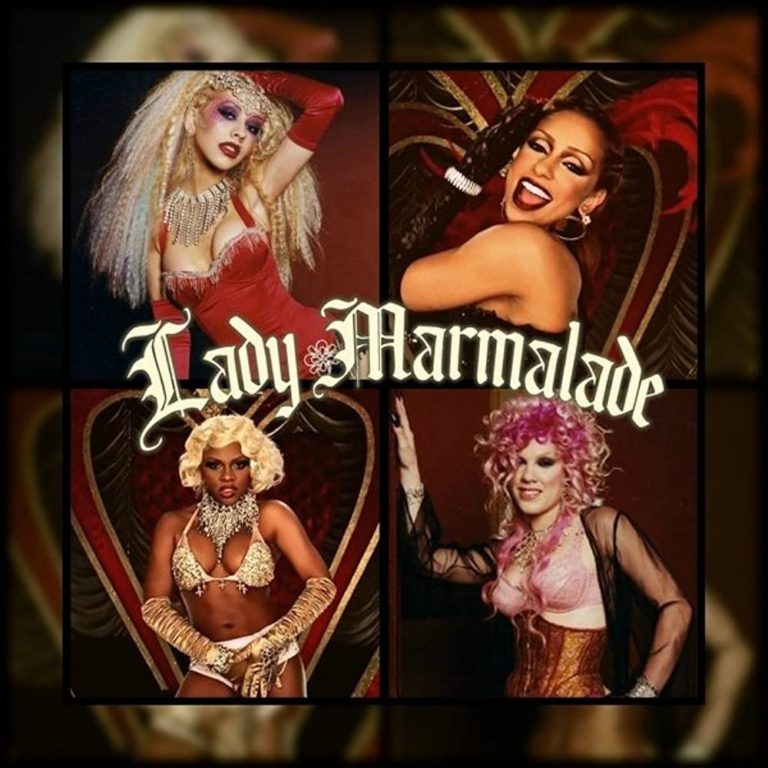
“Lady Marmalade” – Labelle (1975) and Christina Aguilera, Lil’ Kim, Mýa, Pink (2001)
Labelle made “Lady Marmalade” a funky, fearless anthem in 1975 with unforgettable vocals and unapologetic sass. In 2001, it exploded again when Christina Aguilera, Lil’ Kim, Mýa, and Pink teamed up for the Moulin Rouge! soundtrack, adding glamour, grit, and a whole lot of fire. Both versions hit #1 and made “Voulez-vous coucher avec moi” one of the most iconic hooks in pop history.

Some songs are destined to be hits. Others? They’re destined to be hits again. Different artists, different decades—but the same #1 magic.

20 Amazing Music Nicknames That Hit All the Right Notes

0

Nicknames in music are earned. They come from audiences, peers, and moments that stick. They reflect greatness, influence, and style—all in just a few words. Here are 20 musicians whose nicknames say exactly who they are.

1. The Boss – Bruce Springsteen
A name born on the Jersey stages, where he handed out the pay and commanded every spotlight.

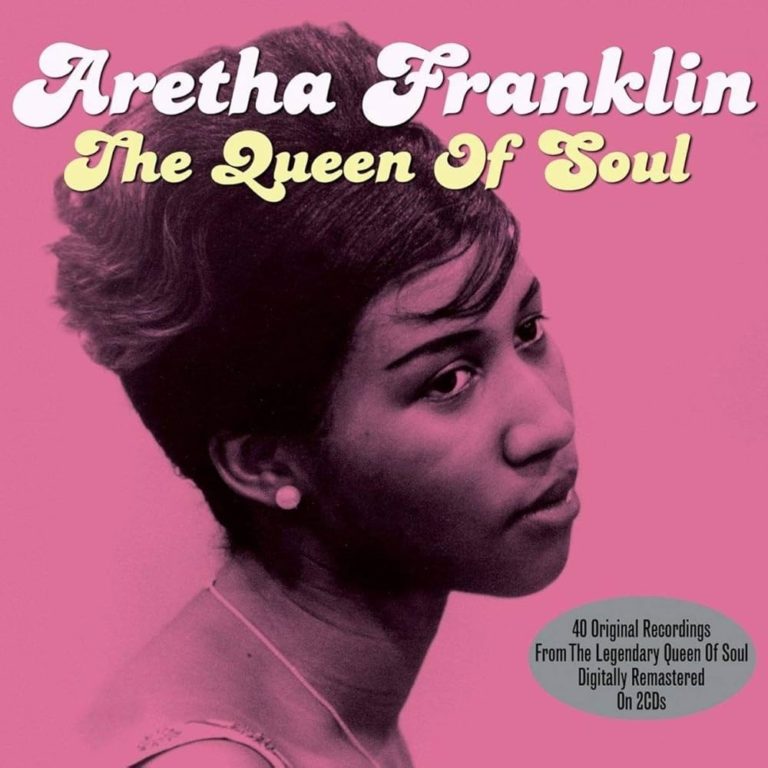
2. Queen of Soul – Aretha Franklin
Her voice carried generations, lifting gospel, R&B, and respect all at once.

3. The King – Elvis Presley
A swivel, a sneer, and a song turned him into American royalty.

4. The Godfather of Soul – James Brown
He brought rhythm, power, and nonstop motion to the center of the stage.

5. Prince of Motown – Marvin Gaye
He gave love, loss, and protest a smooth and unforgettable voice.

6. Queen of Pop – Madonna
She ruled MTV, arenas, and dance floors with bold vision and hit after hit.

7. The Piano Man – Billy Joel
He played barroom ballads and New York stories with melody and heart.

8. The Man in Black – Johnny Cash
He wore black for the forgotten and sang with deep conviction.

9. The First Lady of Song – Ella Fitzgerald
Her voice swung, soared, and never missed a note.

10. Slowhand – Eric Clapton
Fans waited as he tuned up, then he played like nobody else could.

11. Queen Bey – Beyoncé
She rose with grace and strength, setting the gold standard in performance.

12. The Thin White Duke – David Bowie
A cool, sharp character in a long line of transformations and brilliance.

13. The Voice – Whitney Houston
Every note she sang carried clarity, range, and raw emotion.

14. The Genius – Ray Charles
He saw music in every sound and shaped it into something timeless.

15. King of Pop – Michael Jackson
He danced, sang, and redefined spectacle in music across the world.

16. The Empress of Soul – Gladys Knight
She delivered feeling and depth with every verse and chorus.

17. The High Priestess of Soul – Nina Simone
She blended music and message with unmatched force and beauty.

18.The Godmother of Punk – Patti Smith
She gave punk its poetry, voice, and soul with fearless lyrics and raw power.

19. The Architect of Rock and Roll – Little Richard
His piano shook, his voice screamed, and rock was born.

20. The Queen of Country – Dolly Parton
She wrote songs that stayed forever and made every stage feel like home.

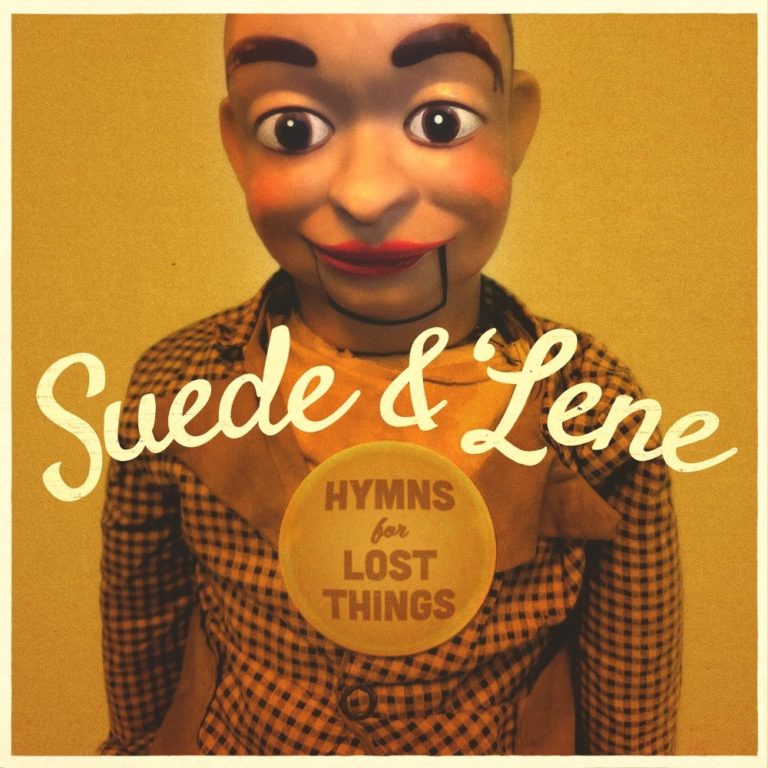
Suede & ‘Lene Share “B.O.T.T.” From Debut Album, Led by Angelo Petraglia and Eulene Sherman

0

SUEDE & ‘LENE – the Nashville-based band led by GRAMMY Award-winning songwriter/producer Angelo Petraglia (Kings of Leon, Patty Griffin, Emmylou Harris, Taylor Swift) and powerhouse frontwoman Eulene Sherman – have shared their newest single, “B.O.T.T.,” a track they describe as “a love letter that sounds like it was written in a rent controlled haunt on Amsterdam Avenue in New York City.”

Infused with smooth harmonies and wailing saxophone, “B.O.T.T.” paints a picture of a wine-filled summer night with a lover while an album of love and loss is playing low in the background on the stereo.

SUEDE & ‘LENE didn’t plan this. Not really. One minute, Angelo Petraglia, a seasoned Nashville songmaker and sonic architect known for his work with artists spanning Carrie Underwood, Taylor Swift, and Trisha Yearwood to Kim Richey, The Black Keys, and Peter Wolf, was firing off songs in the worn-in corner of their 100-year-old Nashville bungalow.

The next, Eulene Sherman, a classically-trained singer, actor, and frontwoman with such acclaimed combos as The Jane Shermans, was weaving harmonies, basslines and melodies into the mix. It wasn’t a band yet – just the buzz of two people with too much music in their heads to ignore it.But the songs wouldn’t stop. Coffee-fueled jam sessions turned into notebooks full of ideas. Somewhere along the way, the two New York City-born, Nashville transplants realized they weren’t just dabbling – they were building something special. Angelo and Eulene decided they wanted more. More sound, more voices, more dimension.

A handpicked group of crack players were enlisted to flesh out their songs with the same deliberate care that birthed them, veteran musicians like 3x GRAMMY® Award winning mandolinist Sam Bush (New Grass Revival, Lyle Lovett, Emmylou Harris) and pedal steel master Dan Dugmore (Linda Ronstadt, James Taylor).

What had started as a loose idea snowballed into an epic recording spree.

“It was coming fast,” Petraglia says, “it was really flowing.”

SUEDE & ‘LENE somehow narrowed their prolific chaos in the tightly focused 10 tracks that comprise their lively and inventive debut album.

From the autobiographical “Nashville ‘93”and slinky, insistent “B.O.T.T.” to the anthemic “Livin In The Country” and the Stooges-style rocker “I Was In a Cult,” SUEDE & ‘LENE have crafted a collection of songs that sounds like a collision of worlds – sweet but unpolished, intricate but impulsive, balancing razor-sharp instincts with raw, unvarnished intimacy and concise social commentary.

“A Message From Jane” may well be the LPs artistic centerpiece, introducing a fictional protagonist, “Jane,” whose arresting reflections on life pour out as she struggles with her life as a musical artist throughout the album.

“She’s trying to get that recognition, but not really feeling it all the time,” says Petraglia, “sometimes being used and experiencing the disappointment that comes with it. Hopefully, Jane’s still around.”

Concocted from the wisdom of experience, well-oiled skill, and just the right blend of confidence and humility, SUEDE & ‘LENE have fused their myriad talents and musical approaches into a truly remarkable debut album – inspired, modern, and, uniquely their own.

Summer Camp Music Festival Announces 25th Anniversary Loyalty Presale for 2026

0

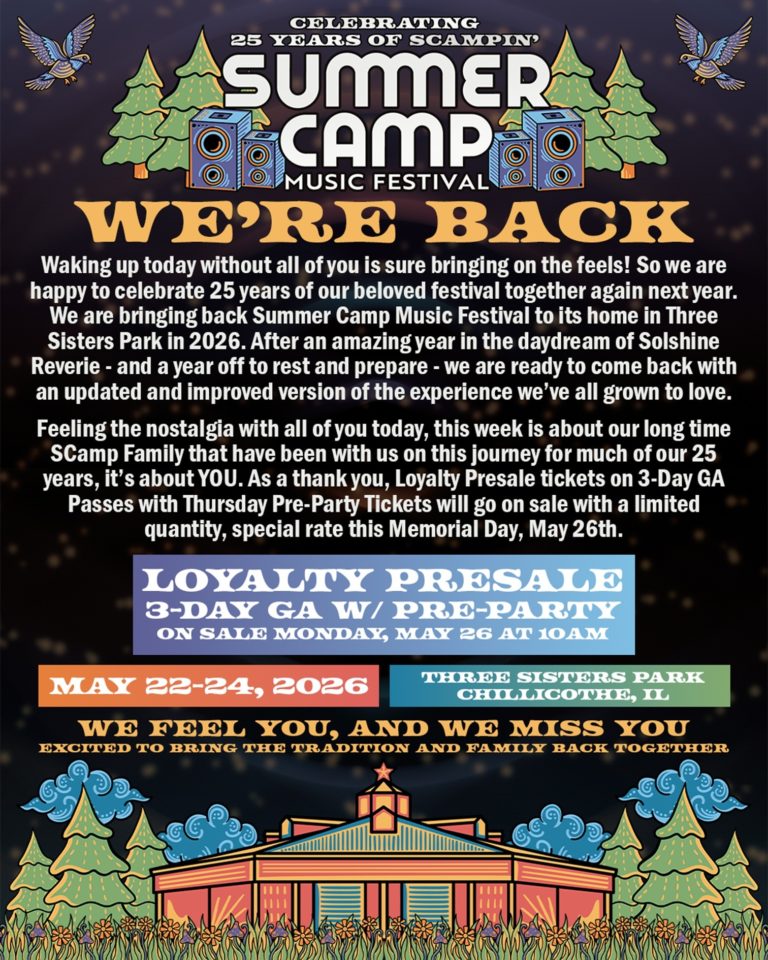
Summer Camp Music Festival is thrilled to announce that a Loyalty Presale for its highly anticipated 25th Anniversary celebration in 2026 will go on sale Monday, May 26 at 10:00 AM CT. This special release honors the festival’s deep-rooted tradition of taking place over Memorial Day Weekend at Three Sisters Park in Chillicothe, Illinois.

While the festival took a planned hiatus in 2025, organizers are offering fans a chance to secure their spot early for what is set to be one of the most memorable Summer Camp celebrations to date. The 2026 edition will mark 25 years of music, community, and connection, and will see the return of the multi-genre, multi-day experience that has become a cornerstone of the Midwest music scene and beyond.

The Loyalty Presale offering will include discounted 3-Day General Admission Passes with the inclusion of a Thursday Pre-Party ticket, available for a limited time and only while supplies last. These tickets are a thank you to the SCamp community for two and a half decades of support, and an opportunity for longtime fans to be part of the festival’s legacy year.

Ian Goldberg, Festival Founder, “Waking up today without all of you is sure bringing on the feels! So we are happy to celebrate 25 years of our beloved festival together again next year. We are bringing back Summer Camp Music Festival to its home in Three Sisters Park in 2026. After an amazing year in the daydream of Solshine Reverie – and a year off to rest and prepare – we are ready to come back with an updated and improved version of the experience we’ve all grown to love.

Feeling the nostalgia with all of you today, this week is about our long-time SCamp Family that have been with us on this journey for much of our 25 years, it’s about YOU. As a thank you, Loyalty Presale tickets on 3-Day GA Passes with Thursday Pre-Party Tickets will go on sale with a limited quantity, special rate this Memorial Day, May 26th.”

Chris Cheek’s ‘Keepers of the Eastern Door’ Melds Nature, Jazz, and Legacy with Bill Frisell and Analog Warmth

0

As European settlers moved westward from the Atlantic coast of North America, the Mohawk people – the easternmost tribe of the Iroquois Confederacy – became known as “Keepers of the Eastern Door” for their role as guardians against invasion from the encroaching colonizers.

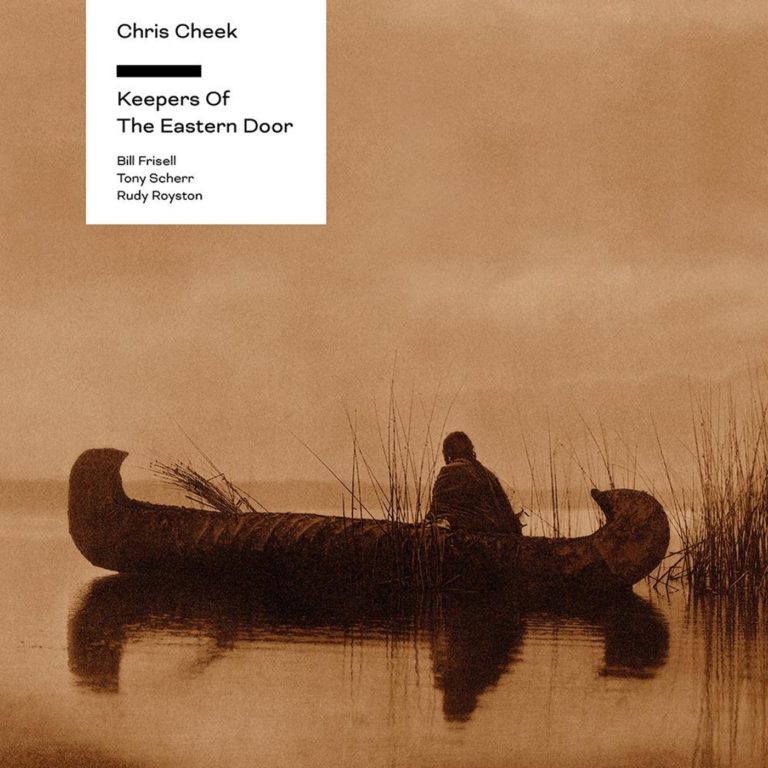
The outcome of that battle may seem inevitable from the historical perspective, but the tension at its heart, between those who respect and live in harmony with the land and those who view the Earth from a more rapacious perspective, persists. In “The Kutenai Duck Hunter,” the image by photographer and ethnologist Edward Curtis that graces the cover of his breathtaking new album, Keepers of the Eastern Door, acclaimed saxophonist and composer Chris Cheek sees those two parallel mindsets represented in the reflection of a canoe in the river as its occupant looks to the horizon – and an uncertain future.

These ideas lend richness and depth to Cheek’s stunning music throughout Keepers of the Eastern Door, out May 23, 2025 via Analog Tone Factory. The album features a remarkable all-star quartet, with Cheek joined by revered guitarist Bill Frisell, bassist Tony Scherr, and drummer Rudy Royston for a wide-ranging but harmonious repertoire including captivating originals and covers by everyone from The Beatles to Henry Purcell, Olivier Messiaen to Henry Mancini.

The idea for Keepers of the Eastern Door was born when Cheek was fascinated by another Curtis photograph, featuring a line of Native Americans on horseback dwarfed by the rock formations of Arizona’s Canyon de Chelly, at the St. Louis Art Museum. Cheek had grown up in the city, enjoying nature with his family. He realized that the same year that the sepia-tinged photo had been taken, the building in which he was viewing it had been built for the 1904 World’s Fair, aka the Louisiana Purchase Exposition – a celebration of the massive land acquisition that doubled the size of the United States.

“Having spent a lot of time in the outdoors growing up and then having lived in Boston and New York for many years, I found a schism between the natural world and the highly industrialized society that we live in,” Cheek says. “I started thinking about Keepers of the Eastern Door as a metaphor for people that try to preserve a way of life based on traditional values that are less materialistic and more respectful of our surroundings.”

These concepts were already stirring when Cheek was approached by fellow saxophonist Jerome Sabbagh and pianist/recording engineer Pete Rende, who had launched their new analog-focused label Analog Tone Factory in 2024 with Sabbagh’s Heart. Sabbagh and Rende suggested the idea of recording with Frisell, with whom Cheek shared a bit of history dating back to his years playing with the legendary drummer Paul Motian.

“When I discovered Bill as a student at Berklee,” Cheek recalls, “his sound and approach were so different that it changed how we heard and conceived of music. I still love Bill for how musical and honest he is. Everything he plays is an idea, never a lick or a riff. I think that’s what makes his playing so fascinating and engaging.”

With Frisell in mind Cheek invited Scherr and Royston to complete the line-up for the session. Both share storied histories with the guitarist, together and as members of two of Frisell’s longstanding trios – Scherr with drummer Kenny Wollesen, Royston with bassist Thomas Morgan. “There’s been a long tradition of horn players working with famous rhythm sections,” Cheek points out. “I wanted to play with people that were comfortable together, musically and personally, so there would be an immediate chemistry.”

Frisell, who met Cheek many years ago on a gig with Paul Motian, says,”There was a sound happening. I knew then that we had to play more. We did. And now, years later, it’s been wonderful to reconnect with him and two of my closest musical brothers. Tony Scherr and Rudy Royston. Thanks so much to Chris for bringing us all together with this beautiful music.”

The quartet convened at New York’s famed Power Station studio last November, with an approach suggesting the audiophile version of the modernist/traditional dichotomy that inspired the recording: an essentially live recording, with the band together in one room recording to analog tape, the philosophy behind Analog Tone Factory. For ultimate fidelity, the album was recorded live to two track on 1/2 inch tape at 30 ips on a custom tube Ampex 351 tape recorder, by famed engineer James Farber. It was mastered in the analog domain by the legendary Bernie Grundman.

“I think it’s a great idea,” Cheek says. “Recording to tape just sounds so much better; there’s a warmth and a depth that you just don’t get in a purely digital realm. I really admire Jerome and Pete for undertaking this.”

One of the master saxophonists of his generation, Cheek pairs strikingly with Frisell throughout Keepers of the Eastern Door. Both are melodically focused players and virtuosos who never feel the need to display their estimable chops. Their directness of expression and ability to coax vivid emotions from any material is brilliantly showcased, creating a cohesive sound even as Purcell’s 17th century art song “Lost Is My Quiet” leads into the ‘60s pop of The Beatles’ “From Me To You.” They’re ably supported by the sensitivity, deftness of touch and infallible instincts of Scherr and Royston.

Cheek’s three original compositions for the album sit comfortably alongside these masterful classics. In keeping with the “mirrored realities” notion of the album’s theme, for opener “Kino’s Canoe” the saxophonist made use of a technique that he has drawn from in the past: mirroring the melody and harmony of a popular song, then using that reversed material as the leaping off point for a new work built on unexpected phrases. An equally intriguing process rests underneath “Go On, Dear,” for which Cheek wrote a new melody based on the lyrics of a familiar standard.

Without being explicit, the music on Keepers of the Eastern Door beautifully captures a spiritual communion with the natural world and the possibility of a life in harmony with the planet that surrounds and nurtures us. “I’m reluctant to use the term spiritual,” Cheek concludes, “but that’s the term often used to describe a realm that exists but that we can’t see or quantify.” Native and traditional cultures acknowledge that dimension of reality that we’ve lost touch with today. Seeing that figure sitting in the canoe suggests to me a parallel world that supports the one that we can put our finger on, but is hard to talk about.”

Originally hailing from St. Louis, Missouri, Chris Cheek, born in 1968, is one of the most sought after saxophonists in the jazz world today, having played in the groups of legends such as Paul Motian, Charlie Haden, Steve Swallow and Bill Frisell. Known for his lyricism, and a warm, distinctive sound, he is a refreshingly individual musician, whose albums Saturday Songs (Sunnyside), I Wish I Knew, A Girl Named Joe, Vine, and Blues Cruise (Fresh Sound) have all received rave reviews internationally, and become favorites among players and listeners alike. He is also co-leader of the bands Rudder, the Bloomdaddies and Reeds Ramble. A long time member of Guillermo Klein’s Los Guachos, Chris has also recorded and performed with the big bands of Dafnis Prieto, Alan Ferber and Miguel Zenon.

Chris’ music encompasses a wide vista, firmly rooted in the jazz tradition with a foot towards the unknown. As Steve Swallow and Carla Bley put it: “On the one hand, he’s the very embodiment of gentle, graceful lyricism. But he’s unable to resist the urge to subvert. He’s a master of the sucker punch; just when he’s convinced you that things couldn’t be sweeter, he’ll play something that jolts you right back to real life, something as direct and succinct as an uppercut.” His colleague, composer Guillermo Klein says of Cheek: “[Chris] is one of my favorite people in this world. An amazingly gifted musician in constant communion with sound. For more than 20 years I’ve been blessed to share music with him, and I have to say that every note and phrase he played to date has been beautiful and meaningful.”

Analog Tone Factory is a new label that records exclusively to analog tape. Founded by saxophonist Jerome Sabbagh, and pianist and recording engineer Pete Rende, Analog Tone Factory uses the best of the technologies of today and yesterday alike to make great sounding records with some of the best musicians alive. Albums are available on all analog vinyl and reel to reel tapes, as well as CD and digital formats, including streaming. All AAA vinyl albums come with a download card for an uncompressed hi resolution 192/24 download.


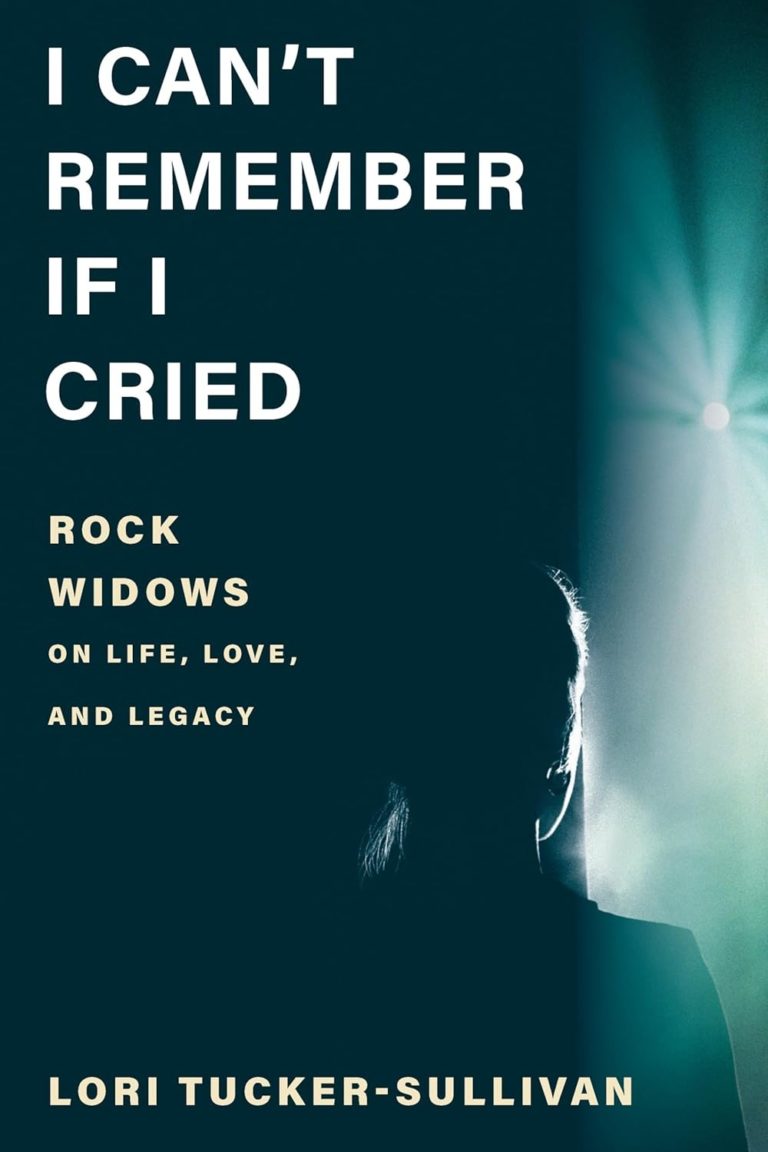
‘I Can’t Remember If I Cried’ by Lori Tucker-Sullivan Amplifies the Voices of Rock Widows

0

The stories of rock musicians who die young are the thing of lore and legend. Accidents, drug overdoses, plane crashes—all have taken the lives of male rock stars still in their primes. But what became of their widowed brides? How did they survive a loss so great? What is it like to have to share your grief with millions of strangers? And where are these widows today?

I Can’t Remember if I Cried is part music history, part memoir, based around interviews with rock widows conducted by Lori Tucker-Sullivan—who herself lost her husband in 2010. With each widow that Lori interviews, she learns lessons in love, forgiveness, coping, and moving on. The book is framed by the author’s own narrative to create a single thread that links the stories together to ultimately create a tale of how the author’s life is changed through her interactions with these amazing women.

Among the women profiled by Tucker-Sullivan:

  • Judy VanZant who, after losing husband Ronnie of Lynyrd Skynyrd, sued the re-formed band in order to protect her interests.
  • Sandy Chapin, widow of Harry Chapin, who has worked tirelessly to uphold Harry’s significant legacy around activism and hunger prevention.
  • Crystal Zevon, the ex-wife of Warren Zevon, who provides details of her abusive relationship with Warren and how she resolved her anger and grief.
  • Jamie Weiland, widow of Stone Temple Pilots’ Scott Weiland, speaking openly of Scott’s mental health, which at times kept him housebound for days.
  • Janna Leblanc, widow of Stevie Ray Vaughan, who shares the details of her visits with Stevie in rehab.

These women lived through the backstage chaos and the front-page headlines. Their stories remind us that behind every tragic chorus is someone still trying to find the bridge.

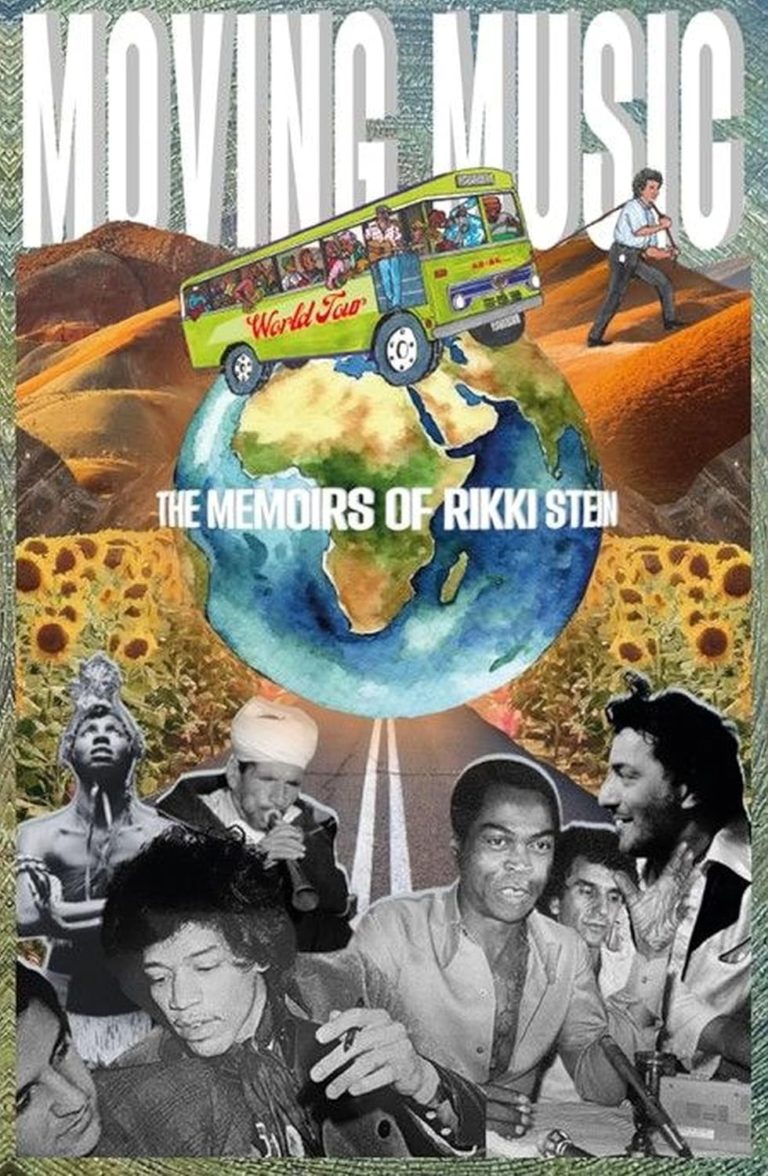
Rikki Stein’s ‘Moving Music’ Memoir Charts a Life on the Road With Legends

0

Renowned music manager, Rikki Stein, has spent nearly six decades moving musicians around the world, and this book recounts a lifetime of adventure on the road. Always in the right place at the right time, Rikki was part of the great countercultural moments of the last century, from Woodstock and the Vietnam War Moratorium March to the launch Glastonbury Festival.

Throughout this extraordinary time, Rikki has toured some of the world’s most iconic musicians and groups, from The Jimi Hendrix Experience, The Kinks, The Animals, The Yardbirds,The Moody Blues, Grateful Dead to managing the Nigerian superstar, Fela Kuti and many other iconic artists.

Full of extraordinary, sometimes hilarious, stories of life on the road, this memoir recounts the joys, frustrations and surprises of juggling logistics, local politics and the whims of his creative clients to deliver true, life-enhancing moments of moving music.